It Was the Only Way to Know What Was On

There was no on-screen guide, no channel information, no banner, no menu and no way to ask the television what it was about to show you. The set had a dial and a picture, and that was the whole interface.
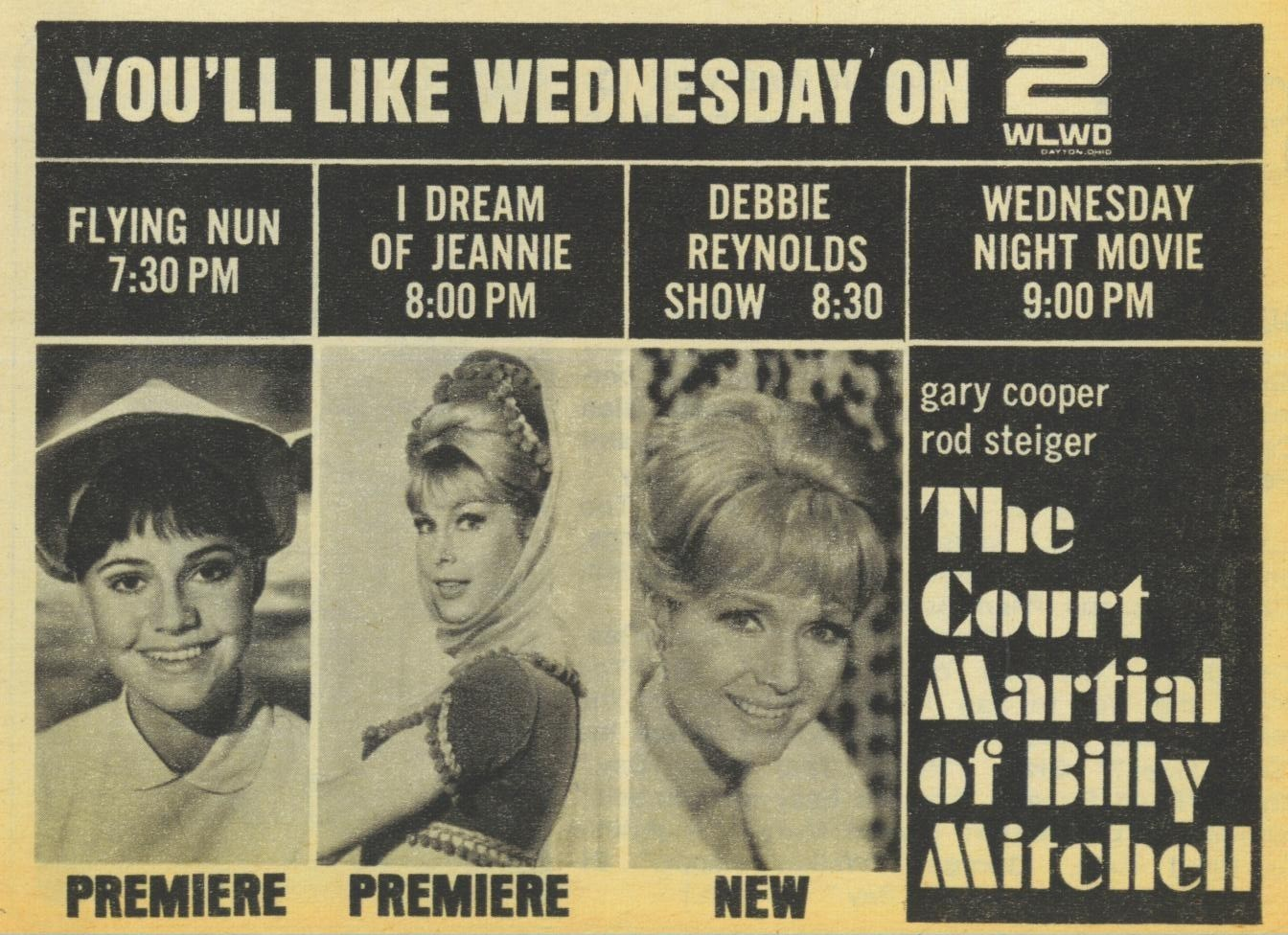
So the schedule arrived on paper. A weekly listings magazine, bought at a supermarket checkout or delivered, laid out as a grid – time across one axis, channels down the other – with half-hour and hour blocks filled with titles.
If a programme was not in the grid, it did not exist as far as the household was concerned. People did not discover television by browsing; they read about it in advance and decided.
That is the structural fact underneath everything else here. The magazine was not a companion to the television. It was the index, the only index, and without it a viewer could do nothing but turn the dial and see what happened to be there.
Like our content? Follow us for more.
The Week Was Planned in Advance, in Pen
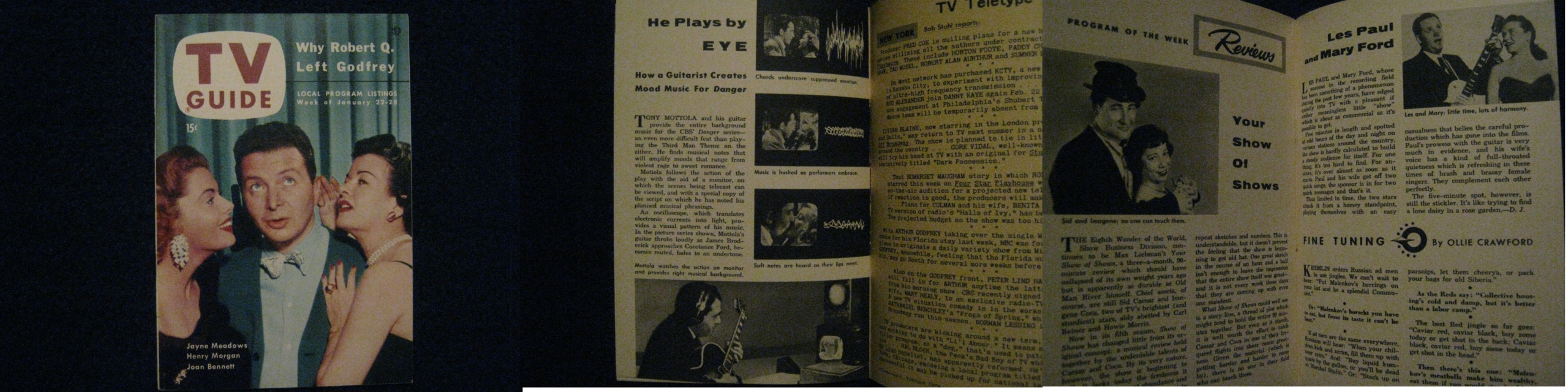
The magazine arrived, somebody went through it, and the week’s viewing was decided – frequently with marks in the margin, circles round programmes, a corner folded down, or a note written on the cover.
That planning was necessary because the household had one television and several people with different intentions. A conflict at eight o’clock on Thursday was identified on Sunday and negotiated days in advance, which is a considerably more civilised arrangement than discovering it at five to eight.
The magazine therefore functioned as a scheduling document for the family rather than as entertainment journalism. It was consulted, annotated, argued over and left open at the relevant page on top of the set.
And because the grid showed everything simultaneously, it made the cost of each choice explicit. Watching one programme at eight meant visibly giving up the other two, printed right beside it, with no possibility of recovering either.
Missing Something Meant Missing It
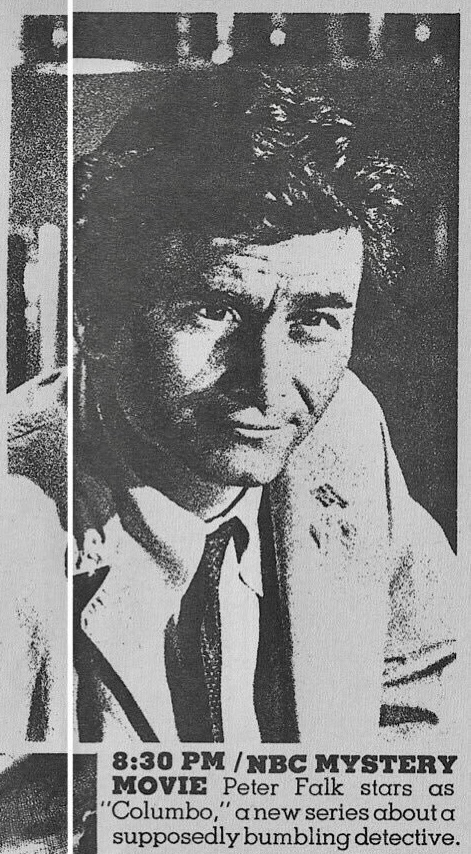
There was no recording, no catch-up, no repeat that week and no way to see a programme again until a network chose to show it.
A missed episode was simply gone. You asked somebody what had happened, and they told you, and that was your version of it. Entire plots were known to people second-hand.
The one mechanism for recovery was the summer rerun season, when networks repeated the year’s episodes through the warmer months – which is why reruns were a scheduled institution rather than a filler, and why people watched them deliberately. The rerun was the catch-up service.
This is also why appointment viewing produced the audience figures it did. A programme broadcast once, with no alternative, to a nation with three channels, assembles an audience that modern television cannot approach – not because the programmes were better but because there was nowhere else to be at nine o’clock.
The Regional Editions Made It a Local Document
The magazine was published in many separate regional editions, because the channel line-up, the station numbers and the local programming differed from one area to another.
That meant the copy in a household was specific to its town: the local station’s schedule, the local news times, the local children’s host, the local sign-off. A copy from one city was useless in another.
Those regional pages are now a genuinely valuable historical record, and for an unexpected reason. Local broadcasting of the period is poorly documented, much of it was never recorded, and a great deal of what is known about what a particular station actually showed on a particular evening comes from the listings grid rather than from the broadcaster’s own archives.
A weekly magazine that was thrown away by the million turns out to be the primary source for an entire layer of media history.
The Front Section Was the Only Television Writing Most People Read
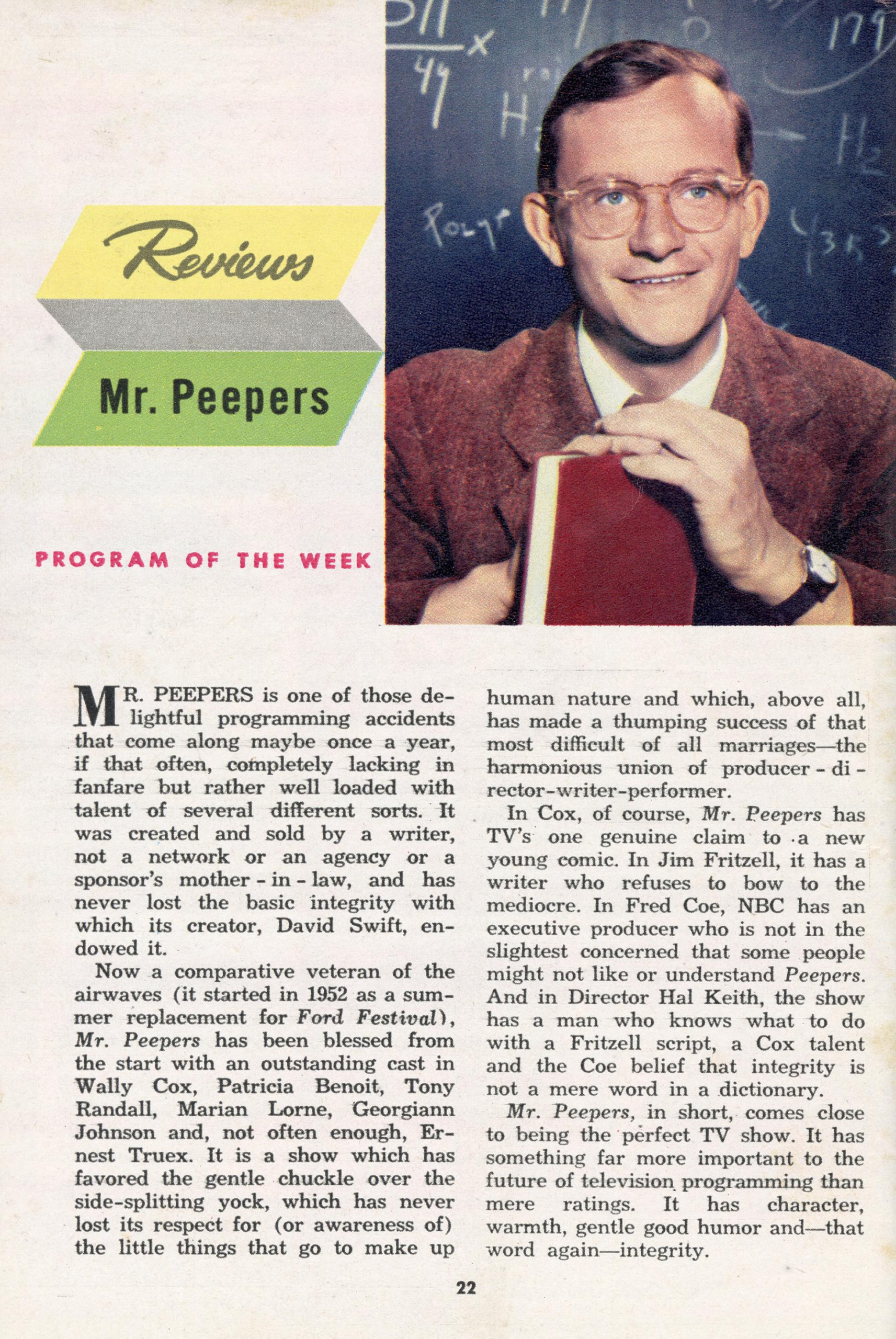
Beyond the grid was editorial – interviews, features, columns, a question-and-answer page about actors and programmes, and reviews.
For a very large number of households this was the entirety of their television journalism. There was no other place to read about programmes, no criticism in most local papers, and no way to find out anything about a performer except by waiting for the magazine to cover them.
Which gave the publication an unusual amount of influence for its size and price. A feature in the front section was, for a programme or a performer, close to the only national exposure available outside broadcast itself.
The question-and-answer page is the part people remember most warmly – readers writing in to ask what had happened to a cancelled series or whether a particular actor was still alive, and the answers printed weeks later. It was a slow, public, collective television conversation conducted by post.
It Was Pocket-Sized on Purpose and That Was the Business
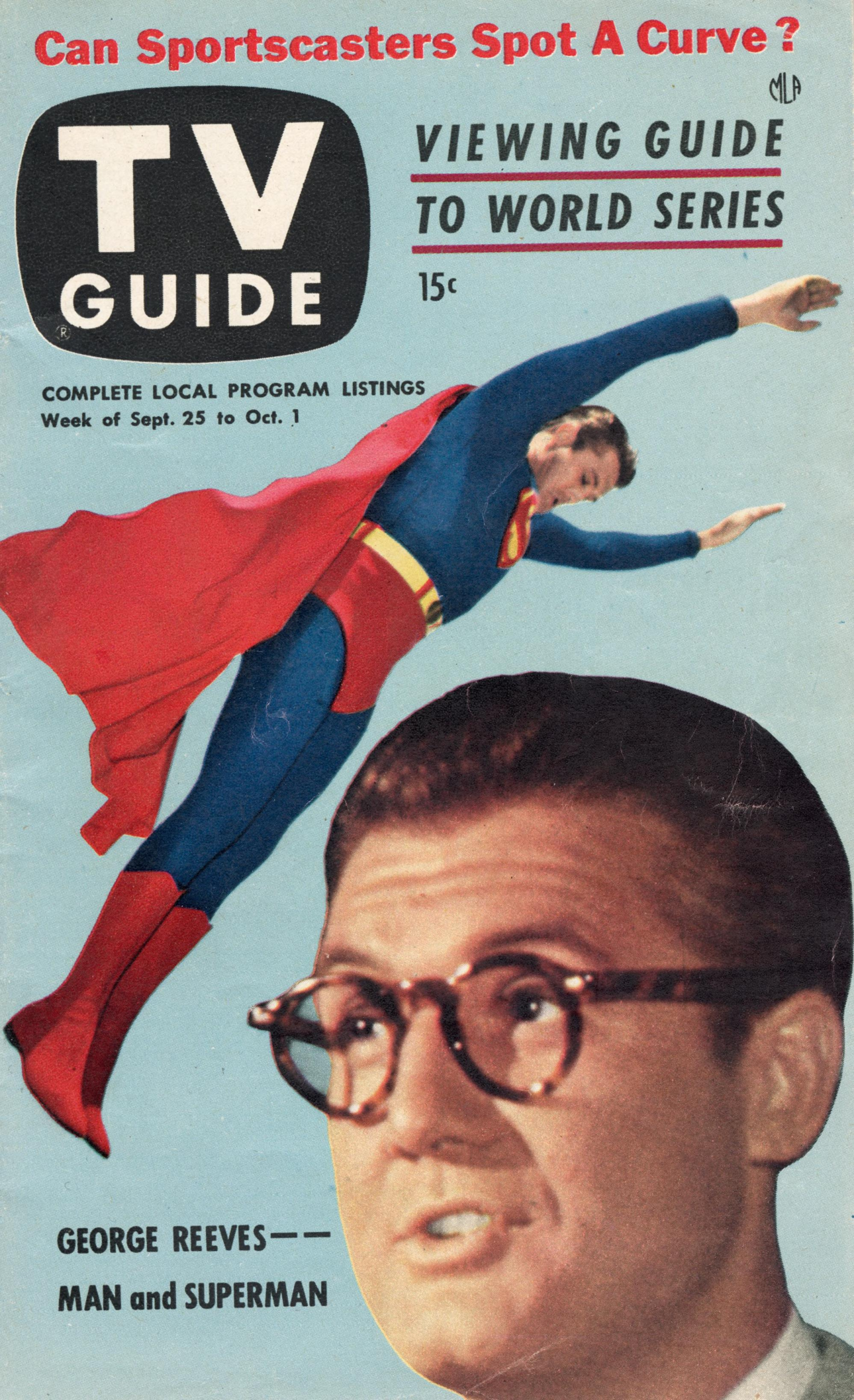
The format was small – digest-sized rather than magazine-sized – and that was a commercial decision rather than an aesthetic one.
A small publication fits in a rack at a supermarket checkout, which is where impulse purchase happens, and it fits on top of a television set, in a magazine rack beside a chair, or in a pocket. It was designed to be bought weekly without thought and kept to hand all week.
The economics followed from the frequency. A weekly purchase at a low price, bought by an enormous number of households, every week, indefinitely, produced circulation figures that made it one of the most widely read publications in the country – achieved not by being excellent but by being necessary.
Which is the pattern with reference publications generally. The directory, the timetable, the almanac and the listings grid all sold in quantities that no magazine of opinion could match, because people were not buying them to enjoy them.
The Special Issues Were Kept and Some Are Still in Attics
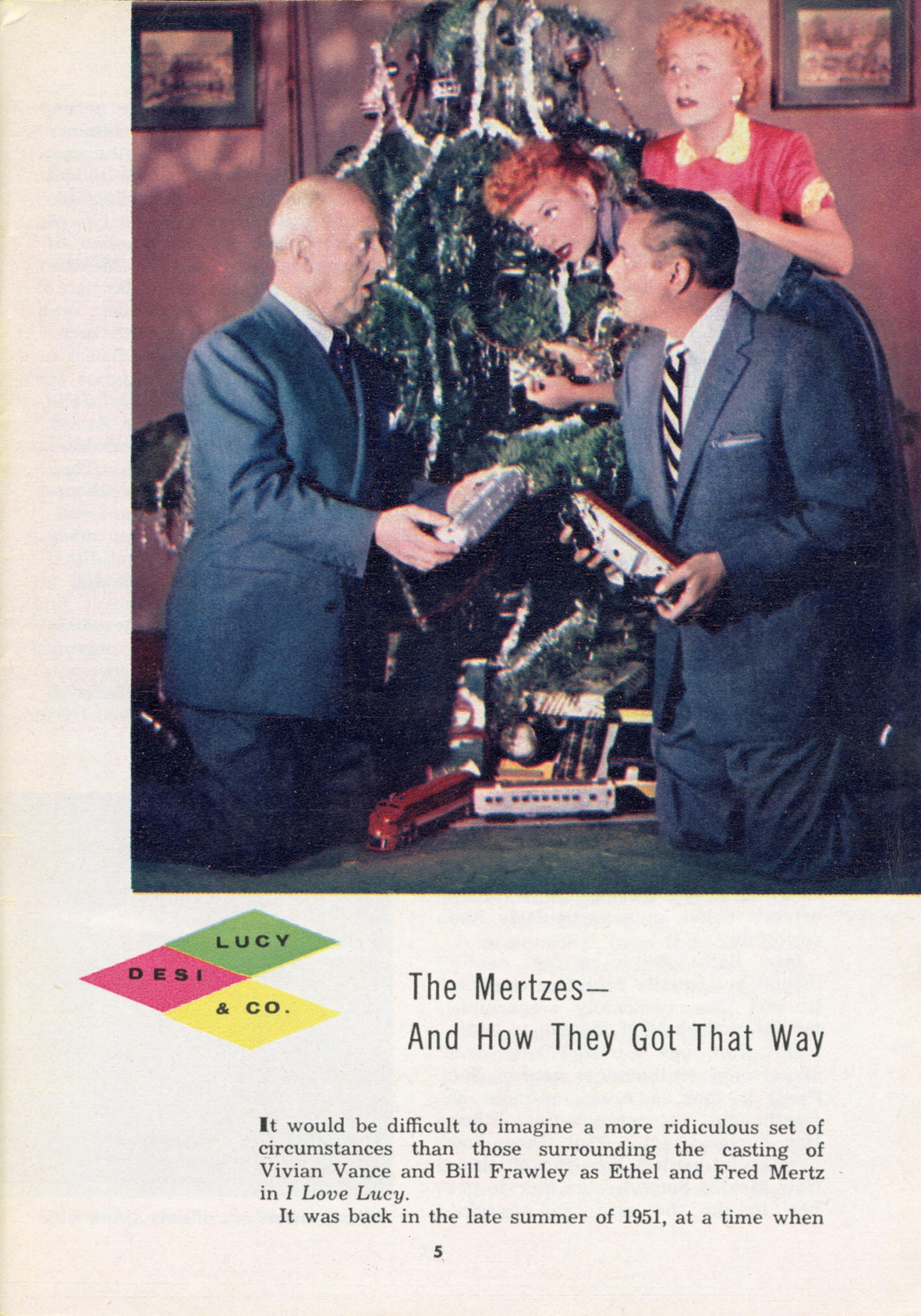
Two issues a year were treated differently from the other fifty.
The autumn preview issue, published before the new season started, carried the full line-up of returning and new programmes with the schedule for the year ahead – and it was kept. People read it repeatedly, planned around it and left it on the shelf rather than throwing it out with the week.
The holiday issue did the same job for a fortnight of specials, films and seasonal programming, in a period when a household might watch considerably more television than usual and when a great many of the films shown were annual fixtures seen once a year and not otherwise available.
Those two issues account for most of the surviving copies. Weekly editions were disposable by design and went out with the paper; the preview and holiday issues were reference documents for a season, and they are what turns up in house clearances.
There is a practical consequence for anybody researching the period. Because the special issues survive and the ordinary weeks mostly do not, the documentary record of what was on television is unevenly good – detailed for two weeks a year and patchy for the other fifty, which is the opposite of what a historian would choose.
Cable Killed the Grid Before the Internet Killed the Magazine
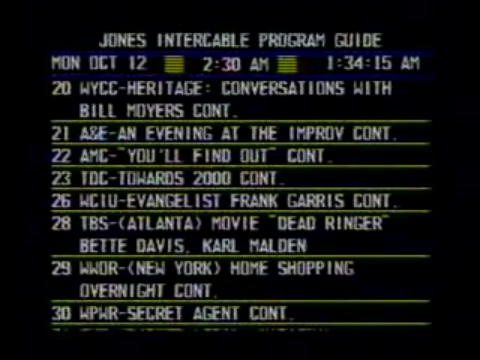
The decline came in two stages and the first one is usually missed.
Cable arrived and the channel count went from three to dozens and then to hundreds. A printed grid can show three channels for a week in a readable layout; it cannot show two hundred. The listings became denser, then selective, then impossible, and the core function – showing you everything that was on – stopped being achievable on paper at any size.
Then the on-screen guide arrived, which does the same job dynamically, searchably and for free, built into the equipment. At that point the printed grid had no remaining purpose at all.
And then on-demand viewing removed the schedule itself. A listings magazine presupposes that programmes happen at times; when everything is available continuously there is no grid to print, because there is no week to lay out.
The publication survives in a changed form as entertainment journalism, which is the part that was always the smaller half of it, and the grid that was the whole point is gone.
What Went With It Was the Shared Clock
The thing that disappeared is not the magazine. It is the consequence of everybody having the same one.
When a nation has three channels and a printed schedule, everybody is watching the same small set of things at the same time, and the next morning there is a single shared conversation about it. That is why television of the period produced common cultural reference points at a scale that is now simply unavailable.
The loss is not of quality – current television is better made and far more varied by any reasonable measure. The loss is of simultaneity. Nobody can assume that anybody else saw anything.
And the small practical pleasure went too: sitting down on a Sunday with a magazine and a pen, deciding what the week was going to contain, and knowing that the choices were final. That is a strange thing to miss about a disposable publication sold at a checkout.
But a very large number of people do miss it, and what they are describing is not the paper. It is having been part of an audience.
Like our content? Follow us for more.