The Box Was Part of the House
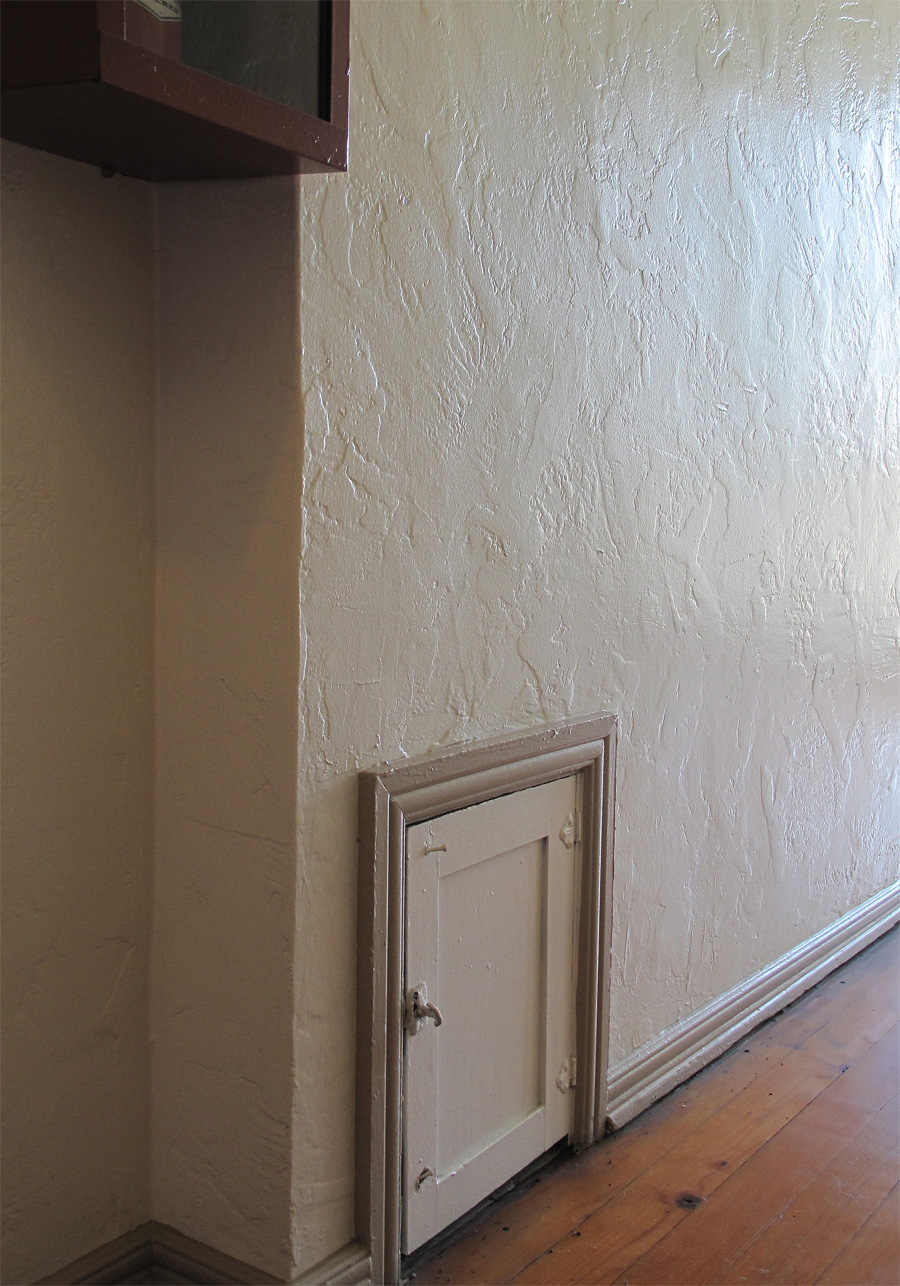
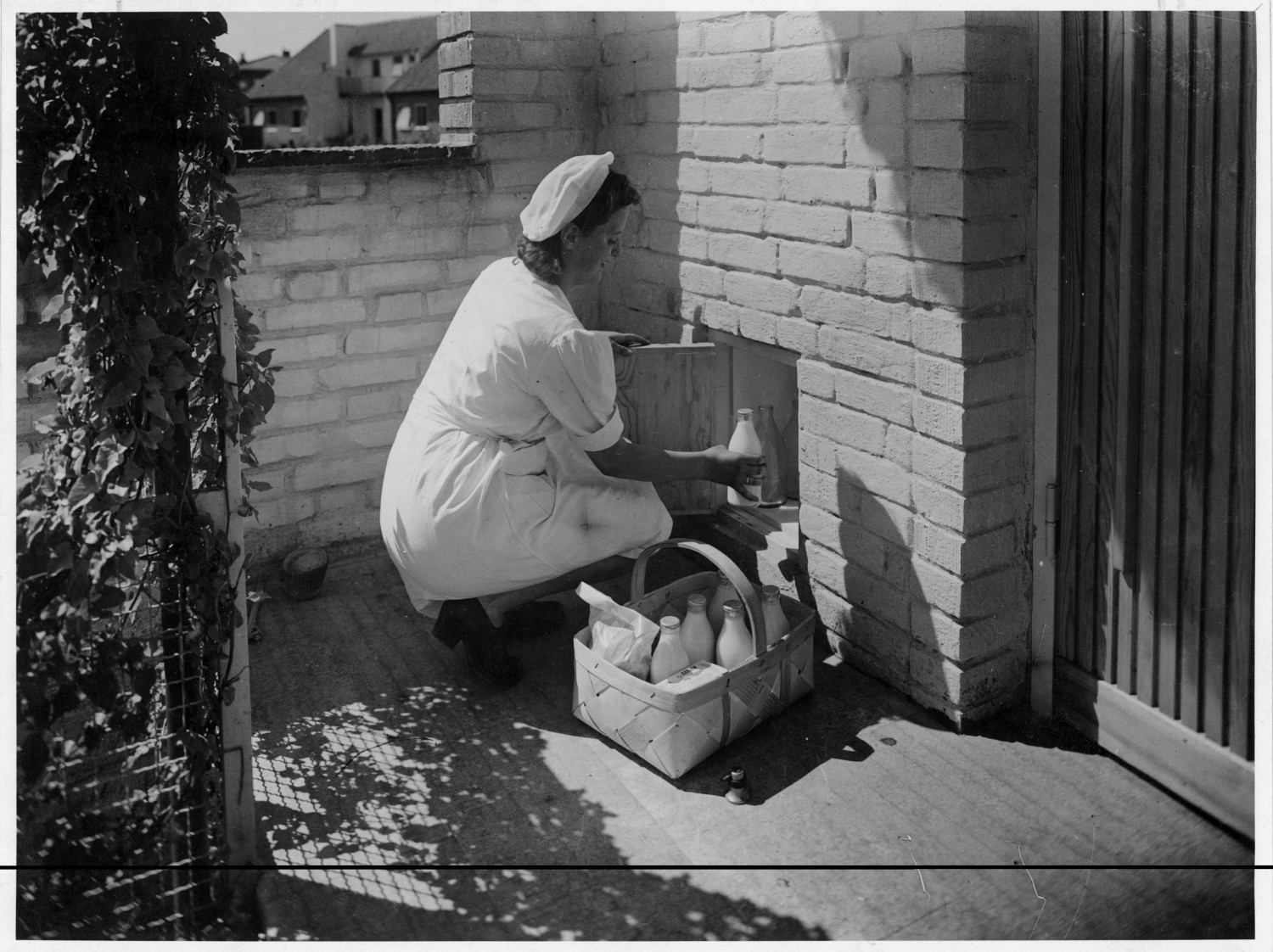
Houses had a milk box the way they had a mailbox. It stood beside the front or side door, or was built into the wall as a hatch accessible from inside and out, and it was there when the family moved in.
The construction was a steel or aluminium shell with an insulating liner, sized for two to six bottles, with a hinged lid and in some designs a false bottom or divider for other items. Later ones were moulded plastic or polystyrene.
The insulation was the whole point and it was modest – enough to keep milk cold for the few hours between a pre-dawn delivery and somebody getting up, and nothing more. In a cold month it worked well. In August it was a race, which is why summer deliveries came earlier.
It was never locked. The lid had no fastening beyond a clip to keep it shut against wind, because there was nothing in it anybody was expected to take.
Like our content? Follow us for more.
The Delivery Happened Before Anybody Was Awake
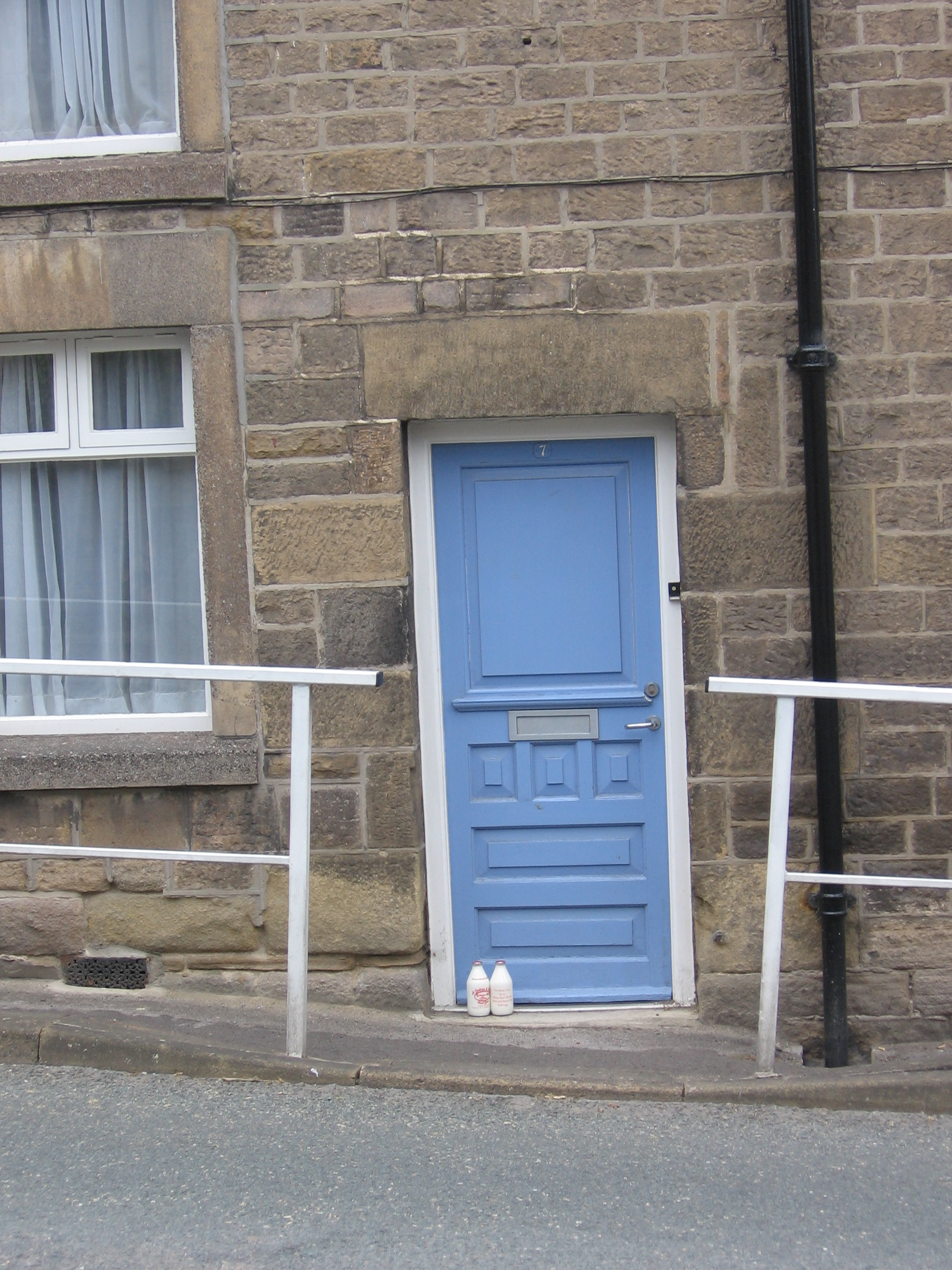
The round started in the dark – frequently between three and five in the morning – and was finished by the time most households were up.
Which meant the entire transaction was invisible. Milk appeared, empties disappeared, and the only evidence that a person had been at the door was the fact that something had changed.
The milkman knew a great deal about the street as a consequence. He knew who was away, who had stopped collecting, who had a new baby, whose order had changed and whose bottles had not been put out – and in a reasonable number of documented cases a milkman noticing that two days of milk had not been taken in was the first sign that somebody in a house had become unwell.
That informal welfare function was never part of the job description and is the thing most consistently cited when people explain why they regret the loss of it.
You Paid Him With Money Left in the Box
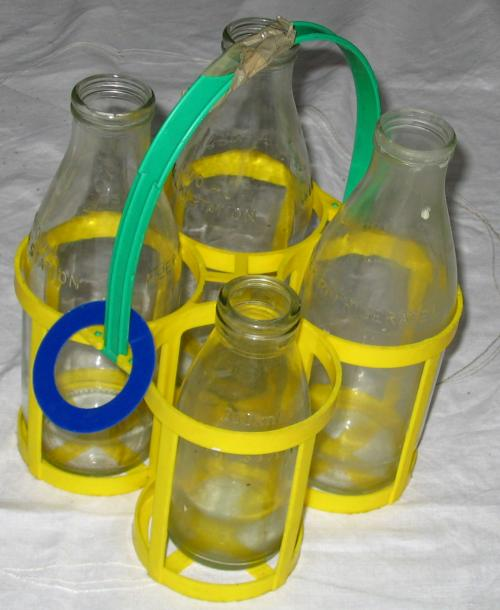
Payment was weekly and was handled by leaving cash in the box, in an envelope or a jar or simply loose, with a note if the order was changing.
A household left money, outdoors, unsecured, at the front of the house, overnight, as a routine arrangement, and it was collected by a man they frequently never saw.
Nobody now finds that comprehensible, and it worked for two reasons that are worth separating. The first is that the sums were small – a week’s milk was a modest amount. The second is that the arrangement was embedded in a street where everybody knew the roundsman, the roundsman worked the same route for years, and the social cost of interfering with it was high.
Later the system moved to a book, a card punched or signed weekly, and eventually to a monthly invoice and then to direct payment – which removed the cash and also removed the daily point of contact.
The Bottle Went Back and That Was the System
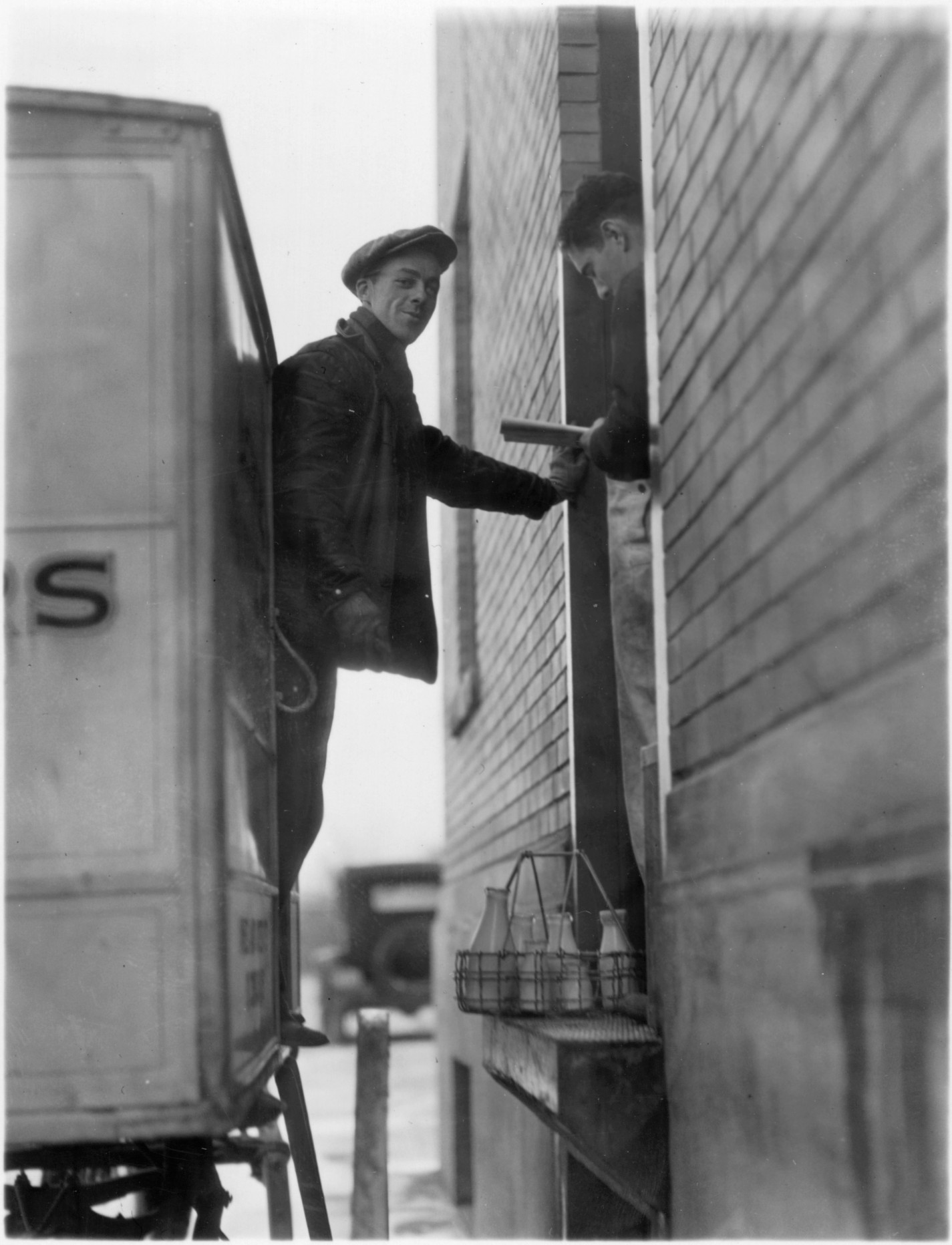
Milk came in glass, and the glass was returned, washed at the dairy, sterilised and refilled – frequently dozens of times over its life.
The deposit or exchange arrangement meant the bottle was never the customer’s property. You had the use of it, you rinsed it, you put it out, and it went back into circulation.
That is a container return system operating at national scale, with essentially total participation, decades before anybody used the word recycling – and it was driven entirely by the economics of glass. A bottle cost enough to make reuse cheaper than replacement, so reuse happened.
The rinsing was a genuine household obligation and was taken seriously, because a bottle returned with milk left in it came back to a dairy and smelled accordingly. Children were taught to rinse bottles in the same way they were taught to wipe their feet.
The Foil Top Was Pecked Through by Birds
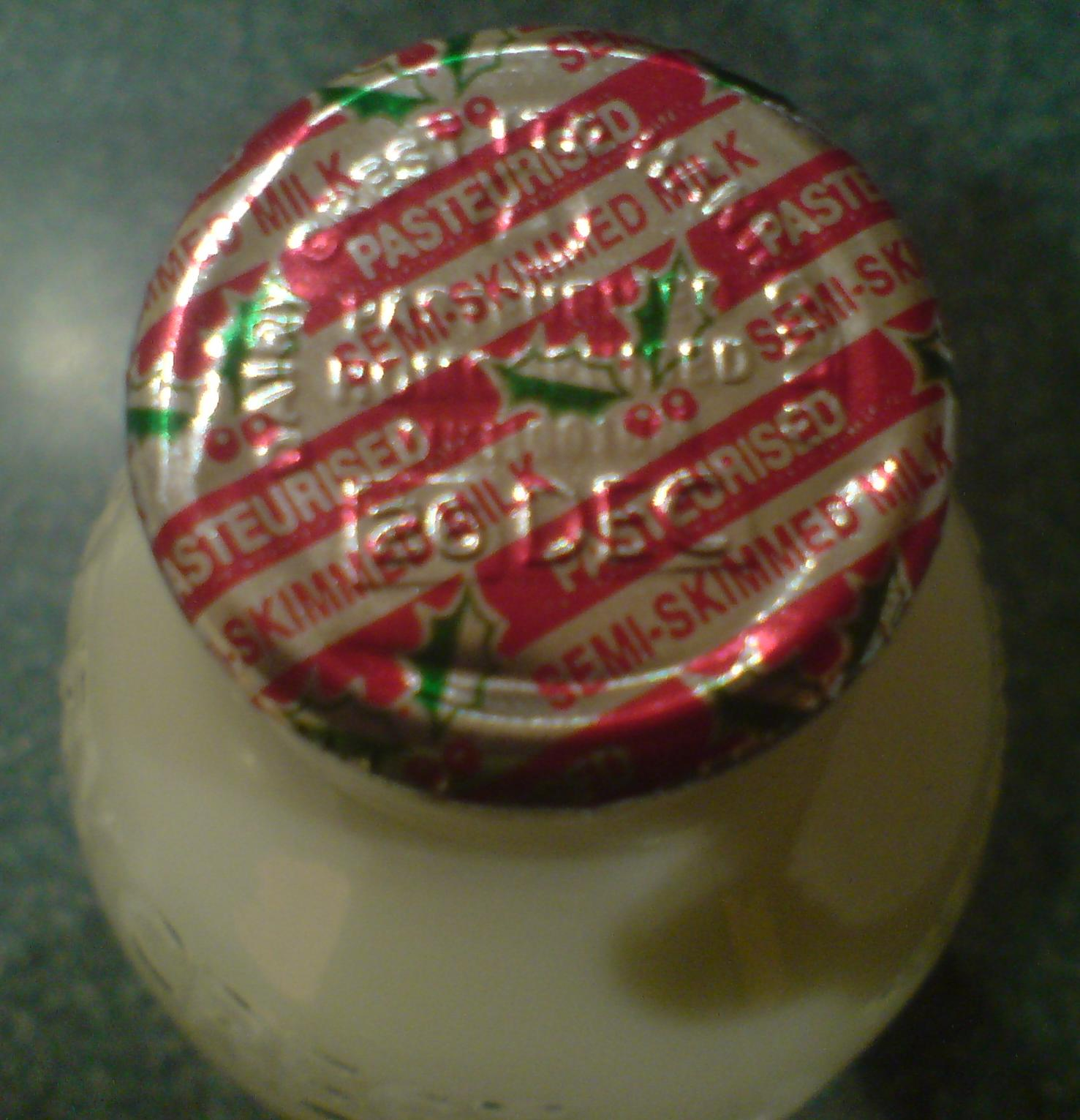
Bottles were sealed with a thin foil cap, colour-coded by milk type, and birds learned to open them.
This is one of the best-documented examples of a behaviour spreading through a wild population. Certain birds worked out that pecking through the foil gave access to the cream that had risen to the top of an unhomogenised bottle, the behaviour spread, and it became so widespread that households put a stone, a cup or a purpose-made cover over the bottles.
The cream rising is the part modern readers miss. Milk was not homogenised, so the fat separated and sat in the top inch or two of the bottle – which is why the first pour was different from the last, why shaking the bottle was a household instruction, and why the top of the milk was a thing children were sometimes given as a treat.
Homogenisation removed the cream layer, which removed the reward, which largely ended the bird problem without anybody addressing it directly.
The Round Delivered Far More Than Milk
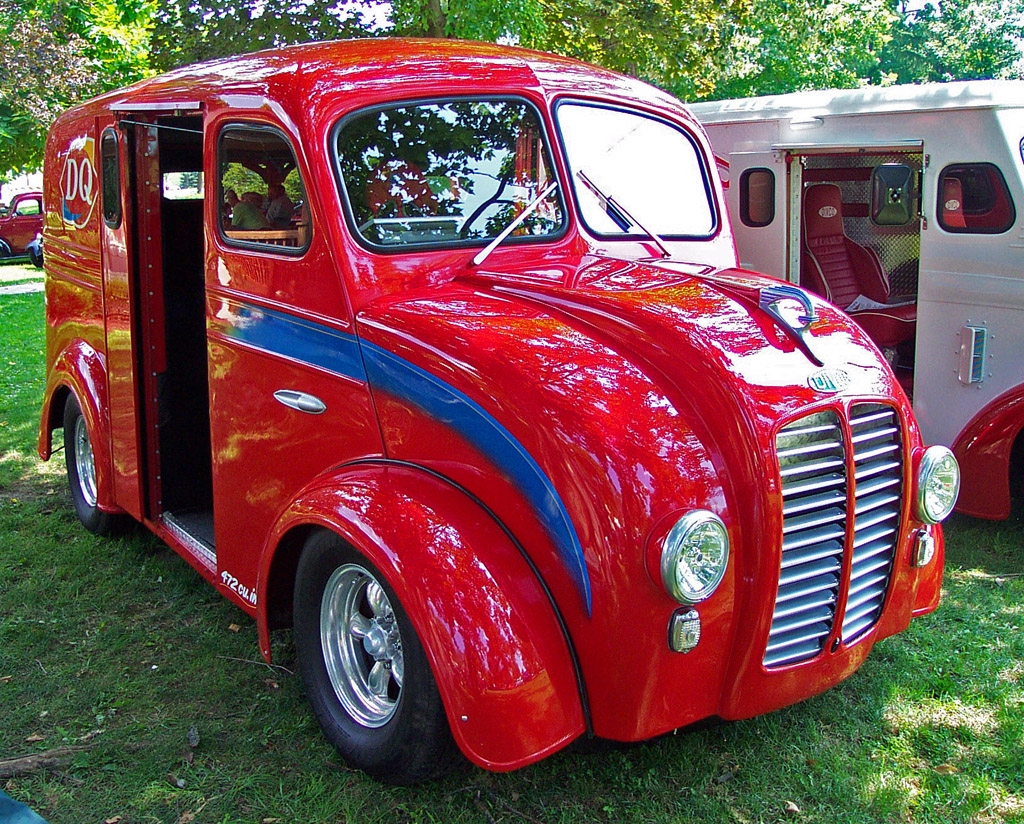
The milk round became a general doorstep delivery service. Alongside milk came cream, butter, eggs, orange juice, bread, yoghurt, cheese, potatoes and in some places a surprising range of groceries, all ordered by note and left in or beside the box.
The economics made sense: the vehicle was already visiting every house on the street every day, so the marginal cost of carrying an additional item was close to nothing.
That is the same logic that drives modern grocery delivery, arrived at eighty years earlier and then abandoned – which is one of the odder reversals in retail history. The infrastructure for daily doorstep delivery of groceries existed, was universal, and was dismantled.
It is worth noting what killed it, because it was not the delivery model. It was the refrigerator.
The Order Was Communicated by Note and the Notes Were Terse
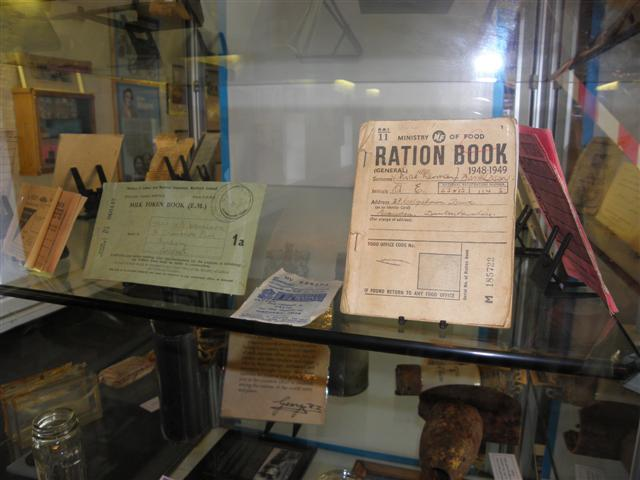
There was no app, no telephone call in most cases and no conversation, because the two parties were never awake at the same time. Communication was a note left in the box.
The notes were short to the point of brusqueness and followed conventions everybody understood. A number meant that many pints. A cancellation was a date. An addition was the item and the day. A household going away wrote the dates and the roundsman simply stopped, without confirmation, and resumed.
A great many people remember being sent out to put the note in the box, and remember the specific anxiety of getting it wrong – because an error meant either no milk for a day or four extra pints nobody could use, with no way to correct it until the following morning.
There was also a standing arrangement, which is the part that made the whole thing work. Most households had a regular order that simply happened, every day, indefinitely, without instruction, and the note existed only to vary it. The default was delivery, and you wrote to stop it.
That is the exact inverse of every modern subscription, where the default is nothing and you must act to receive. And it is worth noticing which arrangement generated less friction for the customer.
The Refrigerator Is What Actually Ended It
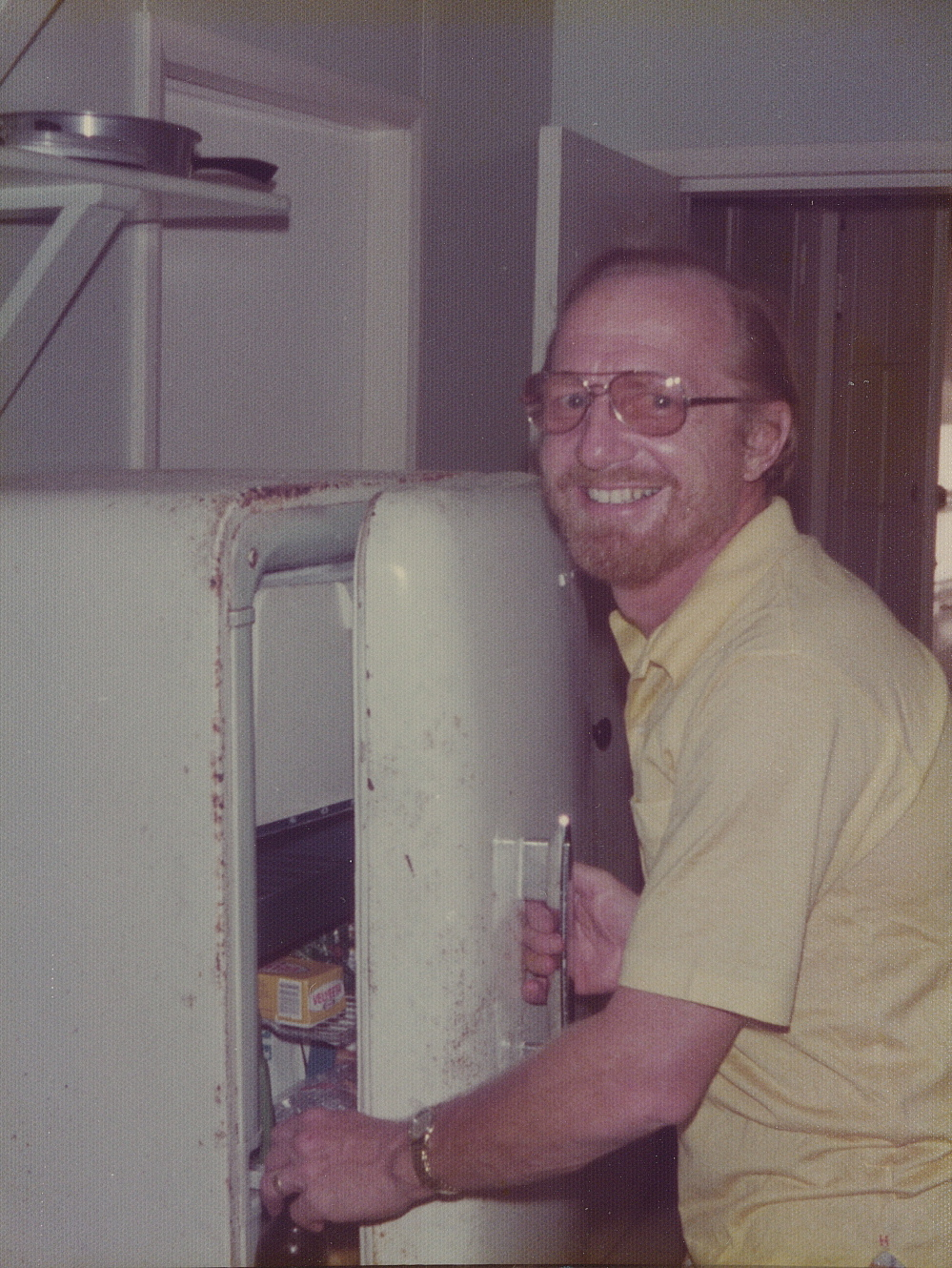
Daily delivery existed because households could not store milk. A cold box or a small ice-cooled cabinet kept milk for a day, which meant it had to arrive every day, which meant somebody had to come to every house every morning.
Once households had a reliable refrigerator, milk kept for a week. Once it kept for a week, it could be bought with everything else on one supermarket trip. Once it was bought at the supermarket, the round lost its reason to exist.
Everything else followed from that. Supermarket milk in cartons and then plastic was cheaper, because the retailer was not paying for a vehicle to visit every house. Glass gave way to packaging that did not need returning, which removed the empties and with them the reason for the box.
Two-earner households meant nobody was home to take the milk in, which made the insulated box inadequate for a hot afternoon. And the price difference became impossible to ignore.
The decline ran through the later twentieth century, slowly, and doorstep delivery survives as a small and frequently premium service rather than as the normal way to obtain milk.
The Boxes Are Still There If You Look
The physical evidence outlasted the service by decades and is still in plain sight on a great many houses.
The built-in wall hatch is the obvious one – a small door at waist height beside a front door, sometimes painted over, sometimes still operable from inside, now used for parcels or for nothing. Freestanding boxes survive in garages, sheds and yards, repurposed as planters, tool boxes and doorstops.
And the service has partially returned in a form that would be recognisable to anybody from 1972: subscription delivery of milk in returnable glass, ordered by app rather than by note, left on a doorstep before anybody is awake, with the empties collected. The economics are now premium rather than default, and the environmental argument for returnable glass is doing work that the economics of glass used to do unaided.
Which makes this one of the few things in this whole period that has come back rather than ended – smaller, more expensive, and for a different stated reason, but recognisably the same arrangement, including the part where a stranger comes to your door at five in the morning and you never see him.
Like our content? Follow us for more.