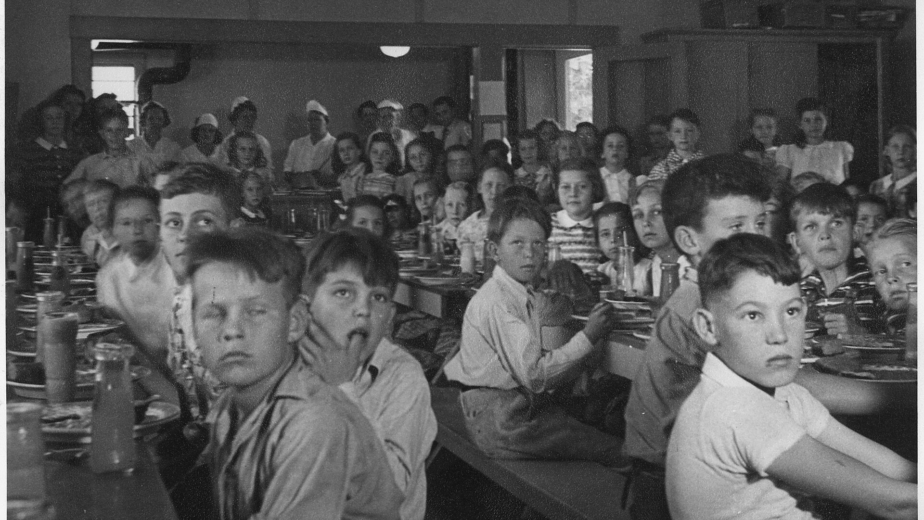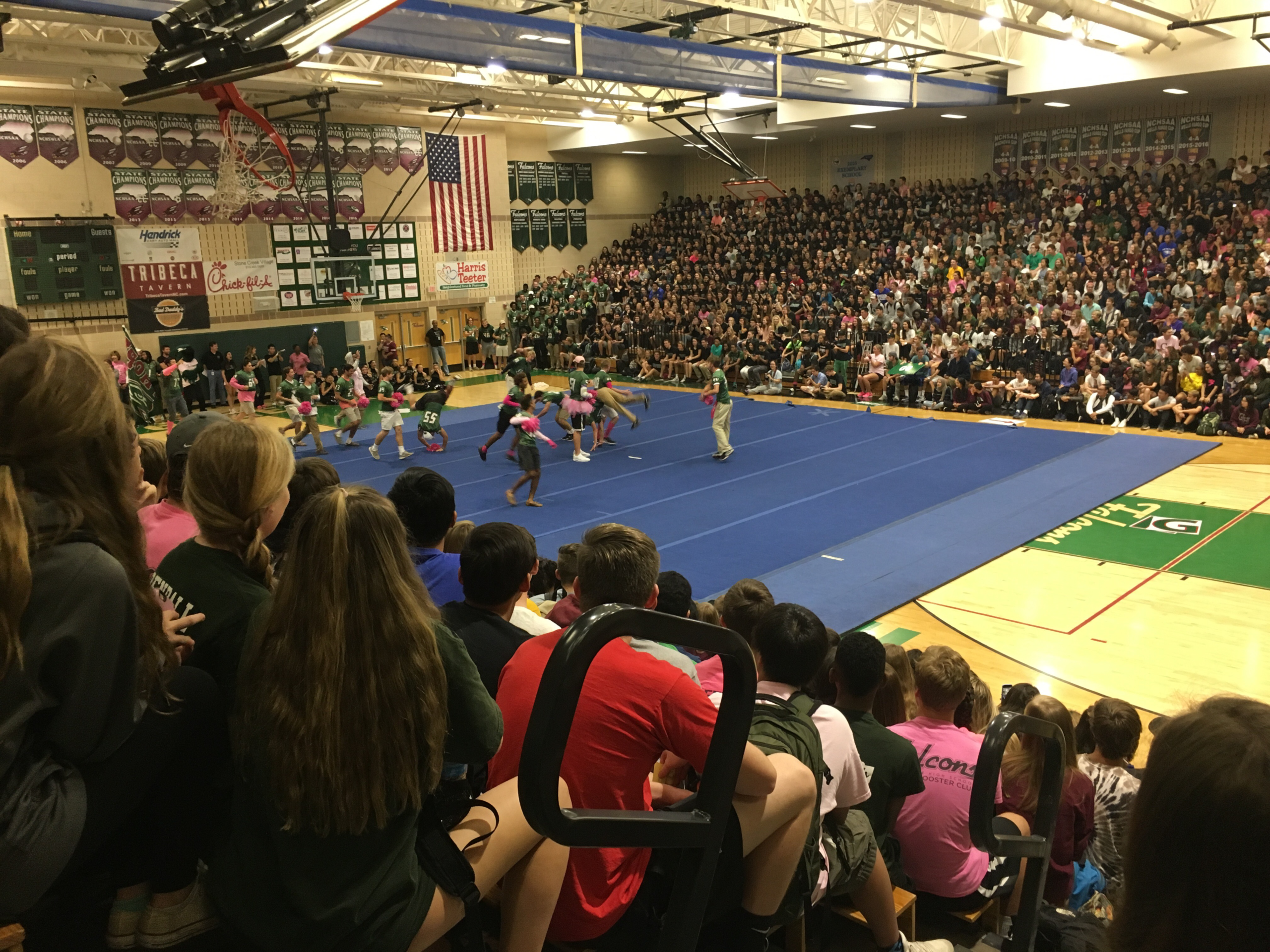
In 1974 a pep rally was compulsory. Lessons stopped, the whole school was marched into the gymnasium by year group, seated in blocks, and attendance was taken.
The year groups were made to compete at shouting. The team ran in through a paper banner and was introduced by name. Something was frequently burned. The teachers were drafted into a tug of war, which was the best part. And the cheerleaders had choreographed and rehearsed the entire hour themselves.
Here are twelve things every student was made to do at a pep rally in 1974, and what became of each one.
1. The Whole School Was Marched Into the Gym and Nobody Could Opt Out
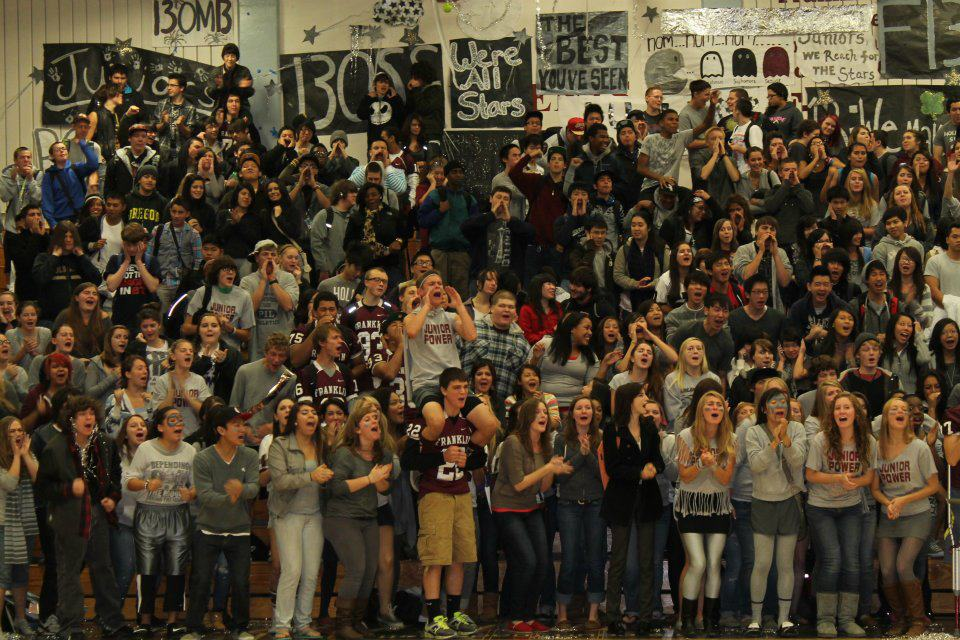
A pep rally was compulsory. Lessons stopped, the entire school was moved into the gymnasium or onto the field by year group, seated in blocks, and attendance was taken.
Still held in a great many schools, and now frequently optional, shorter, or replaced by voluntary events. The compulsion was the mechanism: an event designed to generate collective enthusiasm requires everybody present, and enthusiasm was not treated as a thing individuals got to decline.
Which produced the central oddity of the format. A substantial proportion of any school has no interest in its sports teams, and all of them were required to attend, stand up, clap and shout on cue – and the pupils who found the whole thing excruciating were in the same room being told to participate, by name, in front of everybody.
Like our content? Follow us for more.
2. You Were Seated by Year Group and Made to Compete at Shouting
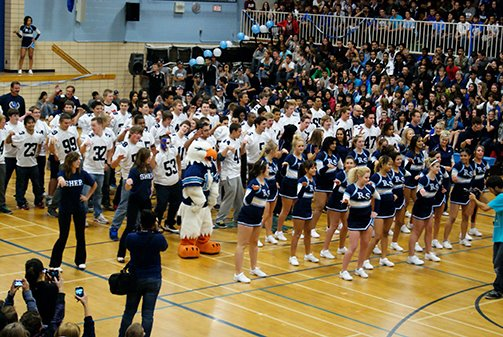
Seating was arranged by grade, and a standard feature was a noise competition – each year group cheered in turn, judged by volume, with a winner declared.
Still common. The device is efficient: it converts a passive audience into four competing teams in about ninety seconds and gives everybody something to do that requires no skill.
It also established the hierarchy explicitly, every time. The oldest year group was expected to win, was louder because it was more invested and because it had the most practice, and the youngest year group was expected to lose – so a ritual ostensibly about school unity opened by ranking the school against itself.
3. The Team Was Brought Out and Introduced Individually by Name
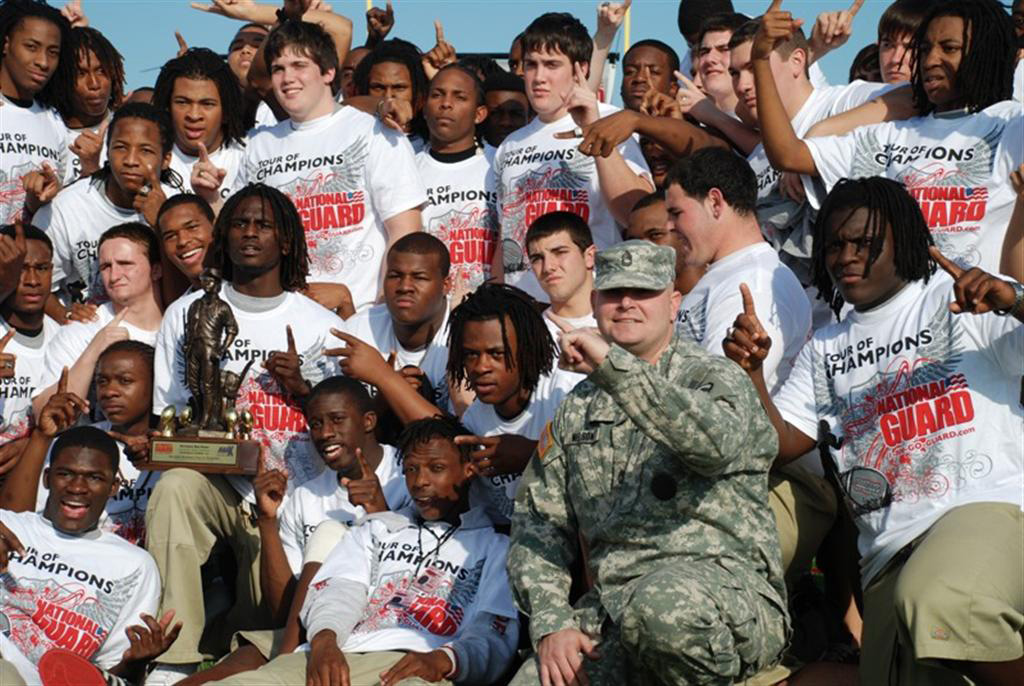
Players were called out one at a time, ran into the centre through a paper banner or a tunnel of cheerleaders, and were announced over the public address system with their position and year.
Unchanged in most places. The individual introduction is the whole emotional content of the event: a teenager running into a gymnasium of several hundred people shouting their name is receiving a quantity of public recognition that very little else in a school provides.
And the distribution of it was the problem nobody addressed. The same thirty or forty pupils received this treatment repeatedly across a season while the rest of the school supplied the noise, which is a reasonable description of the whole institution and the reason a lot of people remember pep rallies with something other than warmth.
4. There Was a Bonfire or an Effigy and Something Got Burned
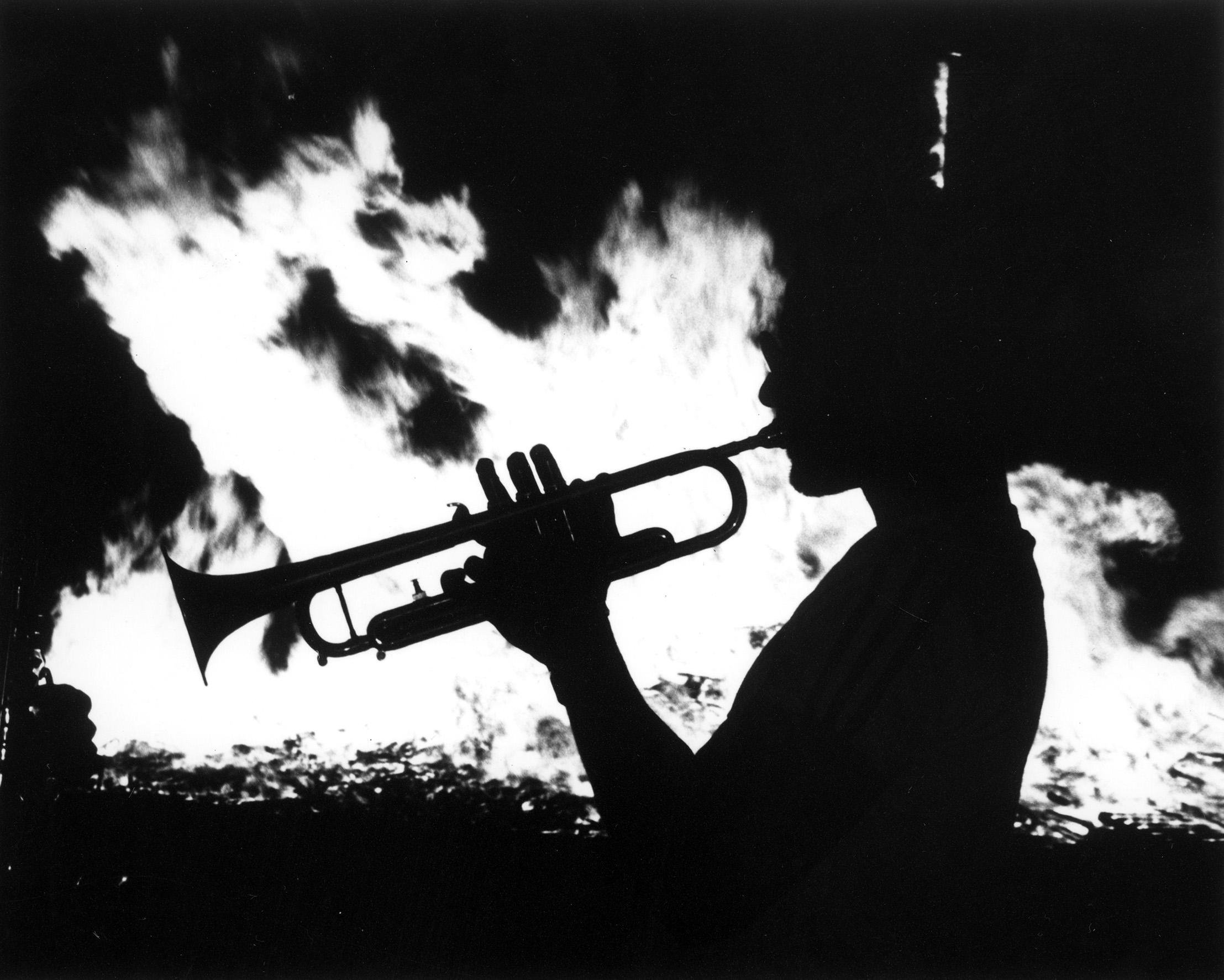
Many schools burned something – a constructed figure in the rival’s colours, a coffin, an old vehicle, a pile of donated timber – on school or municipal ground, with the crowd around it.
Heavily restricted or prohibited on fire safety, air quality and liability grounds. The burning was a straightforward piece of ritual theatre and functioned exactly as such rituals do: a crowd, a fire, a destroyed representation of an opponent.
The reasons for the restriction are unarguable. A large uncontrolled fire with several hundred teenagers around it, on a weekday evening, lit by whoever had volunteered, is a risk that no district would now accept – and it is remembered with enormous affection precisely because it was the least supervised thing a school ever organised.
5. The Teachers Were Made to Participate and It Was the Best Part
Staff were drafted into the entertainment: a tug of war against the team, a relay, a quiz, a dunk tank, a sack race, or a performance in costume.
Still done and still the highlight. The appeal is simple and has not changed: pupils enjoy seeing teachers outside their authority, and a teacher who is prepared to look ridiculous in front of the school gains standing that no amount of classroom competence provides.
It is also the only part of the event that reliably included everybody. Watching the chemistry teacher lose a tug of war does not require any interest in sport, which is why it is the component most consistently named as the bit people actually liked.
6. The Cheerleaders Ran the Whole Thing
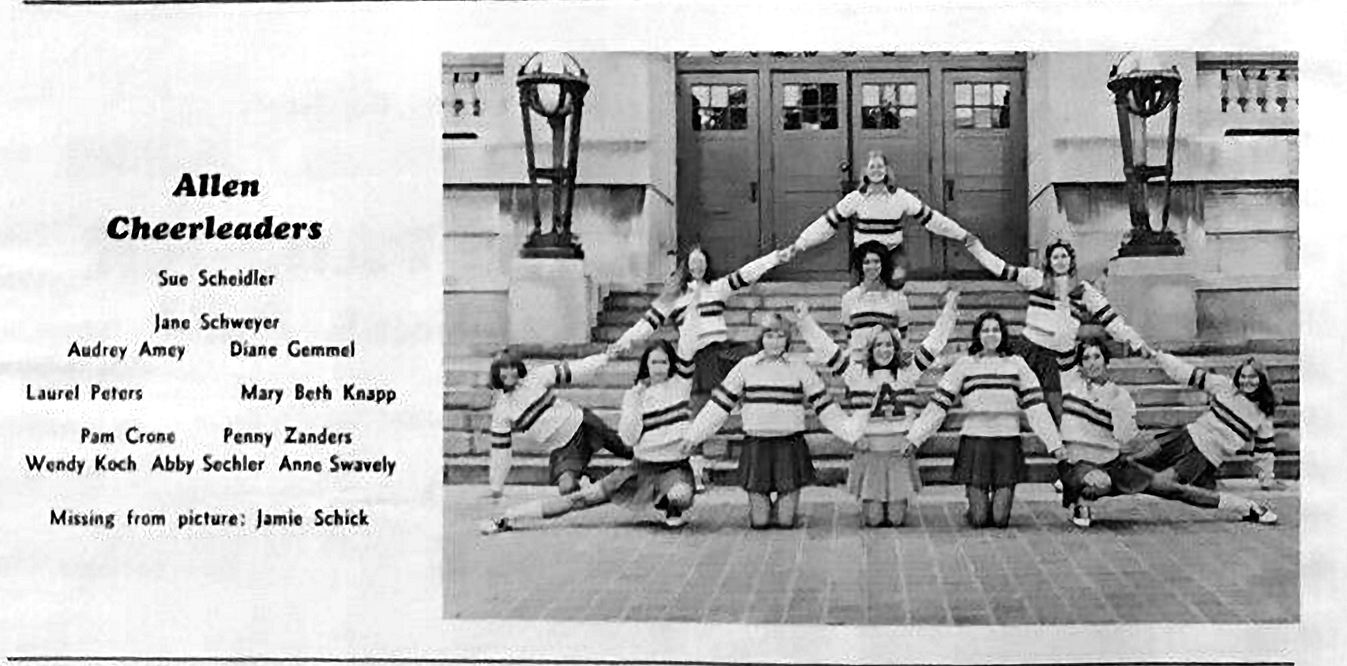
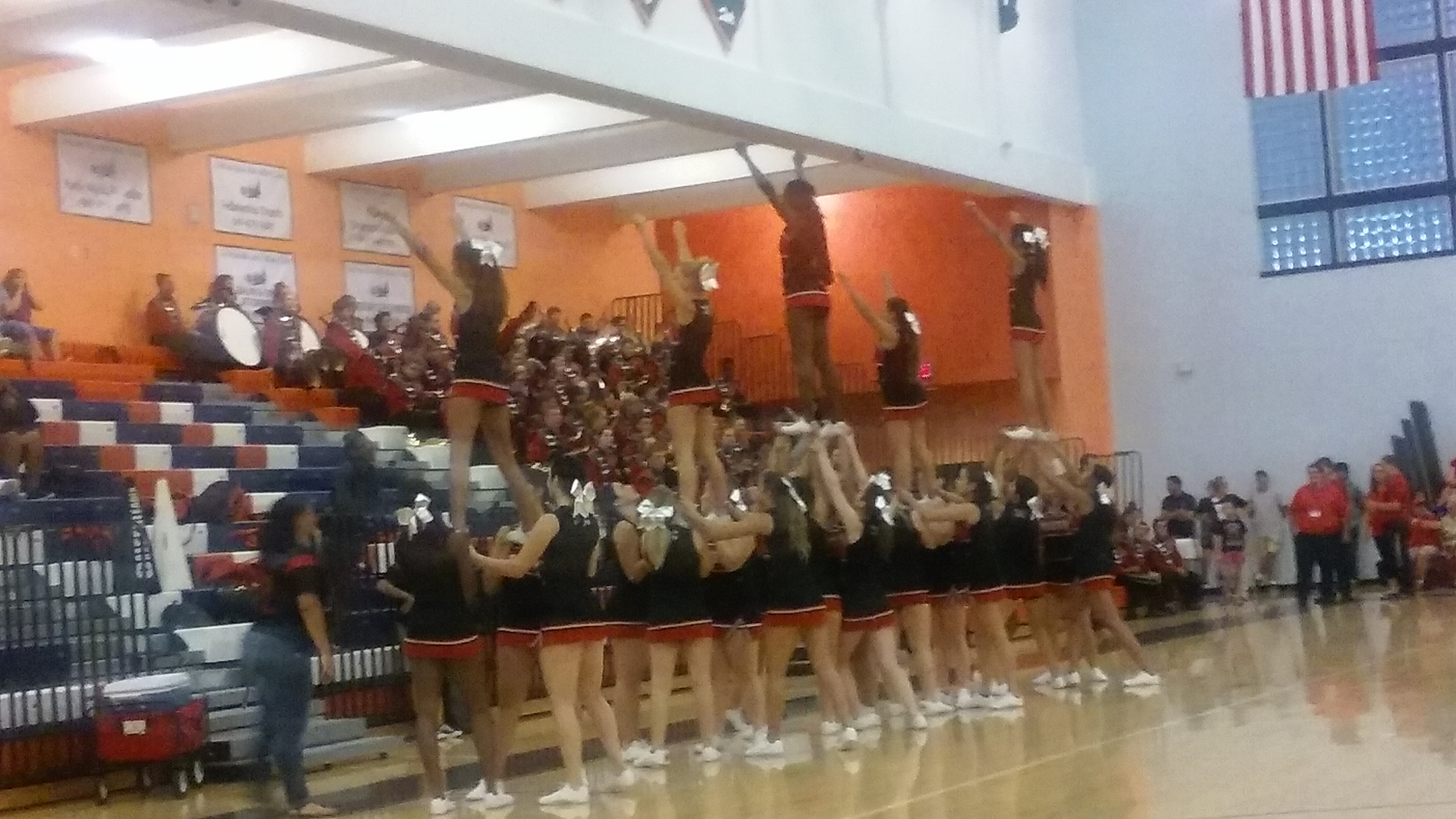
The squad choreographed and led the event – the routines, the chants, the crowd direction, the banner, the timing between segments – with the adult involvement generally limited to supervision.
Still central, now within a far more formalised activity with recognised coaching, training and safety standards for the gymnastic elements. The organisation and the rehearsal were substantial and were done by students.
The safety change is the significant one and it is easy to miss. The stunts, lifts and tumbling built into routines by the later part of this period were being performed on gymnasium floors without matting, spotting standards, trained coaching or any injury protocol – and the sport’s subsequent regulation came directly out of the resulting injury record.
7. The Chants Were Inherited and Nobody Knew Where They Came From
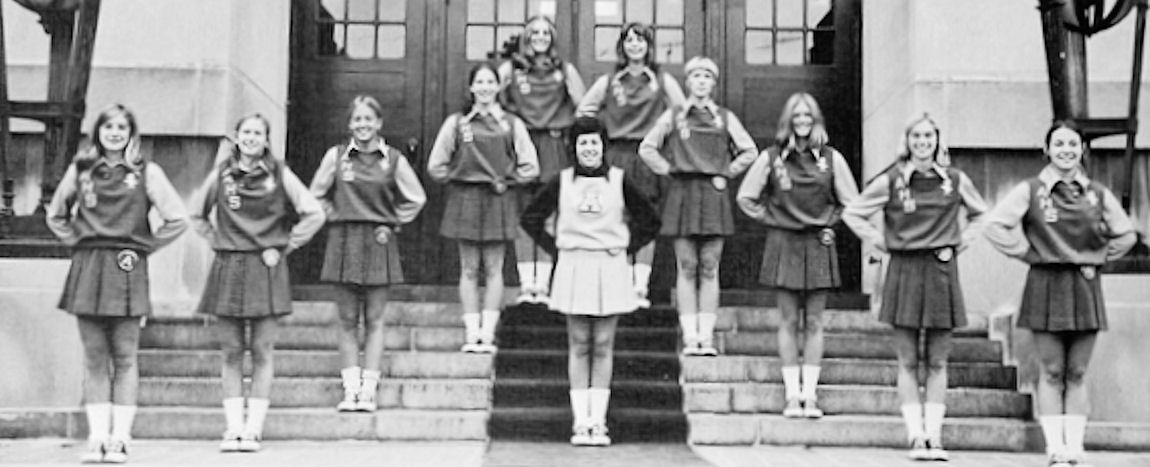
Each school had its own body of chants, calls and responses, passed down year to year by repetition, with words that were frequently nonsensical, obviously corrupted or locally unique.
Still inherited the same way. The transmission is purely oral: nobody writes them down, nobody teaches them formally, and a new pupil learns them by standing in a crowd that already knows them.
Which makes them a genuine piece of folklore operating inside a modern institution. A chant with an unexplained word in it, performed identically by sixty consecutive year groups, with the original meaning lost, is exactly how traditional songs behave – and it is happening in a gymnasium rather than a village.
8. The Marching Band Played and Had Rehearsed For Weeks
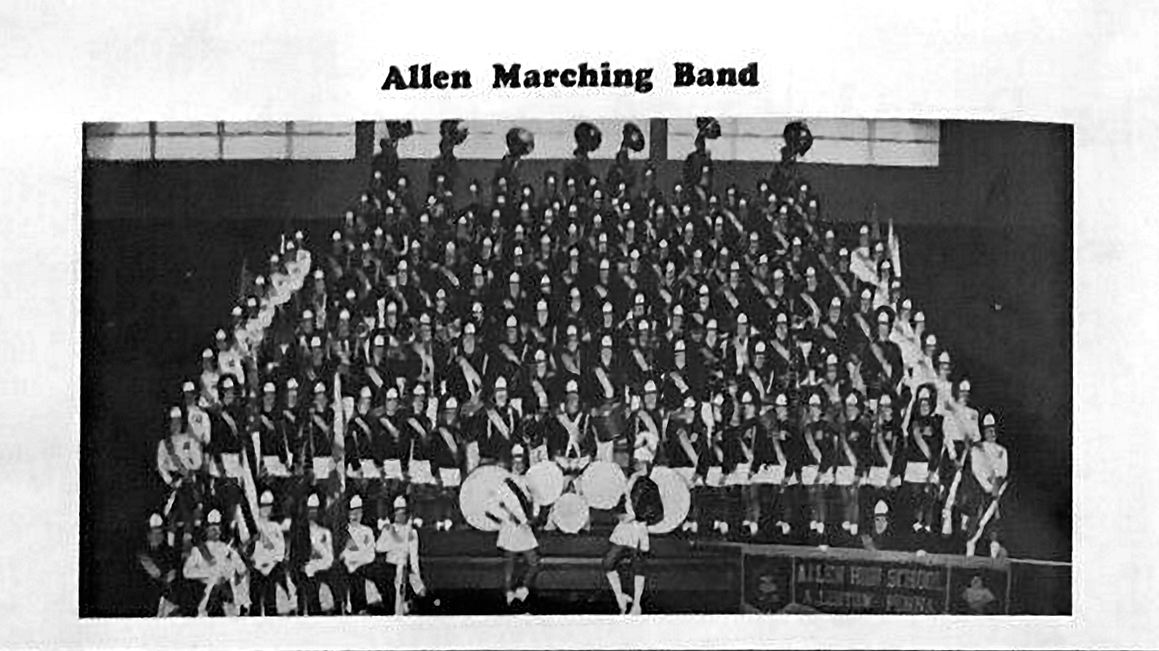
Music was live, loud and provided by the school’s own band, which had the school song, the fight song and a set of short pieces timed to the gaps between segments.
Still live where a band exists, with recorded music elsewhere. The band’s contribution was structural rather than decorative: it filled every transition, set the energy level and told the crowd when to start and stop.
The fight song is the part that has the longest reach. A great many adults can produce their school’s fight song decades later without having thought about it since, because it was played at every event for years and sung by a crowd – which is the same mechanism by which anybody remembers any song learned in a group.
9. Somebody Was Always Thrown Into Something
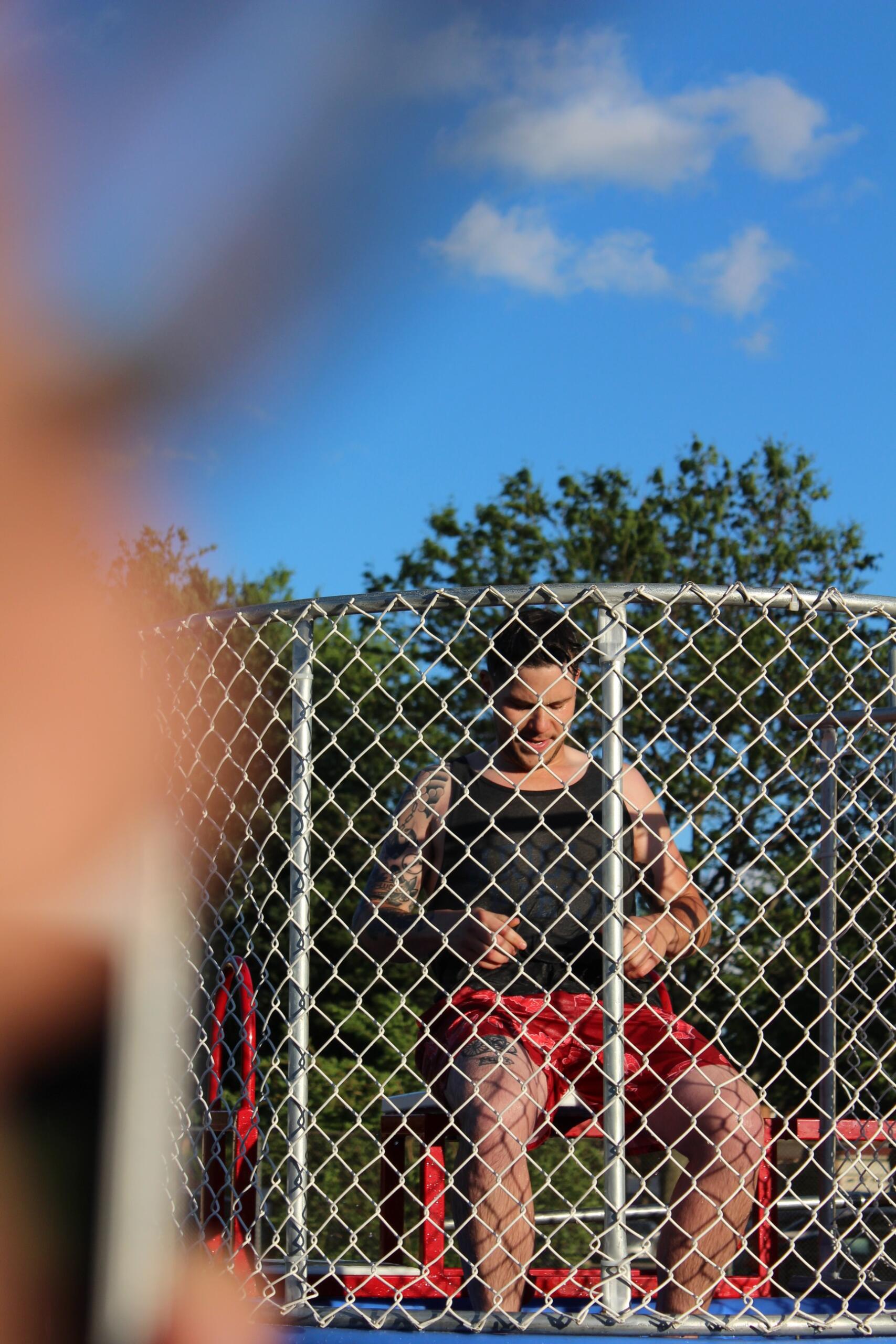
A standard component involved a person being soaked, dunked, covered, pied or otherwise made a spectacle of – a teacher in a dunk tank, a principal taking a pie, a captain in a tub of water – usually tied to a fundraising total.
Still done, generally with consent arrangements that are actually explicit. The appeal is a controlled inversion of authority, and attaching it to a fundraising target made it a reward the school had earned.
The consent question is the one that has tightened. A principal who had agreed in advance is one thing; the various traditions in which a pupil was grabbed, held and soaked by other pupils as a fixed feature of the event are a different thing, and those are the ones that have gone – correctly, and without much being written down about why.
10. It Happened on a Friday Afternoon and Nobody Went Back to Class
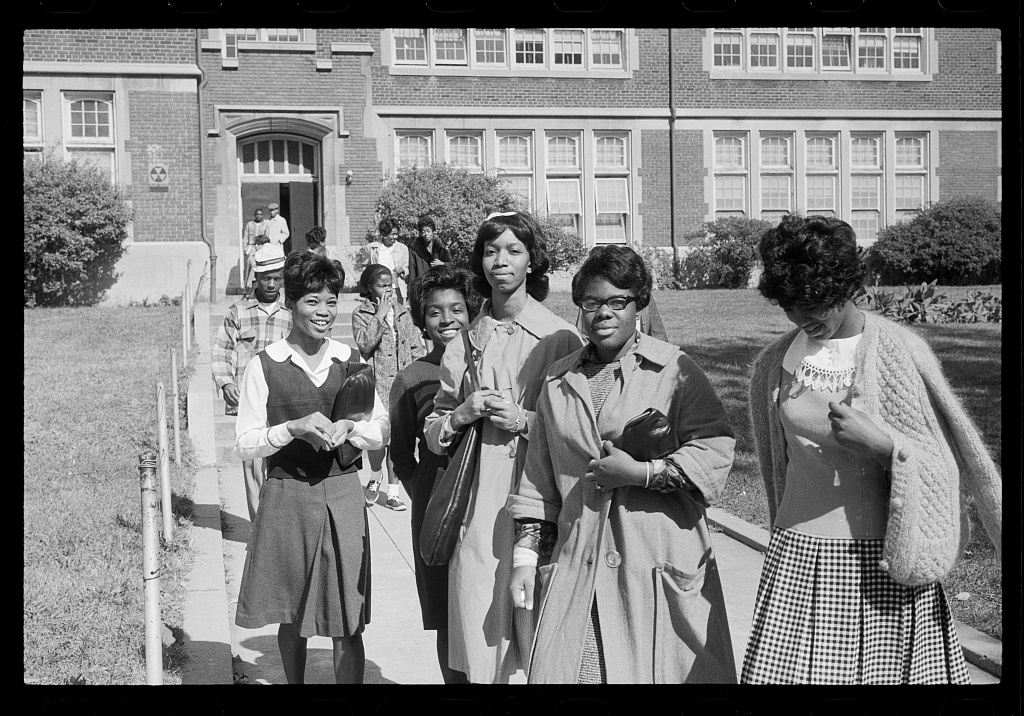
The rally was scheduled in the last periods of a Friday, which meant the lessons it displaced were the ones nobody expected to be productive anyway, and the school emptied straight afterwards.
Still generally scheduled at the end of a day for the same reason. The timing was a practical judgement rather than a ceremonial one: an event that leaves several hundred pupils shouting cannot be followed by algebra.
It also meant the rally was functionally the start of the weekend, which is a large part of why it is remembered fondly regardless of its content. An hour of noise followed immediately by going home is going to be recalled more warmly than the same hour on a Tuesday morning.
11. The Point Was a Game That Most of the School Would Not Attend
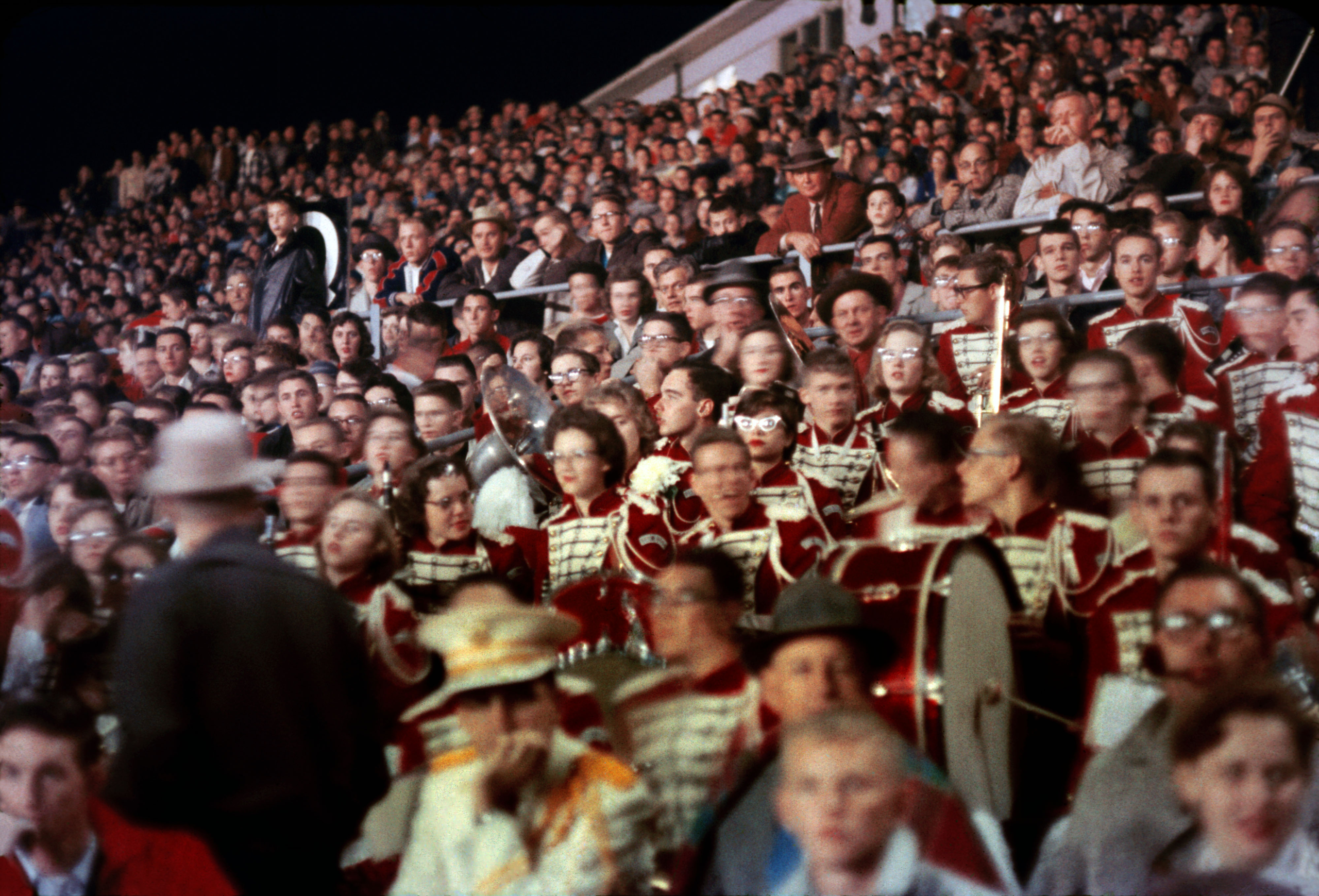
The rally existed to build support for a specific fixture, usually that evening or the next day – and a substantial share of the pupils who had cheered did not go.
Unchanged, and the gap between rally attendance and game attendance is still large. The event generated enthusiasm as a performance rather than as a commitment, which everybody involved understood and nobody said.
That is not a failure of the format so much as a misreading of what it was for. The rally was not primarily recruiting an audience for a game; it was an hour in which a school asserted that it was a single thing with a shared interest – and whether the pupils then turned up on Friday night was, in that sense, beside the point.
12. Then It Became Optional, and Attendance Told the Truth
The event depended on compulsory attendance, a bonfire, unregulated stunts, displaced lessons and the assumption that a school’s identity was properly expressed through its sports teams.
Fire restrictions ended the bonfires. Safety standards reformed the stunts. Instructional time became something schools are accountable for, which made displacing lessons harder to justify. And in a great many schools attendance became voluntary – at which point a proportion of pupils stopped coming, which was informative.
What survives is smaller, shorter, safer and attended by the people who want to be there, which is better for them and removes the thing the format was actually built on. A pep rally with optional attendance is a gathering of enthusiasts; a pep rally with compulsory attendance was a school being told, for one hour, that it was a community – and whether that was worth the discomfort of the pupils who hated it is a question schools have now answered in the other direction.
It Only Worked Because You Could Not Leave

The pep rally has a structural problem that is obvious once stated, and the whole institution was built on not stating it.
A substantial proportion of any school has no interest whatever in its sports teams. Not hostility – simple indifference, the same indifference most people have towards most things. And the event required all of them to attend, sit in a designated block, stand on cue, clap, and compete at shouting against the year group behind them.
Meanwhile the recognition flowed in one direction. The same thirty or forty pupils were called out by name, ran in through a banner, and received a quantity of public acclaim that almost nothing else in a school provides – repeatedly, across a season – while several hundred others supplied the noise that made it meaningful.
So the format took the school’s attention, its lesson time and its enthusiasm, and distributed the reward to a small fraction of it. For the pupils on the receiving end it was one of the better experiences of their adolescence. For a meaningful number of the rest it was an hour of compulsory participation in somebody else’s achievement.
Then schools made it optional, and attendance answered the question. A proportion of pupils stopped coming.
What is left is smaller, shorter, safer and populated by people who want to be there, and for those people it is better. The bonfires went to fire regulations, the unspotted stunts went to the injury record that produced proper coaching standards, and the displaced lessons went to accountability for instructional time. Each of those changes is correct.
But it is worth being clear about what the compulsion was buying, because it was not only discomfort. For one hour, a school asserted that it was a single thing – that the whole building had a shared interest, a common name and a side. That assertion is false in various ways and it is also the kind of thing institutions have to keep saying in order to remain institutions.
A voluntary pep rally cannot make that claim. It can only demonstrate how many people already agree with it.
If you loved these, you were probably one of the people being introduced.
And if you hated them, you remember exactly how long an hour is when everybody around you is shouting.
Like our content? Follow us for more.