In 1974 there was no such thing as a comic shop. Comics came from a wire spinner rack standing in a drugstore or a newsstand, next to the magazines, in a shop selling something else entirely.
You got whatever the wholesaler happened to deliver, with no say and no pattern. There were no back issues anywhere, so a missed issue was missed permanently. Unsold copies had their covers torn off for credit and the rest destroyed. And half the appeal was the mail-order advertisements at the back.
Here are sixteen things every American kid knew about comic books in 1974, and what became of each one.
1. There Was No Comic Shop and the Rack Was in a Drugstore
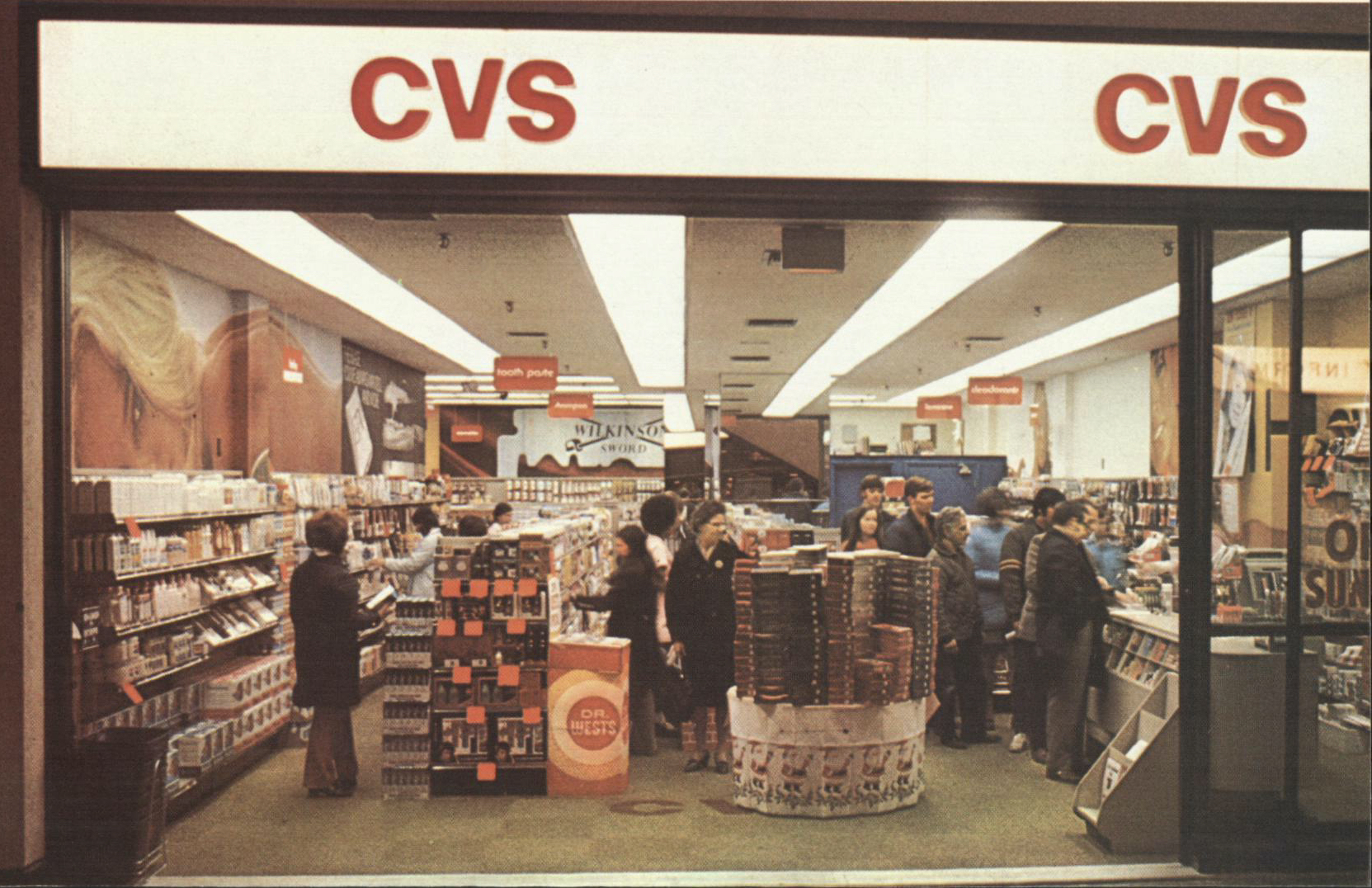
Comics were sold from a wire spinner rack – a revolving tower of pockets – standing in a drugstore, a newsstand, a grocery store, a bus station or a corner shop, alongside magazines and paperbacks.
Dedicated comic shops, bookstore graphic novel sections and digital subscription. There was no specialist retailer at all for most of this period, and the rack was a minor fixture in a shop selling something else entirely.
That placement determined everything. A child did not go out to buy a comic; they encountered the rack while their mother was waiting at a counter, had a few minutes and a limited amount of change, and chose from whatever was in the pockets – which is a completely different act from walking into a shop that sells nothing else.
Like our content? Follow us for more.
2. You Got Whatever the Distributor Happened to Deliver
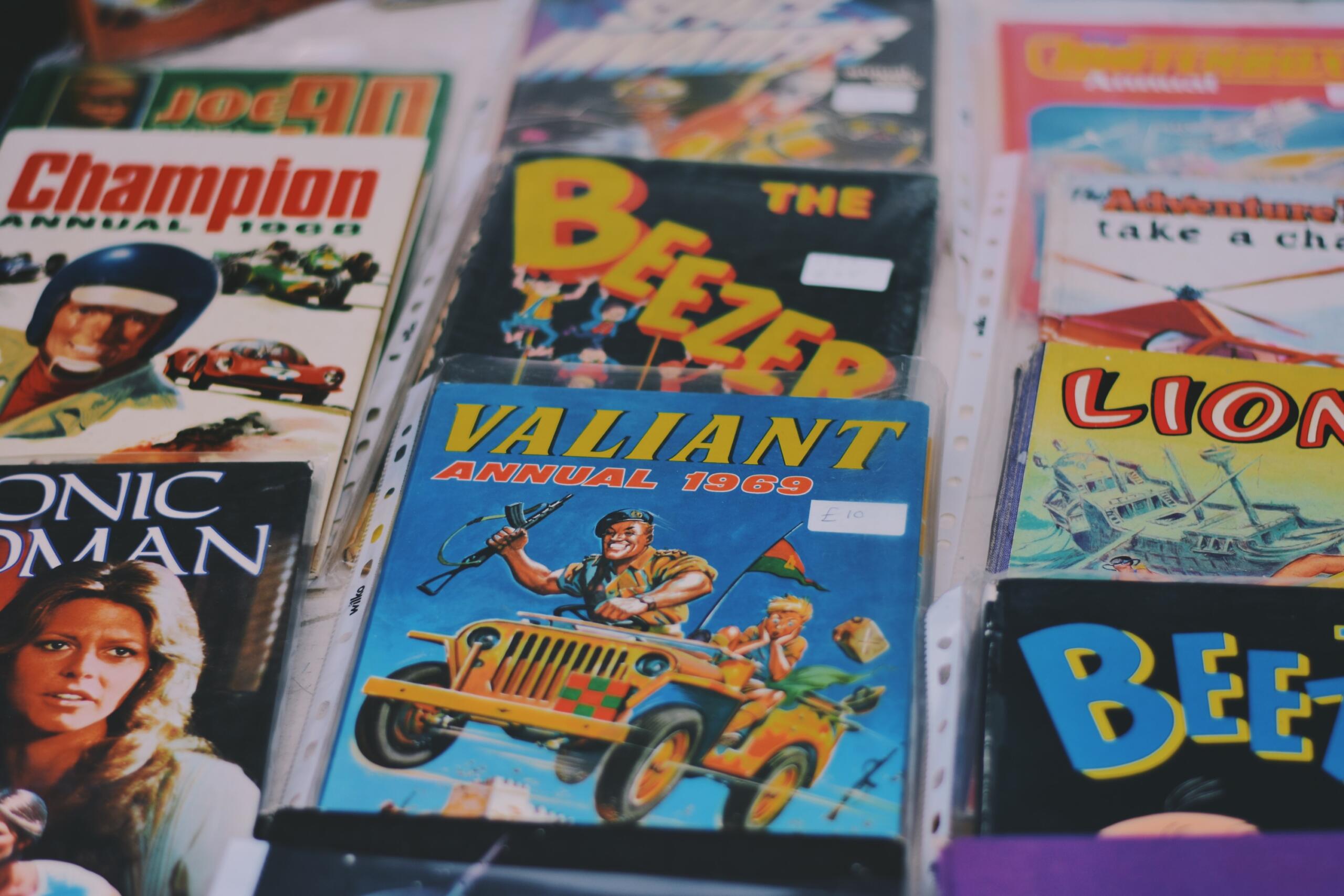
Supply was handled by regional magazine wholesalers who delivered bundles to shops as part of a general periodical round, and neither the shop nor the customer had any say in which titles or issues arrived.
Shops order specific titles in specific quantities months ahead through a direct distribution system, and a reader can reserve a run. In 1974 the contents of the rack were effectively random.
Which is why nobody could follow a story reliably. A reader might get issues 112 and 115 of a title and never see 113 or 114 anywhere, in any shop, ever – and there was no way to obtain them. Entire plots were understood from fragments, and that experience was universal rather than unlucky.
3. Missing an Issue Meant Missing It Forever
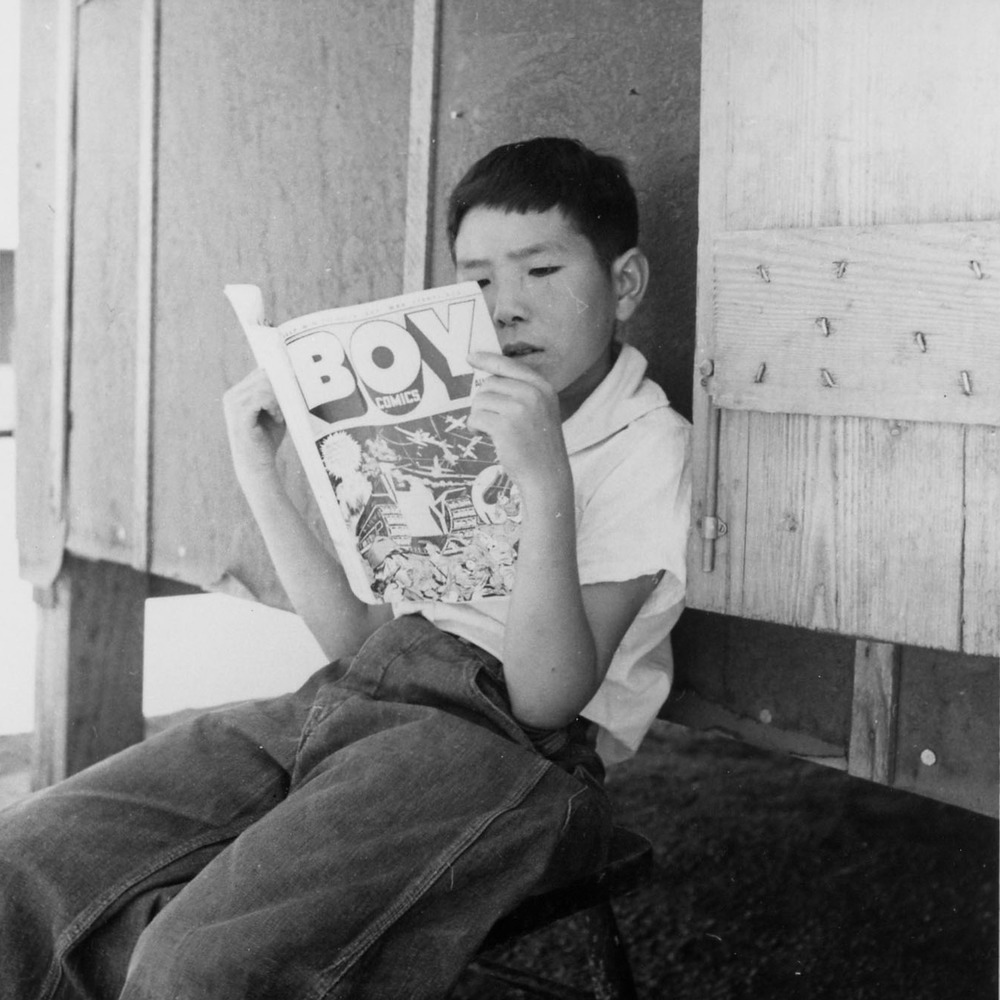
There were no back issues available anywhere. A comic was on the rack for a few weeks, was removed when the next shipment came, and then ceased to exist as a purchasable object.
Collected editions, digital archives and a substantial back-issue market mean almost nothing is unobtainable. The absence of any recovery route is the single biggest difference between reading comics then and now.
It produced a specific and widely shared form of frustration. A child who missed an issue in the middle of a story had to reconstruct it from the recap on the first page of the next one, from a friend’s copy if they could find one, or from the letters page – and a great many people carried a gap in a story for decades before finally reading it in a collected edition.
4. The Paper Was Newsprint and the Colour Did Not Line Up
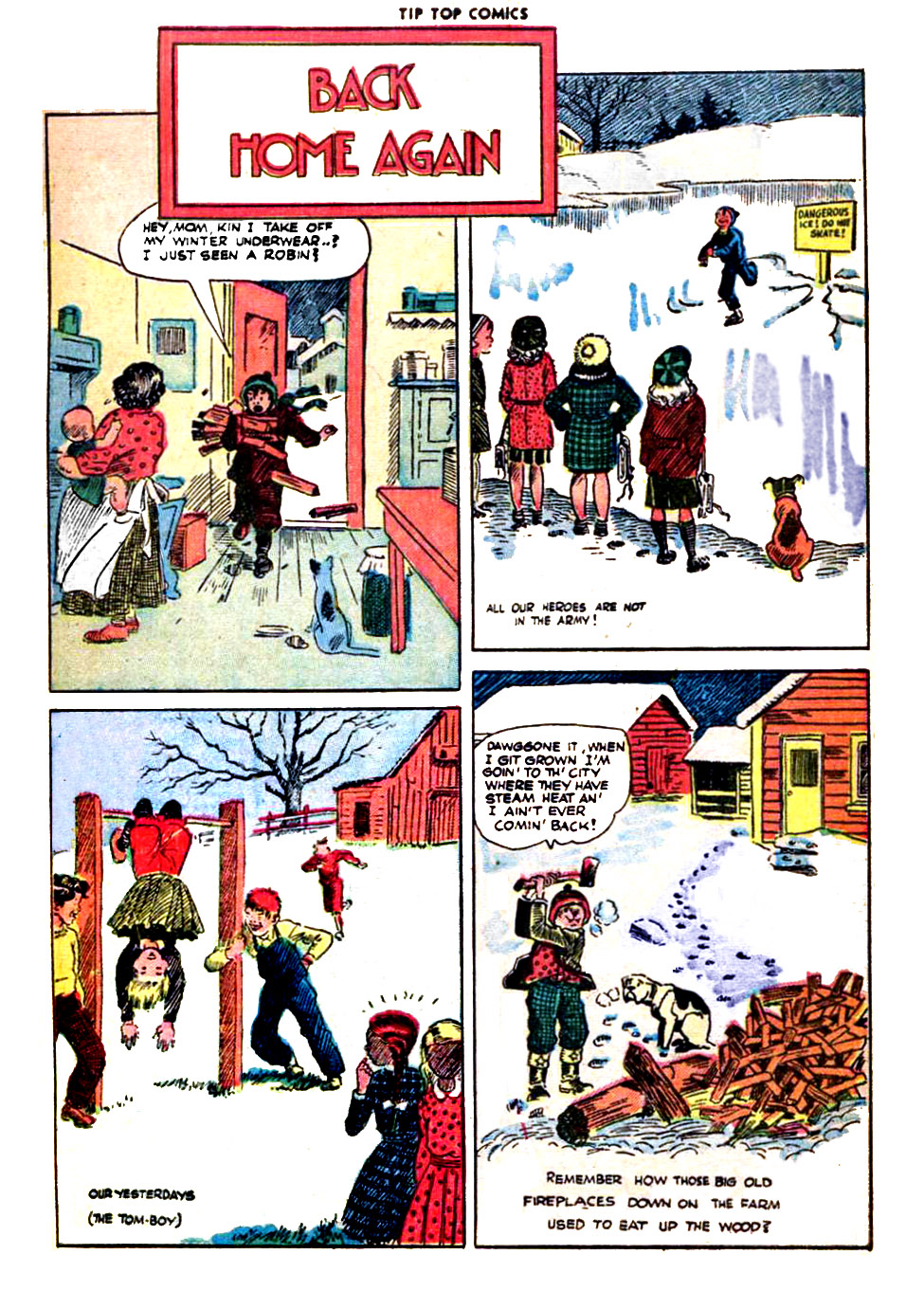
Comics were printed on cheap absorbent newsprint by letterpress or early offset, with colour applied as screened dots in a limited palette, which meant ink spread into the paper and colour frequently sat slightly off register from the line art.
Coated paper, digital colour and precise registration. The newsprint was chosen on cost and had consequences: the pages yellowed within a few years, the spine cracked, and the paper went brittle.
The colour limitation shaped the art itself. Artists worked knowing they had a restricted palette of screen percentages and that fine detail would be lost in the spread of ink, so the line work was bold and the colour was flat – and the look that is now treated as a deliberate retro style was a direct consequence of the cheapest available printing.
5. Half the Appeal Was the Advertisements
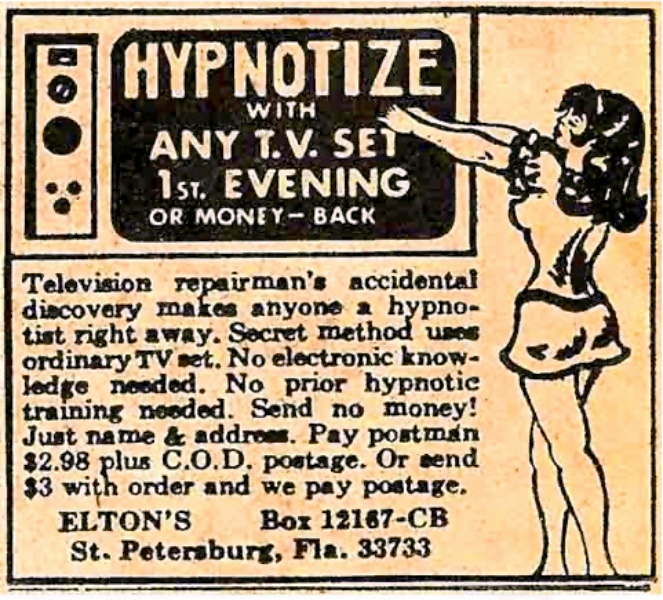
The ad pages carried mail-order novelties – novelty items, seeds, sweets, model kits, hobby supplies, sports equipment, joke items, and a long list of things sold by small companies advertising directly to children.
Advertising to children is heavily regulated and the mail-order novelty trade has essentially gone. The ads were densely packed, illustrated with line drawings, and promised considerably more than they delivered.
They also functioned as a catalogue of desire for children with no other access to any of it. A child in a small town studying a page of novelties in the back of a comic was browsing the only shop available to them, repeatedly, for weeks – and a great many people can describe those pages in more detail than the stories in the same issue.
6. You Could Send Away for Things and They Were Disappointing
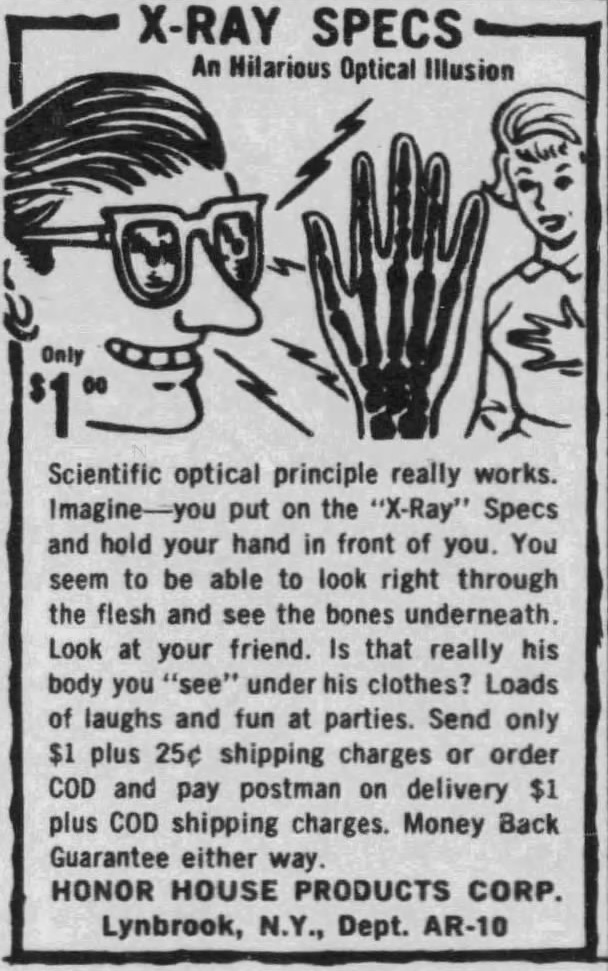
Coupons were cut out, filled in and posted with coins taped to a card or a postal order, and the item arrived four to six weeks later – frequently much smaller, flimsier or less capable than the illustration had suggested.
Consumer protection rules on advertising substantiation and distance selling, with online returns. The gap between the drawing and the object was a formative experience for an entire generation of children.
It is worth being accurate about it, because the disappointment is remembered as fraud and was mostly not. The items generally arrived and generally were what the small print described – a tiny cardboard thing, a packet of seeds, a plastic novelty – and what misled was the illustration and the breathless copy rather than any false statement about the goods.
7. The Letters Page Was the Only Place Readers Met
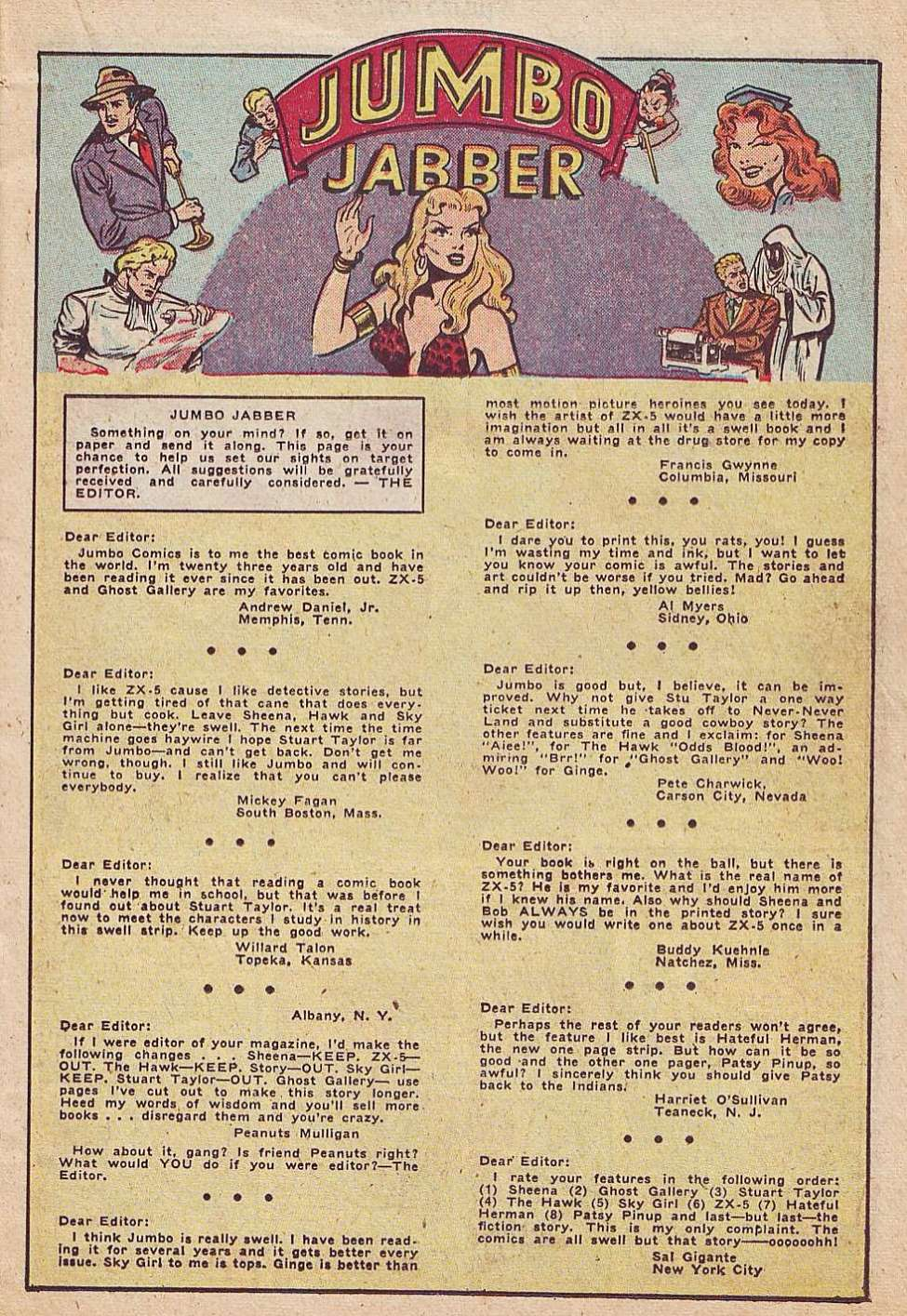
Each issue printed reader letters with full names and home towns, and in many cases complete postal addresses, along with editorial replies – which was the sole channel through which readers reached the publisher or each other.
Online communities, social media and comment sections, with no personal addresses published anywhere near a children’s publication. The printed address is the detail that stops a modern reader short.
It worked as a genuine network and that is why it mattered. Readers wrote to each other, formed correspondence, swapped issues by post and organised the first fan groups entirely through addresses printed in the back of comics – which is how a dispersed readership with no other means of contact found itself.
8. There Was a Seal on the Cover and It Governed the Contents
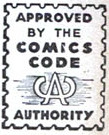
Covers carried a small printed seal indicating compliance with an industry self-regulatory code, adopted by publishers in the 1950s in response to public and legislative pressure about the content of children’s comics.
The code was progressively relaxed, then ignored, and was finally abandoned entirely in the 2010s. It had restricted depictions of crime, horror, authority figures and a long list of other matters, and compliance was effectively necessary for distribution.
Its practical effect was on what existed rather than on what children saw. A publisher who could not get the seal could not get onto the rack, because wholesalers would not carry unsealed titles – which means the code operated as a distribution gate rather than as a content warning, and whole genres simply stopped being published.
9. Unsold Copies Had Their Covers Torn Off and Were Destroyed
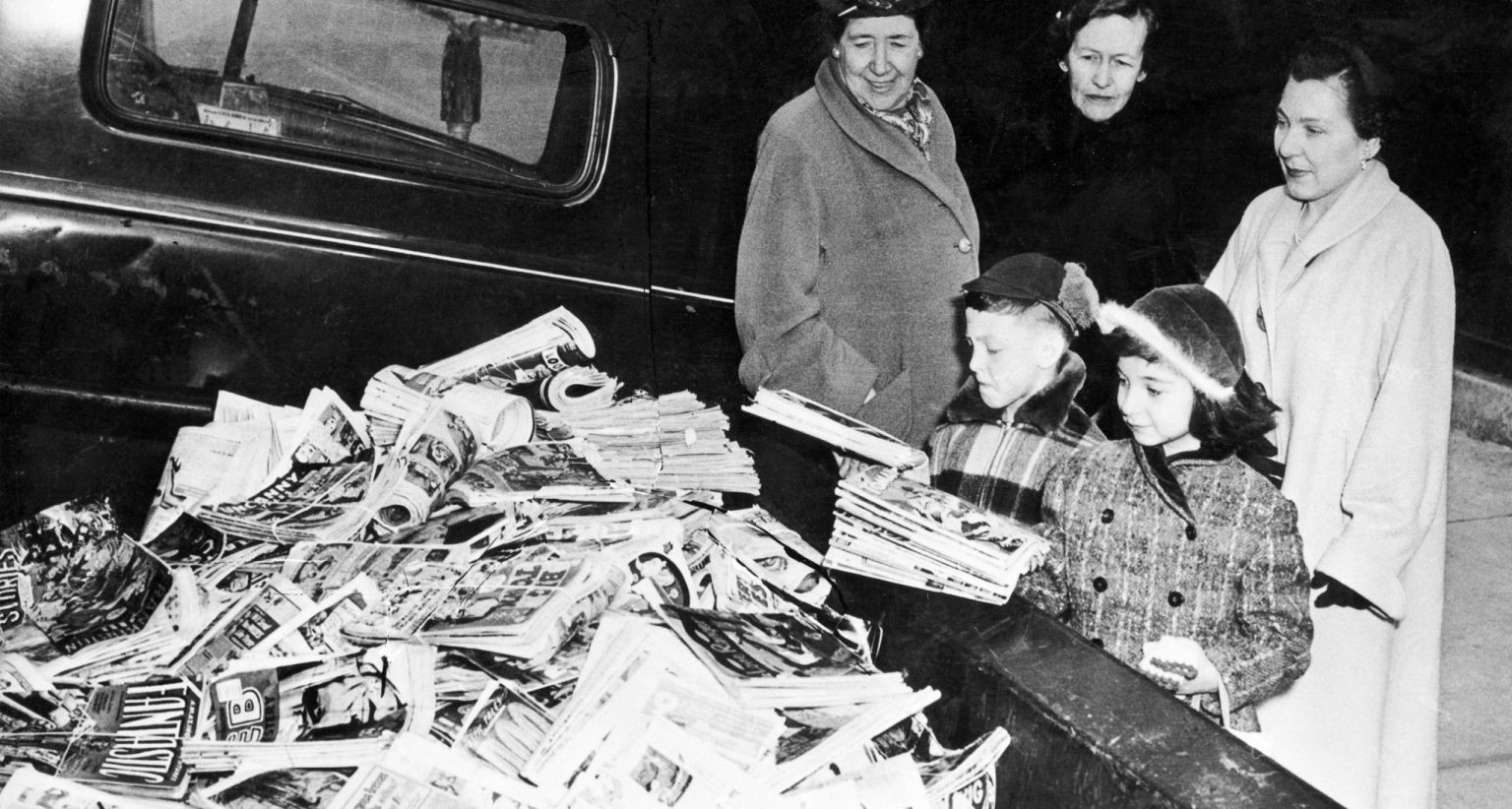
Magazine distribution worked on full returns: unsold copies were not sent back, because shipping them was uneconomic. The retailer tore off the cover, returned the cover for credit, and destroyed the rest.
Comics are sold on a non-returnable basis to specialist retailers, which is the single change that created the modern market. The stripped-cover system meant that unsold comics were destroyed rather than remaindered.
This is why high-grade copies of ordinary issues are scarce. The system was designed to eliminate surplus stock, it worked, and what survives is almost entirely copies that were bought and read by children – which is why a comic in genuinely unread condition from this period is worth a great deal more than the print run would suggest.
10. They Were Read Until They Fell Apart and Nobody Protected Them
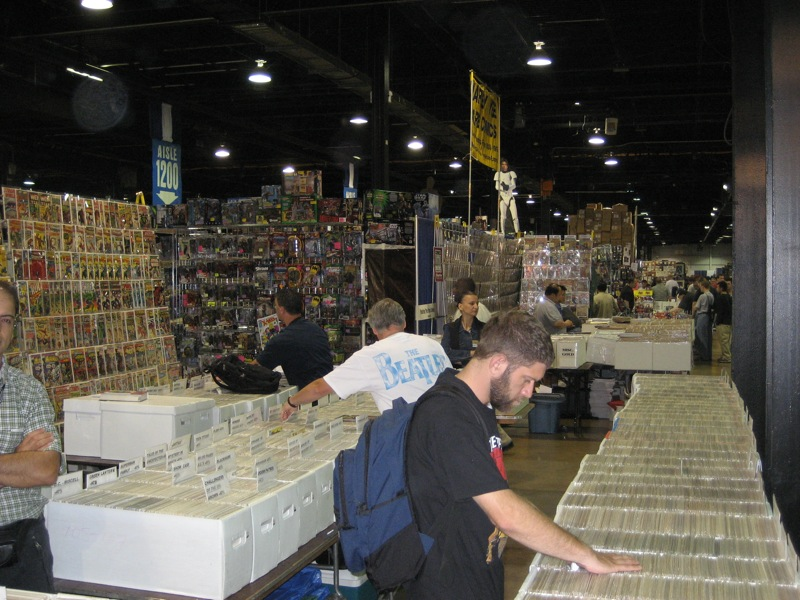
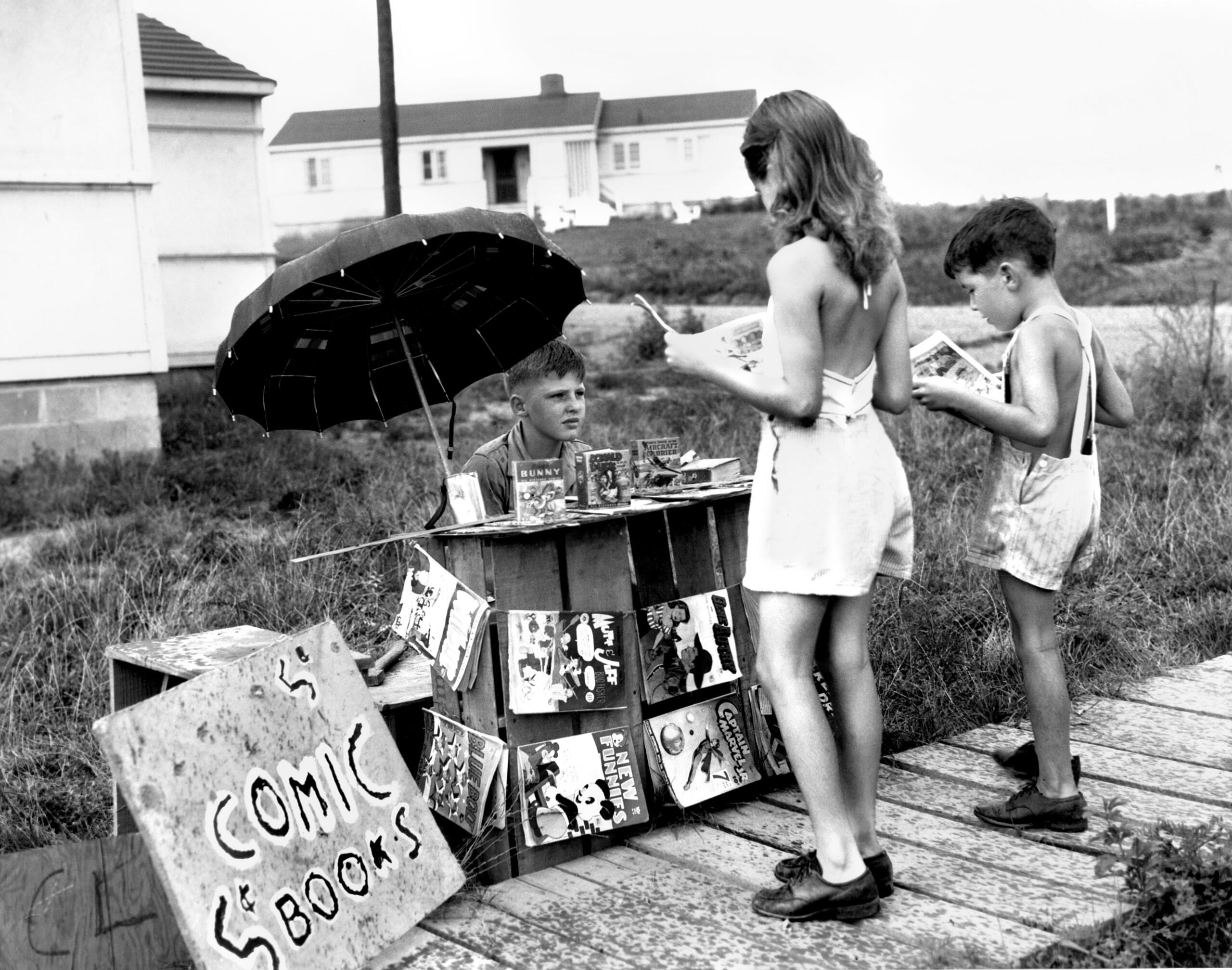
Comics were rolled into back pockets, carried to school, read in the bath, lent out, traded, stacked under beds, cut up for the pictures and eventually thrown away by a parent clearing a room.
Bagged, boarded and stored flat by collectors, with condition graded on a formal scale. Nothing in 1974 suggested these were objects to preserve – they cost pocket change, they were printed on newsprint and they were disposable by design.
Which is the honest answer to every story about a comic that would now be worth a fortune. It is not that somebody’s mother threw away a valuable object; it is that the object was not valuable and was not intended to last, and the ones that did survive mostly survived by accident in a box in a loft.
11. The Trading Economy Was Entirely Run by Children
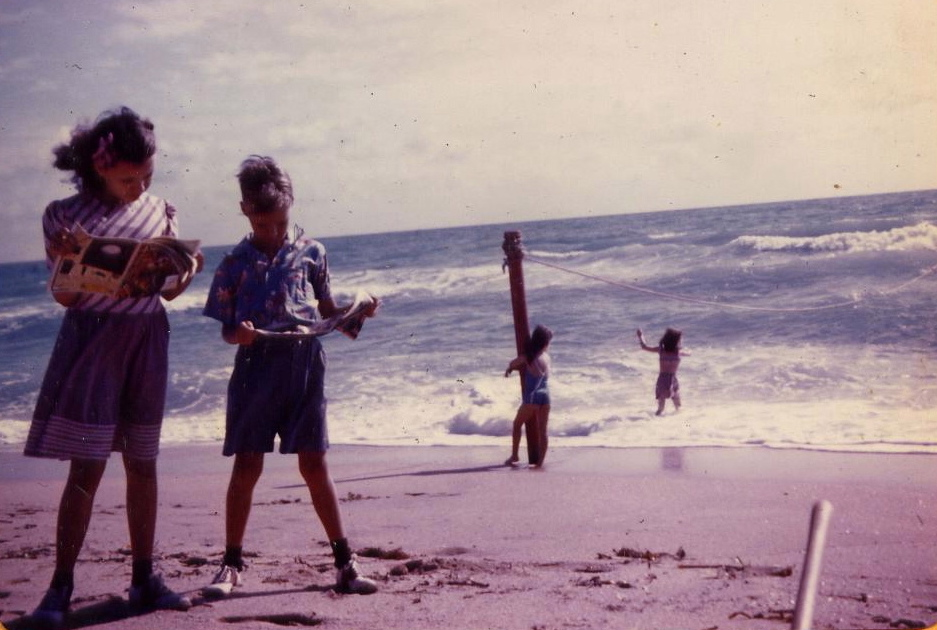
Comics circulated by swap – traded at school, in the street and at summer camp, at exchange rates established by the children involved on the basis of condition, title, how recent it was and how much somebody wanted it.
Online marketplaces with published price data. The child economy had no reference prices, so value was negotiated locally and varied enormously between one group of friends and another.
The lending was the bigger part of it and was genuinely risky. A comic lent out might come back creased, might come back without its cover, or might not come back at all – and the social enforcement around that, in a school where the borrower sat two rows away, was the only mechanism available.
12. Nobody Knew What Anything Was Worth and There Was No Way to Find Out
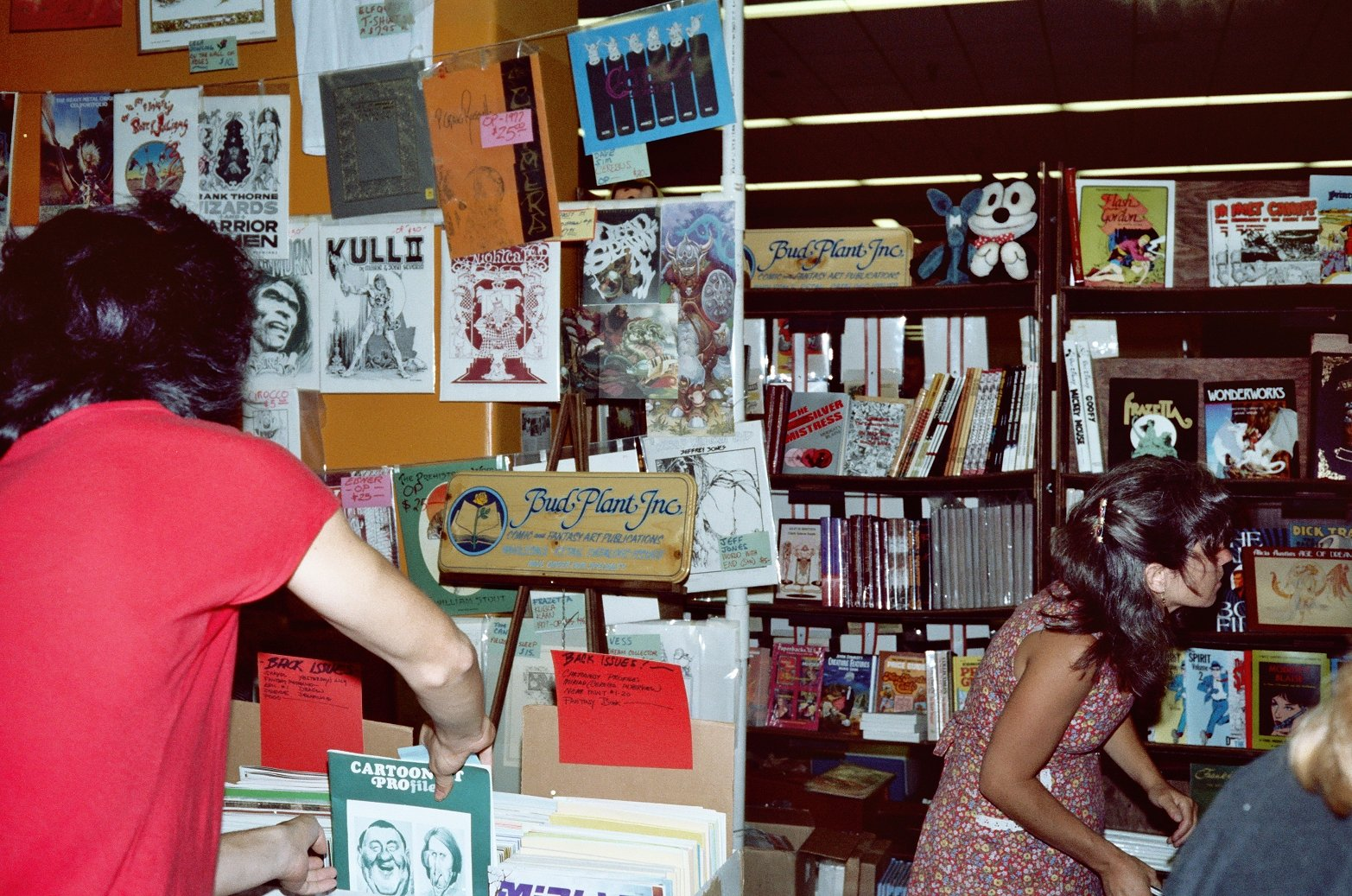
There were no price guides in general circulation, no reference data, no way to establish whether an issue was scarce, and no market in which to test it.
Published guides, auction records, graded sales data and instant online comparison. The information vacuum is what makes the stories about this period possible.
And it cut both ways, which is usually left out. A child who traded away an issue that later became valuable was not cheated – nobody knew, including the person who received it – and the dealers who began buying collections cheaply in the following decade were operating on information nobody else had yet bothered to assemble.
13. The Prices on the Cover Went Up Fast and Everybody Noticed
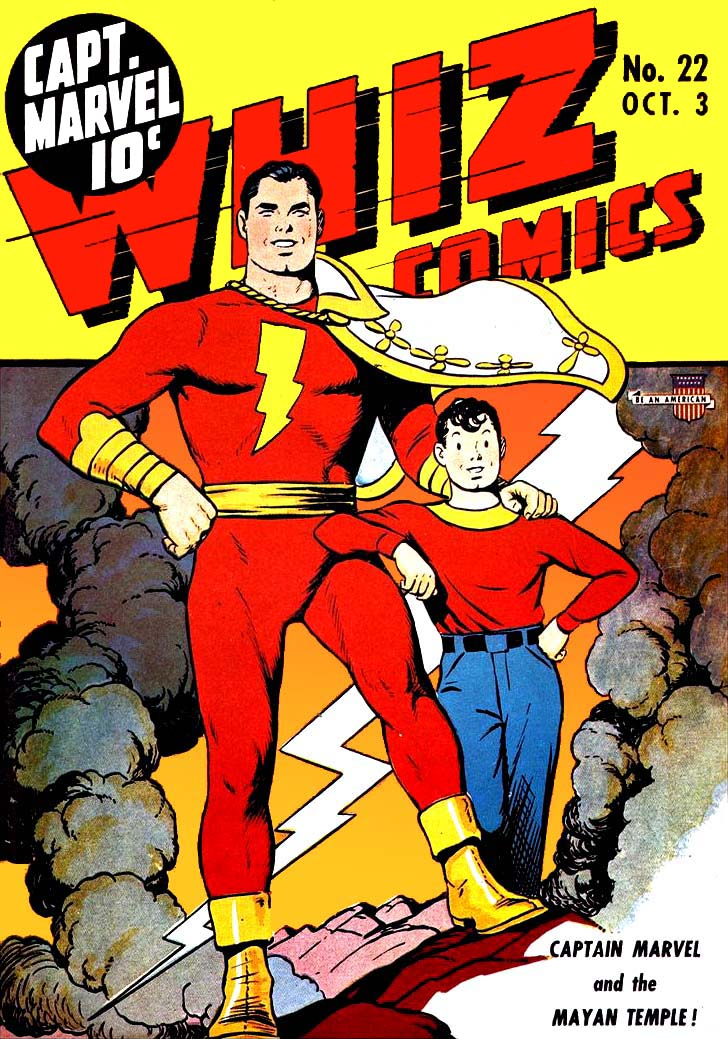
Cover prices rose repeatedly through the 1970s, and because the price was printed in large type on the front of every issue, the increases were conspicuous to the only people paying attention.
Pricing is substantially higher in real terms and is accepted as normal. The rises were driven by paper costs, printing costs and declining print runs, and each one came with a reduction in page count or in story pages relative to advertising.
Children experienced this as the central economic fact of their lives. A rise meant one fewer comic per week out of a fixed allowance, it was discussed, and the previous price was remembered with some resentment – which makes comic cover prices one of the few inflation series that an entire generation tracked personally and can still recite.
14. The Stories Were Written Assuming You Would Not Be Back
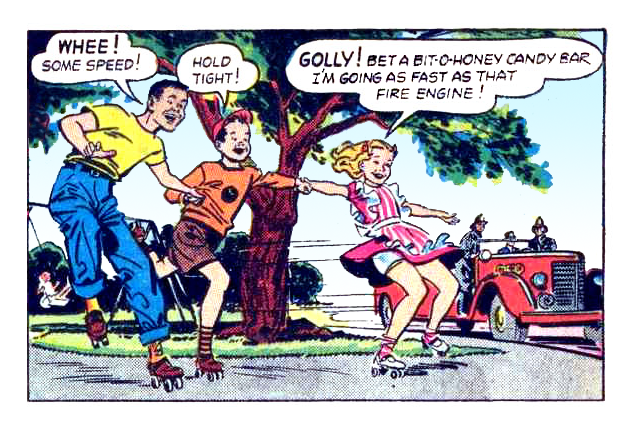
Because distribution was unreliable and readership turned over constantly, issues were written to be comprehensible alone – with recaps, restated premises, characters reintroduced and plots resolved within an issue or two.
Extended multi-issue arcs written for collected editions and for readers who have the whole run. The old approach was a direct response to the distribution problem rather than an artistic preference.
That constraint is why those comics read as they do, and the trade-off is real. A story that explains itself every issue cannot build the way a long arc can; a long arc is incomprehensible to a reader who found issue four on a spinner rack. Modern comics made the opposite choice because modern readers can get the other three.
15. Then Direct Distribution Created the Comic Shop and Changed Everything
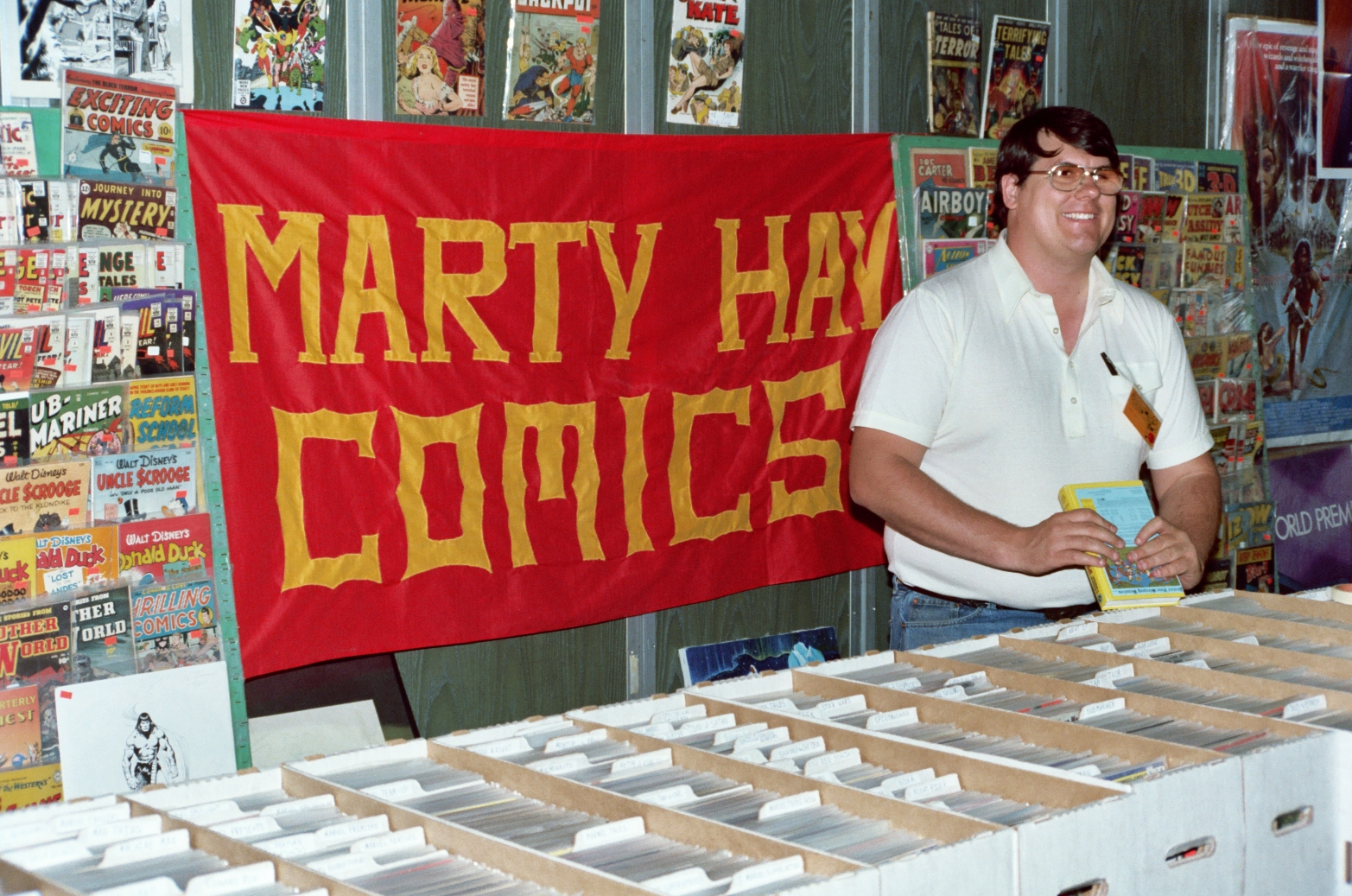
The whole system rested on general magazine wholesalers delivering unordered bundles to shops selling other things, on full returns with stripped covers, and on a readership of children with pocket change.
Direct distribution from the later 1970s let specialist shops order exactly what they wanted on a non-returnable basis at a better discount, which made a dedicated comic shop viable for the first time – and the spinner rack in the drugstore disappeared within about a decade.
Every consequence followed from that single change. Readers could follow a run, so writers could plot long arcs. Shops could stock back issues, so a collector market formed. Retailers took the inventory risk, so publishers could print to order. And comics stopped being an impulse purchase made by a child in a drugstore and became a planned purchase made in a shop that adults also used – which is the whole of the modern industry in one distribution reform.
16. The Ones That Survived Did So Because Somebody Forgot a Box
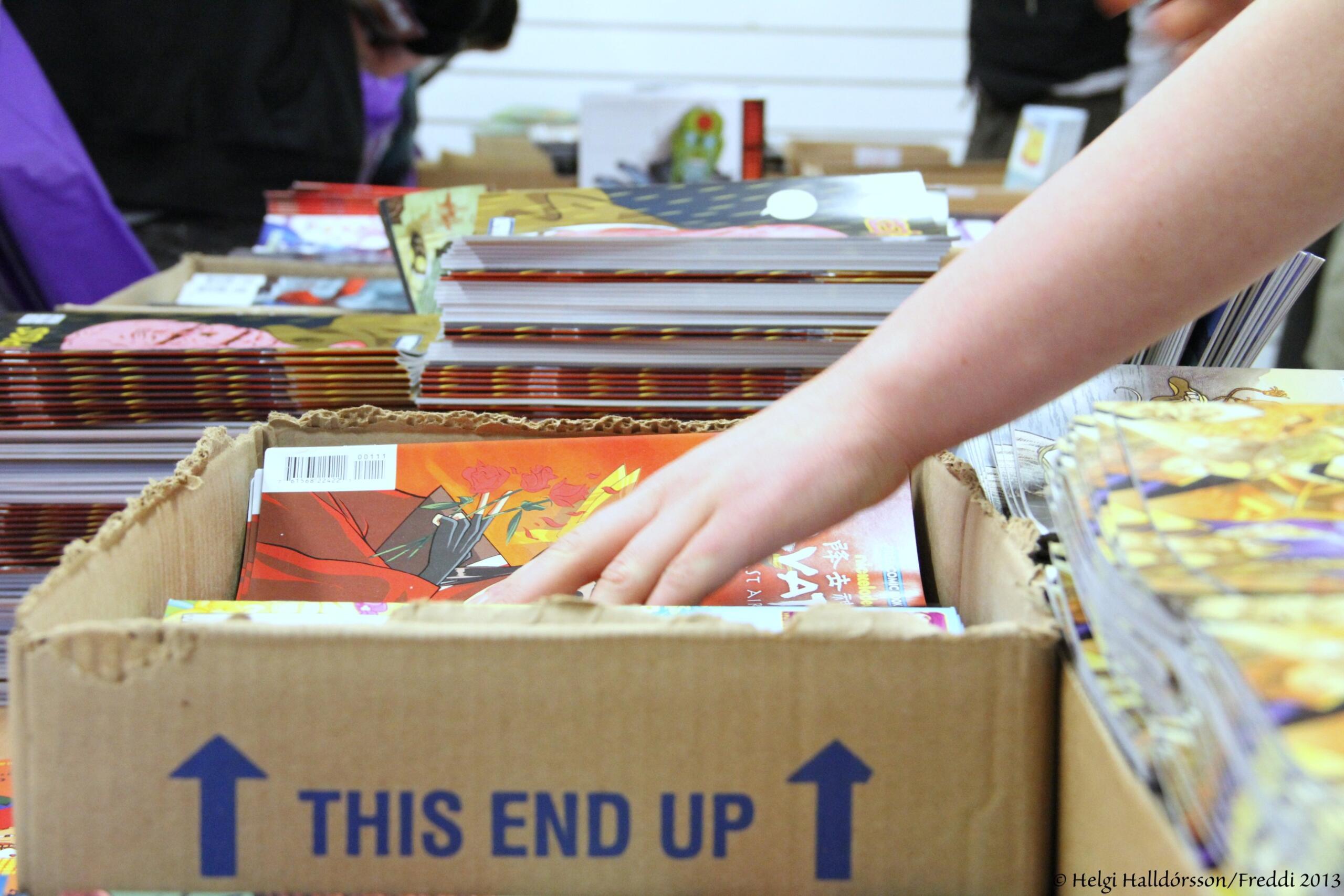
The format was disposable, the retail system destroyed the surplus, children destroyed their own copies and parents disposed of the remainder, so survival in any condition was close to accidental.
A substantial collector and investment market with professional grading, sealed slabs, auction records and prices that bear no relation to the original cover price. Very high grade copies of ordinary 1970s issues are genuinely scarce.
The mechanism of survival is worth stating plainly, because it explains the whole market. What survives in collectable condition is overwhelmingly comics that were bought and then immediately stopped being read – a child who lost interest, a box put in a loft during a move, a collection abandoned when somebody went to college. Not care, in almost every case. Neglect, of exactly the right kind, at exactly the right moment.
One Change to Distribution Created the Entire Modern Industry
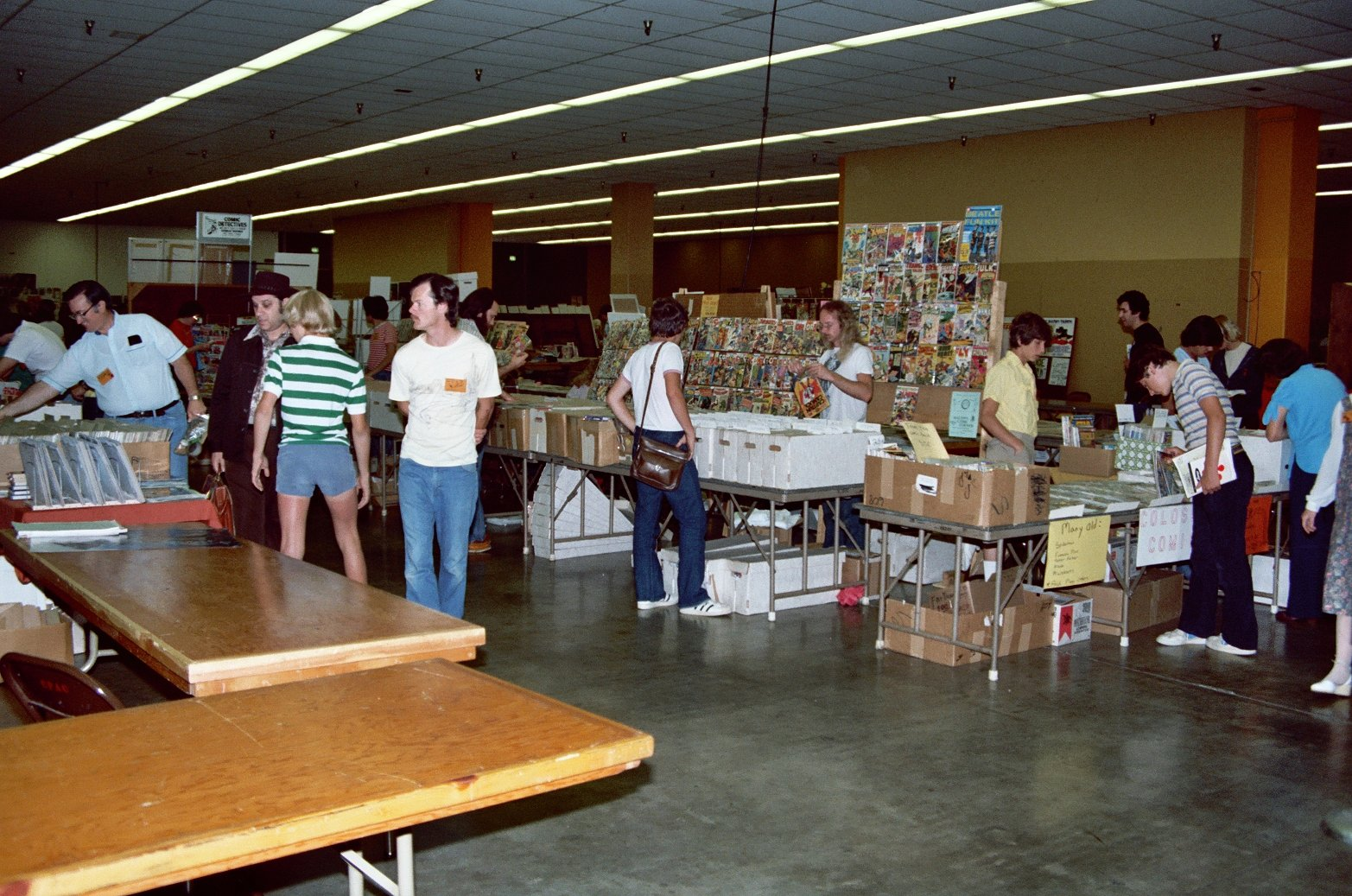
Everything on this list traces to a single fact: comics were delivered to shops by magazine wholesalers who decided what went where, on full returns, to retailers selling something else.
Follow that through and the whole period makes sense.
The wholesaler sent unordered bundles, so the rack’s contents were effectively random and nobody could follow a story. There were no back issues, because the system had no mechanism for holding stock. Unsold copies were destroyed with their covers stripped for credit, because shipping them back was uneconomic – which is why high-grade copies are now scarce. Stories were written to be comprehensible alone, because the publisher knew the reader might have missed the last two issues and probably would miss the next one. And the retailer took no risk, so the publisher printed heavily and absorbed the returns.
Then, from the later 1970s, direct distribution arrived. Specialist shops could order exactly the titles and quantities they wanted, on a non-returnable basis, at a better discount.
Every single consequence on that list inverted at once.
Shops could stock back issues, so a collector market became possible. Readers could follow a run, so writers could plot across twelve issues instead of resolving everything in two – which is the origin of the modern graphic novel. Retailers carrying the inventory risk meant publishers could print closer to demand. And a shop that sells nothing but comics is a shop adults will walk into, which changed who the readership was and therefore what got published.
The spinner rack in the drugstore was gone within about a decade, and with it the child with forty cents choosing from whatever happened to be in the pockets.
It is a useful case because the cause is so unglamorous. People explain the transformation of comics by talking about creators, content and cultural change, and the mechanism underneath was a wholesaling arrangement. Change how a thing reaches people and you change what the thing is – and nobody involved in the distribution reform was thinking about storytelling at all.
[CLOSING IMAGE SUGGESTION] A modern comic shop with graded back issues and collected editions on shelves.
If you read these, you remember a story you never saw the middle of.
And your copies went in a box, and the box is the only reason any of them still exist.
Like our content? Follow us for more.