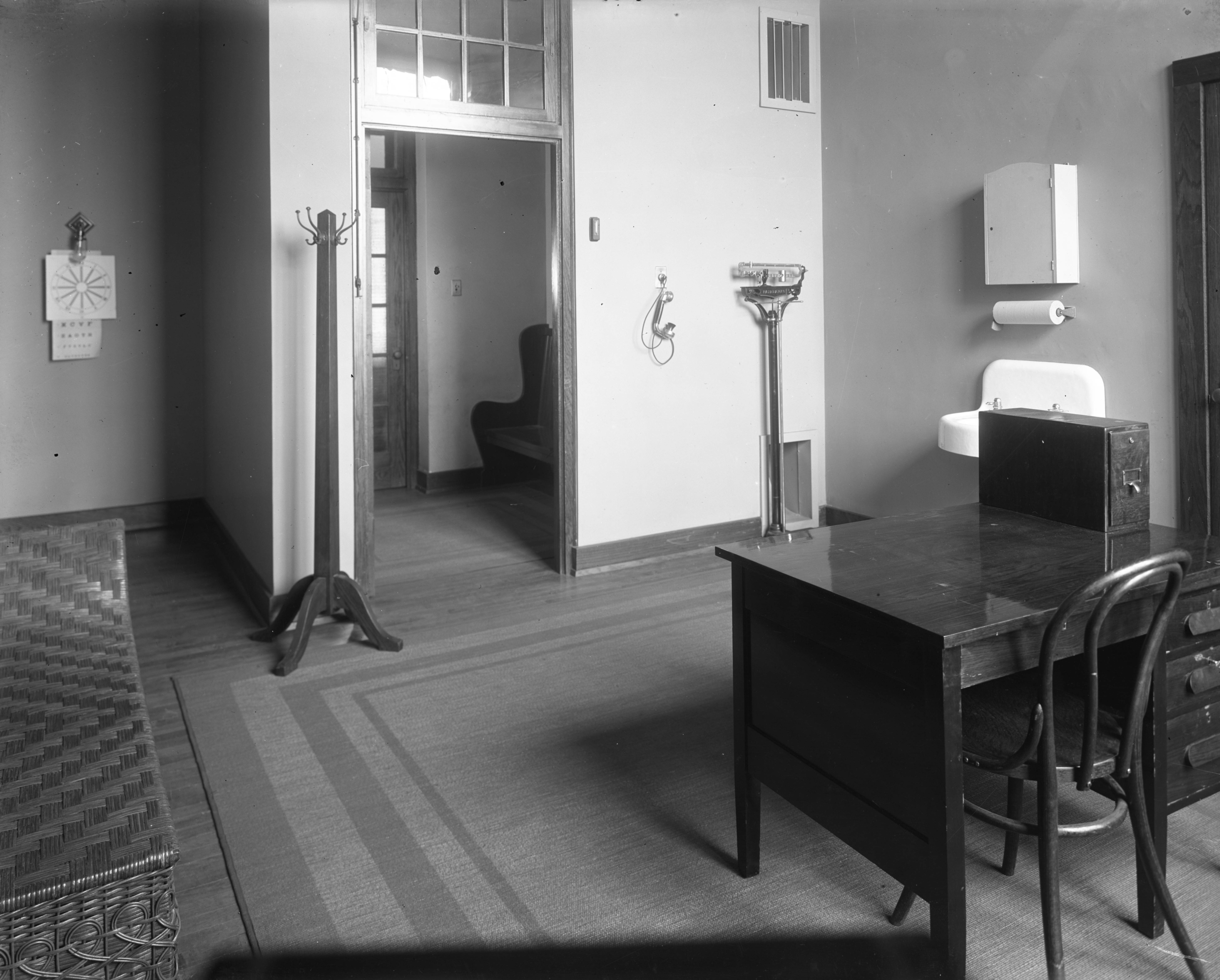
In 1974 the school nurse’s office had a vinyl cot with a length of paper pulled over it, a drawer of remedies that was not locked and not logged, and a glass thermometer with mercury in it.
Ice meant ice cubes in a paper towel. Antiseptic left you orange for a week. Hearing was tested with headphones in a corridor. Spinal screening was done with a whole class lined up bending forward. And if nobody answered your home telephone, you lay on the cot until the bus.
Here are fourteen things every kid found in the school nurse’s office in 1974, and what replaced each of them.
1. A Cot With a Vinyl Mattress and a Paper Sheet Over It
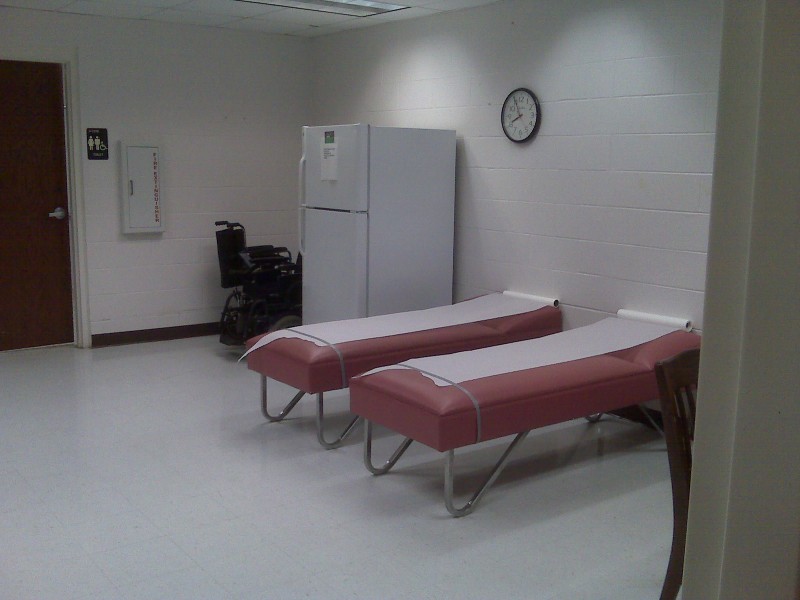
The room’s main fixture was a narrow cot or daybed with a wipe-clean vinyl pad, over which a length of paper was pulled from a roll for each child and torn off afterwards.
The same arrangement in better rooms, with disposable covers, cleanable surfaces and documented cleaning between uses – but with a much shorter expectation of how long a child stays on it.
The paper was the whole infection-control policy and it was visible. You lay on paper that crackled, with a vinyl surface underneath that had been wiped, and the sound of somebody tearing off the previous child’s sheet is one of the specific noises of an American childhood.
Like our content? Follow us for more.
2. An Unlocked Drawer With Aspirin In It
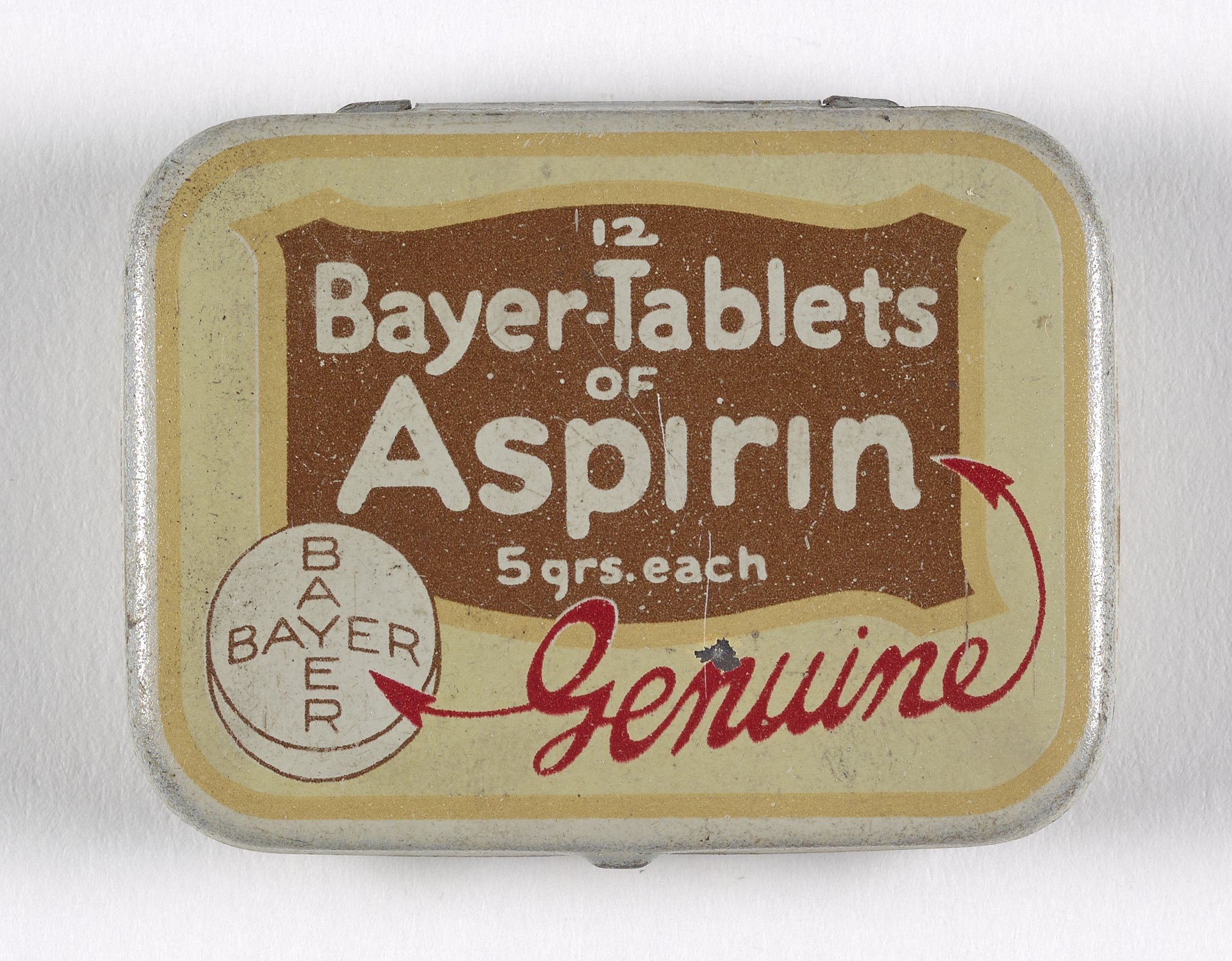
Routine complaints were met from a drawer of over-the-counter remedies that was not locked and not logged, dispensed on the nurse’s judgement without contacting anybody.
Locked storage, written parental authorisation for every medication including over-the-counter ones, a log of every dose given, and in many places a requirement that a parent supply the medication in its original container.
The paperwork is not bureaucratic caution. Children have allergies and conditions a school may not know about, doses depend on weight and age, and a child who has already been given something at home is at risk of a second dose – and none of that was checkable from an unlocked drawer.
3. The Reason the Aspirin Went Is a Specific Piece of Medical History
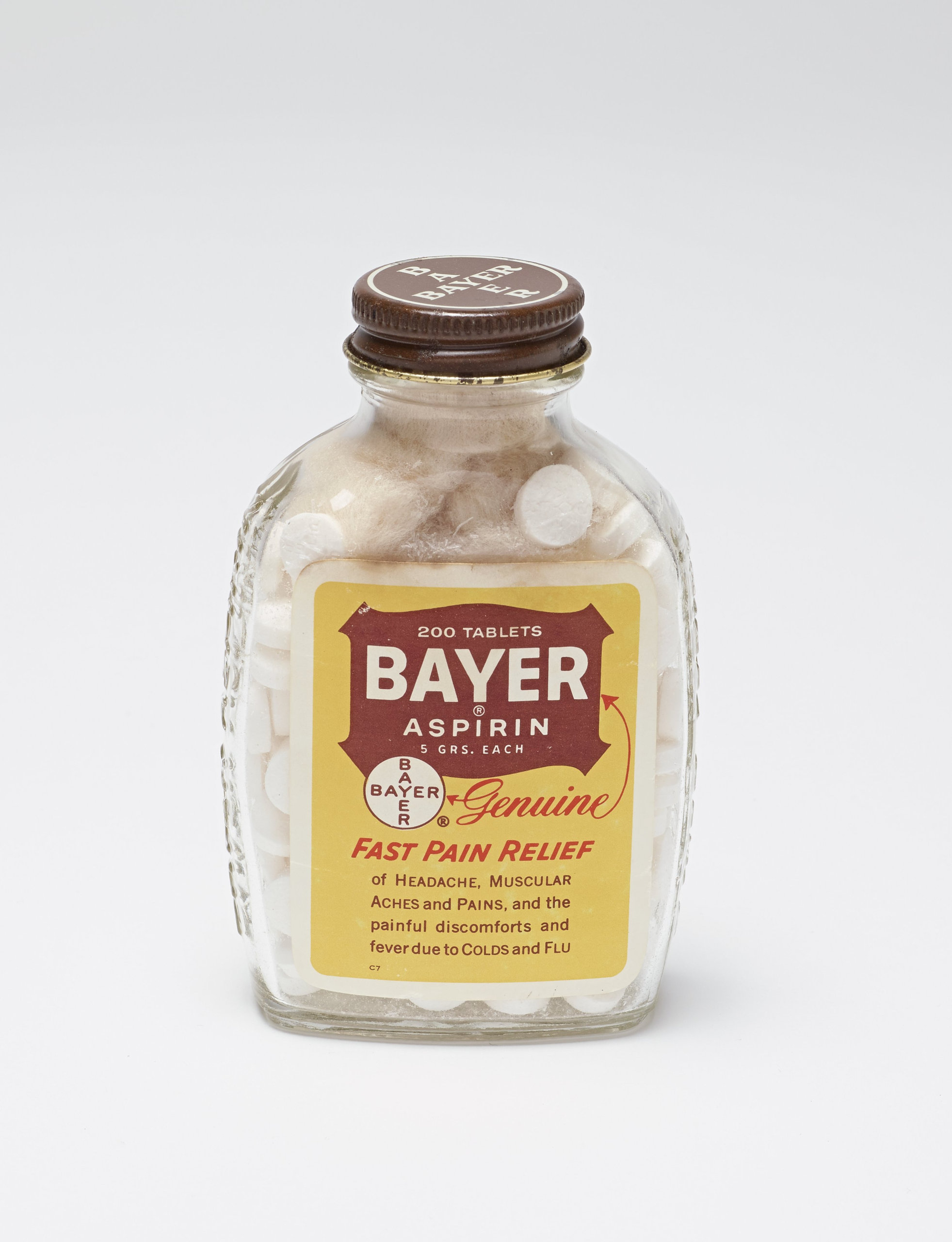
Aspirin was the standard thing handed to a child with a headache or a fever, at school and at home, for decades and without a second thought.
It is no longer given to children and young people with viral illness, following the identification in the early 1980s of an association with a rare but extremely serious condition affecting the liver and brain, after which warnings were added and paediatric use changed decisively.
This is worth stating accurately because it is one of the clearest examples of a change made on evidence, and the change worked – cases of that condition in American children fell dramatically afterwards. Anybody deciding what to give a child now should follow current medical advice and their own clinician, and this piece gives no guidance whatsoever on any medication.
4. A Glass Thermometer With Mercury in It
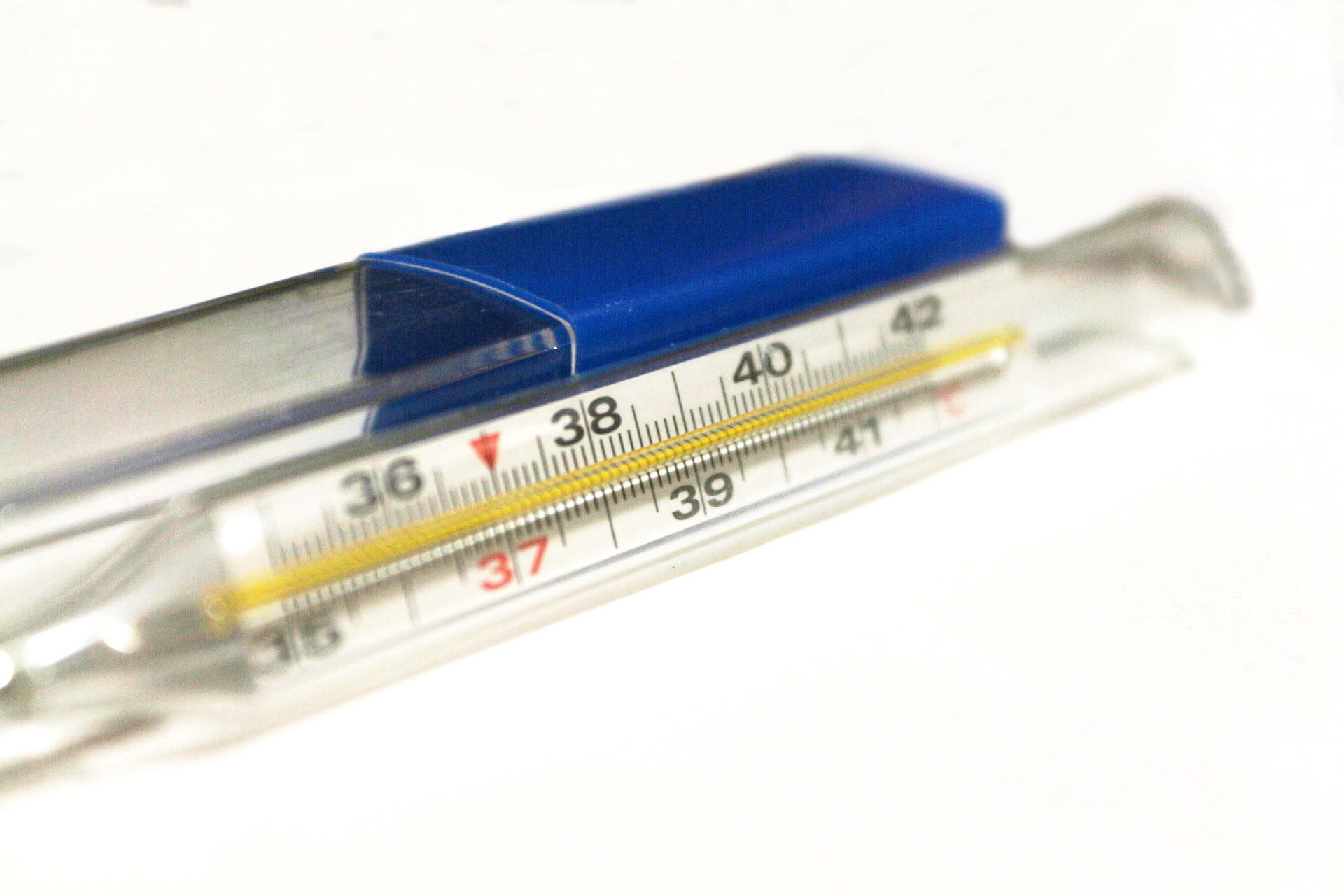
Temperature was taken with a glass thermometer containing a column of mercury, placed under the tongue, shaken down by hand afterwards, and wiped with alcohol before the next child.
Digital thermometers with disposable probe covers, and infrared instruments that take a reading without contact at all.
The reasons for the change are the obvious two. A glass tube in a child’s mouth breaks, and mercury is a hazardous material requiring specific clean-up that no school is equipped for – so the instrument was replaced on safety grounds rather than accuracy, and the shaking-down motion is a gesture an entire generation can still perform.
5. Ice Meant Actual Ice in a Paper Towel

An injury got cold applied as ice cubes wrapped in a paper towel or a washcloth, fetched from a kitchen or a staff refrigerator, dripping all the way back.
Instant chemical cold packs that activate when squeezed, stored at room temperature in quantity, used once and discarded.
The ice-in-a-towel was better at being cold and worse at everything else. It had to be fetched, it leaked, it ran out, and it could not be kept in a cupboard – which is why the chemical pack won despite being considerably less effective at the actual job.
6. Antiseptic That Stained You for a Week
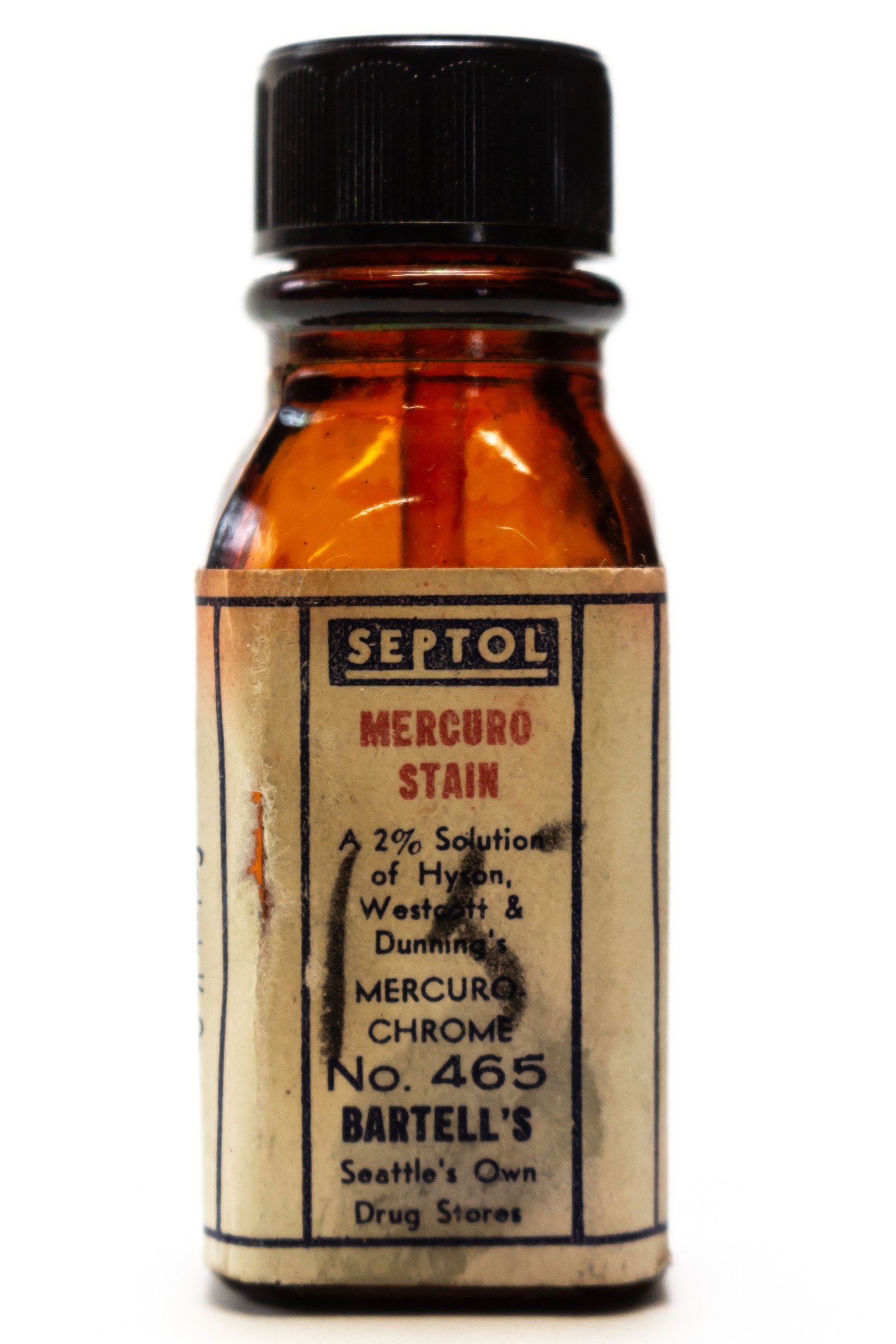
Scrapes were painted with antiseptic solutions that left a vivid orange or red mark on the skin lasting for days, applied with a swab or straight from a bottle with a glass rod in the cap.
Cleaning with water or saline and covering the wound, on the understanding that most of what the old solutions did was visible rather than useful, and that some of them delayed healing.
The staining served a social purpose that nobody intended. A child returned to class marked in orange, which was public proof of having been injured and attended to – and the modern plain dressing conveys none of that, which children notice.
7. A Vision Chart on the Wall and a Hand Over One Eye
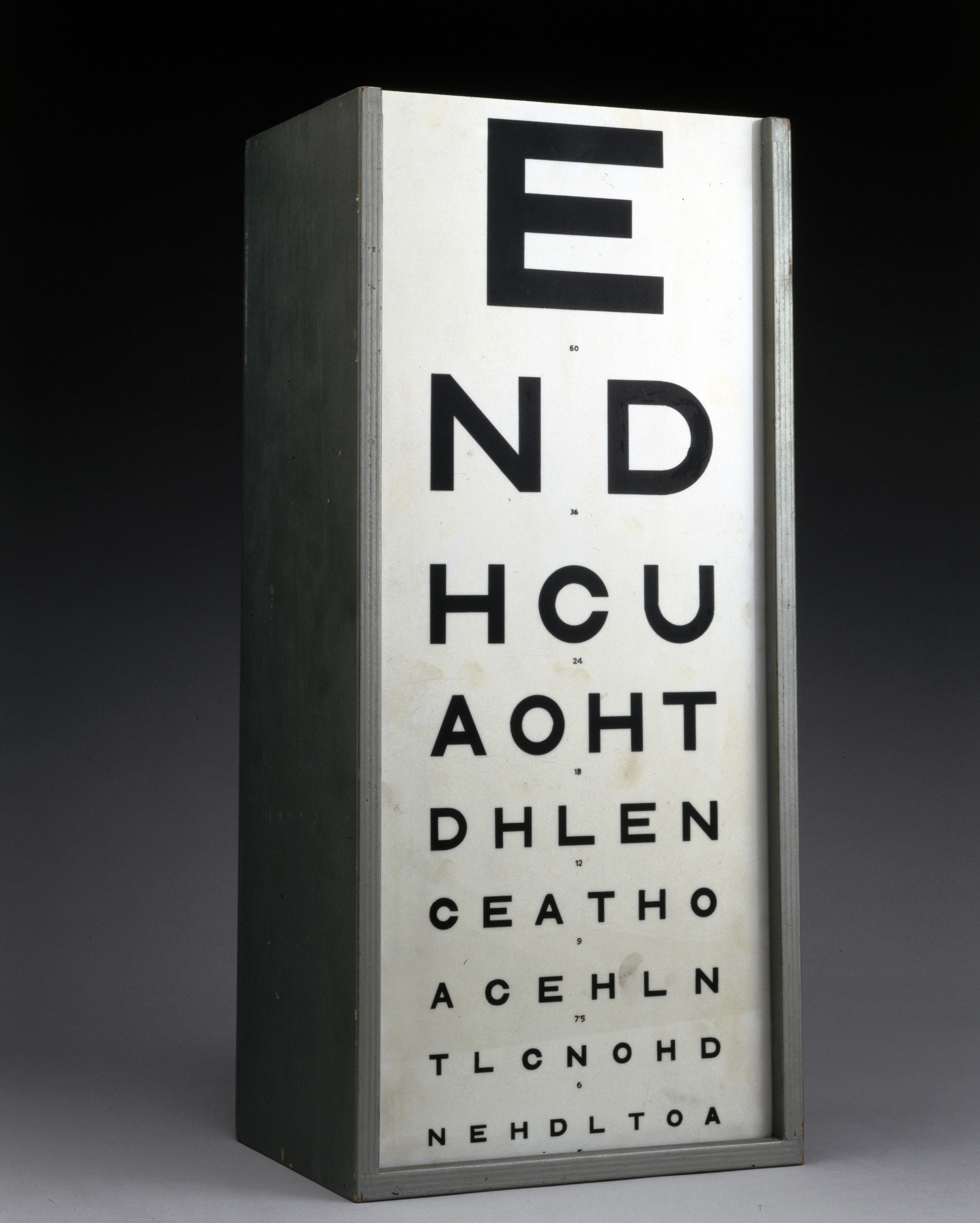
Screening was done with a printed chart at a measured distance, a child covering one eye with a hand or a card, and a nurse recording the smallest line read.
Automated screening instruments that photograph both eyes and detect refractive error in seconds, used in large numbers of schools alongside charts.
The chart test is genuinely useful and genuinely limited, and the limitation mattered. It finds distance blurring and misses a great deal else – eye alignment, focusing problems at reading distance, and conditions in one eye that the child has compensated for – which is why children with real difficulties passed it routinely.
8. A Hearing Test With Headphones in a Corridor
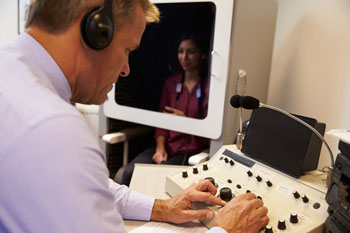
Hearing screening involved a portable audiometer, a set of headphones and a child raising a hand when they heard a tone – frequently conducted in a hallway, a storeroom or a corner of the office.
The same equipment used in a quiet or sound-treated space, with referral protocols and follow-up, because the test’s validity depends almost entirely on the ambient noise where it is done.
Which is the whole problem with the old arrangement. A screening for quiet tones conducted next to a corridor full of children will pass a child who cannot hear and refer one who can, and the results were recorded on a card as though they meant something.
9. Screening for Curvature of the Spine, With Everybody Lined Up
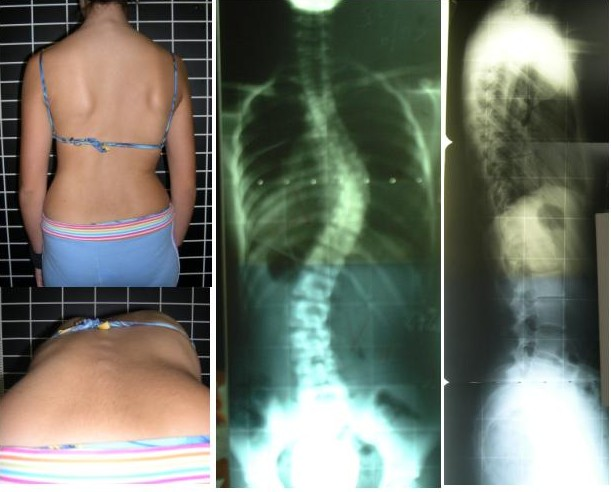
Children were screened for spinal curvature in groups – shirts off or lifted, bending forward in a line while a nurse looked along the back – in a gymnasium, a locker room or the office.
The same screening, where it is done, conducted individually and in private, with documented consent and referral – and with considerably more debate about which ages to screen and how often.
The group format is the part that is remembered, and it was the part that got changed first. A line of eleven-year-olds partly undressed in front of each other is a straightforward dignity problem, and solving it did not require giving up the screening.
10. A Head Lice Check and Being Sent Home Over It
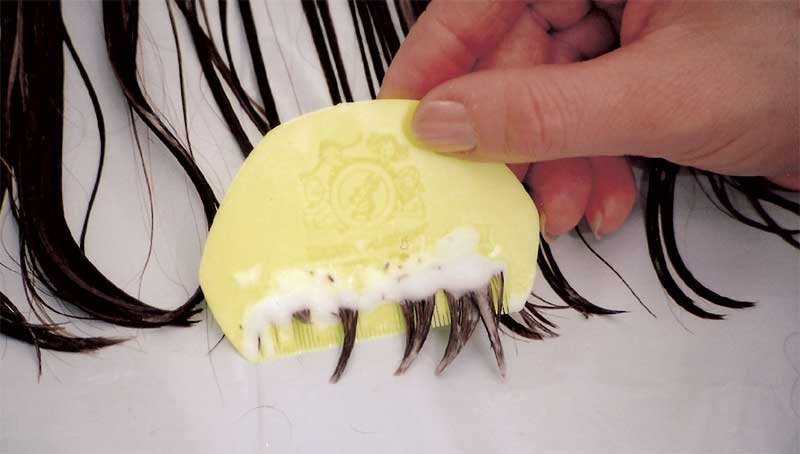
Inspections were conducted class by class, and a child found to have lice or eggs was commonly excluded from school until clear – the no-nit rule – frequently in front of everybody.
Guidance from medical and school-health bodies that recommends against exclusion, on the evidence that lice are not a disease, are not a hygiene failure, do not spread readily in classrooms, and that exclusion costs a child school days for no health benefit.
That reversal is well documented and the reasoning is clear. The exclusion policy achieved nothing medically, stigmatised children publicly, cost them education and cost parents work – and the fact that it survived so long on intuition is a reasonable illustration of how school health rules used to be made.
11. They Called Your Mother and Nobody Answered
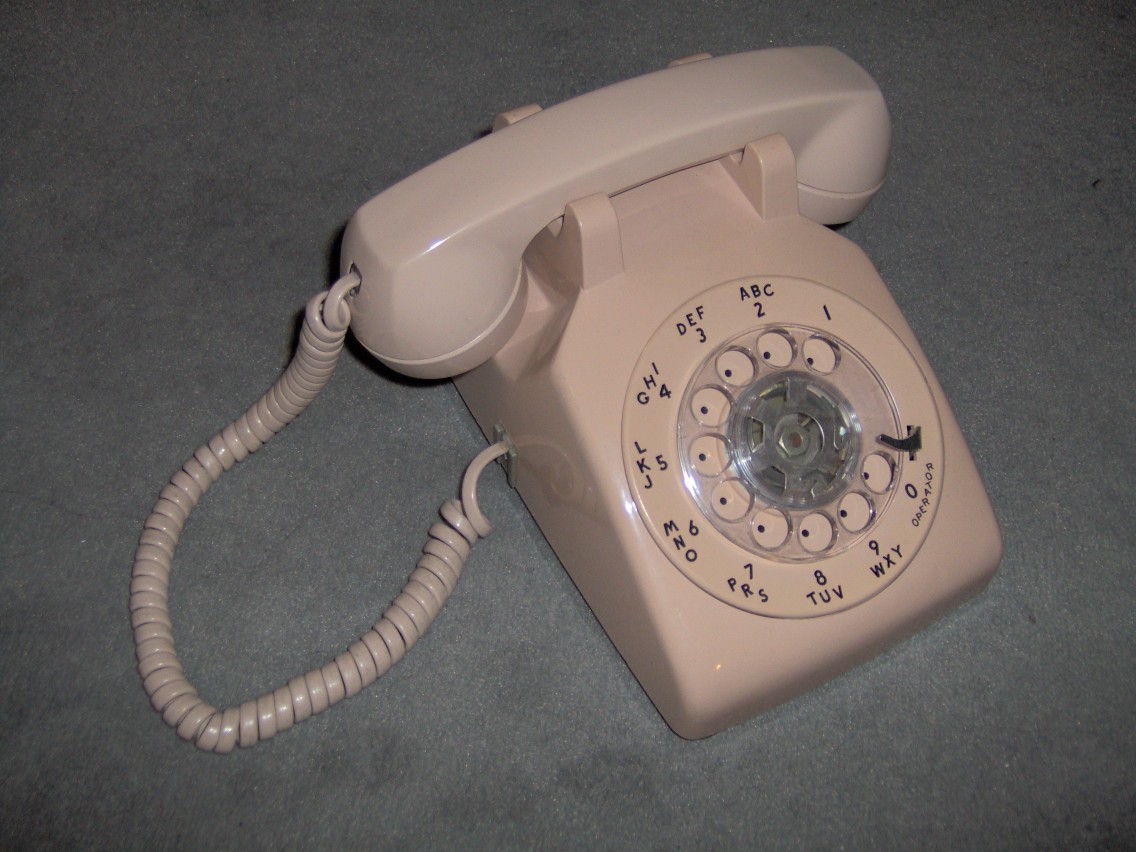
The procedure for a sick child was a telephone call to a home number on a card, and if nobody answered – which was frequently, and increasingly as more mothers worked – there was no second option.
Multiple contact numbers, mobile phones, emergency contacts, text messaging and documented escalation procedures, so a child is almost never unreachable to an adult.
The gap was filled by the child simply waiting. A pupil who was unwell and whose home telephone rang unanswered lay on the paper-covered cot for the rest of the afternoon and then took the bus home – which was understood by everybody as the normal outcome rather than a failure.
12. The Nurse Covered Several Buildings and Was Usually Elsewhere
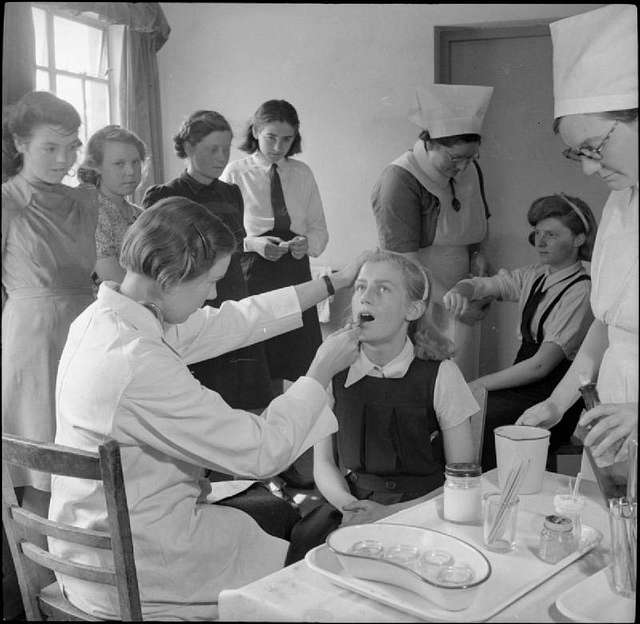
One nurse commonly served several schools on a rotation, which meant the office was staffed on certain days and the rest of the time a secretary or a teacher dealt with whatever happened.
The same arrangement in a great many American districts, and in some cases worse, with national shortages and a substantial proportion of schools having no full-time nurse – which is a live policy issue rather than a historical one.
So this is the item where the comparison does not favour the present. The 1974 office was under-resourced and the modern one frequently is too, and the difference is that the modern one is operating under protocols, documentation and expectations that assume a professional is present.
13. A Card File of Immunisation Records Kept in the Office
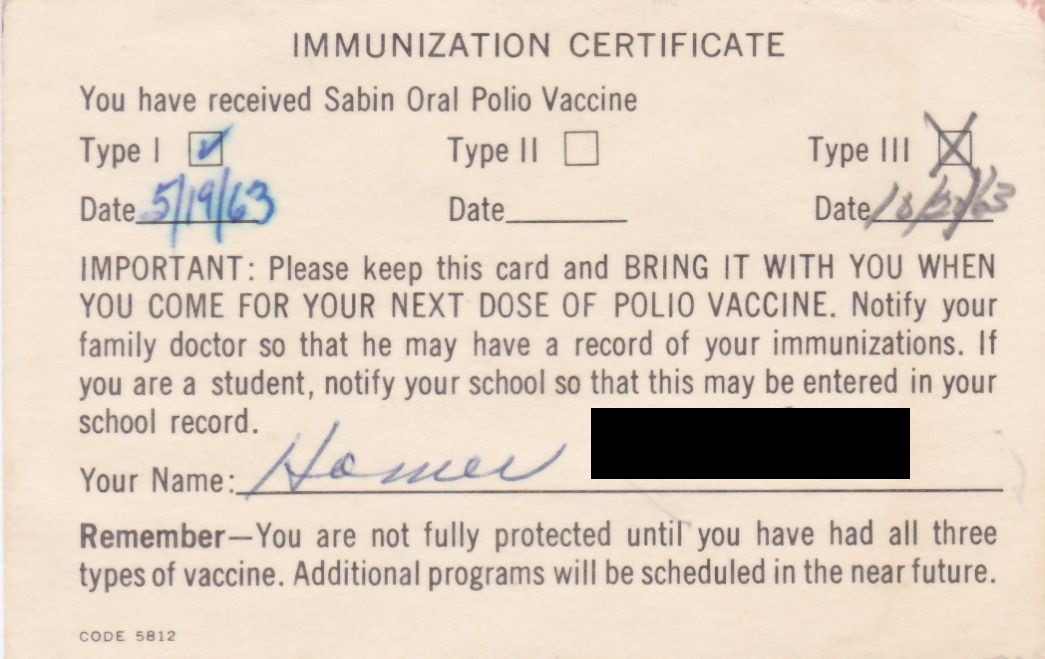
Health records were index cards in a drawer – immunisations, screening results, conditions and contacts – handwritten, held in that building, and travelling with a child only if somebody remembered to send them.
Electronic records, state immunisation registries that follow a child between schools and districts, and documented procedures for transfer – which means a child’s history is actually available to whoever needs it.
The card file’s weakness was mobility and it mattered most for the children who moved most. A pupil who changed schools three times had a history scattered across three drawers in three buildings, which is precisely the child most likely to have missed something.
14. Then the Office Got Protocols Instead of Judgement
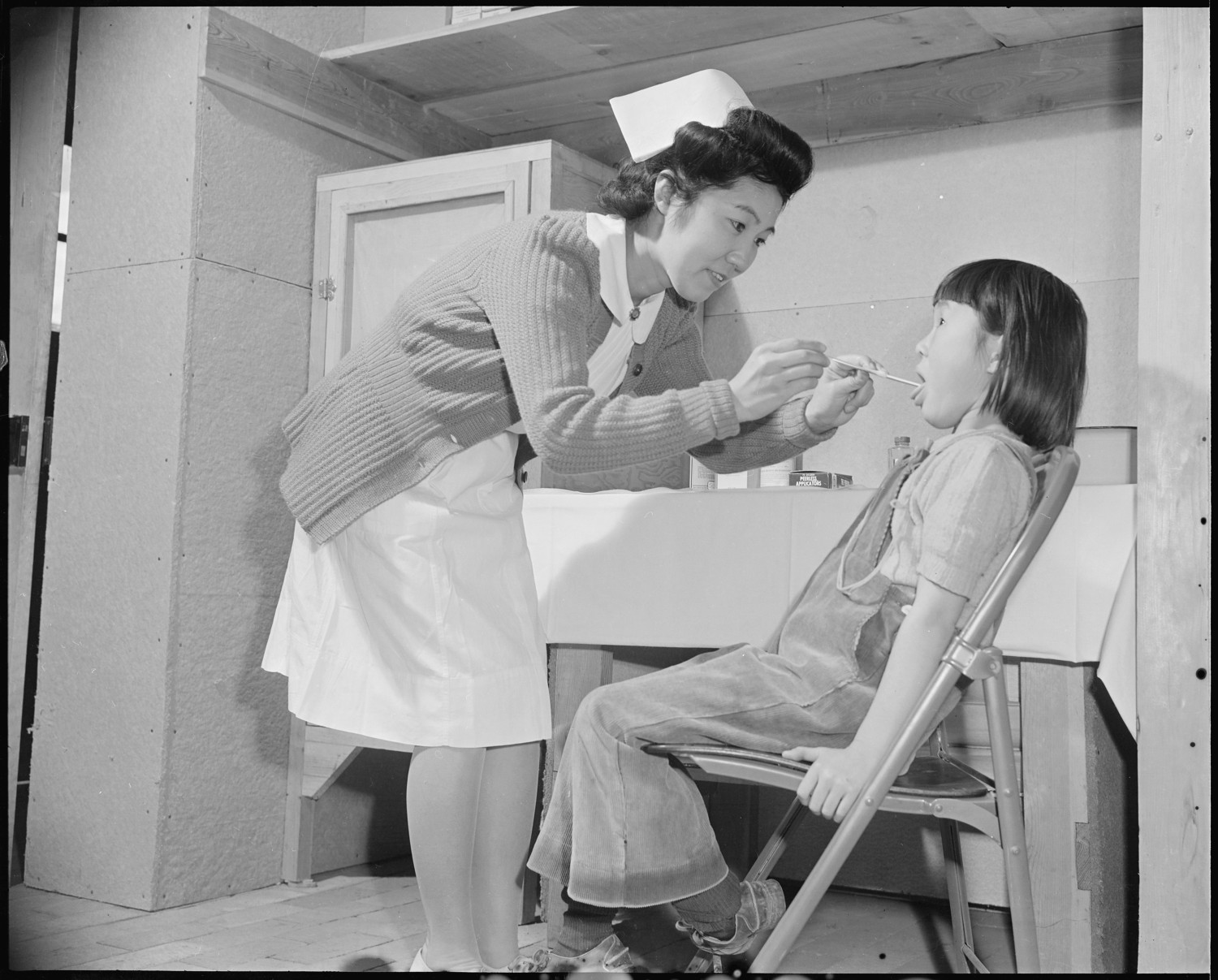
The whole arrangement rested on one person’s discretion – what to give, what to screen for, who to send home, who to call and when – exercised with no written procedure, no consent, no log and no reliable record.
A documented system: authorisation for every medication, logs for every dose, written consent for screening, individual care plans for chronic conditions, referral pathways, privacy rules and records that follow the child.
And the thread through all of it is that discretion is only as good as the information available to it. A nurse in 1974 making a sensible decision about a child whose allergies, conditions, medications and home circumstances she had no way of knowing was not exercising professional judgement so much as guessing competently – which is why almost every change on this list is about getting information to the decision rather than about distrusting the person making it. The unlocked drawer was not replaced because nurses were careless. It was replaced because nobody in that room knew what the child had already been given at breakfast.
The Problem Was Never the Nurse’s Judgement
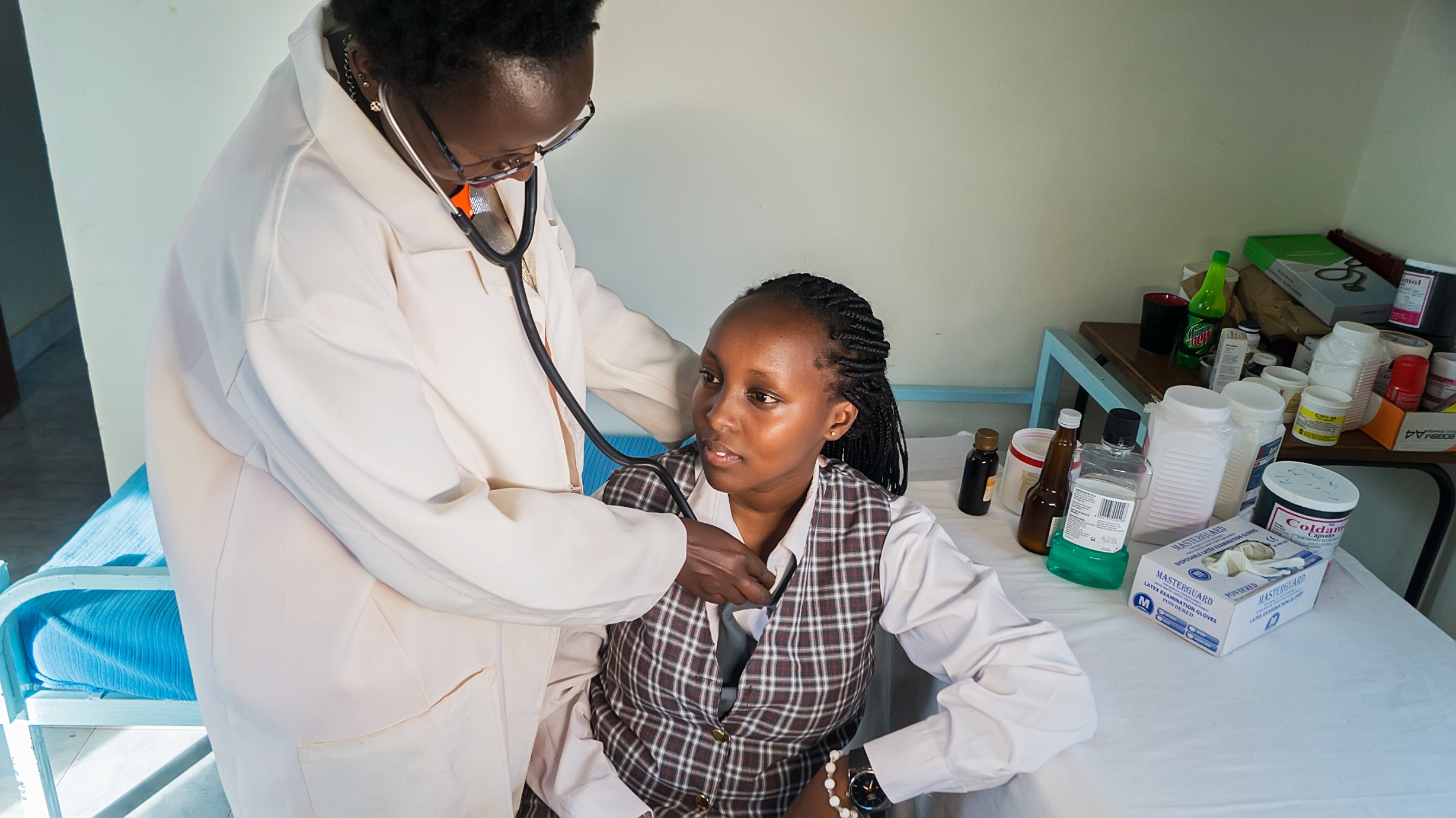
Read a list like this and the easy conclusion is that the past was careless and the present is cautious. That is not what happened, and it is unfair to the people who worked in those rooms.
Almost every change here is about one thing: getting information to the person making the decision.
Consider the unlocked drawer, which is the item everybody fixes on. A nurse reaching into it to hand a child something was exercising ordinary professional judgement – and she had no way of knowing whether that child had an allergy, a condition, a medication at home, or had already been given something at breakfast by a parent who had not mentioned it. The dose depended on weight and age she was estimating. There was no log, so the next person could not see what had been given an hour ago.
The replacement is not a statement of distrust. It is written authorisation, a log, original containers and a care plan – which is to say, a system for supplying the facts that the judgement needed and never had.
The same pattern runs through the whole list. The card file of index cards was not replaced because handwriting is unreliable, but because a child who moved three times had their history scattered across three drawers in three buildings – and that child was the one most likely to have missed something. The hearing test moved out of the corridor because a screening for quiet tones conducted next to thirty children tells you nothing, and the card it was written on looked identical either way. The vision chart was supplemented because it finds distance blurring and misses alignment, focusing and a weak eye the child has compensated for – so children with real difficulty passed it routinely.
Two items on this list are different in kind and deserve naming.
The aspirin change was made on evidence, and it worked. Once an association was identified in the early 1980s between aspirin in children with viral illness and a rare but extremely serious condition, warnings followed and paediatric use changed – and cases in American children fell dramatically. That is what a public health system doing its job looks like.
The head lice exclusion went the other way, and that is equally instructive. The no-nit rule was intuitive, widespread, and achieved nothing medically while stigmatising children in front of their class and costing them school days. It survived for decades on plausibility alone, and it was ended by the people who actually looked.
And one item does not favour the present at all. A nurse covering several buildings on a rotation was under-resourced in 1974, and a great many American schools today have no full-time nurse either. That is a current problem, not a historical one, and it sits oddly beside all the protocols – because a documented system assumes somebody is there to operate it.
Which is the honest summary. The room got better not because the people in it became more careful, but because somebody finally gave them something to work with.
If you were sent to one of these, you remember the sound of the paper tearing off the cot.
And you remember being sent back to class, because that is what happened.
Like our content? Follow us for more.