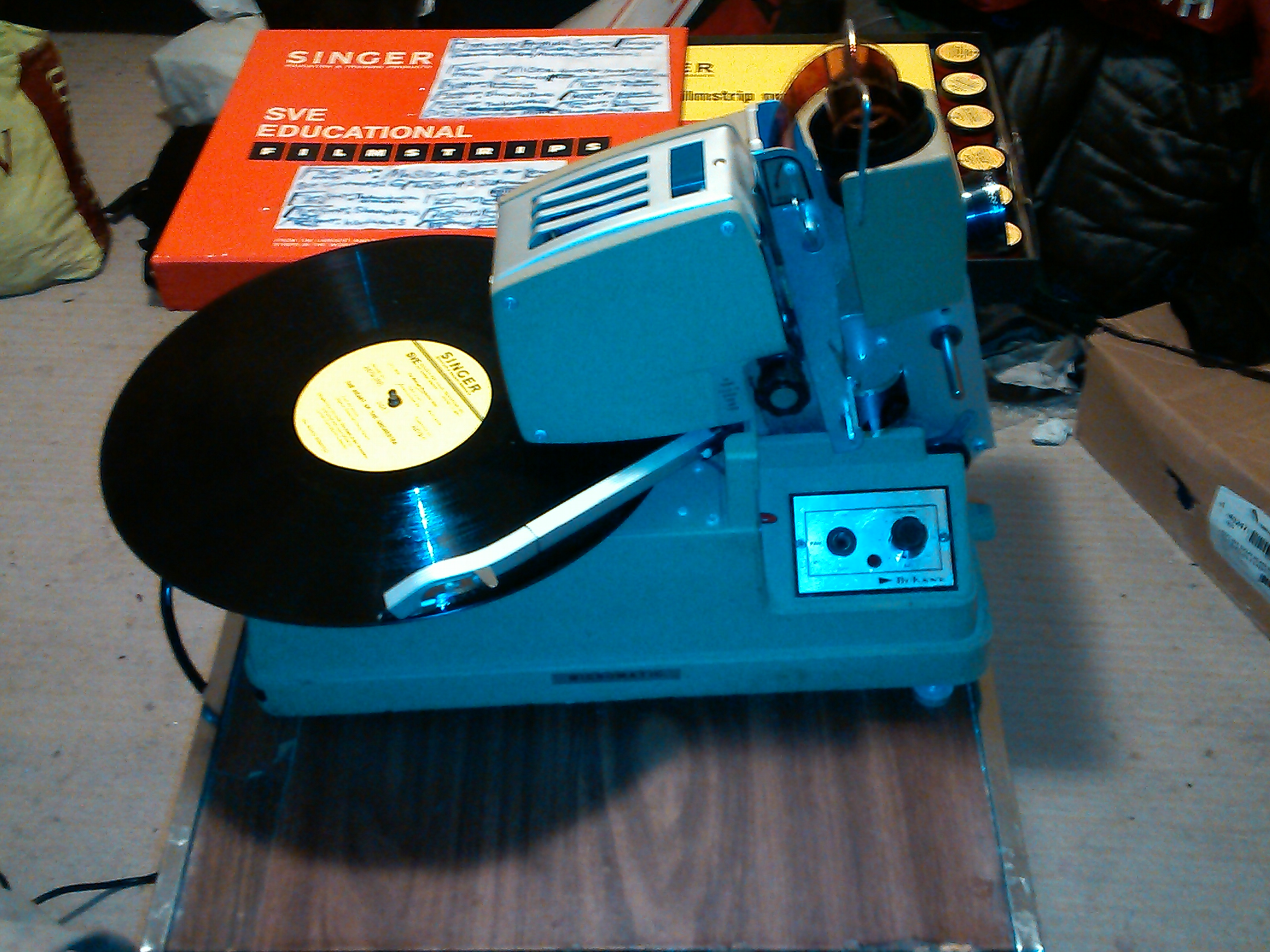
In 1974 the audiovisual experience in an American classroom was forty still photographs on a strip of 35mm film, shown one at a time, with the sound coming off a separate record player.
The soundtrack beeped when it was time to advance, and a child was assigned to do it. The blinds came down, a fan hummed, the room got warm, and the picture was never quite square on the screen. The strip itself was scratched, spliced, borrowed from a district library on a form filled in weeks earlier, and showed photographs taken fifteen years before.
Here are sixteen things every American classroom did on filmstrip day in 1974, and what replaced each of them.
1. The Film Was a Strip of Still Pictures, Not a Movie
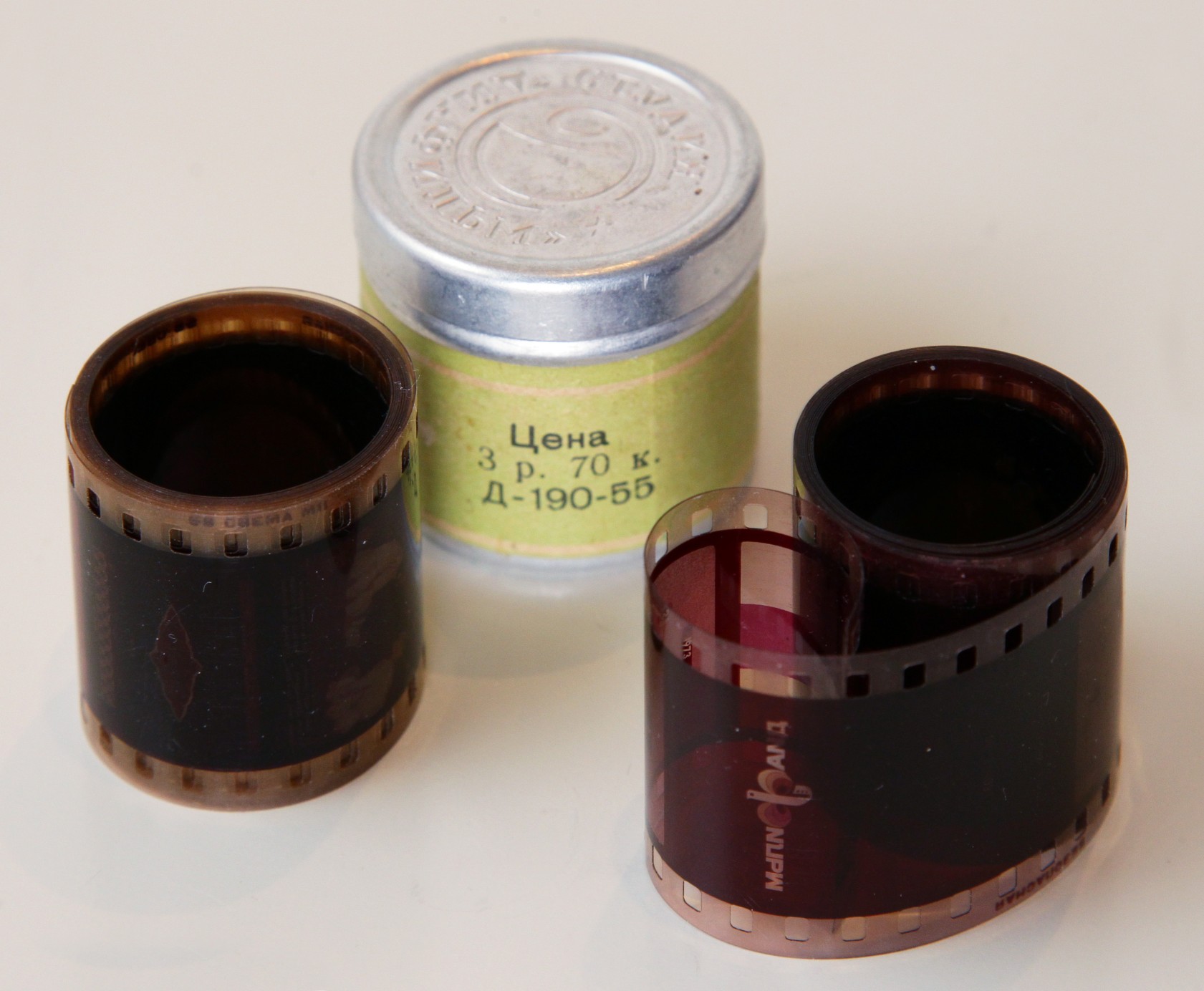
A filmstrip was a length of 35mm film carrying forty to sixty individual still frames in sequence, rolled into a small plastic canister about the size of a lipstick.
Video and streaming, which are continuous moving images. The filmstrip was deliberately not a film – it was a sequence of photographs shown one at a time, held on screen for as long as somebody wanted.
That distinction is the whole reason the format existed and it was an economic one. Moving film is expensive to produce, expensive to duplicate, bulky to ship and requires a complicated projector. Forty still photographs on a strip of film cost a fraction of all of that, fitted in a pocket, and could be shown on a machine with no moving parts except a fan and a sprocket.
Like our content? Follow us for more.
2. The Projector Was Threaded by Hand and It Jammed
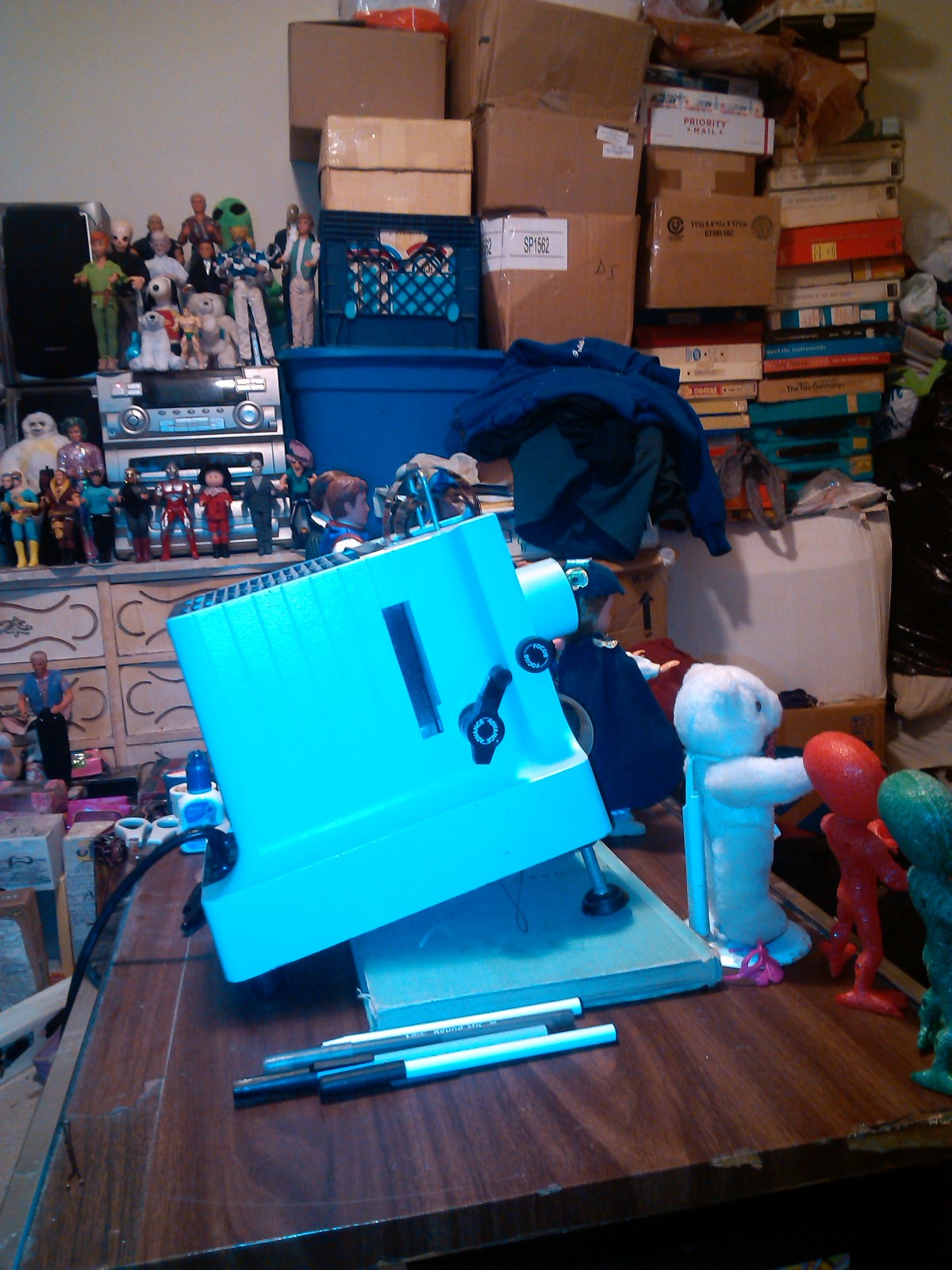
The strip was fed into a channel behind the lens, engaged on a sprocket or a friction roller, and advanced frame by frame by turning a knob – and getting it seated correctly was a knack.
Nothing to thread. A misthreaded strip advanced crookedly, showed two half frames at once, or slipped so that the picture crept sideways up the screen as the lesson went on.
The classic failure was loading it upside down and backwards, which produced an inverted mirror image of the last frame first – and because the strip has to be rewound to be reloaded, the correction cost two minutes in front of an entire class, which is why the job was given to whoever had proved they could do it.
3. The Sound Came Off a Record, and Then a Cassette
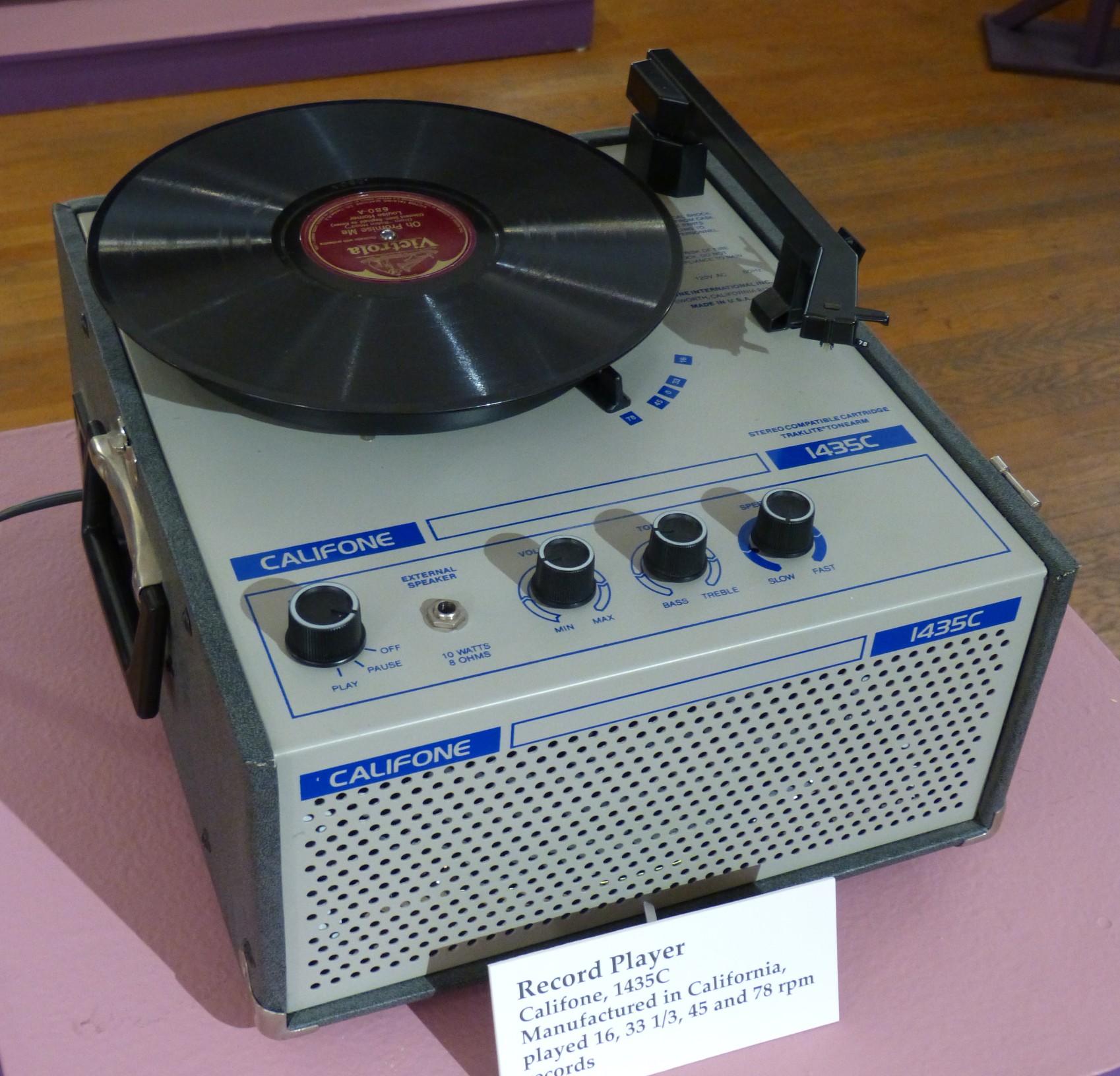
Audio was supplied separately on a small vinyl record or, later, a cassette, played on a machine beside the projector, carrying a narrator reading a script written to match the frames.
Synchronised audio and video in one file. Keeping two independent machines in step was entirely the operator’s responsibility and it failed constantly.
Which produced the format’s signature experience. The narrator describing a picture that was not yet on the screen, or had been replaced two frames ago, with thirty children able to see the mismatch and nobody able to fix it without stopping everything and starting again.
4. There Was an Audible Beep and That Was Your Cue
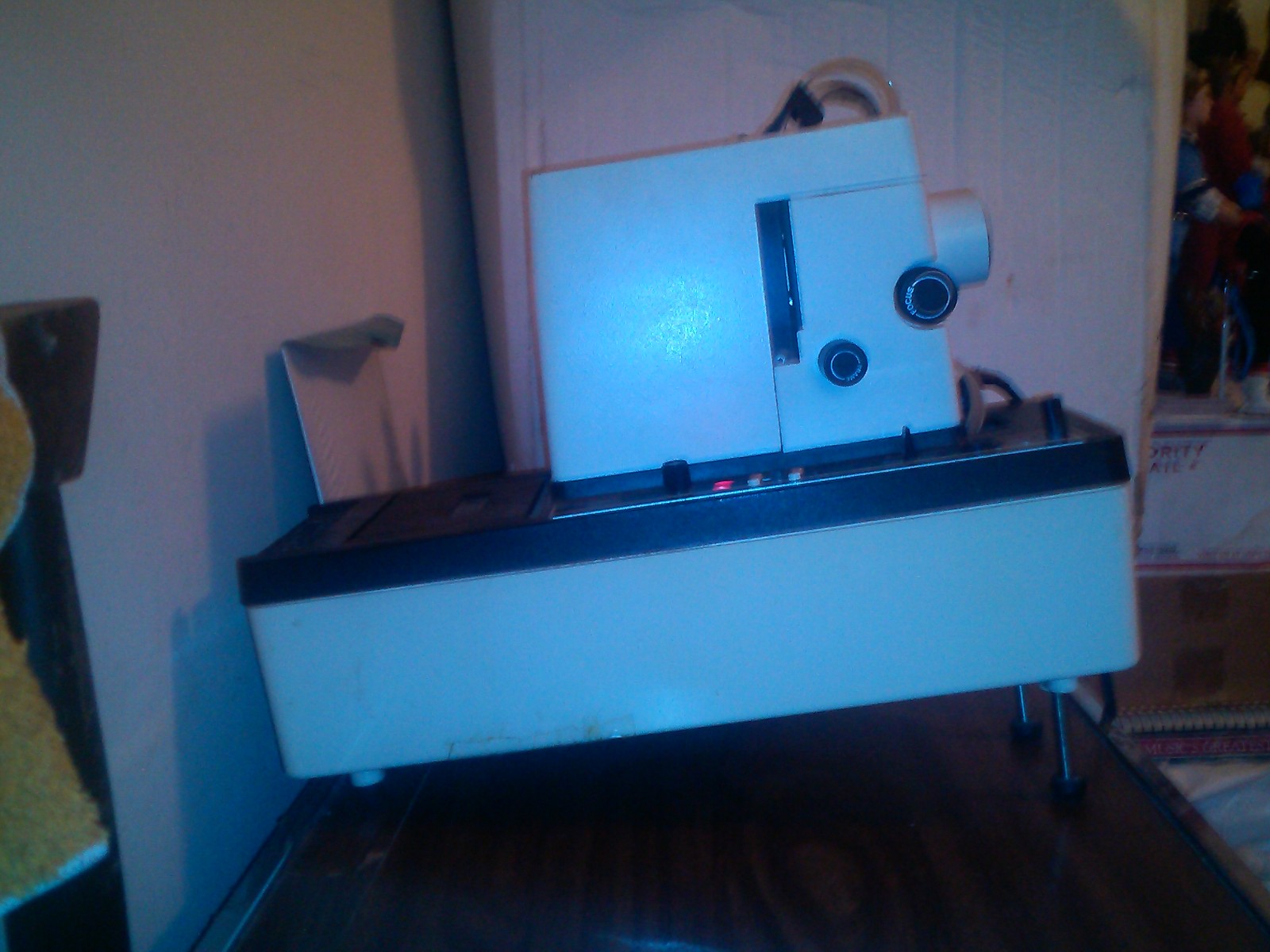
The soundtrack carried a tone – a chime, a beep or an electronic blip – at each point where the next frame was due, and the operator advanced the strip on the sound.
Automatic advance, and before that, inaudible pulses on a second track that advanced the projector electrically on synchronised models. The audible beep was the cheap version and by far the most common.
It is the single most remembered thing about the format. An entire generation of Americans can reproduce the sound, and a great many of them can also remember the specific anxiety of being the child responsible for responding to it correctly in front of everybody for eleven minutes.
5. One Child Operated It and It Was a Position of Standing
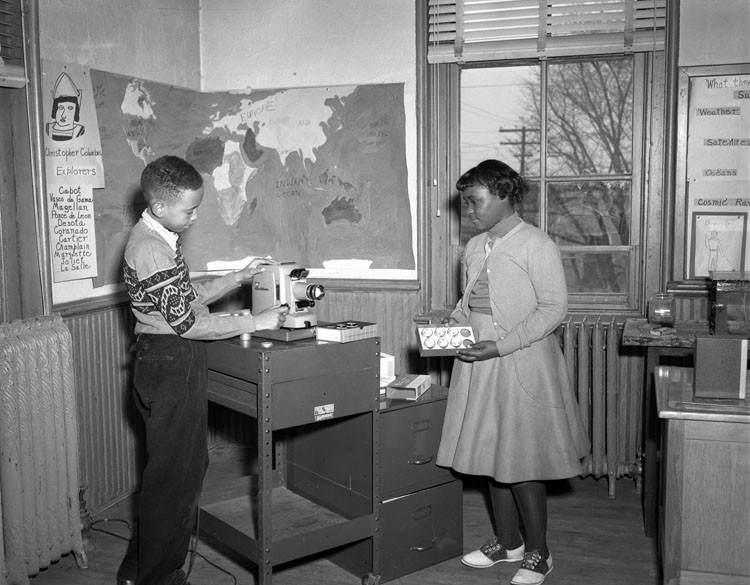
A pupil was assigned to work the projector – threading it, advancing on the beep, focusing and rewinding – and the role was coveted, assigned by the teacher and effectively a rank.
Teacher-controlled playback, or no equipment at all. The operator’s job was genuinely skilled, genuinely visible, and genuinely possible to fail at in public.
And it was one of the few classroom roles in which a child’s competence was demonstrable and measurable in front of the whole room. Advancing cleanly on every beep for a full strip was a performance; missing three in a row was remembered for a term.
6. The Blinds Came Down and the Room Changed Character
Showing a filmstrip meant darkening the room – heavy blinds or shades pulled down, the main lights off, and the only illumination coming from the screen and the projector’s own glow.
Screens bright enough to use in daylight, so nothing has to be darkened and nothing changes. The darkening was a physical event that reorganised the room.
Children responded to it exactly as you would expect, and teachers knew they would. A darkened classroom is an invitation, note-passing and whispering rose immediately, and the standard countermeasure was to station the teacher at the back of the room rather than the front, where they could see faces lit by the screen.
7. The Projector Fan Hummed and the Room Got Warm
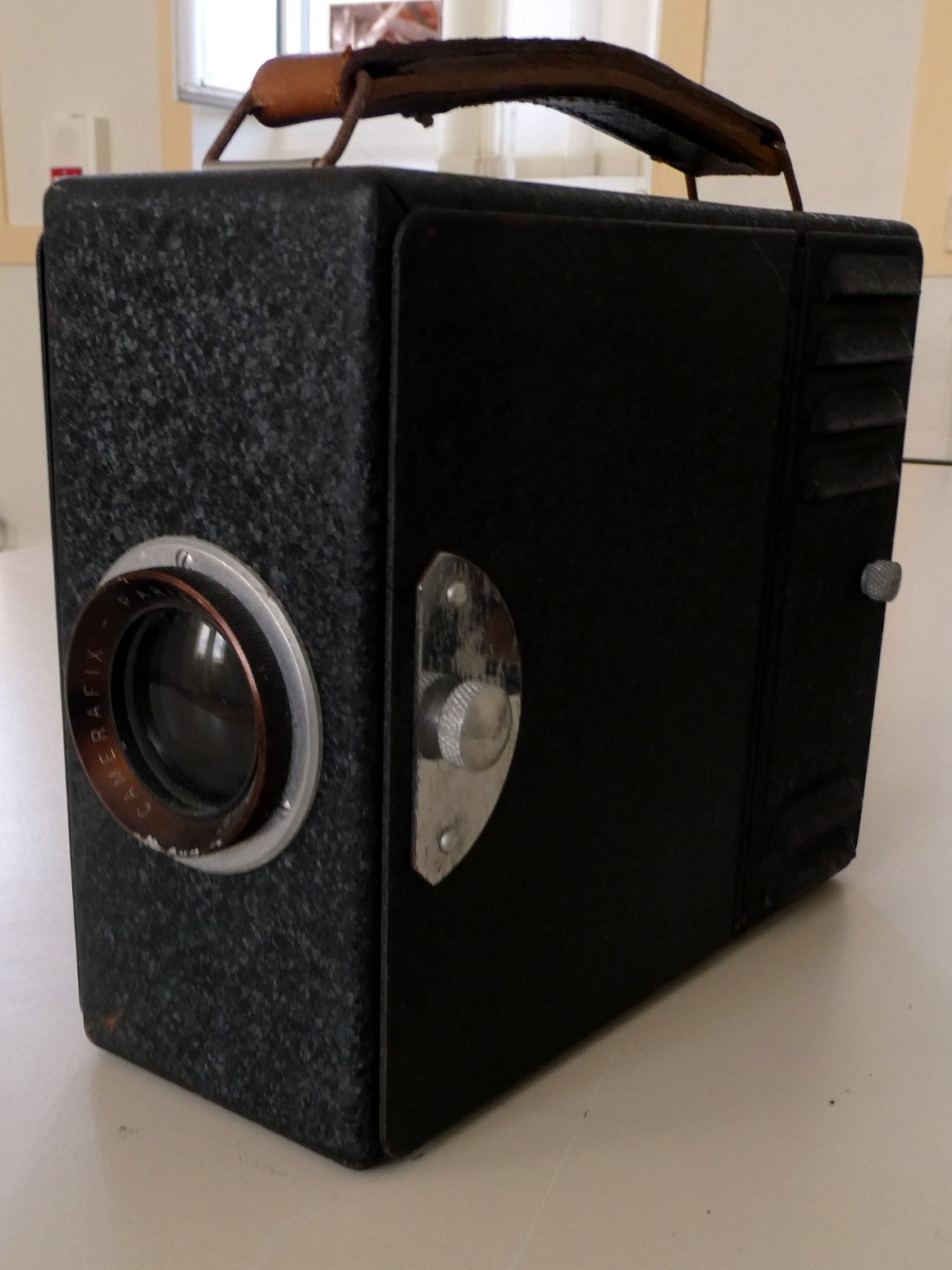
The lamp was a hot incandescent bulb needing constant cooling, so the machine ran a fan continuously, producing a steady mechanical hum and a noticeable amount of heat.
Silent, cool equipment. The hum was loud enough to sit under the narration and the heat was enough to be felt in a small room on a warm afternoon.
The combination is why so many people associate the format with falling asleep. A darkened room, a warm machine, a steady fan note and an unhurried narrator reading a script in the early afternoon is close to a designed sedative, and every teacher in America knew which part of the day not to do this in.
8. The Picture Was Never Quite Square on the Screen
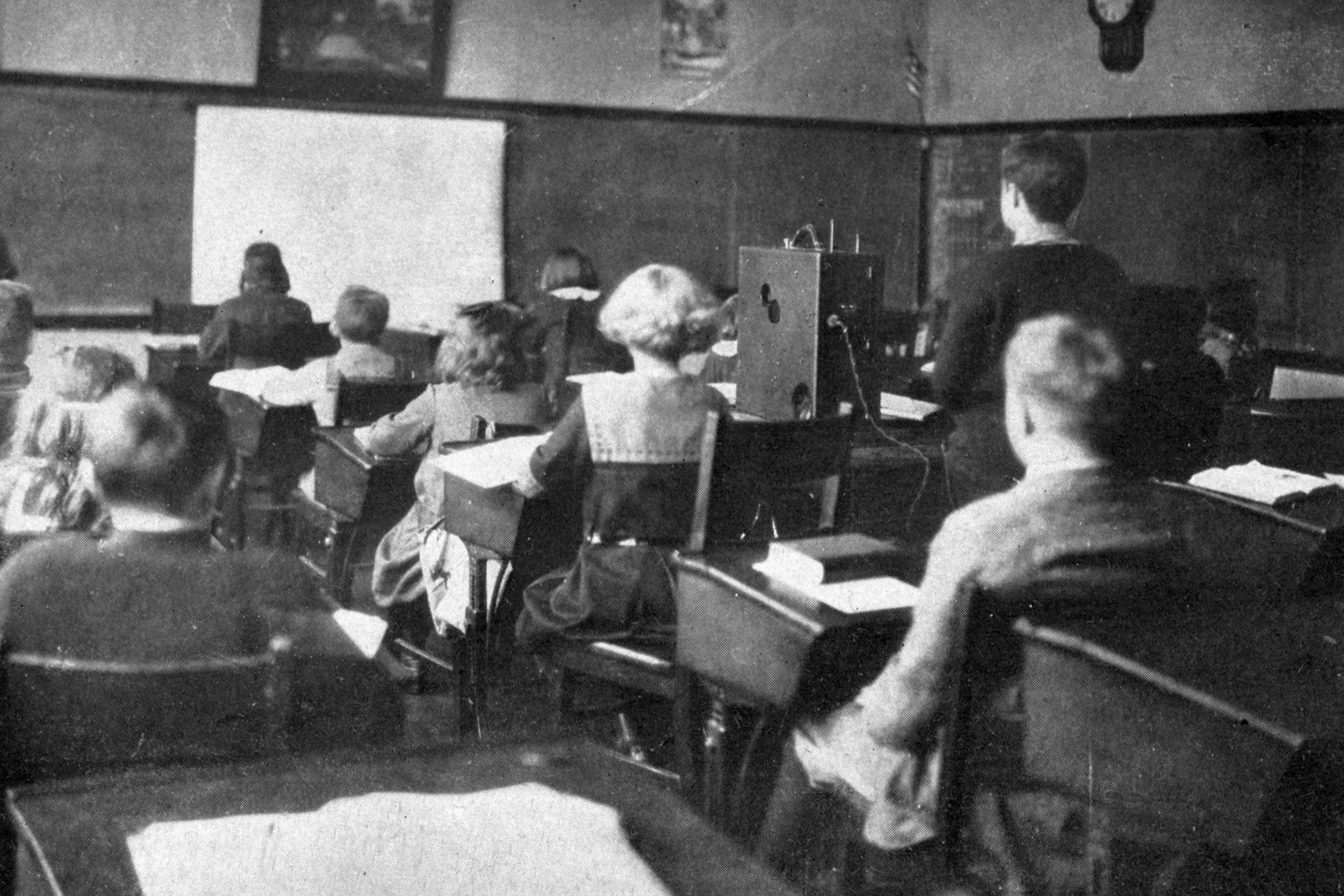
Projection involved a machine on a cart or a stack of books, a pull-down screen or a bare wall, and an alignment arrived at by somebody crouching and shoving the cart about.
Fixed installations with aligned projectors or wall-mounted displays. The image was routinely trapezoidal, off-centre, partly on the chalkboard and partly on a map.
Nobody corrected it beyond a certain point, and that is the detail that dates the whole experience. A picture that was readable was good enough, the lower corner falling across a bookcase was accepted, and the class spent eleven minutes looking at a slightly crooked rectangle because getting it straight cost more time than it was worth.
9. The Strips Were Scratched, Spliced and Visibly Second-Hand
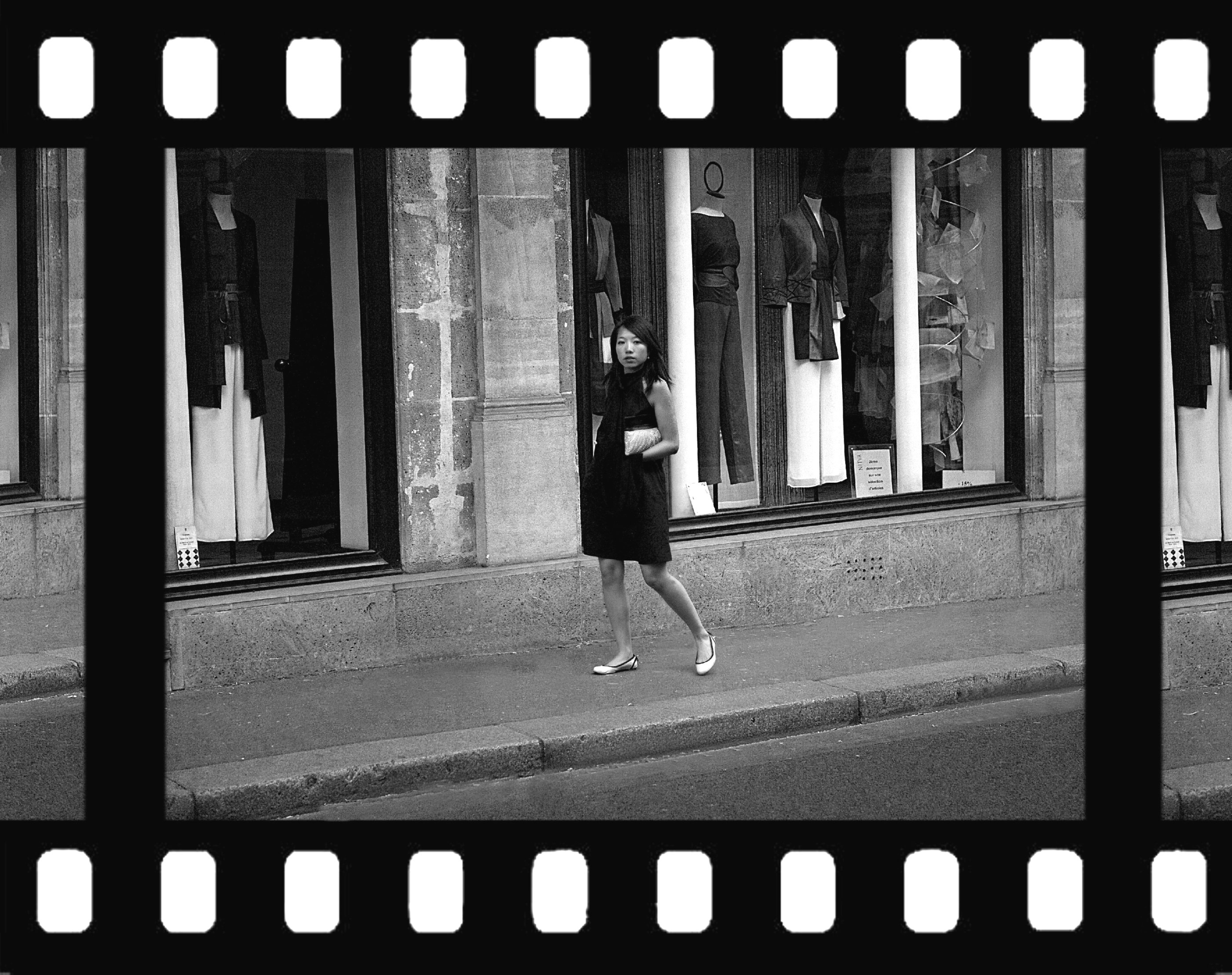
A strip used by a dozen classes a year for a decade accumulated scratches down its length, dust in the gate, fingerprints on the frames and splices where it had been repaired.
Digital copies that are identical every time. The physical strip degraded with use, and the most-used strips in a district’s library were the worst-looking ones.
So the damage told you something true about the collection. The pristine strip in the drawer was the one nobody wanted, and the one about the human body or the solar system was a mess of scratches and tape – which is the clearest evidence anybody has of what American schoolchildren were actually shown.
10. It Came From a District Library and Had to Be Requested in Advance
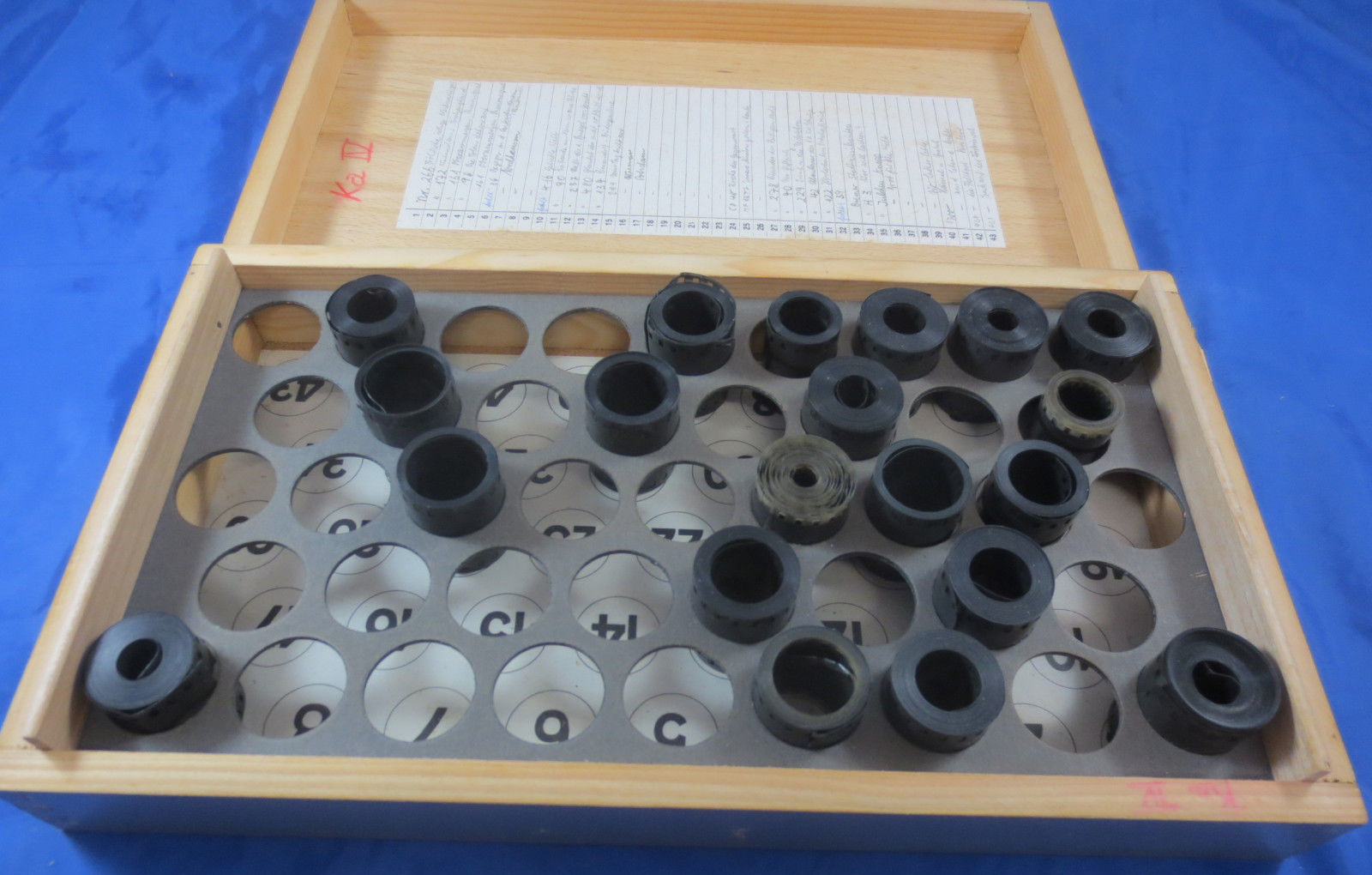
Schools did not own most of what they showed. A district or county audiovisual library held the collection, and a teacher filled in a request form weeks ahead for a specific title on a specific date, which arrived by courier or van.
Instant access to effectively unlimited material at no notice. The request system meant a teacher planned a lesson around a filmstrip’s availability rather than choosing one to suit the lesson.
That constraint shaped teaching more than anybody intended. If the strip on volcanoes was booked until April, the volcano lesson happened in April – and a popular title was unobtainable in the week every teacher in the district wanted it, which is why some schools’ units were timetabled around a van.
11. There Was a Printed Guide and It Had the Questions In It
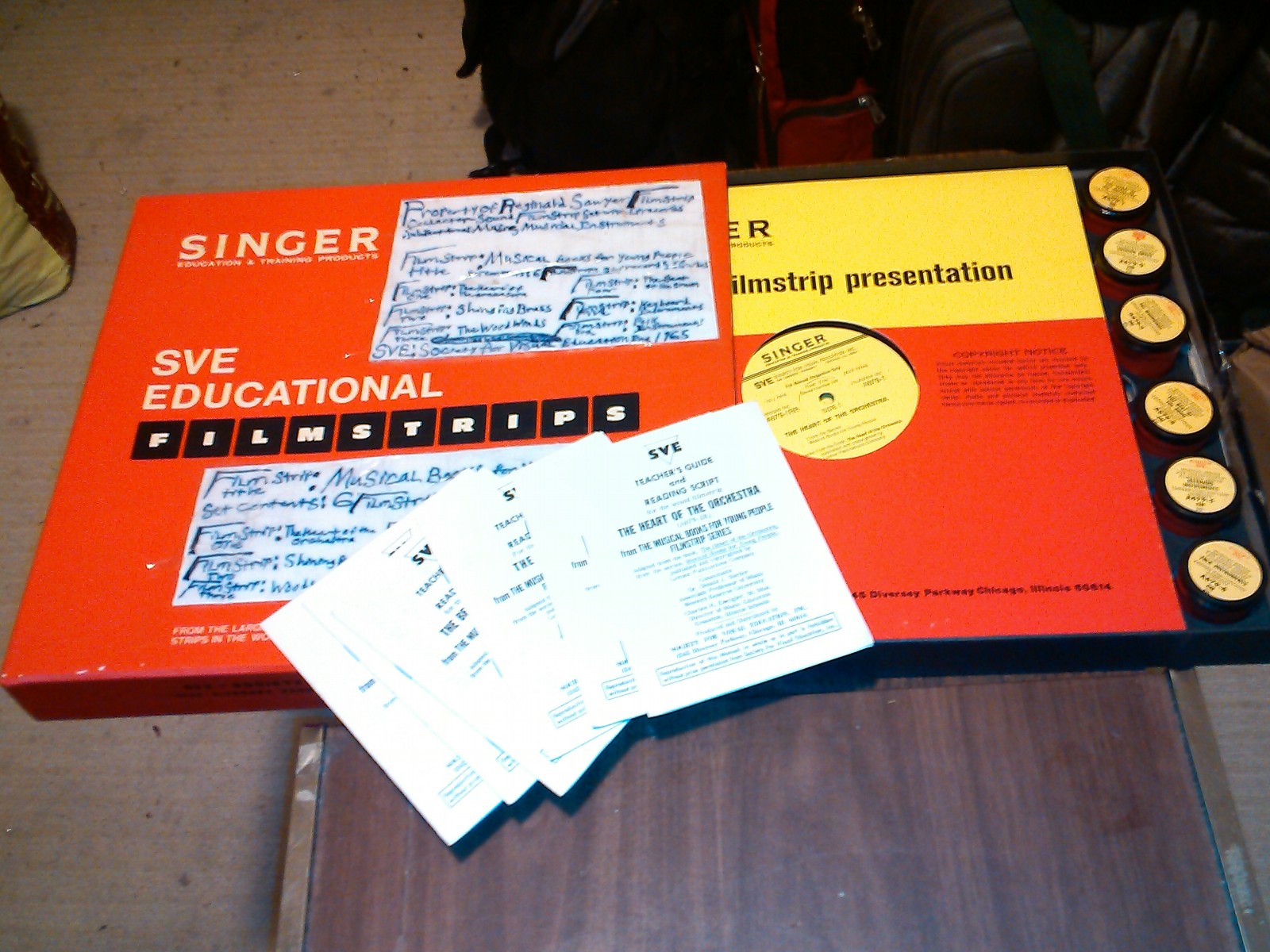
Each strip came with a teacher’s booklet: a frame-by-frame script, background notes, suggested discussion questions, vocabulary, and sometimes a reproducible worksheet and a short test.
Digital lesson materials, far richer and more flexible. The booklet was the pedagogical half of the product and it is the part people have entirely forgotten existed.
It is also the reason the format worked as teaching rather than as filler. The producers assumed the strip would be stopped, discussed and returned to, and wrote the booklet on that assumption – which means the medium came with its own instructions for using it as a conversation rather than as a broadcast.
12. The Content Was Visibly Out of Date and Everybody Knew
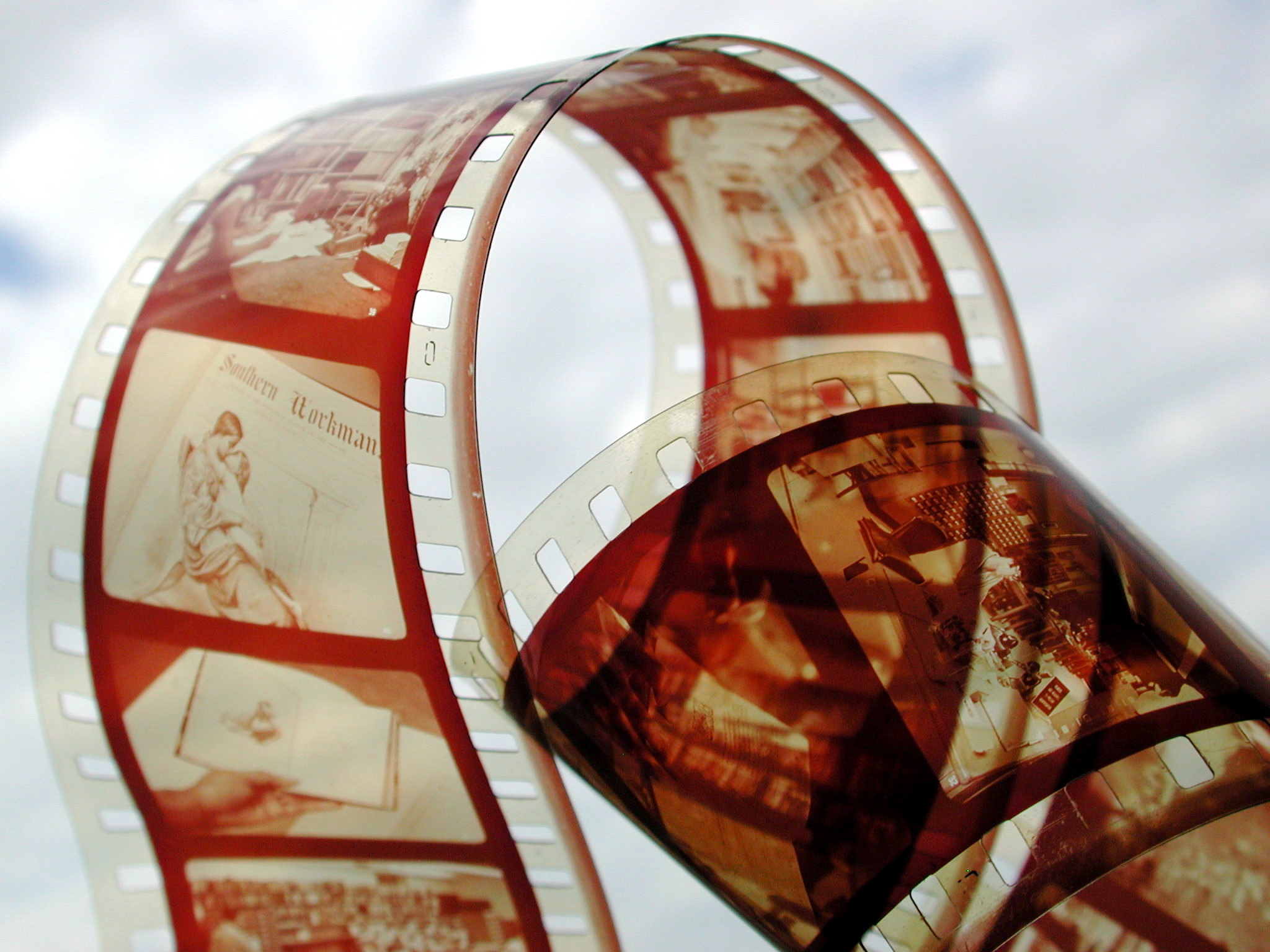
Strips stayed in circulation for fifteen or twenty years, so a class in 1974 was routinely watching photographs taken in the 1950s – the cars, the clothes, the hairstyles and the technology all a generation behind.
Material that can be updated or replaced instantly, with the opposite problem of churn. The visible datedness was constant and it was a running joke in every classroom.
And some of it was substantively out of date rather than merely old-looking, which mattered more. A strip on space, on medicine, on computing or on a country’s politics made in 1958 and shown in 1974 was telling children things that had since stopped being true, and the teacher’s correction depended entirely on whether the teacher knew.
13. The Last Frame Was Blank and That Was the Signal
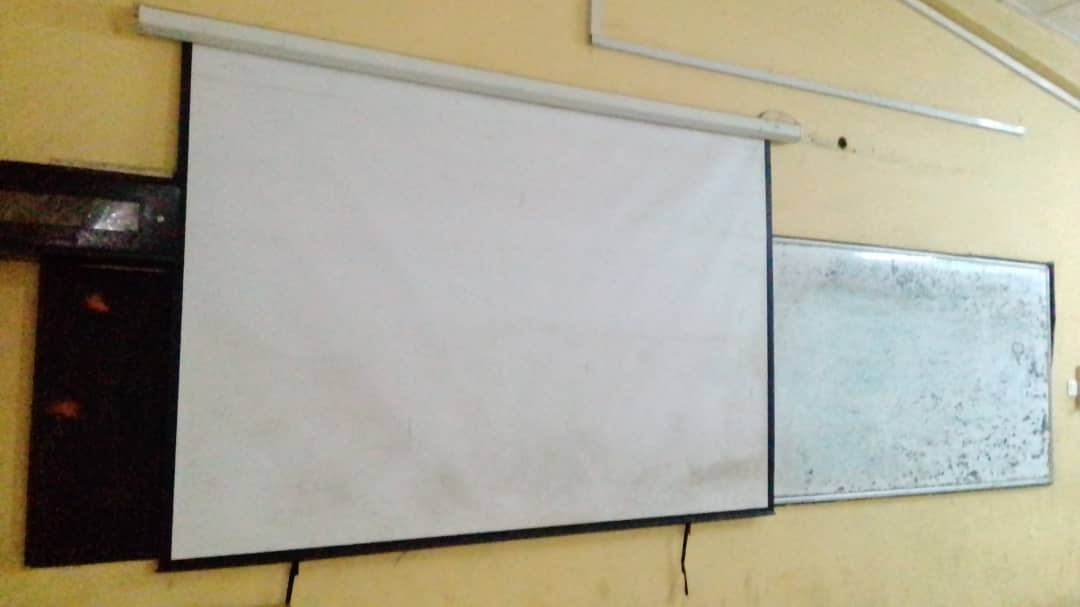
Strips ended with a frame reading THE END, and then a few blank frames, so the screen went white and the room knew it was over before anybody turned anything on.
An automatic return to whatever was there before. The blank frame projected a white rectangle of light that lit the whole room and functioned as a house light coming up.
The sequence was always the same and everybody can recite it. The end frame, the white glare, the general shuffle, the lights, the blinds going up, and the teacher saying right – and then the discussion, which was the part the booklet had been written for and which frequently did not happen because the bell was close.
14. Rewinding Was a Job and Doing It Badly Had Consequences
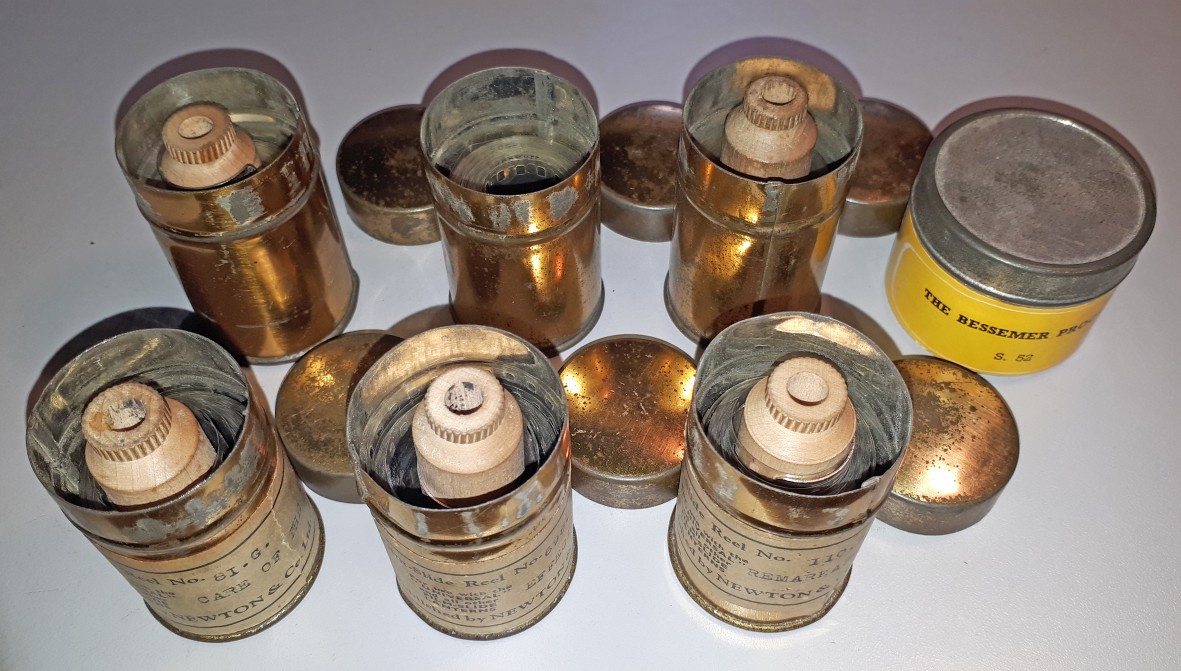
At the end the strip had to be wound back into its canister by hand, evenly, without creasing it, and returned to its box with the right label.
Nothing. A strip wound loosely jammed the next time, a strip creased at the edge tore on the sprocket, and a strip in the wrong box was effectively lost to the whole district.
Which is why the operator’s job did not end when the lights came up. The careful child wound slowly and checked the label; the careless one stuffed it in, and the next class in another school three weeks later found out.
15. Then Video Arrived and the Format Was Gone in Five Years
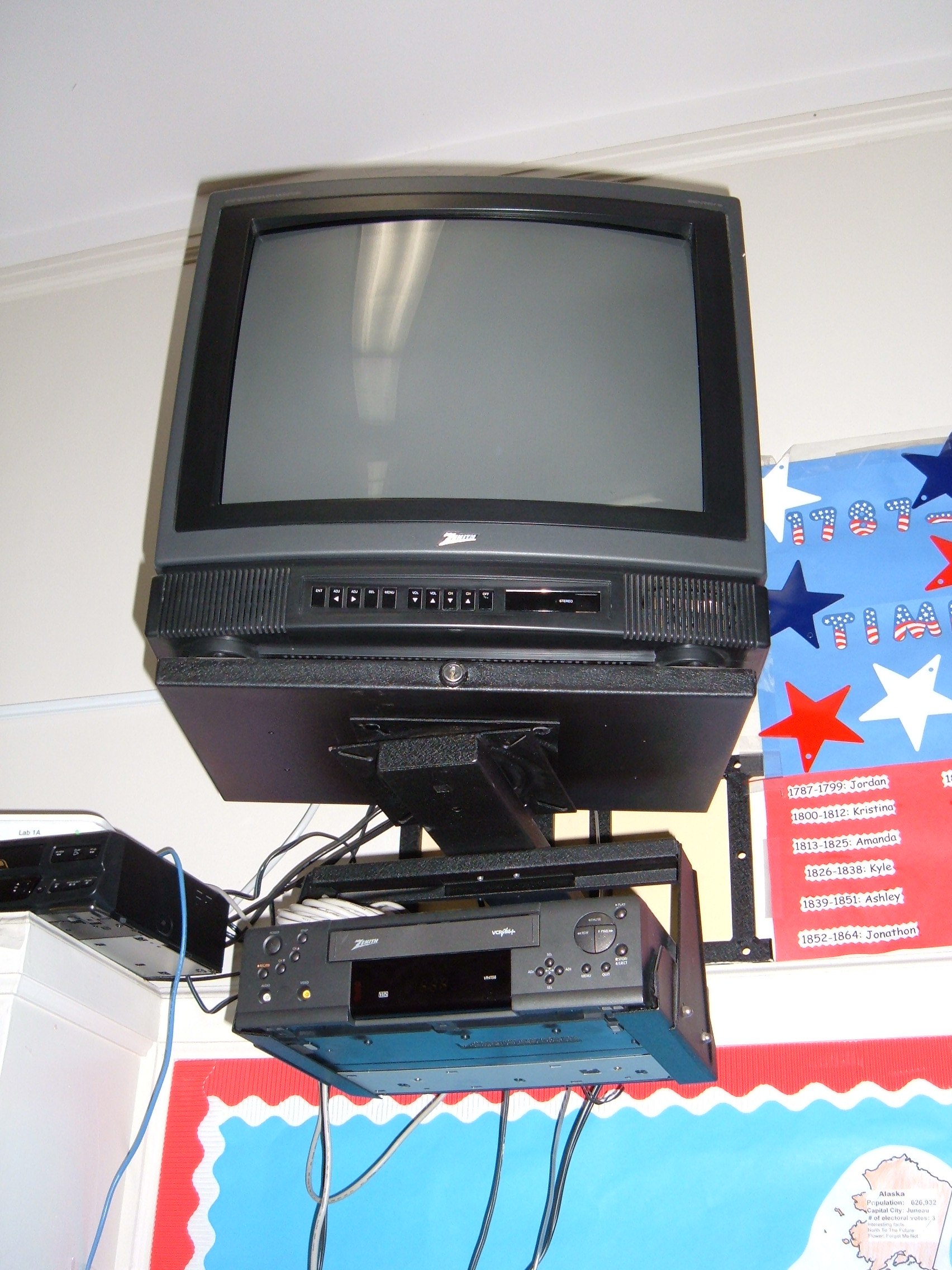
The whole arrangement rested on still images being dramatically cheaper than moving ones to produce, duplicate, ship and project.
Videocassettes from the early 1980s put moving pictures with synchronised sound into any classroom with a television on a cart, with no threading, no beeps, no second machine, no darkening and no rewinding by hand.
Filmstrips vanished almost immediately, and nobody at the time regarded it as a loss. Video was more impressive, less trouble, more reliable and genuinely better at everything filmstrips had been doing badly – the sync problem, the operator, the crooked picture, the physical degradation and the beeps all disappeared at once.
16. What Went With It Was the Pause
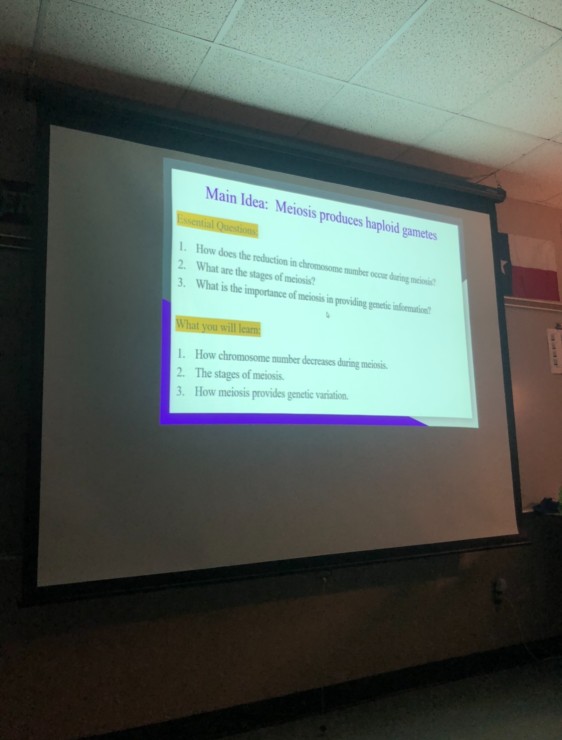
The filmstrip’s defining property was that it had no momentum. It was a sequence of still photographs that advanced only when a person decided to advance them, so it could be held on one frame indefinitely.
A medium with its own clock. Video runs, and stopping it is an interruption – the picture freezes, the moment is broken, and restarting it costs the attention of the room.
Which is why the filmstrip was, for one specific purpose, better than what replaced it, and the booklets prove the producers knew. A teacher could stop on a photograph of a cell, or a bridge, or a village, and the class could look at it together for four minutes while somebody asked a question – with the image simply sitting there, not waiting, not paused, not costing anything. That is a discussion tool. Video is a presentation. Schools traded the first for the second because the second was more impressive, and then spent the following decades reinventing the first – which is what a slide deck is, and what a still image on a whiteboard is, and what every teacher who screenshots a video frame is doing. The format came back. It just came back without the beep.
They Replaced a Discussion Tool With a Presentation
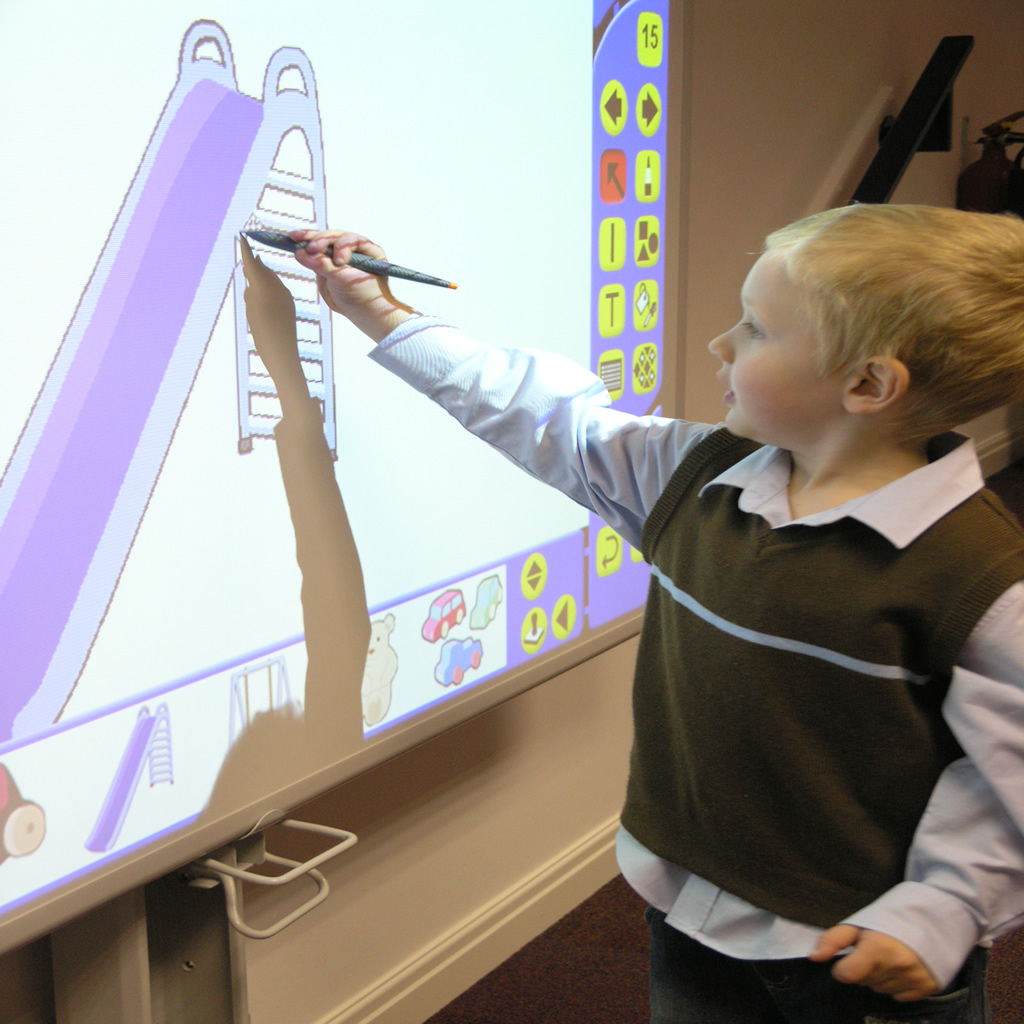
Video beat the filmstrip comprehensively and nobody mourned it. Within about five years of videocassettes reaching classrooms the format was gone, and the reasons were all good ones.
No threading. No second machine to keep in step. No beep for a child to miss. No crooked rectangle. No rewinding by hand. No scratched, spliced, fifteen-year-old strip arriving in a van from the county library. Moving pictures with sound, from a cart, on a television, at the press of a button.
Every single one of those is an improvement, and the filmstrip deserved to lose on all of them.
But there is one property it had that video does not, and the producers of the things knew it perfectly well, because they wrote their teacher booklets around it.
A filmstrip had no momentum.
It was still photographs that advanced only when a human being chose to advance them. Which meant a teacher could stop on a single frame – a cross-section of a cell, a bridge under construction, a street in a foreign city, a graph – and leave it there. Not pause it. Just leave it, lit, on the wall, for four minutes, while the class looked at it and somebody asked a question and somebody else disagreed.
The image was not waiting. It was not costing anything. There was no sense that the lesson had been interrupted, because nothing was running.
Video does not work that way. Video has a clock, and stopping it is an event – the picture freezes mid-gesture, the sound cuts, the spell breaks, and restarting costs the attention of the room. Teachers do it anyway, and it always feels like an interruption, because it is one.
So schools traded a discussion medium for a presentation medium, and they did it because the presentation medium was more impressive and far less trouble. That was a reasonable trade on balance. It was still a trade.
And then they spent thirty years quietly rebuilding the thing they had given up. A slide deck is a filmstrip. A still image on a whiteboard that a class talks about for five minutes is a filmstrip. A teacher who screenshots a frame of a video so the class can look at it properly has reconstructed, by hand, exactly what the format did natively in 1974.
The advancing still picture turned out to be the right tool for getting thirty children to look at the same thing and argue about it. It came back.
It just came back without the beep, and nobody has to be chosen to press anything.
If you were in one of these rooms, you remember the beep, and you remember who was allowed to work the projector.
And it was never you, or it was always you, and either way you have not forgotten which.
Like our content? Follow us for more.