

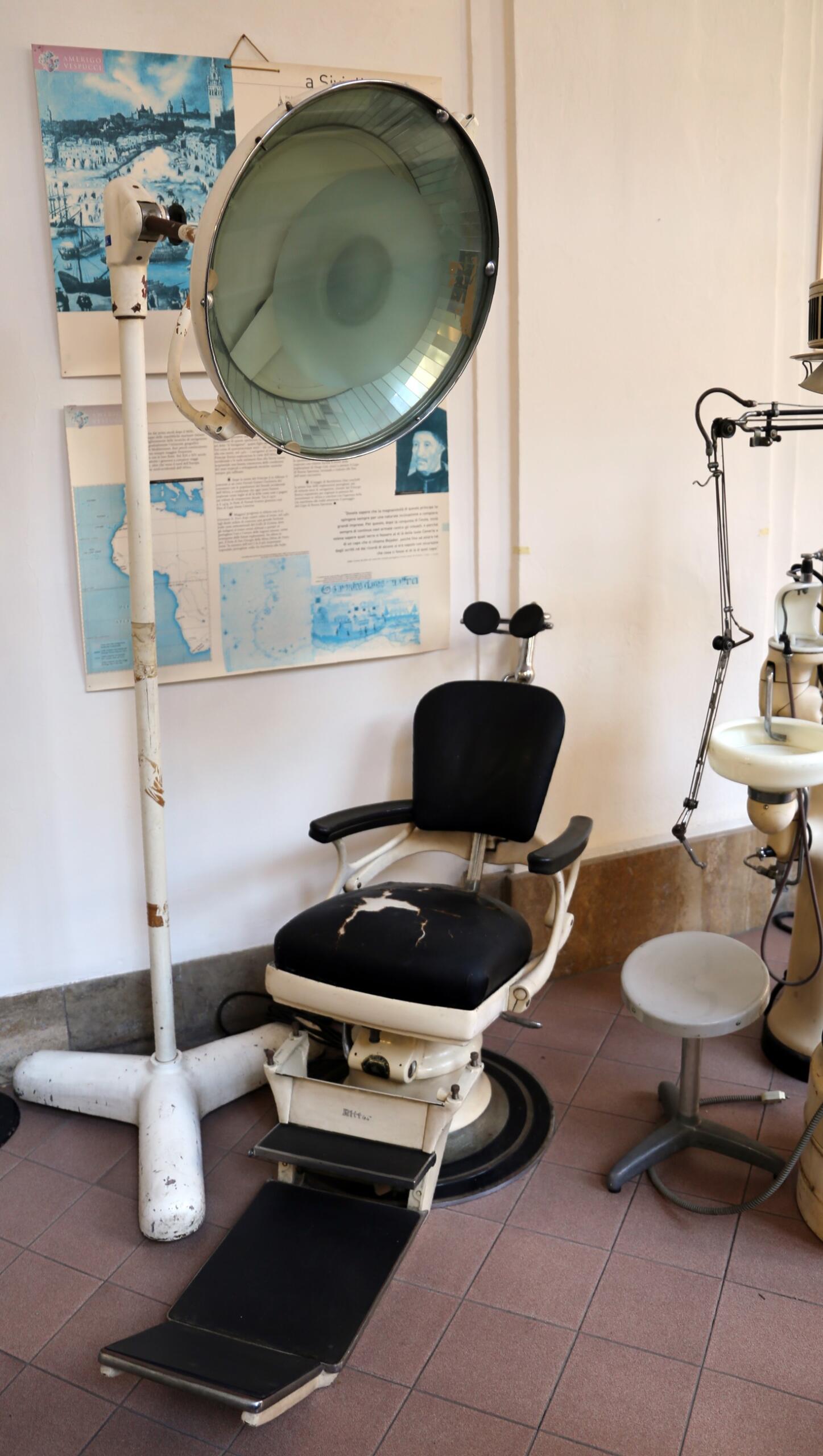
In 1974 a child went into a dental surgery where nobody wore gloves, the drill was driven by a belt and pulleys, and a shallow cavity was commonly filled with no anaesthetic at all.
The x-ray was taken with no apron, with your finger holding the film, and the dentist stayed in the room. Fillings were mixed by hand beside the chair. You could hear the drill working on the previous patient through the wall while you waited. And nobody explained anything to you, because explaining it was believed to make it worse.
Here are sixteen things every dentist did to children in 1974, and what replaced each of them.
1. Nobody Wore Gloves
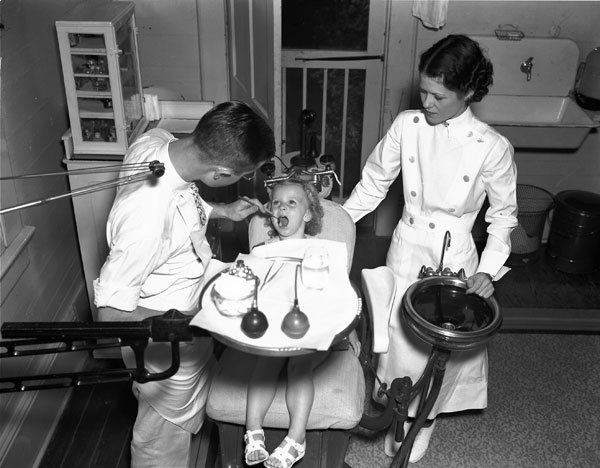
The dentist and the assistant worked bare-handed, washing between patients, with no gloves, no mask and no eye protection – and that was the universal professional norm rather than an individual lapse.
Universal precautions: gloves and mask changed between every patient, eye protection, barriers on every surface a hand touches, and a documented sterilisation chain for every instrument.
The change came in the 1980s, driven by the recognition that blood-borne infection control had to be applied to every patient rather than to known cases – and it is probably the single largest change in the practice of dentistry in a century. A child walking into a 1974 surgery saw a person’s actual hands, which is a detail that stops anybody under forty cold.
Like our content? Follow us for more.
2. The Drill Was Belt-Driven and You Felt It in Your Jaw
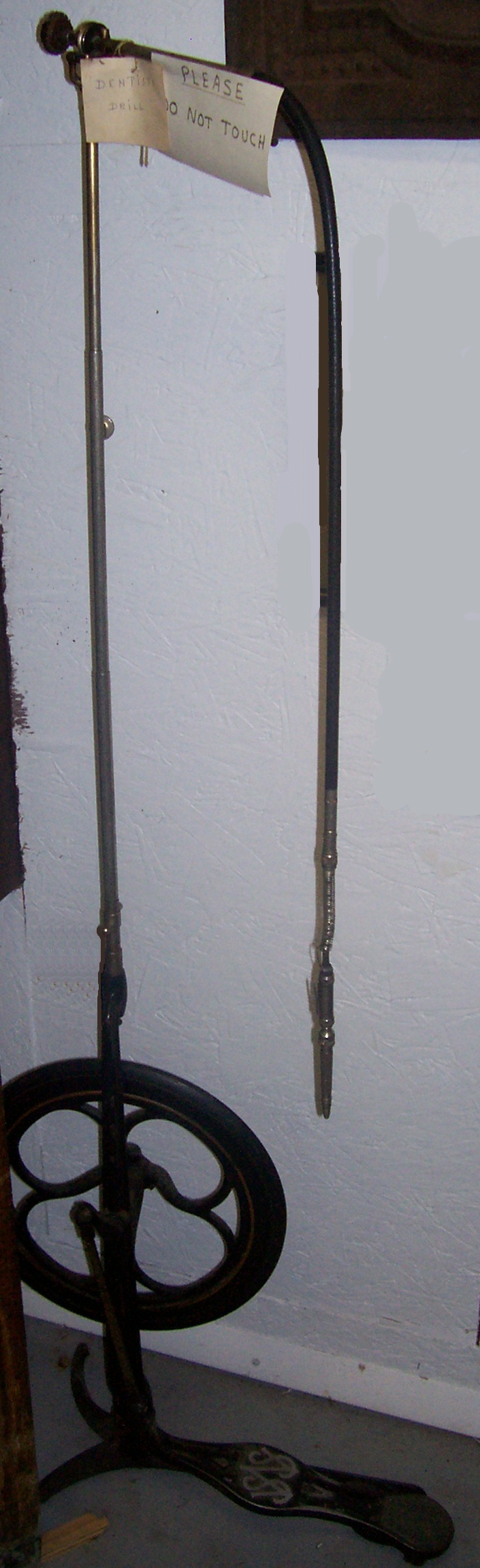
Older surgeries still ran a belt-driven handpiece – a motor on an arm with a system of pulleys and a cord running down to the drill – turning at a few thousand revolutions a minute.
Air-driven high-speed handpieces turning at hundreds of thousands of revolutions a minute, with water spray cooling, and increasingly ultrasonic and laser alternatives for some procedures.
The speed is the whole difference and it explains the memory. A slow drill has to be pressed to cut, which transmits vibration into the bone of the jaw, and it generates heat in the tooth because the cutting is inefficient – so the sound, the pressure and the pain of a 1974 filling were all consequences of a tool turning too slowly.
3. Your Fillings Were Mixed by Hand in the Room
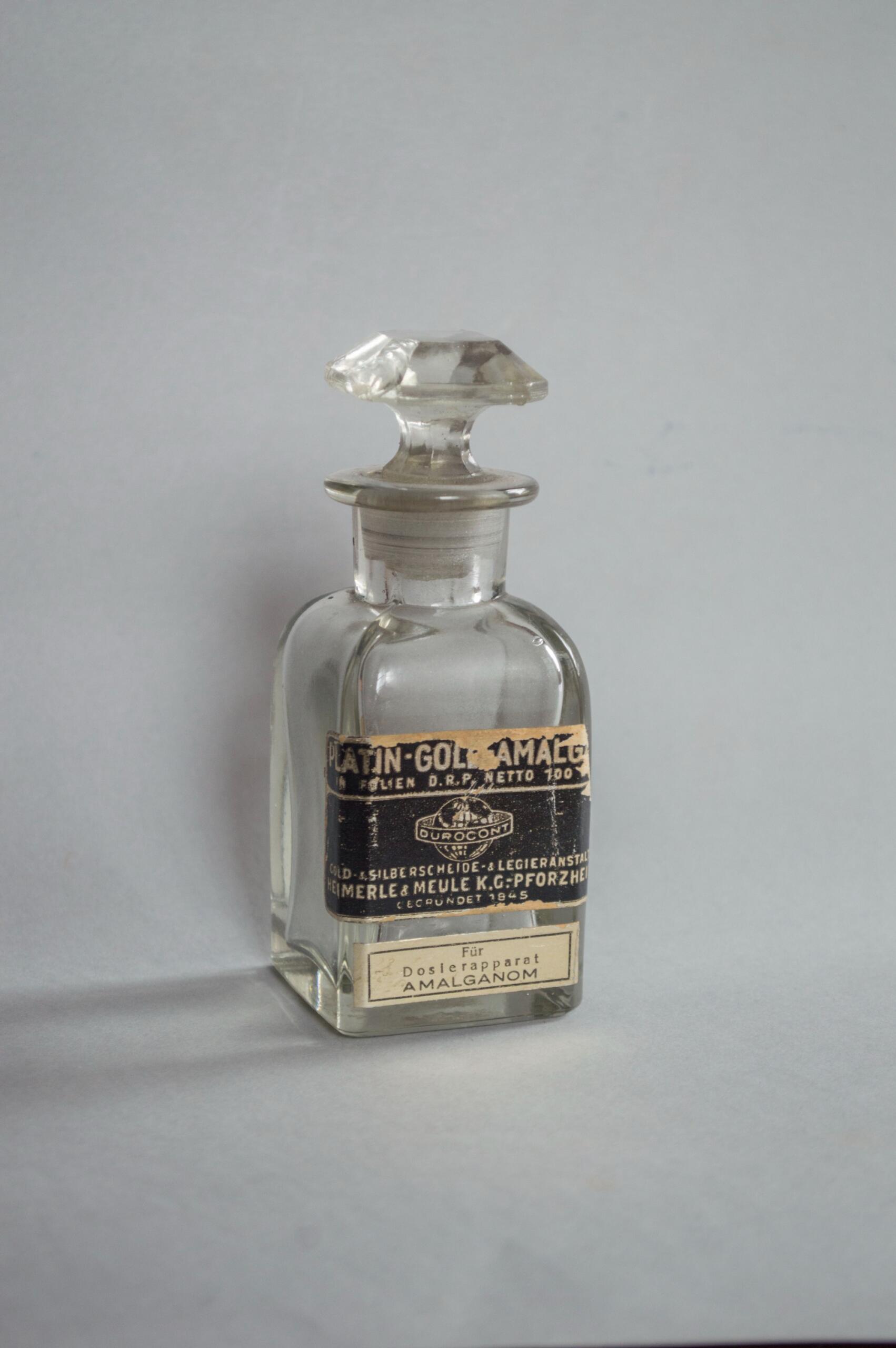
Silver amalgam was prepared on the spot – the components combined, worked, and in older practices squeezed in a piece of gauze to express the excess before being packed into the tooth.
Pre-dosed sealed capsules mixed mechanically in a sealed device, handled with instruments throughout, with amalgam waste captured by a separator rather than entering the drains.
The hand-squeezing is the part modern practitioners find hardest to hear about, and the change was made on occupational grounds – the people with sustained exposure were the dentists and their assistants, over whole careers, not patients having a tooth filled. Anybody with questions about fillings they already have should raise them with their own dentist, and this piece makes no claim either way.
4. The X-Ray Was Taken With No Apron and the Dentist Stayed in the Room
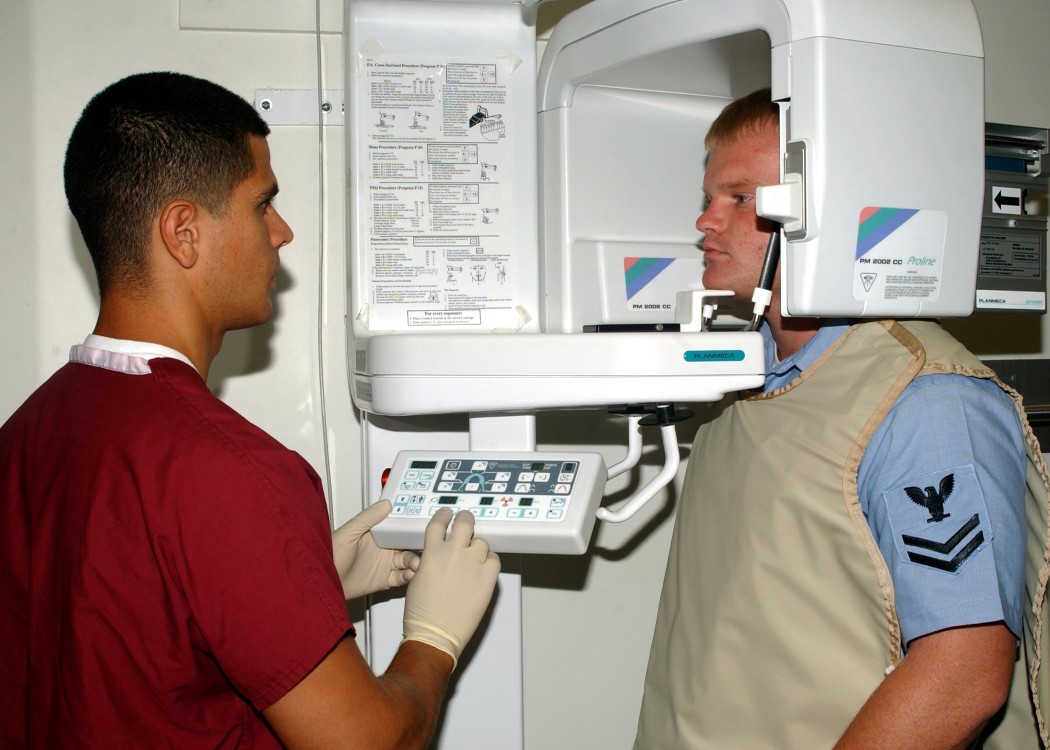
Films were exposed with the patient sitting in the chair, frequently with no lead apron, holding the film in place with a finger, and in a great many surgeries the dentist or assistant stood beside the machine rather than leaving.
Digital sensors requiring a fraction of the exposure, lead aprons and thyroid collars as standard, rectangular collimation to narrow the beam, holders so no finger is in the path, and the operator behind a barrier or out of the room entirely.
Every one of those changes reduced dose, and the cumulative reduction is very large. The staff protection matters as much as the patient’s: a dentist taking films all day for thirty years accumulated exposure in a way a patient having two films a year never did, which is why the rules about leaving the room came in.
5. Instruments Were Boiled, Wiped or Simply Looked At
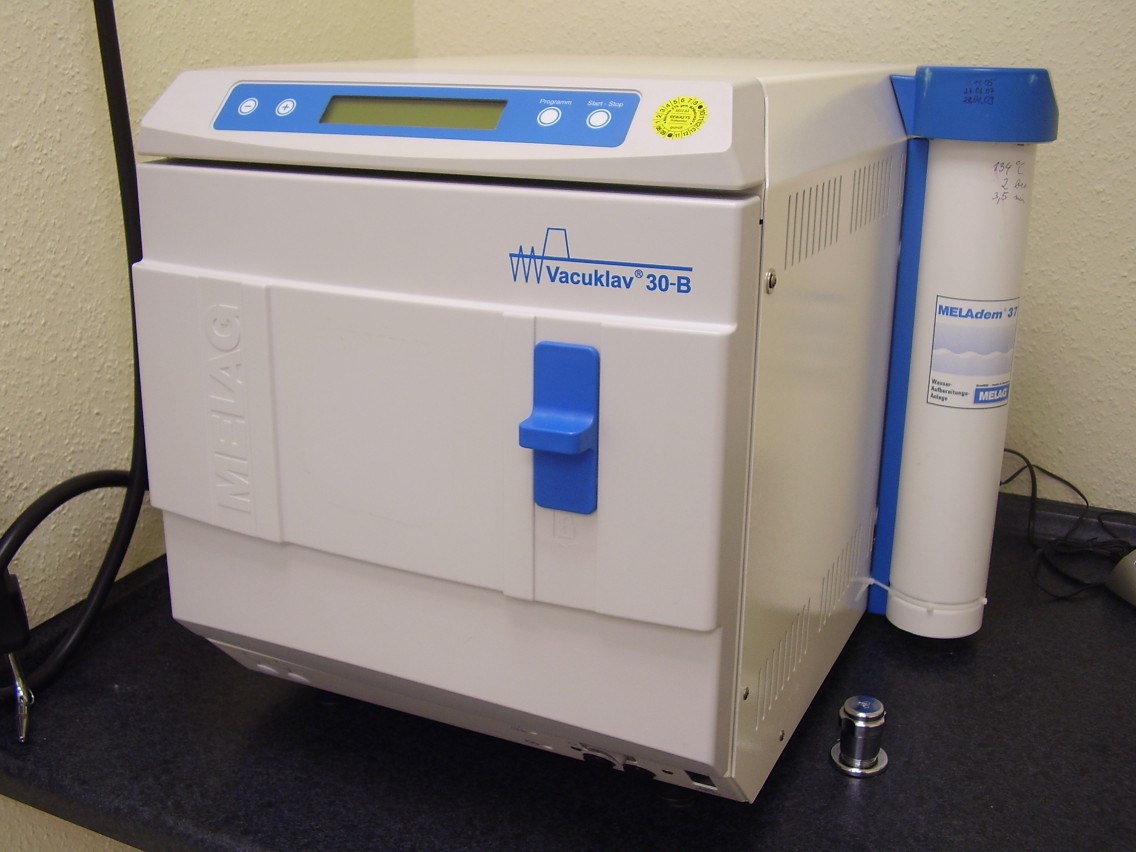
Sterilisation practice varied enormously. Better surgeries autoclaved. Many boiled instruments, soaked them in a chemical solution, or wiped and reused them, with the standard varying by practitioner and by instrument.
Mandatory autoclaving with validated cycles, biological spore testing at intervals, logged results, single-use items where reuse cannot be verified, and inspection against a documented protocol.
The shift from judgement to verification is the real change. The old system relied on a practitioner believing an instrument was clean; the modern one relies on a recorded test proving a steriliser achieved the conditions that kill spores, which is a completely different kind of assurance and the reason it is now documented rather than assumed.
6. Extraction Was a First Resort, Especially for Children
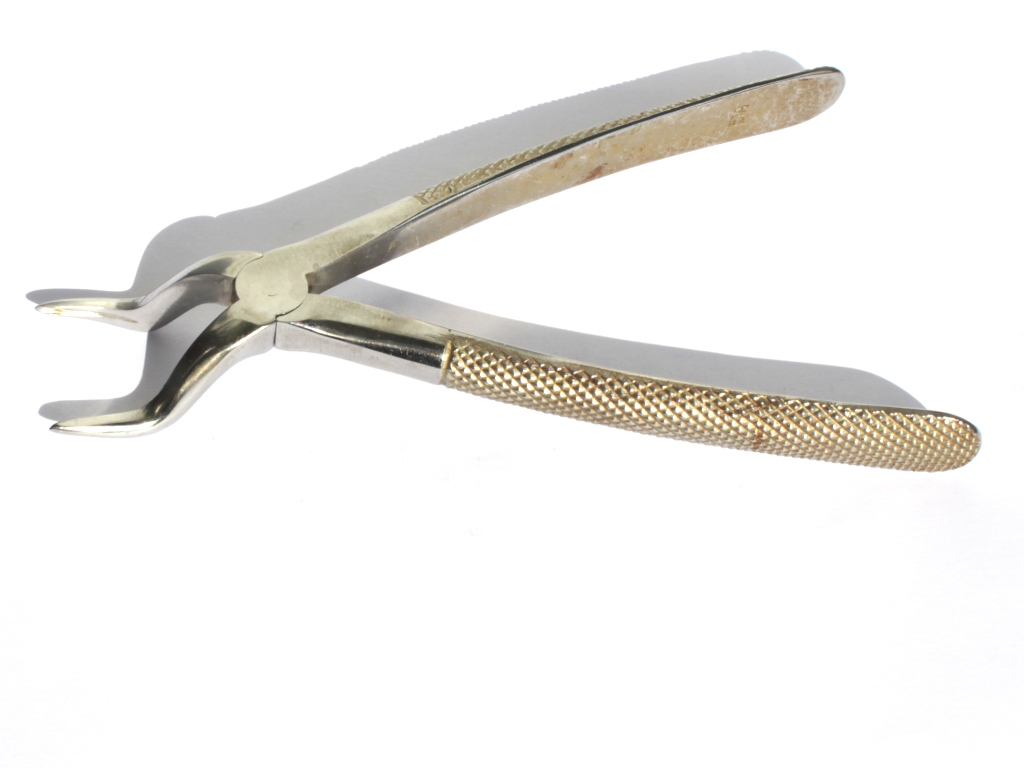
A damaged or crowded tooth was frequently removed rather than treated, and a child could lose several teeth in a single course of treatment on the reasoning that adult teeth were coming anyway.
Preservation as the default – sealants, fluoride, early intervention, pulp treatment on baby teeth, space maintainers and orthodontic planning that assumes teeth stay in.
The old approach was not stupid given what was available. Restoration was slow, uncomfortable, unreliable and expensive, anaesthesia for children was limited, and a removed tooth cannot ache. What changed it was better materials, better local anaesthesia and the understanding that losing baby teeth early causes crowding problems later.
7. Small Work Was Done Without Anaesthetic
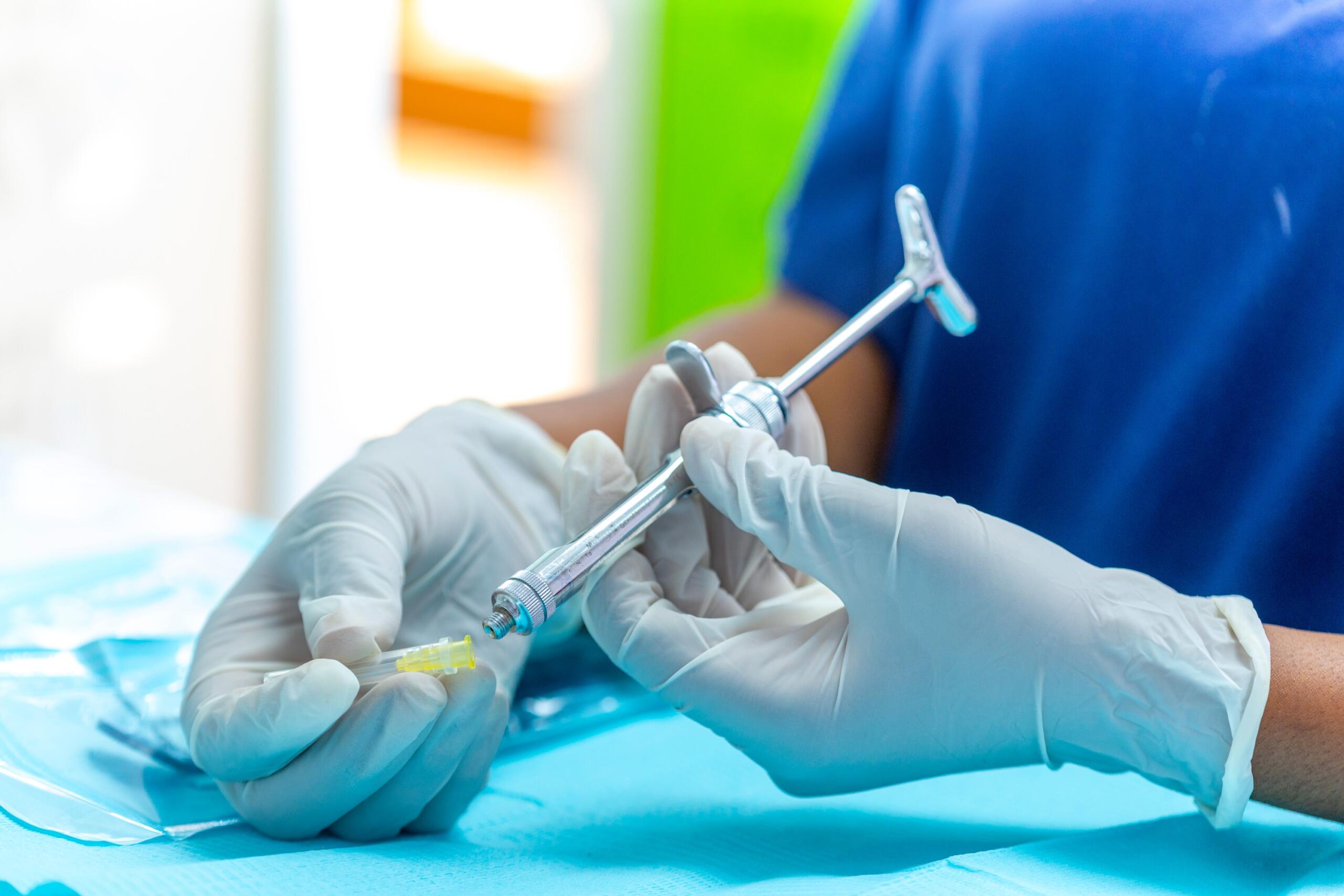
Shallow cavities, cleaning out decay and polishing were commonly done with no injection, on the grounds that the procedure was minor and an injection in a child was more trouble than the drilling.
Local anaesthesia as the default for anything likely to be uncomfortable, with topical gel applied first so the needle itself is not felt, and a professional assumption that a child’s pain is a reason to stop.
This is the single biggest reason an entire American generation is frightened of dentists, and it was not malice. It was a judgement call, made routinely, by practitioners who had been trained in it and who had themselves been treated that way – and the consequence is a cohort of adults who avoid dental care because of what happened to them at eight.
8. You Were Expected to Sit Still and Told So
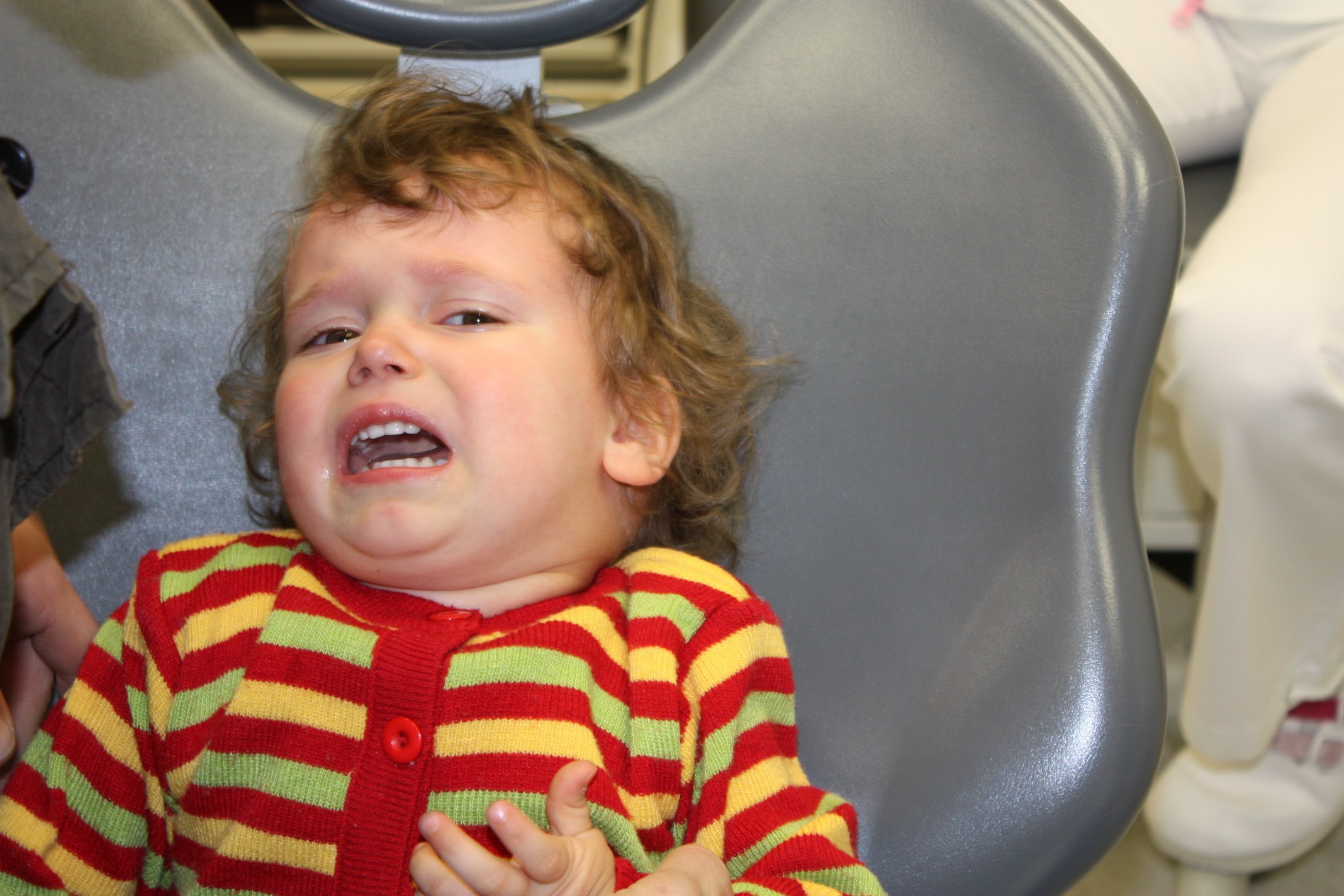
The behavioural approach was direct instruction and firmness, with a child’s distress treated as something to be managed by insistence rather than by changing what was being done.
An entire field of behaviour management: explanation before action, tell-show-do, signals a child can use to stop the procedure, sedation options, and a documented understanding that a frightening early experience produces lifelong avoidance.
The signal is the detail that captures the change. A modern practitioner gives a child a way to say stop and honours it, which transfers a small amount of control to the person in the chair – and that single arrangement does more for cooperation than any amount of firmness ever did.
9. The Fluoride Treatment Came in a Tray and You Gagged
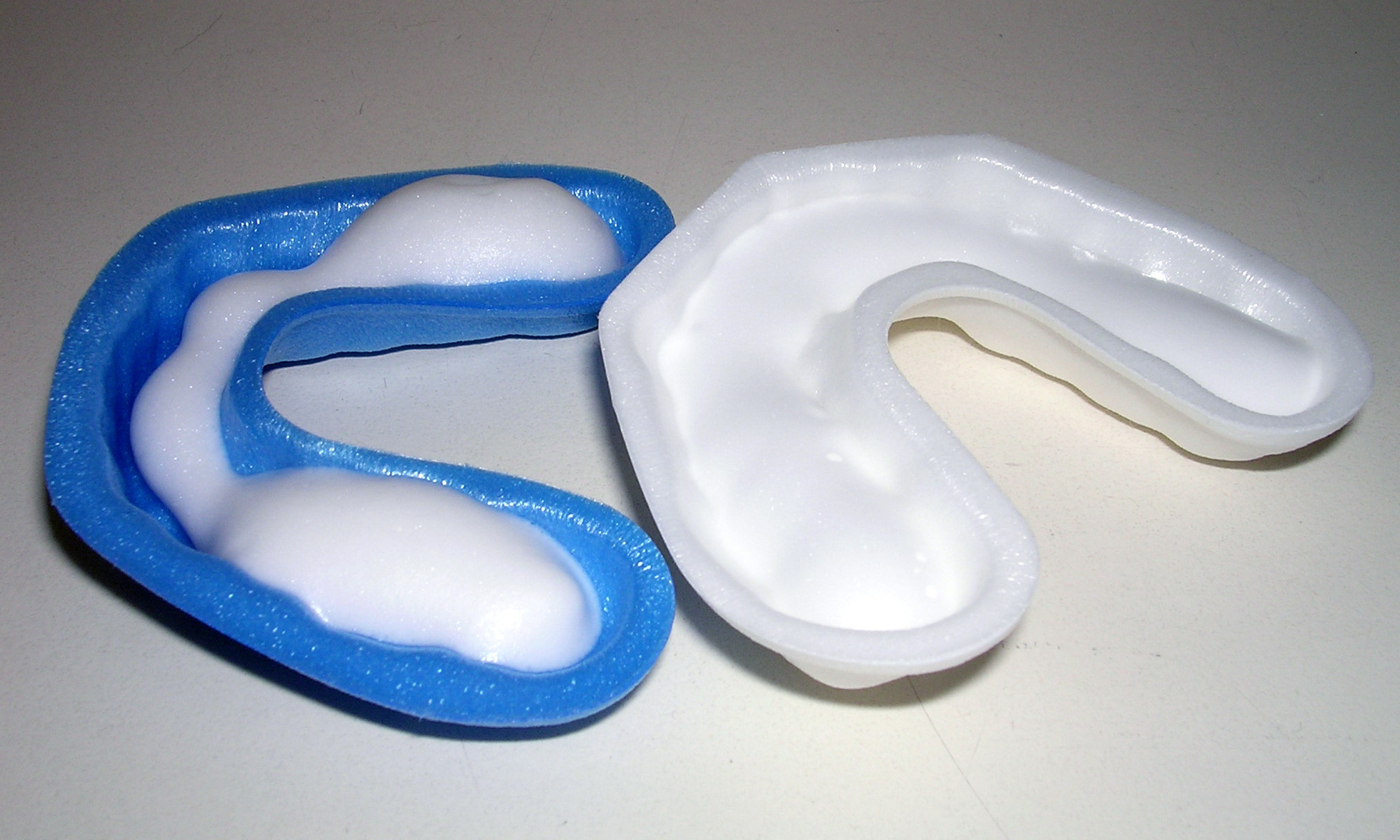
Topical fluoride was applied in a soft tray loaded with gel, held in the mouth for several minutes while you sat upright with a suction tube and tried not to swallow.
Varnish painted directly onto the teeth in seconds, which sets on contact, needs no tray, no timing and no swallowing restraint, and delivers the fluoride more reliably.
The old method worked and was genuinely unpleasant, and the unpleasantness was the problem. A treatment a child dreads is a treatment skipped, and the varnish’s advantage is as much compliance as chemistry – which is a recurring theme in how preventive dentistry actually improved.
10. You Chewed a Tablet That Dyed Your Teeth Purple
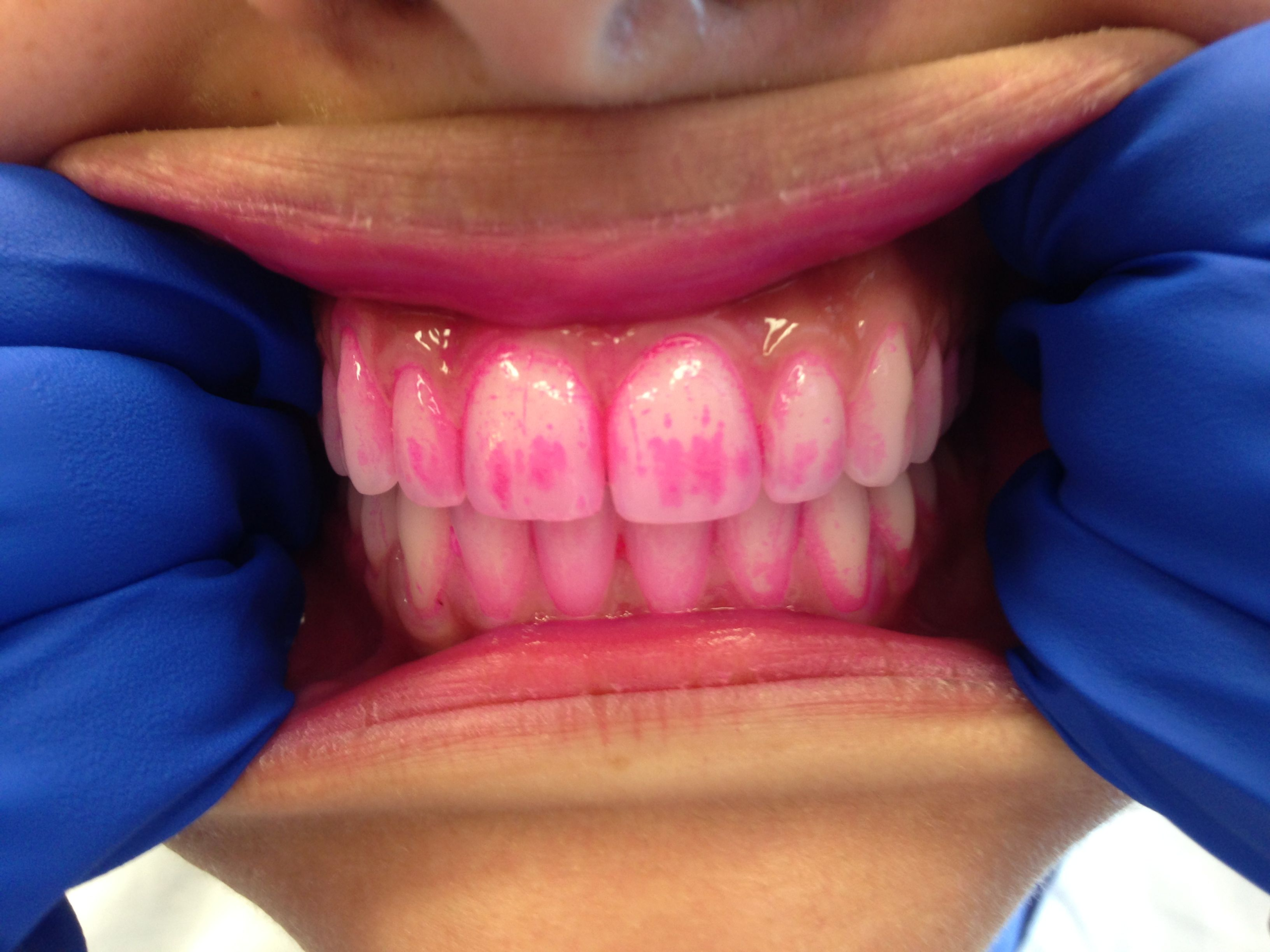
Plaque-disclosing tablets were chewed in the surgery or at school, staining accumulated plaque a vivid colour so that the child could see exactly where they had failed to brush.
The same product, still used, alongside photographs, intraoral cameras showing a child their own teeth on a screen, and structured brushing instruction.
It was a genuinely effective piece of teaching and it was humiliating, which is why it is remembered so vividly. The point was made visually and inarguably, to a child, in front of an adult – and the staining lasted for hours afterwards, which extended the lesson considerably further than anybody had asked for.
11. The Appointment Was in the Middle of a School Day
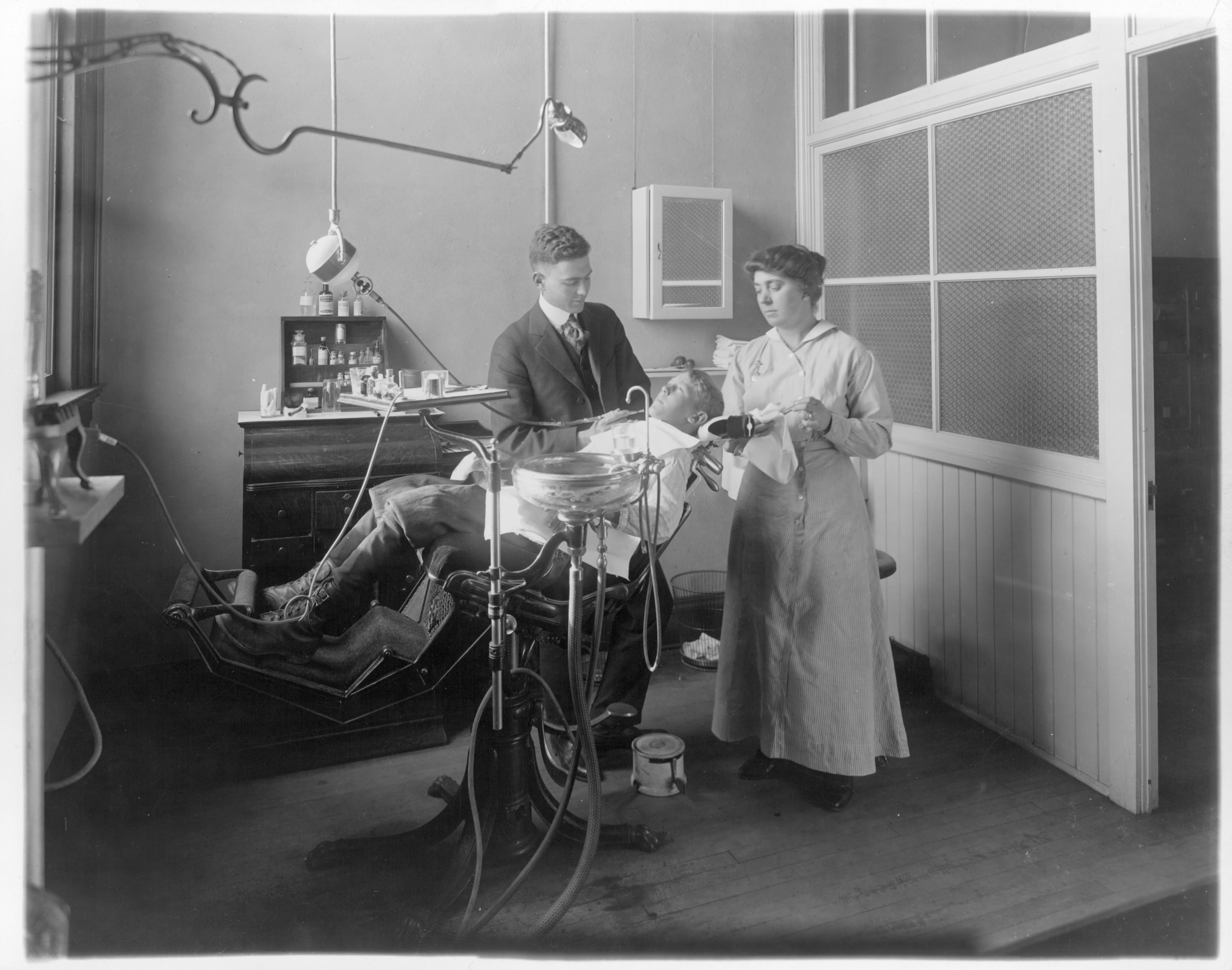
Dental visits were scheduled during school hours as a matter of course, the school released the child, and the absence was recorded as excused without question.
Appointments concentrated outside school hours where possible, with a general expectation that routine care should not cost a child instructional time.
Which made the visit a strange kind of privilege and dread combined. You left a classroom in the middle of the morning, which every other child envied, and went somewhere considerably worse than arithmetic – and then came back at eleven and had to say where you had been.
12. There Was a Box of Prizes and It Was the Point

At the end you chose something from a drawer or a chest – a plastic ring, a sticker, a bouncing ball, a paper tooth-shaped certificate, a toothbrush in a colour you got to pick.
Essentially identical, because it works. The prize box has survived almost unchanged, which is unusual among the things on this list.
It survives because it is behavioural management that costs almost nothing. A child who leaves with something in their hand has had the visit end on a positive note, and the professional literature on early dental experience supports exactly that – so the one bit of 1974 dentistry that modern practice kept intact is the plastic ring.
13. The Waiting Room Had an Aquarium and Magazines From 1971
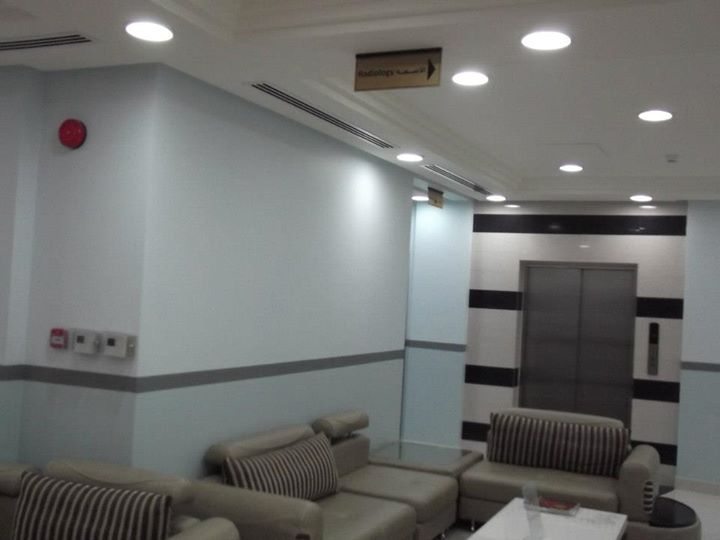
The outer room held a fish tank, a rack of long-out-of-date magazines, hard chairs, and the sound of the drill coming clearly through a wall or an open door.
Designed waiting areas, sound separation from treatment rooms, screens, and in paediatric practices a deliberate effort to ensure a waiting child cannot hear what is happening to the one before them.
The sound carrying is the detail that mattered and it was fixable at any point. A child waiting twenty minutes while listening to a slow drill working in somebody else’s mouth arrived in the chair already frightened – and the modern insistence on separating the two rooms is a direct response to exactly that.
14. Nobody Explained Anything
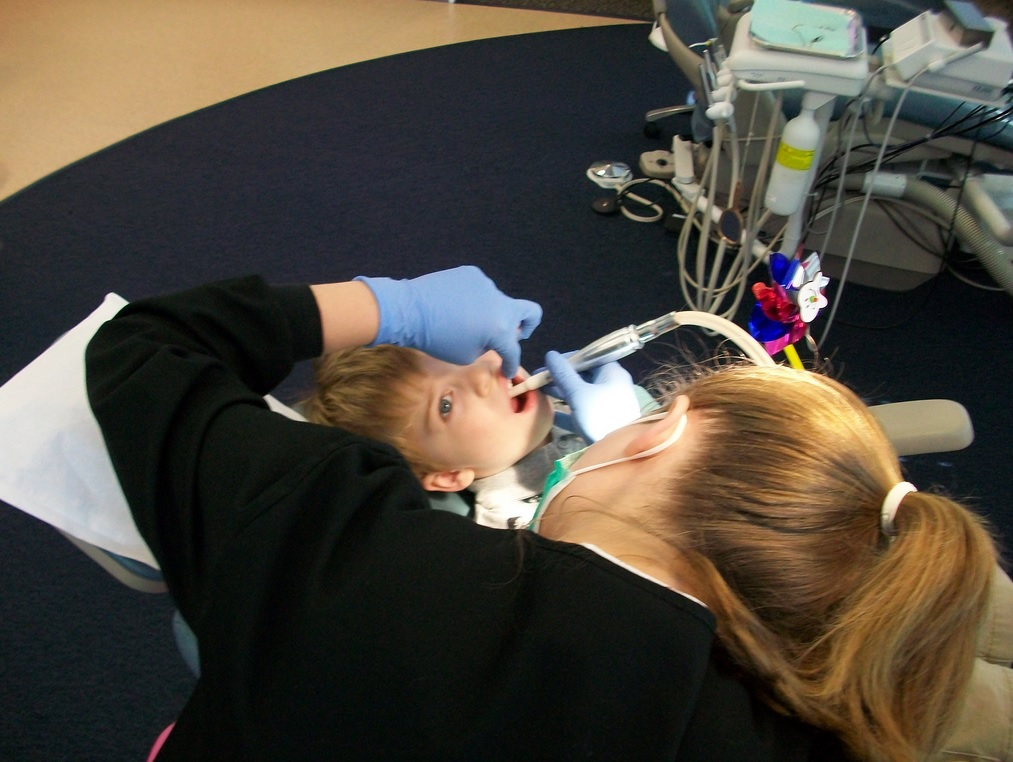
Procedures were conducted without description. The child was seated, the work was done, and information was given to the parent afterwards rather than to the person it was happening to.
Explanation as professional standard, with age-appropriate description before anything happens, consent documented, and a child treated as a participant entitled to know what is about to occur.
The old approach was not thought to be unkind; it was thought to be kind, on the reasoning that describing something frightening in advance makes it worse. That turned out to be exactly wrong, and the evidence on it is the reason tell-show-do became the standard approach to treating children.
15. Prevention Was an Afterthought
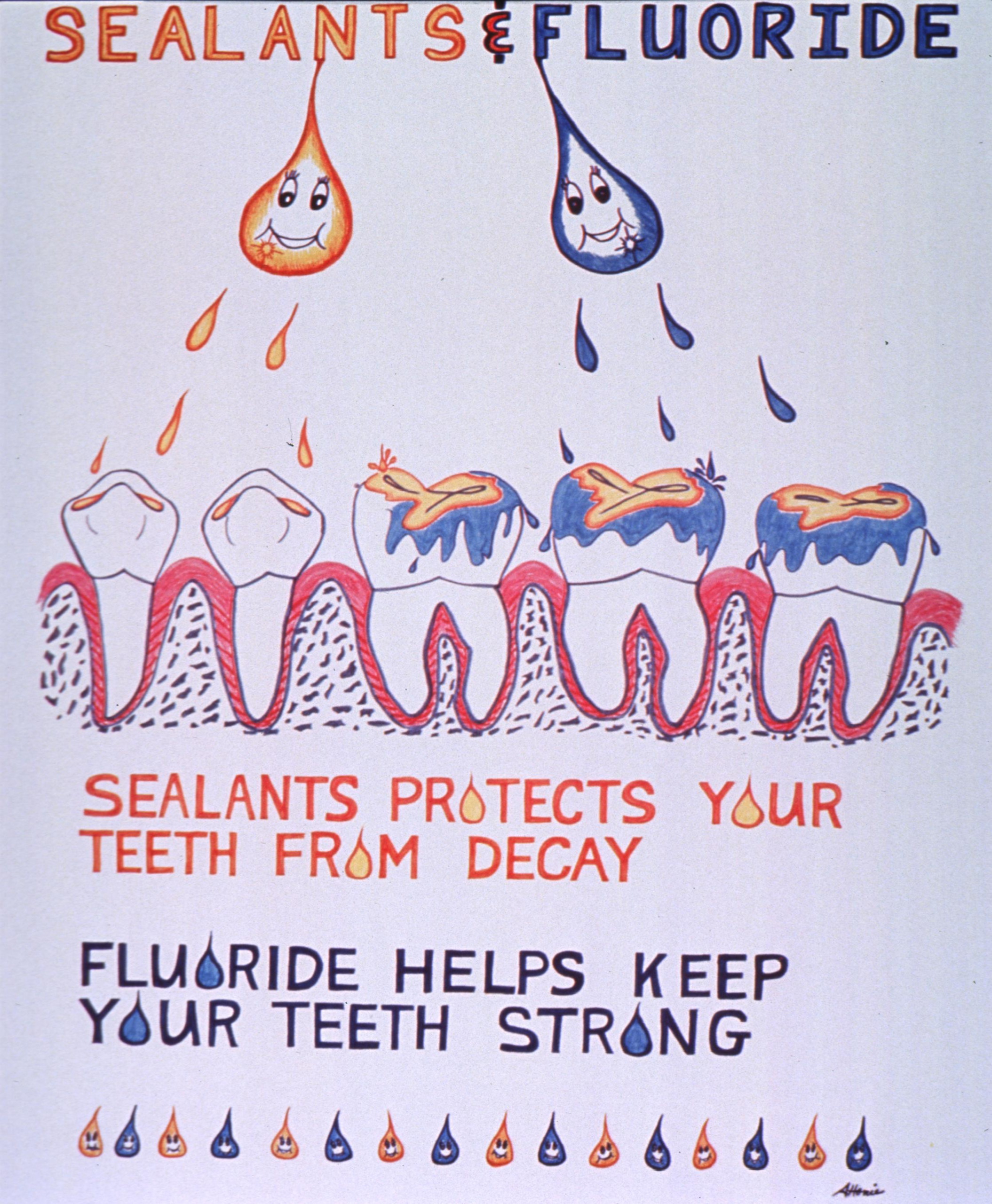
The practice model was repair. You came when something hurt, the damage was dealt with, and advice about brushing was dispensed at the end as a mild rebuke.
A prevention-first model: sealants on new molars, fluoride at intervals, dietary counselling, risk assessment, scheduled recall and early intervention – with restoration as the fallback when prevention has failed.
The results of that shift are the most important fact about modern dentistry and they are rarely stated. Rates of tooth decay in American children fell very substantially across the following decades, and the reasons are unglamorous: fluoridated water and toothpaste, sealants, better brushing, and a profession that reorganised itself around stopping decay instead of repairing it.
16. Then the Whole Profession Reorganised Around Not Hurting You
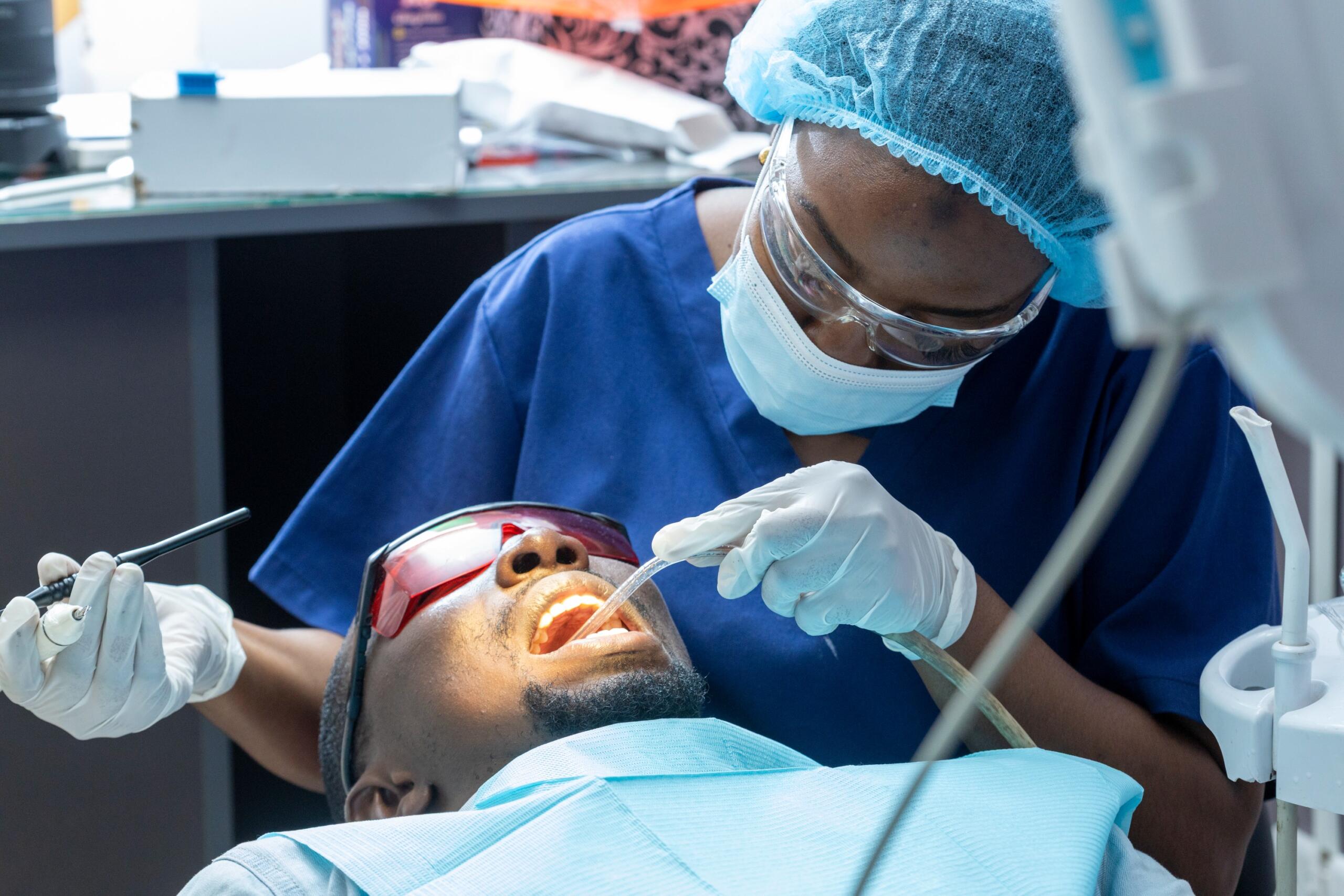
All of it rested on a repair model with limited materials, limited anaesthesia, no infection-control doctrine, enormous practitioner discretion and no theory of how a child’s experience affects their adult behaviour.
Universal precautions, verified sterilisation, high-speed cooled instruments, reliable local anaesthesia with topical pre-numbing, adhesive tooth-coloured restoration, digital imaging at a fraction of the dose, behaviour management with a stop signal, and prevention as the organising principle.
The thread running through every one of those is the same, and it is worth naming because it is not primarily technological. Dentistry worked out that pain and fear are not side effects of treatment but the main obstacle to it – that a frightened eight-year-old becomes a forty-year-old who has not been seen in twenty years, with consequences far worse than the filling they avoided. Once that was understood, everything followed: the fast drill because it hurts less, the topical gel before the needle, the stop signal, the separated waiting room, the explanation beforehand, the varnish instead of the tray, and the prize box at the end. The instruments got better, but the actual change was that the profession stopped treating a child’s distress as something to be endured and started treating it as the problem to be solved.
The Fear Turned Out to Be the Disease
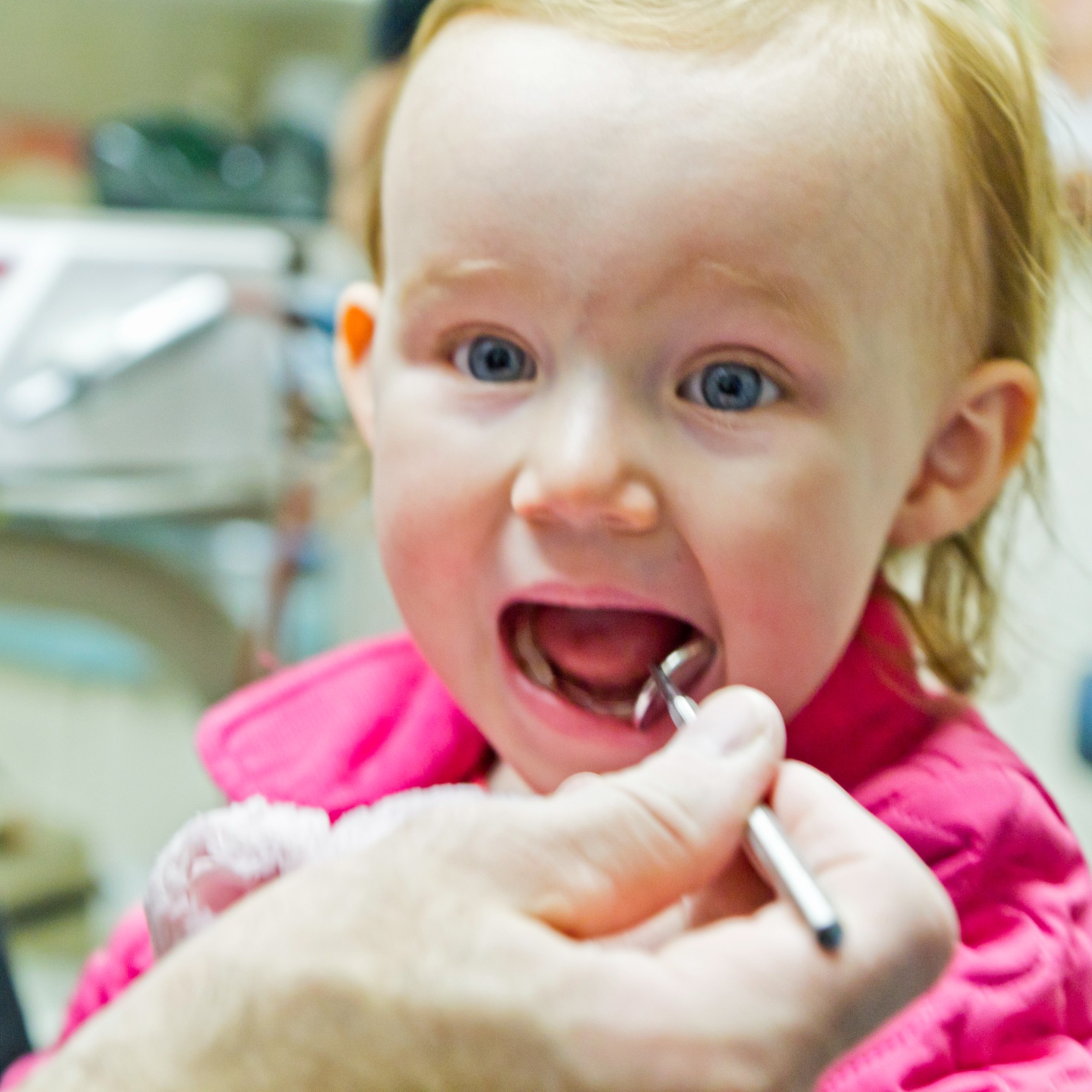
Almost everything on this list improved, and it is tempting to credit the instruments. Faster drills, better anaesthetic, digital imaging, adhesive materials, sealed capsules, verified sterilisation.
The technology is real, but it is not the actual change.
The actual change is that dentistry worked out that a child’s fear is not an unfortunate side effect of treatment. It is the main obstacle to treatment, and it compounds for the rest of that person’s life.
A frightened eight-year-old becomes a twenty-five-year-old who cancels, and then a forty-year-old who has not been seen in twenty years, who arrives with problems that are now extensive, painful and expensive, and whose avoidance was created in a dental chair in 1974 by a procedure that took eleven minutes. The filling they were spared the injection for cost them their adult dental care.
Once the profession understood that – and the evidence on dental anxiety and its origins in childhood experience became hard to ignore – every single item on this list acquires a reason.
The high-speed drill is not just faster, it is less painful, because it cuts without being pressed and therefore does not transmit vibration into the jaw. Topical gel before the needle exists so the injection itself is not the frightening part. The stop signal exists so the child in the chair has some control, which is worth more for cooperation than firmness ever achieved. The separated waiting room exists so a child does not arrive already afraid from listening. Explanation beforehand exists because the old belief that describing a frightening thing makes it worse turned out to be precisely backwards. Fluoride varnish replaced the gagging tray partly for chemistry and substantially because a treatment a child dreads is a treatment skipped. And the prize box survived unchanged because ending the visit on something good is cheap and it works.
Even the shift to prevention follows from it. Sealants, fluoride, recall intervals and risk assessment all exist to ensure the drill is needed less often – and the clearest measure of the whole change is that decay rates in American children fell very substantially across these decades.
So the answer to what changed in dentistry is not the handpiece.
It is that the profession stopped regarding a child’s distress as something to be got through, and started regarding it as the thing most likely to ruin that person’s teeth.
If you were a child in one of these chairs, you remember the sound through the wall before you remember the appointment.
And you know whether you still put it off, and you know exactly why.
Like our content? Follow us for more.

