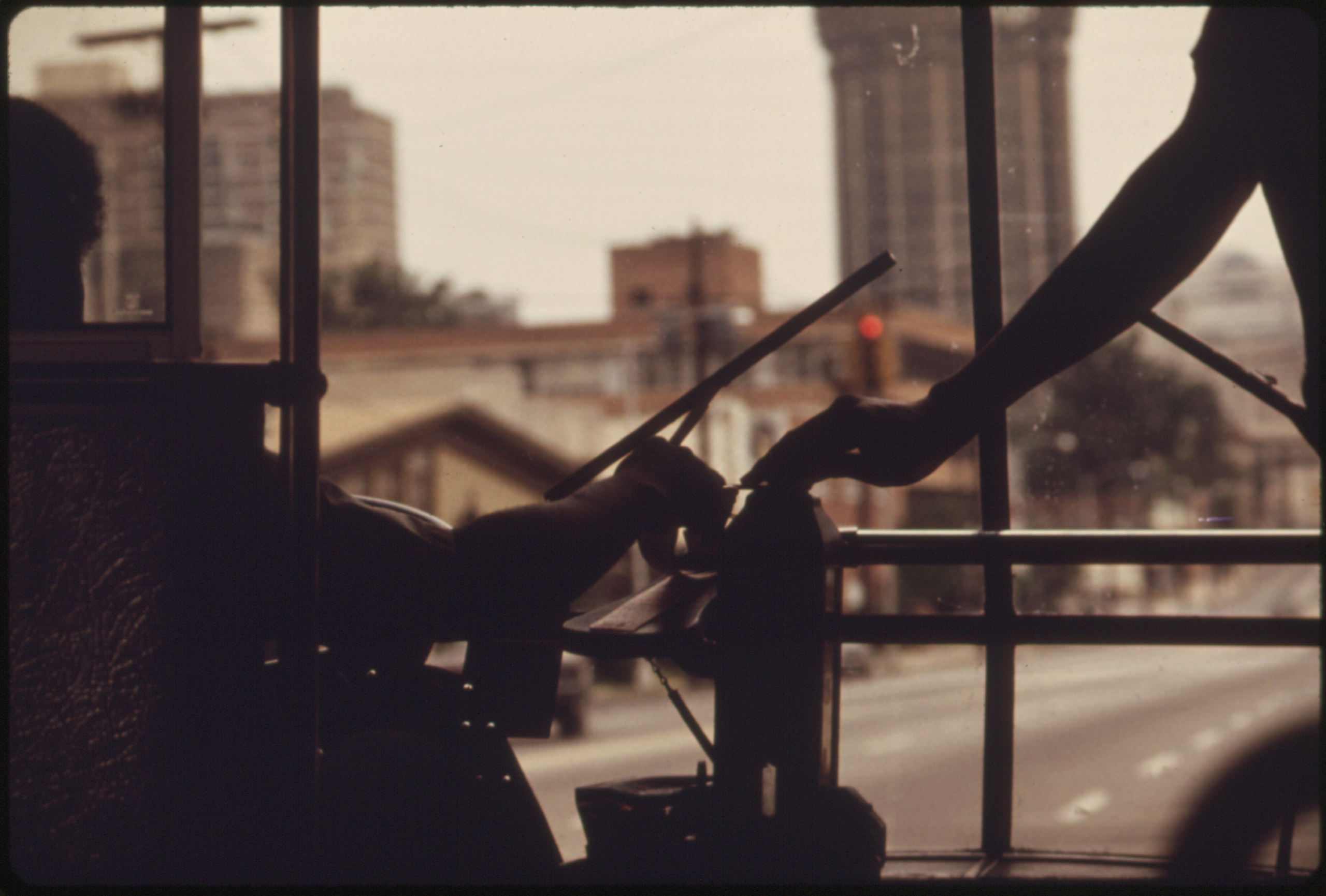
In 1974 riding an American city bus required equipment. You needed tokens, bought in advance from a booth somewhere else, or the exact coins, because the farebox gave no change and the driver was not allowed to help.
The transfer was a paper slip the driver tore at the current time. The stop was a pole with a route number and nothing else on it – no timetable, no map. You pulled a cord to request a stop, and the back door only opened if you stood on the bottom step.
Here are fifteen things every American needed to ride the city bus in 1974, and what replaced each of them.
1. You Needed Tokens and You Bought Them in Advance
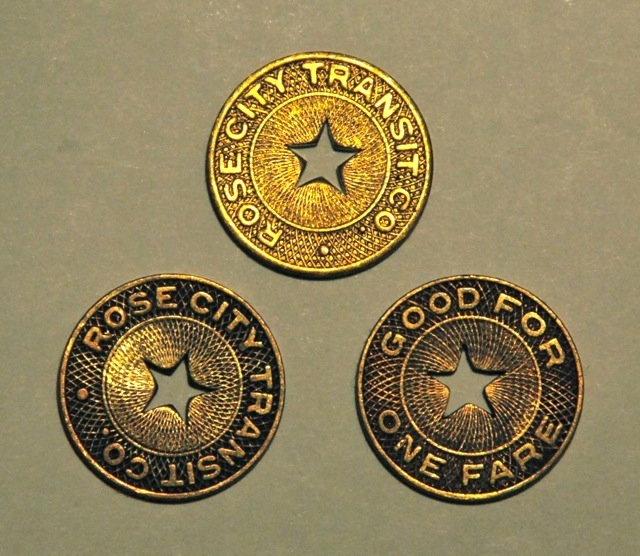
Fares were paid with metal tokens bought in rolls or handfuls from a booth, a kiosk, a drugstore or a transit office – small brass or nickel discs, frequently with a cut-out shape, that existed only to be dropped into a farebox.
Contactless payment, stored-value cards and applications, with cash still accepted on most systems. The token was a physical pre-purchase that had to be obtained somewhere else before you could travel.
Which meant running out of tokens was a genuine domestic problem. A household kept them in a dish by the door, counted them, and sent somebody to buy more – and being out of tokens on a Monday morning meant either finding exact coins or not going.
Like our content? Follow us for more.
2. The Farebox Did Not Give Change and Said So
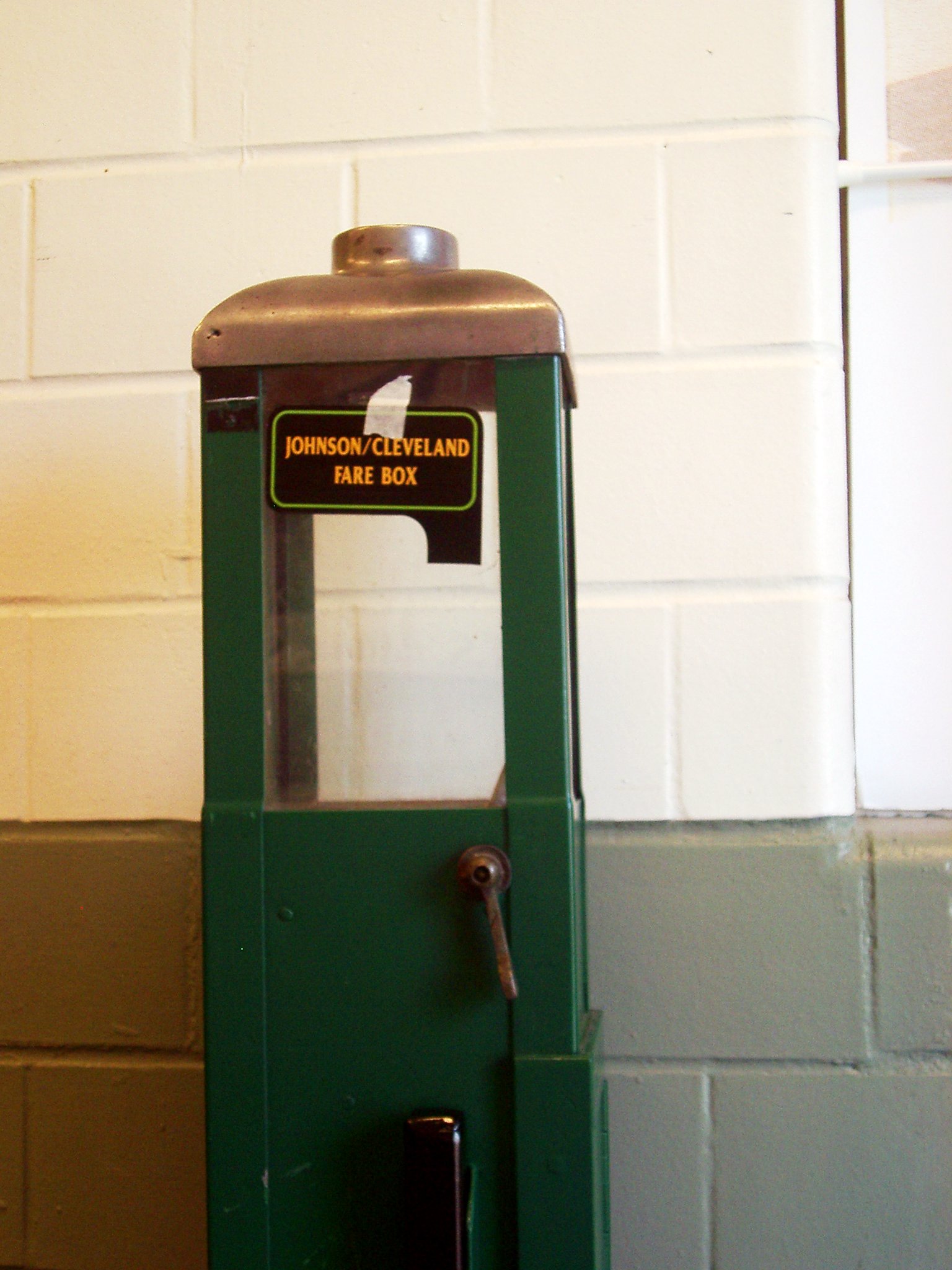
The box beside the driver took coins and tokens and had no mechanism for returning anything. Exact fare was the rule, it was painted on a sign above the box, and the driver had no authority to help.
Payment systems that compute and deduct, and farecards that hold a balance. The no-change rule put the entire burden of having the correct denomination on every passenger, every trip.
And people overpaid constantly rather than miss a bus. Putting in a quarter for a thirty-five cent fare was not possible, but putting in two quarters for a thirty-five cent fare was – so passengers who had the wrong coins simply donated the difference, thousands of times a day, across every system in the country.
3. Exact Fare Existed Because Drivers Were Being Robbed
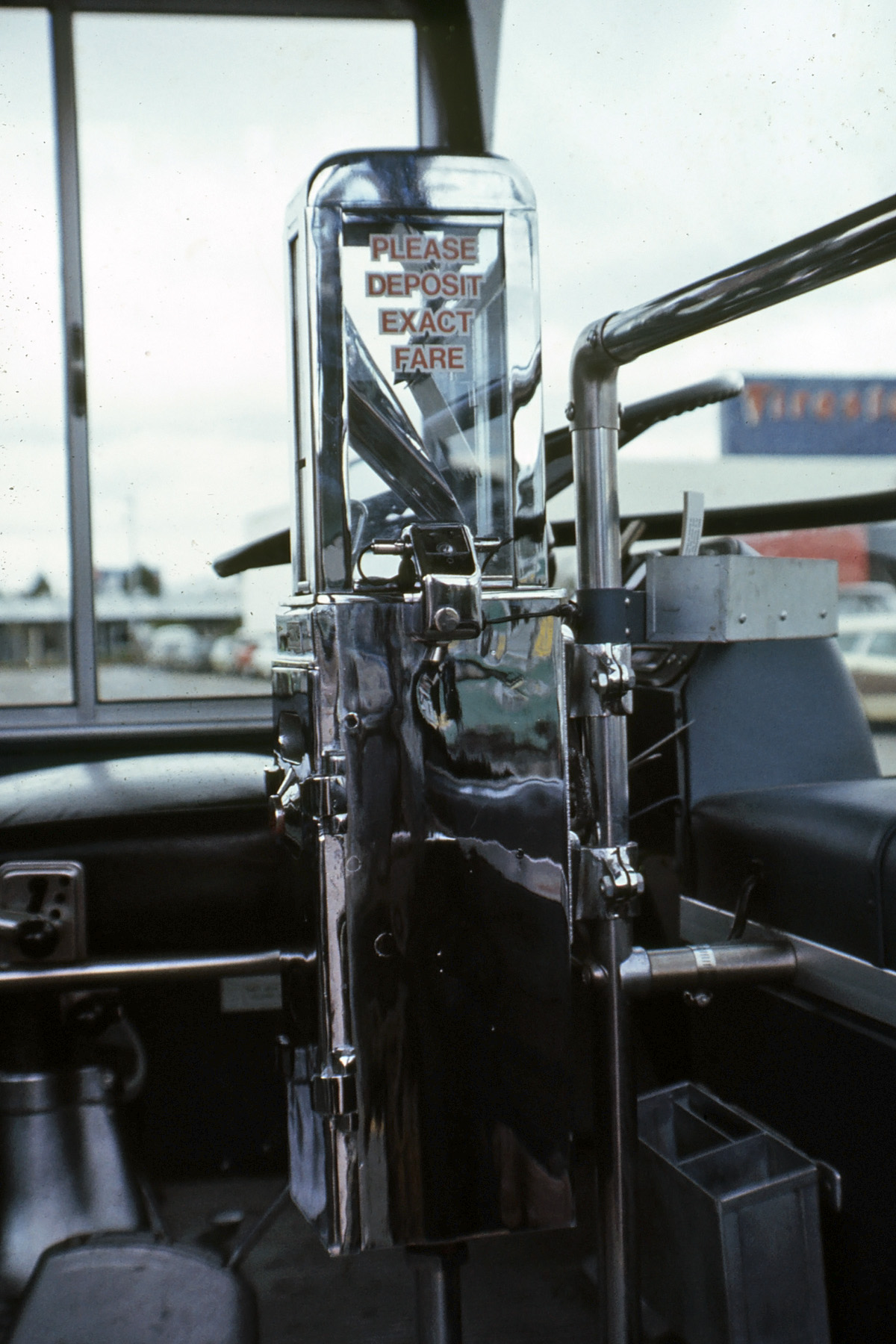
Earlier arrangements had the driver carrying a coin changer on a belt and making change by hand from his own float. Exact-fare policies were introduced across American transit systems from the late 1960s specifically because that float made the driver a target.
Cashless and account-based payment, which removes the cash from the vehicle entirely and resolves the original problem rather than transferring it.
The exact-fare rule is therefore a good example of a safety measure whose cost fell on somebody else. The driver stopped carrying money and stopped being robbed for it, which was the point and was correct – and in exchange every passenger in the city had to manage their own change forever.
4. The Transfer Was a Paper Slip and the Driver Tore It
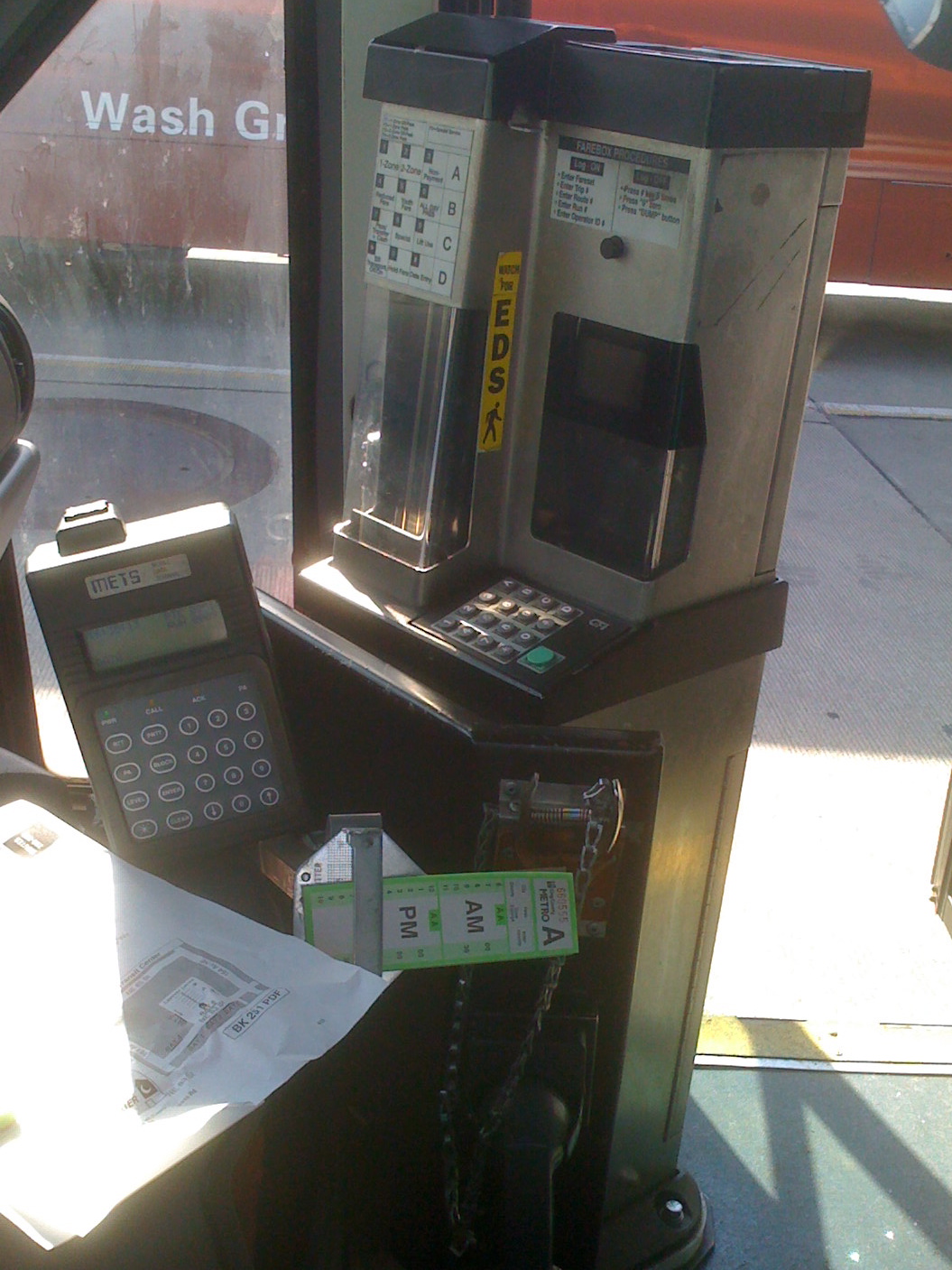
Paying a fare entitled you to a transfer – a printed paper slip, with times or zones down the edge, which the driver tore or punched at the point corresponding to the current time before handing it over.
Transfers handled automatically within a time window by the fare system, with no paper and no driver involvement. The slip was issued by hand, by judgement, from a pad.
The tearing was the whole security mechanism and it was entirely visual. A slip torn at four o’clock was valid for a defined period after four, an inspector could read it at a glance, and the system worked on a driver’s accuracy with a pad of paper and a clock on the dashboard.
5. Transfers Got Handed to Strangers
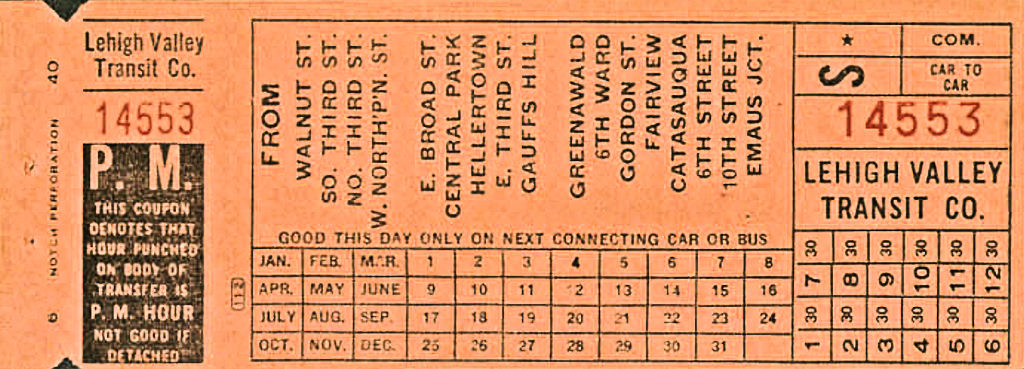
A transfer with time remaining on it was a usable fare, and a passenger reaching the end of their journey with a valid slip frequently handed it to somebody waiting at the stop.
Nothing comparable – a fare tied to a card or an account cannot be passed on. The paper slip was transferable in practice whatever the printed rules said.
It was a small informal economy conducted entirely between strangers, and it had its own etiquette. You offered it to whoever was obviously waiting, it was accepted without much comment, and nobody involved thought of it as anything other than ordinary – which is a transaction that simply has no modern equivalent.
6. The Bus Stop Sign Told You Almost Nothing
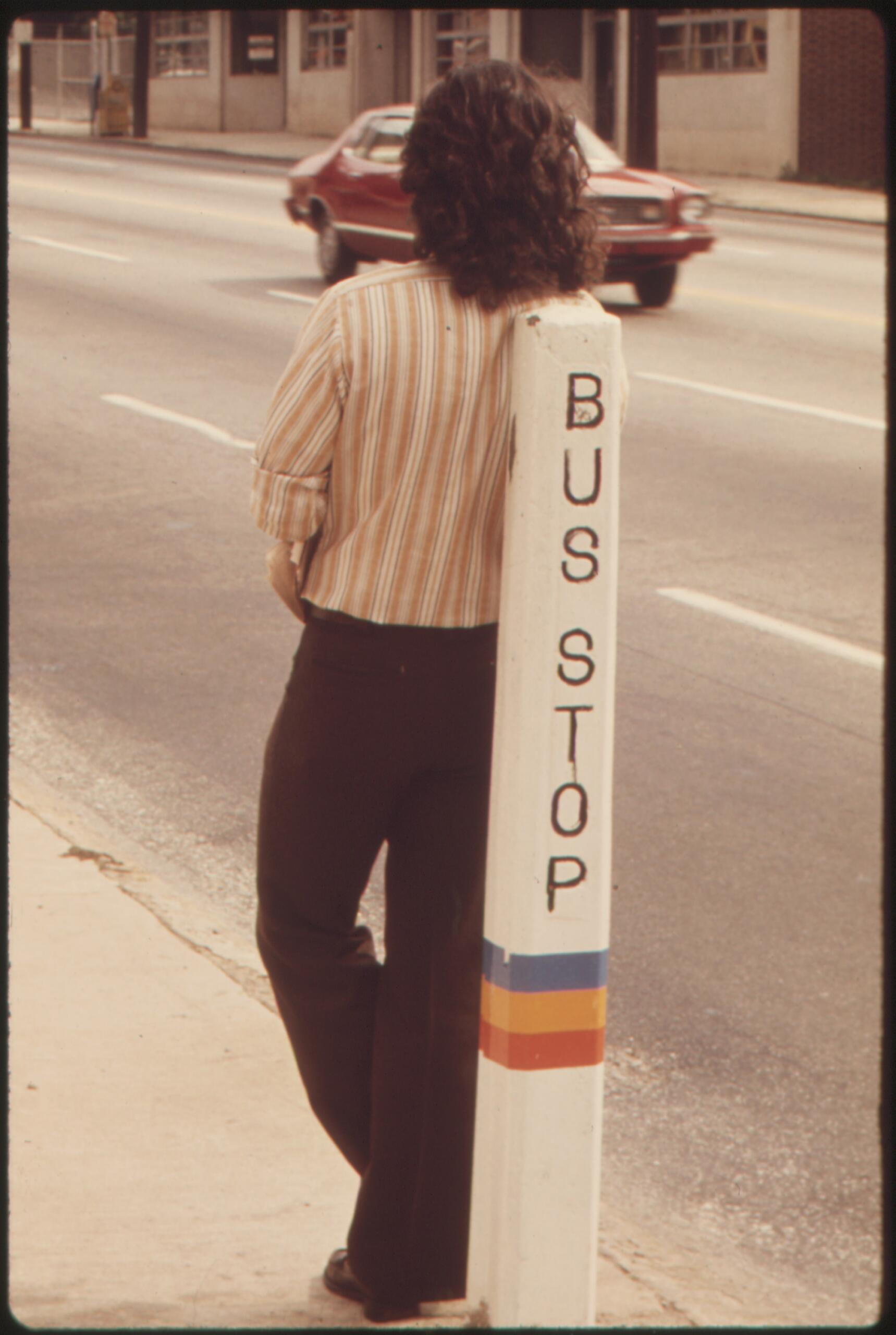
A stop was marked by a pole with a metal sign carrying a route number and the transit system’s name, and in many cases nothing else – no timetable, no map, no route description and no indication of frequency.
Posted schedules, route maps, electronic arrival displays and a phone that shows the vehicle’s position in real time. The sign was a statement that buses stopped there, and no more.
So the information about the system did not live in the infrastructure. It lived in people – in the drivers, in the regulars, and in whoever else was standing at the pole – and a stranger’s only practical option was to ask somebody.
7. The Timetable Was a Folded Paper You Had to Go and Get
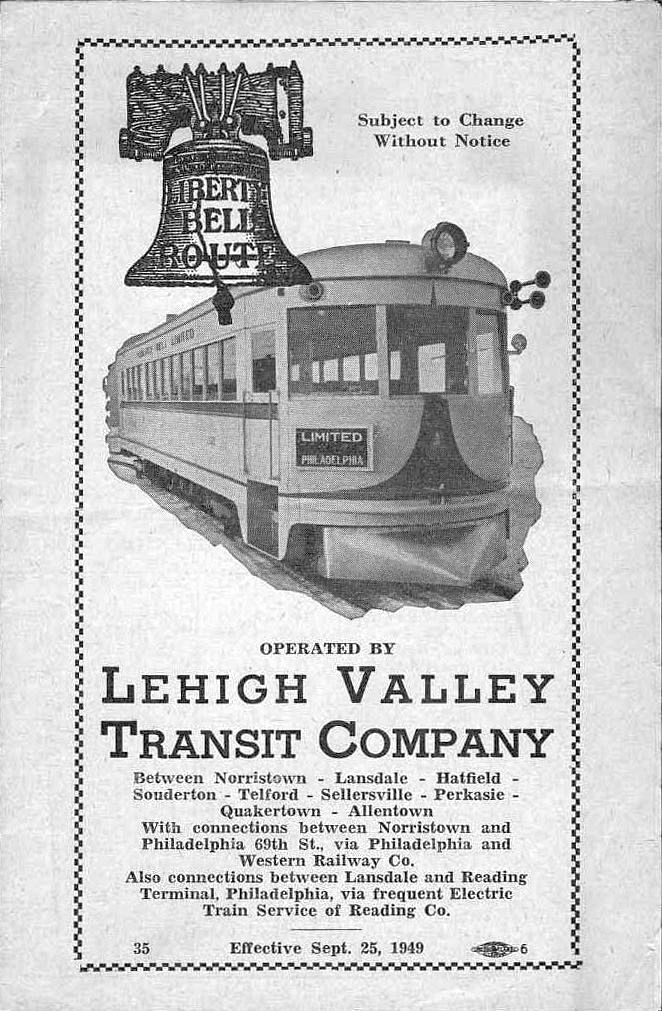
Printed pocket schedules existed, one per route, and were available from the transit office downtown, from the driver on some systems, and occasionally from a rack in a library or a drugstore.
The entire network, live, on any phone. The paper schedule was a separate errand, was out of date whenever the service changed, and was printed in a type size that assumed good eyesight.
Regular riders carried the one route they used, folded into a wallet, until it fell apart. Everybody else travelled on what they had been told by somebody – which is why a city’s bus system was, functionally, local knowledge rather than published information.
8. You Pulled a Cord to Make It Stop
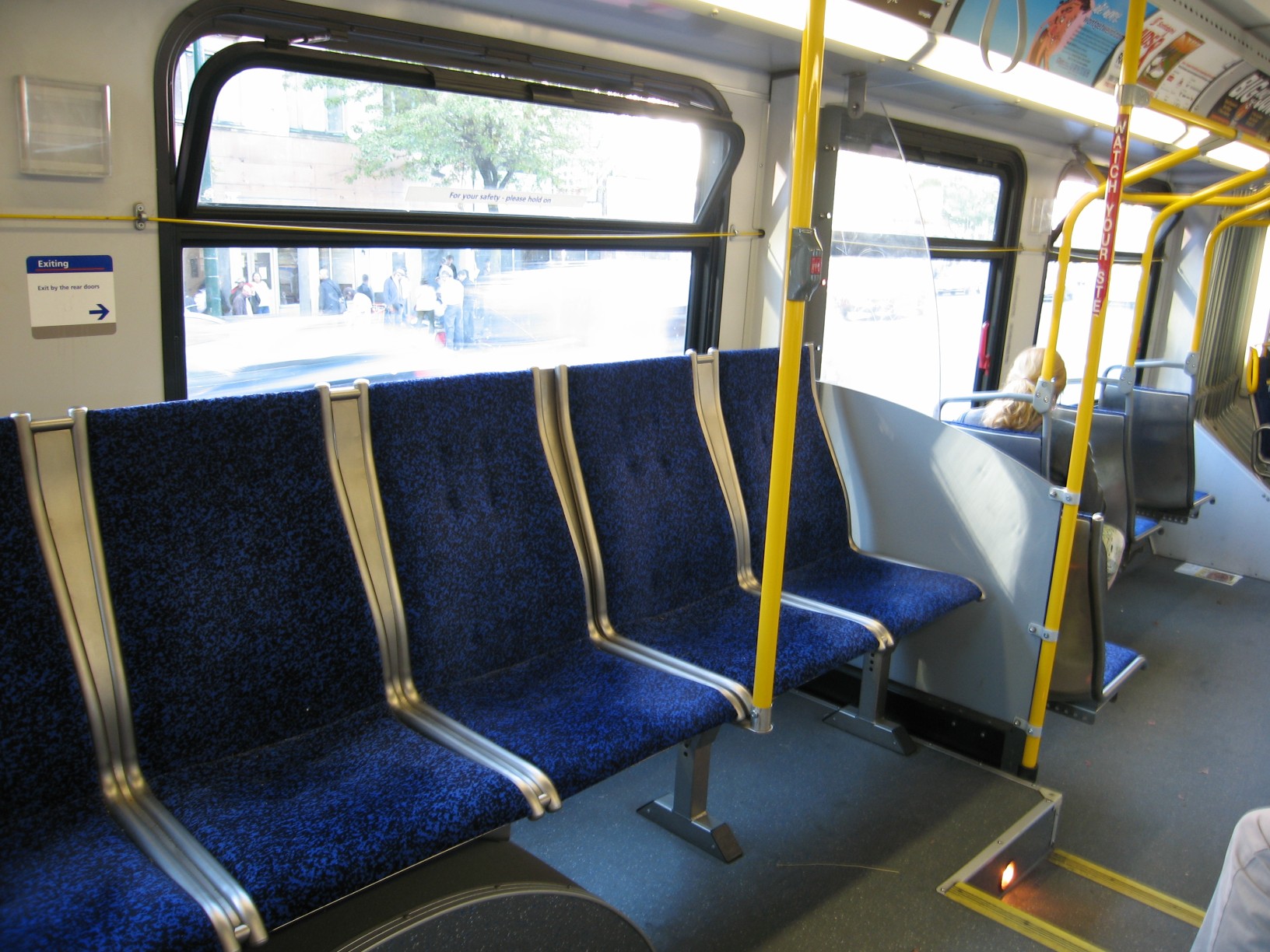
Requesting a stop meant reaching up and pulling a cord that ran the length of the ceiling, which rang a mechanical bell at the front, or pressing a strip or button on later vehicles.
Push buttons on every stanchion and an electronic chime, with an automatic announcement of the next stop. The cord was a single shared line down the whole bus.
Pulling it was a small public act with social weight attached. Pull it too late and the driver either stopped sharply or carried you to the next one; pull it when somebody else already had and you were visibly not paying attention – and children were sometimes given the job and sometimes forbidden it.
9. The Back Door Opened Only If You Stood on the Step
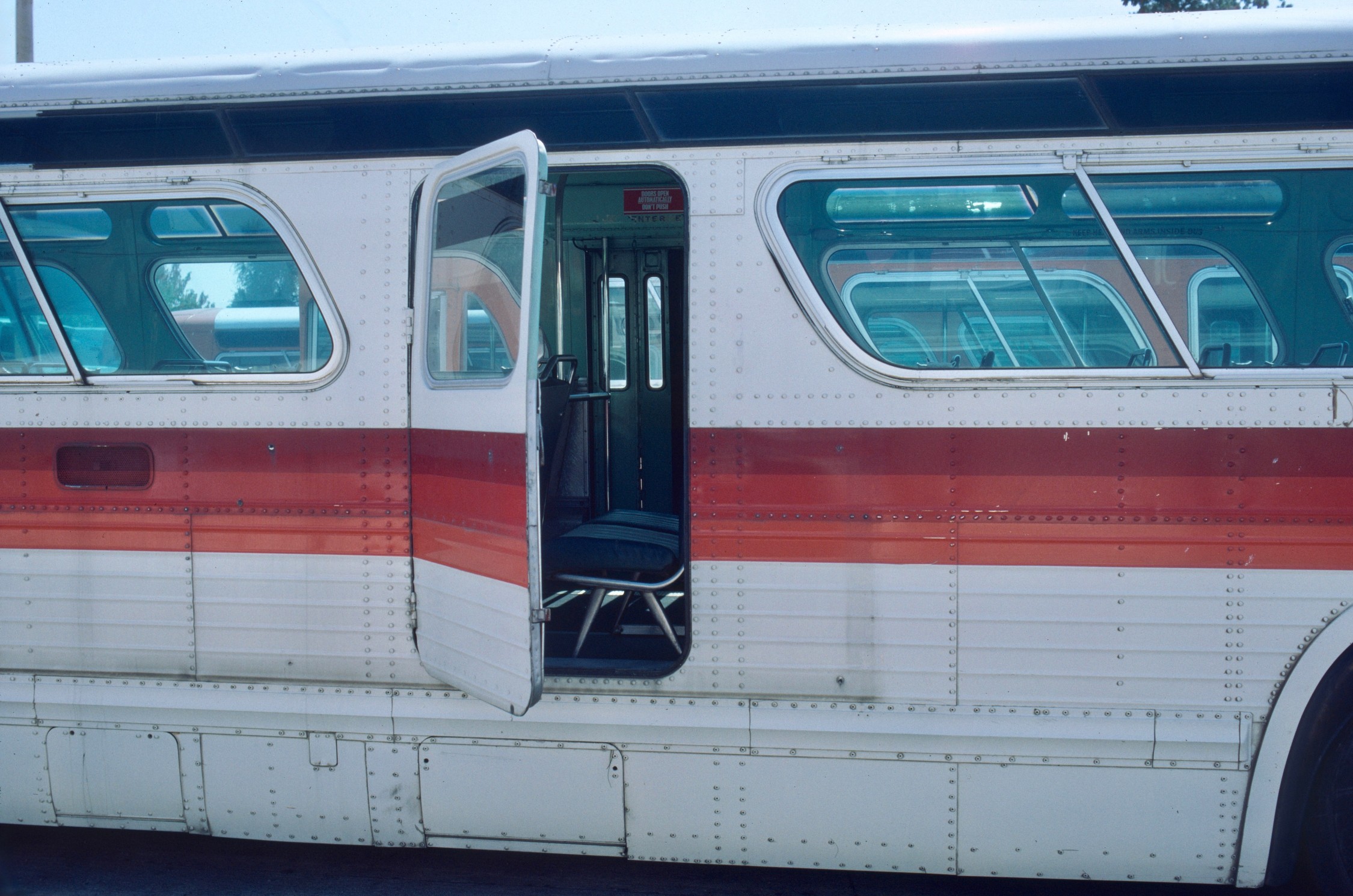
Rear exits on many buses were held by a treadle: the door released only when a passenger’s weight was on the bottom step, which is why buses carried signs instructing you to step down to open.
Doors released by the driver or by an electric sensor, with touch bars and hold-open protection. The treadle was a mechanical arrangement that confused anybody unfamiliar with it.
And it failed in an entirely predictable way, every single day, in every city. Somebody stood on the top step, pushed the door, found it locked, and was carried past their stop while a dozen regulars explained the mechanism simultaneously.
10. The Route Map Was Glued Inside Above the Windows
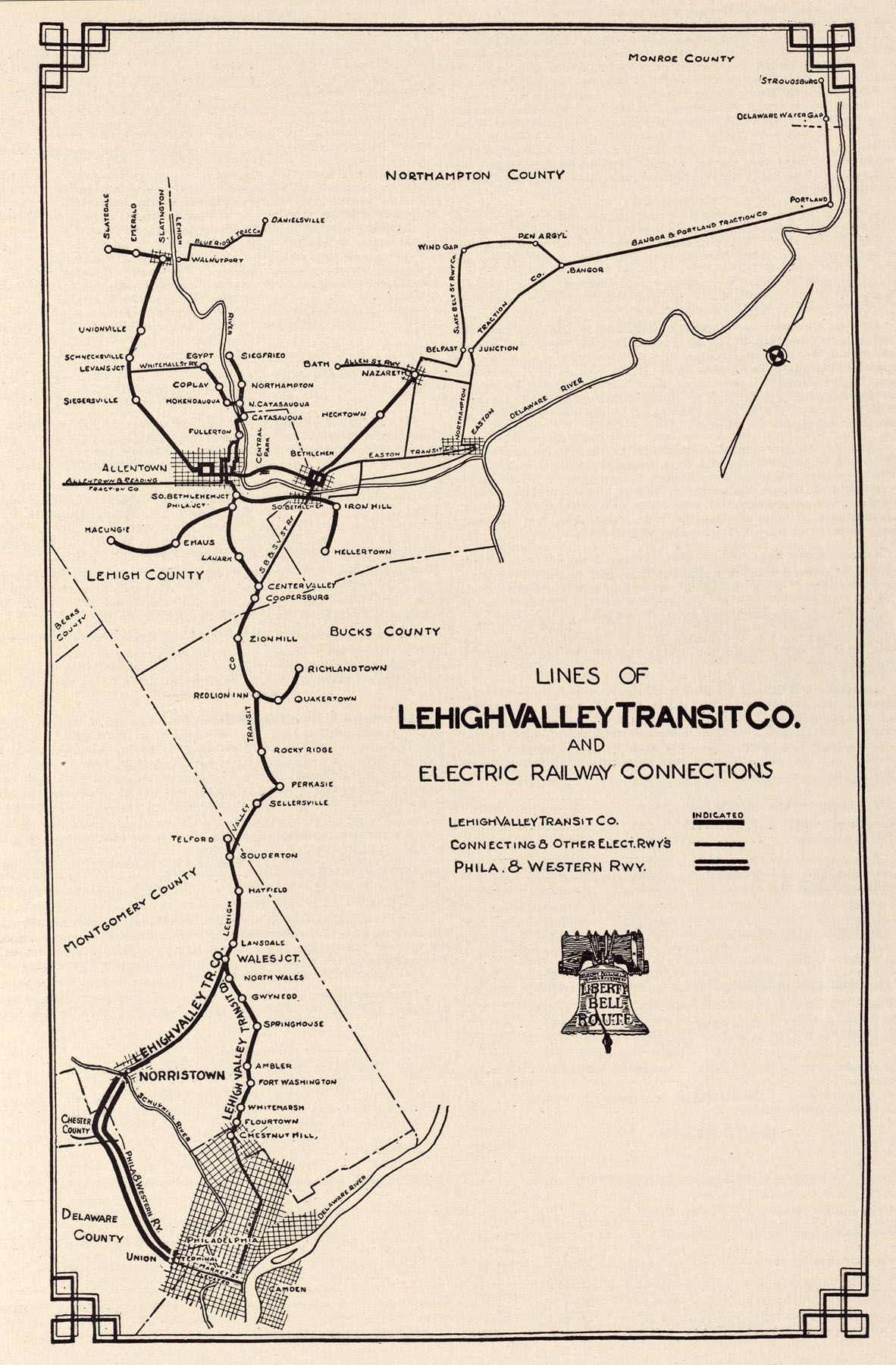
The strip of wall above the windows carried the route diagram – a schematic line with stop names, frequently alongside advertising cards in the same frames.
Screens showing the current position and the next stops, plus full network maps on a phone. The fixed diagram showed one route and did not indicate where on it you currently were.
Which is why experienced riders navigated by landmark rather than by map. You knew your stop by the building on the corner, and a passenger unfamiliar with the route watched out of the window and compared what they saw with a list of names, which is a considerably harder task than it sounds.
11. Children and Students Had a Reduced Fare and Carried a Card
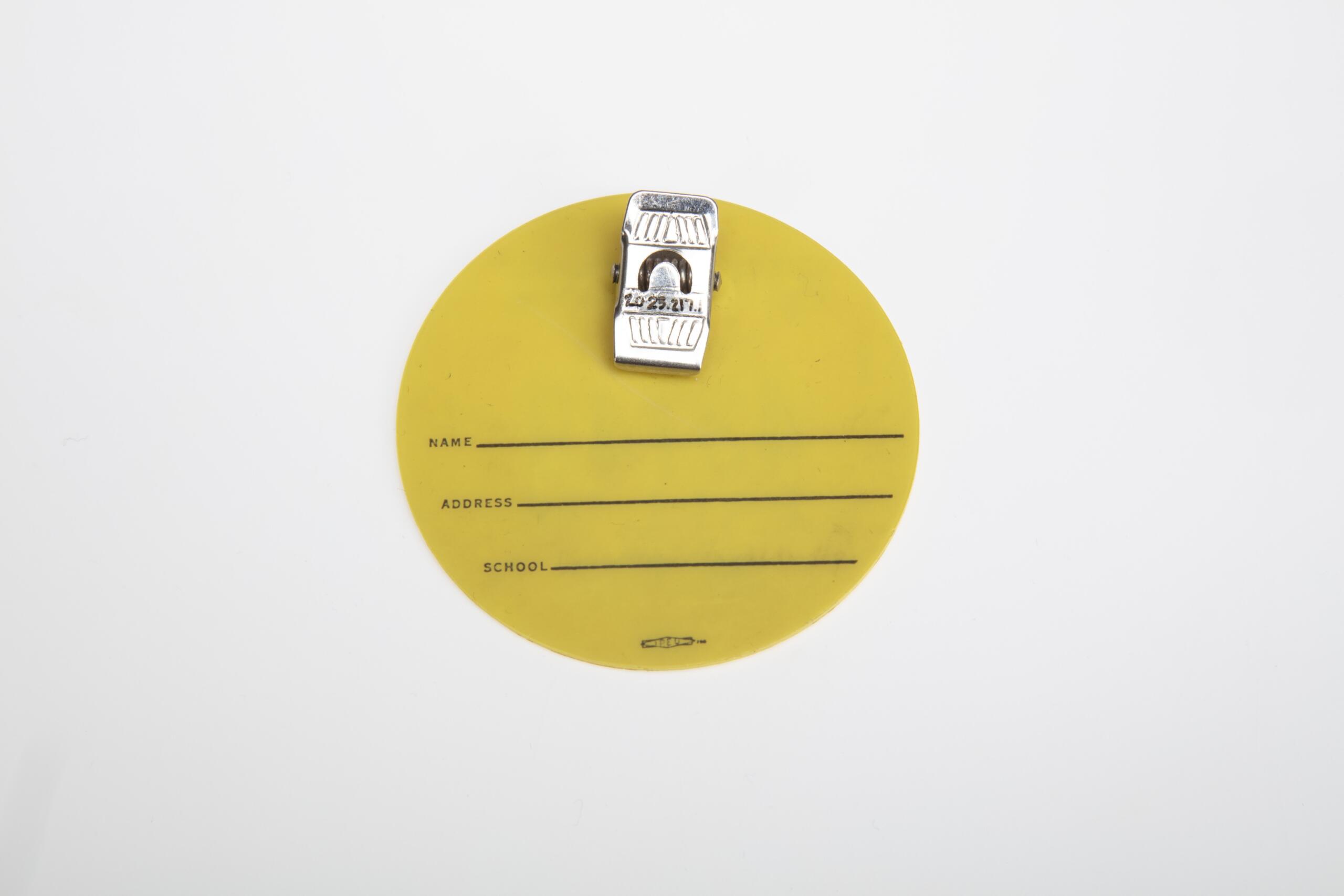
Reduced fares for schoolchildren and students required proof – a stamped card, a punched pass, a letter from a school or simply a conductor’s judgement about whether you looked young enough.
Registered concession cards linked to an account, with eligibility verified once and applied automatically. The old system was documentary, checkable and frequently argued about at the farebox.
The judgement element is what produced the friction. A twelve-year-old who looked fifteen paid full fare and had no recourse; a fifteen-year-old who looked twelve did not – and the argument happened standing in the aisle while the bus waited, with everybody watching.
12. People Smoked on the Bus and Then Suddenly Did Not
Smoking on American transit buses was permitted into the 1970s, generally in rear seats, with ashtrays fitted in the seat backs.
Prohibited everywhere, with the prohibition long since so complete that the idea of it is startling. The bans arrived across systems during the 1970s and were among the earliest public-transport smoking restrictions.
It is worth noting as the health history it is: these were enclosed vehicles with limited ventilation, carrying children, older passengers and workers on long daily journeys, and the evidence on second-hand exposure was accumulating through exactly those years.
13. Standing Was Normal and There Was No Priority Seating
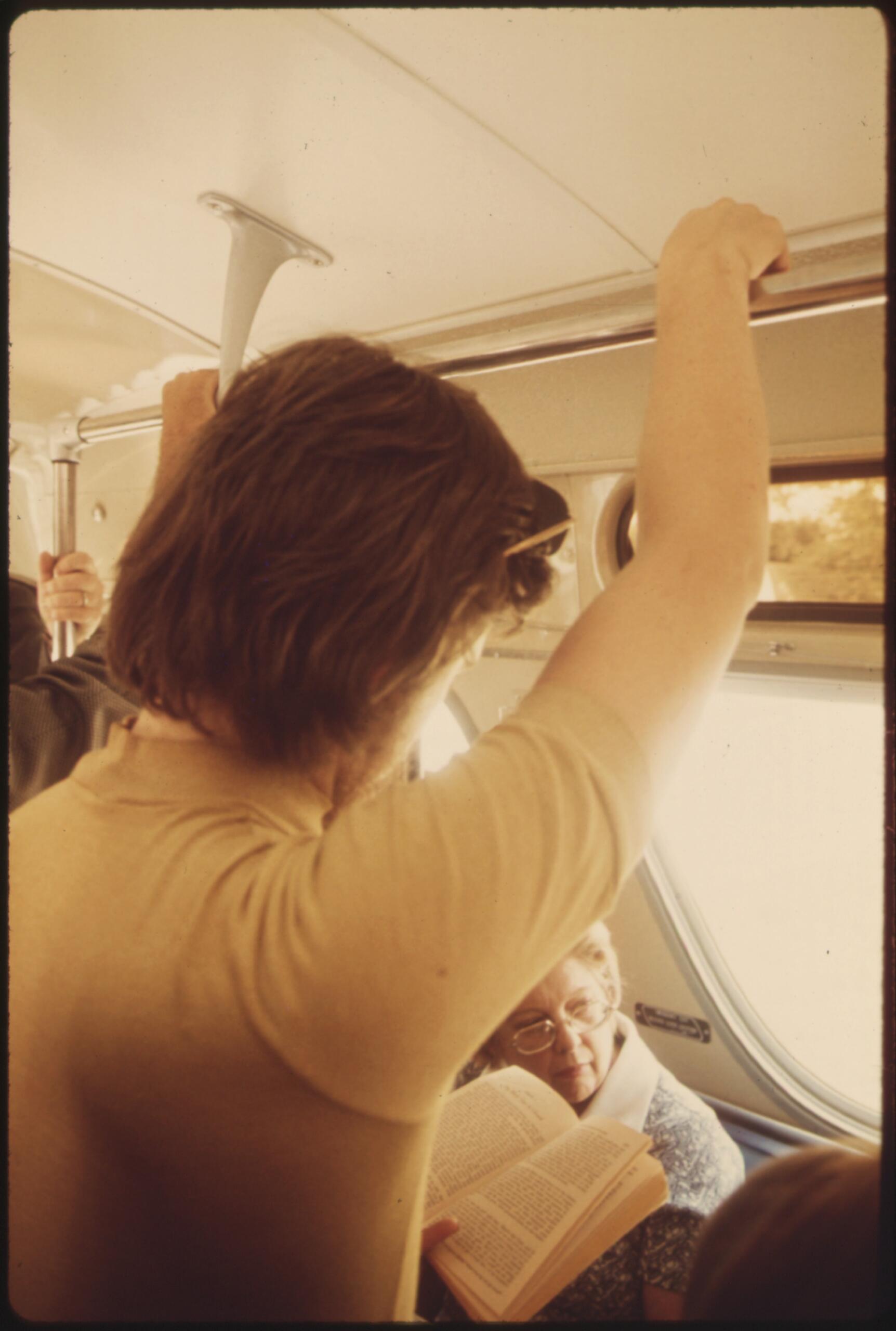
Buses ran full, with passengers standing the length of the aisle holding overhead rails or stanchions, and there were no designated seats for older or disabled passengers – only convention and whoever was willing to stand up.
Designated priority seating, wheelchair securement positions, kneeling suspension, ramps or lifts and audible stop announcements, following accessibility requirements that transformed what a bus has to be able to do.
The step height alone is what the old vehicles are remembered for. Two or three steep steps up from the kerb with a single rail, on a vehicle that could not lower itself, is impassable to a great many people – and the design assumption was simply that those people did not travel.
14. The Driver Knew the Regulars and Ran the Vehicle Alone
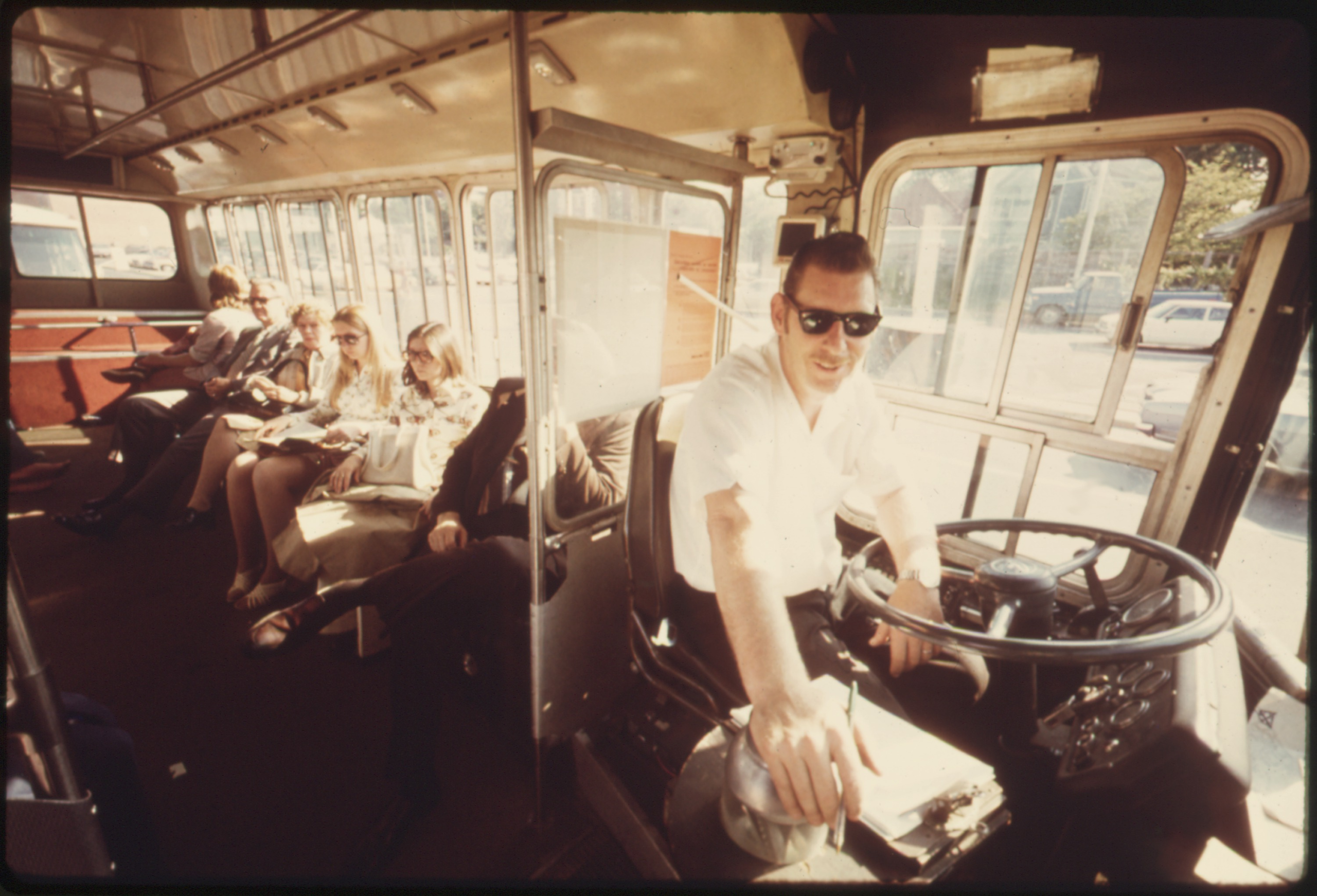
One person drove, collected fares, issued transfers, answered questions, managed disputes, decided whether to wait for somebody running, and remembered who got on where.
The same single-operator model, with fare collection largely automated and with radio and now data support from a control centre. The judgement calls remain with the driver and always did.
That discretion was the system’s shock absorber. A driver who held the bus for a regular who was late, let a short-fare passenger on, or told a stranger which stop they actually wanted was doing work no schedule accounted for – and riders in every city could name the drivers who did it.
15. Then the Fare Card Arrived and the Coins Went
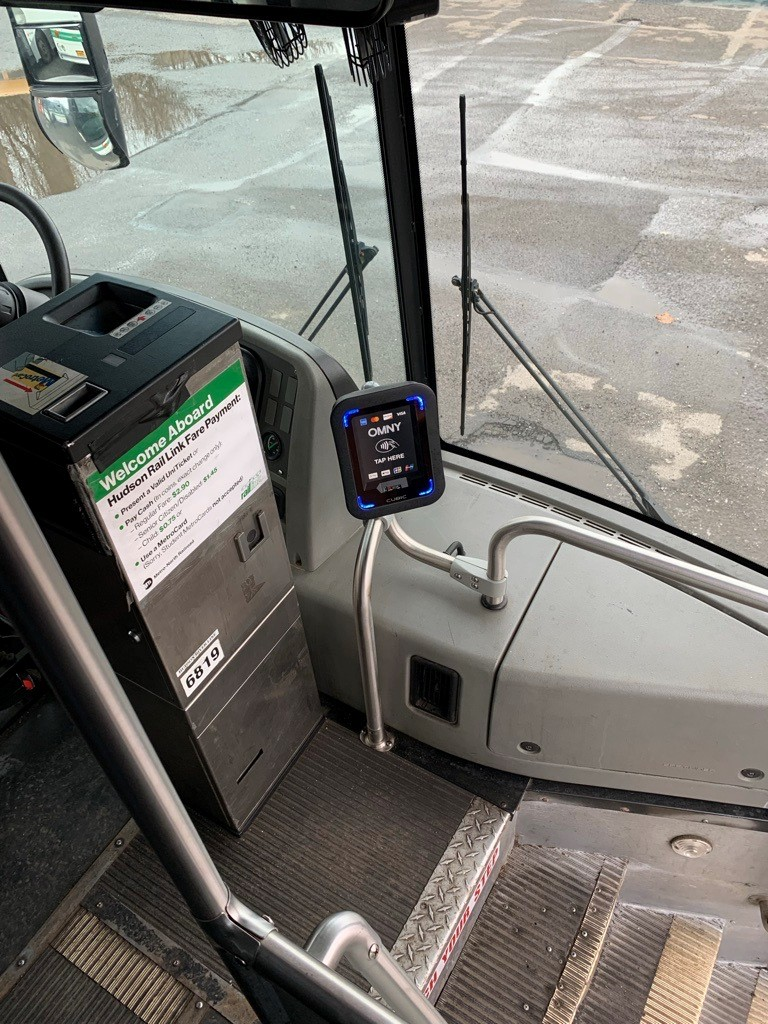
All of it rested on physical payment by coin, token and torn paper, with the information about the system held in print, on a pole, or in somebody’s head.
Stored-value cards from the 1990s and contactless and account-based payment since, with real-time arrival information, journey planning and a complete network map available to anybody holding a phone.
The gains are comprehensive and nobody should pretend otherwise. No exact change, no overpaying, no token errands, no disputes at the farebox, no out-of-date paper schedule, and a passenger can now see where the bus actually is instead of guessing whether it has gone.
The System Lived in People, Not in the Infrastructure
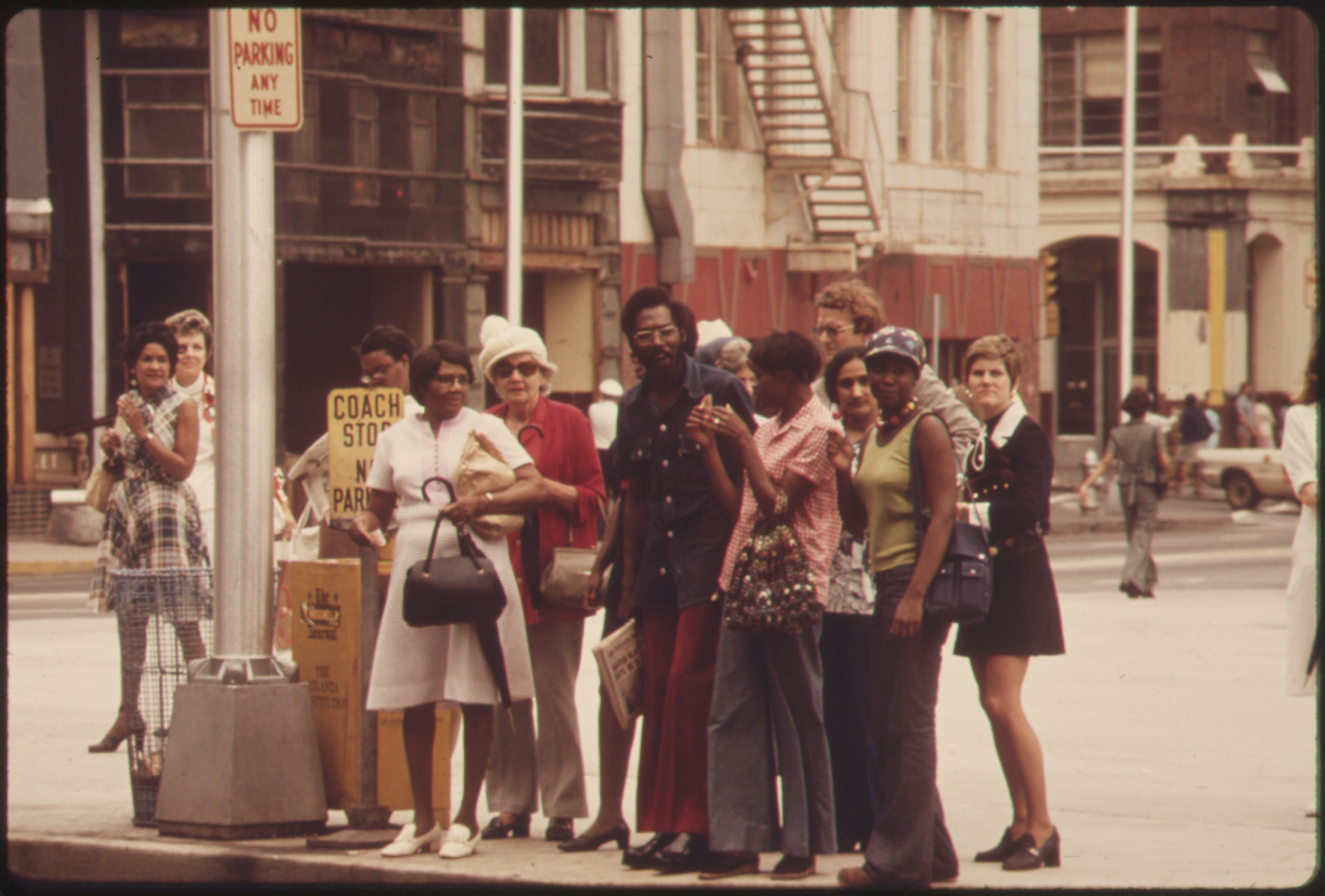
Everything about paying got better, and the list is not close. No exact change. No tokens to buy on an errand. No overpaying because you had the wrong coins. No argument at the farebox about whether a teenager qualifies for a student fare. No paper schedule six months out of date in a wallet. And a passenger can now see where the bus actually is rather than standing at a pole wondering whether it has already gone.
But there is a change underneath all of that which is not about payment at all, and it is the more interesting one.
In 1974 the information needed to use a city bus system did not exist in the infrastructure. The stop was a pole with a route number on it. There was no timetable posted, no map, no frequency, no indication of where the route went or when the last one ran. The printed schedule was a separate errand to an office downtown, and it was wrong whenever the service changed.
So the knowledge lived in people.
It lived in the drivers, who knew their route, knew the regulars, and would tell a stranger which stop they actually wanted rather than the one they had asked for. It lived in the regulars at the pole, who knew whether the four-fifteen was reliable and which bus to take if it did not come. It lived in whoever at your work or in your family had made that journey before and told you how.
Which meant using a bus in an unfamiliar part of a city required asking somebody, every time, and the asking was ordinary. A stranger at a bus stop was a source of information and was treated as one, dozens of times a day, in every city in the country.
That has gone, and what replaced it is better – genuinely, unambiguously better, because local knowledge is unevenly distributed and a phone is not. The person who knew nobody, spoke the language imperfectly, or had just arrived in town was the person the old system failed hardest, and they are the ones real-time information helped most.
What went with it is the small, constant, low-stakes exchange between strangers that the information gap used to force. People at a bus stop no longer need each other for anything, because the pole now effectively has a timetable on it and everybody is holding a map.
Nobody would trade back. It is still worth noticing that a city full of people who had to ask each other things was, in one narrow and accidental respect, a city where strangers talked.
If you rode these, your household kept tokens in a dish and somebody was always out of them.
And you knew your stop by a building on the corner, not by its name.
Like our content? Follow us for more.