In 1964 a great many American households still got their water out of the ground beneath their own yard, by working a cast-iron handle up and down until it came.
You primed the pump with a container of water kept beside it, and the rule was absolute: you put a full one back. You felt the water rising through the handle before it reached the spout. In winter you drained the body or it froze and split. Everybody drank from the same long-handled dipper. And nothing that came out of it was warm.
Here are fourteen things every family with a well and a hand pump knew, and what replaced each of them.
1. The Water Came From Directly Underneath the House
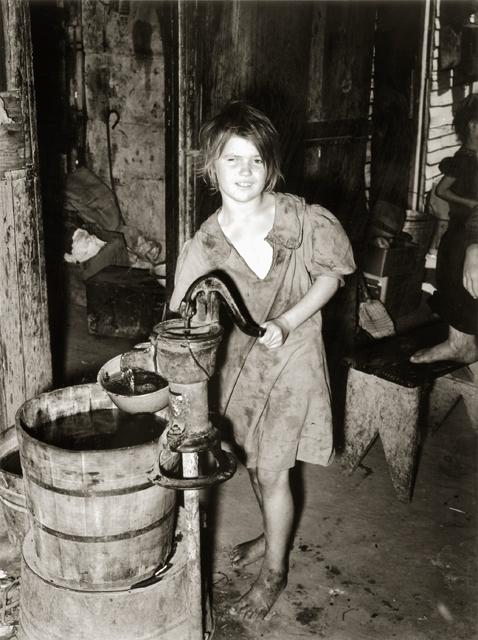
A household well was a hole sunk into the ground on the property – shallow and wide if dug by hand, narrow and deep if drilled – and everything the family drank, cooked with and washed in came out of it.
Municipal supply for most households, with a substantial minority still on private wells, now almost always with electric pumps, pressure tanks and treatment.
The locality of it is what people forget. A family on a well was drinking whatever was in the ground beneath their own yard, which made them intensely aware of what happened on that ground – where the drainage ran, where animals were kept, and what the neighbours upslope were doing.
Like our content? Follow us for more.
2. The Pump Was Worked by Hand and You Felt the Water Coming
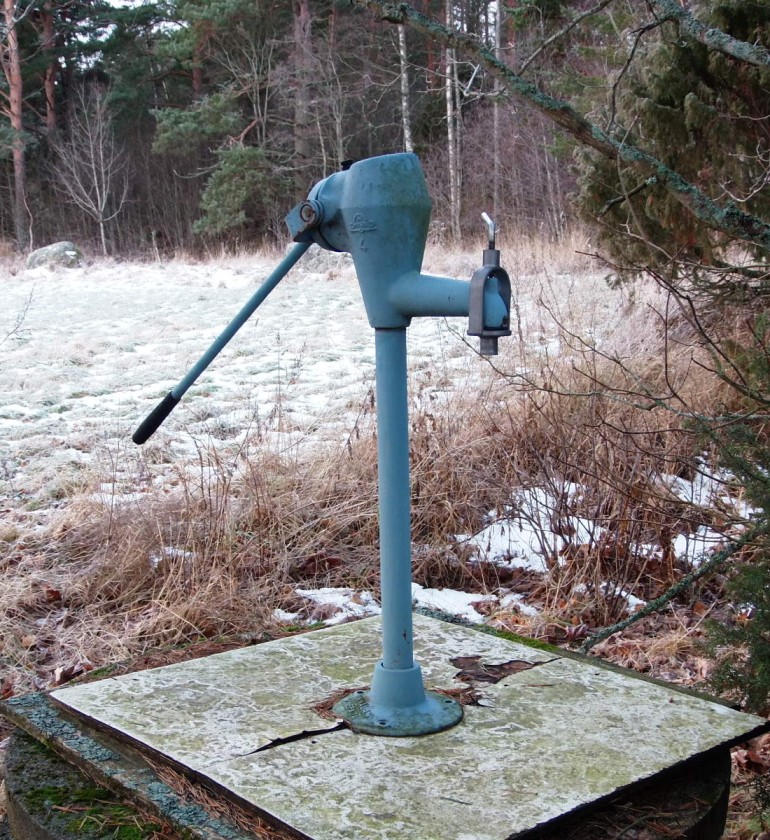
A cast-iron pump stood over the well or at a kitchen sink, with a long handle, and raising and lowering it lifted water up the pipe – you could feel it arriving through the handle before it reached the spout.
An electric pump nobody sees, hears or thinks about, delivering water at constant pressure through a tap at any hour.
The physical feedback is the detail everybody who used one remembers. The first few strokes were light and did nothing, the handle got heavy as the column of water rose, and then it was pumping – which meant you always knew how the pump was doing and whether anything was wrong.
3. You Had to Prime It
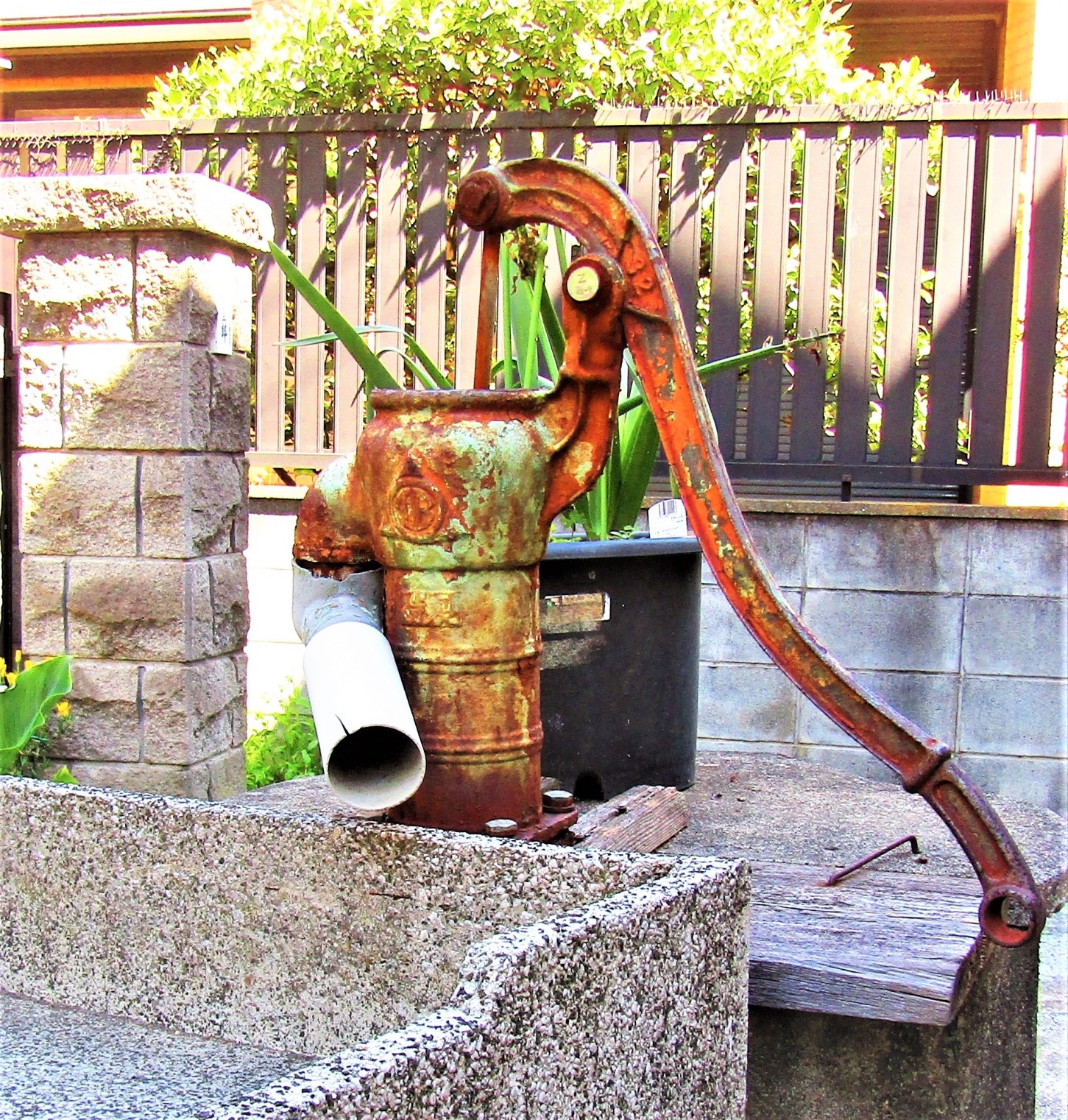
A pump that had stood unused lost its seal and would pump nothing but air – so a container of water was kept beside it and poured in at the top to restore the seal before pumping would work.
Nothing. The equivalent problem is handled automatically inside a sealed system, and the phrase survives in ordinary speech long after almost nobody has done the thing it describes.
The household rule that followed was absolute: never leave the pump without putting a full container back. Doing so was the kind of basic obligation that children were taught early and remembered permanently, because the consequence fell on whoever came next.
4. It Froze, and That Was a Winter Problem
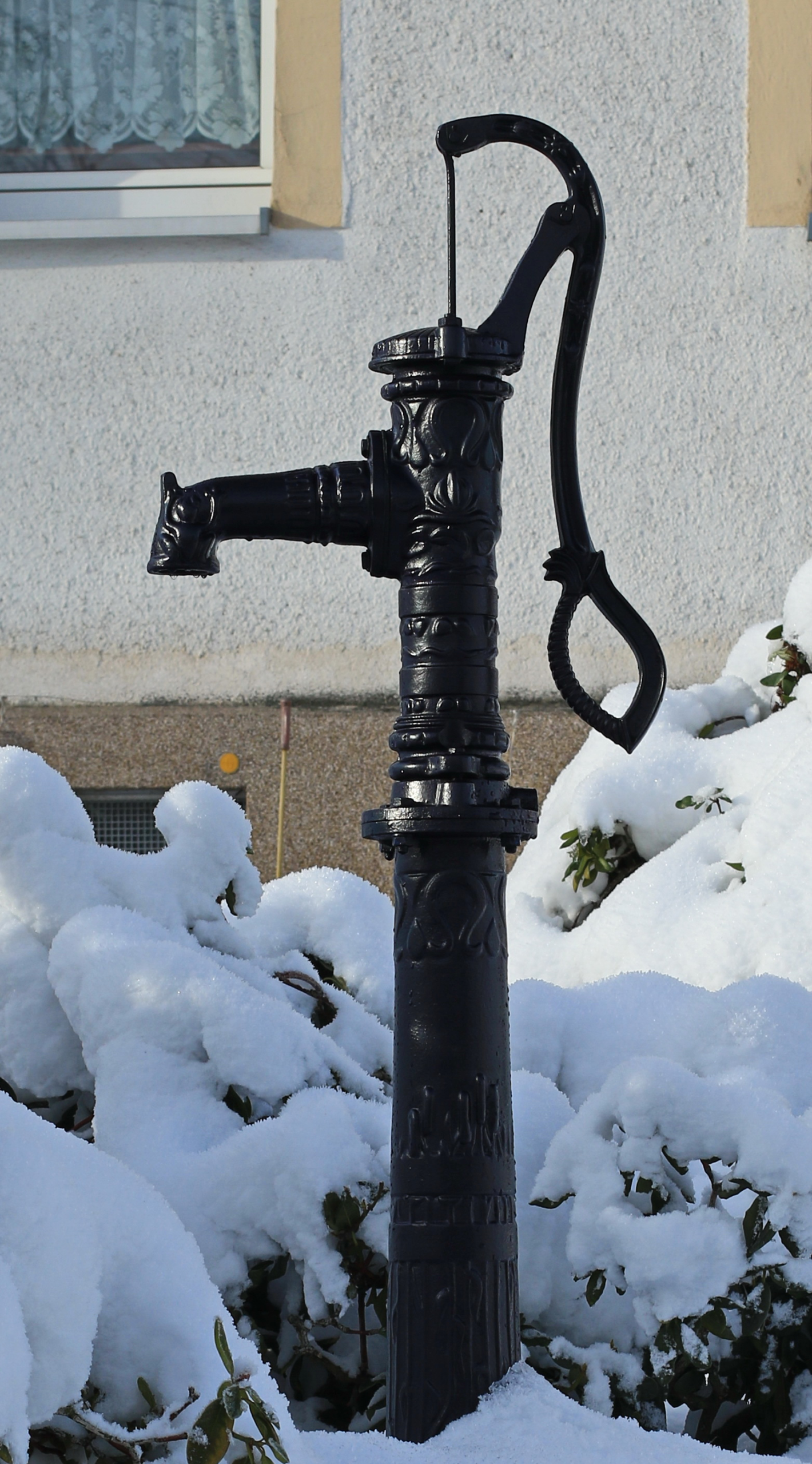
Water standing in the pump body and the upper pipe froze solid in hard weather, which stopped the pump and could split the castings – so the water was released from the body after each use in winter.
Nothing visible, since modern installations place the working parts below the frost line and the problem is solved by burial rather than by routine.
Which meant the pump had a seasonal operating procedure that everybody in the house knew. Forgetting it on a cold night was a real error with a real cost, and a cracked pump body in February was a serious problem rather than an inconvenience.
5. The Water Had a Taste and Every Well Was Different
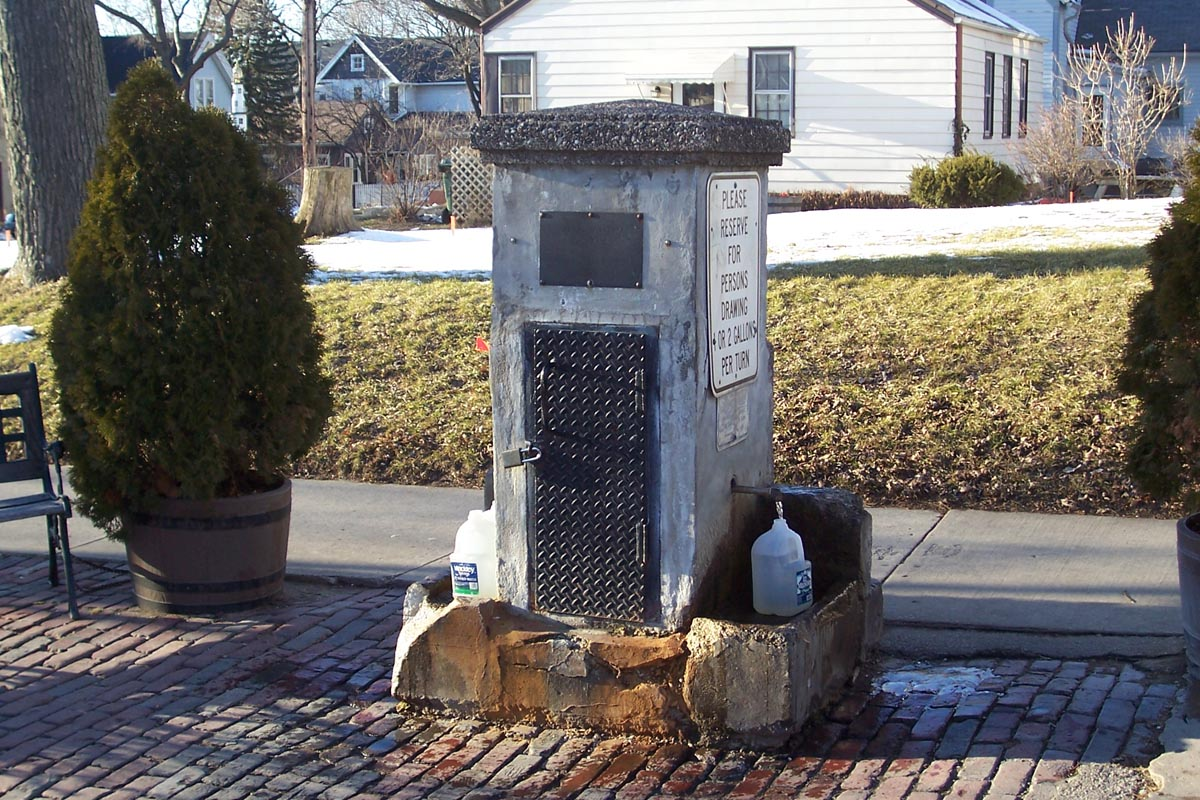
Well water carried the character of the ground it came from – iron, sulphur, hardness, minerals – so that water from one farm tasted recognisably different from water a mile away, and families had firm opinions about both.
Treated supply engineered toward neutrality, with local variation substantially reduced and bottled water occupying the space where taste preferences used to attach to a place.
People were genuinely proud of good water and genuinely resigned about bad. A family with sweet water mentioned it; a family with sulphur water apologised for it to visitors; and anybody who moved house noticed the change in the water before they noticed anything else.
6. A Bucket Hung There and the Dipper Was Shared
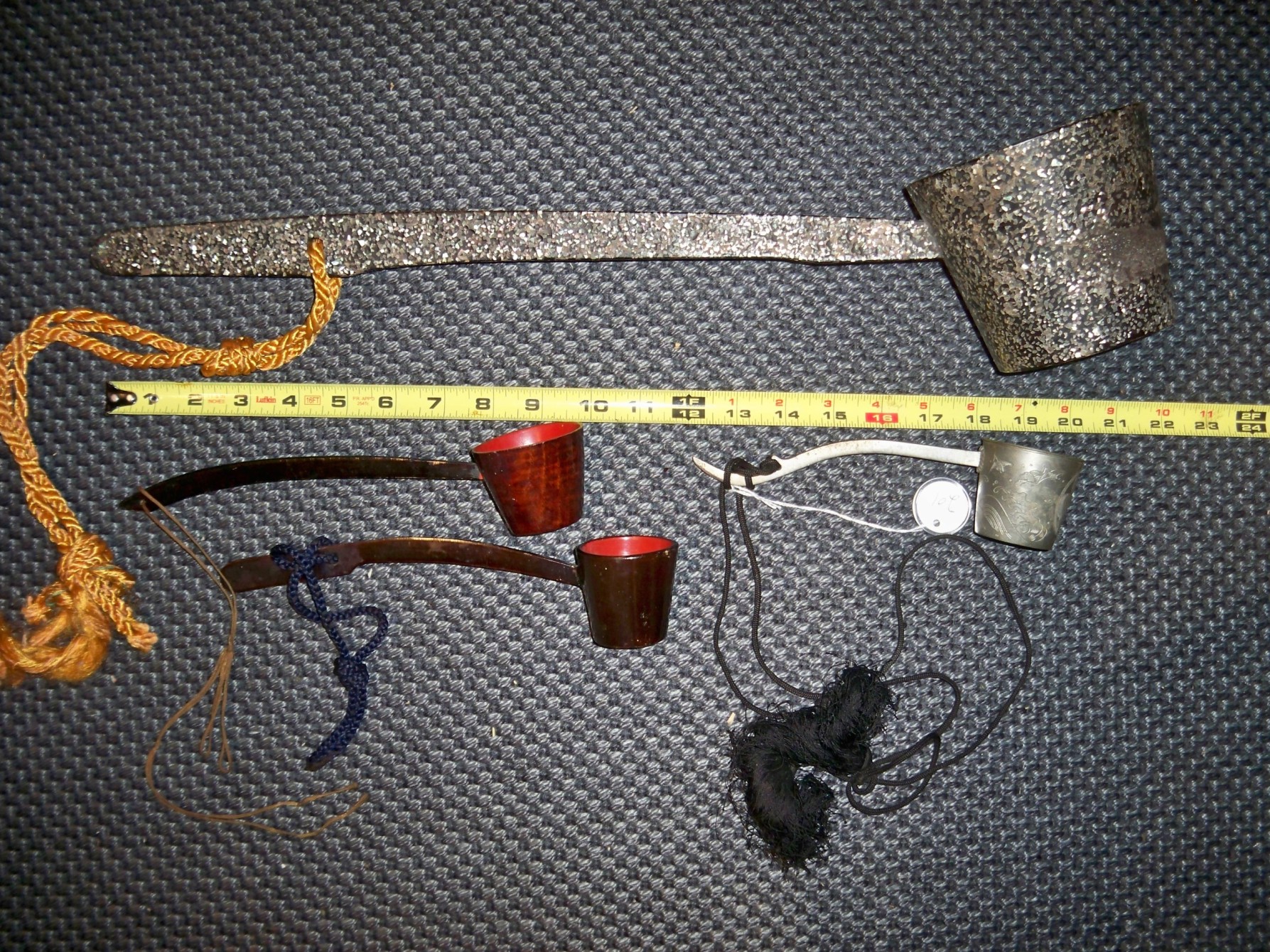
Water was pumped into a bucket, carried in and set somewhere handy, and everybody drank from a single long-handled dipper that hung on the bucket or on a nail beside it.
Individual glasses and bottles, universally, with the shared communal drinking vessel having disappeared from American domestic life completely.
The shared dipper is the detail that strikes people most now and was entirely unremarkable then. One cup served a household and frequently its visitors, and the practice persisted long after the reasons for abandoning it were well understood – which is a reasonable illustration of how slowly household habits actually change.
7. Hot Water Meant Heating It
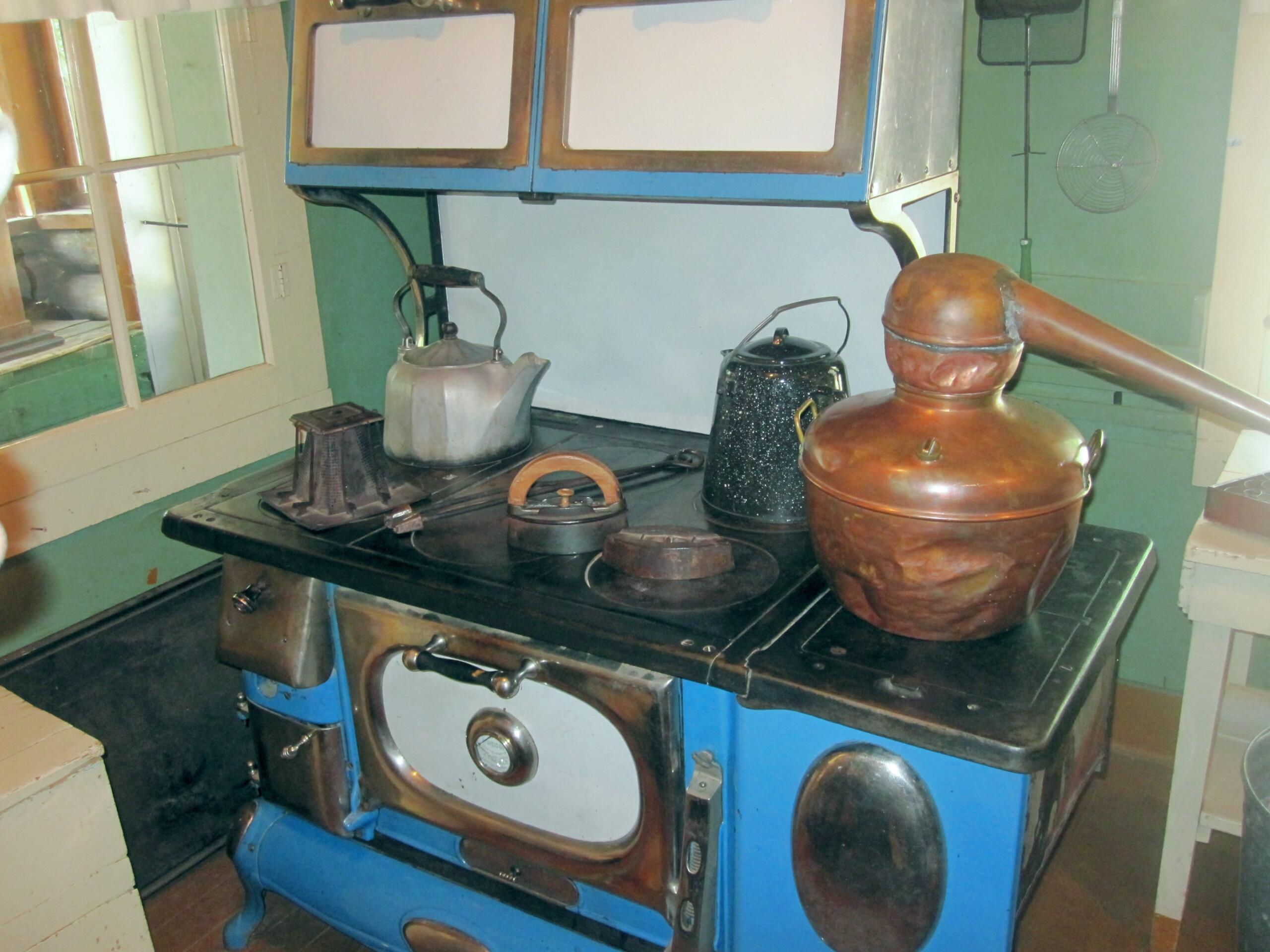
Nothing that came out of the pump was warm. Water for washing, bathing, dishes or laundry was pumped, carried, and heated on a stove in a kettle, a pot or a copper boiler, in the quantity needed and no more.
Unlimited hot water on demand at any tap, which is probably the single largest change in domestic labour of the whole century and is almost never named as one.
The arithmetic shaped everything. Heating water takes fuel and time, so hot water was rationed by the bucket, baths were shared or taken in sequence in the same water, and dishwashing happened once rather than continuously – and all of it was carrying, by somebody, every day.
8. Where It Sat Relative to Everything Else Mattered Enormously
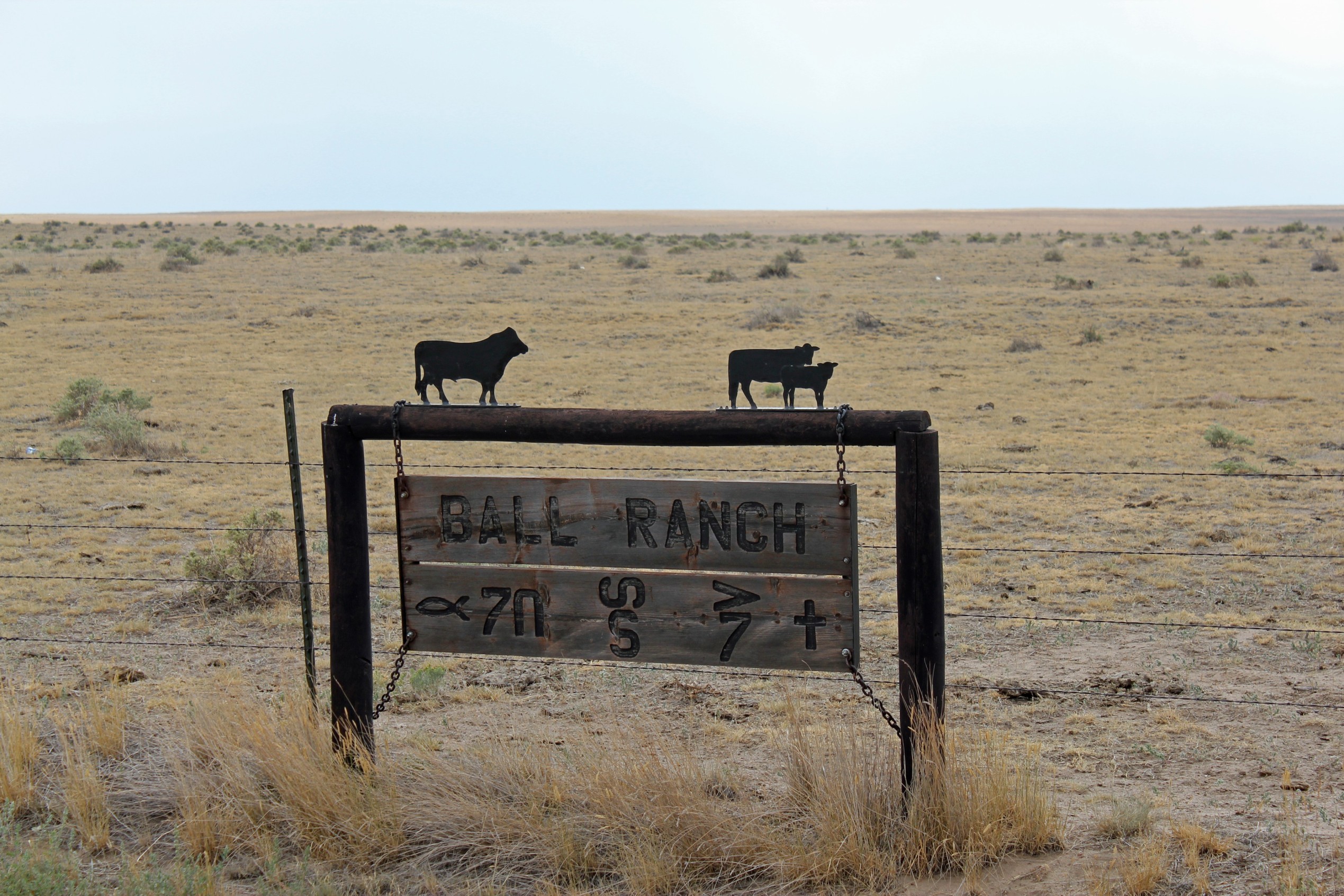
The position of a well against the barn, the yard, the garden and the privy was the most important siting decision on a property, because groundwater moves and anything upslope eventually arrives in the well.
Regulated separation distances, sealed casings, grouted boreholes and sanitary well caps, with siting determined by code and inspection rather than by judgement.
The understanding was practical rather than scientific and it was taken seriously. Families knew that a well below a yard was a bad well, that the privy went downhill and well away, and that a spring freshet could change what came up – and households that learned otherwise learned the hard way.
9. It Was Tested by Somebody From the County, Eventually
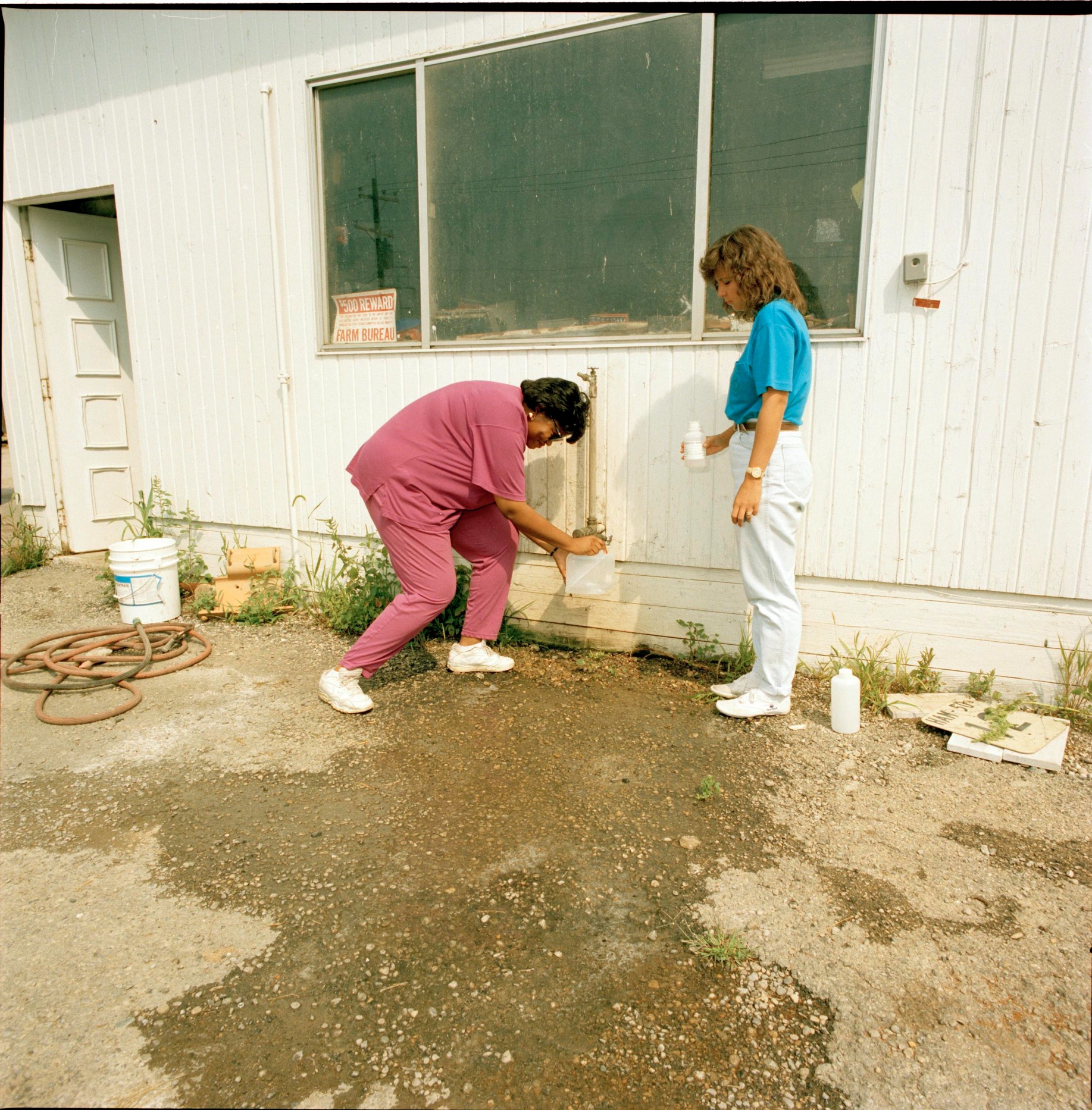
Public health services offered water testing to rural households – a sample bottle, instructions, a result by mail – and this became common through the middle of the century as a free or nearly free service.
Routine testing widely recommended for private wells, with the same public health function continuing and far more extensive guidance available – and it remains the right place to go for anybody on a well today.
The testing programmes are the quiet public-health success in this story. Extending laboratory analysis to individual farmhouses, free, by mail, is a serious undertaking, and it changed what rural households knew about their own water from a matter of taste to a matter of fact.
10. The Well Was a Hazard and Everybody Knew It
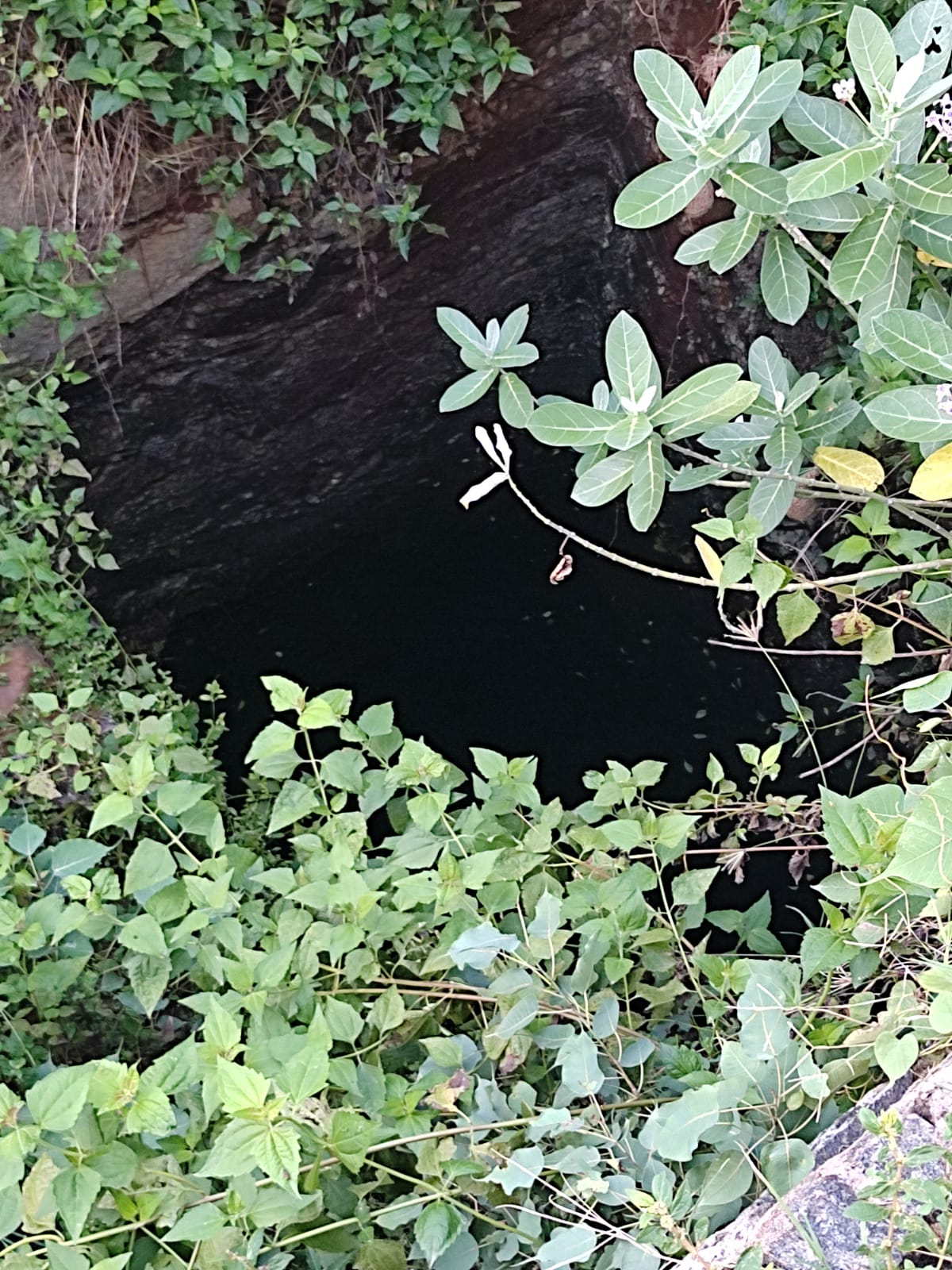
An open or poorly covered well is a hole in the ground deep enough to be lethal, and households with children treated it accordingly – covered, weighted, fenced or built over, and talked about constantly.
Sealed caps and casings as standard, with abandoned wells required to be properly closed – and with the old open hand-dug well essentially gone from use.
The warnings were among the most emphatic any rural child received, and for good reason. This was not a hazard anybody was relaxed about, and the covering of a well was the sort of job that got done properly and checked.
11. It Stopped in a Dry Summer
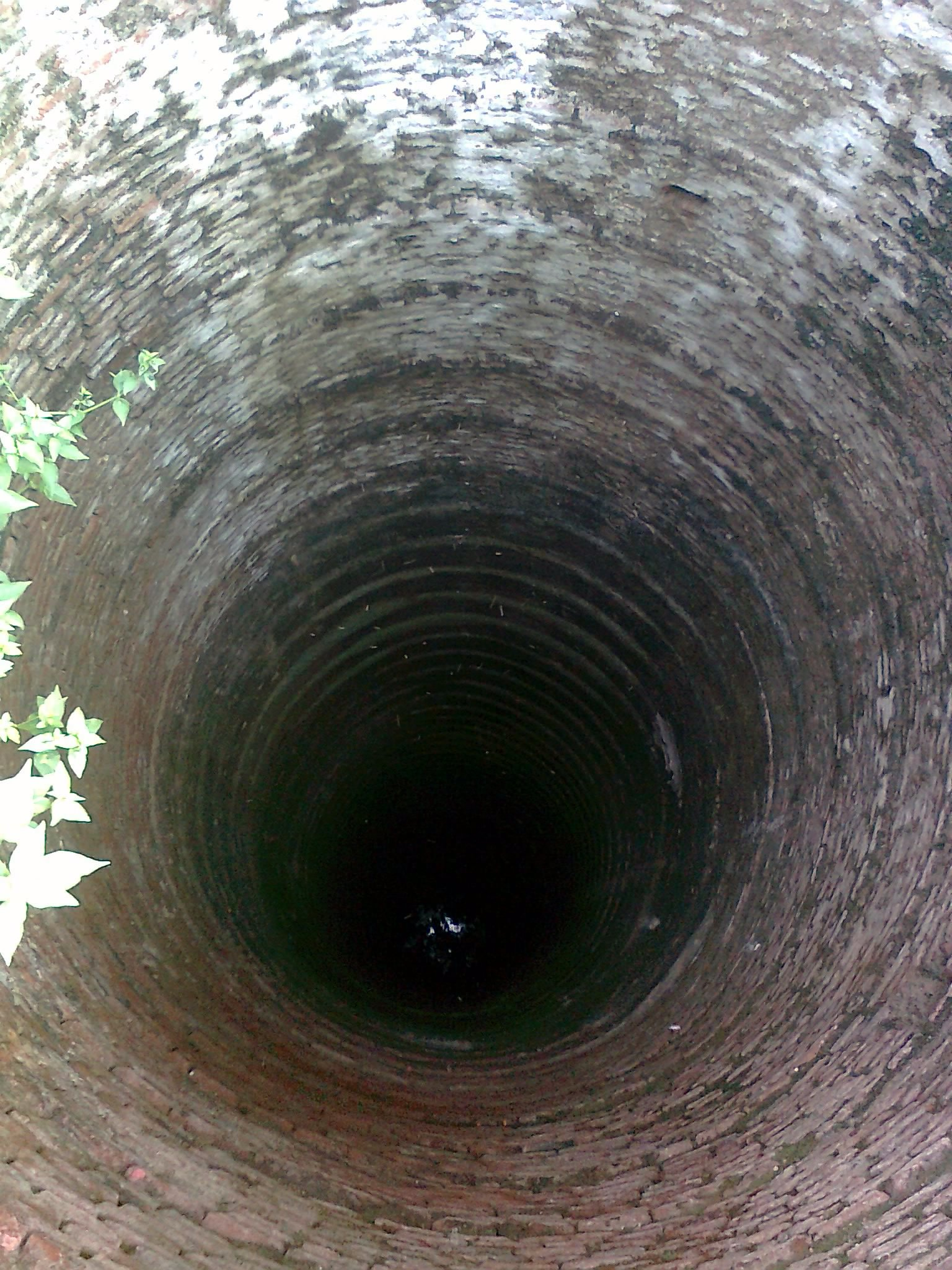
Shallow wells followed the water table, so a dry season dropped the level until the pump brought up air – and the household then hauled water from a neighbour, a spring or a creek until the rain returned.
Deeper drilled wells far less sensitive to seasonal variation, with municipal supply insulated from it entirely and drought appearing as restrictions rather than as an empty pump.
Running dry was the event that most clearly separated a shallow well from a deep one, and it is why so many households eventually paid for a drilled well. It is also why water-hauling arrangements between neighbours were a normal part of rural life rather than an emergency measure.
12. The Cistern Was the Other Half of the System
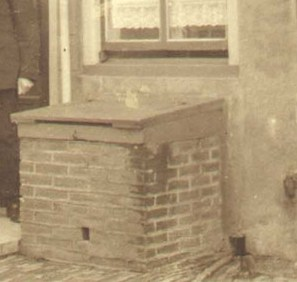
Many properties also collected roof rainwater into a cistern – a large sealed underground tank – because soft rainwater was better for laundry and washing than hard well water, and because it provided a reserve.
Nothing, in most houses. Rainwater collection survives as an enthusiasm and as practice in dry regions, with no connection to the laundry problem that originally justified it.
The two-source arrangement was more sophisticated than it looks. Hard well water wastes soap and leaves deposits, so a household with both used the well for drinking and the cistern for washing – which is a deliberate matching of water quality to task that modern plumbing does not attempt.
13. Somebody Carried It, Every Day, Forever
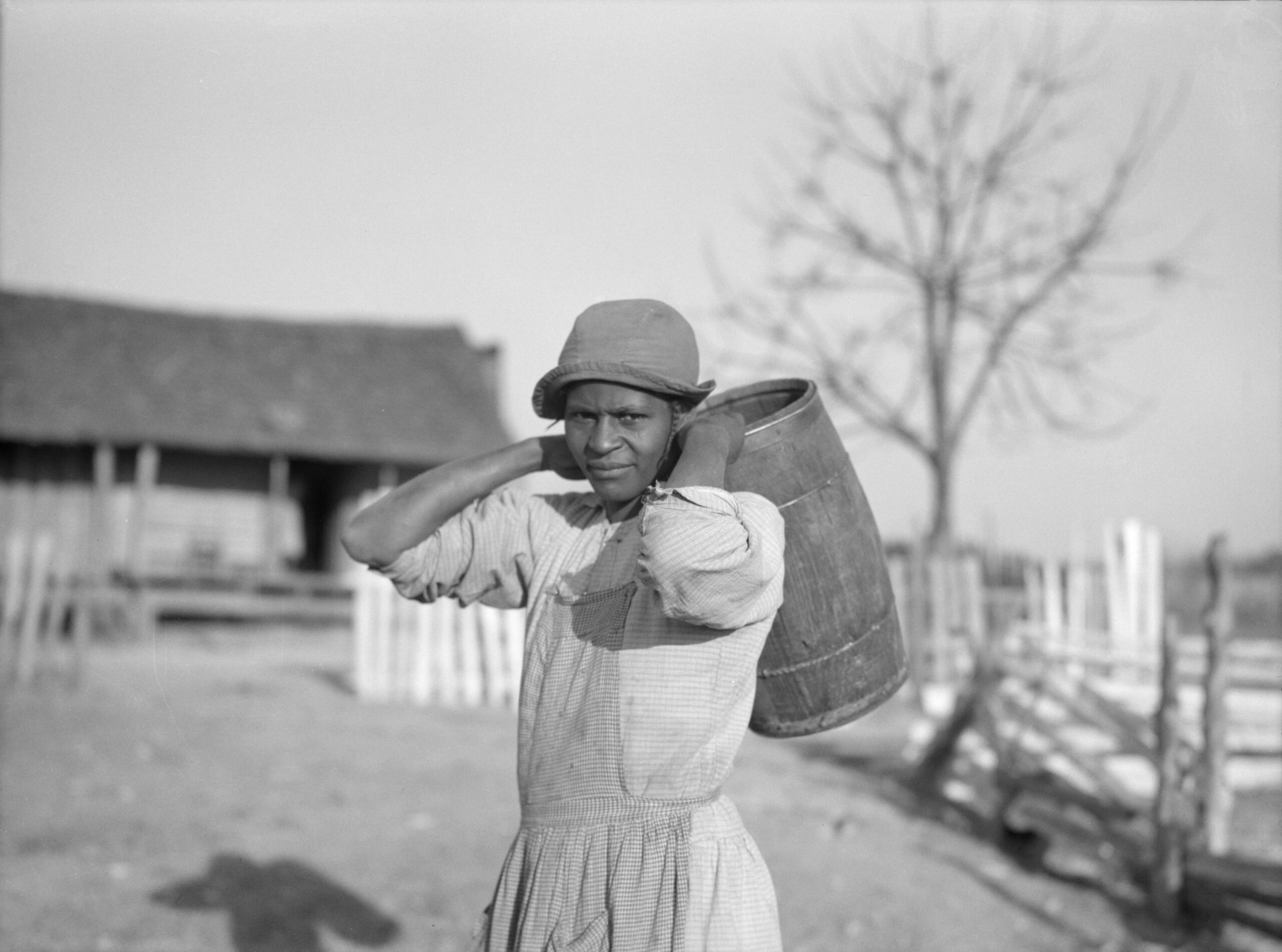
A household of five using water for drinking, cooking, dishes, washing, laundry and animals needed a very large quantity of it moved by hand from the pump to wherever it was used, every single day.
Water arriving where it is needed through pipe, in unlimited quantity, with no carrying at all – and the labour it replaced almost entirely forgotten.
The weight is worth stating plainly, because it is the whole story. Water is heavy, the quantity needed by a household is large, and the entire burden fell on specific people – overwhelmingly women and children – as unpaid, unremarked, daily physical labour that no account of the period’s domestic life counts.
14. Then the Pipe Arrived and the Work Vanished Without Comment

The system was a hole, a cast-iron pump, a bucket, a dipper, a kettle on the stove, a cistern for the washing, and somebody carrying all of it, all day, every day.
Pressurised treated water at every tap, hot on demand, metered and billed – which removed the entire apparatus and, with it, several hours of daily physical labour per household.
And here is what is striking about how that is remembered. Rural electrification and running water are usually described in terms of appliances and comfort, as though the gain were convenience. The actual gain was the elimination of a specific, enormous, gendered labour burden – the daily hauling and heating of water – and it happened so completely that within one generation nobody could describe what had been removed. Ask what changed when the pipe arrived and people will mention the washing machine. The washing machine was not the change. Not having to carry and heat every drop of water the machine used was the change, and the hand pump standing dry in the yard is the monument to it.
Nobody Remembers What Was Actually Taken Away
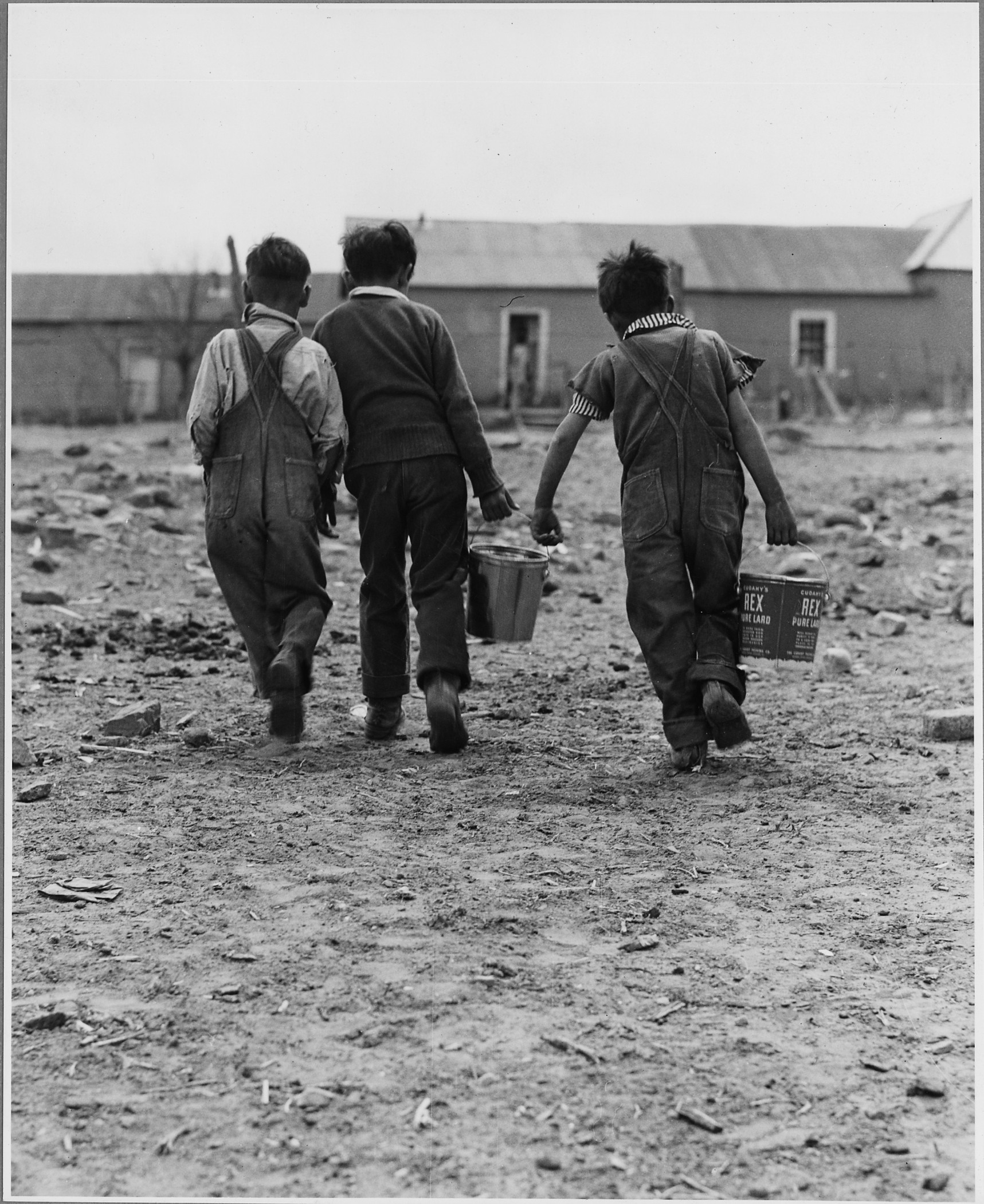
Ask what changed when running water reached rural American houses and you will be told about appliances. The washing machine. The water heater. The bathroom.
That is not what changed, and the mistake is worth correcting because the real answer is much larger.
What changed is that somebody stopped carrying water.
Work out the quantity. A household of five drinks, cooks, washes dishes, washes themselves, does laundry, and in a great many cases waters animals. That is a very large volume of water every single day, and before a pipe arrived every drop of it was lifted by hand out of the ground, poured into a bucket, and carried to where it was going to be used. Then the portion that needed to be hot was heated on a stove, in a kettle or a pot or a boiler, in the exact quantity required, because heating water costs fuel and time.
Water weighs a great deal. The arithmetic of that household is tens of gallons a day, moved by arm, up steps, across a yard, in all weather, forever.
And it fell on specific people. Overwhelmingly women, and children once they were big enough – as unpaid, unremarked, entirely routine daily labour that appears in no measure of what a household produced and in very few accounts of what rural life involved.
Everything else on this list is downstream of that one fact. The dipper was shared because carrying a bucket in was work and you did not do it twice. Baths were taken in sequence in the same water because heating a tub’s worth took most of an evening. A cistern existed because hard well water wastes soap and ruins a wash, so a household that could manage it maintained two separate water supplies and matched each to its task. Dishes were done once, at the end, rather than as they accumulated.
Those are not quaint habits. Each one is a rational response to water being expensive in labour.
So when the pipe came, the appliances were not the gain. The appliances were what became possible once the gain had already happened. A washing machine is only a labour saving if the water is already in the house; put a washing machine in a house on a hand pump and you have made the carrying worse, not better.
The change was the removal of several hours of heavy daily physical work from the lives of a specific group of people, and it was so complete, so fast and so uncelebrated that within one generation nobody could any longer describe what had gone.
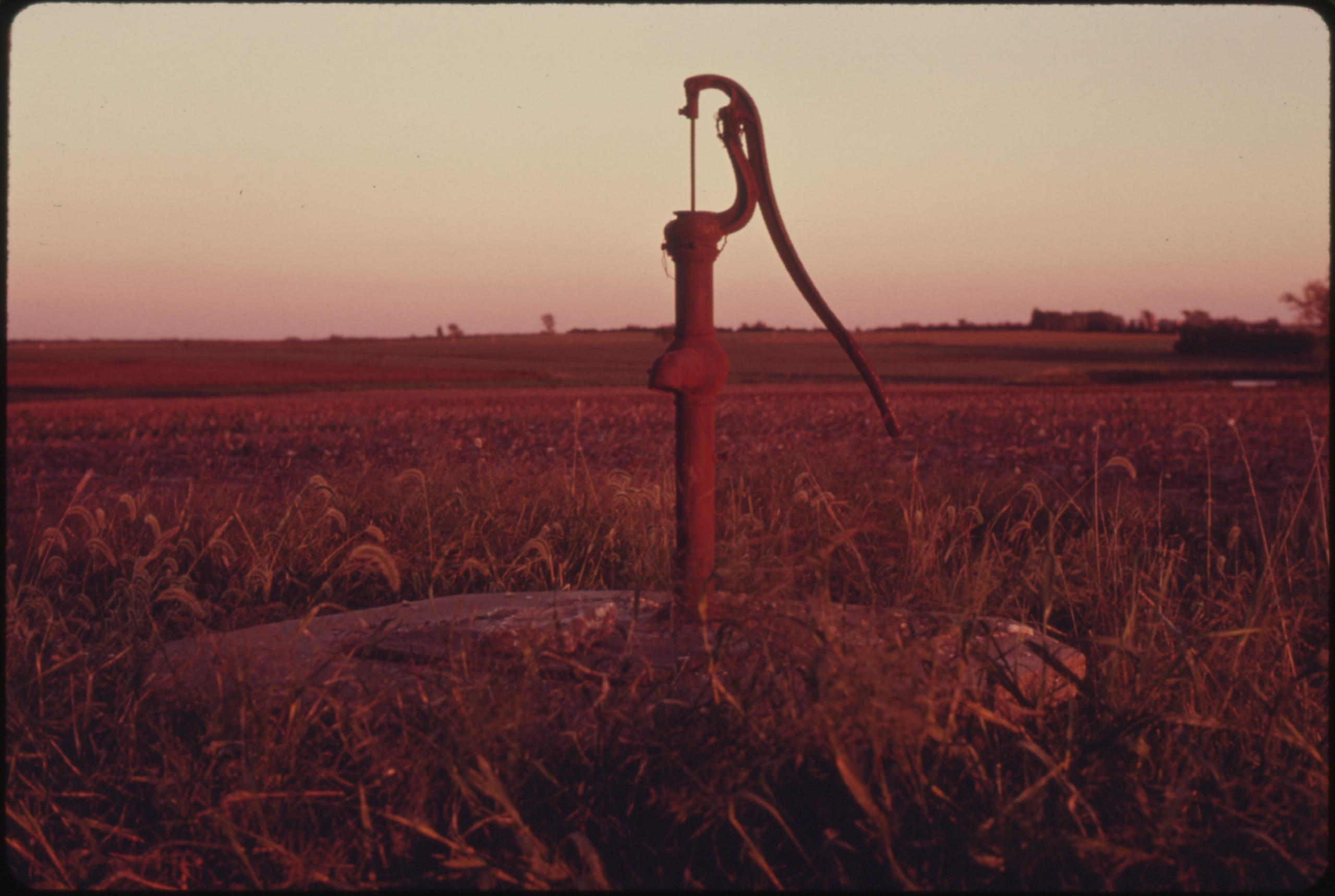
The pumps are still standing in yards all over the country, dry, painted, decorative. People photograph them because they are handsome.
They are monuments, and almost nobody reading the inscription knows whose work it commemorates.
If you grew up on a well, you know the pump got heavy before the water came, and you know you never walked away without refilling the priming can.
And somebody in your house carried every drop of it, and was never thanked for it once.
Like our content? Follow us for more.