

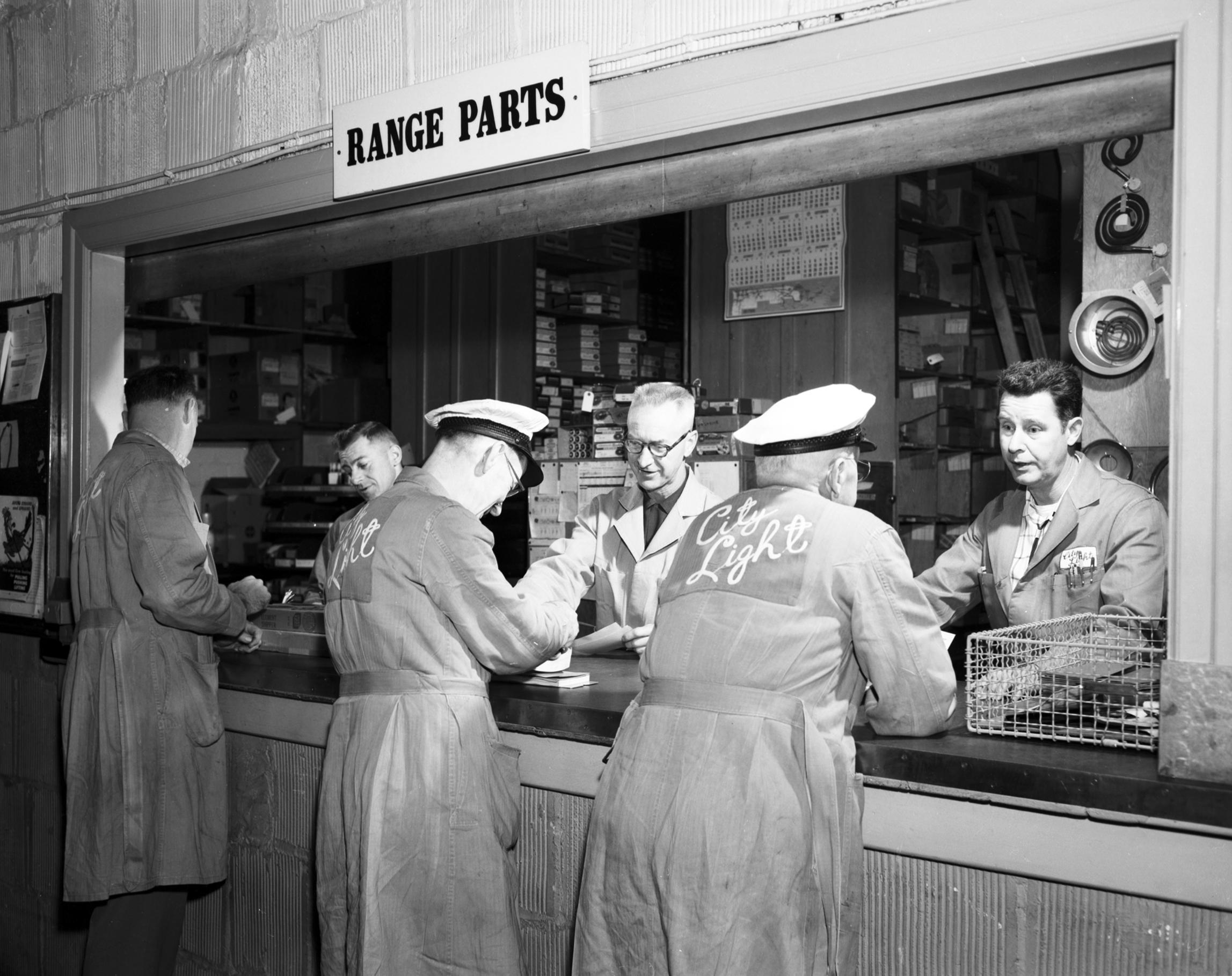
There was a shop with a name on the window and a workbench visible behind the counter, and on the bench there was always something with its back off.
The walls were small drawers. The man who owned it had a van, came to your house, and could tell from the noise your washing machine was making what was wrong with it before he had taken anything apart.
He Could Know Every Machine Because There Were Hardly Any
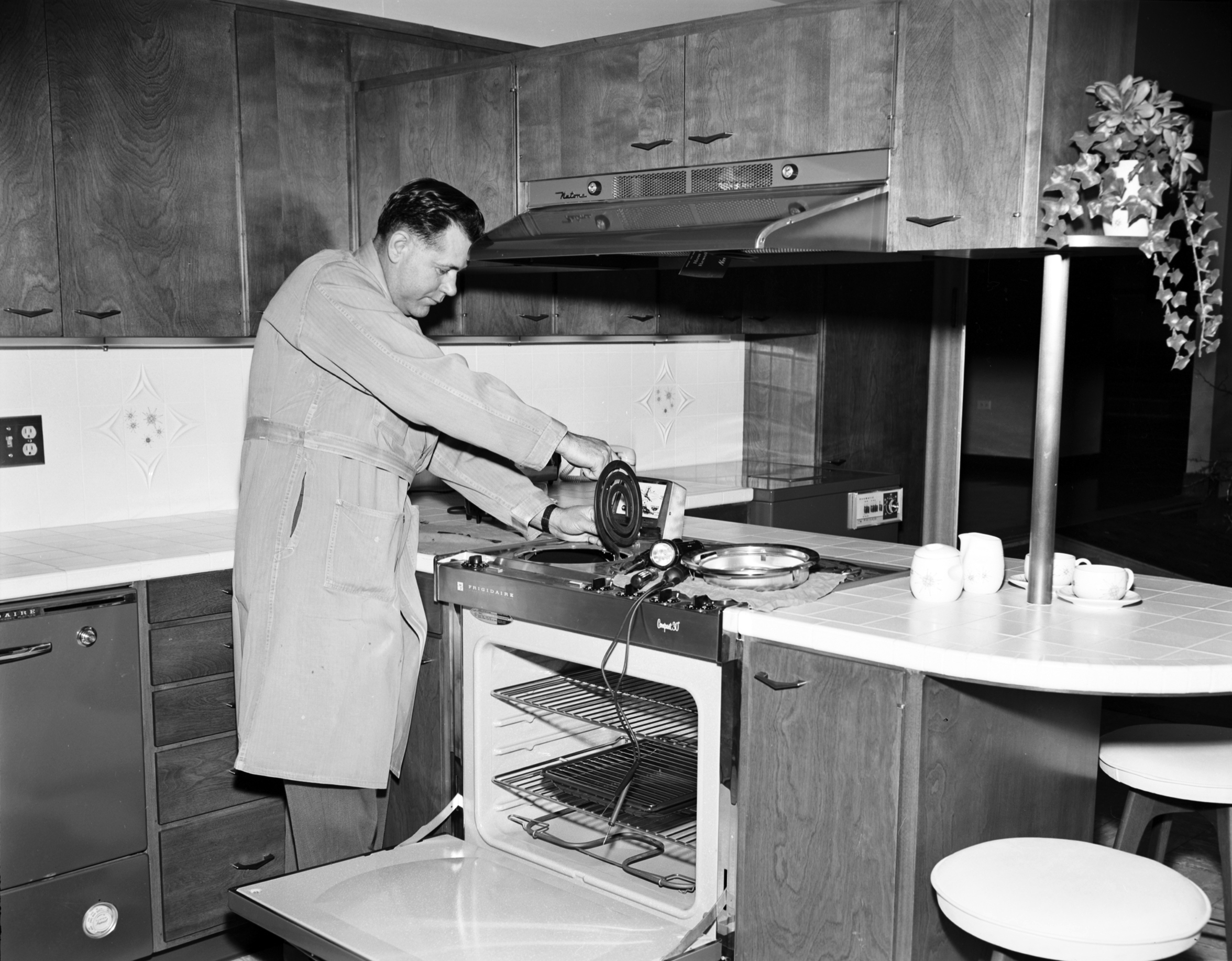
This is the fact that explains the whole trade and it is the one nobody thinks of.
In 1974 the American market for a given major appliance was supplied by a handful of manufacturers, each offering a small number of models, which stayed in production with minor changes for several years at a time. A washing machine was a washing machine: a motor, a transmission, a belt, a pump, a timer, a water valve and a tub, assembled in one of a limited number of configurations.
Which means the total population of designs a repairman had to understand was perhaps a few dozen, accumulated slowly, over a working life.
So a man who had been doing it for fifteen years had genuinely seen every machine in his town. Not a similar machine – that machine, several hundred times. He knew which model had a transmission that failed at eight years, which one ate belts, which timer contact burned, and which brand’s pump was reached in four minutes and which took forty.
That is not a general aptitude for fixing things. It is a specific, deep, slowly accumulated memory of a small catalogue, and it was the entire product.
Like our content? Follow us for more.
The Diagnosis Happened Before He Opened Anything

The professional skill people remember is the listening, and it was real.
A failing mechanical appliance announces itself. A worn bearing makes a particular noise under load. A slipping belt makes another. A pump with an obstruction, a motor with a failing start capacitor, a timer sticking on one cycle, a transmission with a broken brake – each has a signature, and each signature is attached in the technician’s memory to a specific model.
So the sequence at a customer’s house was: listen to it run, ask two questions, name the part, and fetch it from the van. The repair itself was frequently the shortest part of the visit.
And that is why the van’s stock mattered so much. A man who carried the twenty parts that actually fail on the twelve machines actually present in his town could complete most jobs on the first visit, which is the difference between a profitable trade and an unprofitable one.
Manufacturers Published the Information
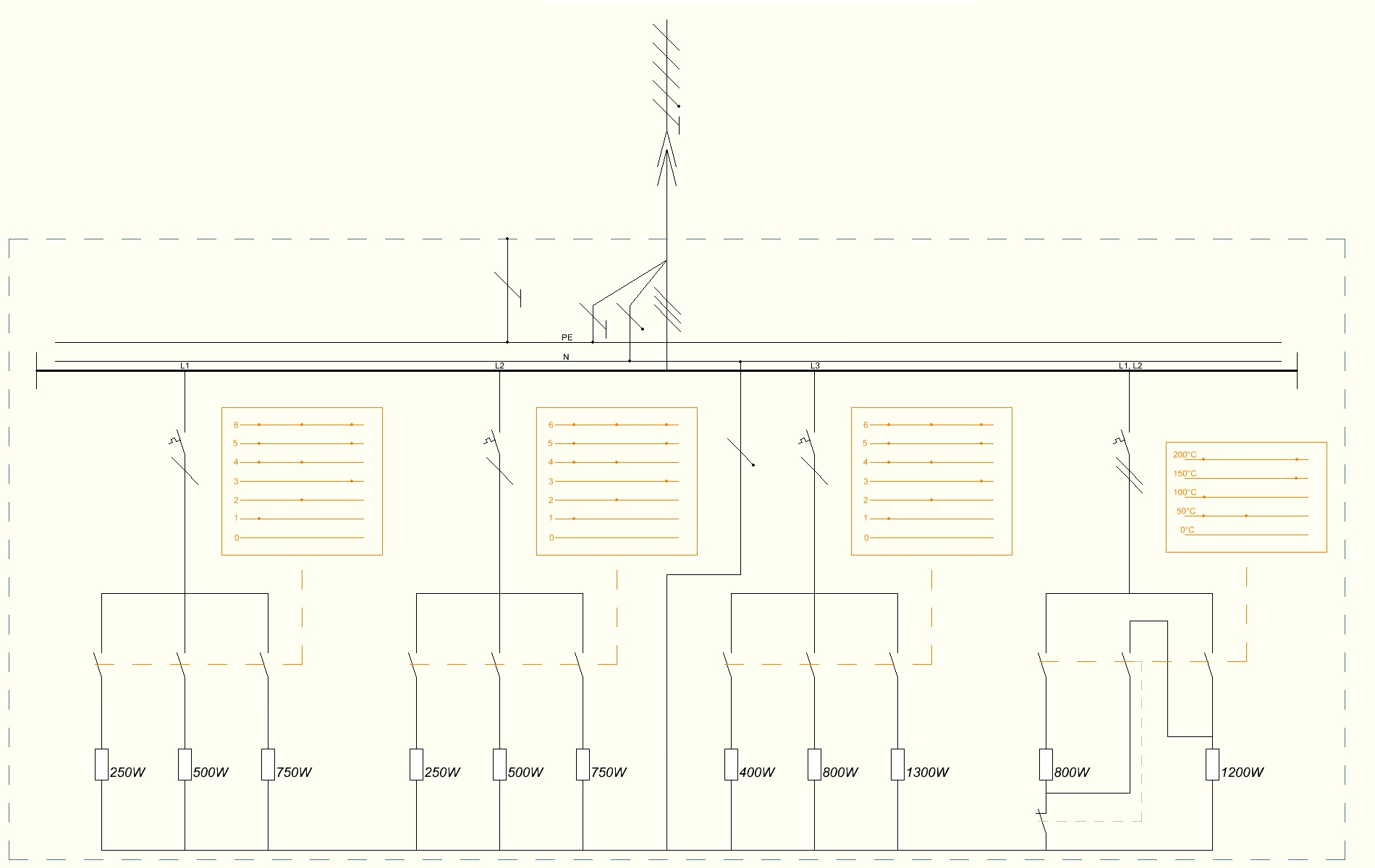
The other reason this worked is that the information was available, deliberately, from the people who made the machines.
Appliances came with service literature – wiring diagrams, exploded parts views with numbers, troubleshooting charts organised by symptom, and specified test values. Some of it was shipped inside the machine itself, taped behind a panel, so whoever opened it next found the diagram waiting.
Manufacturers ran service schools, issued technical bulletins about known faults, maintained regional parts depots and authorised independent shops. They did this because an appliance that could not be serviced was an appliance that generated complaints, and because the service network was a selling point they advertised.
That is a deliberate industrial choice in favour of repairability, made by the manufacturers themselves, and it is the part most unlike the present.
Parts Were Stocked, Numbered and Expected to Be Needed
The wall of drawers behind the counter was the business’s capital.
Belts, pumps, timers, water valves, lid switches, door gaskets, agitator dogs, motor capacitors, drive couplings, thermostats, heating elements, idler pulleys, bearings and seals – held in depth, by part number, for the machines in circulation locally.
Those parts were manufactured and supplied for years after a model went out of production, because the manufacturer expected the machine to be running for fifteen or twenty years and expected to sell the parts.
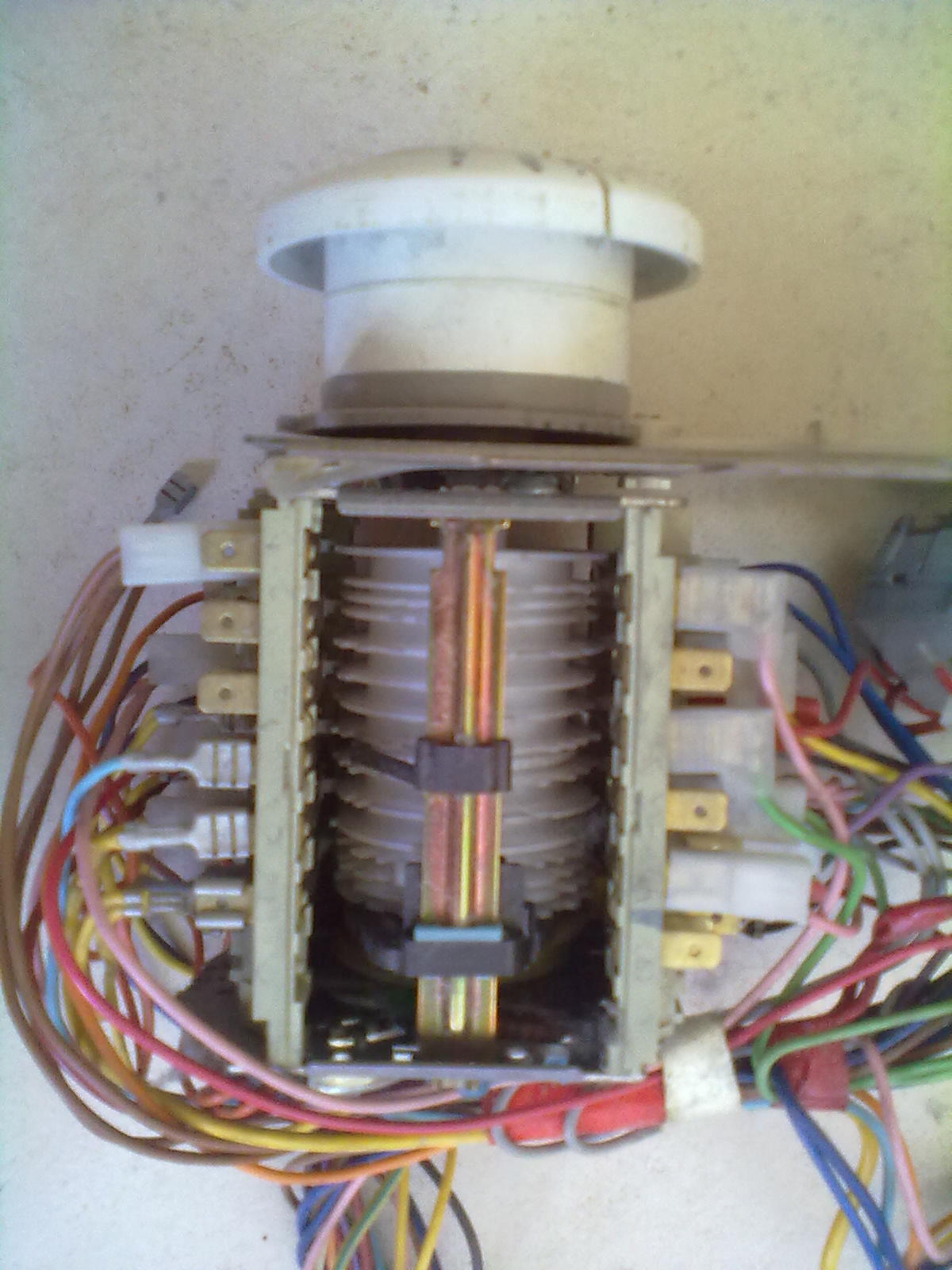
And the parts were discrete. A failed timer was a timer: a sealed can with a motor and a cam stack and a set of contacts, which cost a small fraction of the machine and did one job. Replace it and the machine was as good as it had been.
The Repair Was Cheaper Than the Machine by a Wide Margin
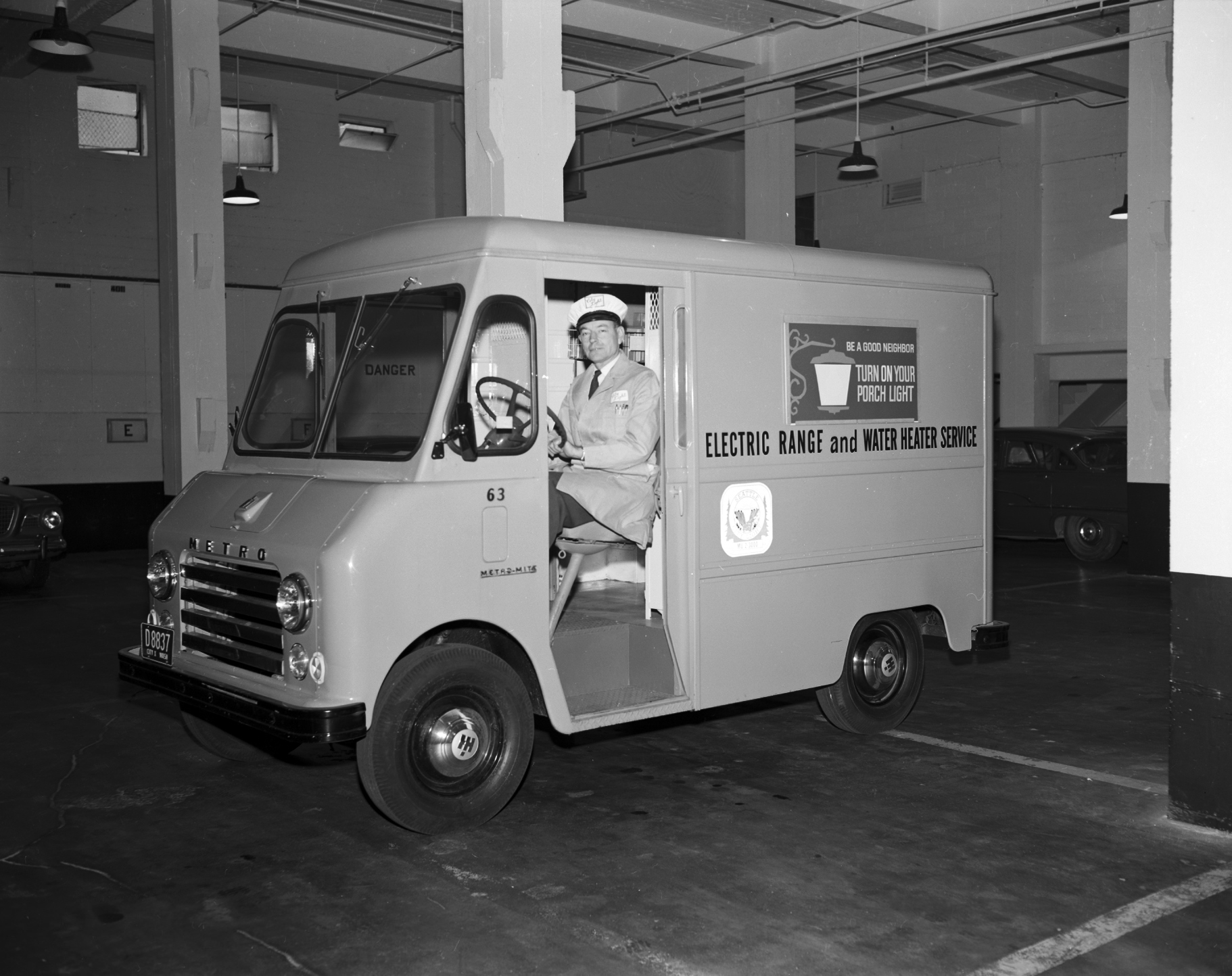
The arithmetic in 1974 was not close, and that is why the trade existed at the scale it did.
A major appliance was a significant purchase – a washing machine, a refrigerator or a range cost a meaningful proportion of a month’s household income, was bought on terms or saved for, and was expected to last fifteen years or more.
A service call plus a part was a small fraction of that. A pump, a belt, a timer, a thermostat – even with labour, even with a house visit – came to a number that was obviously worth paying rather than replacing a working machine for the sake of one failed component.
So the decision was automatic. Something broke, you called the man, he came, he fixed it, and the machine went on for another five years. Nobody did a calculation because there was nothing to calculate.
Then Everything About That Changed at Once
Appliance prices fell, substantially and continuously, in real terms – through automation, global manufacturing and competition – while the real cost of an hour of a skilled person’s time rose. Those two lines crossed, for each appliance category at a slightly different point, somewhere across the 1990s and 2000s. There is no single year, which is the honest answer to the question in the headline, but there is a definite crossing.
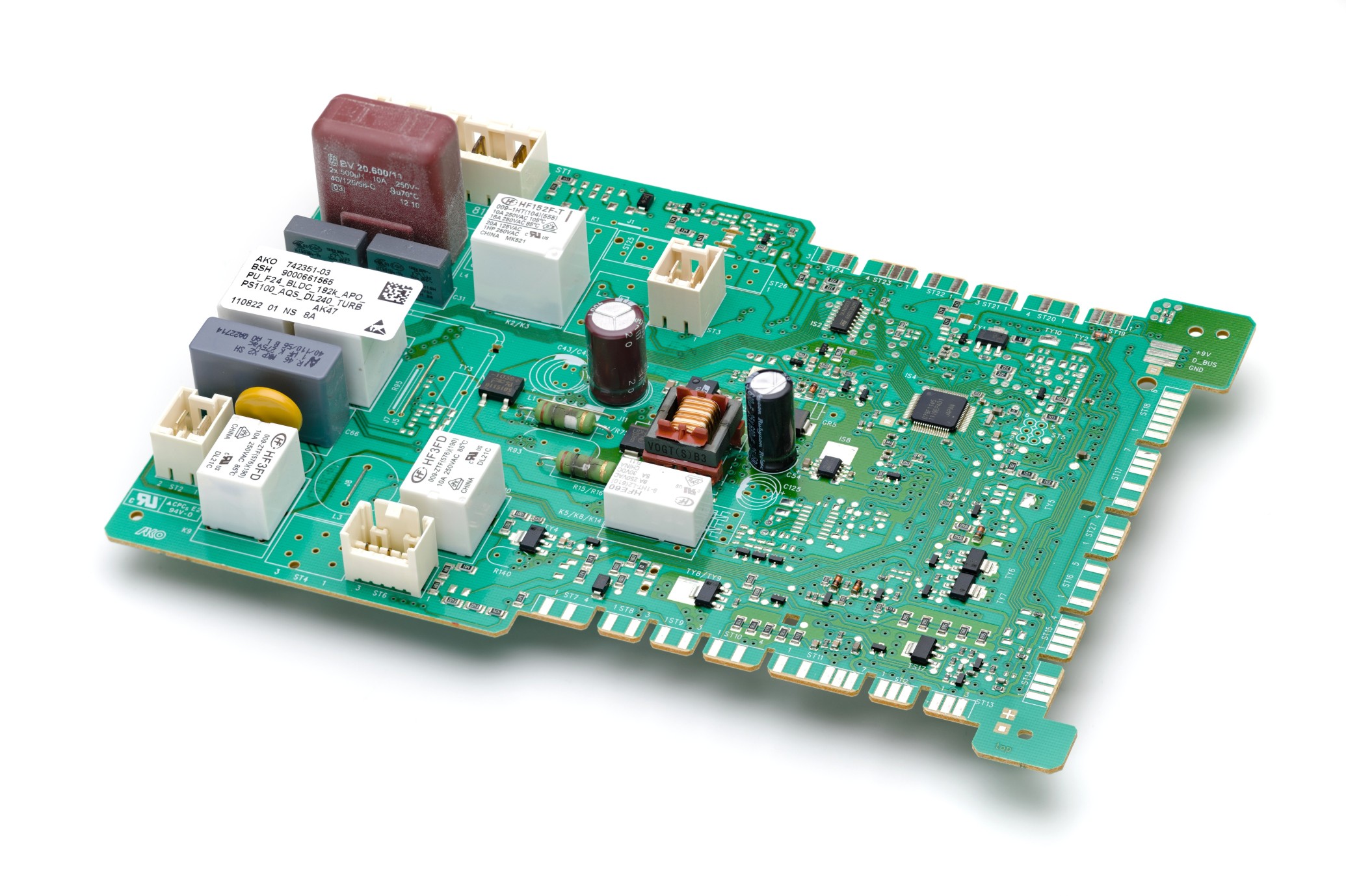
The parts changed character. Mechanical timers with cams and contacts were replaced by electronic control boards, which are not repairable at component level in a van and are swapped as an assembly at a price that is a large fraction of the machine. Mechanical transmissions gave way to direct-drive and sealed modules. Enclosures went from screwed steel panels to clipped plastic that breaks on removal.
Model proliferation destroyed the knowledge base. Instead of a few dozen designs accumulated over a career, there are now thousands of variants across many brands, refreshed annually, frequently differing internally between models that look identical – so nobody can hold the catalogue in their head, and diagnosis moved from a technician’s memory to a database on a tablet.
And the service literature stopped being supplied openly, which is the subject of a long-running and current argument about access to parts, diagrams and diagnostic software that this piece makes no claim about beyond noting that it is being argued.
The Shop Also Sold Machines, and That Was the Point
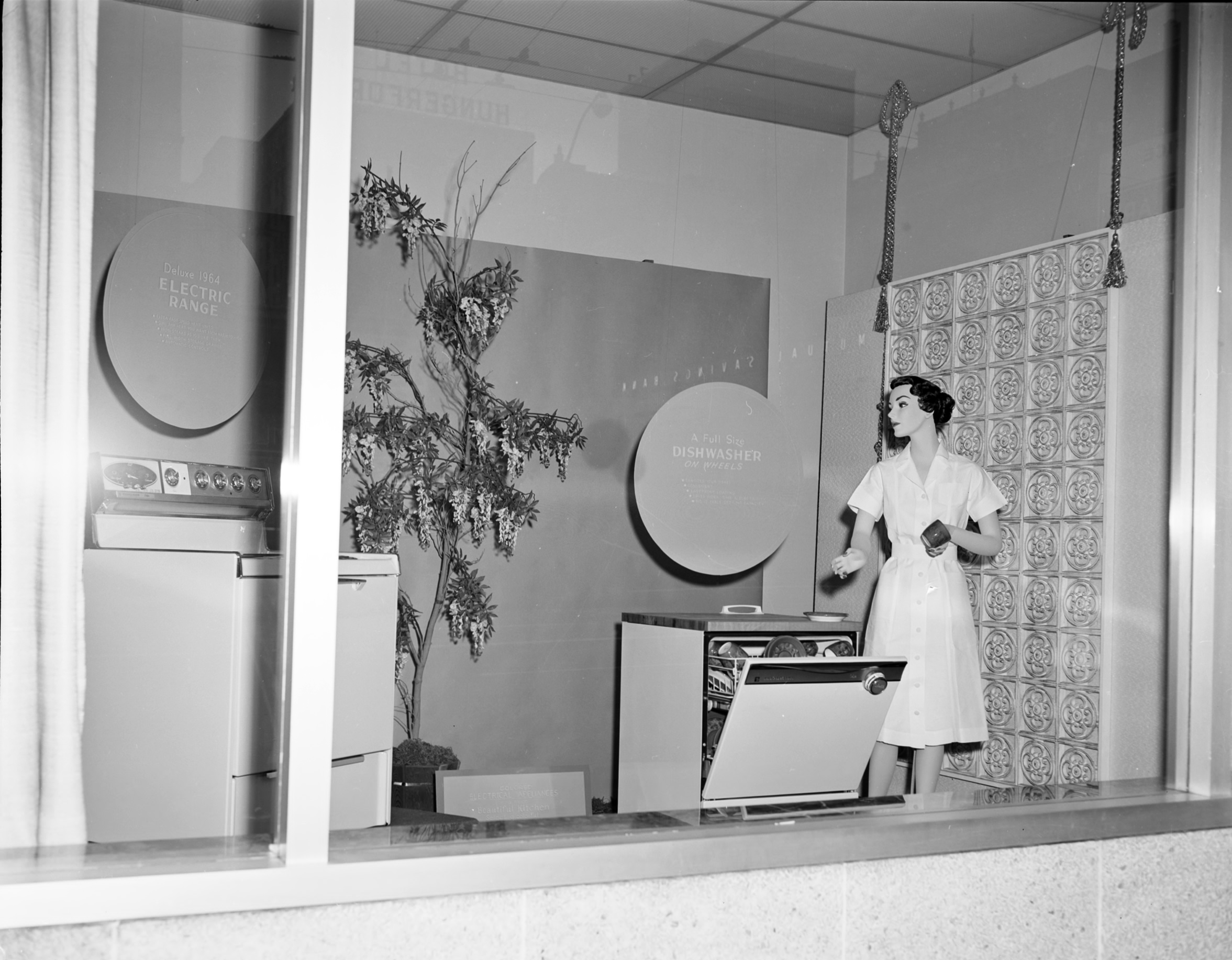
Almost every repair shop had a showroom at the front, and the two halves of the business supported each other in a way a pure service trade cannot.
He sold you the washing machine. He delivered it, installed it, and came back when it broke. He knew what he had sold you because he had sold it to you, and his service records were his customer list – so when a machine reached the end, he was the person who turned up, said it was finished, and had a replacement on the floor.
That arrangement produced two things worth noting. It made him honest about repairs in both directions, because telling a customer their eleven-year-old machine was worth fixing cost him a sale, and telling them it was finished when it was not would be found out locally. And it meant his stock reflected what he was prepared to maintain, which is a form of quality control nobody has now – a dealer who services what he sells will not stock a machine that is miserable to work on.
The split of those two functions – national retail selling machines, separate contractors servicing them – removed the feedback entirely. Nobody choosing what to stock now has to answer the telephone when it fails.
The Twist: What Was Lost Was Memory, Not Screws
The usual account of this is about hardware: things used to be built to be opened, and now they are glued shut. There is something in that, and it is not the main thing.
The repair shop’s actual asset was a man’s memory of a small catalogue.
Everything that made him valuable followed from the fact that there were few designs, they changed slowly, and he saw each one hundreds of times. That is what let him diagnose from a noise at the door, carry the right twenty parts in a van, finish most jobs on one visit, and quote a price he was confident in before he started.
Destroy the scarcity of designs and all of it collapses, regardless of how the machine is screwed together. A technician facing one of three thousand variants cannot have seen it before, cannot know its characteristic failures, cannot carry its parts speculatively and cannot diagnose it from a noise – because the noise belongs to a machine they have never met.
So the knowledge had to move out of heads and into databases, and once it is in a database it belongs to whoever maintains the database rather than to the man with the van. Which is why appliance repair is now largely done by national networks and manufacturer-authorised contractors, dispatched by software, working from a screen.
That is a reasonable way to handle three thousand variants. It is simply not a trade a person can own on a main street.
The drawers are the clue. A wall of numbered parts is only an asset if you know which twenty of them you are going to need this week, and nobody can know that any more.
Like our content? Follow us for more.

