In 1964 a rural American school raised money by auctioning boxed suppers, and the thing being sold was not the food.
Each woman and girl packed a meal for two and decorated the box as elaborately as she could manage, in crepe paper and paper roses, over a week of evenings. The boxes went on a table with no names on them. Then an auctioneer sold each one to the highest bidder – and the winner ate the supper sitting with the person who had made it.
The anonymity was never real. Everybody knew whose box was whose, which was exactly what made it work. Here are sixteen things every rural school did.
1. It Was the School’s Fundraiser and Everybody Knew the Target
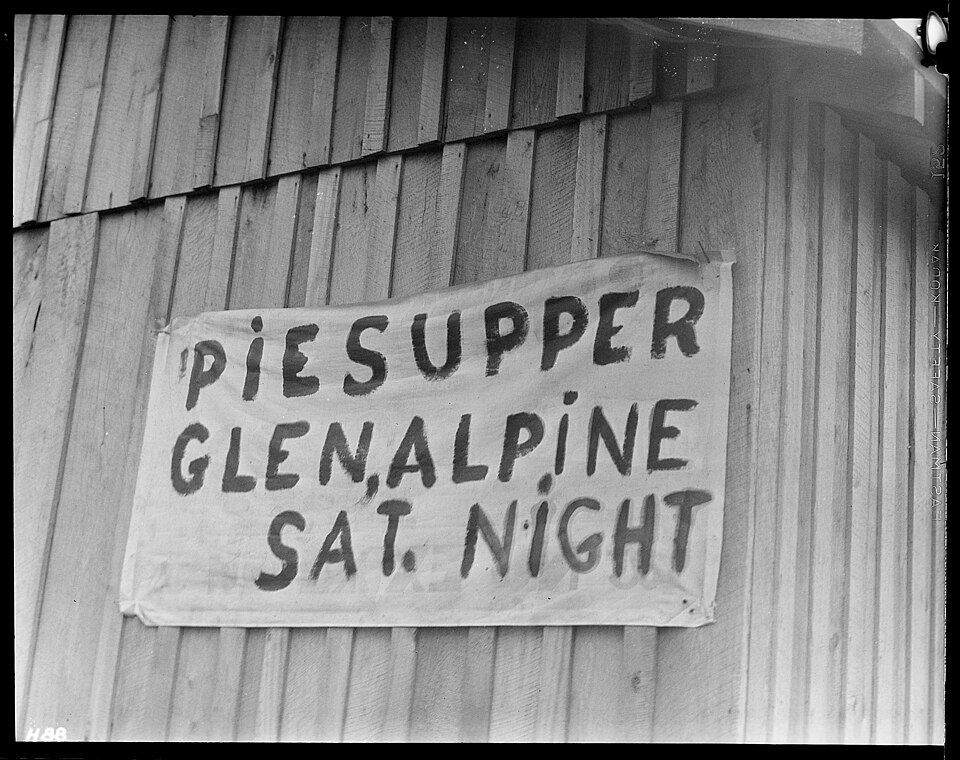
The pie supper or box supper was held to raise money for a specific thing the school needed, announced in advance – and the amount raised was counted that night and reported.
Fundraising through catalogue sales, direct appeals, online giving pages and event sponsorship, with no community gathering attached and no figure announced to a room.
Announcing the purpose and then announcing the total is a small thing that did substantial work. Everybody in the building knew what they were paying for, saw the money counted, and knew by the end of the evening whether it had worked – which is a form of accountability that no modern fundraising arrangement reproduces.
Like our content? Follow us for more.
2. Women and Girls Made and Decorated a Box

Each participant prepared a supper for two – fried chicken, sandwiches, pickles, cake, pie – and packed it in a box or basket decorated as elaborately as she could manage, in crepe paper, ribbon, paper flowers and lace.
Nothing comparable. Food at a school event is either catered, donated in unmarked quantity, or sold from a counter, with no individual presentation and no decoration.
The decoration was the competitive element and it was taken extremely seriously. A box that had taken a week of evenings, with paper roses and ribbon work, announced a great deal about the person who had made it – which is precisely why the whole arrangement worked, and we will come back to that.
3. The Maker Was Supposed to Be a Secret

Boxes were brought in without names on them and placed on a table, and the formal rule was that nobody knew whose was whose until it had been bought.
Nothing, since there is no equivalent event and no reason for anonymity in anything.
The anonymity was the official structure and it was the thinnest possible fiction. It existed so that the bidding could be presented as a fundraiser rather than as what it actually was – which meant everybody could participate without anybody having to acknowledge what was going on.
4. And the Secret Was Never Actually a Secret

Information moved constantly. A girl told a particular boy which box was hers. A sister told a brother. A friend passed it on. A mother mentioned it to another mother. Somebody recognised the handwriting, the paper or the ribbon.
Nothing, though the general shape of it – a public arrangement whose real purpose everybody understands and nobody states – survives in a great many social forms.
The leaking was not a failure of the system. It was the system. A mechanism that provides official anonymity and reliable unofficial information lets a young man bid on the right box while allowing everybody present to pretend the outcome was chance – and that combination is the whole of what made it socially possible.
5. Men and Boys Bid on the Boxes at Auction
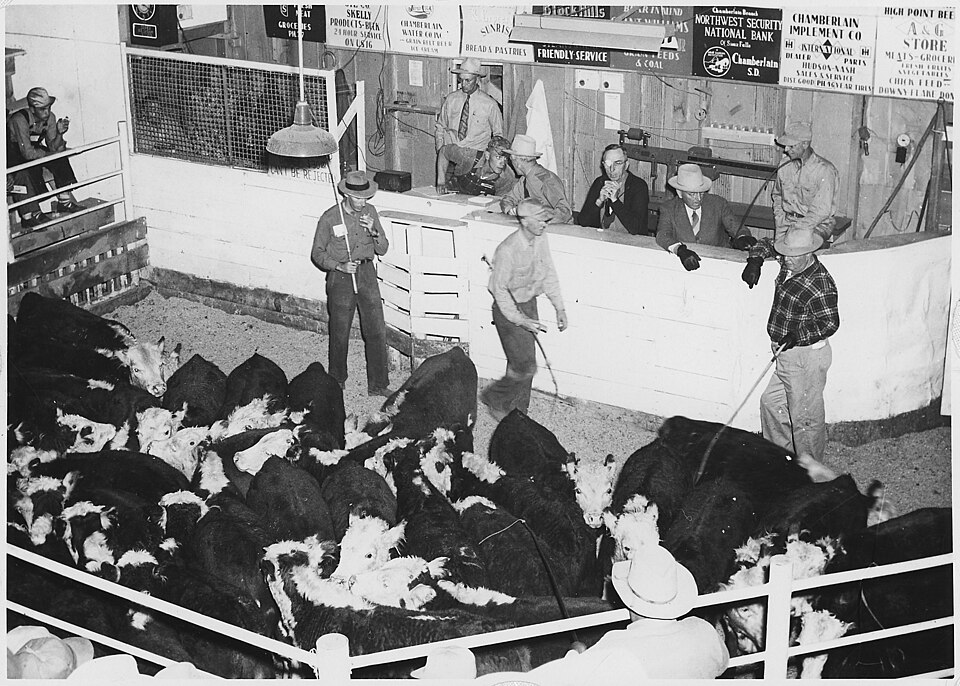
An auctioneer – a local man, a teacher, a trustee – held up each box, described it, and sold it to the highest bidder, with the money going to the school.
Silent auctions and raffles at school events, conducted without a crowd, without competition in public and without anything riding on the outcome.
Doing it as a live auction rather than a sale is what generated the money and the drama at once. A room watching one man bid against another for a specific box produces prices that no fixed-price sale would achieve, and it produces them for reasons that have nothing to do with the food.
6. The Prize Was Eating the Supper With Her
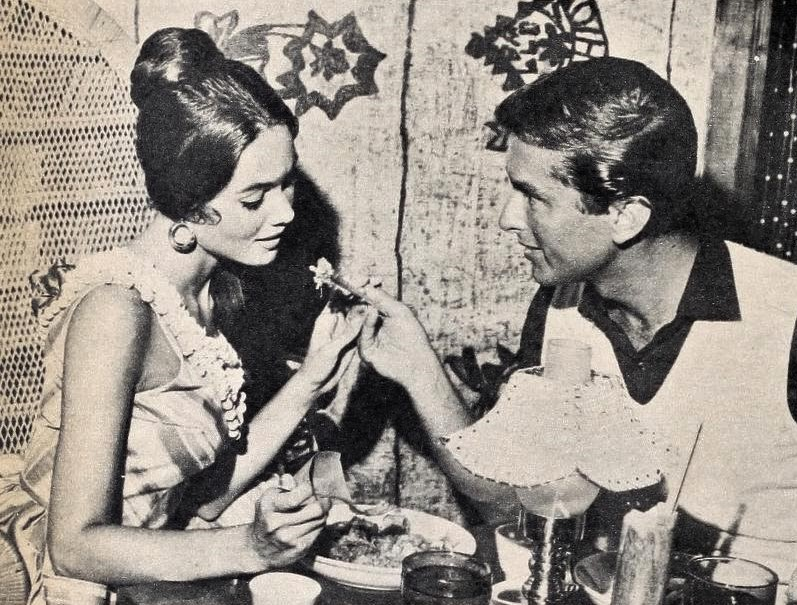
The winning bidder did not simply get the food. He got to eat it with the woman or girl who had made it, sitting together, for the duration of the meal.
Nothing whatsoever, in any school or community setting.
That is the actual product and the fundraising was the wrapper. An hour of a young man and a young woman eating together, in a room full of their families, arranged by a transaction rather than by either of them asking – which solved a problem the community genuinely had and solved it elegantly.
7. The Bidding Was About Far More Than Pie
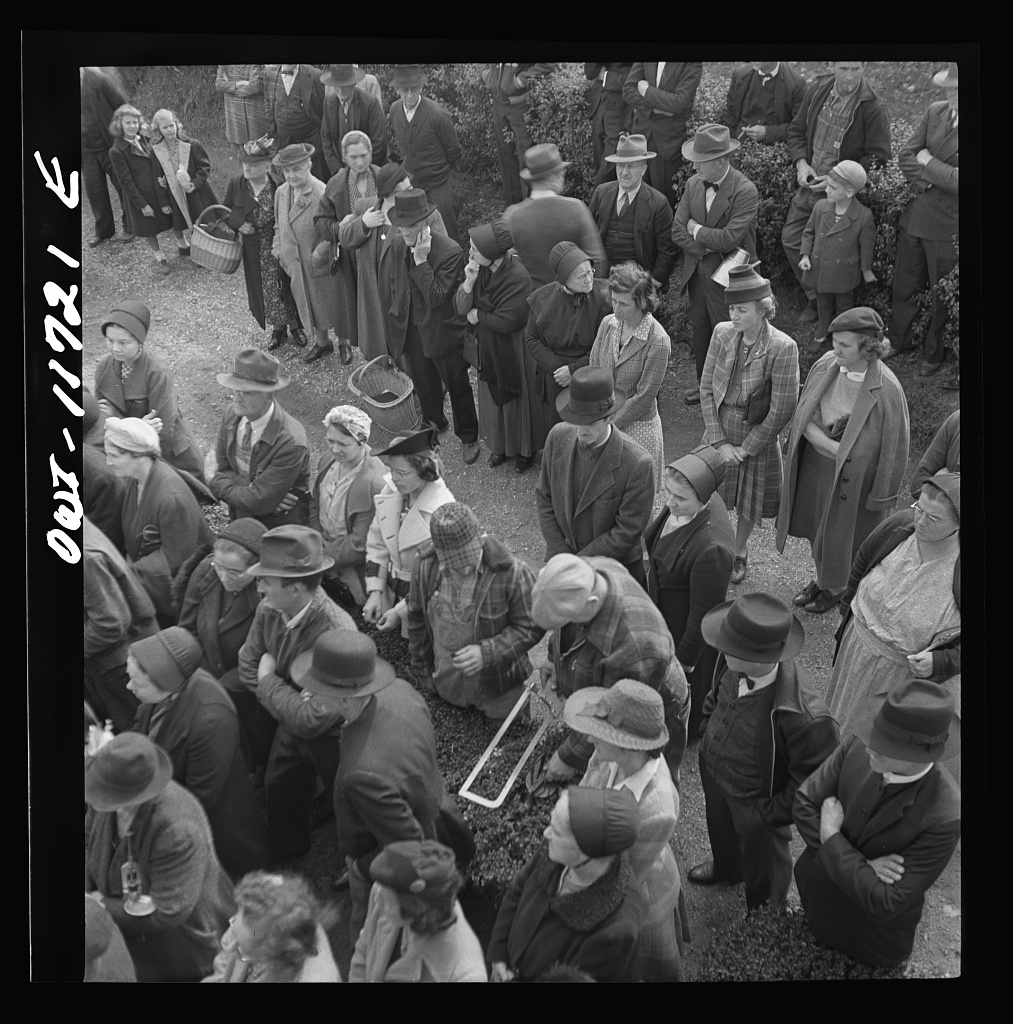
A young man who wanted to eat with a particular girl had to bid for the privilege, in public, against anybody else who wanted the same thing, with the price rising in front of everybody including her parents.
Nothing. Modern courtship involves no public competitive element, no audience and no price.
Which made it a genuine test and everybody understood the terms. The amount a young man would pay, in front of the whole community, for one hour with one person was a public and unambiguous statement – and he could not make it quietly, hedge it, or deny it afterwards.
8. Rivals and Relatives Ran the Price Up on Purpose
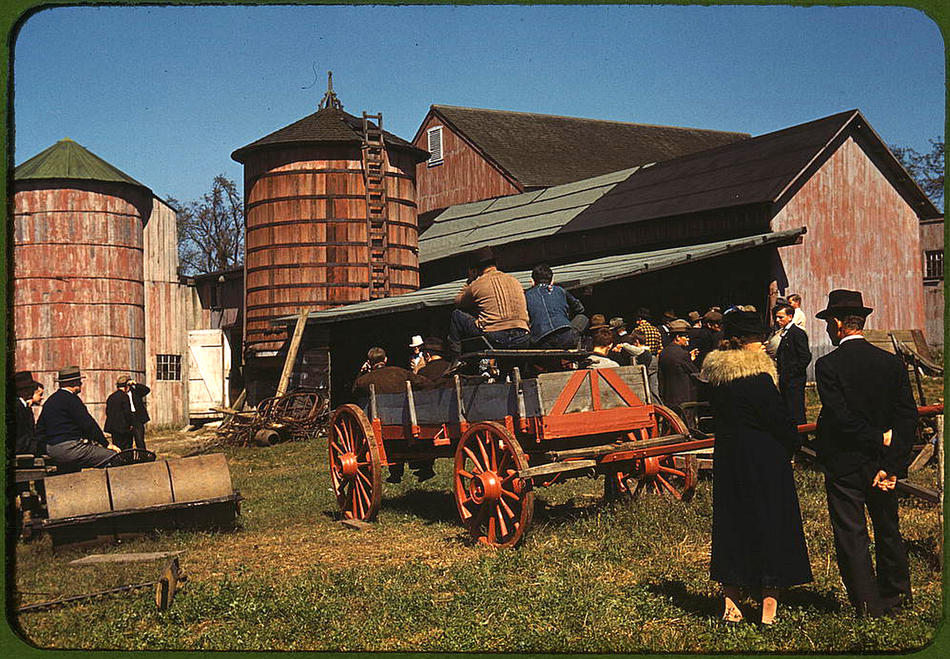
Bidding was interfered with constantly. Brothers bid against a sister’s suitor to embarrass him. Friends ran a price up for entertainment. A rival bid to force a man to spend more than he had. Fathers occasionally intervened in either direction.
Nothing equivalent, since there is no public bidding and no mechanism by which a third party could intervene in anybody’s courtship.
The interference was expected, enjoyed and governed by its own limits. Everybody knew how far to push and when to stop, because forcing a young man past what he could actually pay would humiliate him in front of his community – and that boundary was observed with reasonable consistency by people who were otherwise having a very good time.
9. The Auctioneer Worked It Deliberately
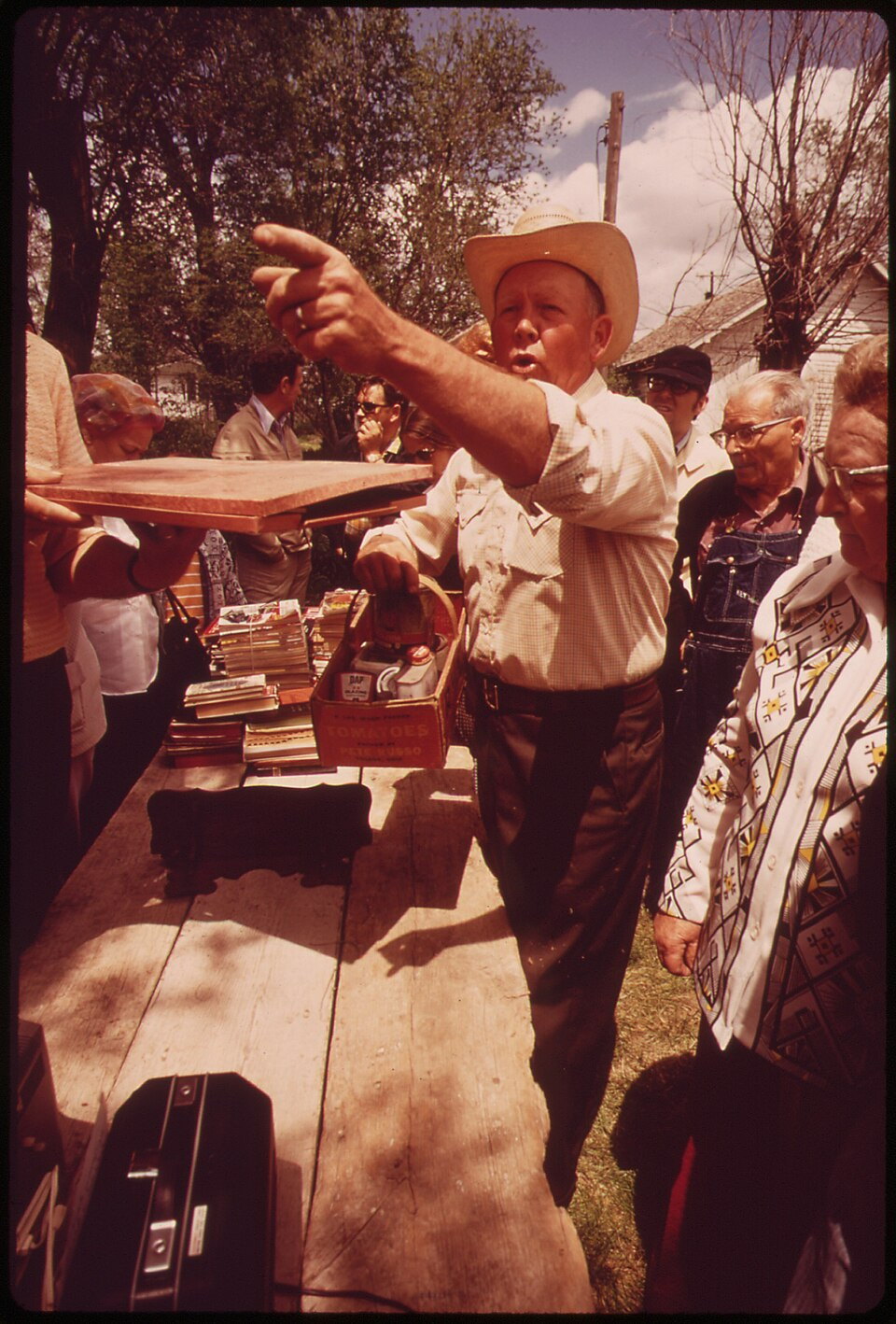
A good auctioneer knew exactly who wanted which box and used it – drawing out the bidding, encouraging a reluctant bidder, teasing, pausing, playing the room and extracting the maximum from a situation he understood completely.
Nothing, as there is no equivalent role and nobody in modern school fundraising is managing a courtship in public for money.
He was the most powerful person in the building for two hours and the role required real judgement. He had to raise money, entertain a crowd, avoid genuinely embarrassing anybody, and deliver each box to the person it was intended for while appearing to do none of those things.
10. There Were Paid-Vote Popularity Contests
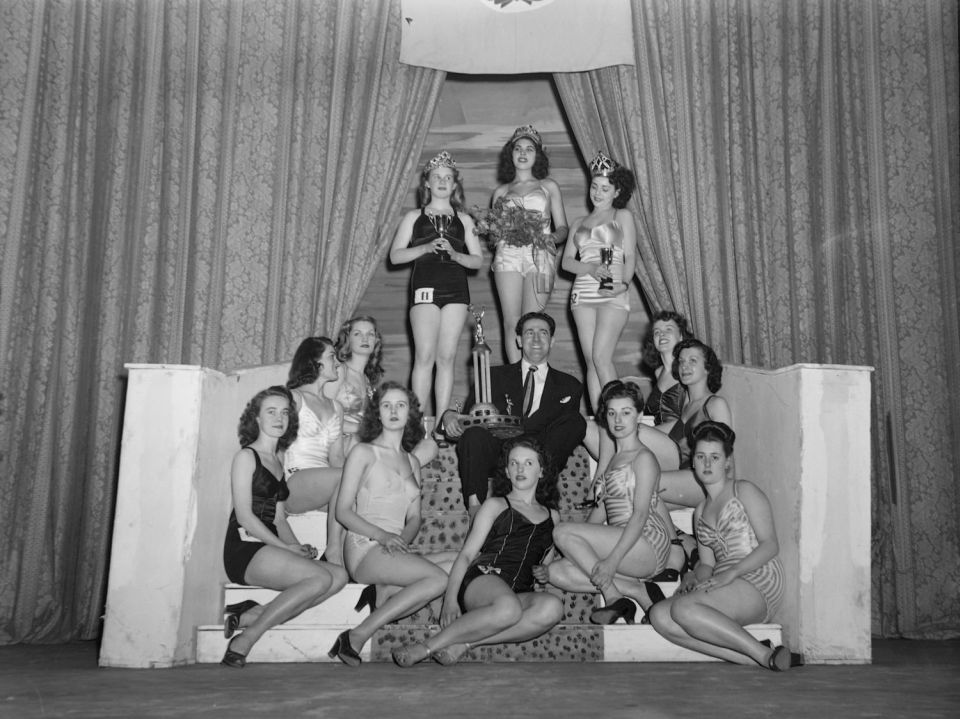
Alongside the auction ran contests decided by purchased votes: the prettiest girl, the most popular girl, and – as a comic counterweight – the ugliest man, with a penny or a nickel buying a vote and the proceeds going to the school.
Nothing resembling it in any American school, and the practice would be regarded as straightforwardly unacceptable now.
This should be recorded rather than softened. Ranking girls publicly by how much money could be raised in their name was a normal part of these evenings, it was understood as a compliment by the winners and was unquestionably not one for everybody else in the room, and its disappearance is a clear improvement that requires no defending.
11. It Happened in the Schoolhouse With the Desks Pushed Back
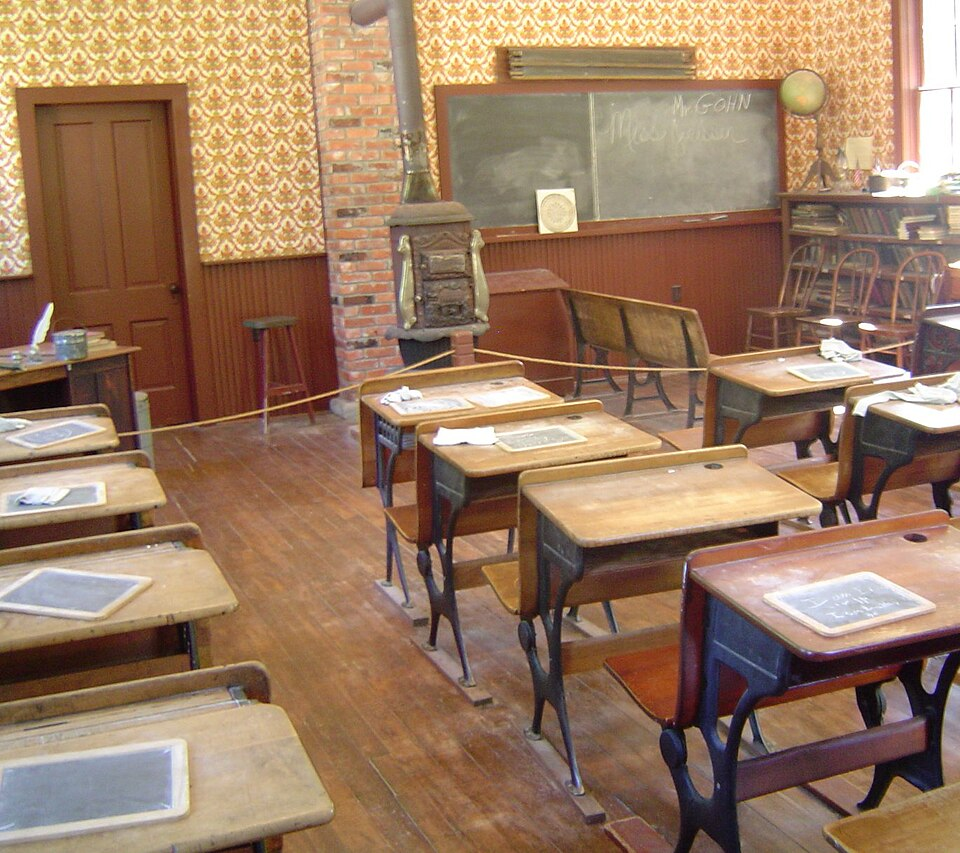
The venue was the school itself – one room or two – with the desks moved against the walls, benches brought in, lamps or lights on, and the whole community standing in the space where the children sat during the day.
School buildings used for events in purpose-built gymnasiums, cafeterias and auditoriums, with classrooms not used for community gatherings.
Using the classroom mattered because it made the school the community’s building rather than the state’s. Parents who stood in that room at night, who had paid for the stove in it, and whose money had bought the map on the wall, had a relationship with the place that is structurally different from the one a district school produces.
12. The Money Bought One Specific Thing
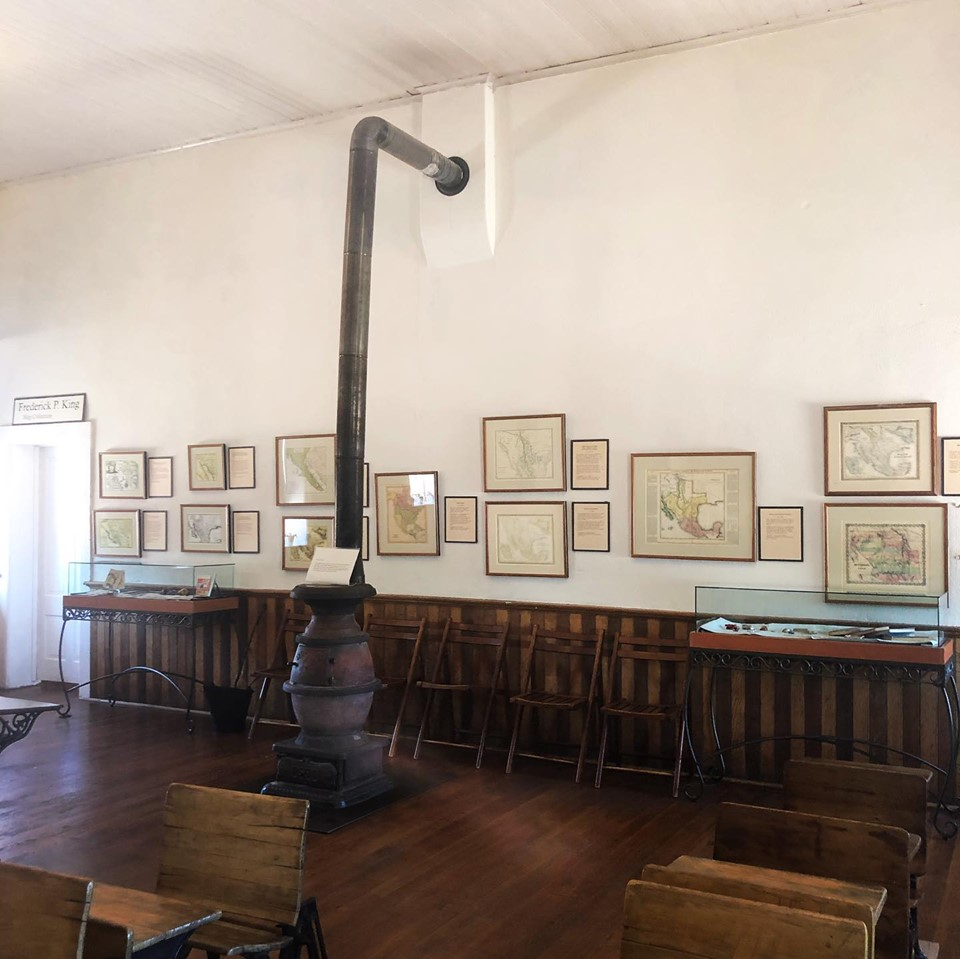
Proceeds were assigned in advance and visibly: a stove, a well, a set of books, a flag, window glass, a piano, playground equipment, a teacher’s salary supplement, coal for the winter.
Funds absorbed into district budgets, grants and designated accounts, with the connection between a particular evening’s effort and a particular object almost entirely broken.
Which is why these evenings produced the energy they did. A community raising money for a stove can see the stove, knows exactly what it cost, and remembers which supper paid for it – and a community raising money for a budget line cannot do any of those things.
13. It Was the Social Event of the Season
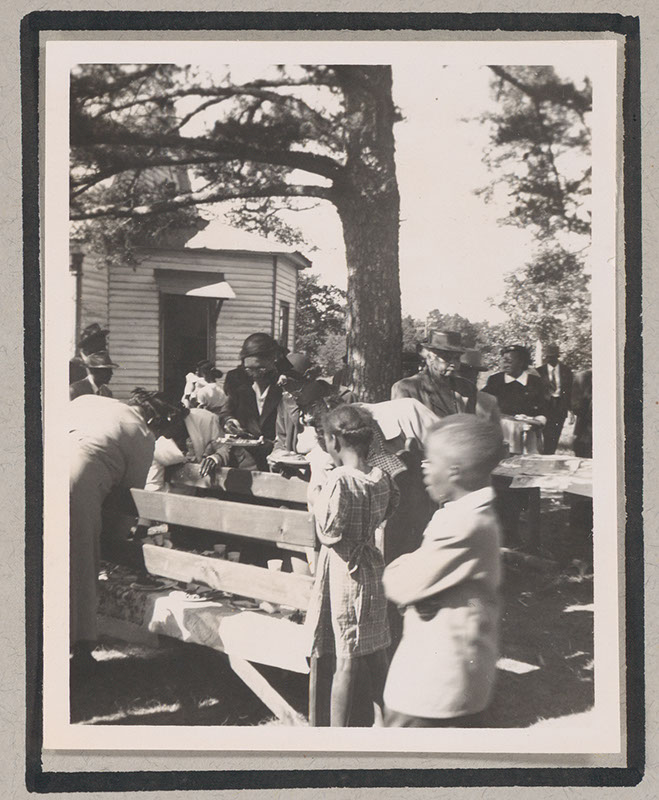
Whole families came, from a wide area, dressed up, in the evening, with everybody attending – and for a scattered rural community it was one of a very small number of occasions on which almost everybody was in one room.
School events attended by the families of participating children, with no expectation of general community attendance and no social obligation to appear.
The attendance was close to universal because not attending would have been noticed, and because there was very little else. A rural community in 1964 had a handful of occasions a year that brought everybody out, and this was reliably one of them.
14. The Food Itself Was a Real Reputation
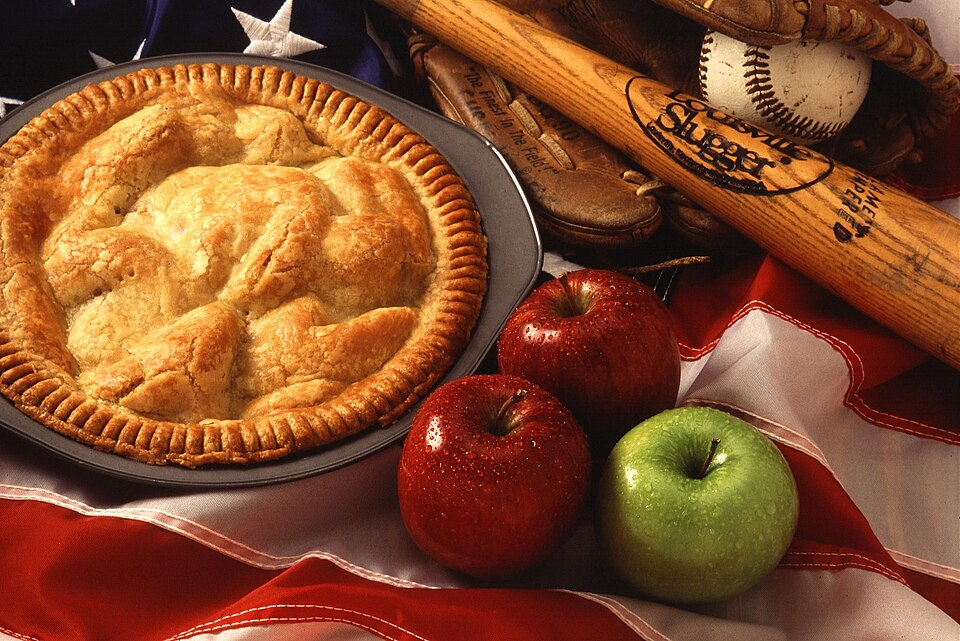
Everybody knew who could cook. A box from a woman with a known reputation drew serious bidding on the food alone, regardless of who had made it or who wanted to sit with her – and the best cooks’ boxes went for conspicuous sums.
Nothing, since food at a school event is anonymous and nobody’s cooking is individually evaluated by a paying public.
That is the second economy running through the evening and it mattered to the older women. A married woman’s box was bought by her own husband in most cases, as a matter of form, and the price it reached in front of everybody was a public verdict on her cooking that she had every reason to care about.
15. Children Ran Around and Nobody Minded
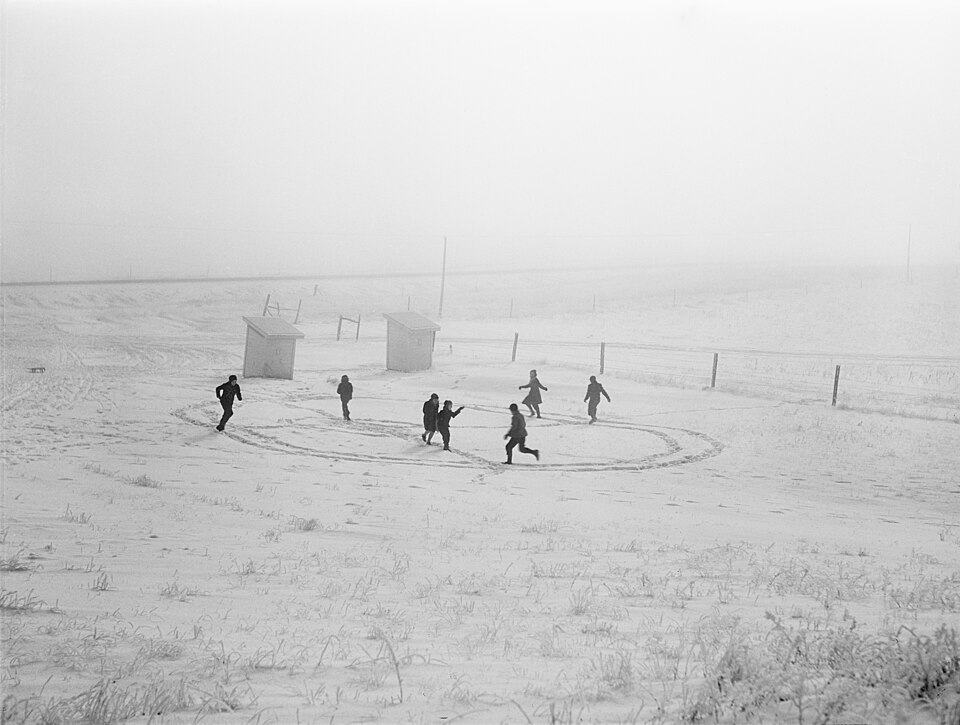
The small children were not part of the auction and were simply present – running between the desks, in and out of the building, eating what they were given, and asleep on coats by the end.
Supervised childcare or no children at all, with events designed around either the presence or the absence of them rather than around their general circulation.
The circulation is the sign of what kind of event it was. A gathering where small children move freely through the room while the adults conduct their business is a community occasion rather than a programmed one – and it is the element that people who were those children remember most clearly.
16. Then Courtship Got Into a Car

The box supper was a courtship mechanism inside a fundraiser: an hour of a young man and a young woman eating together, arranged by a public bid rather than by either of them asking, conducted in a room containing both their families and most of the county.
Nothing performing that function, because the function stopped being needed within about a decade – and the money is now raised by selling catalogues.
And the thing that dissolved it was the automobile, which is worth stating precisely because the adults running these evenings were not being quaint. They had engineered a solution to a real problem. In a scattered rural community, a young man and a young woman who wanted to spend time together had almost no way to do it: visiting meant a parlour with her family in it, and anything else meant being unsupervised, which was unacceptable. The box supper solved it by making the pairing public, time-limited, chaperoned by the entire community, and triggered by a transaction – so that he never had to ask and risk refusal, she never had to accept and risk impropriety, and everybody present could watch the whole thing and call it a fundraiser. That is a genuinely elegant piece of social design. Then young people got access to cars, and the problem the design solved simply ceased to exist: a car supplies privacy, mobility and an unsupervised hour at any time, with no auctioneer, no bid and nobody watching. Which is exactly the outcome the people in that schoolhouse had built the whole apparatus to prevent – and it arrived, in most of rural America, within one generation of the last pie supper.
They Had Solved the Problem, and Then Everybody Got a Car
It is easy to read the box supper as charming rural whimsy – decorated boxes, a lot of pie, somebody’s uncle shouting bids in a schoolhouse. It was not whimsy. It was an engineered solution to a problem that the people running it understood precisely.
The problem was this. In a scattered rural community in the first half of the twentieth century, a young man and a young woman who were interested in each other had almost no way to spend time together. Visiting meant sitting in a parlour with her parents in the next room or in the same one. Walking out together was possible in some communities and scandalous in others. Anything beyond that meant being unsupervised, which was the thing the entire adult population was organised to prevent.
And the social costs of the alternatives were asymmetric and high. For him, asking directly meant risking a public refusal in a community where everybody would hear about it within two days. For her, accepting meant a visible declaration she might not be ready to make, with her reputation attached to it.
Now look at what the box supper does.
The pairing is produced by a bid, not by a request. He never has to ask, so he cannot be refused. She never has to accept, so she has made no declaration – the auction did it. The duration is fixed by the meal rather than negotiated. The location is a room containing both families and most of the county, so the supervision is total and requires no chaperone. And the whole thing is officially a fundraiser for the school, which means every person present can participate enthusiastically while maintaining that nothing else is happening.
Then add the one piece that makes it function: the anonymity has to be formally real and practically useless. The boxes carry no names, which is what allows the auction to be described as a sale of suppers. And the information about whose box is whose leaks reliably through sisters, friends and mothers, which is what allows a young man to bid on the right one. Neither half works without the other.
That is a remarkably sophisticated piece of social machinery, assembled over decades by farming communities with no theory of anything, and it did four jobs at once: it raised money for the school, it supplied the community’s main social occasion, it let young people pair off, and it kept every minute of it in public view.
And then it was dissolved by one object.
A car gives a young man and a young woman privacy, mobility and an unsupervised hour, at a time of their own choosing, with nobody bidding and nobody watching. Every single constraint the box supper existed to manage was removed at once – not loosened, removed – and the entire apparatus became unnecessary within about a generation.
Which is the part worth sitting with. The outcome the adults in that schoolhouse had built the whole elaborate structure to prevent is precisely what arrived, and it arrived not through any argument about morals but because the family bought a second vehicle and the boy got a licence.
The schools raise money by selling catalogues now. The courtship function has no institution at all, which is not a complaint – it is just an observation that the thing was once handled by a committee, in a room, with an auctioneer, and is now handled by nobody.
If your family did this, somebody in it made a box that went for a conspicuous amount, and everybody still remembers who bought it.
And the secret about whose box was whose was never once kept, which was the whole point.
Like our content? Follow us for more.