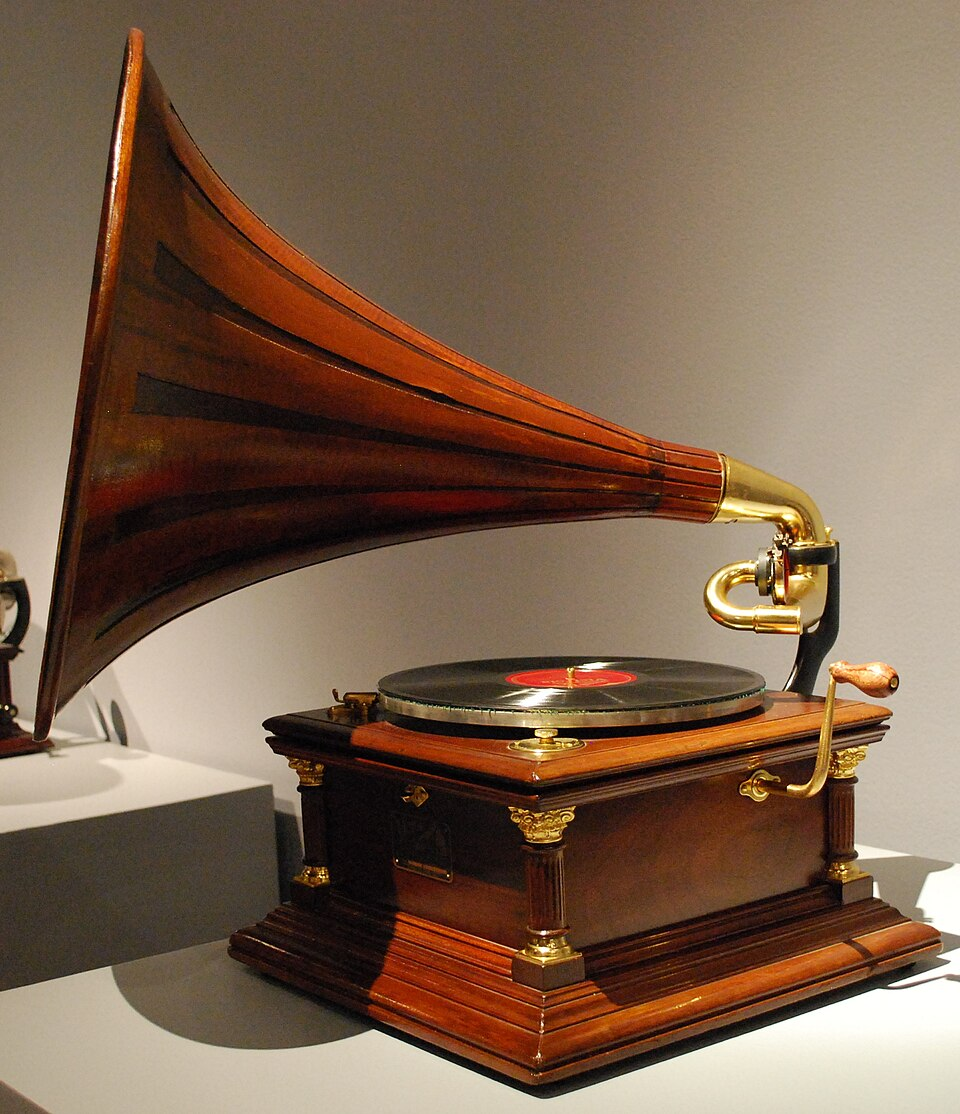
Every music machine before it played a pattern built into the hardware. This one replayed the air.
Sound vibrating a diaphragm moved a cutting point that scratched a wavy line into a surface. Running a needle back along that line vibrated the diaphragm again and remade the sound – so the groove is a physical drawing of air pressure, and playing it is tracing that drawing. No code, no conversion, nothing electrical.
Which is also why it reached so far. An acoustic machine ran on a hand-wound spring and amplified through a horn, with no power at any stage, so it could go to farms at a time when almost none had electricity. Recorded sound arrived in rural American houses decades before the electric light. Here are sixteen things every American family knew.
1. It Reproduced a Performance, Not an Arrangement
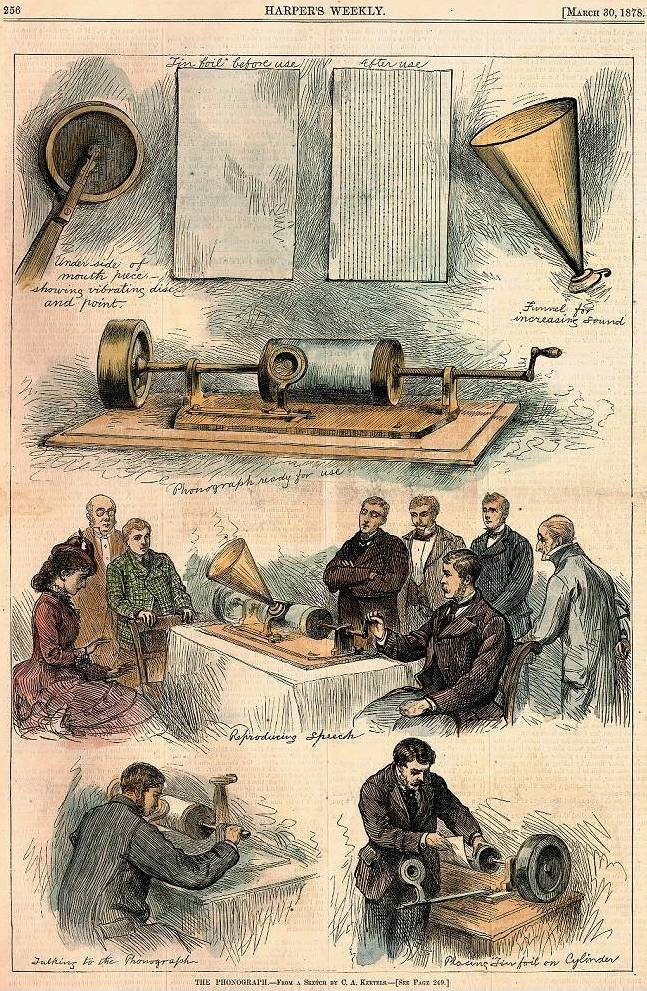
Every earlier music machine played a pattern built into it. A phonograph replayed an actual sound that had happened in a room, including the voice.
Universal, and the entire basis of recorded music.
Start with this distinction because it is the whole revolution and it is easy to skip. A music box, a player piano or a chiming clock produces a sequence somebody encoded mechanically. A phonograph produces the sound itself – which means for the first time a household could hear a particular singer rather than a rendering of their song.
Like our content? Follow us for more.
2. The Groove Was a Physical Trace of the Air
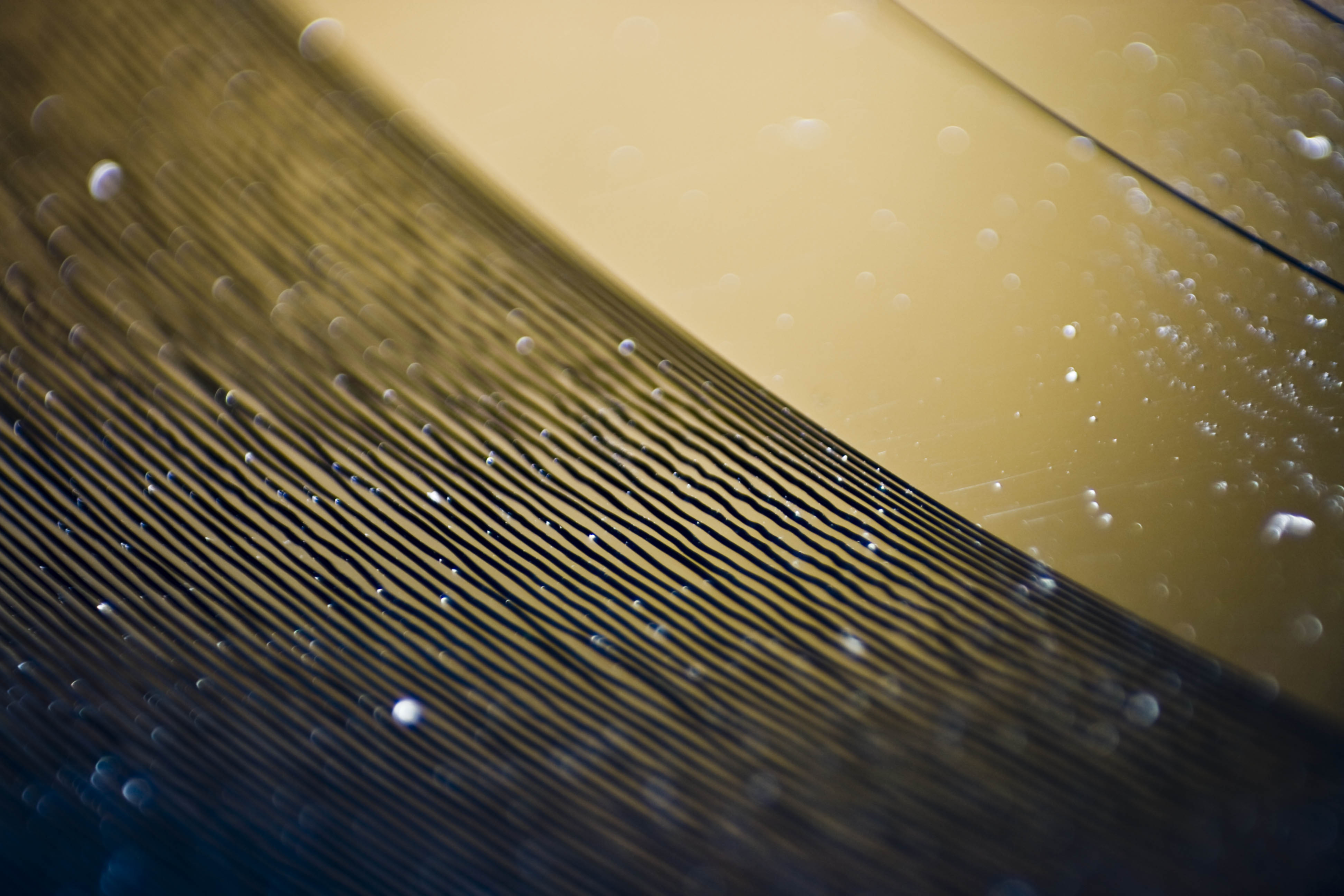
Sound vibrating a diaphragm moved a cutting point, which scratched a wavy line into a surface. Running a needle back along that line vibrated the diaphragm again and remade the sound.
The same principle survives in vinyl records.
The mechanism is almost unbelievably direct and that is why it was understood immediately by everybody. There is no code, no conversion and nothing electrical in the original form – the groove is a drawing of the air pressure, and playing it is tracing that drawing with a needle.
3. It Needed No Power at All
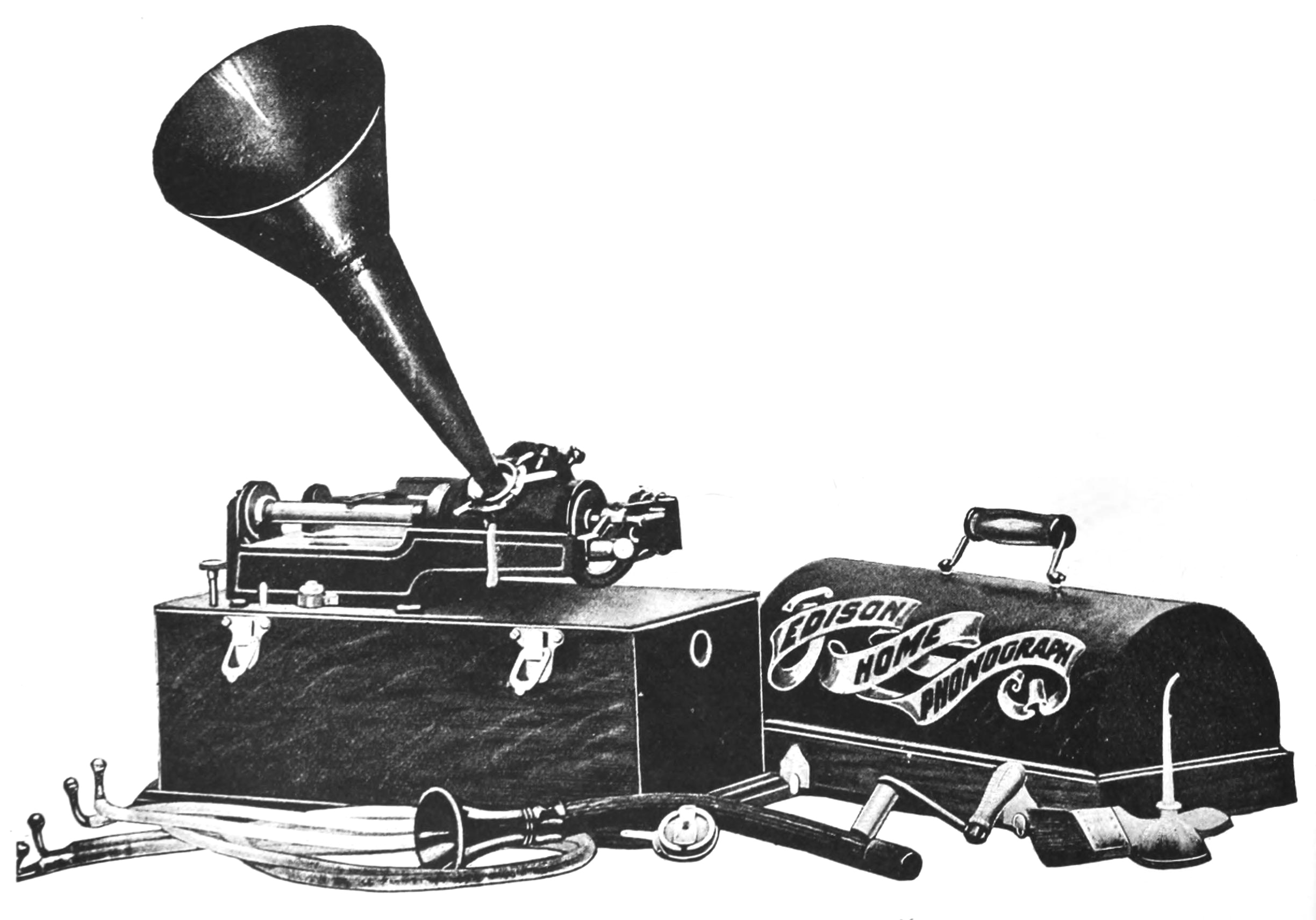
An acoustic phonograph ran on a hand-wound spring and amplified through a horn, with no electricity involved at any stage.
Everything is powered and amplified electrically.
The absence of power is the reason this reached so far so fast. A machine needing no wiring could go to any farm in the country at a time when almost none had electricity, which is why recorded sound arrived in rural American houses decades before the electric light did.
4. The Horn Did the Amplifying
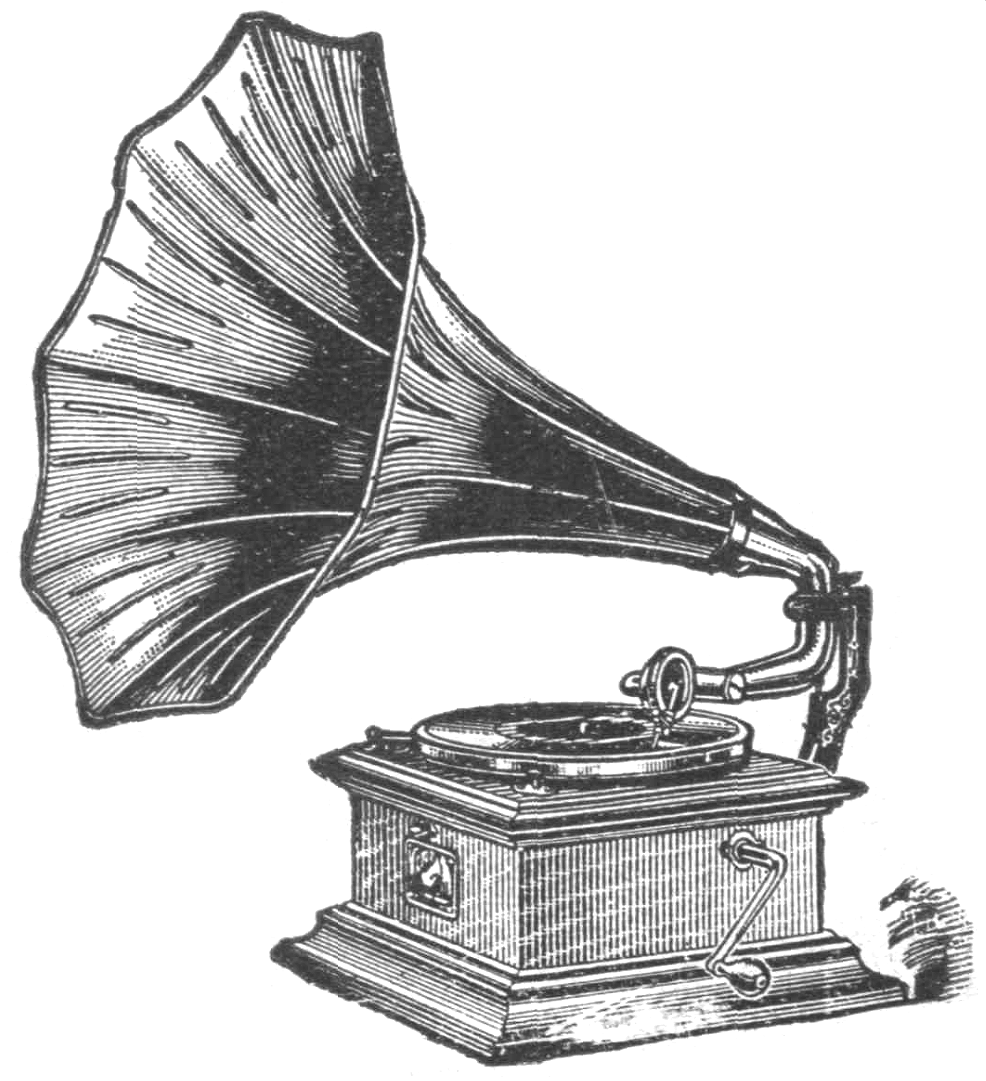
A vibrating diaphragm moves very little air. A horn couples that small vigorous motion to a large volume of air, which is what makes it audible across a room.
Electronic amplification.
The horn is the part people treat as decoration and it is doing the hardest job in the machine. Matching a tiny diaphragm to a whole room is an acoustic impedance problem, and the shape and length of the horn is the solution – which is why the horn is enormous and why hiding it inside a cabinet changed the sound.
5. Cylinders Came First and Discs Won
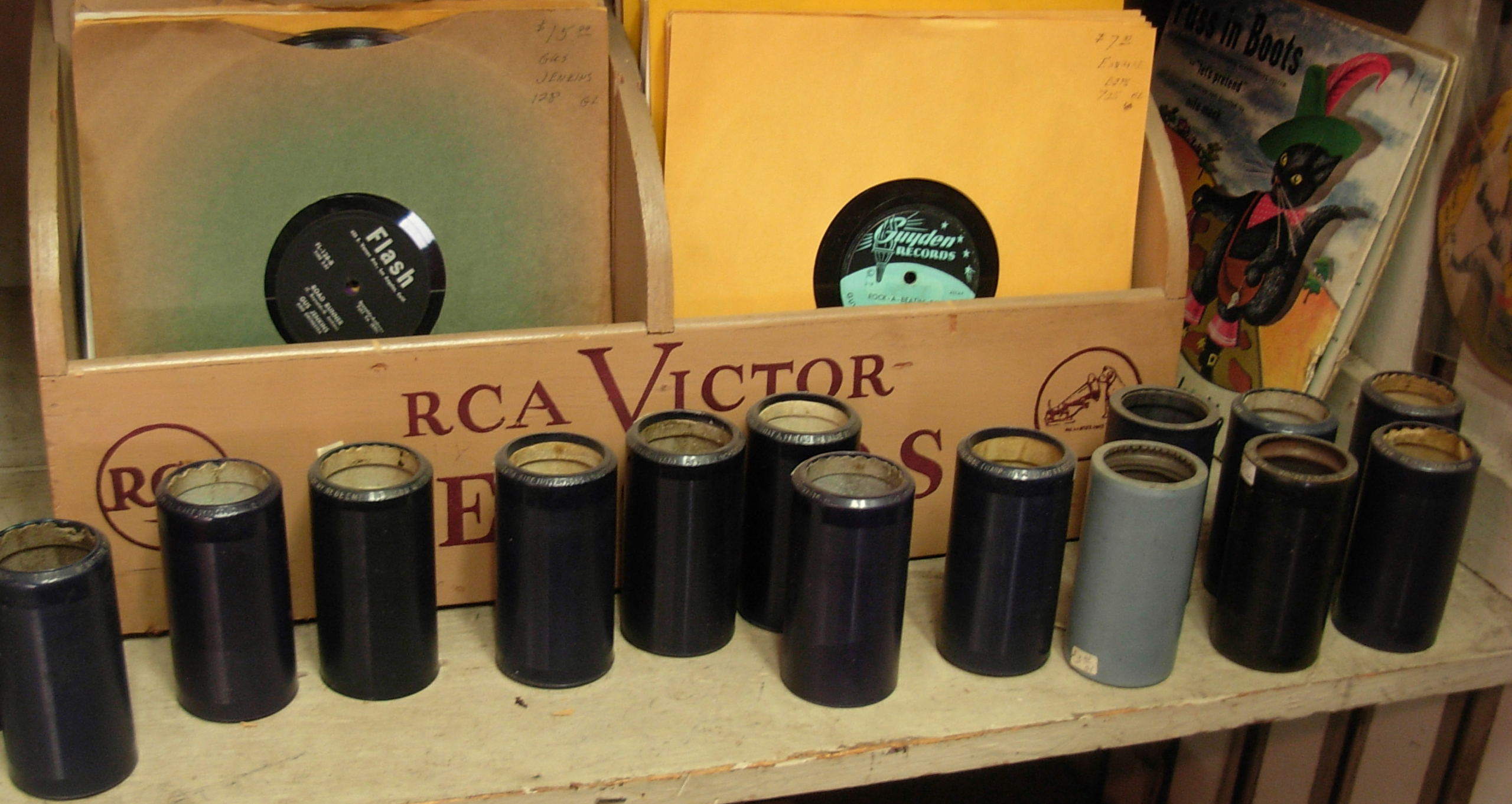
Early machines used wax cylinders. Flat discs replaced them because they could be pressed in quantity from a master, stacked, stored and shipped.
Discs, and then everything that followed from them.
The format war was decided by manufacturing rather than by sound quality. A cylinder is awkward to duplicate, to store and to post; a disc can be stamped out by the thousand and shipped flat – and the whole record industry is a consequence of that one geometric advantage.
6. You Wound It Before Every Record
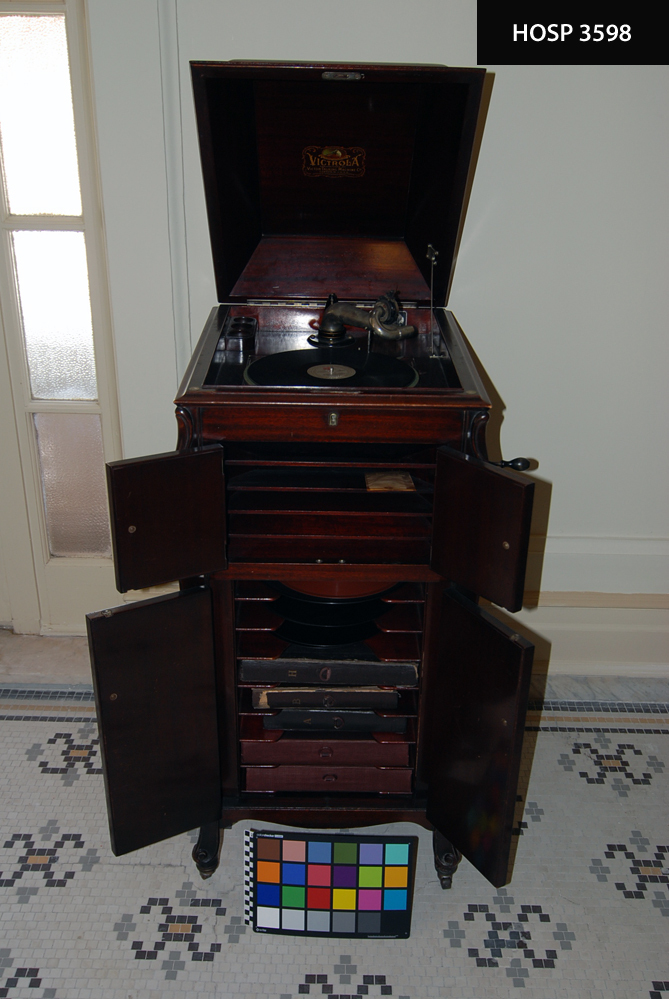
The spring had to be rewound by hand, and a machine running down made the pitch fall and the tempo drag audibly.
Not applicable.
The winding is the detail everybody who used one remembers, and the failure mode is the reason. A slowing turntable lowers the pitch of everything on it, so a record that goes flat and slow halfway through is the sound of somebody forgetting – and everybody knew exactly what it meant.
7. The Needle Was a Consumable and Wore Out Fast
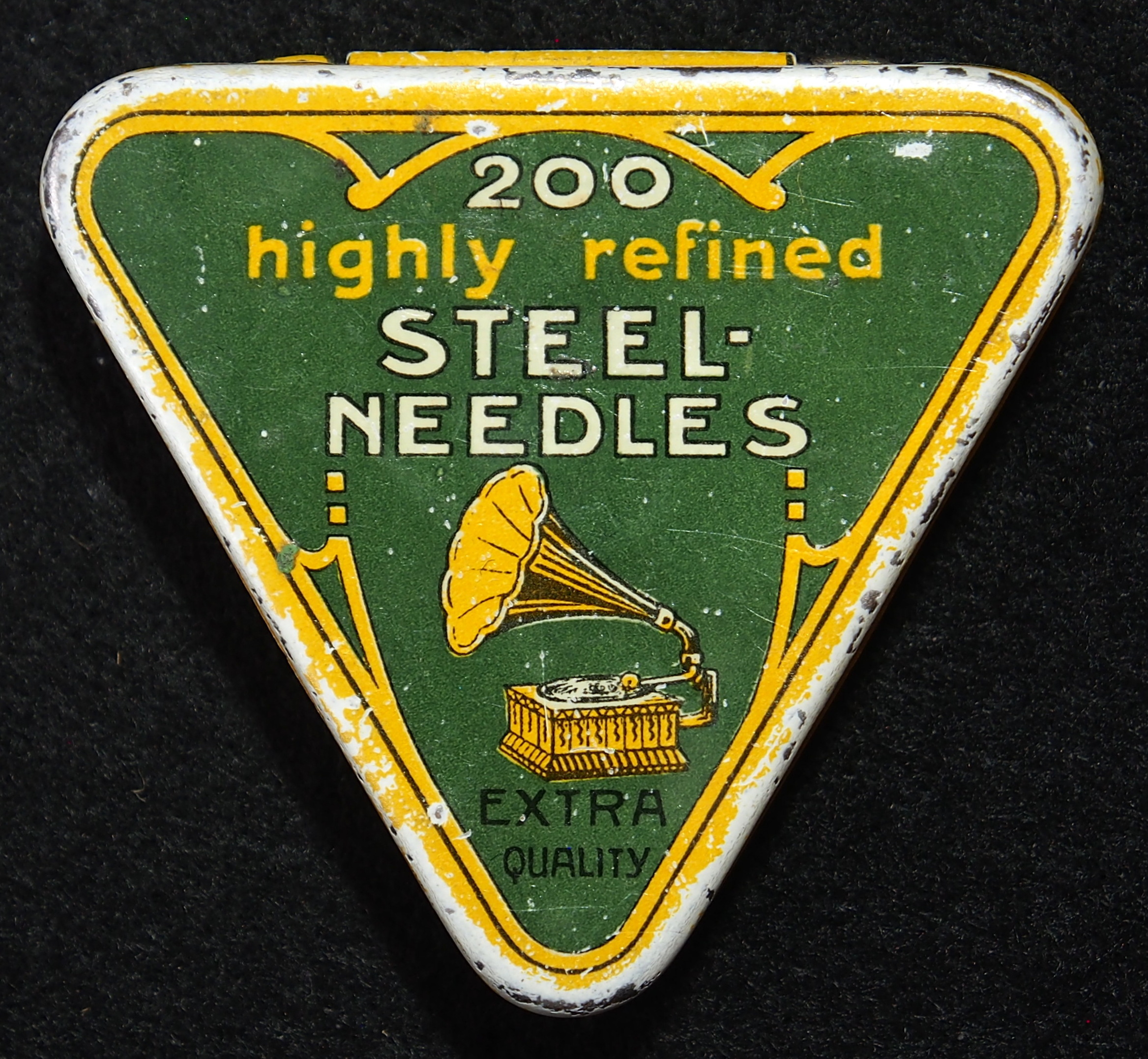
Steel needles were changed constantly – frequently after a single side – because a worn point damages the record it is tracking.
Not applicable in the same way.
This is the part that surprises people and it is strictly mechanical. The needle is softer than it needs to be on purpose, so that it wears instead of the record, which means a box of needles was a standing household expense and a blunt needle was a recognised act of carelessness.
8. Records Were Heavy and They Broke
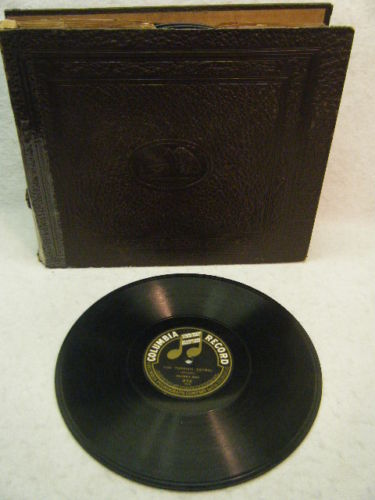
Early discs were thick, brittle and heavy, and a dropped record shattered.
Durable vinyl and then no physical object at all.
The fragility shaped how the things were owned. A record was a breakable object stored upright in a sleeve, carried carefully, and permanently lost if dropped – so a household’s collection was both an investment and a hazard, and the surviving ones survived because somebody was careful for sixty years.
9. A Record Held About Three Minutes
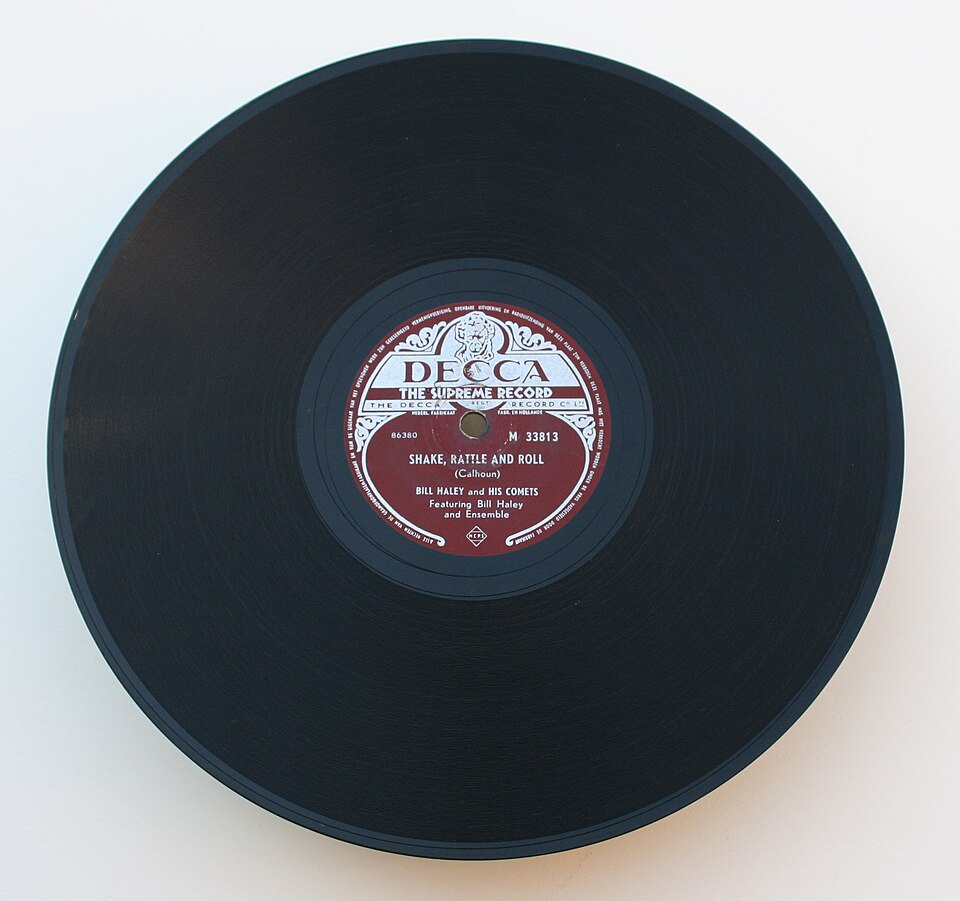
The physical length of groove on one side of a disc set a hard limit, and music was written, arranged and cut to fit it.
The limit is gone, and its effects on popular music are permanent.
This is the most consequential accident in the history of popular music. A technical constraint about how much groove fits on a disc produced the three-minute song, and the three-minute song outlived the constraint by a century – which is the clearest example I know of a format shaping an art form.
10. Playing It Was a Decision
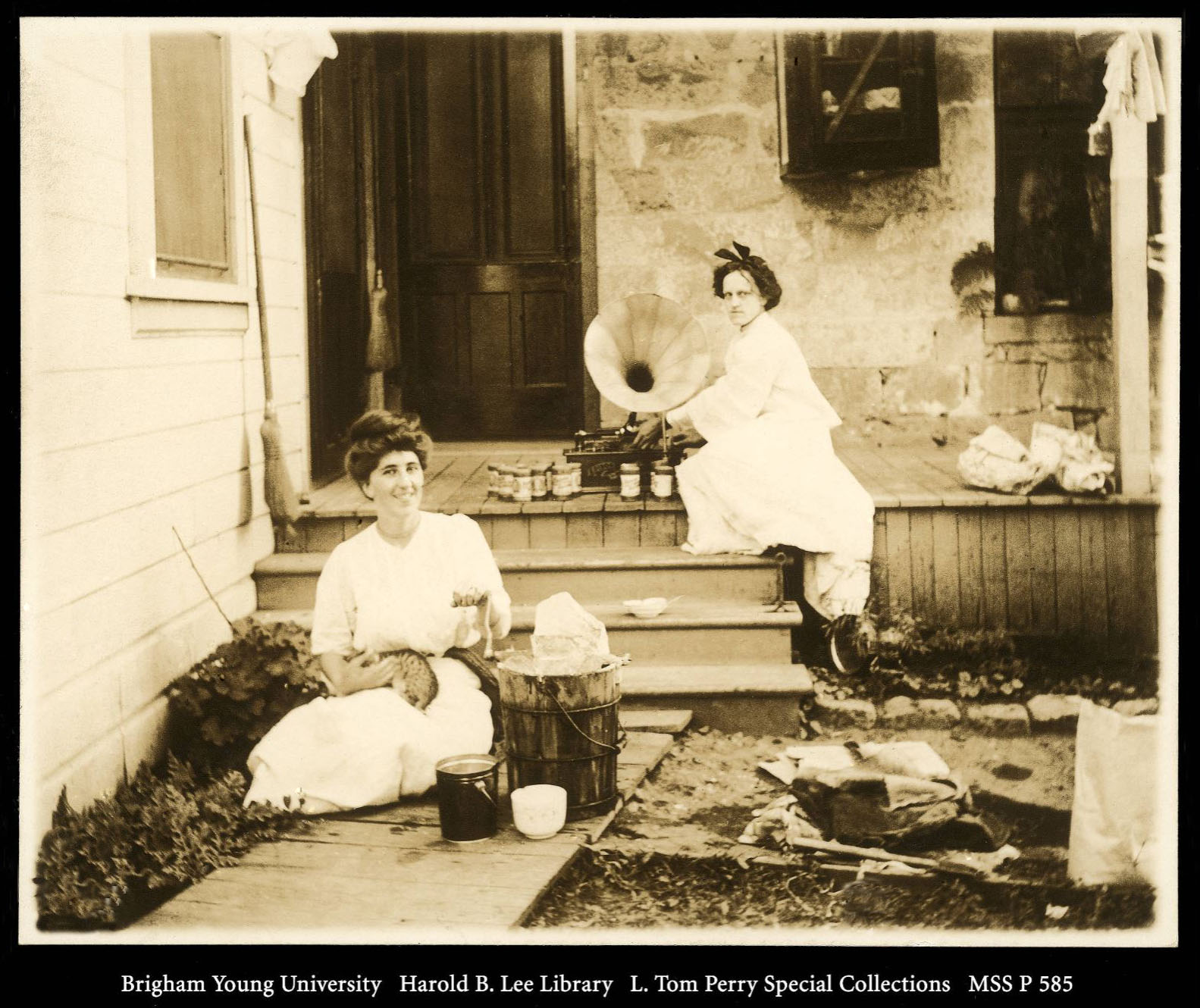
Somebody chose a record, took it out of its sleeve, wound the machine, set the needle, and stood there – and three minutes later it stopped and had to be done again.
Continuous playback with no effort at all.
The effort involved is why listening was an event rather than a background. A medium requiring a deliberate act every three minutes cannot be ignored, which means people sat and listened to music in a way that became impossible the moment it could run unattended.
11. It Brought Voices Into Houses That Had Never Heard Them
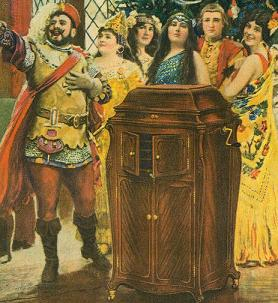
A household that had never been to a city, a theatre or a concert could hear a professional singer, a full band or a comic performer in its own parlour.
Universal and unremarkable.
The reach is the thing to sit with. For most of history the only music anybody heard was music made by people in the room, and within one generation a farm family could hear the best performers alive – which changed what people expected music to sound like and what they thought of their own playing.
12. It Changed What People Played Themselves
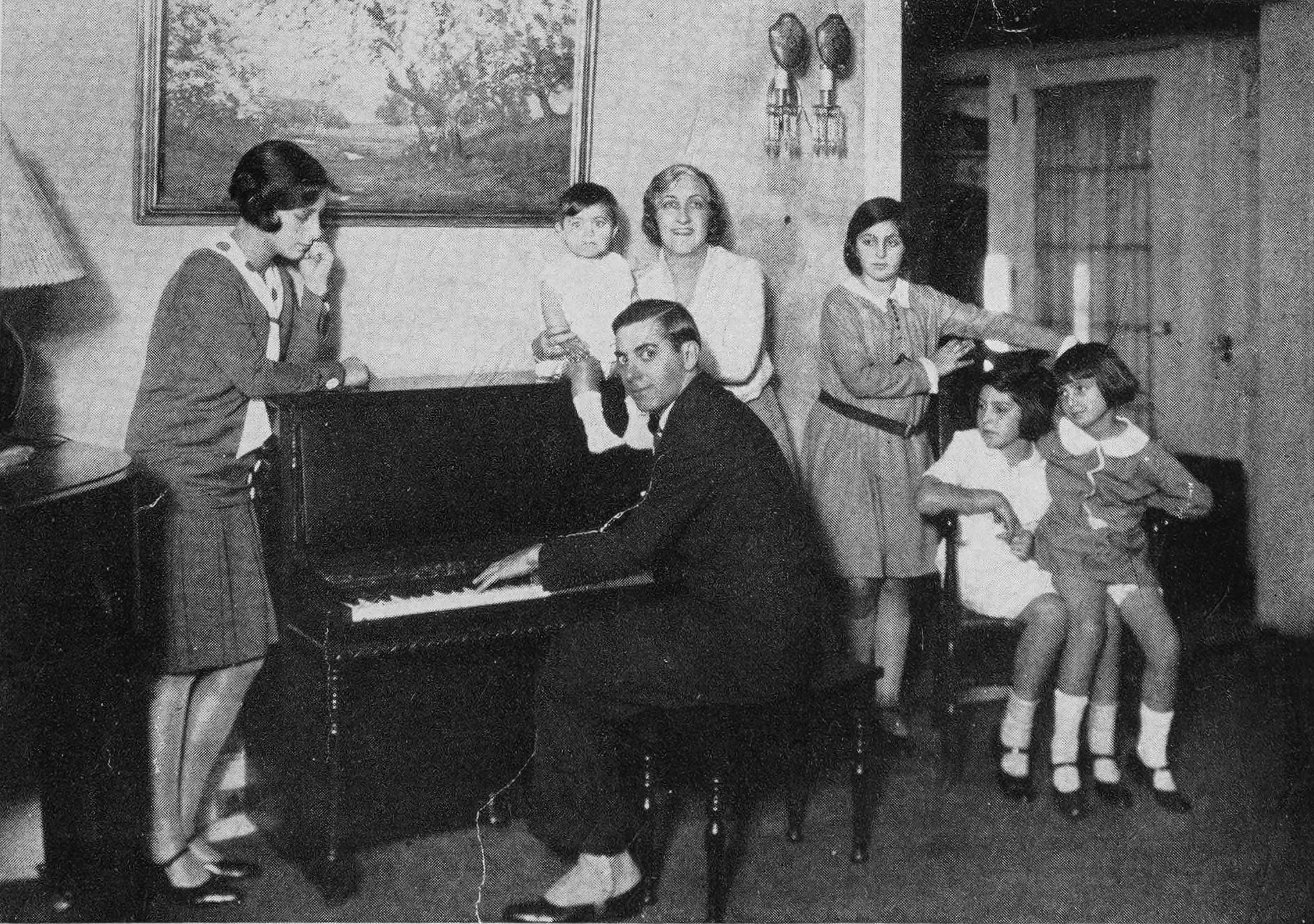
Comparison with a recording raised the standard a household applied to its own singing and playing, and some people simply stopped.
The same effect, universally.
This is the cost side and it deserves stating honestly. Home music-making was the norm because there was no alternative, and a machine that supplies a professional performance on demand competes directly with an amateur one – so the phonograph both democratised listening and discouraged a great deal of participation.
13. The Cabinet Model Turned It Into Furniture
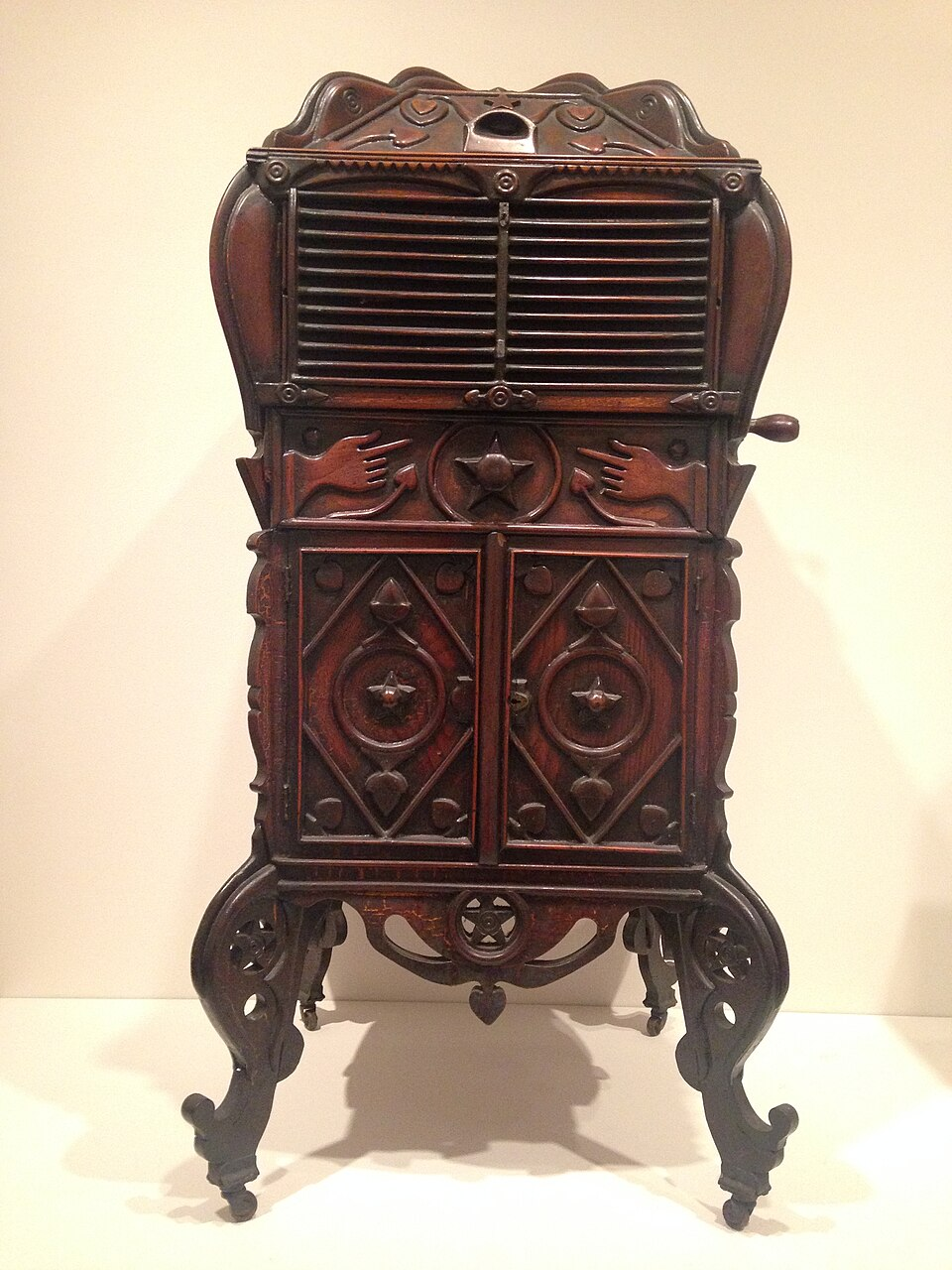
Later machines put the horn inside a wooden case with doors, so the apparatus looked like a piece of parlour furniture rather than a device.
Equipment is designed to be invisible.
The furniture phase tells you what was being sold and it was not fidelity. An enclosed horn is acoustically worse than an exposed one, and manufacturers did it anyway because a household wanted the thing in its best room to look like furniture – which is a commercial decision winning over an engineering one.
14. Then Electricity Changed Every Part of It
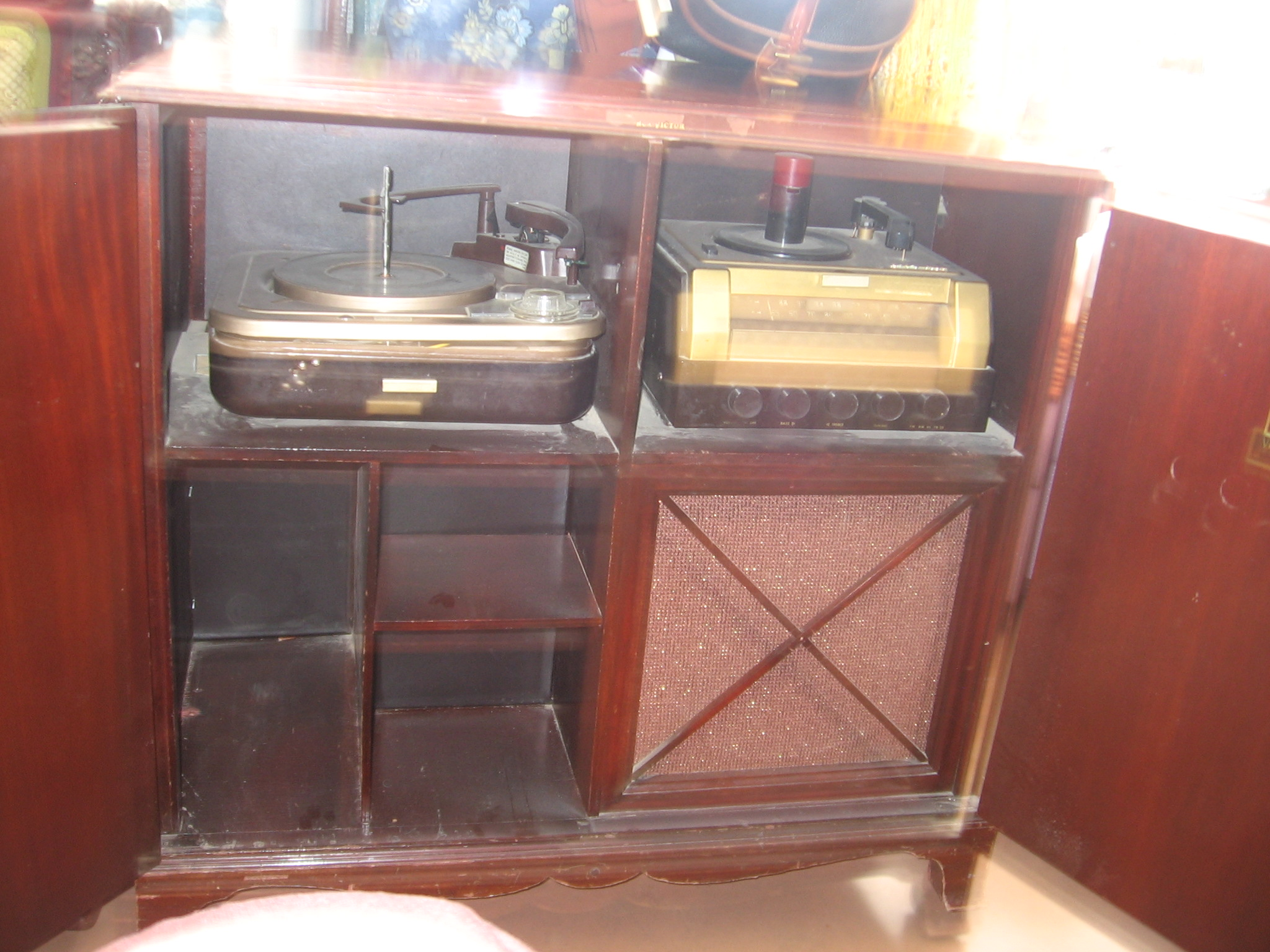
Electrical recording, electrical amplification and an electric motor replaced the acoustic horn, the mechanical cutter and the spring.
Standard.
Electrification is the end of the acoustic era and the beginning of everything after it. A microphone picks up far more than a horn can, an amplifier can be as loud as you like, and a motor runs at constant speed – so the sound got better in every dimension at once and the old machines became worthless overnight.
15. Then Radio Made Music Free
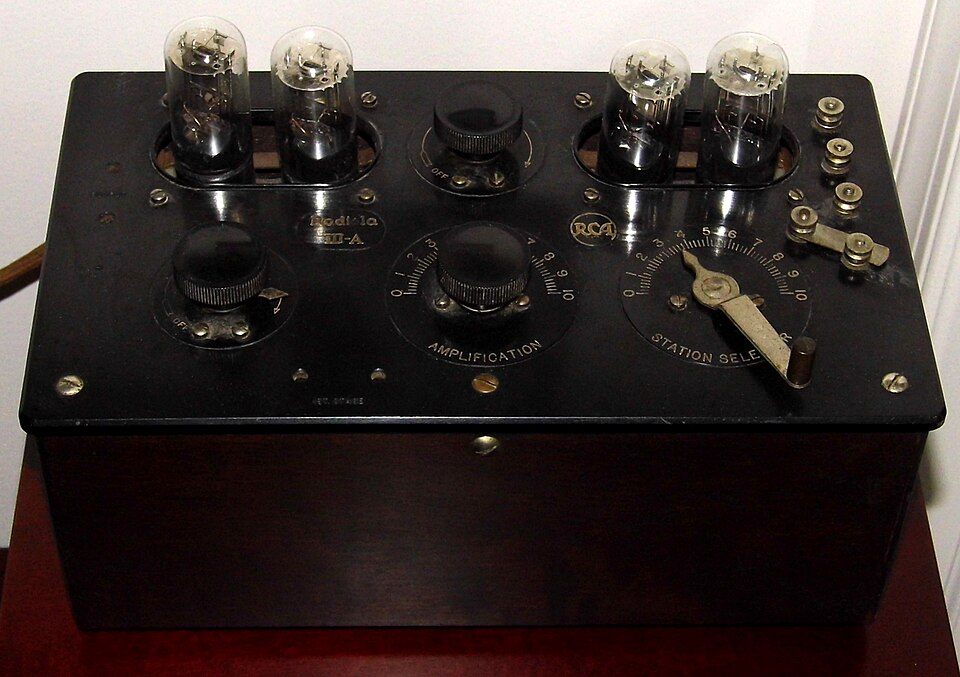
A receiver supplied continuous professional music and speech at no cost per use, with nothing to buy, wind, change or break.
The same logic drives streaming.
Radio is the real competitor and the economics were decisive. Against a device that plays all evening for nothing, a machine that requires a purchased object, a wound spring and a new needle every three minutes has very little to offer – and recorded sound only recovered once records became cheap, durable and long-playing.
16. And by 1964 the Acoustic Machines Were Attic Objects
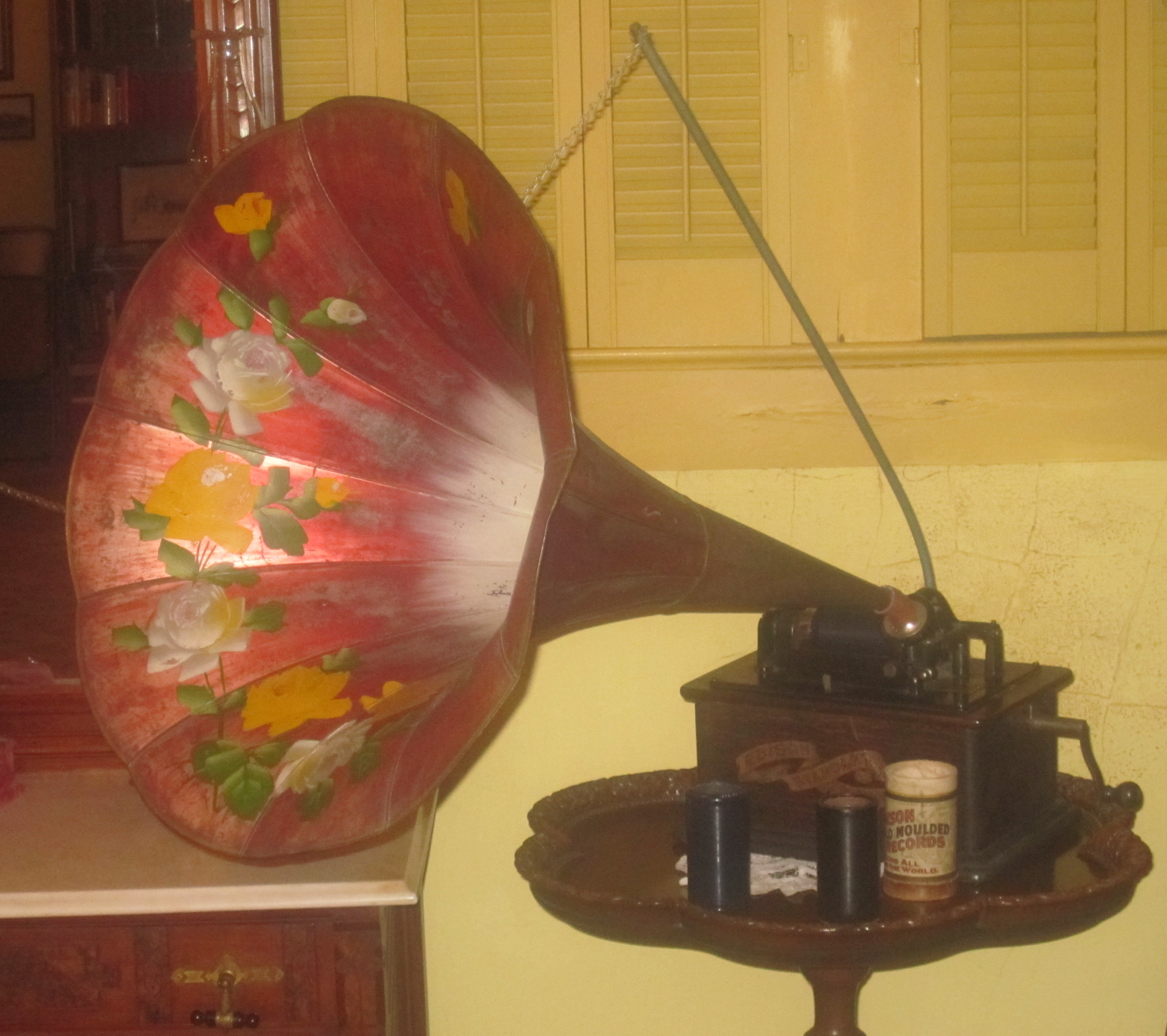
Spring-wound horn phonographs had been obsolete for decades, the records were unplayable on modern equipment, and both had become collectables.
Collected, restored and played by enthusiasts.
And what deserves the last word is the size of the change these machines made. Before them, every piece of music any American ever heard was played by somebody present. After them, a farm family in a house with no electricity could hear the finest singer in the country, on a machine driven by a clockwork spring, through a horn, in their own parlour – and they had to get up every three minutes to do it again. That is not a small improvement in entertainment. It is the moment music stopped being something you had to be present for, and it arrived in the countryside before electric light did. The cost was that a great many people stopped singing, because it is hard to keep playing badly when something in the corner can play well. Both halves of that happened at once, and the second one is rarely counted.
Music Stopped Being Something You Had to Be Present For
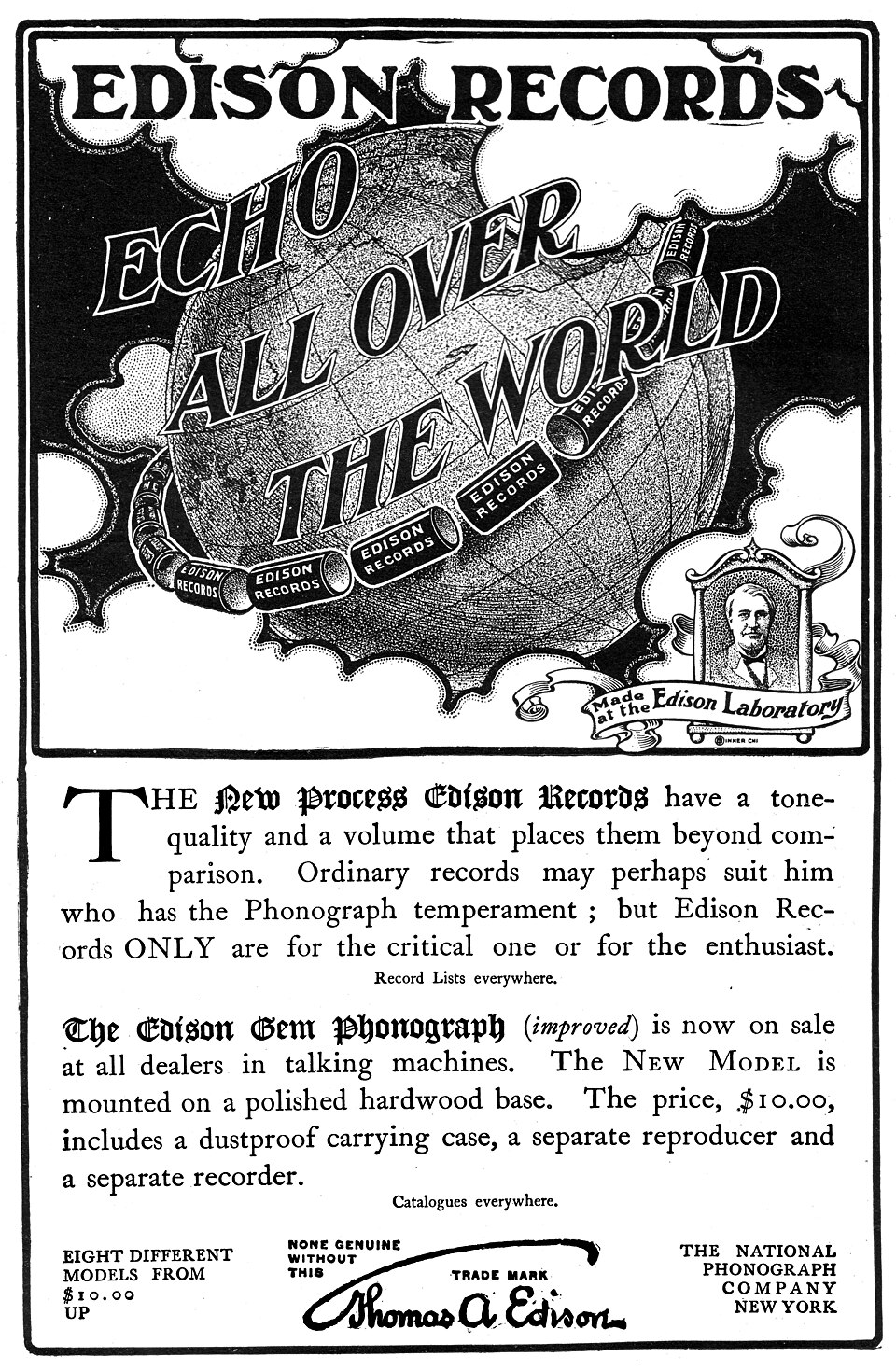
The phonograph gets filed with the music box and the player piano, and it does not belong there. The difference is the whole point.
A music box plays a pattern of pins. A player piano reads a punched roll. Both reproduce an arrangement that somebody encoded mechanically. A phonograph reproduces the sound itself – an actual performance that happened in a room, voice included. Which means that for the first time a household could hear a particular singer rather than a rendering of their song.
And the mechanism is almost unbelievably direct. Sound vibrates a diaphragm, which moves a cutting point, which scratches a wavy line. Running a needle back along that line vibrates the diaphragm again and remakes the sound. The groove is a drawing of the air pressure. There is no code and nothing electrical, which is why everybody understood it immediately.
Two engineering facts explain the machine’s reach.
It needed no power. A wound spring turned it and a horn made it audible, so it could go anywhere – which is why recorded sound arrived in rural American houses decades before electric light did.
And the horn was doing the hardest work in the device. A vibrating diaphragm moves very little air; a room is a great deal of air. Coupling the two is an acoustic matching problem, and the shape and length of the horn is the solution. Which is why horns were enormous, and why hiding one inside a cabinet made the sound worse.
The practical business of using one shaped how people listened.
The spring had to be rewound, and a machine running down lowered the pitch and dragged the tempo audibly – so a record going flat and slow was the sound of somebody forgetting, and everybody knew it. Steel needles wore out constantly, often after one side, because the needle is deliberately softer than it needs to be so that it wears instead of the record. A box of needles was a standing expense and a blunt one was carelessness. And the records themselves were thick, brittle and heavy: stored upright, carried carefully, permanently gone if dropped.
Discs beat cylinders for reasons of manufacturing rather than sound. A cylinder is awkward to duplicate, store and post; a disc can be stamped out by the thousand and shipped flat. The entire record industry follows from that one geometric advantage.
Then the single most consequential accident in the history of popular music. The physical length of groove on one side of a disc set a hard limit of about three minutes, and music was written, arranged and cut to fit it. The three-minute song is a consequence of how much groove fits on a disc, and it outlived the constraint by a century.
Playing one was a deliberate act: choose a record, take it from its sleeve, wind the machine, set the needle, and three minutes later do it again. A medium that demands attention every three minutes cannot be background, which means people sat and listened in a way that became impossible once music could run unattended.
Now the consequences, which cut both ways.
For almost all of history, the only music anybody heard was made by people in the room. Within one generation, a farm family could hear the best performers alive, in their own parlour. That changed what people expected music to sound like.
It also changed what they played themselves. Home music-making had been the norm because there was no alternative, and a machine supplying a professional performance on demand competes directly with an amateur one. So some people simply stopped. The phonograph democratised listening and discouraged a great deal of participation, and the second half is rarely counted.
The later history is quick. Cabinet models put the horn inside a case with doors, which is acoustically worse and was done anyway because households wanted furniture rather than apparatus – commerce beating engineering. Then electrical recording, amplification and an electric motor replaced the horn, the mechanical cutter and the spring, and improved everything at once. Then radio supplied continuous professional music for nothing, which beat a machine needing a purchased record, a wound spring and a new needle every three minutes.
So by 1964 these were attic objects.
But the change they made was enormous, and the honest summary has two halves. Music stopped being something you had to be present for – delivered to a house with no electricity, by a clockwork spring, through a horn.
And a great many people stopped singing, because it is hard to keep playing badly when something in the corner plays well.
If there is a crank-wound machine in your family’s attic, the needles were meant to be thrown away.
Whatever is in it now has been chewing up records for ninety years.
Like our content? Follow us for more.