A basket has no fastenings at all. It holds together entirely by tension.
No nails, no glue, nothing attached to anything. The upright stakes are held by the weavers and the weavers are held by the stakes, and the whole object stays rigid because every part is under strain against every other part – which is why a well-made one lasts for decades.
The material came off the place: white oak split along the grain, willow, hickory, split ash, whatever grew nearby and could be worked. And the splitting was the real skill, because a sawn strip has cut fibres and breaks when bent while a split one follows the grain so the fibres run unbroken end to end. Getting a split to run true along a length of wood is a learned feel rather than a procedure. Here are sixteen things every farm knew.
1. A Basket Is a Container Made Entirely of Tension
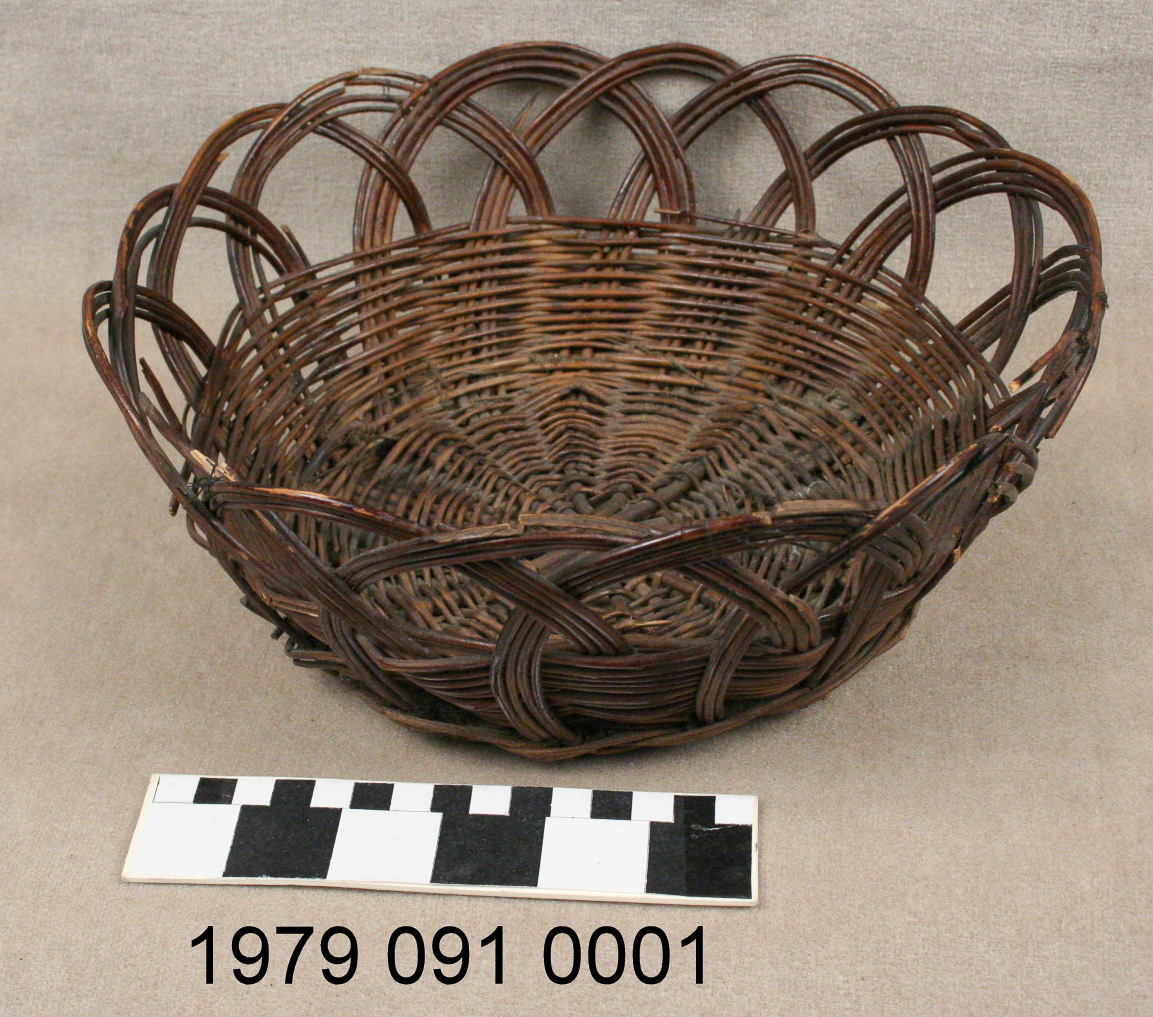
There are no nails, no glue and no fastenings. The structure holds together because every element is bent and pressed against the others under load.
Moulded plastic and manufactured containers.
Start with the structural principle, because it explains why a well-made basket lasts for decades. Nothing in it is attached to anything – the stakes are held by the weavers and the weavers are held by the stakes, and the whole thing stays rigid because every part is under strain against every other part.
Like our content? Follow us for more.
2. The Material Came Off the Place
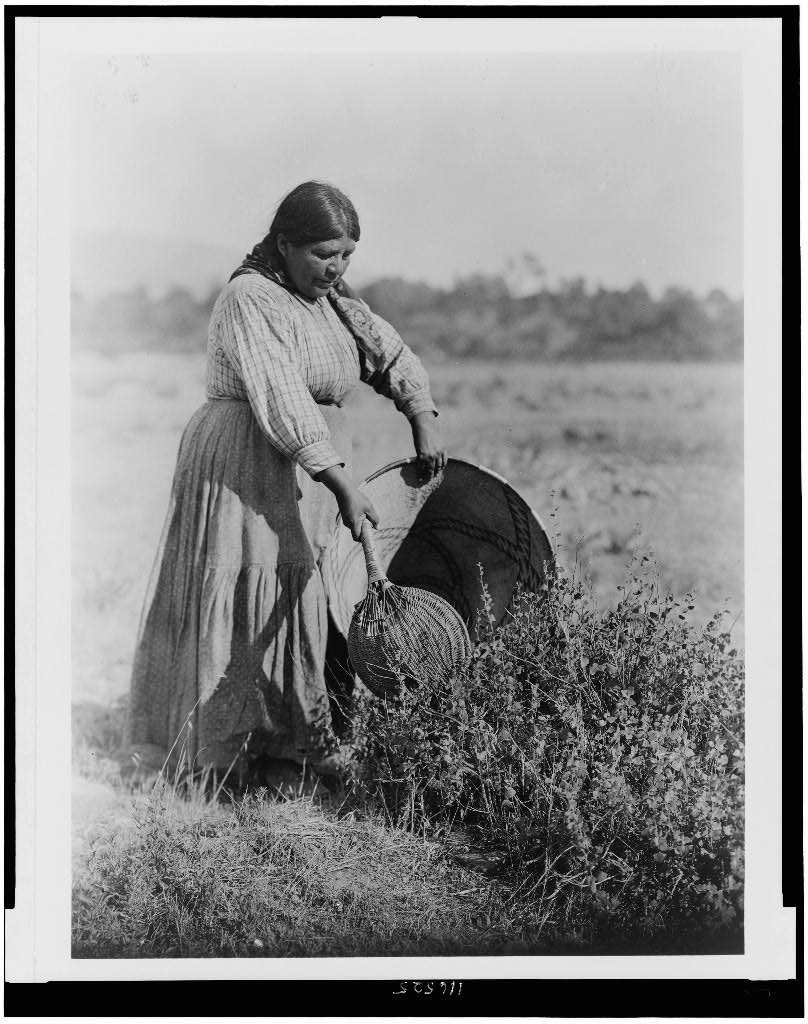
Baskets were made from white oak split along the grain, from willow, from hickory, from split ash, and from whatever else grew nearby and could be worked.
Imported materials and synthetics.
Local material is what made the craft universal and also what made it regional. A basket is made from whatever bends and splits well within walking distance, which means the shapes and the techniques varied from district to district according to what was growing there.
3. Splitting Along the Grain Was the Real Skill
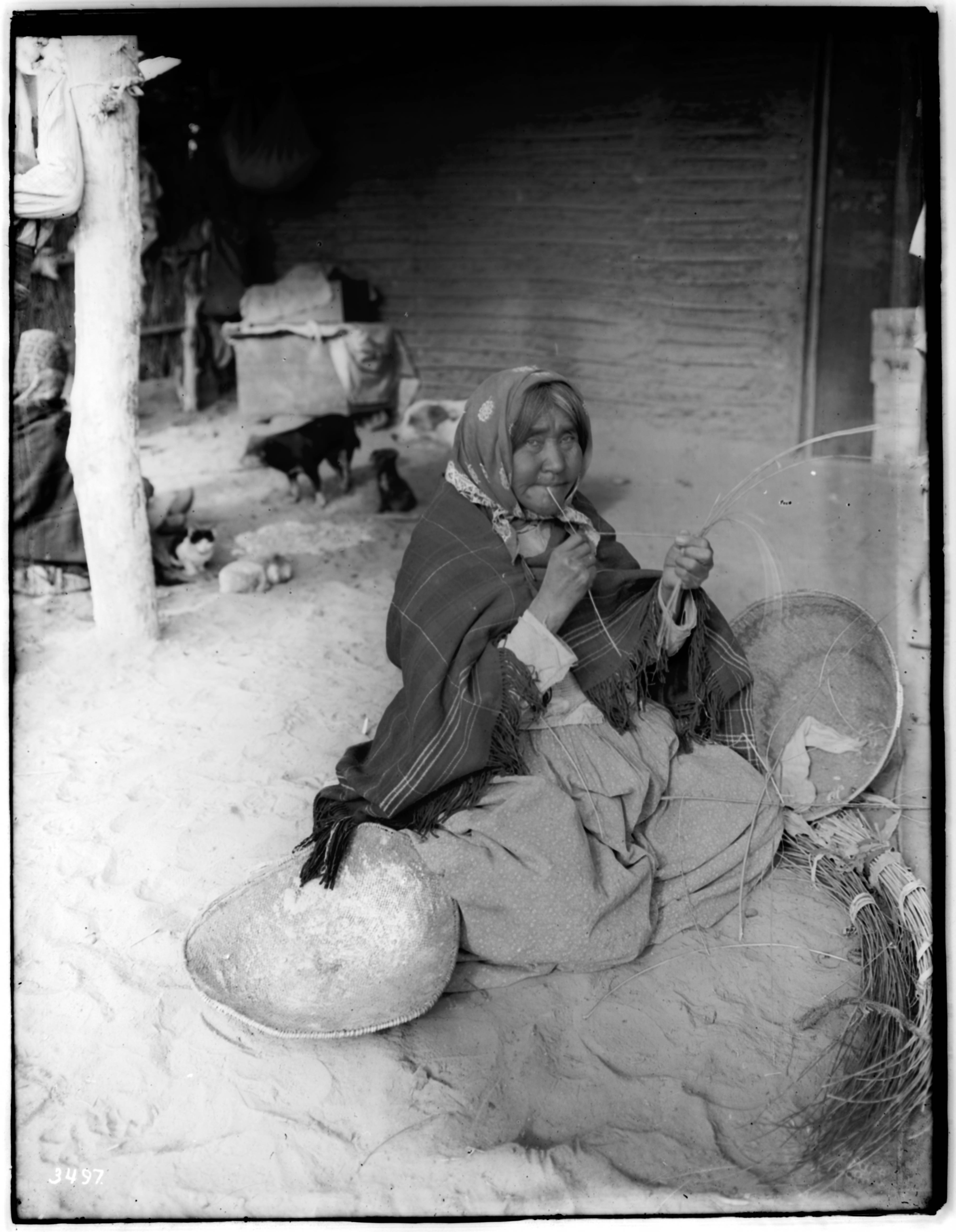
Oak and ash were reduced to thin flexible strips by splitting the wood along its natural lines rather than by cutting across them.
Machine-cut veneer and plastic strip.
The splitting is the part people underestimate and it is where the craft actually lived. A sawn strip has cut fibres and breaks when bent; a split one follows the grain so the fibres run unbroken from end to end, which makes it enormously stronger and flexible – and getting a split to run true along a length of wood is a learned feel rather than a procedure.
4. Soaking Made the Wood Bend Instead of Break
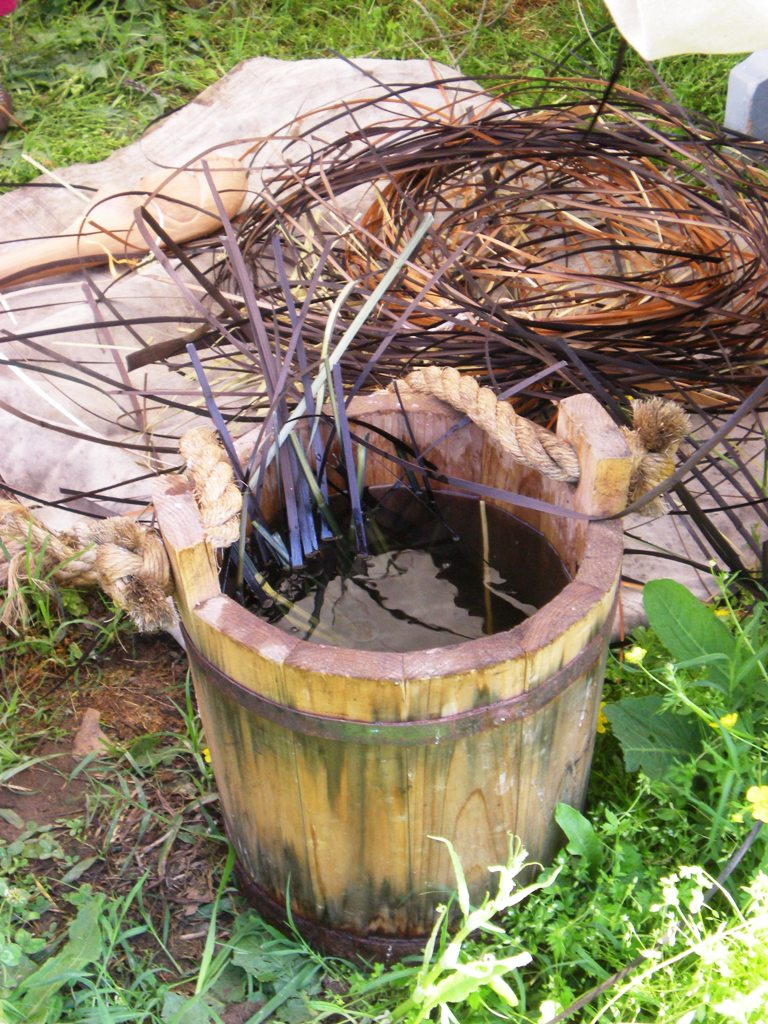
Splits and rods were kept wet while being worked, because dry wood of that thinness cracks and wet wood of the same thinness bends sharply without damage.
Not applicable in the same way.
Water is doing the work of a machine here. Soaked wood fibres slide past each other instead of tearing, which means a strip that would snap when dry can be bent round a sharp curve while wet and will hold that shape permanently once it dries – so the basket is formed wet and set dry.
5. The Shape Was Decided by the Job
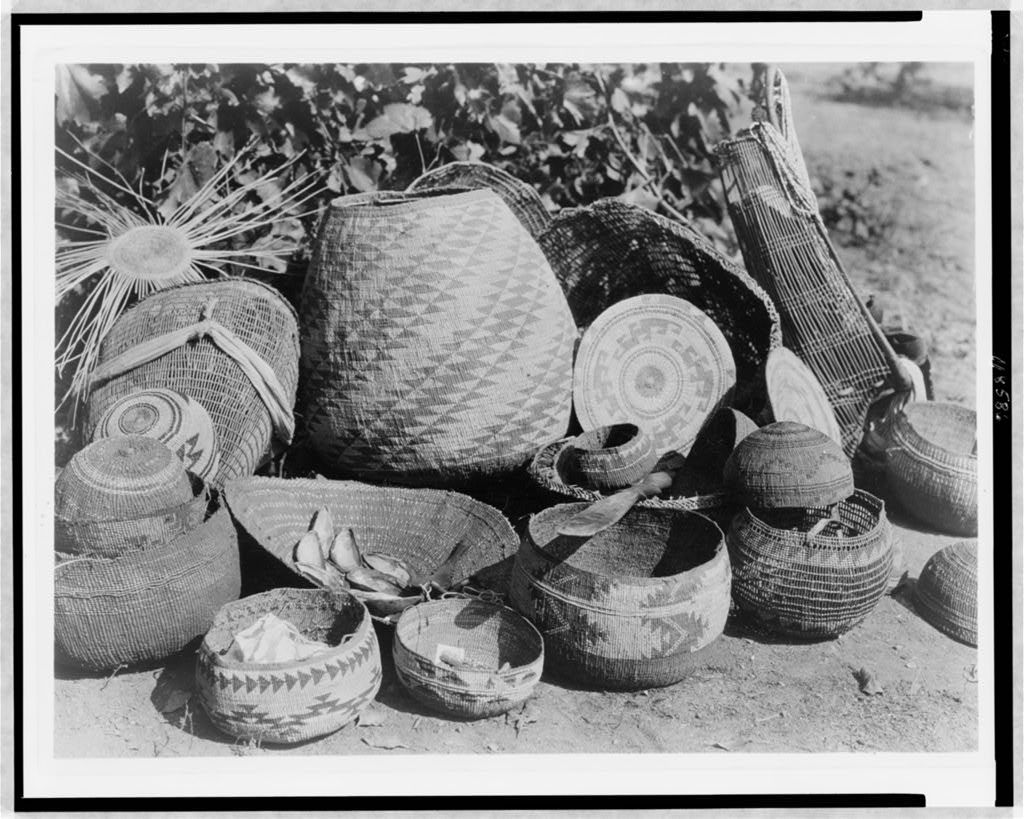
Field baskets, egg baskets, laundry baskets, market baskets, feed baskets and gathering baskets were different sizes with different weaves, different handles and different bottoms.
Not applicable in the same way.
The functional variety is the most interesting thing about the craft. A basket for eggs needs to be rigid and gentle; one for field crops needs to take weight and abuse; one for laundry needs to be light and large; one for carrying on a hip needs a flat side – so the differences between baskets are a catalogue of what people were carrying.
6. The Bottom Was the Hardest Part to Get Right
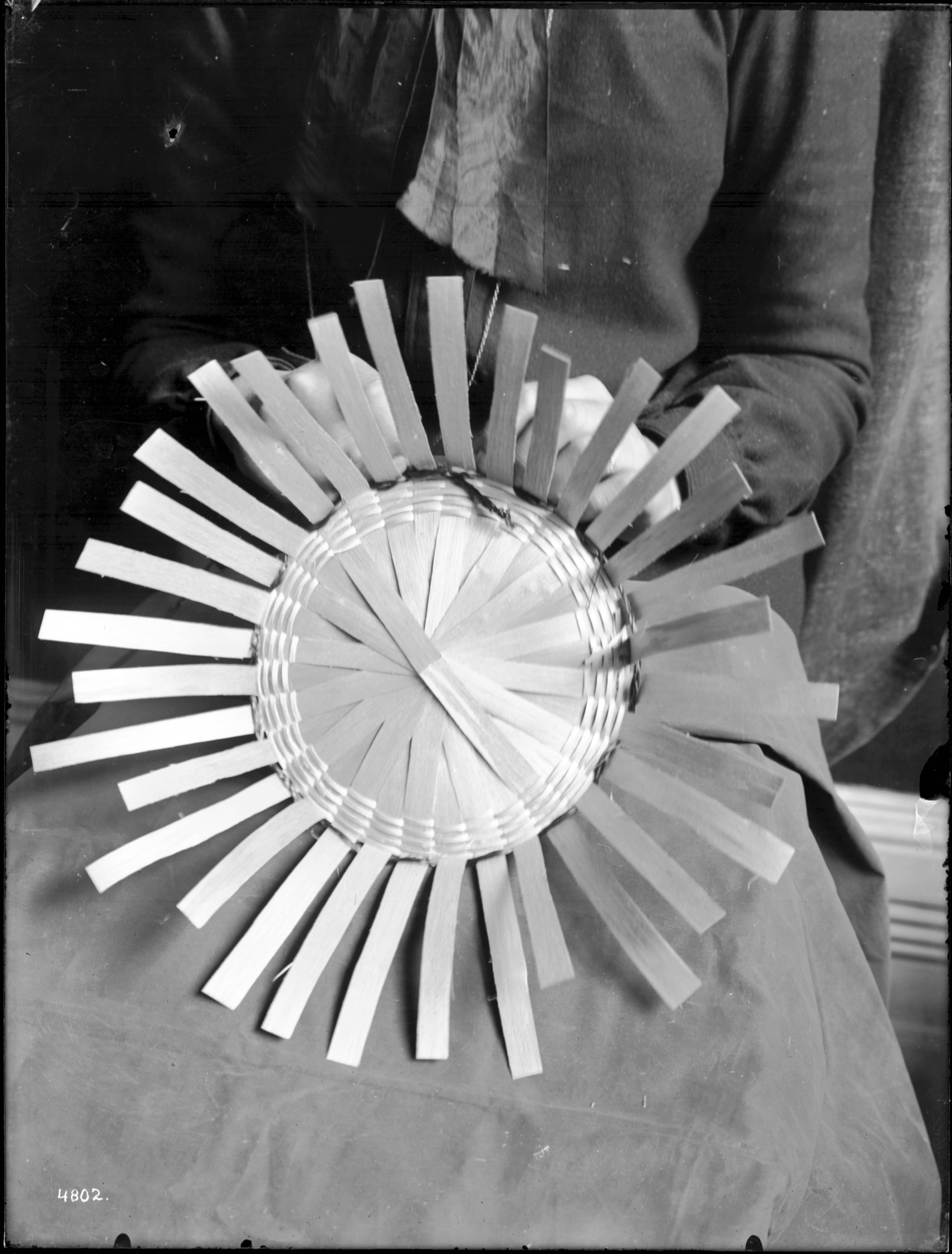
Starting a basket means establishing the base, and the arrangement of the first elements determines the shape, the strength and whether the thing stands level.
Not applicable.
Beginning is the difficult stage for the same reason that turning a heel is difficult in knitting. There is nothing yet holding anything in place, every element has to be positioned against resistance from the others, and an error at that stage propagates through the entire object and cannot be corrected later.
7. The Rim Was What Held Everything Together
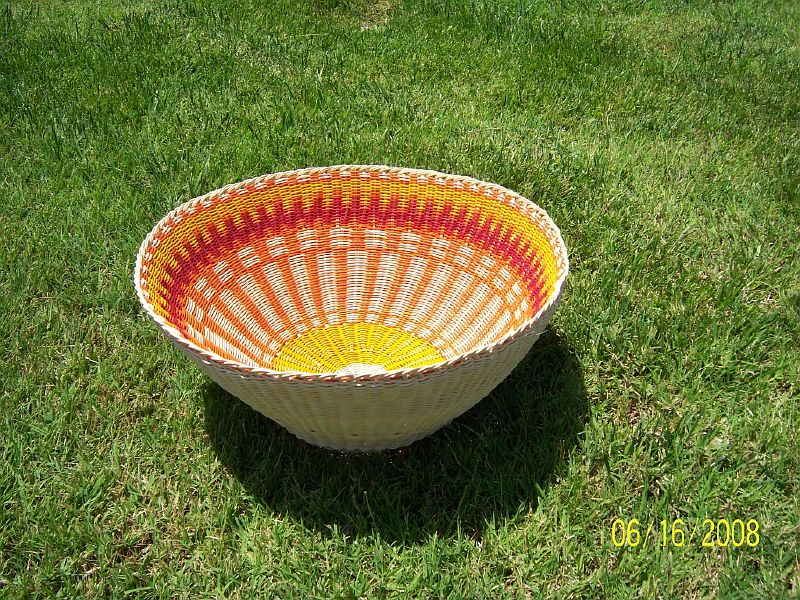
The upright stakes were bent over and locked under a rim of heavier material, lashed in place, which secures every element at once.
Not applicable.
The rim is the only thing in the whole object that could be called a fastening, and it is still only tension. Bending the stakes over and binding them under a hoop puts the entire structure in permanent compression – which is why a basket with a broken rim falls apart immediately and a basket with an intact rim survives being sat on.
8. The Handle Took All the Load and Was Built Accordingly
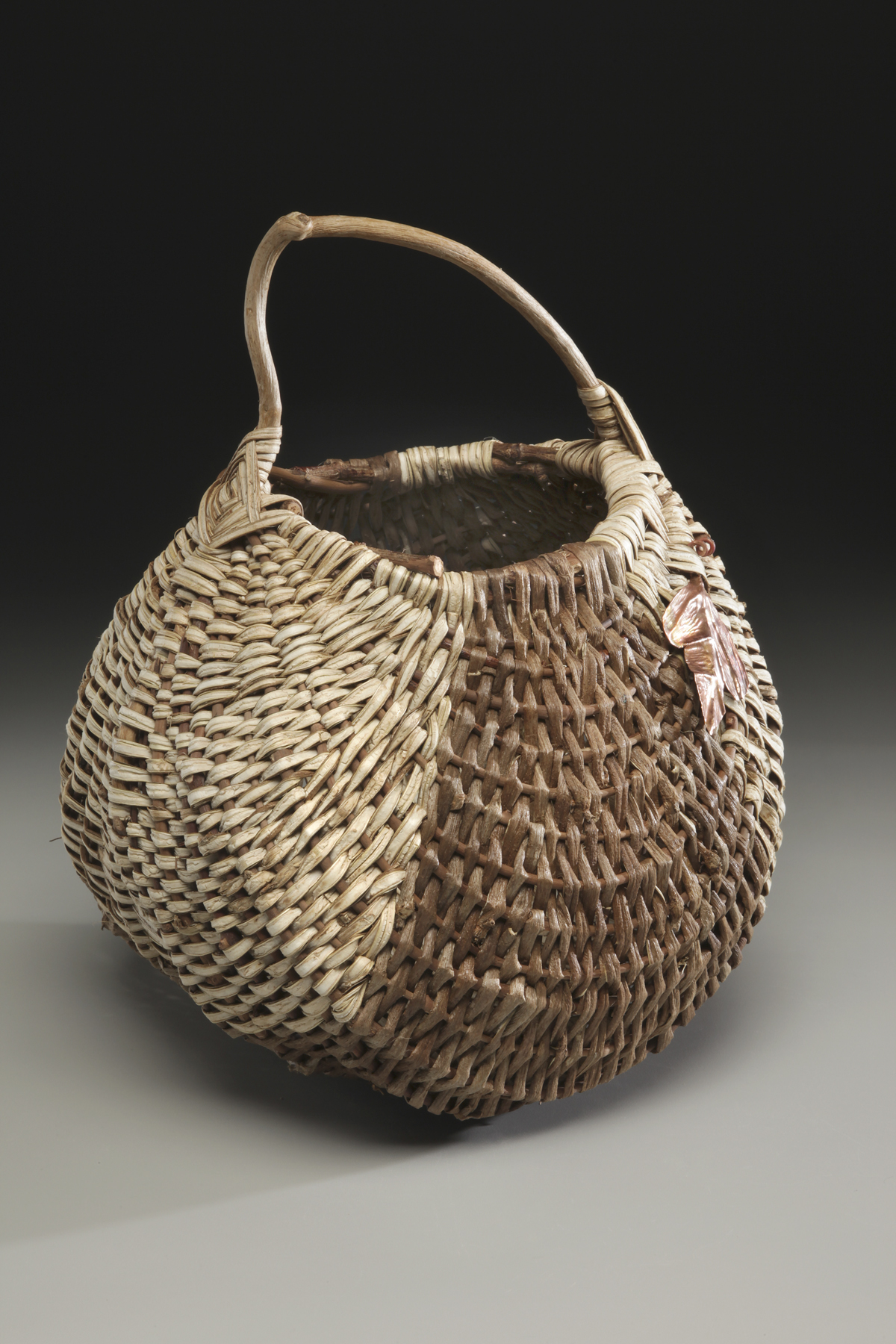
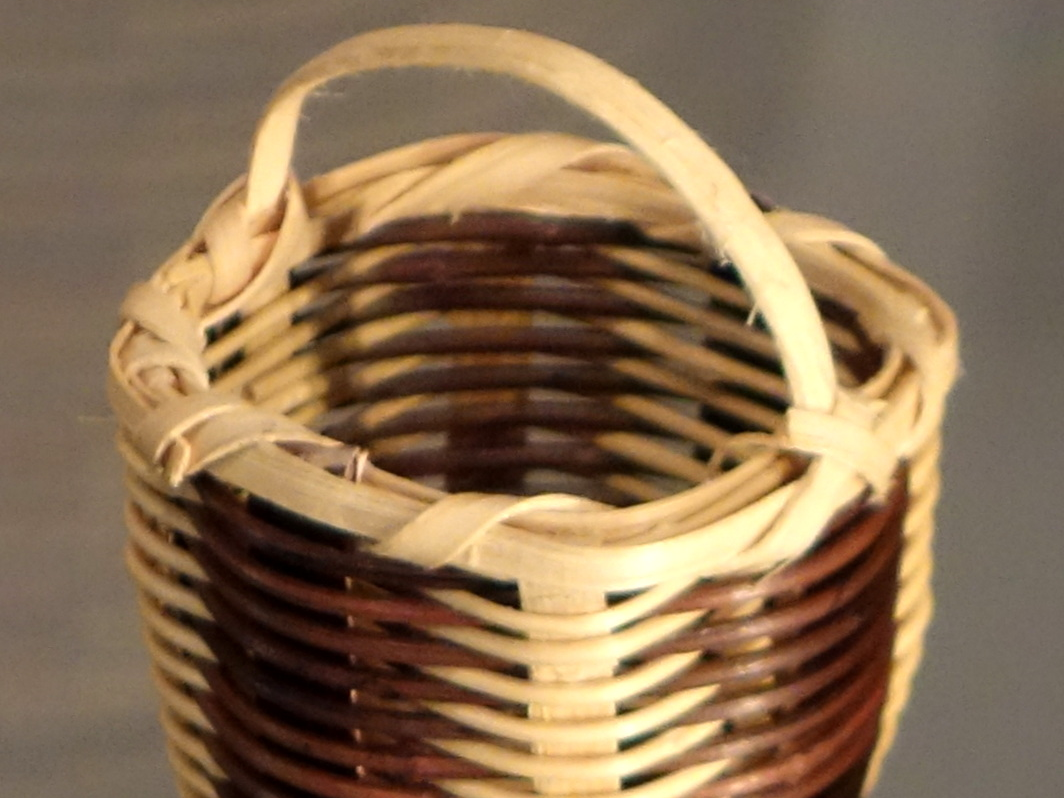
Handles were made of heavier stock, pushed deep down into the weave on both sides, and frequently wrapped or bound where they met the rim.
Not applicable.
The handle is where baskets fail and the construction reflects that. All the weight of the contents passes through two points, so a handle that is merely attached at the rim will tear out – which is why a good one runs down inside the body of the basket where the weave grips it along its whole length.
9. Field Baskets Were Treated as Disposable and Were Not
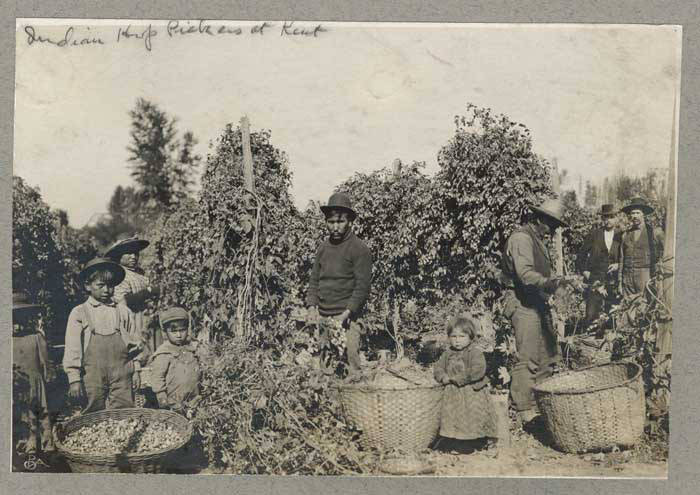
Baskets used for crops were thrown about, stacked, stood on, left in the weather and used until they came apart – which took years.
Not applicable.
The durability under abuse is what the tension structure buys. A container with no joints has nothing to come unglued, nothing to rust and nothing to crack at a fastening, so it degrades gradually rather than failing suddenly – and a basket that is going soft can still be used while a split plastic one cannot.
10. A Broken Basket Got Mended
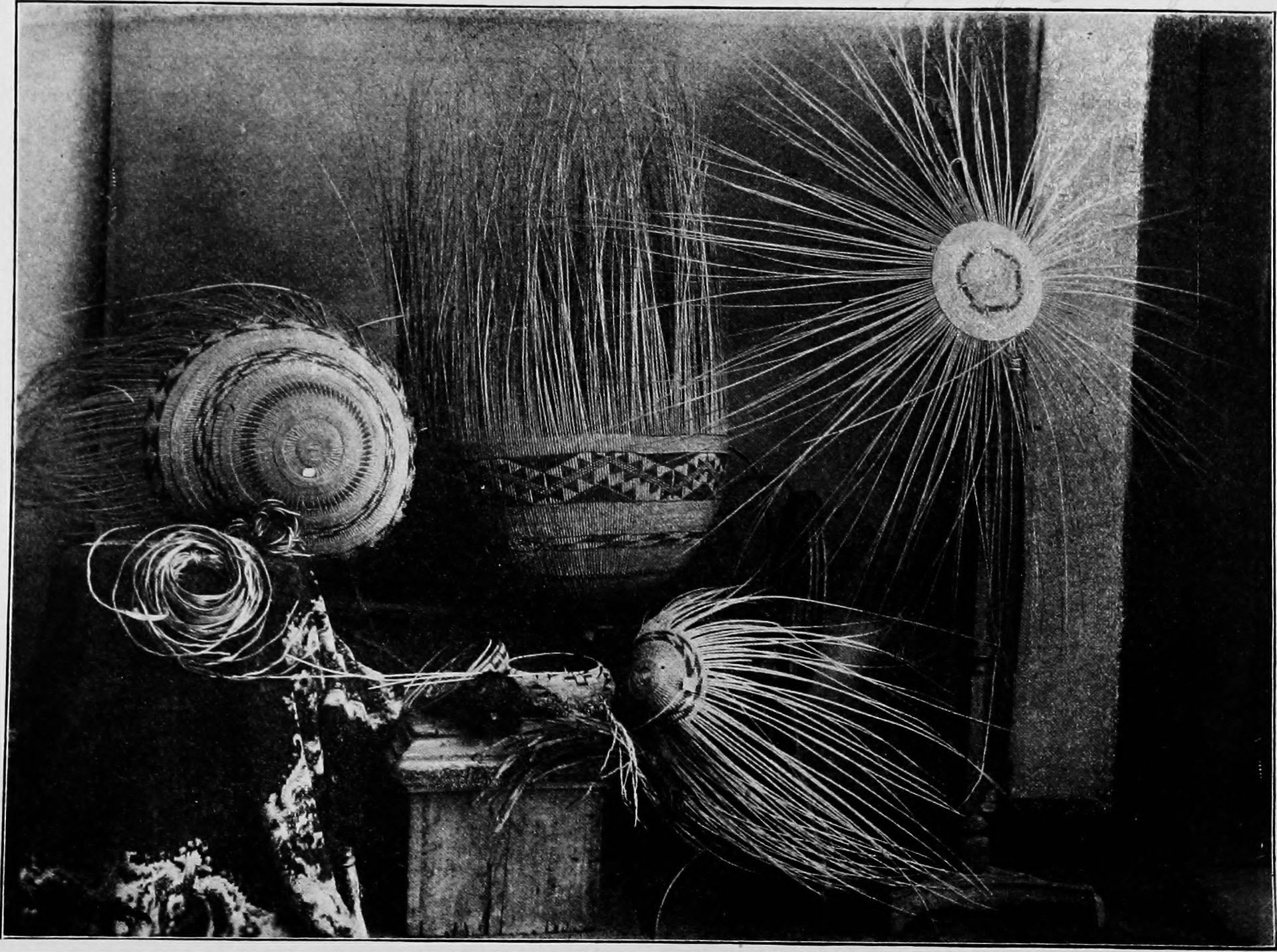
Individual broken weavers were replaced, rims were rebound and handles were rebuilt, because a basket is made of discrete replaceable elements.
Not applicable.
Repairability follows directly from the construction. Since nothing is permanently joined, any single element can be withdrawn and a new one woven in – which means a basket is the rare object where repair is genuinely as good as new rather than a patch.
11. Some People Made Them for Money
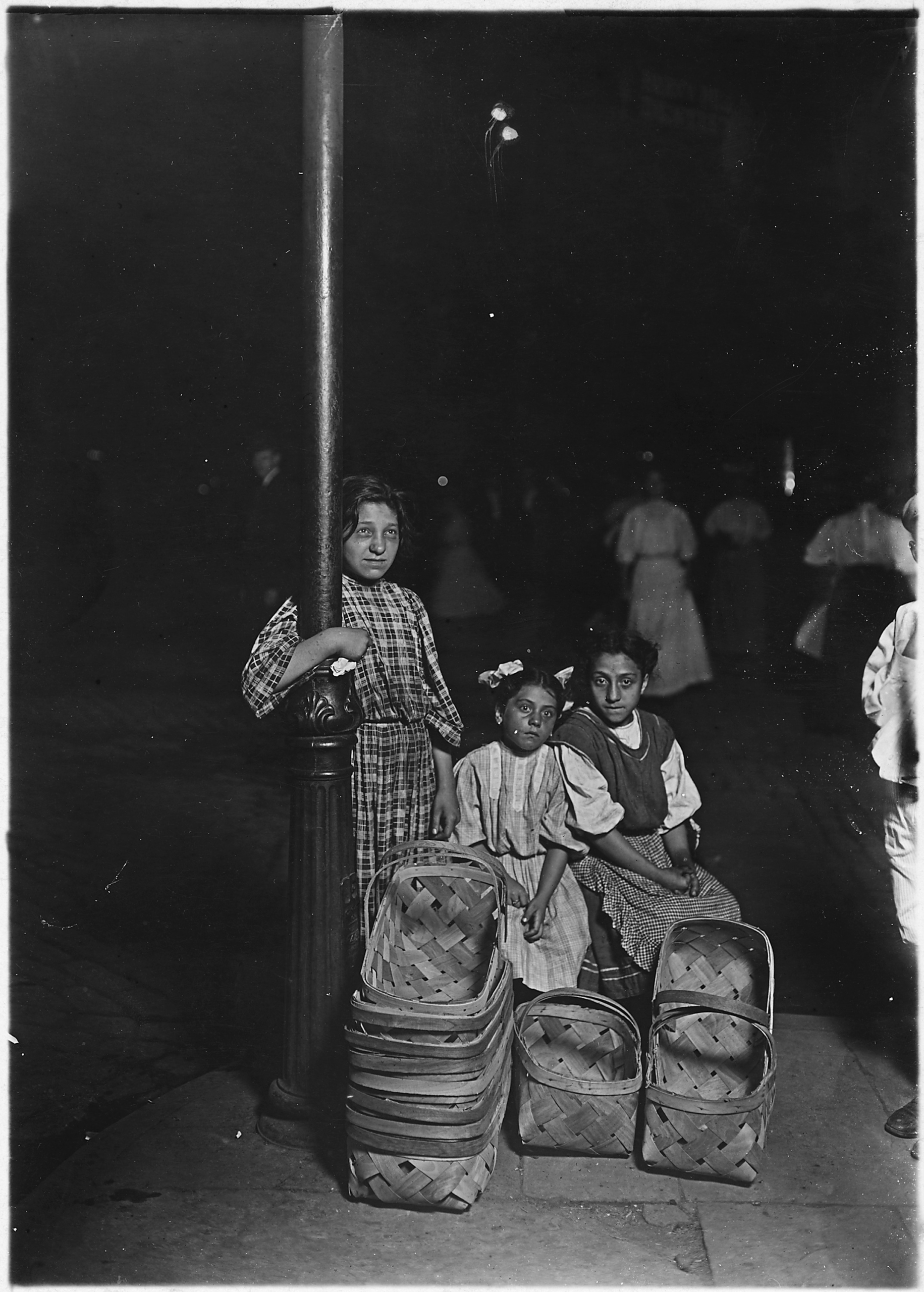
Basket making was a trade as well as a household skill, with makers supplying farms, markets and stores, and particular makers known by their work.
A specialist craft.
The commercial side matters because it is where the quality lived. A farm could make a serviceable basket; a maker who did it all day made better ones, faster, with a recognisable style – and a farm with cash frequently bought the ones that had to last and made the ones that did not.
12. It Was Taught by Doing, Never From a Description
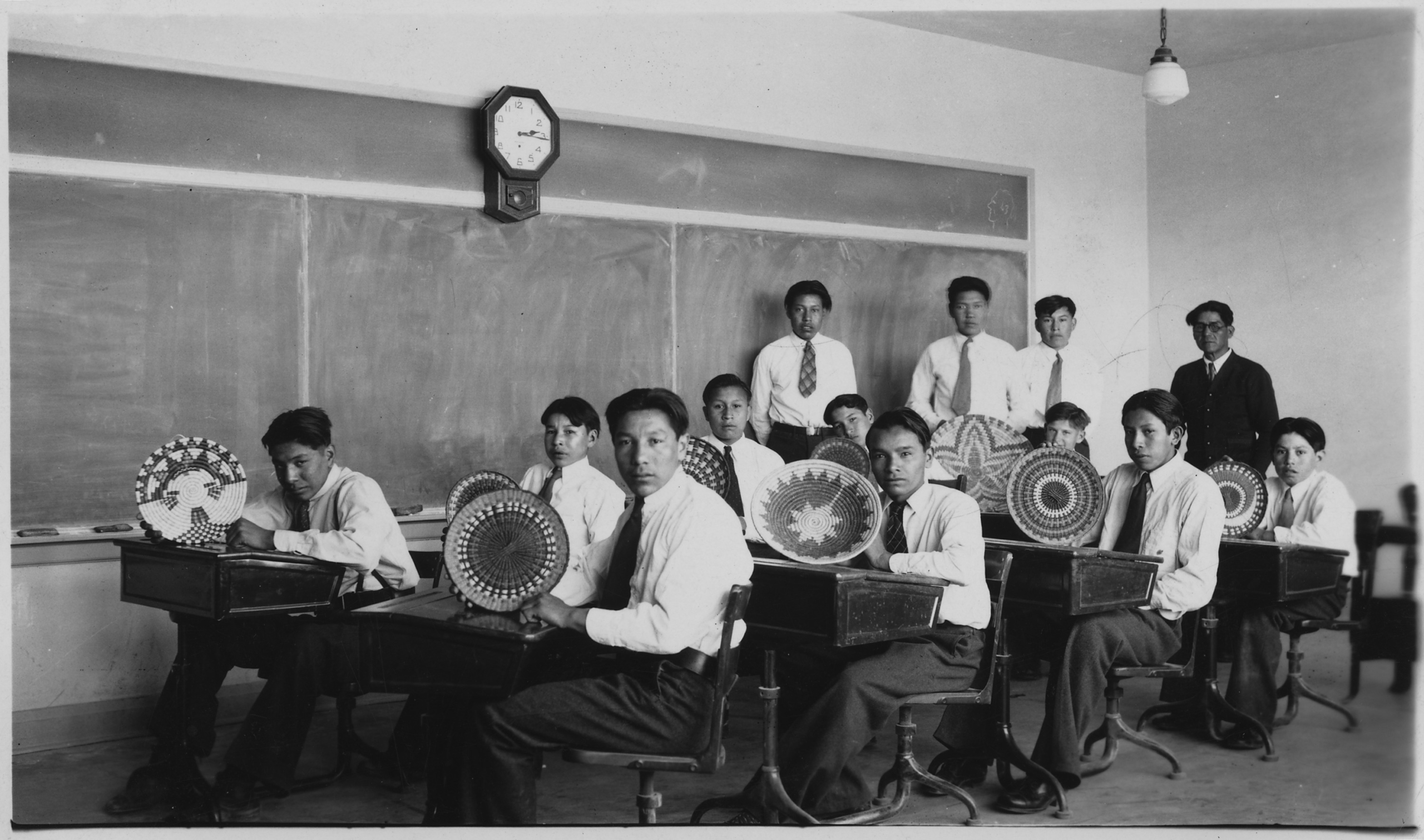
Basket making was learned by sitting beside somebody and copying, because the judgements about tension, spacing and when a split is right cannot be conveyed in words.
Taught in classes and from books and video.
The transmission problem is the same one that governs every craft in these files, and here it is particularly acute. Almost everything in basket making is a matter of how hard to pull and how far to space, both of which are felt rather than measured – so a written description produces a basket that is technically correct and structurally wrong.
13. The Bushel Basket Was Also a Measure
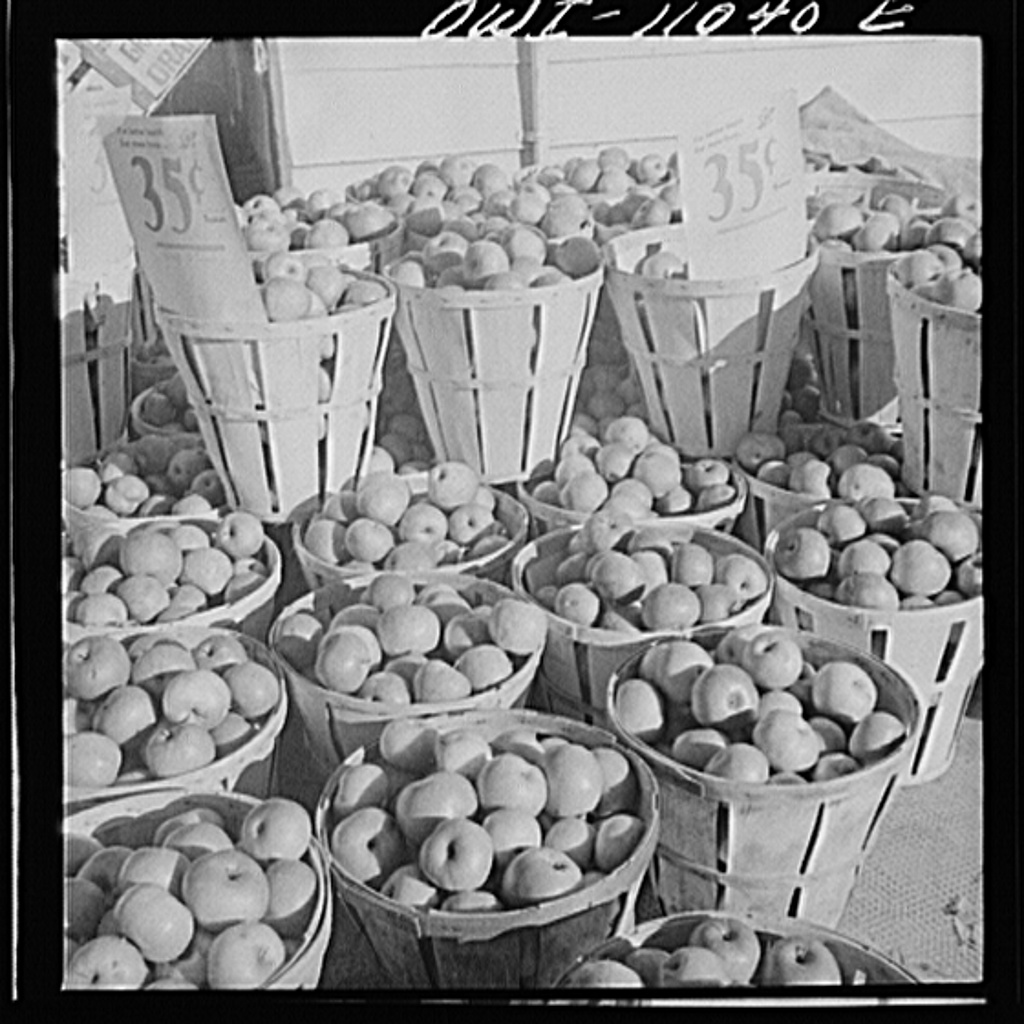
Field baskets were made to hold a standard quantity, which meant a basket was a unit of volume as well as a container and could be counted rather than weighed.
Weight and standardised packaging.
Doubling as a measure is a neat piece of practicality. If every basket holds the same amount, then counting baskets is measuring a crop, which means picking, hauling, paying and selling can all be done in the same units without anything being weighed.
14. Then the Crate and the Sack Took the Field Work
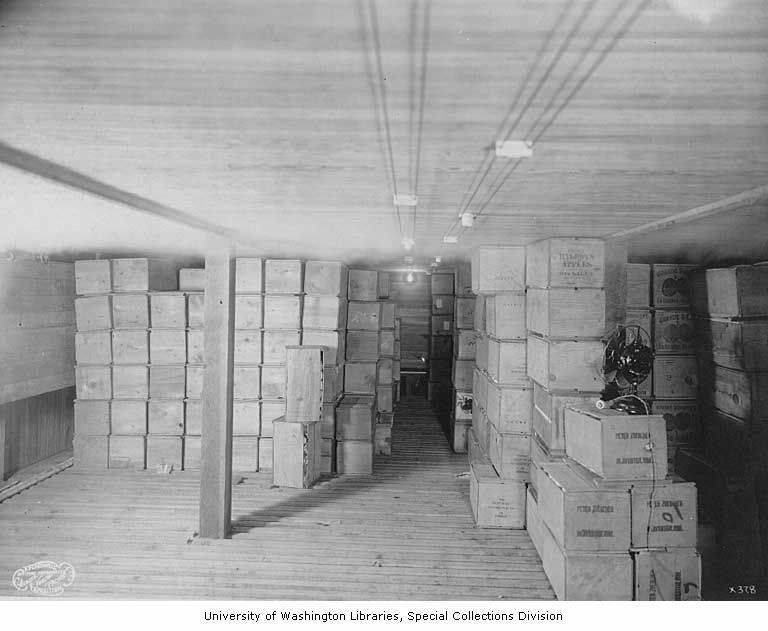
Nailed wooden crates, and then paper and burlap sacks, were cheaper to produce, stacked better in a vehicle and were not expected to come back.
Universal, and then replaced again by plastic and card.
The decisive advantage is that a crate is manufactured rather than made. A machine can produce nailed boxes in quantity at a price no hand weaver can match, and a container that nobody expects to return does not need to be durable at all – which beats a basket on cost while losing on everything else.
15. Then Plastic Took the Household Work
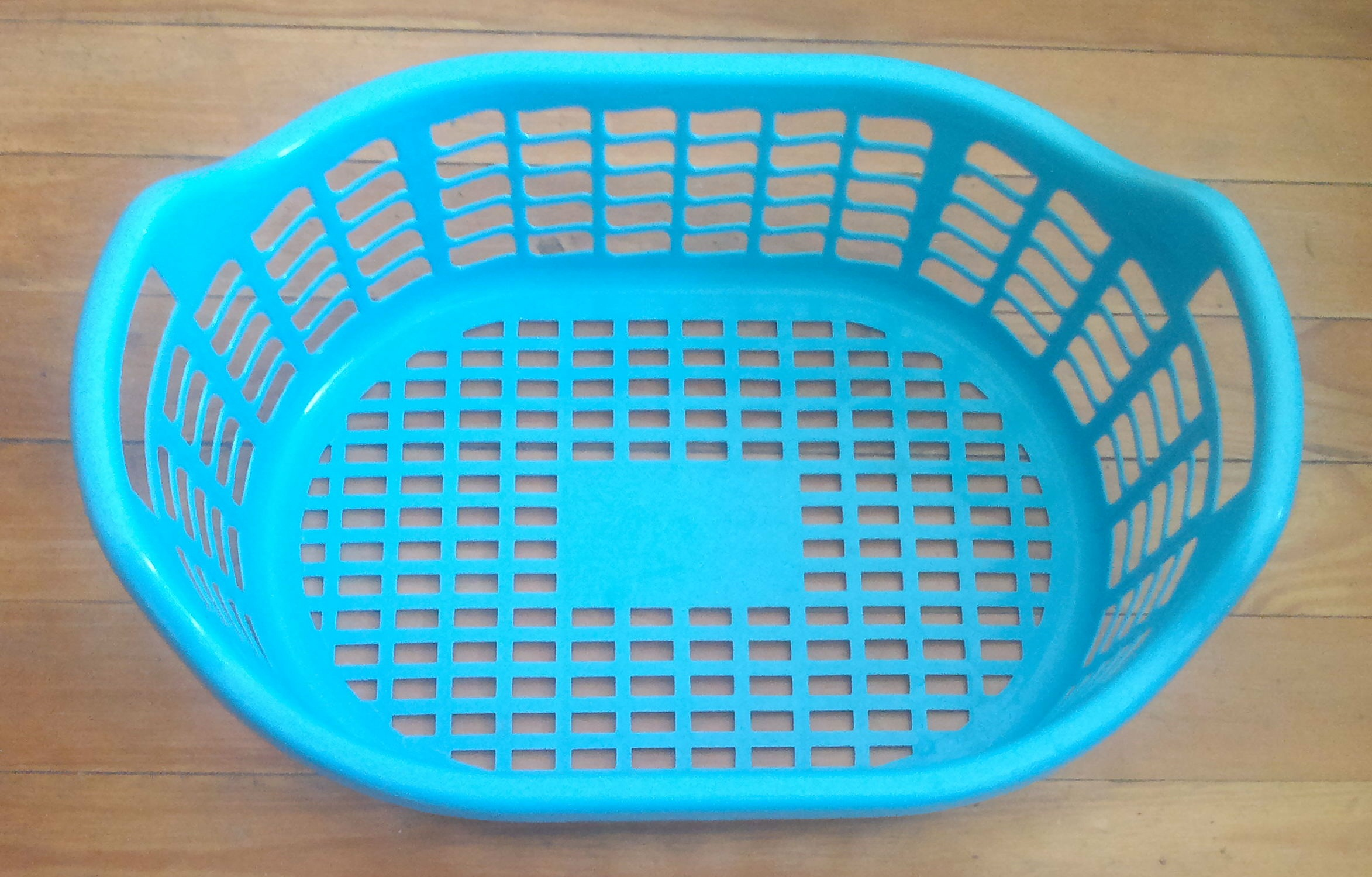
Moulded plastic baskets and tubs are lighter, cheaper, waterproof, smooth and need no maintenance – and they are not repairable, which stopped mattering.
Universal.
Plastic wins on every count that a household actually weighs. It is cheaper to buy than a basket is to make, it does not splinter or snag cloth, it can be hosed out, and when it finally cracks the replacement costs so little that repair has no value – which removes the one advantage the woven object genuinely had.
16. And by 1964 the Old Baskets Were Decoration
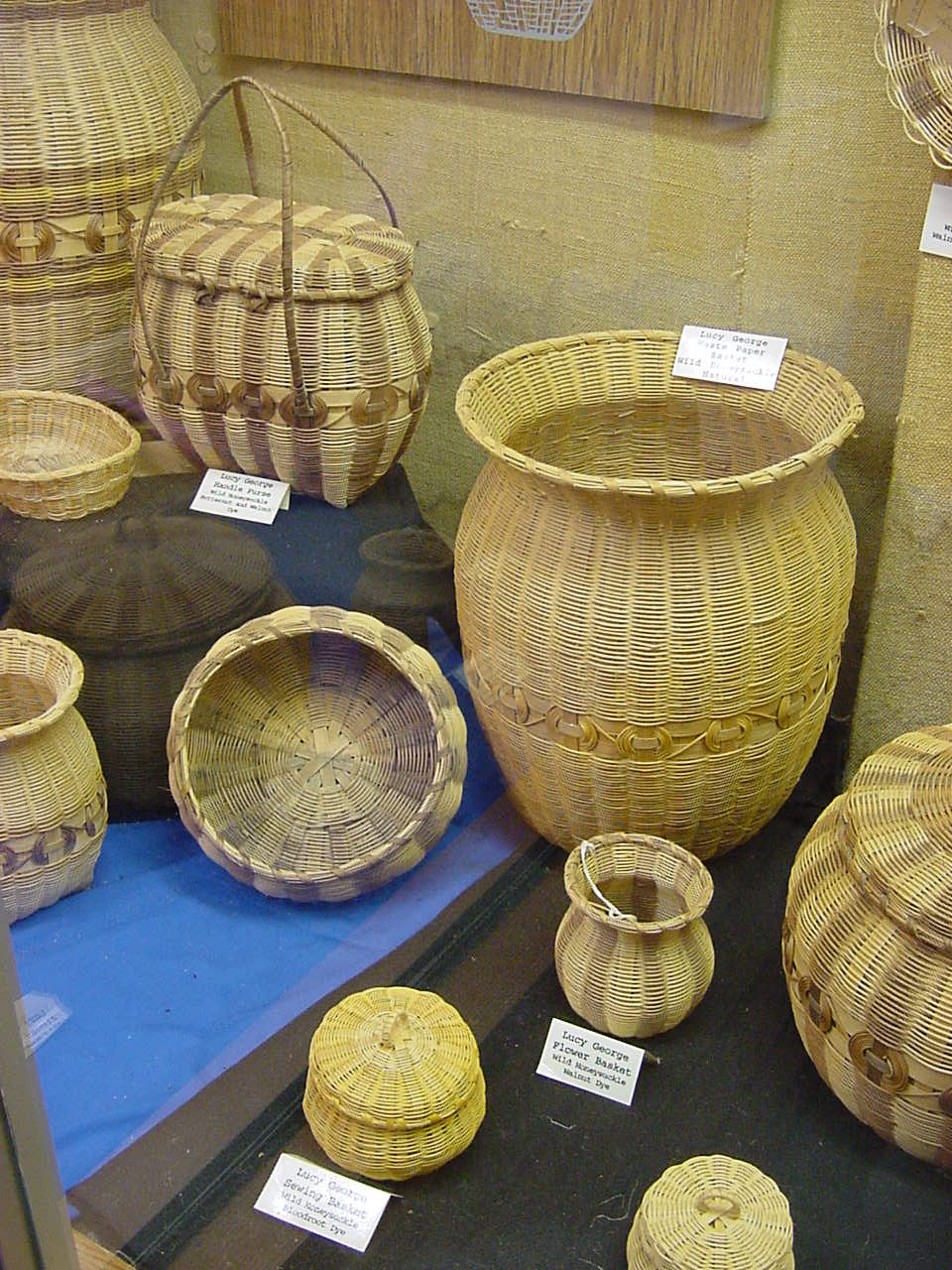
Split oak and willow baskets survived in enormous numbers in American barns and attics, were hung on kitchen walls as ornaments, and the making of them had become a specialist craft.
A respected craft, and the old baskets are collected.
And what deserves the last word is that a basket is an object with no fastenings at all. Every element in it is held by being bent against every other element, locked under a rim that puts the whole structure in compression, with a handle buried deep in the weave so the load is carried along its length rather than at a joint – made from wood split along the grain so the fibres run unbroken, worked wet so it would bend, and set to shape as it dried. It held a standard measure so a crop could be counted rather than weighed, it survived being thrown about for years, and any broken part of it could be withdrawn and replaced so that a repair was as good as new. A nailed crate beat it on price and a plastic tub beat it on everything a household measures, which is why they are on walls now. But the thing hanging on the wall is a structure held together by nothing but tension, and it is still holding.
An Object Held Together by Nothing but Tension
A basket is a genuinely remarkable piece of structural engineering that almost nobody looks at twice, and the reason is that it contains nothing recognisable as construction.
There are no nails, no glue and no fastenings. The stakes are held by the weavers, the weavers are held by the stakes, and the whole thing is rigid because every element is bent and pressed against the others under load. Which is why a good basket survives decades of abuse: there is nothing to come unglued, nothing to rust and nothing to crack at a joint.
The material came off the place – white oak, willow, hickory, split ash, whatever grew within walking distance and could be worked. That is what made the craft universal and also regional, since the shapes and techniques varied by district according to what was growing.
Two pieces of material knowledge did the real work.
Splitting along the grain rather than sawing across it is the heart of the craft. A sawn strip has cut fibres and snaps when bent; a split one follows the wood’s natural lines so the fibres run unbroken from end to end, which makes it enormously stronger and more flexible. Getting a split to run true along a length is a learned feel, not a procedure.
And everything was worked wet. Soaked fibres slide past each other instead of tearing, so a strip that would break when dry bends round a sharp curve while wet and holds that shape permanently once dry. The basket is formed wet and set dry, which means water is doing the work a machine would do now.
The construction has three critical points.
The bottom is hardest, for the same reason that turning a heel is hard in knitting: nothing is yet holding anything, every element must be positioned against resistance from the others, and an error there propagates through the whole object and cannot be corrected later.
The rim is the only thing approaching a fastening, and it is still only tension. The upright stakes are bent over and locked under a heavier hoop and lashed, which secures every element at once and puts the entire structure in permanent compression – which is why a basket with a broken rim falls apart immediately and one with an intact rim survives being sat on.
And the handle is where baskets fail, so it was built accordingly: heavier stock, pushed deep down inside the weave on both sides, frequently bound where it meets the rim. All the contents’ weight passes through two points, so a handle merely attached at the rim tears out, while one running down inside the body is gripped by the weave along its whole length.
Then the practical facts.
Shapes were decided by the job – field, egg, laundry, market, feed and gathering baskets all differ in size, weave, handle and bottom, because an egg basket must be rigid and gentle while a field basket must take weight and abuse and a laundry one must be light and large. The differences between baskets are a catalogue of what people were carrying.
Field baskets were treated as disposable and were not, being thrown about, stacked, stood on and left in the weather for years. And when something did break, individual weavers were replaced, rims rebound and handles rebuilt – because nothing is permanently joined, any single element can be withdrawn and a new one woven in, which makes a basket the rare object where a repair is genuinely as good as new.
They also served as a measure. Field baskets were made to hold a standard quantity, so counting baskets measured a crop and picking, hauling, paying and selling could all be done in the same units without weighing anything.
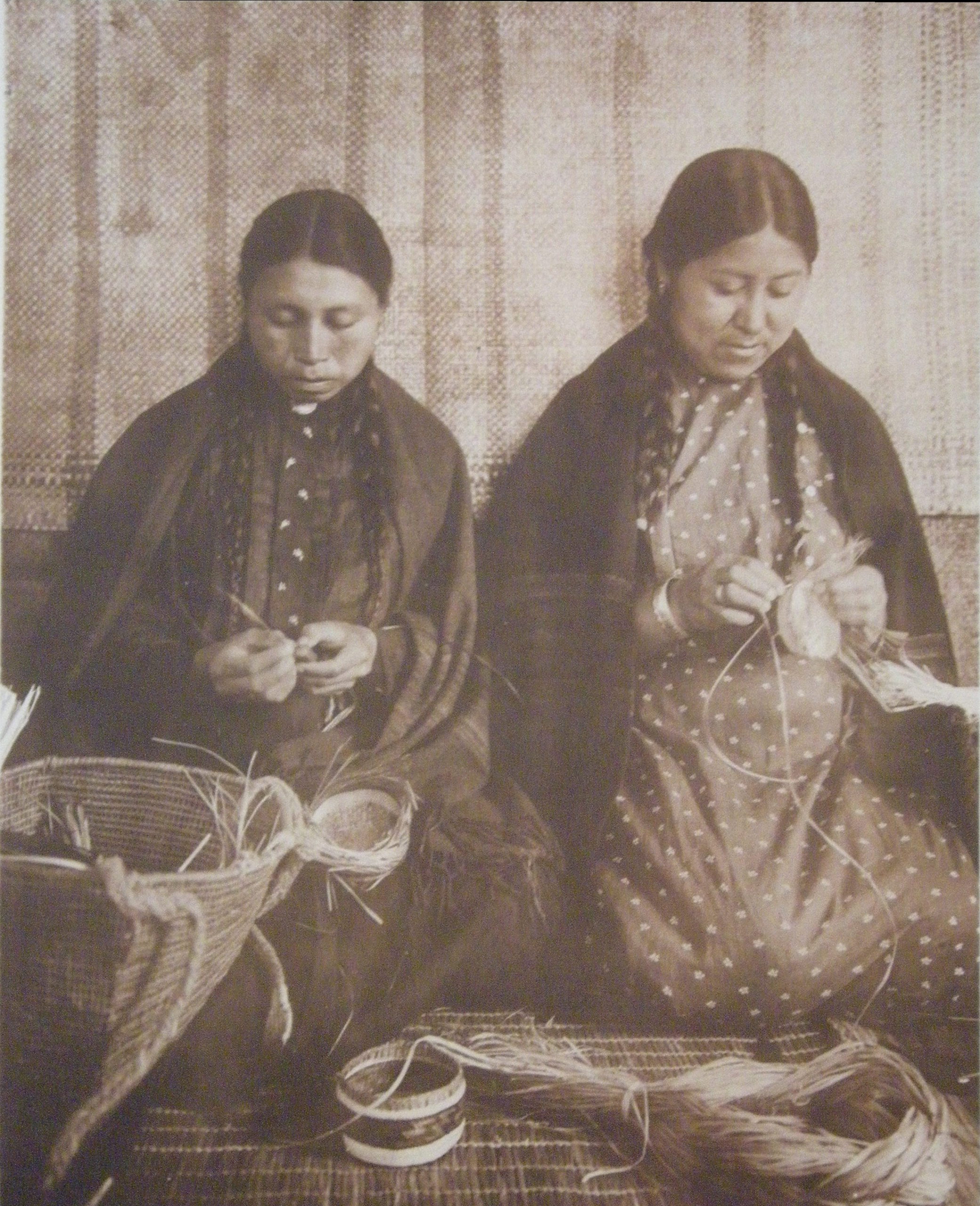
The craft was both a household skill and a trade. A farm could make a serviceable basket; a maker who did it all day made better ones faster with a recognisable style, so a farm with cash bought the ones that had to last and made the ones that did not. And it was taught by sitting beside somebody, because almost everything in it is a judgement about how hard to pull and how far to space – felt rather than measured, which means a written description produces a basket that is technically correct and structurally wrong.
Two replacements ended it, and each took half the work.
The nailed crate and then the sack took the field work, because a crate is manufactured rather than made: a machine produces boxes in quantity at a price no hand weaver can match, and a container nobody expects back does not need to be durable at all.
Plastic took the household work, and it wins on every count a household actually weighs – cheaper than making one, no splinters, no snagging, hoses out, and when it cracks the replacement costs so little that repairability has no value.
Which is why they are on walls now.
But the thing hanging on the wall is a structure held together by nothing except tension, and it is still holding.
If there is an old basket in your family, look at where the handle enters the weave.
If it runs deep down inside the body rather than stopping at the rim, somebody knew what they were doing.
Like our content? Follow us for more.