

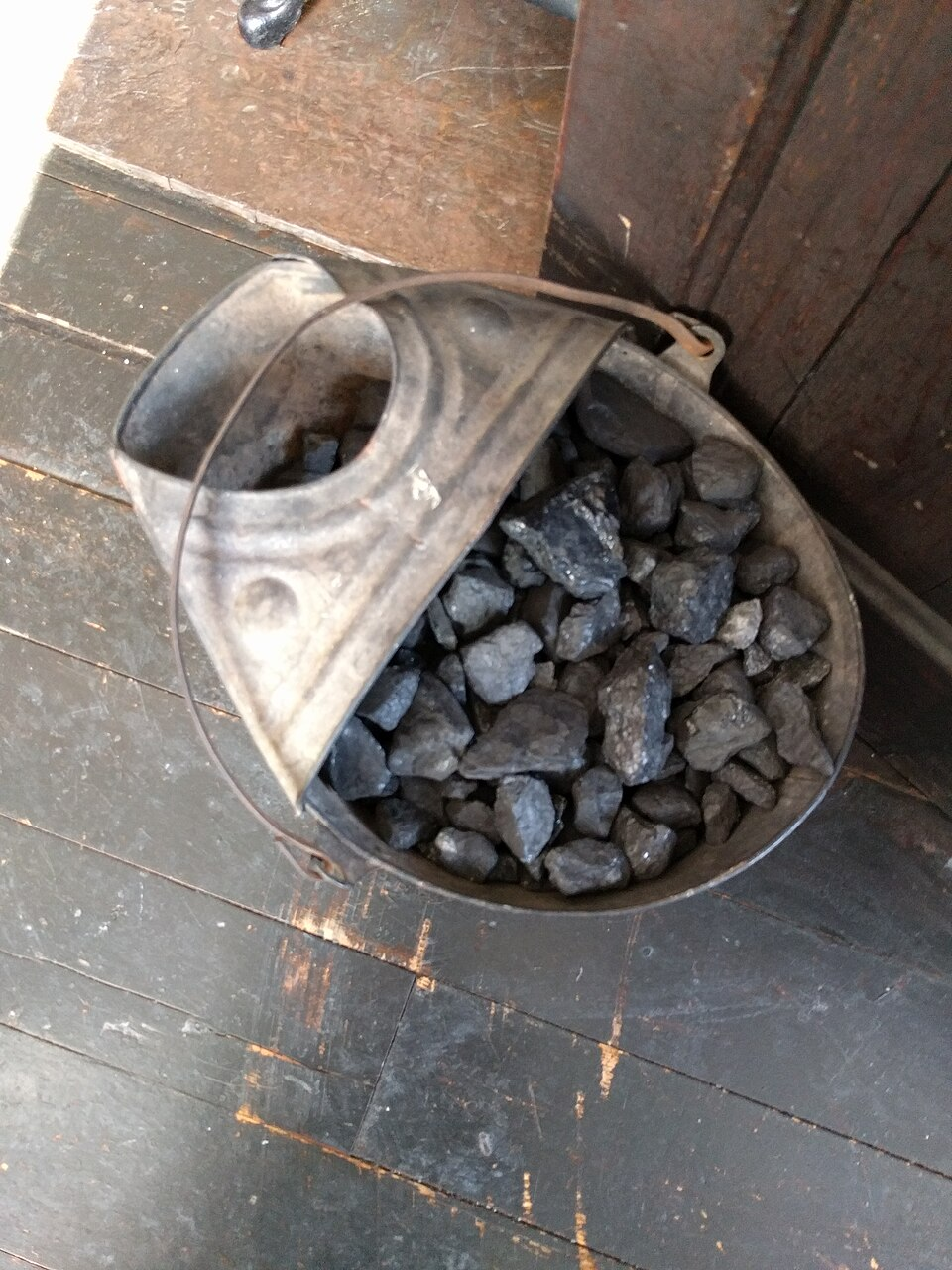
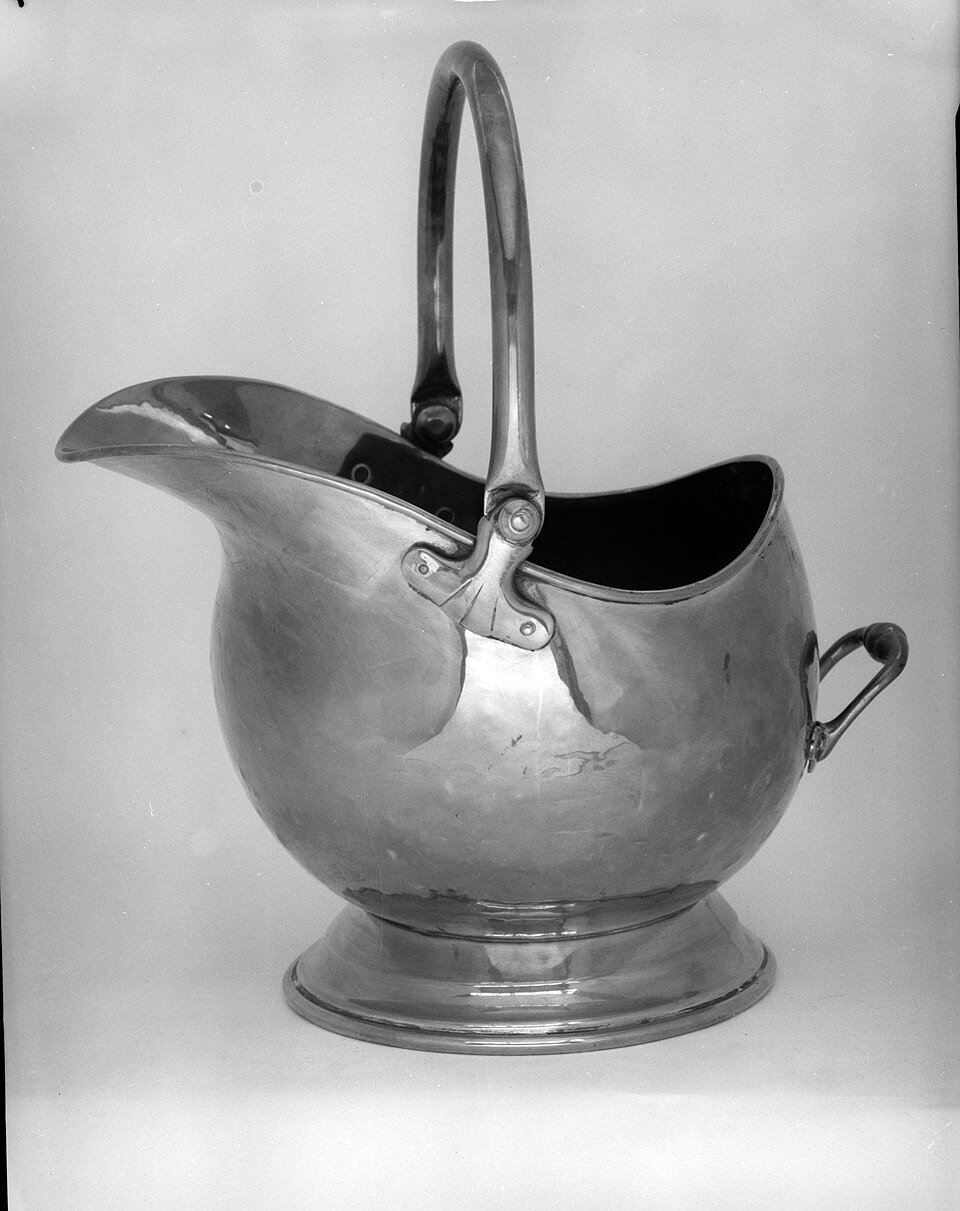
A scuttle existed because the fuel and the fire were in different places.
Fuel was stored in bulk – a cellar, a shed, a bin outside – and the fire was upstairs in a room where people sat. Something had to carry a day’s worth between the two, by hand, repeatedly, and the number of trips was set by how much a person could manage in one go.
Which is the key to the object. Its capacity was limited not by the fire’s appetite but by what somebody could lift up a cellar stair, so the vessel was sized to a human being rather than to the appliance it fed. Everything about the routine followed from that one constraint and from the distance between the bin and the room. Here are fifteen things every family knew.
1. A Scuttle Existed Because Fuel and Fire Were in Different Places
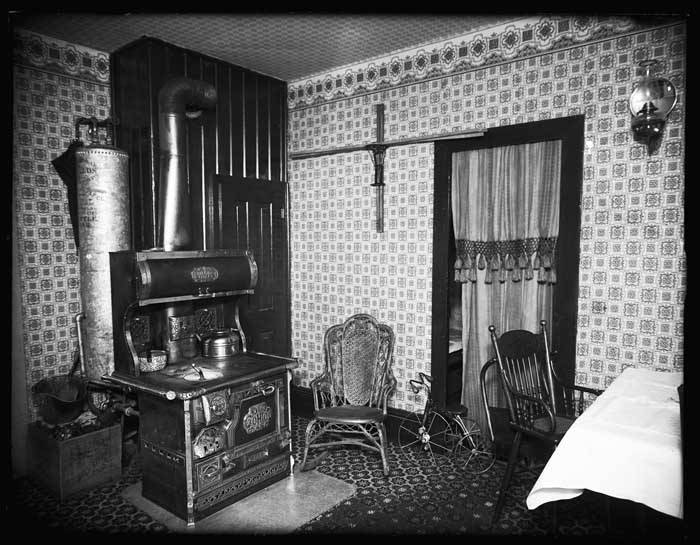
Fuel was stored in bulk in a cellar, a shed or a bin outside, and the fire was upstairs in a room, so something had to carry a day’s worth between them.
Piped or wired to the appliance.
Start with the gap the object filled, because it is the thing central heating abolished. A heat source that consumes solid fuel needs that fuel delivered to it by hand, repeatedly, from wherever it is kept – and the number of trips per day is set by how much a person can carry in one go.
Like our content? Follow us for more.
2. The Shape Was About Pouring, Not About Holding
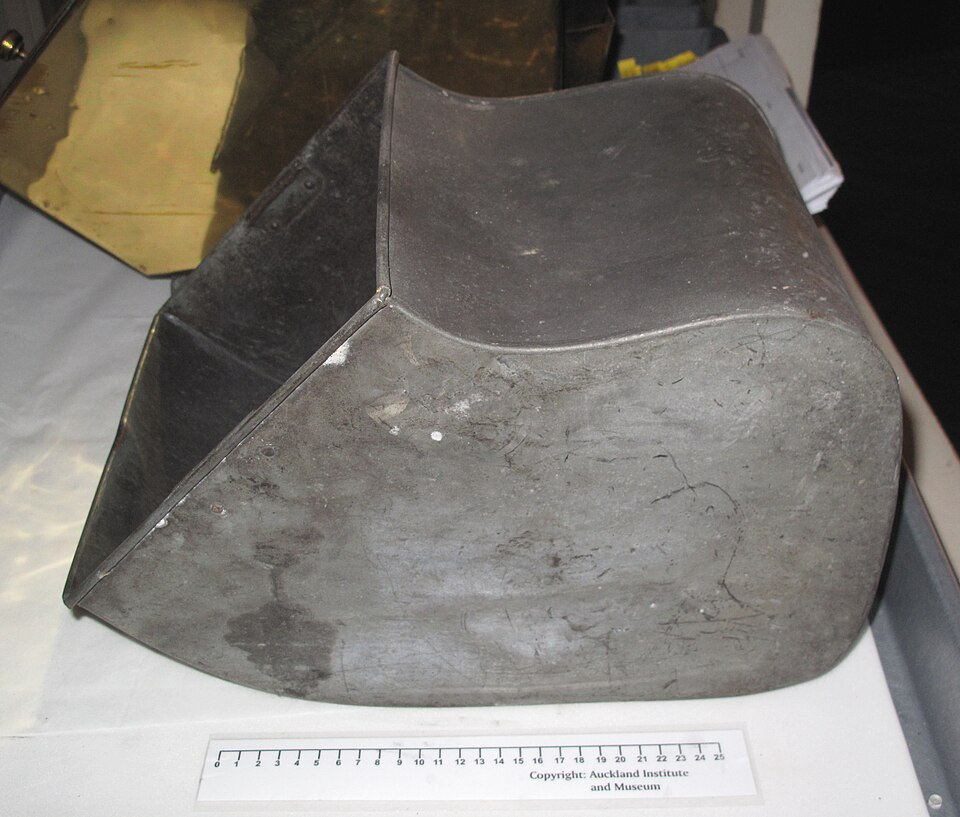
The characteristic sloped front and narrow lip existed so the contents could be tipped into a firebox opening without spilling across the hearth.
Not applicable.
The design is a delivery problem solved rather than a storage problem, which is why it looks the way it does. A plain bucket must be lifted and poured over its whole rim, while a vessel with a lip directs the stream – and on a hearth with carpet a yard away, that difference matters a great deal.
3. The Handle Position Decided Whether It Could Be Used at All
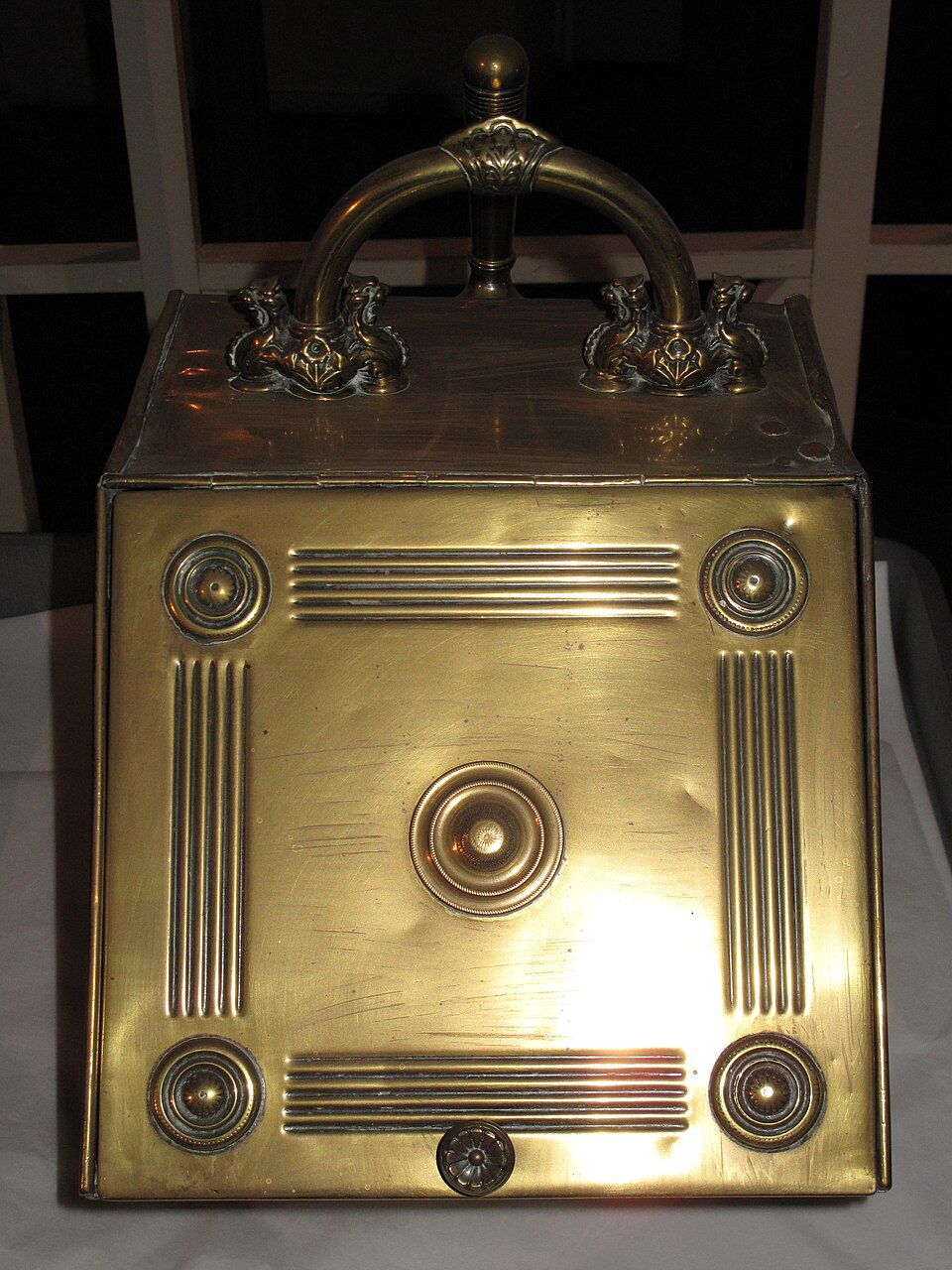
A high central handle let the weight hang and swing, while a second handle low on the back let the whole thing be tipped under control.
Not applicable.
Two handles are the detail that makes these usable and the reason is mechanical. Carrying wants the weight directly under one hand, and pouring wants a second grip somewhere that can rotate the vessel – so the good ones have both, in positions determined by those two different jobs.
4. Its Capacity Was Set by What a Person Could Lift
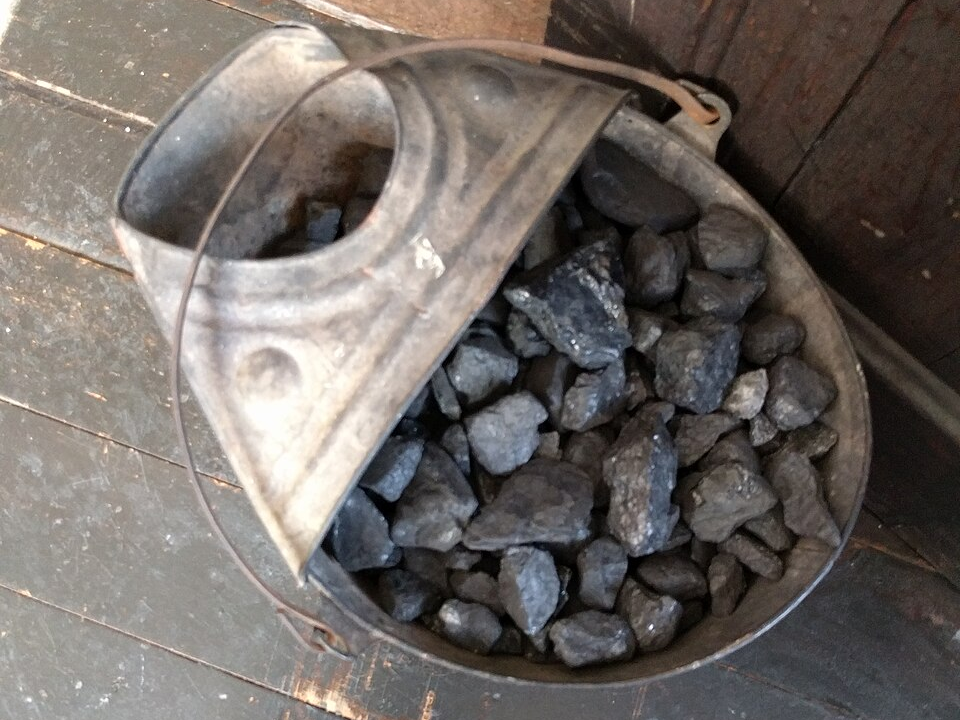
The size of a scuttle was limited not by the fire’s appetite but by the weight somebody could carry up a cellar stair.
Not applicable.
This is the constraint that determined the whole arrangement and it is easy to miss. The vessel is sized to a human rather than to the appliance, which means the trips per day were a fixed consequence of human strength and the distance between the bin and the room.
5. Fuel Was Delivered in Bulk and Stored Where It Could Be Tipped
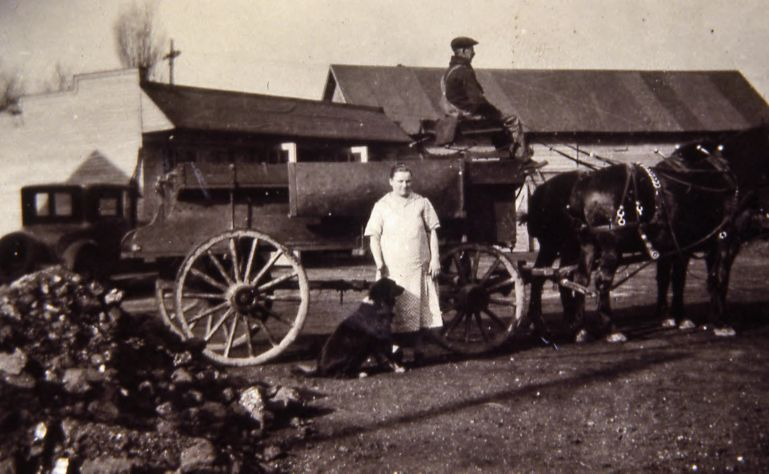
A household’s fuel arrived at once in a large quantity and went into a bin, chute or cellar space that filled from outside and emptied from inside.
Not applicable.
The bulk delivery is what made the scuttle necessary rather than optional. Buying a winter’s fuel in one transaction is far cheaper than buying it daily, but it means the household now owns a stockpile – and a stockpile has to be broken down into carryable portions by somebody.
6. A Fire That Burned Overnight Changed the Whole Routine
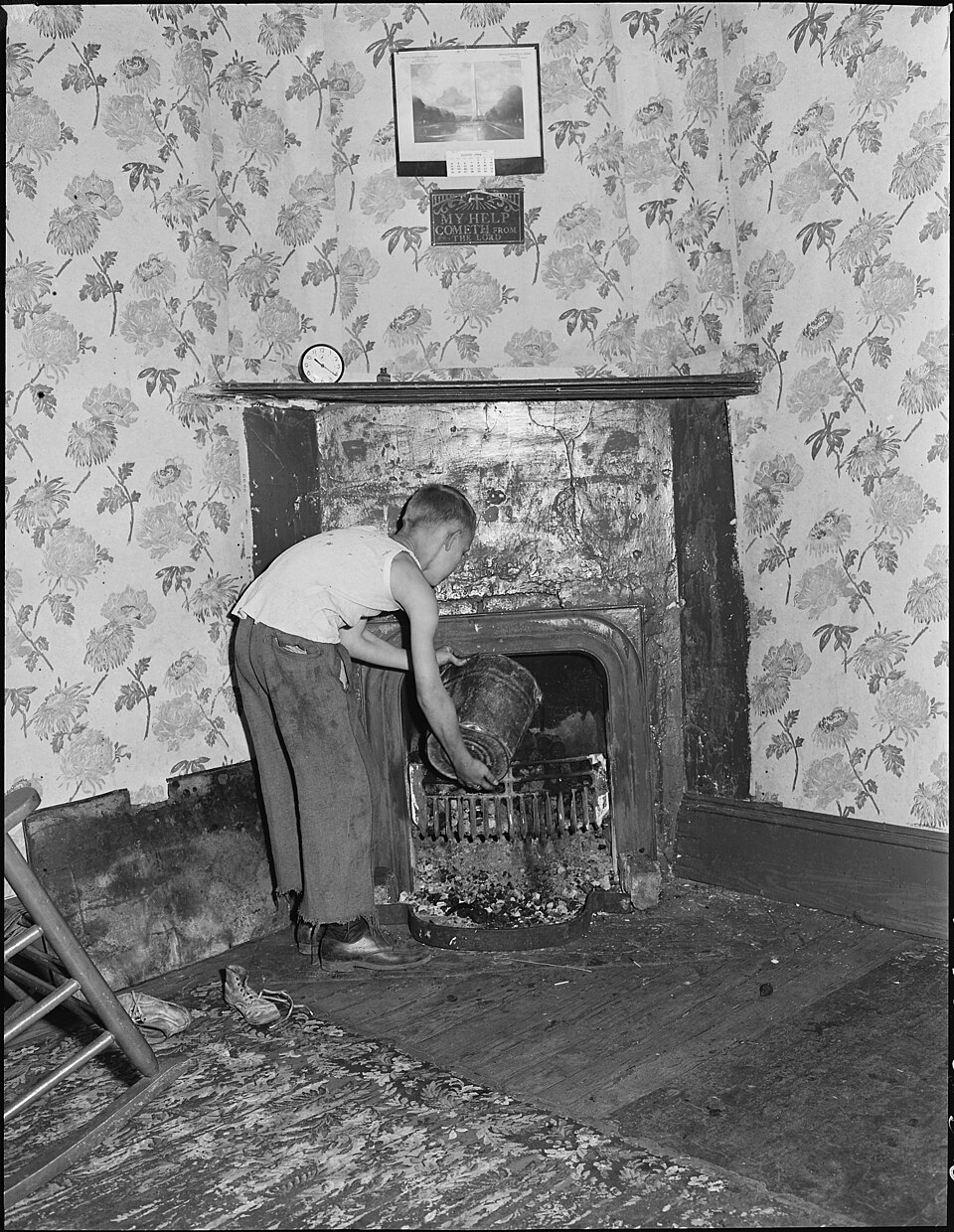
Appliances designed to hold a slow fire until morning meant the last trip of the day mattered more than any other, because running out meant relighting.
Thermostats.
The overnight fire reorganises the day around one decision and it was taken seriously. Keeping a fire alive is far cheaper in effort than starting a new one, so the evening’s fuel load was a calculation about how long the fire had to last without attention.
7. Dust Was the Permanent Problem
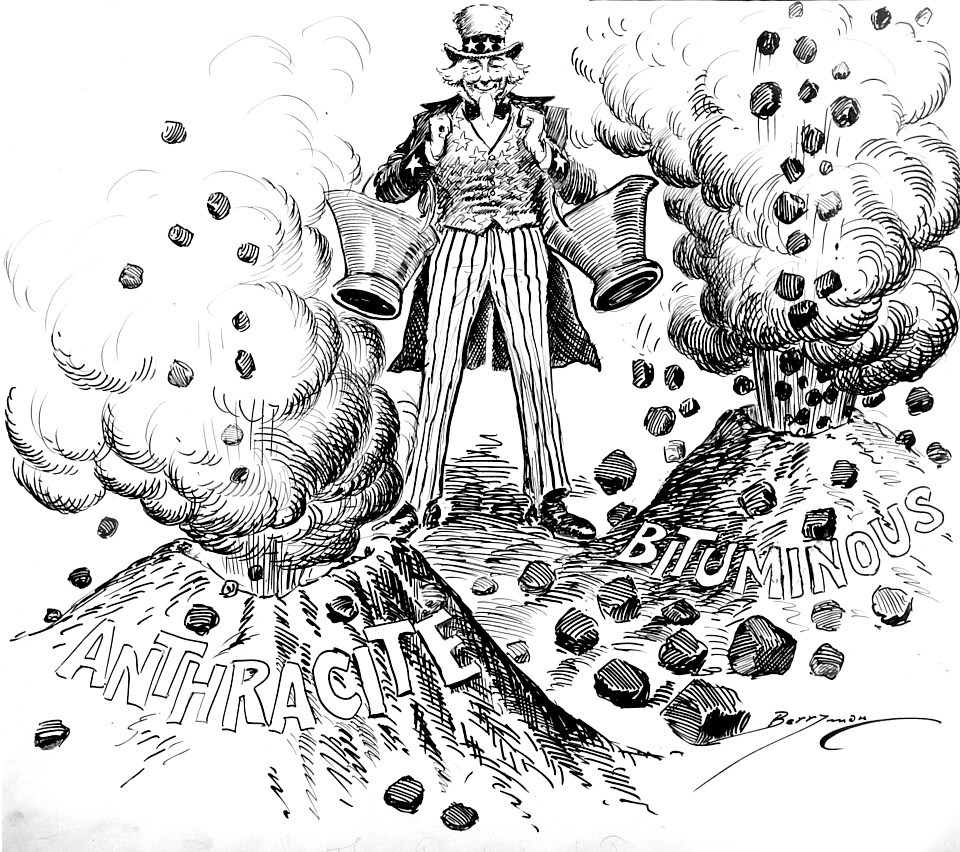
Solid fuel sheds fine particles at every transfer, so filling, carrying and tipping all put dust into the air and onto the floor of the room.
Not applicable.
The dust is the honest complaint about the whole arrangement and it was unavoidable. Any friable material broken down and poured produces airborne fines, which means every delivery to the fire deposited some of itself on the room it was heating.
8. The Hod Was the Other Shape and It Did a Different Job
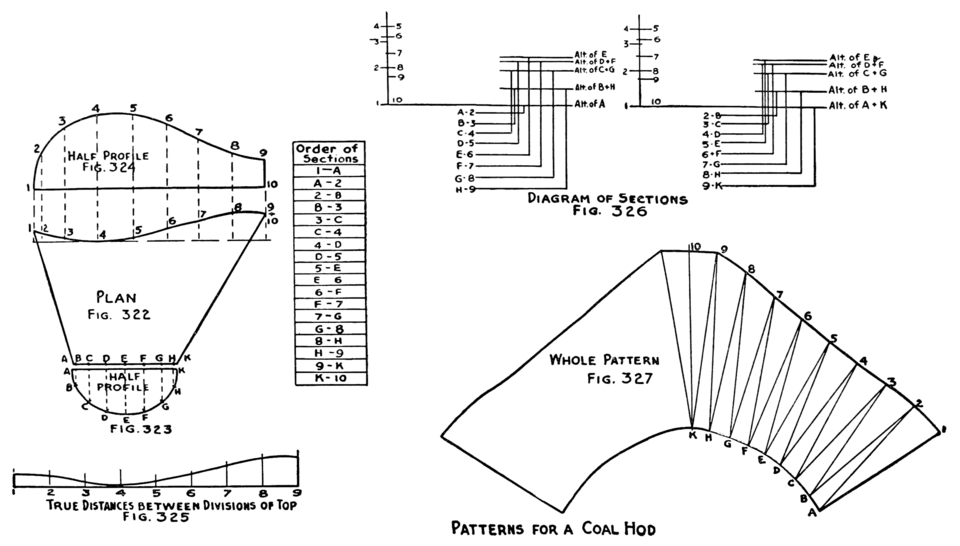
A tall narrow vessel carried on the shoulder suited stairs and long distances, while a low wide one suited short trips across a floor.
Not applicable.
The two forms are a response to two different journeys and both survived. Shoulder carrying puts the load over the body’s centre and frees a hand for a railing, while hand carrying is quicker over flat ground – so households that climbed stairs owned a different object from those that did not.
9. Scuttles Were Made Decorative Because They Lived in the Parlour
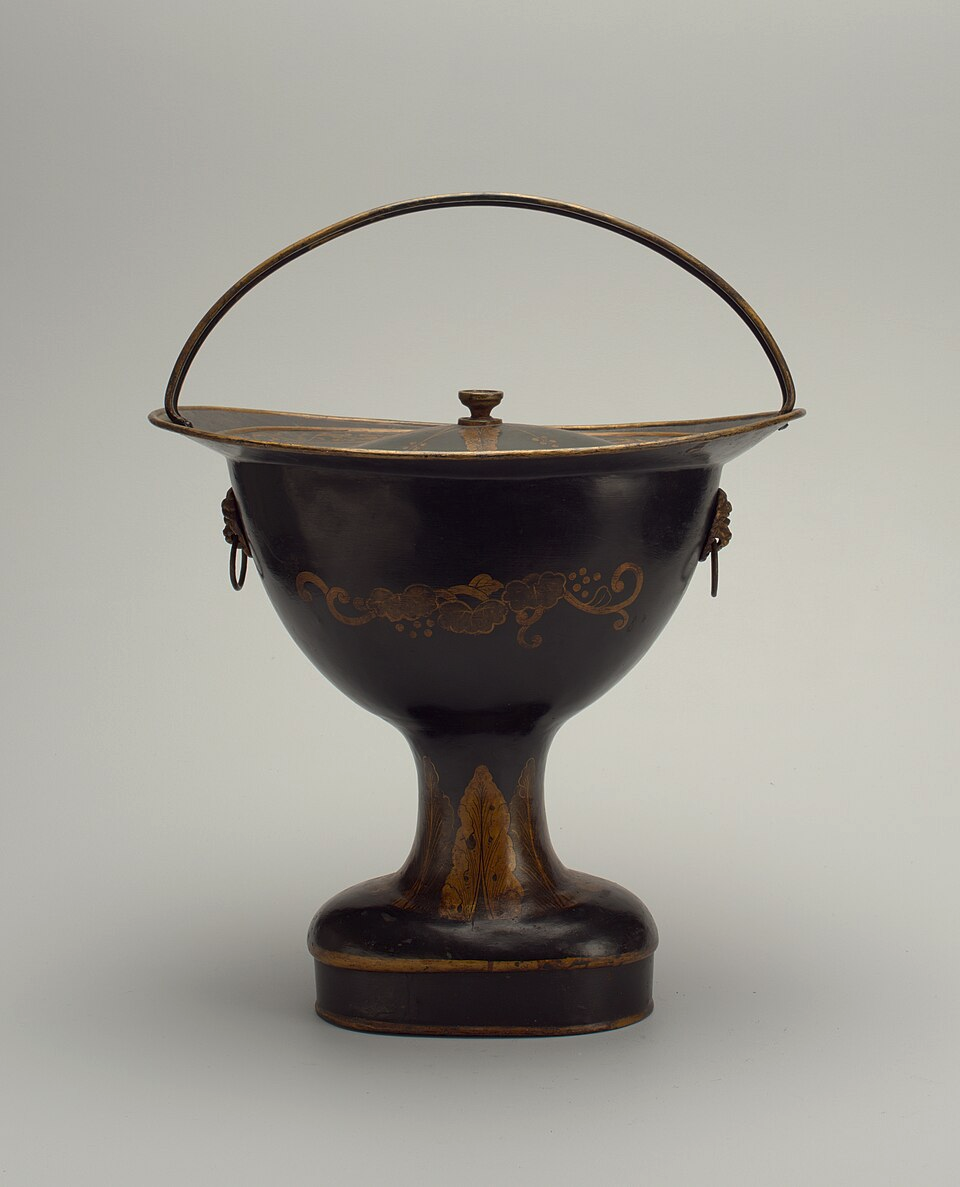
Unlike almost every other fuel-handling object, this one stood permanently in a room where visitors sat, so it was made to be looked at.
Not applicable.
The ornament follows directly from the position and it is the same logic as the castor set. An object on permanent display in a room people are entertained in justifies money spent on its appearance, while the shovel it was used with stayed plain.
10. The Shovel and the Tongs Were Part of the Set
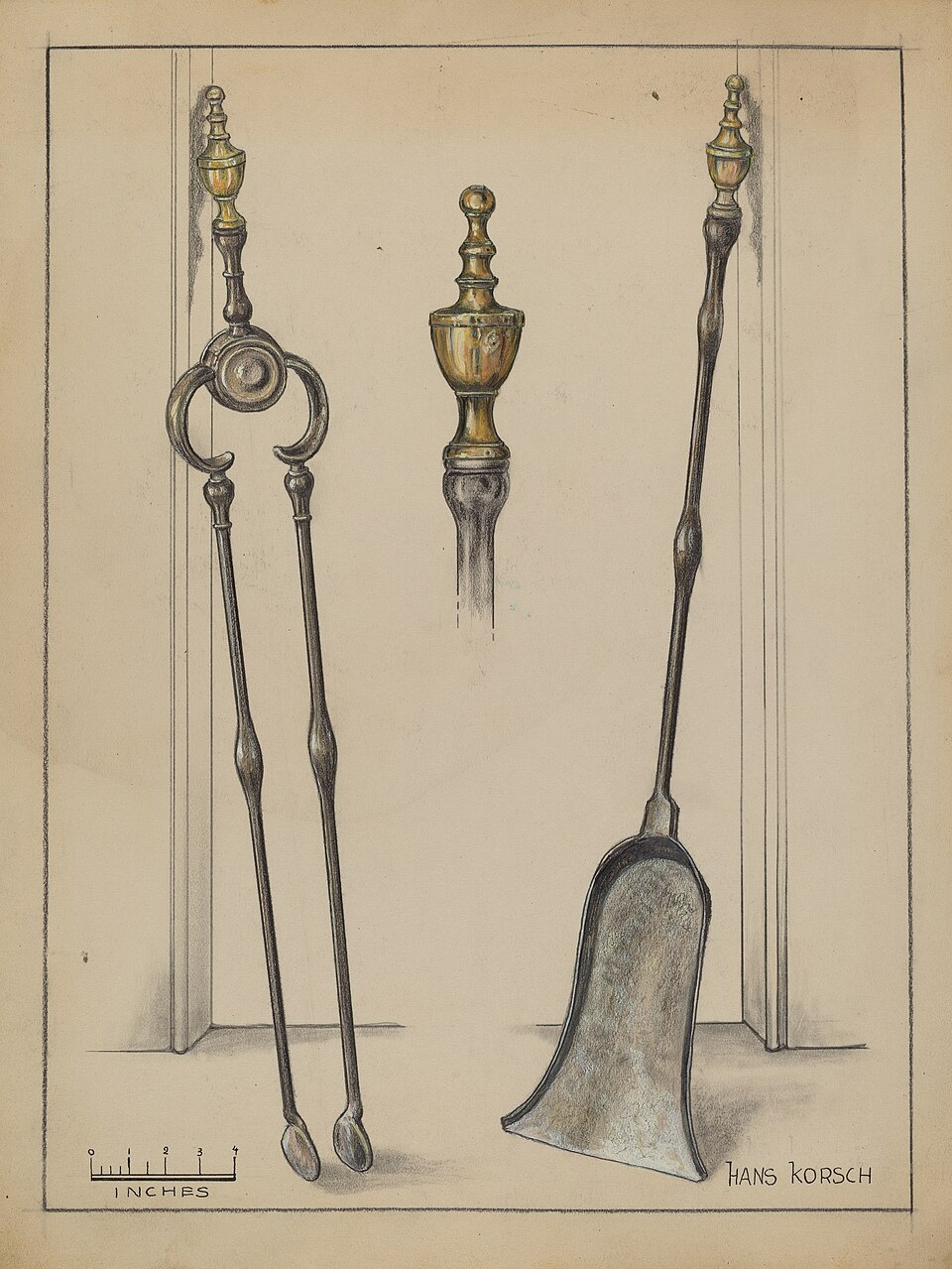
A small scoop lived inside the scuttle, and fire irons stood beside it, because fuel was moved in portions rather than tipped all at once.
Not applicable.
The scoop is the part people forget and it is what the thing was mostly used with. Tipping the whole scuttle is a last resort on a hot fire, so the ordinary operation was taking a few pieces at a time – which needs a tool that lives in the vessel.
11. Children Were Sent to Fill It and Resented the Job
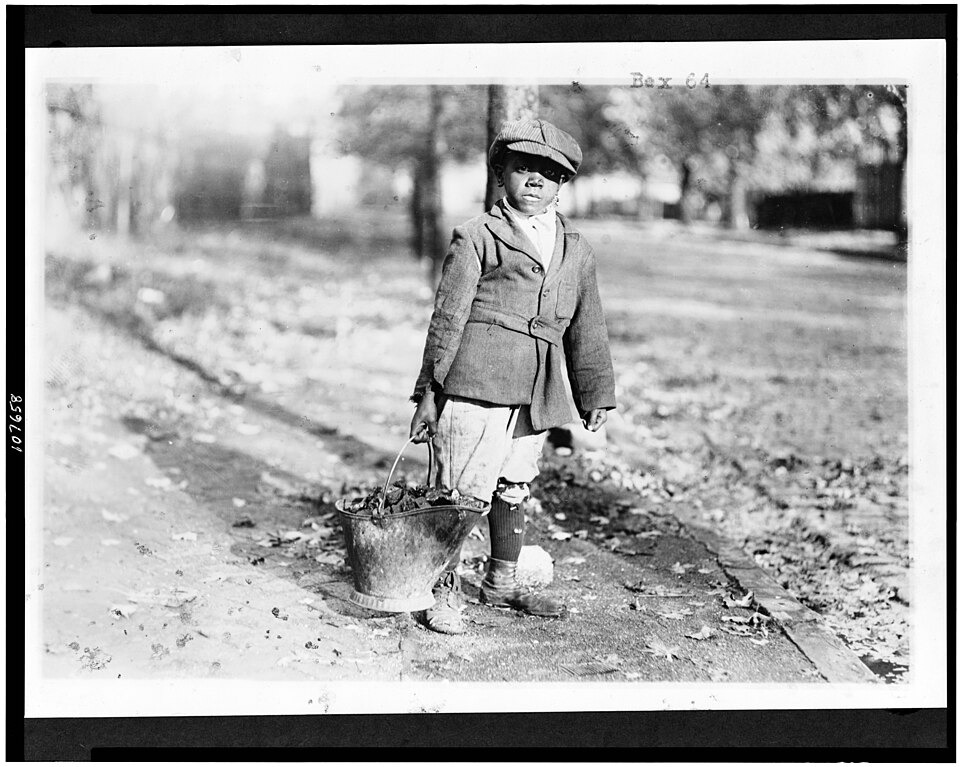
Fetching fuel meant a cold cellar or a dark shed, a heavy climb and dirty hands, several times a day, in the worst weather of the year.
Not applicable.
It should be said plainly that this was a disliked errand and the complaints were constant. A repetitive trip to an unheated space in winter to carry something heavy and dirty back up a stair is unpleasant work, and it fell to whoever had the least standing in the house.
12. Running Out After Dark Was a Real Domestic Crisis
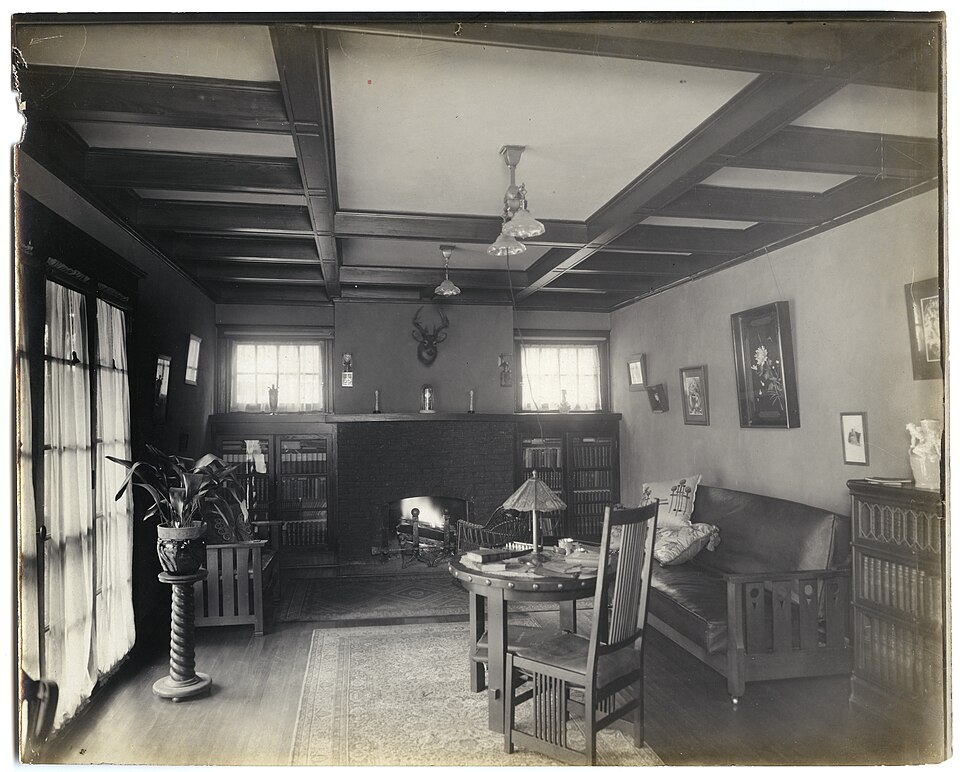
An empty scuttle in the evening meant somebody going outside in the cold, in the dark, to a bin that might be frozen over.
Not applicable.
The consequence of poor planning is the reason filling it was a scheduled task. Anticipation is cheap and the alternative is genuinely miserable, so keeping the vessel full was a habit enforced by how bad the failure felt.
13. Ash Went Out in Something Else Entirely
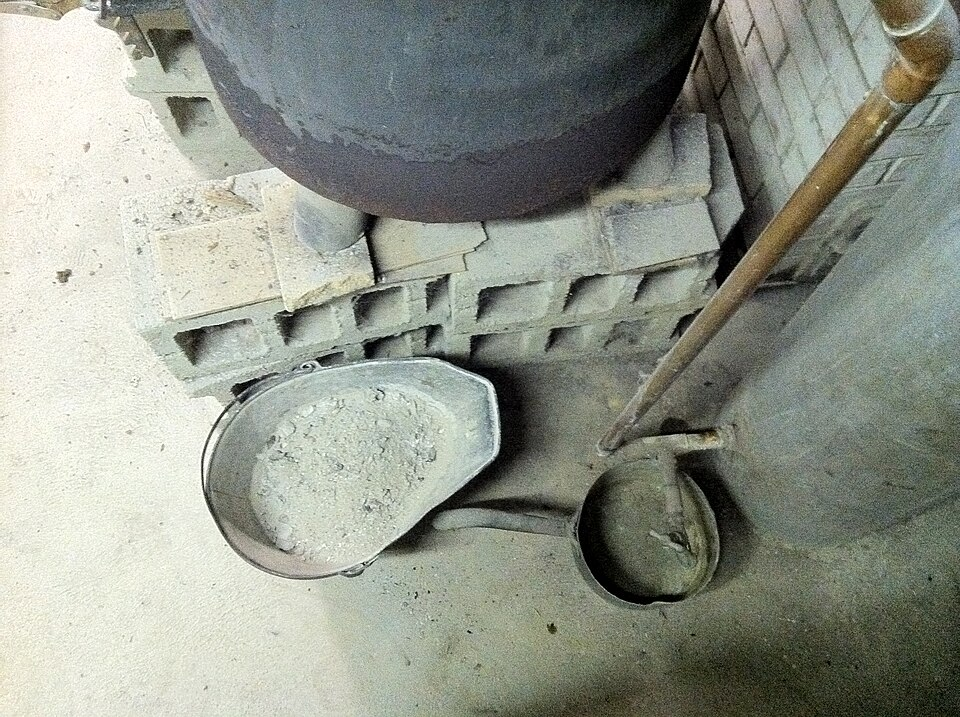
A separate container took the residue in the other direction, and mixing the two vessels was a mistake nobody made twice.
Not applicable.
The traffic was two-way and that is often forgotten. Burning solid fuel produces a volume of residue that has to leave the room, so the fireside had a second vessel going the opposite way – and keeping them distinct was a matter of not contaminating the fuel.
14. Then Central Heating Made the Whole Journey Vanish
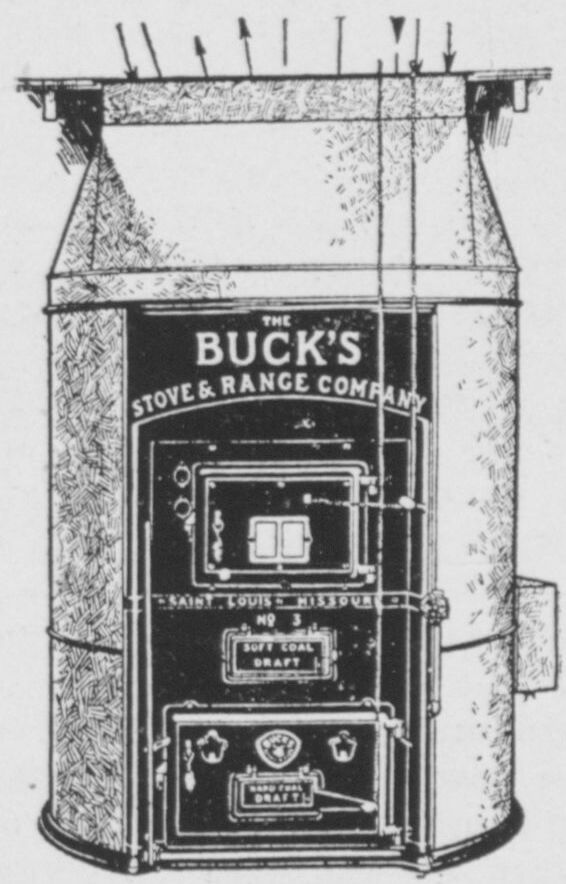
A furnace in the cellar, and later a system fed by pipe or wire, removed the need for anybody to carry anything to any room.
Universal.
The replacement eliminated the task rather than improving it, which is the pattern throughout. Moving the combustion away from the living space and feeding it automatically abolishes the trip, the vessel, the dust and the errand in one change.
15. And by 1964 the Scuttle Held Magazines
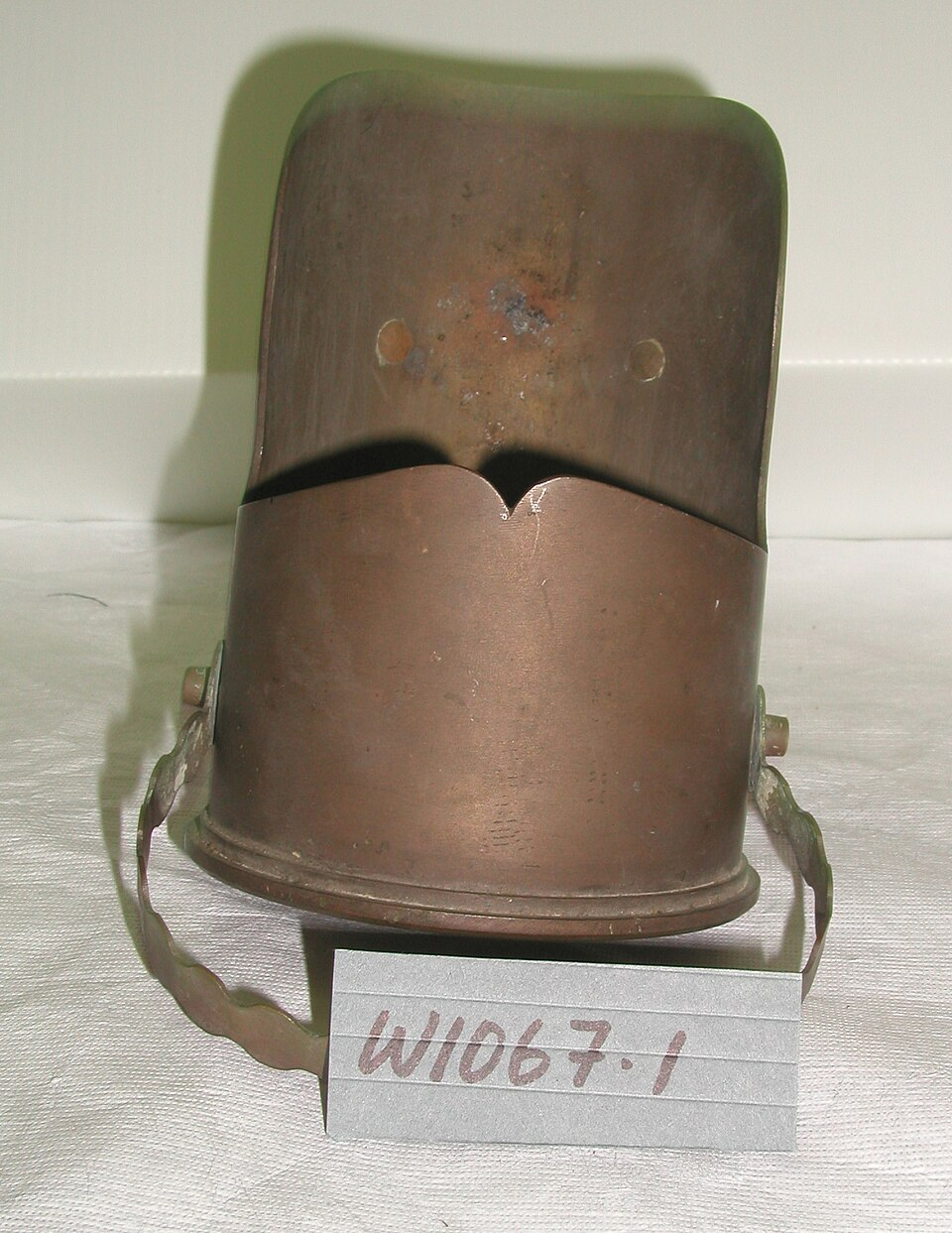
Polished brass and copper scuttles stayed in sitting rooms as decoration or as containers for anything, long after no fuel passed through them.
Decorative.
And what deserves the last word is that this object was sized to a human being. Not to the fire, not to the room, not to the fuel bin – to the weight somebody could carry up a cellar stair in one trip, which fixed the number of journeys per day as a simple consequence of human strength and the distance involved. Its shape was a pouring solution, with a lip to direct the stream and two handles in positions set by two different jobs, because a spill on a hearth is a spill in a parlour. It was made decorative purely because it was the one fuel-handling object that lived where visitors sat. And then the combustion moved to the cellar and the fuel arrived by itself, which did not make the trip easier – it abolished the trip, the vessel and the errand together, and left a polished brass thing in the corner with nothing in it but magazines.
It Was Sized to a Person, Not to the Fire
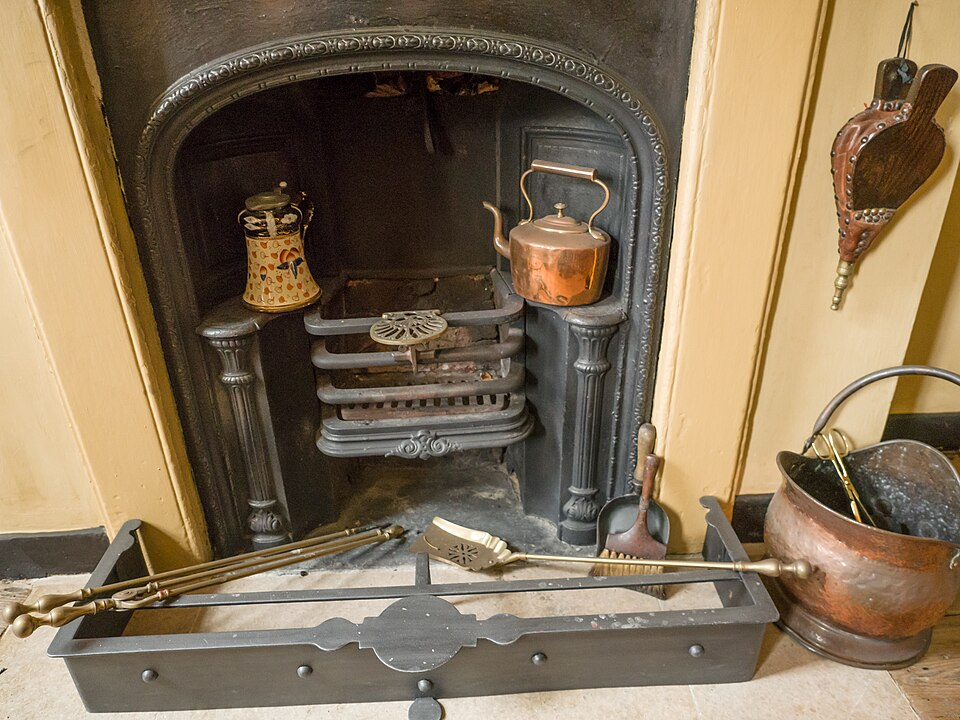
A coal scuttle is a decorative object now, and it was once the single piece of equipment that stood between a household and a cold room.
The gap it filled is the thing central heating abolished. Fuel was stored in bulk somewhere out of the way, the fire was in a room upstairs, and a heat source burning solid fuel needs that fuel delivered to it by hand, repeatedly, all winter.
Its capacity settles the whole arrangement, and it is easy to miss: the size was limited by what a person could carry up a stair, not by what the fire would consume. So the vessel was dimensioned to a human being, and the number of trips per day was a fixed consequence of human strength and the distance involved.
The shape was a pouring solution rather than a holding one. The sloped front and narrow lip existed so the contents could be tipped into a firebox without spilling across the hearth – and on a hearth with carpet a yard away, directing the stream rather than pouring over a whole rim matters a great deal.
The handles are the detail that makes them usable. Carrying wants the weight hanging directly beneath one hand; pouring wants a second grip somewhere that can rotate the vessel under control. The good ones have both, placed by those two different jobs.
Behind all of it was bulk delivery, which is what made the object necessary rather than optional. Buying a winter’s fuel in one transaction is far cheaper than buying it daily – but it means the household owns a stockpile, and a stockpile has to be broken into carryable portions by somebody, every day, for months.
Two things organised the routine.
A fire designed to hold overnight made the last trip of the day the important one. Keeping a fire alive costs far less effort than starting a new one, so the evening load was a calculation about how long it had to last unattended.
And running out after dark was a genuine domestic crisis – somebody outside in the cold, in the dark, at a bin that might be frozen over. Which is exactly why filling the scuttle was a scheduled task rather than a reaction. Anticipation is cheap; the alternative is miserable.
The honest complaint about the whole system is dust. Solid fuel sheds fine particles at every transfer, so filling, carrying and tipping all put some of it into the air and onto the floor of the room being heated. That is unavoidable with any friable material that gets poured.
Two shapes existed because there were two journeys. A tall narrow hod carried on the shoulder puts the load over the body’s centre and frees a hand for a railing, which suits stairs; a low wide scuttle is quicker across flat ground. Households that climbed stairs owned a different object from those that did not.
And then the detail that explains why these are beautiful. Unlike every other fuel-handling object, the scuttle stood permanently in the room where visitors sat – so it was made to be looked at, while the shovel used with it stayed plain. Same logic as the castor set: permanent display justifies the expense.
The scoop inside is the part people forget, and it is what the thing was mostly used with. Tipping a whole scuttle into a hot fire is a last resort; the ordinary operation was taking a few pieces at a time, which needs a small tool living in the vessel.
Two more facts belong in the picture, and they are less charming.
The errand fell to children, and it was disliked. A repetitive trip to an unheated cellar or a dark shed to carry something heavy and dirty back up a stair, several times a day, in the worst weather of the year, is unpleasant work – and it went to whoever had the least standing in the house.
And the traffic was two-way. Burning solid fuel produces residue that has to leave the room, so the fireside had a second vessel travelling in the opposite direction, kept strictly separate so the fuel was not contaminated.
Then central heating moved the combustion to the cellar and fed it automatically, and that did not make the trip easier. It abolished the trip, the vessel, the dust and the errand in a single change.
What was left was a polished brass object standing in a corner of a sitting room, holding magazines – still shaped, if anybody looked, entirely around the problem of pouring something heavy into a small opening without spilling it on the floor.
If you have one holding magazines, look at the lip and the second handle.
Both of those are there because somebody had to pour it into a fire.
Like our content? Follow us for more.
