Housecleaning was an annual event, not a weekly habit.
Once a year the entire house was taken apart. Rooms were emptied, contents carried into the yard, surfaces stripped, and the household’s ordinary routine suspended until the whole thing was finished – which took days, not an afternoon.
And the timing was not arbitrary. A house heated by combustion with the windows shut for five months accumulates a film of fine greasy particulate on and inside every soft surface in it, and the first warm dry weather is the first chance to open the place up and move all of it outside. There is no selective answer to soot, which is exactly why the job had to be done in bulk. Here are fifteen things every woman knew.
1. Housecleaning Was an Annual Event, Not a Weekly Habit
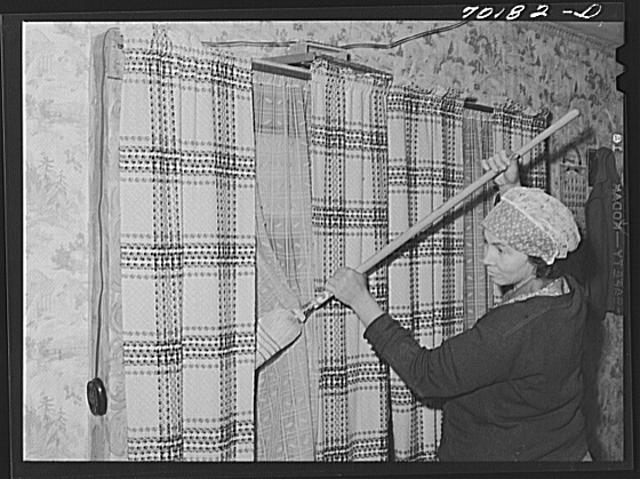
Once a year the entire house was taken apart, cleaned and put back together over a period of days, in a way that stopped ordinary life.
Continuous light cleaning.
Start with the scale, because the word cleaning suggests something far smaller. This was a scheduled operation in which rooms were emptied, contents carried outdoors, surfaces stripped and the household’s normal routine suspended until it was finished.
Like our content? Follow us for more.
2. It Happened in Spring Because of What Winter Did
Months of closed windows, burning fuel and indoor living left deposits on every surface that could only be dealt with in bulk.
Not applicable.
The timing is not arbitrary and this is the mechanism behind it. A house heated by combustion with the windows shut accumulates a film on everything, and the first warm dry weather is the first opportunity to open up and move it all outside.
3. Soot Was the Real Enemy and It Was Everywhere
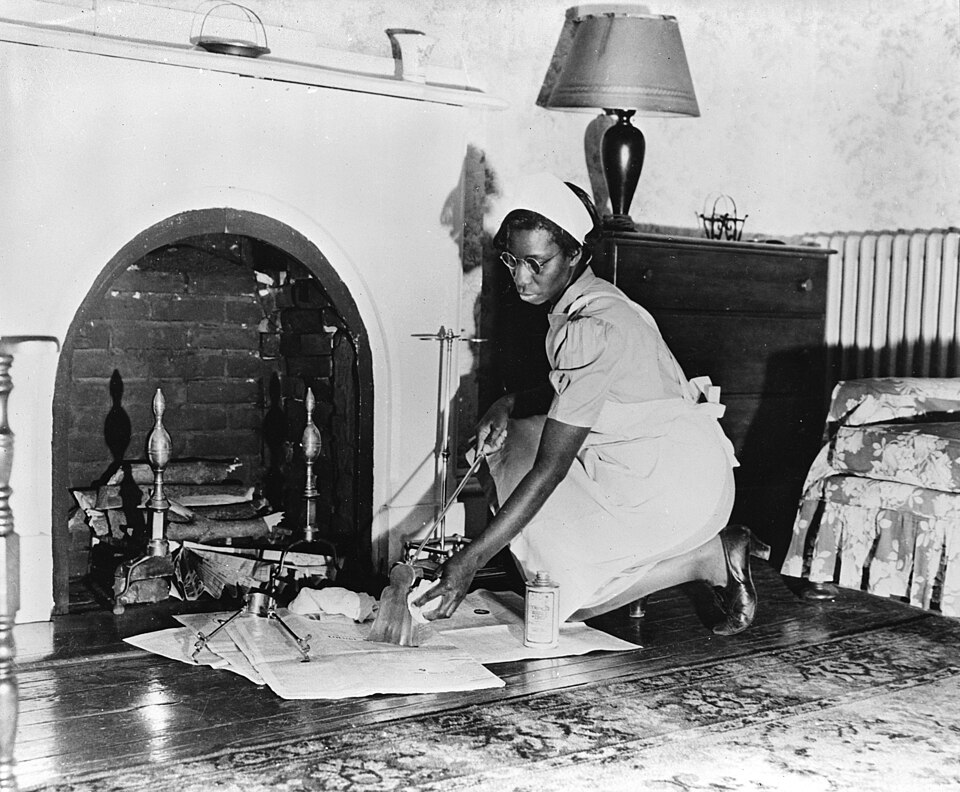
Burning fuel indoors deposits fine particles on walls, ceilings, curtains, upholstery and inside every fold of fabric in the house.
Not applicable.
Soot is the thing that made the job necessary and it explains its thoroughness. A fine greasy particulate settles on and into everything, so cleaning cannot be selective – every soft surface in the building has been loaded over the winter.
4. Everything Portable Went Outside
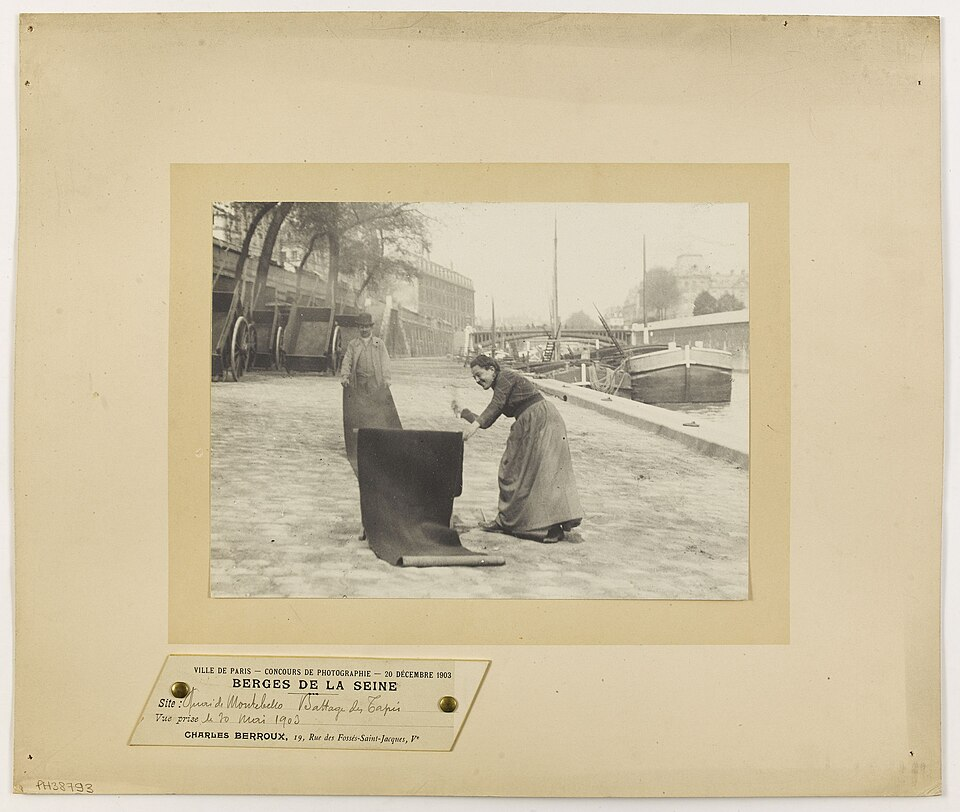
Furniture, rugs, bedding and curtains were carried into the yard, where there was light, air and room to beat and brush them.
Not applicable.
Working outdoors is the practical core of the whole operation and the reason is simple. Dust removed indoors resettles indoors, so the only way to actually get it out of the house is to take the thing holding it out of the house first.
5. Carpets Were Beaten, Which Is Why They Were Nailed Down
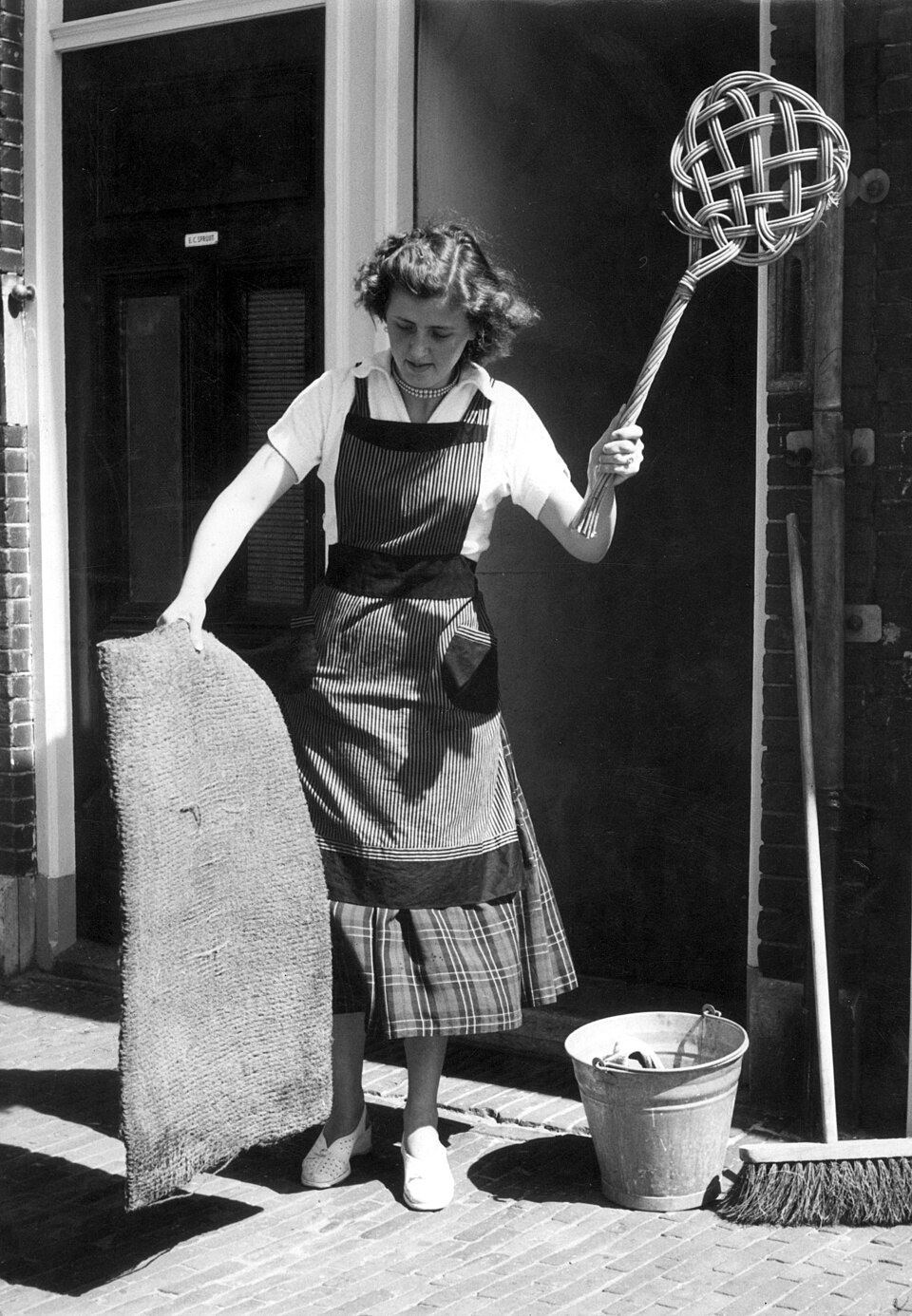
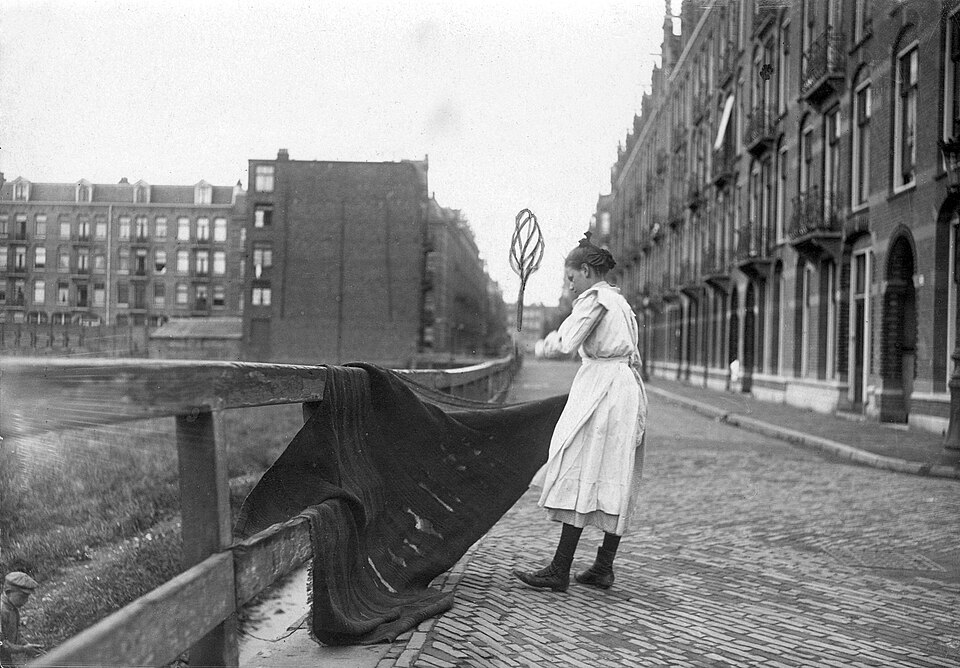
Large carpets were tacked to the floor and had to be prised up, carried out, hung and struck repeatedly to drive the dust out.
Vacuumed in place.
The beating is the emblematic image of this work and it was brutally effortful. Impact drives embedded particles out of a woven pile, which works, but it means lifting, hauling, hanging and striking something extremely heavy – repeatedly.
A further point about the beating is worth making, because it explains why the job was scheduled rather than done whenever it occurred to anybody. A hung carpet has to be struck from both sides, repeatedly, and the dust that comes out of it has to go somewhere – which means the work needs dry still weather and a space downwind of the open windows. Rain stops it entirely, a strong wind makes it unpleasant, and damp air makes it useless, because a damp pile releases nothing. So the whole operation waited for a run of several fine days, and when the weather offered them, everything else was dropped.
6. Straw Mattresses Were Emptied and Refilled
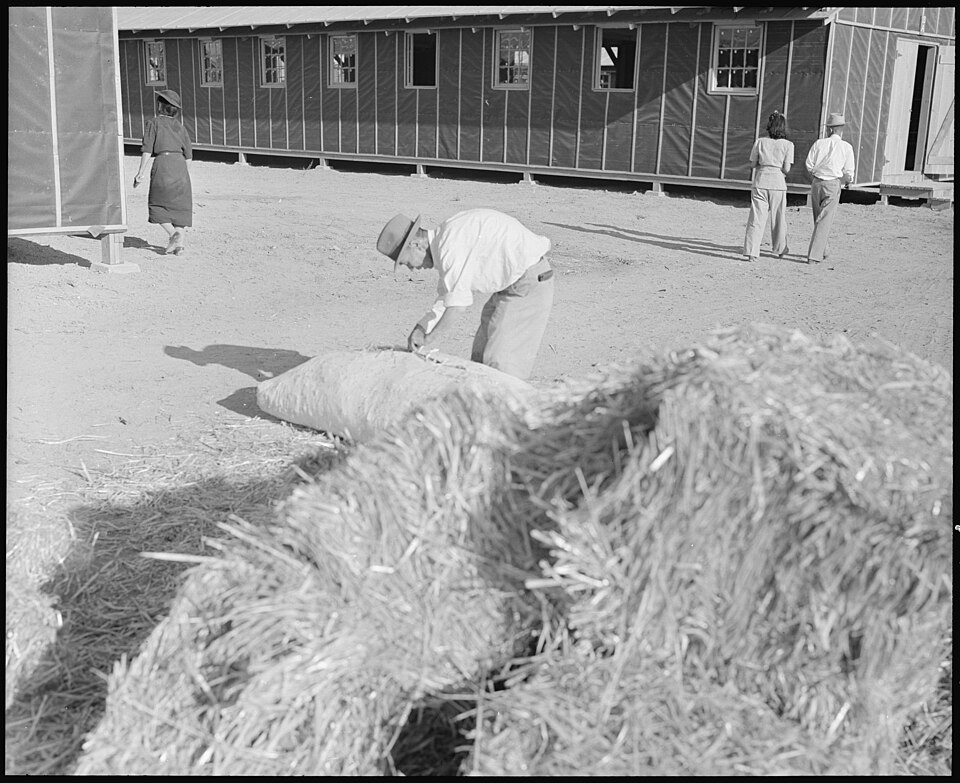
Ticks stuffed with straw or husks were opened, the old filling burned or spread, and fresh material put in.
Not applicable.
Renewing the bedding is the part that sounds strangest now and it was entirely sensible. A filling that compacts and collects everything shed by a sleeper is a consumable, so replacing it annually is maintenance rather than extravagance.
7. Whitewash Went Back on Once a Year
Ceilings, cellars, outbuildings and sometimes walls were recoated, which covered the winter’s discolouration and brightened dark rooms.
Paint, rarely renewed.
Recoating is the cheapest possible renewal and it did two jobs. A fresh coat conceals accumulated staining and reflects far more light into rooms with small windows – which matters a great deal in a house lit by daylight.
8. Stovepipes Came Down and the Stove Went Away
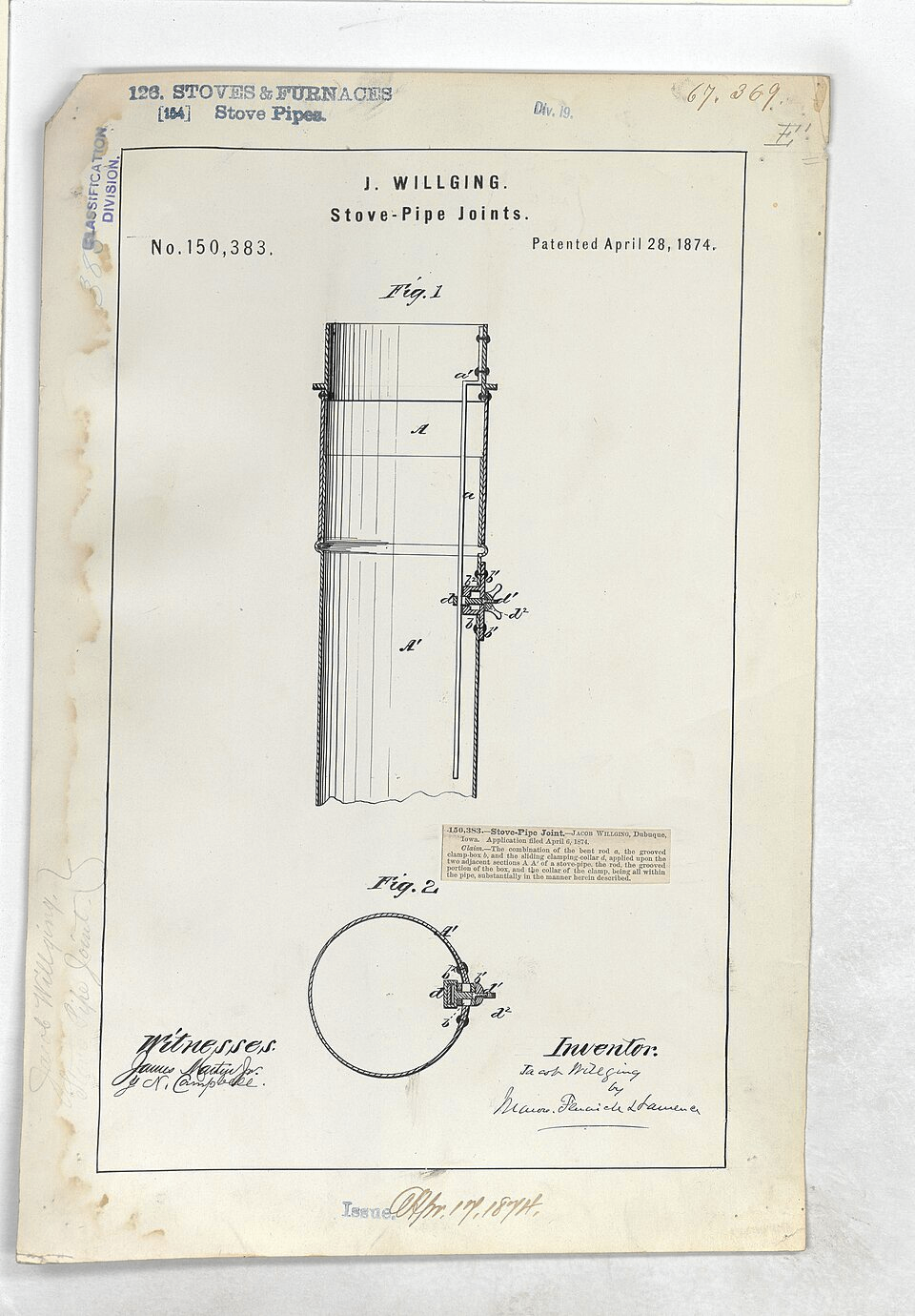
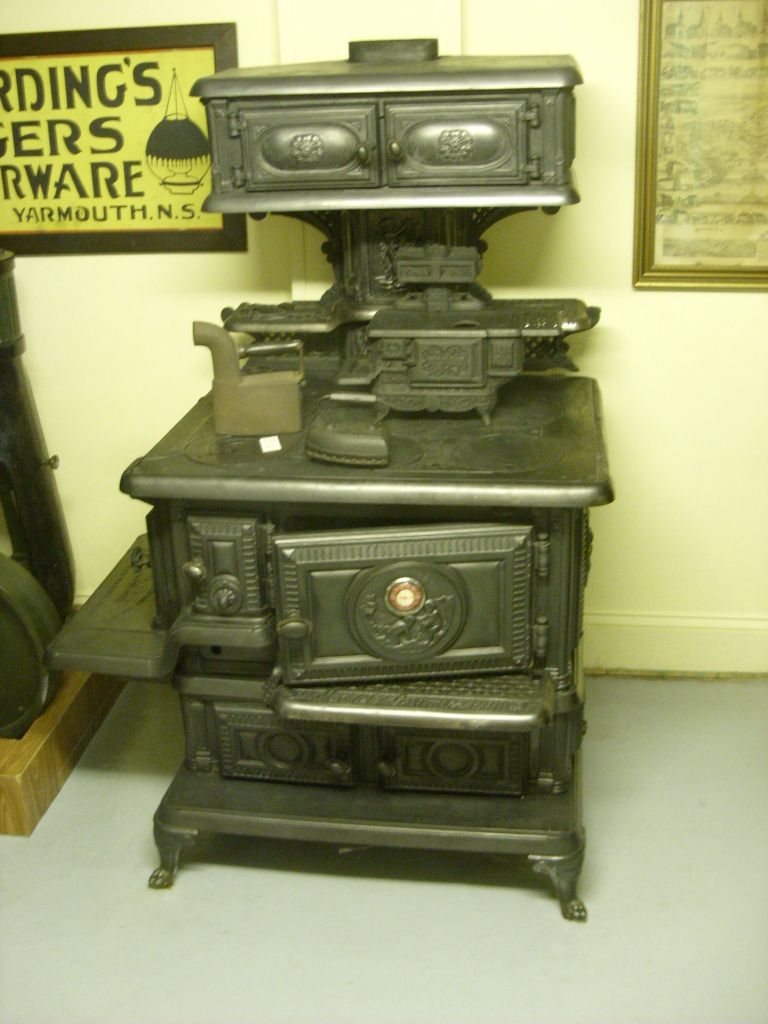
Heating stoves were dismantled, their pipes taken apart and cleaned, and the whole assembly stored until autumn.
Not applicable.
Removing the stove is the clearest marker of the season’s change and it freed the room completely. A heating stove occupies a great deal of space and its pipe crosses the room, so taking both out converts a winter parlour into a summer one.
9. Windows Were the Job That Took Longest
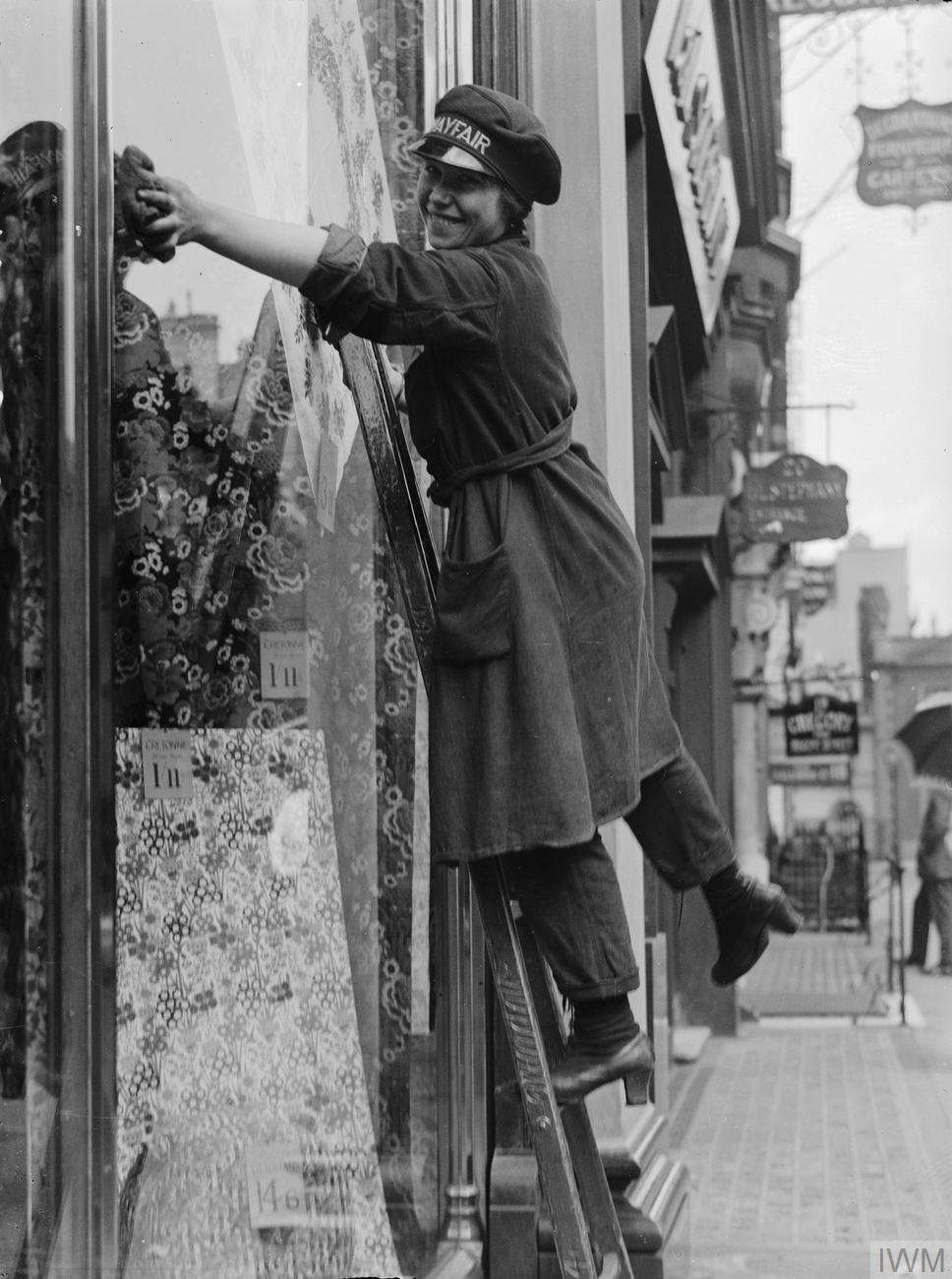
Every pane inside and out, with putty, frames, sashes and sills, in a house with a great many small windows, consumed days.
Not applicable in the same way.
Windows are the bottleneck of the whole operation and the arithmetic is unforgiving. Small panes mean many edges, and every edge has to be done by hand – so the total time is set by the number of divisions rather than the area of glass.
There is a second reason windows mattered more than they would now, and it is about what a house was for. A room lit only by daylight is only as bright as its glass is clean, so the difference between a washed window and a dirty one is the difference between a usable room and an unusable one. Cleaning the glass was therefore not cosmetic at all – it was restoring the light to rooms that had none of their own, and in a house with small divided panes it was the single most valuable thing a day’s work could achieve.
10. The Whole House Was Reorganised at the Same Time
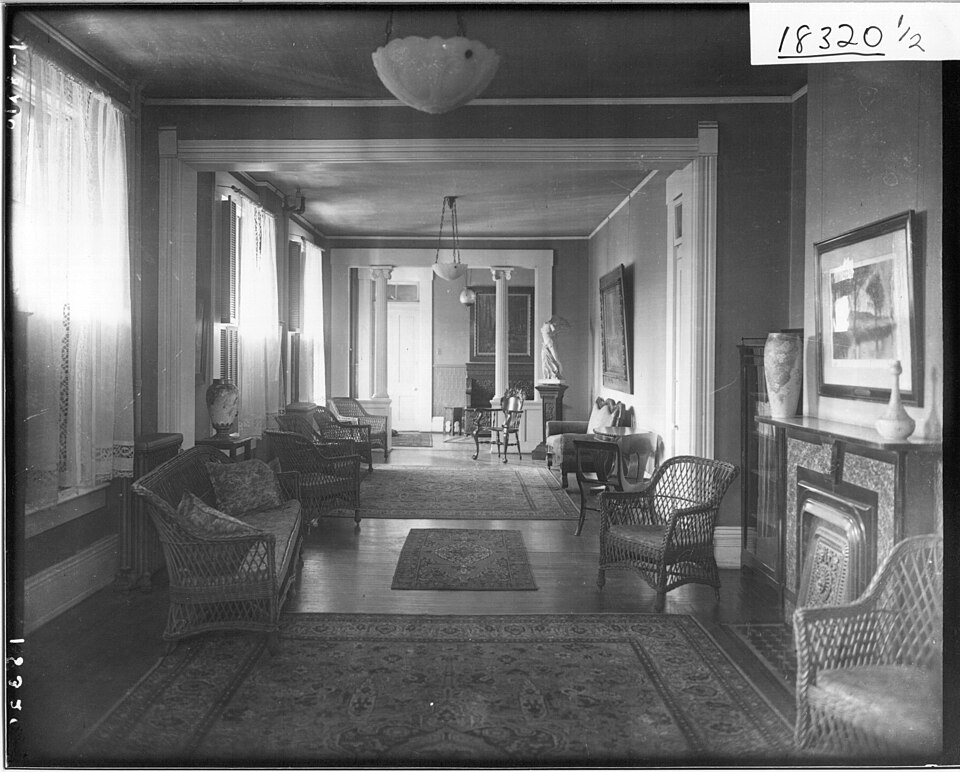
Heavy winter furnishings were replaced with lighter ones, matting went down in place of carpet, and rooms changed function.
Not applicable.
The seasonal swap is the part that gets forgotten and it means the house itself had two configurations. Cleaning and reconfiguring at once is efficient, because everything is already out of place and has to be put back somewhere.
11. Nothing Was Discarded Without Being Considered
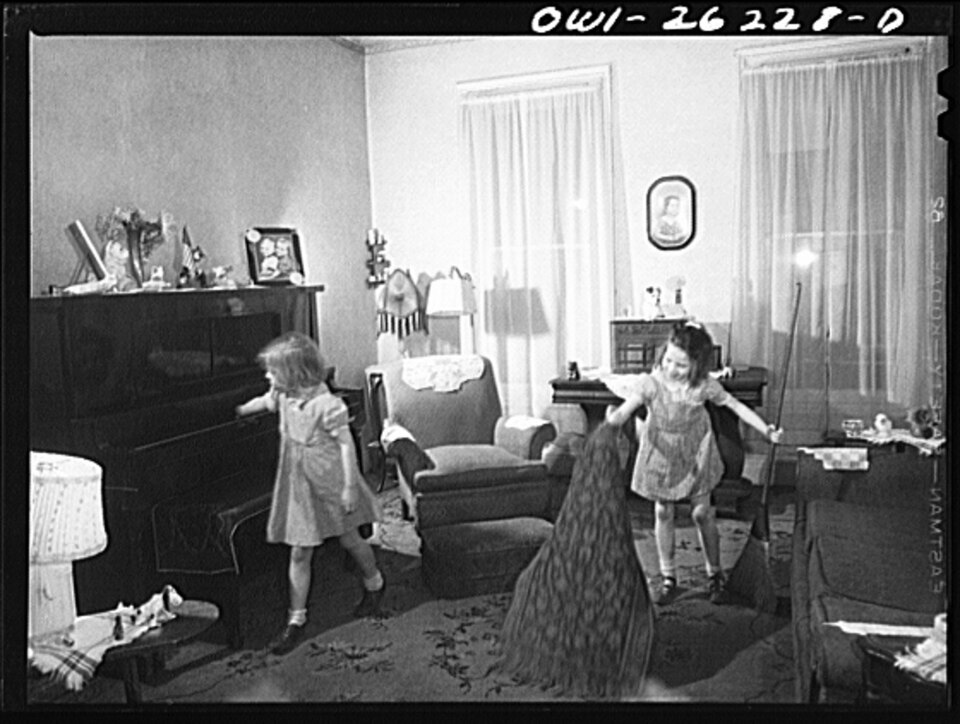
The emptying of every cupboard and drawer meant that every object in the house was handled and judged once a year.
Not applicable.
This is the unintended function of the whole exercise and it is a useful one. An operation that requires touching everything a household owns forces an annual inventory, which is why so little accumulated unexamined.
12. It Required More Hands Than One House Had
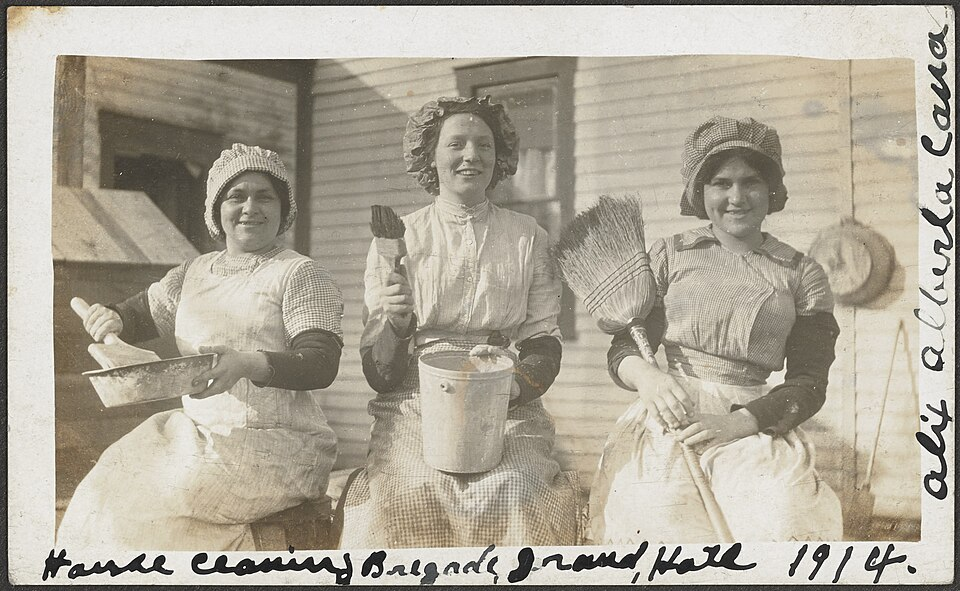
Neighbours, relatives and hired help were brought in, because the work could not be done by the household alone in the available time.
Not applicable.
The labour requirement made this a social event as well as a chore and the reciprocity was expected. A job too large for one household and seasonal for all of them is the natural candidate for exchanged help.
13. Everybody Dreaded It and Said So
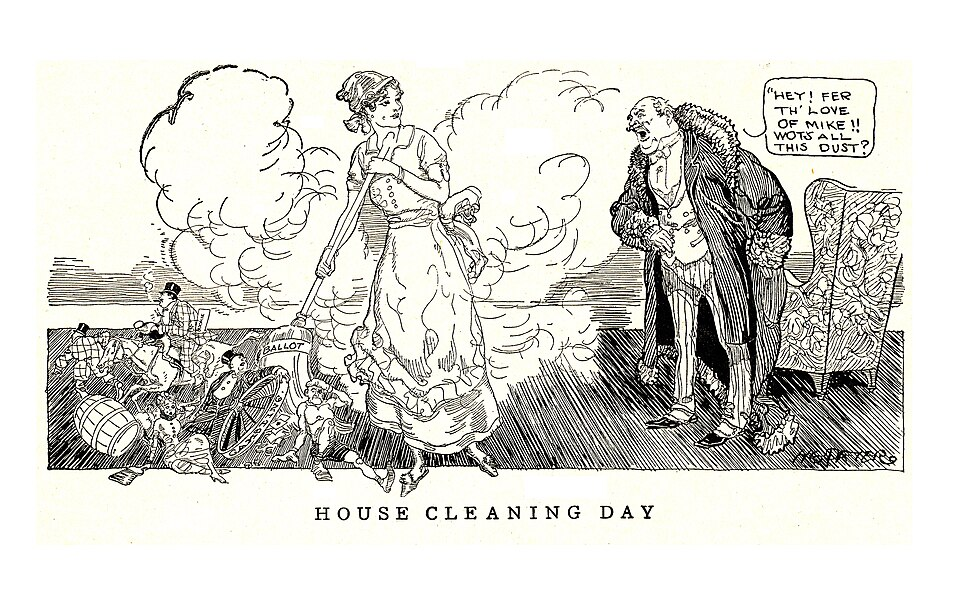
Housecleaning week was openly complained about, and the complaints were a recognised part of the season.
Not applicable.
It should be said plainly that this was not a fondly anticipated ritual. Days of heavy lifting, dust and disruption in a house where nothing was where it belonged was genuinely unpleasant, and the people doing it were not sentimental about it.
One more thing deserves saying about the complaints, because they tell you what the week actually cost. A house with its contents in the yard cannot function: there is nowhere to sit, meals are improvised, and the ordinary business of living is suspended for as long as the job takes. That is why the dread was real and why the work was compressed into the shortest possible span. Nobody spread housecleaning over a fortnight for comfort – they finished it as fast as it could be finished, because until it was finished there was no home to be in.
14. Then the Vacuum Cleaner Dismantled the Whole Idea

A machine that removes dust from a carpet where it lies eliminates the carrying, the hanging and the beating in a single step.
Universal.
The vacuum is the decisive change and it is worth understanding why it mattered so much. It does not merely clean faster – it removes the reason for the entire outdoor operation, because the dust no longer has to leave the house inside something.
15. And by 1964 It Had Shrunk to a Phrase
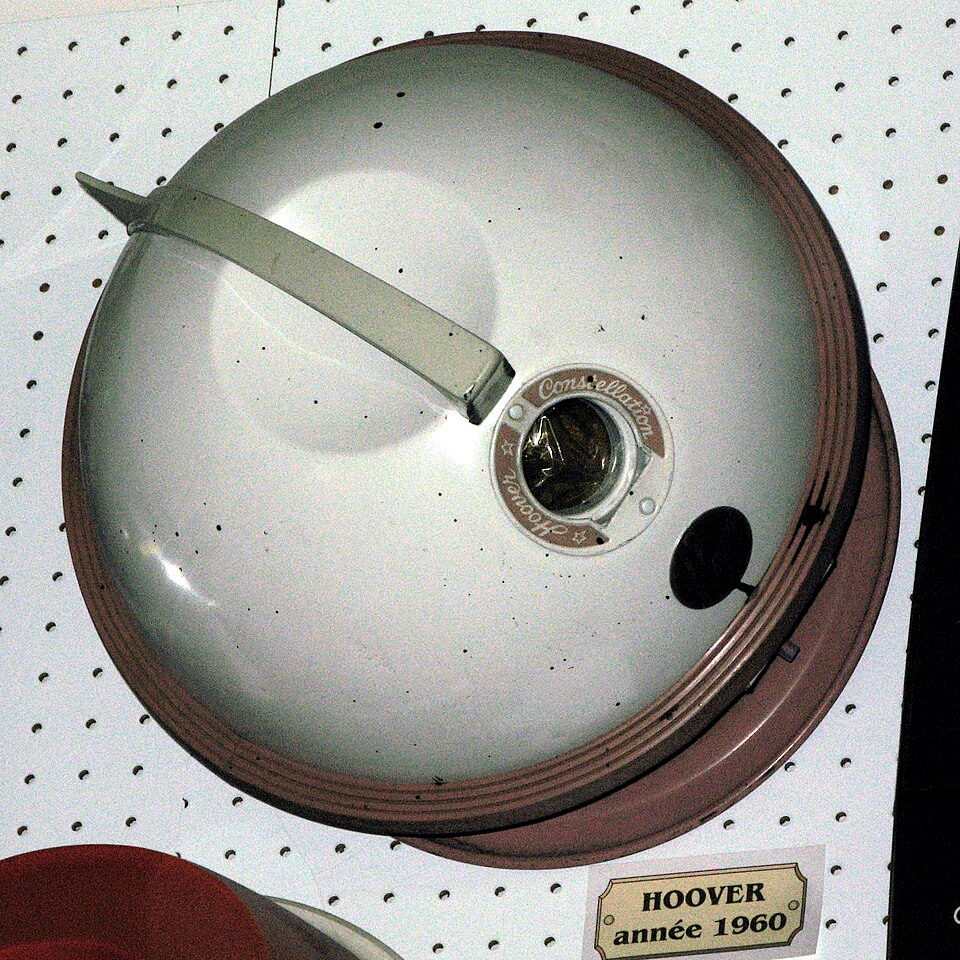
Spring cleaning survived as a term for a thorough tidy, with no connection to the week-long dismantling it had once described.
A figure of speech.
And what deserves the last word is that this was a response to burning fuel indoors with the windows shut. Months of combustion loads a fine greasy particulate onto and into every soft surface in a building, and there is no selective answer to that – which is why the work could only be done in bulk, and only outdoors, because dust removed indoors simply resettles indoors. So everything portable was carried into the yard, the carpets were prised up and beaten, the mattress filling was replaced as the consumable it was, the whitewash went back on to hide the winter and throw light into rooms with small windows, and the stove came out and left the room twice its size. It needed more hands than any one household had, everybody complained, and then a machine that lifts dust where it lies made the entire operation pointless in one step.
It Was a Response to Burning Fuel in a Closed House
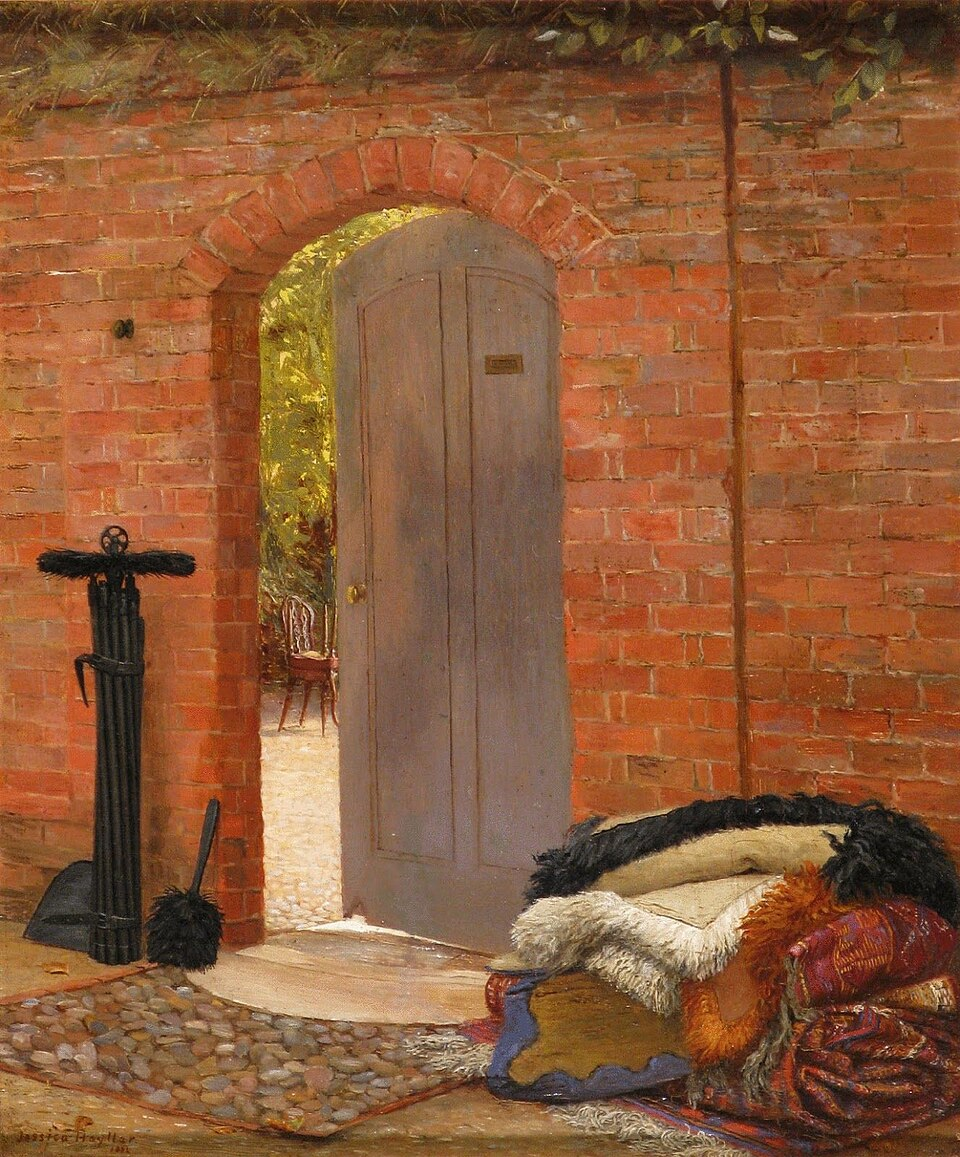
Spring cleaning is now a phrase for a thorough tidy, and it used to describe a week in which a house was dismantled and reassembled.
The cause is specific and it has gone away, which is why the practice has too. A house heated by combustion with the windows shut for months deposits a fine greasy particulate on and into every surface in it – walls, ceilings, curtains, upholstery, and inside every fold of fabric in the building.
There is no selective answer to that. Soot settles everywhere equally, which is why the cleaning could not be partial and why every soft thing in the house was implicated at once.
And it had to be done outdoors, which is the practical core of the whole operation. Dust removed indoors resettles indoors. The only way to get it out of a house is to carry the thing holding it out of the house first – so furniture, rugs, bedding and curtains went into the yard, where there was light, air and room to work.
The carpet beating is the emblematic image and it was brutal. Large carpets were tacked down and had to be prised up, hauled out, hung and struck repeatedly. Impact does drive embedded particles out of a woven pile, so it worked – it simply cost an enormous amount of physical effort.
Two renewals happened at the same time, and both make more sense than they sound.
Straw and husk mattress fillings were emptied and replaced, because a filling that compacts and collects everything a sleeper sheds is a consumable. Replacing it annually is maintenance, not extravagance.
And whitewash went back on – ceilings, cellars, outbuildings, sometimes walls. The cheapest renewal available, doing two jobs at once: concealing the winter’s discolouration, and reflecting far more light into rooms that depended entirely on daylight through small windows.
The stove came out, and that is the clearest marker of the season turning. A heating stove takes up a great deal of floor and its pipe crosses the room, so dismantling both and storing them until autumn converted a cramped winter parlour into a summer one.
The windows took longest, and the arithmetic explains why. Small panes mean many edges, every edge is done by hand, and the total time is therefore set by the number of divisions rather than the area of glass. In a house with many small windows that is days of work.
The house was also reorganised while it was apart – heavy winter furnishings swapped for lighter ones, matting down in place of carpet, rooms changing function. Doing both at once is efficient, because everything is already out of place and has to be put back somewhere.
One unintended consequence is worth noticing. An operation that requires emptying every cupboard and drawer means every object in the house is handled and judged once a year, which is why so little accumulated unexamined.
It needed more hands than any single household had, so neighbours, relatives and hired help came in – the natural arrangement for a job that is too large for one house and seasonal for all of them.
And everybody hated it. Housecleaning week was openly complained about and the complaints were part of the season. Days of lifting, dust and disruption in a house where nothing was where it belonged is genuinely unpleasant, and nobody doing it was sentimental about it.
Then the vacuum cleaner arrived, and it did something more than clean faster. It removed dust from a carpet where the carpet lay – which eliminated the carrying, the hanging and the beating in a single step, and with them the reason the whole operation had to happen outdoors.
What survived is the phrase. The week itself went with the soot.
Which leaves one question worth asking, and it is not rhetorical. If the practice was a response to soot, and the soot is gone, then the week is not something we lost – it is something we no longer need. That is a different kind of disappearance from most of what is in these files. The hayfork, the flatiron and the butter churn were all replaced by better versions of themselves, and the people using them went on doing the same job more easily. Housecleaning week was not improved. The condition that made it necessary simply stopped existing, and the work went with it.
It is worth holding both halves of that. The labour was punishing, repetitive and resented, and nobody should wish it back. But it also produced an annual reckoning with every object a household owned, a reconfiguration of the building for a different season, and several days in which a dozen people worked in the same yard on the same problem. None of that was the point. All of it went anyway.
If you say spring cleaning now, remember what it used to mean.
It meant the furniture was in the yard and the stove was in the shed.
Like our content? Follow us for more.