

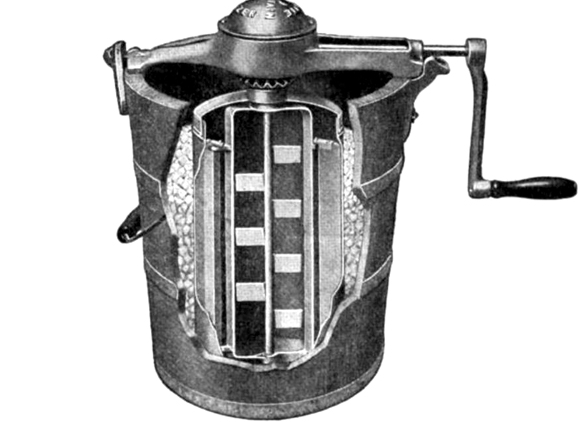
The crank freezer in my grandparents’ cellar was a wooden bucket with a metal can inside it and a gearbox on top, and the part nobody could ever explain to me was the salt. You put ice in, which makes sense, and then you poured rock salt over it, which does not – salt is what you put on a path to melt ice. It took me far too long to find out that melting the ice is exactly the point, and that the whole machine depends on it.
Ice Is Not Cold Enough on Its Own
Start with the problem, because it is not obvious.
Ice sitting in a bucket is at the freezing point of water. A can of cream mixture surrounded by that ice will get down to roughly the same temperature and then stop, because heat only flows from warmer to colder and there is nothing colder available.
But a frozen dessert has to be colder than that. The mixture contains sugar and fat, and sugar dissolved in water lowers the temperature at which it freezes – so a sweet mixture is still liquid at the point where plain water would be solid. To freeze it, you need something genuinely below the freezing point of water, and ordinary ice is not.
Like our content? Follow us for more.
Salt Forces the Ice Below Freezing
Here is the mechanism, and it is the only clever thing in the machine.
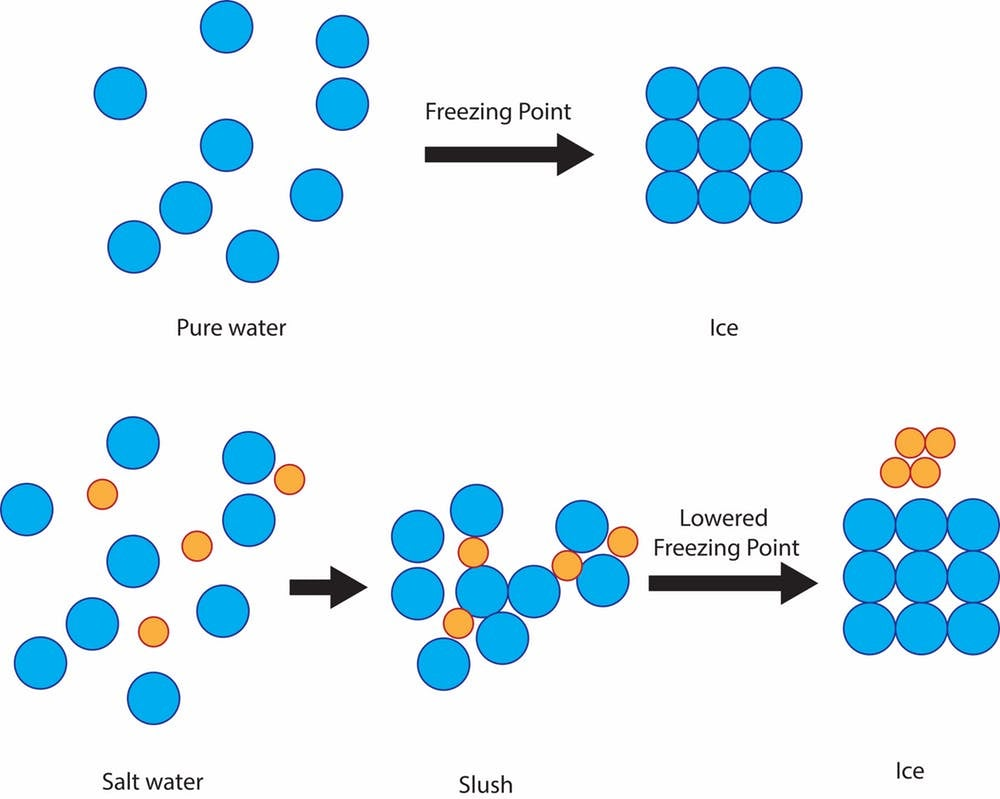
Salt dissolves in water and lowers its freezing point – which is why it is thrown on roads. Pour salt onto ice and a thin film of water forms, the salt dissolves into it, and that salty water can stay liquid well below the temperature at which plain water freezes.
Melting takes energy, and that energy has to come from somewhere. It comes out of the surroundings as heat. So the ice goes on melting, the melting goes on absorbing heat, and the whole mixture of ice, salt and brine drops to a temperature considerably below freezing and sits there.
That brine is the refrigerant. It is colder than ice could ever be on its own, it is in direct contact with the metal can, and it is what actually freezes the cream.
More Salt Is Not Better

The proportion mattered and households argued about it.
Too little salt and the brine never gets cold enough, so the mixture takes a very long time and may not freeze properly at all. Too much and the brine gets extremely cold very quickly, which freezes the layer touching the can into a hard crust before the rest has been worked – and the result is coarse and grainy rather than smooth.
So the recipe for the ice and salt is as much part of making ice cream as the recipe for the cream, and it was passed on the same way. Everybody had a ratio they insisted on.
The Turning Was Not Mixing. It Was Scraping.
This is the part people get wrong about the crank.
As the brine pulls heat out of the can, the mixture freezes first against the metal wall, where the cold is. That frozen layer then insulates everything behind it, so the freezing slows down and eventually stops.
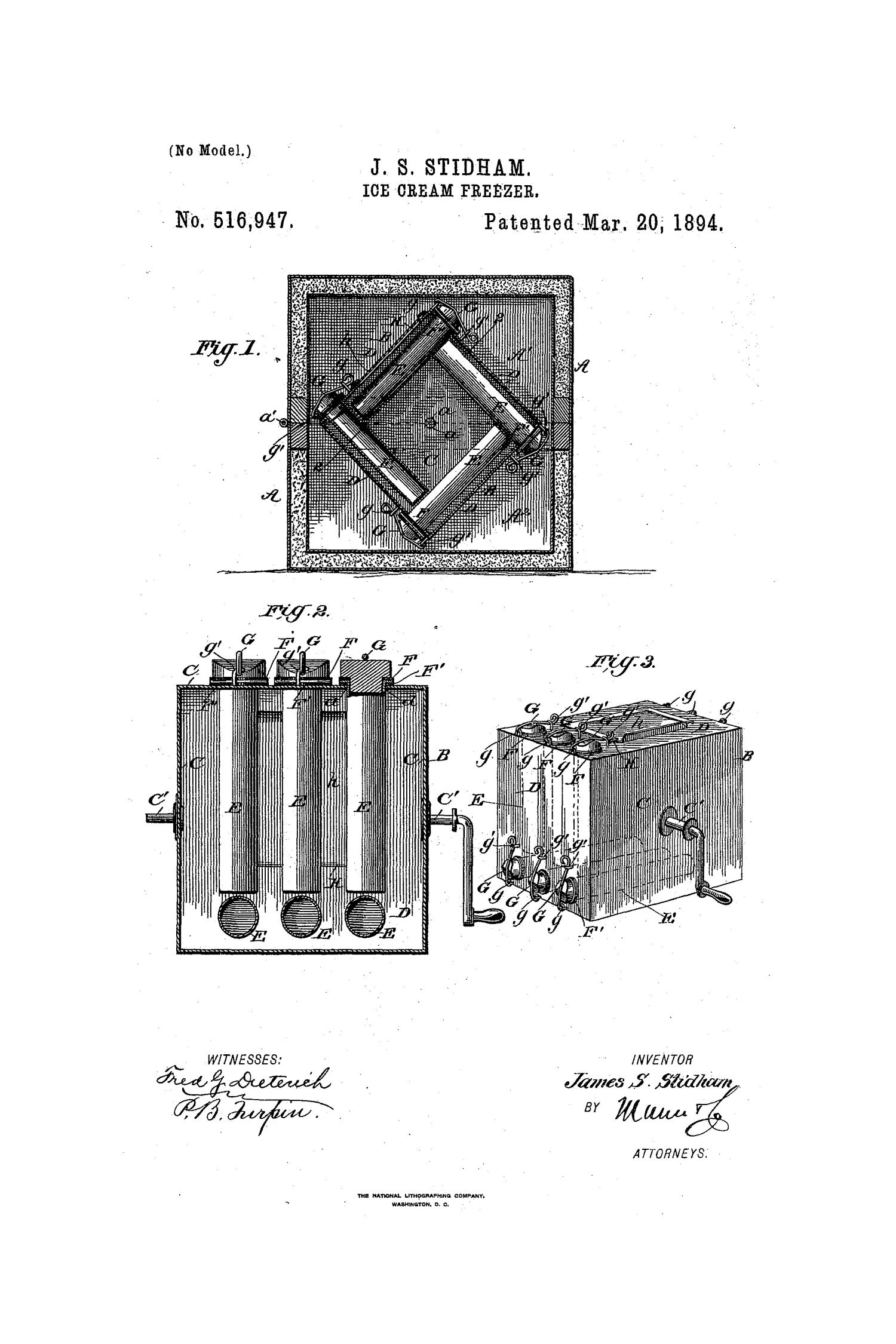
The dasher inside the can is a scraper. Turning it drags the frozen layer off the wall and folds it back into the liquid centre, which does two things: it exposes fresh liquid to the cold metal so freezing continues, and it breaks the ice crystals up small.
Crystal size is the entire difference between ice cream and a block of sweet ice. Small crystals feel smooth; large ones feel gritty. So the turning is not there to blend anything – it is there to keep the crystals small and the freezing going.
It Also Beat Air In
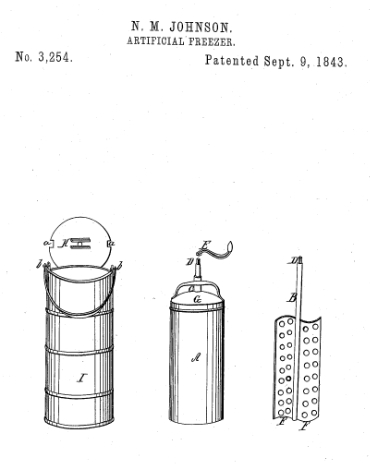
There is a second consequence of all that scraping.
Working a thickening mixture folds air into it, and that air is a structural part of the finished product. Ice cream with air in it is softer, lighter and easier to scoop; the same mixture frozen solid without being worked is a brick.
Which explains why the crank got harder and harder to turn and why that was the signal everybody waited for. The resistance increases as the mixture stiffens, and when it becomes genuinely difficult to move, the thing is done.
Then It Had to Sit and Harden
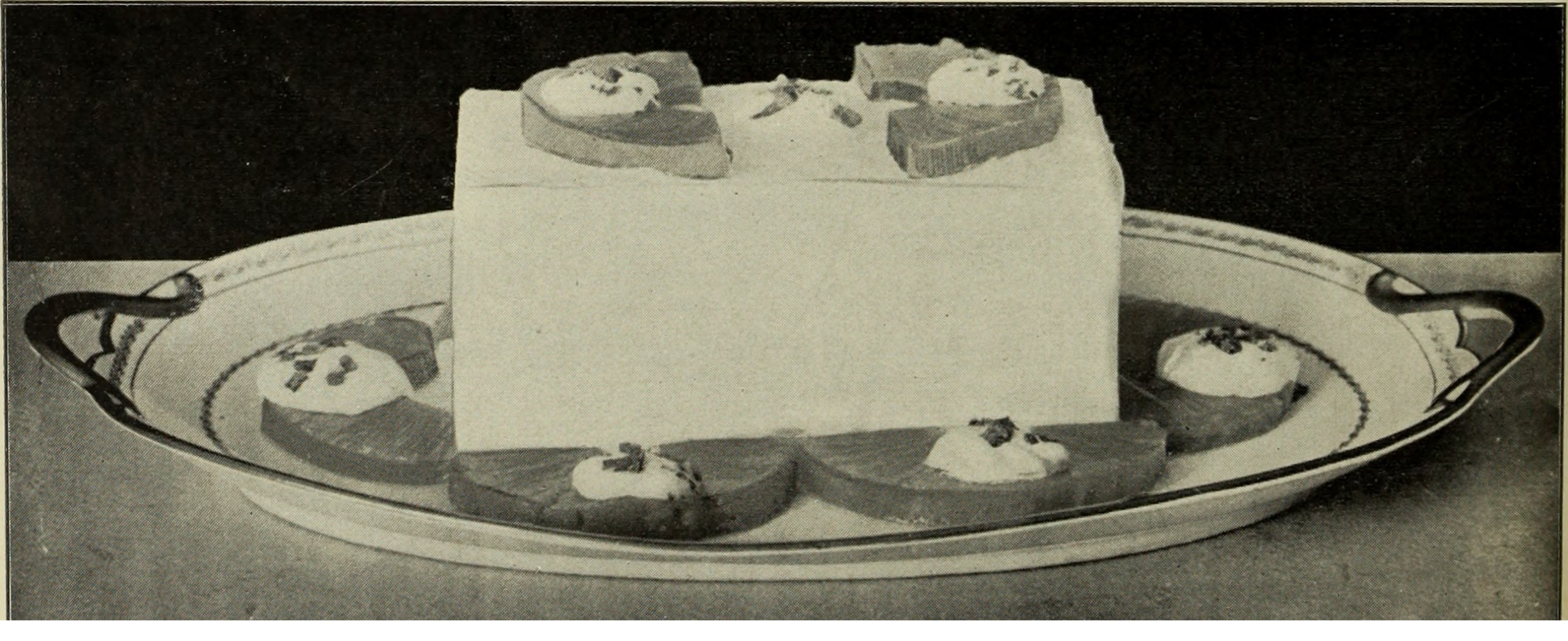
Straight off the crank, the result is soft – too soft to serve properly.
So the dasher came out, the hole was plugged, more ice and salt went over the top, and the whole freezer was wrapped in sacking or newspaper and left alone for an hour or two. The remaining cold worked its way in and firmed the mixture up without anybody turning anything.
The wrapping is doing real work here. An insulated container loses cold slowly, so the brine stays cold long enough to finish the job – and that waiting period, which everybody remembers as unbearable, is a genuine stage in the process rather than an adult delaying tactic.
The Dasher Was the Reward

And this is the universal memory.
Whoever took the dasher out got what was stuck to it, and that was a recognised payment for the work. The job of turning a crank for twenty or thirty minutes in July went to whoever could be persuaded, and the dasher was the persuasion.
I have never seen an account of this that does not mention it, which tells you the arrangement was close to standardised across the whole country without anybody having organised it.
Everybody Took a Turn Because It Was Hard Work
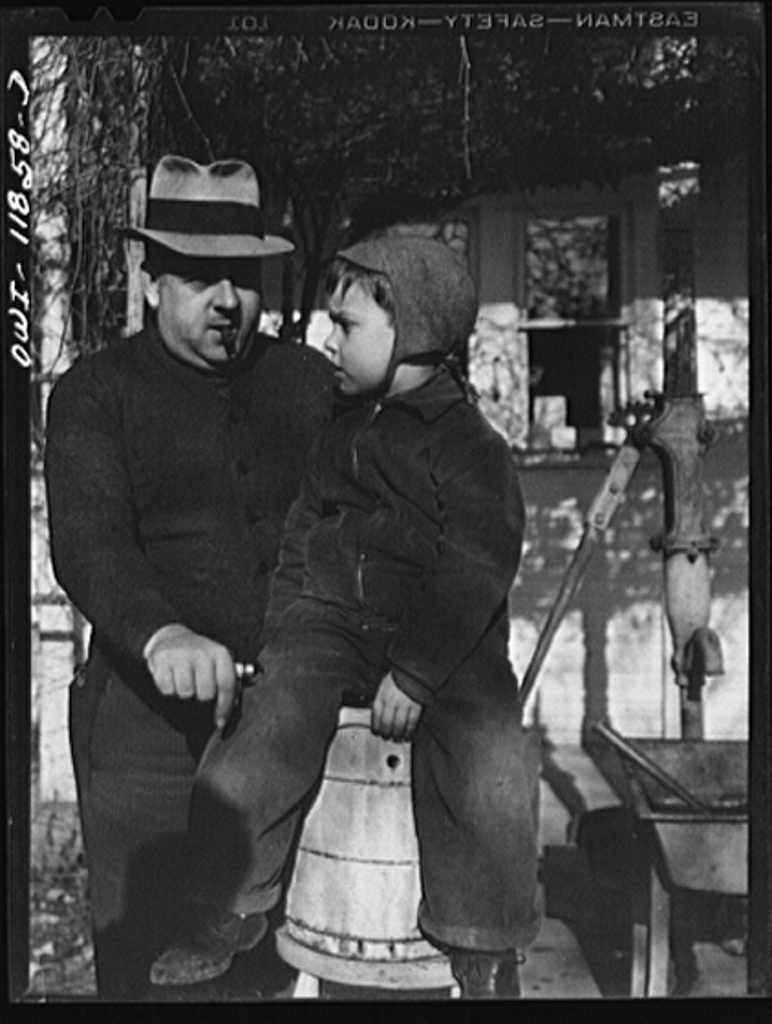
The labour involved is easy to underestimate.
Twenty minutes of cranking against increasing resistance, outdoors in summer, is a real job – and the last few minutes are the hardest, which is exactly when the product is at risk if you stop. So the crank passed from person to person, with each one going until their arms gave out.
That rotation is why ice cream was a group event rather than something one person made. It needed an audience because it needed a relay, and the audience then expected to be fed.
The Ice Had to Come From Somewhere
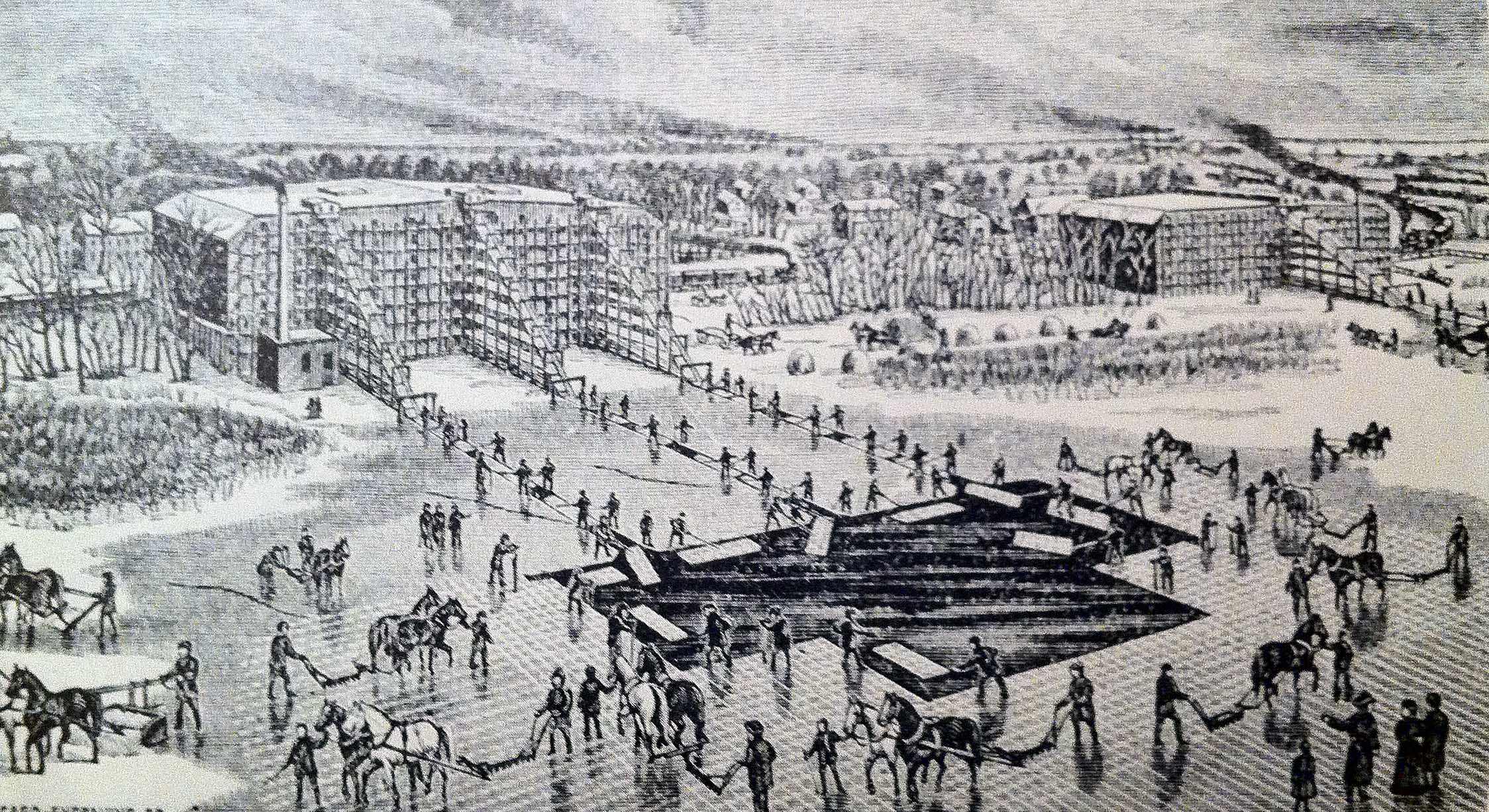
The ingredient nobody thinks about is the ice itself.
In a town, ice was bought from a dealer. On a farm, it was cut from a pond in winter and stored packed in sawdust, or it was not available at all – which means ice cream in summer was a direct consequence of somebody having done cold, wet, dangerous work six months earlier.
That is the fact that makes the dessert a celebration rather than a snack. It used a stored resource that had cost real labour to obtain, in a quantity that could not be replaced until the following winter, on a day when the household decided it was worth it.
The Bucket Was Wood for a Reason
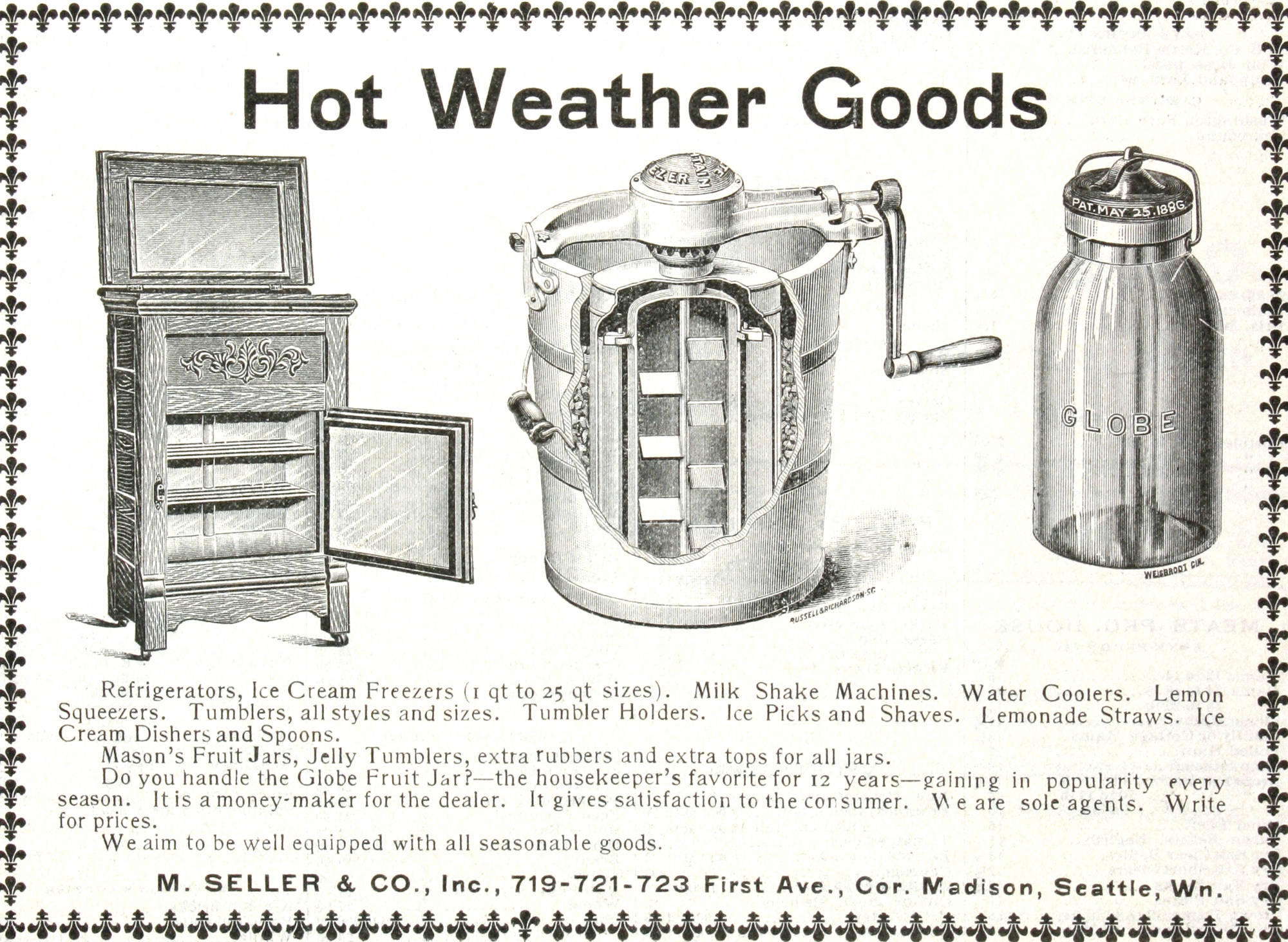
The outer container is the part that looks merely traditional and is doing a job.
Wood conducts heat poorly. A wooden bucket around the brine keeps the cold in and the summer afternoon out, which matters enormously when the whole process depends on a limited quantity of ice doing as much work as possible before it is gone. A metal outer container would have bled heat inward all afternoon and wasted the ice.
The staves also swell when wet and seal themselves, which means the bucket holds the brine without any lining – and there is usually a small hole near the bottom with a plug in it, because the brine level rises as the ice melts and has to be let off before it reaches the lid of the can and gets salt water into the ice cream.
That drain hole is the detail that separates somebody who had used one from somebody who had only seen one. Forgetting it ruins the whole batch at the last minute, in a way that cannot be fixed, and every set of instructions ever written for these machines mentions it.
Then the Electric Freezer Took the Crank Away
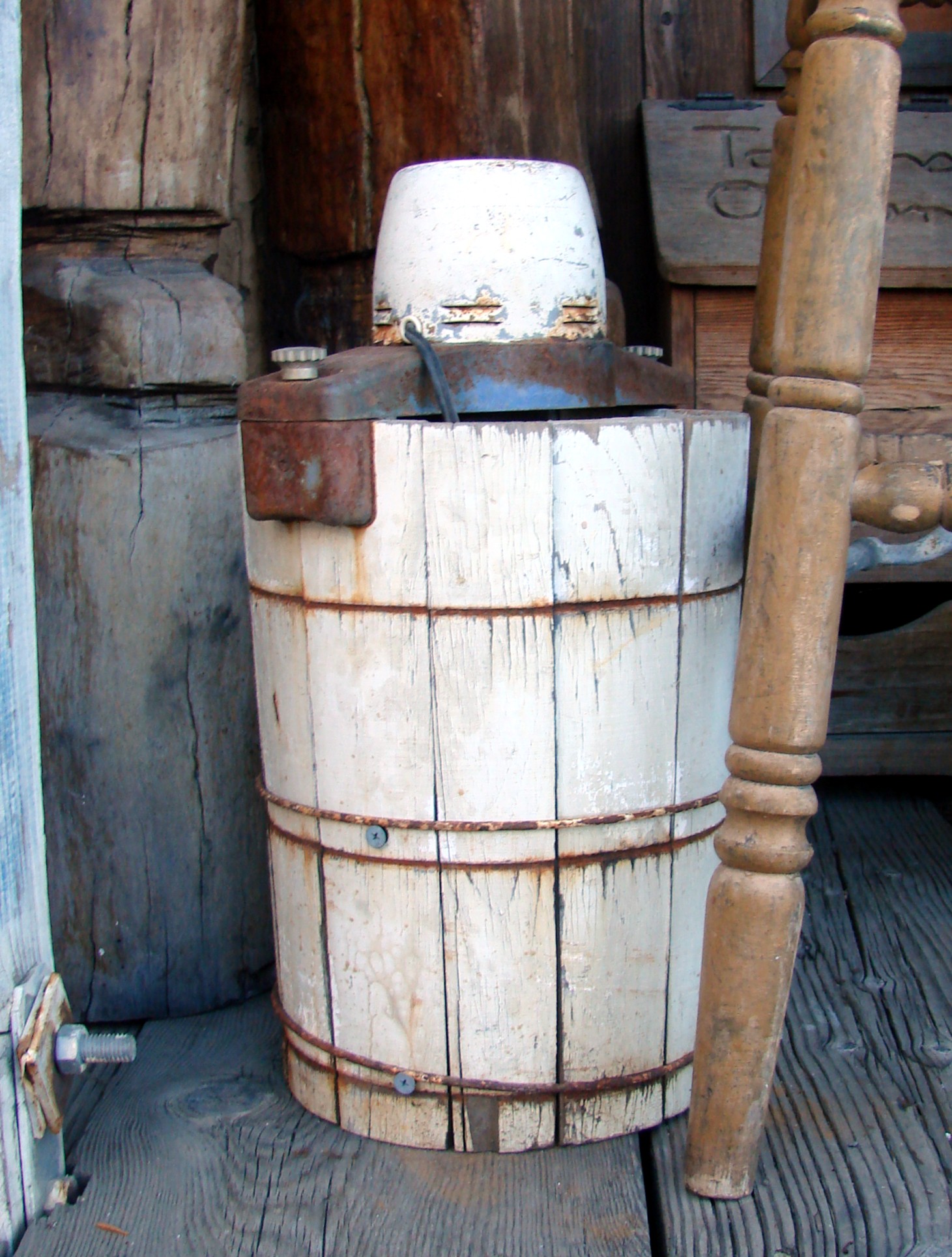
The first change was a motor on top of the same bucket.
That removes the labour and keeps the chemistry, which is a straightforward improvement and also the end of the social arrangement. A machine that turns itself needs no relay, no audience and no dasher-licking bargain – so the ice cream got easier and the occasion disappeared.
Then the home freezer removed the brine entirely. A compartment that holds a temperature well below freezing can freeze a mixture directly, with no ice, no salt and no melting – and a small machine with its own cooling unit does the scraping too.
And then it stopped mattering at all, because commercial ice cream became cheap, uniformly smooth and available in every store, which is a product no household machine can beat on either count.
What the Salt Was Doing
I want to end with the thing I did not understand for twenty years.
Salt on a road melts ice to clear a path. Salt in an ice cream freezer melts ice to make cold. It is the same process doing two opposite-seeming jobs, because melting ice absorbs heat – and if you surround something with melting salty ice, the heat it absorbs comes out of that something.
Nobody in that cellar knew the words for any of this. They knew the ratio, they knew to pack the layers, they knew the crank got hard at the end and that you waited an hour before opening it. That is a complete working knowledge of a refrigeration cycle, held as a set of rules about salt and ice, and passed down a family alongside the recipe for the cream.
Like our content? Follow us for more.
