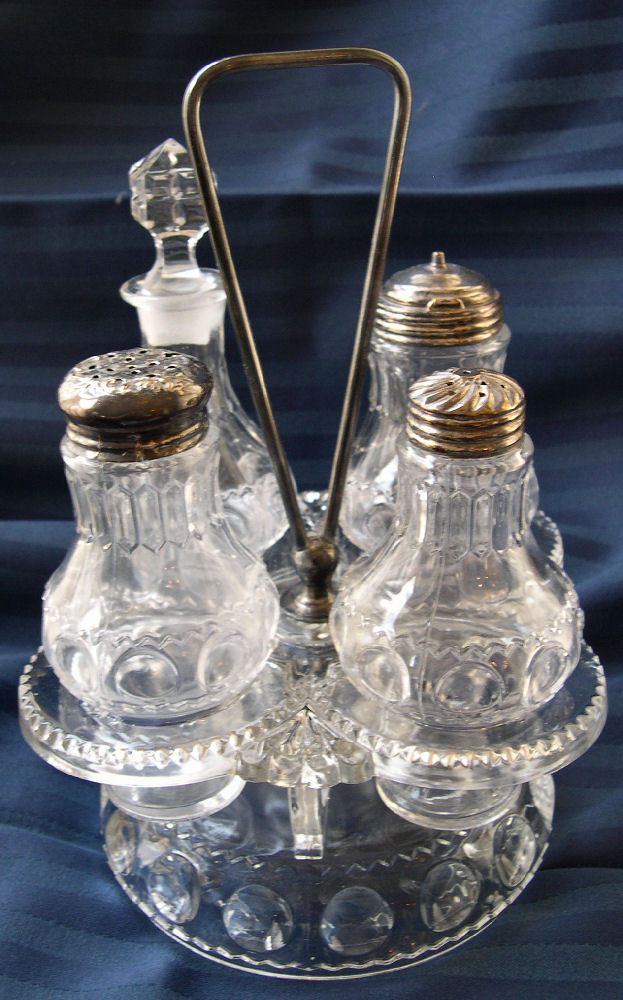
A castor set was a revolving stand of bottles that stood in the middle of the table.
The name means nothing now, so start with the object: a metal frame with a handle holding several glass bottles and shakers in a ring, turning on its base, standing permanently at the centre of the table. Every seasoning at the meal within reach of every person.
And it existed to solve a logistics problem that is easy to underestimate. At a full table with people down both sides, handing a small bottle from one end to the other takes time and interrupts the meal – and a large household generates those requests constantly. A stand that revolves answers all of them in one movement, with nobody asking and nobody passing. Here are sixteen things every family knew.
1. A Castor Set Was a Revolving Stand of Bottles in the Middle of the Table
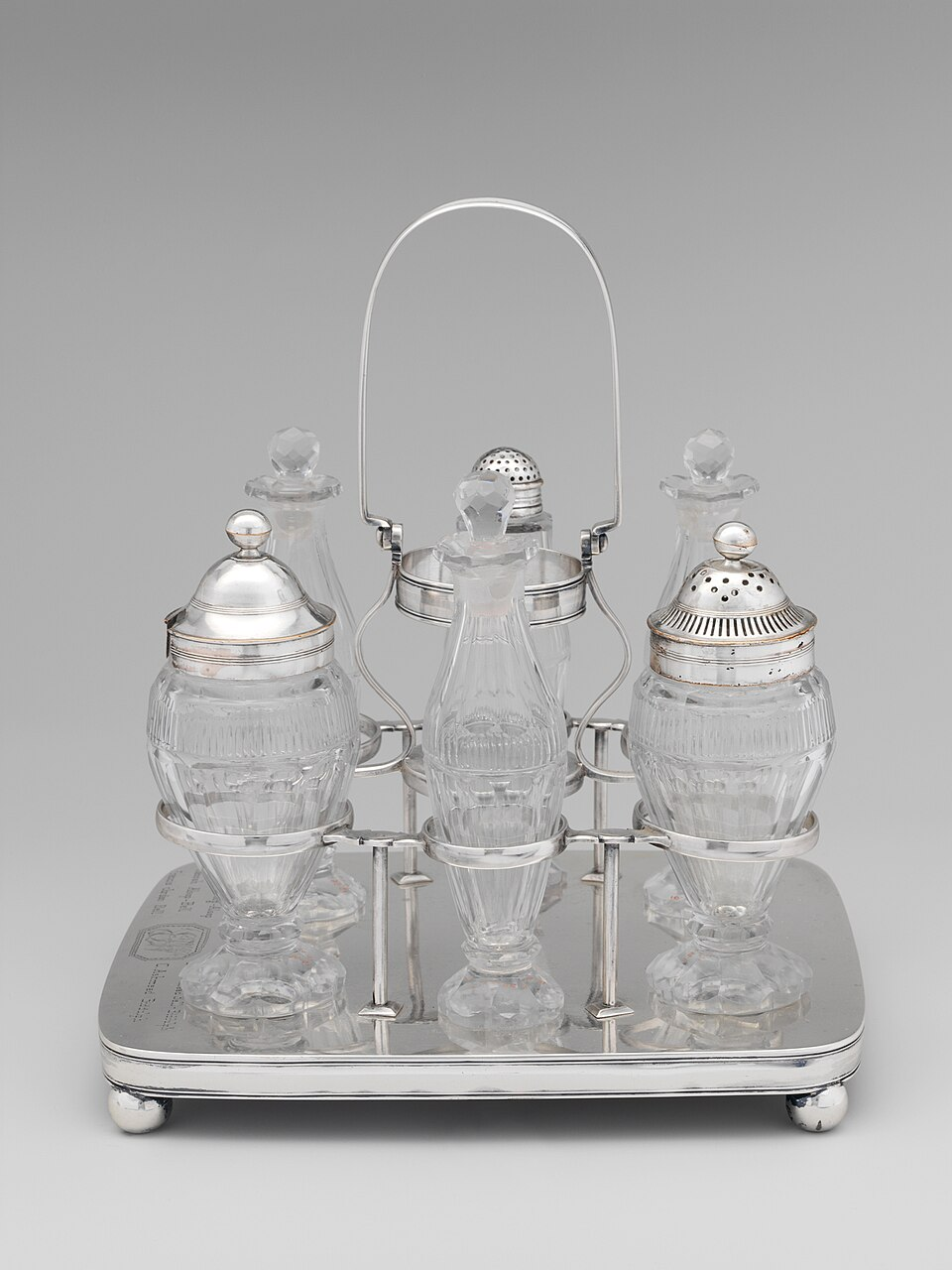
A metal frame with a handle held several glass bottles and shakers in a ring, and it turned so anybody seated could reach any of them.
Individual containers passed by hand.
Start with what it was, because the object has gone so completely that the name means nothing now. A frame holding a ring of bottles, standing permanently in the centre of the table and turning on its base, so that every seasoning at the meal was within reach of every person.
Like our content? Follow us for more.
2. It Existed Because Nothing Could Be Passed Quickly
At a full table with people on both sides, handing a small bottle from one end to the other took time and interrupted the meal.
Not applicable in the same way.
The problem it solved is a logistics problem and it is easy to underestimate. A large household eating together generates constant small requests, and a central rotating store answers all of them without anybody having to move or ask.
3. Turning It Was Faster Than Asking
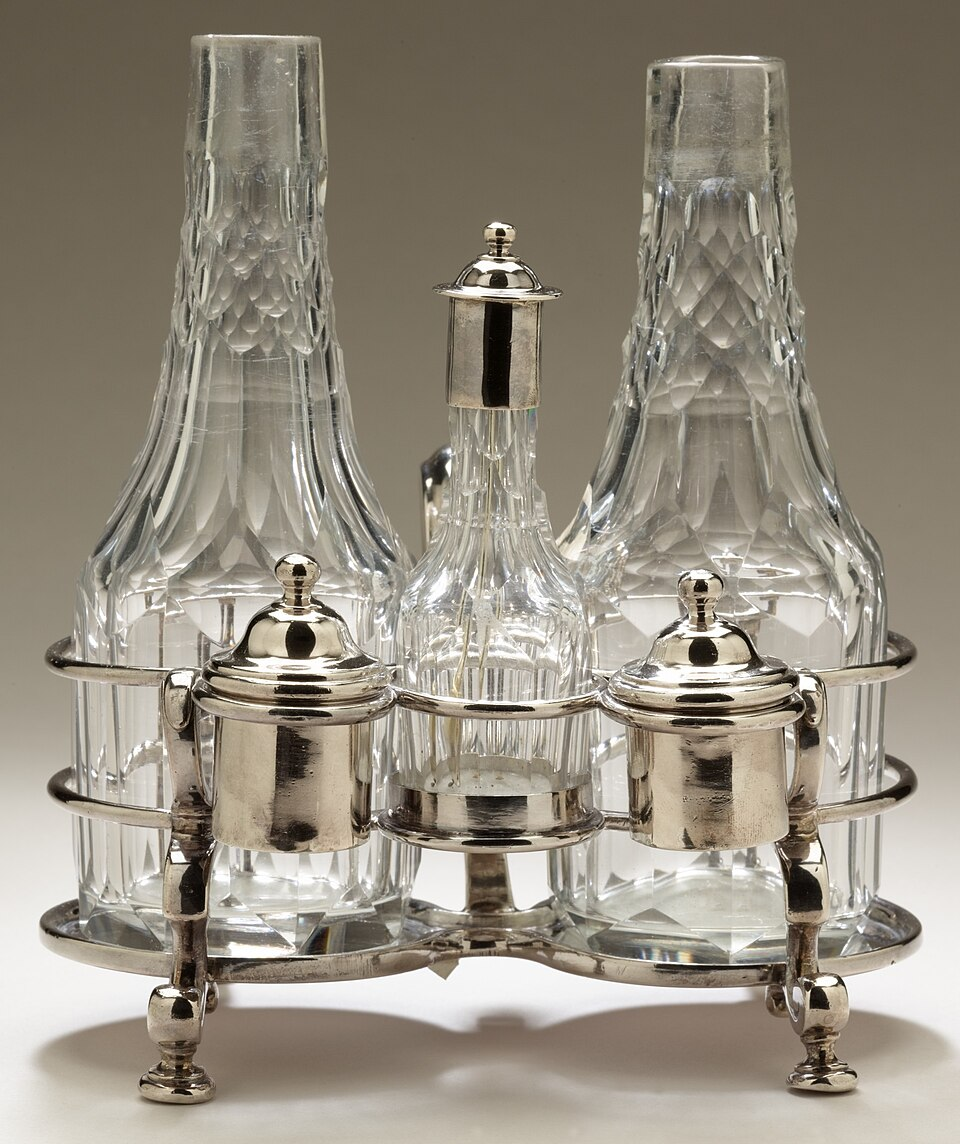
The whole point of the revolving base was that reaching a seasoning required one movement by one person rather than a chain of hands.
Not applicable.
The mechanism is trivial and the saving is real. Rotating a stand brings any bottle to any position in a second, which eliminates both the request and the passing – and at a table of ten that is a substantial reduction in traffic.
4. The Bottles Were Glass So the Contents Could Be Identified
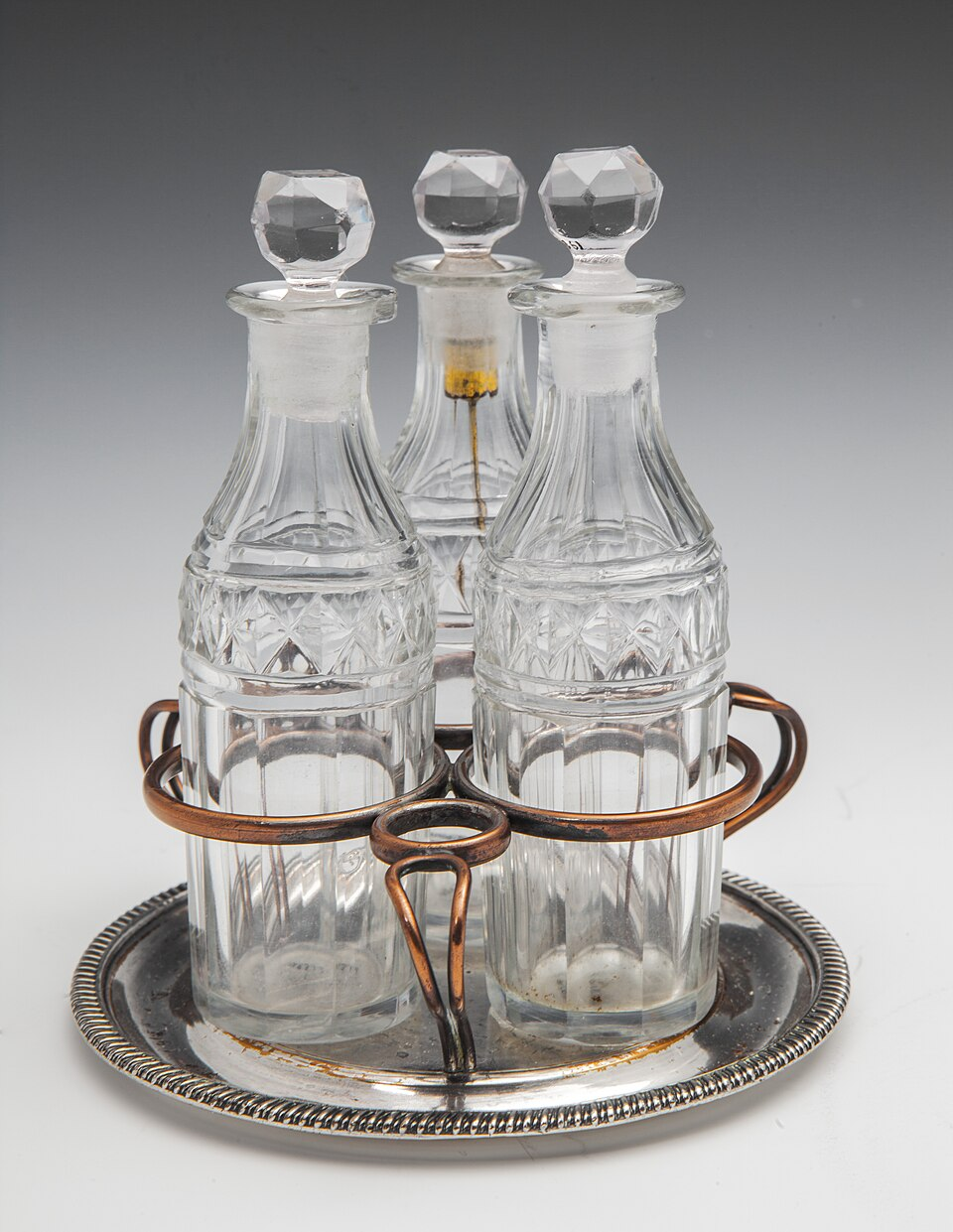
Clear or coloured glass let anybody see at a glance which bottle held which liquid, since the stoppers were often identical.
Labelled packaging.
Transparency as an identification system is a sensible solution to an obvious difficulty. Several similar bottles in a ring would be indistinguishable if they were opaque, so the material does the labelling – which is why these were glass rather than pottery.
5. Vinegar Was the One Bottle Nobody Omitted
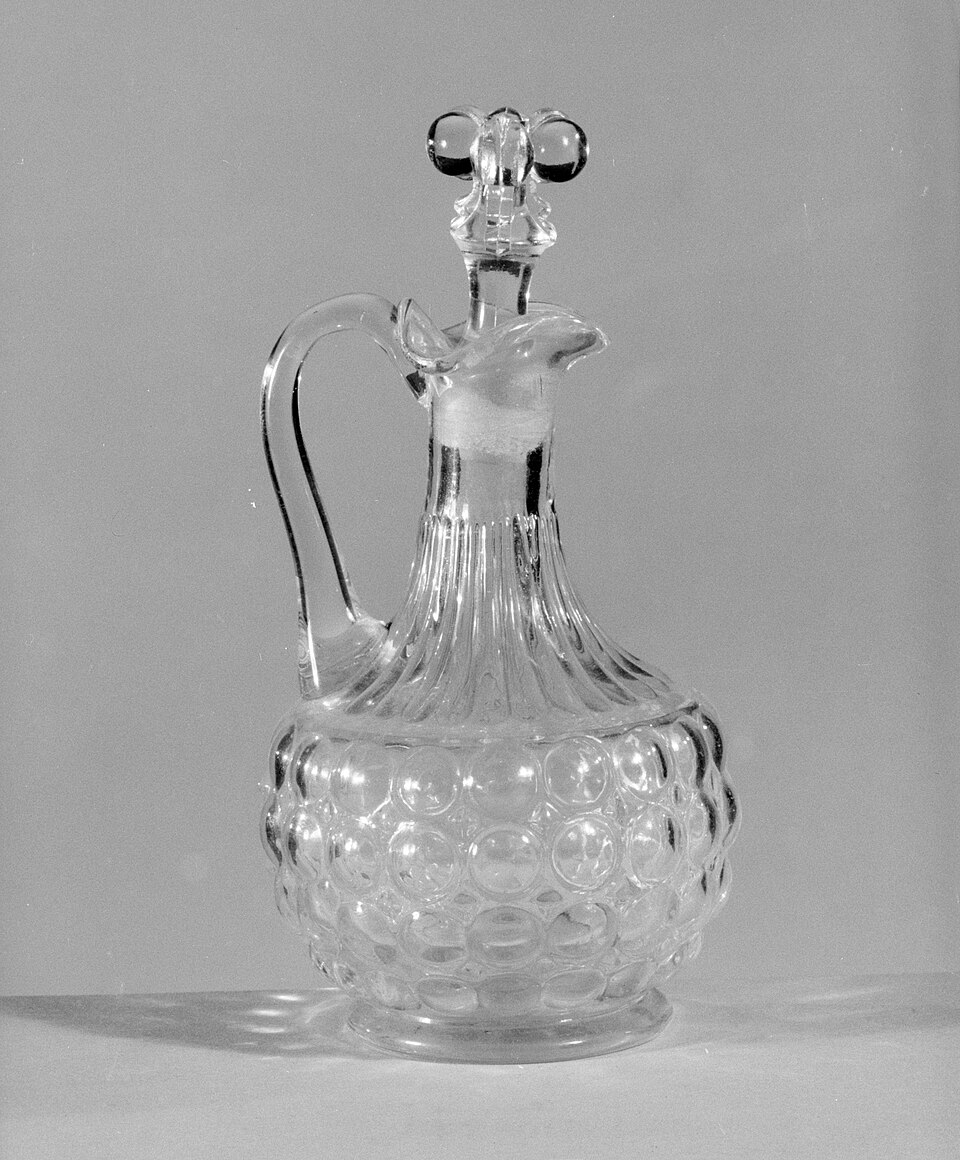
A vinegar cruet was the fixed member of the set, because vinegar was used on a great many dishes and kept indefinitely.
One bottle among many in a cupboard.
Vinegar’s prominence tells you something about the period’s cooking and it is a matter of availability. A sharp flavouring that does not spoil, costs little and improves plain food was in constant use – so it earned the permanent position.
6. Salt and Pepper Were Part of the Set, Not Separate
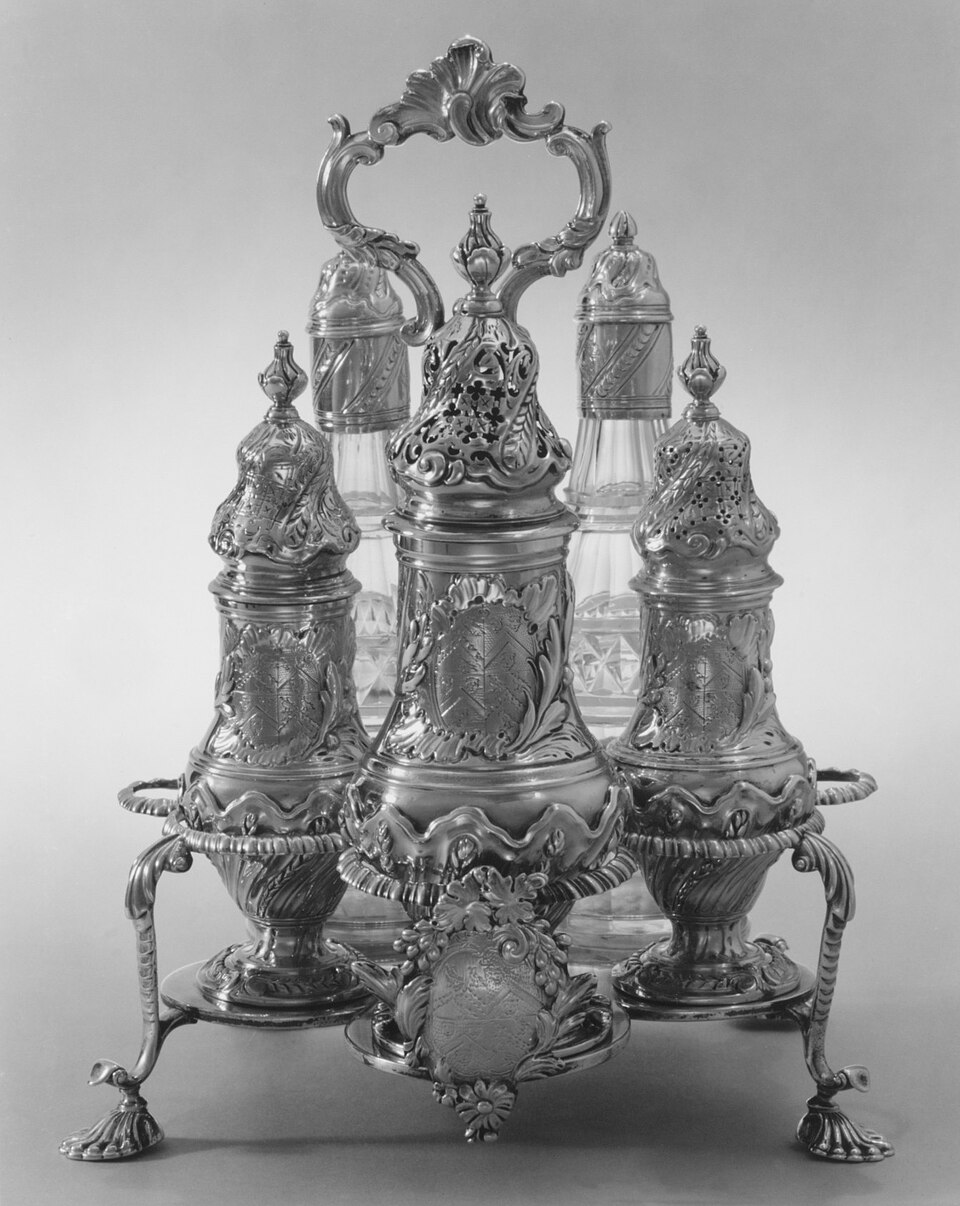
The shakers sat in the same frame rather than standing alone, which is why loose pairs of old shakers so often have a flat side or a fitted base.
Standalone pairs.
This detail is the useful one for anybody looking at old tableware. Shakers designed to sit in a holder have shapes that only make sense in a frame, so an odd-looking pair is usually a castor set survivor rather than an eccentric design.
7. The Frame Was Usually Plated, and the Plating Wore Through
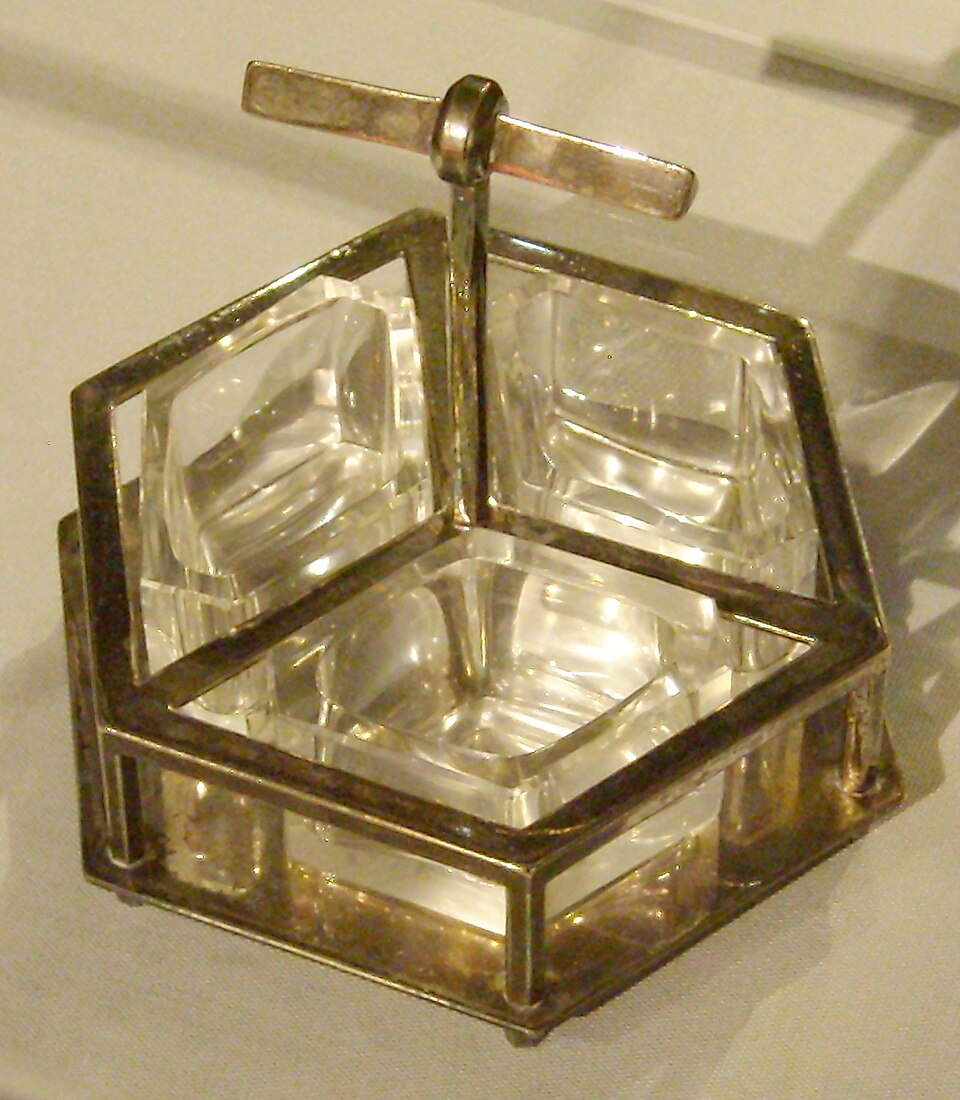
Silver plated frames were polished repeatedly and eventually showed the base metal at the handle and the rim.
Not applicable.
Wear through plating is the predictable fate of these and it concentrates where you would expect. A thin surface layer removed a little at a time by polishing fails first at the points most often touched – which is why the handle is always the worst part.
8. Polishing It Was a Recurring Job Nobody Enjoyed
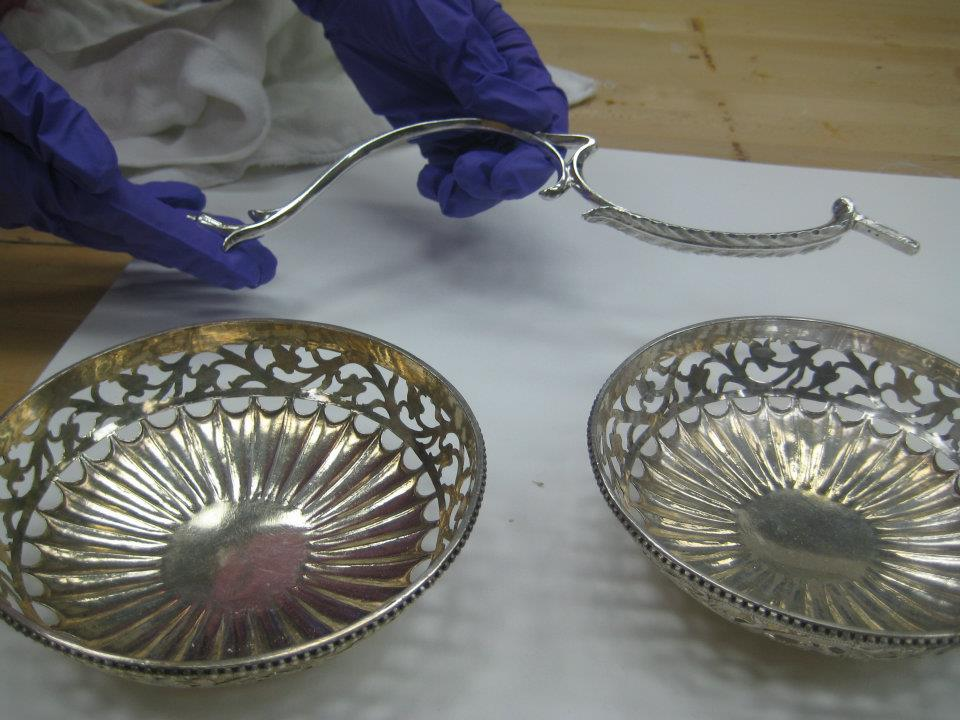
A plated frame with a ring of bottles, a handle and ornamental detail has a great many surfaces, and all of them tarnished.
Not applicable.
The maintenance burden is the honest complaint about the whole object. An ornamental metal frame in constant contact with vinegar and salt is a tarnishing machine, and cleaning around a ring of bottles means removing and replacing all of them.
9. Vinegar and Salt Attacked the Frame From Within
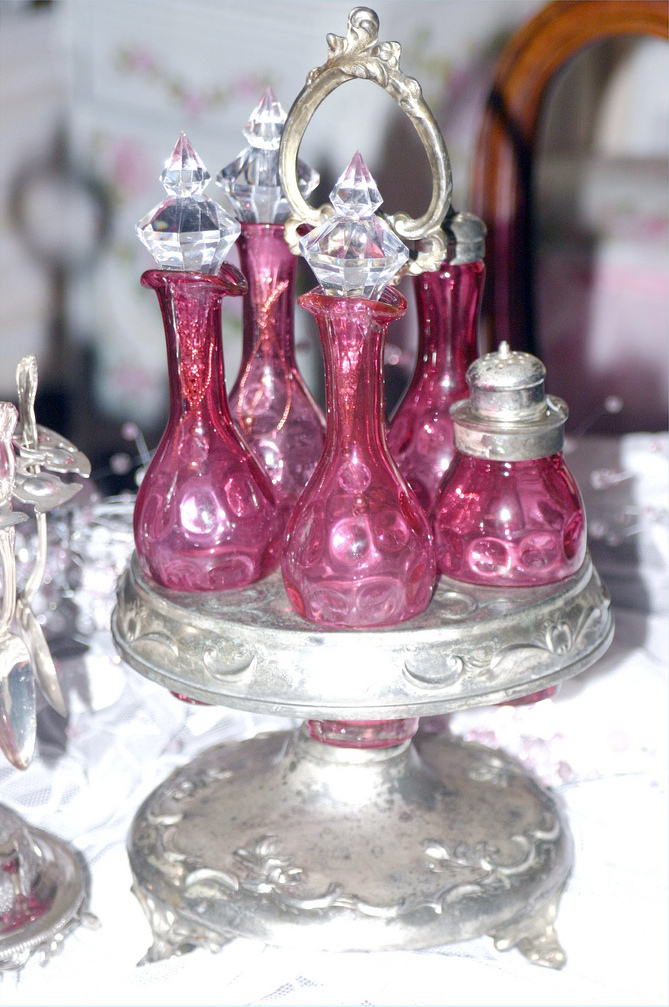
Spills and splashes of acid and salt corroded the metal around the bottle seats, which is why those areas are the most damaged on survivors.
Not applicable.
This is a design flaw worth naming plainly, and it was never solved. Putting corrosive substances in loose-stoppered bottles on a metal stand guarantees that the stand will be attacked where the bottles sit, and no amount of polishing prevents it.
10. It Was the Most Visible Object at the Table
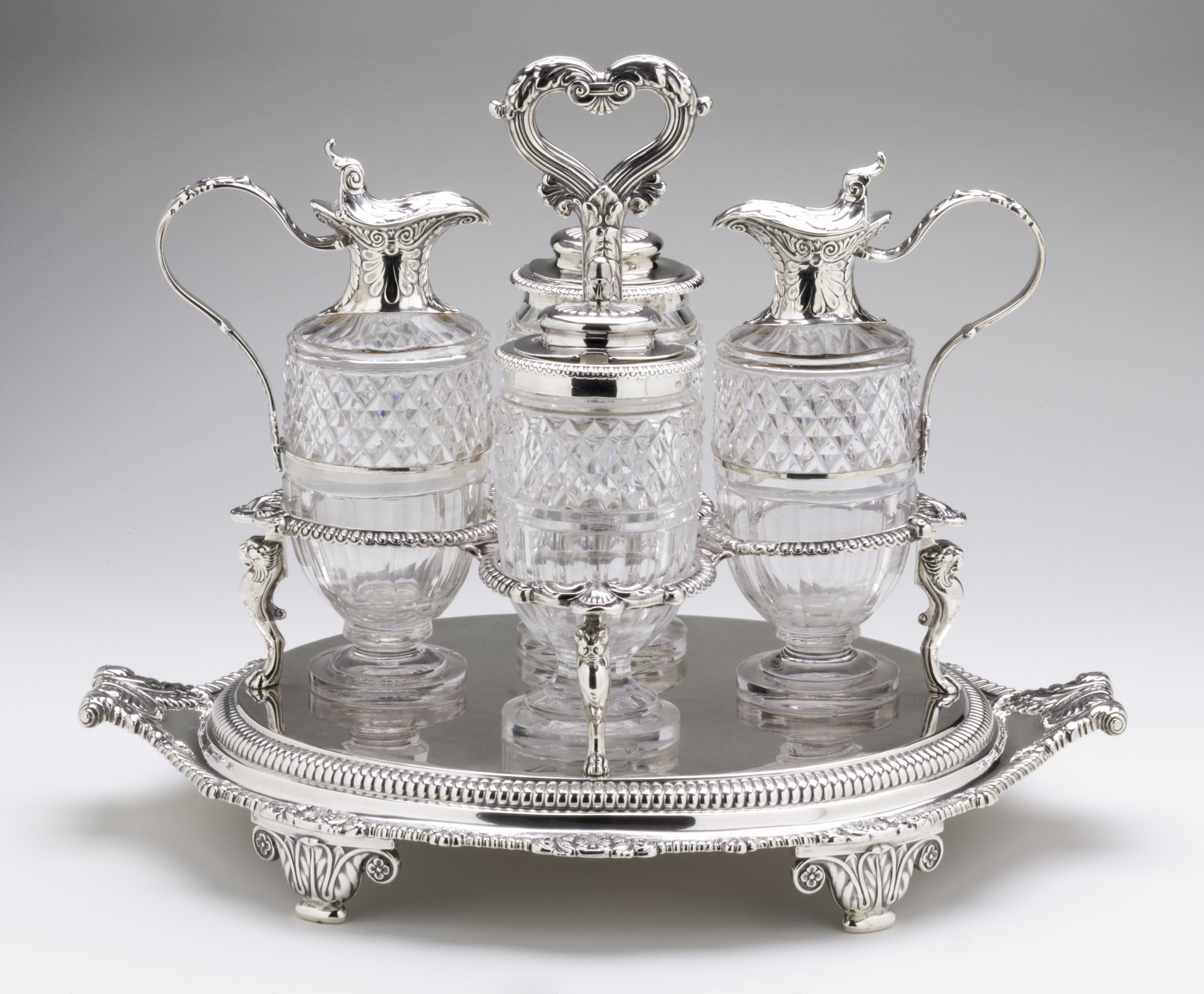
Standing in the centre at eye level through every meal, the set was the piece of household metal that visitors saw most often.
Not applicable.
Position determined its social role completely and that is why it was ornamental. An object in the middle of the table during every meal is on permanent display, which justifies spending money on its appearance in a way a kitchen tool never would.
11. They Were Standard Wedding Presents
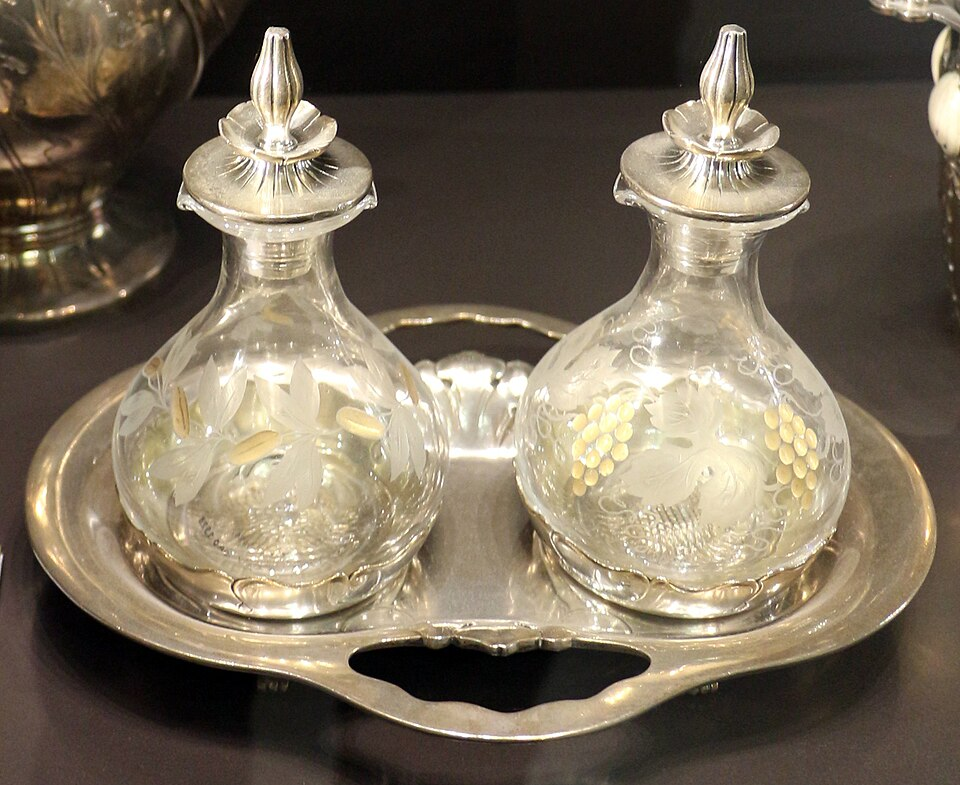
A castor set was among the expected gifts for a new household, which is why so many survive with no sign of heavy use.
Not applicable.
The gift role explains both the quantity made and their condition. An object given at marriage and used for decades in some houses and barely at all in others produces exactly the mixed survival pattern collectors find.
12. The Number of Bottles Signalled How Formal the House Was
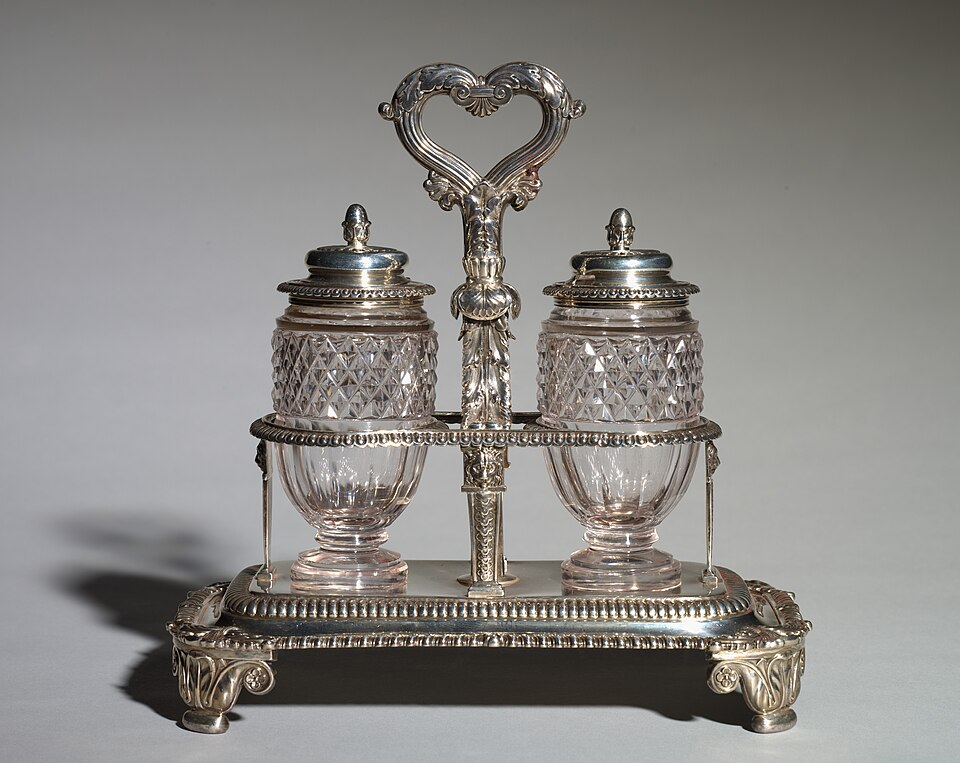
Smaller sets held three or four bottles and elaborate ones held six or more, with the count visible to anybody at the table.
Not applicable.
Making the count legible turns the object into information and that was understood. A larger set implies more seasonings, more dishes and more money, all stated without a word by something standing in plain view.
13. Replacement Bottles Were Sold Separately for Good Reason
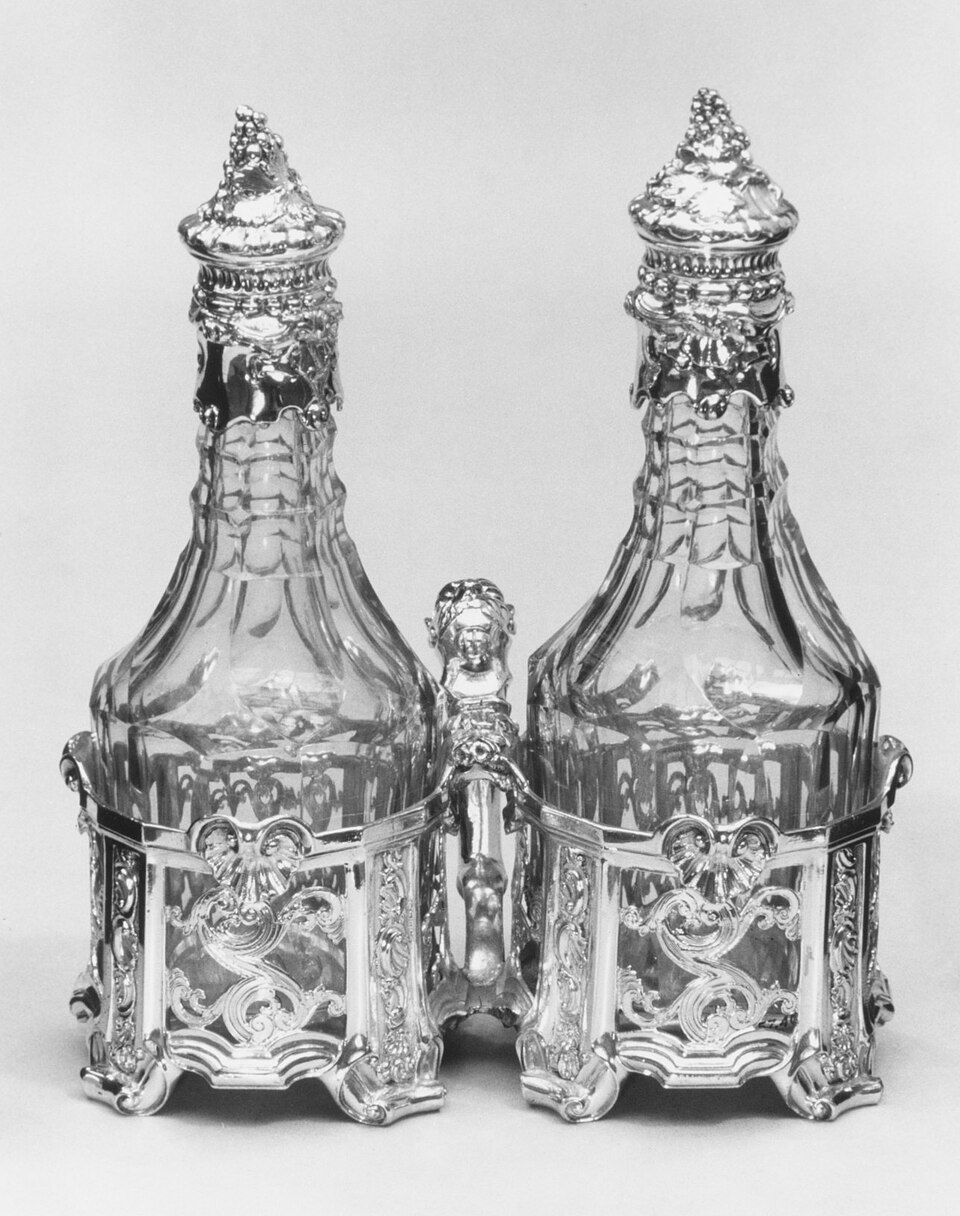
Glass cruets broke constantly, and a frame with one bottle missing was useless as a display, so single replacements were a real trade.
Not applicable.
The breakage rate is the practical reality behind the ornament and it was high. Thin glass handled at every meal in a metal frame gets chipped and cracked, which is why complete original sets are genuinely uncommon.
14. Then the Set Broke Apart Into Its Pieces
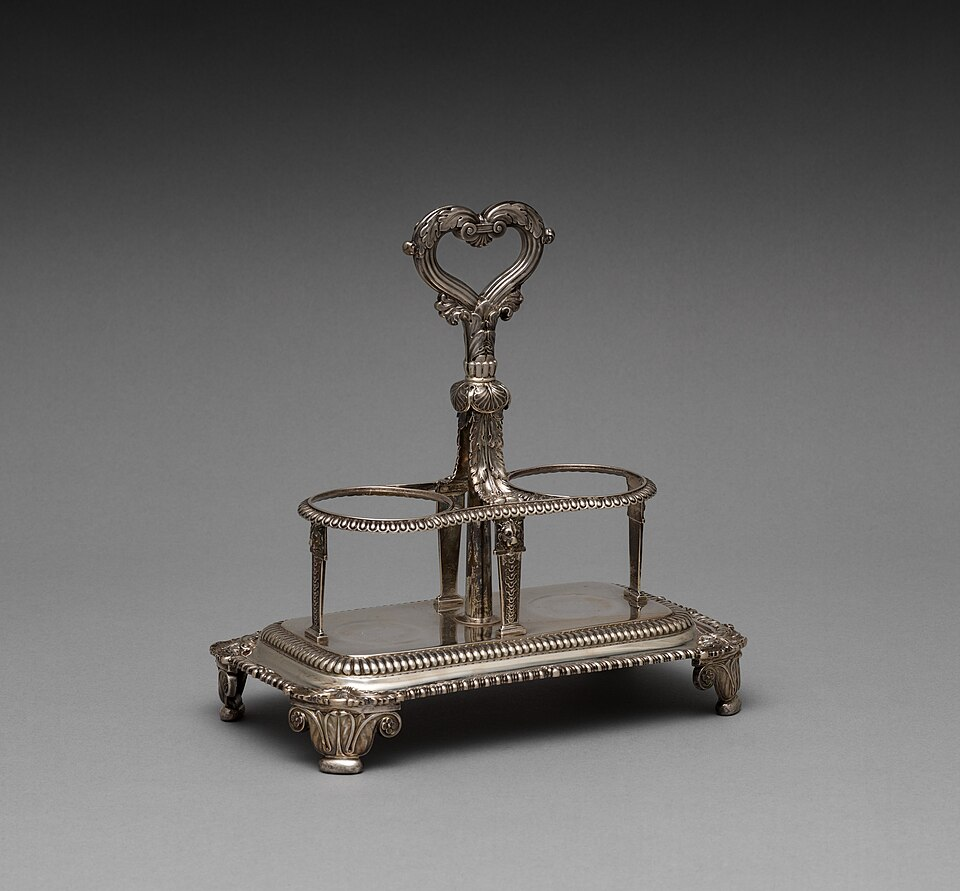
As tables got smaller and formal dining declined, the bottles were used individually and the frames were put away.
Not applicable.
The disassembly is how these objects actually ended and it happened quietly. A frame is only useful at a large table, so when the table shrank the contents stayed in service and the holder became the part with nothing to do.
15. Shakers and Cruets Outlived the Frames by Decades
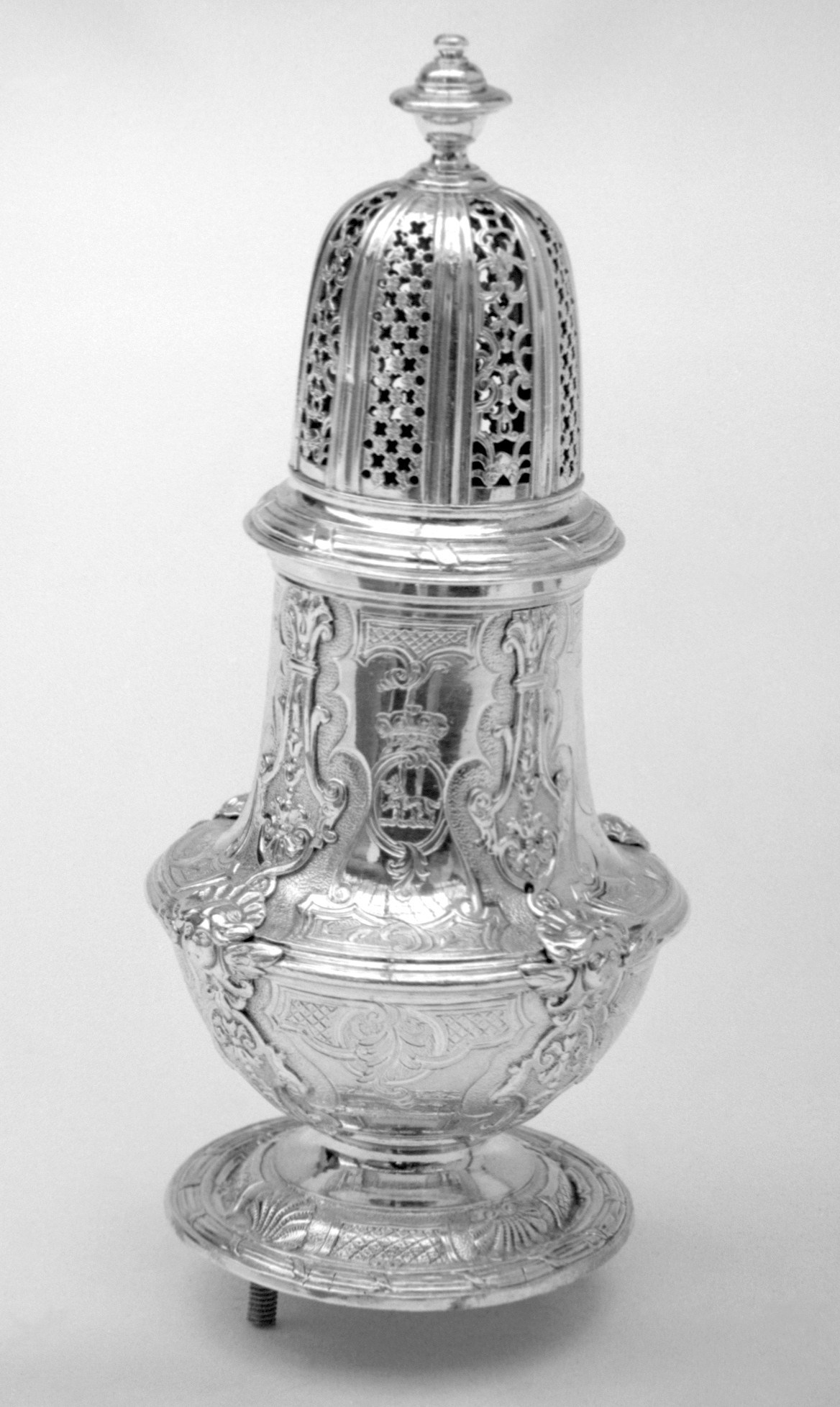
Loose salt and pepper shakers from broken-up sets stayed in use long after the stands were gone, with nobody knowing where they came from.
Still in use.
The survival of the parts without the whole is the best evidence of what happened. A shaker is useful on its own and a frame is not, so the components separated and only the useless one was discarded.
16. And by 1964 Nobody Could Name One
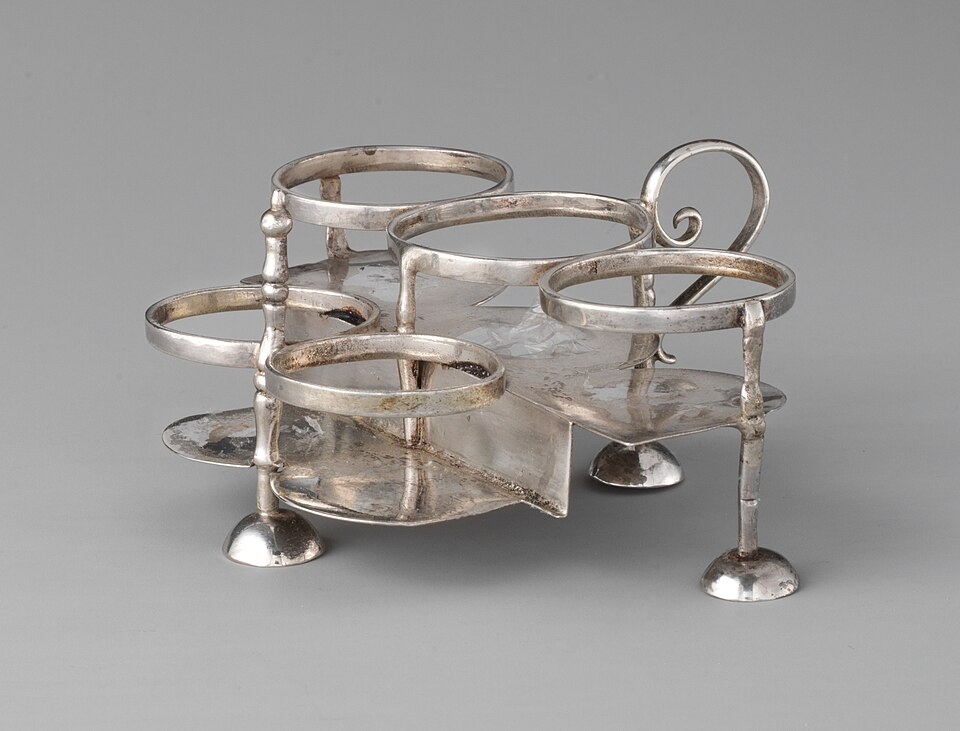
The frames turned up in attics and at sales as unidentifiable metal rings, their purpose forgotten within two generations.
Collected as curiosities.
And what deserves the last word is that this was a solution to a traffic problem. A dozen people at one table generate constant small requests, and every one of them costs a chain of hands and an interruption – so a stand in the centre that revolved put every seasoning within one movement of every person. The glass was clear so identical stoppers could be told apart, the shakers were shaped to sit in the frame rather than alone, and the whole thing stood at eye level through every meal, which is exactly why it was ornamental and exactly why it was given at weddings. It also carried corrosive contents in loose-stoppered bottles on polished plate, which was never solved. And when tables got smaller the useful parts went on working while the frame, the clever bit, became the only piece with nothing left to do.
It Was a Solution to a Traffic Problem
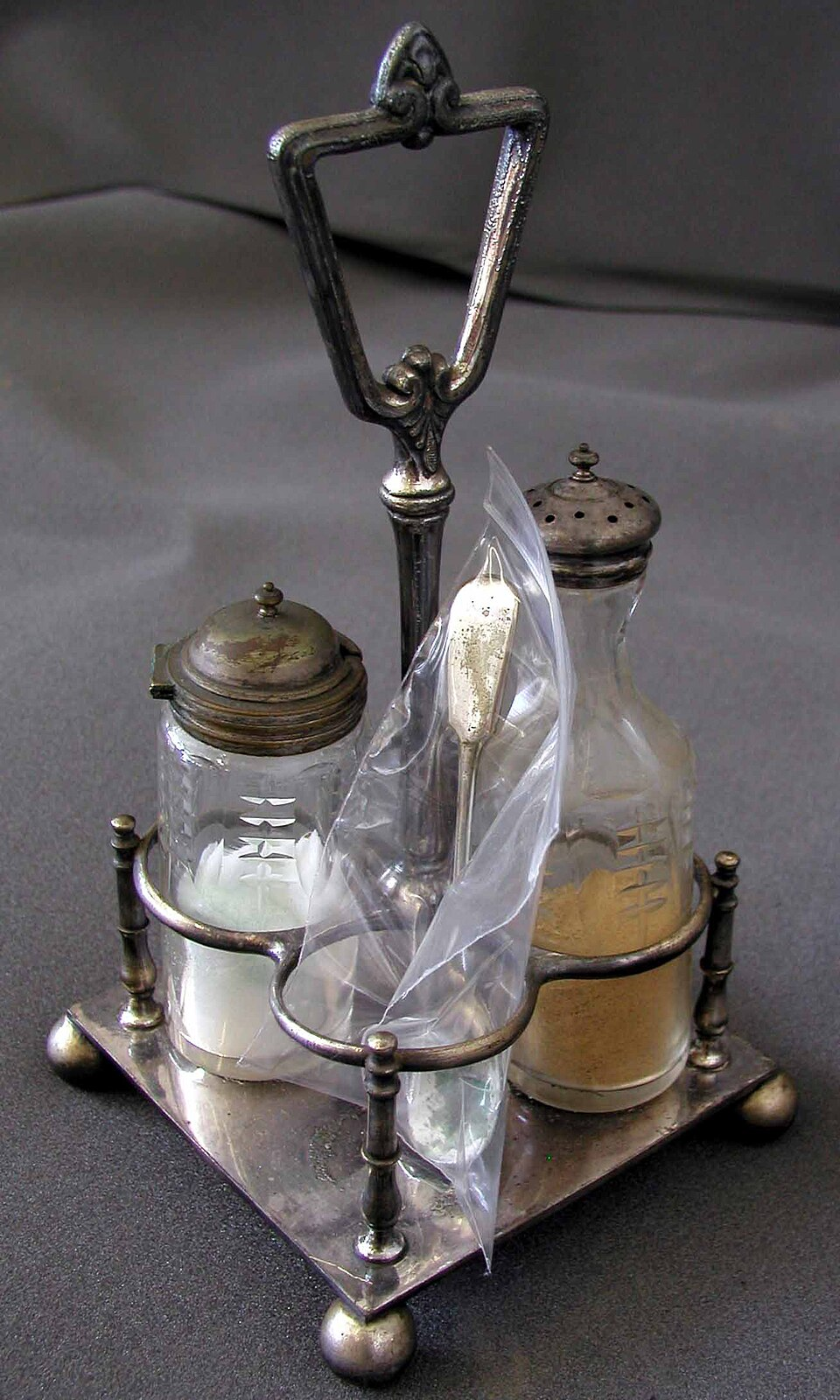
The castor set is the clearest case in all of this of an object whose name outlived its purpose by so little that both vanished together.
So begin with what it was. A metal frame with a handle, holding several glass bottles and shakers in a ring, turning on its base, standing permanently in the middle of the table.
And what it was for. At a full table with people down both sides, handing a small bottle from one end to the other costs time and breaks the meal up. A large household generates those requests continuously. A revolving stand in the centre answers every one of them with a single movement by the person who wants it – no request, no chain of hands. At a table of ten, that is a real reduction in traffic.
Several design details follow from that, and they are all sensible.
The bottles were glass so the contents could be identified. Several similar bottles in a ring with identical stoppers would be indistinguishable if they were opaque, so the material does the labelling.
Vinegar was the fixed member. A sharp flavouring that does not spoil, costs little and improves plain food was in constant use, so it earned the permanent position.
And the salt and pepper were part of the set rather than separate – which is the useful fact for anybody looking at old tableware. Shakers made to sit in a holder have flat sides or fitted bases that make no sense standing alone, so an odd-looking pair is usually a castor set survivor rather than an eccentric design.
Now the problems, because there were two and neither was ever solved.
The frame was plated, and plating wears through at the points most often touched. A thin surface layer removed a little at a time by polishing fails at the handle and the rim first, which is why the handle is always the worst part of a survivor.
And polishing it was a recurring job nobody enjoyed. An ornamental metal frame with a ring of bottles, a handle and decorative detail has a great many surfaces, all of them tarnishing, and cleaning around the ring means taking every bottle out and putting it back.
Worse, the contents attacked the frame. Vinegar and salt spilled and splashed around the bottle seats, and acid and salt corrode metal – so the stand was being damaged from within by exactly the things it existed to hold. That is a design flaw worth naming plainly. Nobody fixed it.
The social side of the object is entirely a consequence of where it stood.
An object in the centre of the table at eye level through every meal is on permanent display, which justifies spending money on its appearance in a way no kitchen tool ever would. So it was ornamental, and it was the piece of household metal visitors saw most often.
It was also a standard wedding present, which explains both how many were made and the odd condition they turn up in – used daily for decades in some houses and barely at all in others.
And the count was legible. Three or four bottles for a modest set, six or more for an elaborate one, with the number visible to everybody at the table – more seasonings, more dishes, more money, all stated without a word.
One practical reality behind the ornament: the glass broke constantly. Thin cruets handled at every meal in a metal frame get chipped and cracked, so single replacements were a real trade, and complete original sets are genuinely uncommon now.
Then the object came apart rather than dying. As tables got smaller and formal dining fell away, the bottles went on being used individually and the frames were put away. A stand is only useful at a large table.
Which is why the parts outlived the whole by decades. Loose shakers from broken-up sets stayed in service long after the frames were gone, with nobody knowing where they had come from – because a shaker works on its own and a frame does not.
That is the quiet irony of it. The frame was the clever part, the piece that actually solved something, and it was the only piece that ended up with nothing to do.
If you have a pair of old shakers with a flat side, look at that side.
They were made to sit in a ring with the vinegar, and the ring is gone.
Like our content? Follow us for more.