The smell is the thing everybody who remembers oilcloth mentions first, and it is a smell nothing else has – faintly oily, faintly sweet, slightly like paint and slightly like putty. I did not understand where it came from until I learned what the material actually was, at which point it was obvious. The cloth was soaked in linseed oil, and linseed oil is the base of oil paint and of window putty. You were smelling exactly the same thing.
The Problem Was Cloth and Water
Start with what was needed.
A household needs waterproof flexible sheet material constantly – for a table that gets wiped, for shelves, for a floor that gets wet, for a bag, a cover, a hood, a coat. Cloth is flexible and cheap, and it is completely useless at keeping water out.
Leather is waterproof and expensive and stiff. Rubber existed but was difficult, unstable and costly for most of the relevant period. Metal is rigid. There was simply no cheap flexible waterproof sheet, which is a gap that modern materials have filled so completely that it is hard to notice it was ever there.
Like our content? Follow us for more.
Linseed Oil Does Not Evaporate. It Sets.
Here is the chemistry, and it is the whole invention.
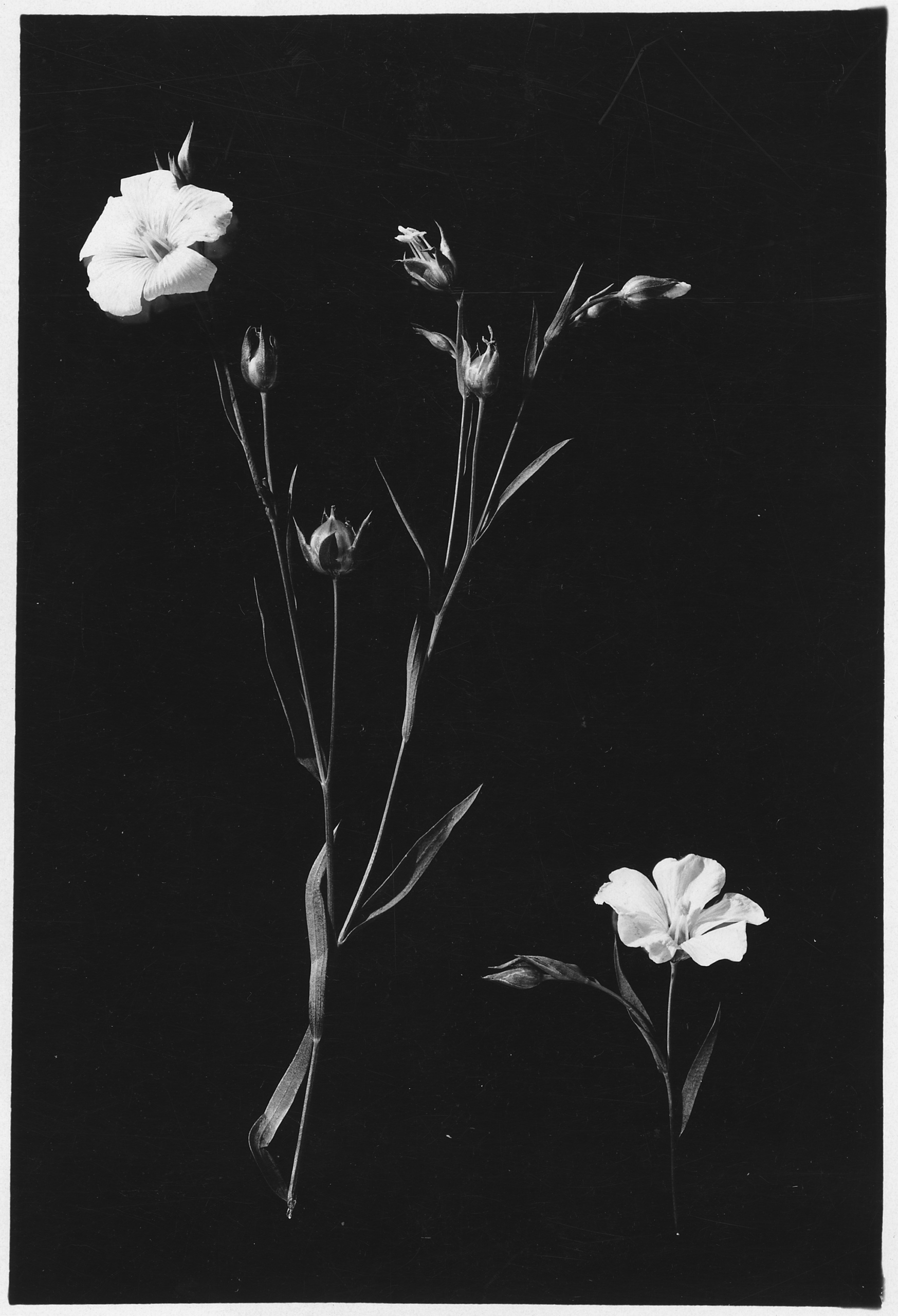
Most oils stay oily. Linseed oil, pressed from flax seed, is different: exposed to air it reacts with oxygen and the molecules link together into a solid, continuous, flexible film. It does not dry by evaporating like water – it dries by becoming a different substance.
That is why it is the basis of oil paint and of putty, and it is why it works on cloth. Spread it over a woven fabric, let it set, repeat, and the weave fills with a solid film that water cannot pass through while the sheet as a whole stays bendable.
It Was Built Up in Many Thin Coats
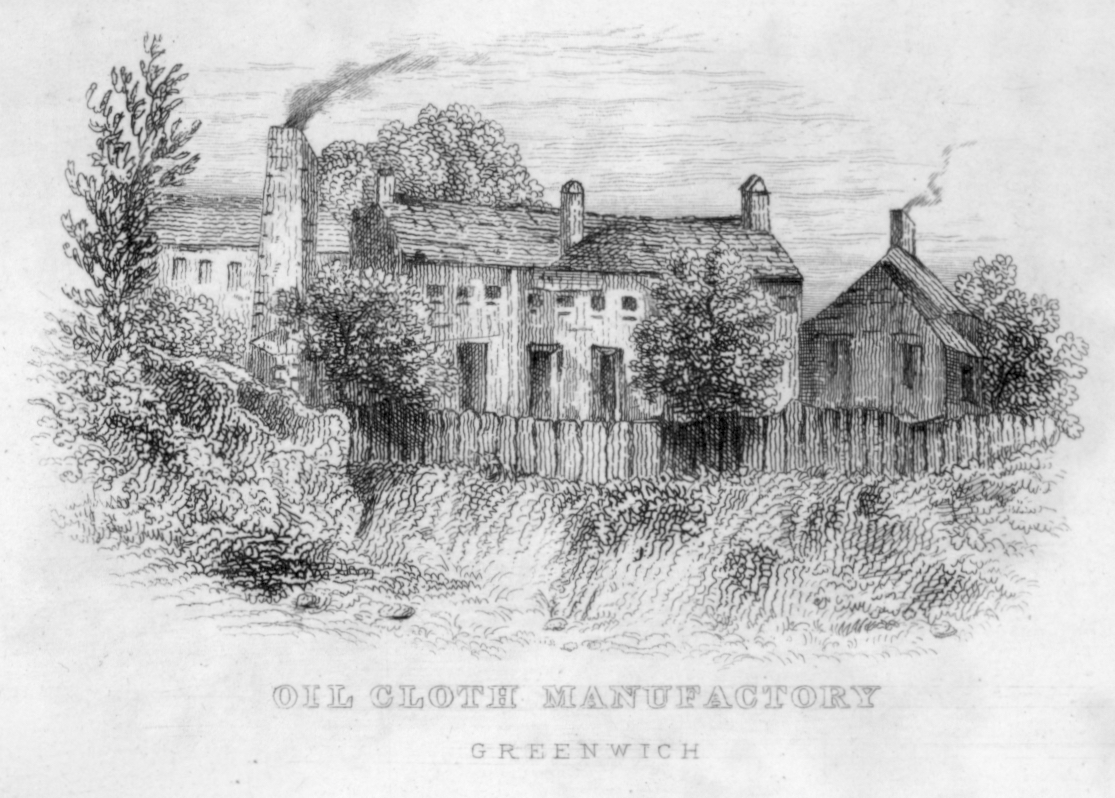
The manufacturing is slow and that governs everything about the product.
One thick coat does not work. Linseed oil cures from the surface inward, so a heavy layer skins over and stays soft underneath for a very long time. The only way to get a sound film is many thin coats, each allowed to harden before the next.
Which means weeks of production time for a roll of cloth, in long buildings where the fabric hung or lay while it cured. That is a slow expensive process for a cheap product, and it is the reason oilcloth was never as cheap as it looks like it should have been.
The Pattern Was Printed on Top
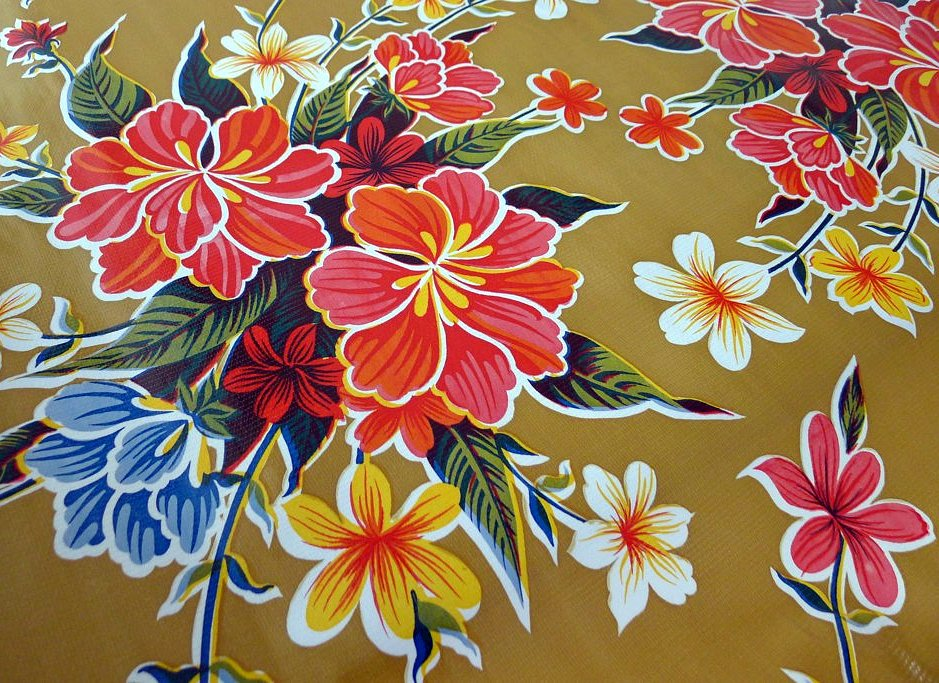
The decoration is a separate layer and that explains how it failed.
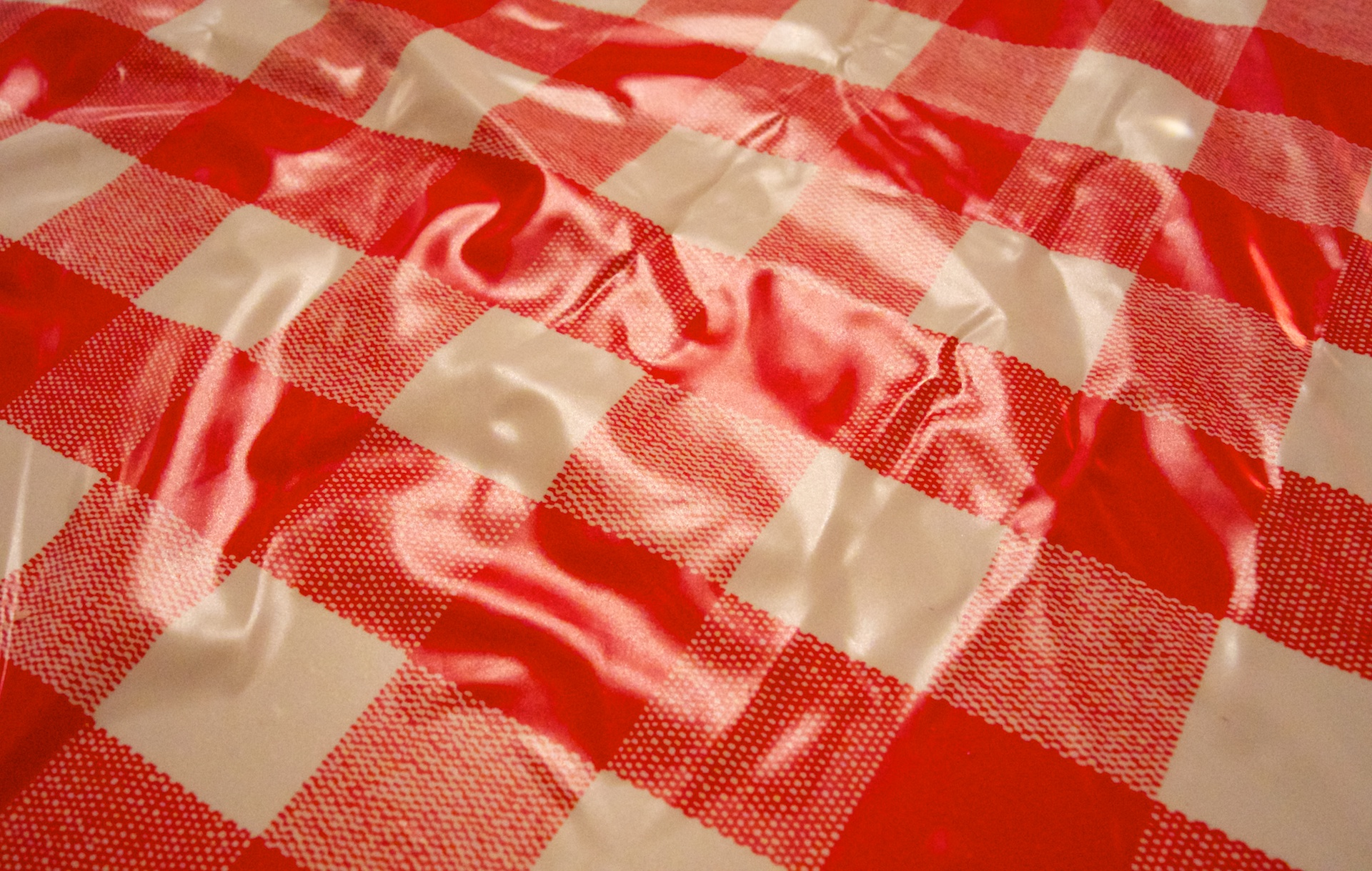
Once the oiled film was sound, a pattern was printed onto the surface – checks, florals, imitation tile, imitation wood – and then frequently given a clear coat over the top.
So the colour sits on the outside rather than running through the material. Which is exactly why worn oilcloth looks the way it does: the pattern goes first, wearing off in the places that get used most, and the plain oiled cloth underneath shows through. Every remembered kitchen table has that same bald patch in front of the chair somebody always sat in.
It Was the Standard Table Covering
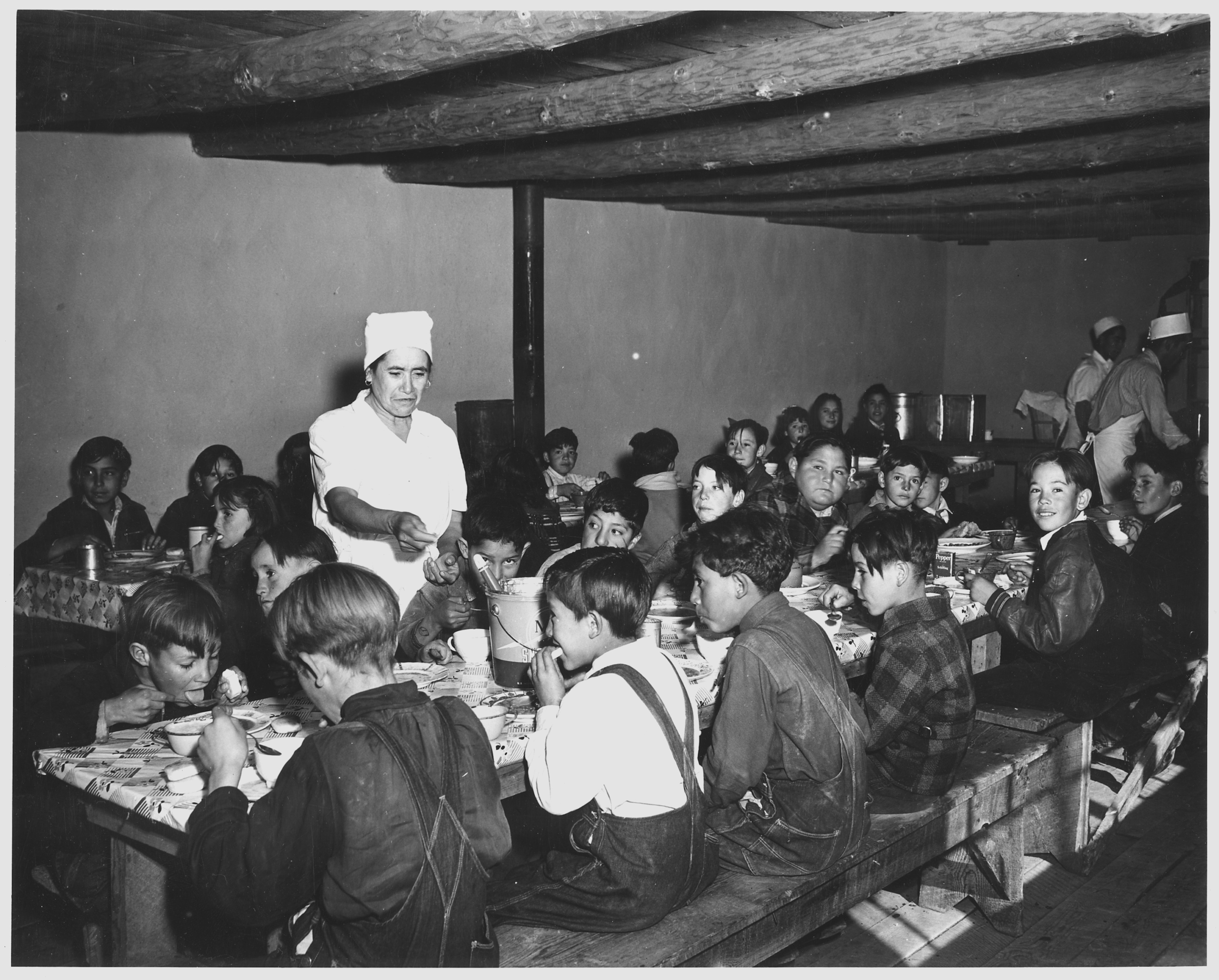
This is where most people met it.
A kitchen table in constant use needs a surface that can be wiped rather than washed, survives hot dishes, resists spills and does not need laundering. A cloth tablecloth meets none of those requirements and generates work every single day.
Oilcloth does. You wipe it, and that is the entire maintenance. For a household doing laundry by hand, replacing a daily washable textile with a wipeable sheet is a genuine reduction in work – which is why nearly every working kitchen in the country had it and why the formal dining table, used rarely, kept the linen.
It Had a Hundred Other Uses
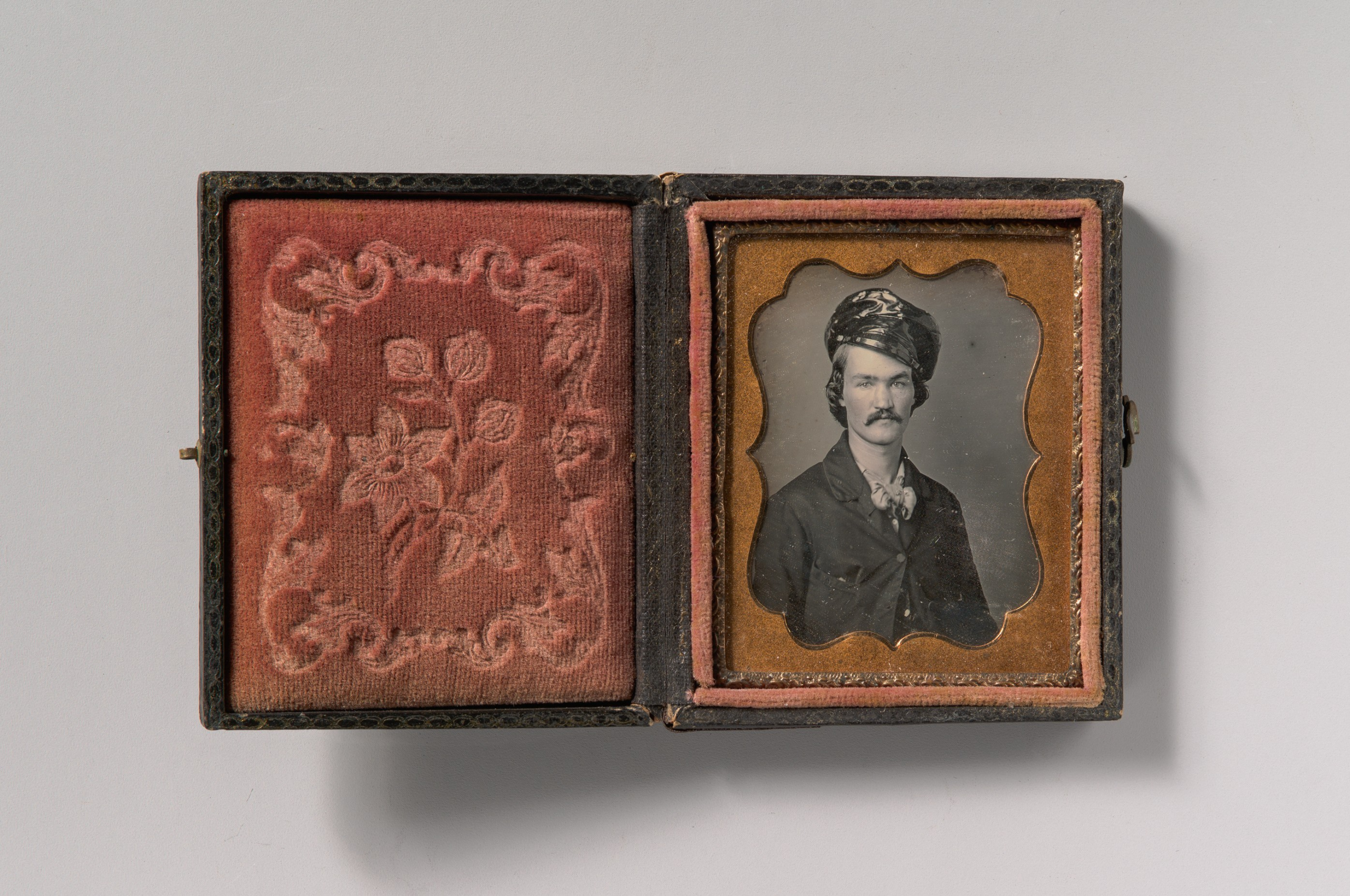
The material went everywhere, because it was the only thing of its kind.
Shelf edging in a pantry. Lining for a drawer or a trunk. A bag for carrying lunch. A cover over a wagon seat, a cradle, a mattress. A cape or coat for working in rain. Wall covering behind a washstand. A floor cloth in a doorway. Book covers, aprons, window blinds.
Every one of those applications exists because somebody needed a cheap flexible waterproof sheet and this was it. Which is a good way to notice how much of modern domestic life is quietly held together by plastic film.
It Cracked Where It Folded
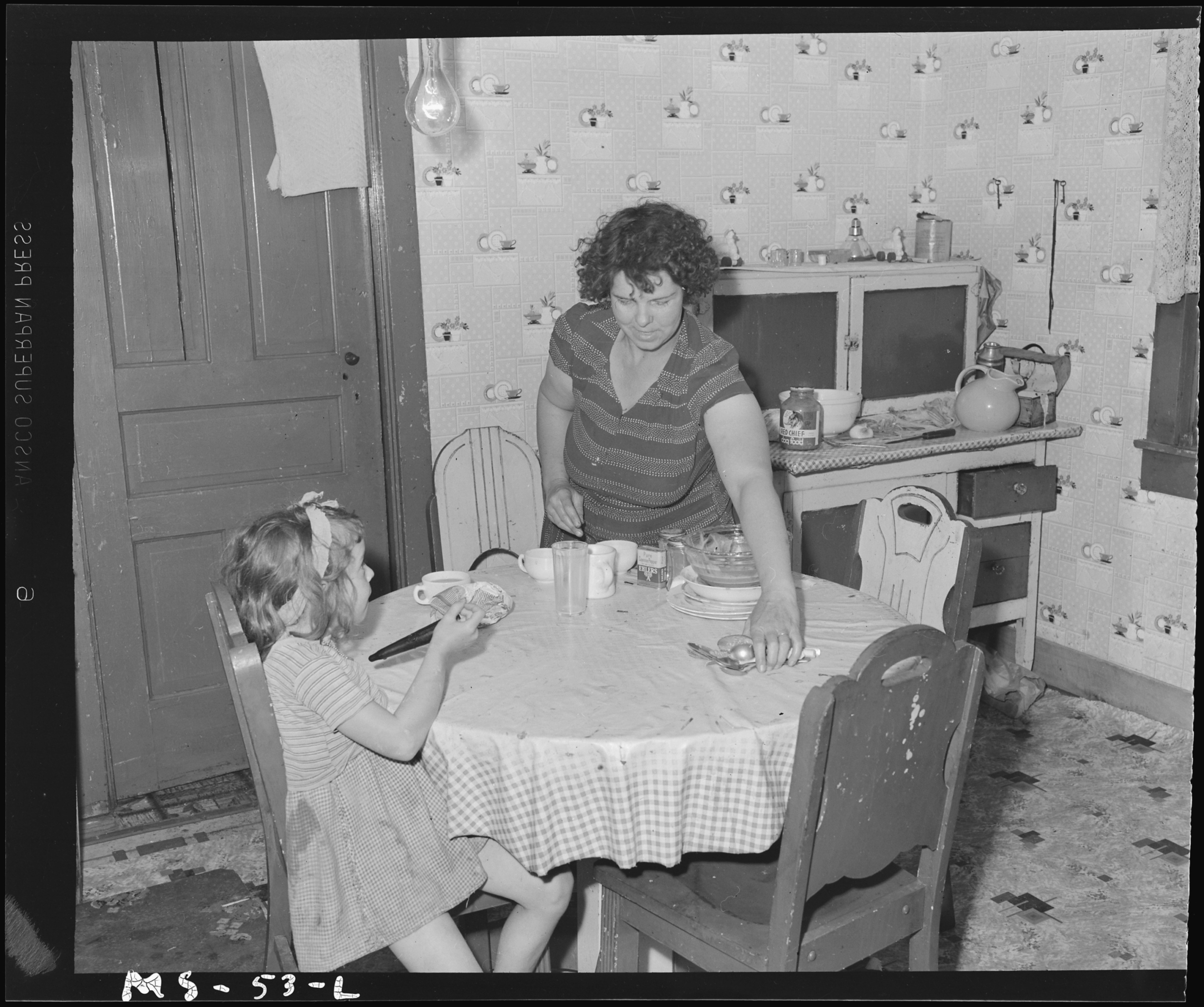
The material’s great weakness and the reason so little survives.
A cured linseed film is flexible but not infinitely so, and it continues to harden slowly over years. Bend it repeatedly in the same place and it cracks; leave it folded and it cracks along the fold permanently.
So oilcloth was rolled rather than folded, and a table covering that had been creased carried that crease for the rest of its life. Which also means almost all surviving pieces are fragments, and the ones in good condition are ones that stayed flat on a table for fifty years.
Cold Made It Brittle and Heat Made It Sticky
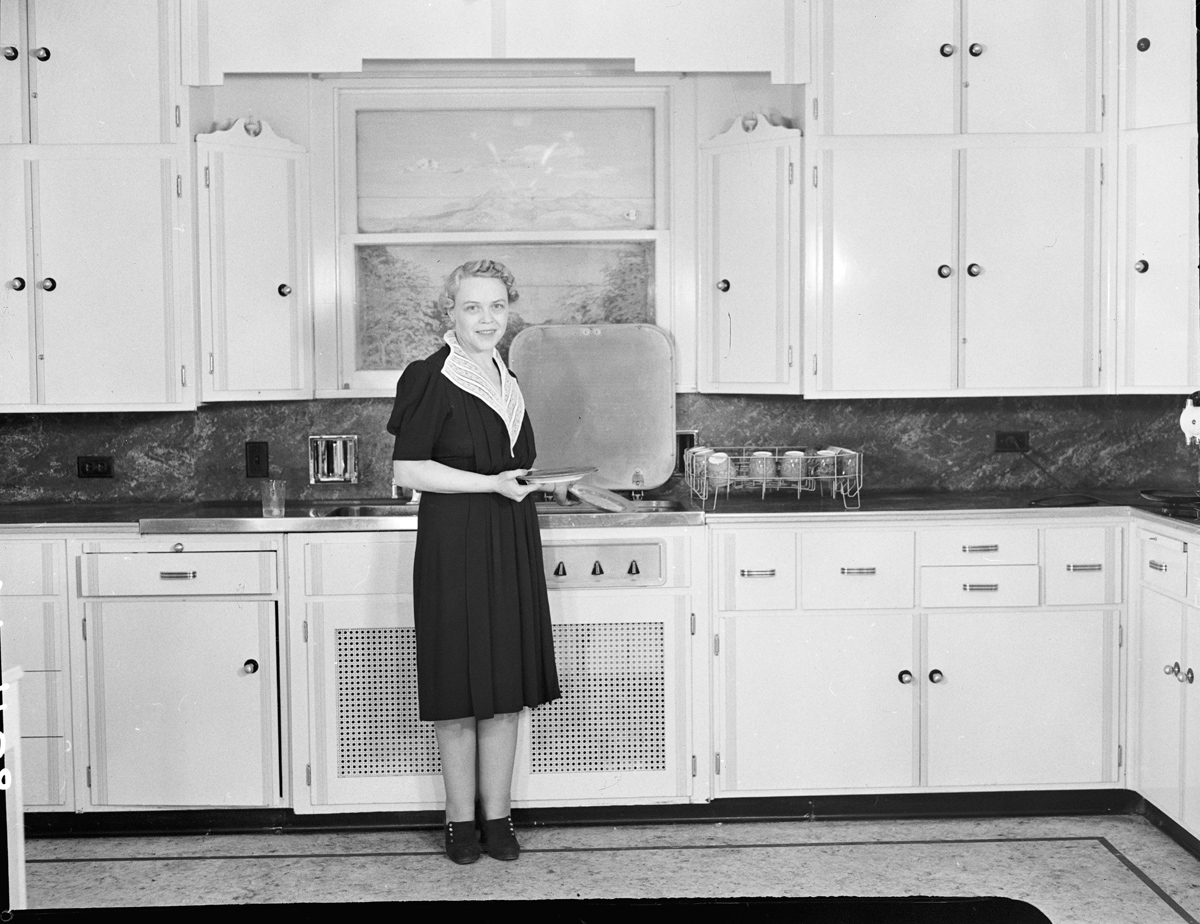
Two temperature problems that users simply lived with.
In a cold kitchen the film stiffens and gets brittle, so a cloth that is flexible in July will crack if you move it roughly in January. And in heat it softens, becomes faintly tacky, and will pick up marks or stick to anything left on it.
Which is why a hot dish set directly on oilcloth leaves a permanent dull mark, and why every remembered oilcloth has those marks. The material had a working temperature range and a kitchen regularly went outside it.
The Oiled Cloth and the Enamelled Cloth Were Different Things
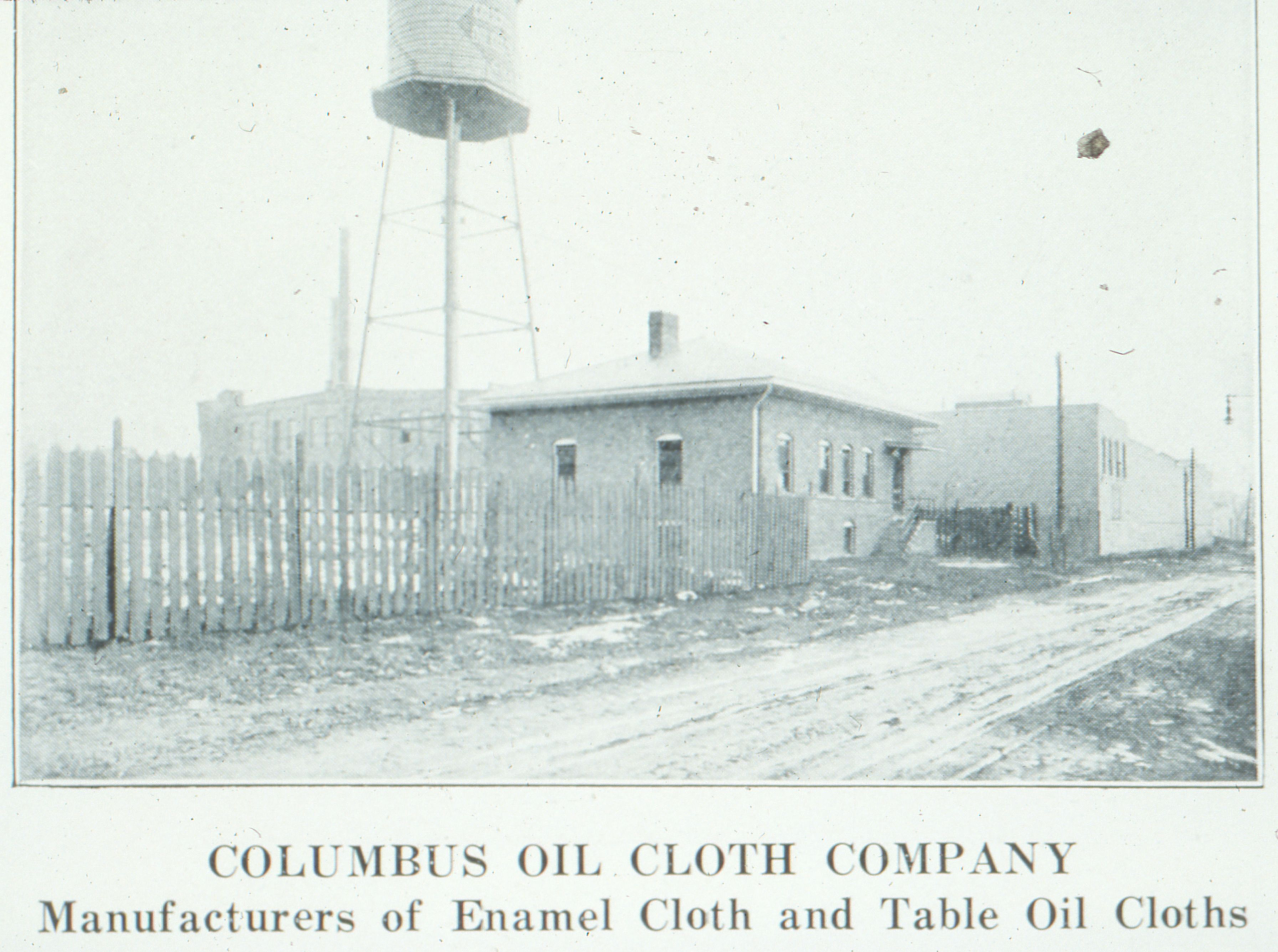
A distinction worth drawing because the names got mixed.
The original material is woven cloth with a built-up oil film. Later products used a different approach – a cloth backing coated with a thicker, more uniform layer applied mechanically, which gave a smoother, glossier, more consistent surface.
That later material is better in most respects: tougher, more waterproof, less smelly and far cheaper to make. It also lost the specific texture and the specific smell, which is why people who remember the earlier kind insist it was not the same – and they are right.
It Was Sold by the Yard Off a Roll
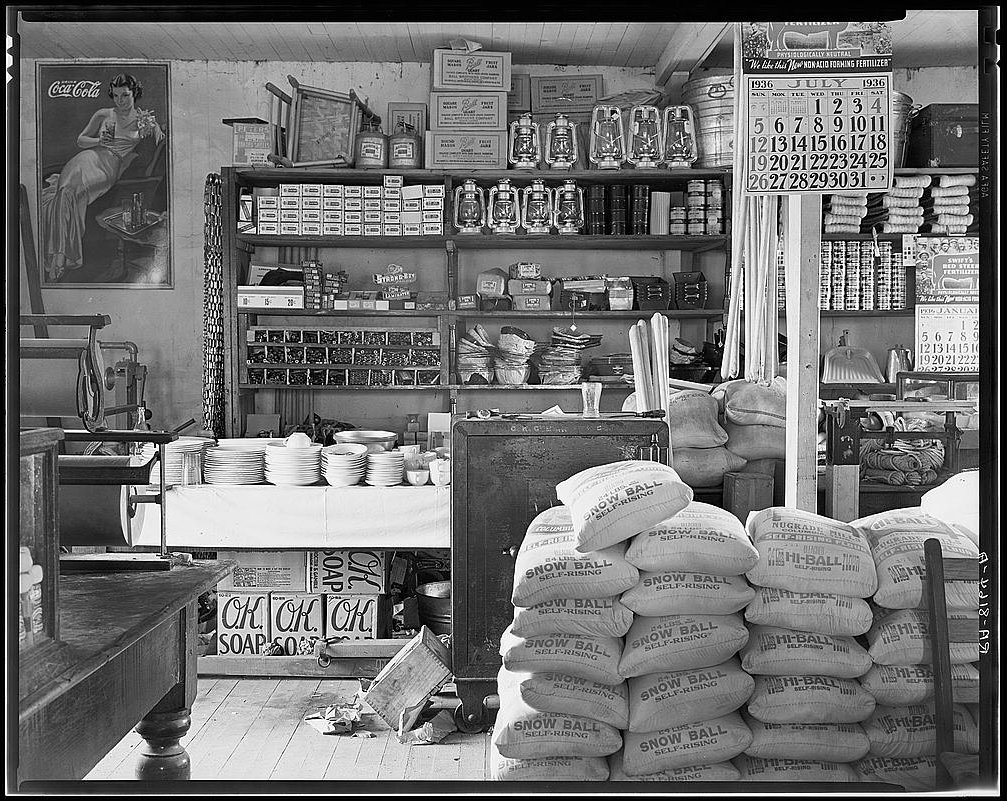
The retail arrangement is worth a mention because it shaped how households used it.
Oilcloth came on wide rolls in a store and was cut to whatever length a customer asked for, like dress goods. Which means a household bought a piece sized to a particular table, with no hemming, no finishing and no making-up required – you took it home and put it on.
That is an unusually direct transaction for the period. Almost everything else a household covered a surface with had to be sewn, cut, fitted or installed, and this was a product you could buy in the morning and have in use by noon.
It also means the edges were raw, which is where the wear started. The corners of a kitchen table take the most handling, the cut edge has no selvedge and no hem, and the oiled film begins to lift there first – which is why every remembered oilcloth was frayed and curling at the corners long before the middle gave out.
The Underside Told You How Old It Was
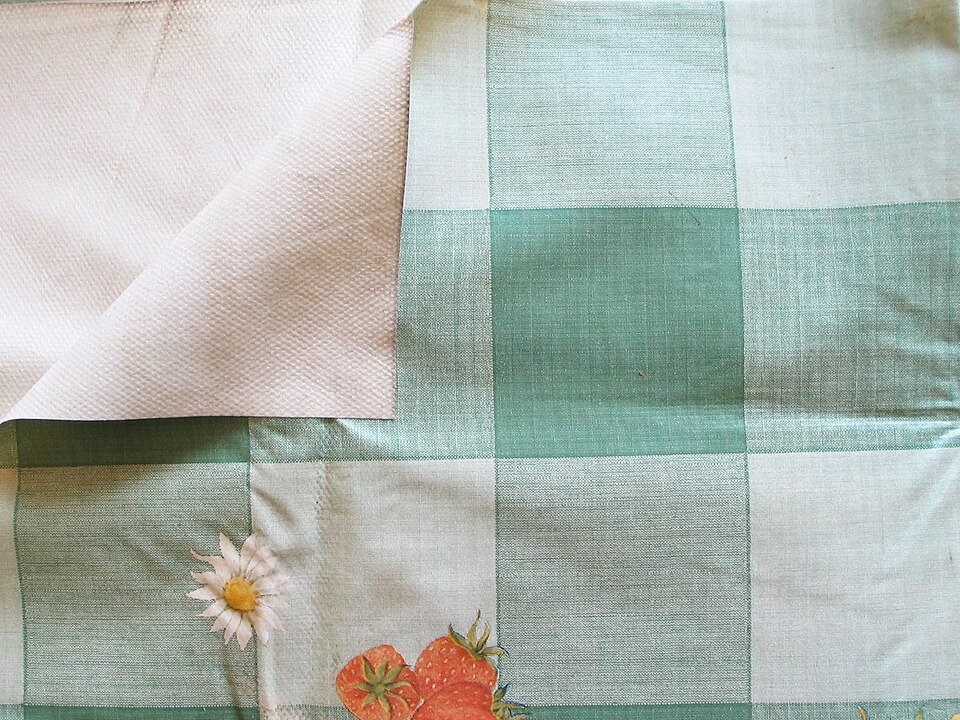
A small observation for anybody who finds a piece.
The pattern side wears, fades and gets marked. The back is plain woven cloth with the oil film in it, and it is largely protected – so turning a piece over shows what the material actually was before a kitchen got at it.
On the back you can see the weave, you can see how many coats went on by how completely the texture is filled, and you can frequently see the original colour of the oil, which darkens with age. A piece that is pale on the back has not been in the light; one that is deep amber has been curing for a century.
Then Plastic Sheet Made It Obsolete Immediately
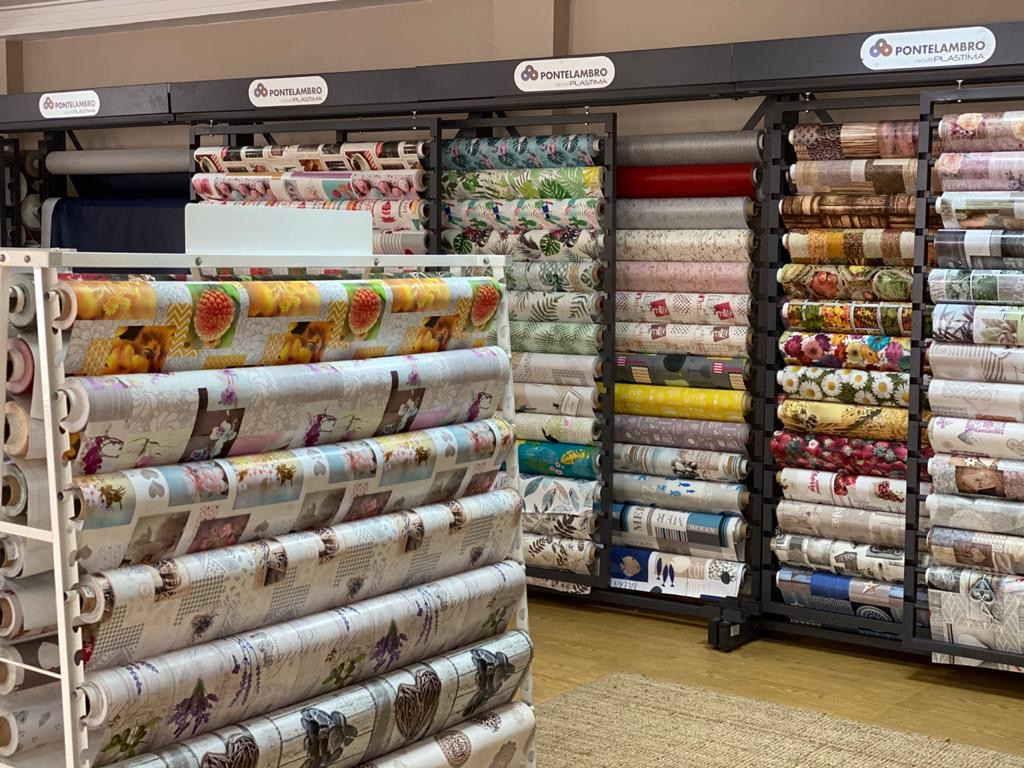
The replacement is total and it happened fast.
A vinyl sheet is waterproof all the way through rather than coated, does not crack when folded, does not harden with age, is unaffected by ordinary temperatures, holds a printed pattern under a tough clear layer, and costs a fraction of what a weeks-long oil-curing process costs.
Against that, oilcloth has nothing. Not one property in which it is superior. So it disappeared not through fashion but through being comprehensively beaten on every measure at once – which is unusual, and is why the changeover took no time at all.
The Name Survived the Material
Which causes constant confusion.
What is sold as oilcloth today is almost always coated cotton or vinyl-faced fabric – a plastic product with an old name. It does the same job, it looks broadly similar, and it contains no linseed oil at all.
So somebody buying oilcloth now to recreate a remembered kitchen table gets the appearance and not the material, and specifically does not get the smell. Which is why the memory is so hard to satisfy: the thing people remember was not a pattern, it was a chemical process.
What the Smell Was
I want to end on that, because it is what the material is to anybody who knew it.
Linseed oil curing and continuing to cure for years is a slow chemical reaction happening on a surface in a room, and it has a smell. That smell was in kitchens, in pantries, in trunks, under cradles and inside lunch bags across the entire country, which means an enormous number of people have a specific scent memory attached to a solved engineering problem.
The problem was that there was no cheap flexible waterproof sheet. The solution was to spread the base of oil paint onto cotton, thinly, many times, and wait. It worked, it was everywhere, it cracked if you folded it, and plastic made every bit of it unnecessary within a few years.
And the smell went with it, which is the only part anybody misses.
Like our content? Follow us for more.