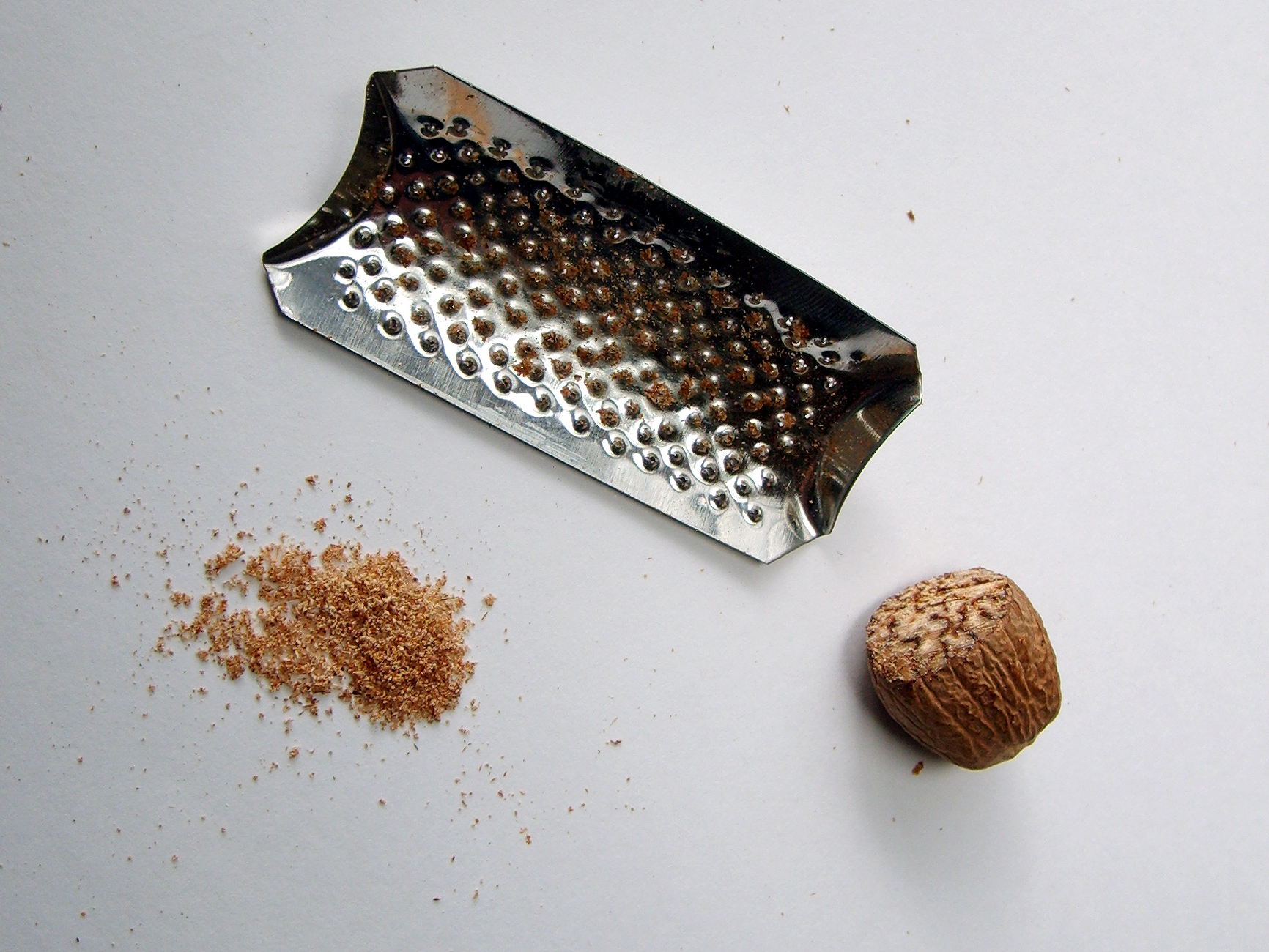
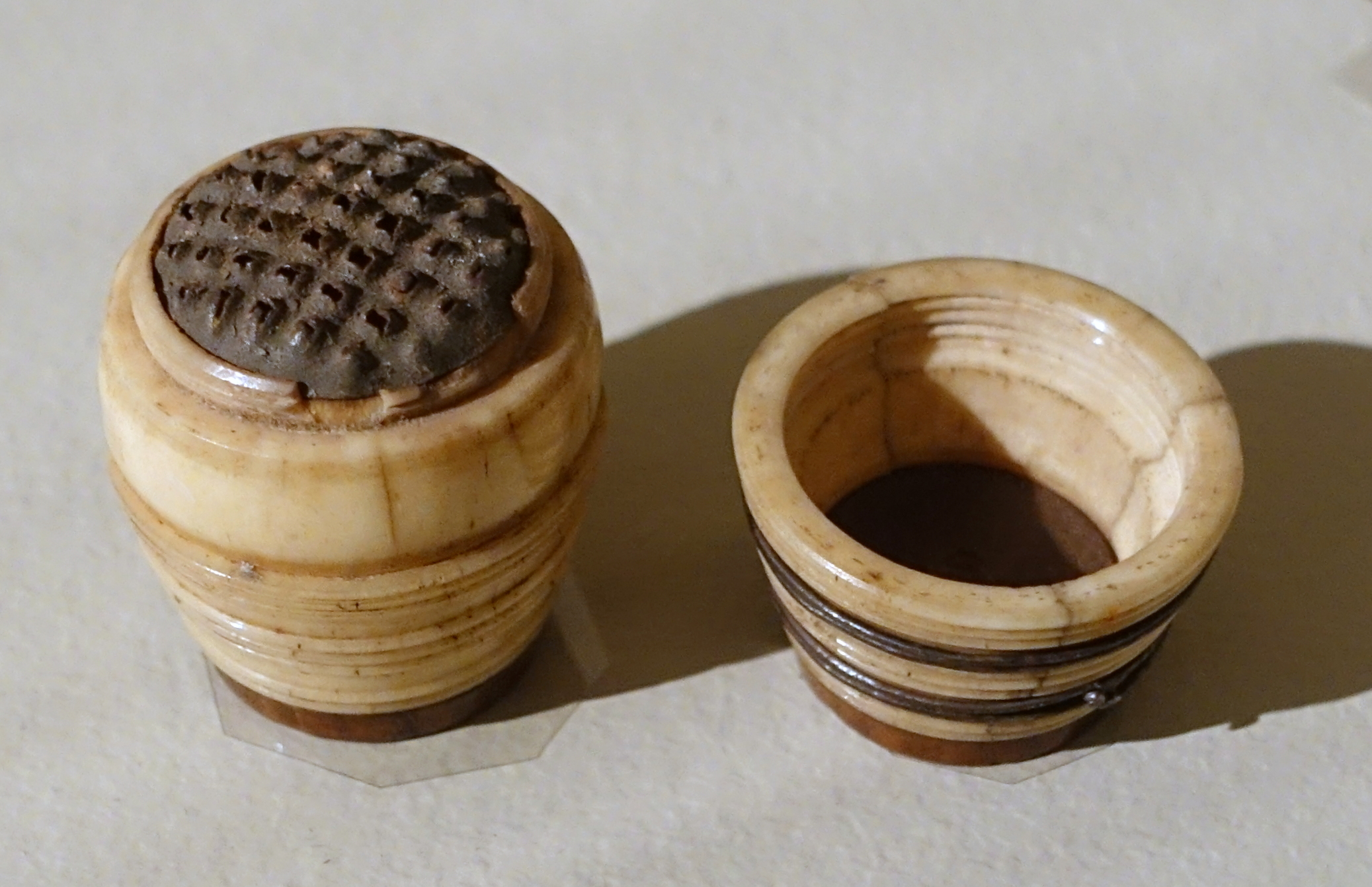
The little tin object in my grandmother’s spice drawer is about the length of a finger, curved, punched full of tiny raised holes, with a lid at one end that unscrewed to reveal a compartment with a hard brown ball in it. I thought it was a toy. It is a nutmeg grater, the compartment holds the nutmeg so you cannot lose it, and the whole thing exists because ground spice goes flat and whole spice does not.
The Flavour Is Oil and the Oil Evaporates
Start with the chemistry because everything else follows.
What we experience as the smell and taste of a spice is largely a mixture of volatile aromatic compounds – oils that evaporate readily at room temperature. That is precisely why you can smell a spice at all: molecules are leaving it and reaching your nose.
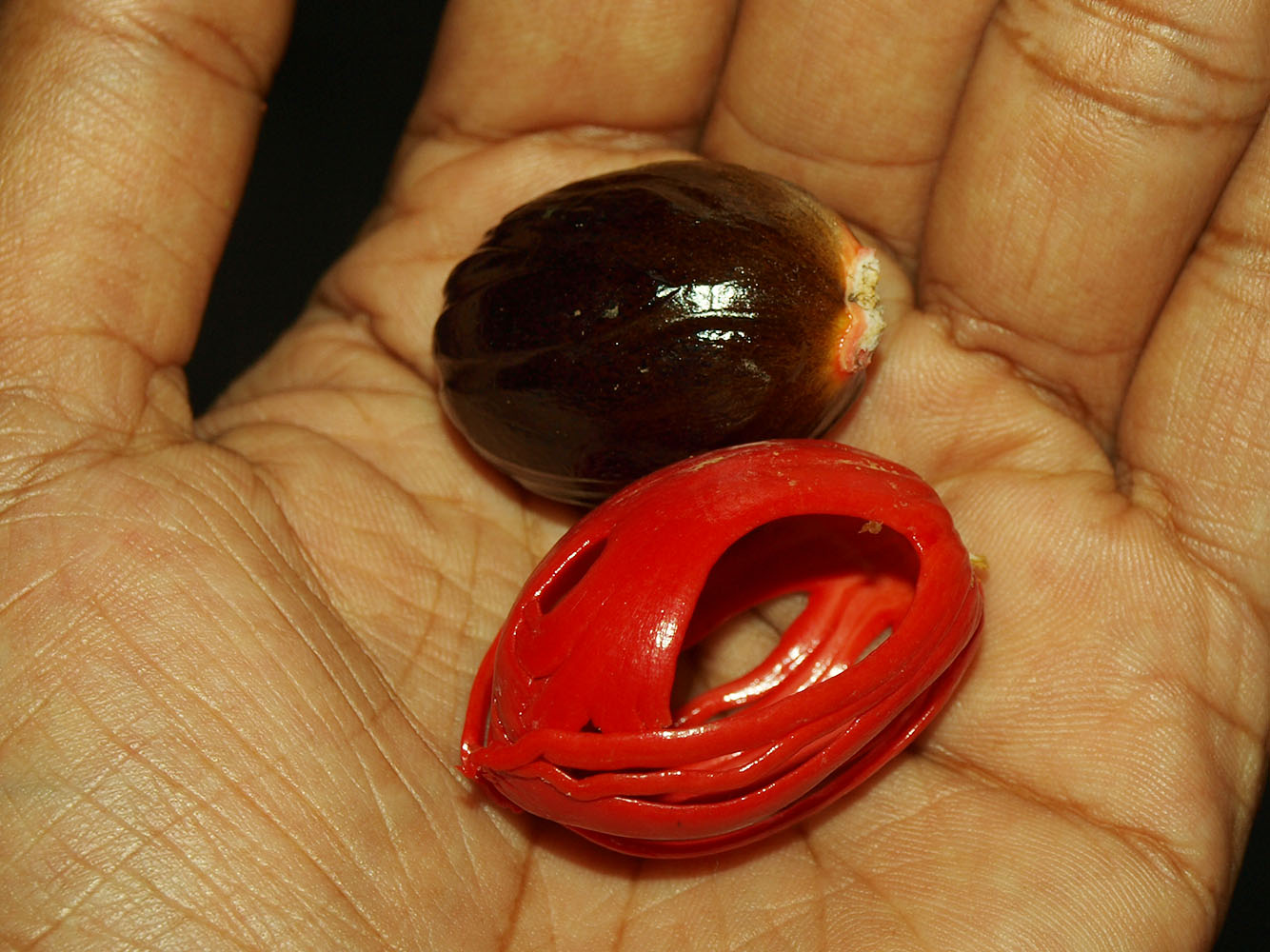
Inside a whole seed, bark or berry, those oils are locked in cell structures and protected from the air. The spice is effectively sealed, and it keeps its character for years. Break the structure open and the oils are exposed, and from that moment they are leaving continuously.
Like our content? Follow us for more.
Grinding Is the Start of a Countdown
Which makes ground spice a perishable product in a way that is not obvious.
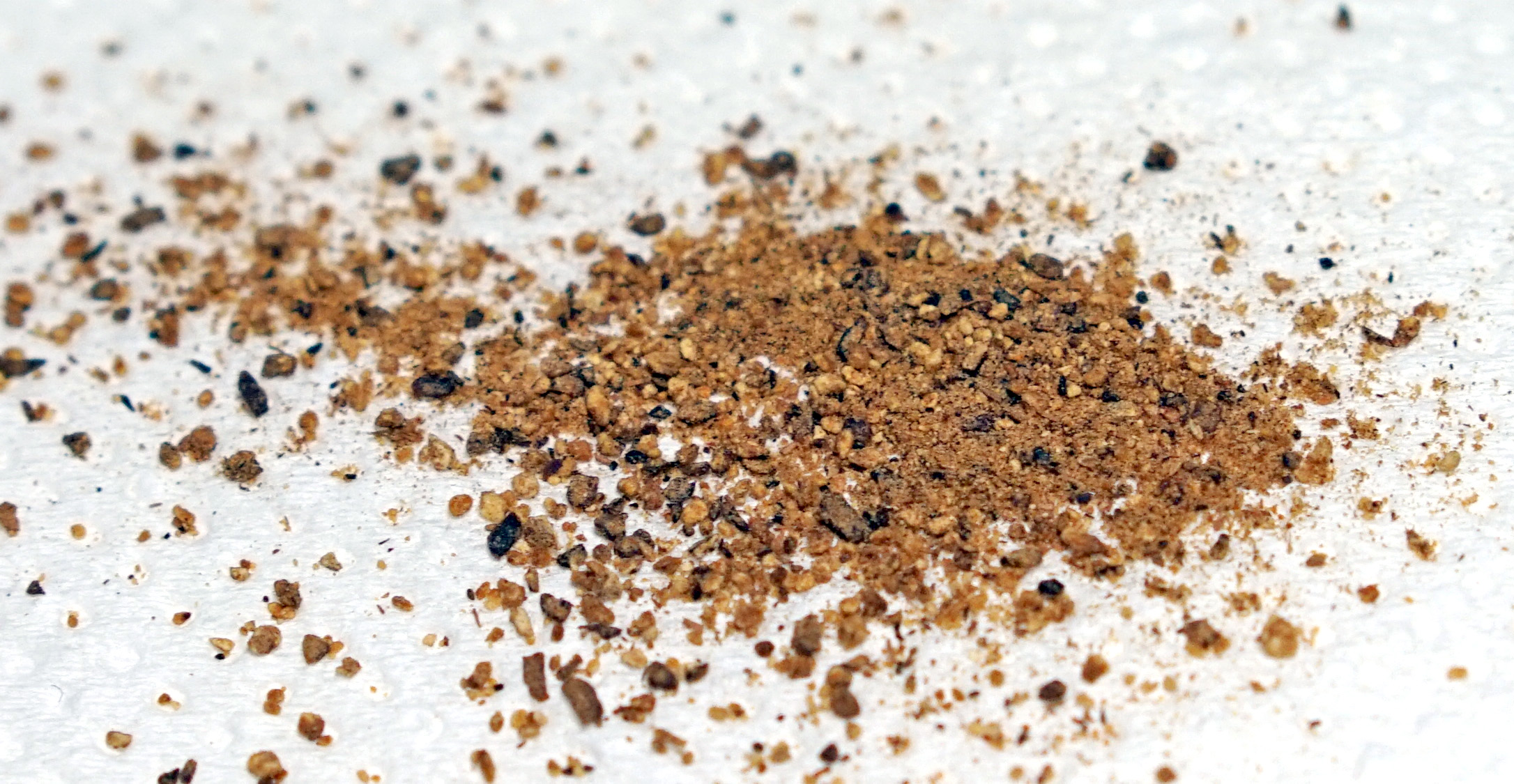
Reducing a nutmeg to powder multiplies its surface area enormously. Every particle presents fresh surface to the air, so evaporation that would have taken years from an intact seed takes weeks or months from a powder.
Ground spice does not spoil in a way anybody can see. It looks identical at two years as at two weeks. It simply has progressively less flavour, which means a household using old ground spice is adding brown dust to food and wondering why the result tastes of nothing.
So You Ground What You Needed and Nothing More
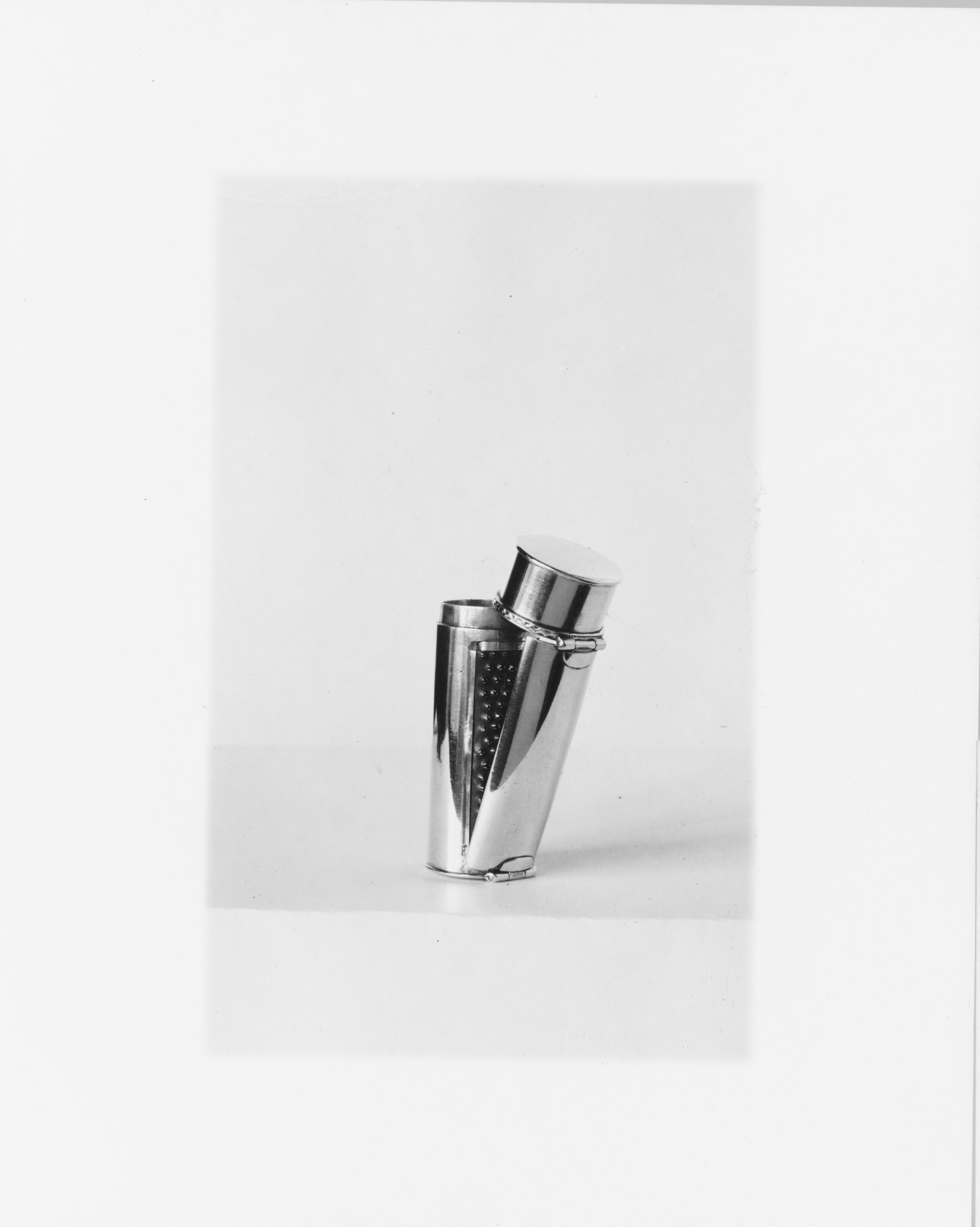
The practice follows directly.
A whole nutmeg keeps for years in a drawer. Grate what a dish needs, at the moment the dish needs it, and put the rest of the nutmeg back – which means every single use is at full strength, and nothing is ever stored in its vulnerable state.
That is the entire reason for owning a grater rather than buying powder. It is not thrift, it is not tradition and it is not fussiness. It is a correct response to the fact that the valuable part of the spice walks out of a jar.
The Grater Had to Be Fine
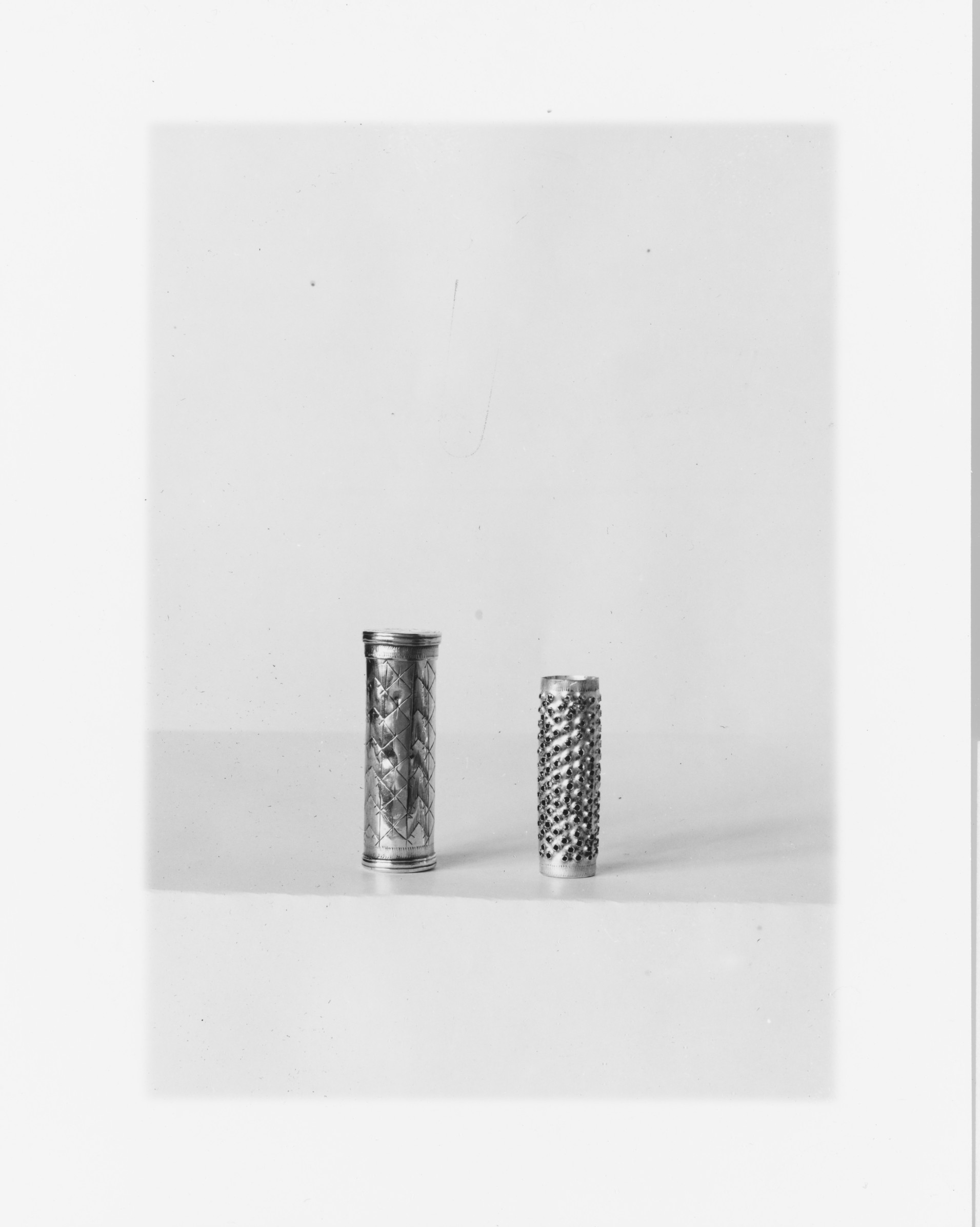
Now the tool, because it is not a cheese grater.
Nutmeg is dense and hard – closer to a piece of wood than to anything else in a kitchen – and what is wanted from it is a fine powder rather than shreds. So the surface is punched with very small sharp-edged holes raised from thin sheet metal, which shave rather than cut.
The curve matters too. A curved surface lets the nutmeg be held at a consistent angle and rubbed with a short stroke, which is the only practical motion for a small hard object held in the fingers. A flat grater of the same fineness is much harder to use on something that size.
The Compartment Was the Clever Bit
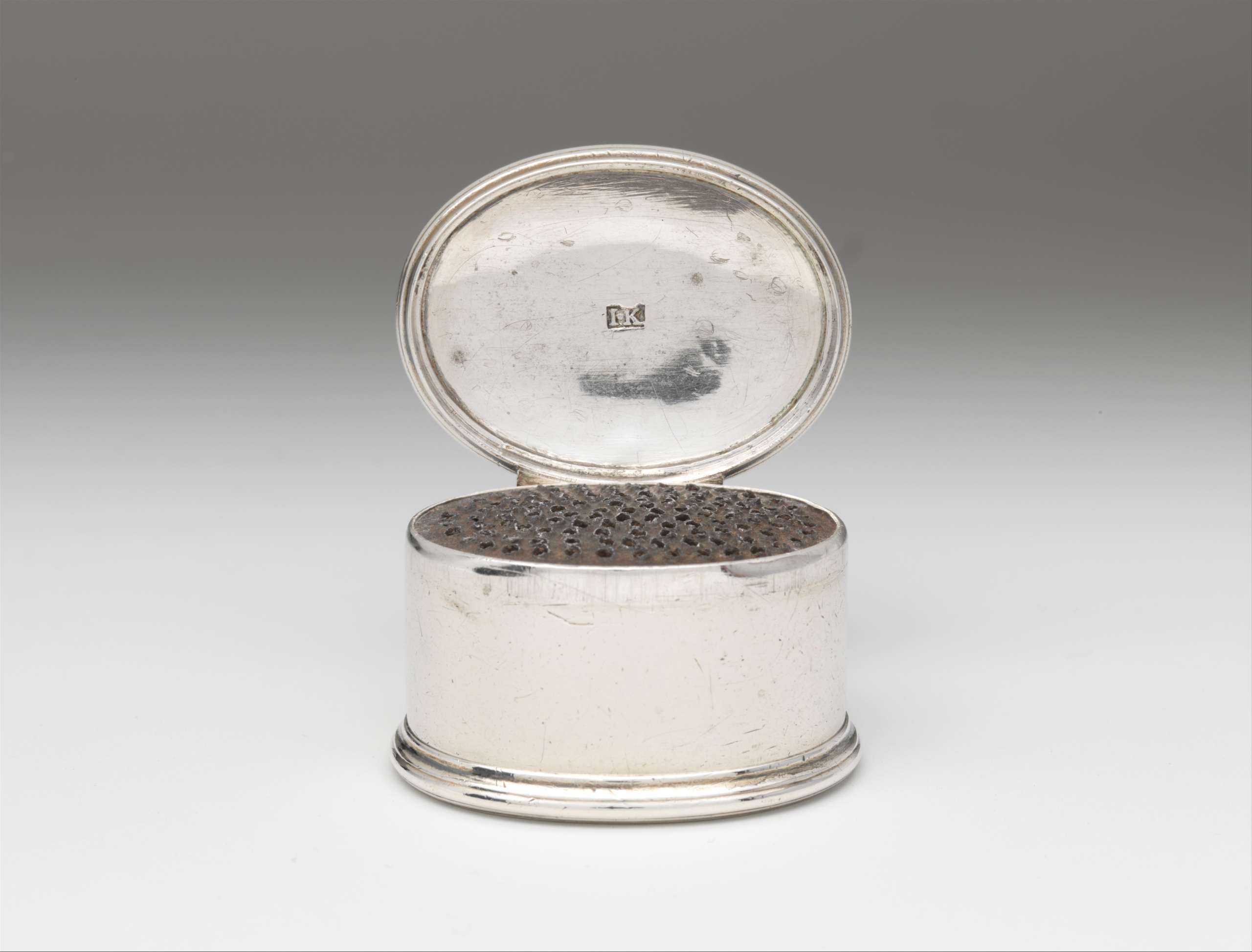
And this is the feature that makes the object worth admiring.
A whole nutmeg is small, round, hard and brown. Dropped in a drawer it rolls to the back, falls down a crack, or simply disappears among everything else – and a half-used one is smaller and easier to lose.
So the grater has a screw-top compartment at one end to keep the nutmeg inside the tool that grates it. One object, never separated, and the partly used nutmeg lives in the thing you use it with. That is a genuinely good piece of design thinking about a problem nobody would think to mention.
It Was Used for More Than Nutmeg
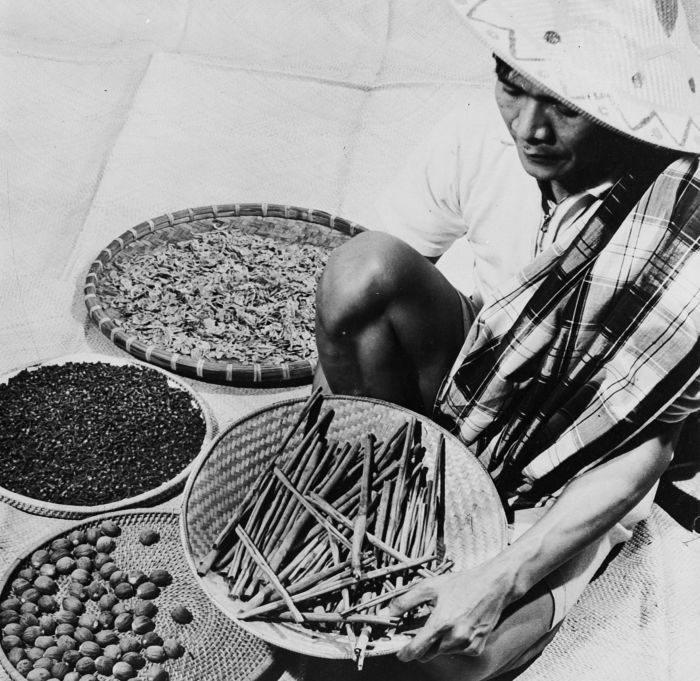
The same tool served other hard spices.
Cinnamon in stick form, dried ginger, and anything else that came as a hard solid could be reduced on the same surface – which is why the object frequently appears in accounts without the word nutmeg attached.
Pepper was the exception, because peppercorns are small and round and need to be crushed rather than shaved, which is a different mechanical problem and produced a different tool entirely.
Whole Spice Also Survived the Journey
There is a trade reason for whole spice that is worth understanding.
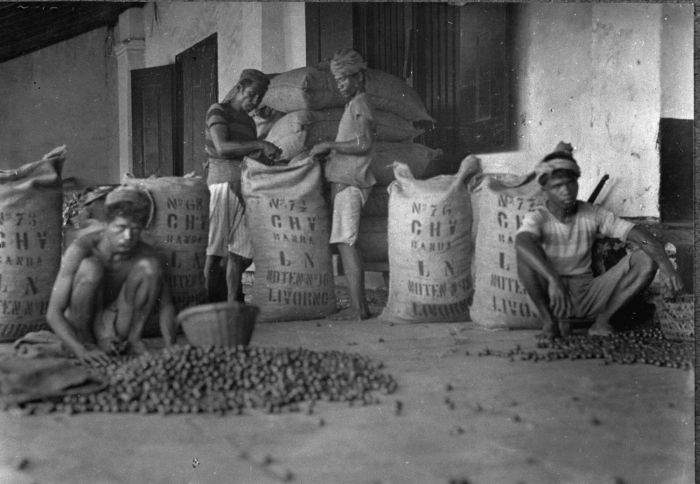
Spices travelled enormous distances by ship, and a product that holds its quality for years is a fundamentally different commodity from one that degrades in weeks. Whole nutmeg could be shipped, warehoused, sold on, carried inland, stored in a store and then kept in a household drawer, and still be good.
So the form in which spice arrived in an American kitchen was determined by the length of the supply chain, and the grater in the drawer is the last step of a system designed around keeping the flavour sealed until the final minute.
You Could Tell a Good One by Weight and Smell
Buying whole spice requires judgement that buying powder does not.
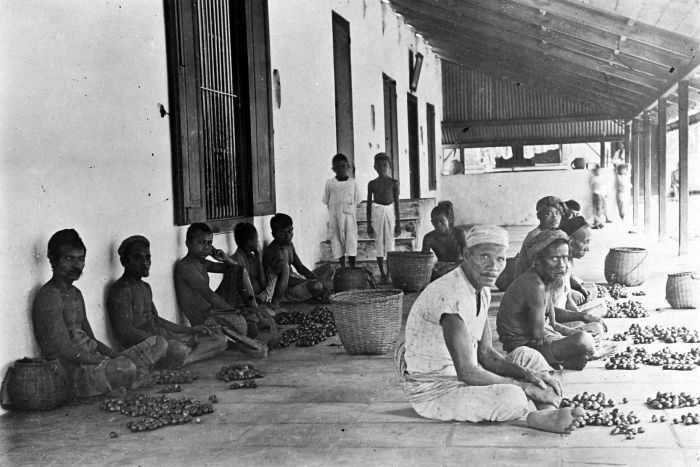
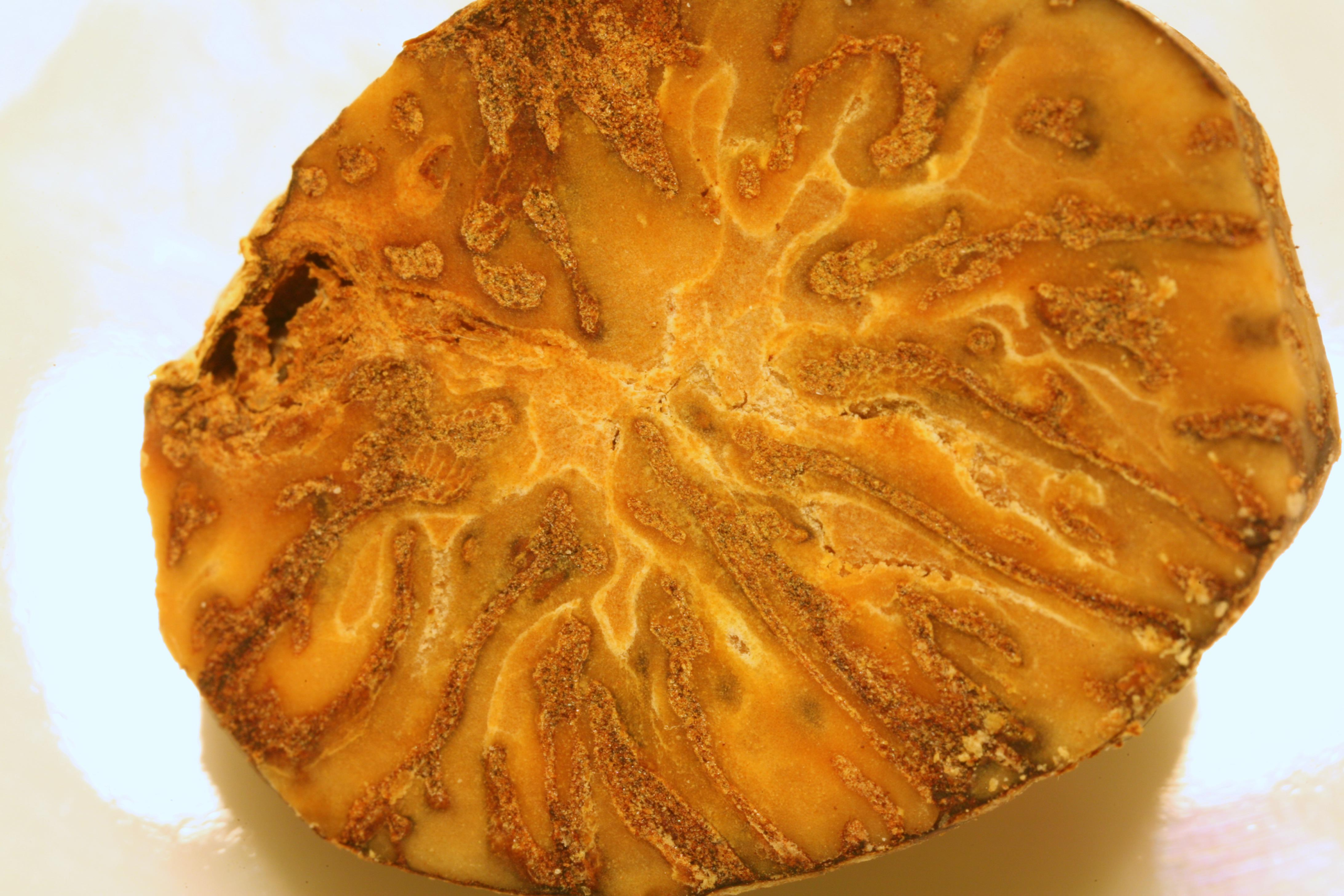
A sound nutmeg is heavy for its size, because it is dense with oil. One that has dried out, been stored badly or sat too long is lighter, and sounds different if you tap it. And the smell at the surface tells you something immediately.
Ground spice offers none of that. You cannot assess powder by weight, you cannot see whether it was good material, and the smell of a jar that has been open for a year tells you only that it is old. So the household that bought whole spice had quality control that the household buying ground spice had given up.
A Nutmeg Lasted an Extraordinarily Long Time
The economics are better than people expect.
A single nutmeg provides a very large number of individual gratings, because a dish needs a small quantity and the seed is dense. One of them could serve a household for a long period, and the price per use is therefore very low.
Which means whole spice was not a luxury choice compared with ground. It was frequently the cheaper option over time as well as the better one, with the only cost being thirty seconds of effort at the point of use.
The Nutmeg Got Smaller and Then It Got Awkward
There is a practical problem at the end of a nutmeg’s life that everybody who used one knows about.
As the seed wears down it becomes harder to hold. A fresh nutmeg fills the fingers and can be gripped firmly against the grater; a nutmeg that is two thirds gone is a small irregular lump, and the hand holding it is now very close to the surface doing the shaving.
So the last portion of every nutmeg was either used with considerable care or simply abandoned, and a drawer in a working kitchen frequently contained two or three small worn remnants nobody wanted to tackle. Devices were made to hold the stub – small clamps and holders – which tells you the problem was common enough to be worth solving commercially.
That is the one genuine inefficiency in the whole arrangement, and it is the sort of detail that only shows up in the objects themselves rather than in anybody’s description of them.
It Sat in the Drawer Rather Than on the Shelf
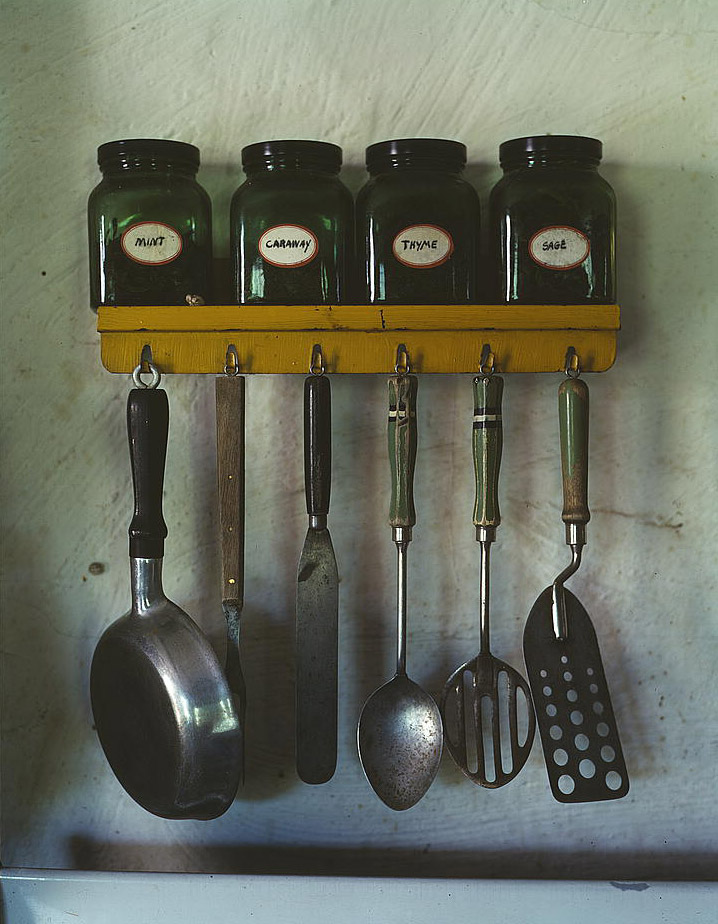
A small point about where these lived, because it says something about how spice was regarded.
Whole spices and the tools for them belonged in a drawer or a small box rather than on display. They were not a decorative array of labelled jars; they were a few hard brown objects and a tin implement, kept closed, kept dark and kept dry.
Which happens to be exactly correct storage. Light, heat and air all accelerate the loss of volatile oils, so a closed drawer away from the stove is better than a row of glass jars on a shelf above it – and the household that kept its spices out of sight was doing better by them than the one that kept them where they looked nice.
Then Packaged Ground Spice Won on Convenience
The change is not about quality and everybody involved knew it.
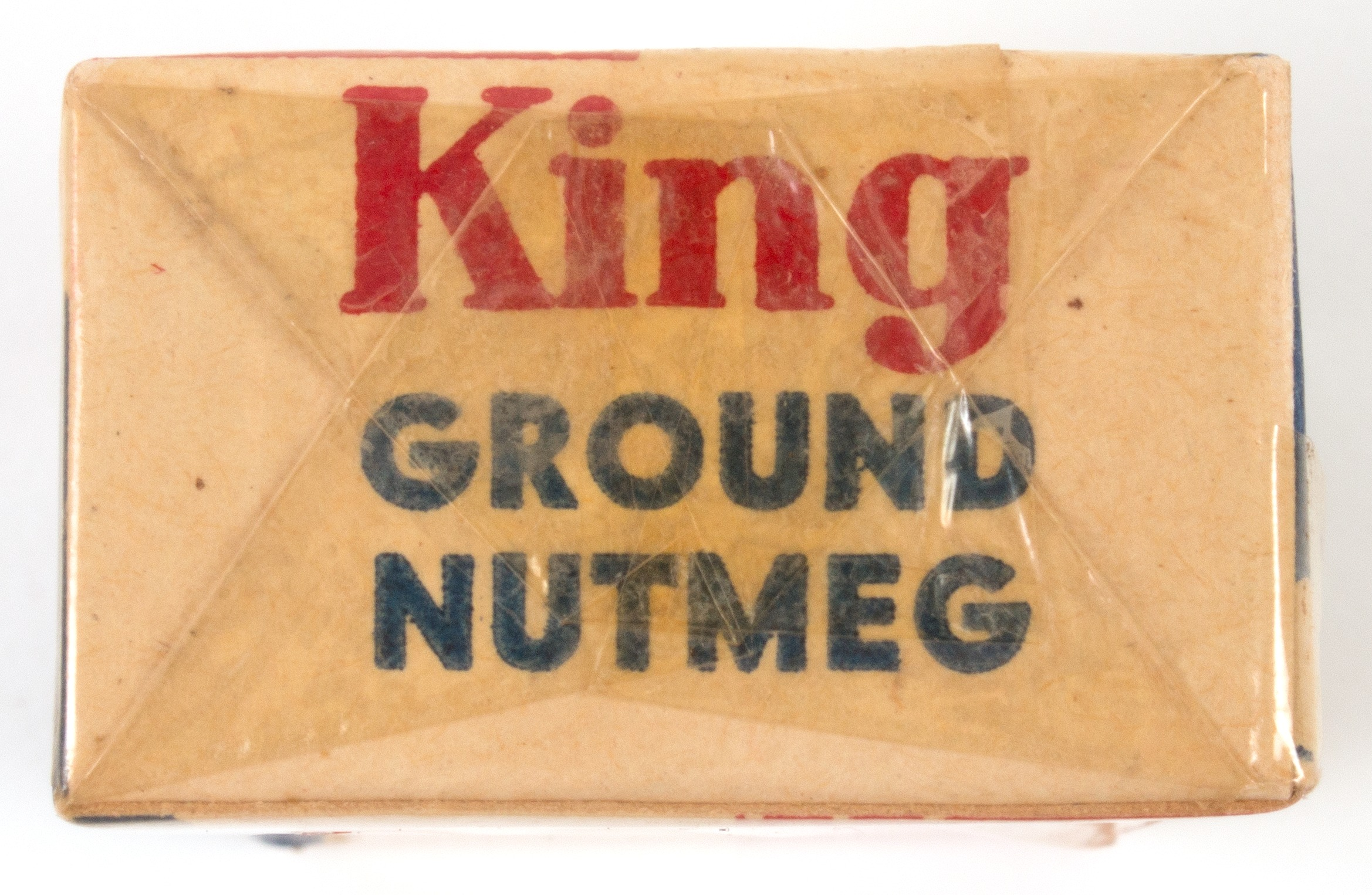
A sealed tin of ground spice requires no tool, no effort, no judgement at the point of purchase and no skill. You open it and shake it. Against thirty seconds of grating, that is a real convenience, and convenience has beaten quality in domestic food preparation consistently for a century.
Packaging improved too, which narrowed the gap – better seals, opaque containers and smaller quantities all slow the loss. They slow it; they do not stop it, because the surface area is still there and the oils are still leaving.
Then the Grinder Came Back
Which is the part I find satisfying.
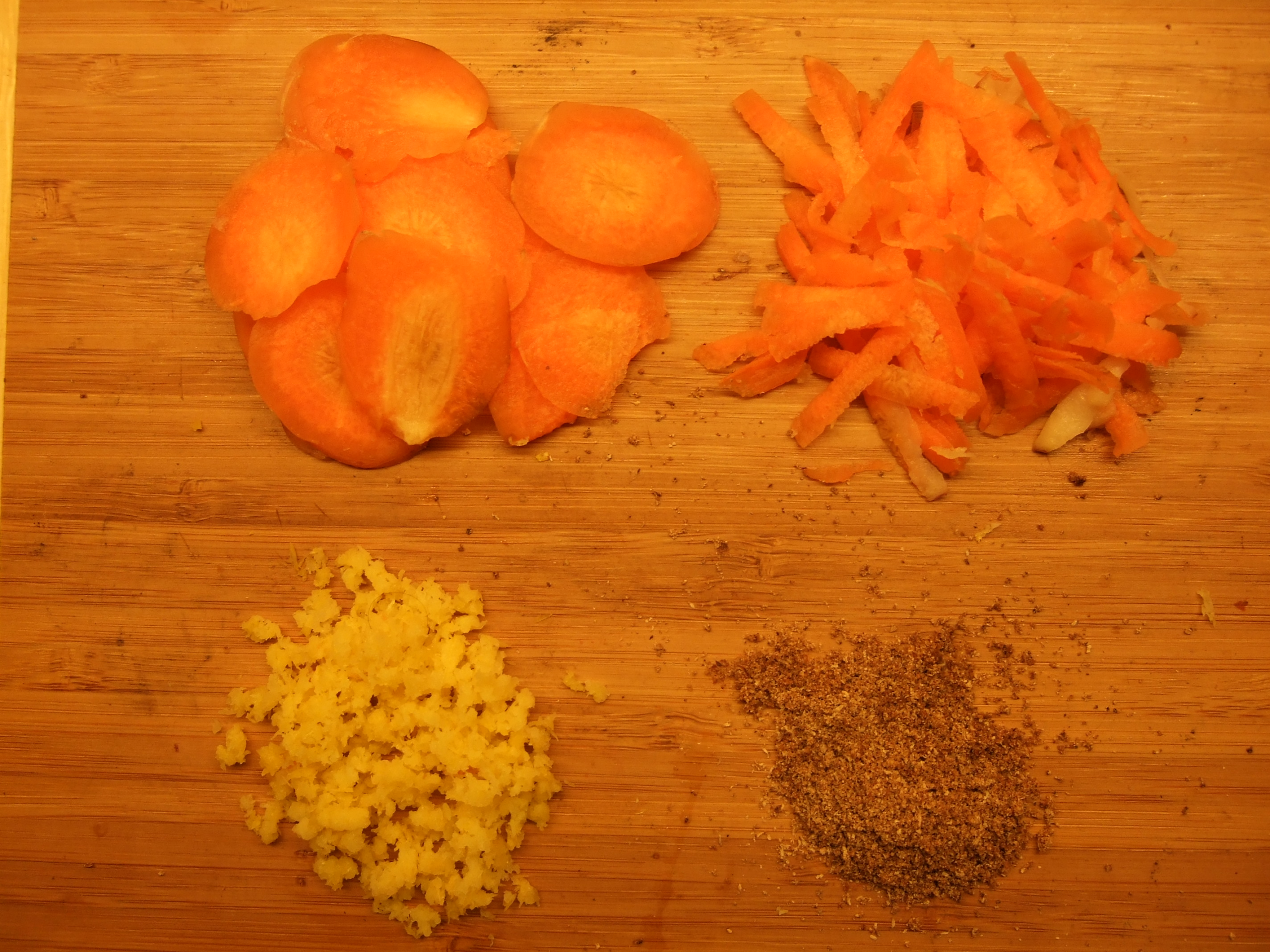
Pepper never went fully to powder in the same way, because the difference is so obvious that households kept their mills – and then the same logic came back for everything else. A modern kitchen that keeps whole peppercorns, a nutmeg, whole cinnamon and a grinder has independently rediscovered exactly the reasoning behind the tin object in that drawer.
Nothing about the chemistry changed. What changed was that for a few decades, the convenience of a tin outweighed a difference people could taste, and then it stopped doing so.
What the Little Tin Thing Was
So the object in the drawer is not a curiosity.
It is a purpose-built tool for reducing a hard dense seed to fine powder, with a surface shaped and punched specifically for that material, a curve to suit the way a small object is held, and a screw compartment to stop the thing it grates from getting lost – and it exists because the valuable part of a spice is a volatile oil that begins escaping the moment the structure is broken.
Somebody in that kitchen understood, without the vocabulary, that you do not open a spice until you are about to use it. The tin grater is that understanding made into an object, and it cost almost nothing, and a hundred years later it is the thing people have come back to.
Like our content? Follow us for more.