A plowed field is not a field you can plant.
What the plow leaves is overturned slabs with voids underneath – lumps, ridges and air pockets, which is the wrong shape for a seed in every respect. And the reason is simple: germination depends on moisture reaching the seed, water moves through soil by contact between particles, and a seed sitting in an air gap is dry no matter how wet the rest of the field is.
So the harrow existed to produce the one thing a seed actually requires, which is fine soil pressed against it on every side. Dragging a frame of teeth across the plowed surface shattered the slabs, and the fragments fell into the voids – reducing the particle size and closing the gaps in a single operation. Here are sixteen things every farmer knew.
1. Plowing Left a Field Nothing Could Be Planted In
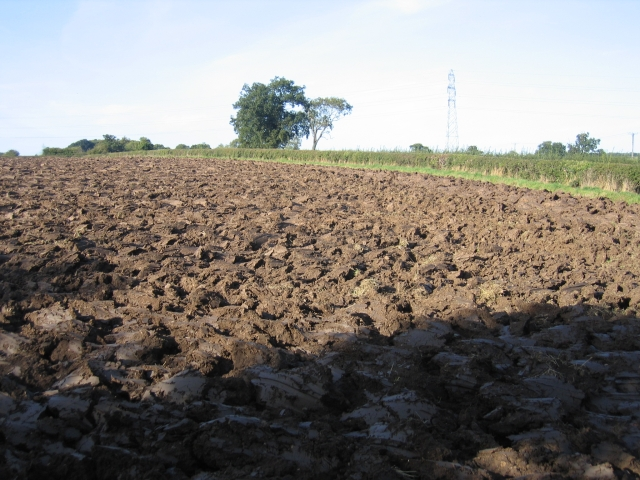
A plowed field is a surface of overturned slabs with voids underneath, which is the wrong shape for a seed in every respect.
Done in fewer passes by heavier equipment.
Start with the problem, because the harrow is otherwise inexplicable. Turning the soil over is only the first operation – what it produces is lumps, ridges and air pockets, and a seed dropped onto that has no reliable contact with anything that will feed it.
Like our content? Follow us for more.
2. A Seed Needs Contact With Soil on Every Side
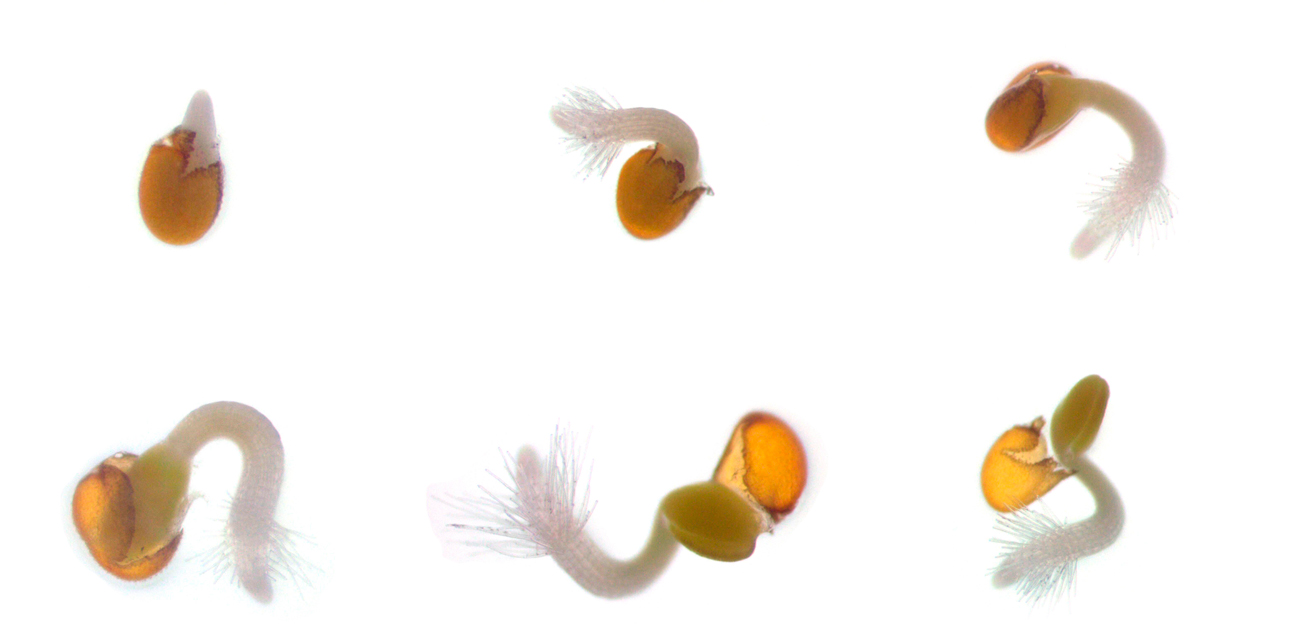
Germination depends on moisture reaching the seed, which requires fine particles pressed against it rather than air gaps around it.
The same requirement.
This is the fact the entire operation exists to satisfy and it is worth stating plainly. Water moves through soil by contact between particles, so a seed sitting in a void is dry regardless of how wet the surrounding field is.
3. The Harrow Broke the Clods Down to Crumbs
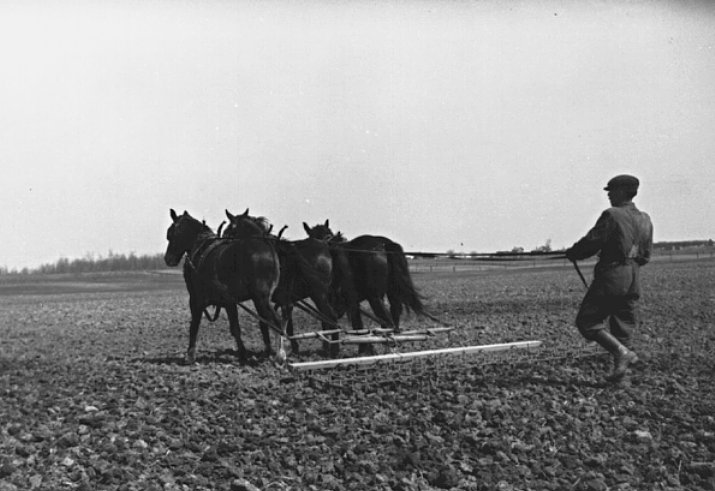
Dragging a frame of teeth across the plowed surface shattered the slabs, filled the voids and left a layer of loose fine soil.
Not applicable in the same form.
The mechanism is crude and entirely effective. Repeated impact and dragging breaks aggregates along their weak lines, and the fragments fall into the spaces between the larger pieces – which both reduces the particle size and eliminates the gaps in one operation.
4. The Spike Tooth Harrow Was the Common One
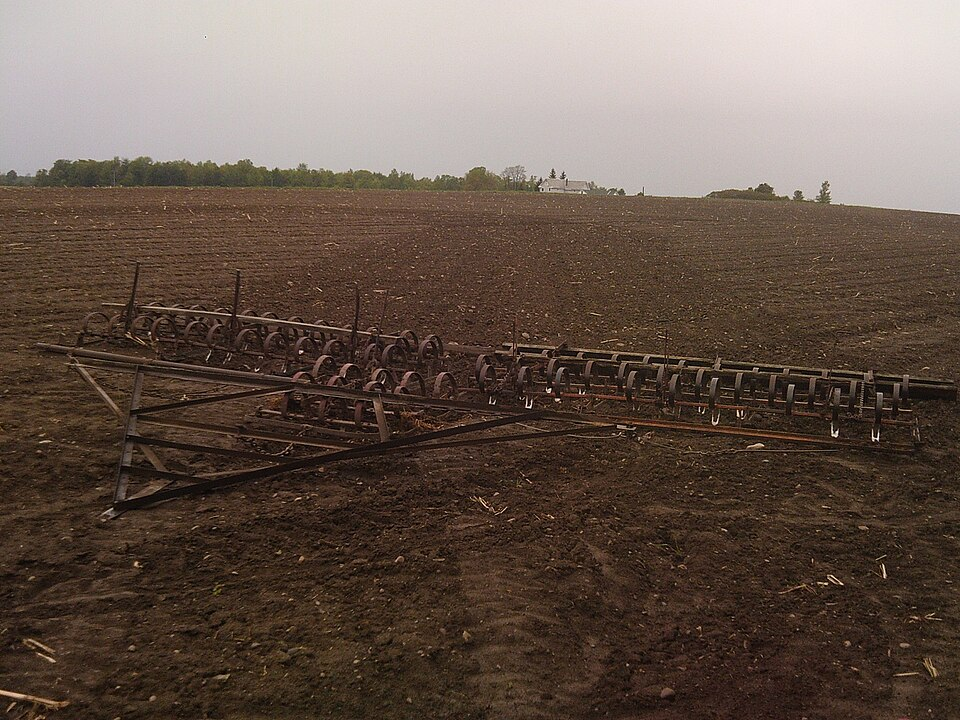
A frame carrying rows of straight iron teeth, dragged behind a team, was the standard implement for the final working of a seedbed.
Not applicable.
The simplicity of the thing is its virtue and there is almost nothing to it. Straight teeth in a frame have no moving parts, nothing to adjust, nothing to break and nothing to maintain beyond replacing a tooth – which is exactly what an implement dragged through abrasive material all day should be.
5. The Disc Harrow Cut Instead of Scratching
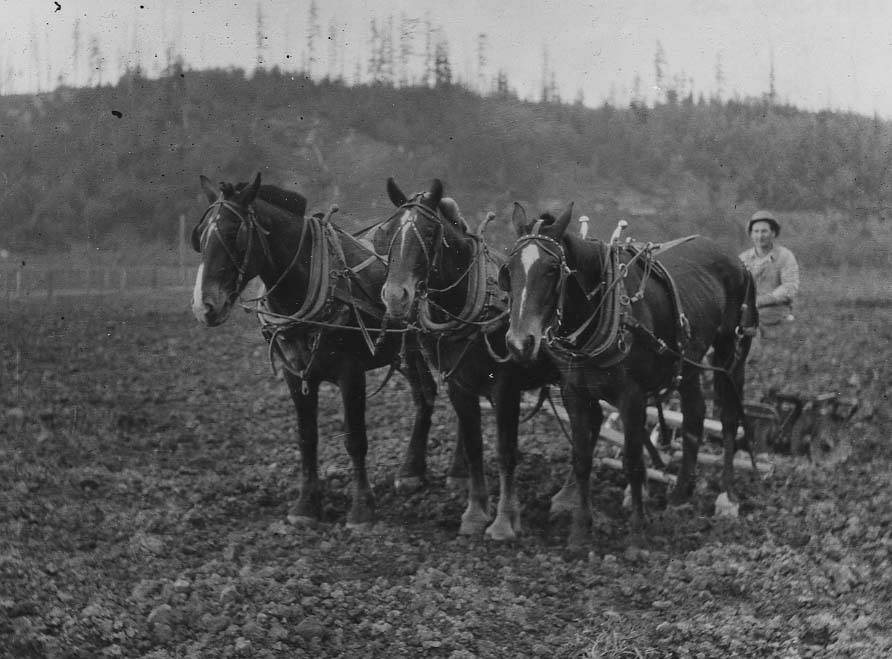
Angled rotating discs sliced through the surface rather than dragging across it, which worked heavier ground and handled residue better.
Still in use.
The disc is the real improvement and the difference is in the action. A rotating disc cuts a slot and throws soil sideways instead of pushing a tooth through it, which means it does not clog with trash and it can work ground a spike tooth would simply ride over.
6. A Spring Tooth Rode Over the Rocks
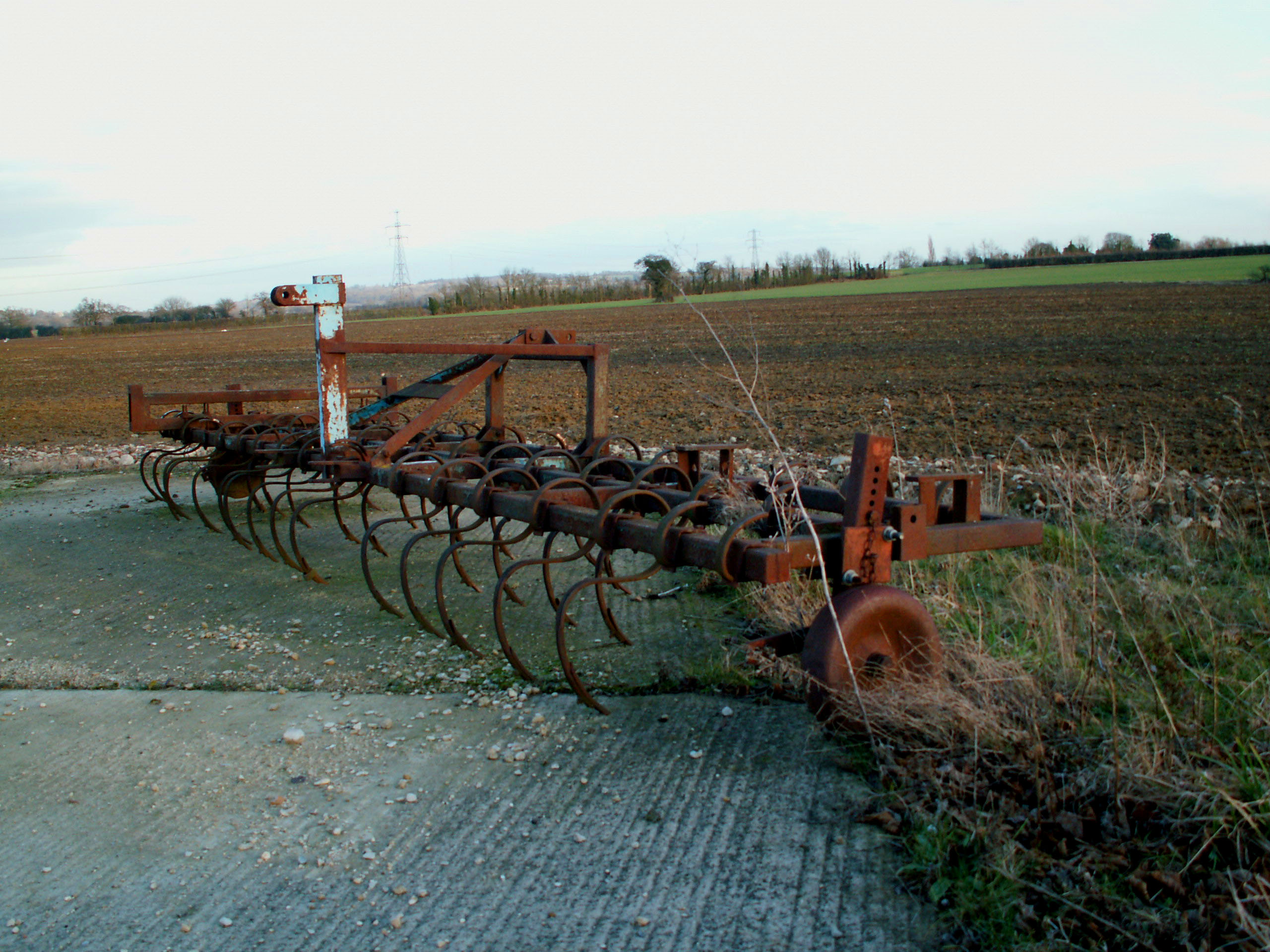
Curved flexible teeth bent backwards when they struck a stone and sprang forward again, which let a harrow work stony ground without breaking.
Not applicable.
This is a lovely piece of design and it solves a specific regional problem. A rigid tooth meeting an immovable rock either breaks or stops the team, while a tooth that can deflect and recover converts an obstruction into a momentary interruption.
7. The Drag Smoothed What the Teeth Had Loosened
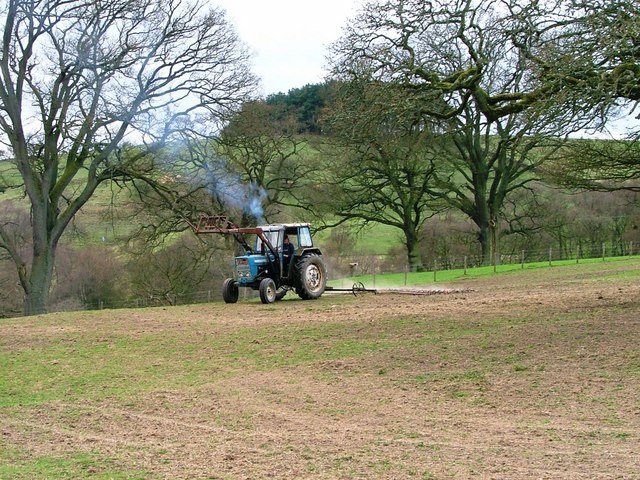
A heavy plank, a log, a weighted frame or a section of brush was pulled over the harrowed ground to level the surface.
Not applicable.
The levelling pass is the forgotten one and it had a practical purpose beyond appearance. An even surface means every seed goes in at the same depth and every part of the field dries at the same rate, which matters a great deal for a crop that has to come up together.
8. Harrowing Also Killed Weed Seedlings
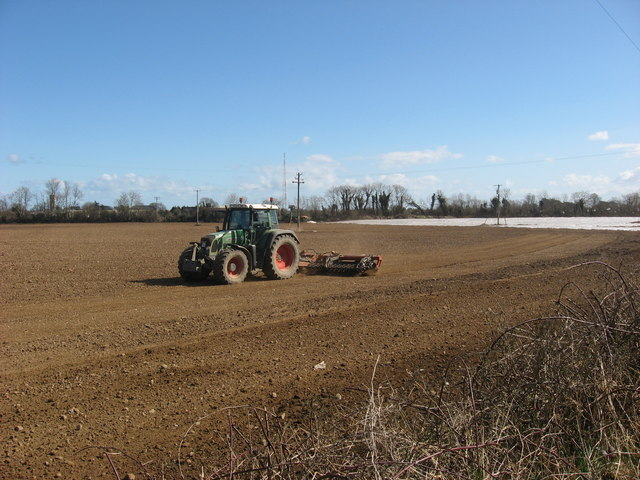
Working the surface uprooted small weeds that had germinated since plowing, which is why the timing of the last pass mattered.
Chemical and mechanical control.
The weed function is at least as important as the seedbed function and it is often overlooked. Every pass of a harrow destroys whatever has just come up, so the last pass before planting gives the crop a head start on everything else in the field.
9. A Fine Surface Also Slowed Water Leaving the Ground
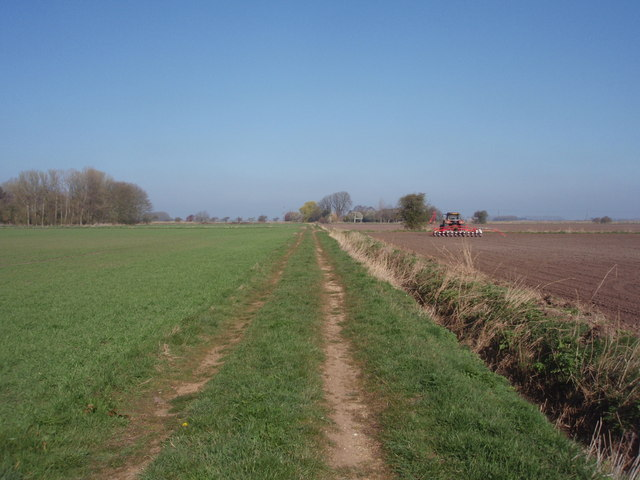
A loose crumbly top layer interrupts the continuous path moisture uses to reach the surface and evaporate.
Understood differently now.
The moisture argument was taken seriously and the physics behind it is real. Water rises through connected fine pores, so breaking that continuity at the surface reduces the rate at which the field dries out – which is why the practice mattered more in dry years.
10. It Could Be Overdone and Everybody Knew It
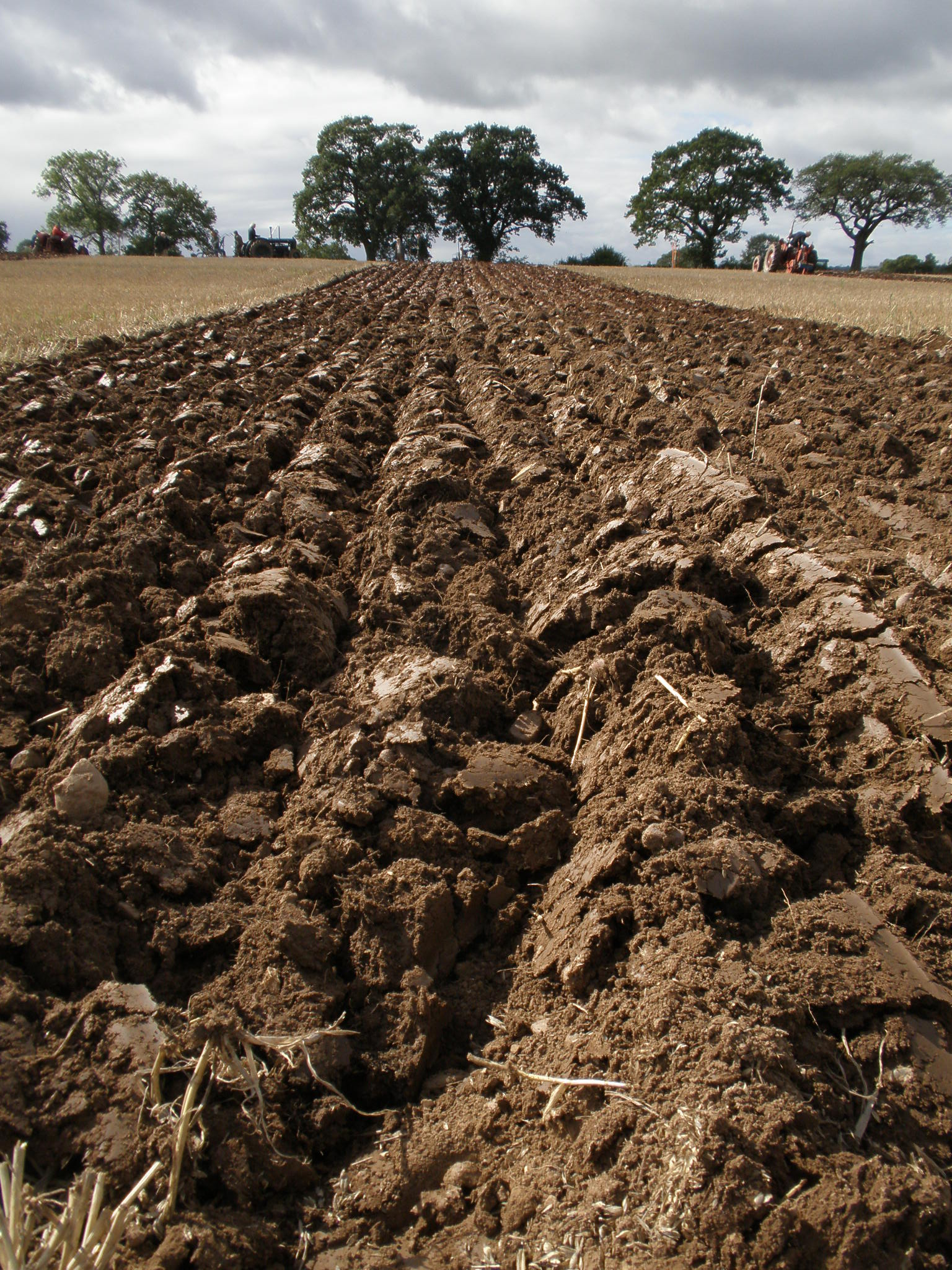
Working soil too fine, or working it when wet, destroyed its structure and produced a surface that crusted hard after rain.
Still true.
Knowing when to stop is the judgement at the centre of this work and it was explicit. Soil has a structure of aggregates that gives it porosity, and reducing everything to dust collapses that – so the goal was crumbs, not powder.
11. Soil Moisture Decided the Day, Not the Calendar
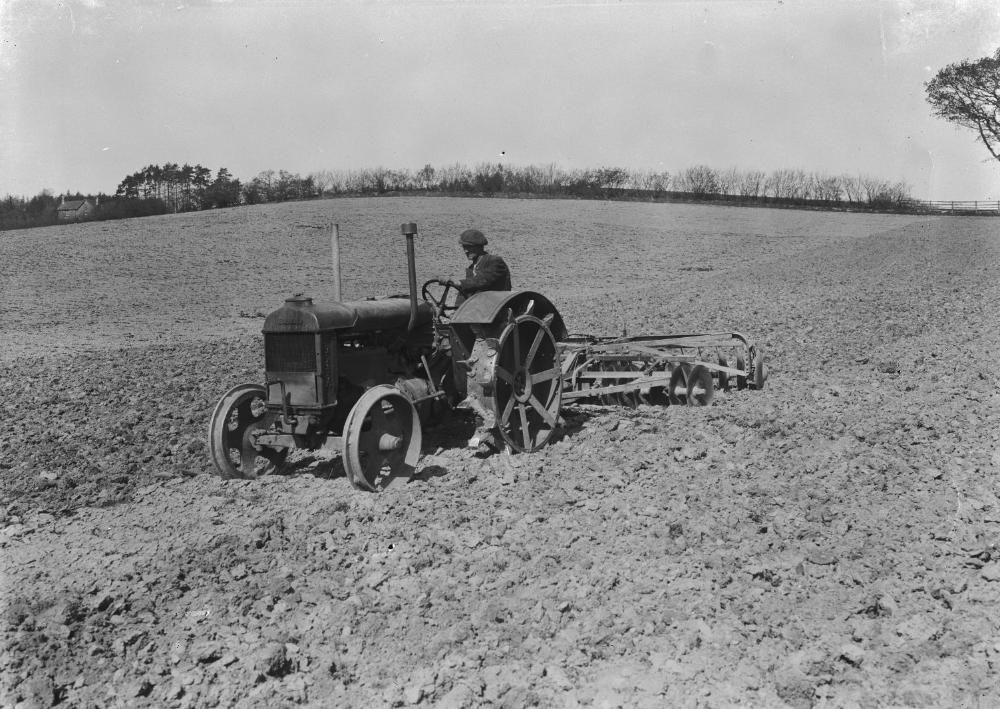
Ground too wet smeared and compacted, ground too dry would not break, and the window between them could be a matter of days.
Equipment tolerates a wider range.
Timing is the whole difficulty of spring work and it explains the urgency. The field is workable only within a range of moisture, so when that window opens everything else is set aside – which is why spring was the most compressed season of the year.
12. Harrowing Was Walked, Then Ridden, Then Driven
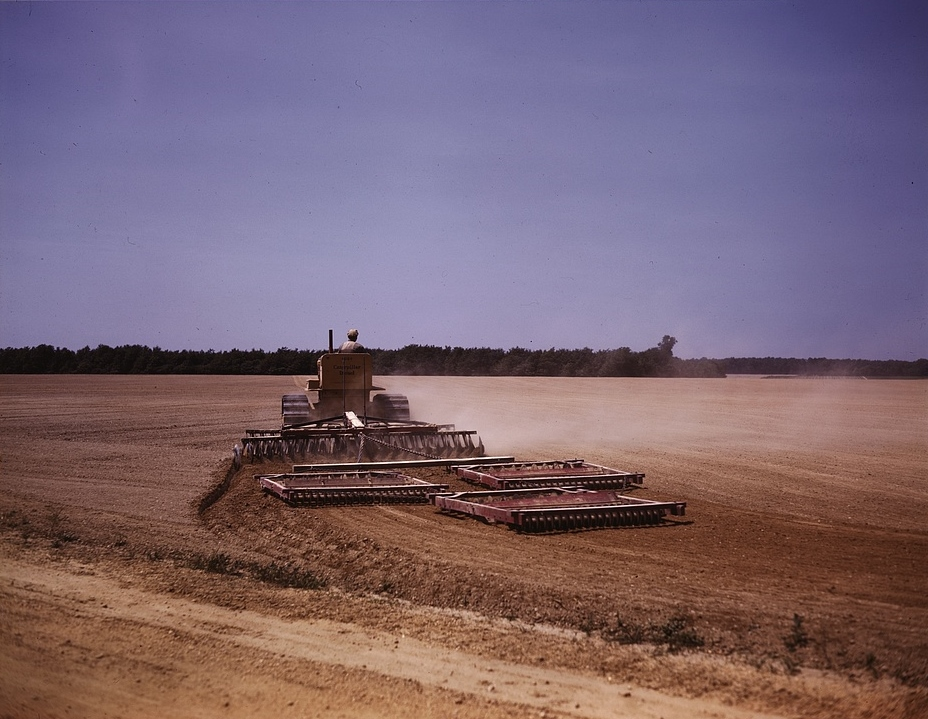
The operation moved from walking behind the implement to riding on a seat on it to driving a tractor pulling several sections.
Driven, in very few passes.
The progression is the clearest illustration of mechanisation in the whole of field work. The task never changed at all – only the amount of ground one person could cover in a day, which rose by something like two orders of magnitude without the operation itself being altered.
13. Several Sections Were Hitched Side by Side
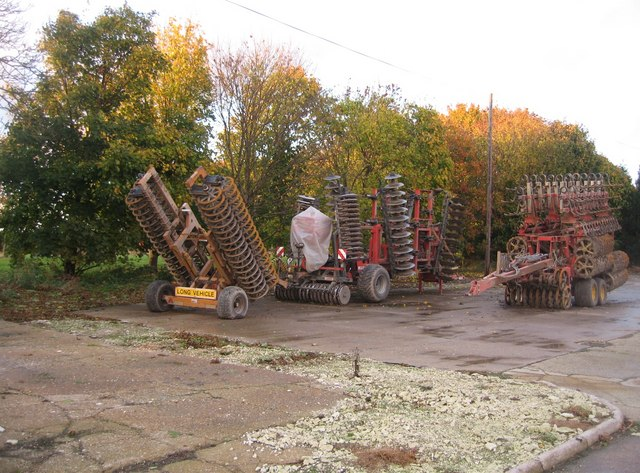
Harrow sections were joined into wide gangs so that one pass covered more ground, with each section flexing independently over the surface.
Standard practice.
Ganging sections is a simple and very effective answer to width and it had to be done this way. A single rigid frame wide enough to be efficient would bridge over hollows, while hinged sections each follow the ground they are actually crossing.
14. Children and Boys Were Often Given the Harrowing
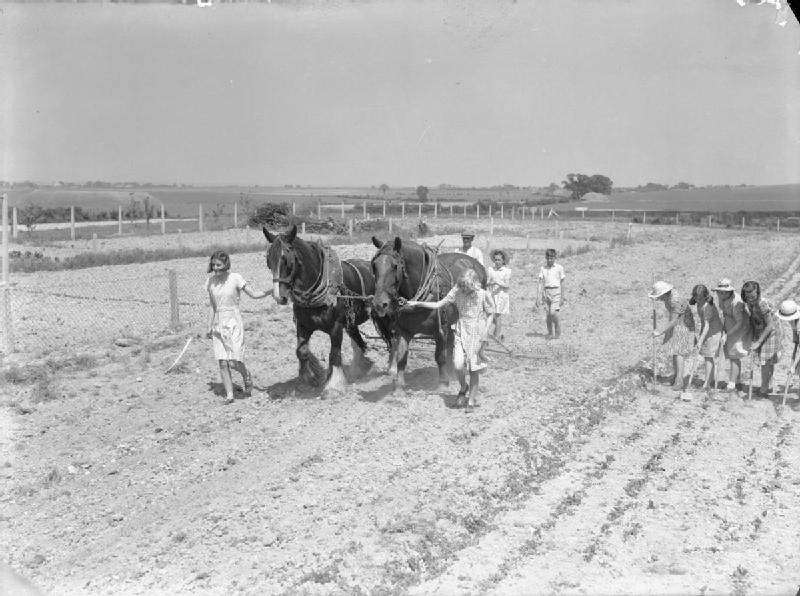
Once a harrow had a seat and a team that knew the work, driving it was handed to whoever was too young for heavier jobs.
Not applicable.
Task allocation again follows skill rather than effort and this was a recognised step. Harrowing is repetitive and forgiving compared with plowing, which requires continuous judgement about depth and line, so it was the job a boy was trusted with first.
15. Then the Field Cultivator Combined the Passes
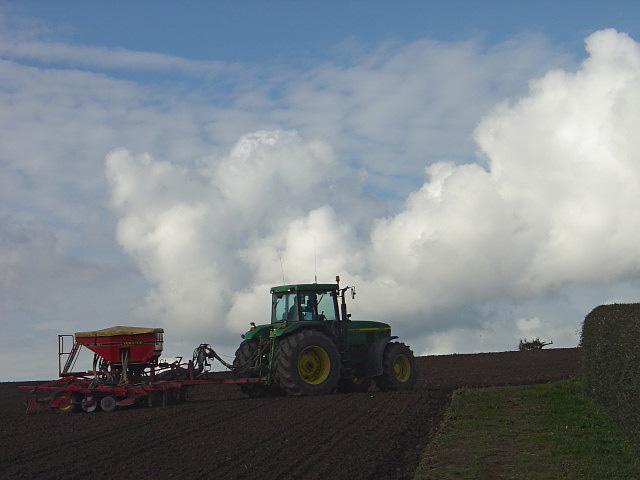
Implements that loosened, broke and levelled in one operation, pulled fast by a tractor, replaced the sequence of separate passes.
Universal, and reduced further.
Combining the operations is the end of the story and it was driven by time rather than by quality. Every separate pass costs fuel and a trip across the field, so an implement that does three jobs at once is worth having even if each job is done slightly less well.
16. And by 1964 Old Harrow Sections Were Fence Weights
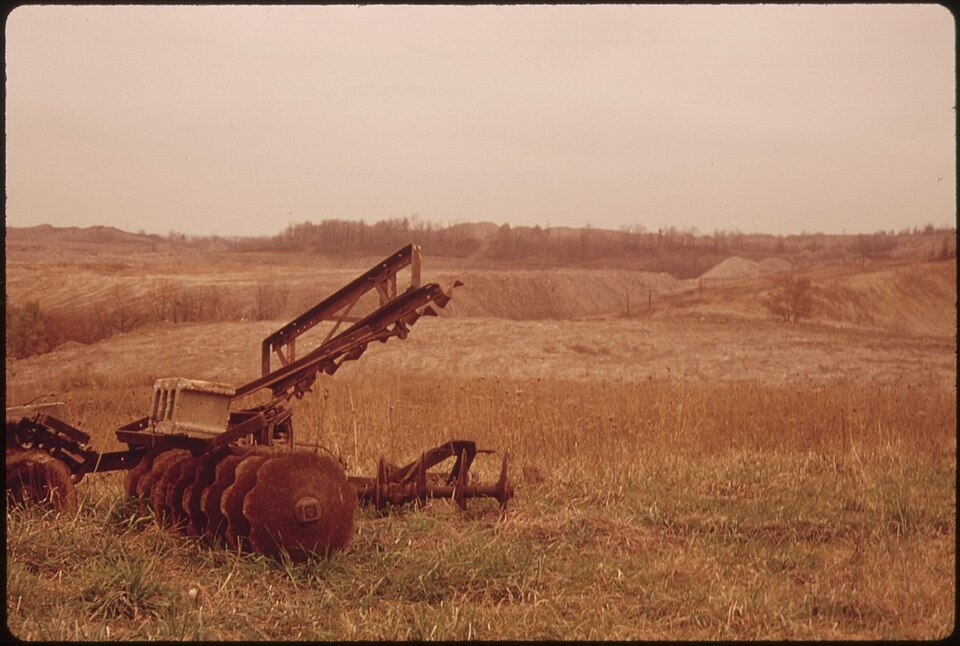
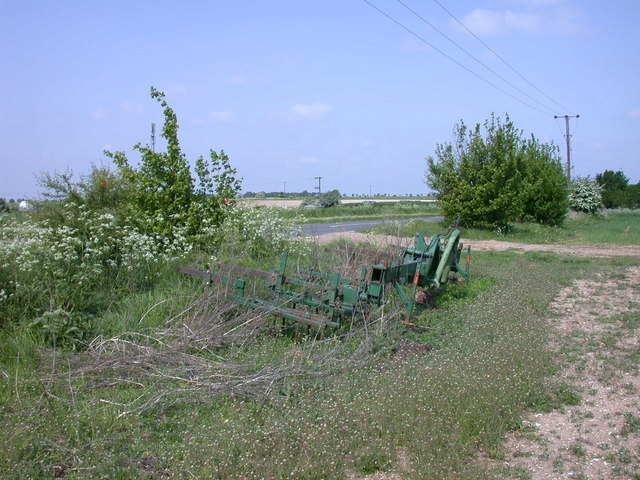
Spike tooth sections too small for a tractor ended up holding down fences, bridging ditches or rusting at the edge of a field.
Scrapped or ornamental.
And what deserves the last word is that this was the operation that actually made a crop possible. Plowing gets all the attention and it leaves a field nothing can grow in – slabs, ridges and voids, with no moisture path to any seed. The harrow produced the thing a seed actually needs, which is fine particles pressed against it on every side, and in the same pass it killed whatever weeds had germinated since the plow went through and broke the surface continuity that lets water escape. Everything about it was judgement: how fine is fine enough, how wet is too wet, and when to stop before crumbs become dust. It was walked behind, then ridden, then driven at ten times the speed, and finally folded into a single implement that did all of it at once – and the only thing that ever changed was how much ground one person covered in a day.
This Was the Operation That Actually Made a Crop Possible
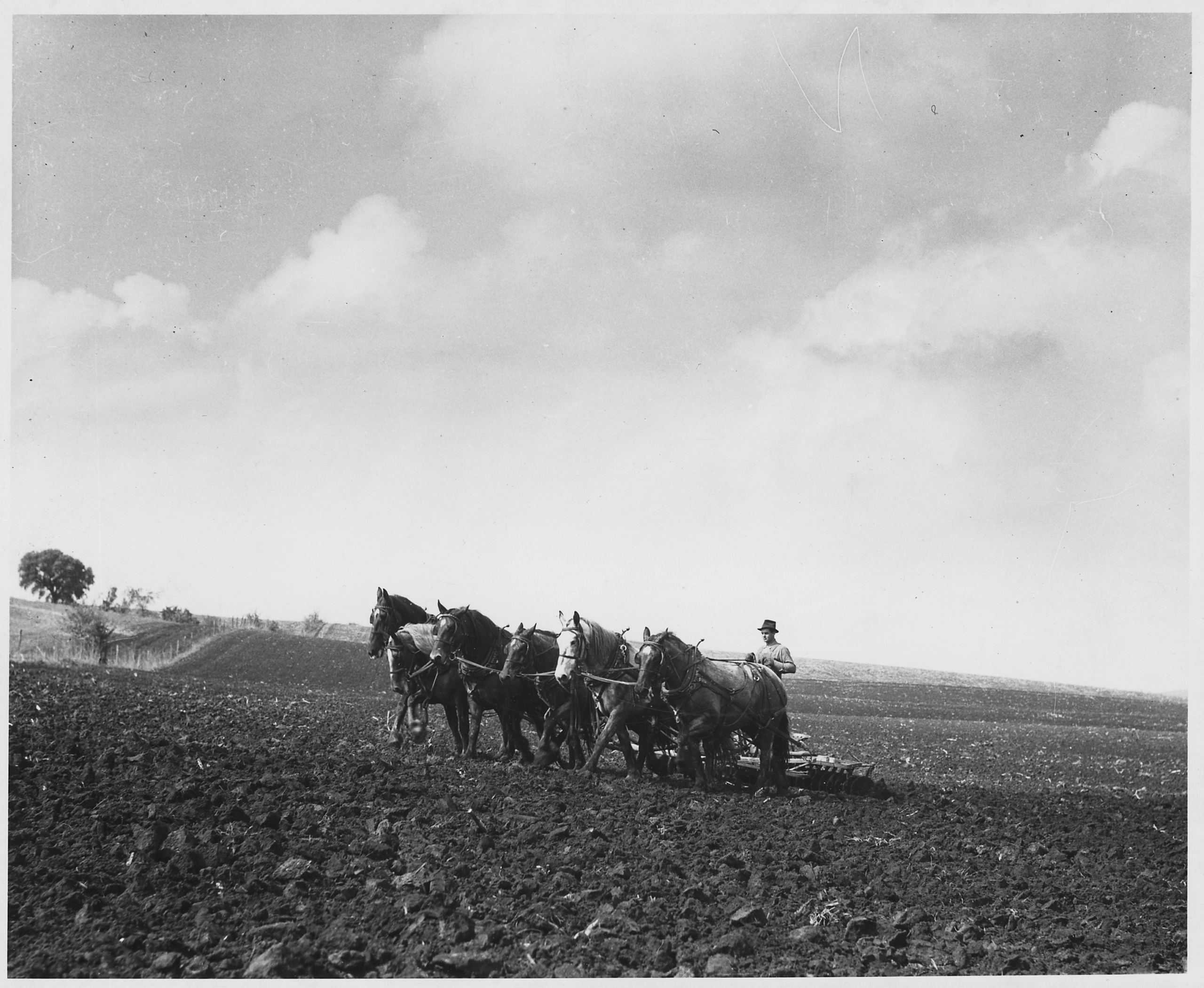
The plow gets all the attention in the history of farming, and the plow leaves behind a field in which nothing can grow.
That is the place to start. A plowed surface is overturned slabs with voids underneath – lumps, ridges, air pockets – and that is the wrong shape for a seed in every single respect.
The requirement is specific. Germination depends on moisture reaching the seed, water moves through soil by contact between particles, and a seed sitting in a void is dry however wet the field around it happens to be. So what a seed needs is fine soil pressed against it on every side.
The harrow produced exactly that, by a crude and completely effective mechanism. Dragging a frame of teeth across the surface shatters the aggregates along their weak lines, and the fragments fall into the spaces between the larger pieces – which reduces particle size and eliminates voids in one operation.
The standard implement was the spike tooth harrow: rows of straight iron teeth in a frame, dragged behind a team. Its virtue is that there is almost nothing to it. No moving parts, nothing to adjust, nothing to break and nothing to maintain but a replacement tooth – which is precisely what an implement dragged through abrasive material all day ought to be.
Two variants solved real problems.
The disc harrow cut instead of scratching. Angled rotating discs slice a slot and throw soil sideways rather than pushing a tooth through it, so they do not clog with residue and they work heavier ground that a spike tooth would simply ride over.
And the spring tooth rode over rocks. A curved flexible tooth bends backwards when it strikes a stone and springs forward again, which turns an obstruction that would break a rigid tooth or stop the team into a momentary interruption. That is a lovely piece of design aimed at a specific kind of ground.
Then the surface was levelled, and the levelling pass is the one people forget. A plank, a log, a weighted frame or a section of brush dragged over the harrowed ground evens it out – which matters because an even surface means every seed goes in at the same depth and every part of the field dries at the same rate, and a crop needs to come up together.
Two further functions are at least as important as making the seedbed.
Harrowing killed weed seedlings. Every pass uproots whatever has germinated since the plow went through, so the last pass before planting hands the crop a head start over everything else in the field – which is why the timing of that pass mattered so much.
And a fine surface slowed water leaving the ground. Moisture rises through connected fine pores, so breaking that continuity at the top reduces the rate at which a field dries out. The physics is real, and the practice mattered most in dry years.
But it could be overdone, and everybody knew it. Soil has a structure of aggregates that gives it porosity; work it too fine, or work it wet, and that structure collapses into something that crusts hard after rain. The goal was crumbs, not powder, and knowing when to stop was the judgement at the centre of the whole job.
Which brings in the other judgement: moisture decided the day, not the calendar. Ground too wet smeared and compacted, ground too dry would not break, and the window between the two could be a few days wide. That is why spring was the most compressed season of the year – when the field became workable, everything else was set aside.
The mechanisation story here is the clearest in all of field work, because the task itself never changed.
It was walked behind, then ridden from a seat on the implement, then driven by a tractor pulling several sections at once. The operation is identical throughout; only the ground one person could cover in a day rose, and it rose by something like two orders of magnitude.
Width came from ganging sections side by side, hinged so each follows the ground it is actually crossing – necessary, because a single rigid frame wide enough to be efficient would bridge straight over every hollow.
And once a harrow had a seat and a team that knew the work, the job was handed down. Harrowing is repetitive and forgiving next to plowing, which demands continuous judgement about depth and line, so it was the field job a boy was trusted with first.
The end came from combining the passes. A field cultivator loosens, breaks and levels in one trip, which is worth having even if each job is done slightly less well, because every separate pass costs fuel and a crossing of the field.
The small sections, too narrow to be worth hitching to a tractor, ended up holding down fences, bridging ditches, or rusting at the field edge.
That is the honest summary of it. The harrow made the seedbed, killed the weeds, and slowed the soil drying out – three jobs in one pass, every one of them a matter of judgement, and all of it in the shadow of the implement that had merely turned the ground over first.
If you see a rusted harrow section in a hedge, remember what it was for.
The plow turned the ground. This made it a place a seed could live.
Like our content? Follow us for more.