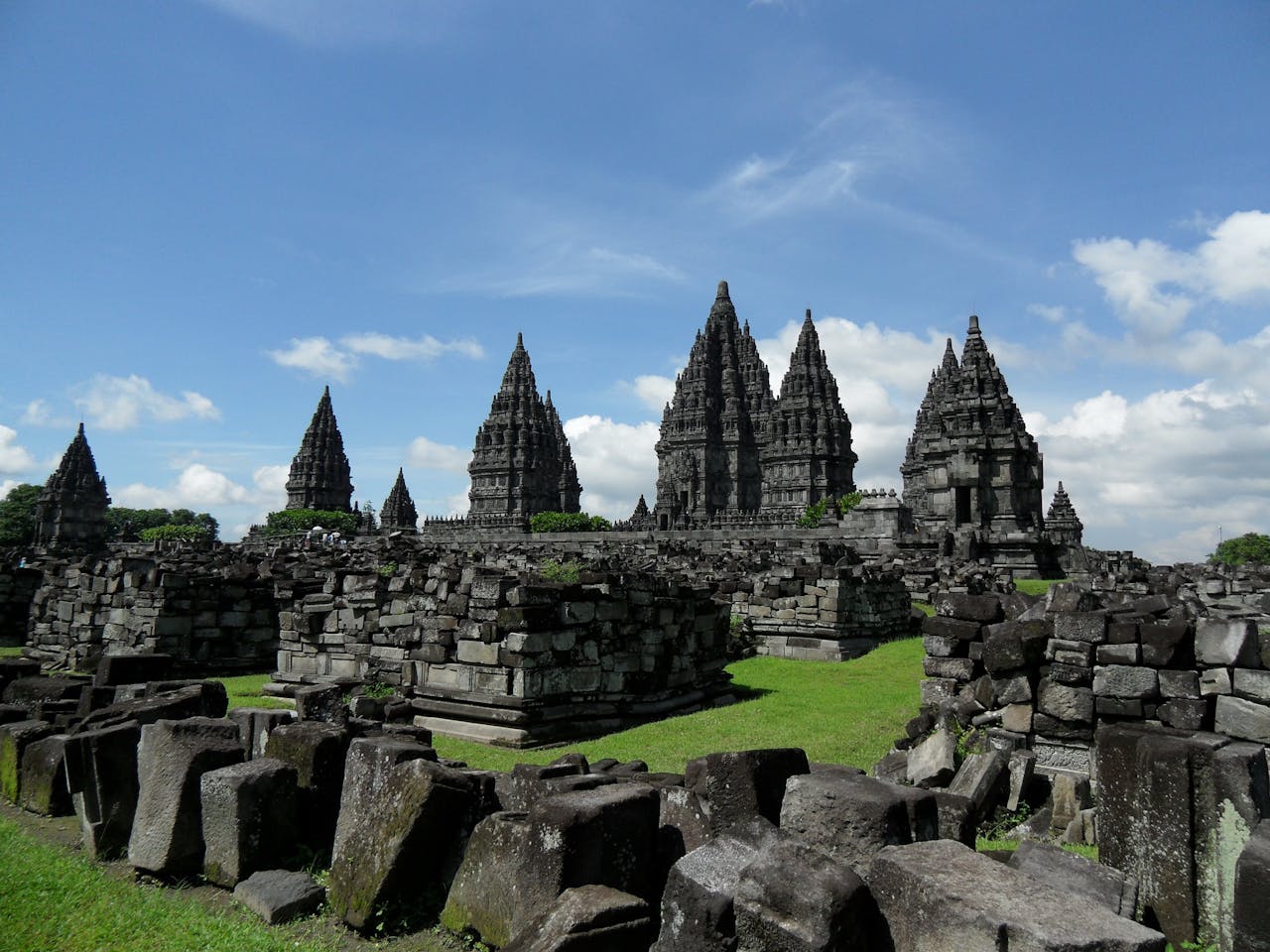
The rise of the smartphone camera and social media has transformed global travel into an unending quest for the perfect, shareable moment. This phenomenon, dubbed “selfie-tourism” by UNESCO, is contributing to an alarming level of over-tourism at the world’s most delicate heritage sites. For many UNESCO World Heritage properties, places deemed of outstanding universal value, the battle for preservation now includes a drastic new measure: banning photography.
This shift reflects a growing realization that unrestricted picture-taking is not just an inconvenience, but a genuine threat to the physical integrity, cultural sanctity, and visitor experience of these irreplaceable global treasures.3
The Triple Threat: Physical, Cultural, and Operational Damage
The decision to impose a photography ban is a multifaceted response to three primary areas of damage caused or exacerbated by high-volume, photo-focused tourism.
1. Physical Deterioration and Environmental Impact
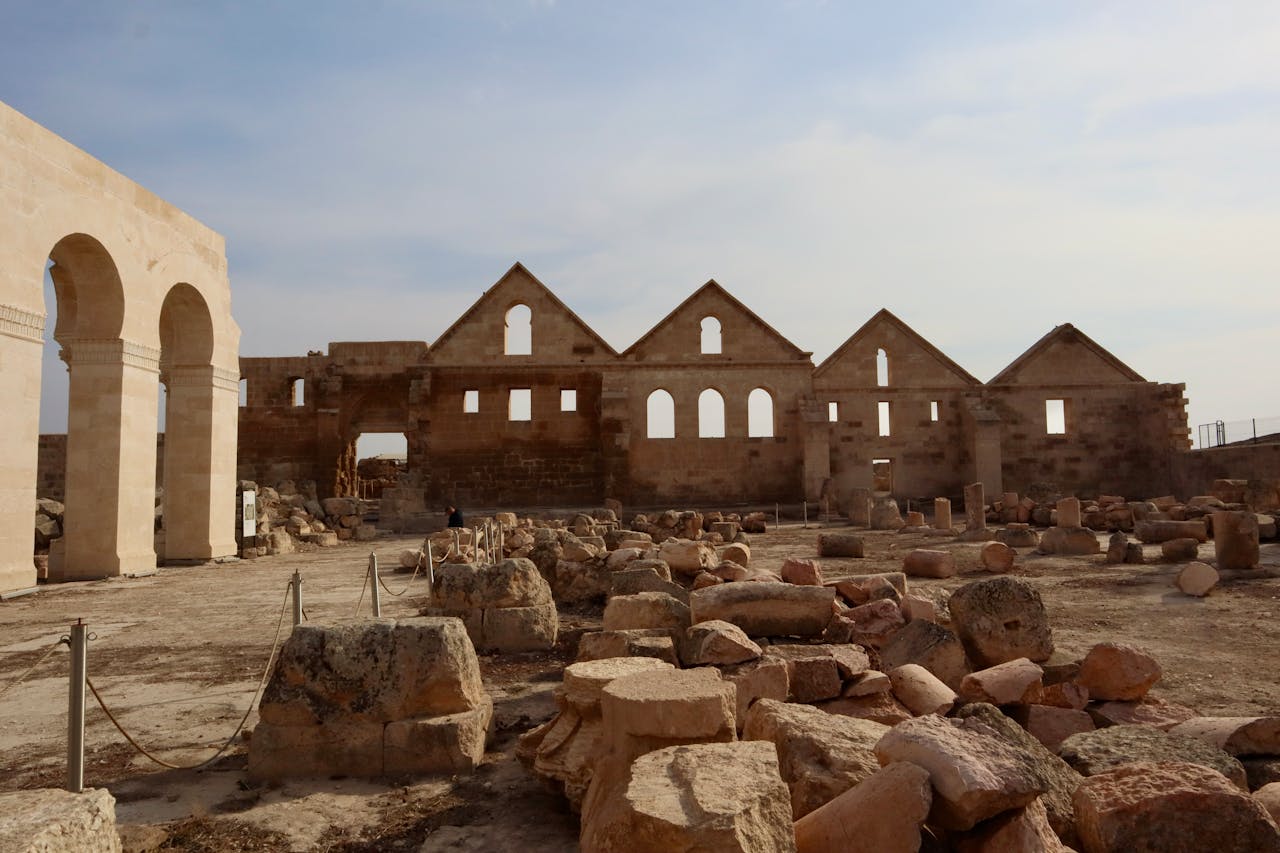
The primary concern is the accelerated wear and tear on fragile historical sites. While one flash or one footstep causes negligible damage, the cumulative impact of millions of photo-seeking visitors is catastrophic.
- Concentrated Foot Traffic: The pursuit of the “ideal shot” leads to massive crowds congregating in specific, picturesque spots. This concentrated foot traffic accelerates degradation on paths, ancient stones, and fragile flooring. For instance, sites with narrow access points, like the winding stairwells of medieval towers or small temple entrances, experience pressure far exceeding their visitor carrying capacity.
- Flash Damage: While sometimes debated, flash photography poses a genuine risk, particularly to older, organic materials. The short-wave light from a flash can contribute to the fading and chemical decay of pigments, frescoes, ancient manuscripts, and sensitive textiles over time. This is a key reason for the long-standing ban within the Sistine Chapel in Vatican City.
- Accidental Vandalism: When the focus shifts from experiencing the site to documenting the self, visitors often engage in disrespectful or dangerous behavior. Data indicates tourists will go to “great lengths for the ideal shot,” including touching, climbing, leaning on ancient structures, and even trespassing, all of which contribute to vandalism or accidental breakage.
2. Loss of Cultural and Spiritual Sanctity
For many sites, the designation is based on their spiritual or cultural significance to the local community, which often predates the tourism boom. Mass photography can erode this fundamental value.
- Commercialization and Disrespect: When a sacred site becomes a backdrop for commercial or ego-driven photography, the original meaning of the space is diminished. Local communities, the “first custodians of the property”, often express discontent when their heritage is treated merely as a prop for social media engagement.
- The Problem of the Pose: The need to capture a unique “selfie” encourages poses and behaviors that are often inappropriate for temples, mosques, tombs, and other religious or memorial sites. This shift detracts from the authentic travel experience, replacing curiosity and respect with performance.
- Sacred Restrictions: Some natural sites hold deep spiritual importance to indigenous groups, leading to targeted bans. For example, specific areas of Uluru (Ayers Rock) in Australia are off-limits to photography to honor the spiritual beliefs of the Anangu people, the traditional custodians.
3. Operational Inefficiency and Safety Hazards
In high-traffic areas, constant photo-taking creates significant logistical and safety challenges, forcing site managers to implement bans to manage the flow.
- Chokepoints and Crowding: A person stopping to set up a shot or take a selfie immediately creates a bottleneck, severely impeding the movement of large crowds. In narrow hallways or viewing platforms, this can quickly turn into a safety hazard, increasing the risk of accidents and stampedes.
- Disrupting Visitor Flow: Sites like the Louvre Museum or the Valley of the Kings (Egypt, with restrictions on interior tomb photography) need to maintain a steady, orderly flow of visitors. The constant stopping, turning, and setting up of equipment actively works against this goal, reducing the overall visitor capacity and quality of experience for everyone.
- The Slowing Effect: In towns like Portofino, Italy, which has imposed fines (e.g., €275) for loitering in popular photography spots, the issue is simply the amount of time individuals spend trying to get a picture, effectively paralyzing public spaces.
The UNESCO Response: Promoting Sustainable Engagement
UNESCO views the photography ban as a symptom of the larger issue of over-tourism. Their long-term strategy focuses on encouraging a fundamental shift in mindset and behavior among travelers.
| Strategy Focus | Goal and Impact |
| Enforcing Site Rules | Implementation of fines (Portofino) and strict no-flash zones (Sistine Chapel) to directly mitigate immediate harm and operational disruption. |
| Digital Documentation | UNESCO is actively digitizing sites using 3D models and high-resolution imaging (e.g., the ‘Dive into Heritage’ project). This allows for public, commercial, and research access to detailed visuals without physically damaging the originals. |
| Promoting Presence | Encouraging visitors to practice “sensory anchoring” and journaling instead of photography. The goal is to move the focus from collecting digital trophies to cultivating deep, personal memories. |
| Sustainable Policies | Advocating for broader policies such as timed entry tickets, mandatory reservations, and single-day visitor fees (e.g., Venice’s proposed system) to regulate volume, which is the root cause of the photography issue. |
Ultimately, the decision to ban photography at UNESCO sites is a protective measure that forces tourists to choose between being a spectator on a screen and a participant in history. The data suggests that without such measures, the very heritage that draws the crowds risks being loved to death.