
A thirteen-year-old was left in charge of a house and everybody in it.
Parents went out for the evening and handed over responsibility for younger children, the building and anything that might happen, to somebody barely out of childhood herself. She got a set of keys, a telephone number and an authority the children were expected to respect – and none of this was considered remarkable.
The hiring was reputation inside a few streets and nothing else. No agency, no advertisement, no vetting: a family asked a neighbour’s daughter, or asked who the neighbour used. A girl who was good got recommended and booked up, and a girl who was not simply stopped being asked, with nobody ever having to say why. Here are sixteen things every babysitter was handed.
1. A Thirteen-Year-Old Was Left in Charge of a House and Everybody in It
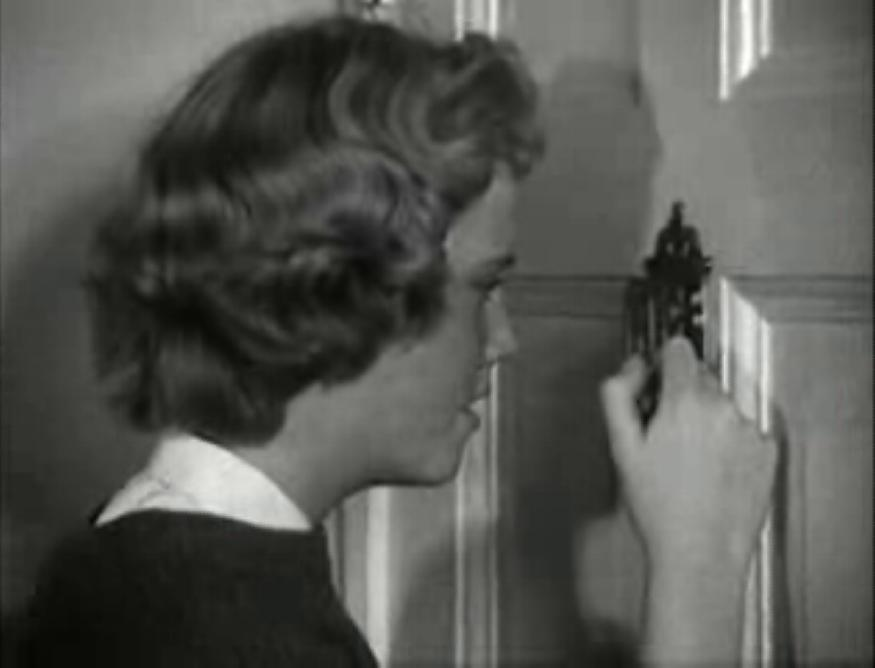
Parents went out for an evening and handed responsibility for younger children, the building and any emergency to somebody barely out of childhood themselves.
Licensed or much older carers, often with checks.
Start with the scale of what was delegated, because it is the thing that reads as astonishing now. A teenager was given custody of other people’s children, a set of keys, a telephone number and an authority the children were expected to respect – and this was completely ordinary.
Like our content? Follow us for more.
2. The Job Came Through Word of Mouth and Nothing Else

There was no agency, no advertisement and no vetting. A family asked a neighbour’s daughter, or asked who the neighbour used.
Platforms, references and screening.
The hiring mechanism was reputation inside a few streets, which is both the whole safeguard and the whole marketing. A girl who was good got recommended and booked up; a girl who was not simply stopped being asked, and nobody ever had to say why.
3. The Instructions Were Verbal and Delivered in Two Minutes at the Door
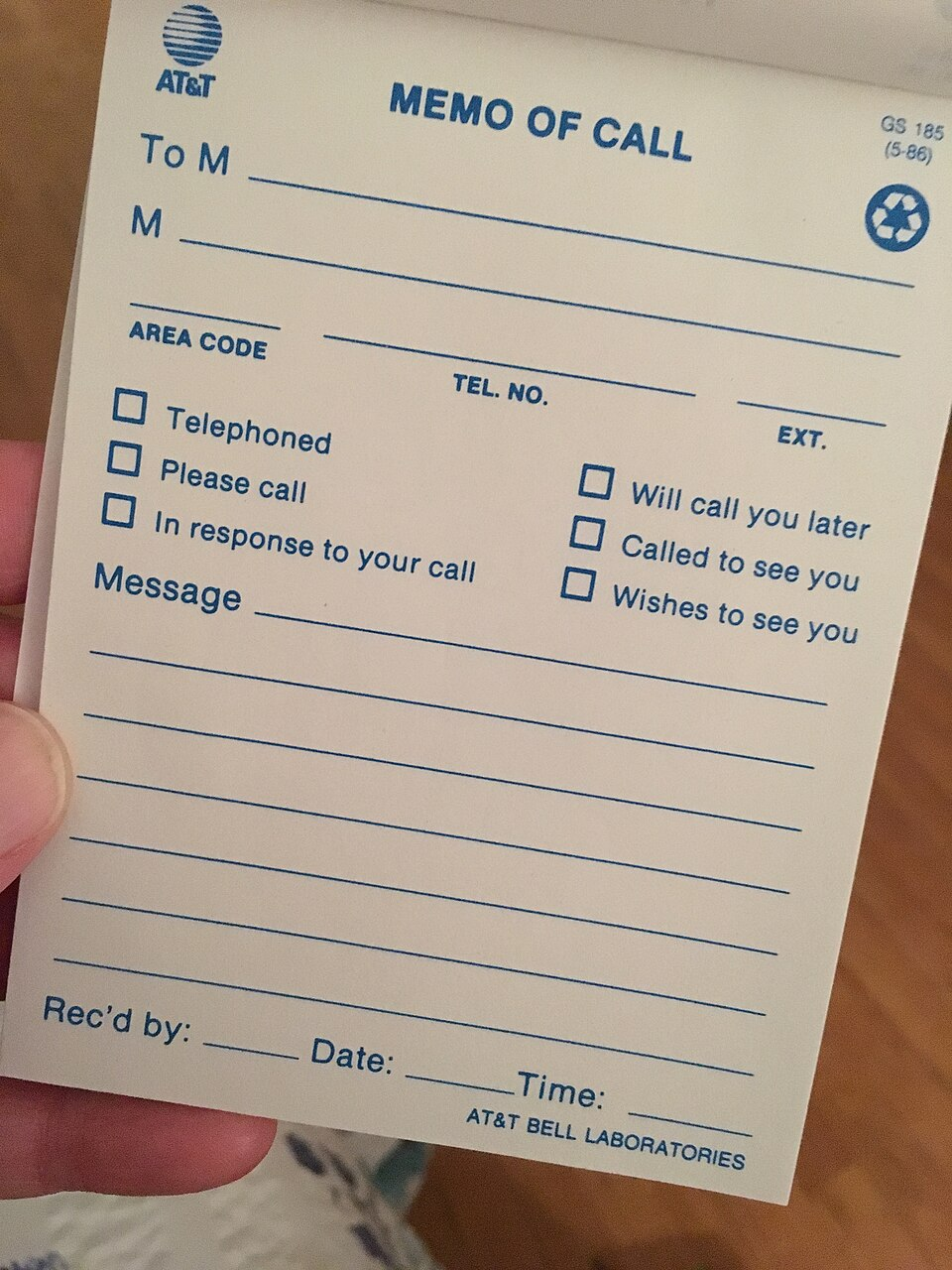
Parents said where they were going, roughly when they would be back, what the children could eat and what time they went to bed – standing in a hallway with their coats on.
Written, detailed and often sent in advance.
The handover was absurdly brief and it was the entire briefing. Everything a sitter needed to know arrived verbally, once, while the adults were already leaving – which meant remembering it was the first real skill of the job.
4. A Number Was Written on a Pad by the Telephone

Contact meant one number on a scrap of paper, for a restaurant or a neighbour, which might or might not reach anybody.
Mobile phones.
The communication arrangement is the detail that makes the responsibility real. If the number did not answer, the sitter was genuinely alone with whatever was happening – so judgement was not a theoretical requirement but the actual job.
5. The Rate Was Low and Everybody Knew It

Pay was a small amount per hour, set by local custom rather than negotiation, and a long evening came to very little.
Market rates, negotiated.
The economics were bad and the job was still desirable, which tells you something. For a teenager with no other way to earn, a few dollars for sitting in somebody’s house watching their television was better than the alternative, which was nothing.
6. Payment Came in Cash at the End, and Rounding Up Was the Real Bonus

The money was handed over at the door on return, in notes and coins, with the total sometimes rounded generously by parents who had enjoyed their evening.
Transferred electronically.
The cash settlement at midnight is the part everybody remembers. It made the earning concrete in a way no transfer does, and the rounding up was a social signal – a family that rounded up was a family that would ask again.
7. Getting Home Afterwards Was Part of the Deal

Sitters were walked or driven home at the end of the night, usually by the father, which was an understood obligation.
Varies.
The lift home was a standard term of employment that nobody wrote down. It also meant the evening ended with a short conversation in a car or on a pavement, which is where most of the feedback about how it had gone was actually delivered.
8. The Children Tested the Boundary Immediately
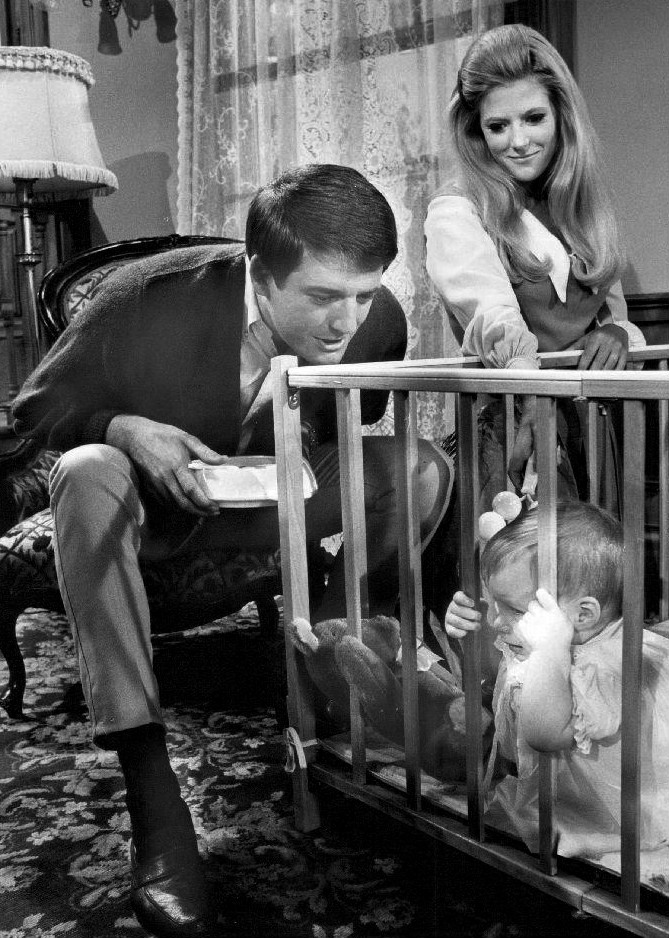
Younger children understood that a teenager’s authority was borrowed rather than real, and they probed it within minutes of the car leaving.
The same.
This is the central difficulty of the job and it is a genuine problem of legitimacy. A sitter cannot impose consequences that outlast the evening, so authority had to be constructed out of personality, negotiation and the credible threat of a report.
9. Bedtime Was the Battle the Whole Evening Turned On
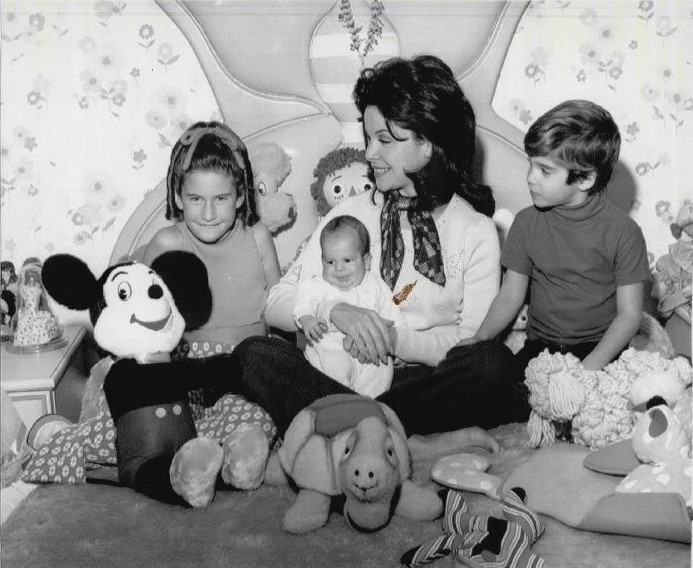
Getting children into bed at the stated time was the single measurable outcome, and both sides knew it was being graded.
The same.
Bedtime was the test because it was the one instruction with a checkable result. Parents came home to either a quiet house or a lit one, which meant the entire evening’s performance was summarised in a single visible fact.
10. Food Was the Universal Negotiating Currency

What the children were allowed to eat, and what the sitter helped herself to, were both understood parts of the arrangement.
Still true.
The kitchen was where most of the deal-making happened. A sitter could buy cooperation with something permitted, and a family that left good food out was making the job pleasant – which is a cheap and effective way to keep a good sitter available.
11. The Television Was the Compensation
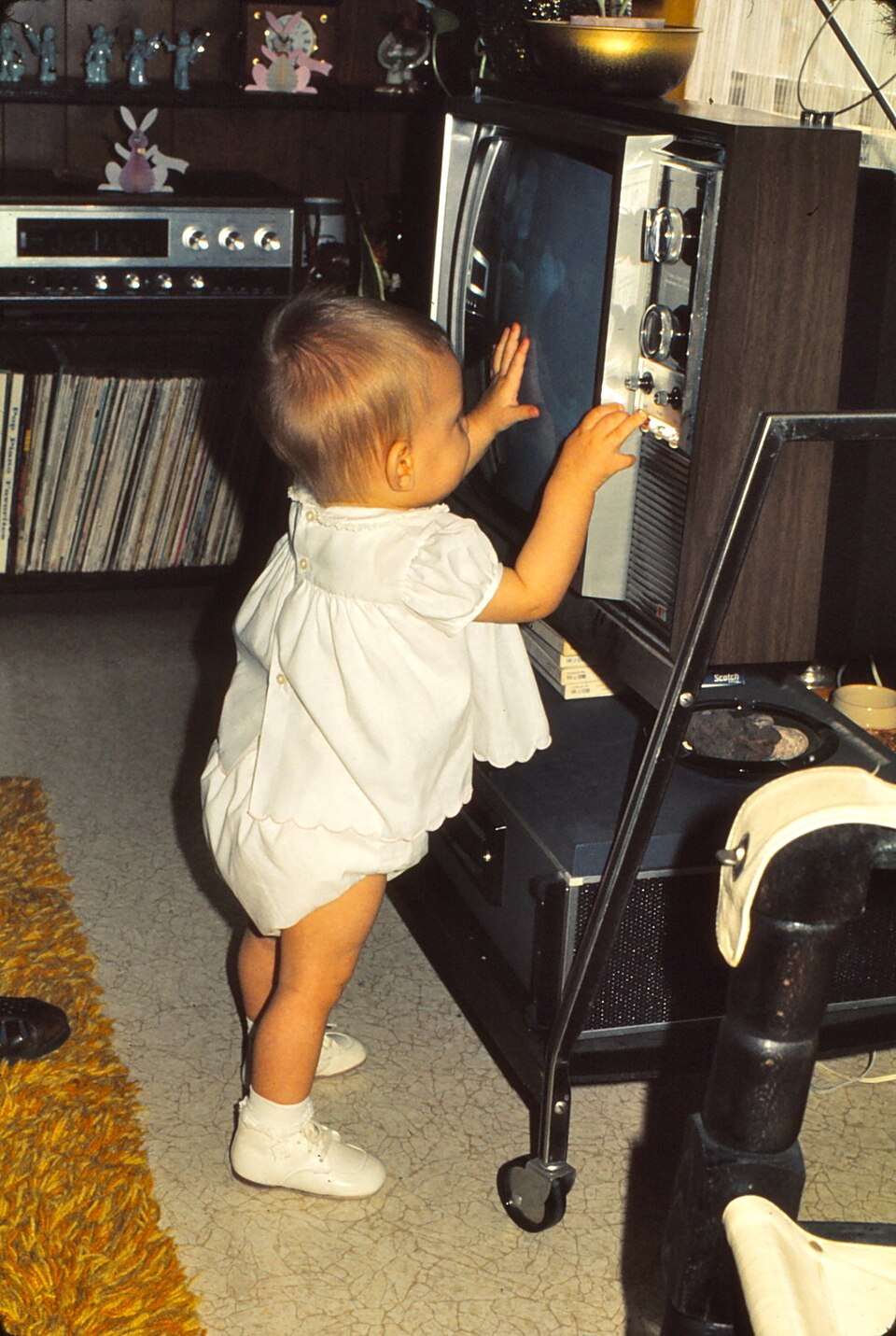
An evening in somebody else’s house meant access to their set, often with more channels or later viewing than home allowed.
Not applicable.
Television did most of the work of making the job attractive, and the reason is scarcity. A household with one set and parents in the room offered a teenager very little; an empty living room with the same set offered a great deal.
12. The Telephone Was the Other Compensation

Once the children were down, a sitter had an entire evening with a telephone and no family listening – which no teenager had at home.
Not applicable.
This is the under-appreciated attraction of the whole job. In a period when every call at home was overheard in a hallway, four hours alone with a telephone was a genuinely valuable thing, and it was effectively part of the pay.
13. Nobody Trained Anybody for Any of It

There was no instruction in child care, first aid, or what to do in an emergency – the skill was assumed to come from having younger siblings.
Courses and certification exist.
The absence of preparation is the honest gap in the arrangement. Competence was presumed on the basis of age and family position, which worked most of the time because most evenings are uneventful, and offered nothing at all for the ones that were not.
14. Older Siblings Did It for Free, Which Was the Real Baseline
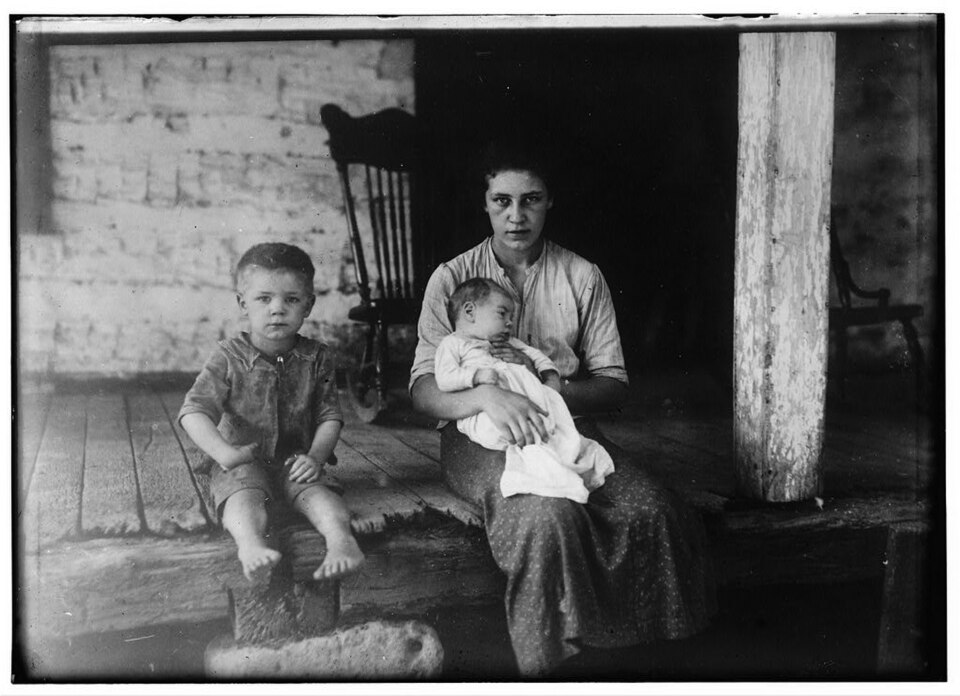
Most of this labour was not paid at all. The eldest child in a family minded the younger ones routinely, as a chore, with no money involved.
Still happens.
Paid sitting was the visible tip of something much larger, and it is worth naming. The same work, for the same hours, with the same responsibility, was done unpaid in millions of houses by children who were simply expected to – and nobody called that a job.
15. It Was the First Job Most Girls Ever Had

For a great many women, sitting was the first money they ever earned and the first responsibility they were ever given for something that mattered.
Varies.
The significance is real and it was gendered almost absolutely. Boys of the same age were mowing lawns and delivering papers; girls were being handed other people’s children – which is as clear a division of early working life as the period produced.
16. And by 1972 It Was Already Being Priced and Formalised
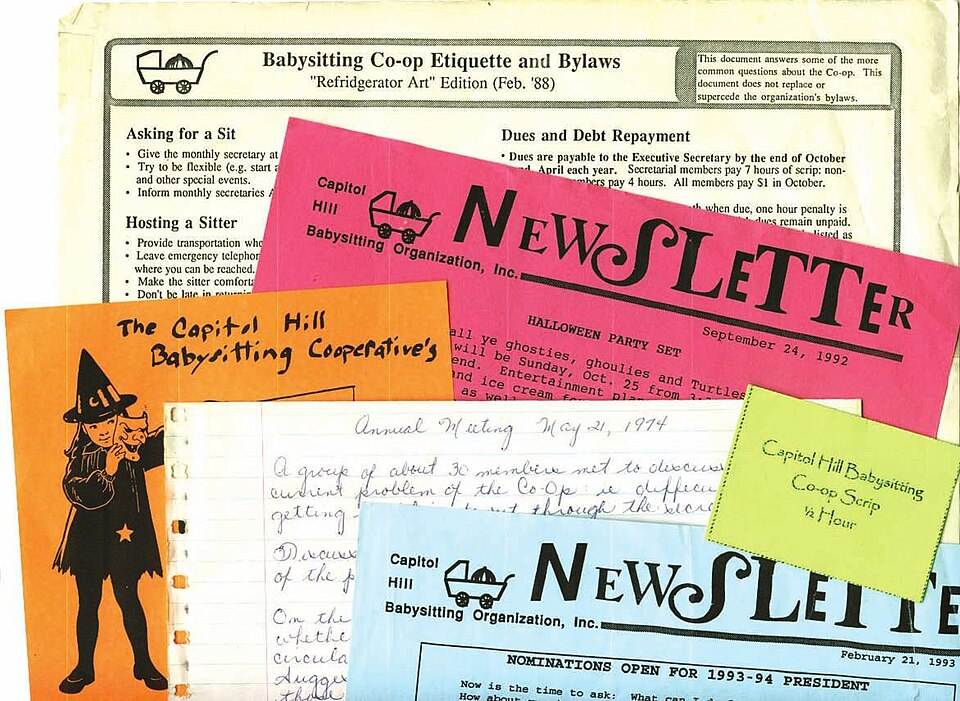
Rates rose, expectations were written down, courses appeared, and the casual neighbourhood arrangement began turning into a service.
A regulated and screened industry.
And what deserves the last word is how much was being delegated on how little. A thirteen-year-old received a two-minute verbal briefing in a hallway, one telephone number on a pad that might not answer, no training of any kind, and authority over other people’s children that those children knew was borrowed – and was then left alone for five hours. It worked because the hiring ran on reputation inside a few streets, because most evenings are uneventful, and because the compensation was not really the money: it was an empty living room, a television and a telephone, which were three things no teenager had at home. The unpaid version was far more common and nobody counted it. And the formalising that followed – the rates, the written instructions, the courses, the screening – did not spoil something innocent. It supplied the preparation that the original arrangement had simply assumed.
An Enormous Amount Was Delegated on Almost Nothing
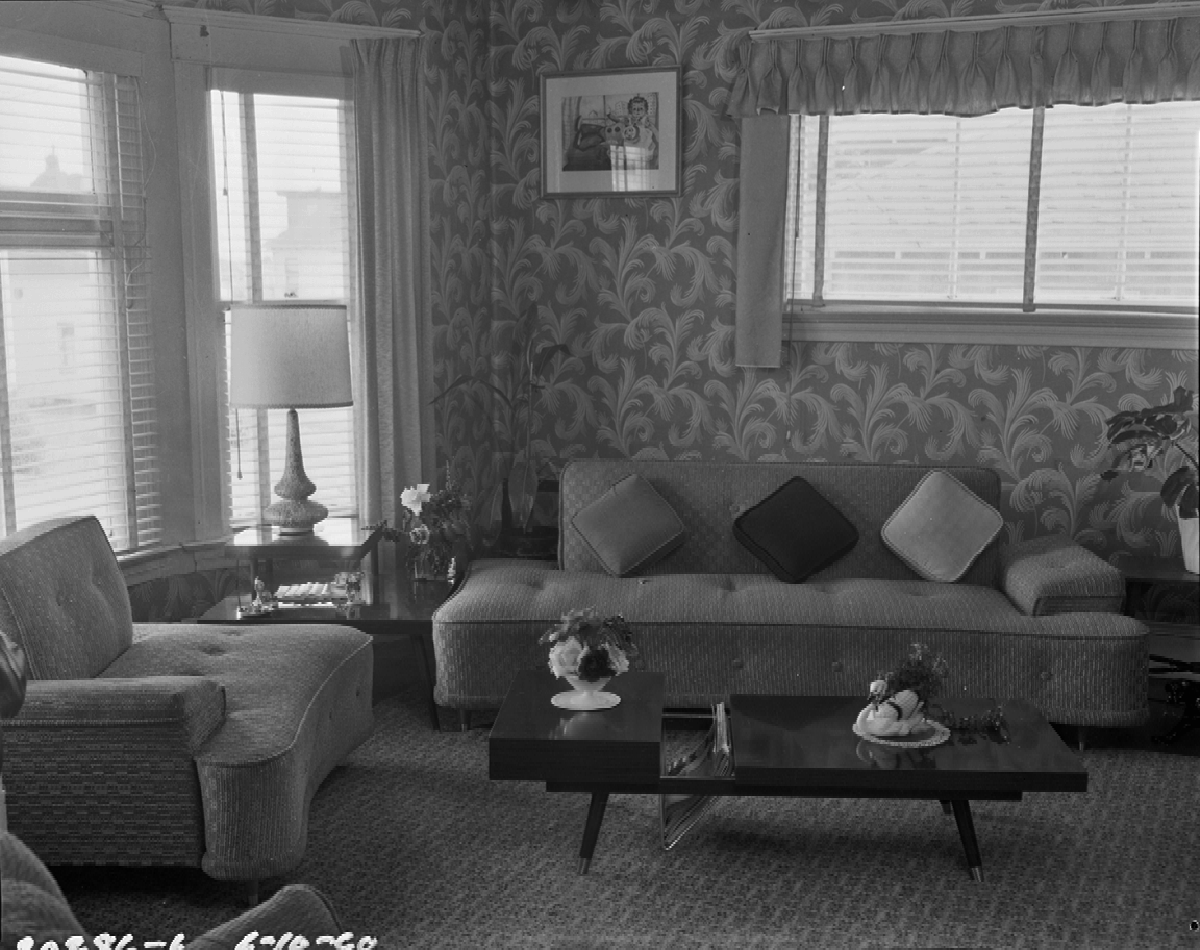
Babysitting in the early 1970s is worth looking at properly, because the gap between what was being handed over and what was provided to handle it is startling.
What was delegated: other people’s children, a house, a set of keys, and whatever happened over five hours.
What was provided: a two-minute verbal briefing in a hallway from adults already in their coats, covering where they were going, roughly when they would be back, what the children could eat and what time they went to bed. One telephone number on a pad, for a restaurant or a neighbour, which might or might not reach anybody. And no training whatsoever – no child care instruction, no first aid, nothing about emergencies. Competence was presumed from age and from having younger siblings.
The hiring was the only real safeguard, and it was reputation inside a few streets. A family asked a neighbour’s daughter or asked who the neighbour used; a girl who was good got booked up and one who was not stopped being asked without anybody saying why.
The hardest part of the job was legitimacy, and it is a genuine problem. Younger children understand immediately that a teenager’s authority is borrowed rather than real, and they probe it within minutes of the car leaving. A sitter cannot impose consequences that outlast the evening, so authority had to be built out of personality, negotiation, and the credible threat of a report.
Which is why bedtime decided everything. It was the one instruction with a checkable result – parents came home to a quiet house or a lit one, and the whole evening’s performance was summarised in that single visible fact.
Food was the negotiating currency, in both directions. What the children were allowed and what the sitter helped herself to were both understood parts of the deal, and a family that left good food out was buying availability cheaply.
Now the part that explains why anybody wanted the work, because the pay does not.
The rate was low, set by local custom rather than negotiation, and a long evening came to very little. The real compensation was an empty living room with a television in it – in a period when a household had one set and parents in the room, that was worth a great deal to a teenager. And once the children were down, a telephone, alone, for hours, with nobody listening in a hallway. No teenager had either of those things at home. They were effectively part of the wage.
The settlement was cash at the door at the end of the night, which made the earning concrete in a way no transfer does, and parents who had enjoyed their evening rounded up – a social signal as much as a payment, because a family that rounded up was a family that would ask again. Then a lift home, usually from the father, an unwritten but standard term of employment, and the short conversation on the way was where most of the feedback actually got delivered.
Two things deserve to be said plainly.
The unpaid version was far larger. Most of this labour was never paid at all: the eldest child in a family minded the younger ones routinely, for the same hours with the same responsibility, as a chore, and nobody called it a job or counted it.
And it was almost absolutely gendered. Boys of the same age were mowing lawns and delivering papers. Girls were being handed other people’s children – which is as clean a division of early working life as the period produced, and for a great many women this was the first money they ever earned and the first responsibility they were given for something that mattered.
Then it formalised. Rates rose, instructions got written down, courses appeared and screening arrived, turning a casual neighbourhood arrangement into a service.
It is tempting to read that as something being lost, and it is better read the other way. The formalising did not spoil an innocent arrangement. It supplied the preparation the original one had simply assumed.
If you did this at thirteen, think about what was actually in your hands.
A house, somebody else’s children, and one telephone number that might not answer.
Like our content? Follow us for more.