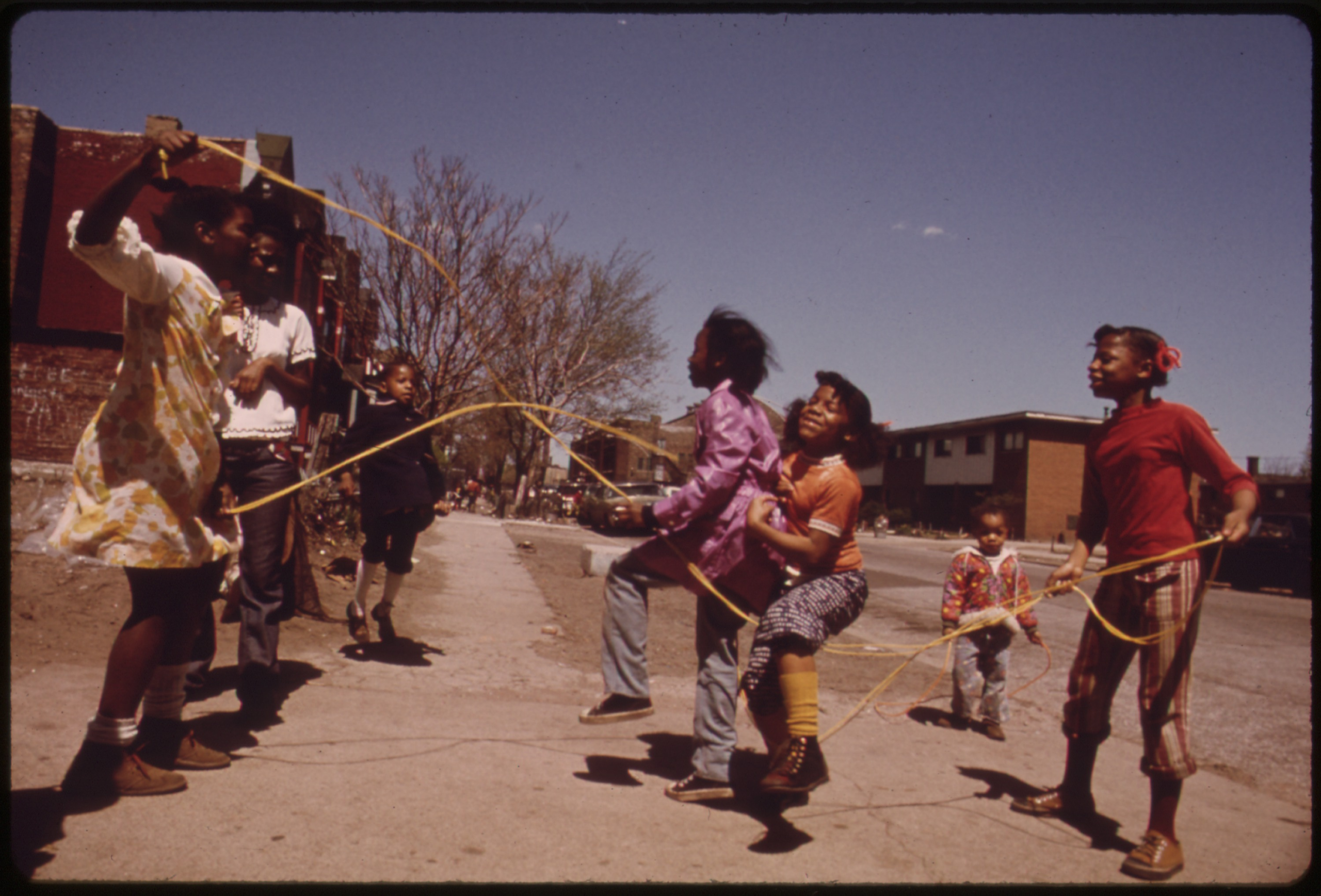
Two turners and a line of jumpers was the standing arrangement, and that structure is the whole subject.
A long rope requires two people who are not jumping, which means the game cannot exist without cooperation – somebody has to be willing to do the unglamorous job. So children worked out a rotation rule with no adult involved: turners came into the line when somebody missed, because the labour had to be paid for in the only currency available.
And it needed no referee, because it had exactly one failure condition that everybody could see. The rope either keeps going or it stops. There is no judgement call, no appeal and nothing to argue about – which is why forty children could run this all day without anybody supervising. Here are sixteen things every girl knew.
1. Two Turners and a Line of Jumpers Was the Standing Arrangement
A long rope needed two people holding and swinging it, with everybody else queuing to take a turn in the middle.
Rarely organised at all.
Start with the structure, because it is what made this a social institution rather than an activity. A long rope requires two people who are not jumping, which means the game cannot exist without cooperation – and somebody has to be willing to do the unglamorous job.
Like our content? Follow us for more.
2. Turning Was Work and It Was Rewarded With a Turn
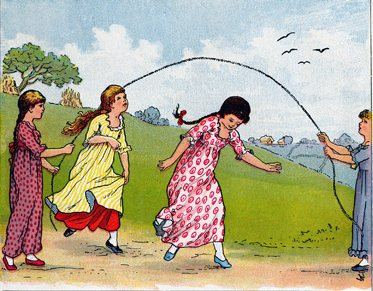
Holding an end is tiring and thankless, so the rule in most places was that turners rotated in once somebody missed.
Not applicable.
The rotation rule is a real piece of self-government. Children worked out, without any adult, that the labour had to be shared or nobody would volunteer – so the system paid turners in the only currency available, which was a place in the line.
3. Missing the Rope Ended Your Turn, and That Was the Only Rule
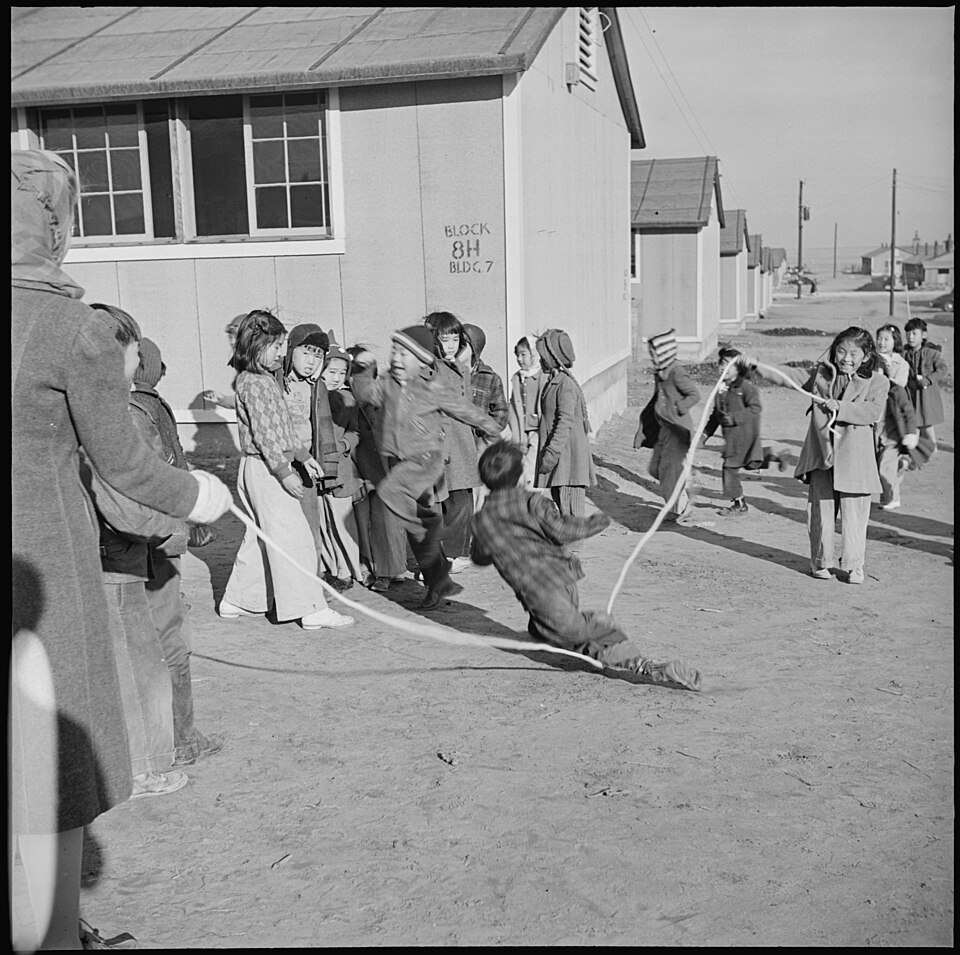
The game had one unambiguous failure condition – the rope stopped – which everybody could see and nobody could argue about.
Not applicable.
A single visible failure state is why this worked without a referee. There is no judgement call, no appeal and no adult needed, because the rope either keeps going or it does not, and forty children can agree on that instantly.
4. The Rhymes Were the Instructions
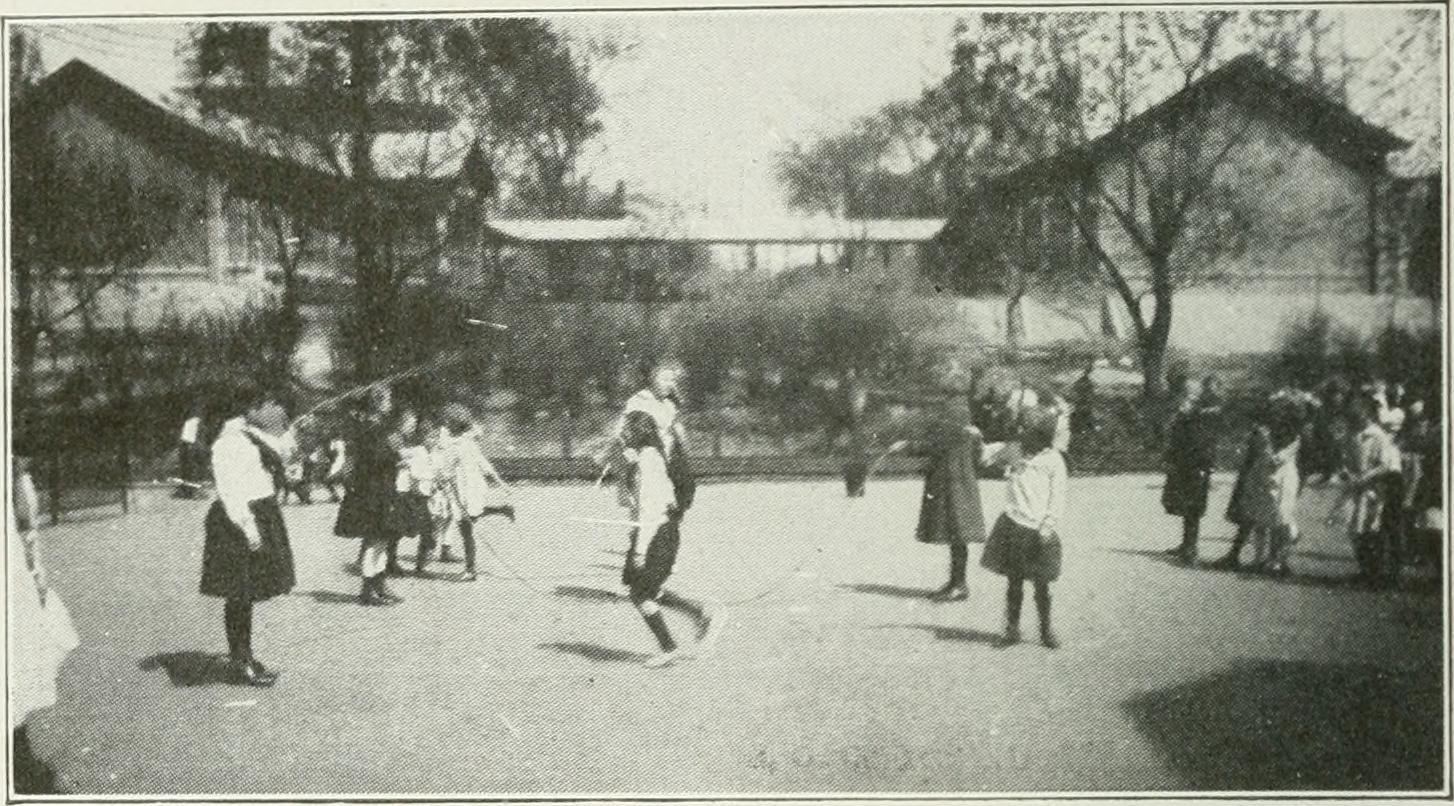
Chants told the jumper what to do – when to turn around, when to touch the ground, when to leave – so the song was a program, not decoration.
Not applicable.
This is the part people miss entirely. The rhyme sets the tempo, specifies the moves and names the exit condition, which makes it a set of rules delivered as a song – and it is memorable precisely because it rhymes and scans.
5. Nobody Taught Them and Everybody Knew Them
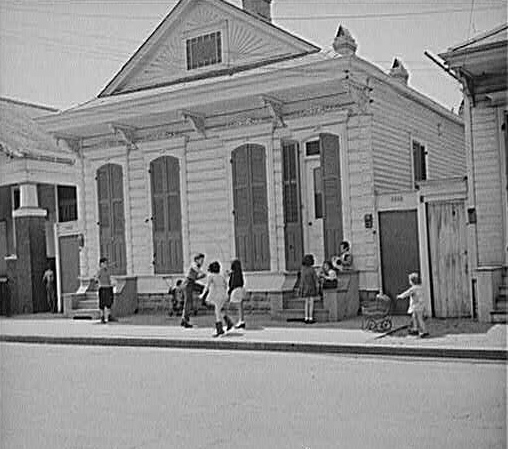
The chants passed from older children to younger ones in the schoolyard, with no book, no adult and no instruction.
Mostly lost.
Oral transmission among children is a genuinely remarkable system, and it ran entirely outside the adult world. A rhyme could be known across an enormous area, in variant forms, with nobody ever having written it down or been formally taught it.
6. The Same Rhyme Had a Different Ending in the Next Town
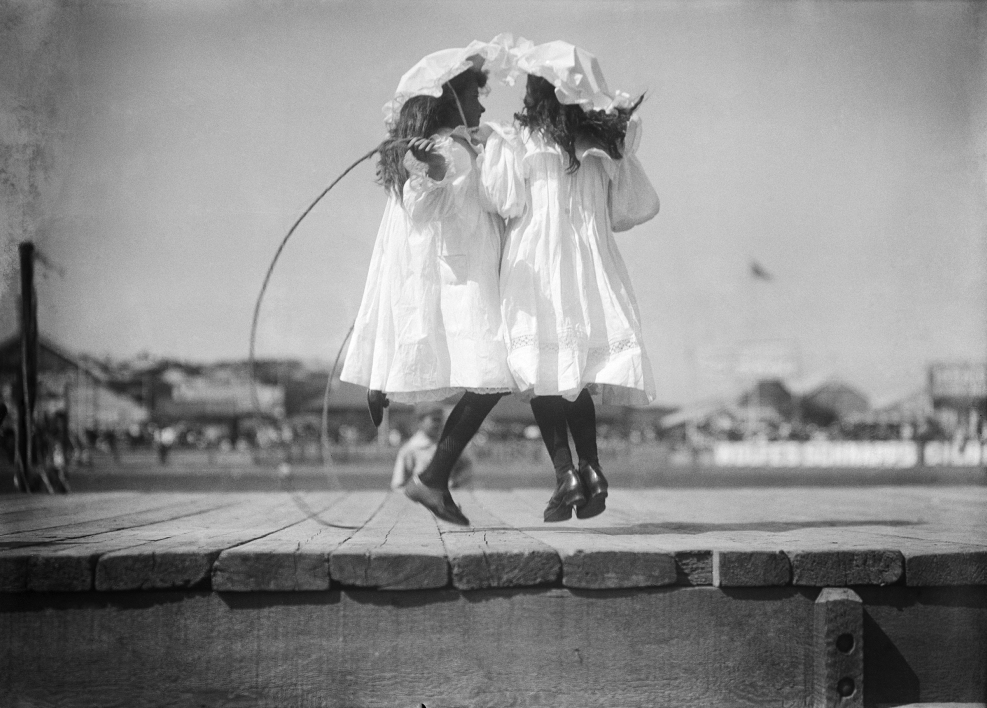
Variants multiplied as the chants travelled, so children two miles apart sang the same verse with different words.
Not applicable.
The variation is the signature of oral transmission and it is how folklorists recognise the real thing. A text that is copied has one form; a text that is remembered and passed on mutates steadily – so the local version was genuinely local.
7. Double Dutch Was a Different Order of Difficulty
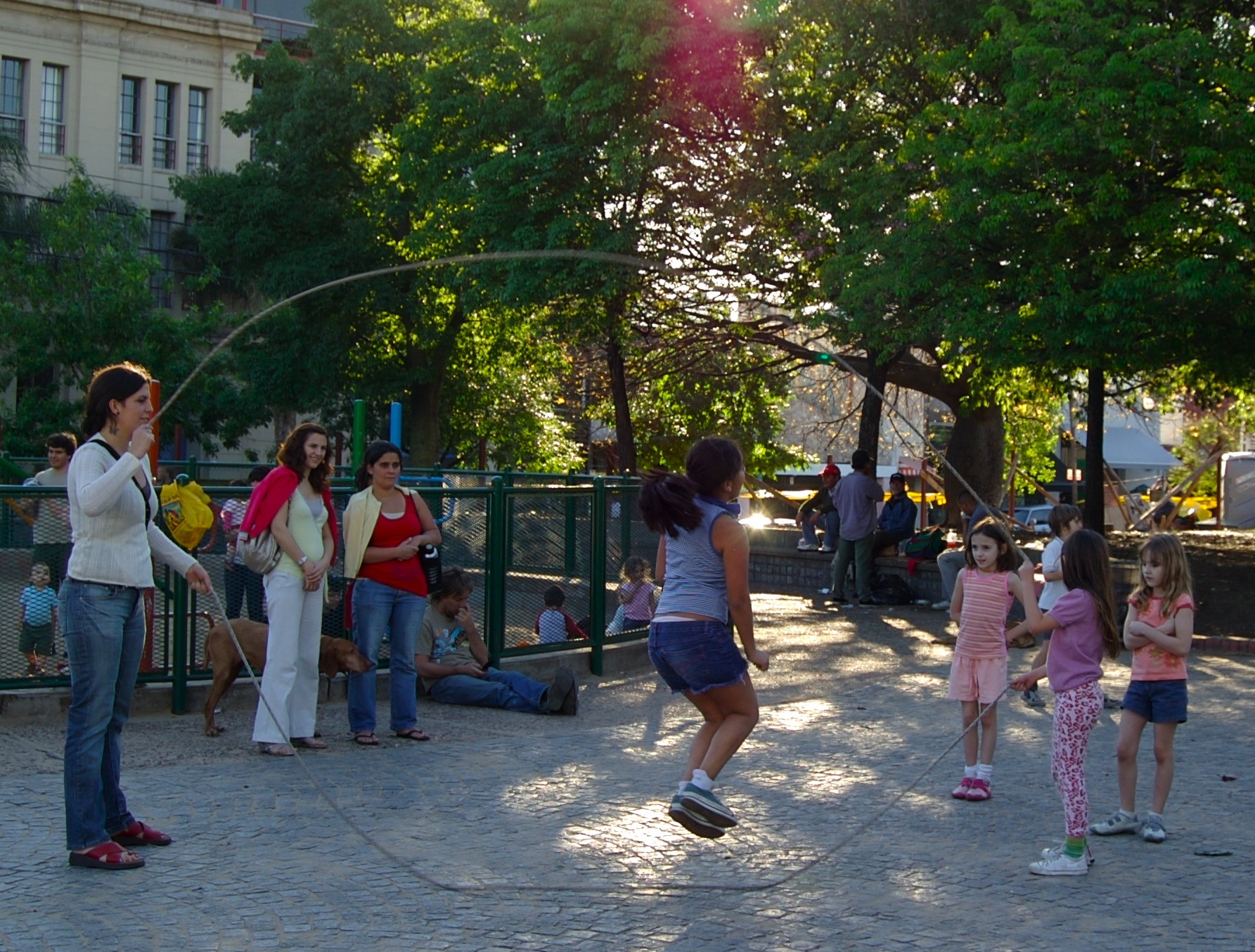
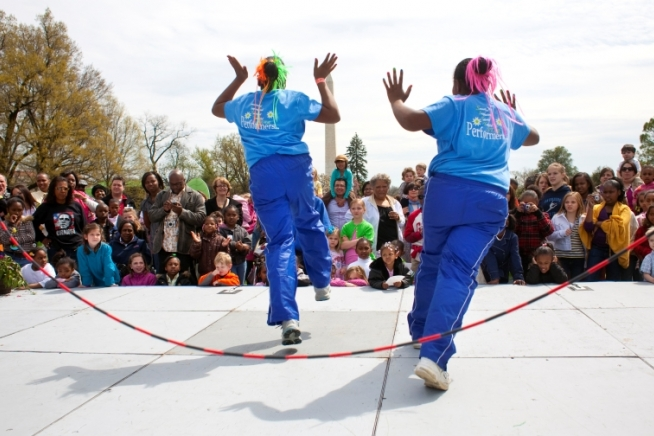
Two ropes turned in opposite directions require the jumper to read both and the turners to maintain an exact alternating rhythm.
Still practised, as a sport.
Two ropes is not twice as hard, it is a different problem. The jumper has to enter a gap that closes twice as often, and the turners must keep their timing locked to each other – so the whole thing depends on three people being synchronised rather than one being skilful.
8. Getting In Was Harder Than Jumping
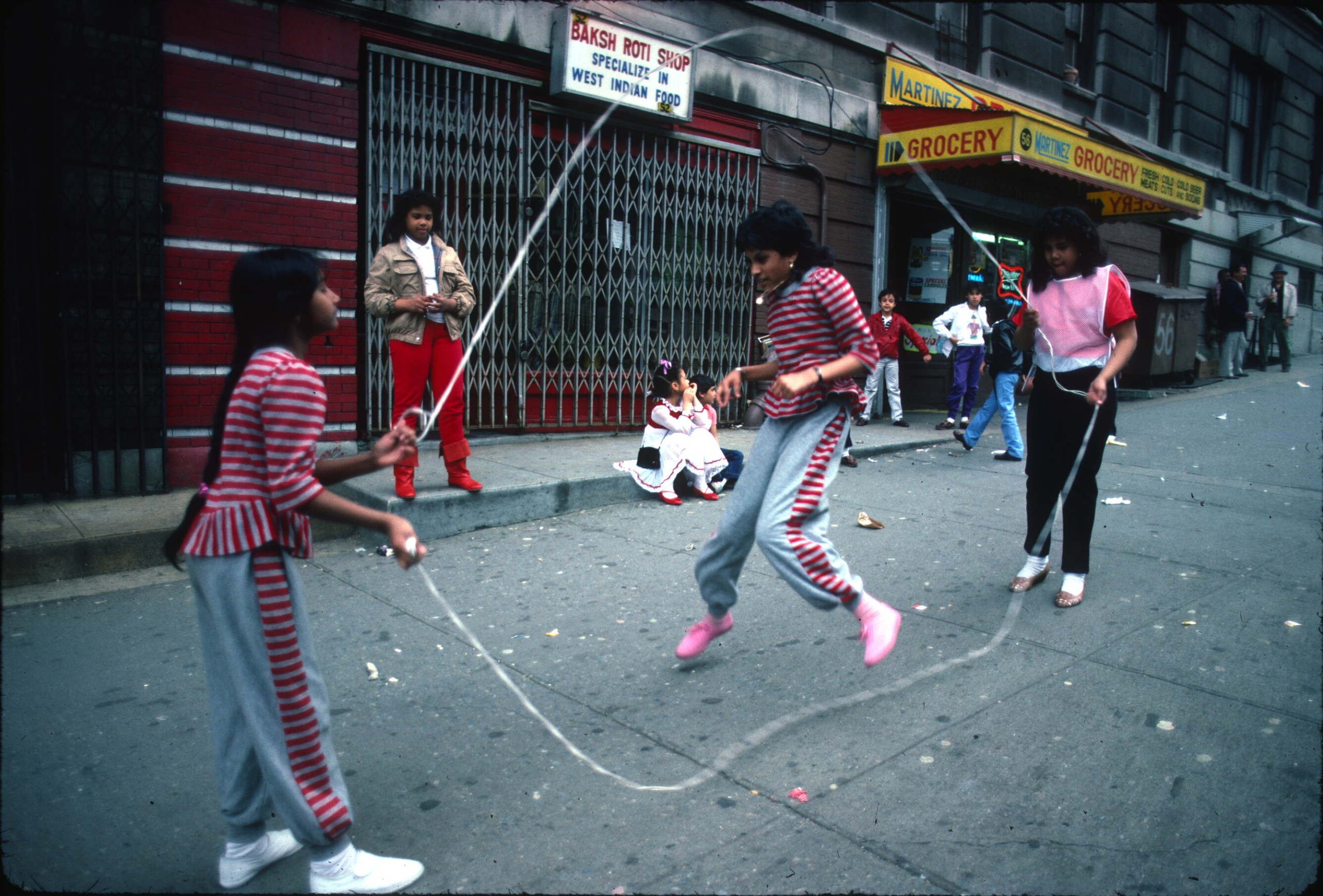
Entering a turning rope without stopping it requires reading the rhythm from outside and committing at exactly the right instant.
Not applicable.
Entry was the skill that separated the confident from the hesitant, and it is a timing problem rather than an athletic one. You cannot ease into a moving rope – the decision is binary and has to be made a beat before it feels right, which is a hard thing to learn and obvious once you have.
9. The Line Sorted Itself by Ability Without Anybody Saying So
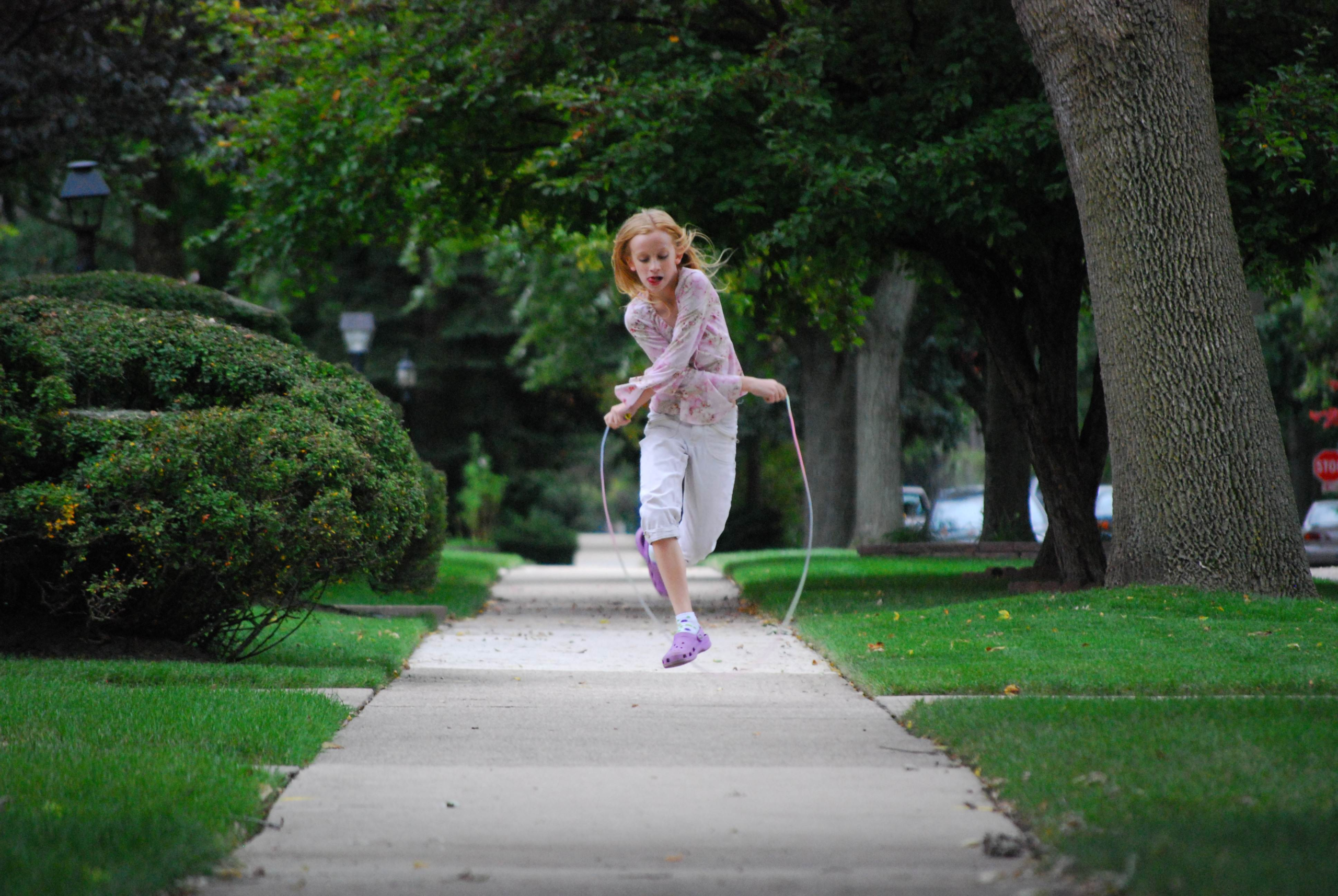
Better jumpers took longer turns, attempted harder rhymes and effectively held the rope’s attention, and everybody understood the hierarchy.
Not applicable.
The informal ranking is worth noticing because it was never announced. Skill was publicly visible every time somebody jumped, so the order established itself continuously and without conflict – which is also why a child who was poor at it knew exactly where they stood.
10. It Was Almost Entirely Girls, and That Was Enforced Socially
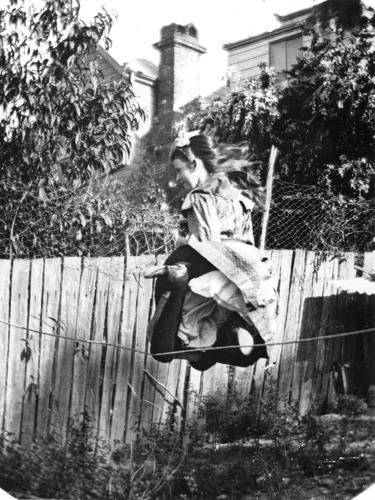
Boys who wanted to join were often discouraged, teased or simply excluded, and the game was understood as belonging to girls.
Less rigid.
The gendering was strict and it was not written anywhere. Which makes it one of the clearest examples of children enforcing a social rule entirely among themselves, with no adult involvement and no stated justification beyond that this was how it was.
11. A Clothesline Was the Equipment
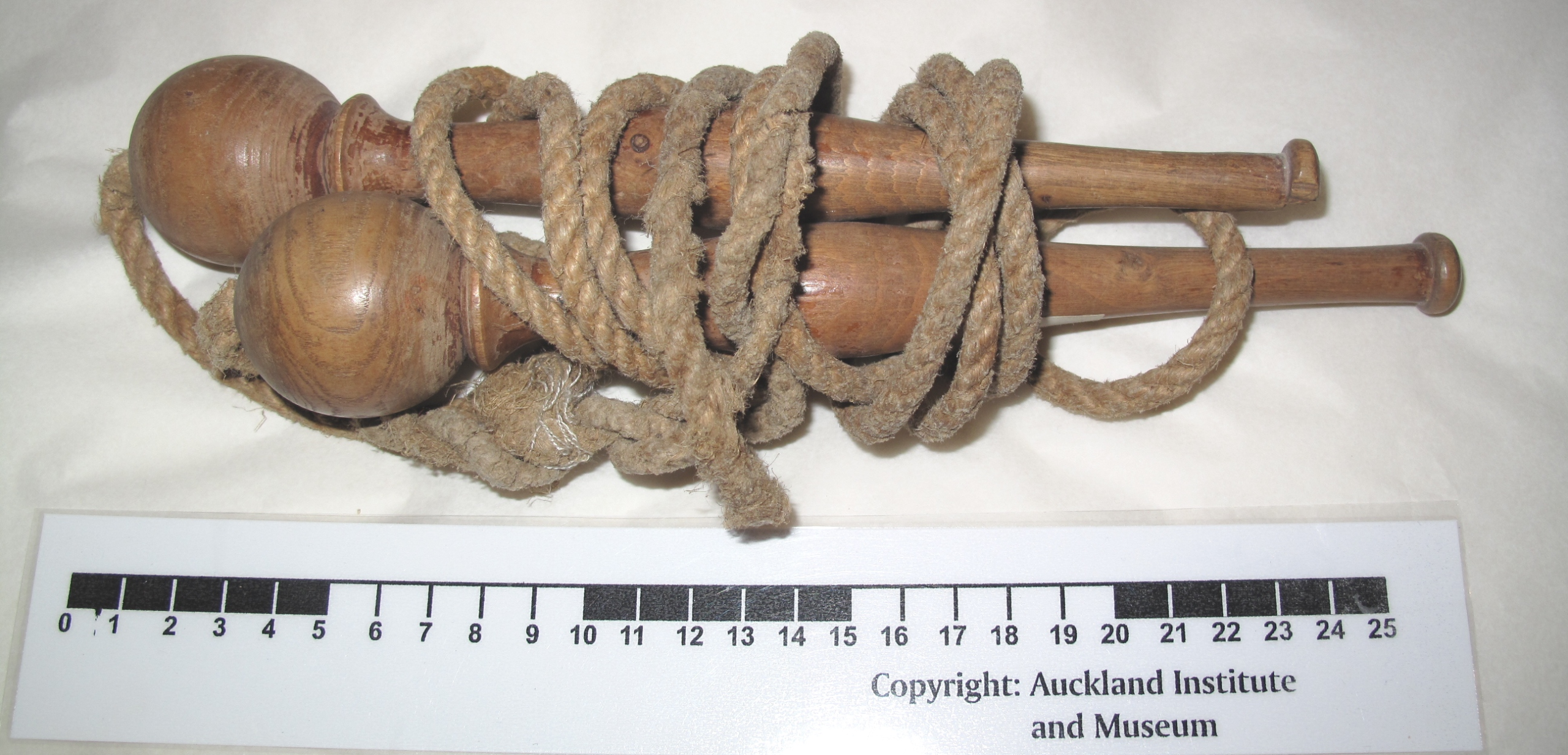
Any length of rope would do, and the one in use was usually a washing line, a piece of sash cord or whatever had been found.
Purpose-made ropes.
The equipment requirement is almost nil, which is a large part of why the game was universal. Something that works with a borrowed washing line and two volunteers can be played anywhere by anybody, which is why it existed in every schoolyard without a budget.
12. Recess Was the Only Time It Happened
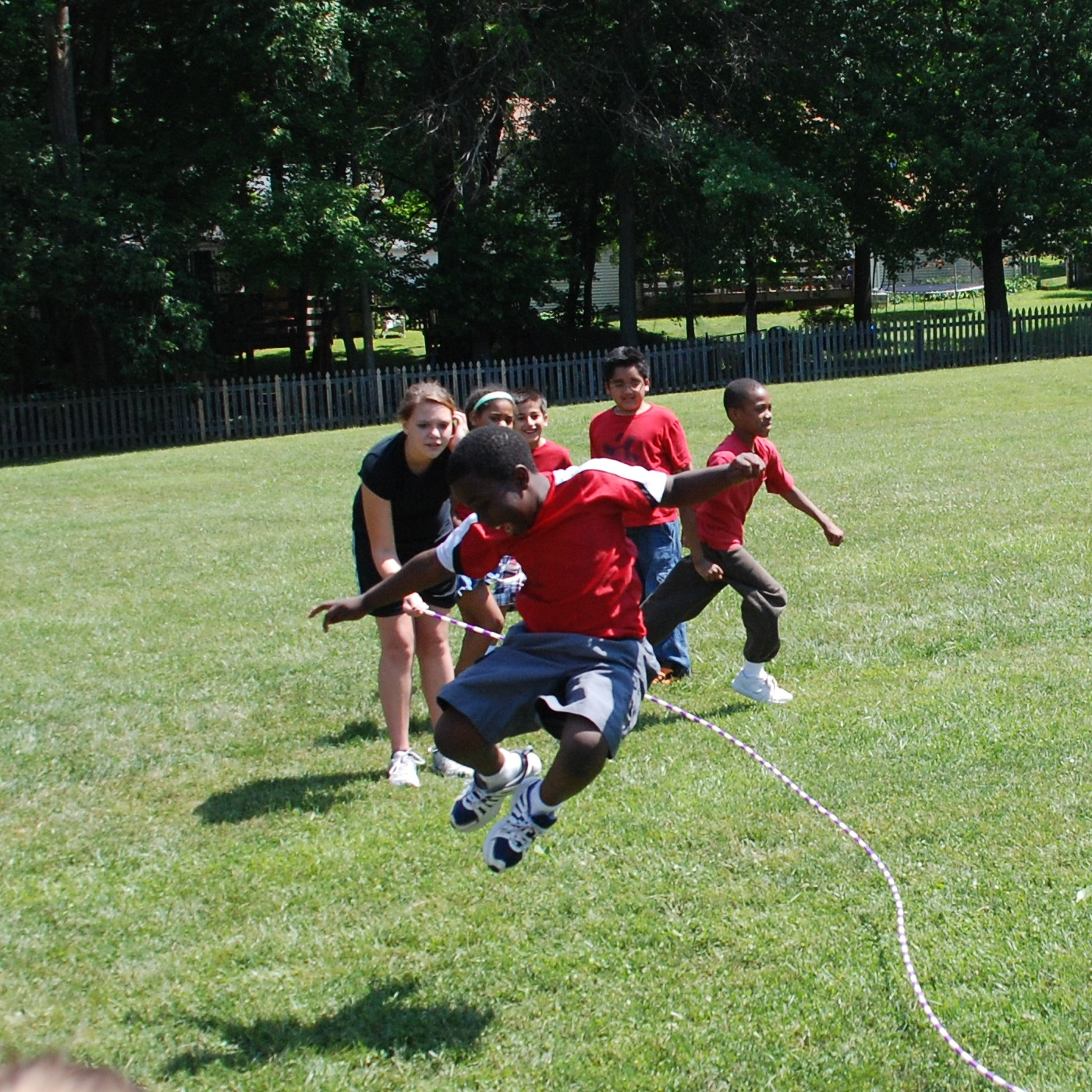
The game lived in the gaps – before the bell, at break, after lunch – which meant it ran in fifteen-minute blocks all day.
Not applicable.
The short window shaped the whole practice. A game that must start instantly and be abandoned mid-turn cannot have setup, teams or scoring, which is exactly why it has none of those – the format is a consequence of the bell.
13. The Rhymes Carried Things Children Were Not Supposed to Say
Chants were full of teasing, names, mild rudeness and references the adult world did not supervise, because nobody was listening.
Not applicable.
This is the sociologically interesting part and it follows from the transmission. A body of text passed only between children, never written down and never reviewed, will contain exactly what children find funny – which is why the rhymes are rude, personal and occasionally baffling.
14. Then Recess Got Shorter and More Supervised
Less unstructured outdoor time, more organised activity and closer supervision removed the conditions a self-running game needs.
Universal.
The decline is structural rather than a matter of taste. A game that depends on a large unsupervised group, a long enough break and an inherited oral text stops happening when any one of those three is removed – and all three were.
15. And by 1964 It Was Already the Last Generation to Learn Them Properly
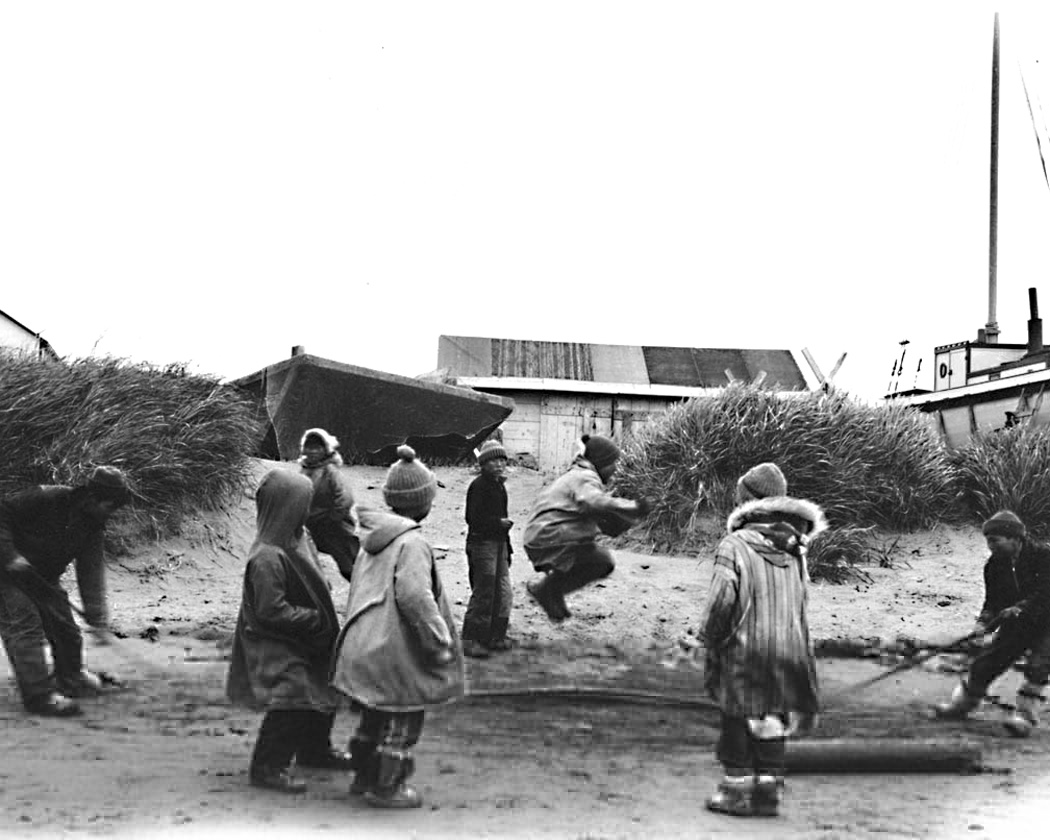
The rhymes were still being passed down, and the schoolyards with enough children and enough unwatched time to keep them alive were already shrinking.
Collected by folklorists.
And what deserves the last word is that this was a complete self-governing institution run by children with no adult input at all. It had a labour problem and solved it with a rotation rule. It had one visible failure condition, so it needed no referee. Its rules arrived as songs, which is why they were memorable and why they spread. Its texts were transmitted orally across enormous distances and mutated as they went, so the version two miles away was different and both were authentic. It ranked its participants continuously and publicly without anybody announcing anything. It enforced a strict gender rule that nobody had written down. And it required a washing line and two volunteers. All of that ran in fifteen-minute blocks between bells – and it ended not because children stopped liking it but because the break got shorter, the group got smaller and somebody started watching.
It Was a Complete Institution Run Entirely by Children
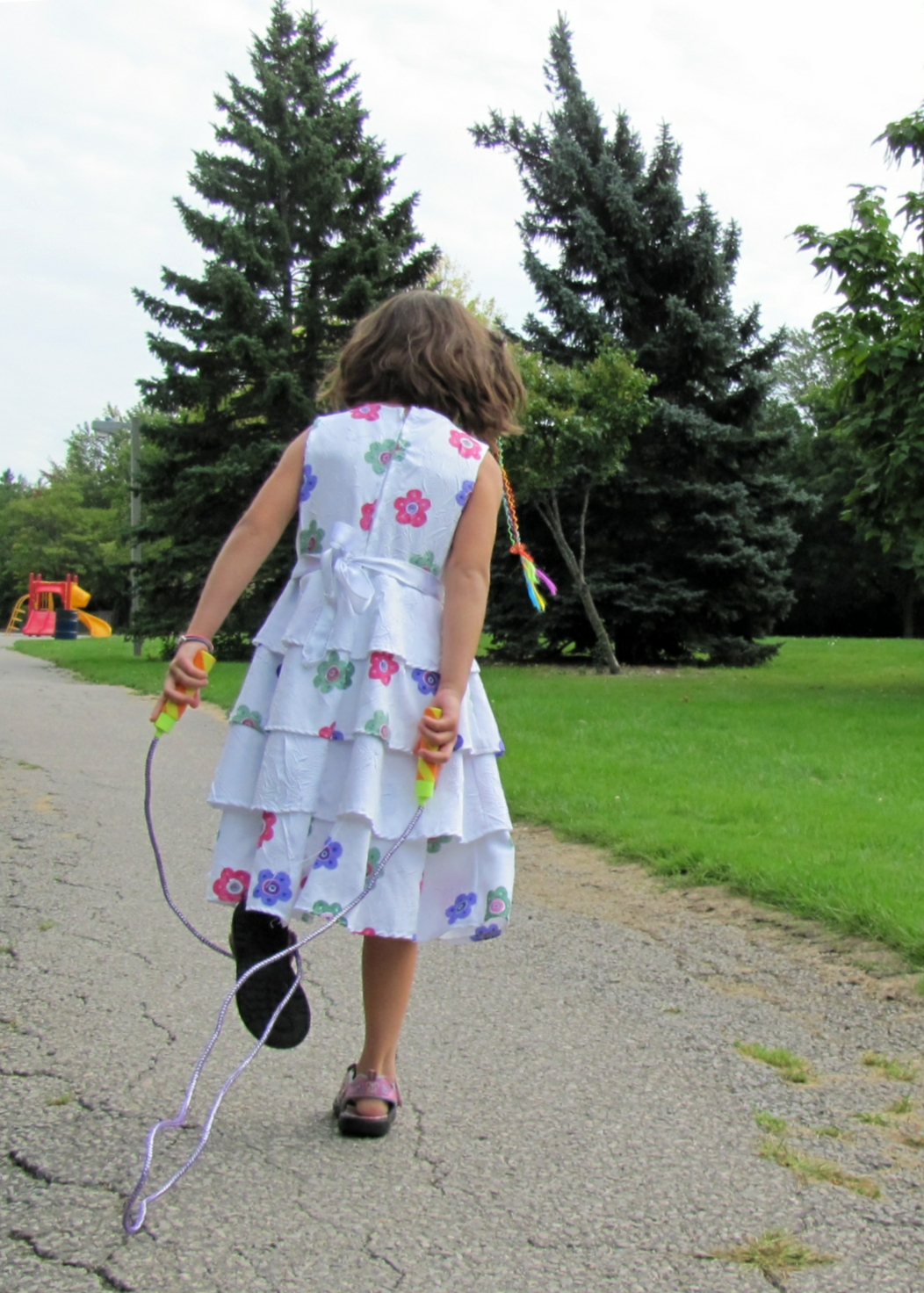
Jump rope looks like a pastime and it was a functioning self-governing system, with a labour market, a legal code, an oral literature and a social hierarchy, operating with no adult input whatsoever.
The labour problem came first. A long rope needs two people holding it who are not jumping, and holding an end is tiring and thankless – so the game cannot run unless somebody is willing to do it. Children solved that without help: turners rotated into the line when a jumper missed. The work was paid for in the only currency available.
The legal code was one rule. The rope stops, your turn ends. A single unambiguous failure state visible to everybody means no referee, no appeal and no adult, which is exactly why the game could run in a crowded schoolyard for fifteen minutes between bells.
The rules themselves arrived as songs, and this is the part people miss entirely. The chants are not decoration – they set the tempo, specify the moves, say when to turn around or touch the ground, and name the condition on which the jumper leaves. A rhyme is a program, and it is memorable precisely because it rhymes and scans.
The literature was transmitted orally, among children, with no book, no adult and no instruction. A rhyme could be known across an enormous area and nobody had ever written it down. And because it was remembered rather than copied, it mutated – so children two miles apart sang the same verse with different words, and both versions were the real thing. That variation is how folklorists recognise genuine oral transmission.
It also carried what the adult world did not supervise. A body of text passed only between children and never reviewed by anybody will contain exactly what children find funny, which is why the rhymes are full of teasing, names and mild rudeness.
The skills were real and specific. Getting in was harder than jumping: entering a turning rope means reading the rhythm from outside and committing a beat before it feels right, which is a timing problem rather than an athletic one, and it is binary – you cannot ease into a moving rope. Double Dutch is not twice as hard but a different problem, because the jumper must enter a gap that closes twice as often while two turners keep their timing locked to each other. And solo skipping was the practice ground, where a child could fail repeatedly with nobody watching, which is the only way to get good at something performed in front of a queue.
The hierarchy sorted itself continuously. Better jumpers took longer turns and attempted harder rhymes, skill was visible every single time somebody jumped, and the order established itself without conflict or announcement – which also meant a child who was bad at it knew precisely where she stood.
And it enforced a strict gender rule that nobody had written down. Boys who wanted in were discouraged, teased or excluded, with no justification offered beyond that this was how it was. It is one of the clearest cases of children policing a social boundary entirely among themselves.
The equipment was a washing line. That is a large part of why it was universal – something playable with a borrowed rope and two volunteers needs no budget and can happen anywhere.
The format was shaped by the bell. A game that must start instantly and be abandoned mid-turn cannot have setup, teams or scoring, which is exactly why it has none of them.
Then the conditions went. A self-running game needs a large unsupervised group, a break long enough to be worth starting something in, and an inherited oral text with older children present to pass it down. Shorter recess, closer supervision and more organised activity removed all three.
The children did not stop liking it. The schoolyard stopped being a place where it could happen.
If you can still sing one of those rhymes, nobody ever taught it to you.
You learned it from a child two years older, who learned it the same way.
Like our content? Follow us for more.