

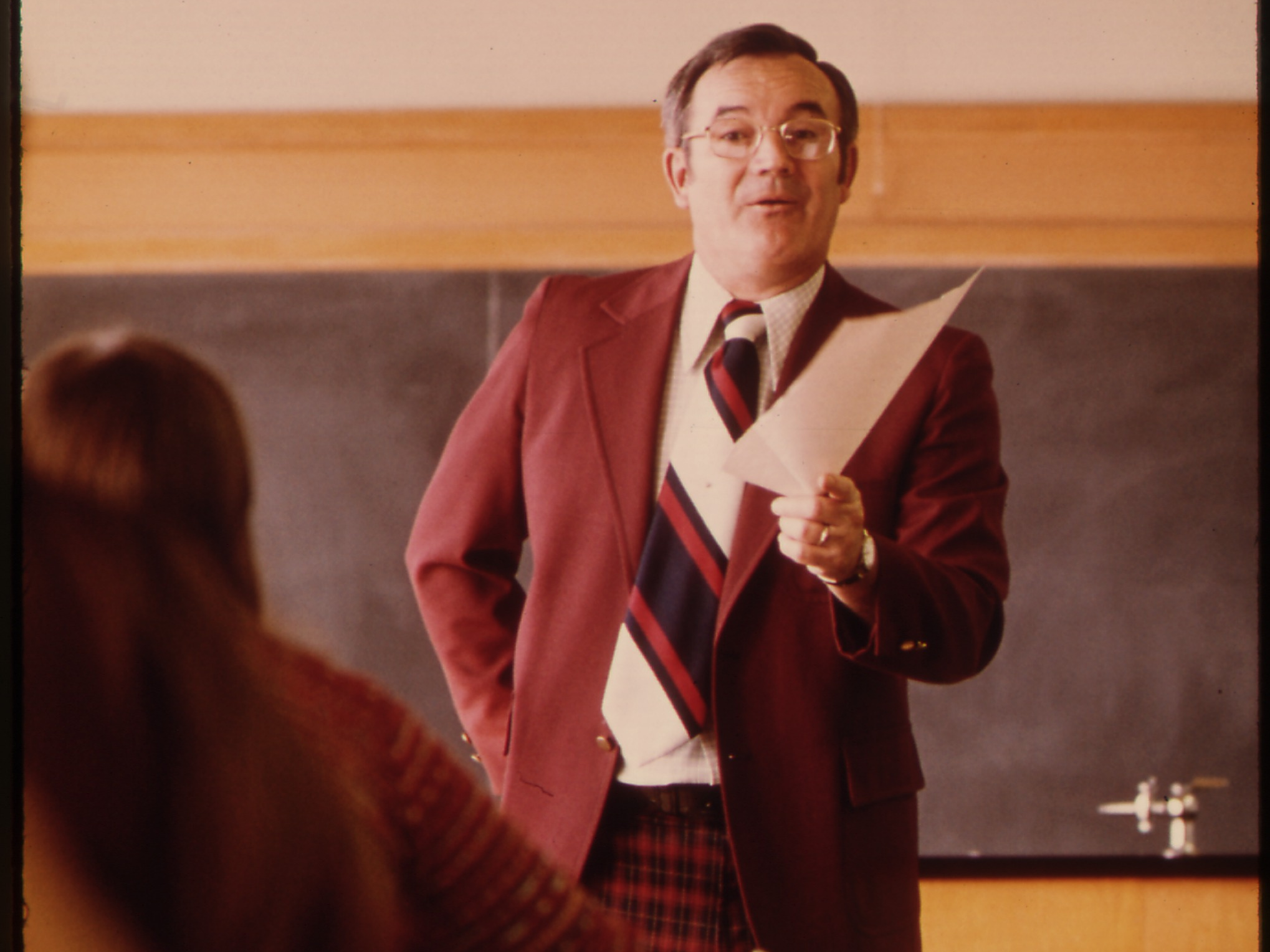
You knew before you reached the door. There was a different kind of noise coming out of the room, and somebody in the corridor would tell you – we’ve got a sub – and the whole day reorganised itself around that fact in about four seconds. In 1970 a substitute teacher walking into a classroom was walking into a negotiation they had almost no cards for, and both sides understood the position perfectly.
The Substitute Had No History and That Was the Whole Problem
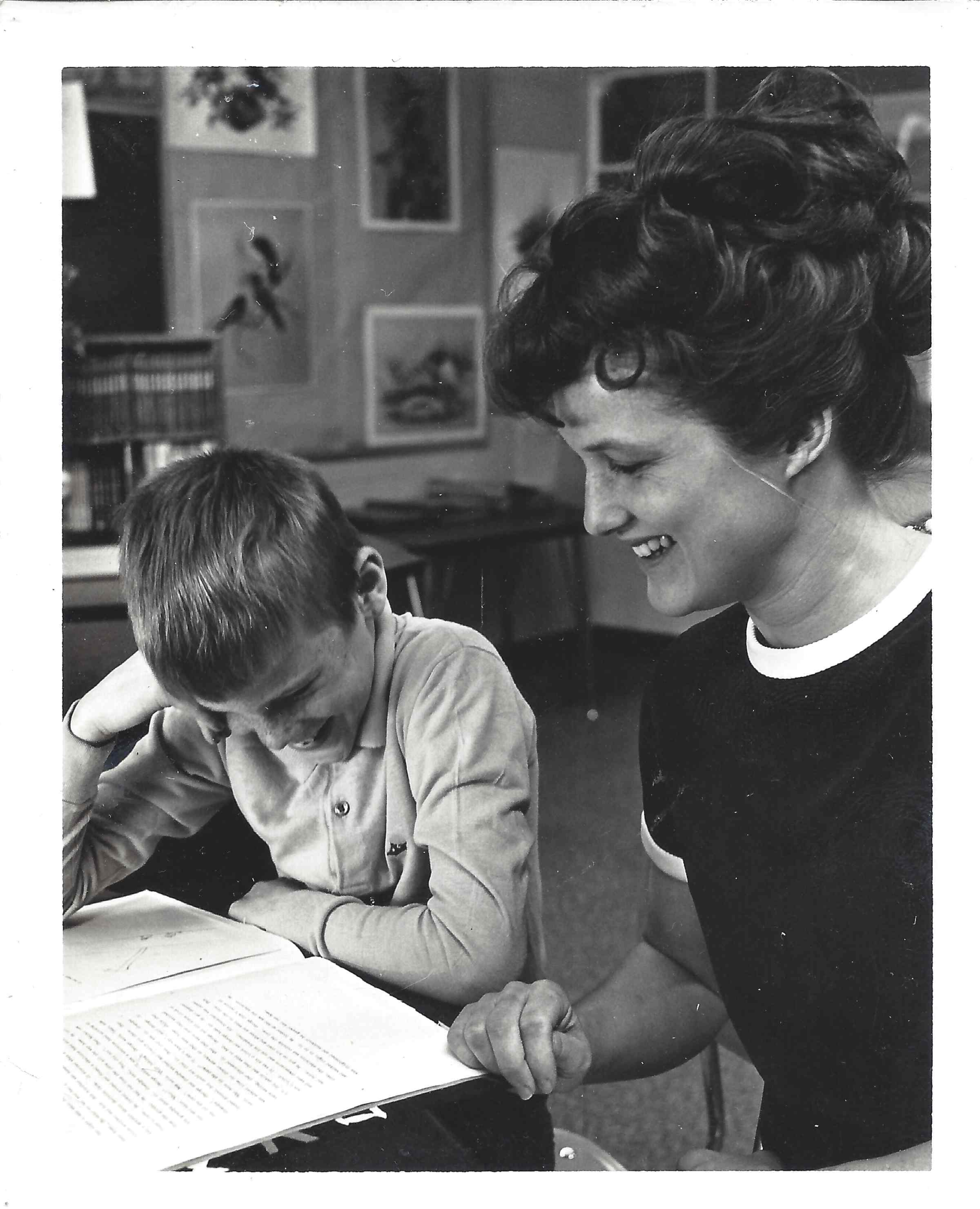
Start with what a regular teacher actually has, because it is not knowledge of the subject. It is a year of accumulated relationships, known consequences, and the memory of every previous interaction with every child in the room.
A substitute has none of that. They cannot invoke anything that happened last week, they do not know which child to watch, and they have no credible future – they will be gone tomorrow, which empties most of their threats of content.
Like our content? Follow us for more.
Authority Was Borrowed and Everybody Could See the Join
A substitute’s standing comes entirely from the institution rather than from the person, which children detect immediately and test within minutes.
It is the same problem a thirteen-year-old babysitter faces, in a room of thirty instead of three. Borrowed authority works only as long as nobody examines it, so the first few minutes were spent establishing whether this particular adult would be treated as real.
The Seating Chart Was the First Thing to Go
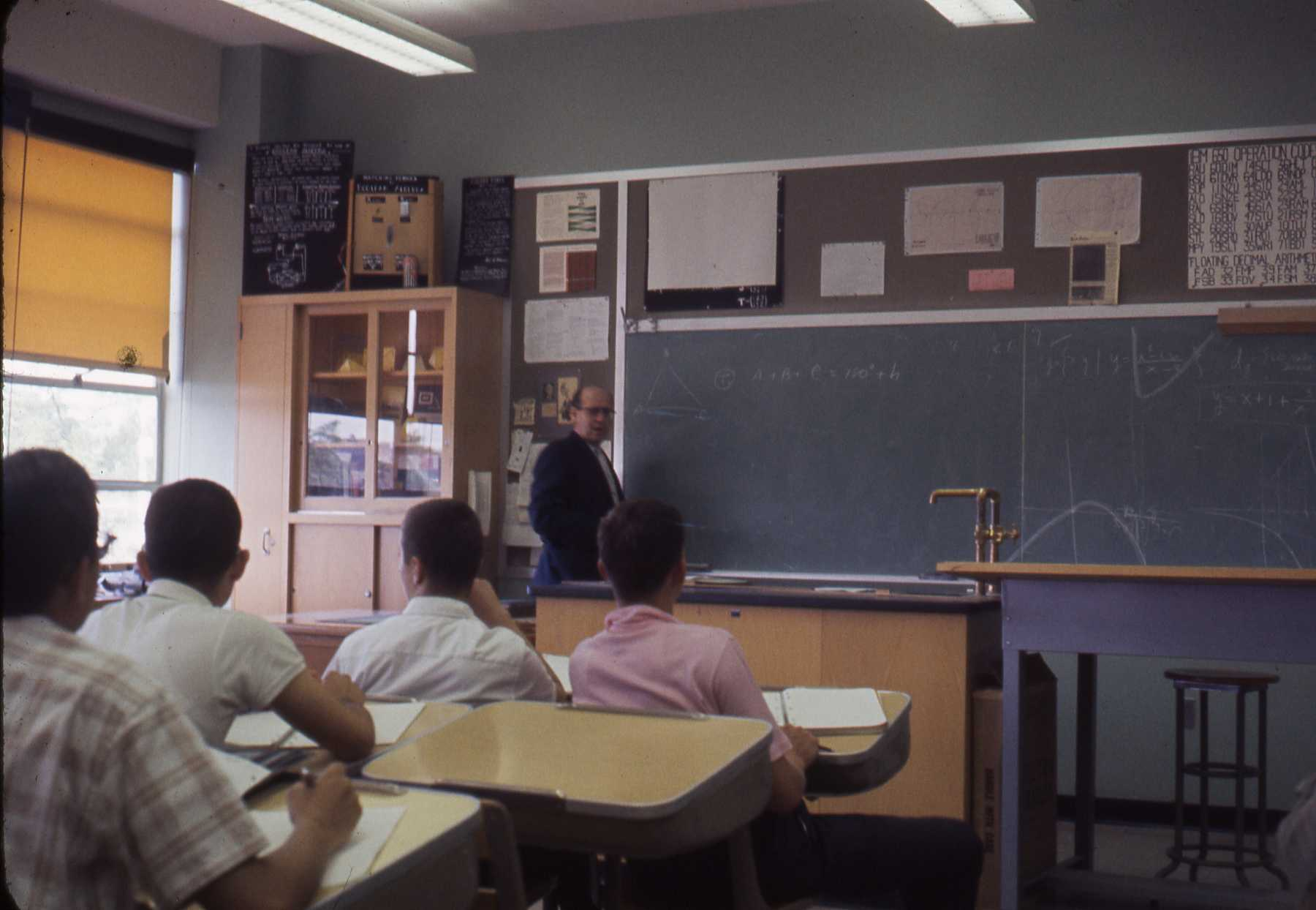
Children swapped seats before the substitute arrived, which breaks the single tool a stranger has for learning who is who.
That is a remarkably efficient piece of sabotage and it was close to universal. A seating chart is the substitute’s entire map of the room, so invalidating it means every subsequent attempt to identify an individual fails – and a teacher who cannot name a child cannot hold anybody responsible for anything.
Names Were Given Falsely and the Teacher Could Not Check
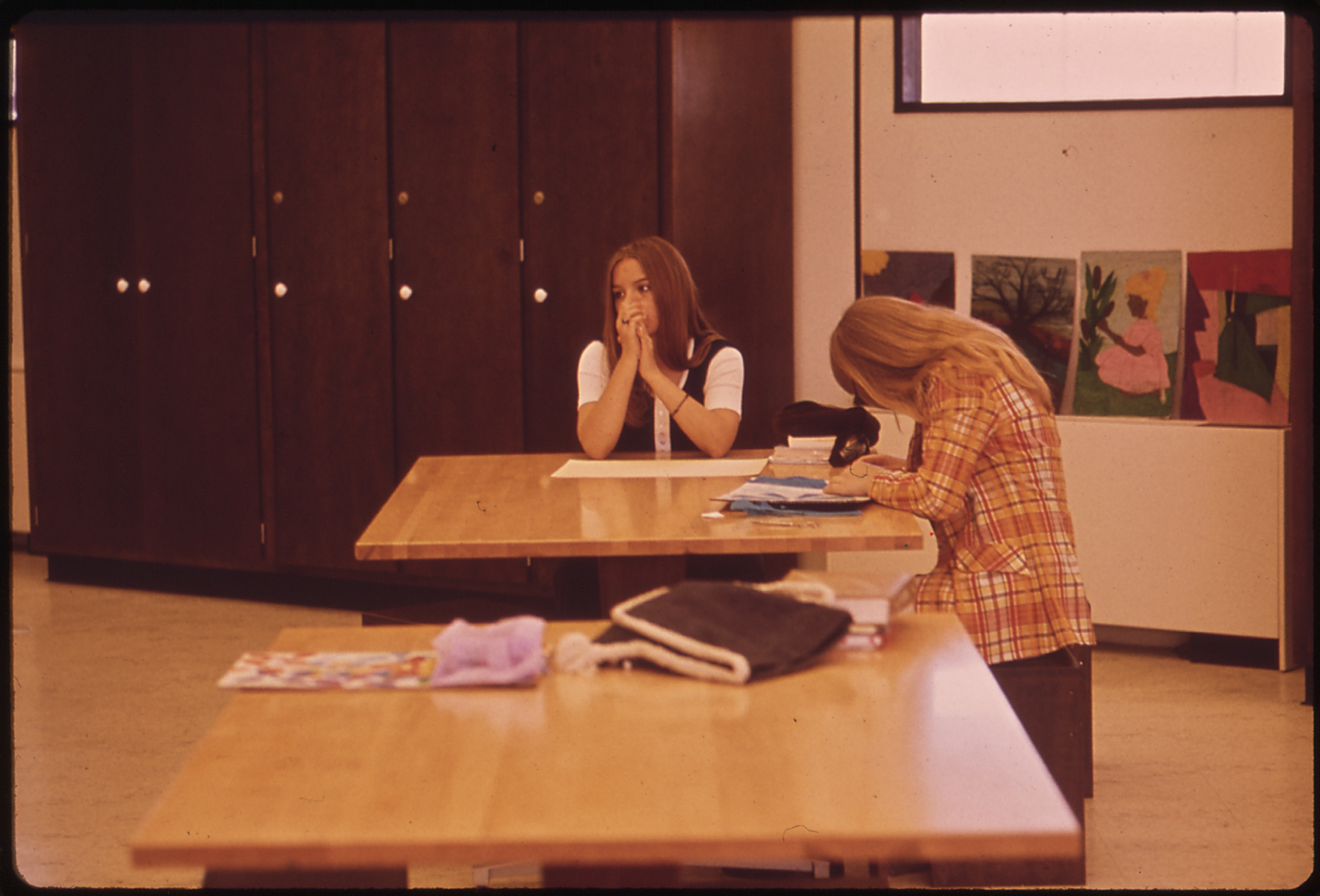
Asked who was talking, a room will supply a name, and the substitute has no means of verifying it against anything.
The mechanism depends entirely on the absence of a record. A regular teacher knows the voices; a substitute knows a list of names on paper, which can be mapped onto the wrong bodies by thirty cooperating children in about a minute.
The Work Left Behind Was Almost Always Too Easy or Too Hard
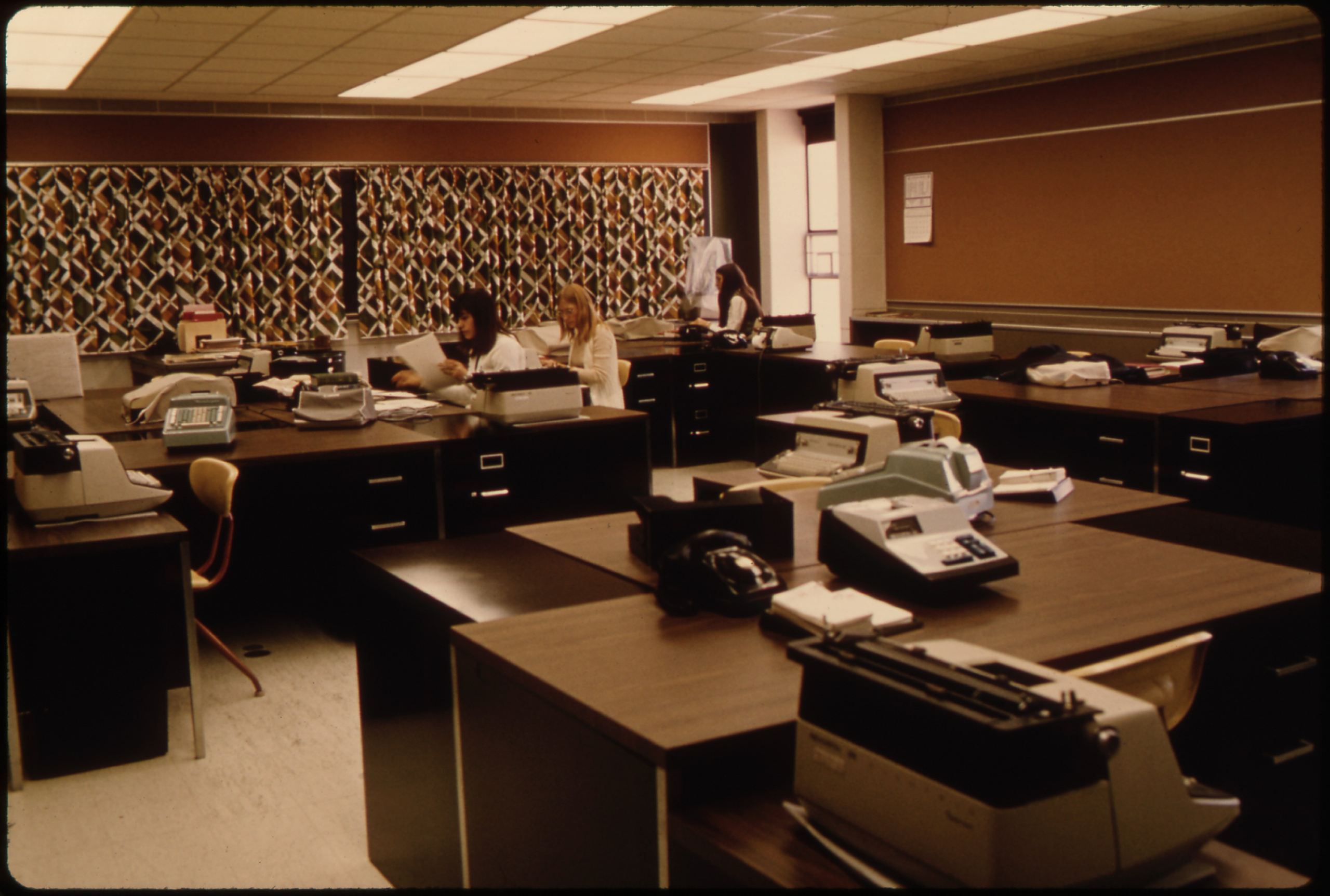
Lesson plans written in advance by somebody who is ill, or assembled at short notice, rarely matched where the class had actually got to.
The mismatch had a predictable consequence either way. Work that is trivially easy finishes in ten minutes and leaves forty, and work that is impossible produces an immediate collective refusal – and both outcomes hand the room back to the children.
A Film Was the Universal Fallback
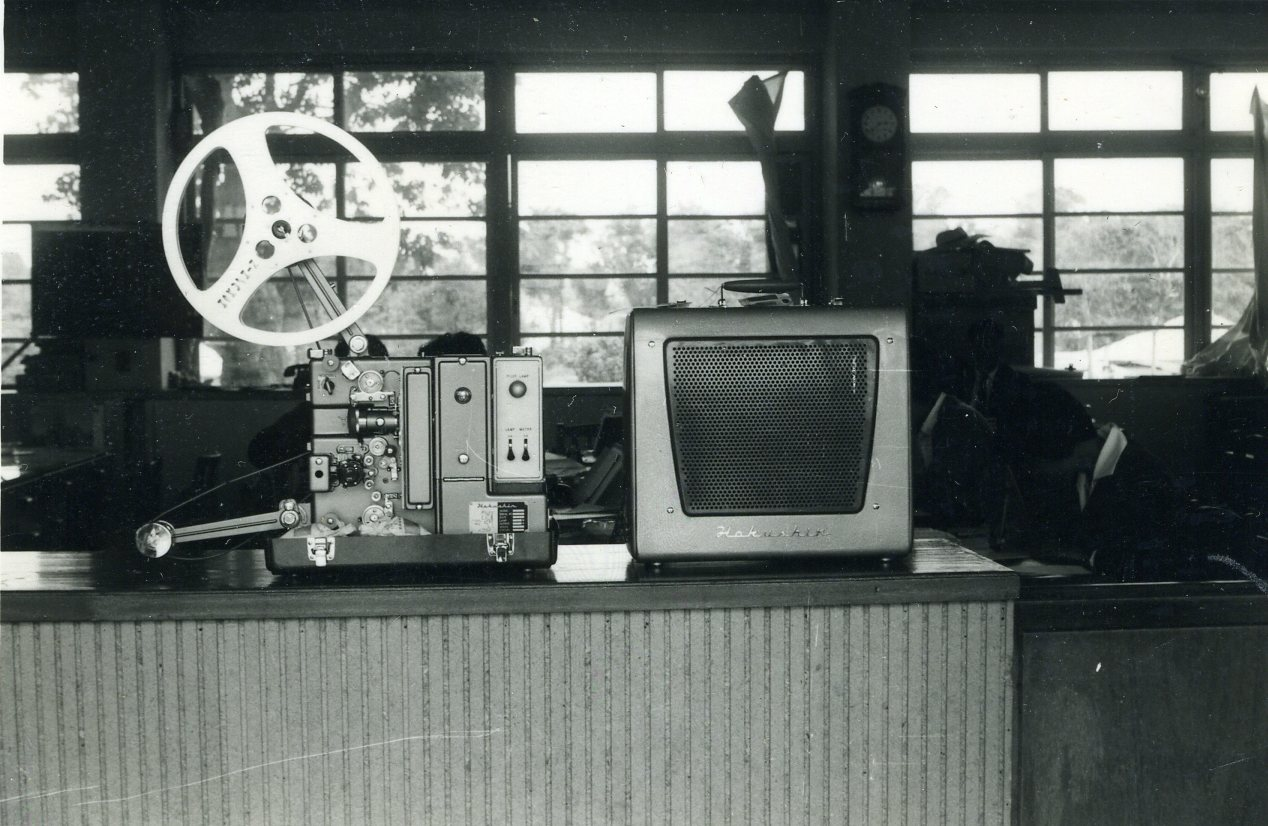
A projector, a reel and a darkened room solved supervision, filled the period and required no subject knowledge whatsoever.
It is a genuinely sensible solution to an impossible brief. Somebody who may not know the material, the class or the room is being asked to occupy forty minutes productively, and a film does that with no preparation and no exposure – which is why the arrival of a projector cart was read instantly as a surrender.
The Class Had an Agreed Version of Events and Stuck to It
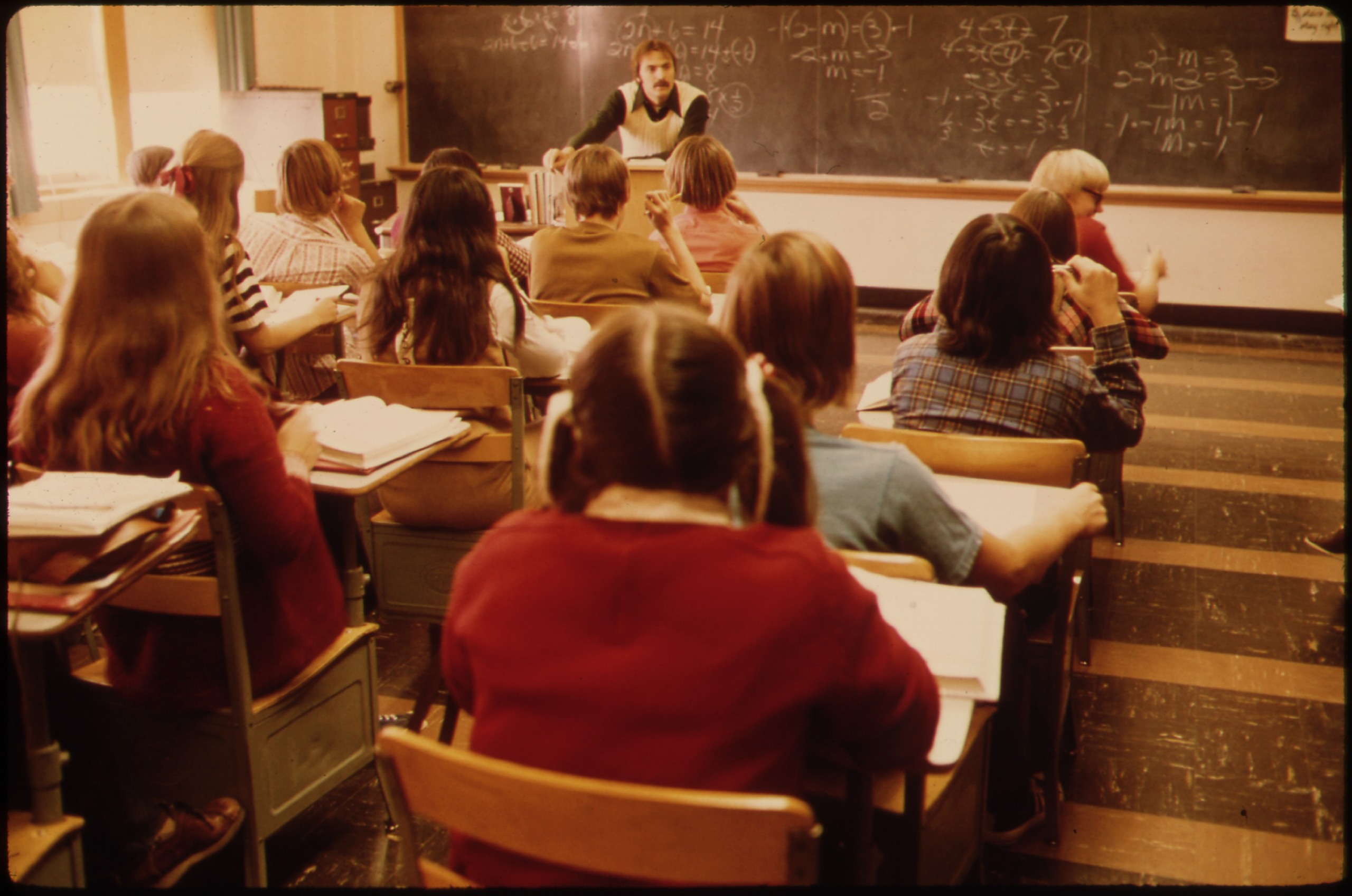
How far along the book the class had got, what the homework was, whether the rules allowed something – all of it was reported to the substitute by the room, in unison.
Collective testimony is unfalsifiable from inside, and it was deployed deliberately. Thirty children agreeing that the teacher always lets them do something is extremely difficult for a stranger to contradict, because the only person who could contradict it is absent.
The Register Was the One Thing That Had to Be Right
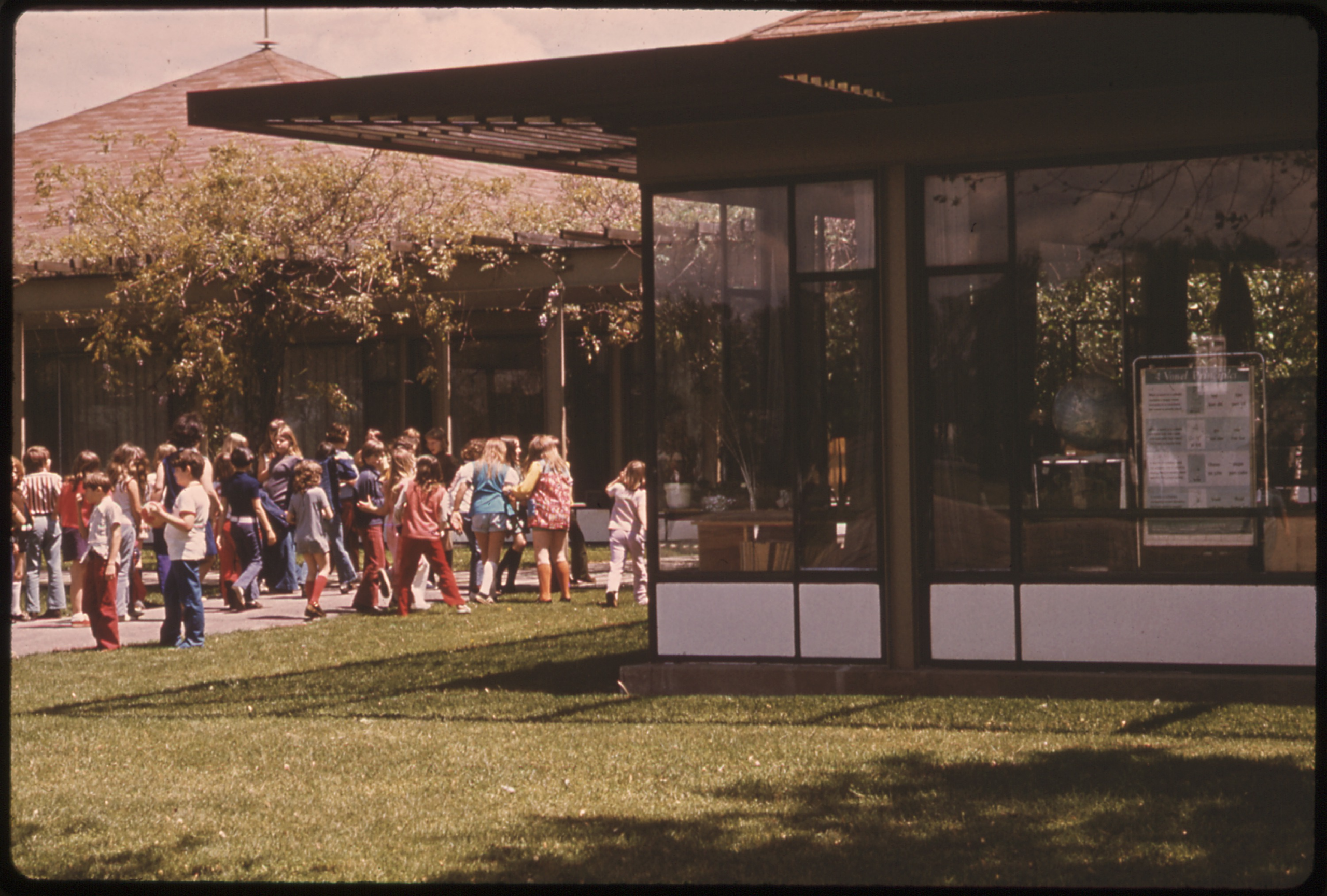
Whatever else happened, attendance had to be taken and recorded accurately, because that record left the room and entered the school’s administration.
Which produced an odd inversion at the start of every substitute period. The one task with real consequences outside the classroom was the one the substitute could not complete without the honest cooperation of the people least inclined to give it – and most classes gave it anyway, because a false absence is a telephone call to somebody’s house and that is a consequence nobody wanted.
So the register was generally answered straight and everything after it was contested, which tells you children were calculating rather than simply misbehaving.
Some Substitutes Were Known and Those Days Were Different
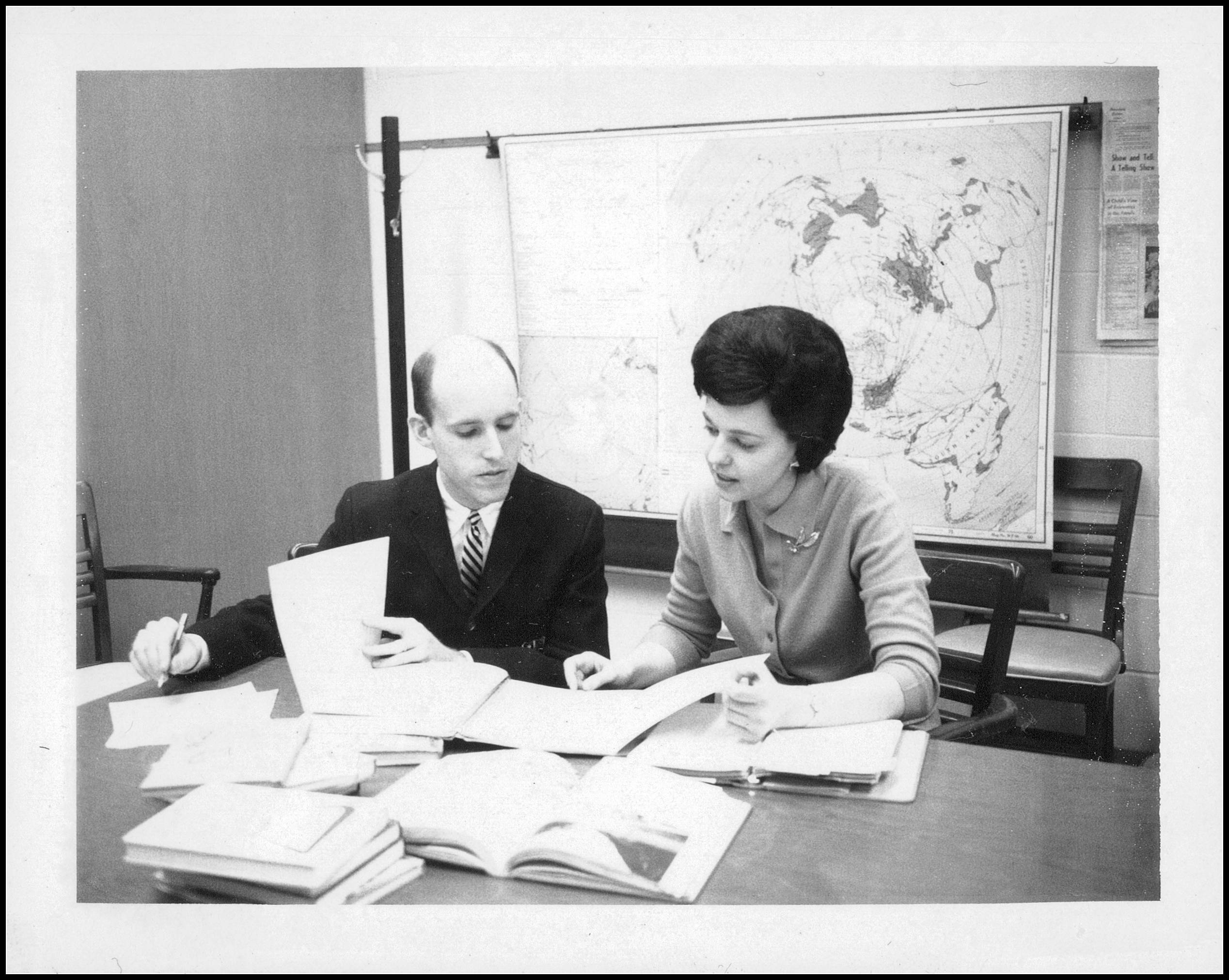
A regular substitute who appeared repeatedly at the same school accumulated exactly what the one-day stranger lacked – history, reputation and a known future.
Which proves the mechanism rather than contradicting it. The difference was never competence or personality; it was simply whether the adult had a past and a future in that room, and a familiar substitute had both.
They Were Paid Badly, Called at Dawn and Sent Anywhere

The job involved a telephone call early in the morning, a school you might not know, a subject you might not have taught and a class you had never met, for a daily rate.
The working conditions explain a great deal about the experience on both sides. Nobody can prepare for an assignment they learn about ninety minutes beforehand, so the substitute arrived without the one thing that would have helped – knowledge of what was coming.
Retired Teachers and Parents Filled a Lot of the Roster
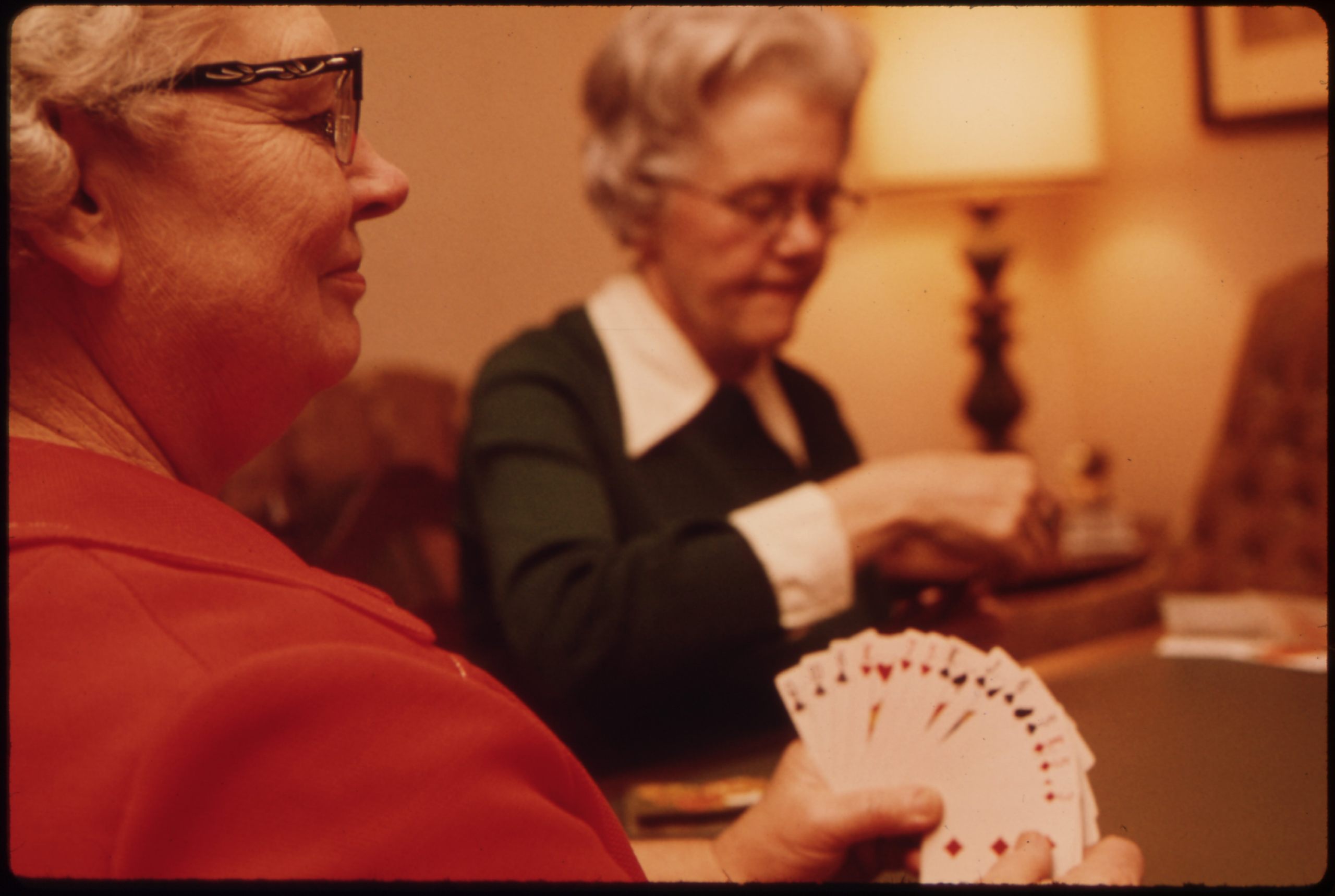
Substitutes were frequently former teachers, people with other work, or parents from the community, which produced enormous variation in experience.
That variation is the thing children responded to. A retired teacher of thirty years and somebody on their second ever assignment present identically at the door, and the room worked out which it was dealing with within about five minutes.
Nothing That Happened Was Really Recorded
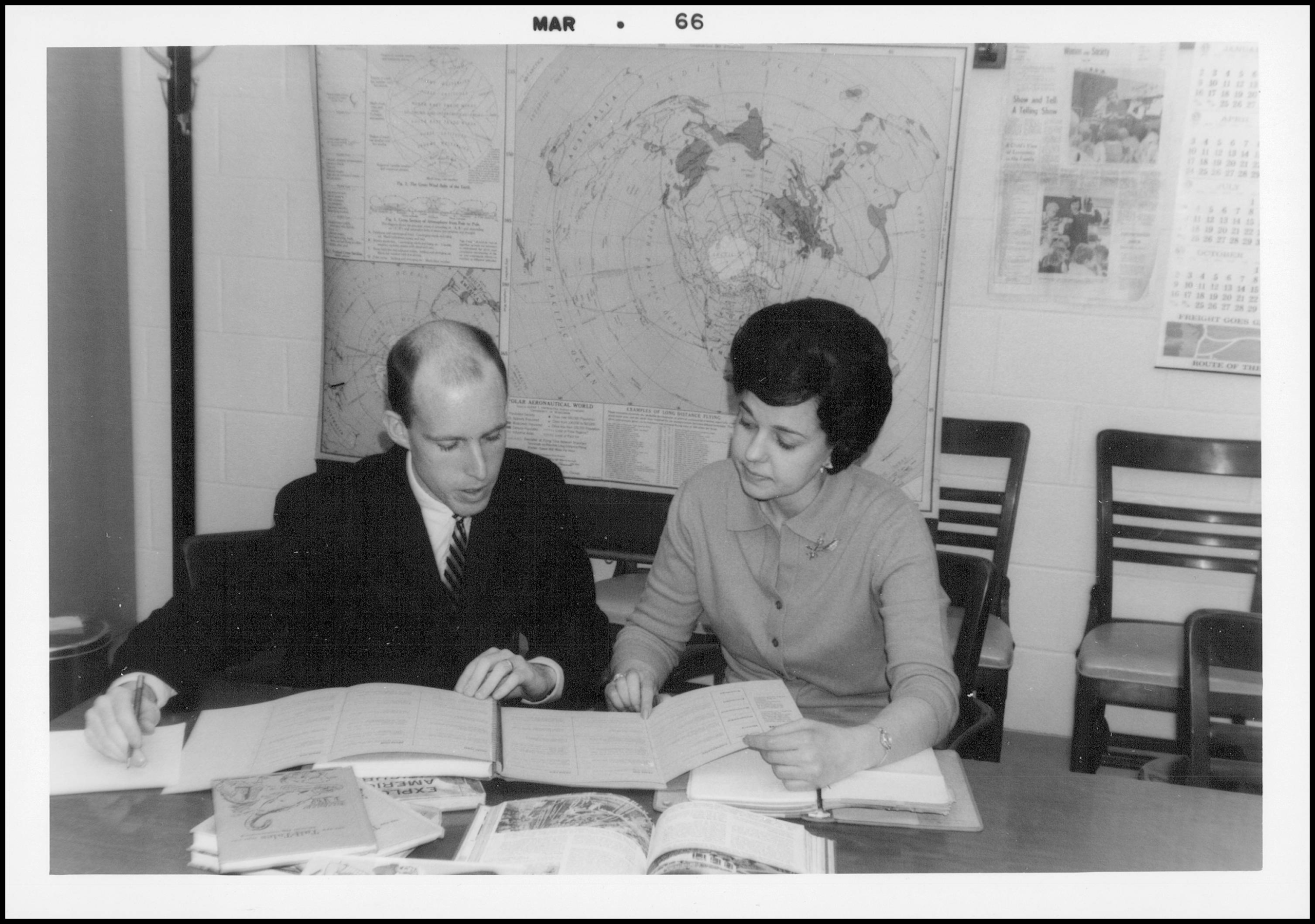
A note might be left for the regular teacher, and whether anything came of it depended on a handover between two people who might not meet.
The accountability gap is why the day felt consequence-free, and children had tested it. A disciplinary event that survives only in a note from a departed adult is weak evidence, and everybody involved knew roughly how weak.
The Regular Teacher’s Return Was the Actual Reckoning
What mattered was not the substitute’s authority but the fact that the person with real standing would be back, and might ask.
That delayed consequence is what kept most rooms within bounds. The restraint was never respect for the stranger – it was an estimate of how much would be reported and how much the returning teacher would care about it.
A Good Substitute Changed Tactics Rather Than Escalating
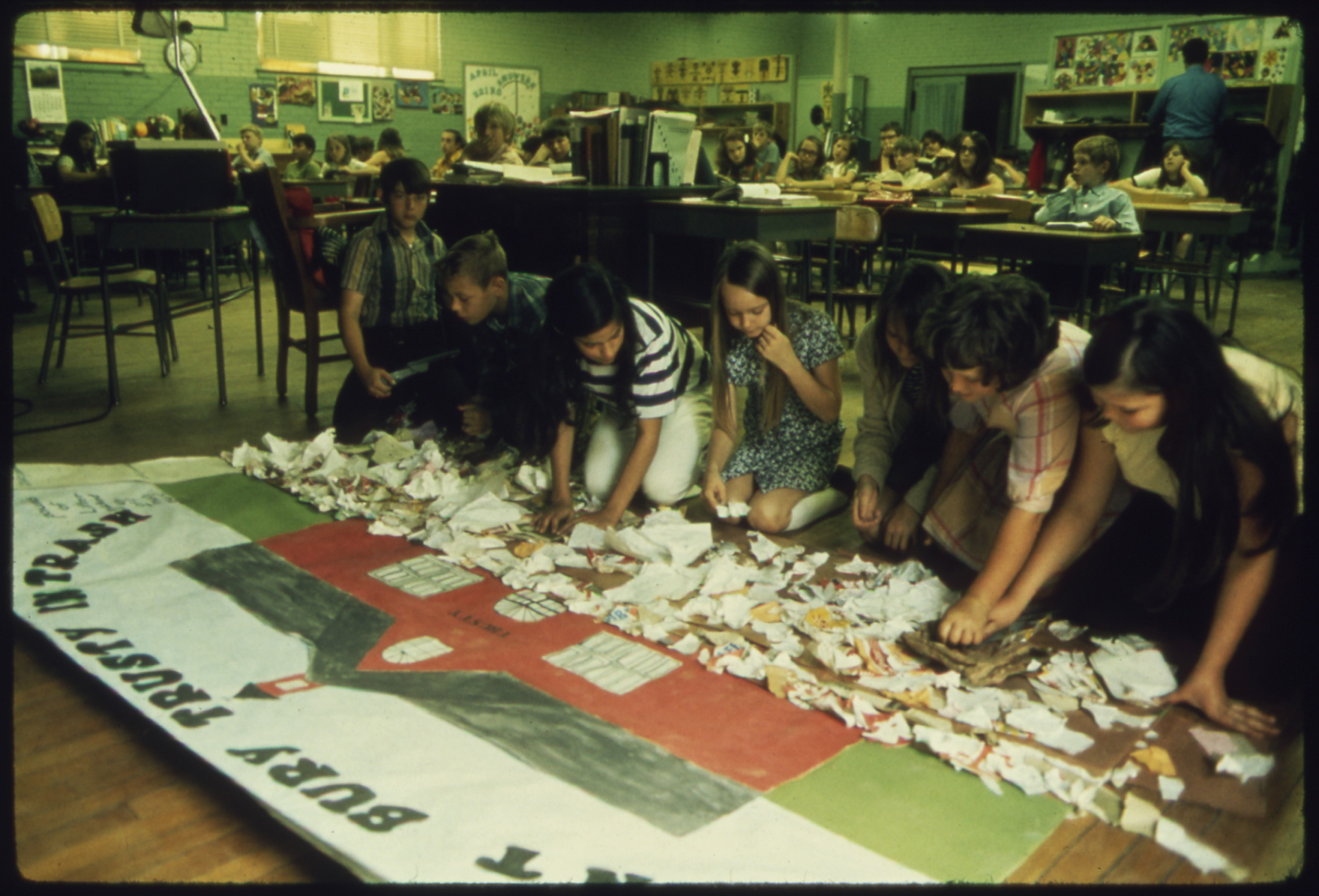
Experienced substitutes generally abandoned the pretence of inherited authority and negotiated instead – a deal, a different task, something the room would actually do.
This is the professional insight the job teaches, and it is not obvious. A person with nothing to bargain with cannot win a confrontation, so the only workable strategy is to find something the class is willing to do and get through the period without a test of strength neither side can afford.
The Worst Outcome Was Boredom on Both Sides
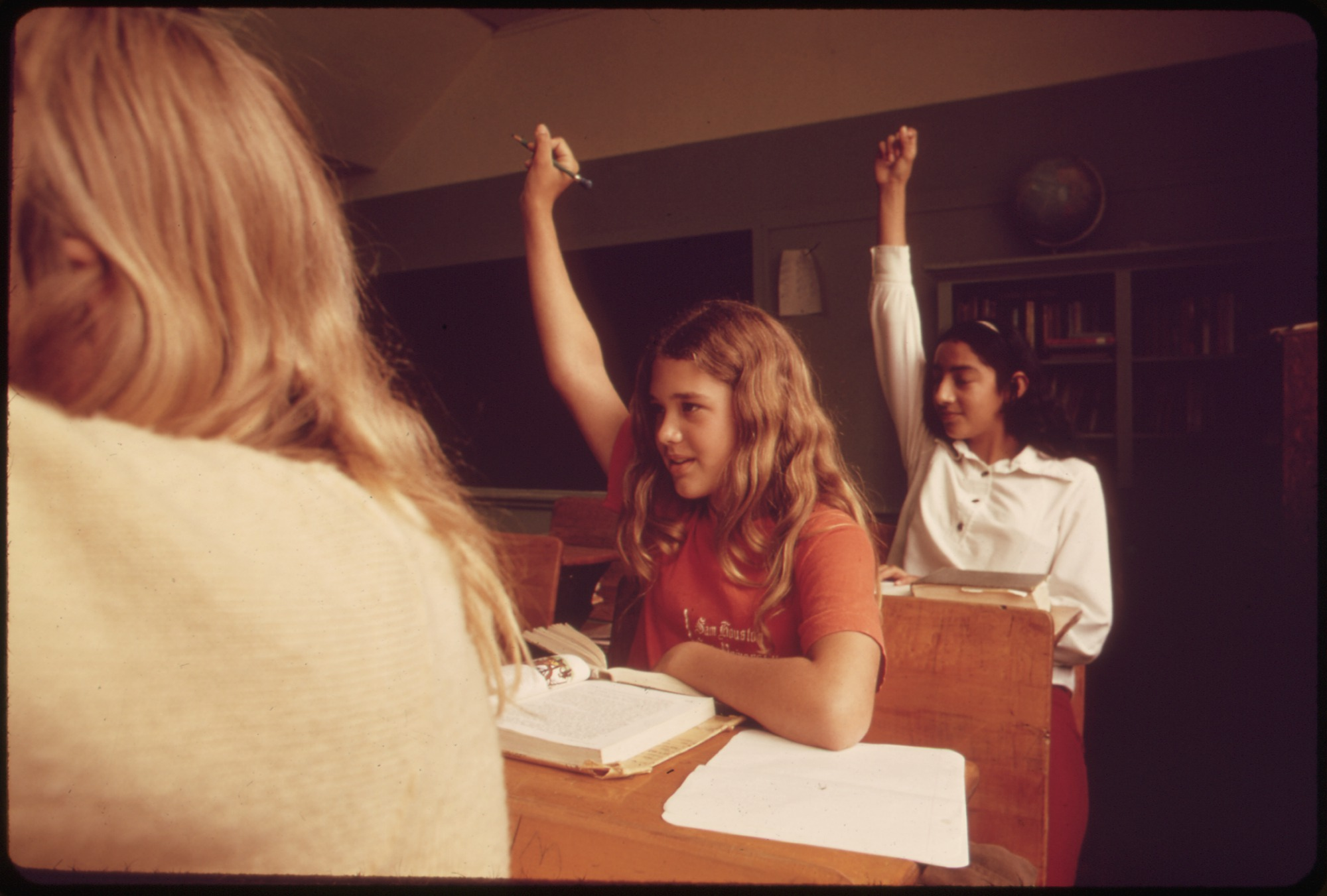
A period with no usable work, no relationship and no authority frequently resolved into forty minutes of nothing happening at all.
Which is the ordinary case and the one nobody tells stories about. Most substitute days were not riots, they were a stranger at a desk and a room of children waiting, producing nothing for anybody – and that waste is the real cost of the arrangement.
Specialist Subjects Exposed the Problem Completely
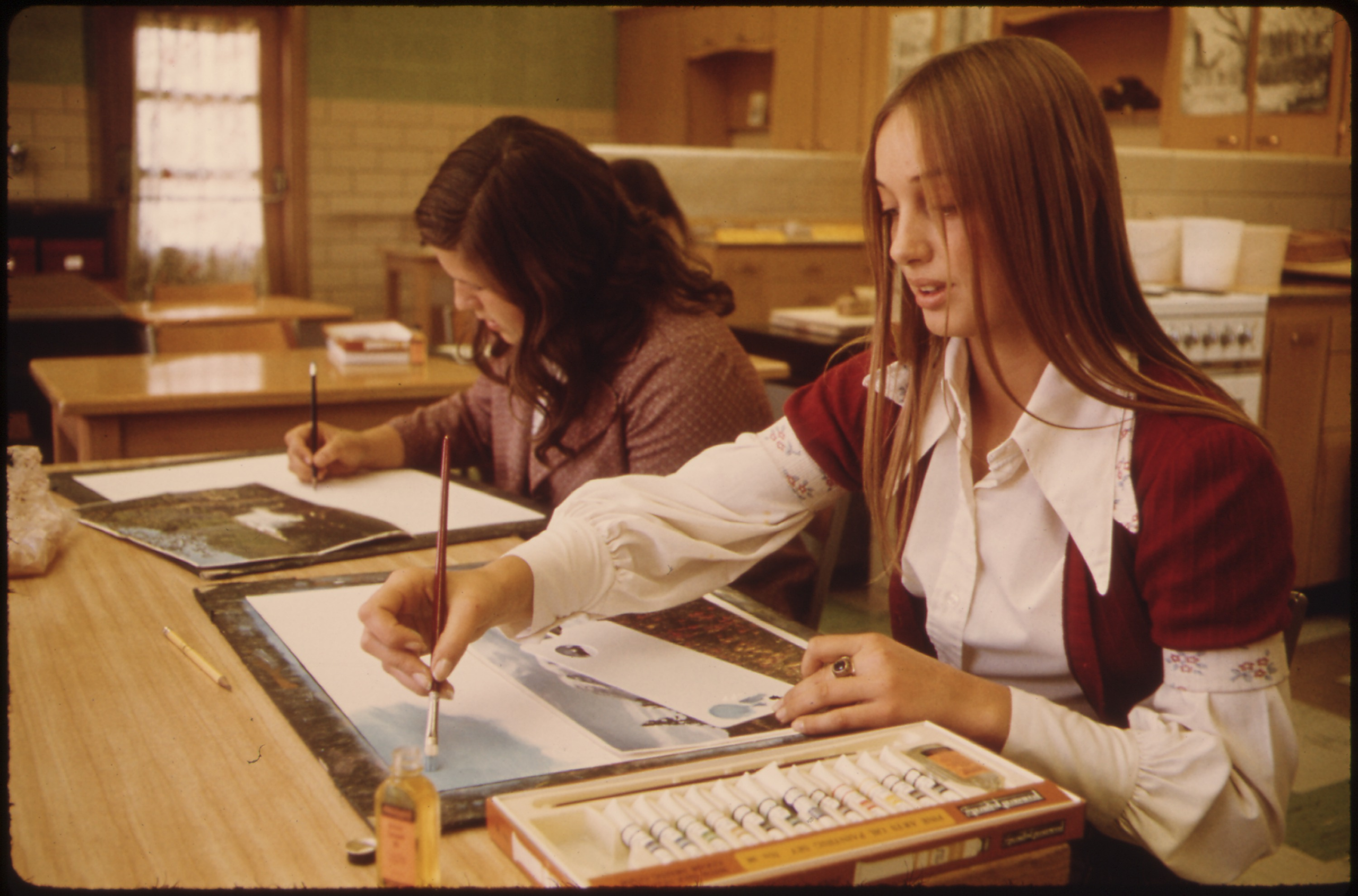
A stranger can plausibly supervise a reading period. A stranger cannot run a laboratory, a workshop, a gymnasium or a music room.
So those lessons were simply not taught. A substitute arriving for a practical subject was handed something else entirely – written work, a film, a reading period – which meant a teacher’s absence did not slow a class down so much as remove that subject from the week altogether.
The cumulative effect across a term of illness was real, and it fell hardest on exactly the subjects that could not be done from a worksheet.
Then the Job Got Formalised and the Gap Got Smaller
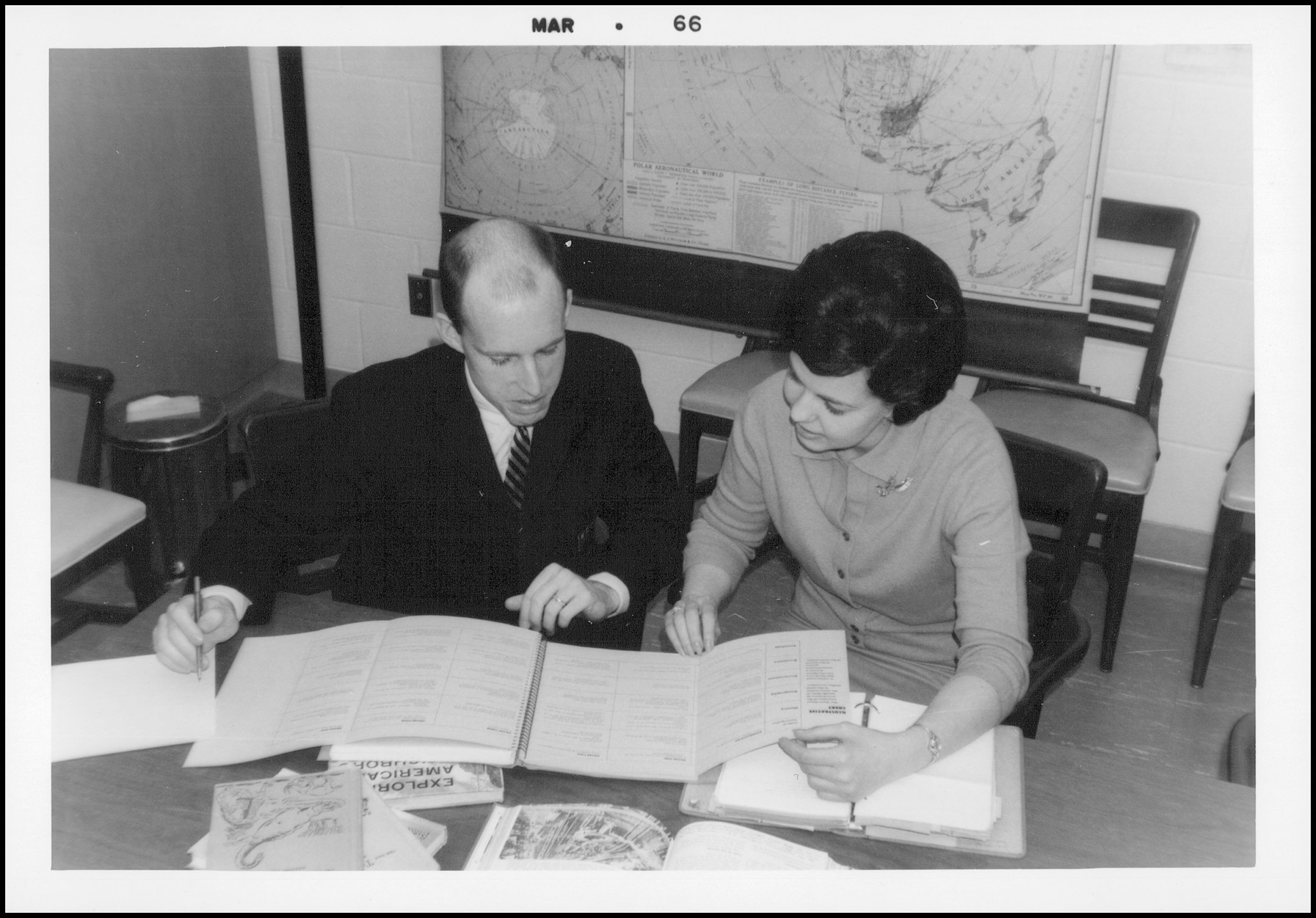
Credentialing, training, standing rosters of known substitutes, written procedures and proper lesson materials all narrowed the distance between a regular teacher and a stand-in.
Each change attacks the same deficit. A substitute who has been in that school before, has a procedure to follow and has material designed to be taught by somebody else is no longer a stranger with borrowed authority and nothing to teach.
And the Underlying Problem Has Never Gone Away
The honest conclusion is that the difficulty was structural rather than personal, and structure is what eventually addressed it.
A regular teacher’s power is an accumulated relationship with thirty specific people, and that cannot be handed over at eight in the morning to somebody who has never met them. Everything children did – the swapped seats, the false names, the unanimous testimony about what the teacher always allows – was an exploitation of that single fact, worked out independently in every school in the country, with nobody teaching it to anybody. And everything that improved the job since has consisted of giving the stranger some of what the relationship used to supply.
Like our content? Follow us for more.
