The grocery bags came out in September and were cut up at the kitchen table, and by the end of the evening every textbook in the house had a brown paper jacket on it with your name on the front. In 1966 this was not a craft activity. It was a condition of being issued the book at all, and the reason was a piece of school economics that nobody ever explained to a child.
The Books Were Not Yours and That Was the Whole Point
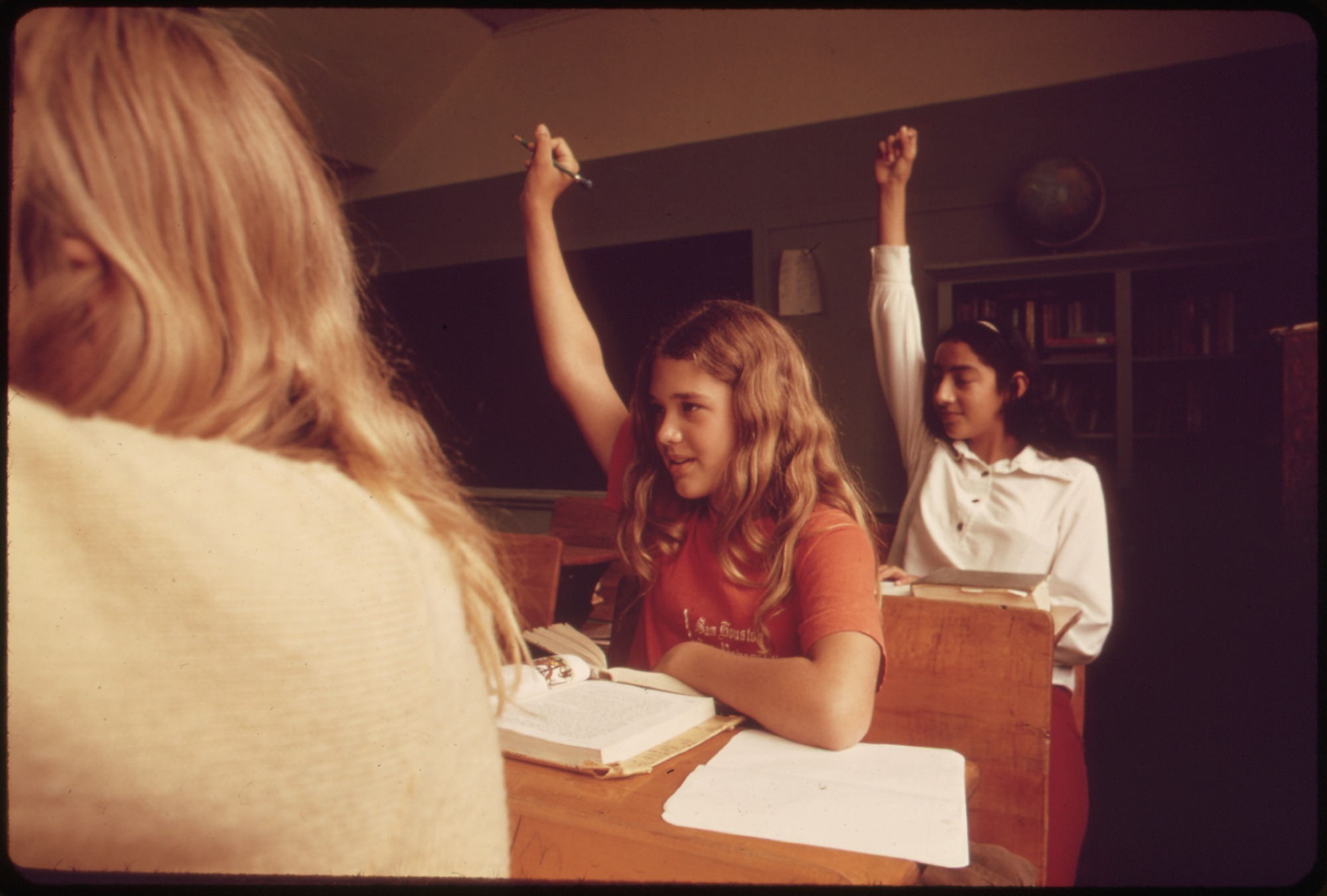
Start with ownership, because everything follows from it. School textbooks were the property of the district, issued to a pupil for a year and collected back in June to be issued to somebody else.
That changes the object completely. A book you own can be treated however you like; a book that must survive six more pupils is a piece of public equipment on loan, and the covering requirement is simply the maintenance condition attached to the loan.
Like our content? Follow us for more.
A Textbook Had to Last Five or Six Years

Replacing a full set of books across a district is a large capital expense, so each copy was expected to serve several cohorts in succession.
The arithmetic is what produced the rule. Extending a book’s life from three years to six halves the annual cost of the entire collection, and the cheapest possible way to do that is to put a disposable layer between the binding and everything that happens to it.
The Cover Protected the Two Places Books Actually Fail

Books do not wear out in the middle. They fail at the spine ends and along the outer edges of the boards, which is exactly what a paper jacket covers.
That is why a simple wrapper works so well. The damage is concentrated at the corners and edges where a book is grabbed, dropped and shoved into a desk, and a replaceable paper layer takes all of it while costing nothing.
The Bag Was Free and Already in the House
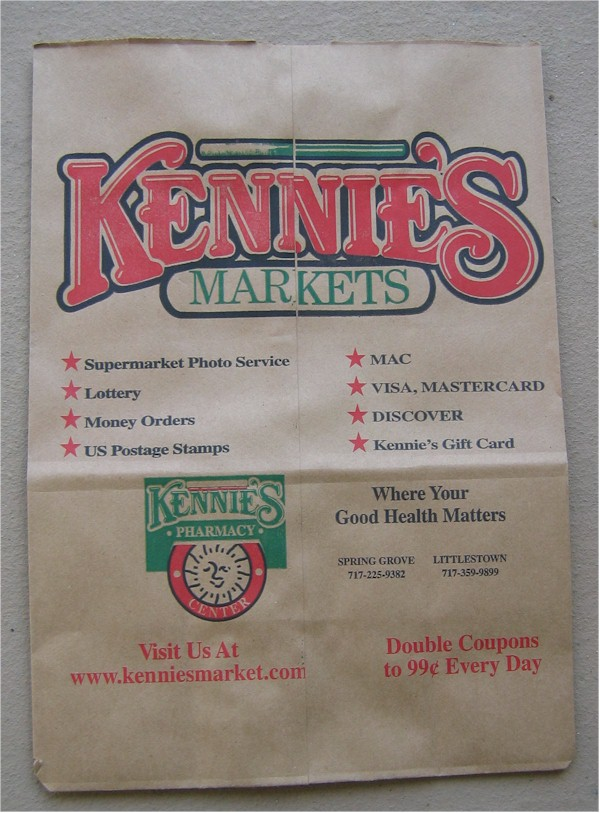
Grocery sacks of heavy brown kraft paper arrived with the shopping every week, and a household accumulated them whether it wanted to or not.
The material choice is the elegant part. Kraft paper is strong, stiff enough to hold a crease, cheap to the point of being free, and already present in every kitchen – so the school could impose a requirement that cost nobody anything.
There Was a Correct Method and It Was Taught
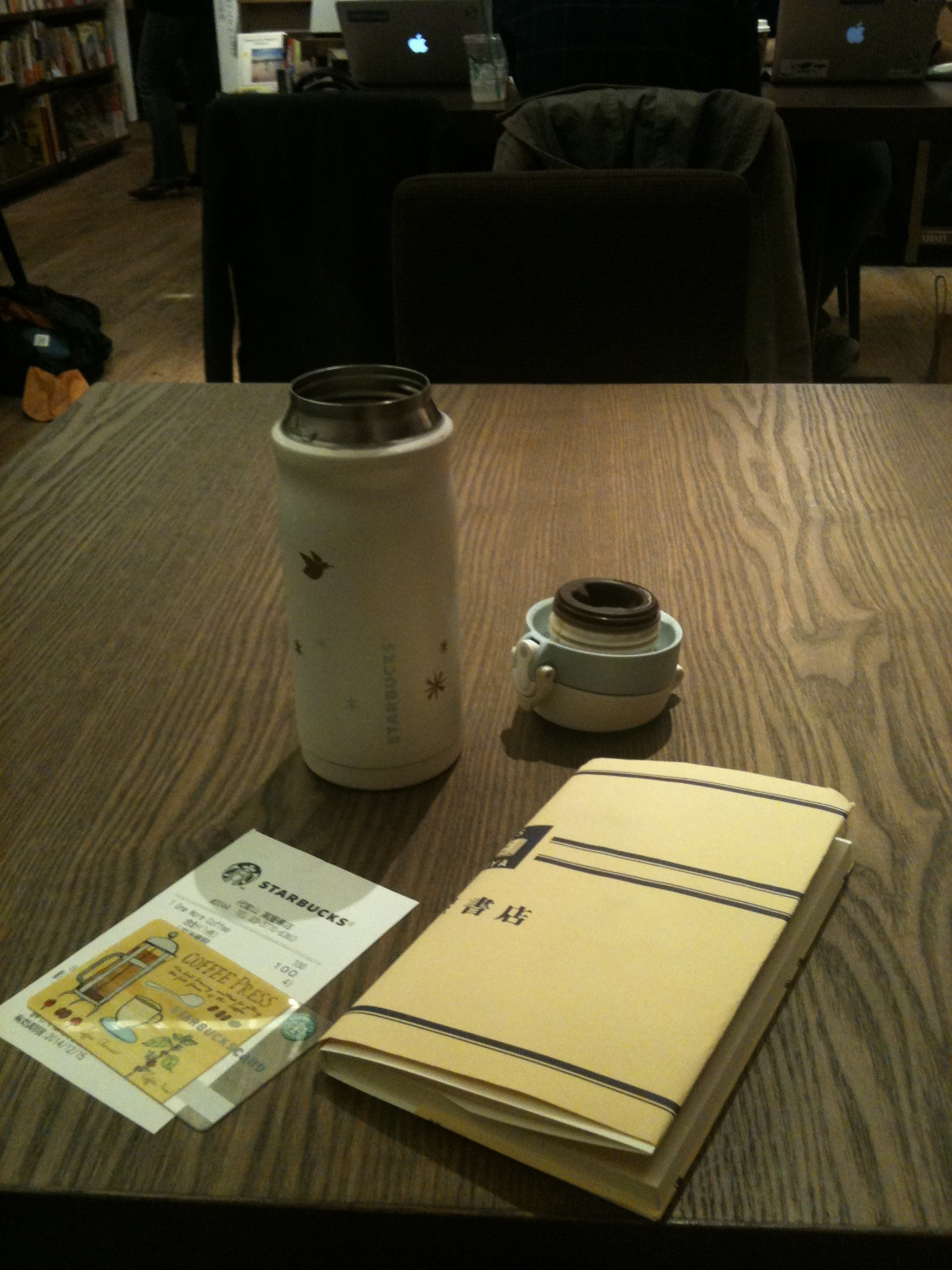
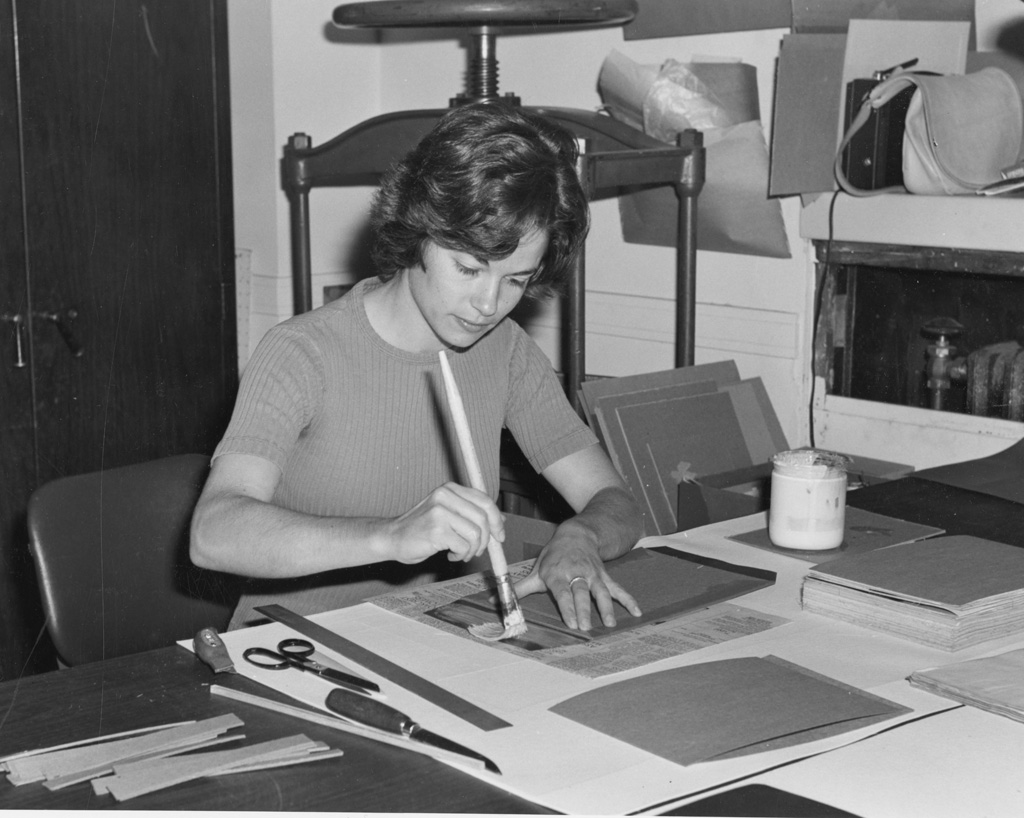
Cut to size, fold the top and bottom edges to the height of the book, fold the ends in around the boards, and let the pressure of the cover hold the whole thing together with no tape at all.
The fold-only construction is the detail worth admiring. A cover that relies on tape fails when the tape dries out and leaves residue on the boards; a cover held by tension and folded corners can be removed in June leaving the book exactly as it was.
Doing It Badly Was Visible All Year
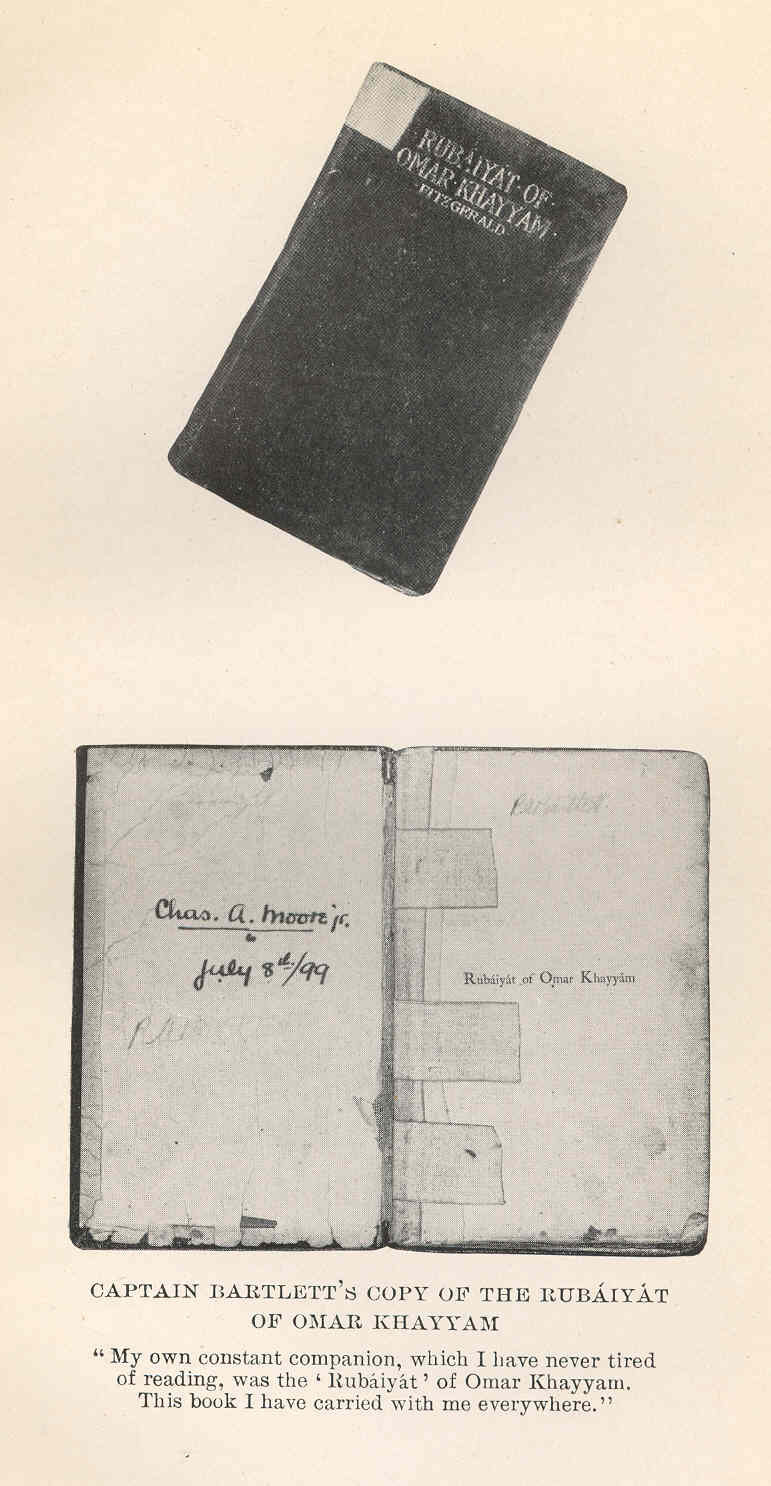
A cover cut too small tore at the corners within a week, one cut too large flapped, and one folded loosely slid off every time the book was opened.
The quality of the work was on display from September to June, which is unusual for a chore. Most badly done household tasks are forgotten by the next day; this one sat on a desk in front of thirty people for an academic year.
Decorating the Cover Was the Only Permitted Customisation
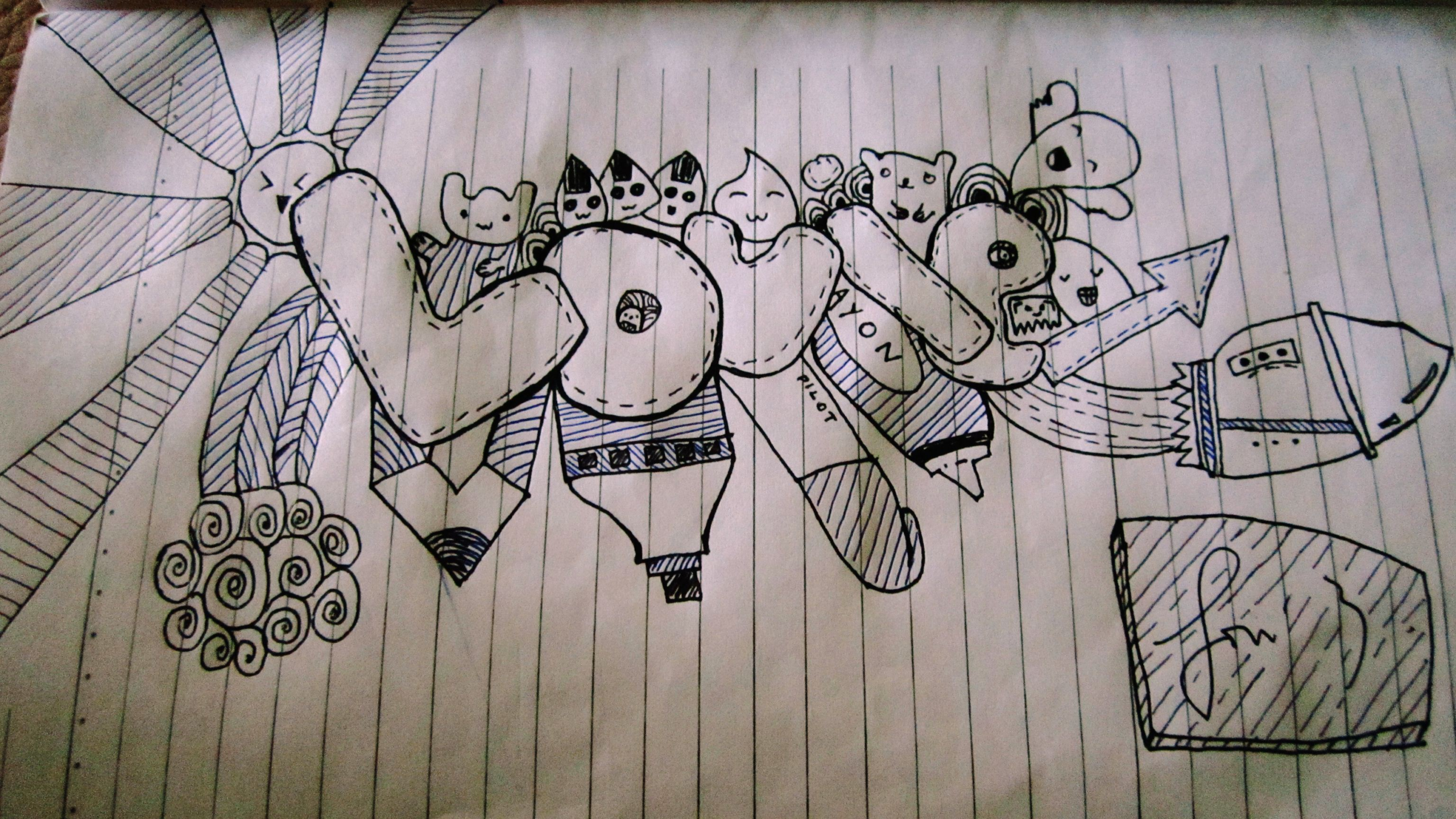
The book itself could not be marked, so everything a child wanted to express went onto the paper – names, drawings, teams, initials, elaborate lettering.
The displacement is the interesting part. A rule that forbids marking a book does not remove the impulse to personalise it, it relocates it – and the result is that the one disposable layer became the only canvas available in the whole school day.
Covering Night Was a Household Event
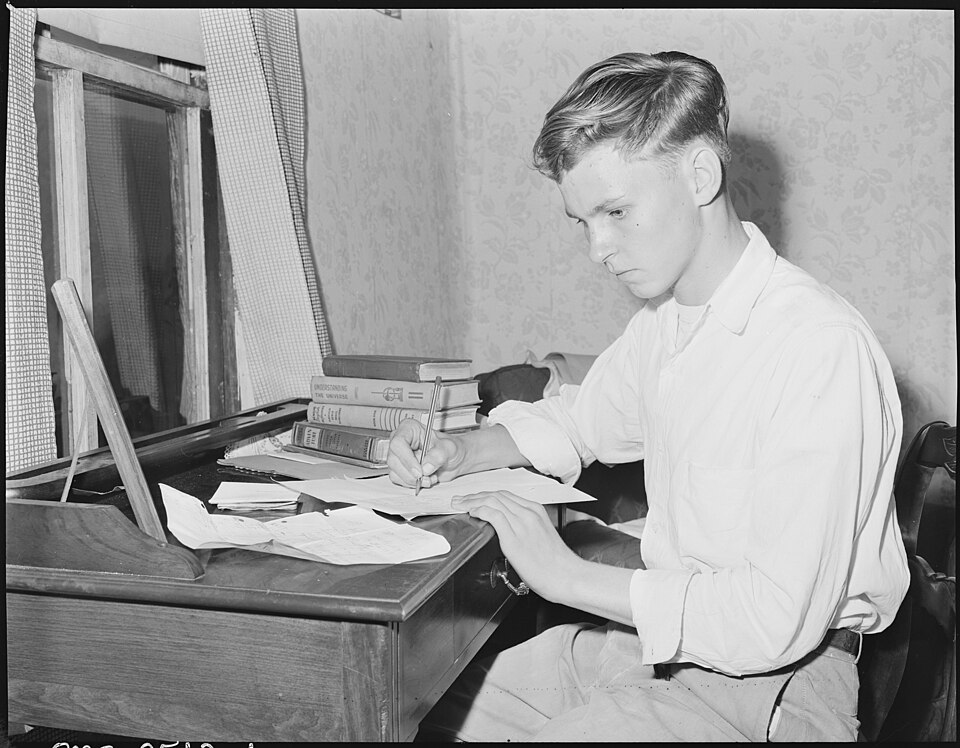
The whole set came home on the same day and had to be covered before school the next morning, which turned one evening in September into an assembly line at the kitchen table.
The scale is what made it memorable rather than tedious. Six or seven books per child across two or three children is twenty covers in an evening, so a parent cut while a child folded, and the household developed a method the way households develop methods for anything done in bulk once a year.
The Cover Was Also the Name Tag
Books were identical and thirty of them travelled between desks, lockers and homes, so the outside had to say whose was whose.
Identification is the second function and it mattered practically. A set of indistinguishable issued objects needs an owner written on the outside or they become unassignable within a week, which is exactly the problem a locker room solves with the same solution.
Inspections Happened and They Were Real
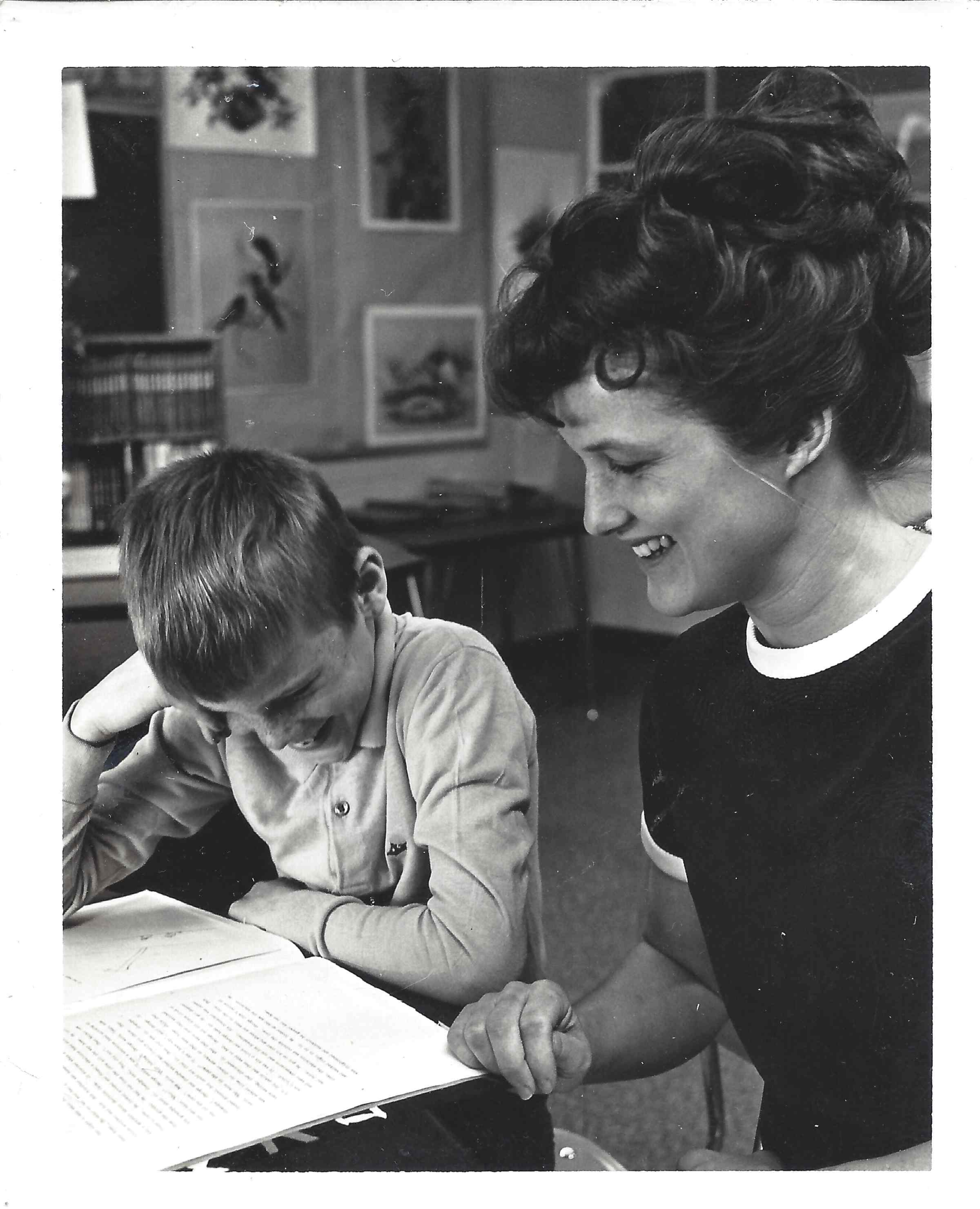
Teachers checked that books were covered, that the covers were intact, and that nothing had been written inside, and a damaged book could be charged to a family.
The enforcement is what made the practice universal rather than optional. A rule with a cost attached to failure gets followed, and a family facing a charge for a ruined book had a direct financial interest in the paper being replaced when it tore.
Replacing a Torn Cover Mid-Year Was Routine
Covers failed, and recovering a book in January was an ordinary piece of maintenance rather than a sign of anything.
The replaceability is the whole design intent. A sacrificial layer is supposed to fail – that is what sacrificial means – so a torn cover is the system working rather than the system breaking, and the child re-covered it and carried on.
The Inside Front Cover Carried the Book’s Whole History
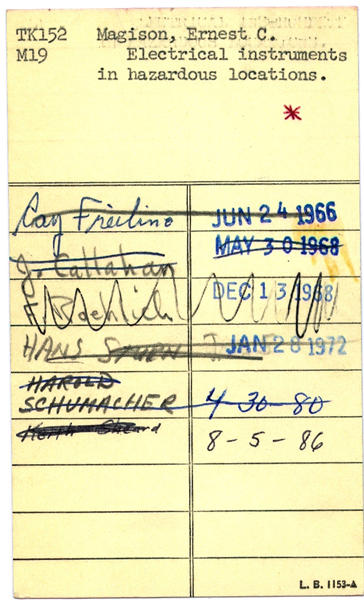
A pasted label listed every pupil who had been issued the book and the condition it was in each year, which made the object a small record of a decade of a school.
That label is the most interesting thing in the whole subject. A child opening a book could read the names of six people who had used it before them, some of whom they knew, which is a direct and unsentimental connection to the pupils who had sat in the same chairs.
Printed Covers Existed and Were a Mild Status Object
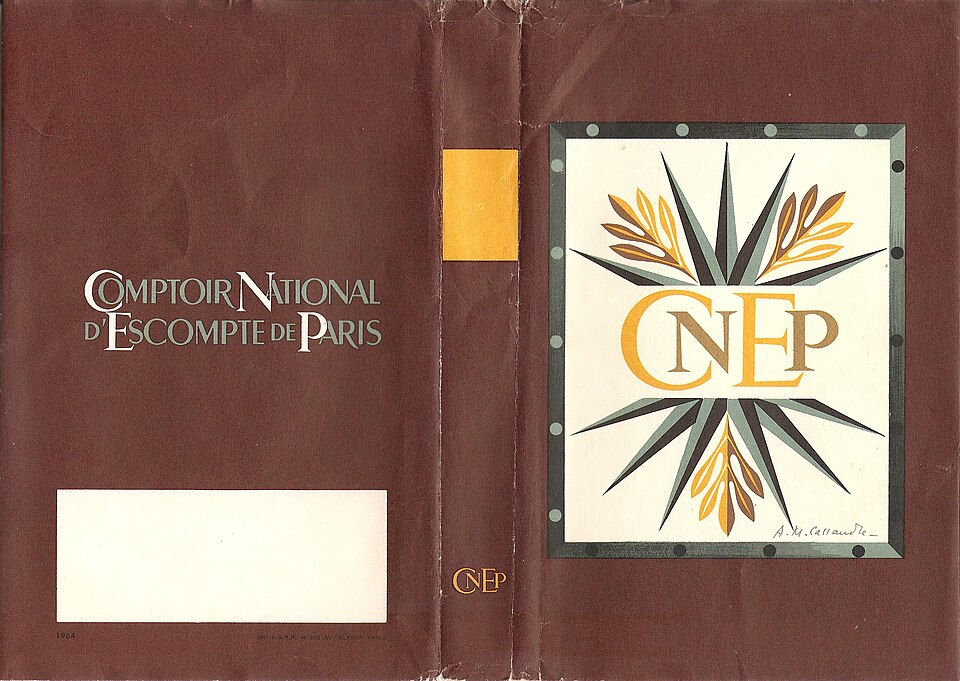
Commercially printed book covers, often advertising something, were given away or sold cheaply and were visibly better than brown paper.
Which produced an entirely predictable social gradient. A free printed cover with a design on it looks deliberate and a hand-folded grocery bag looks homemade, and everybody in the room could tell the difference at a glance.
Paperbacks and Workbooks Were a Different Category
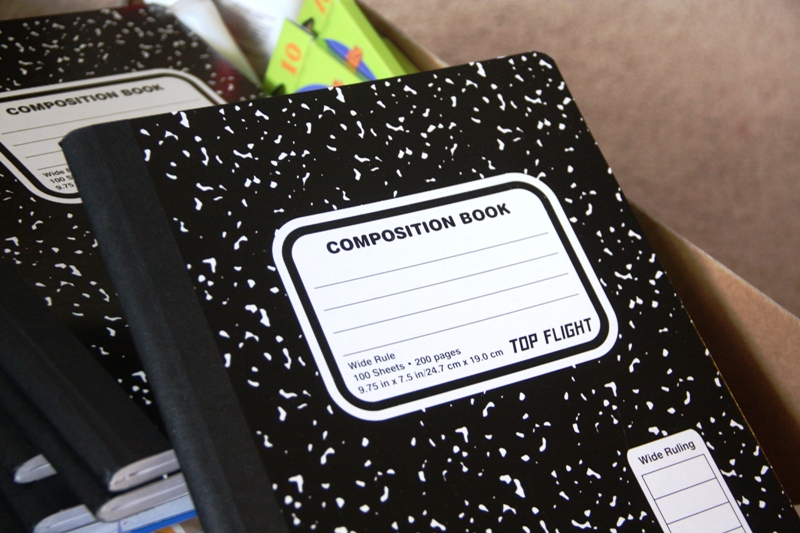
Consumable materials that pupils wrote in and kept were not covered at all, because they were not going to be reissued.
The distinction is a useful demonstration of the logic. Nothing was covered out of habit or neatness – the covering followed the ownership, so an object the child kept needed no protection and an object the district owned needed it absolutely.
The Whole Thing Taught a Lesson Nobody Intended
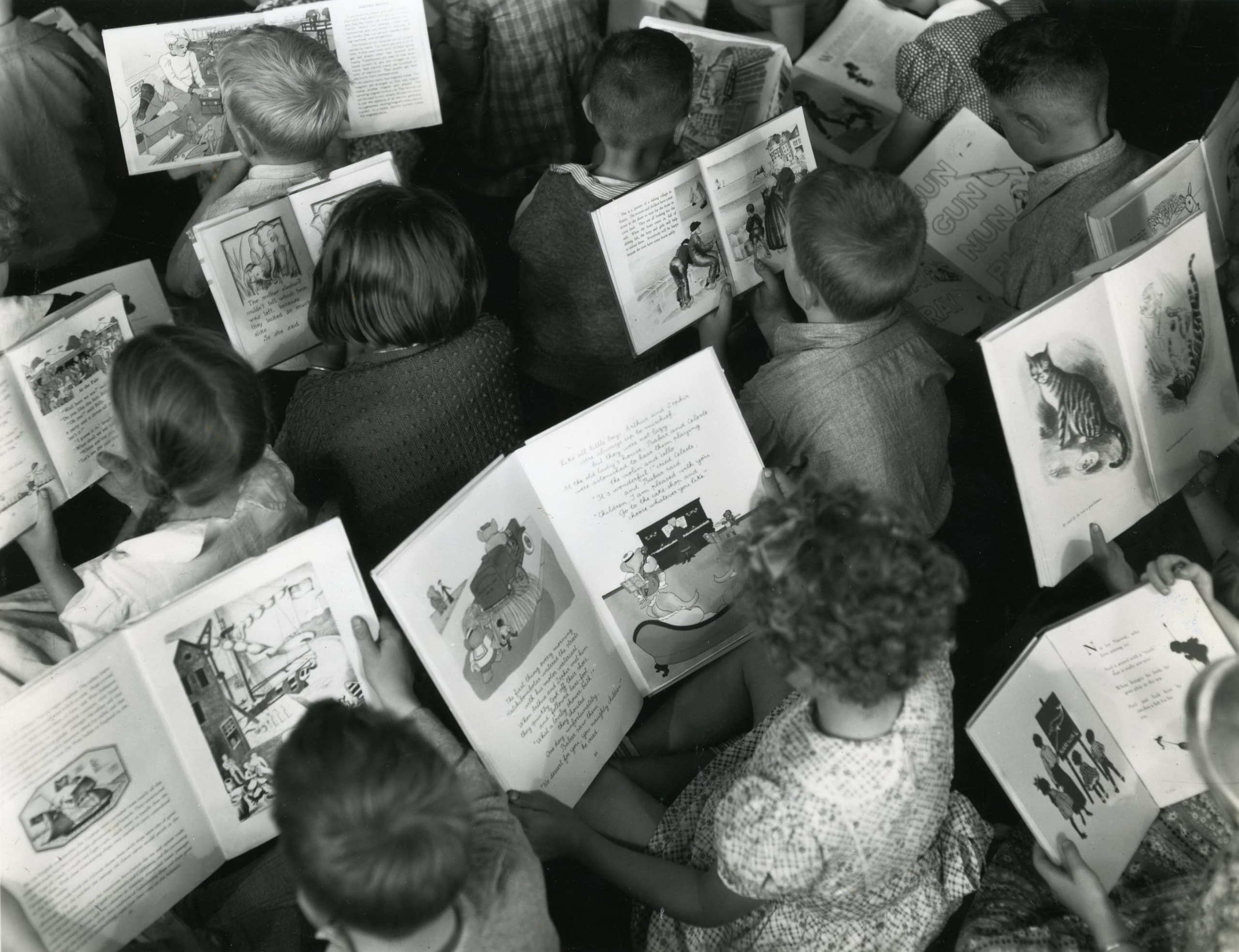
Being handed an expensive object that belongs to somebody else, with a maintenance obligation and an inspection attached, is a complete lesson in custodianship.
Nobody set out to teach that. The requirement existed to control a budget, and the by-product was that every child in the country spent twelve years looking after public property they had not chosen and would hand on, with a record of previous keepers pasted inside the front.
The Rule Was the Same in Every District
A child who moved found the same requirement waiting, because the underlying economics did not vary from one place to another.
That uniformity is worth noticing. The practice was never a policy handed down from anywhere – it appeared independently wherever books were issued rather than sold, which is what happens when thousands of separate institutions face an identical arithmetic problem and all arrive at the same cheap answer.
Then Books Got Cheaper and the Calculation Changed
Cheaper production, shorter curriculum cycles and consumable workbooks reduced the number of years a given book was expected to survive.
Once a book is expected to last three years rather than eight, the case for an annual covering ritual across an entire district weakens considerably – and a requirement that exists only on economic grounds disappears when the economics move.
Then the Bags Themselves Went Away
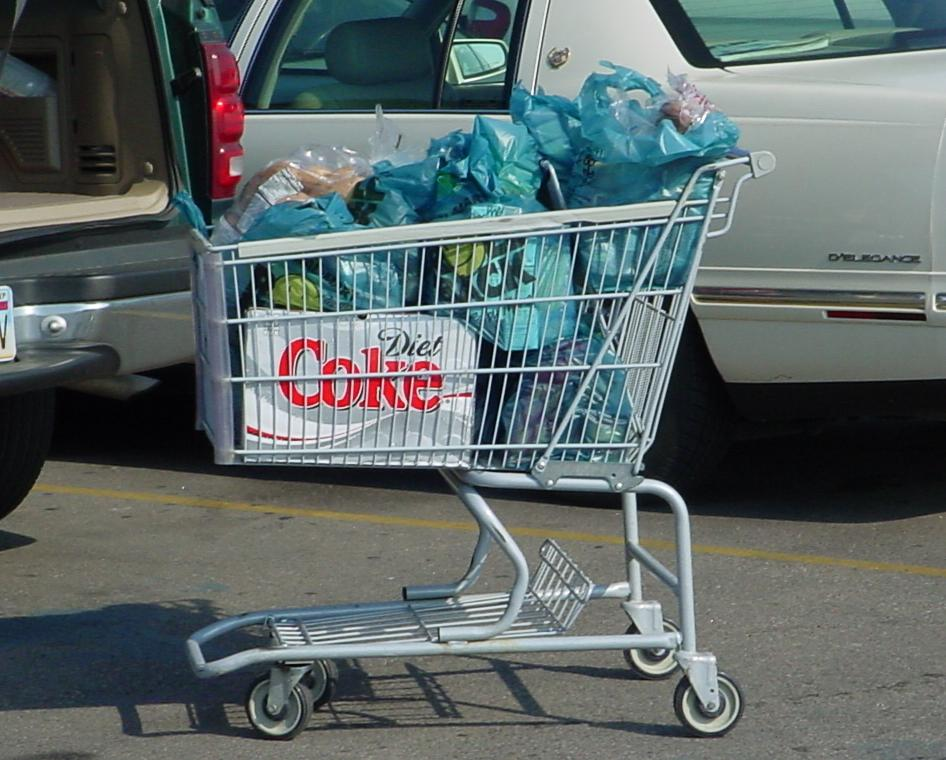
Paper grocery sacks were replaced by plastic, which removed the free material the practice depended on from every kitchen in the country.
This is the quiet structural end of it and it had nothing to do with schools at all. A household habit that runs on a by-product of the weekly shopping cannot survive the by-product being discontinued, and nobody folding a cover in 1966 would have predicted that was how it would end.
And the Books Went Onto a Screen
The honest conclusion is that the practice died with its premise rather than with anybody’s interest in it.
A covered textbook is the physical expression of a specific arrangement: an expensive shared object, issued and recovered annually, protected by a free disposable layer applied by the user, with the names of everybody who had it before written inside. Remove the shared physical object and every part of that disappears at once – the September evening at the table, the folded corners, the name on the front, the drawing you were allowed to make because the book itself could not be marked, and the list of six strangers who had sat where you were sitting.
Like our content? Follow us for more.