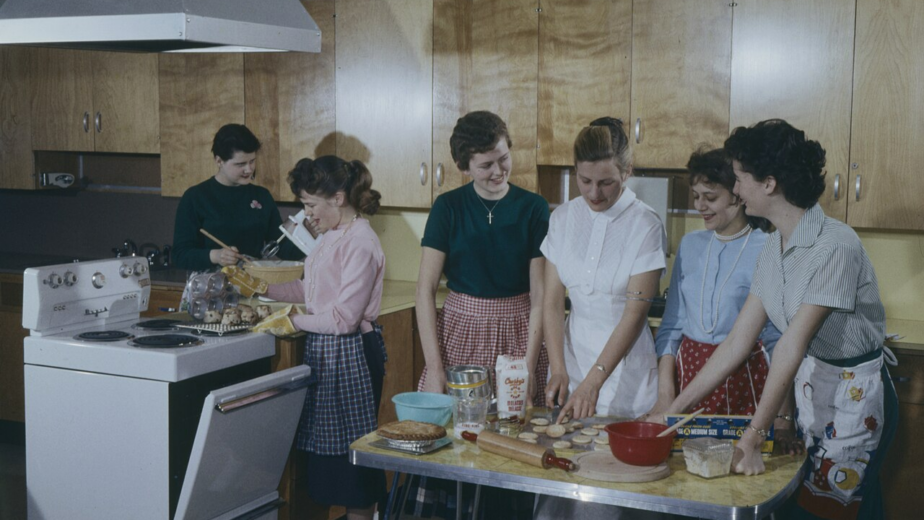
In 1966 this took most of an evening and happened at floor level on a layer of last Sunday’s newspaper. A design was argued over and drawn on first because a cut cannot be undone. An adult did every part of the work that involved a blade, and the children did the scooping, the separating and the deciding. At the end the room was darkened for about ten seconds to find out whether any of it had worked. Nothing about the object was skilled and nothing about it lasted. Here are fourteen things every American family did on the kitchen floor in October 1966, and why the version you can buy now is better in every way except one. The scooping took far longer than anybody expected, every year, without fail. The bowl was always too small. The lid never went back the way it came out until somebody in the household finally thought to cut a notch, which every family worked out independently and in a different decade. The whole evening ran on knowledge of that kind: things that could not be looked up anywhere, were never written down, and had to be rediscovered by each household on its own, usually after getting it wrong once. And the seeds were separated with enormous care by whichever child was small enough to be given a job requiring no skill, set aside with a stated intention, and found in a bowl somewhere three days later with nothing having been done about them at all.
1. It Happened on the Kitchen Floor With Newspaper Down
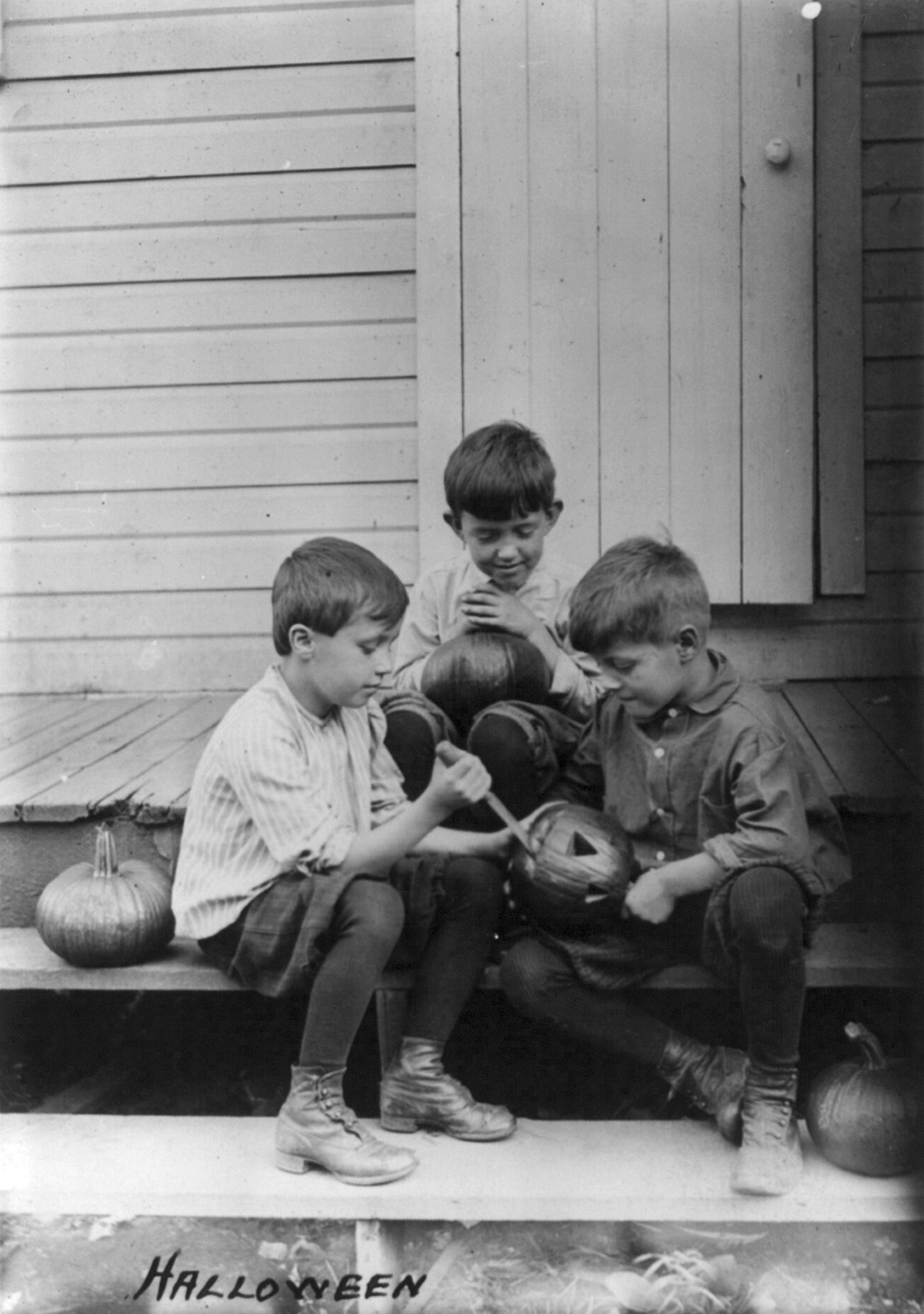
The whole operation was moved off any surface anybody cared about, and the preparation took longer than people remember.
The newspaper is the detail that fixes the scene. A household about to make a considerable mess in a confined space laid down whatever it had a surplus of, which in 1966 meant the previous Sunday’s paper, and the covering was extended twice as the work progressed.
The location mattered too. This was a kitchen job rather than a table job, done at floor level or on something that could be scrubbed, which put everybody involved on their knees for most of an evening.
Like our content? Follow us for more.
2. The Adults Did the Cutting and That Was Not Negotiable
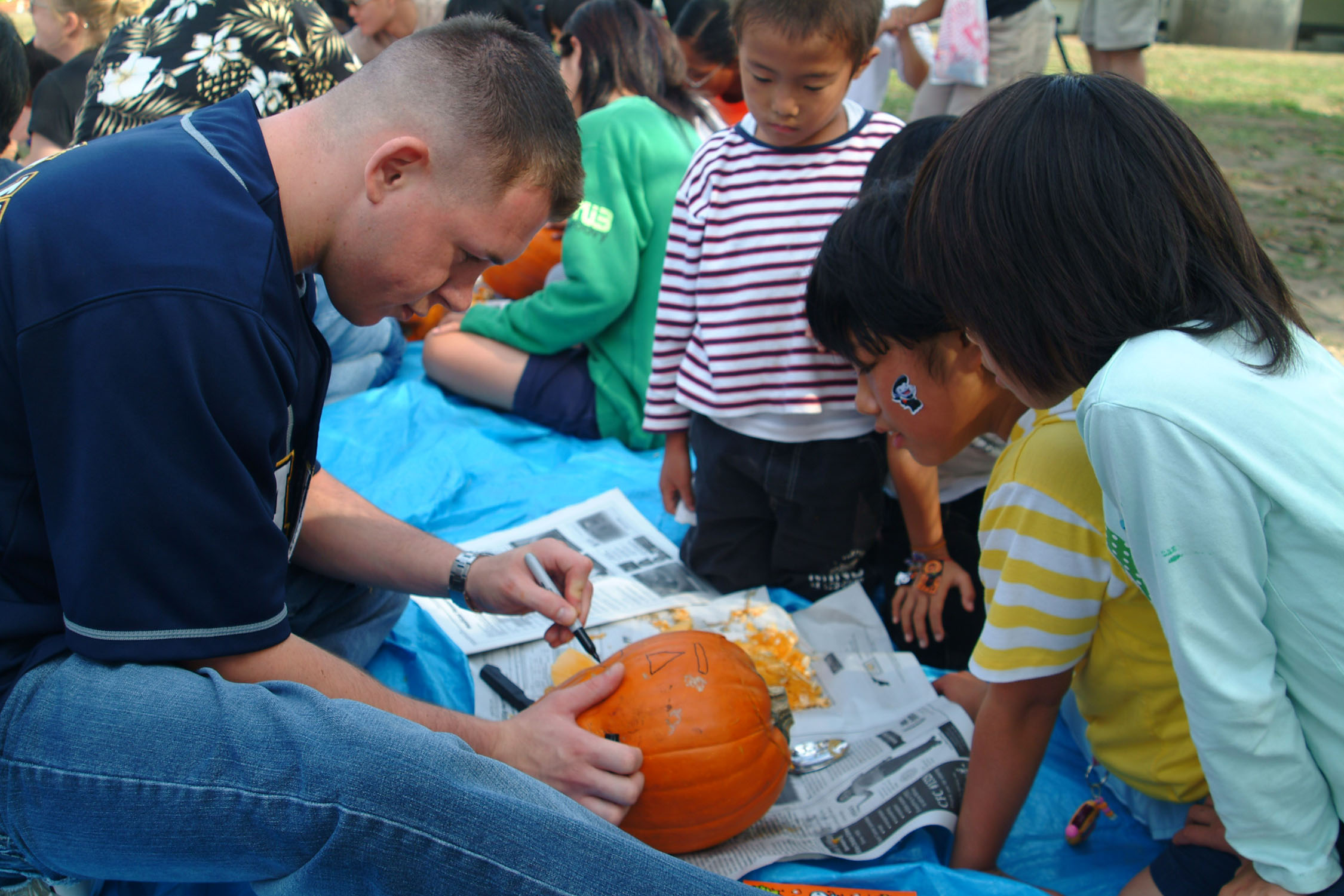
Children designed, children scooped and children decided – and an adult handled every part of the work that involved a blade.
The division was absolute in almost every household and it was never discussed. The task that required strength and care went to the person with both, and the parts a child could usefully do were handed over entirely.
Children did not usually mind. The scooping was more interesting than the cutting, took considerably longer, and was the part that actually made a mess – which is the part a seven-year-old wants.
3. The Lid Was Cut First and Immediately Became a Problem
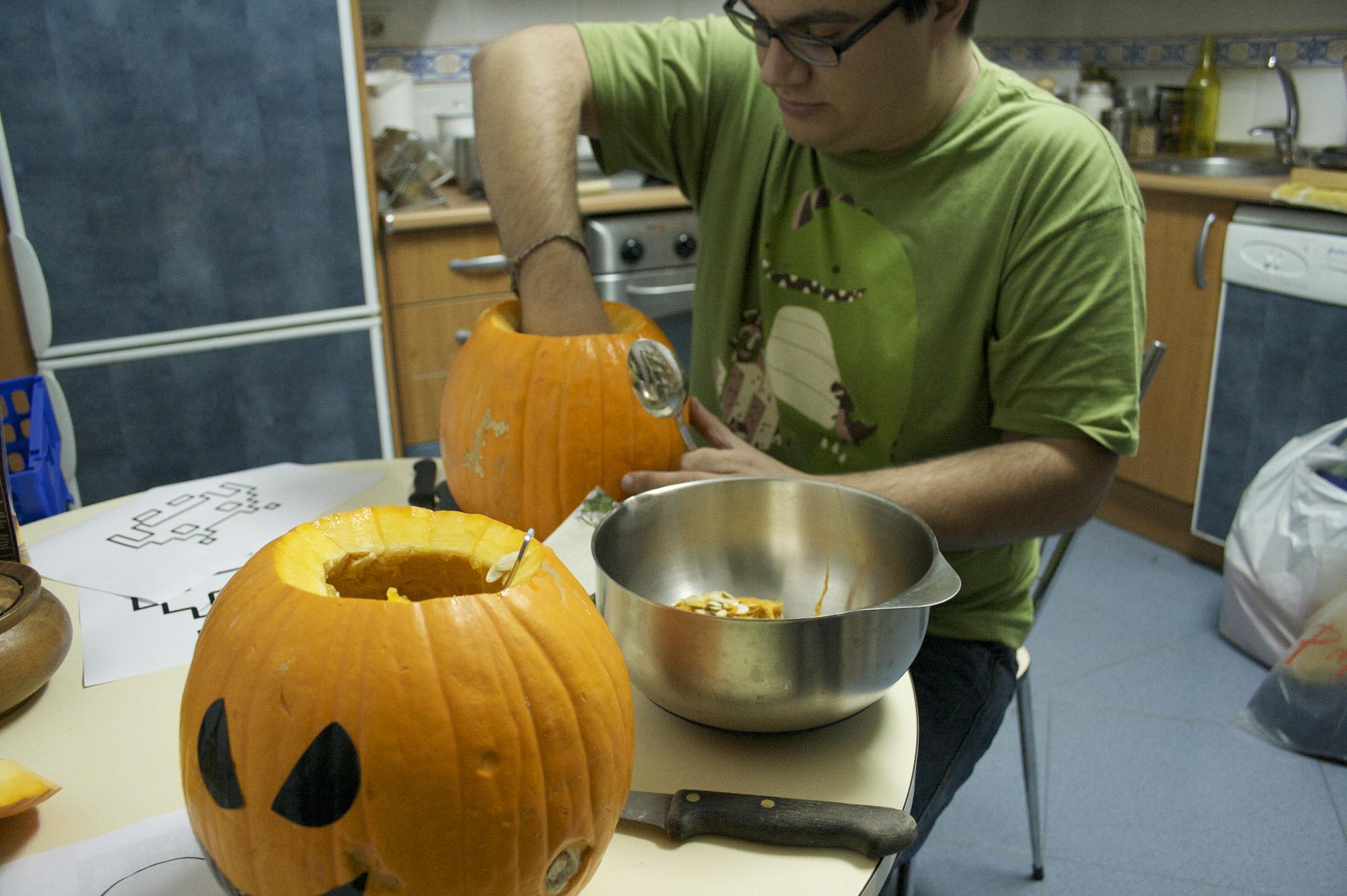
Removing the top created a piece that had to be kept, kept the right way round and eventually put back.
The reassembly problem was universal. A lid cut cleanly fits in only one orientation, nobody marked it, and a considerable amount of every evening was spent turning a piece of vegetable round and round trying to find the position it came out of.
Households eventually worked out the solution independently. A notch, a mark or a deliberately irregular cut solves it permanently, and almost every family discovered this the hard way in a different year.
4. Scooping Was the Longest Part by Far
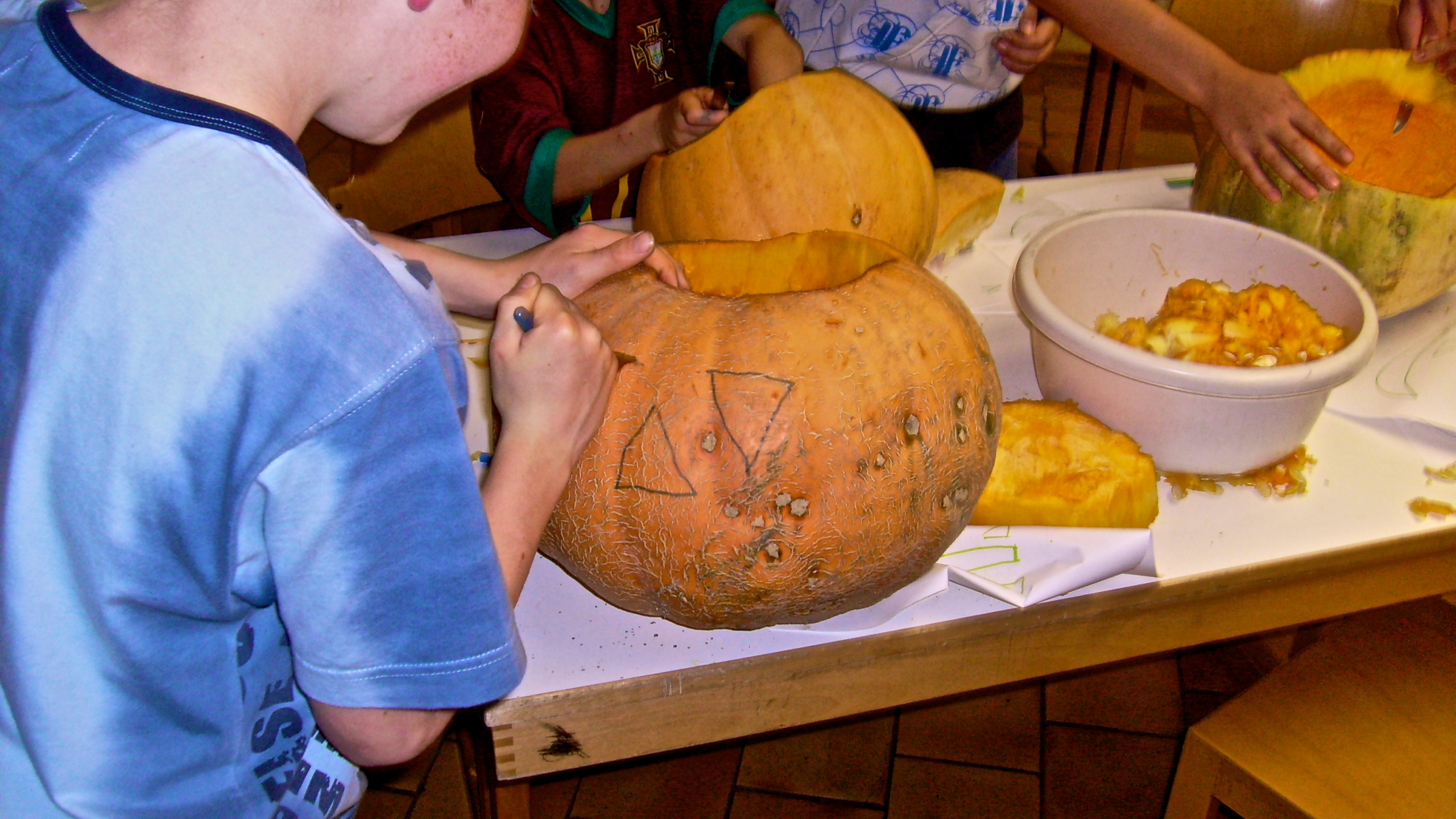
The inside had to come out completely, and it took considerably longer than anybody anticipated every single time.
The volume is always underestimated. A hollow object that looks modest from outside produces a surprising quantity of material, and the bowl it went into was invariably too small and had to be replaced mid-operation.
Children’s enthusiasm lasted about ten minutes. The novelty of putting both hands inside something cold and unpleasant wears off quickly, and the finishing was almost always done by whichever adult had started the evening supervising.
5. The Seeds Were Always Separated and Usually Forgotten
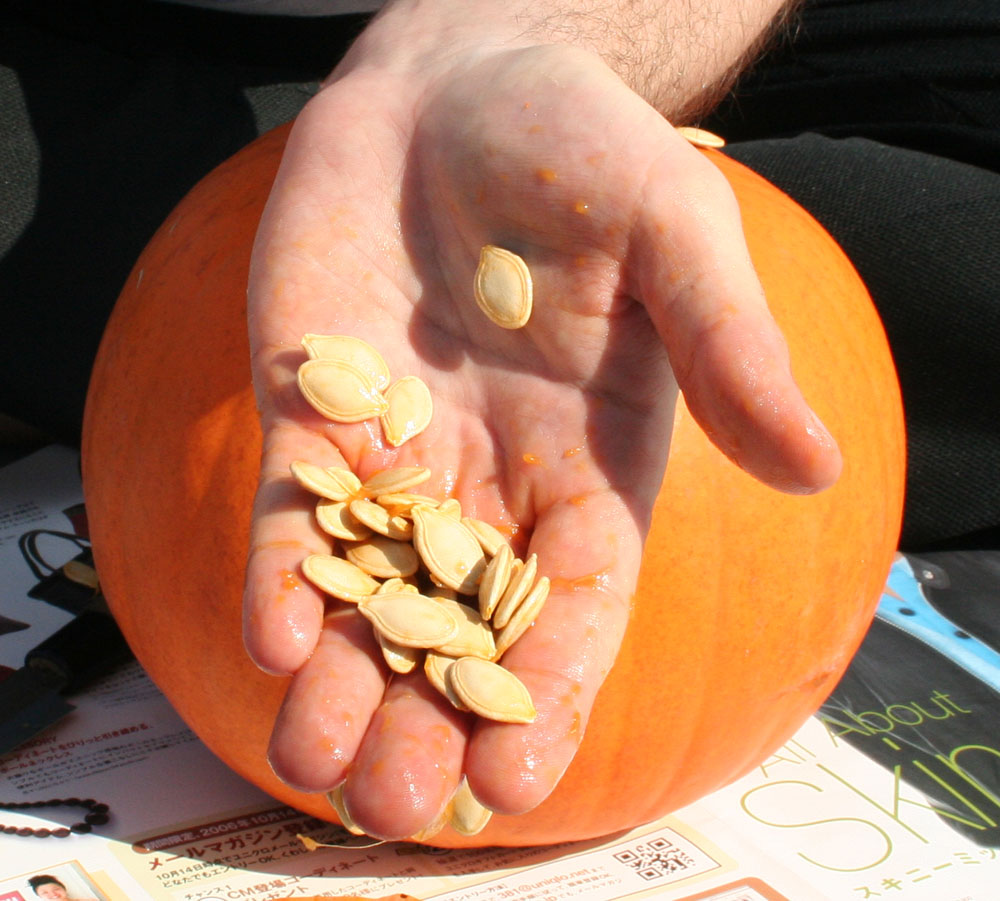
They were picked out, set aside with an intention attached, and in most households nothing further happened.
The gap between intention and outcome is comic and completely consistent. Every family planned to do something with them, a minority actually did, and the rest found a bowl of them somewhere three days later.
The separating itself was a job for a small child. It requires no skill, no tools and no judgement, takes a long time and keeps somebody occupied while the real work proceeds, which is exactly why it was delegated.
6. The Design Was Argued Over and Drawn On First
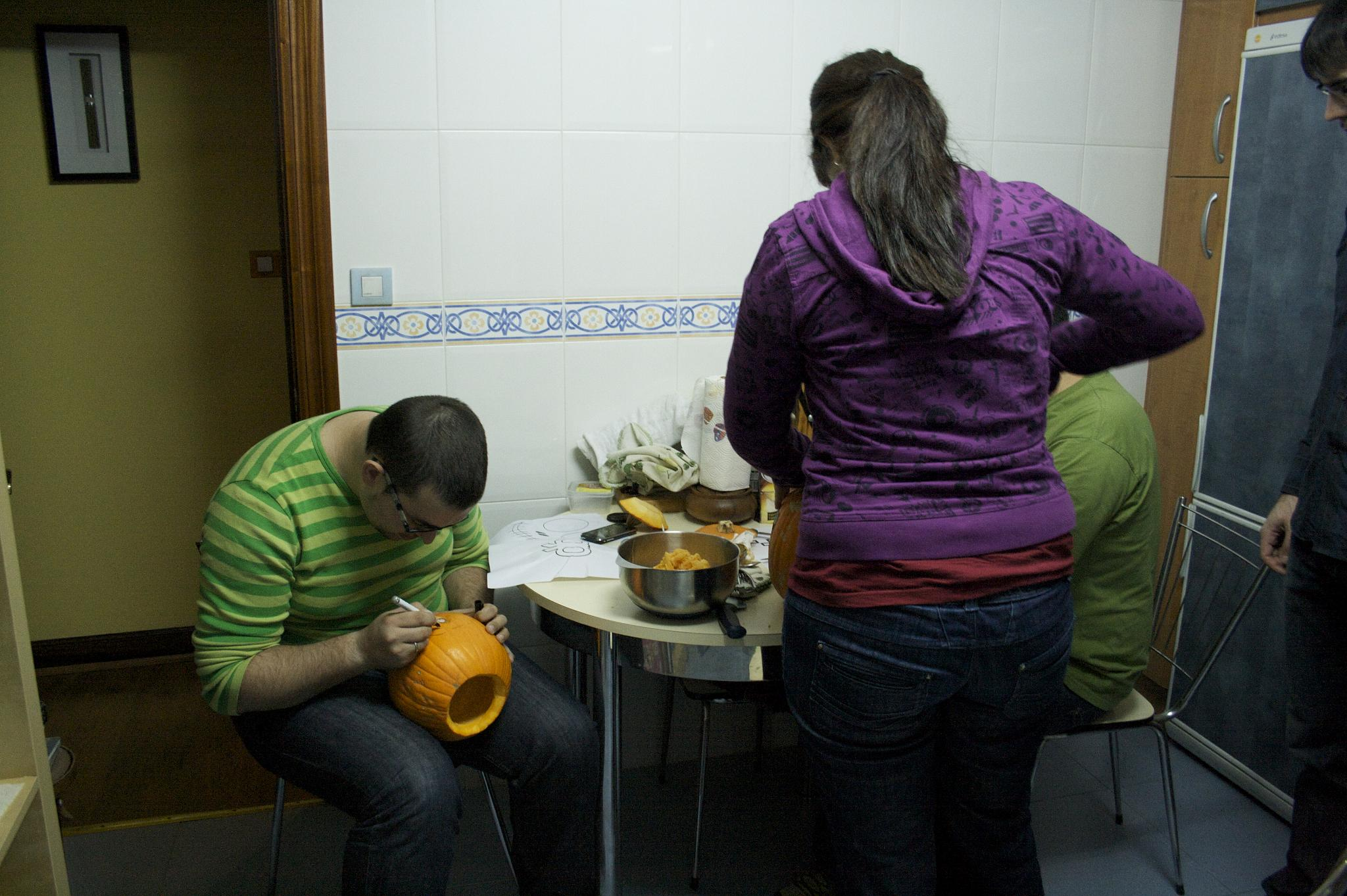
A face was discussed, drawn on the outside in pen or pencil and revised before anything was cut.
The planning stage was taken seriously by everybody. A cut cannot be undone, which focuses the mind considerably, and the drawing was debated with a rigour the final result did not always justify.
Children’s designs were ambitious and adults’ were achievable. The negotiation between what a child had drawn and what an adult was prepared to attempt is the central conflict of the whole evening, and the result was almost always a compromise neither side chose.
7. Simple Always Looked Better and Nobody Believed It

A few large shapes read clearly from across a street and a complicated design read as nothing at all.
The lesson was relearned annually. Fine detail disappears entirely at any distance, and the designs that worked were the crude ones, which is the opposite of what anybody’s instinct suggests while they are drawing it.
It is also why the classic face persists. A handful of simple shapes is not a failure of imagination; it is the design that actually functions, arrived at independently by millions of people who tried something more elaborate first.
8. The Candle Went In and the Smell Changed Everything

A lit candle inside a hollow vegetable produces a very specific smell within about ten minutes.
The smell is the single most frequently reported memory of the whole business, and it is the part that cannot be described to anybody who has not encountered it. It is the combination that does it – the burning, the warming vegetable and the enclosed space.
It also meant the thing cooked slowly from the inside. The lid got hot, the top darkened, and a pumpkin left lit for several evenings running was visibly deteriorating by the end of the week.
9. Lighting It Was the Moment Everything Was Judged

The design could not be assessed until it was lit, and the lighting was the only point at which anybody found out whether it had worked.
The deferral of judgement is what made the evening suspenseful. Everything up to that point was speculative, the room was darkened for the reveal, and the verdict was delivered by whether anybody made a noise.
Failures were common and taken well. A face that did not read, a cut that had gone wrong or a nose that had fallen out entirely were all perfectly ordinary outcomes, and the thing was displayed regardless.
10. It Went in the Window Rather Than Outside

A great many households kept it indoors, facing out, where it could be seen but not reached.
The placement was practical as much as decorative. A lit object left unattended outdoors is at the mercy of weather and of anybody passing, while a window keeps it visible, keeps it dry and keeps it where somebody can see it.
The window also lit the room. A household with a lit pumpkin in the front window had a second light source in an otherwise ordinary evening, and children sat in the dark looking at it from the inside as much as anybody looked at it from the street.
11. It Did Not Last and Everybody Knew the Schedule
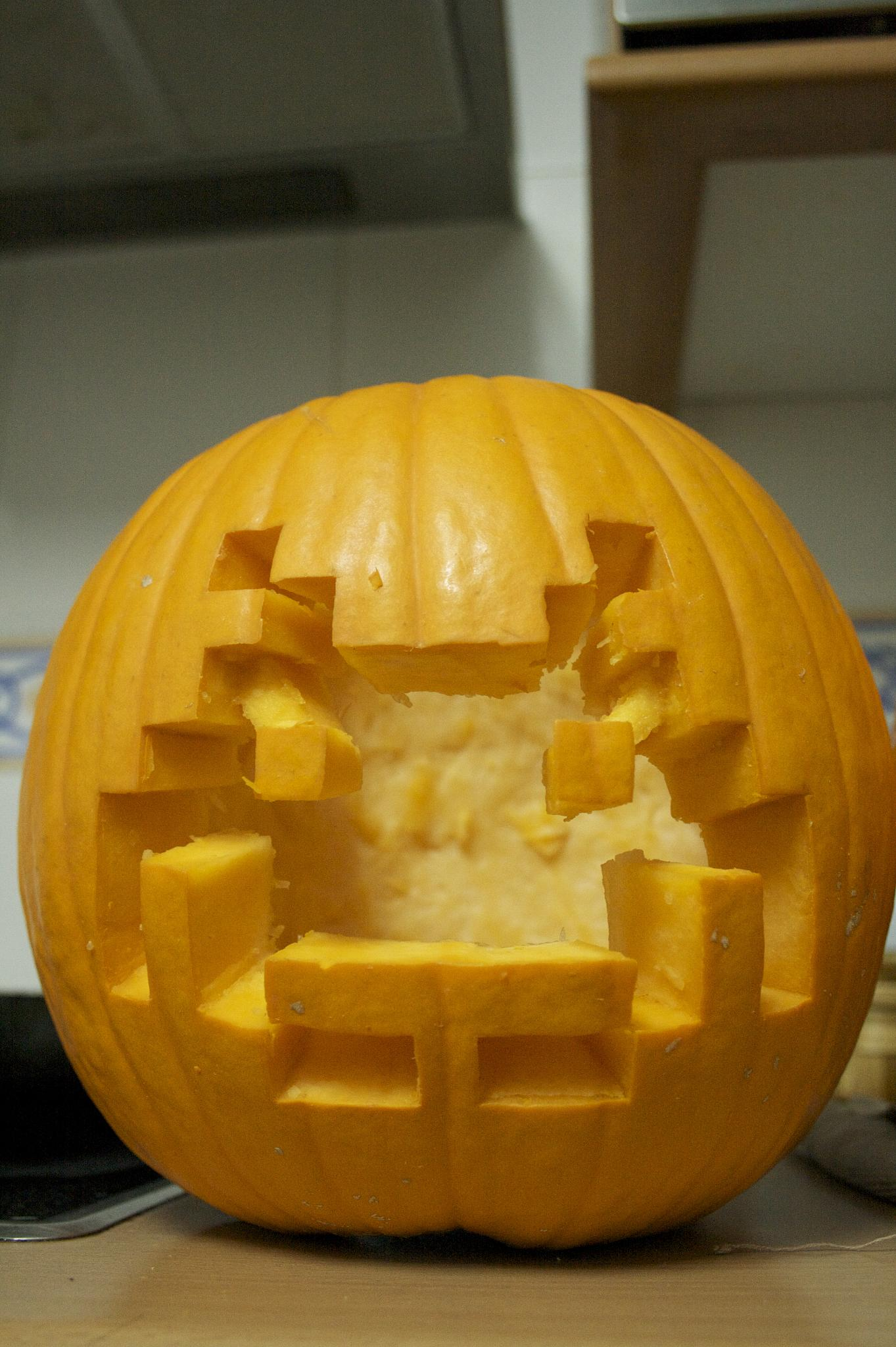
A carved pumpkin has a working life of a few days, and households timed the whole exercise accordingly.
The deadline shaped the planning. Carving too early meant a collapsed object on the night that mattered, which is why the evening was fixed to a particular point in the week rather than done whenever anybody felt like it.
The decline was visible daily. A cut edge softens, then darkens, then gives way, and children watched a thing they had made come apart over the course of about five days.
12. The Disposal Was Its Own Small Event

At the end it went on a heap, to an animal or into the ground, and the question of a bin rarely arose.
The circularity was unremarkable at the time. A household with a garden had an obvious destination for several pounds of vegetable matter, and it required no thought from anybody.
Children frequently objected. Something made deliberately, displayed for a week and then thrown away is a difficult sequence for a six-year-old, and a surprising number of people remember minding about it.
13. Every Household Did It Slightly Differently

The night it happened, who cut, what went in it, where it stood and what happened to it afterwards varied enormously between families.
The variation is the part nobody noticed at the time. Each household assumed its own version was simply how it was done, and children only discovered otherwise by comparing accounts at school the following day.
The comparison was taken seriously. A child who learned that another family carved two, or did it on a different night, or kept theirs outdoors, had encountered a genuine difference in how the world could be arranged.
14. Then It Became a Thing You Could Buy Already Done

Printed, moulded, battery-lit and pre-cut versions removed the work, the mess, the blade and the evening.
The substitutes are better by every practical measure. They do not rot, they do not need an adult with a knife, they do not require an hour on a kitchen floor and they can go up three weeks early without consequence.
What went was the evening on the floor. Newspaper down, a design argued over and compromised on, a small child separating seeds nobody would use, an adult doing the cutting, and a room darkened for ten seconds to find out whether any of it had worked.
What the Evening Was Actually For

Read in order, the fourteen describe something whose entire value was in the doing rather than the result. The finished object lasted five days, visibly deteriorated from the first evening, was crude by necessity and ended up on a heap in the garden. Nothing about it was durable and nothing about it was skilled. What the evening produced instead was an hour of a household on a kitchen floor with a shared problem: a design that had to be agreed between a child who had drawn something impossible and an adult who had to execute it, a job split so that everybody had a piece of it, and a verdict at the end that nobody could predict. The lesson that simple shapes read and complicated ones do not was relearned by every family annually, independently, after trying something elaborate first – which is as good a description of how most practical knowledge actually travelled as anything in this archive. The schedule is the other half of it and it is the part people forget. A carved pumpkin has a working life of about five days: the cut edges soften, then darken, then give way, and a lit one deteriorates faster because it is slowly cooking itself from the inside. That meant the evening could not be moved. Carve too early and the thing had collapsed by the night it was meant for; leave it too late and there was no evening left to do it in. Every household in the country was timing a craft project against the decay rate of a vegetable, and nobody thought that was an unusual way to organise a week.
Nothing about the replacements is worse. A moulded version does not rot, does not require an adult with a blade, does not need an hour of kneeling on newspaper and can be put up three weeks early with no consequence at all. Judged as an object, it wins outright. What it cannot reproduce is the evening that produced the original: the newspaper extended twice, the lid that would not go back the right way round, the small child separating seeds nobody was ever going to use, the compromise design neither party had wanted, and the ten seconds in a dark kitchen before anybody knew whether it had worked. And the heap at the end of the garden, which a surprising number of people remember minding about a good deal more than they expected to.
Like our content? Follow us for more.