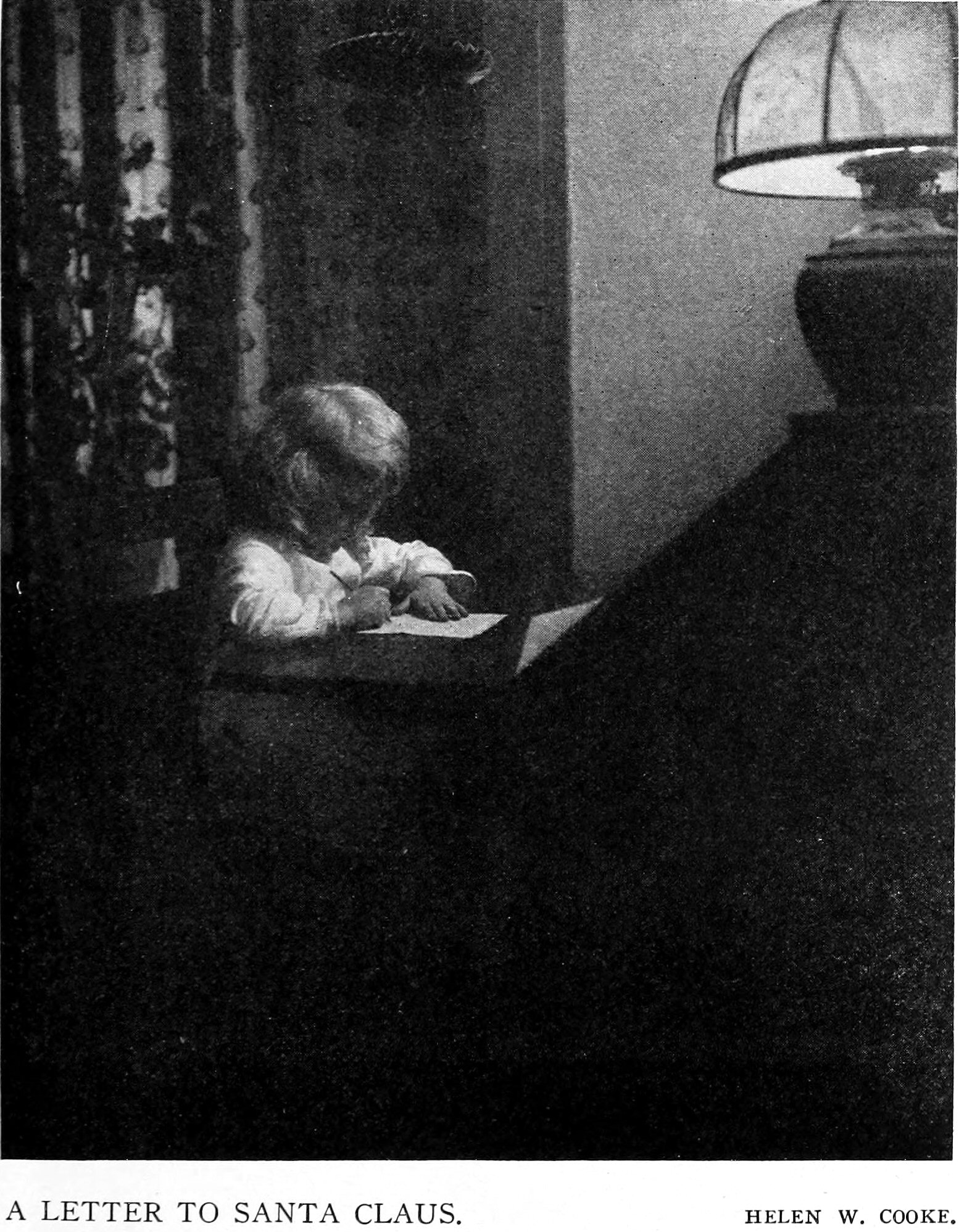
In 1962 this was the only letter most children wrote all year, and it took an entire evening. There were drafts. An adult sat alongside correcting the spelling and quietly steering the contents. The list was shortened by negotiation that nobody described as negotiation, something was almost always requested on behalf of somebody else, and the finished document was walked to a box in the dark by a child who had to be lifted up to reach the slot. Here are fifteen things every American family did at the kitchen table in December 1962, and what the exercise was actually settling. Almost none of it was spontaneous. There was a deadline, and it was enforced. There was a correct form, and an adult supplied it. There were several drafts, and the discarded ones were discarded for reasons somebody explained. And at the end there was an envelope that had to be got into a box by a particular date, which is a surprising amount of process to attach to a document written by a six-year-old about what they would like. Every part of that process was there because the adults in the house needed the information, in writing, by a point in the calendar early enough to be useful.
1. It Was the Only Letter Most Children Wrote All Year
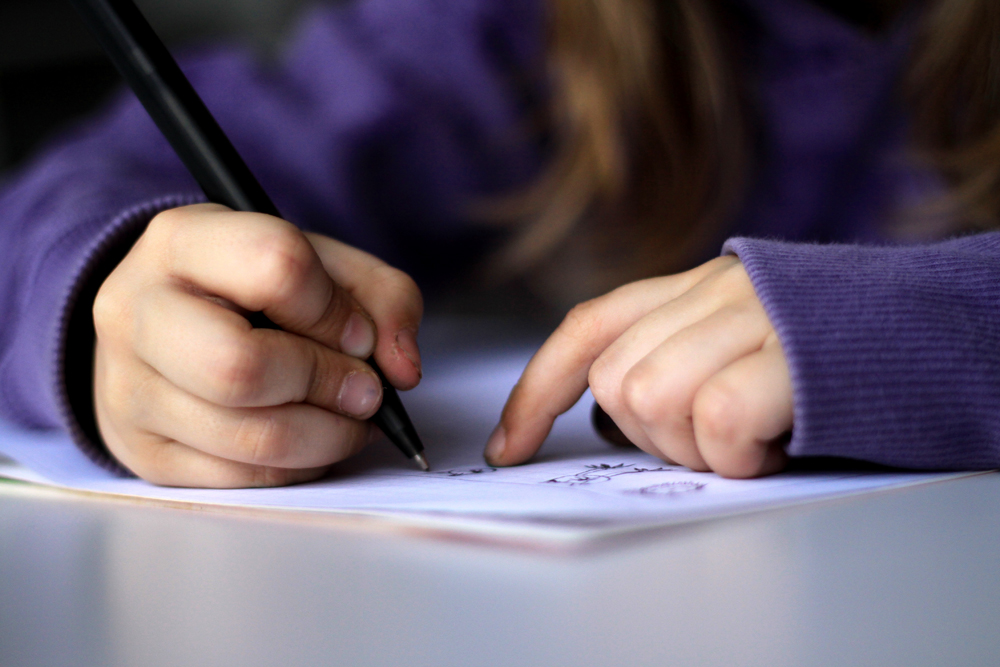
Children did not correspond with anybody, which made this one a genuinely unusual act rather than a seasonal version of something ordinary.
The rarity is what made it an event. A child who has never addressed an envelope, never composed anything for a reader and never posted anything is being asked to do all three at once, which is why the production took an entire evening rather than ten minutes.
It also meant there was no established standard to work to. Nobody had a template, every household did it differently, and a child’s entire sense of what a letter should look like came from whatever an adult told them at the table that night.
2. The Date It Had to Be Written By Was Firm

There was a deadline, it was enforced by the household, and missing it was treated as a serious practical problem.
The urgency served an obvious purpose. A request made too late cannot be acted upon, and the adults in the house had an entirely practical reason to want the information in hand by a particular point in the calendar.
Children experienced the deadline as external. It appeared to come from somewhere beyond the household entirely, which gave it a weight that no ordinary domestic instruction carried.
3. Drafting Happened and Was Taken Seriously
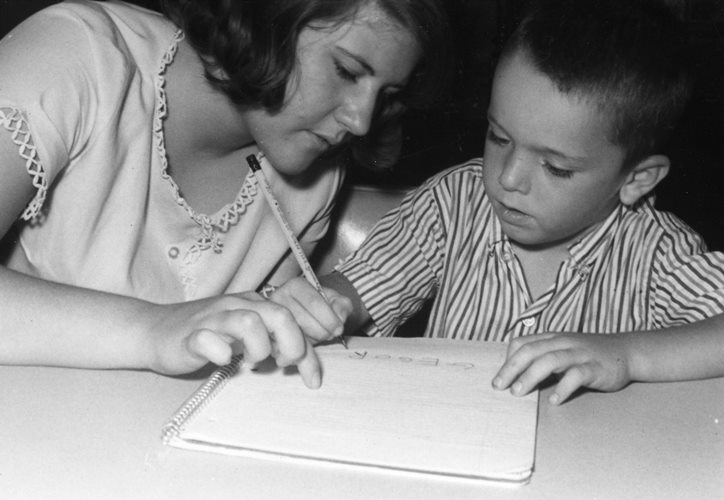
The first attempt was almost never the one that went, and several versions were produced and discarded.
The redrafting is the part that makes it a genuine piece of writing practice. A child revising a text because the first version was untidy, badly spelled or said the wrong thing is editing, and almost nothing else in their year asked them to do it.
Adults intervened constantly. The handwriting was corrected, the spelling was corrected and the contents were adjusted, which means the final document was a collaboration presented as the work of one person.
4. The List Had to Be Pruned and Everybody Knew It
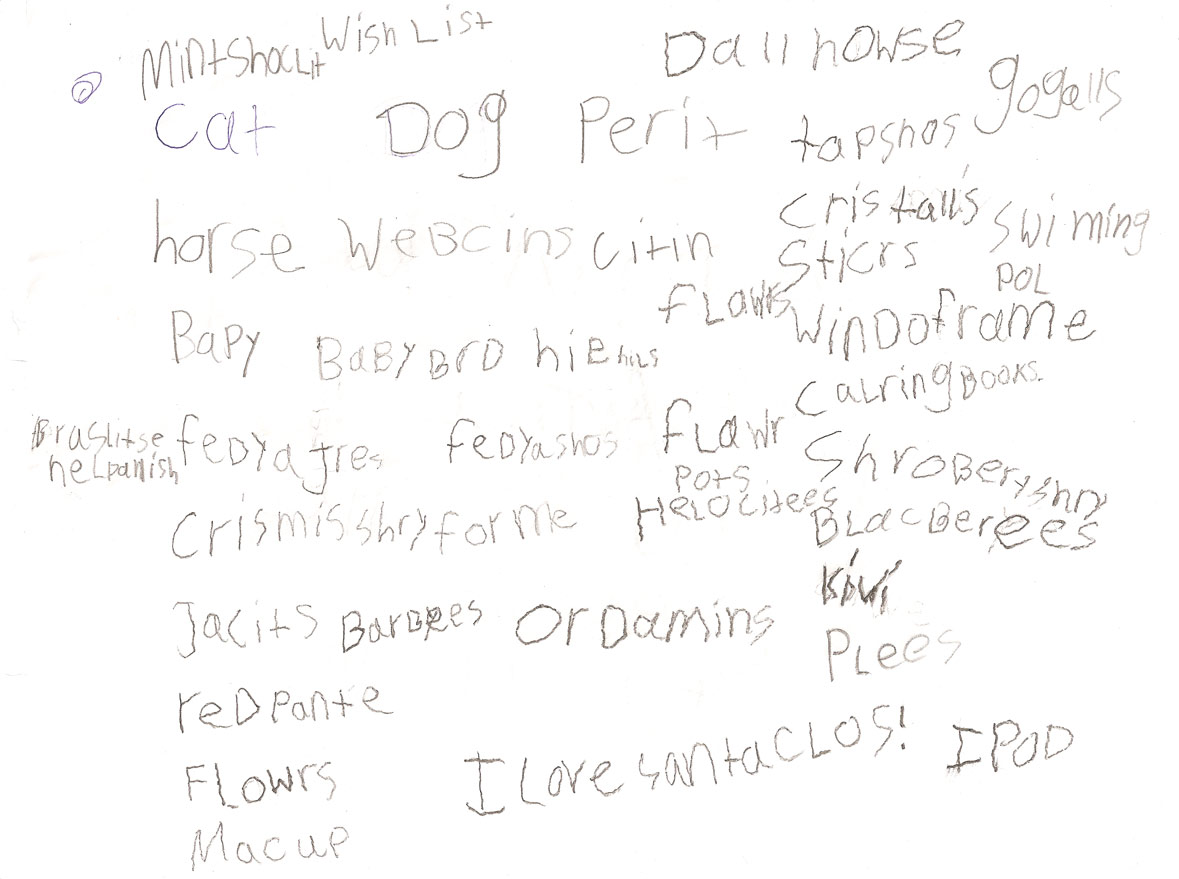
A first draft containing everything a child could think of was reduced, by negotiation, to something considerably shorter.
The editing was conducted with enormous delicacy and is the most interesting adult behaviour in the whole business. A parent steering a list downwards has to do so without explaining why, which requires suggesting that certain things are unlikely rather than unavailable.
Children learned to read the signals. A request met with a long pause or a change of subject had been declined, and a child who had done this two or three times understood the system well enough to adjust the list themselves.
5. Being Good Was Always Mentioned
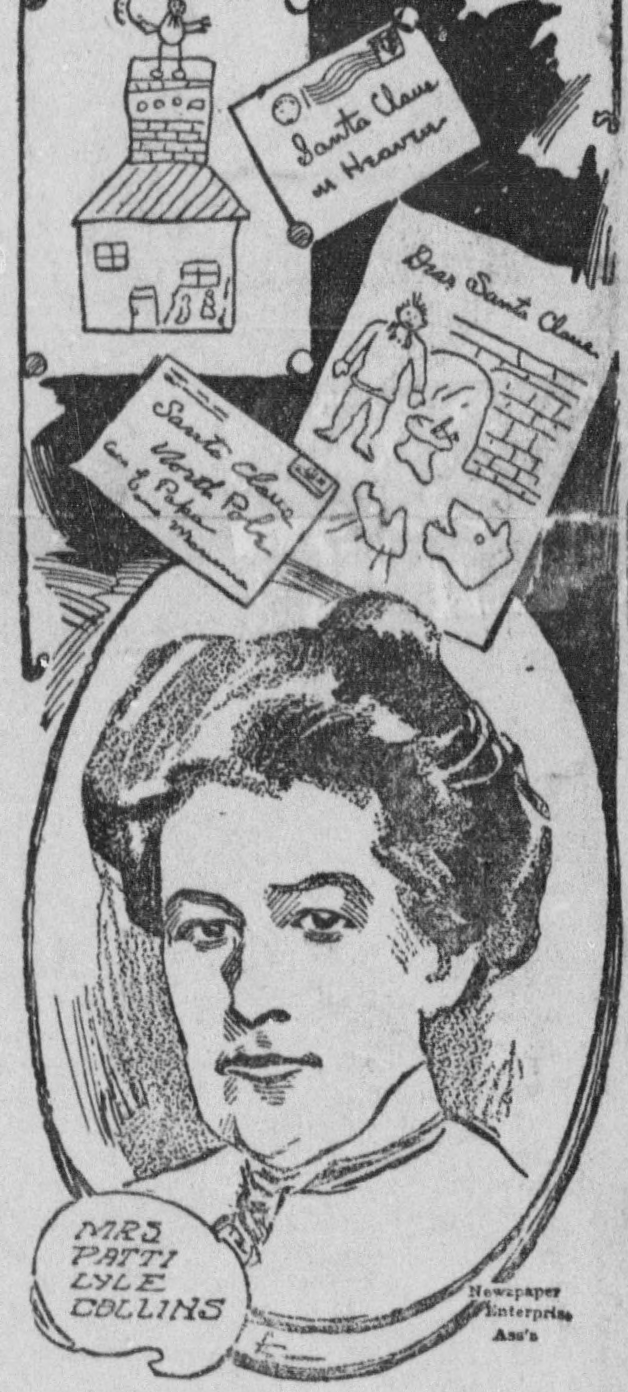
Every letter contained some reference to the writer’s conduct over the preceding year, usually generous in its own assessment.
The convention was universal and faintly ridiculous. A document in which the applicant assesses their own eligibility is not a reliable instrument, and nobody at any point in the process treated it as one.
The self-assessments were also revealing. A child listing their own good behaviour tends to name the things they have been told off about most often, which means the letters frequently functioned as an inadvertent confession.
6. Something Was Always Asked For on Somebody Else’s Behalf
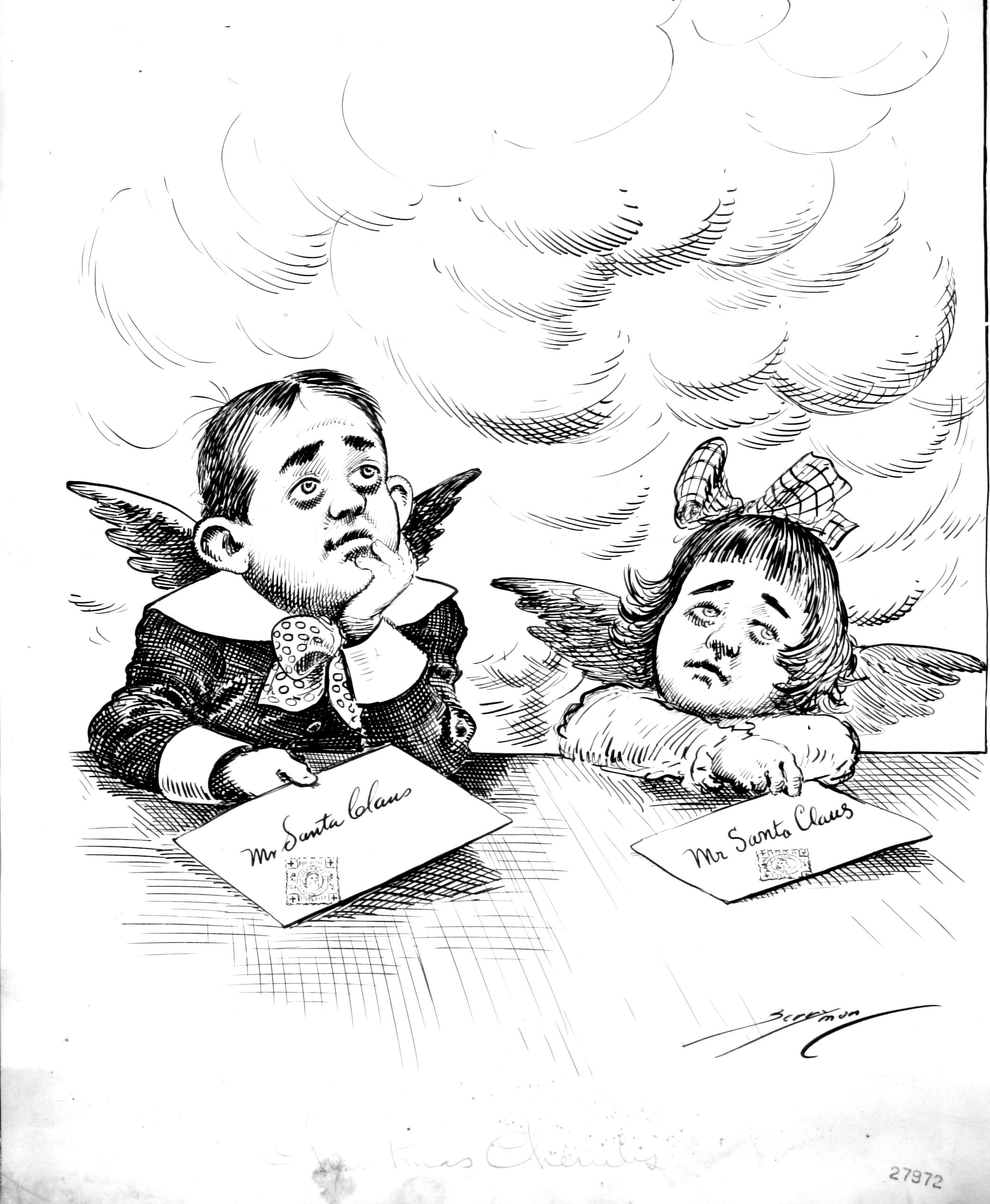
Requests for a sibling, a parent or a grandparent appeared in a remarkable proportion of letters.
The inclusion was entirely spontaneous and nobody prompted it. Children writing a letter whose premise is that requests get granted will routinely spend some of their own limited allocation on somebody else, which is a more generous instinct than adults generally expect.
Parents kept those letters. The ones that survive in drawers are disproportionately the ones in which a child asked for something for their mother, which says a good deal about which part of the exercise the adults valued.
7. The Posting Was a Ceremony in Itself
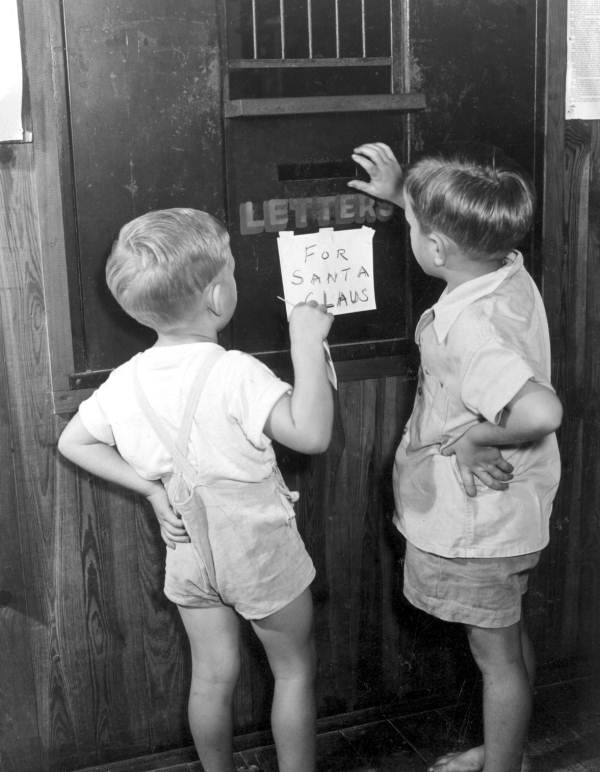
Getting the letter into a box was a dedicated trip, frequently made on foot and specifically for that purpose.
The journey mattered as much as the document. A child who has written something and then personally posted it has completed a transaction, and the walk to the box was conducted with a seriousness that the letter itself did not always deserve.
Being lifted to the slot is one of the most widely shared memories in this entire subject. A box designed for adults requires a small child to be held up to it, and the moment of letting go of the envelope is remembered by people who remember nothing else about the year.
8. Some Letters Did Not Go in a Box at All
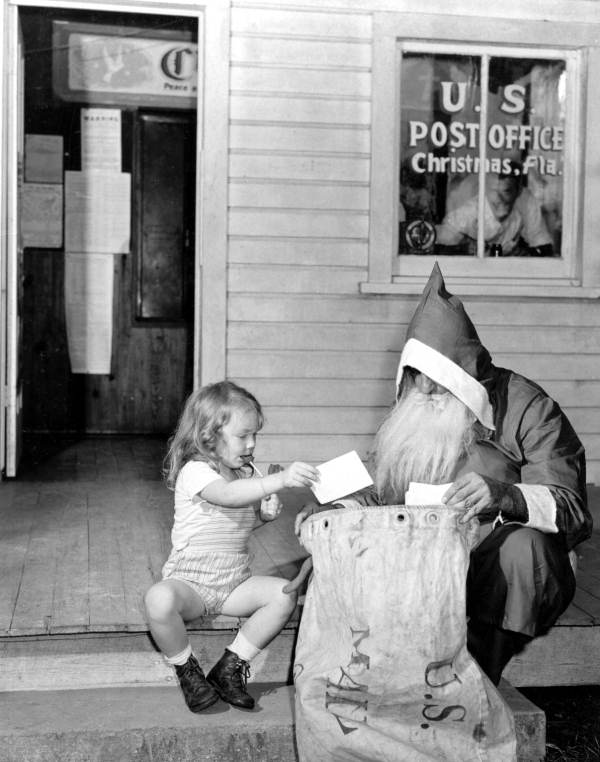
Households had their own methods of dispatch, which varied enormously and were explained to children with complete confidence.
The variation is one of the clearest examples of families inventing tradition independently. Every household had a method, every method was described as the correct one, and children only discovered the alternatives by discussing it at school.
The discovery caused genuine confusion. A child who had been assured that their household’s method was how it worked, and then met four children with four different methods, had encountered a problem they were not equipped to resolve.
9. The Address Was Deliberately Vague
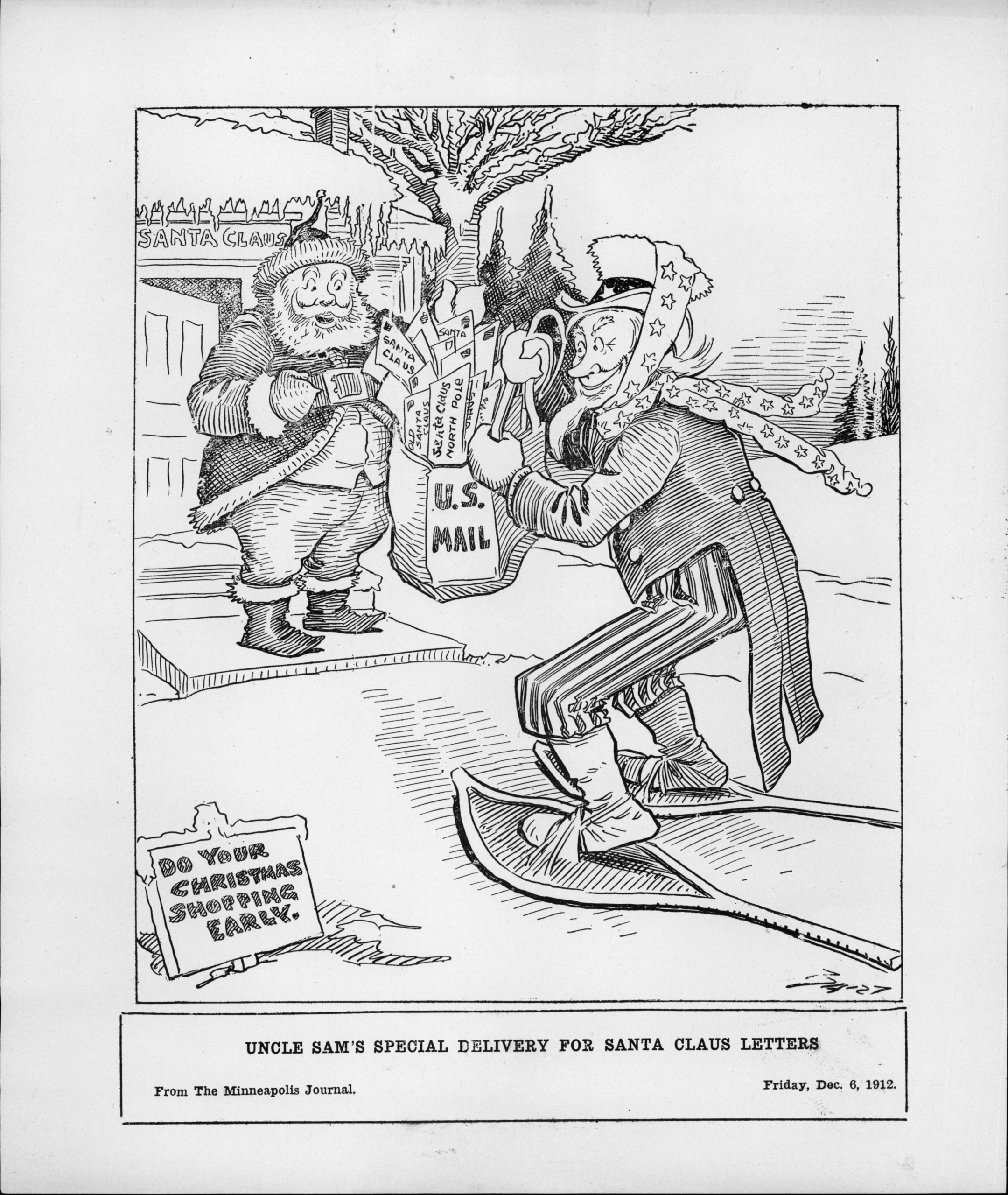
Nowhere specific was ever named, and the vagueness was maintained consistently by adults who had clearly thought about it.
The imprecision was doing careful work. A destination that cannot be checked cannot be disproved, and the convention of keeping it unspecified was maintained by households, schools and almost everybody else without any coordination at all.
Children accepted it entirely. A seven-year-old who would interrogate any other geographical claim did not interrogate this one, which suggests they understood more about what was going on than they let on.
10. Replies Sometimes Arrived and Were Enormous
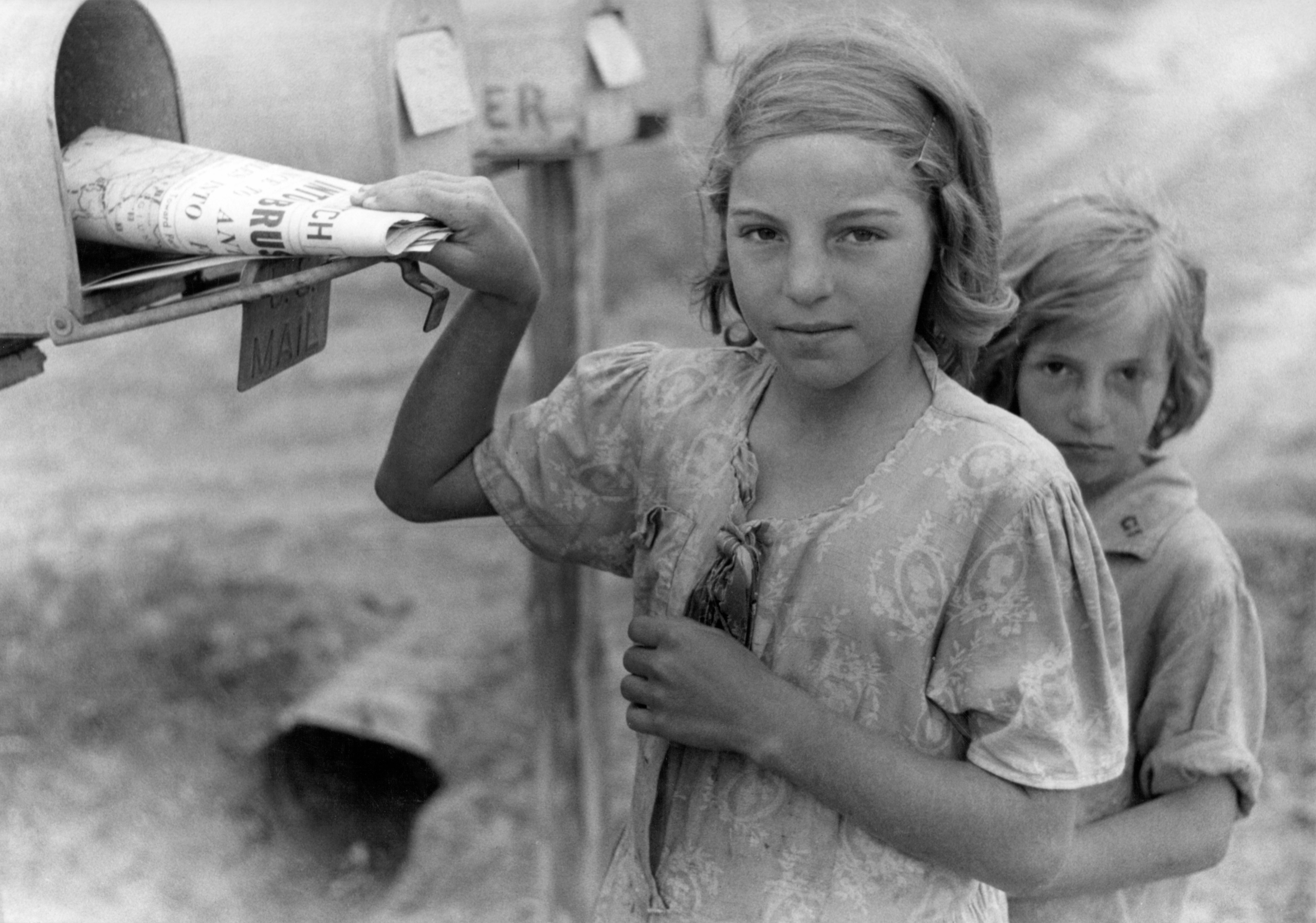
A letter coming back to a child, addressed to them, was an event of a completely different magnitude from the one going out.
The effect was out of all proportion to the content. A child who has never received post at all, receiving something addressed to them specifically, is having an experience that has very little to do with what the letter says.
The handwriting was studied forensically. Children examined these replies with a great deal more attention than anybody writing them anticipated, and a surprising number of them reached conclusions they decided not to mention.
11. Schools Ran Their Own Version
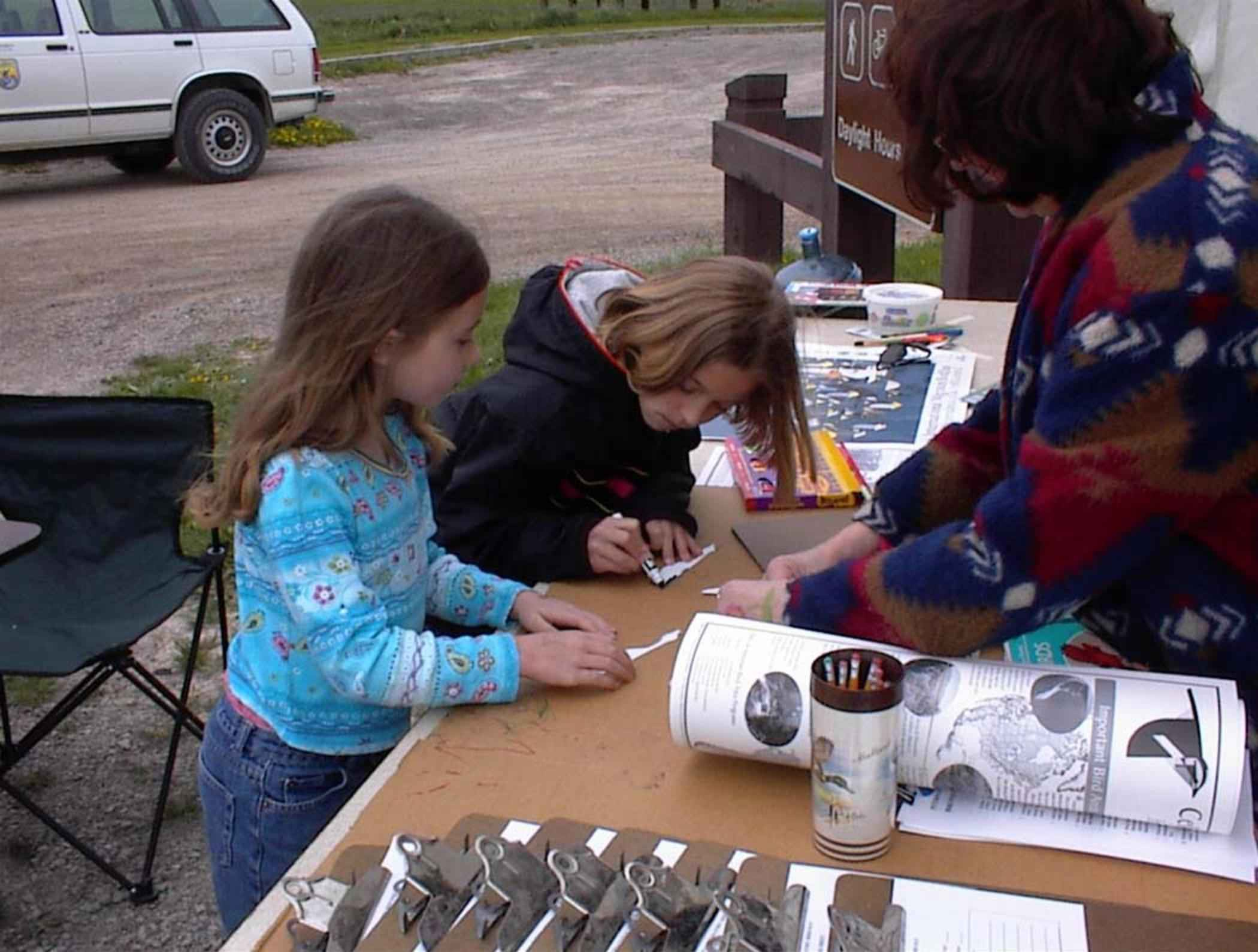
Classes wrote them as an exercise, which turned a household practice into a piece of curriculum.
The institutional version had different purposes. A teacher using the letters as a writing exercise is after handwriting, structure and spelling, and the content was in a sense beside the point – which is the reverse of how the home version worked.
It also created an awkwardness. Children in a class did not all approach the subject from the same position, and a sensible teacher handled the whole exercise with a certain amount of care about what was said out loud.
12. The Letters Were Almost Always Kept
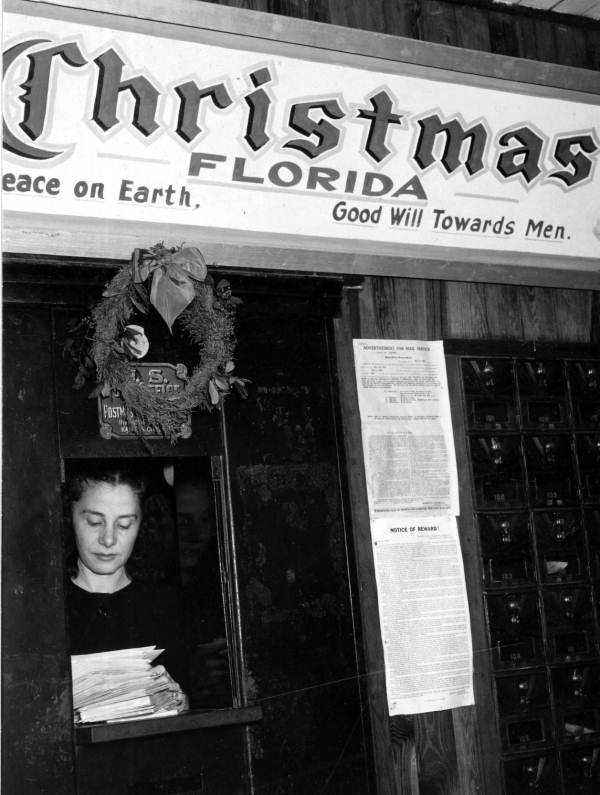
Parents retained them, frequently for decades, in drawers, boxes and the backs of books.
The retention rate is extraordinarily high for a document nobody intended to preserve. A letter written by a six-year-old and nominally addressed elsewhere ended up in a drawer in an enormous proportion of households, which tells you what the adults thought they were receiving.
They are consequently the best surviving record of children’s handwriting. Very little else a child wrote was kept at all, and these fragments are frequently the only example of a particular person’s writing at a particular age that exists anywhere.
13. Older Children Kept Writing Them Anyway
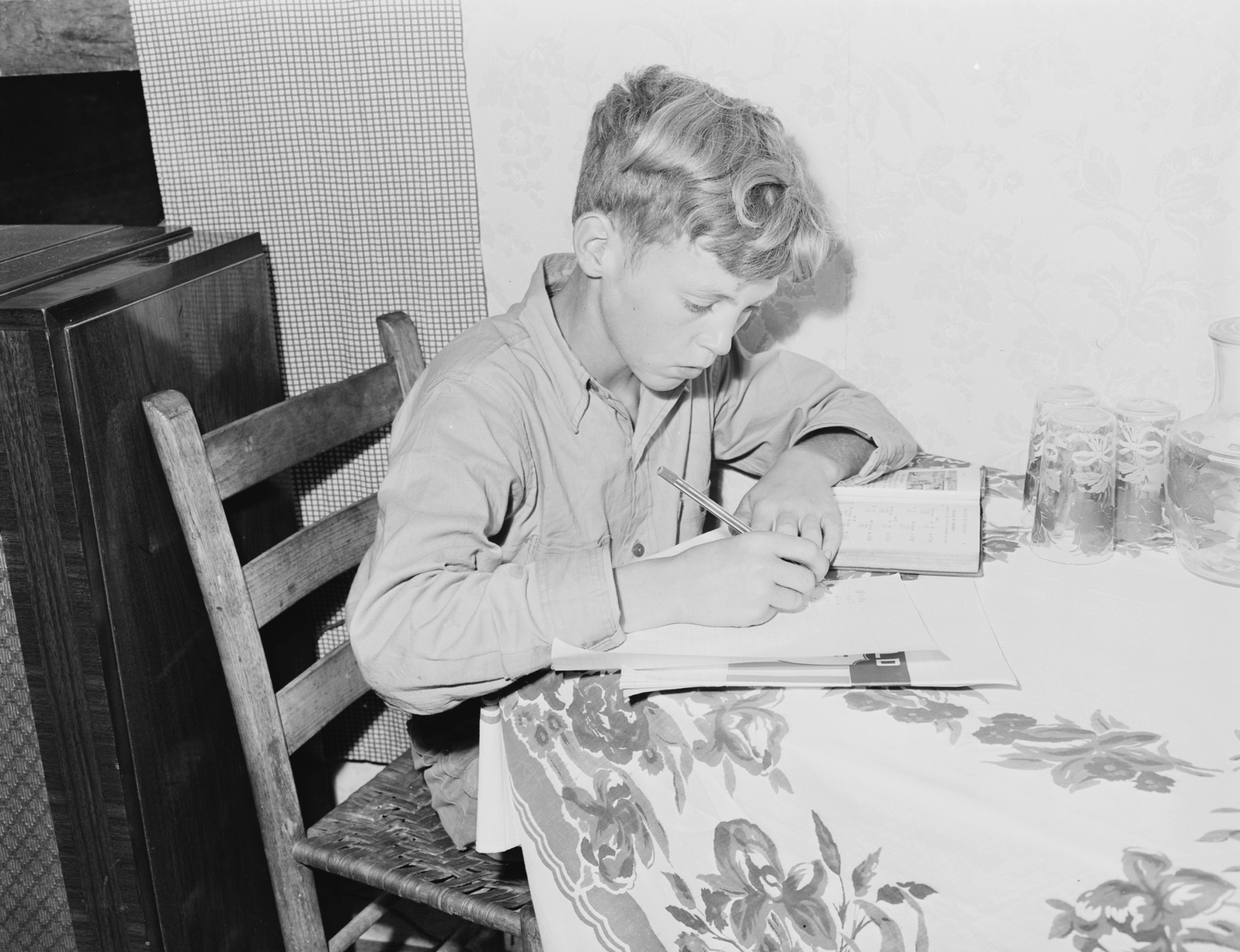
A child who had worked out how the arrangement operated frequently continued to write the letter without saying anything.
The persistence is the most human detail in the whole subject. A child who understands the mechanism has every reason to stop and often does not, because the ritual has value independent of what anybody believes about it.
Households handled this with great tact. Nobody said anything, the letters continued, and a considerable amount of mutual pretending was conducted by everybody involved with no discussion whatsoever.
14. The Whole Thing Was a Negotiation Dressed as a Request
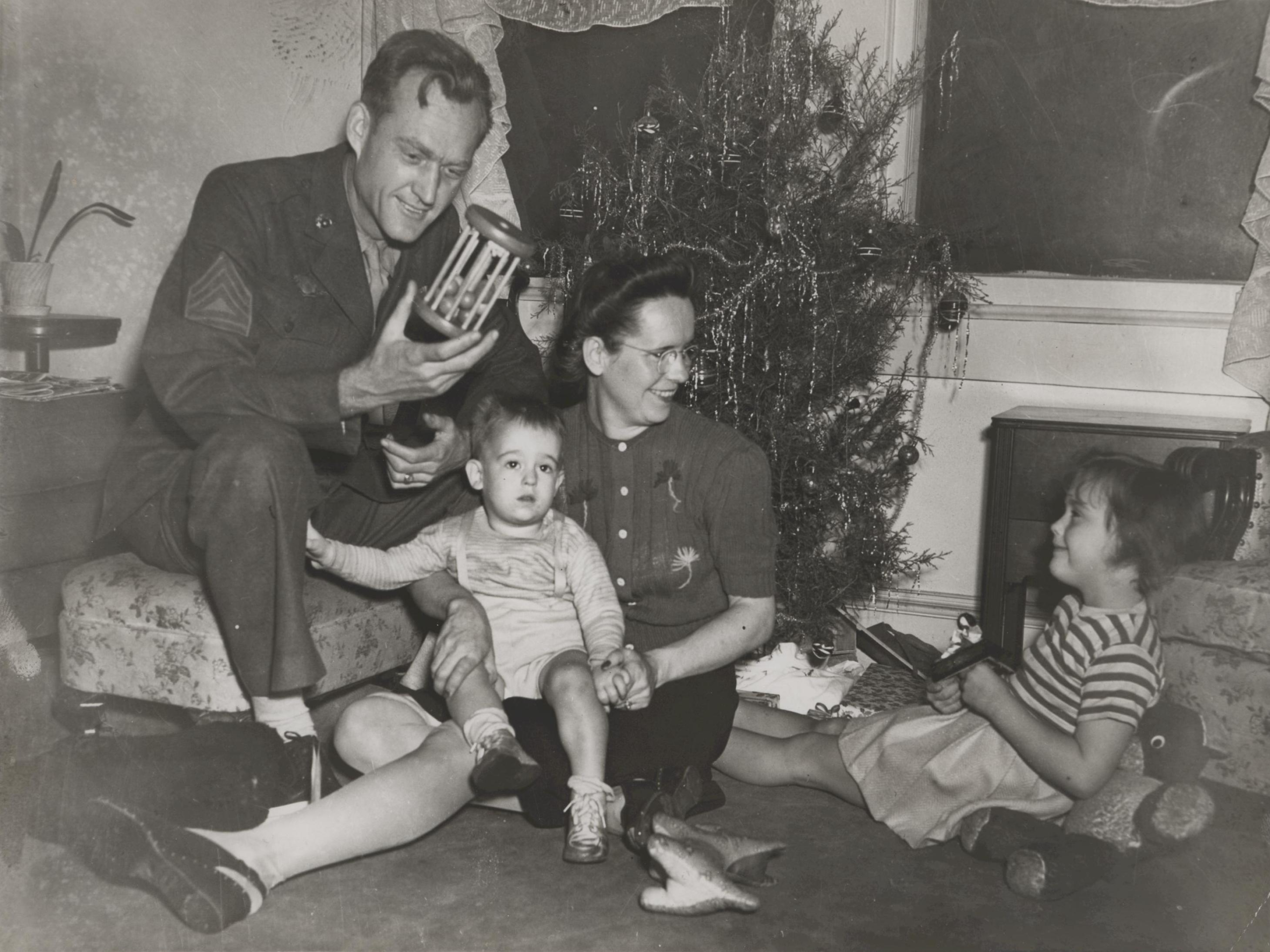
The letter was in practice a mechanism for a child to state their preferences and a household to manage expectations.
That is the function stripped of its wrapping and it is a genuinely useful one. A household needs to know what a child wants, a child needs to understand what is realistic, and a written document with a deadline and a redrafting stage handles both problems better than a conversation would.
Both sides understood their roles. The child made a case and the adults edited it, and the document that emerged was a settlement rather than a request, arrived at over an evening at a kitchen table.
15. Then the List Stopped Needing a Letter
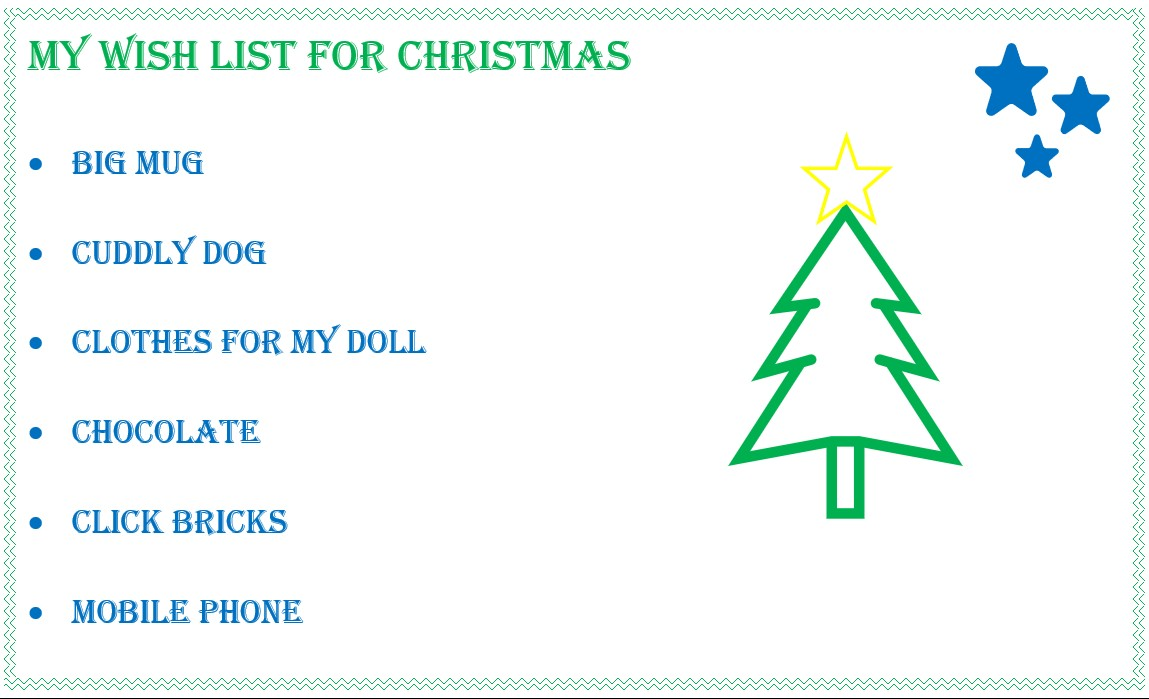
Catalogues, then screens, then direct and continuous communication of preferences removed the need for a single annual document.
The information still flows and flows constantly, which is precisely what changed. A child’s preferences are now known to a household throughout the year rather than submitted once in writing, and a practice built around a single deadline has nothing left to organise.
What went was the evening. One table, several drafts, an adult correcting the spelling, a list being quietly shortened, something requested for somebody else, a walk to a box in the dark and a small person being lifted up to the slot.
What Was Really Being Written
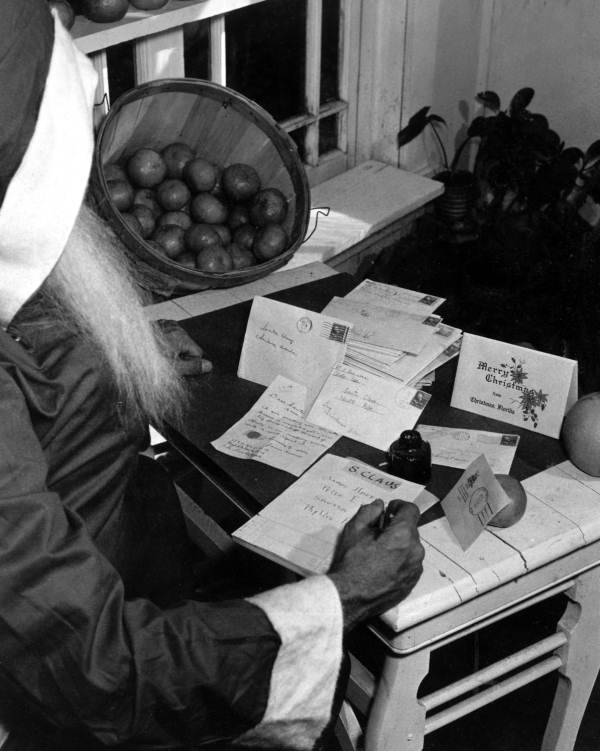
Read in order, the fifteen describe a document that looks like a request and functioned as a settlement. A household needs to know what a child wants. A child needs to arrive at a realistic version of what they want. And neither of those is easy to handle in conversation, because a conversation has no deadline, no draft stage and no way of declining something without saying so. The letter solved all three. The list was pruned by an adult suggesting that certain things were unlikely, the child learned to read the pause that meant no, and what went into the envelope was an agreement both parties had reached over an evening without either of them acknowledging that any negotiation had taken place. The second thing the evening produced was a piece of writing practice that nothing else in a child’s year came close to matching. This was frequently the only document a child composed for a reader all year, the only one they redrafted, the only one they had corrected line by line by an adult sitting beside them, and the only one they addressed and posted themselves. A child who has never written anything for anybody is being asked to compose, revise, copy out neatly, address an envelope and complete a delivery, all in one evening, with full attention from a parent throughout. Schools spent whole terms trying to produce that combination and rarely managed it.
The practice ended because its premise did. A single annual written submission only makes sense where a household has no other way of finding out what a child wants, and preferences are now known continuously rather than declared once. The letters themselves survived better than almost anything else children wrote: kept in drawers, often for fifty years, and frequently the only sample of a particular person’s handwriting at six years old that exists anywhere. What is gone is the evening around them – the drafts, the corrected spelling, the request made on somebody else’s behalf, the walk to the box in the dark, and the moment of being held up to the slot.
Like our content? Follow us for more.