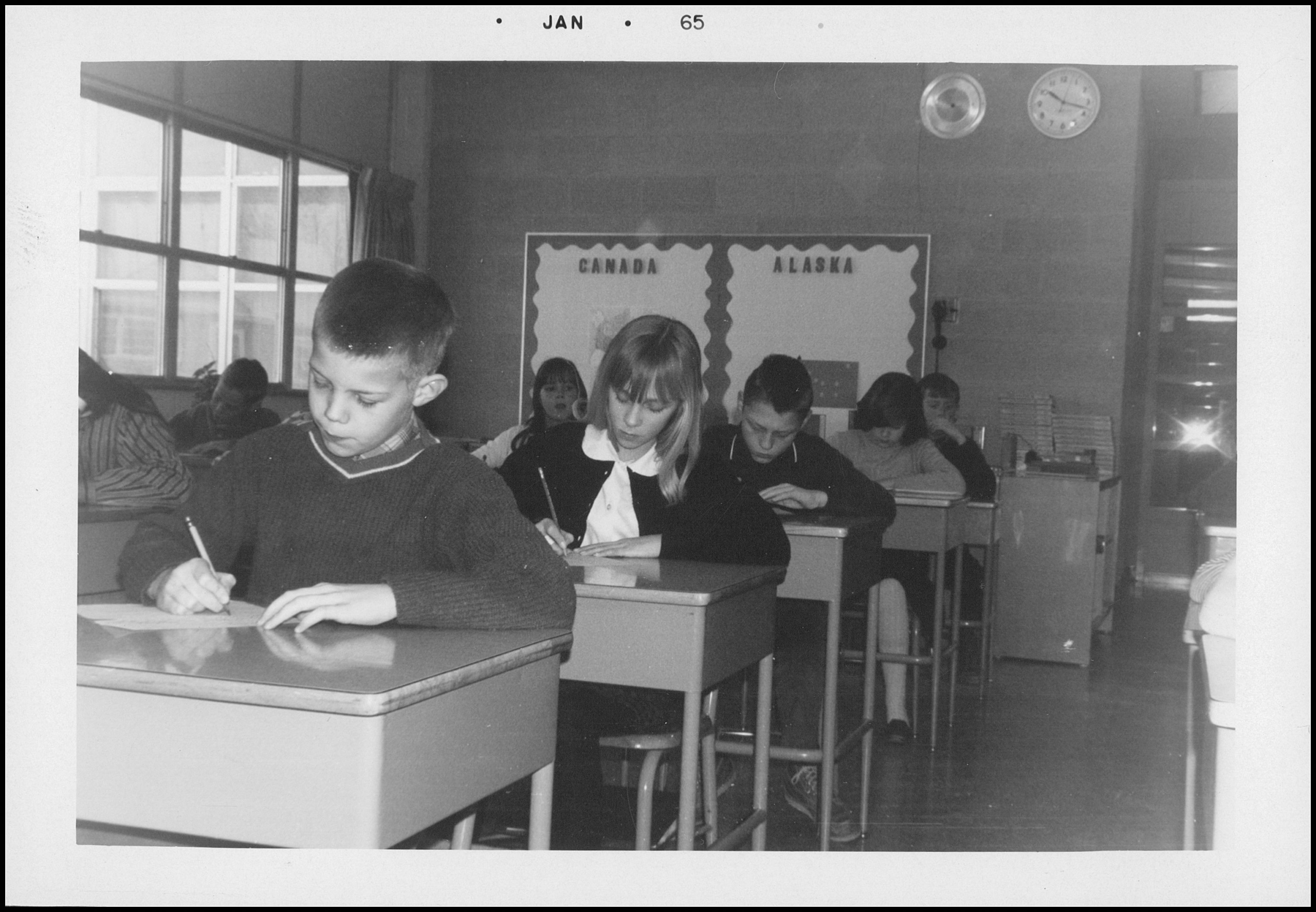
It was folded into a tight square, it went along the row behind a row of backs, and the whole operation took about eleven seconds from the writer’s hand to the recipient’s. In 1966 passing a note was the only way one child could say something to another child during a lesson, and the entire elaborate practice around it existed because there was no alternative at all.
A Classroom Was a Silent Room With Thirty People in It
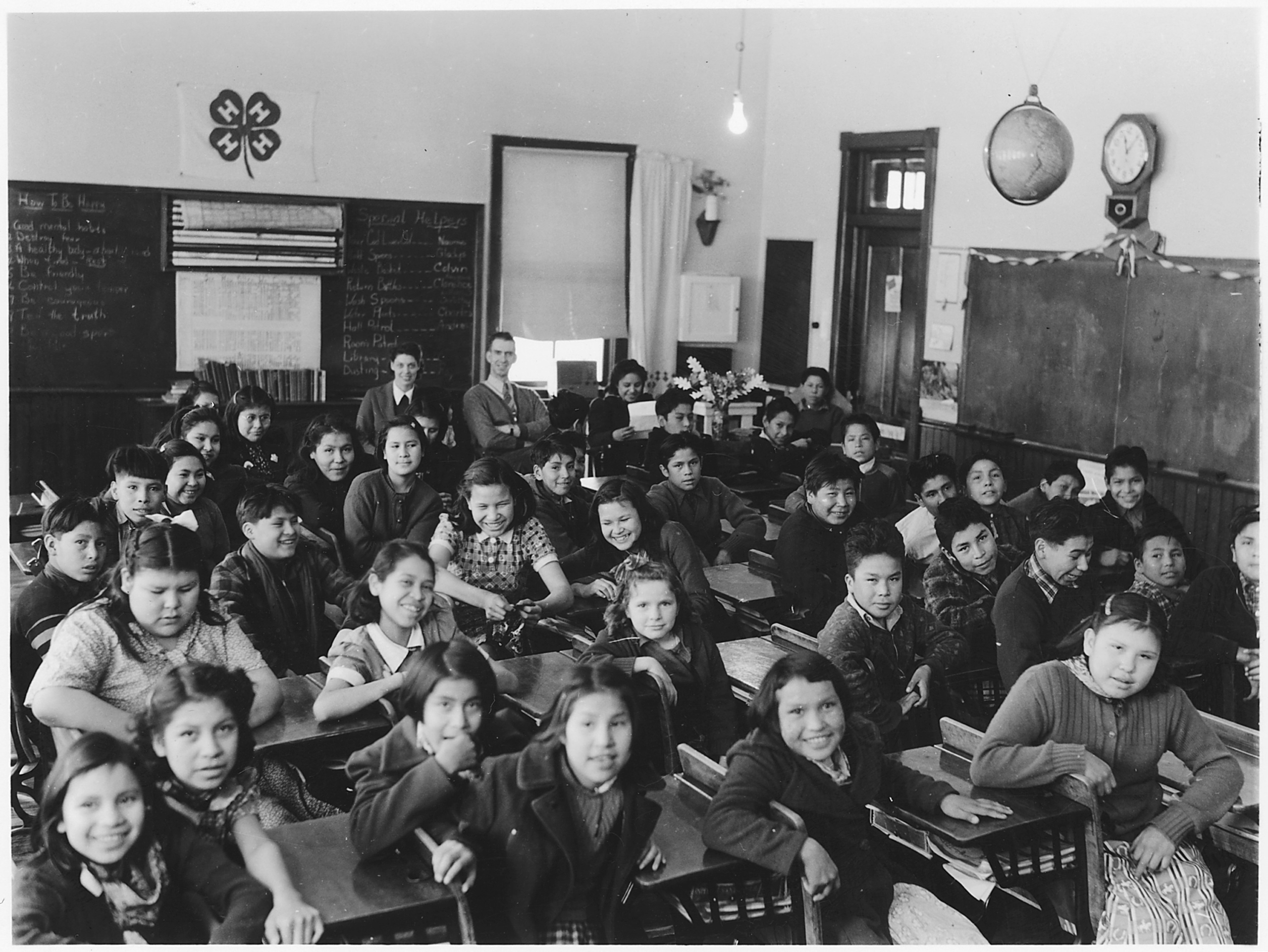
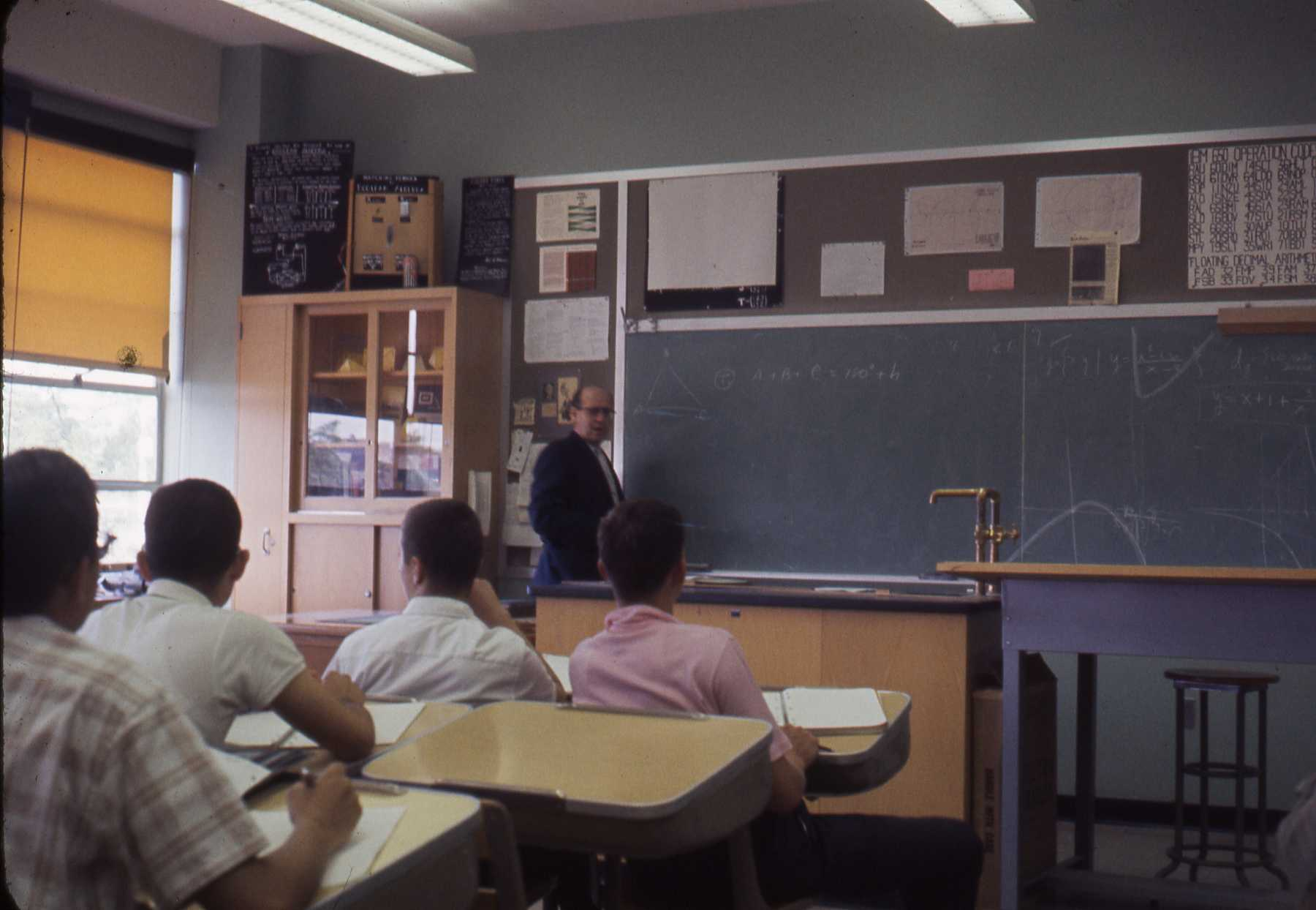
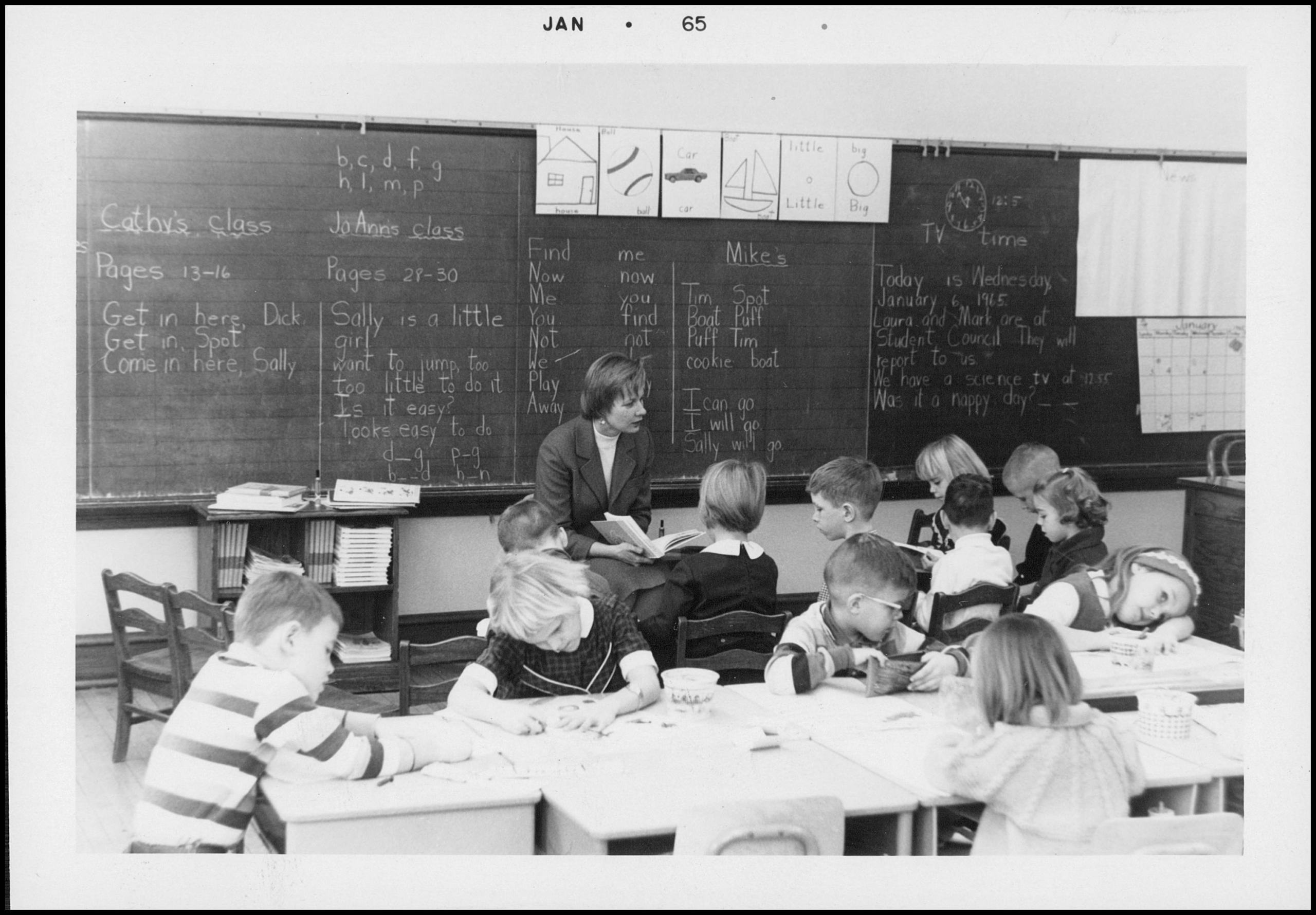
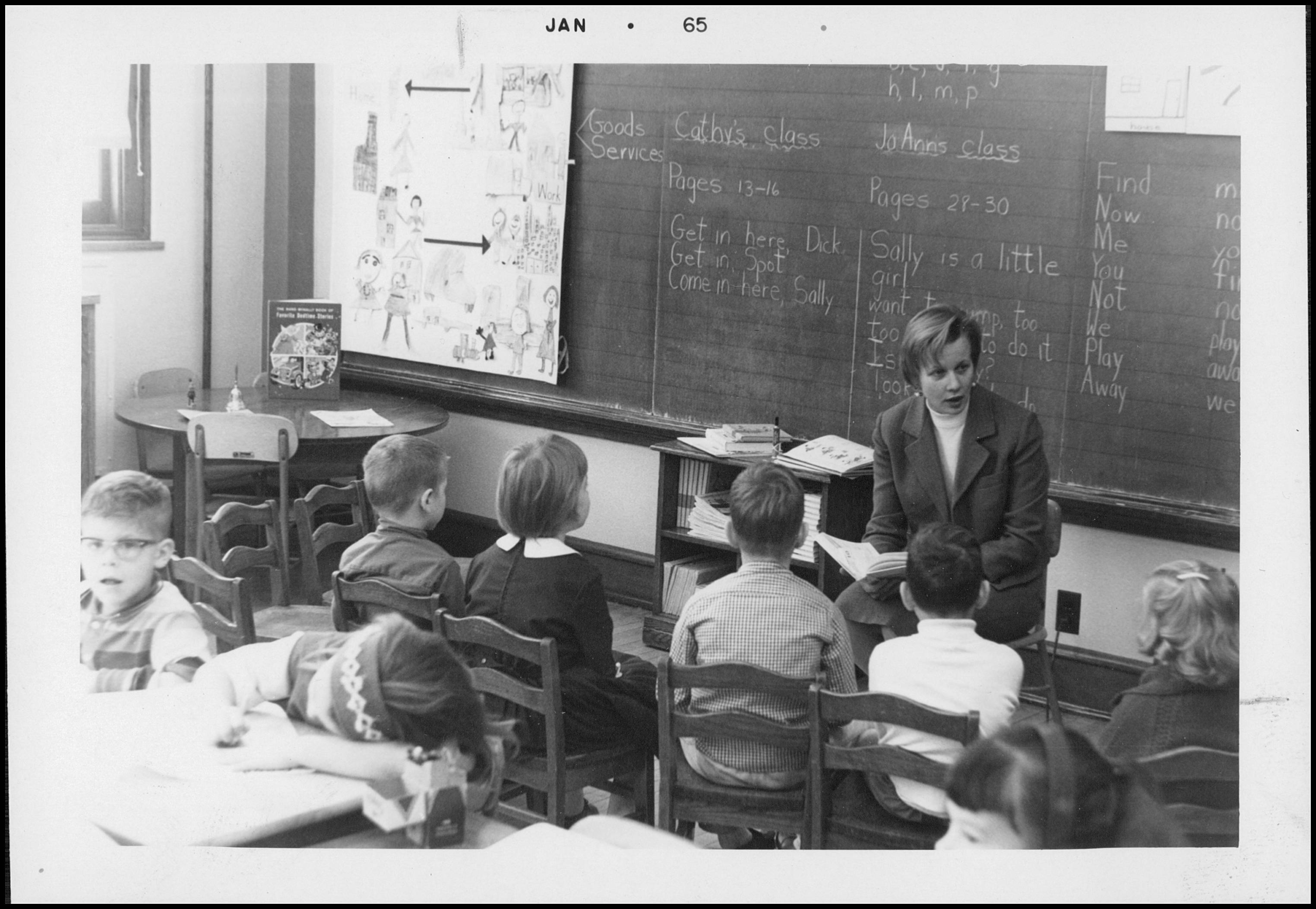
Pupils sat facing one direction, were not permitted to speak and were in the company of their entire social world for several hours.
That combination is the whole problem the note solved. Put thirty children who have a great deal to say to each other in a room where saying it is forbidden, and something will be invented – and what was invented was a postal service running at desk height.
Like our content? Follow us for more.
The Only Alternative Was Waiting
Anything not communicated during the lesson had to wait for the bell, by which point the moment had very often passed.
The urgency is easy to dismiss and was perfectly real. A piece of information that matters at eleven o’clock and is worthless at noon has to travel now, and a child with something that cannot wait forty minutes will find a way to move it.
The Fold Was the Technology
A sheet folded small enough to conceal in a palm, tucked into itself so it would not open, was the difference between a message and a confession.
The folding is where the real craft was and it was taught by example rather than instruction. A note that unfolds in transit is a note that has been read by the wrong person, so the construction had to survive being gripped, dropped and passed along a row of nervous hands.
Routing Was a Genuine Problem
The recipient was rarely adjacent, which meant the note had to travel through several people who were not involved.
That is the part that made it a collective activity rather than a private one. Every intermediary was taking a risk on somebody else’s behalf, and the willingness of a whole row to do that is a small and fairly impressive piece of cooperation.
The Intermediaries Could Read It and Sometimes Did
A note travelling through four hands is a note four people have had the opportunity to open.
The vulnerability shaped what people wrote. Anybody with real experience assumed a note would be read by somebody other than the addressee, and the content was adjusted accordingly – which is the same assumption that governs every message anybody sends now.
Names Were Avoided for Exactly That Reason
Initials, nicknames and descriptions were used instead of names wherever the content was sensitive.
The practice is a complete security protocol arrived at by eight-year-olds without assistance. A message that identifies nobody is a message that cannot be used against anybody, and children worked this out independently in every classroom in the country.
The Floor Route Was for Difficult Deliveries
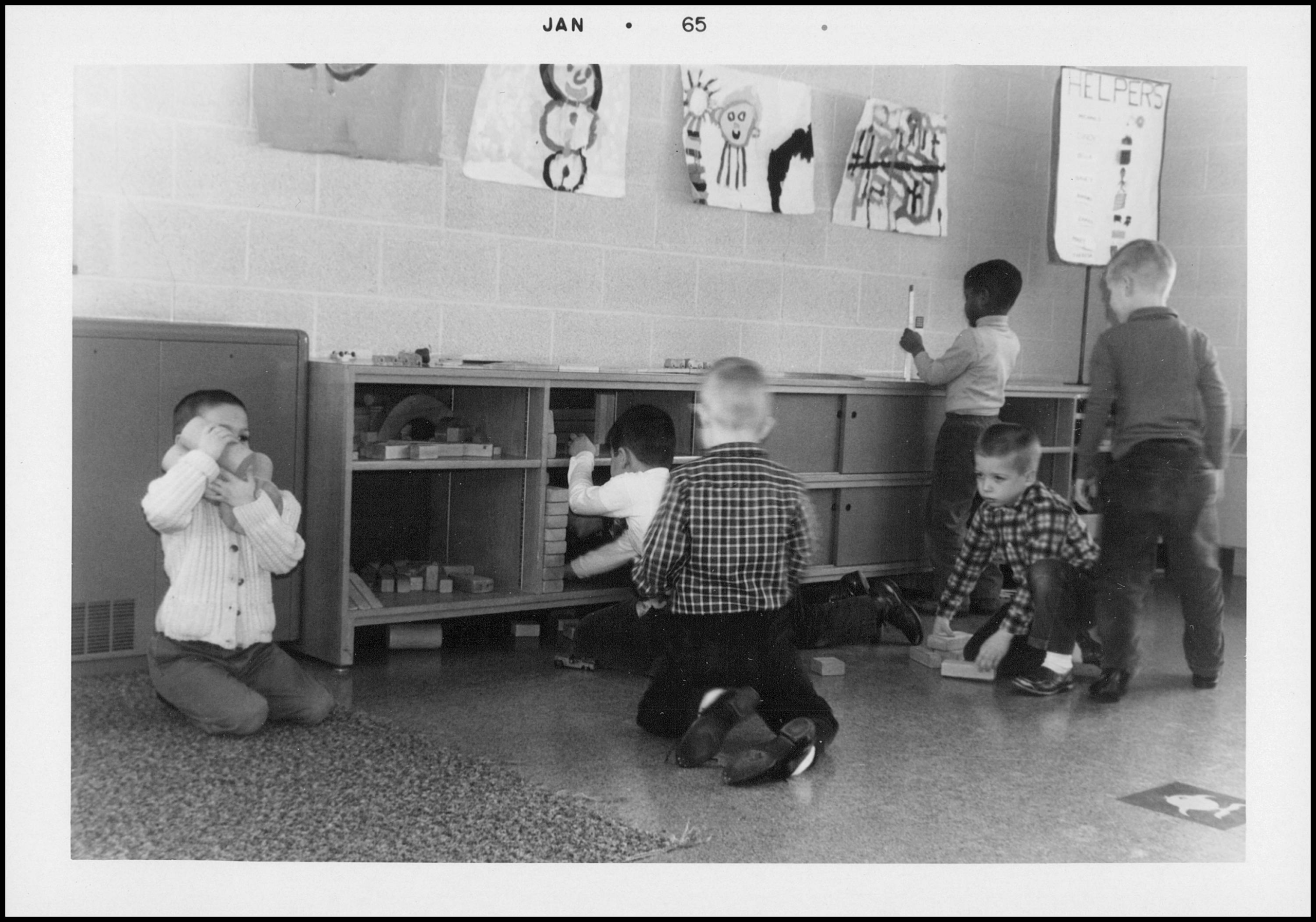
A note that could not travel along a row was kicked, slid or dropped and nudged forward with a shoe.
The improvisation is a reminder of how determined the whole enterprise was. When the direct route is blocked, a different route is found, and a note moving across a floor under thirty desks represents considerably more effort than simply waiting for the bell.
Timing Was Everything and Everybody Watched the Teacher
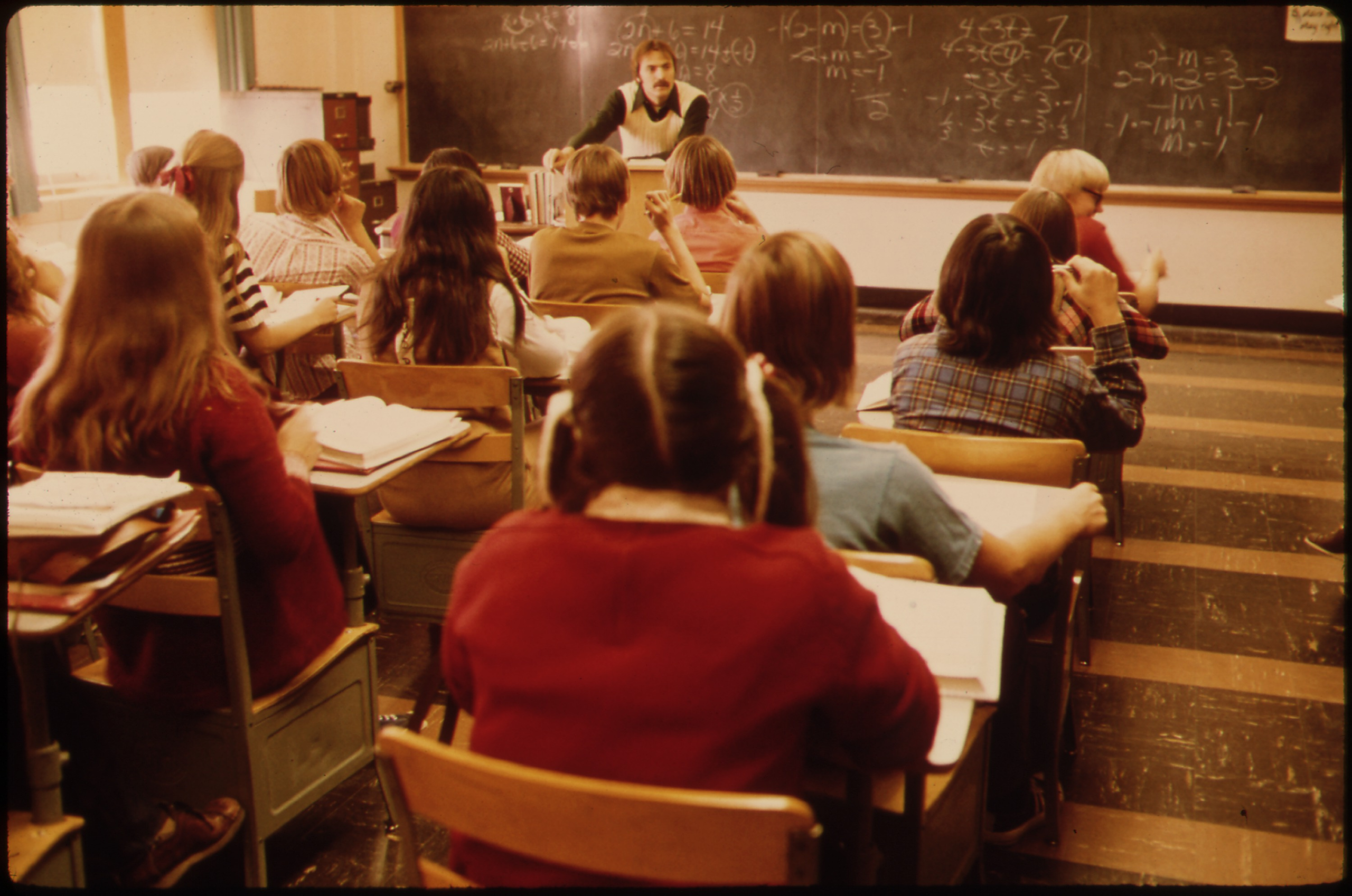
Transfers happened when the teacher turned to write, bent to a drawer or looked at another part of the room.
The surveillance ran in both directions, which is the amusing part. A room of children monitoring an adult’s head position continuously, in order to exploit a two-second window, is an attention to detail that nobody in that room was applying to the lesson.
Getting Caught Had a Standard Penalty
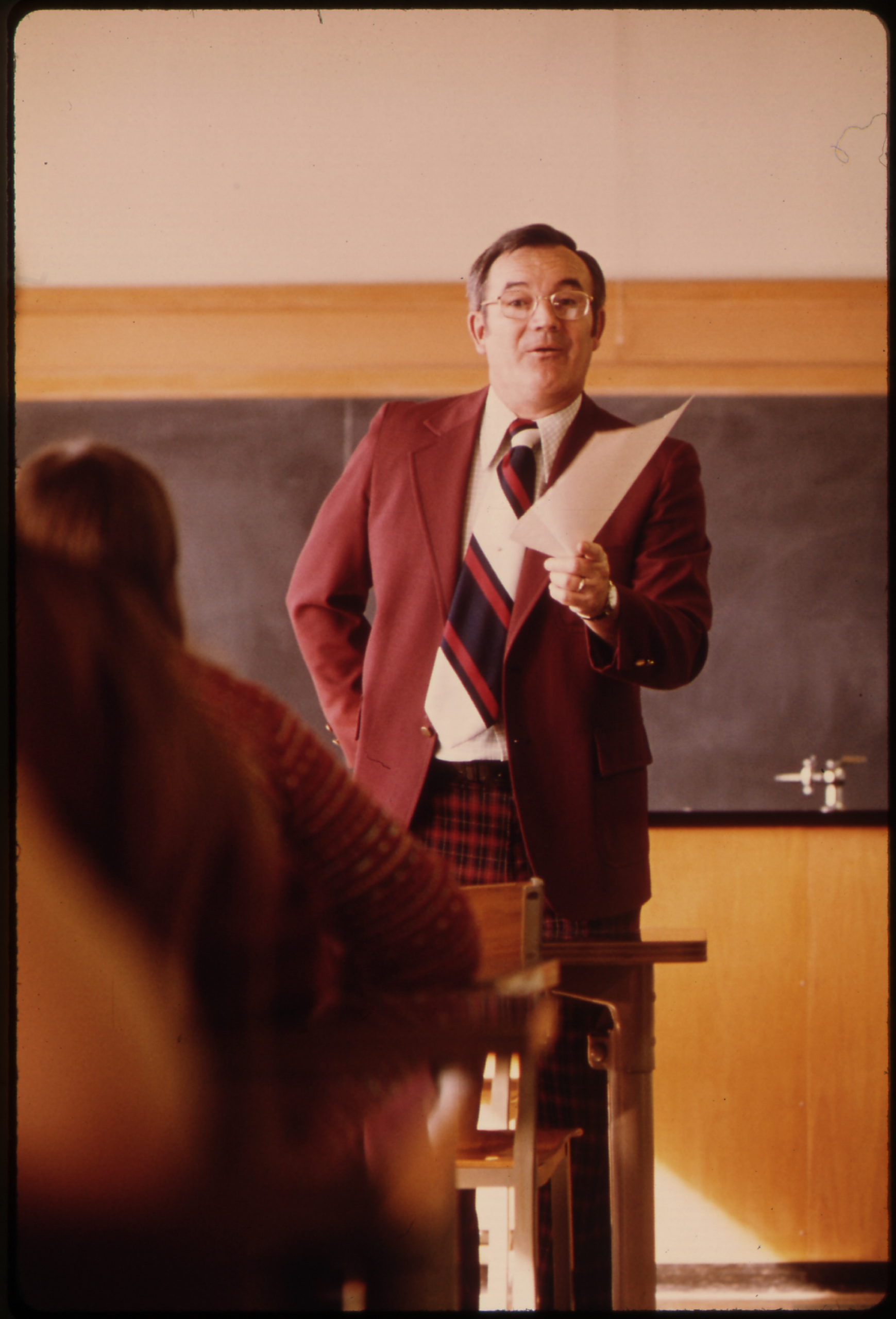
The note was confiscated, and the threat that gave the moment its weight was that it might be read aloud.
That specific sanction is what made the whole thing risky rather than merely forbidden. Losing a piece of paper is nothing; having its contents delivered to the entire room in a teacher’s voice is a social catastrophe, and every child in the room knew which of those was the actual punishment.
Most Teachers Did Not Actually Read Them Aloud
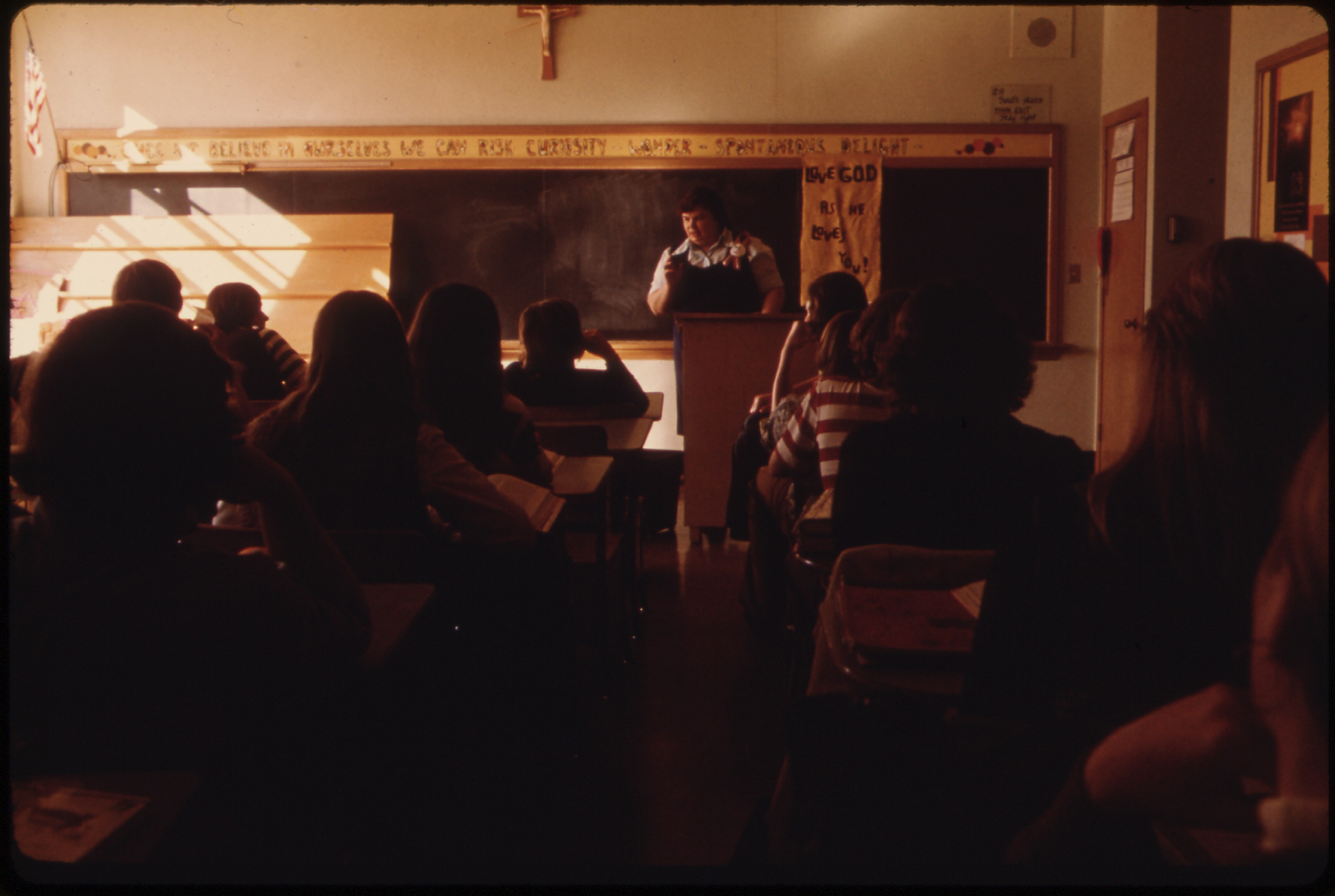
The threat was far more effective than the act, and experienced teachers used it sparingly if at all.
The restraint is worth recording because it is easily forgotten. An adult who reads a child’s private note to a room has spent a great deal of authority for a very small return, and most people standing at the front understood that the possibility was worth more than the event.
The Contents Were Almost Always Trivial
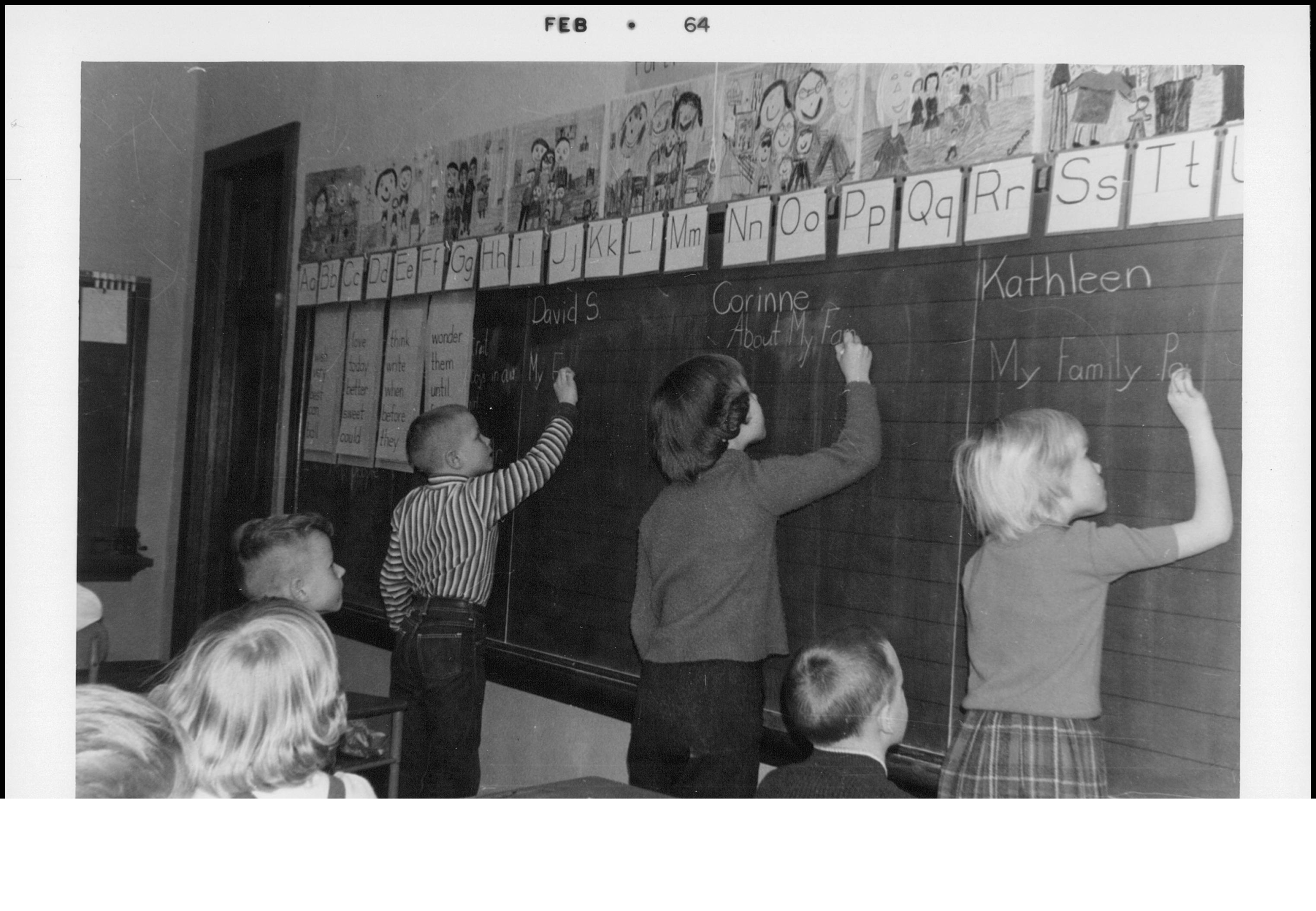
Arrangements for after school, a complaint about the lesson, a question about homework, a drawing.
The ordinariness is the thing people misremember. The enormous apparatus of folding, routing and timing was almost always deployed to move something of no importance whatsoever, which is exactly what makes it a recognisable piece of human behaviour rather than a curiosity.
But Some of Them Mattered Enormously
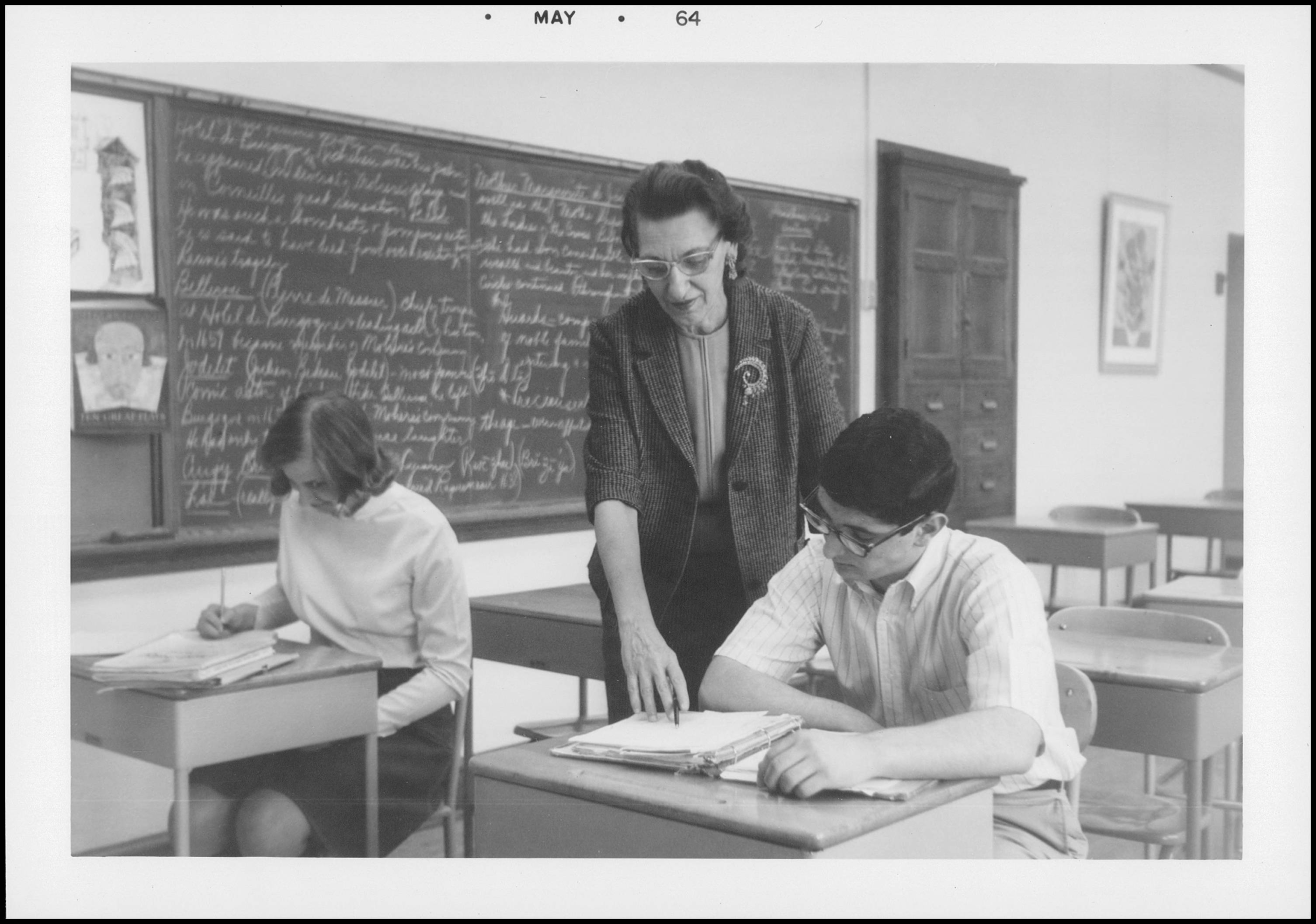
The note asking whether somebody liked somebody, with boxes to tick, was a real document with real consequences.
The format is remembered universally for a reason. Reducing an unbearable question to a tick in a box removes the need to say anything aloud, which is a solution of real ingenuity to a problem that was genuinely overwhelming at that age.
Handwriting Gave Everybody Away
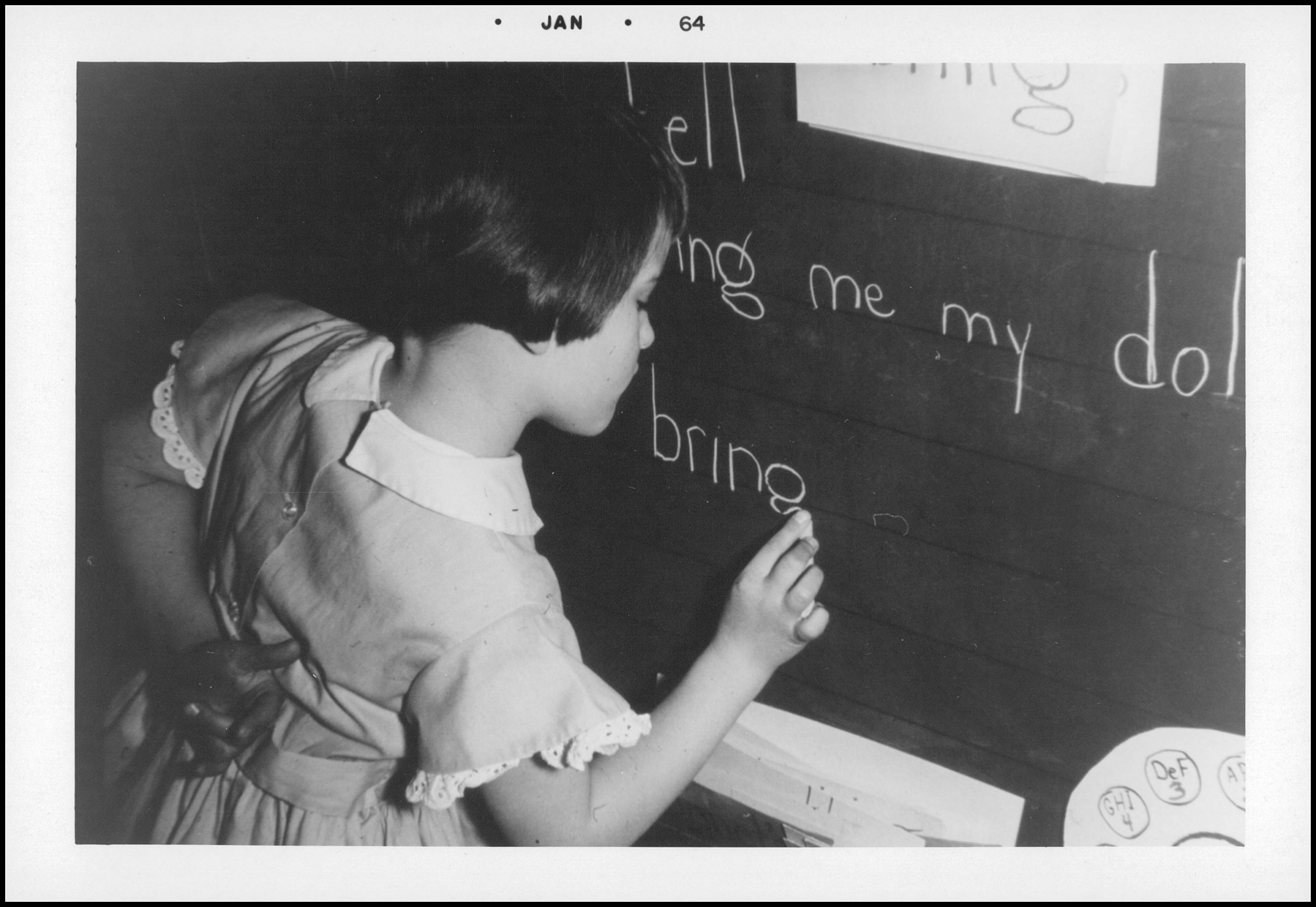
In a room where everybody saw everybody’s written work daily, an anonymous note was not anonymous for long.
Which placed a sharp limit on what the system could be used for. A medium in which the author can be identified by anybody who has seen their schoolwork is not a medium for saying anything you would not eventually own.
The Unsent Note Was Its Own Category
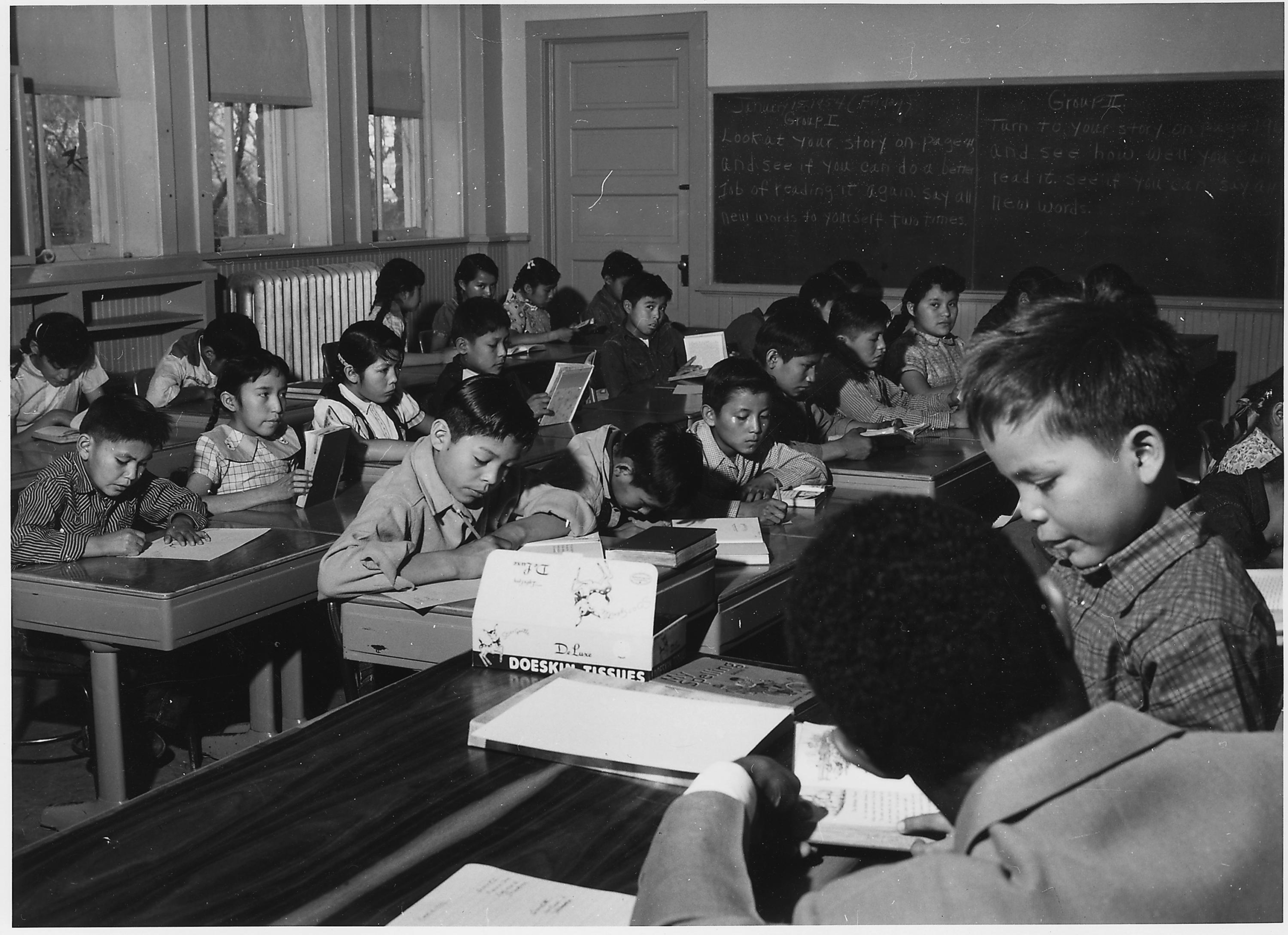
Written, folded, and then kept in a pocket because the moment never came or the nerve failed.
That drawer of undelivered notes is the part of the subject with the most feeling in it. Something written and not sent is a complete account of what somebody wanted to say at a particular moment, preserved precisely because it never had to survive being answered.
Keeping Them Was Normal
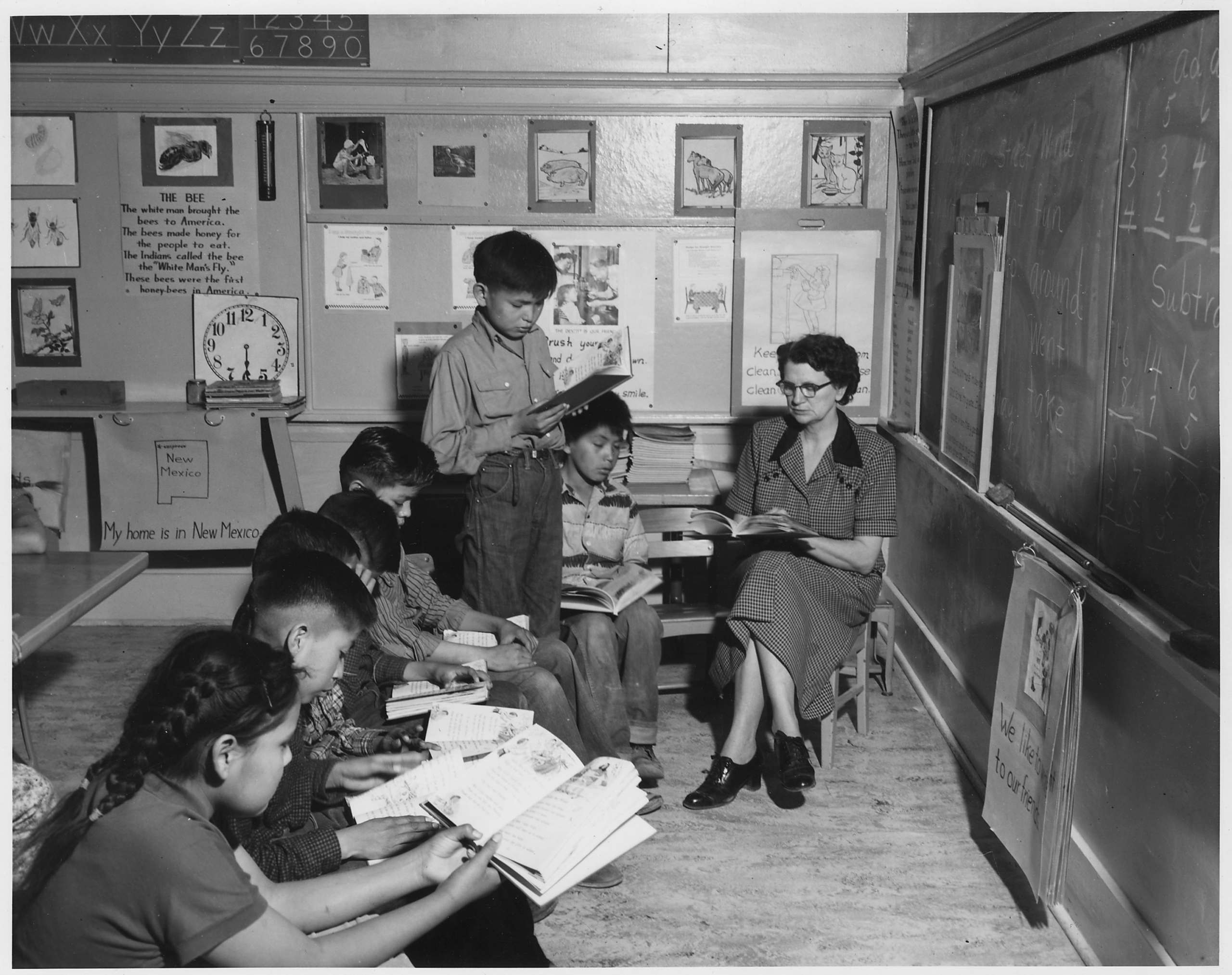
Notes received were kept, sometimes for years, in tins, books and the backs of drawers.
The keeping tells you what they were worth. Nobody files away a message about meeting at the gate unless the object has become something other than its contents, and a folded square of paper in a child’s handwriting is a remarkably durable thing to have.
The Practice Ran Alongside an Official Channel Nobody Used
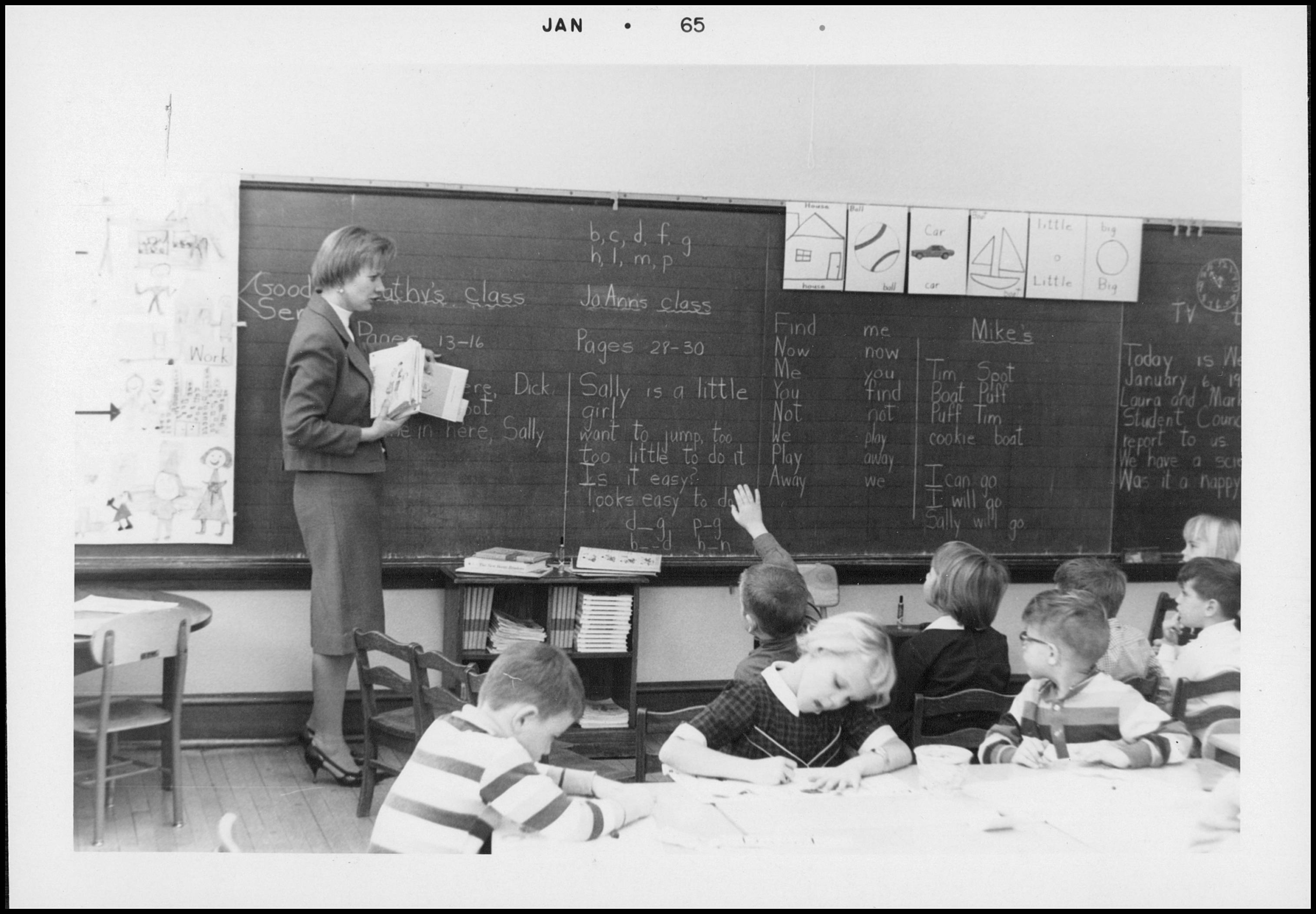
Children could, in principle, ask permission to speak, which is precisely what made the note necessary.
The gap between the permitted and the actual is the whole social fact. An official channel that requires announcing your business to an adult in front of thirty people is not a channel anybody will use for anything that matters, so an unofficial one is built in parallel – which is a pattern that repeats in every institution anybody will ever join.
It Taught a Fair Amount About Discretion
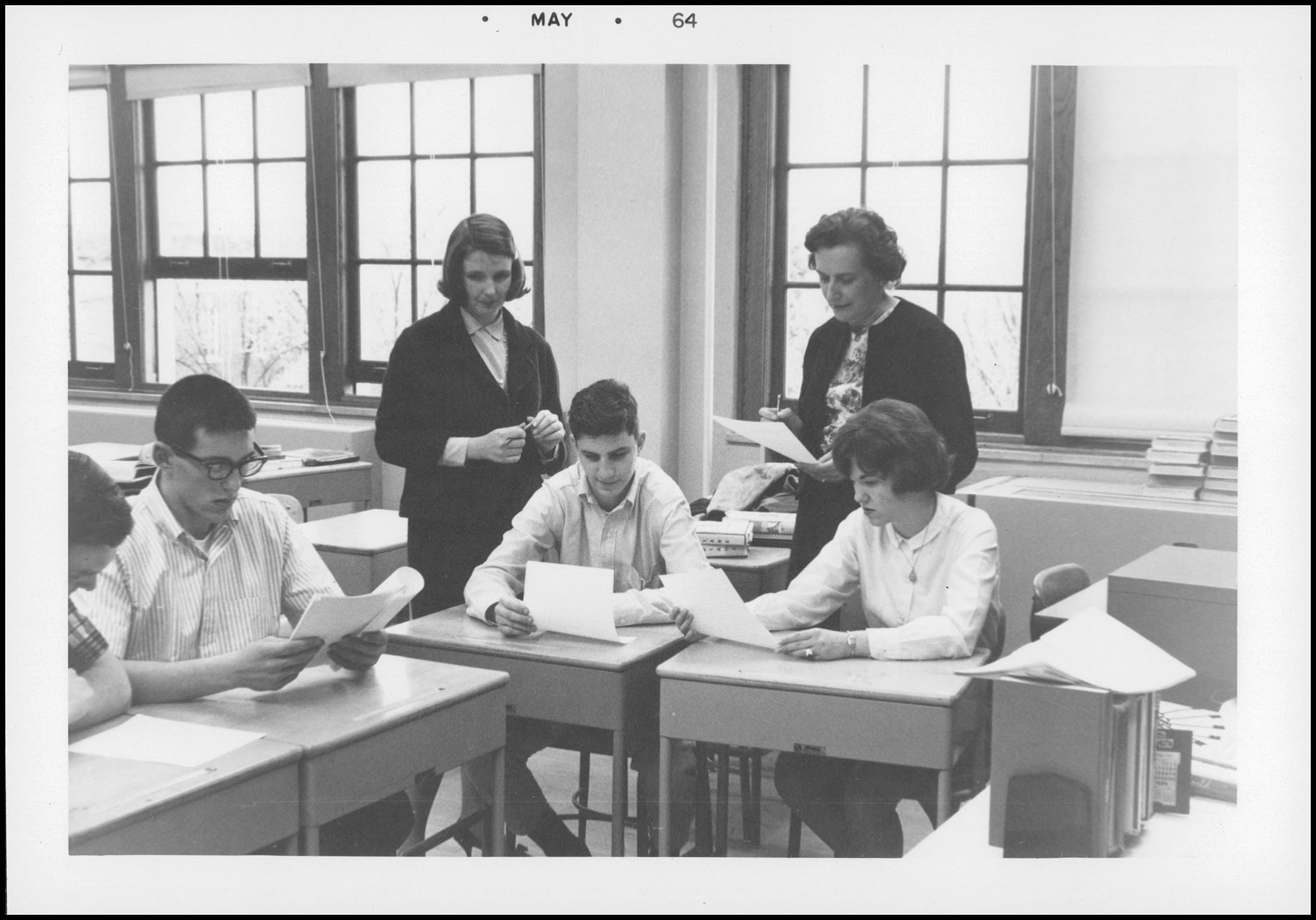
Writing something that would survive being read by the wrong person is a skill, and children practised it weekly.
The lesson was incidental and genuinely useful. Anybody who learned at nine to compose a message assuming an unintended reader had learned something that remained relevant through every subsequent form of written communication they would ever use.
Then the Rooms Themselves Changed
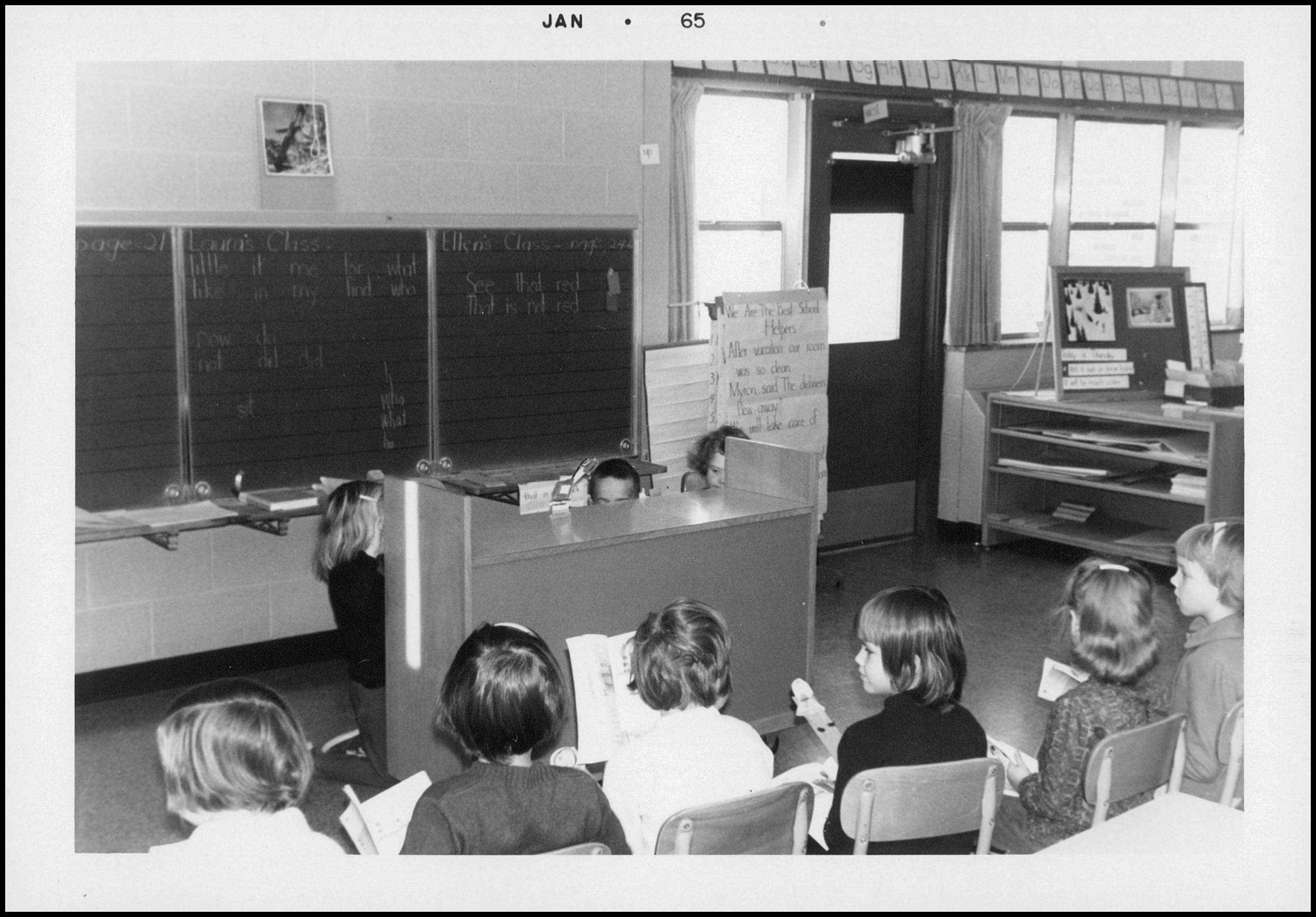
Group seating, discussion-based lessons and permitted quiet conversation removed a great deal of the enforced silence the note depended on.
Remove the prohibition and the apparatus becomes unnecessary. A child who can simply turn and say something has no reason to fold anything, and the entire craft loses its purpose without anybody banning it.
Then the Message Went Into a Pocket

A device that can carry a message silently across a room, or across a country, does everything a folded note did and asks nothing of the row in between.
The replacement is better by every practical measure and that is not in dispute. What it removed was the intermediaries – the four people who had to be trusted, who could have read it and did not, and who were taking a risk for somebody else’s sake.
And the Object Stopped Existing
There is no folded square to keep, no handwriting to recognise and nothing to find in a tin twenty years later.
Which is the honest end of it. The messages themselves were almost always trivial and are no loss at all; what is gone is the thing the triviality was carried on – a piece of paper, folded by somebody’s hands into a particular shape, moved across a room by people who did not have to help, with the handwriting on it still saying exactly who it was from.
Like our content? Follow us for more.