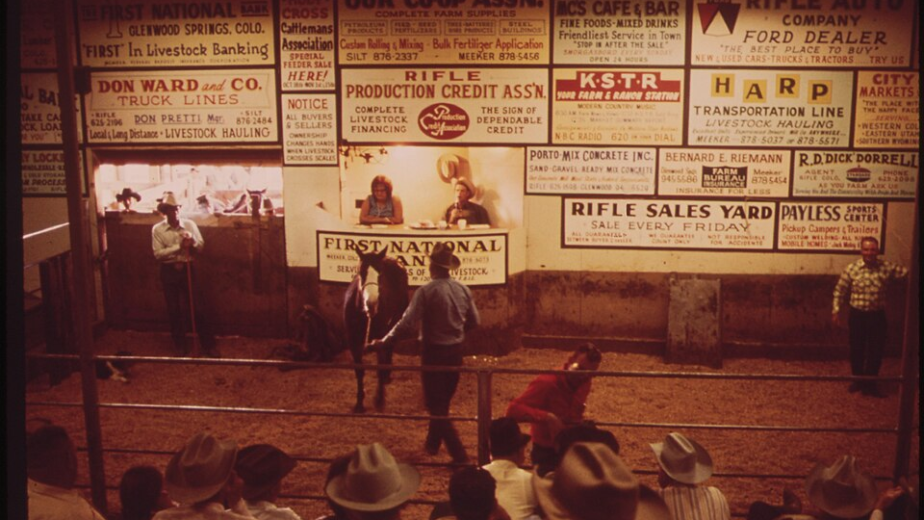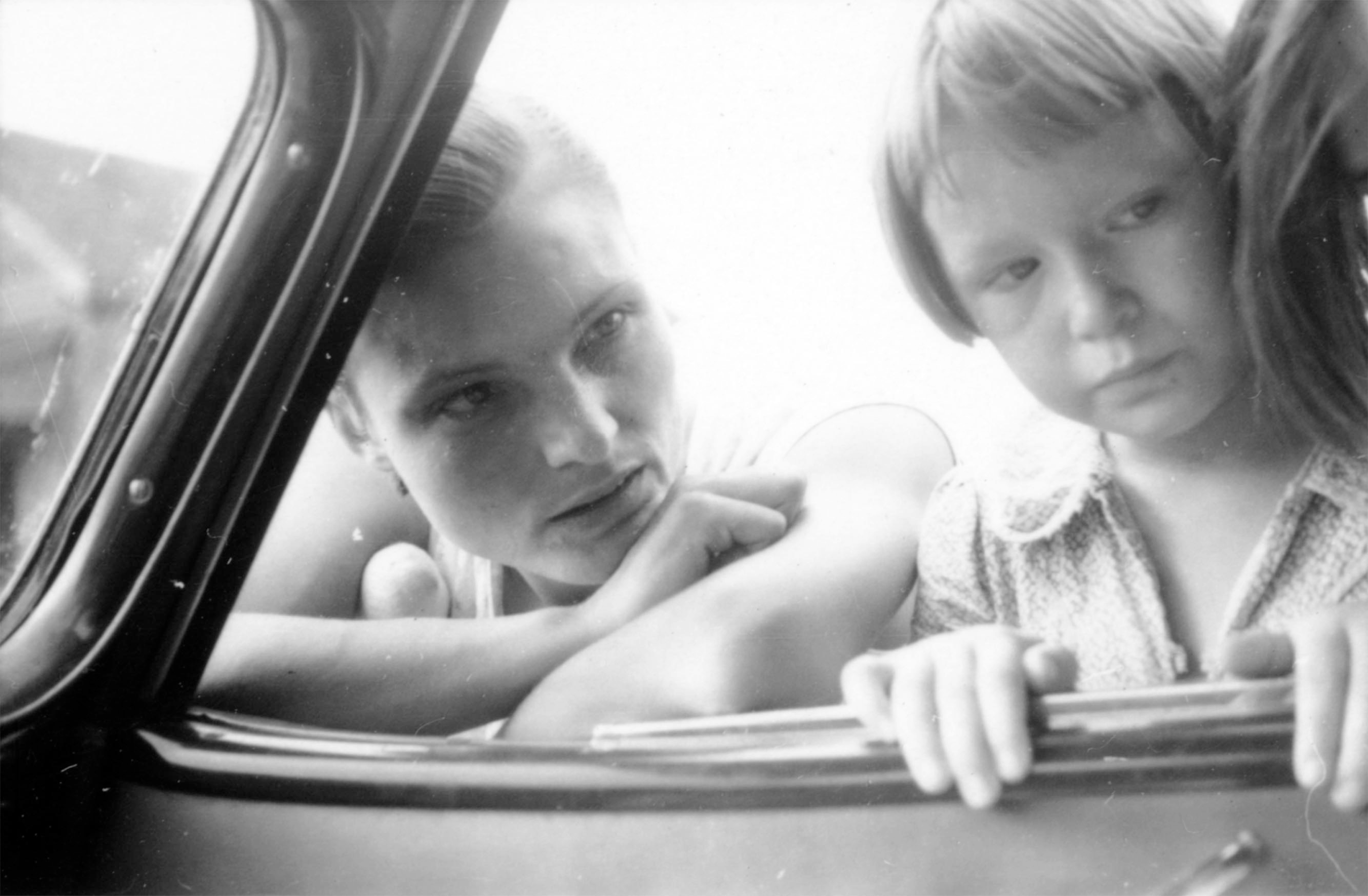
The window was cracked an inch, you were told how long it would be, and then you sat there. In 1964 being left in a parked car while an adult went into a shop was not an event anybody remarked on. It was the ordinary solution to a logistical problem, and a very large number of children spent a measurable proportion of their childhood doing it.
It Solved a Problem the Household Had No Other Answer To
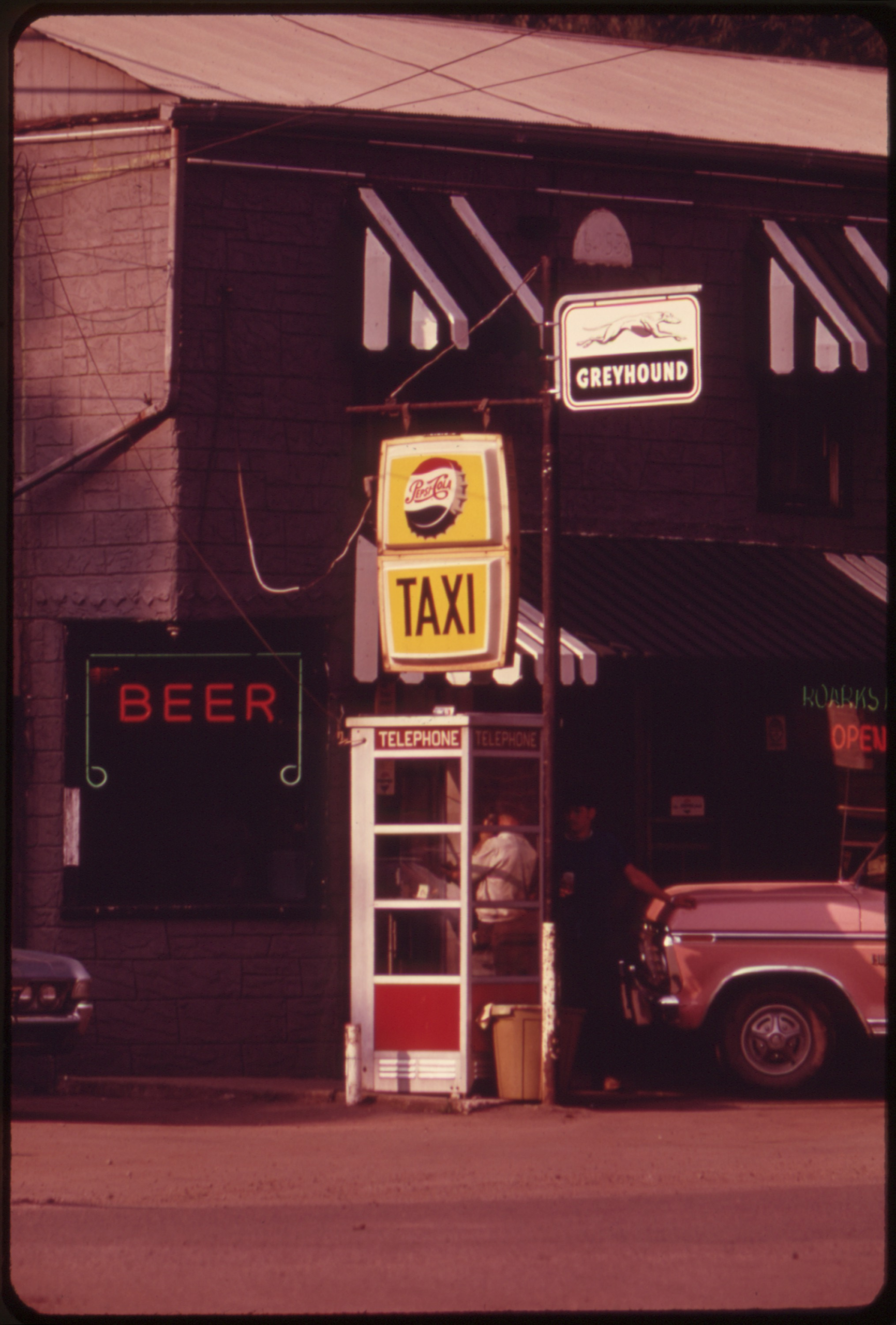
A parent with errands and a child too young to be left at home and too much trouble to take inside had exactly one option available.
Everything about the practice follows from that. There was no alternative arrangement, no provision anywhere and nobody else to ask, so the car became the answer by elimination rather than by anybody preferring it.
Like our content? Follow us for more.
Taking a Child Inside Was Frequently Worse
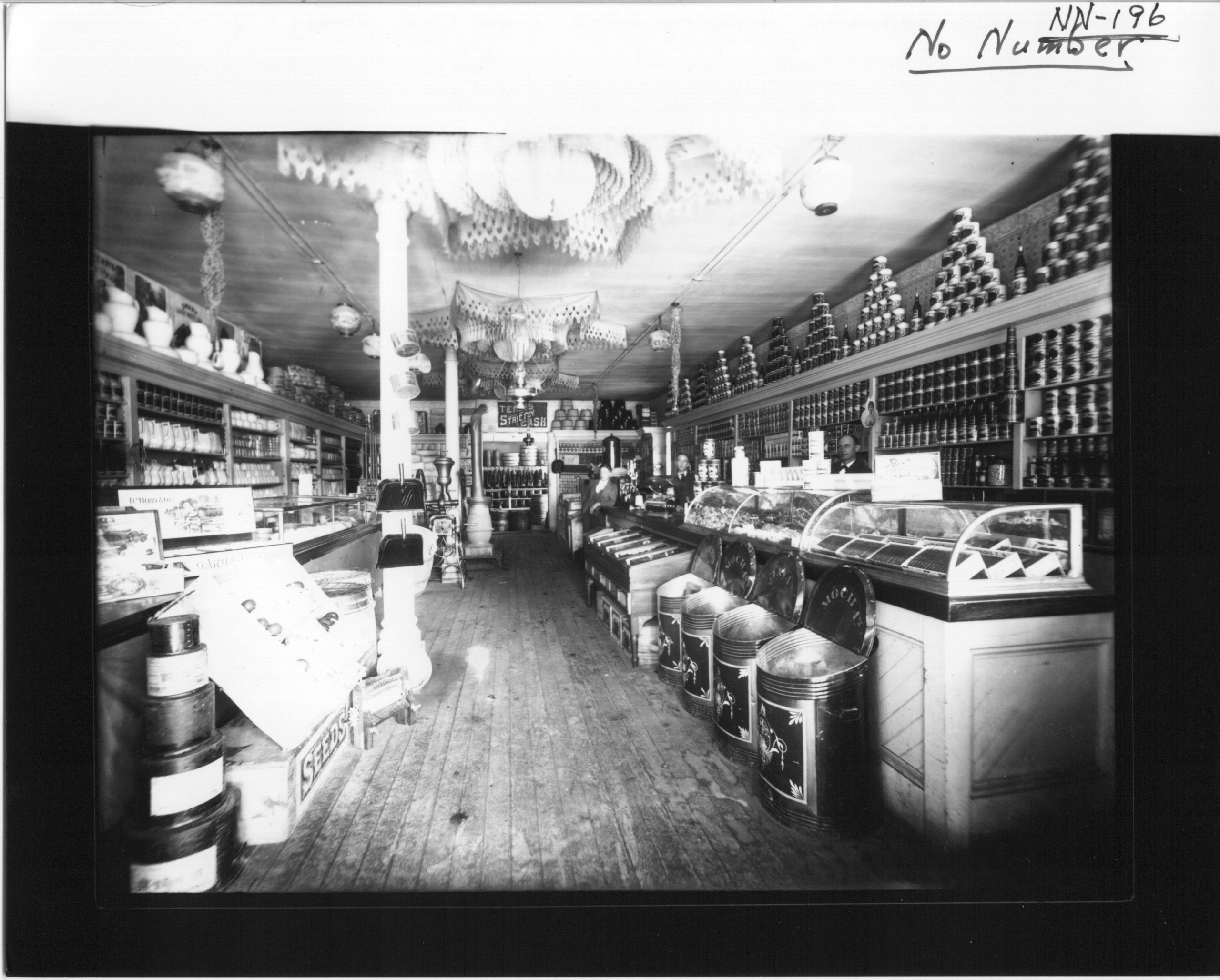
Shops were small, aisles were narrow, counters were served in person and a child in that environment slowed everything down considerably.
The calculation was about the errand rather than the child. A visit that takes four minutes alone takes fifteen with a five-year-old attached, and a parent with four stops to make had a strong practical reason to leave them where they were.
The Time Was Always Stated and Always Wrong
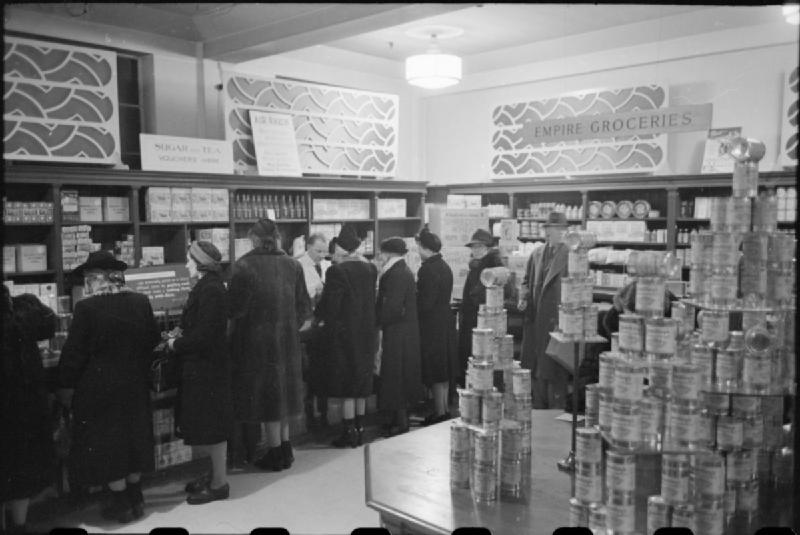
You were told it would be five minutes, and it was reliably longer, because the person saying it had no way of knowing.
The optimism was not deception. A shop with one person serving and three people ahead cannot be predicted from the pavement, and the stated figure was a sincere guess that the queue then invalidated.
A Child Has No Way of Measuring Time
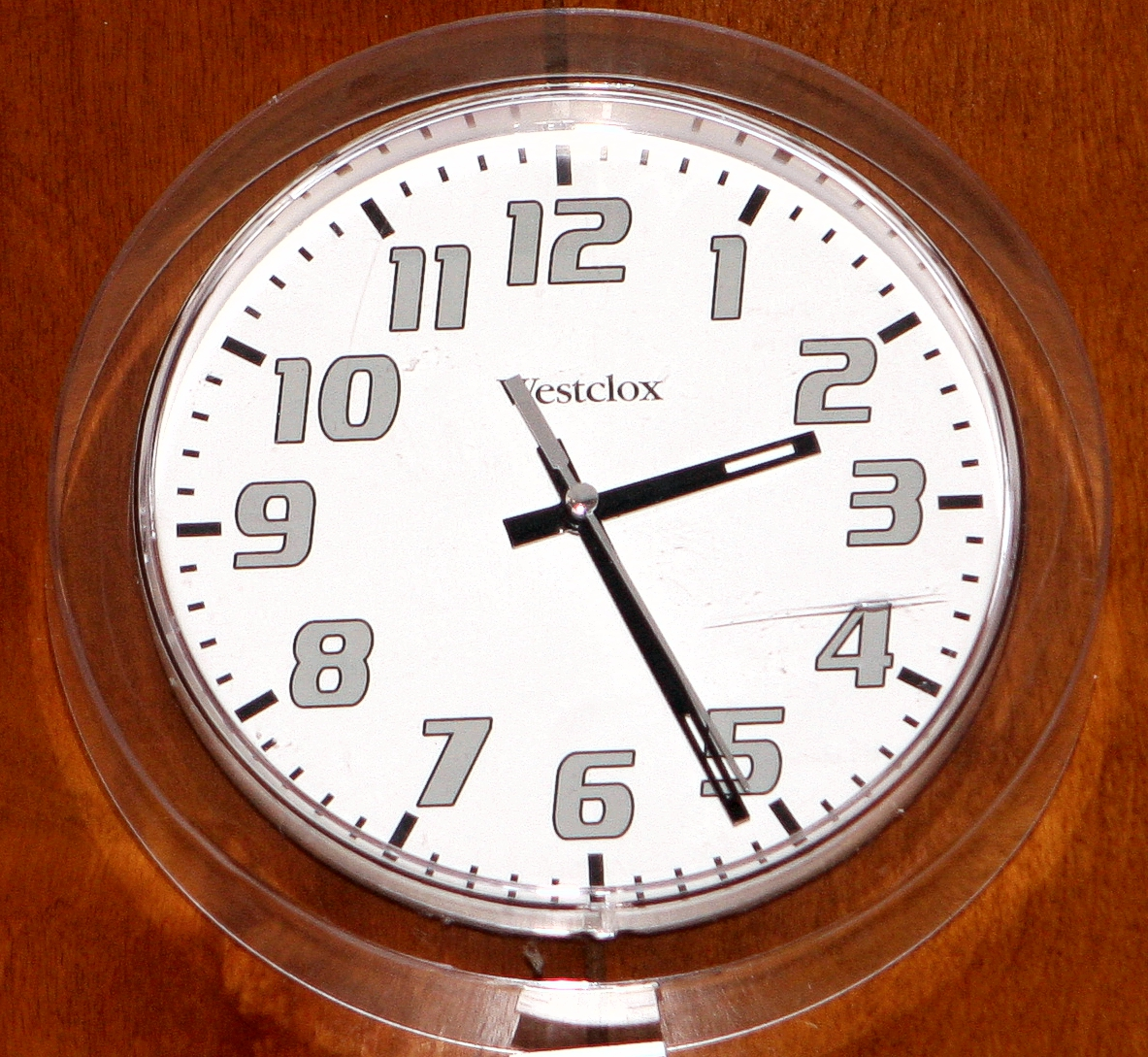
Without a watch, a clock or anything happening, the gap between five minutes and twenty is indistinguishable from the inside.
That is the detail that explains the memory. The duration everybody reports is enormous and the actual duration was usually modest, and both of those are true at once because a stationary child with nothing to do has no instrument for telling the difference.
The Instruction Was Always the Same Three Things

Stay in the car, do not touch anything, and do not talk to anybody.
The brevity of the briefing is the giveaway. A parent leaving a child alone for twenty minutes delivered three rules in four seconds, which tells you how routine the whole arrangement was considered to be.
The Window Was the Entire Ventilation Arrangement
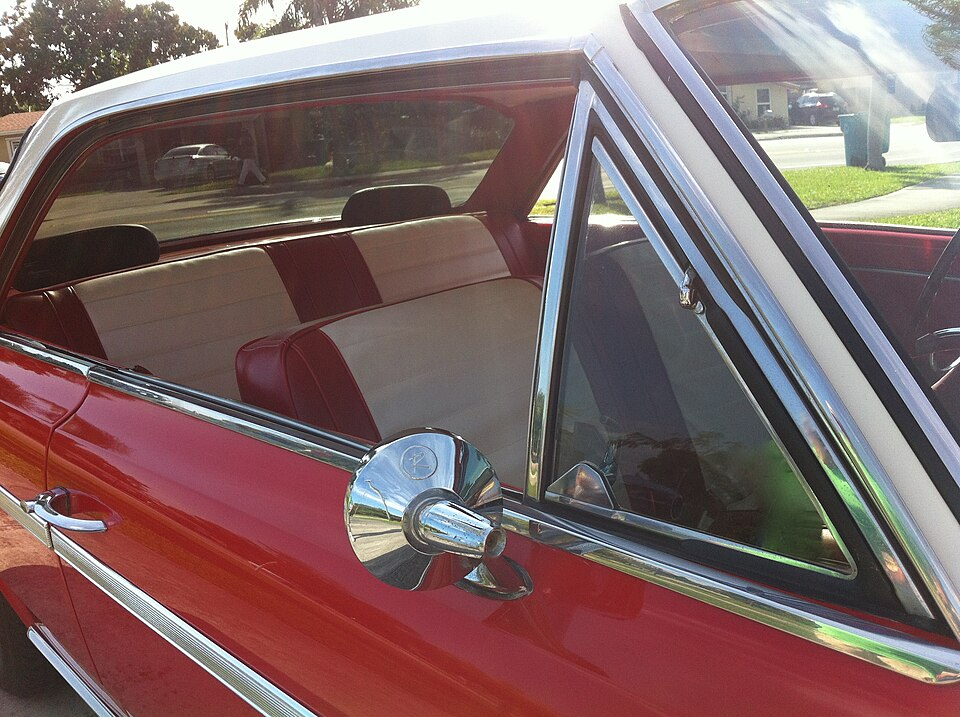
It was opened a small amount and that was the whole of the provision, and in warm weather it was not enough.
The inadequacy of that is obvious now and was simply the practice then. The standards of the period were not the standards now, and nothing in this piece should be read as describing how anybody ought to arrange anything today.
Everything in the Car Was Examined in Detail
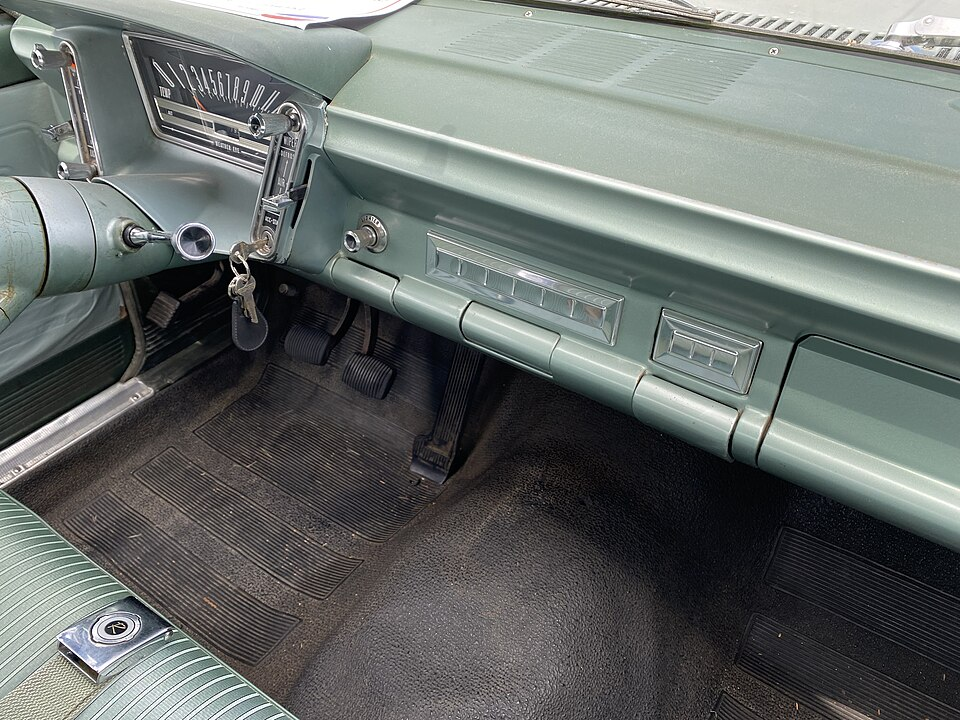
The glovebox, the door pockets, the gap between the seats and whatever had fallen underneath were all investigated thoroughly.
The inventory is one of the most reliably reported parts of the whole experience. A child alone in a confined space with nothing to do will catalogue the space, and almost everybody who did this can describe the contents of a particular glovebox fifty years later.
The Controls Were the Great Temptation
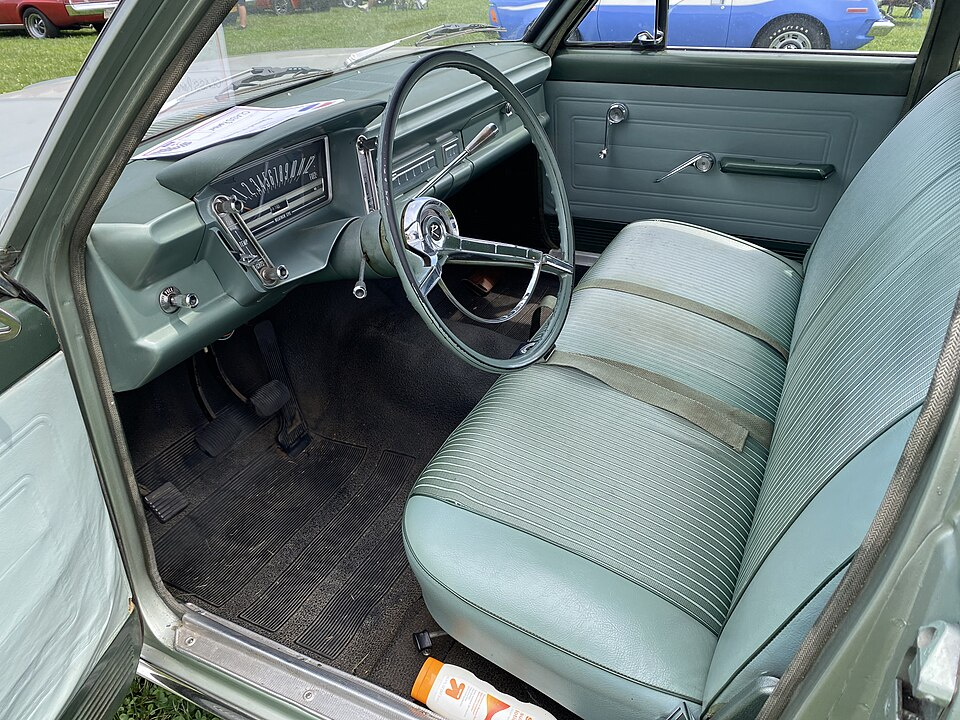
A vehicle contains a large number of things that move, click or turn, and a child was explicitly forbidden from touching any of them.
The prohibition was absolute and widely tested. Most of what a child could reach did nothing at all, which is why the instruction held, and the one or two things that did something were the subject of a great deal of restraint.
Watching People Was the Main Entertainment
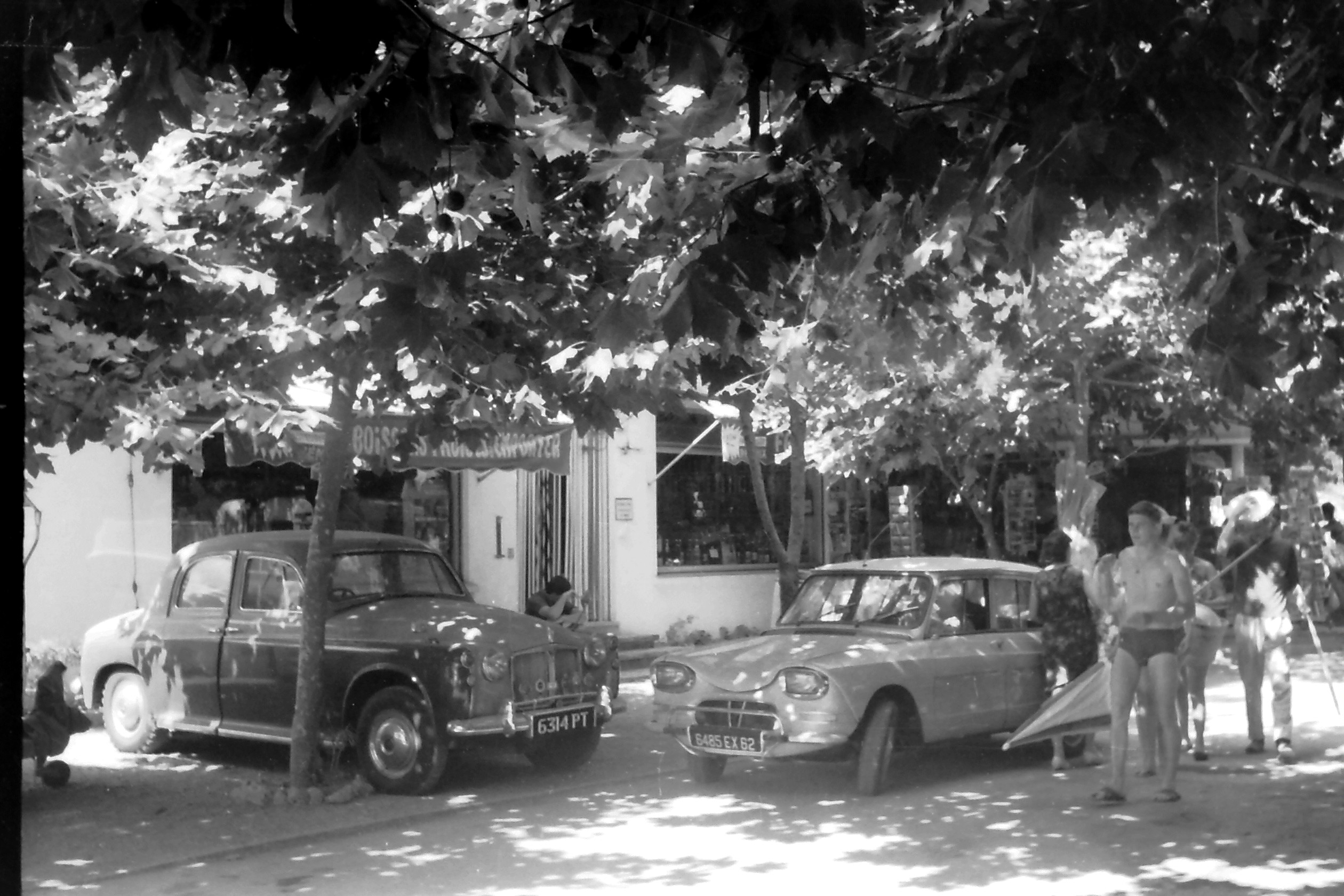
A parked car on a street is a position from which to observe a considerable amount of ordinary life without being observed in return.
The vantage point is what made it tolerable. A child in a car is effectively invisible, which means they watched adults behaving as adults behave when they do not think anybody is looking, and this was far more interesting than anything in the shop.
You Learned to Recognise Your Own Parent at Distance
Identifying one specific person emerging from a doorway two hundred feet away became a developed skill.
The repetition trained it. A child who has watched one door for twenty minutes, waiting for one gait, one coat and one way of carrying a bag, can identify that person from further away than anybody would expect, and almost everybody who did this acquired the ability.
The False Sighting Was the Cruellest Part
Somebody of roughly the right shape appearing in the doorway produced a complete emotional event followed immediately by a correction.
The disappointment was out of all proportion and entirely genuine. A child who has decided that the wait is over and then discovers that it is not has a considerably worse time than one who was never hopeful.
Siblings Made It Better and Also Much Worse
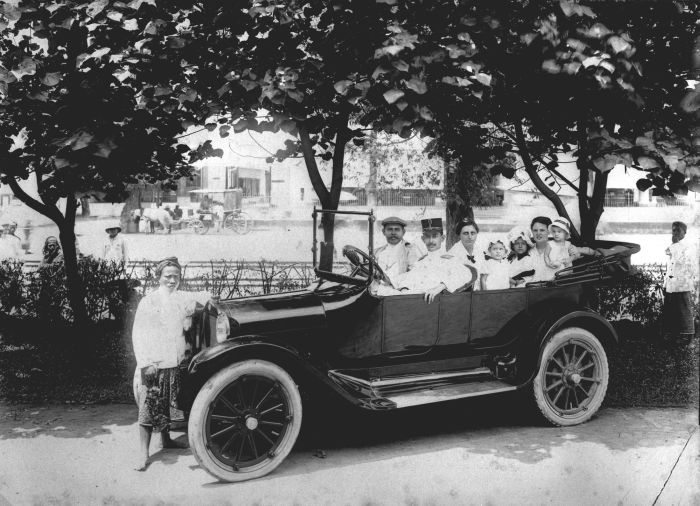
Two children in a car have company and no referee, which produces exactly what anybody would predict.
The arrangement was unstable by design. A confined space, no supervision, nothing to do and an existing grievance is a complete recipe, and the adult returning to the car frequently arrived in the middle of something.
Sleeping Was Common and Was the Best Outcome
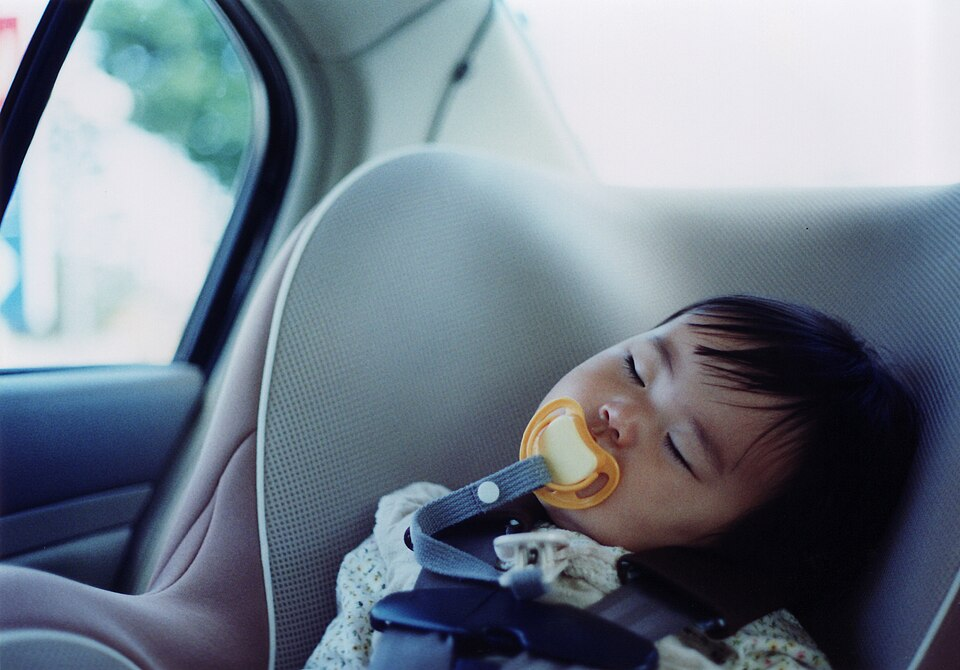
A warm, quiet, stationary vehicle is an extremely effective place to fall asleep, and a great many of these waits ended that way.
The adults were entirely aware of this. A child asleep in the back is a child who has stopped experiencing the wait at all, and a parent returning to find one took the opportunity to make another stop.
The Errands Were Chained and Nobody Said How Many
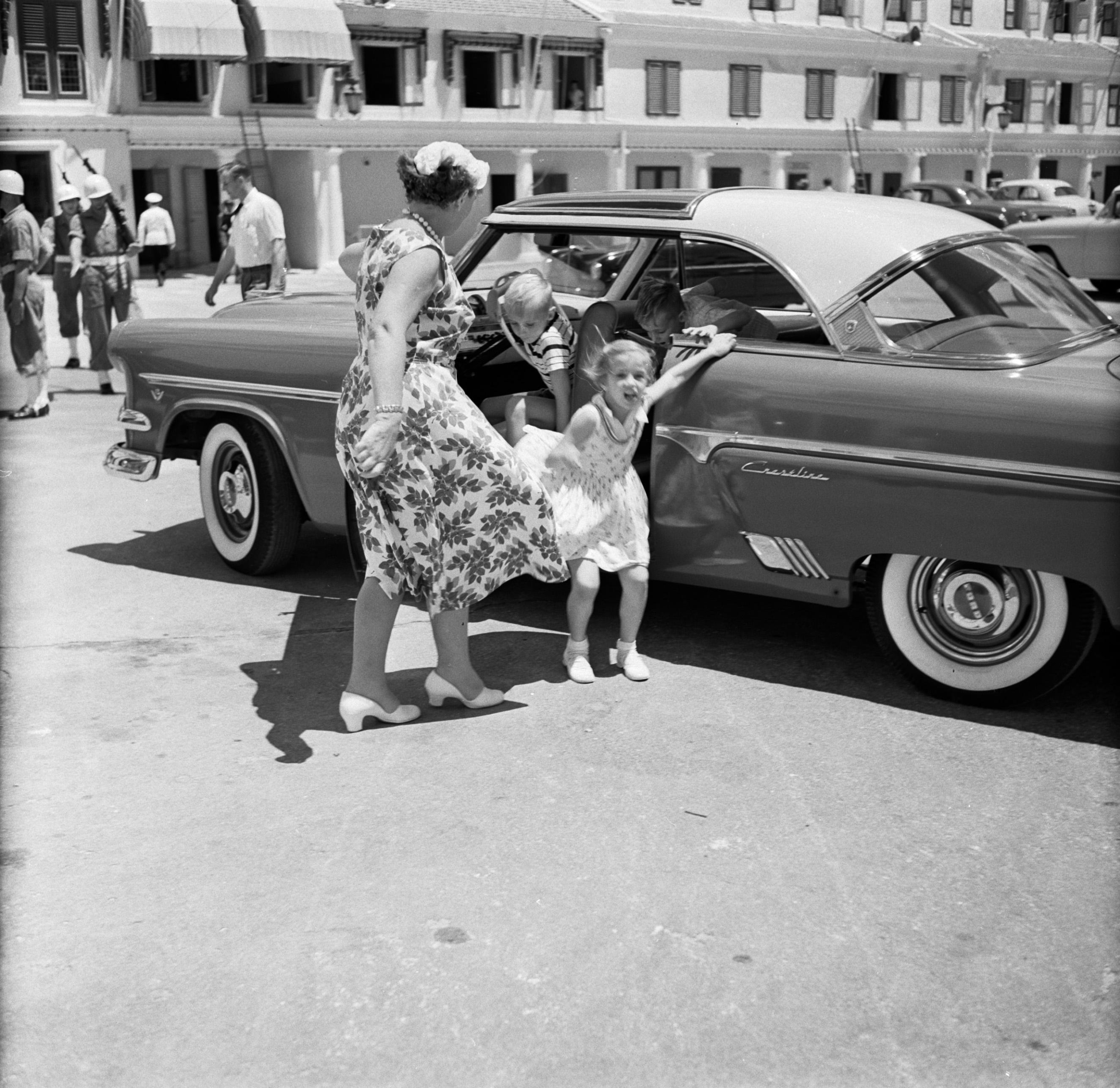
One stop became three, because an adult who is already out will do everything that needs doing while they are there.
The extension is the part that produced real resentment. A child told about one shop and then driven to a second has had a bargain revised without being consulted, and the second wait was always experienced as considerably longer than the first.
Being Brought Something Was the Standard Settlement

A small purchase handed over on return functioned as compensation and was understood as such by both parties.
The transaction was never discussed in those terms and operated perfectly. A child who received something had been paid for their time, and a parent who forgot had a noticeably worse journey home.
The Car Was Hot, Cold or Both Within the Same Hour
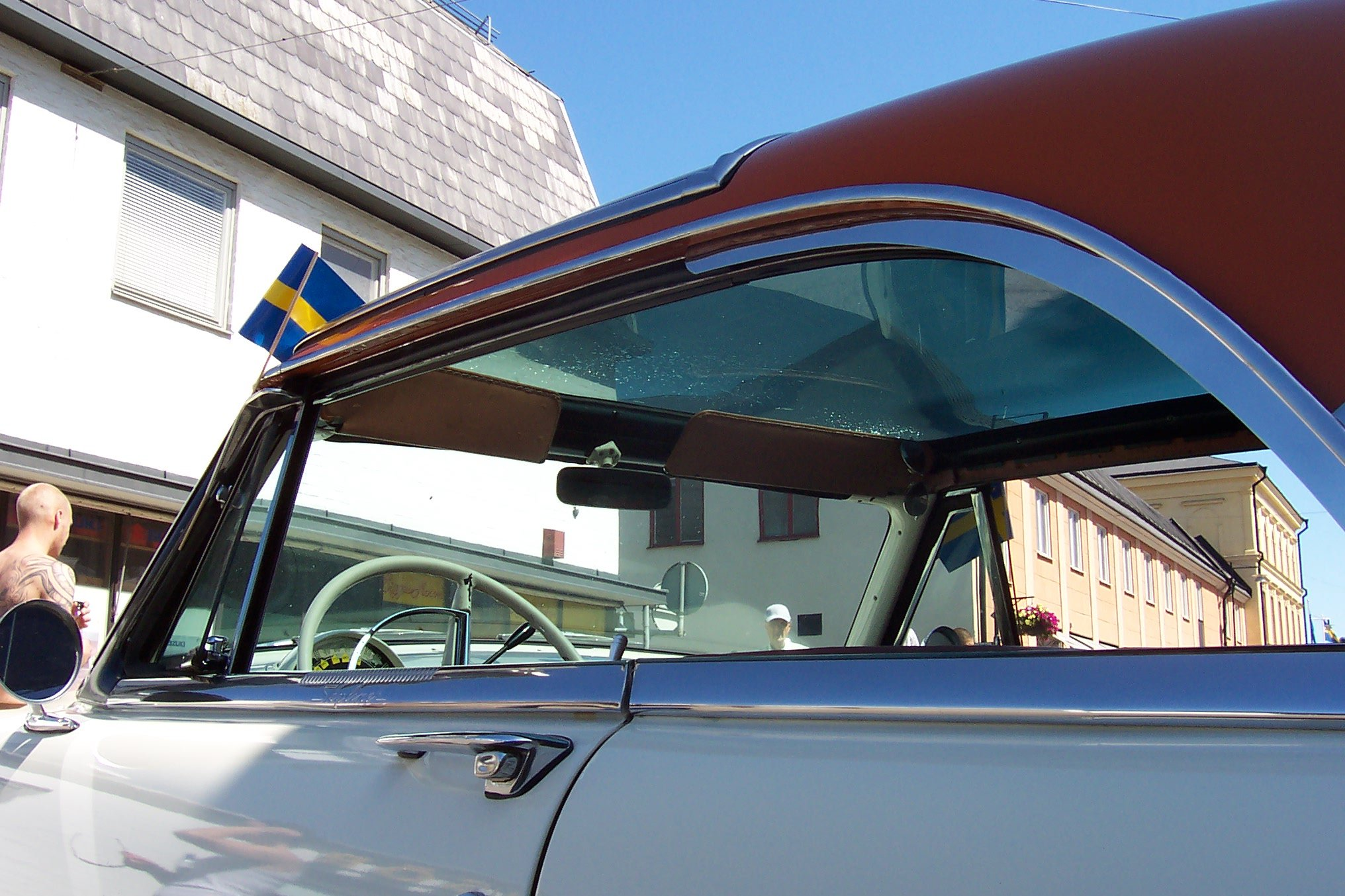
Vehicles of the period had almost no capacity to moderate their own temperature while parked, so the interior simply followed the weather.
The physical discomfort is the part least often mentioned and was continuous. Sun on glass produces heat extremely quickly and a stationary car in winter loses it just as fast, and a child waiting had no means of altering either.
Nothing Was Provided to Occupy Anybody
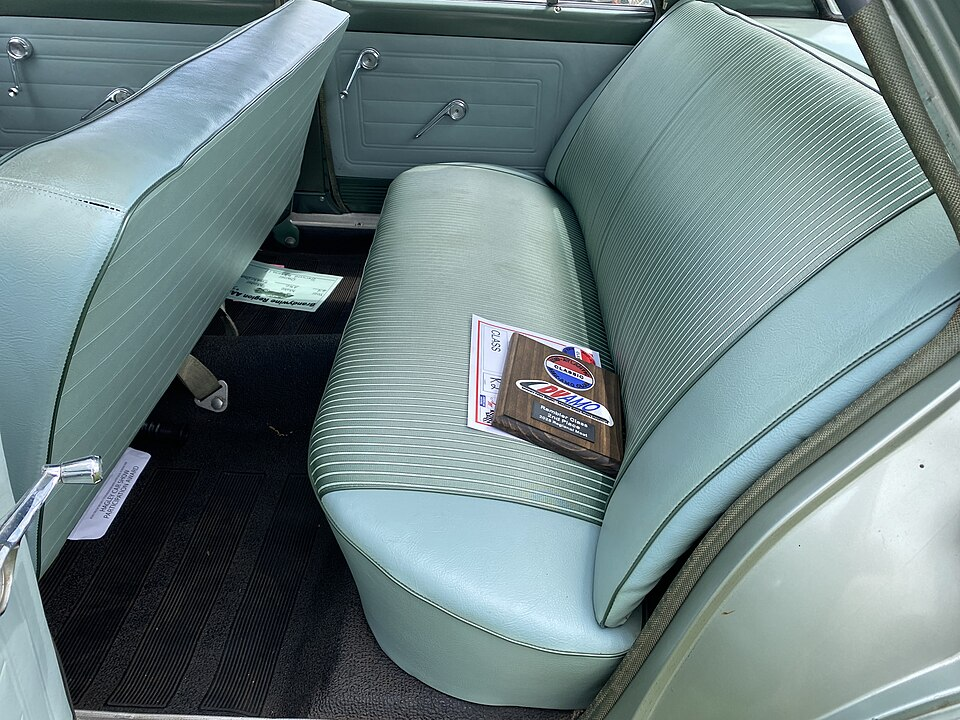
There was no screen, no device, no book brought along as a matter of course and no expectation that anybody would supply anything.
The absence of provision was total and nobody considered it a gap. A child was expected to sit, and the capacity to sit quietly in a confined space doing nothing is a skill that generation acquired by extensive involuntary practice.
It Produced an Enormous Amount of Thinking
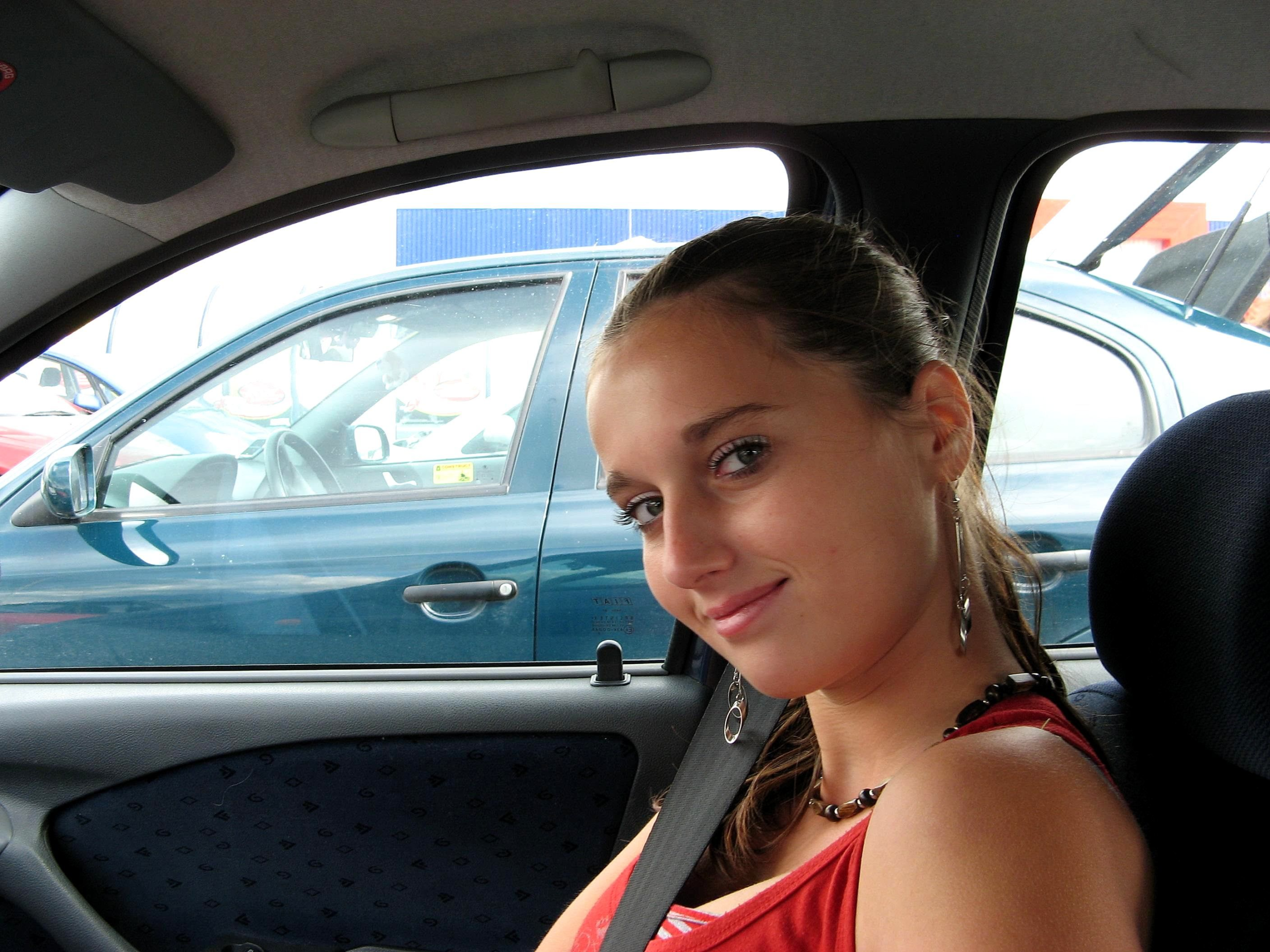
A child with no input, no distraction and twenty minutes will think, which is the one genuine benefit the whole arrangement delivered.
That is worth saying without overstating it. Nobody designed this as reflective time and it was frequently miserable, and it was also a reliable supply of unstructured mental hours that very few children now receive.
Nobody Thought It Was Remarkable and Everybody Did It
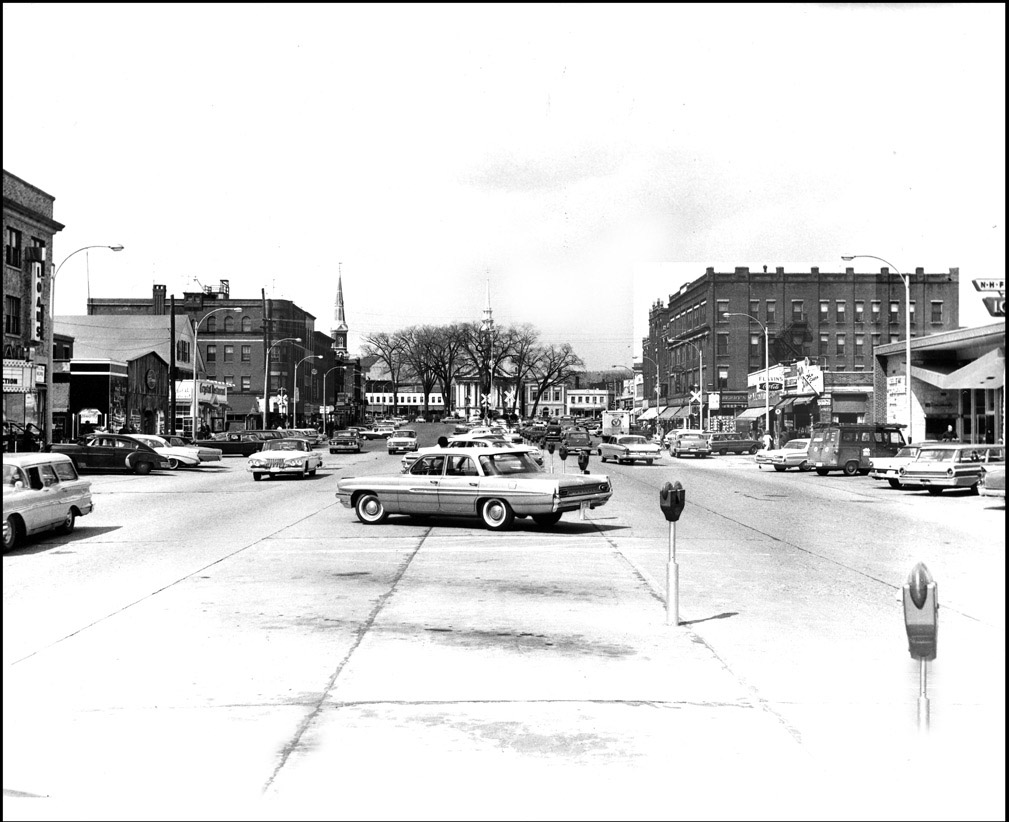
Car parks and streets outside shops contained children waiting, in plain view, and no passer-by considered it worth a second look.
The universality is the fact that has changed most completely. An arrangement visible on every shopping street, practised by nearly every household and remarked on by nobody has become something that would now attract immediate attention.
Then the Understanding Changed Completely
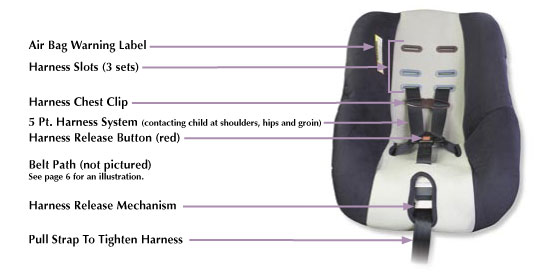
Attitudes to leaving children unattended in vehicles altered substantially, for reasons that are well founded, and the practice stopped being acceptable.
This is stated plainly rather than regretted. The reasons the practice ended are good ones, the risks involved are real and were not well understood at the time, and nothing about its disappearance is a loss to be mourned.
And the Errand Itself Went Away
Larger shops, longer hours, trolleys, one-stop provision and eventually buying things without leaving the house removed the chain of small stops entirely.
Which closed the question from the other direction as well. The practice ended because it became unacceptable and because the problem it solved largely dissolved, and the only thing worth noting about it now is the by-product: a very large number of people who, at six years old, spent regular hours sitting entirely still in a confined space with nothing whatsoever to do, watching one doorway, and are oddly good at both waiting and noticing as a result.
Like our content? Follow us for more.