


The promise of exhilaration used to hit travelers the moment they crossed the California state line. Before the actual Las Vegas Strip materialized, there was Primm, a fierce, colorful burst of neon, promising cheap thrills, overflowing buffets, and the satisfying clang of slot machines. Primm was the perfect appetizer, selling a rapid-fire taste of the main event without the Strip’s complications or price tag.
That vibrant energy has faded into a strained silence. The magnetic pull weakened as travelers chose to bypass it entirely. Weekdays are now eerily quiet. Beloved rides stand frozen. Hotels either sit shuttered or open only for brief, mandated events to prevent the total loss of valuable gaming licenses. What remains is a ghost town caught between its glamorous past and a grim future, battling the desert wind that whistles across vast, empty parking lots.
The Starter Course That Lost Its Appetite
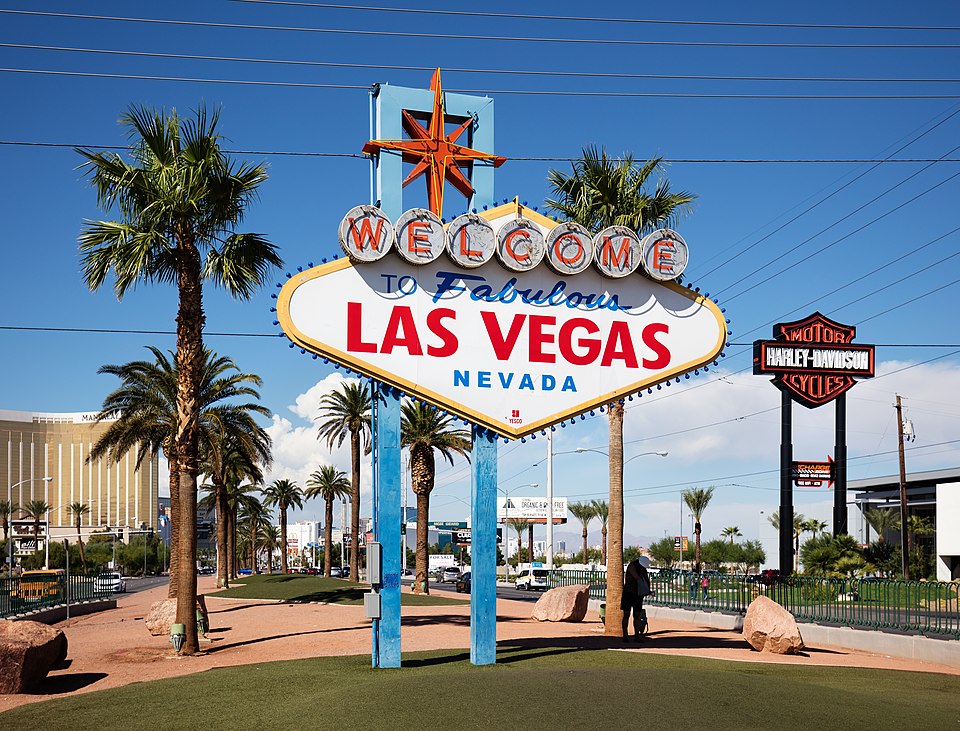
Primm built its entire existence on being the first major casino cluster encountered on the I-15 journey from Southern California. For decades, the model was successful: travelers stopped for low-stakes gambling, budget-friendly meals, and a quick reset before the final 40-mile push into Vegas. However, the driving habits evolved. The spontaneous stopovers dwindled. The pandemic broke the rhythm of weekly visitation, and the weekday traffic (the lifeblood of a volume-based town) never recovered. Built on impulsive stops, the town has felt the pinch of narrowing customer pipeline acutely.
Buffalo Bill’s and the Silent Steel Sentinel
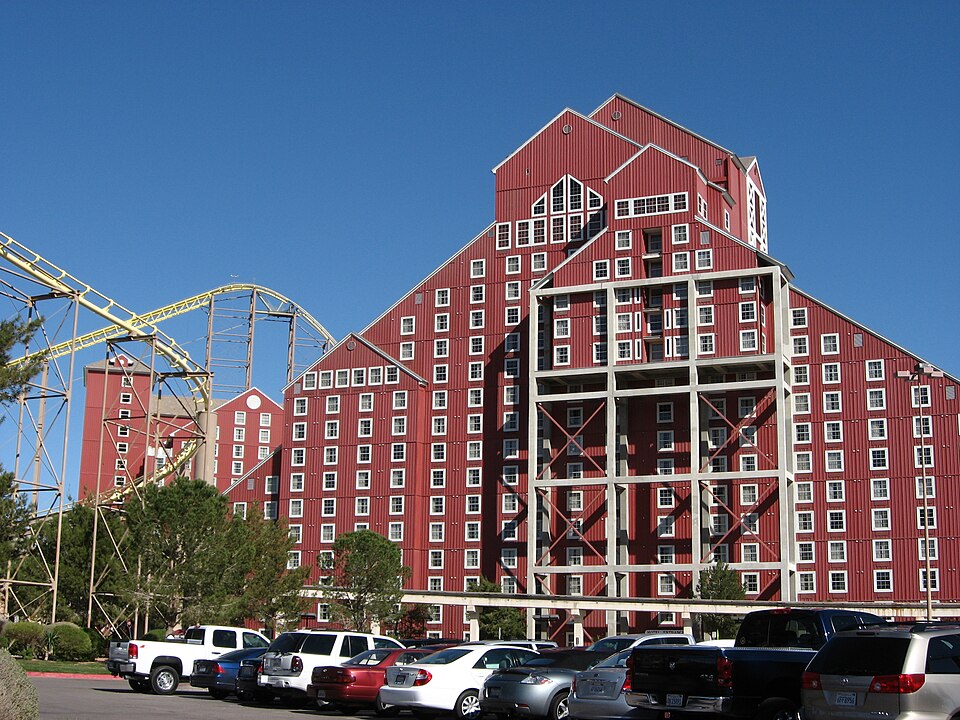
Buffalo Bill’s Resort commanded attention with its frontier architecture, its distinctive bison logo, and its family attractions, all crowned by the colossal Desperado roller coaster, once the desert’s wildest yellow steel ride. Today, the resort operates on an event-only basis, legally obliged to open in short, sporadic bursts simply to retain its critical gaming rights. It may host select concerts or special weekend engagements, but for the majority of the year, it remains dark. Without the screams of the headliner thrill ride, the building feels like a massive, quiet monument to a bygone era.
Whiskey Pete’s: 777 Rooms, Zero Luck
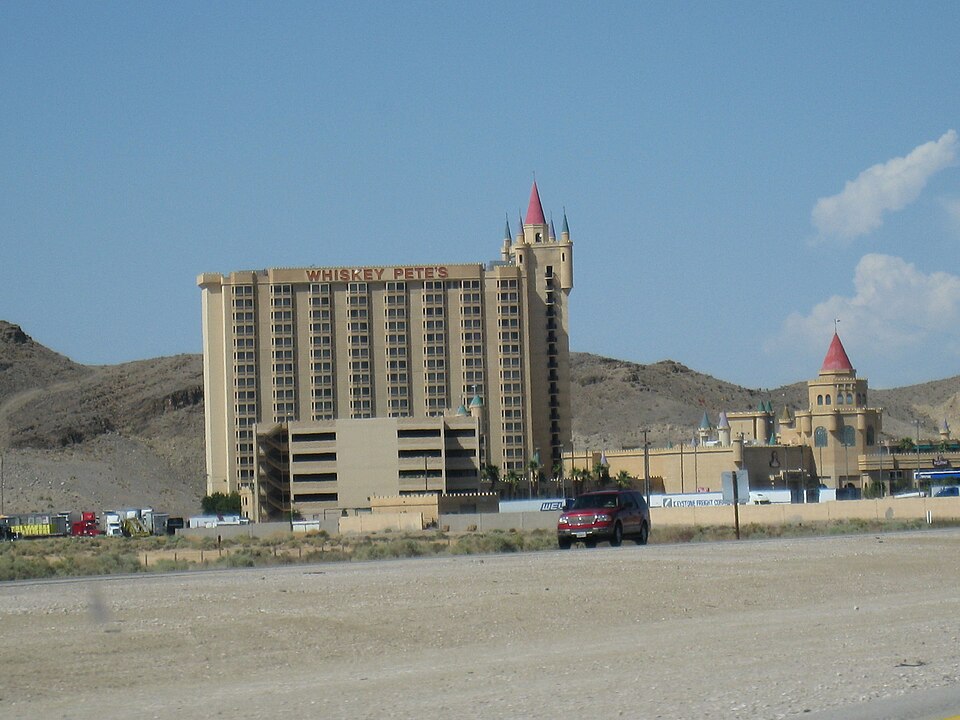
Whiskey Pete’s was the original frontier bet for Primm and had long been a reliable anchor on the highway. With 777 rooms, a guaranteed 24-hour coffee supply, and a location etched into the memory of every Angeleno road warrior, it was once a staple. Its doors were decisively locked in December 2024. The owners received a waiver from Clark County to keep the resort permanently closed while they strategize its fate. The economics are undeniable: with weekday demand collapsing, attempting to operate three large properties based only on weekend traffic became fiscally impossible.
Primm Valley: Outlaw Artifacts and Skeletal Staff
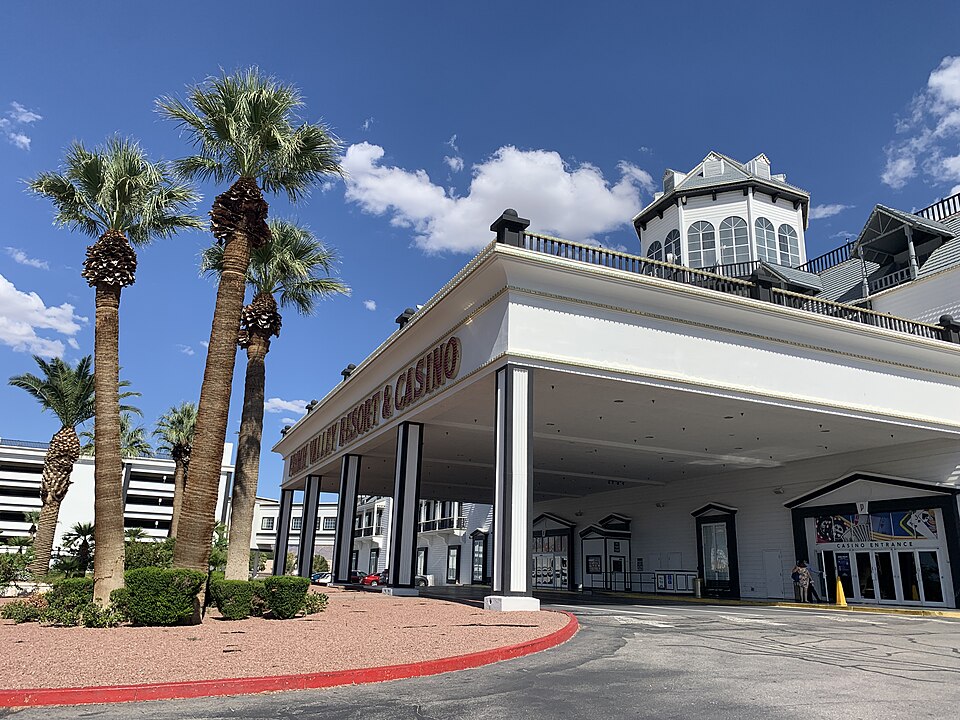
Primm Valley Resort still manages to keep a faint light on, though its operations are severely curtailed. Its enduring star remains the bullet-scarred Ford V8 tied to infamous outlaws Bonnie and Clyde, a dramatic slice of American history displayed steps from the main casino floor. To cut costs, operations have been pared down to the bare minimum. Visitors often report finding just a single bartender and one server managing sprawling, quiet rooms. Management is leaning into a practical refresh rather than a flashy retreat, making a careful, incremental bet on survival.
Jean’s Landmark is Checked Out For Good
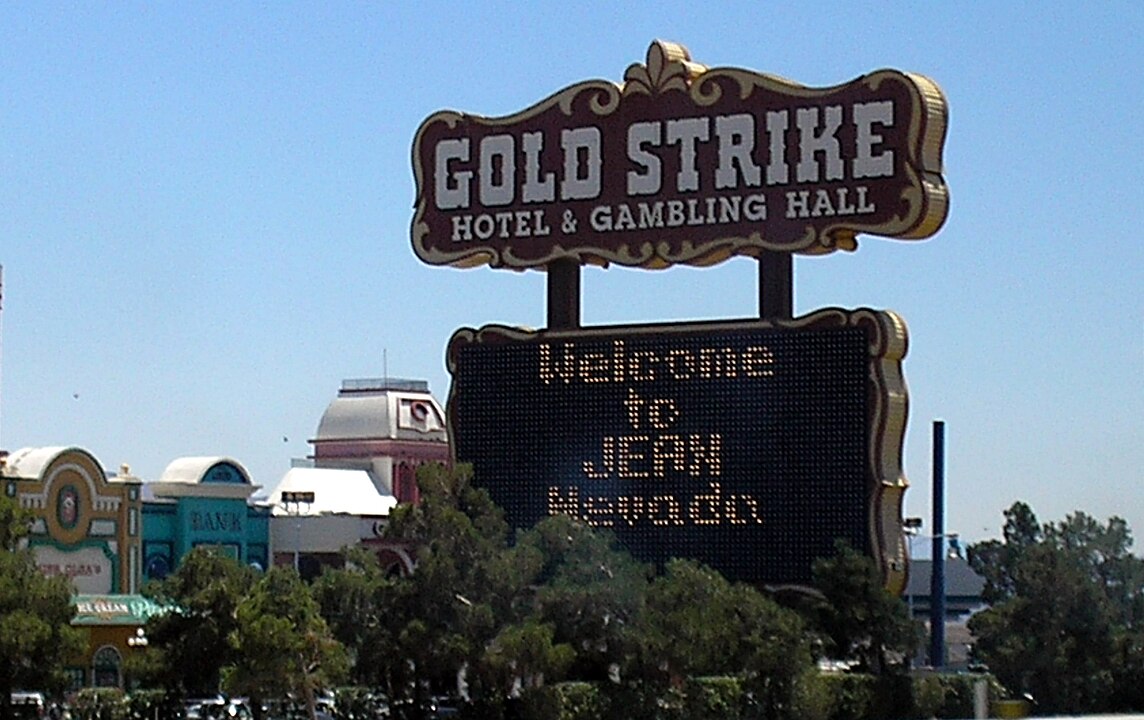
A little further north, the familiar Jean’s Hotel, which operated as Gold Strike and later Terrible’s, has met a conclusive end. After closing its doors in 2020, demolition began in 2024 to clear the sprawling property for a massive industrial logistics development. The highway scenery is now simpler, and the message is stark: leisure lost the economic battle to logistics. The old marquee served as an iconic mile marker for generations of travelers, but now, massive trucks stream past where the once-busy buffet lines used to coil.
The Outlet Mall That Emptied to a Whisper
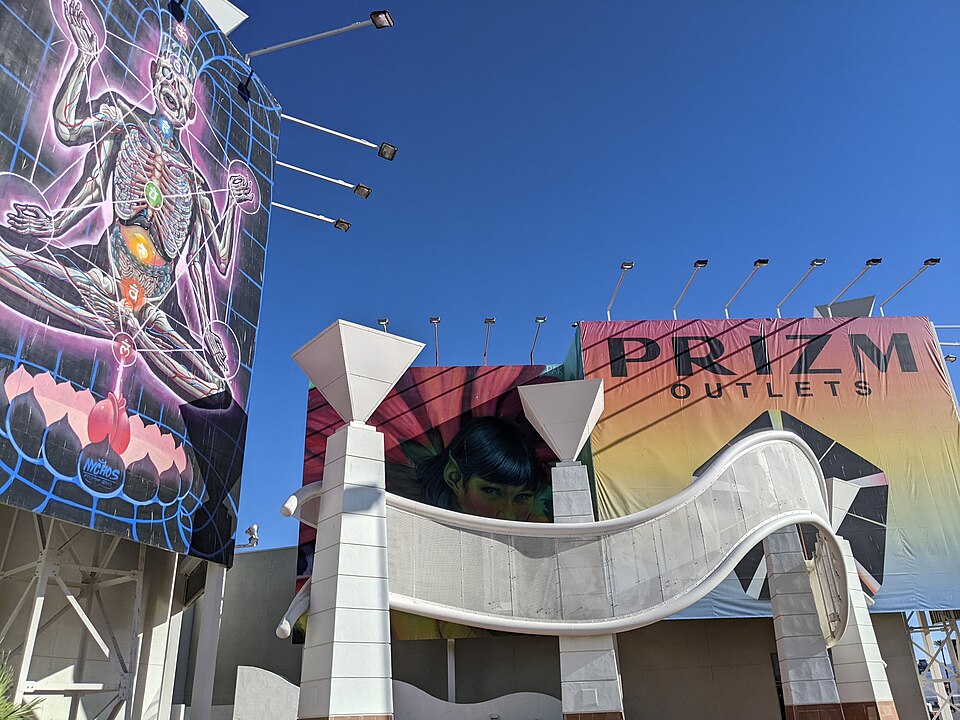
The former Fashion Outlet of Las Vegas, recently rebranded as Prizm Outlets in an attempt at modernization, once sprawled across almost 380,000 square feet of name-brand logos and discount deals. By the summer of 2025, the final remaining retail tenant had vacated the premises, and the entire complex went silent. For a destination built entirely on the impulse stop and casual spend, losing its massive retail anchor effectively erased the easiest incentive for travelers to leave the interstate.
A Marquee, New Rooms, and a Survival Pitch
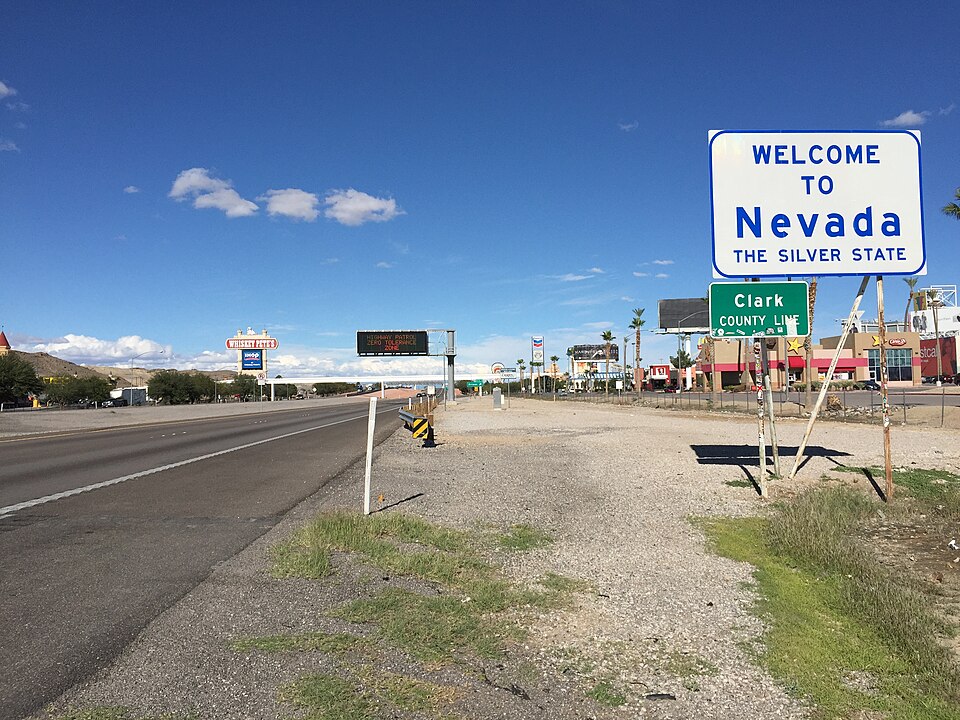
Affinity Interactive is leading the charge to script a measured rebound centered on the Primm Valley property. The revitalization plan is pragmatic, pivoting from a “mini Vegas” theme to that of a vital highway hub. This includes renovated rooms and refreshed event spaces, alongside two new dining concepts designed specifically for road travelers rather than dedicated diners. The most visible change is the 100-foot-tall, three-sided LED sign at mile marker one, which beams to over 50,000 daily drivers. The simple message: We are still here. Pull off, charge your EV, get a meal, and rest.
What Vegas’s Numbers Mean for Primm’s Margins
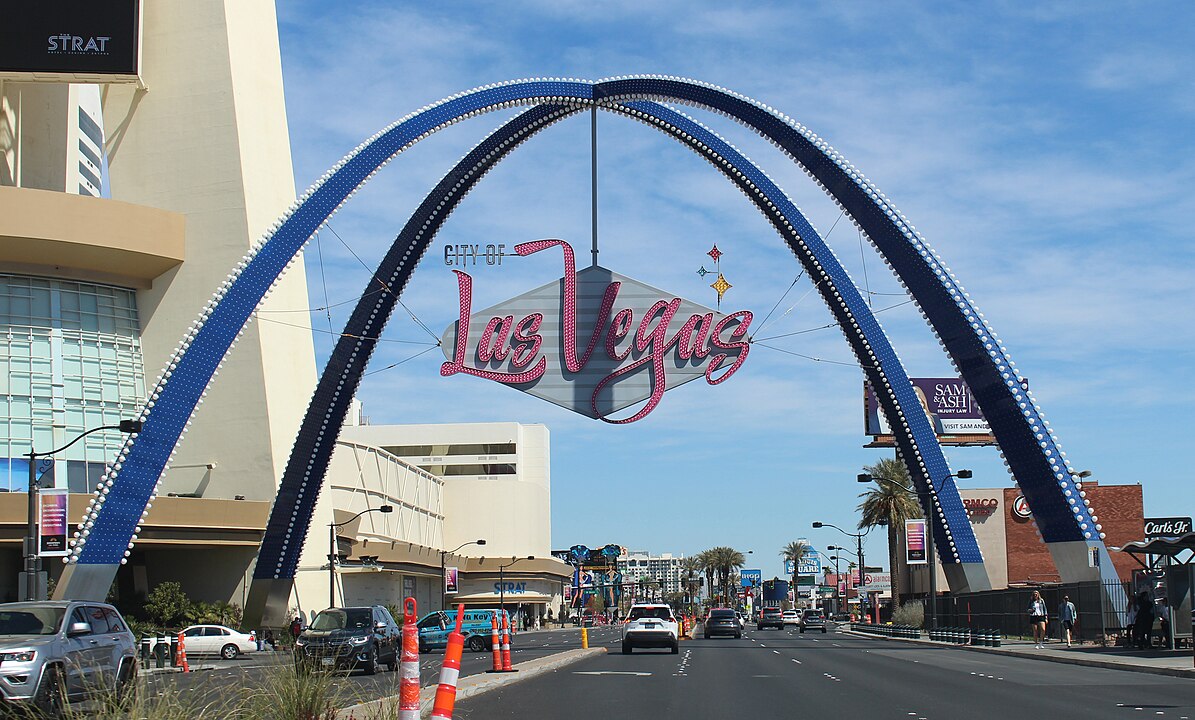
Las Vegas remains an economic powerhouse, logging 41.7 million visitors in 2024. However, 2025 figures show softening: passenger traffic through Harry Reid International has dropped several percentage points year-over-year. These monthly dips, though small in the context of the Strip, represent the kind of steady margin leak that satellite markets feel first and hardest. Primm relies on those shrinking margins. If Vegas softens, the impulse detours dry up. Until potential future infrastructure changes, like the planned second airport south of the valley, fully take shape in the 2030s, Primm’s best odds lie in making itself indispensable to drivers, not in trying to echo the fading glamour of the Strip.

