The global travel landscape is undergoing a significant shake-up as the U.S. Department of Homeland Security (DHS) quietly rolls out an expansion of its travel restrictions, now encompassing over 30 countries. Framed as a crucial measure to enhance national security and address shortcomings in international cooperation, this broadened ban introduces complex hurdles for millions seeking to enter the United States.
While the rhetoric centers on security, the practical impact is being felt most keenly by prospective international students, tourists, and crucial business travelers, potentially reshaping academic programs and international commerce.
1. The Scope of the Expanded Ban

The new restrictions represent a dramatic increase from the previous targeted list of 19 nations. The expanded ban targets countries that the U.S. government deems non-compliant with strict new security and information-sharing protocols.
- The Criteria: According to statements from Homeland Security Secretary Kristi Noem, the new criteria focus on countries lacking “stable government” structures and those unable or unwilling to meet required biometric data collection and vetting standards for their citizens.
- The Immediate Impact: This expansion immediately affects visa processing rates for citizens of the newly added countries, requiring enhanced screening, longer wait times, and a higher rate of initial denial.
2. The Hurdle for International Students
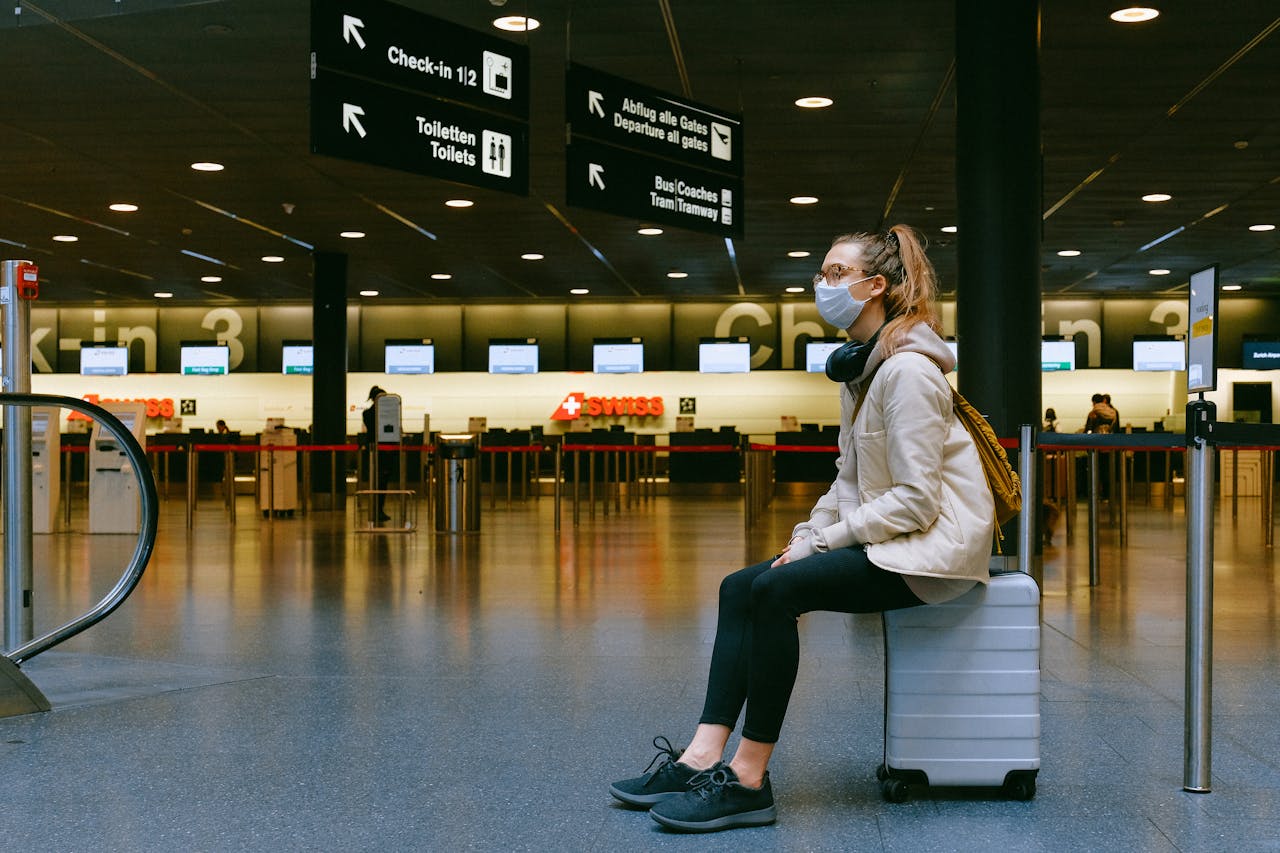
The academic sector, which relies heavily on international tuition, is already seeing ripples from this policy shift. Students from the affected nations face heightened scrutiny, which compromises their ability to enroll and travel on time for semesters.
- Visa Processing Delays: F-1 Student Visas are now subject to extended security checks, often adding months to the application process. Universities are reporting increased difficulty in getting admitted students to the U.S. before orientation dates, forcing many to defer enrollment.
- Proof of Non-Intent to Immigrate: Students must now provide exceptionally robust proof of non-immigrant intent, detailing binding ties to their home country and clear plans for departure upon graduation. Consular officers have more discretion to deny applications based on perceived “risk factors.”
3. Implications for Tourists (B-1/B-2 Visas)
The B-1 (Business) and B-2 (Tourist) visa categories are experiencing some of the tightest restrictions, impacting families and general leisure travel.
- Increased Documentation: Applicants are required to submit far more extensive personal and financial documentation than before, including years of bank statements, detailed employment histories, and comprehensive travel itineraries.
- The “Tourist Trap”: Visitors must overcome a strong presumption of “immigrant intent” under U.S. law. For travelers from the newly listed countries, proving the trip is purely temporary is now significantly harder, even for short vacations or family visits.
- Waiver Difficulty: While waivers exist in theory for humanitarian or national interest cases, they are rarely granted and involve a highly complex, non-transparent appeals process.
4. What It Means for Business Travelers

Business travelers, including executives, technical specialists, and investors using B-1 visas, are not exempt from the new vetting environment.
- Scrutiny on Specialty Visas: Companies seeking to bring in specialized talent may find their employees’ visa processing delayed. While highly technical and employment-based visas (like H-1B or L-1) are not directly part of the ban, the overall heightened security climate slows down consular services globally.
- Economic Friction: The delays have created significant friction for multinational corporations, making it harder to coordinate international teams, attend urgent meetings, and close time-sensitive deals. Critics argue the measure indirectly harms U.S. businesses that rely on global talent mobility.
5. Existing Green Card Holders and Resettlement Programs

The new ban is not supposed to affect lawful permanent residents (Green Card holders) or those with existing asylum status, but the bureaucratic fallout is still significant.
- Increased Scrutiny at Ports of Entry: Green Card holders returning from the listed countries may face longer questioning and inspection upon arrival, although their right to entry remains protected.
- Impact on Resettlement: Humanitarian and refugee resettlement programs tied to the affected nations are facing substantial slowdowns. The DHS is prioritizing security checks over the speed of processing, leaving thousands in protracted limbo.
6. The Long-Term Geopolitical View

The expansion of the travel ban is less about isolating these countries and more about applying diplomatic pressure. By linking travel privileges directly to rigorous security cooperation, the U.S. is compelling foreign governments to improve their internal identity management and counter-terrorism information-sharing capabilities.
For the traveler, however, the message is clear: the path to the U.S. has become significantly longer, more complex, and less certain.