

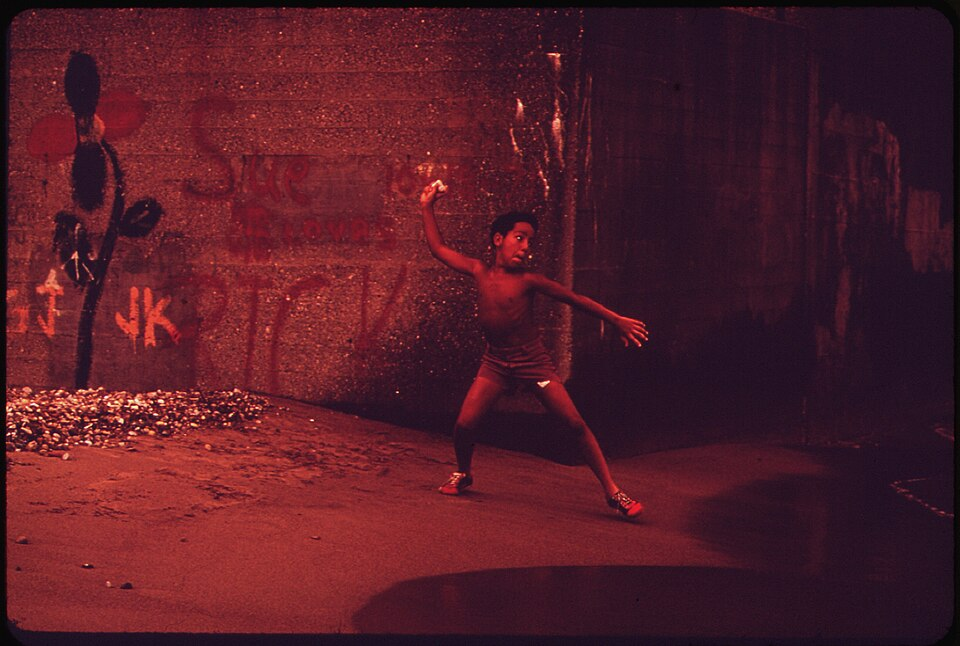
In 1964 the entire instruction consisted of somebody older throwing one, it bouncing several times, and them walking away without a word about how. Everything after that was hours of unguided attempts with the memory of a single demonstration as the only reference – which is why almost nobody who can do this is able to explain how they do it. Here are fifteen things every kid learned about skipping stones in 1964, and why children never get taught any of it anymore.
1. Somebody Older Showed You and Then Walked Away
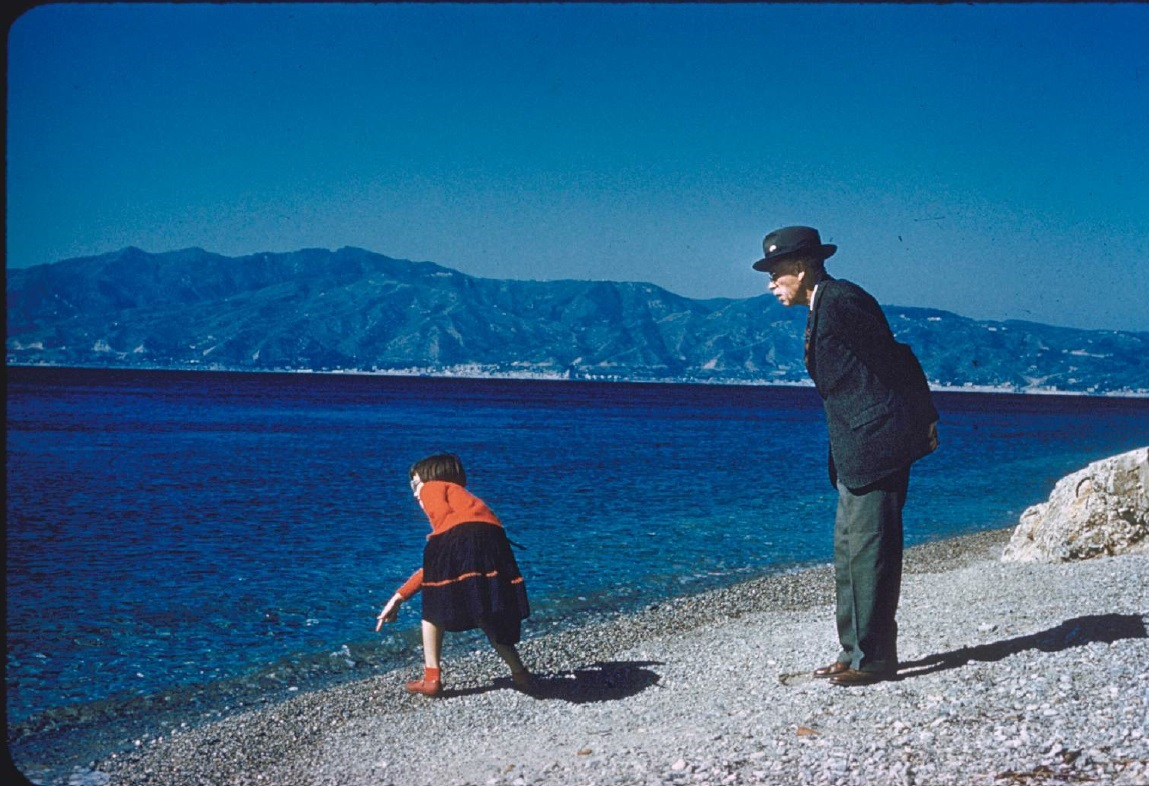
The whole instruction consisted of a demonstration and no explanation, which is how the skill was transmitted for generations.
The teaching method was almost nonexistent. An older child threw one, it bounced several times, and they offered nothing about the grip, the angle or the motion before going back to whatever they had been doing.
That left the learning entirely to the child. Hours of unguided attempts, with the memory of one demonstration as the only reference, is how almost everybody acquired this, which is why nobody can explain how they do it.
Like our content? Follow us for more.
2. Finding the Right Stone Took Longer Than Throwing It
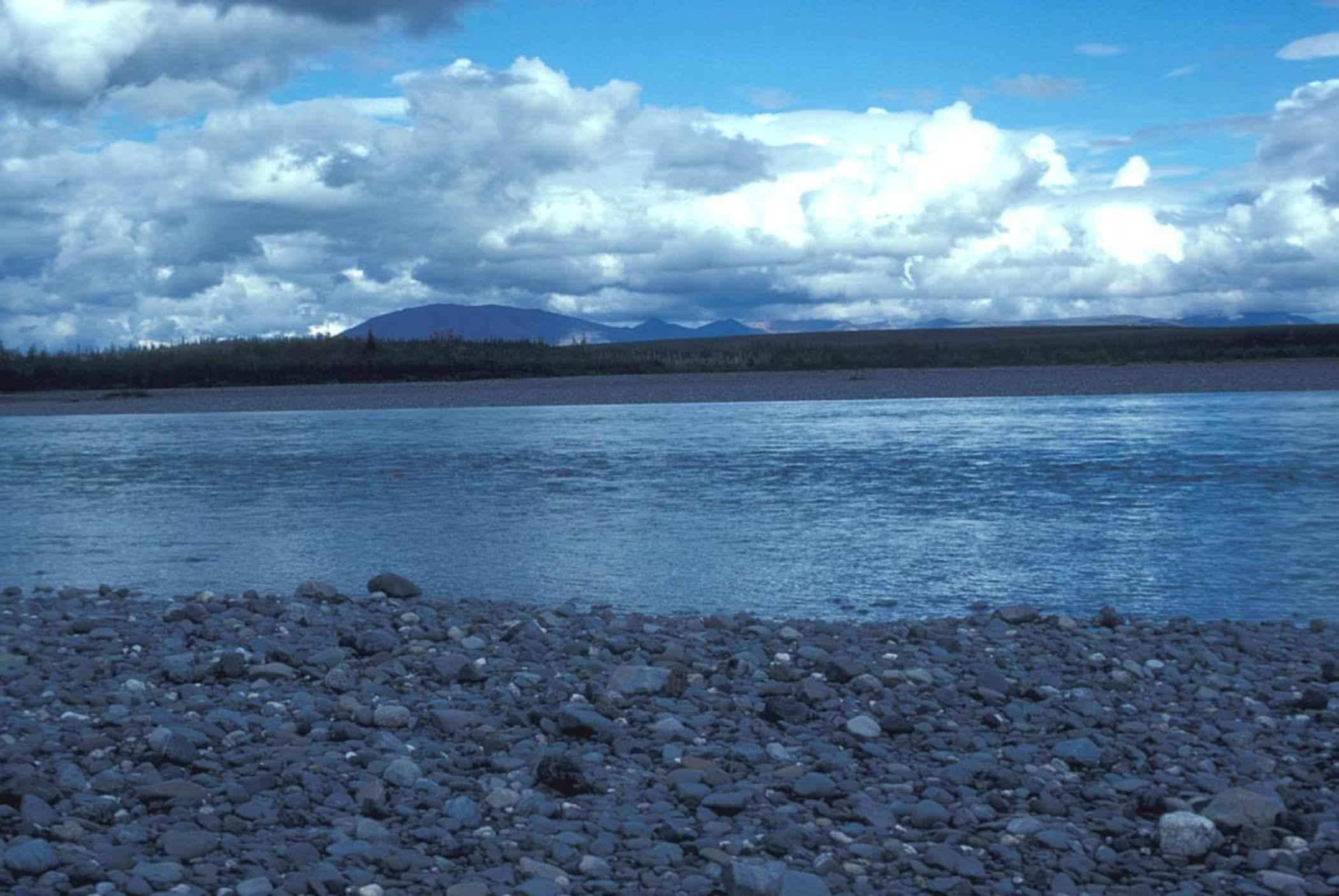
The search was most of the activity, and children became extremely particular about what they would accept.
The selection criteria were real and entirely self-taught. A flat stone of a particular thickness, a particular weight and a particular smoothness works and nothing else does, and children established that by trial without being told any of it.
The ground determined whether it was possible at all. Some shores produced them abundantly and some produced none whatever, and a child who had found a good one carried it some distance rather than risk not finding another.
Children also became territorial about a productive patch of ground. A stretch of shore that yielded three good stones in ten minutes was worth standing on, and a child who had found such a patch did not generally announce it to anybody who had turned up later.
3. A Good Stone Was Pocketed and Saved
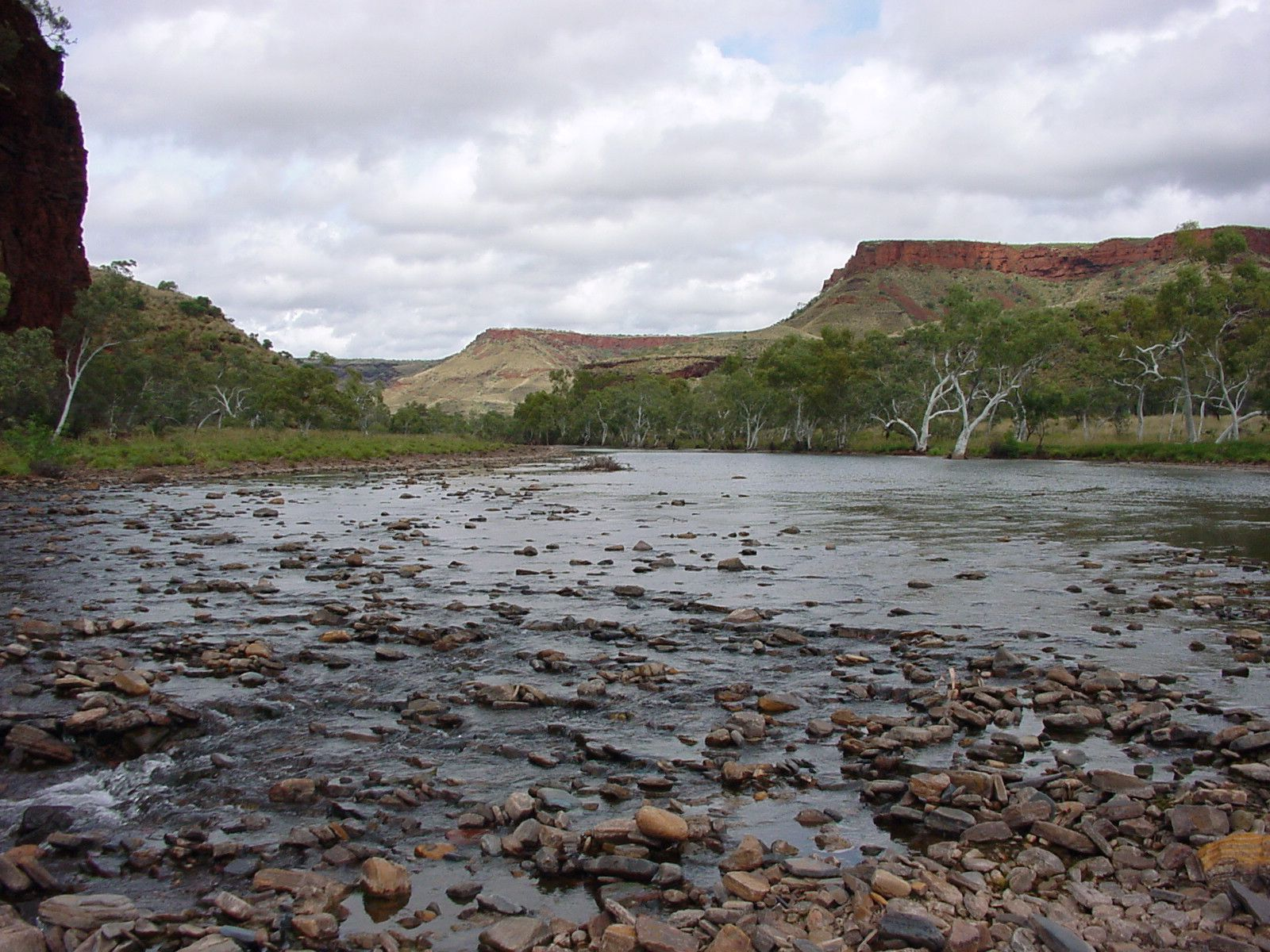
Children who found an exceptional one did not throw it immediately, which is a small and revealing economic decision.
The deferral made sense in context. A stone that was obviously ideal was worth more as a guaranteed future success than as an immediate one, particularly if nobody was watching at that moment.
They were frequently never thrown at all. A good flat stone that went into a pocket and then into a drawer, retained for years and never used, is a surprisingly common memory and nobody can account for it.
4. The Grip Was the Part Nobody Could Describe
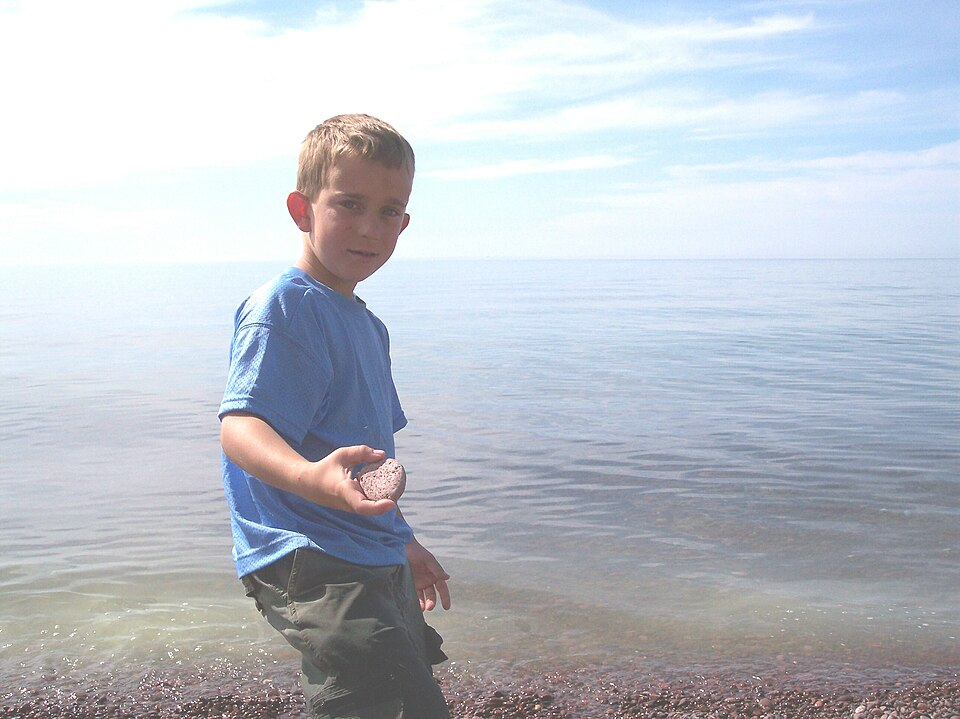
How the stone sits against the finger before release is the whole technique, and it is almost impossible to convey in words.
The difficulty is genuine rather than a failure of vocabulary. A skill that depends on a particular relationship between a hand and an irregular object cannot be specified, only acquired, which is why demonstration was the only transmission method available.
Children arrived at it by elimination. Enough attempts produce a grip that works, the hand remembers it without the child knowing what it remembers, and the skill then persists for fifty years with no conscious content at all.
5. Counting the Bounces Was the Entire Scoring System
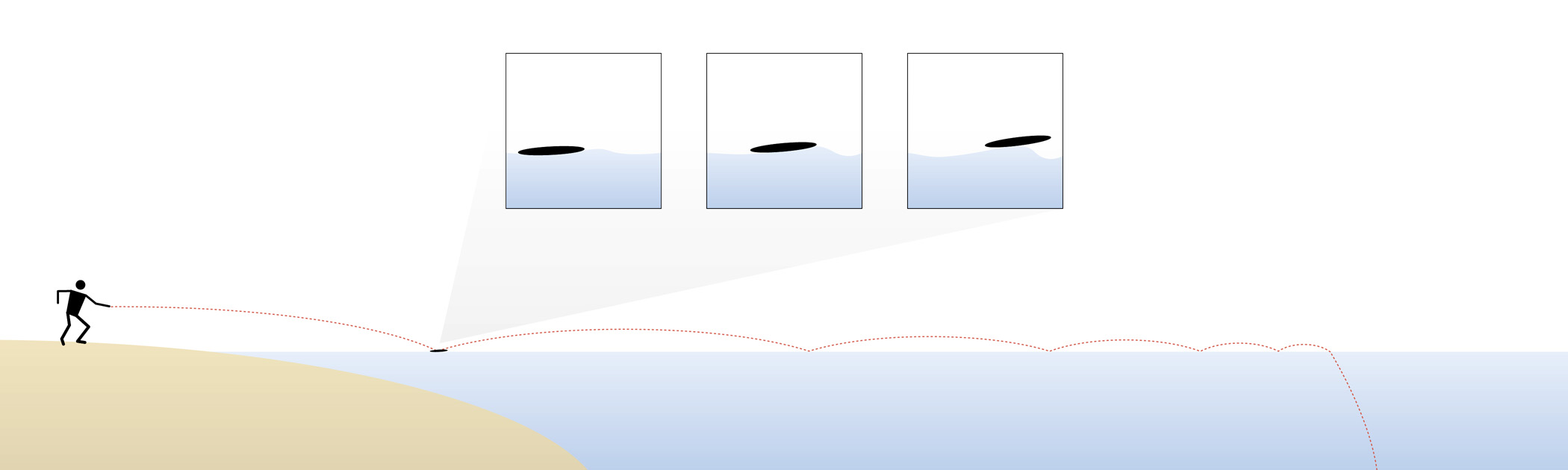
There was no other measure, and everybody present counted independently and out loud.
The counting was the only competitive element. Distance was irrelevant, style was irrelevant and the single number that mattered was how many times the stone touched the water before it stopped doing so.
Disputes were constant and unresolvable. The last two or three contacts of a good throw happen quickly and close together, and no two children ever agreed on the final total of anything impressive.
The honesty of the count varied with the audience too. A throw witnessed by nobody was almost always better than a throw witnessed by somebody, and every child knew that about everybody else’s claims while making exactly the same ones themselves.
6. The Last Few Bounces Were Where the Argument Always Was
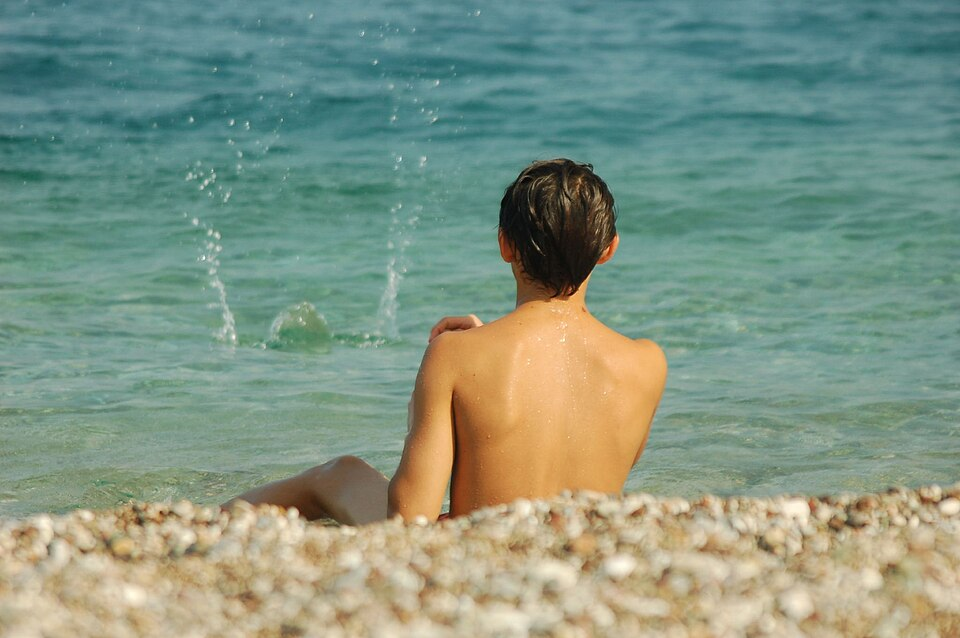
A stone losing energy produces a rapid series of small contacts that nobody can count accurately.
The physics made agreement impossible. As the stone slows the intervals shorten, which means the end of a good throw is a blur rather than a sequence, and the honest answer is that nobody knows.
Every group settled on a convention. Some counted only what they could distinguish, some rounded generously and some deferred to whoever had thrown it, and whichever rule a particular group used was defended fiercely against visitors.
7. Still Water Was Essential and Rarely Available
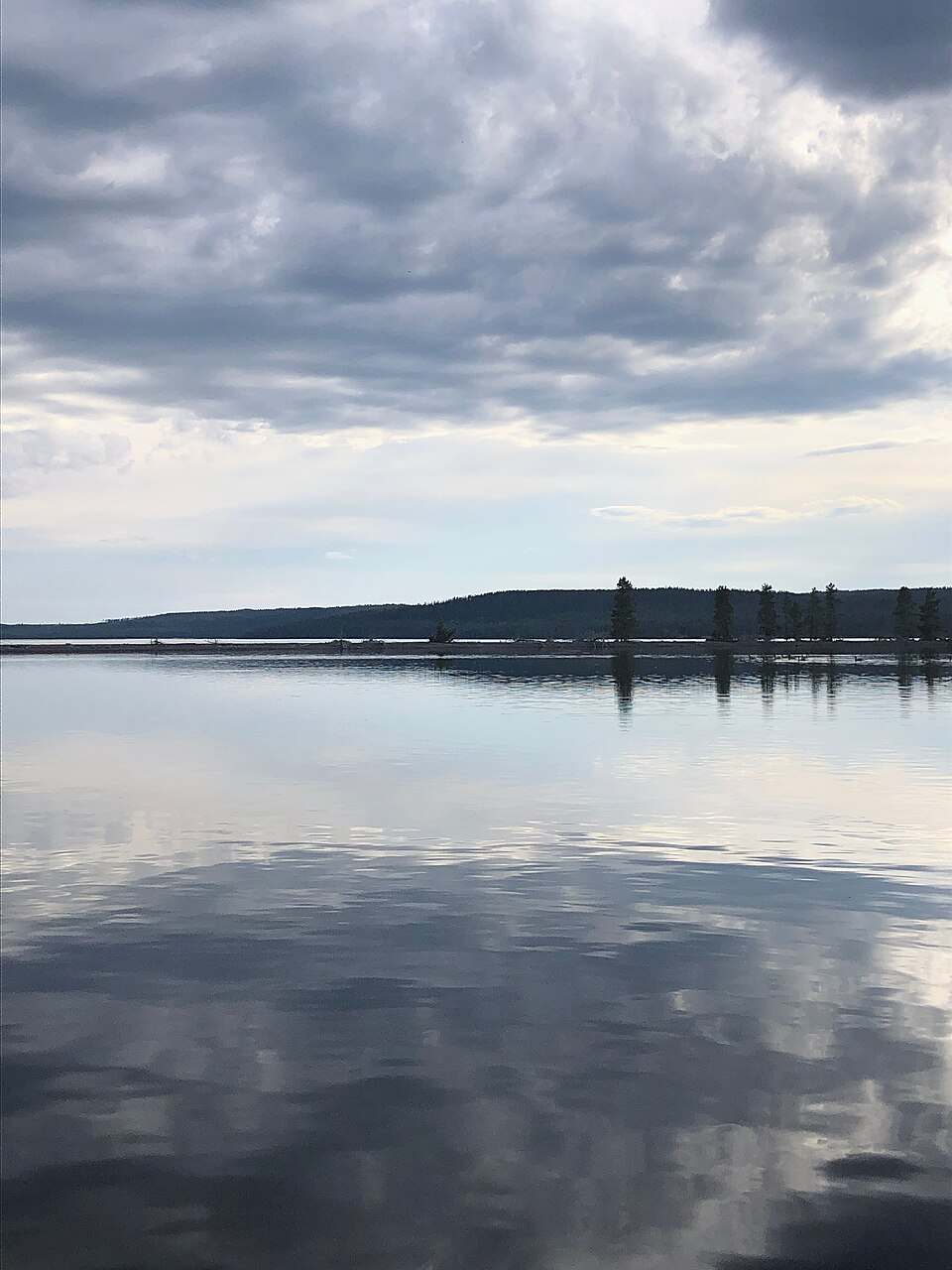
The activity requires a flat surface, and most available water of any kind was moving or disturbed.
The requirement limited where it could happen. A ripple is enough to stop a stone that would otherwise have bounced eight times, which meant the conditions mattered as much as the technique and children knew it.
The good spots were known and shared. Every area had a particular place where the water was reliably flat, and the knowledge of where that was travelled between children with no adult involvement at all.
8. The Water Was Where the Serious Risk Was
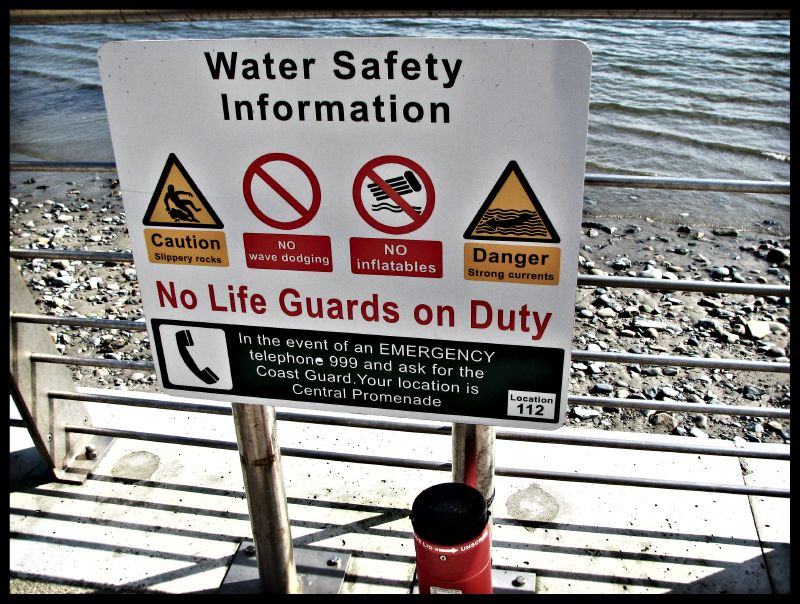
Children conducted this at the edge of water, frequently alone, with no adult present and no thought given to any of it.
That is the one genuinely dangerous thing in the whole subject and it is stated plainly. The activity requires standing at a water’s edge, children of the period did so unsupervised as a matter of routine, and the standards of that era did not address it at all.
Everything about current practice is better. Nothing in this piece should be read as describing how any child ought to be near water, and the reasons for present-day supervision are not in dispute.
9. You Got Wet and It Was Never Worth Explaining at Home
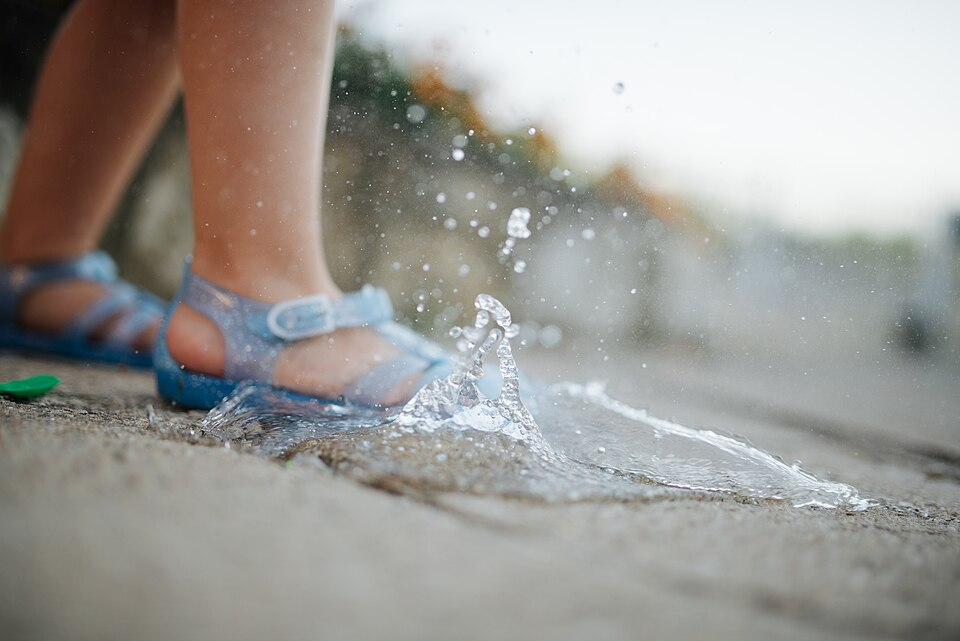
Reaching for a stone, stepping in to get a better angle or simply misjudging the edge produced wet clothing that had to be accounted for.
The accounting was the problem rather than the water. A child arriving home wet had to explain where they had been, which frequently revealed that they had been somewhere they had not mentioned.
The usual strategy was concealment and it never worked. Clothing dries at a known rate, adults are aware of that rate, and the attempt to arrive home having dried out on the way is one of the more universal failures of childhood.
The experiments also revealed how narrow the window was. A stone slightly too thick, slightly too light or slightly too rounded failed just as completely as a lump of wood, which is how children worked out that the criteria they had arrived at were not fussiness but the actual specification.
10. Throwing Something That Was Not a Stone Was the Standard Escalation
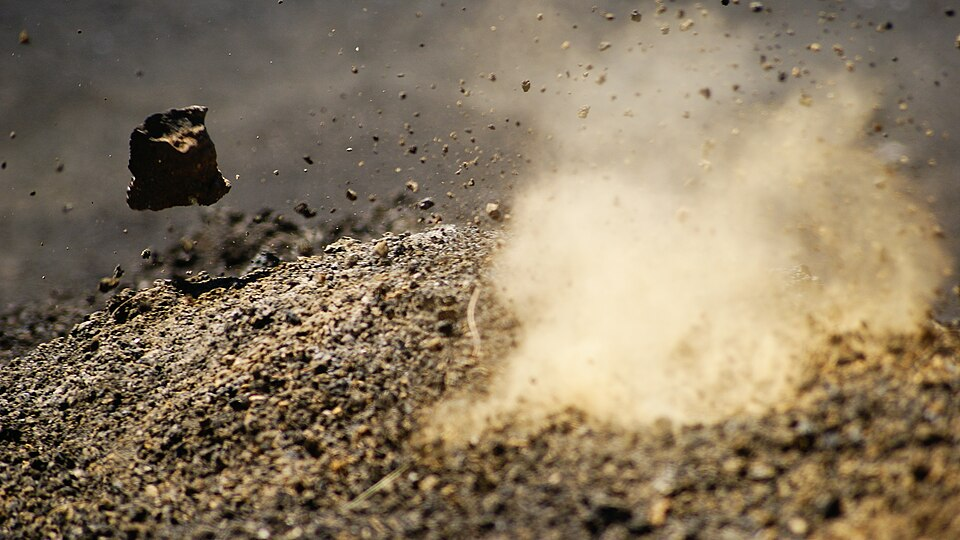
When the supply ran out or the interest flagged, children threw whatever else was available and watched what it did.
The experimentation was the natural next step. A child who has learned that a flat stone bounces immediately wants to know what else does, and the only way to establish that is to try things.
Almost nothing else worked. The discovery that the specific properties of a flat stone are not incidental is reached by every child independently, after throwing a considerable number of things that simply sank.
11. It Was the Only Thing to Do at a Place Nobody Had Chosen to Visit
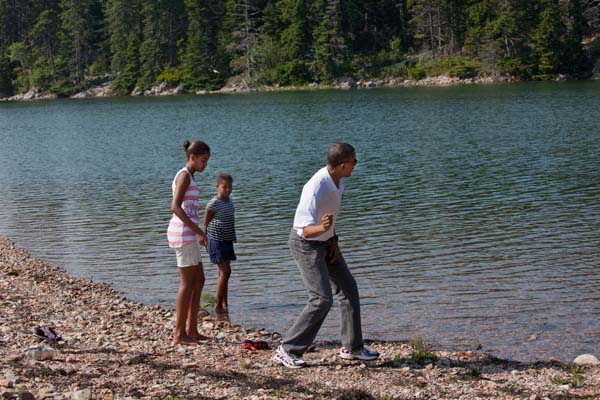
A child taken somewhere with water and nothing else happening had this available and very little else.
The context explains the persistence. A family visit, a walk somebody else had decided on, a wait for adults doing something elsewhere – all of these produced long periods at a water’s edge with no entertainment of any kind provided.
That is where most of the hours went. Not expeditions undertaken for the purpose, but dead time at somewhere a child had been brought, filled with the only available activity.
12. One Throw in Fifty Was Remembered Forever
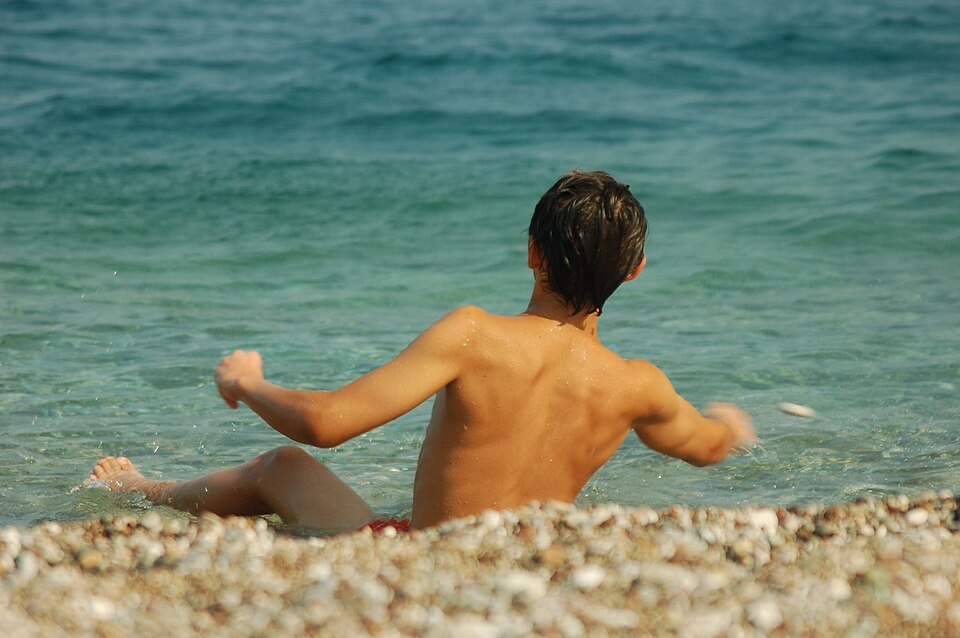
A stone that bounced an improbable number of times produced a memory that outlasted almost everything else about the day.
The rarity is what made it stick. A skill with a low success rate and an occasional spectacular result is structured to produce exactly that kind of memory, and almost everybody who did this has one.
The number always grows. A throw remembered at eight bounces was probably six, and the honest acknowledgement that nobody was counting accurately has never stopped a single person from quoting the figure.
13. Nobody Was Watching and That Was the Point
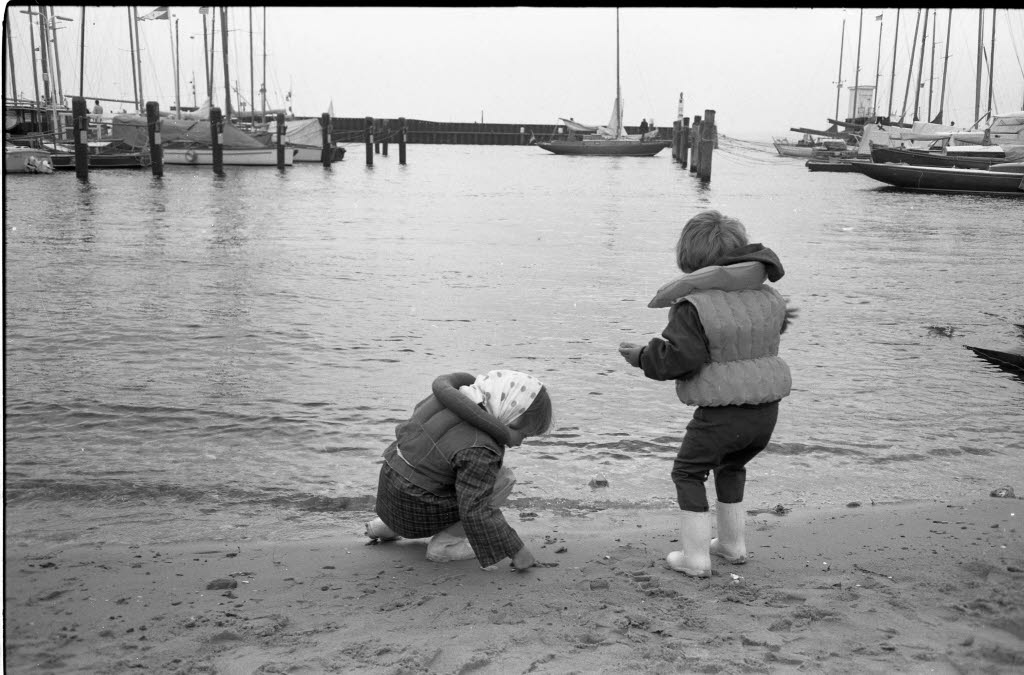
Most of this happened with no audience whatsoever, which is unusual for a skill anybody practised at length.
The solitude was structural. Water’s edges are not places adults gather, and the activity requires no second person, which meant a child could spend an hour at it entirely unobserved.
That is why the ability survives unexamined. A skill acquired alone, never assessed, never coached and never discussed is a skill that stays exactly as it was learned, which is why a sixty-year-old can still do it without having practised since.
The claimed numbers also went up over the following decades rather than settling. A throw described at the time as five became seven by middle age, and the people quoting the figure are not being dishonest – they simply have no better record than a memory of being pleased.
14. Adults Who Joined In Were Usually Better and It Was Annoying
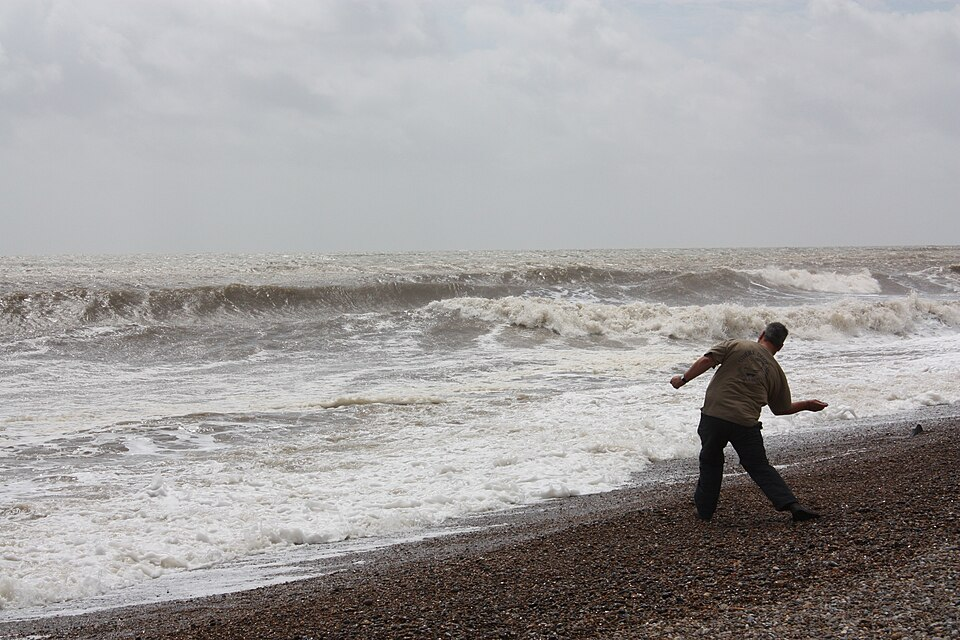
An adult who picked up a stone and threw it casually frequently outperformed children who had been at it all afternoon.
The advantage was mostly physical. Arm length, strength and a lifetime of throwing things produce a better result with less effort, and the adult concerned had generally not done it for thirty years.
The demonstration was useless as instruction. An adult who could do it had no more idea than anybody else how, which meant the children watched an excellent throw and learned precisely nothing from it.
15. Then the Water’s Edge Stopped Being Somewhere Children Went Alone
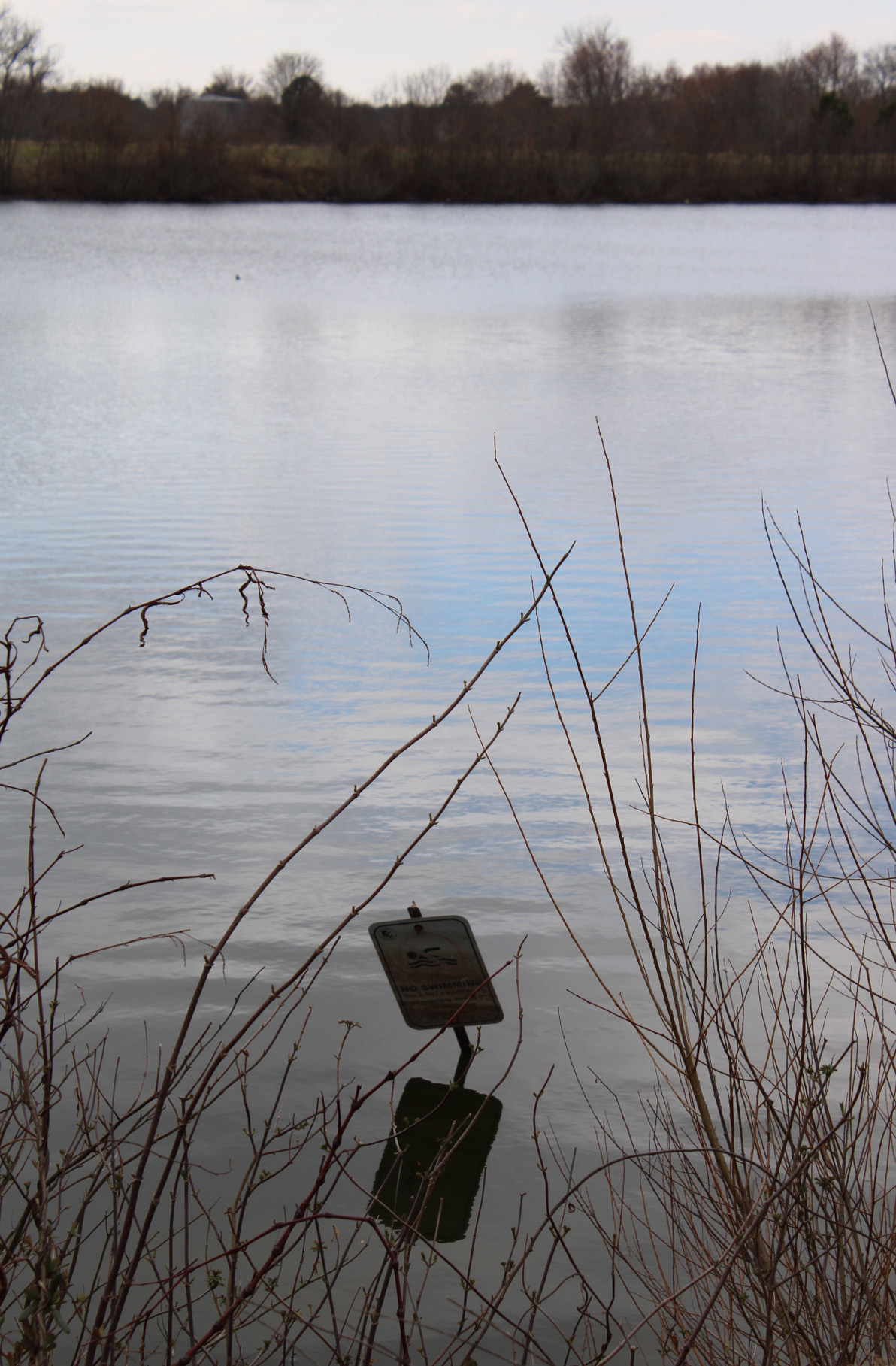
Far more supervision, far less unstructured time near water and fences, signs and rules at most accessible shores removed the circumstances entirely.
Every part of that change is sound. Children at a water’s edge without an adult is a risk that was simply not considered in 1964 and is now considered carefully, which is as it should be.
What went with it is an hour nobody supervised. A child alone at a flat stretch of water, searching the ground for longer than they threw, acquiring by pure repetition a grip they would never be able to describe, counting bounces nobody else was there to dispute, and keeping one good stone in a pocket for a day that never came.
How a Skill With No Instruction Got Transmitted
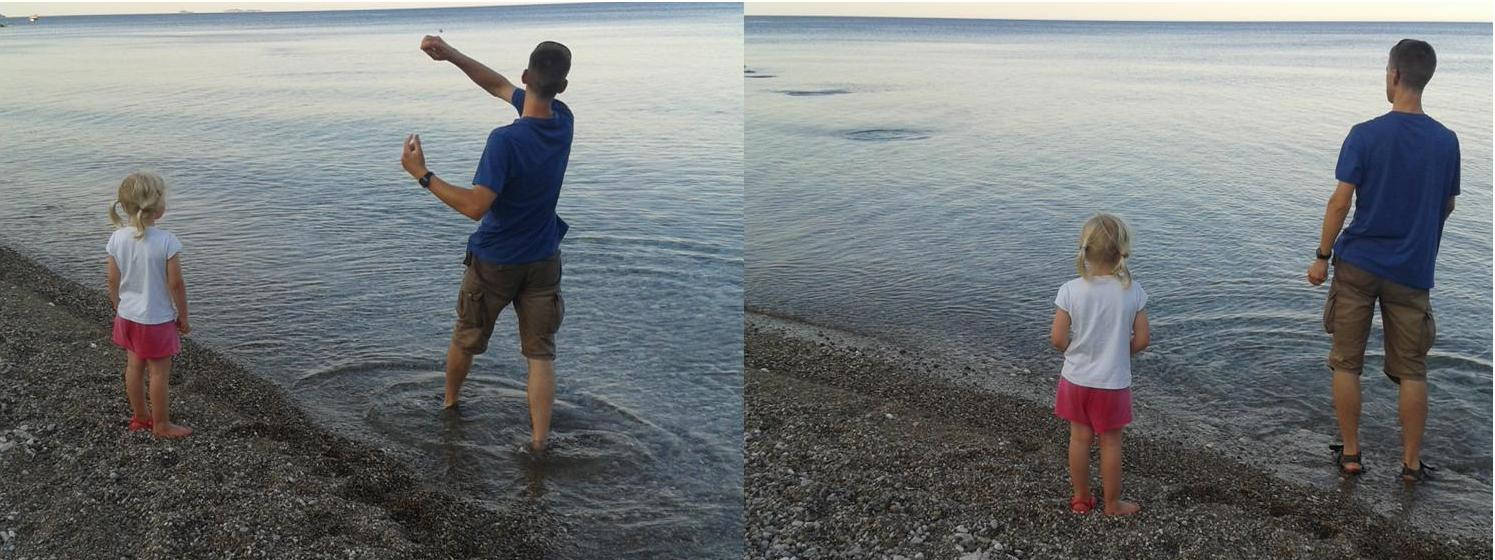
Read in order, the fifteen describe something unusual: a skill passed down for generations with essentially no teaching content. The grip is the whole technique and cannot be put into words, which left demonstration as the only available transmission method – and demonstration without explanation means every child had to arrive at it by elimination. Enough attempts produce a grip that works, the hand remembers it without the child knowing what it remembers, and the ability then persists for fifty years with no conscious content at all. That is also why the adults who could do it were useless as instructors: an excellent throw teaches nothing.
Two things made up most of the actual time. The search, which was longer than the throwing and governed by criteria children established by trial without anybody telling them any of it. And the dead time at somewhere nobody had chosen to be – a family visit, a walk somebody else decided on, a wait for adults doing something elsewhere – which is where the hours really went, rather than in expeditions undertaken for the purpose.
The serious problem is the eighth item. This was conducted at the edge of water, frequently alone, with no adult present and no thought given to any of it, and the standards of the period did not address that at all. Everything about current practice is better, the reasons for present-day supervision are not in dispute, and nothing above should be read as describing how any child ought to be near water.
What went with the circumstances is an hour nobody supervised: a child alone at a flat stretch of water, searching the ground for longer than they threw, acquiring by repetition a grip they would never be able to describe, counting bounces nobody was there to dispute, and keeping one good stone in a pocket for a day that never came.
Like our content? Follow us for more.

