Somebody three doors down had a key to your house, kept it in a drawer in their kitchen, and had never signed anything or been asked to agree to it in writing. In 1962 almost every household on almost every street had made that arrangement with somebody, and the whole thing rested on nothing but the fact that the two families had lived next to each other for eleven years.
The Problem It Solved Was Entirely Practical
A household that locks itself out, goes away, needs something fetched or has somebody arriving has no remedy at all without a second key somewhere.
Everything about the arrangement follows from that. There were no services to call, no way to reach anybody quickly and no commercial solution available at short notice, so the answer was a key in somebody else’s drawer.
Like our content? Follow us for more.
Choosing Who Got It Was the Only Serious Decision

The selection was made once, carefully, and then never revisited for years at a time.
The deliberation involved is more than it sounds. A household handing over access to its own home is making a judgement about another family that it will not be able to withdraw gracefully, and the choice was discussed between adults before anybody was asked.
Being Asked Was a Compliment and Was Understood as One
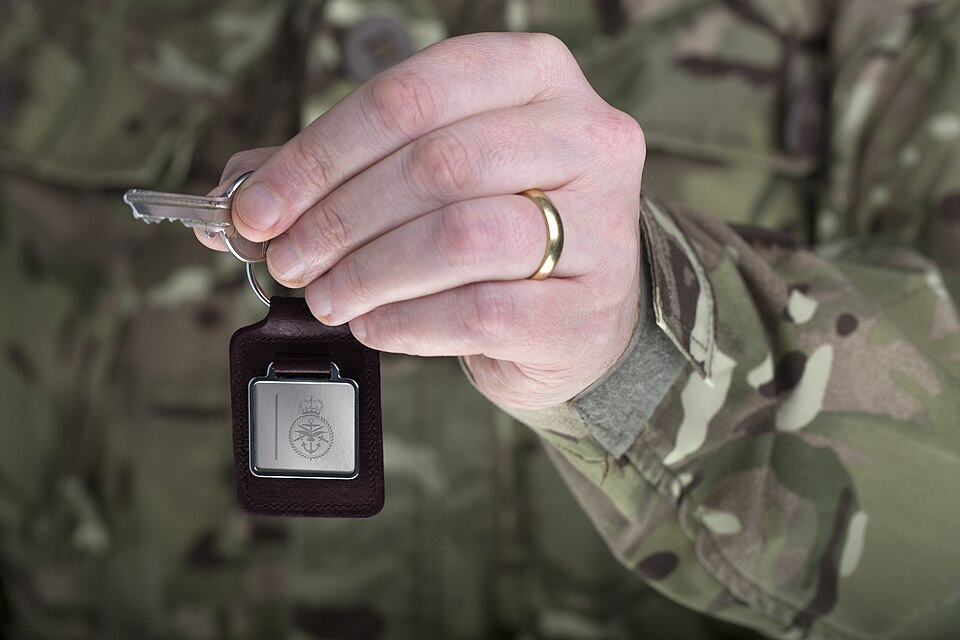
The household that received the key had been told something about how it was regarded, and the message was clear without being stated.
The signalling worked in both directions. Asking is a declaration of trust and accepting is an undertaking, and the pair of them together moved a relationship from neighbourly to something closer without a word being said about it.
Refusing Was Nearly Impossible
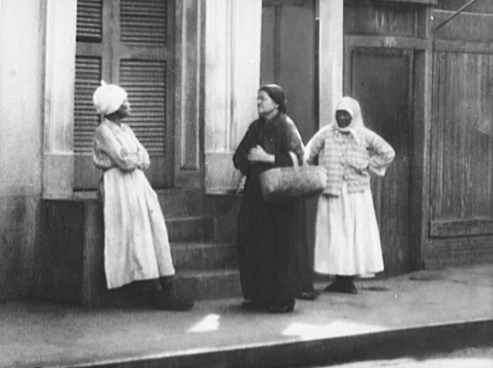
A neighbour asked to hold a key had very little room to decline without saying something they did not want to say.
The asymmetry is worth noticing. An arrangement that is a favour to one party and an obligation on the other, requested in person, between people who will see each other every day for years, is not really a request at all.
The Key Lived Somewhere Specific and Everybody Knew Where
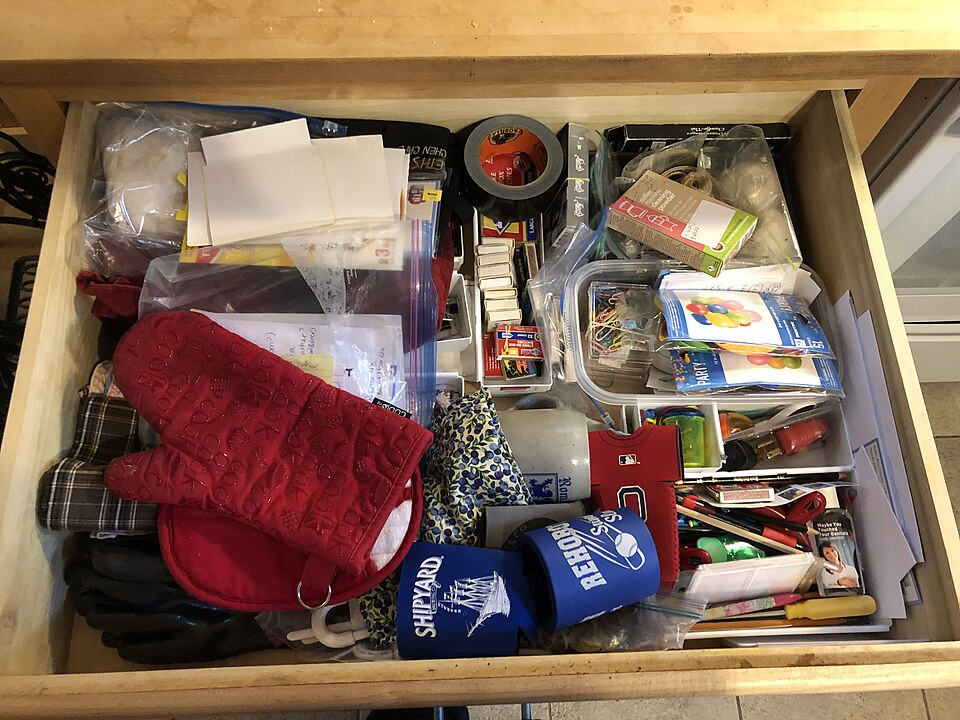
A drawer, a hook, a tin, the inside of a cupboard door – the location was fixed and was known to that household’s children as well as its adults.
The storage is the part that reveals how routine it was. A key kept in a tin in a kitchen drawer is a key that has stopped being treated as a security item and has become an ordinary piece of household equipment.
The Reciprocity Was Assumed and Usually Real
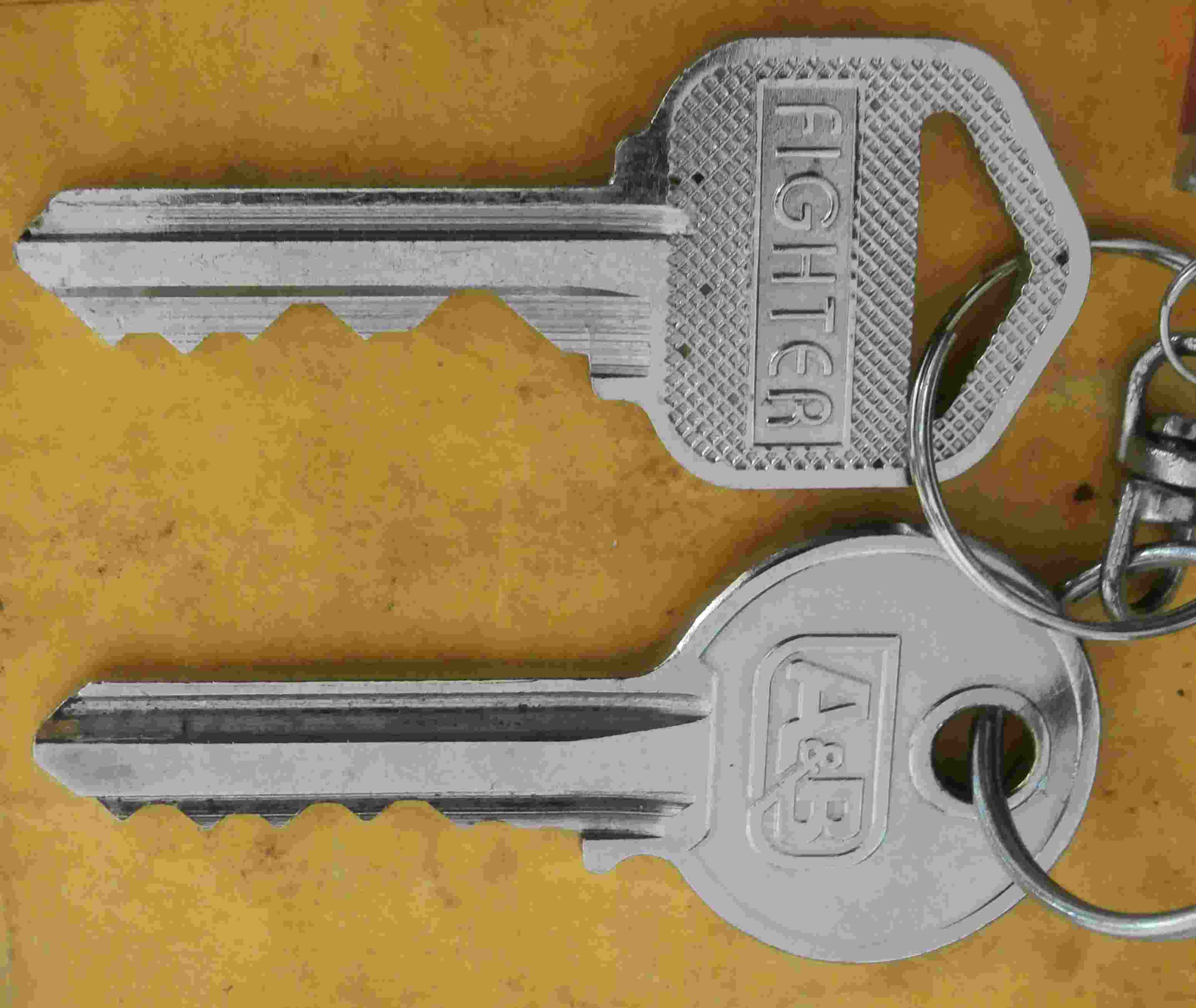
Almost every key arrangement was mutual, with each household holding the other’s, which balanced the whole thing.
The symmetry is what made it comfortable. A one-way arrangement leaves somebody permanently in debt, while two households each holding the other’s key have an exchange in which neither owes anything, and the mutual version was by far the commonest.
Nothing Was Ever Written Down

No record, no agreement, no list of what was permitted and no statement of the circumstances under which it could be used.
The absence of any terms is the most striking feature of the whole practice. Two households had granted each other unrestricted access to their homes on the basis of a conversation nobody could quote afterwards.
The Rules Existed and Were Entirely Understood
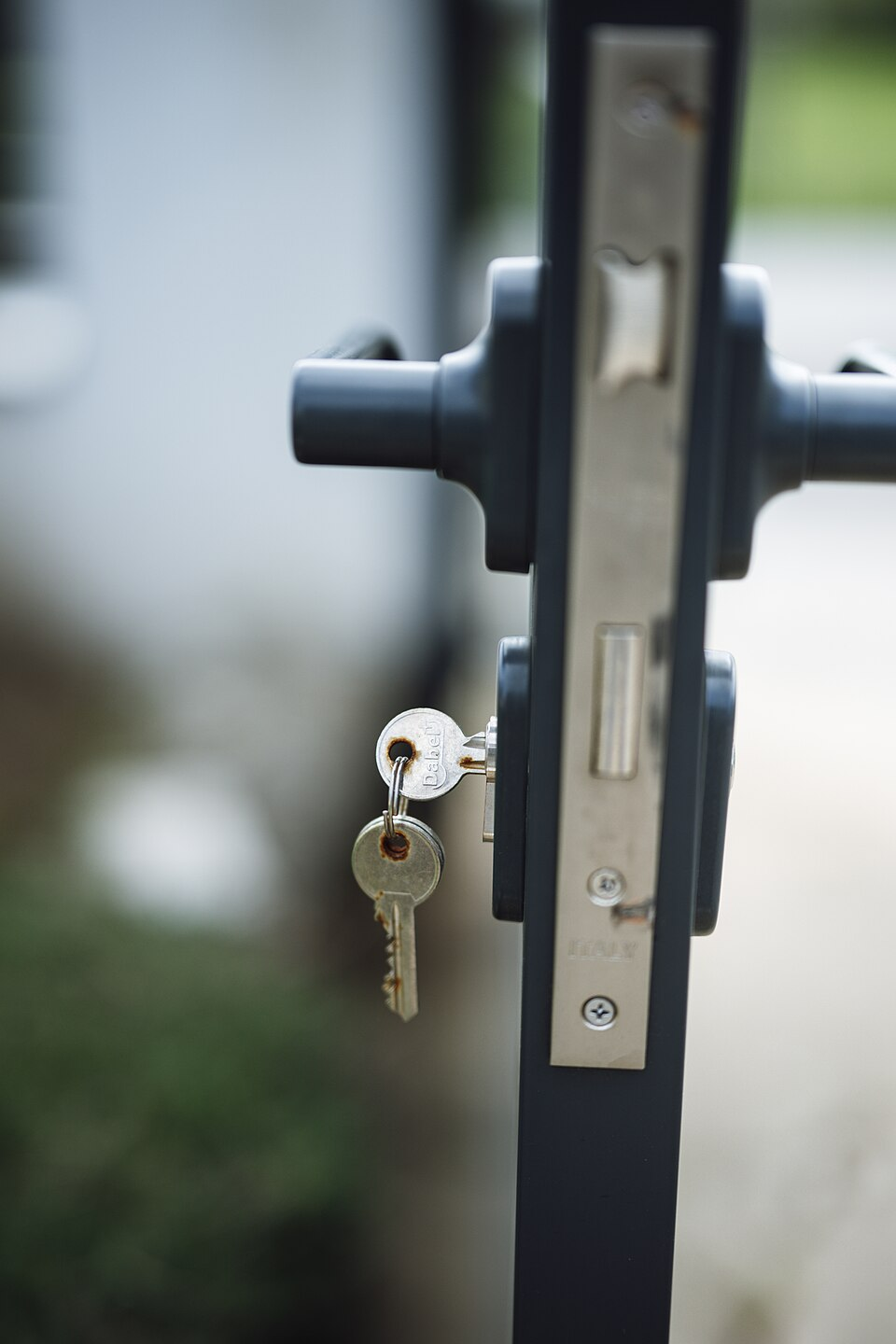
Nobody entered without a reason, nobody looked around, nobody mentioned anything they saw and nobody used it for convenience.
The conventions were elaborate and unspoken. A neighbour who went in to turn off a tap did exactly that and left, and the restraint involved was never discussed because discussing it would have implied that it might not be observed.
Using It Was Rare and Always Reported
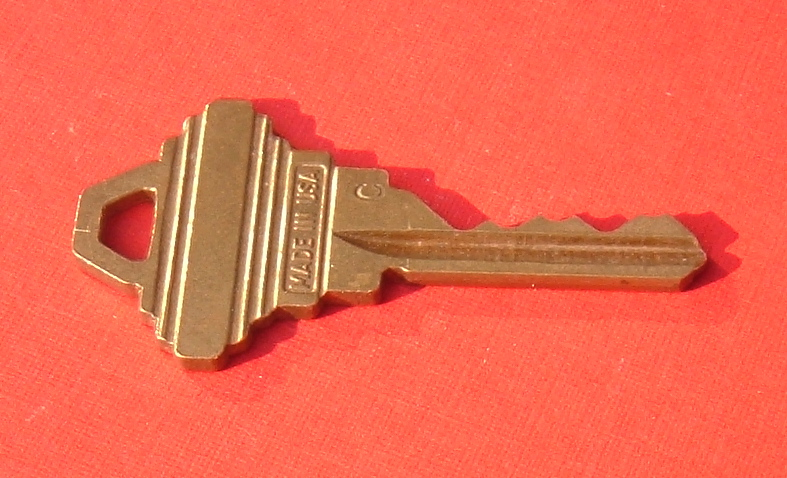
The key sat unused for months, and when it was used the household was told what had happened and why.
The reporting was the mechanism that kept the arrangement alive. A key used without explanation becomes a problem immediately, and the note left on a table was a standard feature of the whole practice.
A Second Key Had to Be Cut and That Was the Whole Setup Cost
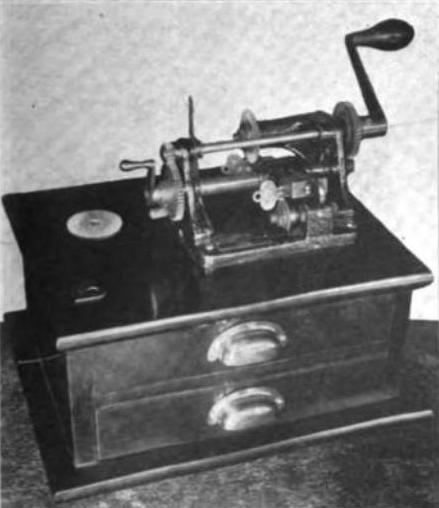
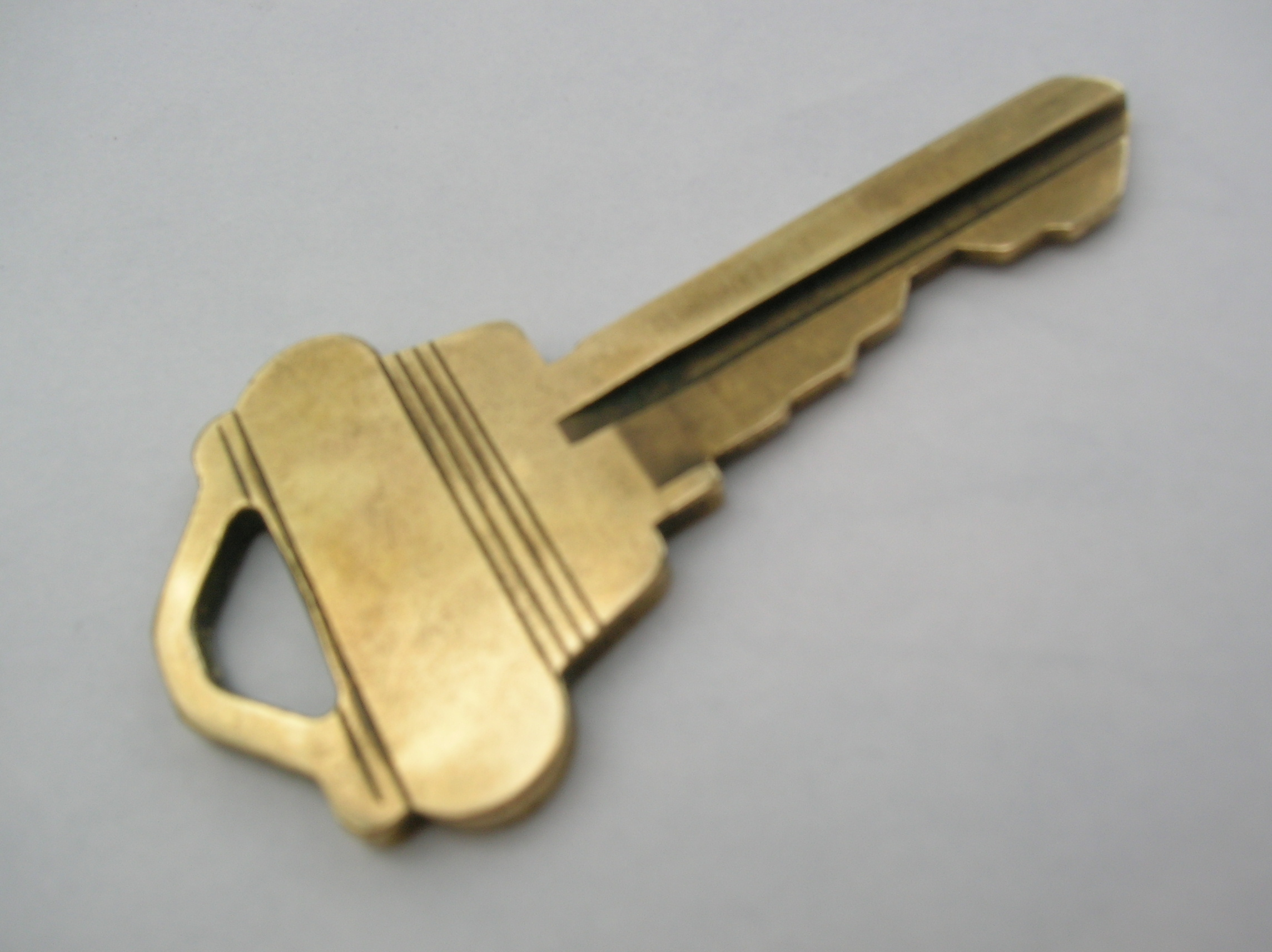
Households rarely had a spare, so making the arrangement meant somebody taking a key somewhere to have another one made.
The errand is the only administrative step in the entire practice, and it happened once. A key cut and handed over is the beginning and the end of the paperwork, which is a remarkably low cost for granting somebody permanent access to a building.
It also meant the arrangement was slightly deliberate rather than casual. Nobody drifted into this; somebody made a trip, paid for a piece of metal and then walked three doors down with it, which is a sequence of small decisions rather than an accident.
The Note on the Table Was the Documentation

Whoever had been in left a few lines explaining what they had done, and that was the entire audit trail.
The simplicity of that is the correct scale for the situation. An arrangement conducted between people who see each other daily does not need a record, only an explanation, and a short note supplied it perfectly.
Children Were Frequently the Ones Sent

A key was handed to a child with an instruction, and the child went next door, let themselves in and did whatever was required.
The delegation tells you how low-stakes the arrangement felt. A household that sends an eight-year-old into a neighbour’s house with a key is a household that regards the whole thing as entirely ordinary, which it was.
Holiday Weeks Were What It Was Really For
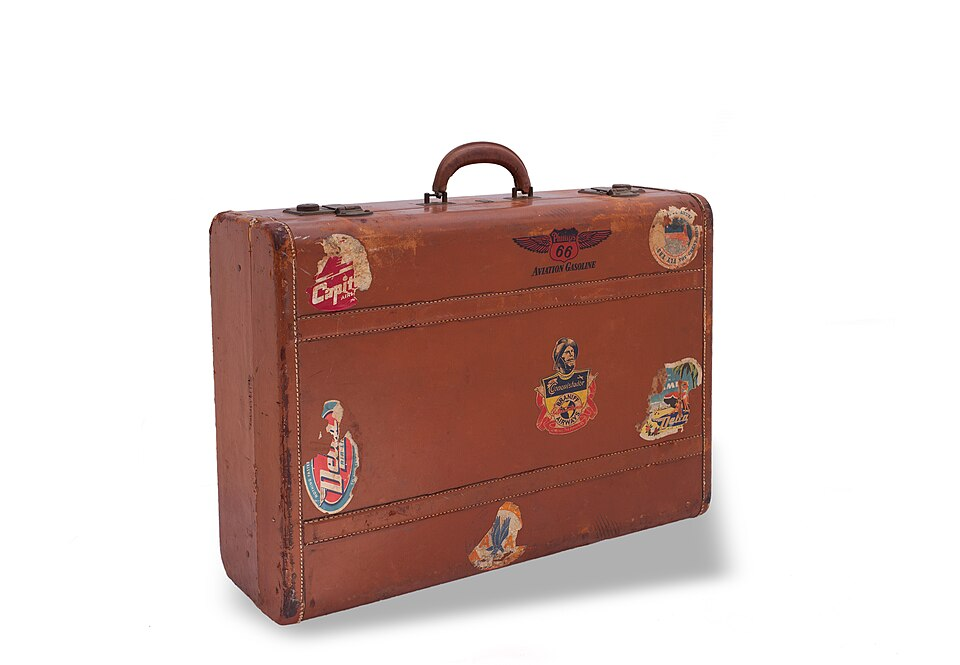
A family away for a fortnight left a key, and the holder took in the post, looked at the windows and went in when something needed doing.
The absence case is the arrangement’s main function. A house left empty for two weeks accumulates problems, and the entire value of a neighbour with a key is that somebody competent can walk in on day nine.
The Holder Knew Exactly When the House Was Empty
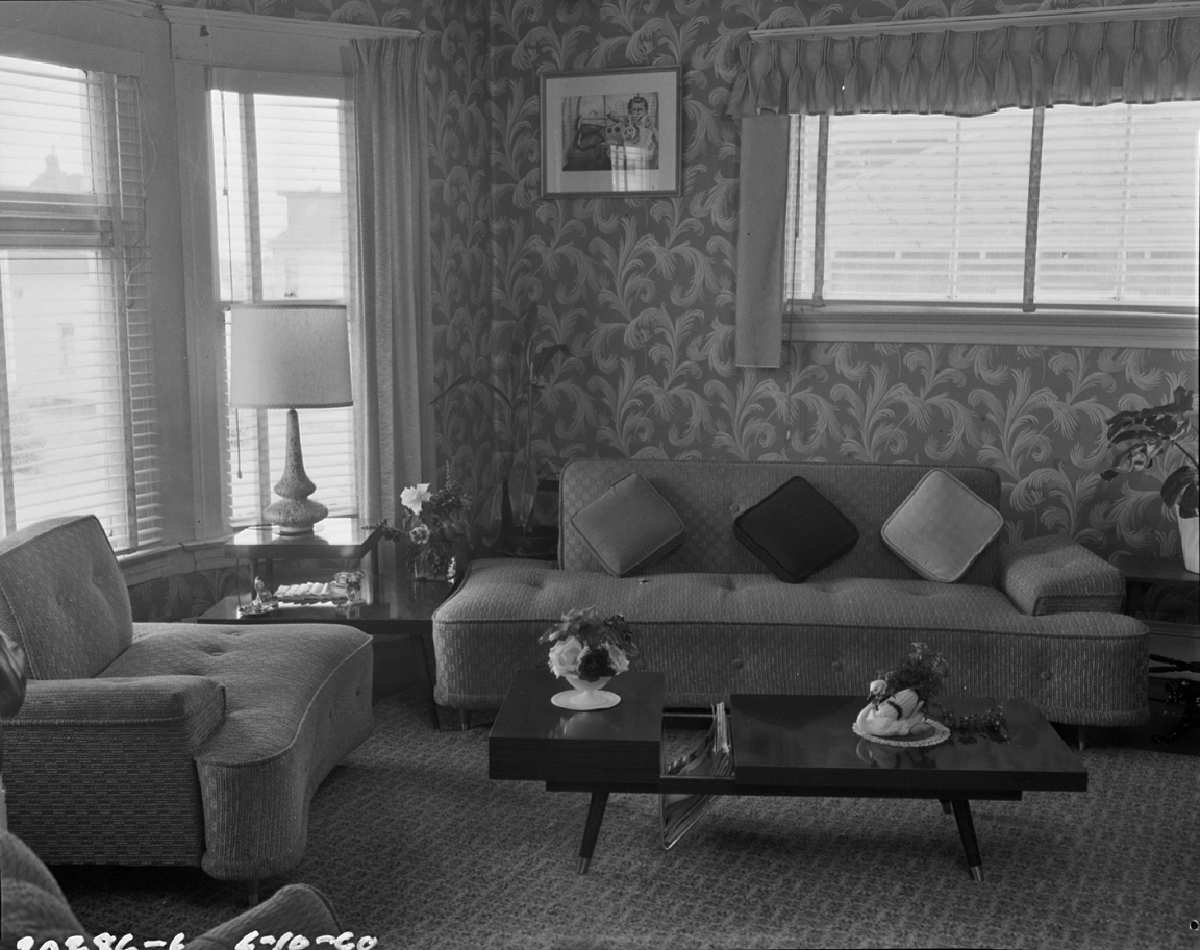
Which is the part that would now stop the whole arrangement before it started, and which concerned nobody at the time.
The confidence involved is total and is the single clearest difference from now. A household telling a neighbour precisely when it would be away, and handing them a key, had made a judgement about them that nothing could qualify.
Emergencies Were the Justification Nobody Needed to State
A fire, a leak, an illness or an older relative who had not answered the door were the cases everybody had in mind.
The scenario was never spelled out and was present throughout. The key existed because something might happen that could not wait, and both households knew that without either of them naming it.
The Arrangement Covered the Older Generation Particularly
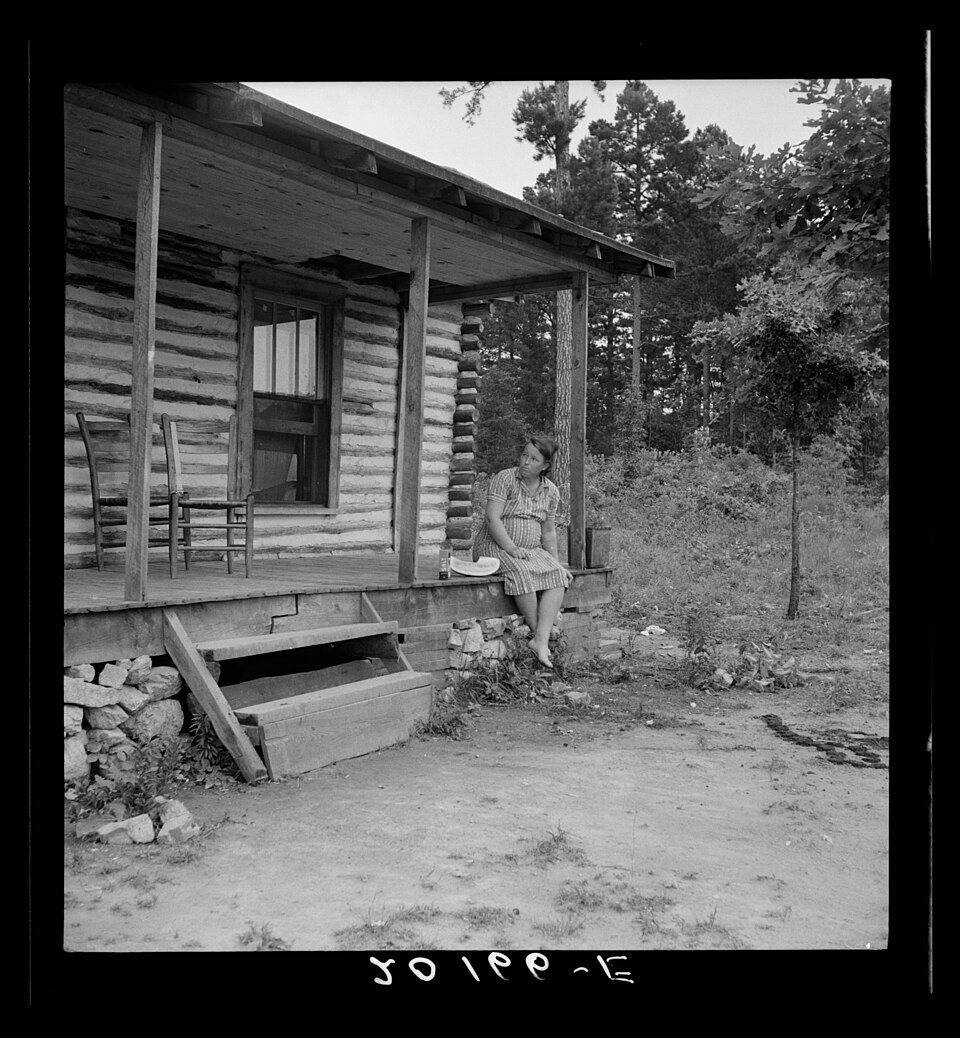
A neighbour with a key to an elderly person’s house was the whole of the safety net available, and the understanding was explicit in those cases.
That is the application where the practice did its most serious work. Somebody living alone, with nobody checking and no other arrangement, depended entirely on a neighbour’s key and a neighbour’s habit of noticing.
It Ended When People Moved and Nobody Discussed It
A household that left took its key with it, or did not, and the question of retrieving one was quietly never raised.
The endings were as informal as the beginnings. Keys to houses whose occupants had moved sat in drawers for years, and the whole arrangement simply lapsed without any conversation about it.
Keys Accumulated and Nobody Could Identify Them
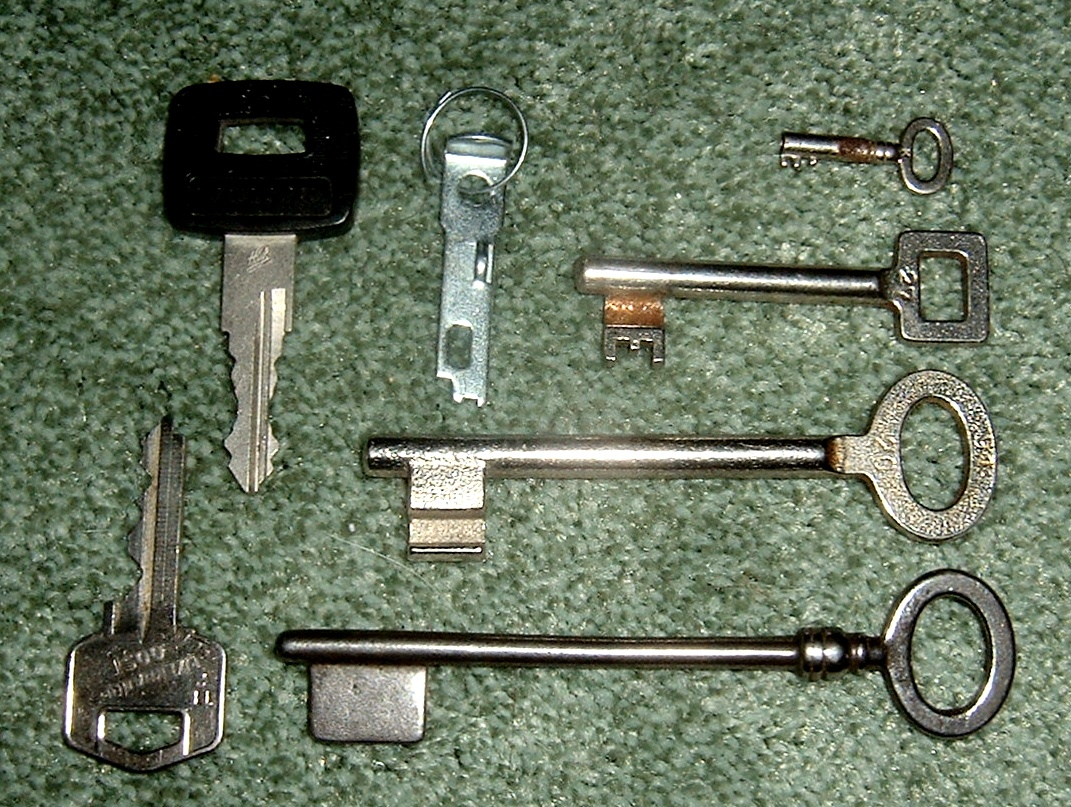
Every household of any age contained a quantity of keys to places nobody could name, and the practice is where most of them came from.
The drawer full of unidentifiable keys is a direct archaeological record of this. Each one opened something belonging to somebody who had trusted that household at some point, and the memory of which went before the key did.
Then Households Stopped Knowing Their Neighbours as Well
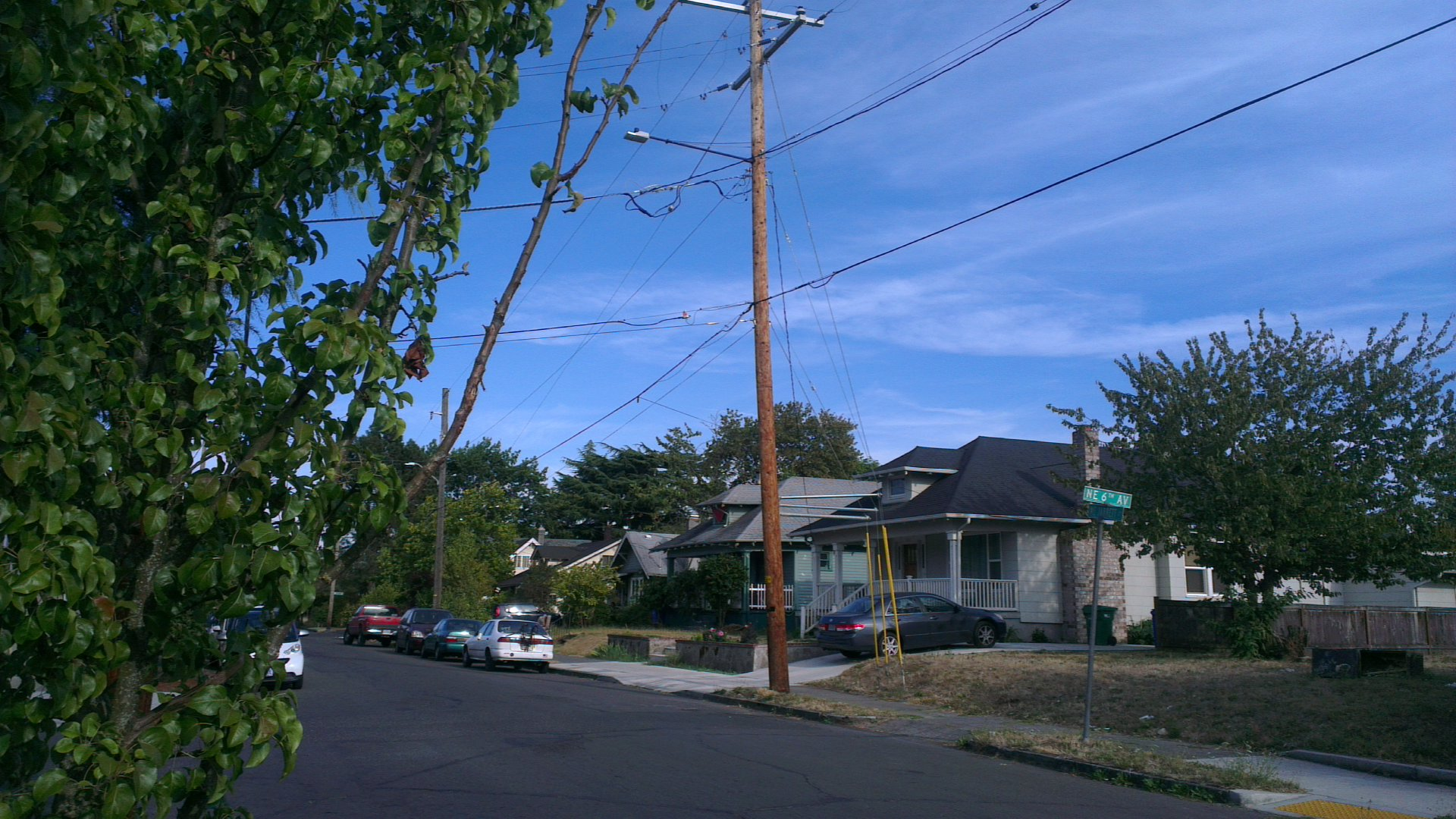
More movement, shorter occupancy and less time spent at home reduced the eleven-year acquaintance the whole thing depended on.
Duration is what the arrangement actually ran on. A key goes to somebody you have known for a decade, not somebody who moved in last spring, and a street with turnover has nobody who qualifies.
Then the Problem Got Solved Another Way
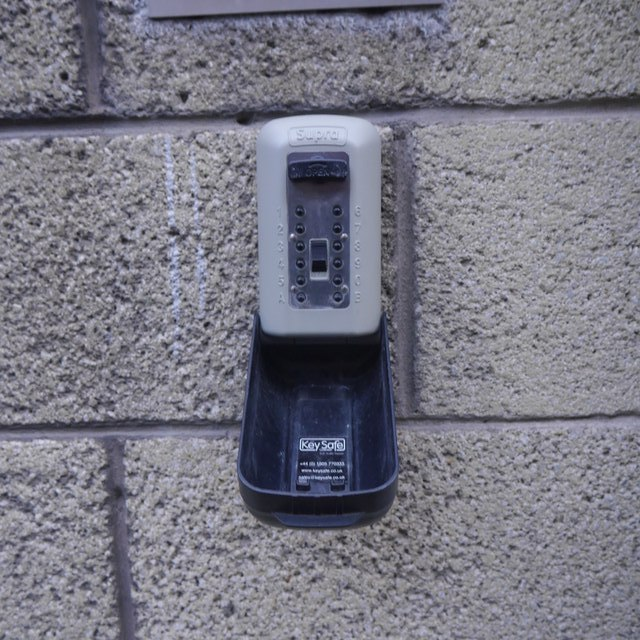
Keypads, boxes, timers, services, mobile telephones and the ability to reach anybody instantly removed most of the situations a neighbour’s key existed for.
The replacement is better in almost every respect. A mechanism that grants access without granting trust solves the practical problem precisely, and the practical problem was what the key was for.
And Nobody Would Hand One Over Now
The specific act – giving a neighbour unrestricted access to your home, with no record, no terms and no way to revoke it, while telling them exactly when you would be away – has become close to unthinkable.
Which is a reasonable position and worth stating plainly rather than lamenting. The old arrangement rested on an acquaintance of a decade or more between households that were not going anywhere, carried no protection of any kind, and was entirely unsuited to a street where people arrive and leave. What has gone with it is the thing it demonstrated rather than the thing it did: a household that had decided, once, without any mechanism to fall back on, that the people three doors down could be let into their home when they were not in it.
Like our content? Follow us for more.