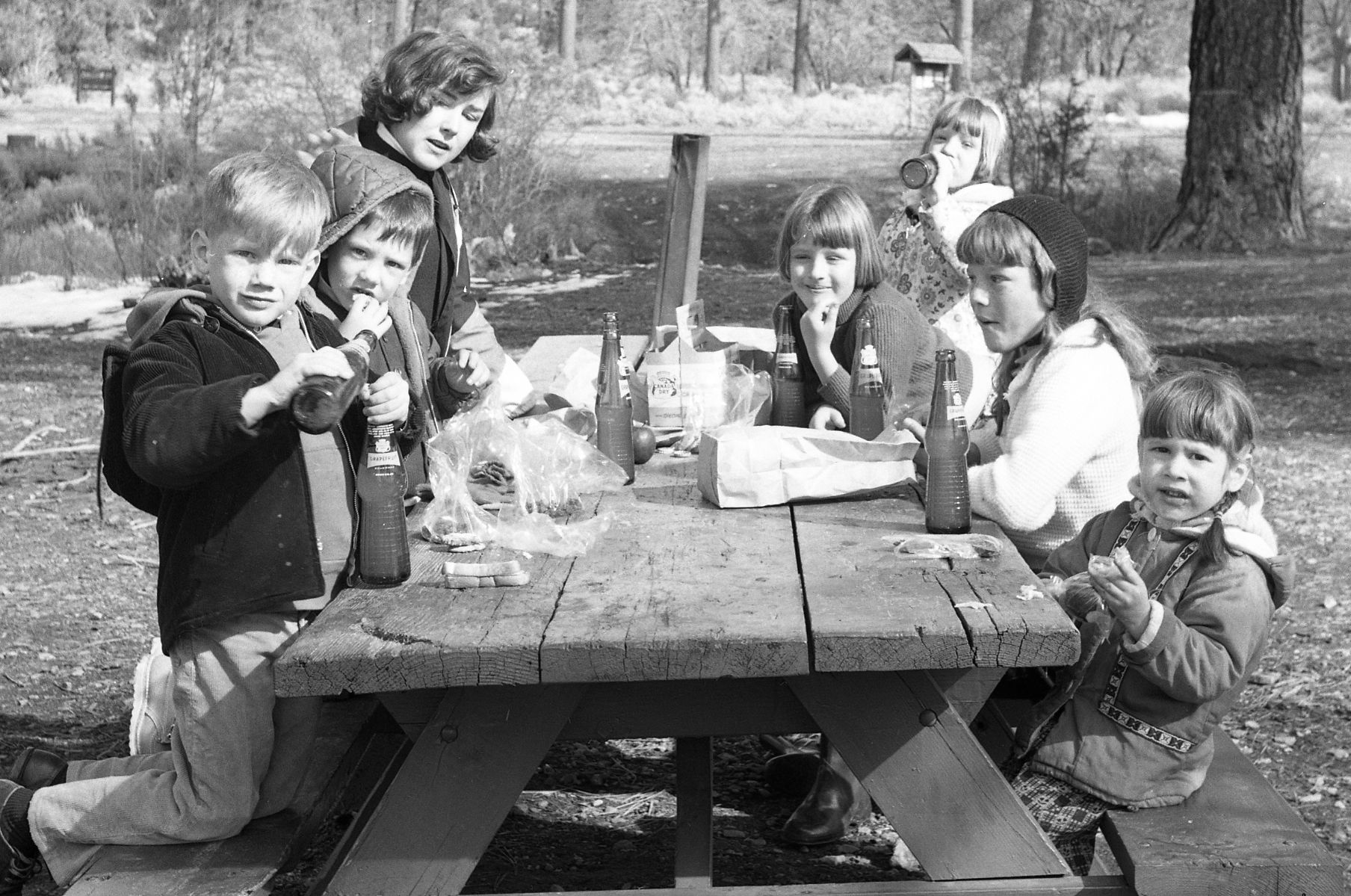
In 1964 a gathering of twenty-two people in a house with a table for ten produced a second table somewhere else, made of whatever furniture was available, surrounded by chairs from every room in the building. Everybody seated there was convinced they had been placed by judgement. They had in fact been placed by measurement. Here are sixteen things every American kid knew about the second table in 1964, and why almost nobody who got promoted off it enjoyed the main one. The table was a card table or a kitchen table carried through from somewhere else. The chairs came from bedrooms, from a piano and in some houses from an upturned crate. The plates arrived already made up by an adult in another room, which removed every element of choice and created, within about four minutes, the most active trading economy in the building. And because the whole arrangement sat in an adjoining room rather than the dining room, the children at it were completely unsupervised and completely audible at the same time, which is the condition that produced everything anybody remembers about it.
1. It Existed Because the Main Table Physically Would Not Take Everybody
A dining table seats eight or ten. A gathering of twenty-two does not fit, and no amount of goodwill changes the arithmetic.
The whole institution is a furniture problem rather than a social decision. A household hosting an extended family has more people than places, and the only available solution is a second surface somewhere else in the house.
That is worth stating first because the children at it were convinced otherwise. Everybody seated there believed they had been placed by judgement rather than by measurement, and the measurement is in fact the entire explanation.
Like our content? Follow us for more.
2. The Table Itself Was Never a Dining Table
A card table, a kitchen table carried through, a folding thing from a cupboard or two small tables pushed together supplied the surface.
The improvisation was visible and was part of what made the arrangement feel like a demotion. A proper table has legs that match and a cloth that fits, and the second table had neither.
It was also frequently the wrong height. Furniture intended for other purposes puts a child’s chin at an unexpected distance from their plate, and a great many of these arrangements involved somebody kneeling on a chair.
3. The Chairs Came From Every Room in the House
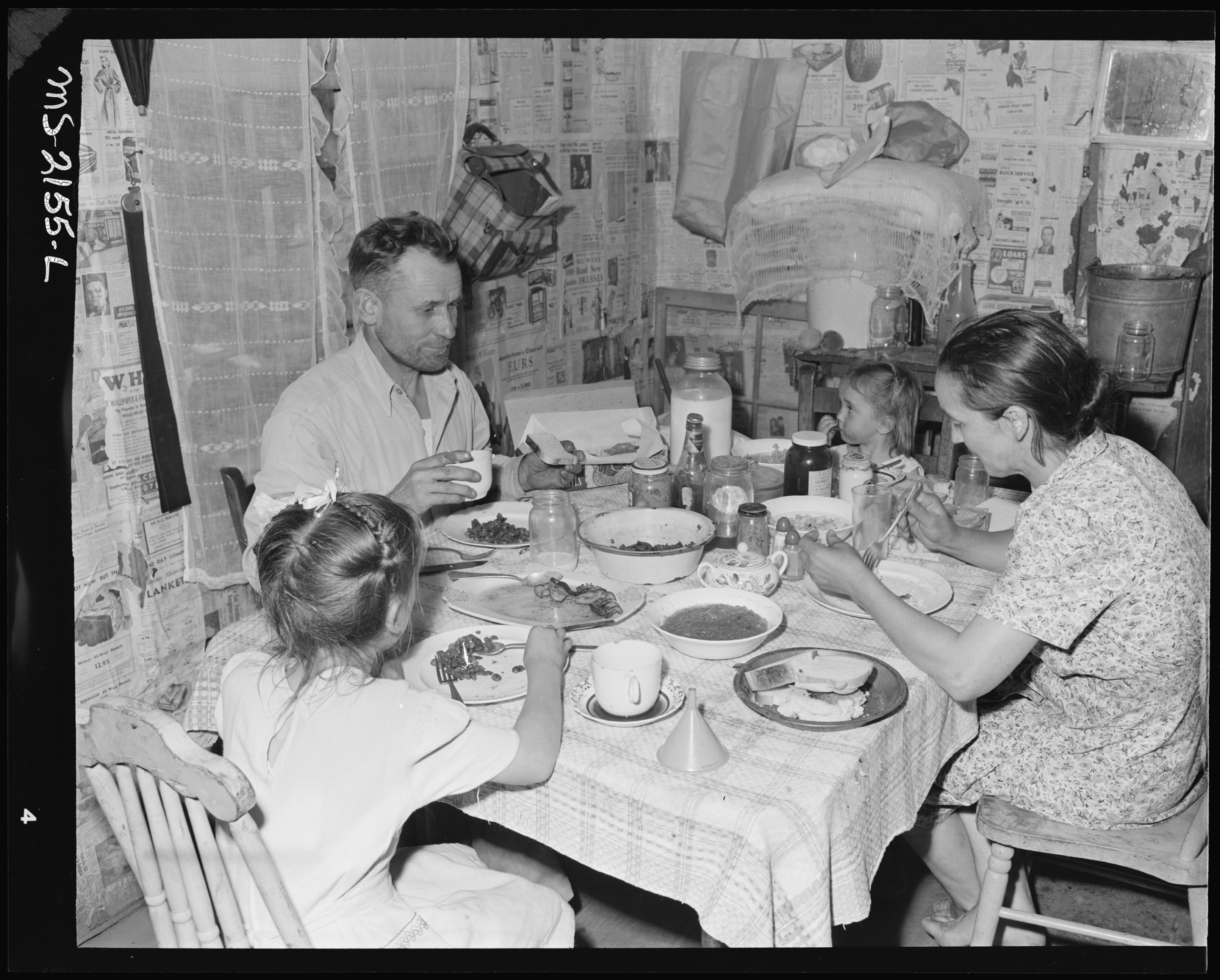
Bedroom chairs, a piano stool, a step stool and in some households an upturned crate were all pressed into service.
The mismatch is remembered more vividly than anything that was eaten. Six children at a table on six different kinds of seat, at six different heights, is a visual that survives decades.
Somebody always got the worst one. The allocation of the chairs was the first negotiation of the afternoon and it was conducted entirely without adults, which meant it was settled by seniority.
4. The Promotion to the Main Table Was the Whole Point of the Day
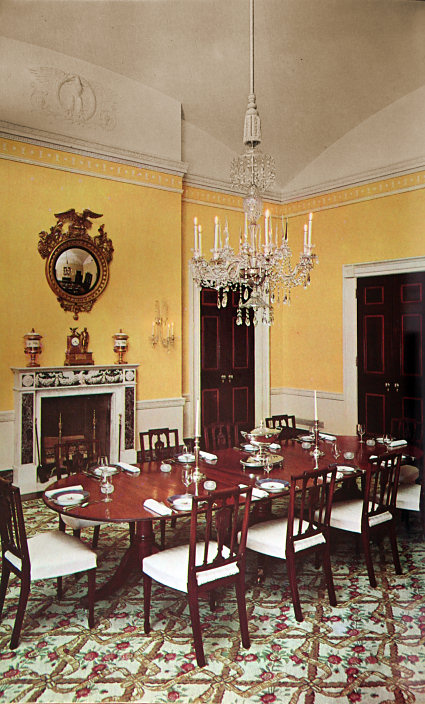
Every child at the second table was watching for the year they would be moved, and the criteria were never stated.
The absence of a rule is what made it so preoccupying. Nobody had said what qualified somebody, so children theorised extensively about age, height, behaviour and whether a cousin had been moved first.
The actual criterion was almost always a vacancy. Somebody had failed to come, somebody had married, somebody had died, and the seat that opened up was filled by whoever happened to be next in line – which is a considerably less flattering explanation than anybody wanted.
5. Being Moved Was Immediately Disappointing
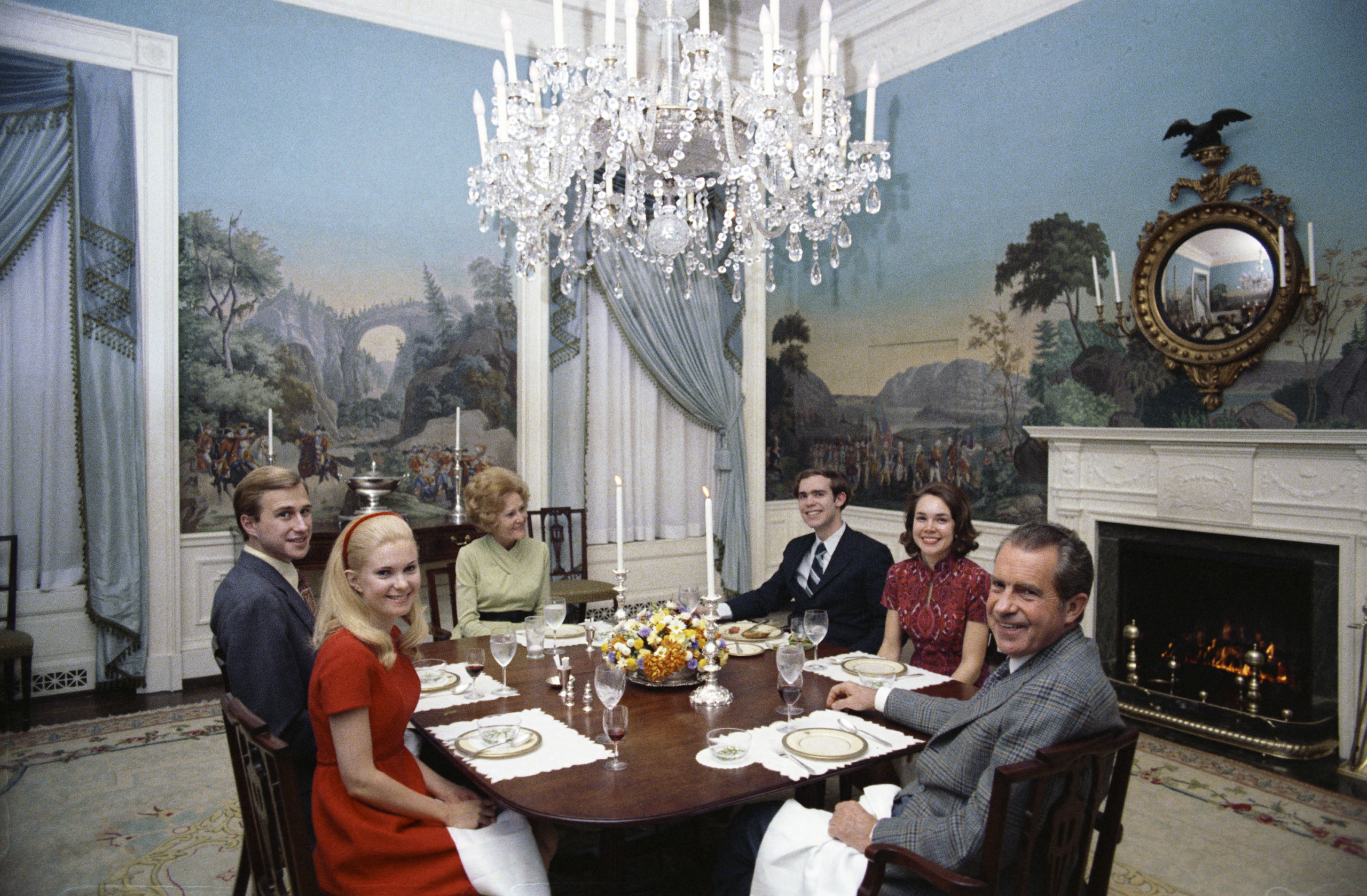
The child promoted to the main table discovered within about twenty minutes that it was considerably duller than where they had been.
The reversal is almost universally reported. The adult table was slower, quieter, concerned with subjects nobody could follow and required a standard of behaviour that the second table had never imposed.
A fair number tried to go back. A newly promoted child asking to return to the other table had made a social error nobody had warned them about, and the request was generally refused on the grounds that it had taken years to arrange.
6. The Oldest Child There Was in Charge and Knew It
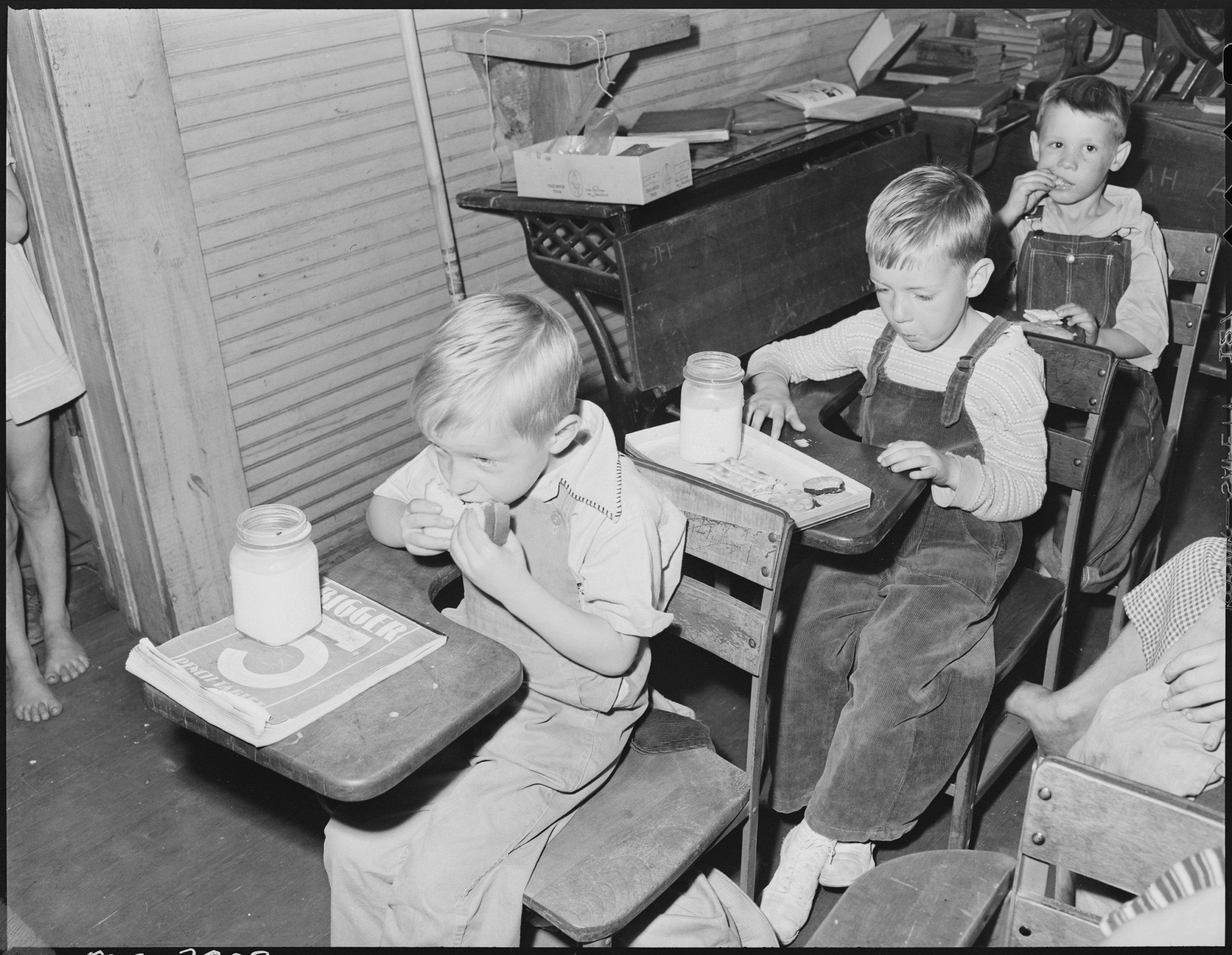
Whoever was senior ran the table, settled disputes, decided what was funny and had the last word on everything.
The authority was real and entirely unofficial. No adult had appointed anybody, and the arrangement worked because the alternative was continuous argument that would have brought somebody in from the other room.
It was also the best apprenticeship available. A twelve-year-old managing six younger children through a two-hour meal with no adult support is doing something considerably harder than anything happening at the main table.
7. Nobody Was Supervising and Everybody Could Hear
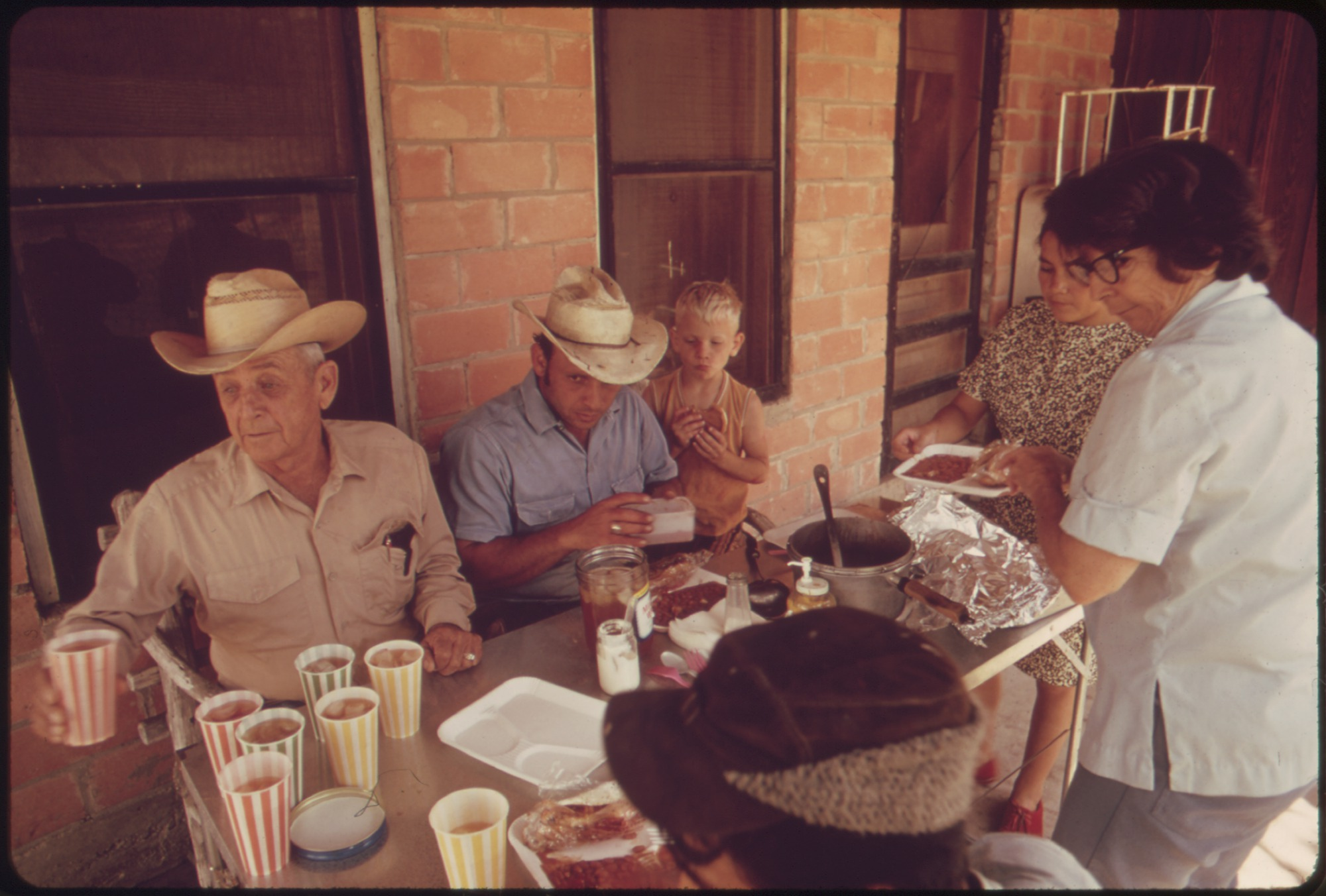
The second table was usually in an adjoining room, which meant complete freedom combined with complete audibility.
The combination produced the specific atmosphere everybody remembers. Children could do more or less as they liked provided they did it quietly, which is a constraint that produces a particular kind of suppressed hilarity.
The threshold was well understood. A noise above a certain level brought an adult to the doorway, and the table calibrated itself continuously against that line without anybody ever defining where it was.
8. The Food Arrived Second and Was Already Portioned
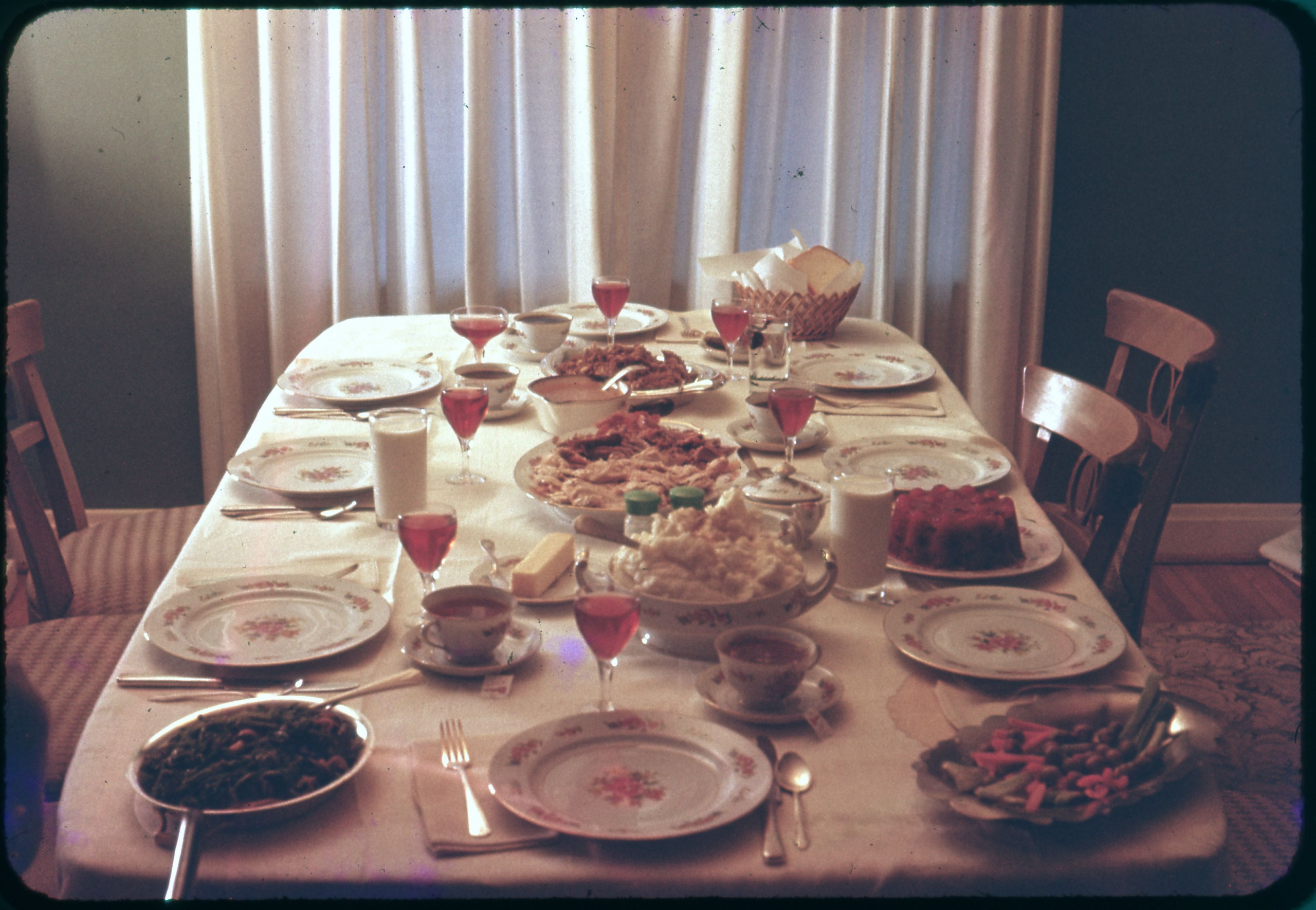
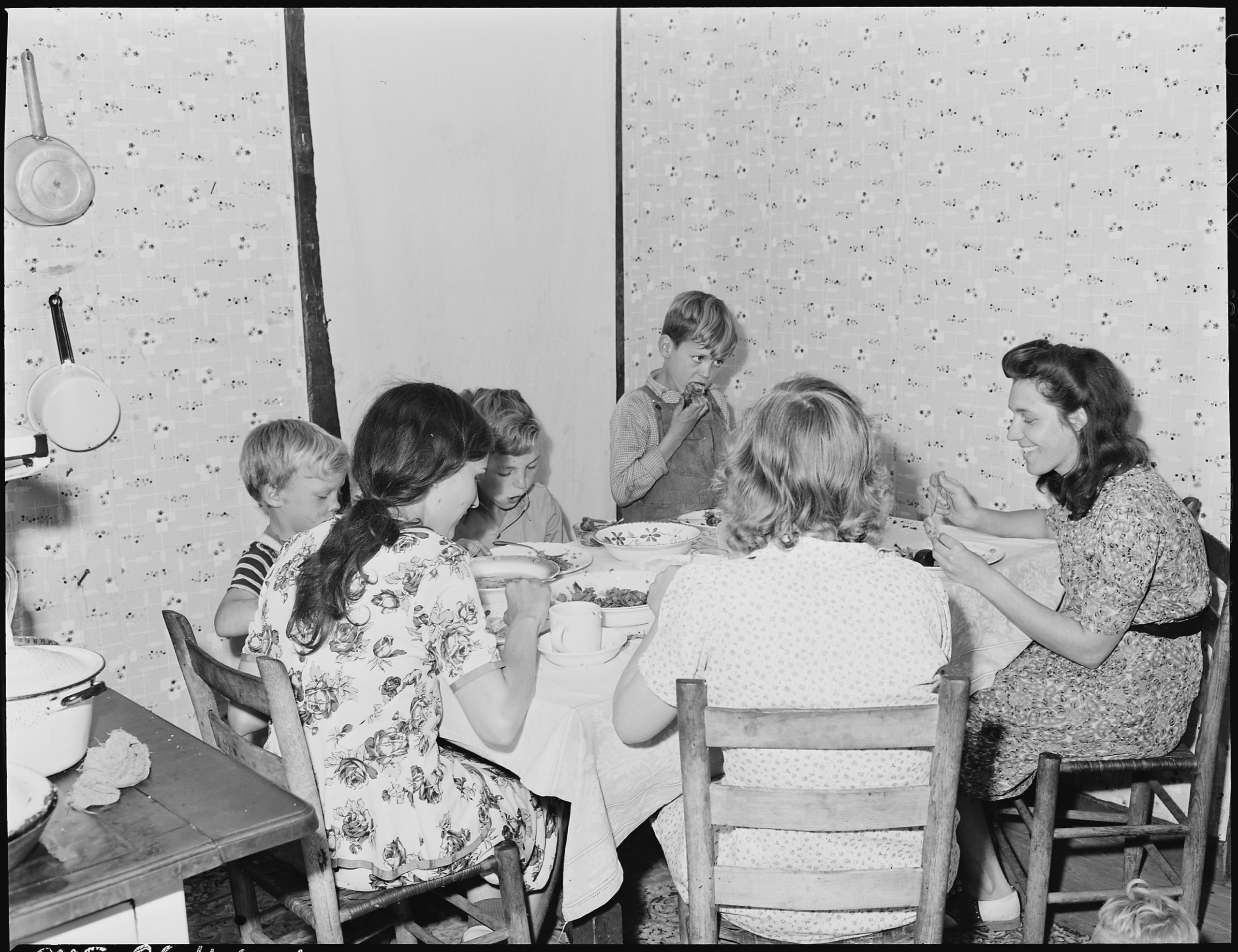
Plates came through from the other room, made up by somebody else, with the quantities and the selection already decided.
The loss of choice was the real grievance rather than the timing. A child at the main table could see the dishes and indicate a preference, while a child at the second table received an adult’s opinion of what they wanted.
Anything requiring carving or serving arrived last. The second table was the end of a chain of priorities, and a plate that had been assembled in another room had cooled measurably by the time it was set down.
9. Trading Was Constant and Entirely Unregulated
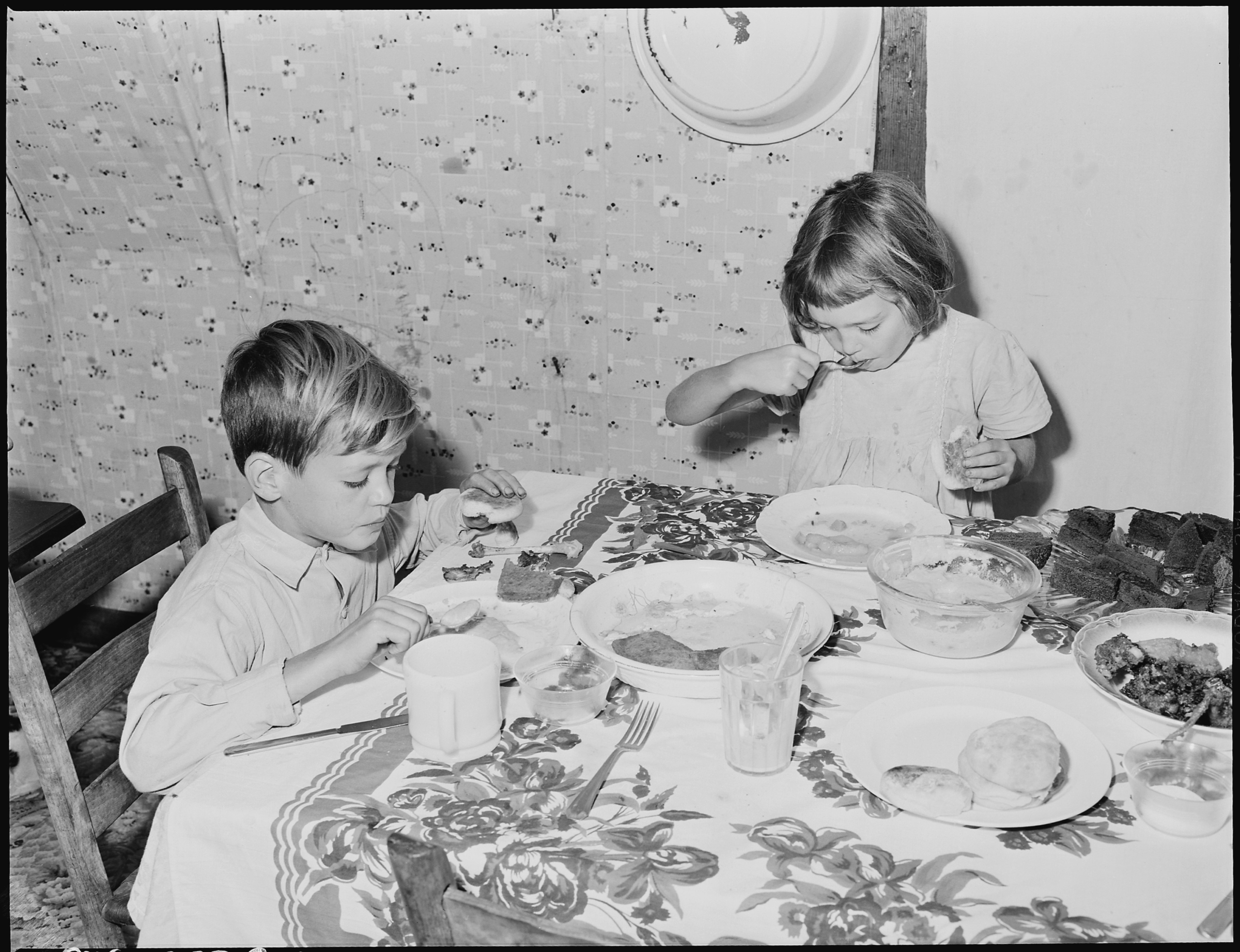
Anything on a plate could be exchanged for anything else, and the market operated throughout the meal.
The economy was the main entertainment. A table of six children with six plates they did not choose is a trading floor, and the negotiations were conducted with a seriousness the quantities did not justify.
It also solved the portioning problem completely. Within about four minutes everybody had approximately what they wanted, which is a considerably better outcome than the adults’ system had produced and was achieved with no adult involvement at all.
10. Spilling Something Was the Great Catastrophe
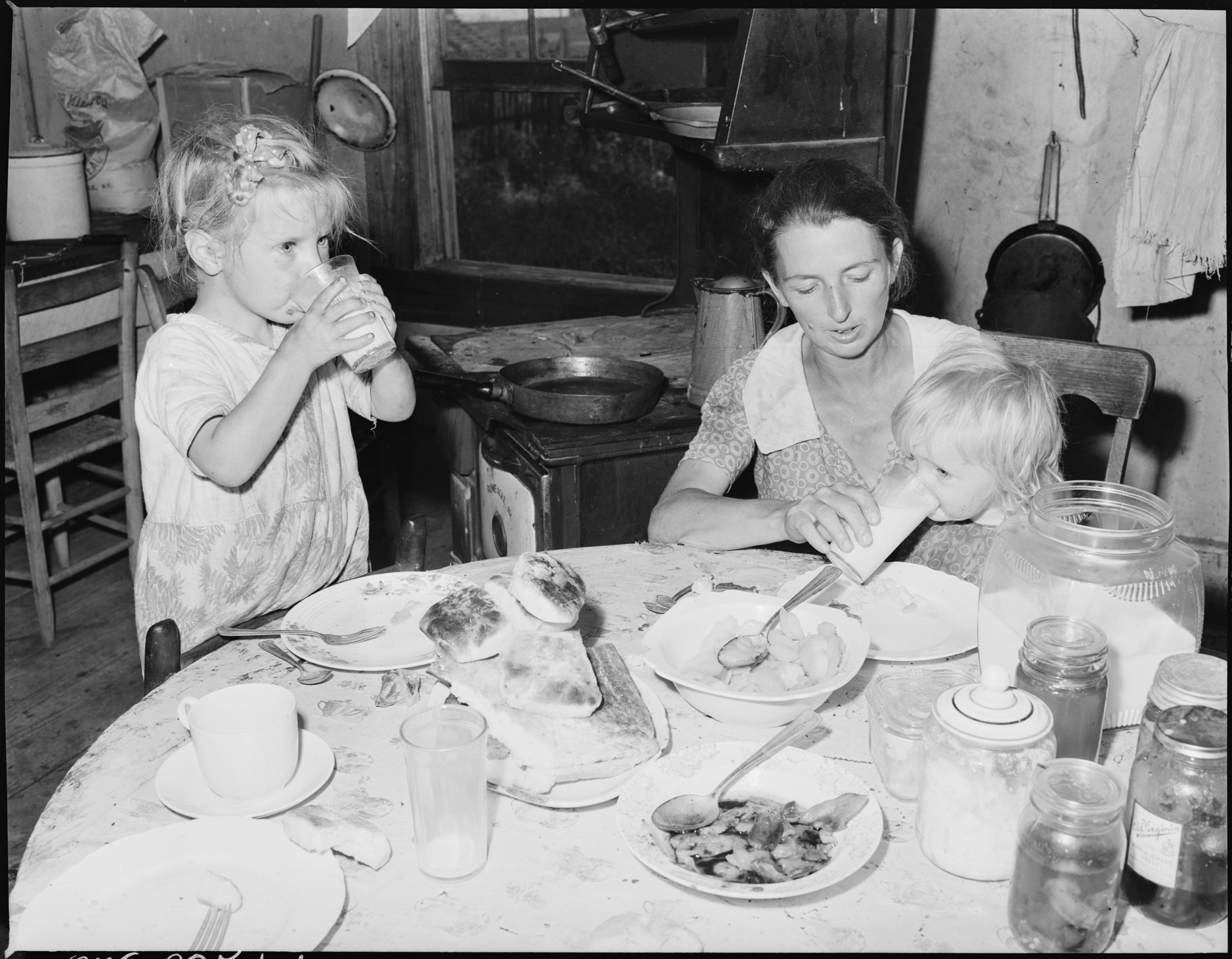
A knocked glass on an improvised table with no proper cloth produced an immediate adult arrival and the end of the table’s independence.
The stakes were understood by everybody present. An accident did not merely create a mess; it summoned supervision, and the table that had been self-governing for an hour was abruptly not.
Prevention was therefore collective. Children who had no interest in each other’s wellbeing were jointly vigilant about glassware, because the consequence of one person’s accident fell on all of them.
11. The Conversation Was Better and Everybody Knew It
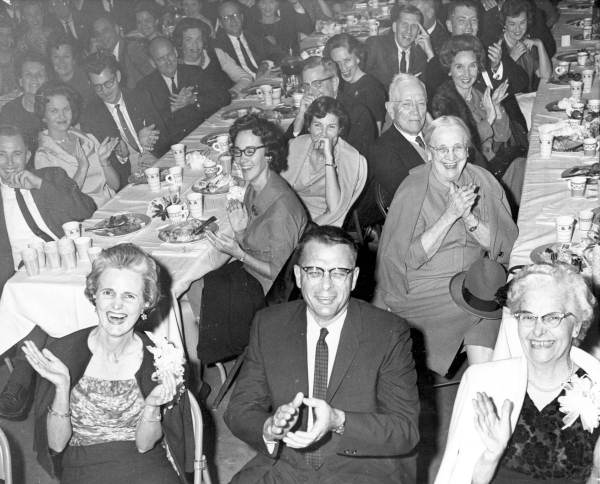
Subjects available at the second table included everything the main table could not discuss, and the quality of the material was considerably higher.
That is the genuine advantage and it is the reason the demotion stopped feeling like one. Cousins who saw each other twice a year had a year of information to exchange, and two uninterrupted hours is exactly what that requires.
Nothing said at that table ever reached the other room. The confidentiality was absolute, was never discussed and was observed by children who would otherwise report each other for anything.
12. You Found Out Everything About the Family
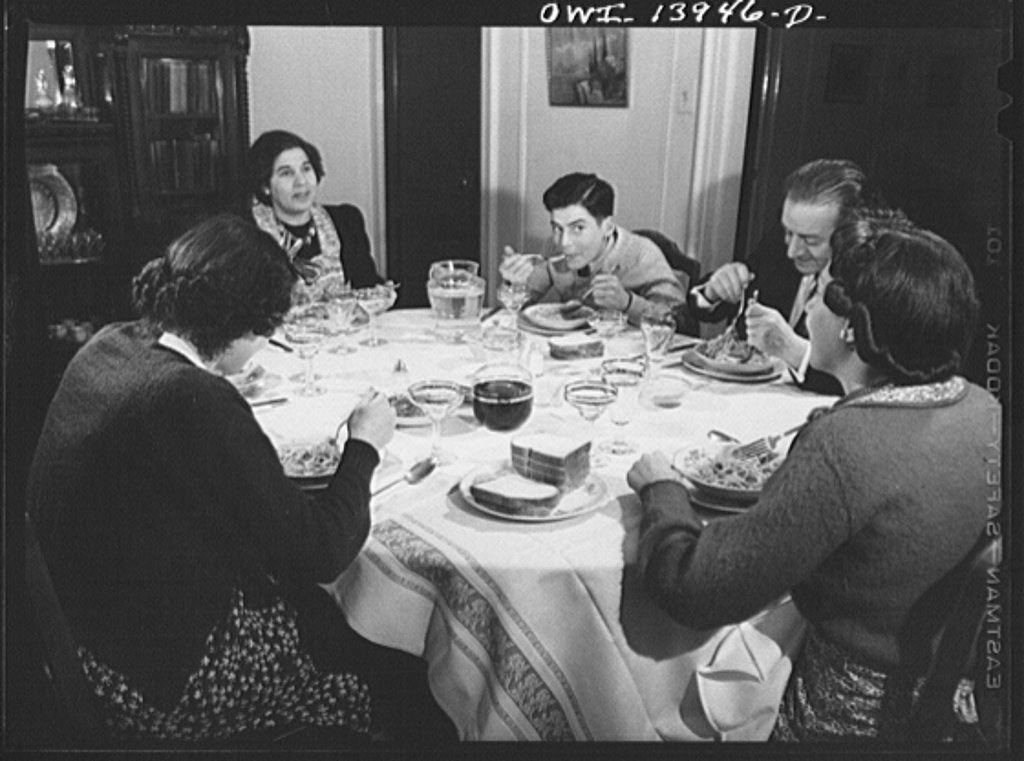
Cousins supplied information about adults, relationships, disputes and circumstances that no child would have obtained from their own parents.
The second table was therefore the family’s real intelligence exchange. Six children pooling what they had overheard in six different households produced a composite picture considerably more accurate than anything any one of them had been told.
Some of it was wrong. A rumour assembled from fragments by children is not reliable, and a certain amount of what people believe about their own families originated at exactly such a table in about 1964.
13. Being the Youngest There Was Its Own Position
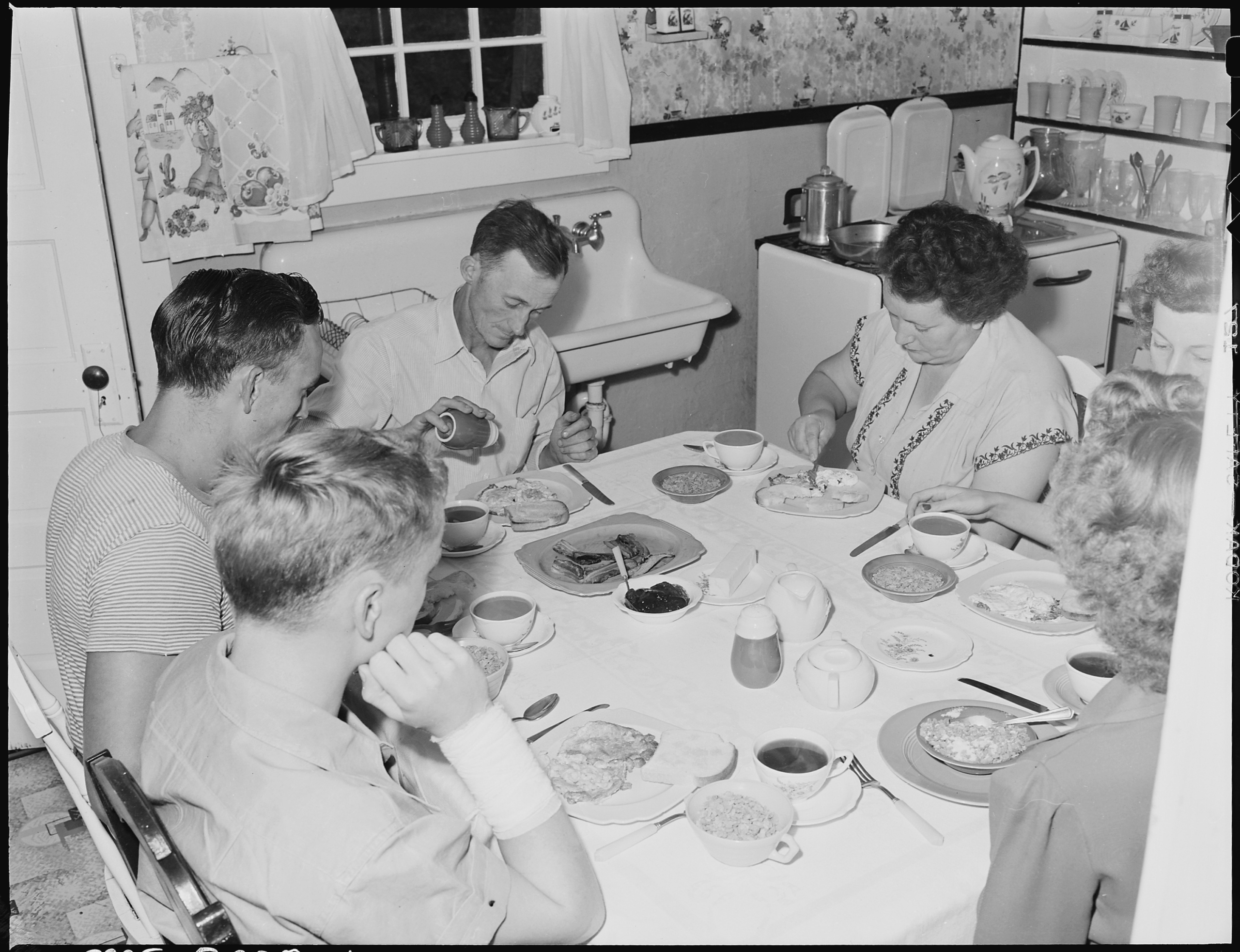
The smallest child at the table was tolerated, teased, protected and largely ignored, frequently all within the same hour.
The treatment was inconsistent rather than unkind. A table organised by seniority has no established role for the bottom of it, and the youngest child’s experience depended almost entirely on which older cousin had taken an interest.
They also heard everything. A five-year-old at a table of eleven-year-olds is present for conversations nobody would have had in front of an adult, which is how a considerable amount of unsuitable information travelled down a family.
14. Leaving the Table Early Was Permitted and Was Not
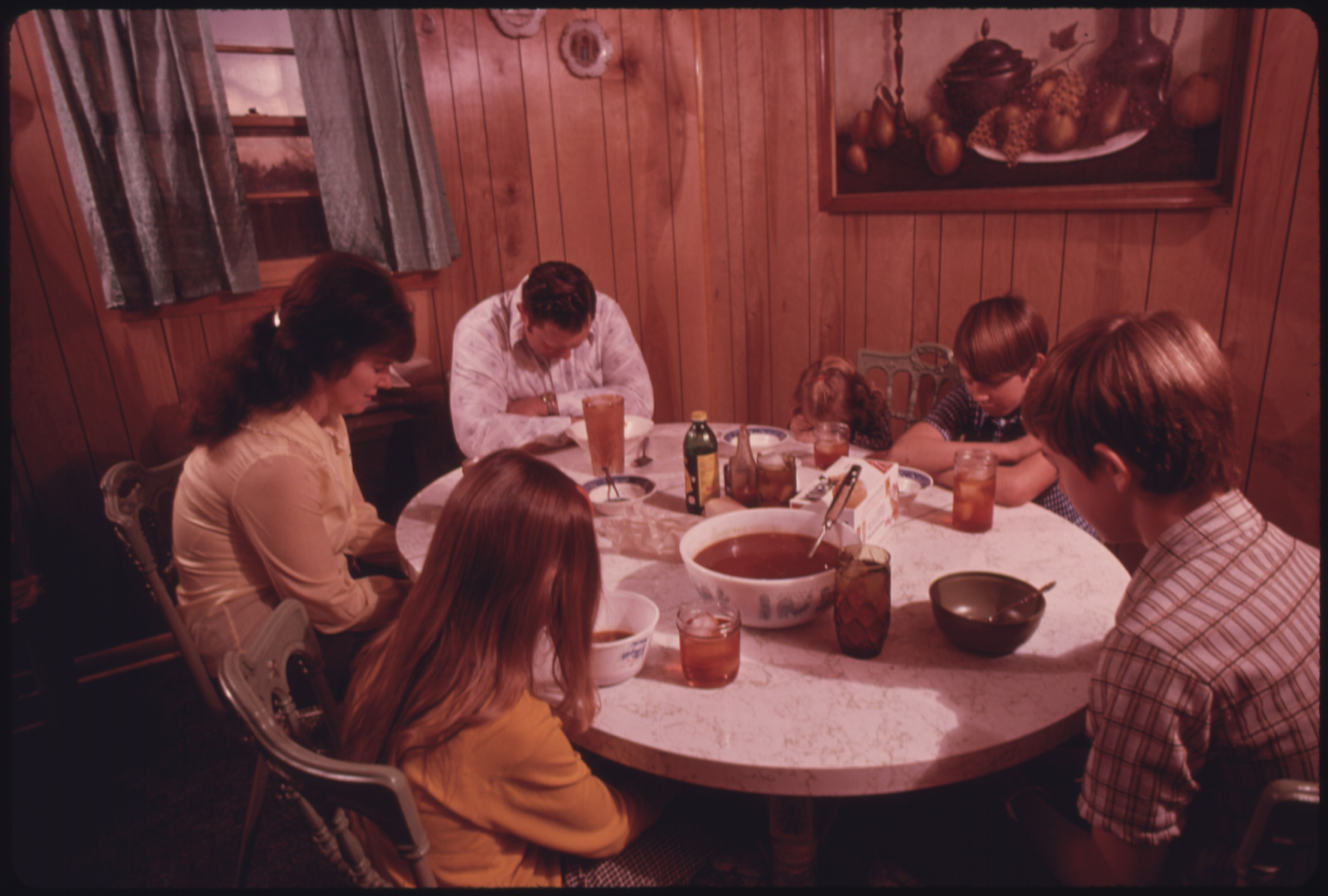
Children could get up considerably sooner than the adults, and the exact moment at which this became acceptable was never announced.
The ambiguity was managed by watching. Nobody wanted to be the first to leave and nobody wanted to be the last still sitting, so the whole table dispersed within about ninety seconds of the first departure.
The adults stayed for hours afterwards. A second table cleared by half past two in a house where the main table was still occupied at five is the clearest measure of the difference between the two experiences.
15. The Washing Up Was Not Your Problem and Then Suddenly Was
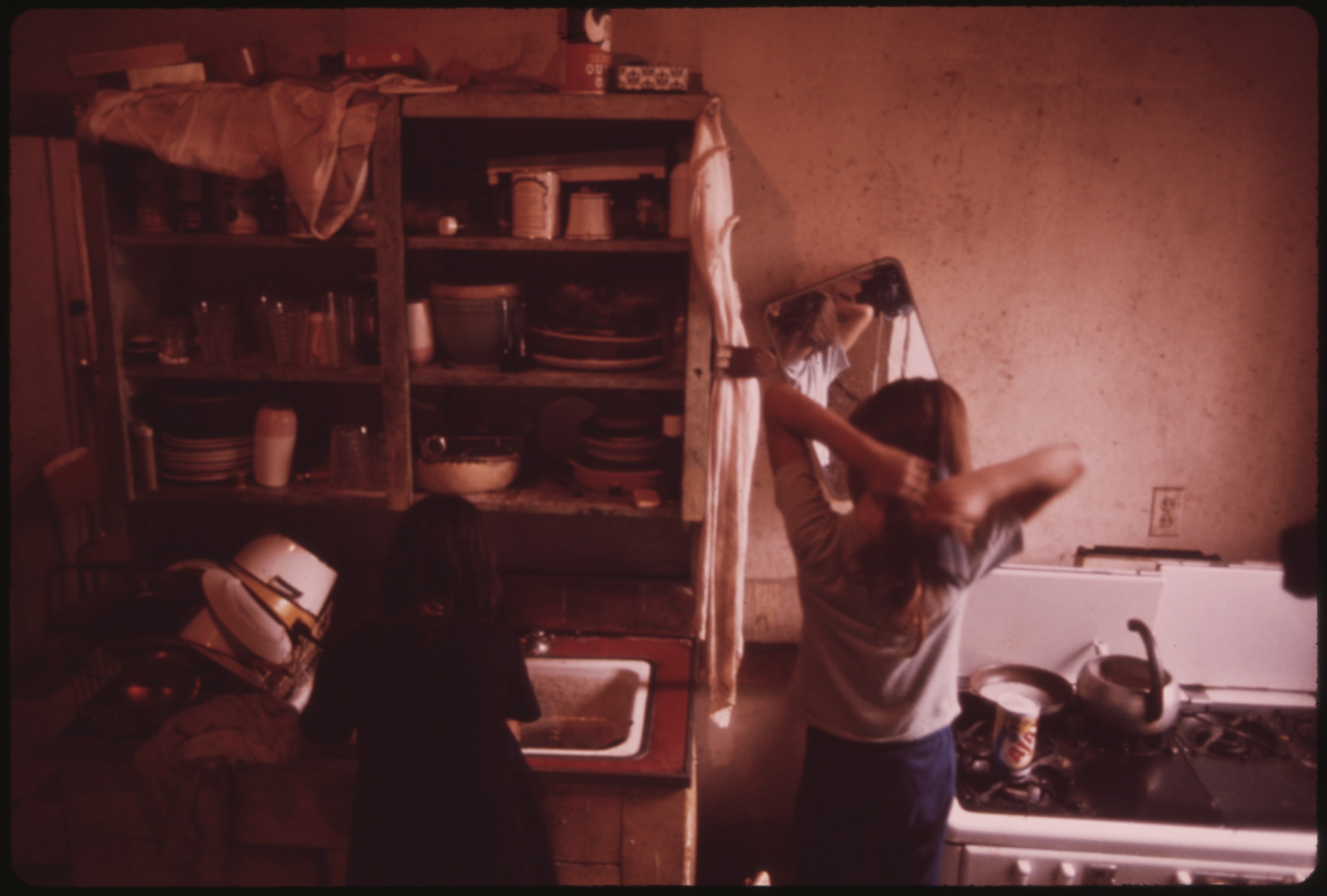
Children at the second table were exempt from the clearing, until somebody decided they were old enough, which happened without warning.
The transition was a second and far less welcome promotion. A child asked to help in the kitchen had been reclassified as useful, and the reclassification was permanent in a way the seating change was not.
It arrived before the seat did, in a great many cases. A household that needed hands in the kitchen found them before it found a chair at the main table, which means a fair number of children were working at the adult end of the day while still eating at the child end of it.
16. Then the Gatherings Got Smaller
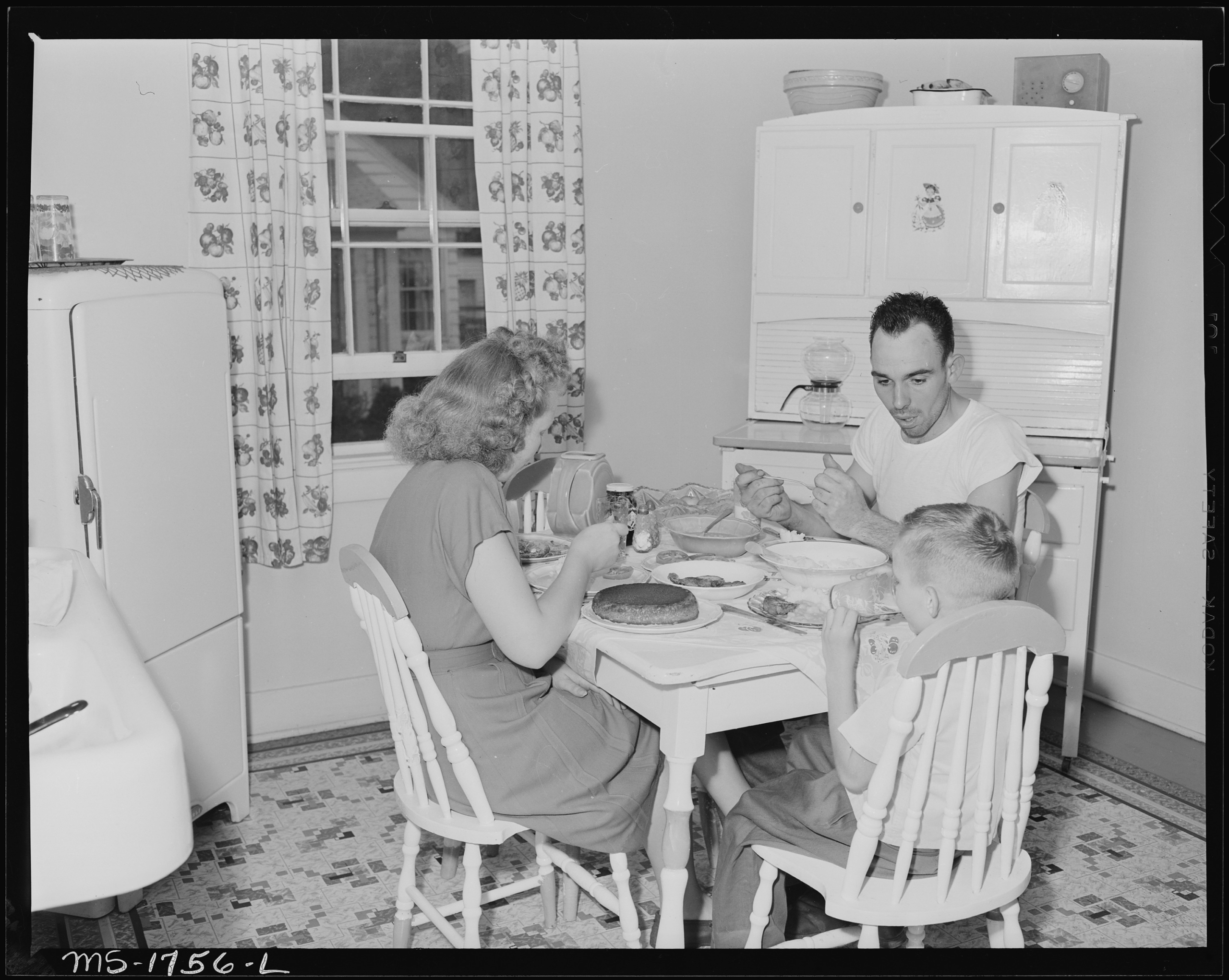
Fewer children per household, relatives further away and smaller assemblies meant that twenty-two people at one sitting became uncommon.
The arithmetic that created the institution reversed. A gathering of nine fits at one table, which means there is nothing to overflow, and the second table stopped being set because there was nobody to put at it.
What went with it is a specific kind of afternoon. Six children at mismatched chairs in an adjoining room, portioned by somebody else, trading everything, governed by a twelve-year-old, audible but unsupervised, exchanging two hours of intelligence about their own family, and every one of them watching for a vacancy at a table they would be disappointed by when they finally reached it.
What the Overflow Table Actually Produced
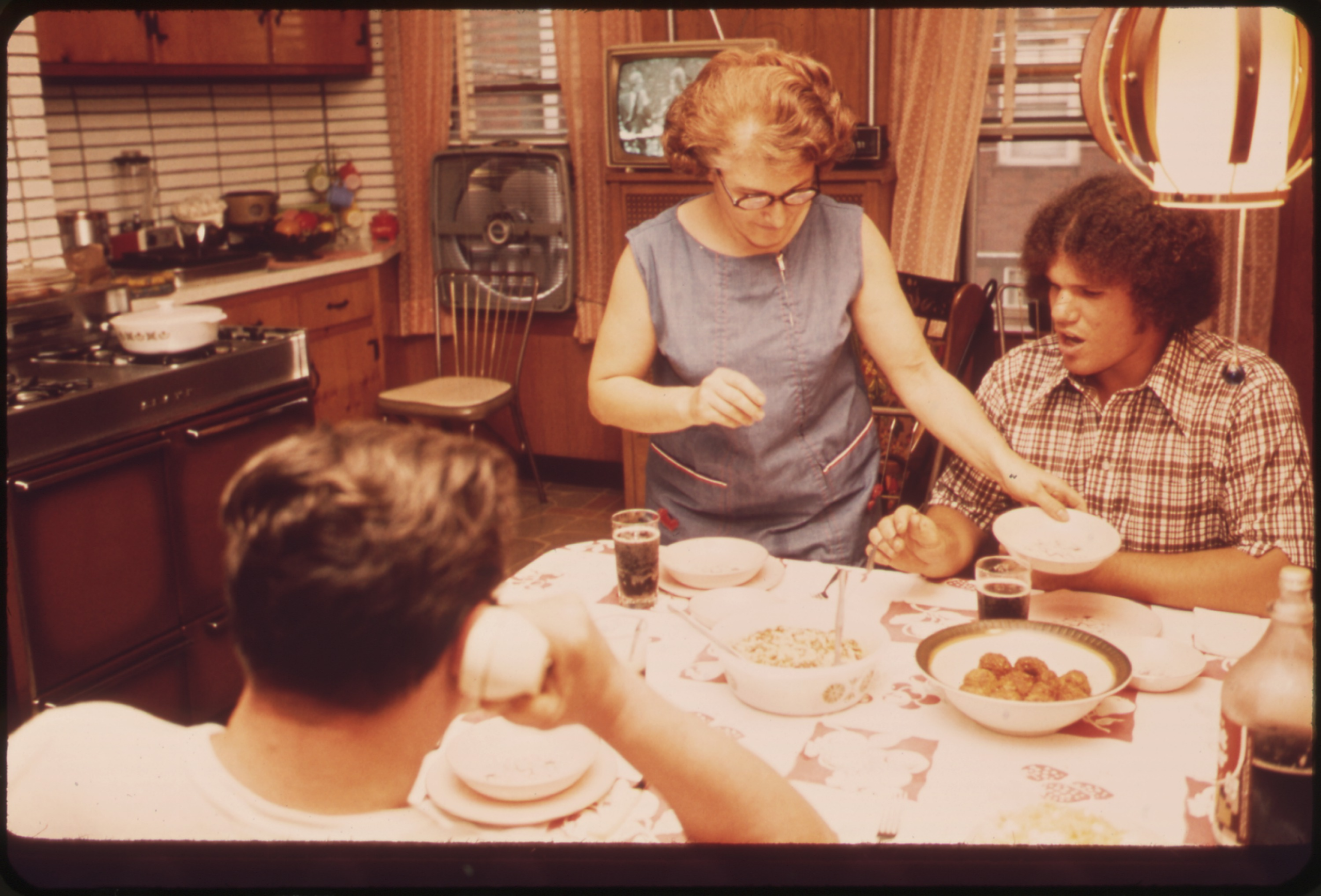
Read in order, the sixteen describe something nobody designed and everybody remembers better than the meal. The table existed for a furniture reason, was improvised from whatever the house contained, and was placed in an adjoining room where children could be heard but not seen. That last detail is what produced everything else. Complete freedom combined with complete audibility generates a very particular kind of self-government: a senior child running the table because the alternative was summoning an adult, a trading economy that solved the portioning problem in four minutes, collective vigilance about glassware because one person’s accident cost everybody their independence, and two uninterrupted hours of cousins pooling everything they had overheard in six separate households.
The promotion was the organising obsession of every child there, and the criteria were never stated because there were none. A seat opened when somebody did not come, or married, or died, and it was filled by whoever was next. Almost everybody who got one found the main table slower, quieter and concerned with subjects they could not follow, and a fair number asked to go back. The disappointment makes sense once the two tables are compared honestly. One of them was slow, formal, conducted in subjects a child could not follow and governed by a standard of behaviour imposed from outside. The other was fast, informal, self-policing, ran a functioning barter market, had a twelve-year-old in charge and carried an absolute confidentiality rule that children who would otherwise report each other for anything observed without ever discussing. Judged on its own terms the second table was simply a better room to be in, and the only thing wrong with it was that everybody in it had been told, implicitly, that it was the lesser one.
The institution ended for exactly the reason it began. Fewer children per household, relatives at greater distances and smaller assemblies mean a gathering of nine, which fits at one table and overflows nowhere. There is no second table because there is nobody to put at it. What went with it was not a seating arrangement but an afternoon: mismatched chairs, a plate somebody else had decided the contents of, everything on it tradeable, a twelve-year-old in charge, an adult in the doorway whenever the noise crossed a line nobody had defined, and a complete and largely inaccurate account of your own family assembled from fragments by six children in the next room.
Like our content? Follow us for more.