Population loss rarely starts with a headline. It starts with one family leaving for better schools, a nurse chasing steady housing, a teacher tired of rent hikes and storm seasons. Over time, that quiet trickle shows up as darker shop windows and shrinking school rosters. City leaders talk about revitalization and new projects, but census trends and moving trucks tell a different story. These cities are feeling that slow drift, even as officials try to frame it as a temporary setback.
Spring Valley, Nevada
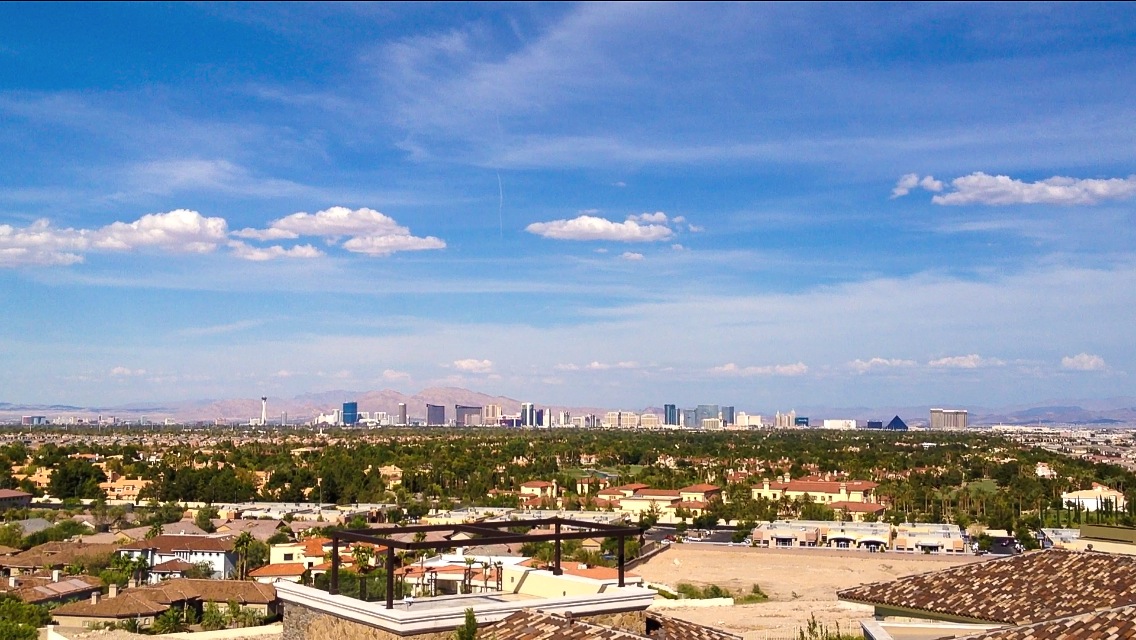
Spring Valley sits in the shadow of the Las Vegas Strip, close enough to feel every boom and bust without sharing the glamour. Rising housing costs, extreme summer heat, and uneven service jobs wear people down over time. Many residents move to cheaper outer suburbs or leave Nevada entirely for steadier work and lower bills. What remains is a community quietly wrestling with empty apartments, tired infrastructure, and a tax base spread a little too thin.
Town ‘n’ Country, Florida
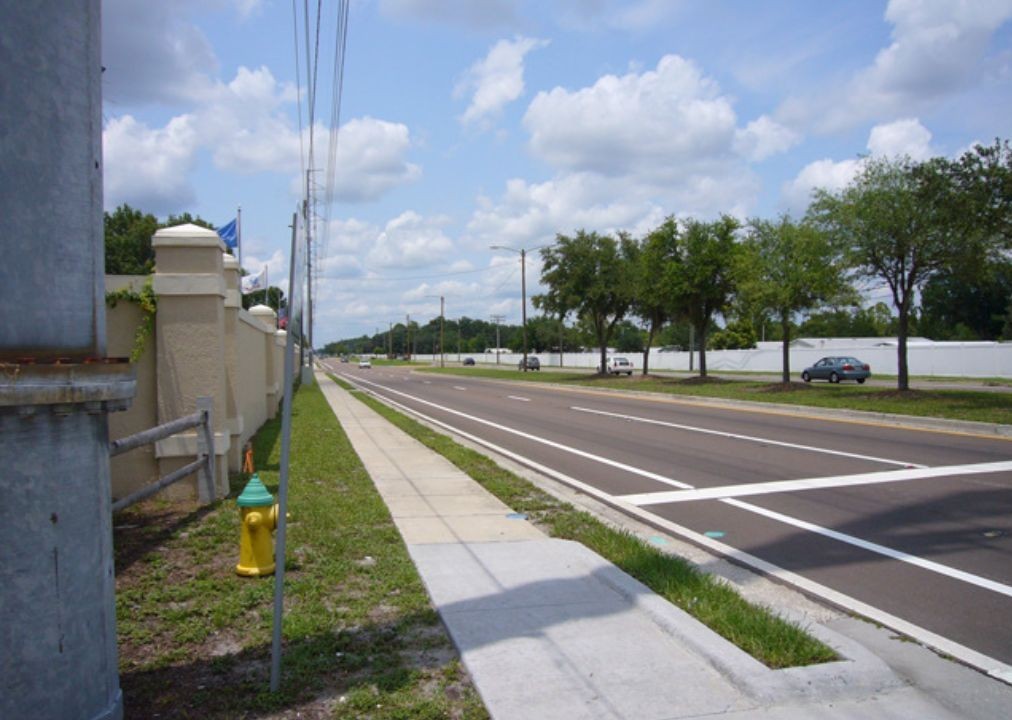
Town ‘n’ Country looks like a typical Tampa suburb at first glance, with low buildings, palm trees, and a steady stream of airport traffic nearby. Beneath that surface, storm seasons, flood worries, and climbing insurance premiums keep eating into family budgets. As traffic thickens and daily life feels more fragile, long term residents start cashing out while they still can. Many head inland or out of state, leaving behind quieter cul de sacs and anxious local businesses.
Kendall, Florida
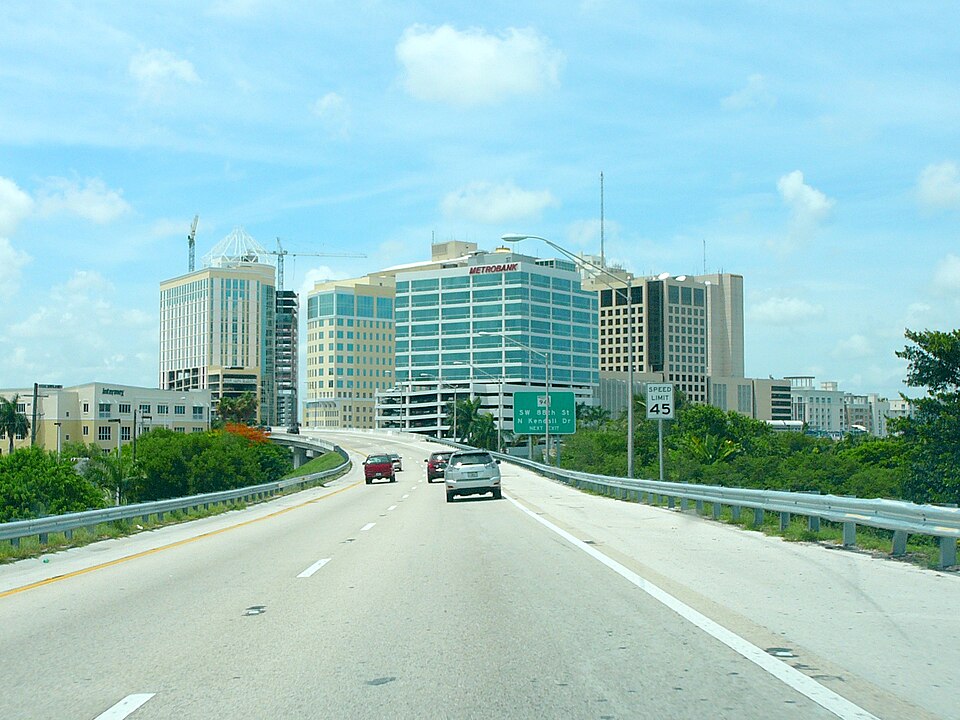
Kendall has long been the place where Miami families land when they want space, decent schools, and a dense network of shopping centers. Over time, constant congestion, soaring insurance costs, and hurricane anxiety have pushed many households to reconsider their roots. Younger adults struggle to afford their own place, so they look north or out of state. The result is a slow thinning of the middle class that once powered its condos, storefronts, and crowded weekend parking lots.
Carmichael, California
Carmichael, just outside Sacramento, absorbed years of spillover from people fleeing higher coastal prices. Now, high rents, smoky summers, and a sense of stalled opportunity are turning that flow in the opposite direction. Families feel squeezed between rising costs and modest paychecks, so they head deeper into the Central Valley or leave California altogether. The neighborhood charm remains, but it has to stretch across more vacant rentals and lingering for sale signs.
Brandon, Florida
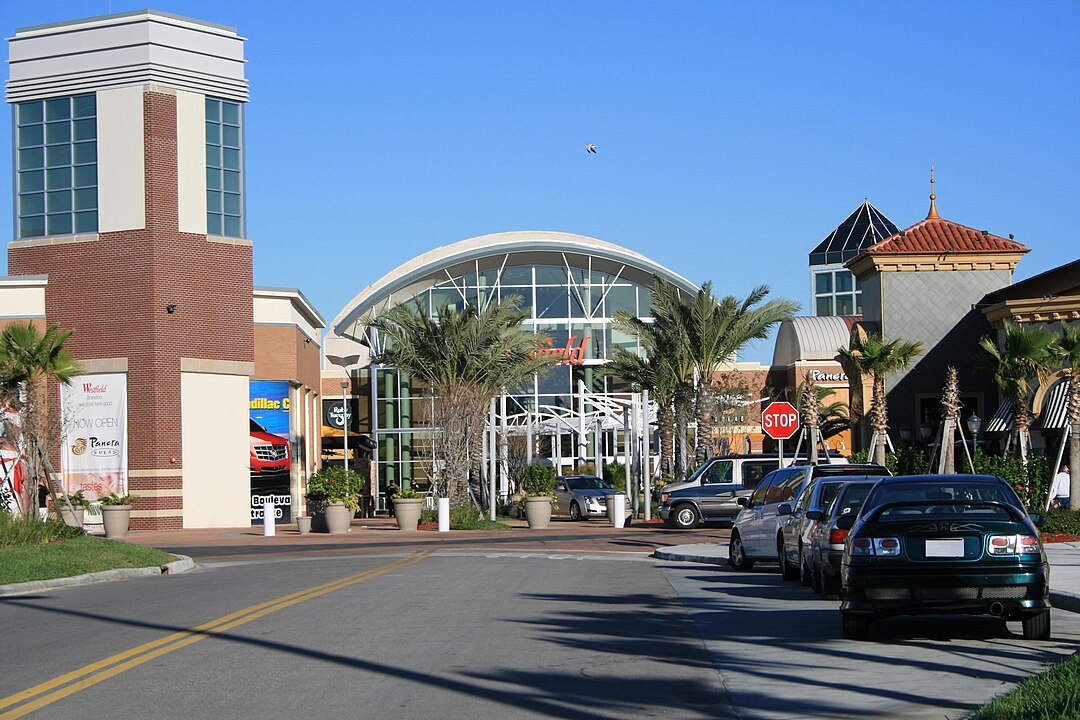
Brandon grew fast as a commuter hub, full of subdivisions, chain restaurants, and packed highways into Tampa. Over time, the grind of rush hour, recurring storm damage, and insurance rates that jump faster than wages have worn people out. Some homeowners watch repair bills stack up and decide to start over somewhere less risky. As they go, local schools, road projects, and services must do more with fewer steady taxpayers on the rolls.
Lafayette, Indiana
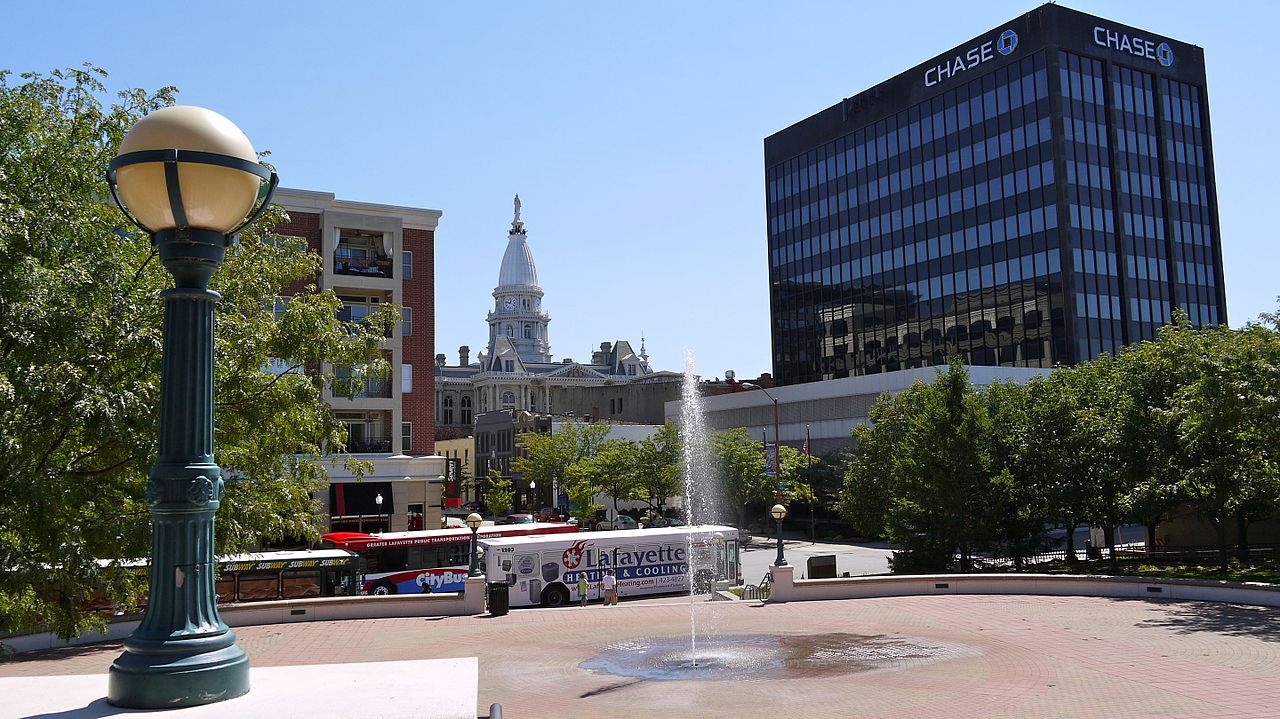
Lafayette carries the weight of a manufacturing past while trying to define a different future. Automation and shifting industry patterns have trimmed the kind of solid, long term jobs that once kept families rooted. Young graduates often leave after college, drawn to bigger metros with more varied careers and nightlife. Each departure on its own feels minor, but together they leave older neighborhoods, thinner school enrollments, and a constant scramble to keep momentum alive.
Casas Adobes, Arizona

Casas Adobes, near Tucson, mixes desert views with aging strip malls and older subdivisions that once symbolized suburban comfort. Persistent heat, water worries, and dated housing stock make relocation more tempting as summers feel longer and utility bills creep up. Some residents move to newer planned communities with modern insulation and amenities, while others head for cooler states. The area’s quiet streets start to show more vacant homes and slowly fading commercial corners.
Metairie, Louisiana
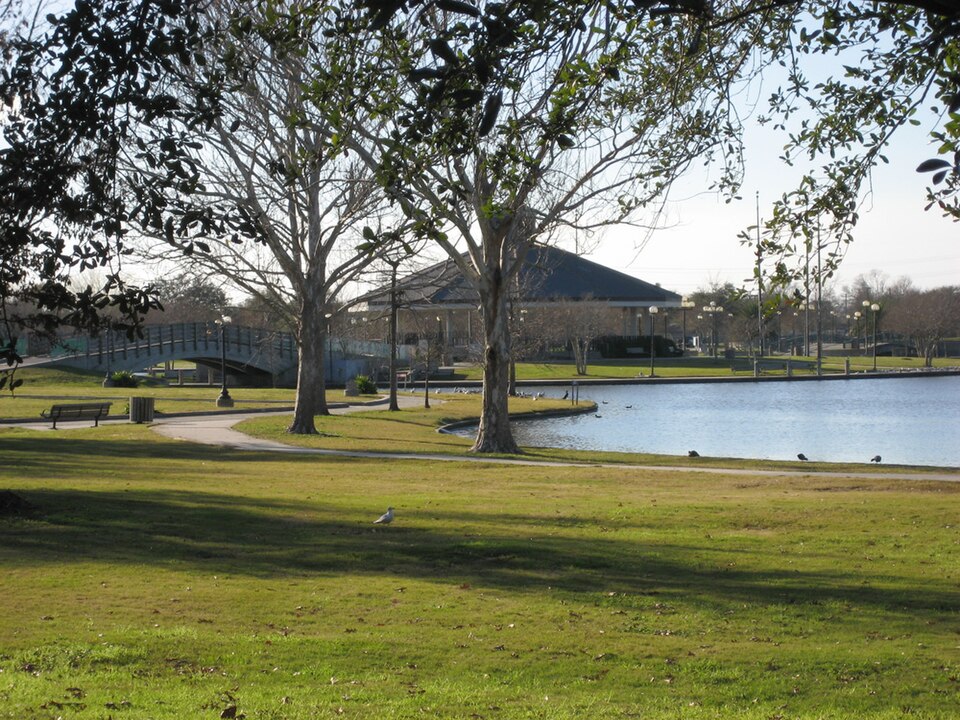
Metairie shares New Orleans’ festivals and food culture, but it also shares the region’s deep vulnerability to storms and rising costs. Repeated hurricane seasons, insurance shocks, and flood fears weigh on family decisions. Households with enough resources often choose higher ground or entirely different states, taking their spending and tax dollars with them. Those who stay face the challenge of maintaining roads, schools, and parks as the financial load spreads across fewer shoulders.
Decatur, Illinois
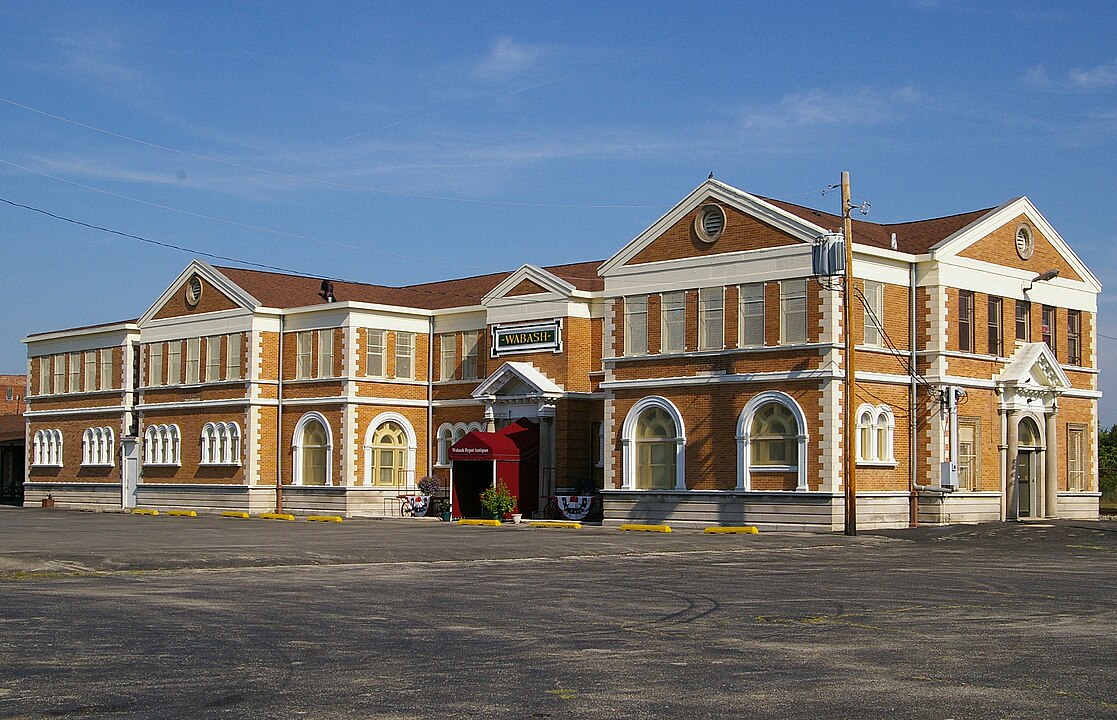
Decatur’s story is tied to factories, rail lines, and grain processing, all of which have changed dramatically over the past few decades. As plants retool or scale back, stable jobs become less certain, and younger residents look elsewhere for careers with growth. Population decline shows up in shuttered storefronts, older housing that is hard to sell, and public budgets that never seem to stretch far enough. Local pride is still strong, but it has to fight harder every year.
East Los Angeles, California
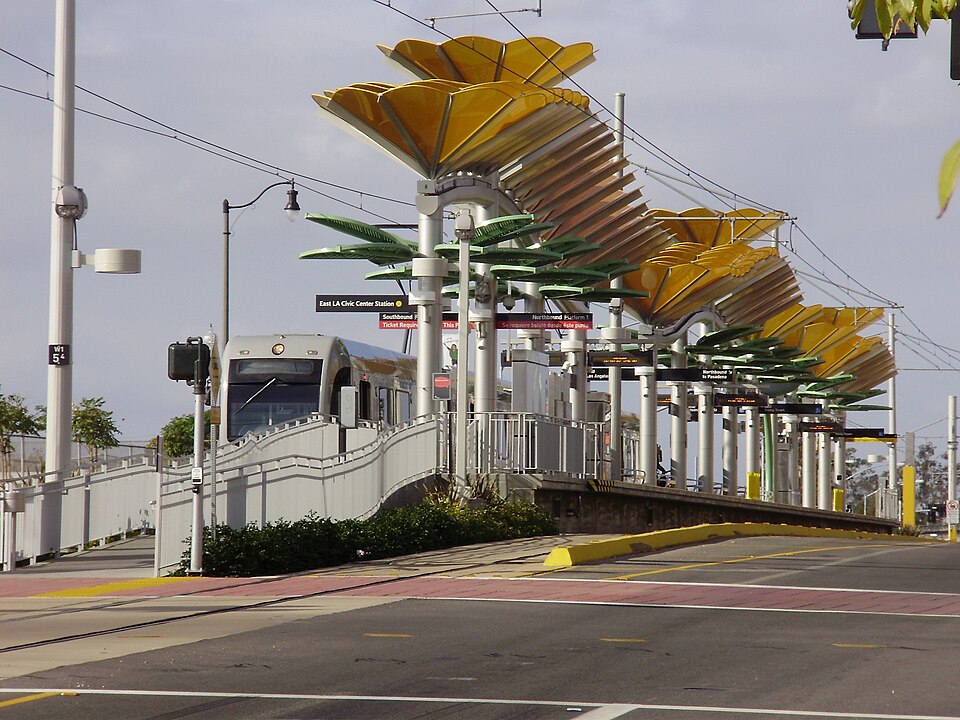
East Los Angeles holds deep cultural roots, family owned shops, and multigenerational neighborhoods that mean a great deal to residents. At the same time, rising rents, overcrowding, and limited paths to ownership push many families inland or out of state. People carry the culture with them, spreading East LA’s spirit across new zip codes. Back home, the fabric of the community feels stretched as longtime institutions work to serve those who remain with fewer stable resources.