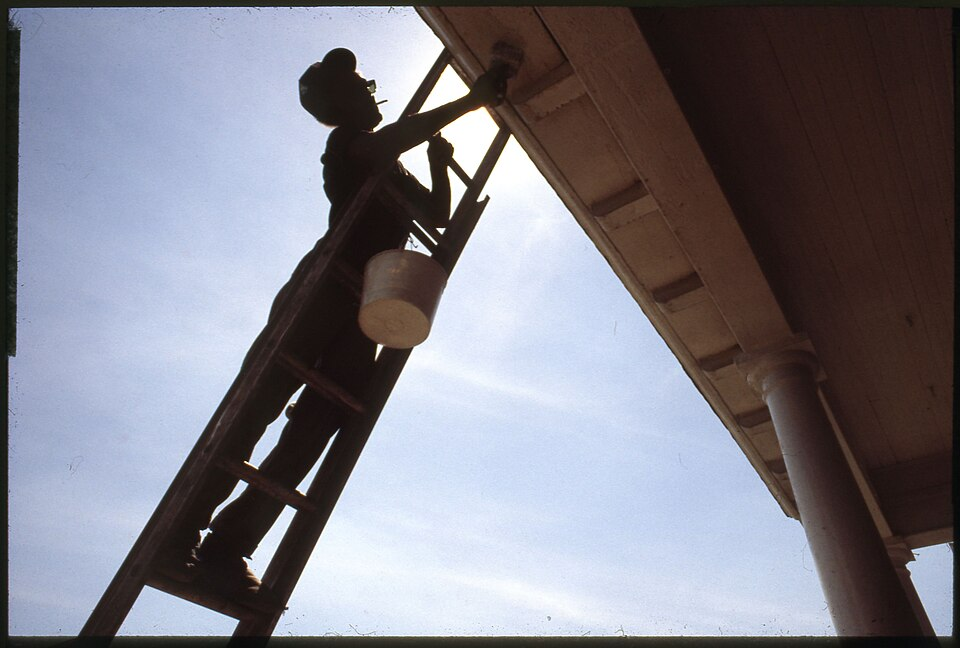
In 1964 a child’s main contribution to household maintenance was standing at the bottom of a ladder with both hands on it, not moving, for as long as the job took. Whether this achieved anything was never discussed by anybody involved.
The Job Was Being Present Rather Than Useful
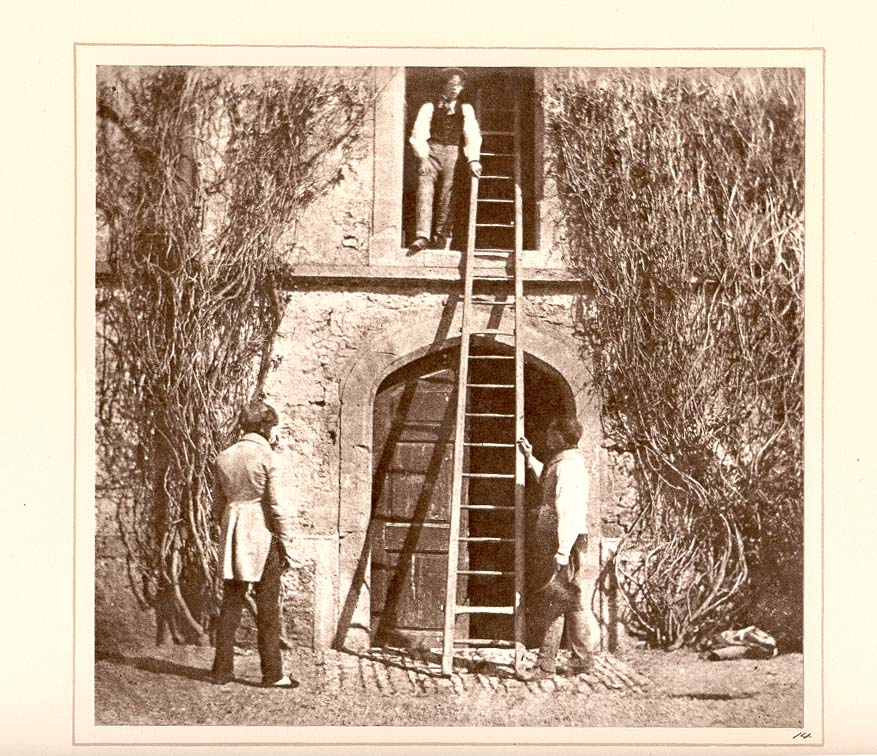
A child of eight gripping the lowest rung is not meaningfully stabilising anything, and every adult up the ladder knew it. The point was that somebody was there, at the bottom, paying attention, in case anything happened – which is a reasonable thing to want and is not the same as being told you are holding it.
So the instruction was slightly false and universally given. Children were told they were keeping the ladder steady, believed it for years, and worked out considerably later that they had been a presence rather than a counterweight.
Like our content? Follow us for more.
Modern Practice Is Different and Modern Practice Is Right
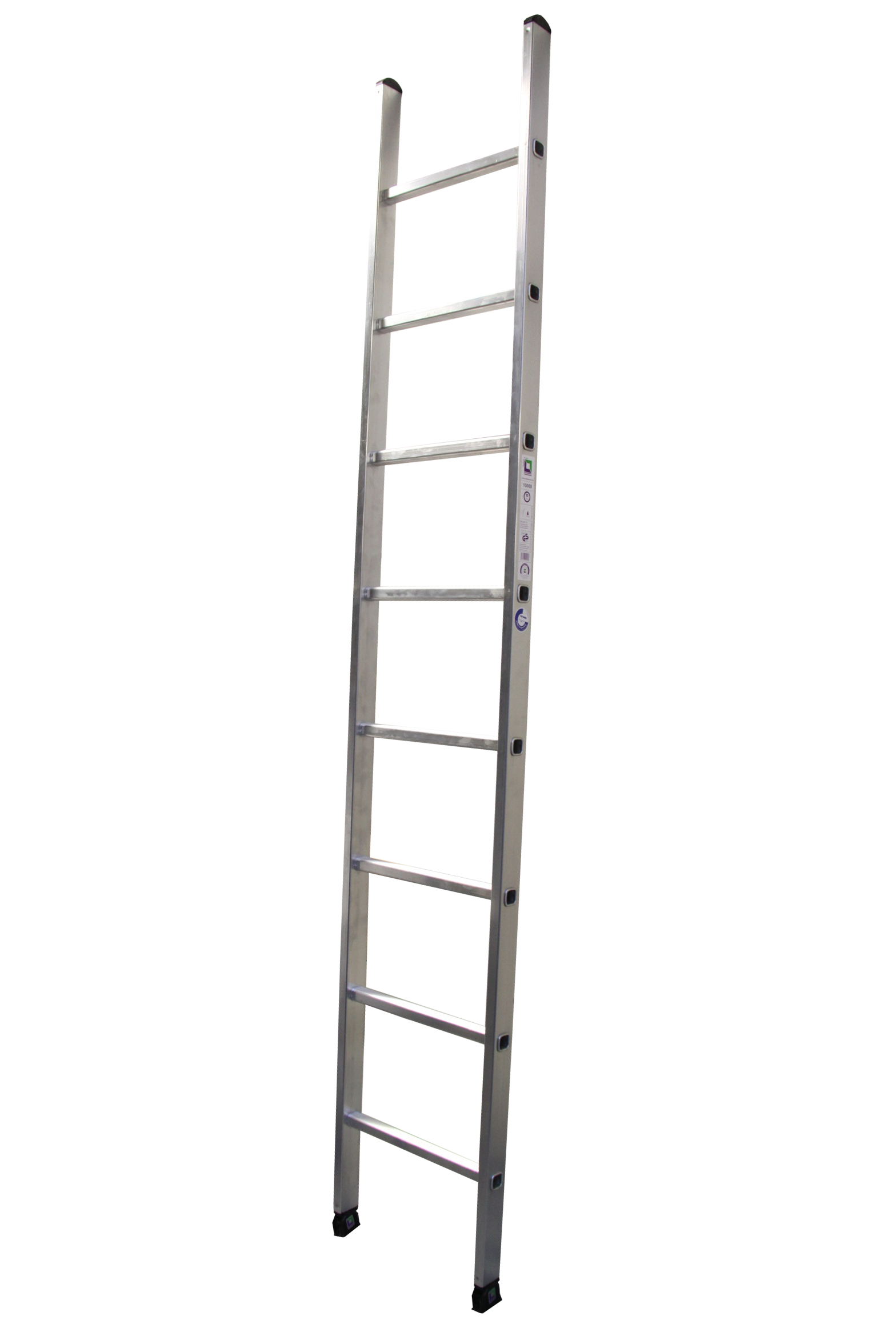
Current guidance on ladders does not involve stationing a child at the base, and the reasons for that are not in dispute. Nothing in this piece should be read as describing how anybody ought to work at height, or what any child should be asked to do while somebody does.
It is worth stating plainly rather than treated as fussiness. The standards of 1964 did not address this at all, everything about how it is handled now is an improvement, and this is a description of what households did before any of that was thought through.
You Were Not Allowed to Let Go
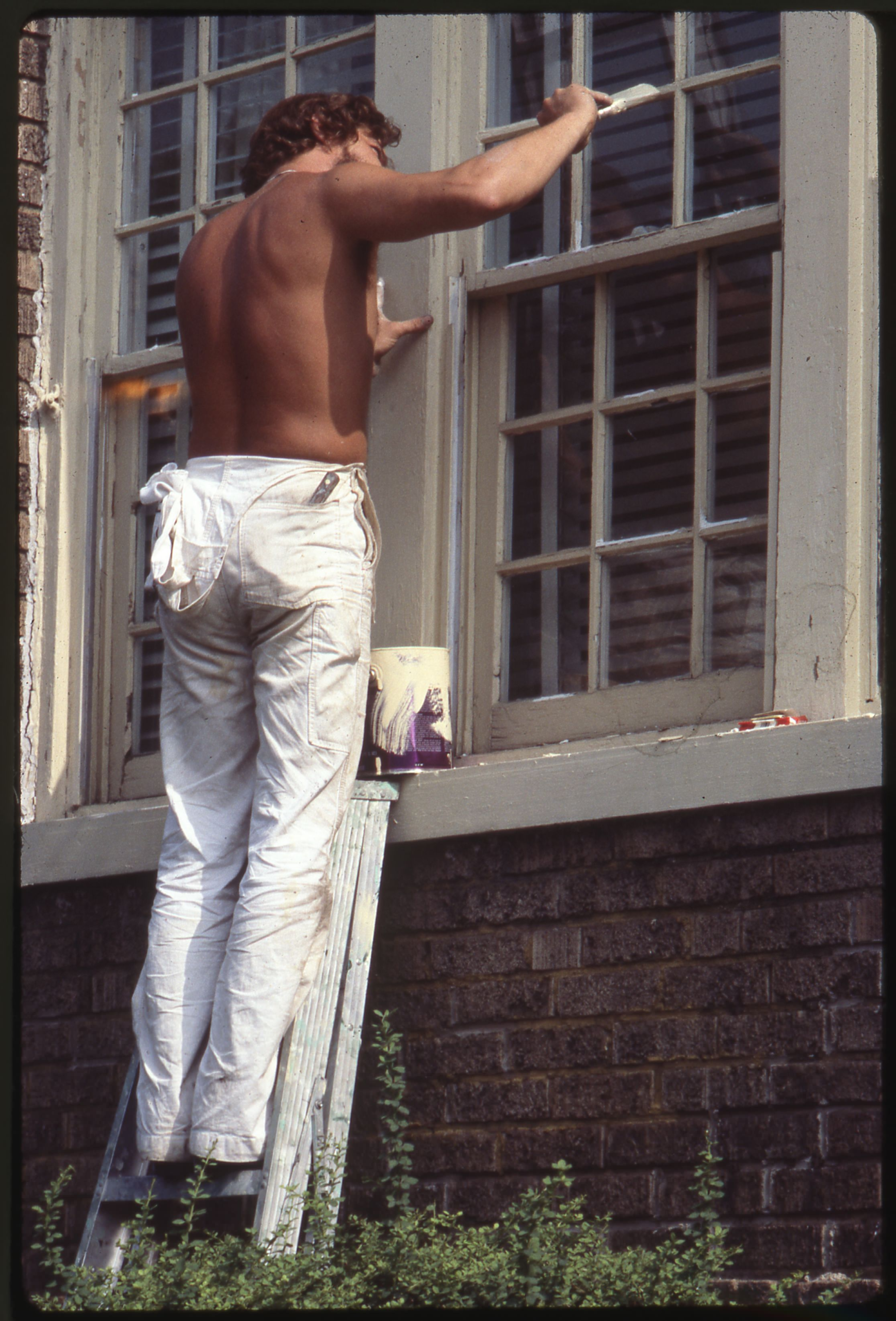
The single rule was absolute. Hands on, both of them, until told otherwise, which meant a child could not scratch, adjust anything, respond to a sibling or leave for any reason whatever for the duration of a job that had no stated length.
Nobody Said How Long It Would Take
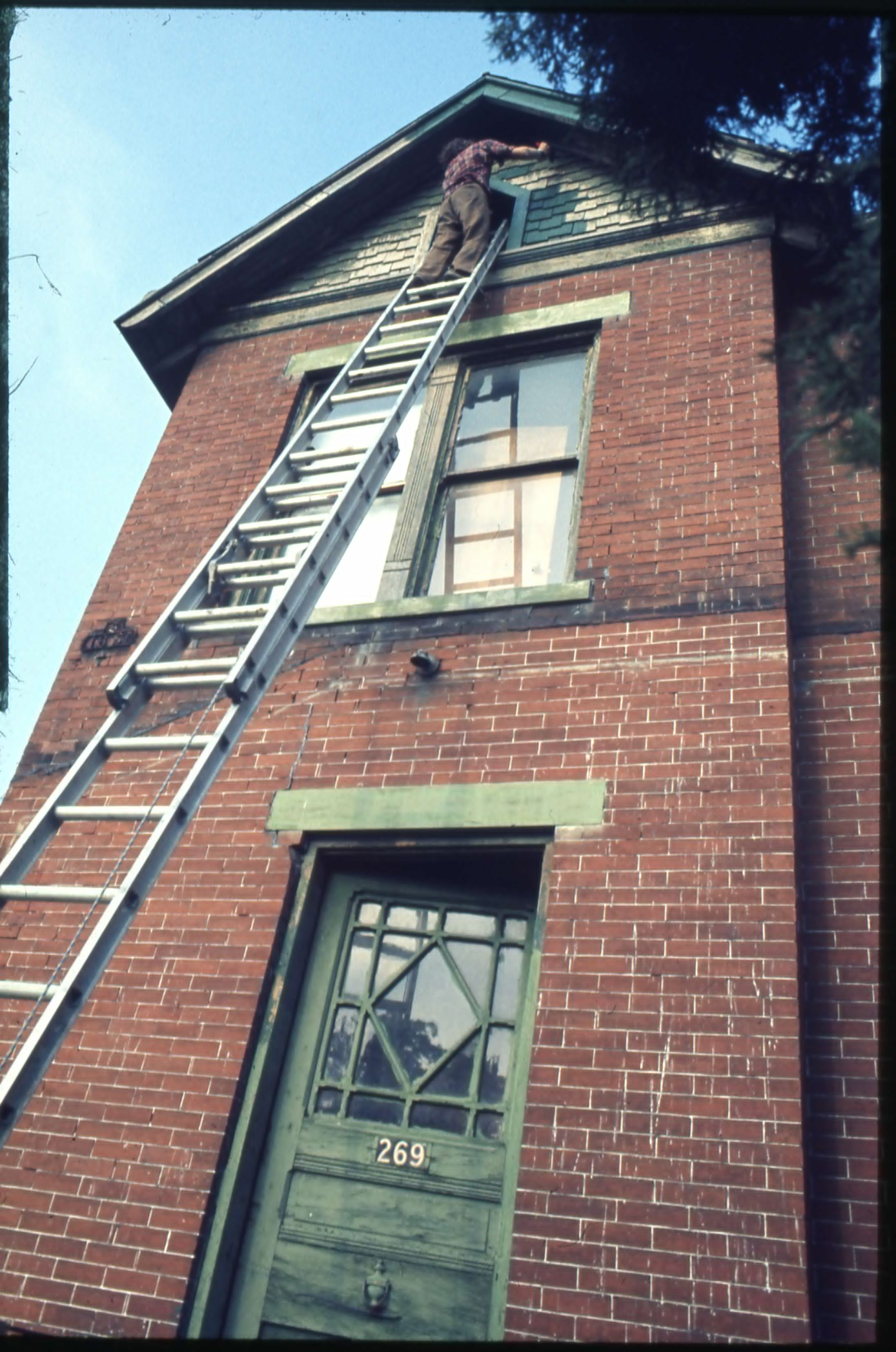
The absence of an estimate was the hardest part. A child who had been told it would be ten minutes could manage ten minutes; a child who had been told nothing was standing there indefinitely, with no way of asking without appearing to complain.
The Boredom Was the Entire Experience
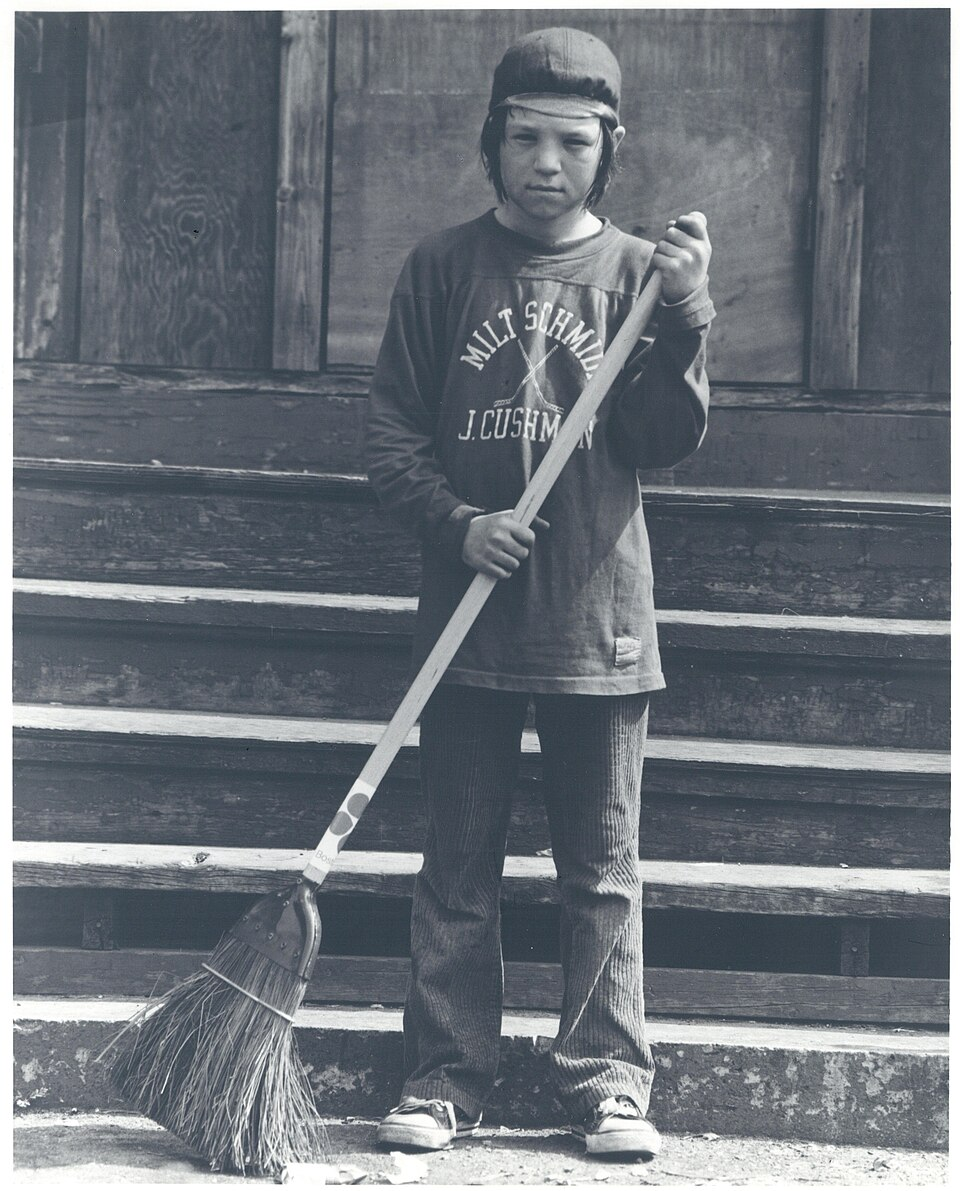
What people remember is not the ladder. It is twenty minutes of standing completely still, outdoors, holding something, with nothing to look at and nobody to talk to except somebody above them who was concentrating on something else.
Conversation Happened and It Was Unusual
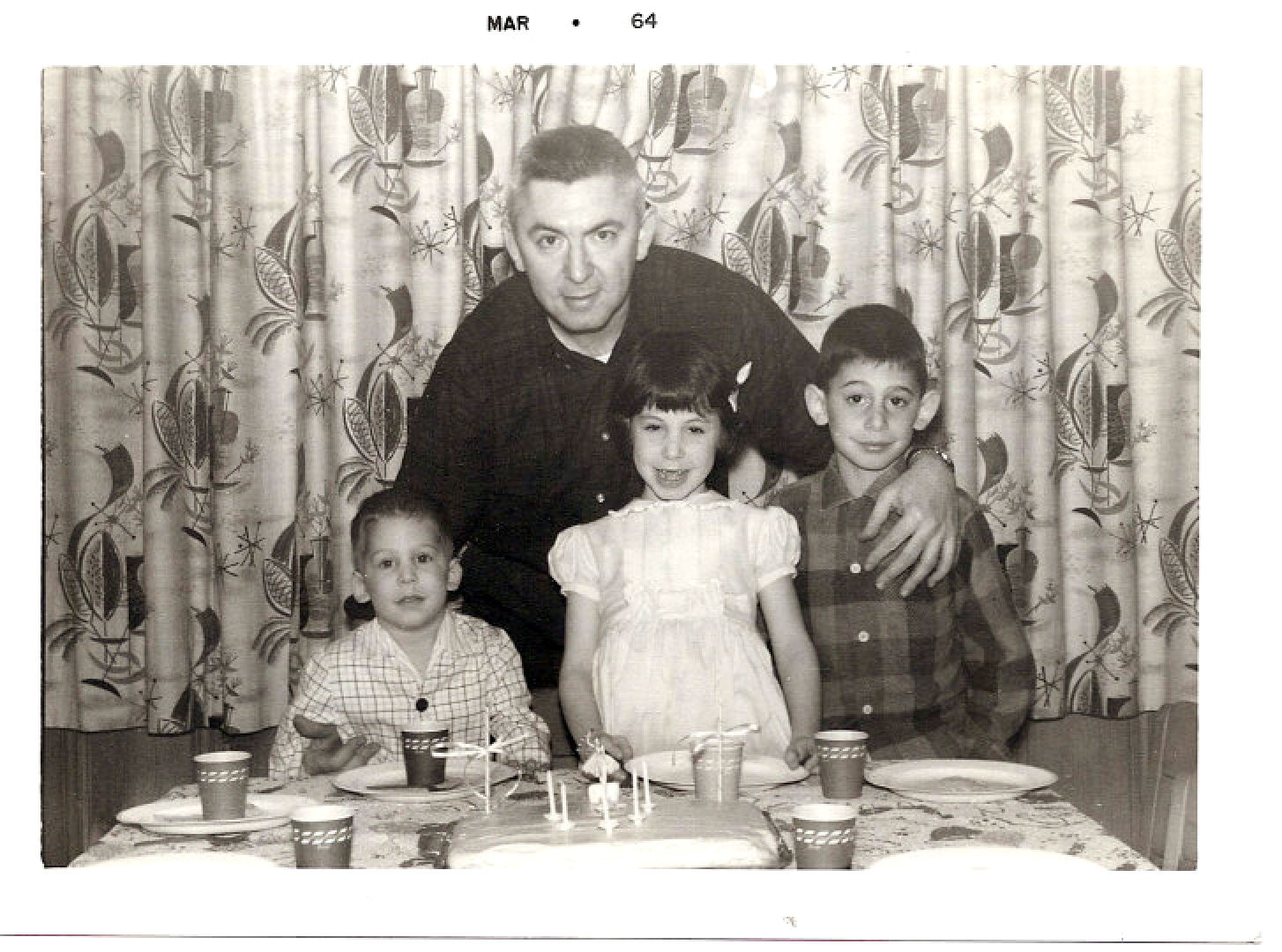
Those jobs produced a particular kind of talk. An adult working with their hands, facing away, unable to leave, will answer questions they would not otherwise answer, and a child at the bottom of a ladder had an unusual amount of uninterrupted access.
A great many people name those conversations as the most substantial they had with that adult. Not because anything important was said, but because it was the only setting in which both parties were stuck in the same place for an hour.
Looking Up Was Discouraged
Children were told not to, and did it constantly. Something was always falling – dust, flakes of paint, fragments of whatever was being dealt with – and a child looking directly upwards received all of it, which is how the instruction was eventually learned.
Things Were Dropped and You Had to Not Move
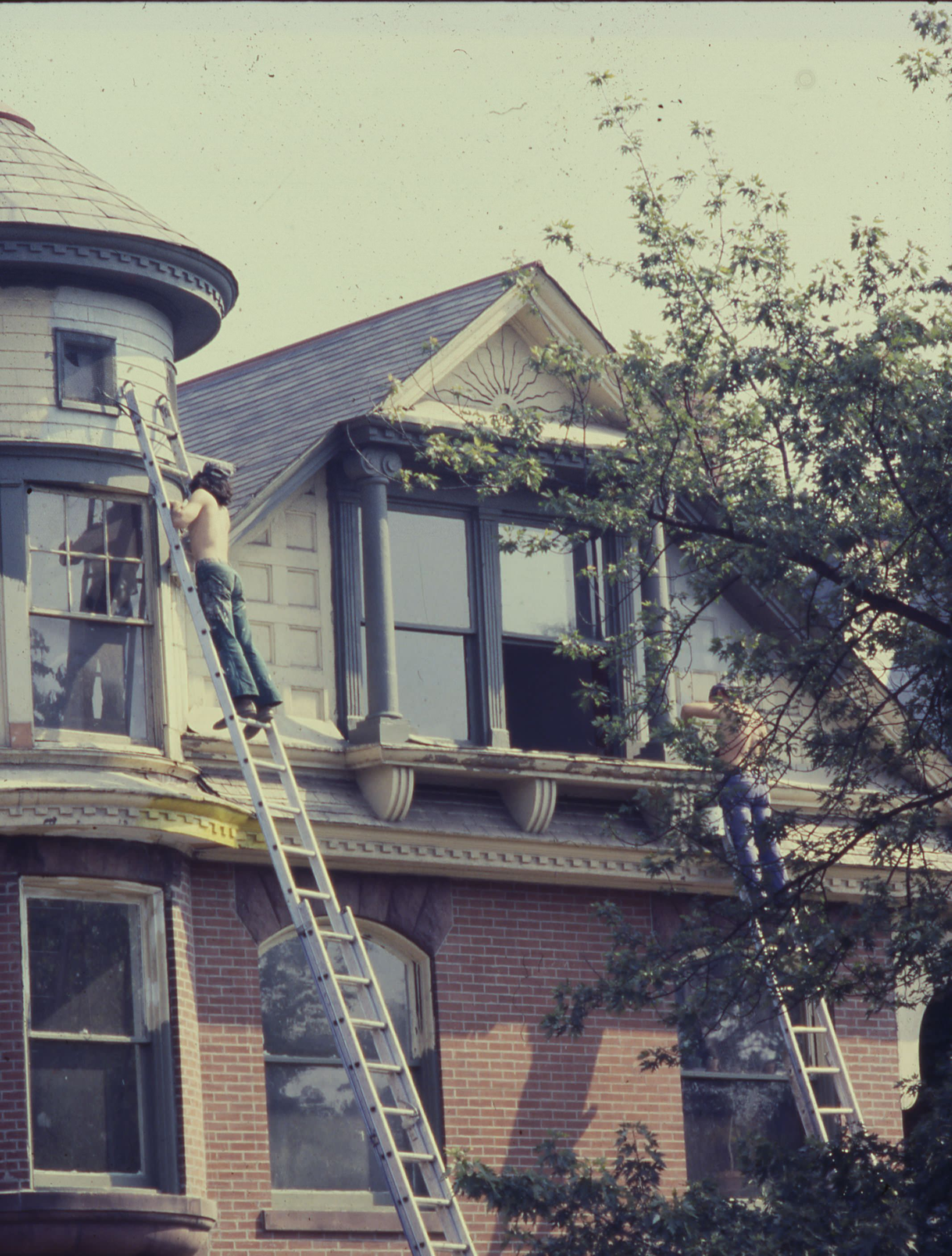
An adult who dropped something expected the child below to stay exactly where they were, which is counterintuitive and was explained to nobody. The instinct is to step back; the rule was to hold on, and resolving that conflict in the half-second available is a specific thing children had to learn.
The Grip Itself Changed Over the Twenty Minutes

Nobody can hold the same position for that long. A child started with both hands on the rung at shoulder height, moved them down, leaned, shifted their weight onto one foot and ended up in a posture that had almost nothing to do with the one they had been put in.
Adults above them never noticed any of it. The whole slow collapse happened out of sight of the only person who had any interest in whether the ladder was being held properly, which is further evidence about what the arrangement was actually for.
Fetching Became Part of the Job
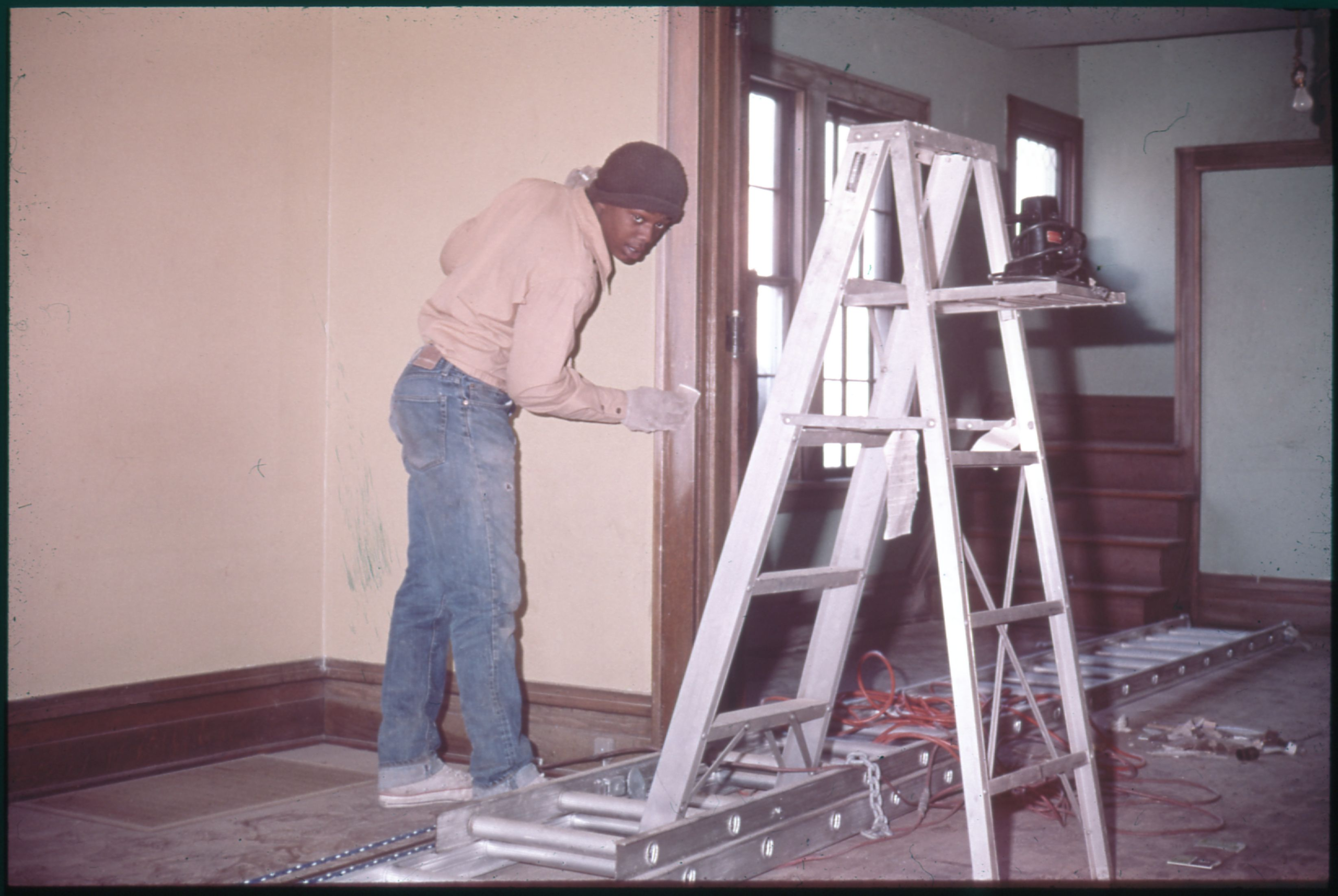
Nobody ever had everything they needed at the top of a ladder. The child at the bottom was therefore sent, repeatedly, for one item at a time, which meant letting go of the thing they had been told never to let go of, on instruction, for a minute at a time.
The Descriptions Were Hopeless

Being sent for something described only by what it did, in a shed a child did not know the layout of, produced a high failure rate. Children returned with the wrong object constantly, were sent back, and gradually assembled a working knowledge of a household’s equipment entirely by trial.
Being Trusted to Hold It at All Was the Point

The job was given before any other maintenance task, because it required no skill and could not be done wrong. For a great many children it was the first time they had been included in something an adult was doing rather than sent away from it.
That is why it was accepted so readily. Twenty minutes of acute boredom was a reasonable price for being the person who had been asked, particularly if there was a sibling who had not been.
Siblings Were Rotated and the Rotation Was Watched

Households with more than one child alternated, and everybody kept track. Being passed over for a job this undemanding carried an implication nobody said out loud, and children noticed the pattern over a season with considerable accuracy.
The Ladder Itself Was Usually Wrong for the Job
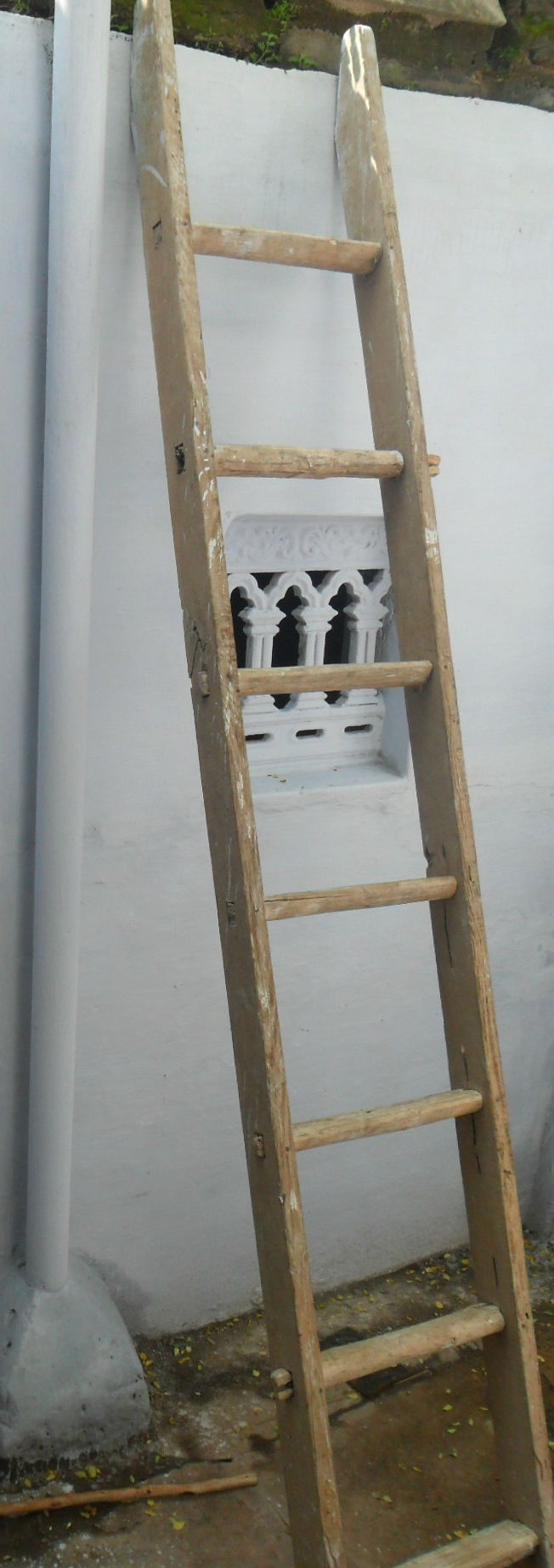
Household ladders of the period were too short, too heavy and frequently homemade, which is why somebody had to be at the bottom of them in the first place. The requirement for a child was a symptom of the equipment rather than a sensible arrangement.
Better ladders removed the need entirely. A piece of equipment that is stable on its own does not require a person to stand on it, and that is the actual reason this job no longer exists.
Moving It Was a Two-Person Operation and the Child Did Not Help
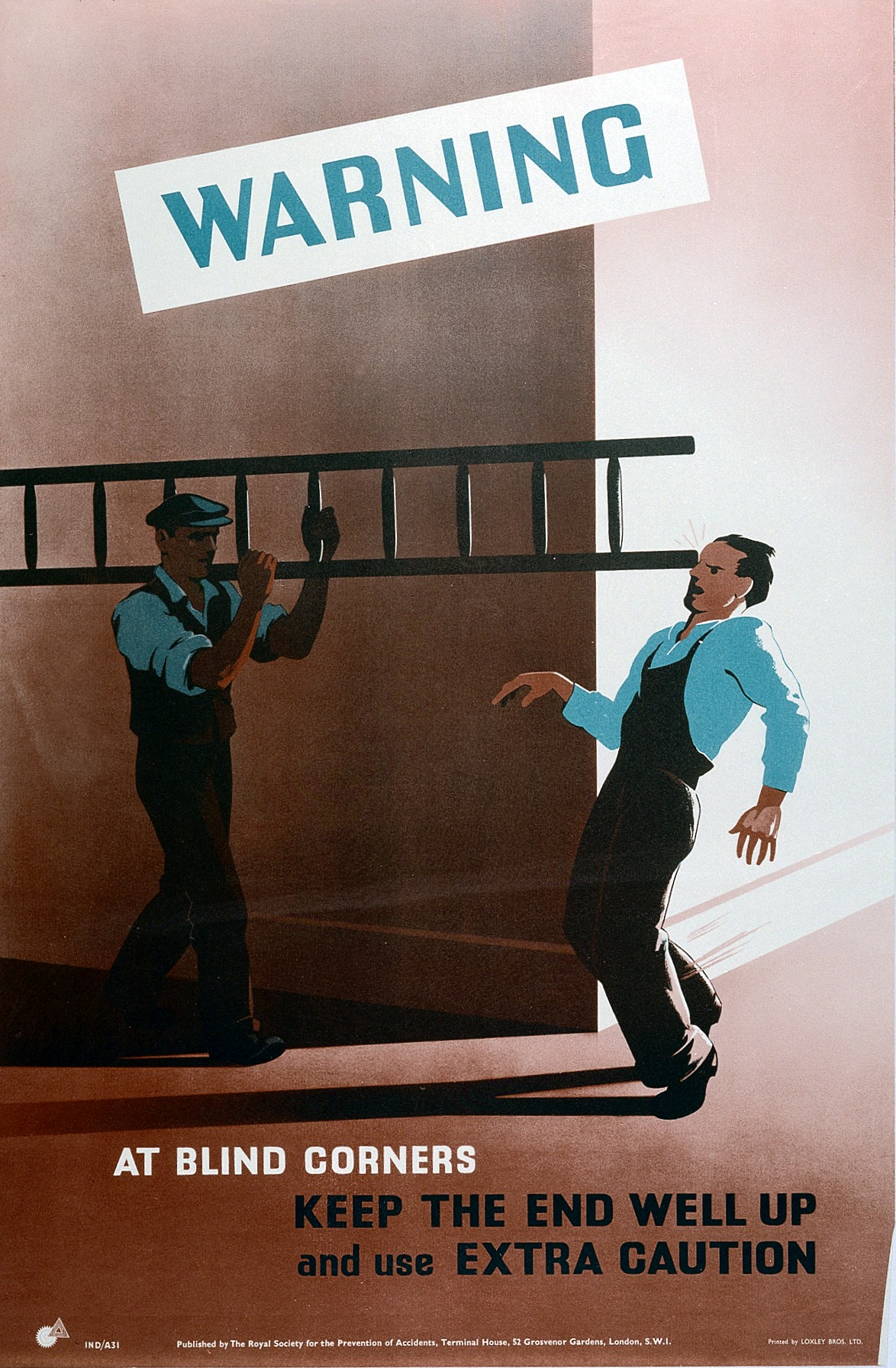
When the ladder had to be repositioned, the child stood back and watched an adult do it, which was the only part of the whole business where they were explicitly not wanted. It was also the only part that looked interesting.
Half of It Was Followed by Sound
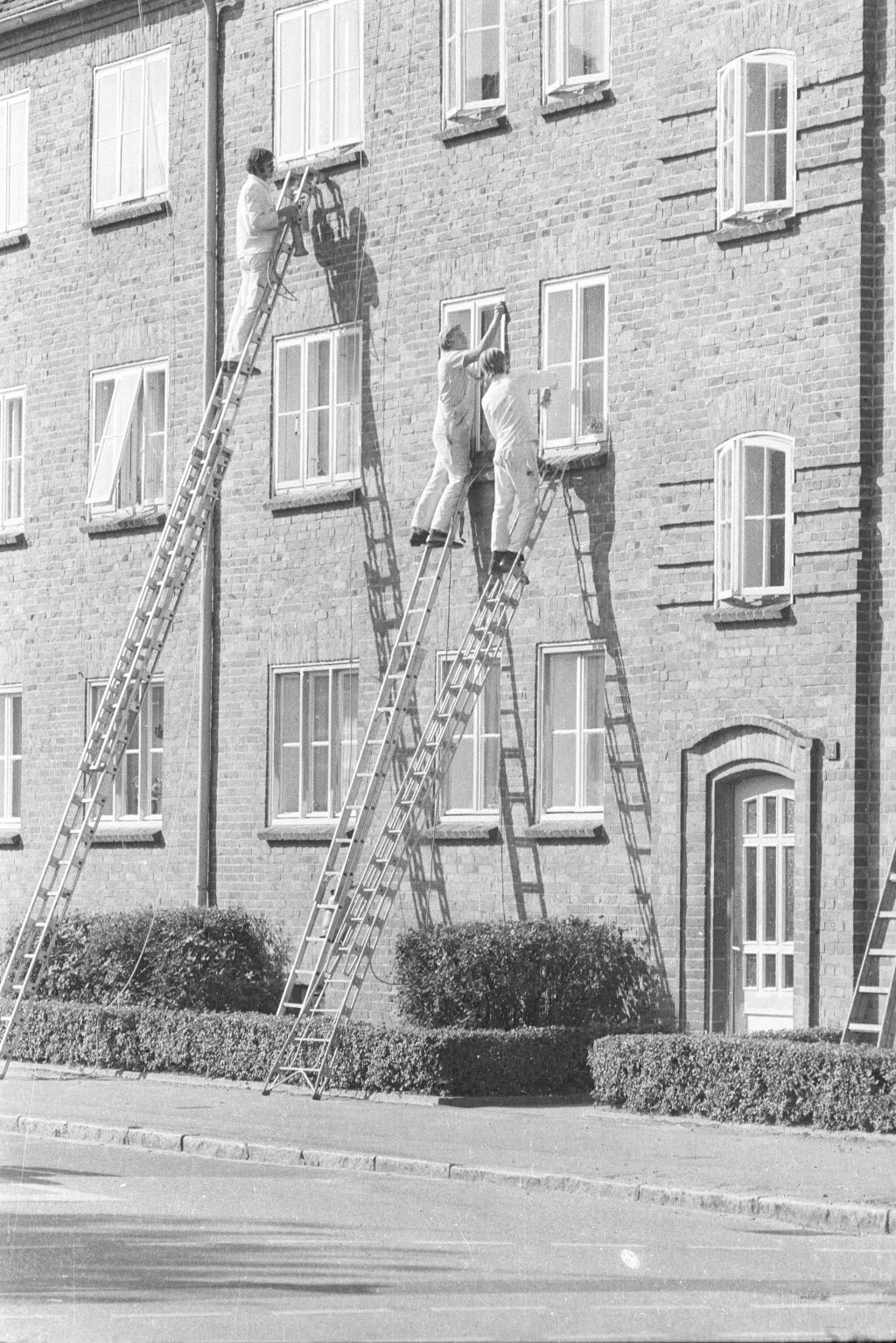
From the base of a ladder the view is steep, partial and interrupted by whoever is on it, so a good deal of the job arrived as noise rather than as a picture. What was being moved, what was being forced and what had come loose were all audible, and children assembled the parts they could not see from what they could hear.
That is why the commentary mattered so much. An adult who said what they were doing as they did it was filling in the only part the child could not get for themselves, and the ones who said nothing left a twenty-minute gap.
The Weather Decided Everything

These jobs happened on fine days, which meant a child was being kept stationary on precisely the afternoons they would otherwise have been somewhere else. The resentment attached to that is remembered more clearly than the task.
Asking to Go Up Was Always Refused
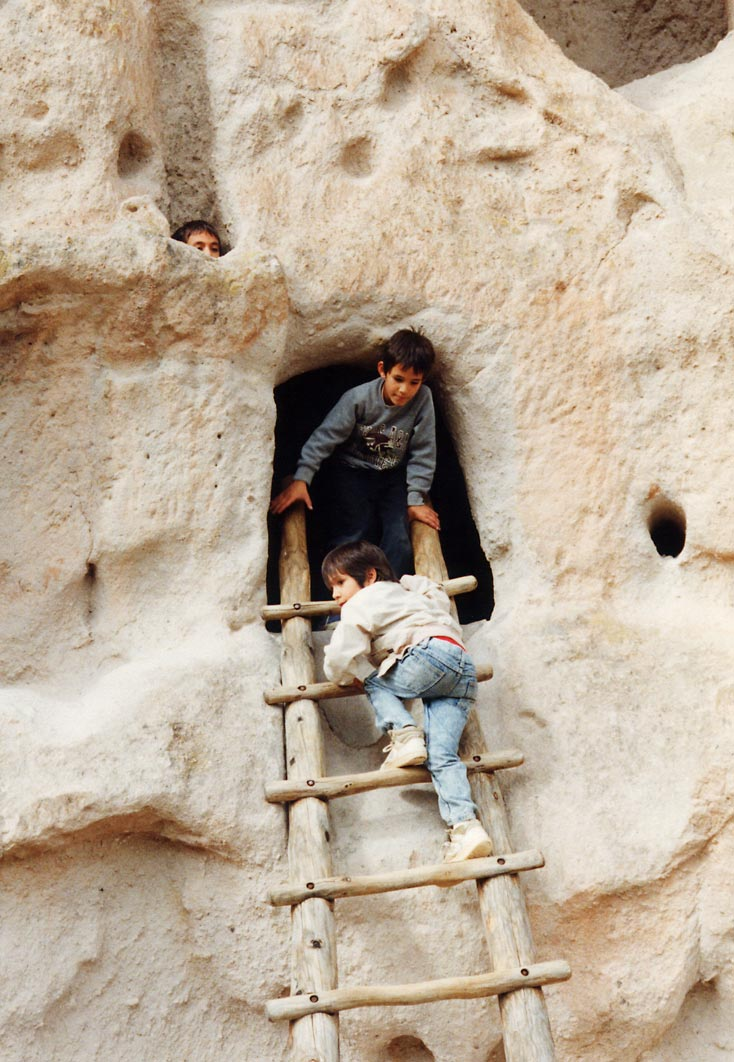
Every child asked and no child was permitted, which is correct and was correct then. The refusal was one of the few household prohibitions that was never negotiated, never relaxed and never subject to any exception, and children understood that it was serious.
Watching From Below Taught You the Job Anyway

A child who had spent twenty minutes looking at somebody clear a gutter, fix a fitting or deal with a frame had absorbed the whole procedure without being taught it. A good deal of what people of that generation can do around a house was acquired from that angle.
Neighbours Appeared and the Job Stopped

Anybody passing stopped to talk, which suspended everything while the adult came partway down and had a conversation. The child continued holding the ladder throughout, with no part in the discussion and no release from the obligation.
Somebody Always Said It Looked Like Hard Work
The remark was made by every passer-by and was directed at the adult. The child holding the ladder was rarely included in it, which is a small slight that a surprising number of people still recall precisely.
The End Was Never Announced Either
Jobs concluded by the adult simply coming down and walking off, with no acknowledgement that the arrangement had ended. The child was left holding a ladder that nobody was on, working out for themselves that they were finished.
No Thanks Was Given and None Was Expected
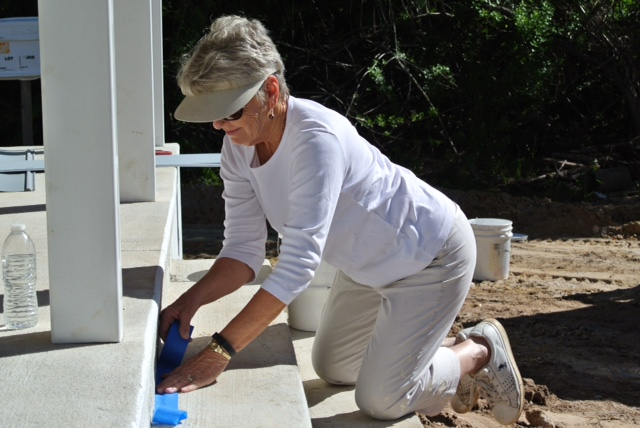
As with most household obligations of the period, the task was understood as part of what a household did. A child who had been thanked for holding a ladder would have found it strange.
The Whole Thing Was Dismantled by Better Equipment
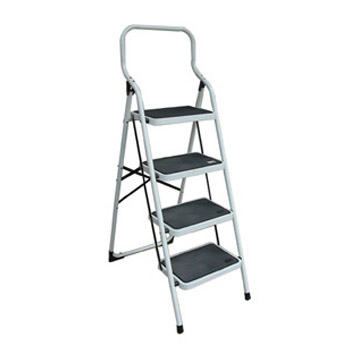
Stable ladders, proper feet, platforms, the end of homemade equipment and a complete change in how work at height is thought about removed both the need and the practice. All of that is an improvement and none of it needs defending.
What Actually Went
A job with no skill, no end time and no possibility of failure, given to a child before anything else, which produced acute boredom, a working knowledge of a shed acquired by trial, a complete procedure absorbed by watching from below, and the longest uninterrupted conversation a great many people ever had with the adult above them.
Like our content? Follow us for more.