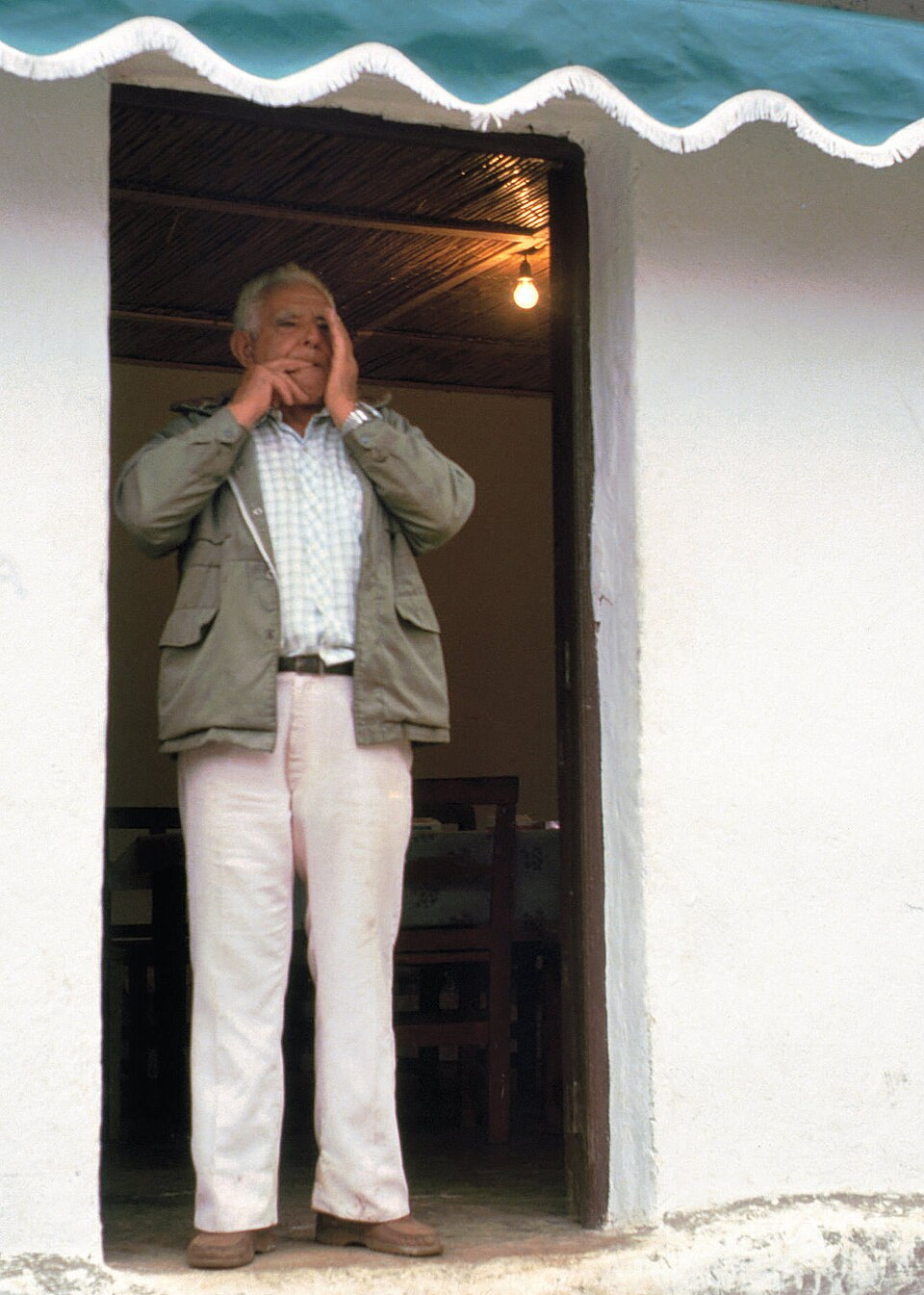
In 1964 this was the one skill every child wanted and nobody could teach. Whistling cannot be explained, demonstrated usefully or broken into steps, because everything that matters happens inside a mouth – which means a demonstration shows a child nothing beyond the fact that it is possible, and verbal instruction has nothing to describe. So it was learned by pure trial over months: nothing for weeks, then something, then something consistent, with no feedback from anybody and no way of telling whether you were getting closer. Here are fifteen things every kid remembers about learning to whistle in 1964, and why nobody chases it anymore.
1. It Was the One Skill Every Child Wanted and Nobody Could Teach
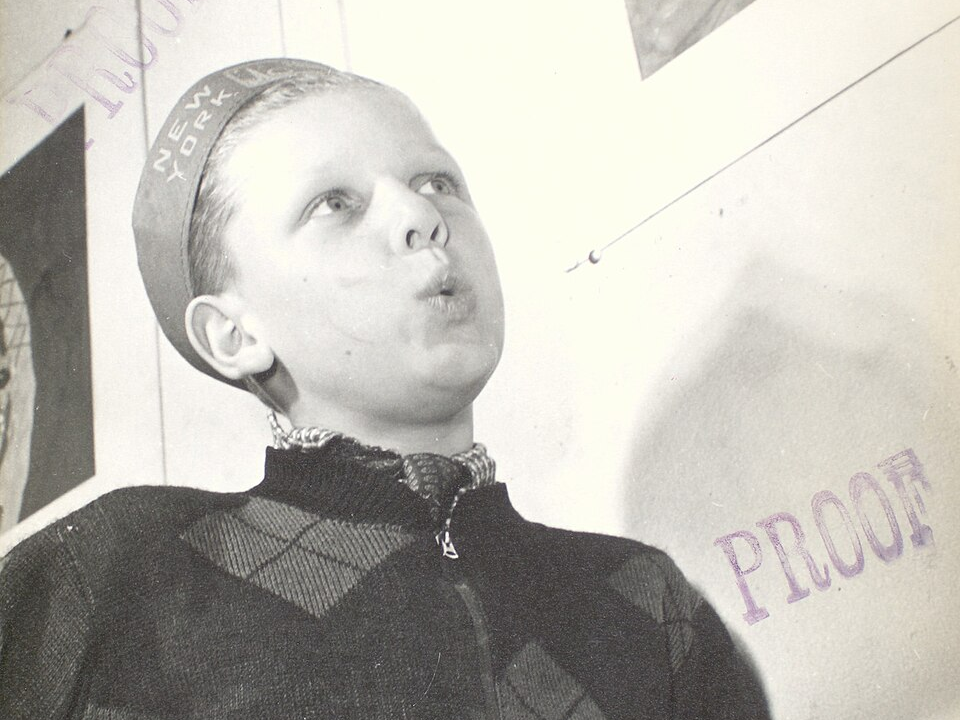
Whistling cannot be explained, demonstrated usefully or broken into steps, which made it unlike anything else a child set out to learn.
The problem is that the mechanism is invisible. Everything that matters happens inside a mouth, which means a demonstration shows a child nothing at all beyond the fact that it is possible, and verbal instruction has nothing to describe.
So it was learned by pure trial, over months. A child produced nothing for weeks, then something, then something consistent, with no feedback from anybody and no way of knowing whether they were getting closer.
Like our content? Follow us for more.
2. The Instructions Were Useless and Everybody Gave Them
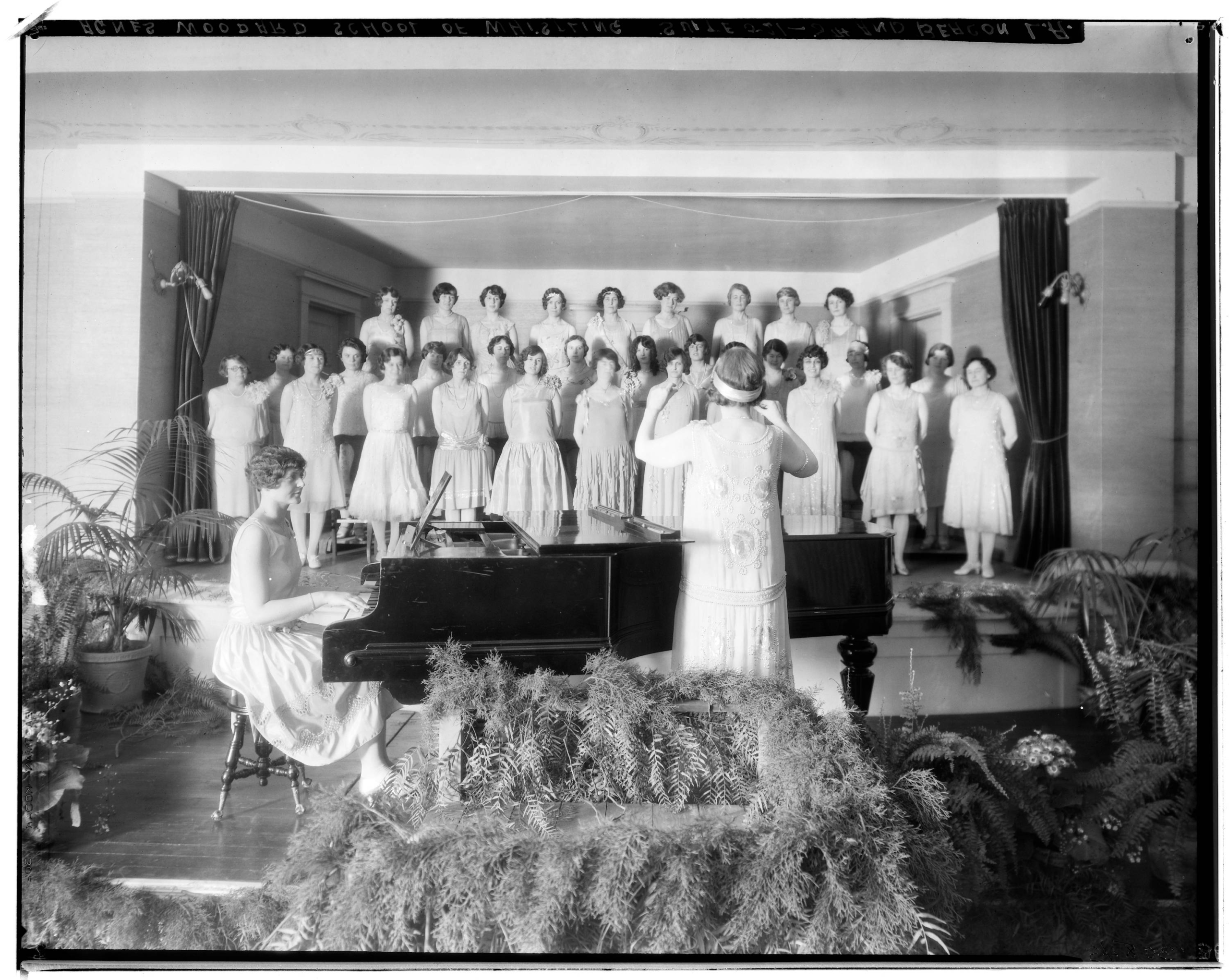
Adults and other children offered advice that was confidently delivered and completely unhelpful.
The advice could not work in principle. Telling somebody to purse their lips, blow softly or shape their tongue describes a position without conveying it, and the person receiving the instruction had no way of knowing whether they were complying.
The volume of advice was considerable anyway. A child practising attracted a stream of suggestions from everybody in earshot, none of which made any difference, and all of which had to be acknowledged politely.
3. You Could Not Tell How Close You Were

The attempt either produces a sound or it does not, with nothing in between to measure progress against.
The absence of a gradient made it unusually frustrating. Most skills improve detectably, and this one arrives suddenly out of a long period in which nothing whatever appears to be happening.
That is why so many children gave up and restarted. A child who had been trying for a month with no result abandoned it, came back weeks later and frequently succeeded within an afternoon, for reasons nobody could identify.
Practising was also impossible to do privately. The attempt makes a noise whether or not it succeeds, which meant every failure was audible to whoever was nearby, and a child trying to acquire this in secret had nowhere to do it.
4. The First Sound Was Always an Accident
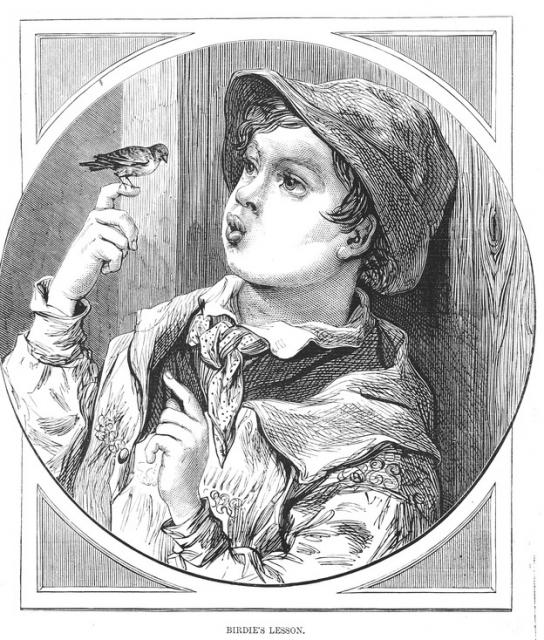
Nobody’s first successful attempt was deliberate; it happened while they were doing something else.
The accidental quality is the characteristic detail. A child who had been trying unsuccessfully for weeks produced a note while not concentrating, which means the breakthrough arrived at precisely the moment nobody was trying to engineer it.
And it could not immediately be repeated. The gap between the first accidental success and the first deliberate one lasted days in most cases, which was more frustrating than the original failure.
5. You Had to Announce It Immediately
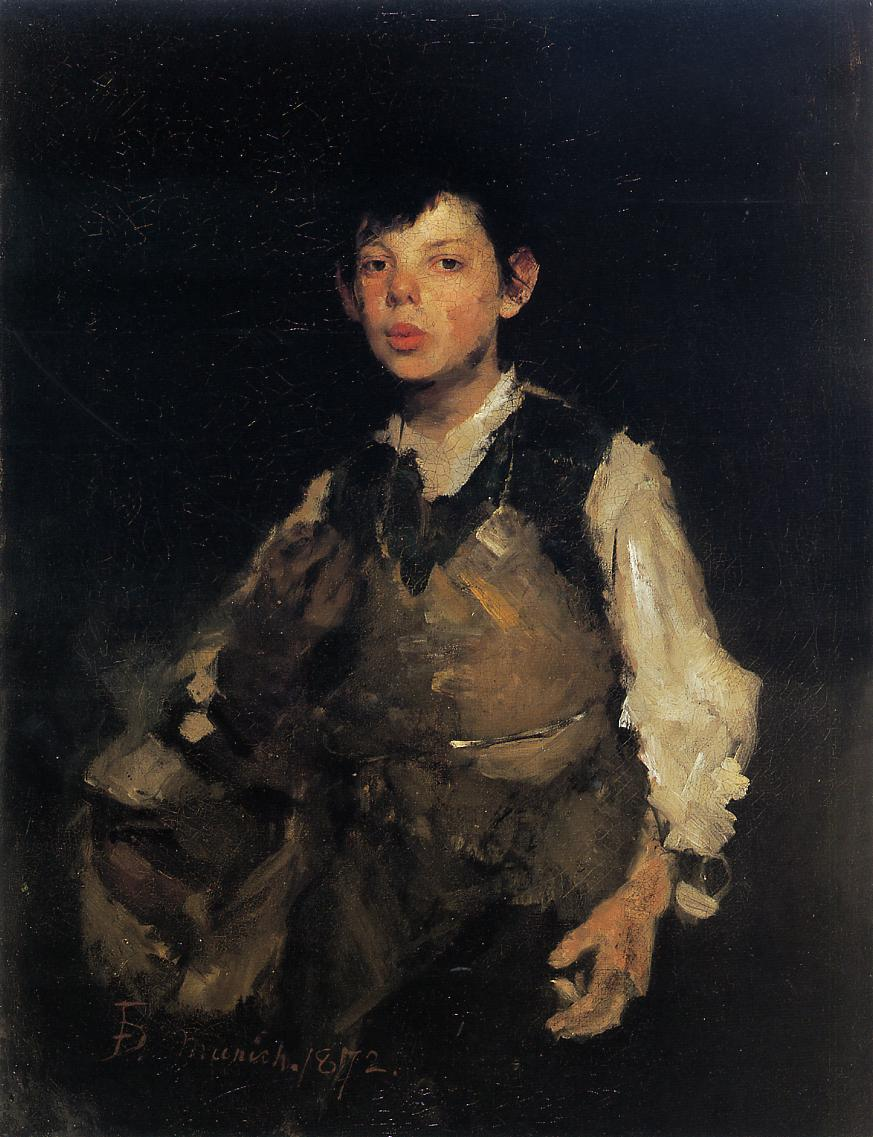
A child who had managed it went straight to the nearest adult and demonstrated, with mixed results.
The urgency was about witness. An achievement nobody has seen is not an achievement at a certain age, and the whole value of the thing lay in being able to produce it on demand in front of somebody.
On demand was the problem. A child who had done it once could rarely do it when asked, which meant the first demonstration frequently failed and had to be attempted again later.
6. It Got Banned Almost Immediately
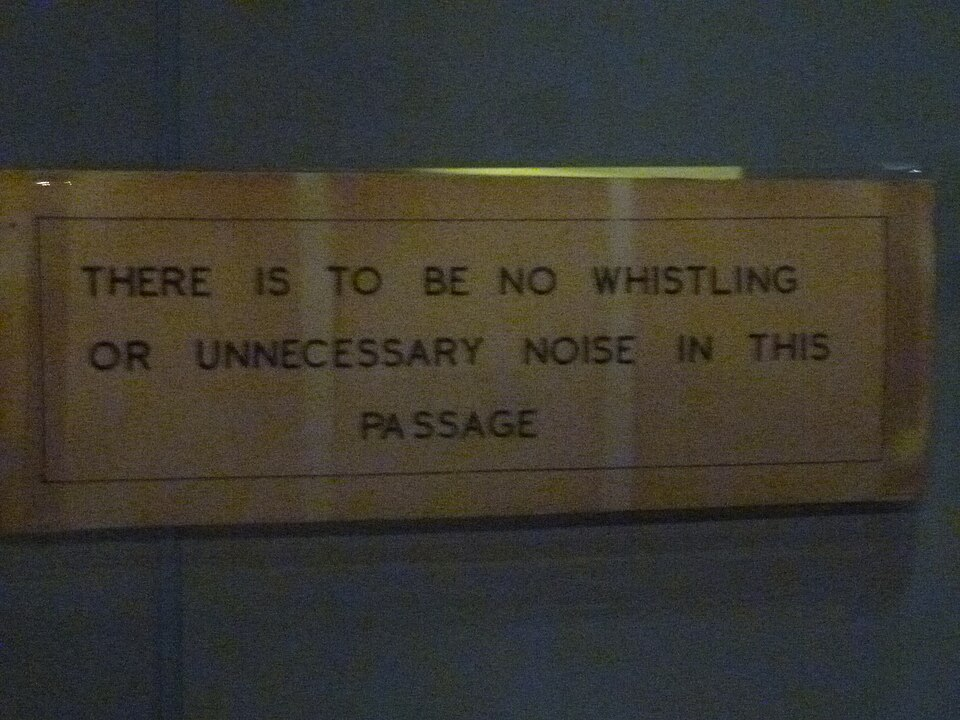
Having acquired the skill, children used it continuously, and households responded within about a day.
The restriction was inevitable. A child with a new noise they can produce at will produces it constantly, which is intolerable in an enclosed space, and every household in the country arrived at the same prohibition independently.
The ban was specific rather than general. Not indoors, not at the table and not while anybody was speaking were the standard terms, which left outdoors entirely unrestricted and considerably noisier than it had been.
7. The Tune Came Much Later Than the Sound
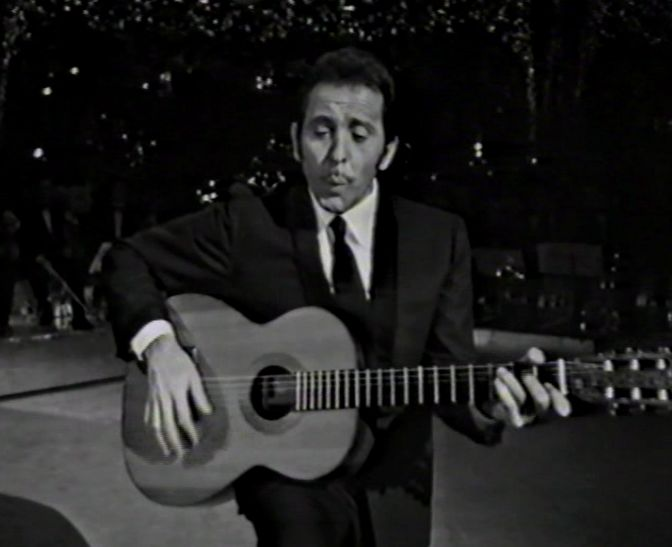
Producing a note and producing a recognisable melody are completely separate accomplishments, months apart.
The second skill required pitch control, which is a different problem. A child who could whistle one note had to learn to vary it deliberately, which involved changes they could hear but could not see or feel, and took considerably longer than the original achievement.
Most children stopped at a few notes. The overwhelming majority of whistling of that period was two or three notes repeated, rather than anything anybody would recognise, which nobody minded.
The early notes were also not pleasant to listen to. A sound produced inconsistently, at no particular pitch, repeated several hundred times an afternoon, is genuinely difficult for anybody else in the house, which is why the eventual prohibition arrived as fast as it did.
8. Some Children Could Never Do It at All
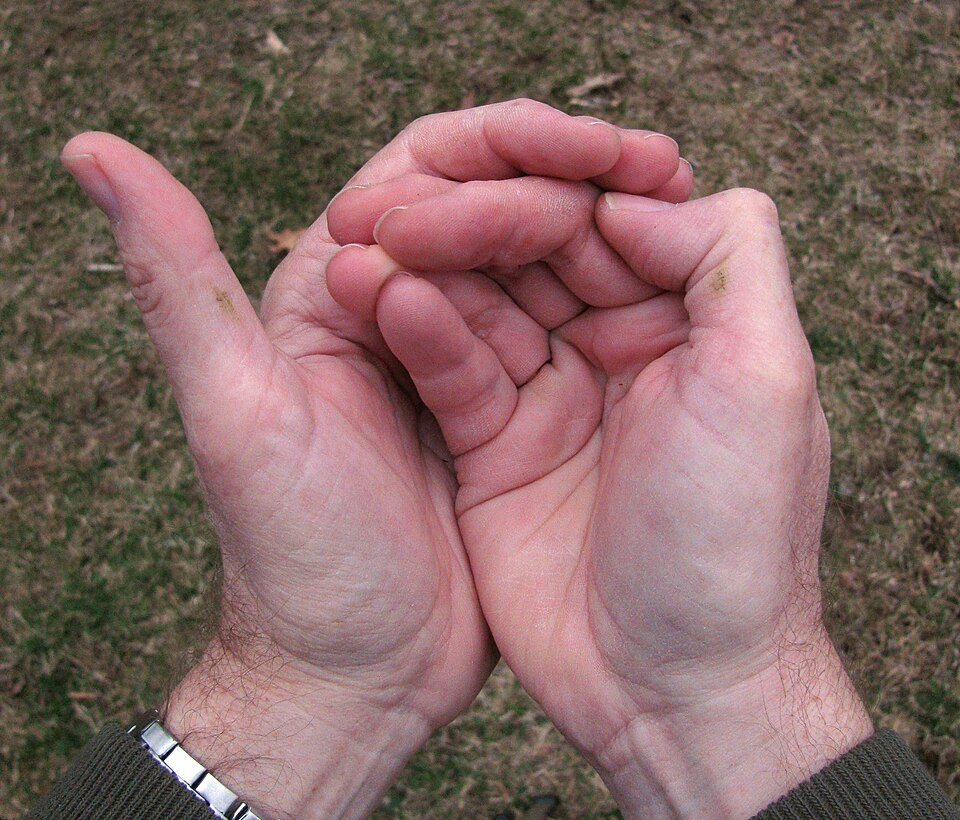
A proportion of every group never managed it, however long they persisted.
The reasons were never identified. Nothing about a child’s effort, interest or practice predicted success, which meant the failures were inexplicable to everybody including the children concerned.
Those children remember it specifically. Being the one in a group who could not do something everybody else managed, with no explanation available, is a small exclusion that a surprising number of people still mention.
9. It Was the Standard Signal Between Children
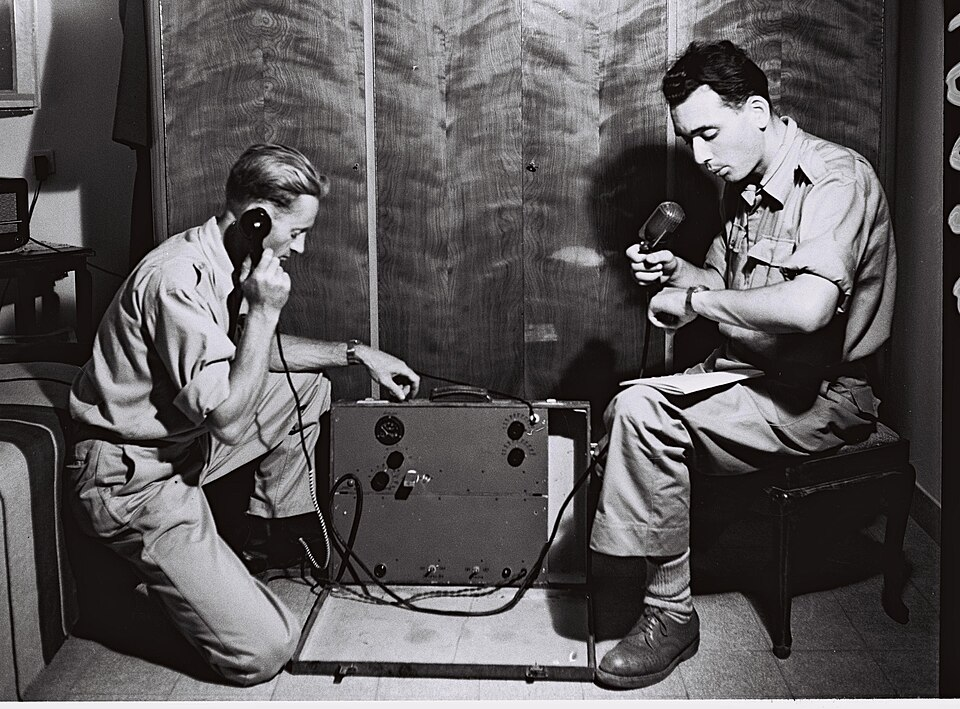
Once acquired, it became how children called each other across distances where shouting was impractical or unwise.
The practicality was real. A whistle carries considerably further than a voice, is less likely to attract adult attention and can be done while walking, all of which made it the preferred instrument for a street full of children.
Patterns developed locally. Particular sequences meant particular things in particular neighbourhoods, were understood by the children involved, were never written down and were completely opaque to everybody else.
10. Adults Used It as an Instruction and Children Resented It

A whistle from an adult meant come here immediately, and there was no appeal against it.
The asymmetry was the issue. Children used the sound to communicate with each other and adults used it to summon, which turned the same noise into two completely different things depending on who produced it.
Being whistled at was specifically humiliating. A child called in that way, in front of other children, had been summoned like something that was not a person, and the resentment attached to it is remembered clearly.
11. The Two-Finger Version Was a Separate and Harder Achievement

A louder technique existed, required a completely different method and was mastered by very few.
The second method shares nothing with the first. It is produced in a different way, needs a different position and has to be learned from scratch, which means a child who could whistle normally had no advantage at all.
The children who could do it had real standing. A loud whistle audible across a neighbourhood was a genuinely useful capability, and its owners were called upon by everybody and knew it.
The distinction was visible on a street. A child who could produce the loud version summoned everybody, and a child who could only manage the ordinary one was reduced to walking round and finding people, which is a practical difference nobody had to have explained to them.
12. Teaching It to a Younger Child Was Impossible and Attempted Anyway
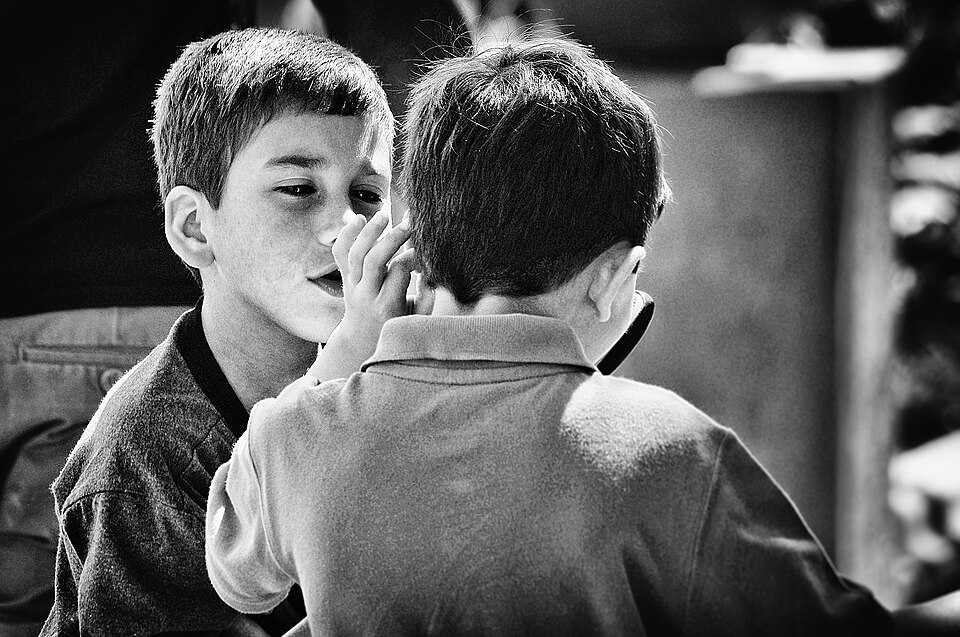
Older children tried to pass the skill on and failed exactly as the adults had.
The failure was structural rather than a lack of effort. Having learned something by accident, in a way you cannot describe, does not equip you to teach it, and a child’s instructions were no better than an adult’s.
The attempts were sincere and prolonged. An older child genuinely trying to teach a younger one to whistle, over several afternoons, is a specific and quite touching feature of the period that produced nothing whatever.
13. It Was Done Constantly and Unconsciously for Decades Afterwards
The habit outlasted its purpose by fifty years in a great many people.
The automaticity is a function of how it was learned. A skill acquired by accident and practised obsessively becomes something a person does without deciding to, which is why so many adults of that generation whistled continuously without noticing.
It was noticed by everybody else. The person who whistles unconsciously is well aware of it only because other people mention it, and a considerable number of them trace the habit directly to a particular year of childhood.
14. Nobody Remembers Actually Learning It
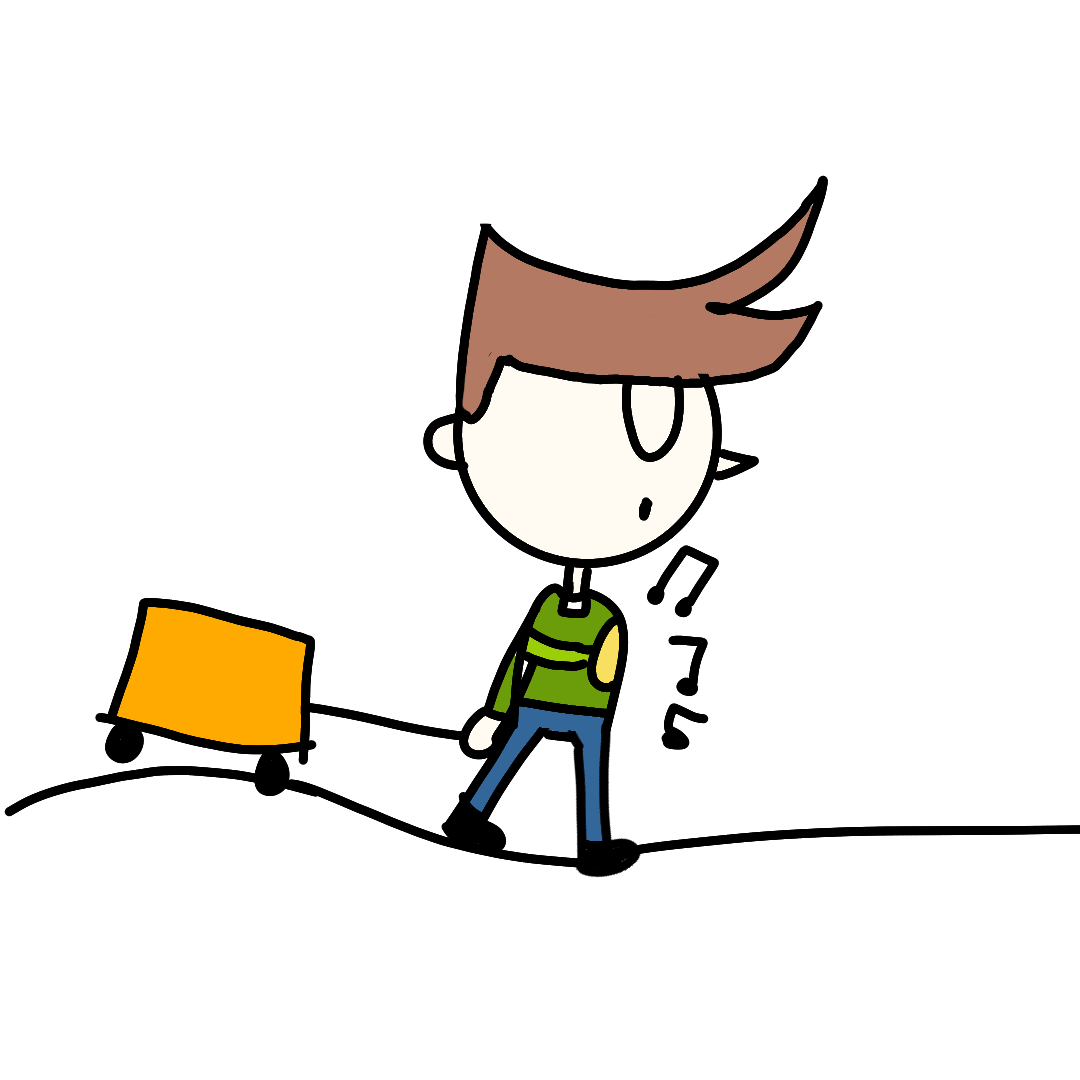
People can describe the frustration, the advice and the accidental first note, and cannot say when they could reliably do it.
The absence of a moment is characteristic of the way it was acquired. A skill that arrives gradually out of an accident has no completion date, and the transition from occasional to reliable happened without anybody marking it.
That makes it unusual among childhood achievements. Almost everything else a child learned had an occasion attached to it, and this one simply became true at some point nobody can locate.
The attempts also produced a specific kind of patience. An older child demonstrating the same thing forty times to somebody who could not do it was being taught something about instruction, whether or not the younger one ever learned anything at all.
15. Then It Stopped Being Something Children Chased

Other ways of calling each other, far fewer children on a street, less unsupervised outdoor time and a general decline in the practice removed both the use and the ambition.
None of that is a loss worth arguing about. Children communicate with each other far better now than by producing a noise across two gardens, and nothing here is an argument about anybody’s childhood.
What went with it is a skill nobody could teach. Months of producing nothing, a stream of useless advice from everybody in earshot, a first note that arrived while nobody was trying, a ban within a day, a local vocabulary of patterns nobody wrote down, and a habit that a great many people are still performing sixty years later without noticing.
Why It Was So Hard to Acquire
Read in order, the fifteen come back to the invisibility of the mechanism. Advice could not work in principle – telling somebody to purse their lips or shape their tongue describes a position without conveying it, and the person receiving the instruction has no way of knowing whether they are complying. That did not stop anybody giving it, in volume, to any child practising within earshot.
The second difficulty was the absence of a gradient. The attempt either produces a sound or it does not, with nothing in between to measure against, which means the skill arrives suddenly out of a long stretch in which nothing whatever appears to be happening. That is why so many children abandoned it and then succeeded in an afternoon weeks later for no identifiable reason, and why the first note was always an accident, produced while not concentrating, at precisely the moment nobody was trying to engineer it.
The social life of the skill began immediately after. Every household arrived independently at the same prohibition within about a day – not indoors, not at the table, not while anybody is speaking – which left outdoors unrestricted and considerably noisier. And outdoors is where it earned its keep: a whistle carries further than a voice, attracts less adult attention and can be done while walking, which made it the preferred instrument of a street full of children, with local patterns that meant particular things, were understood by everybody involved, were never written down and were completely opaque to anybody else.
Two of the fifteen are worth pulling out. Some children never managed it at all, for reasons nothing about their effort or practice predicted – and being the one in a group who could not do something everybody else could, with no explanation available, is a small exclusion a surprising number of people still mention. And a whistle from an adult meant come here immediately, which turned the same noise into two different things depending on who produced it; being called that way in front of other children is remembered with real resentment.
None of the change is a loss worth arguing about, and nothing above is an argument about anybody’s childhood. What went with it is a skill nobody could teach – and a habit a great many people are still performing sixty years later without noticing.
Like our content? Follow us for more.