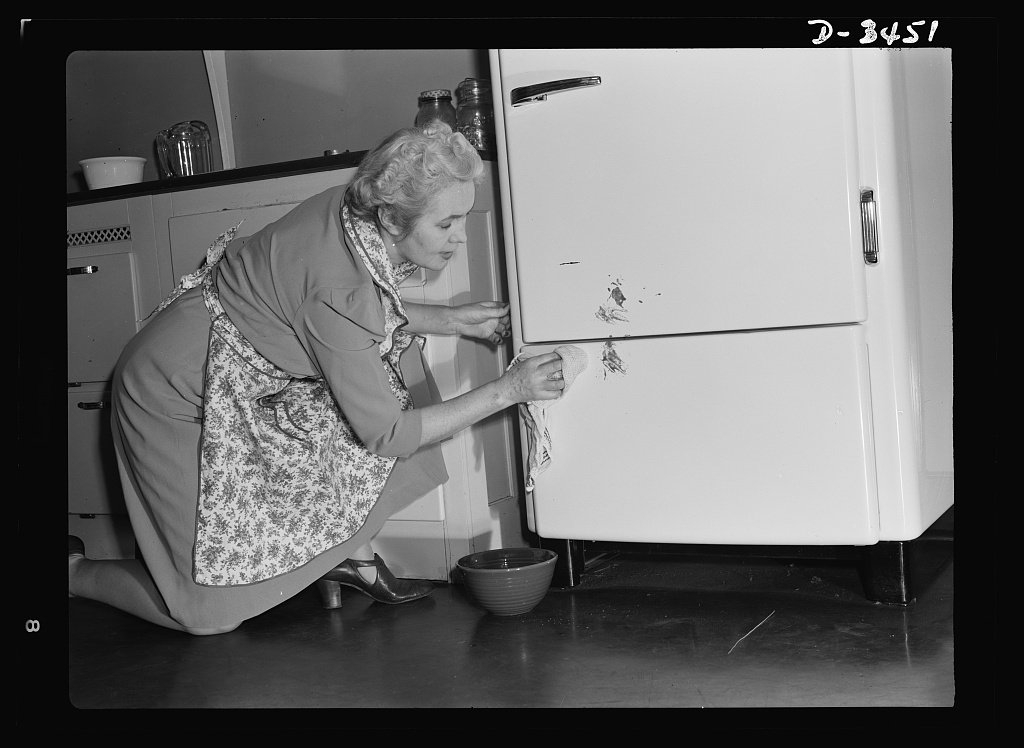
In 1966 the freezer compartment had to be emptied of ice by hand, two or three times a year, and the operation took most of a day. It was announced in advance, it displaced everything else in the kitchen, and every child in the household ended up involved in it.
The Ice Built Up Because the Design Allowed It
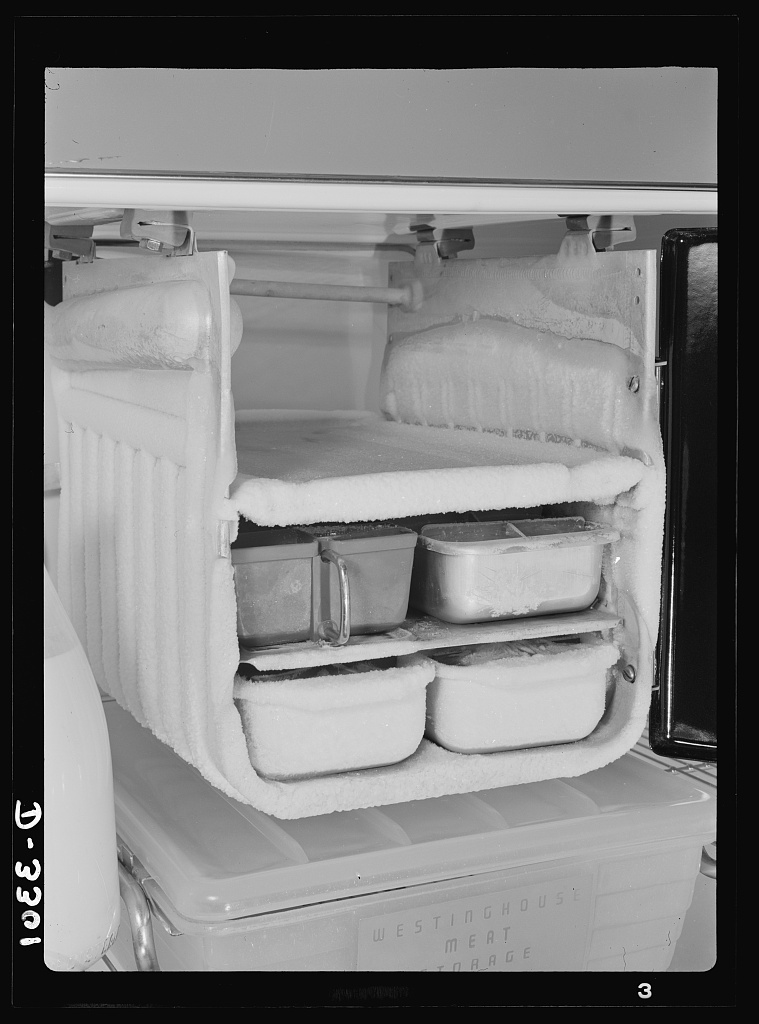
Refrigerators of the period had no mechanism for preventing frost, which meant every time the door opened, moisture went in and stayed. The build-up was continuous, predictable and entirely untreated until somebody decided it had gone far enough.
By that point the compartment had lost most of its usable space. A cavity designed to hold a reasonable quantity held almost nothing, because the walls had closed in by several inches of accumulated ice.
Like our content? Follow us for more.
You Could Tell When It Was Due by Whether the Door Shut
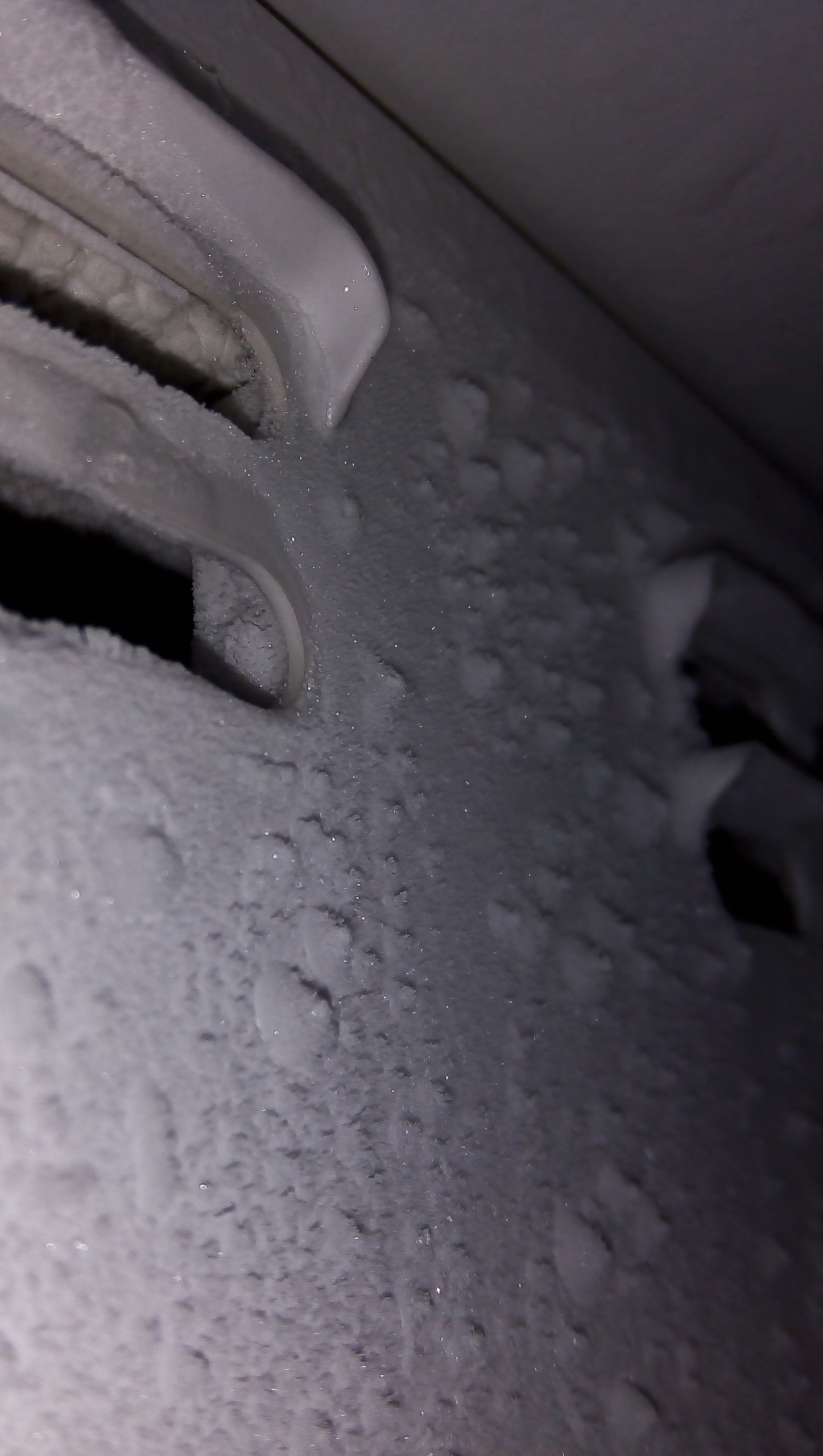
The reliable indicator was the door. When ice had built up far enough to stop it closing properly, the operation could no longer be postponed, and every household used exactly that test rather than any schedule.
It Was Always Done on the Wrong Day
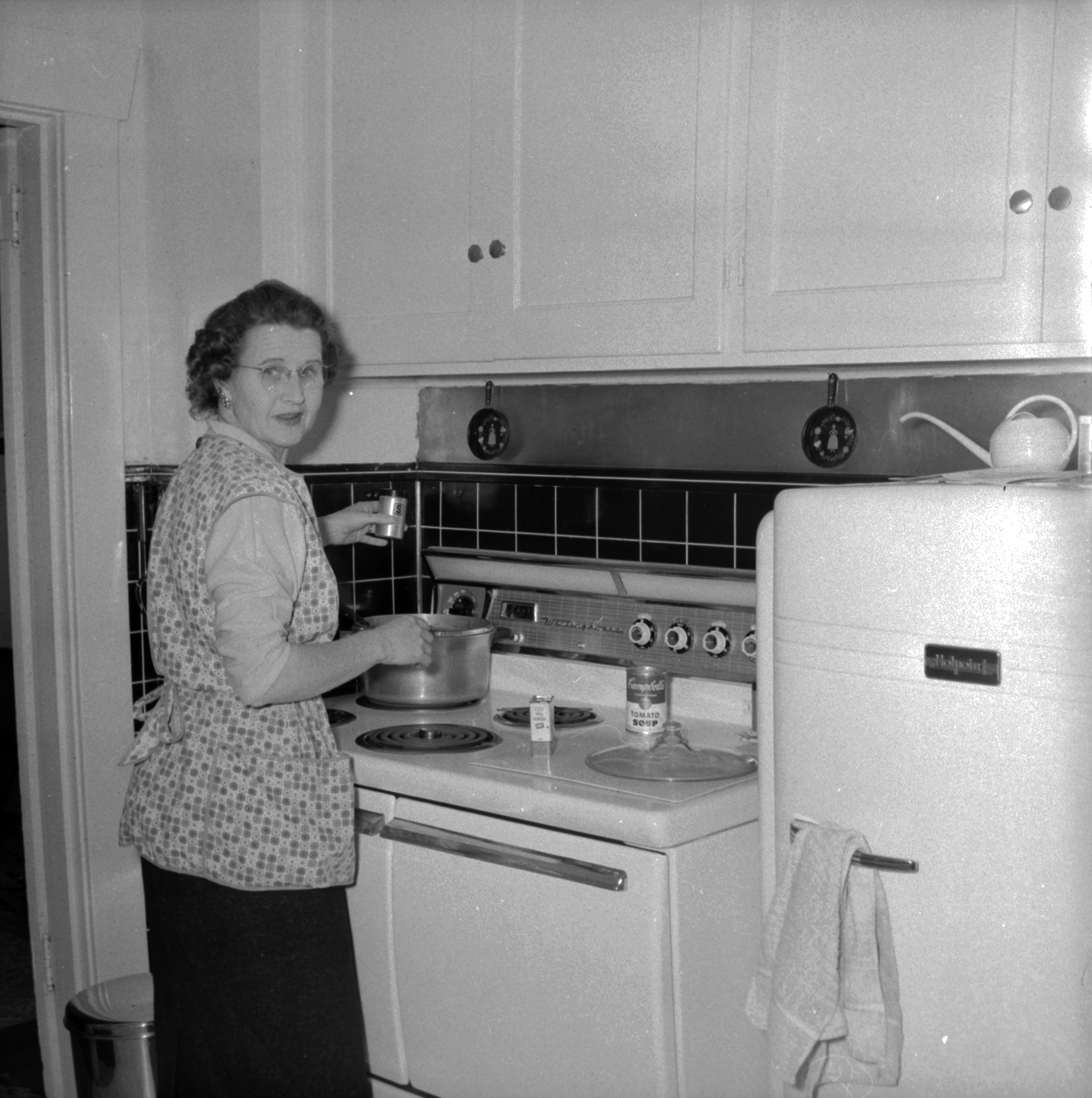
These operations happened when somebody finally decided to deal with it, which was almost never convenient. A household committed to a full day of disrupted kitchen on whatever morning the decision was made, with no planning and no preparation.
Everything Came Out and Went Somewhere Worse
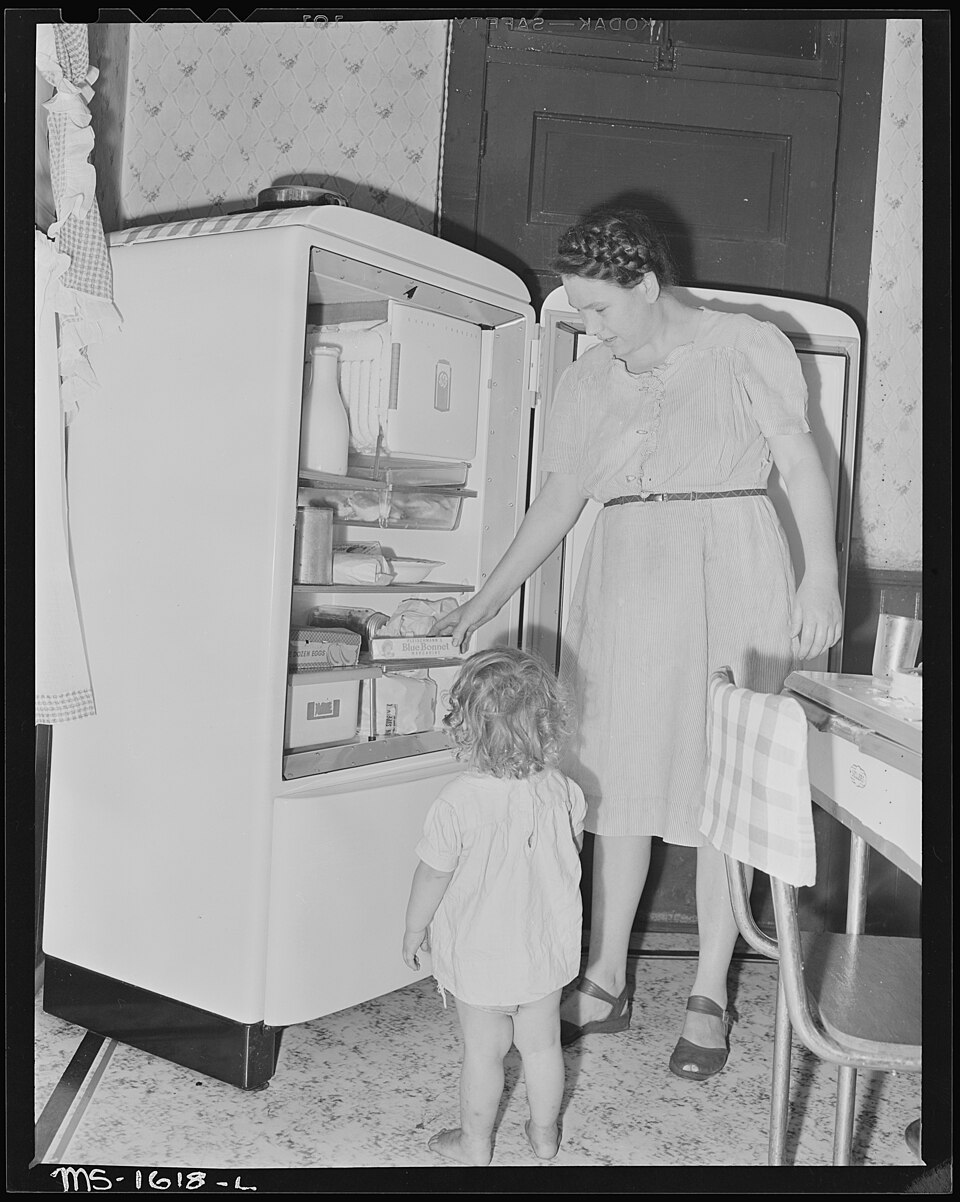
The contents had to be unloaded onto whatever surfaces were available, which meant a kitchen with every counter occupied for hours. Current guidance about how long anything should be out of refrigeration is well founded and should be followed, and the households of 1966 operated with no such guidance at all.
That is worth stating plainly rather than treated as fussiness. Nothing in this piece is a recommendation about handling anything, the modern position reflects real knowledge that did not exist then, and this is a description of what people did before it.
The Compartment Was Smaller Than Anybody Admitted
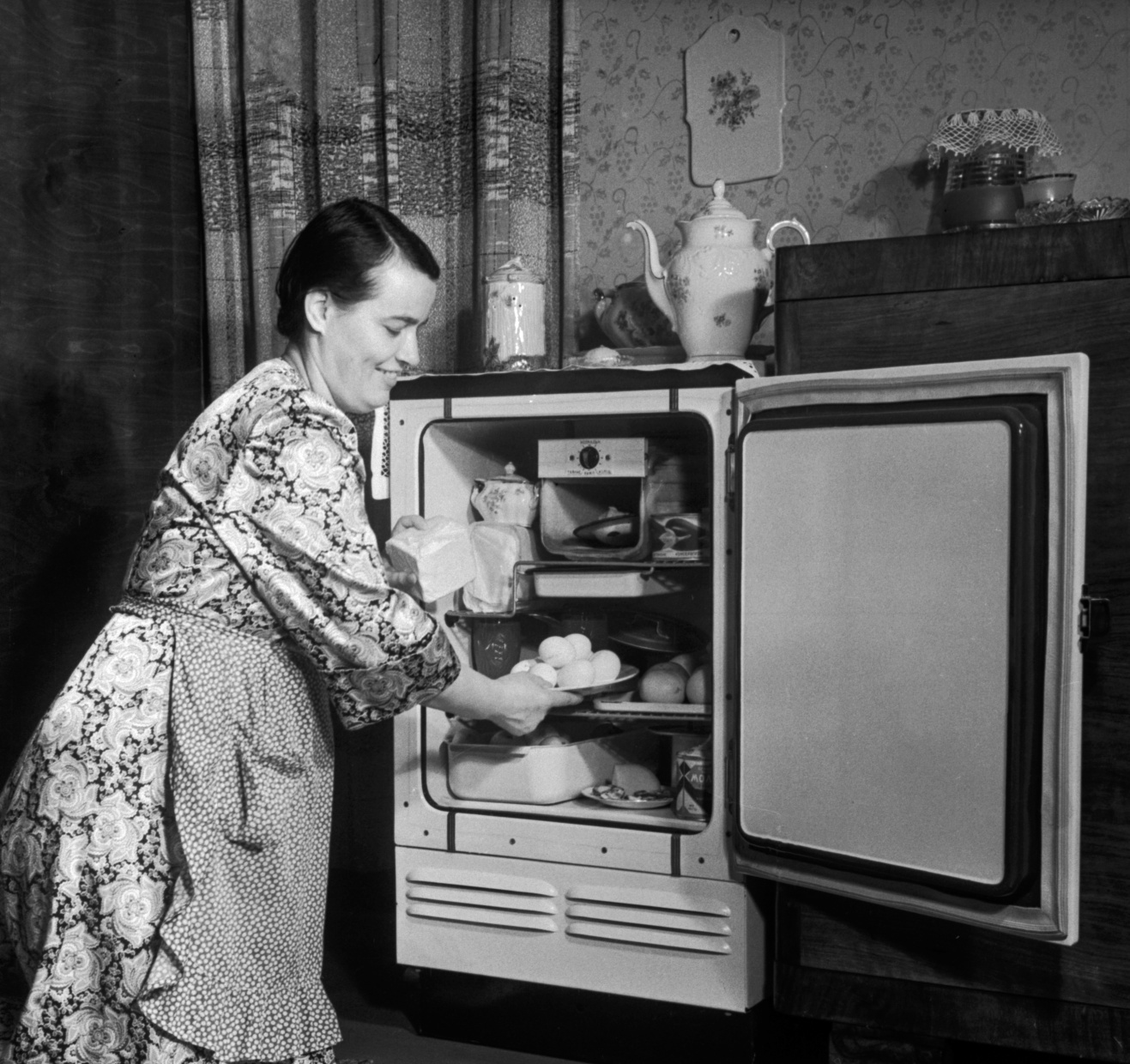
Even cleared, the space was modest, which is the fact that explains why households of that period shopped the way they did. A compartment that holds very little cannot support a weekly stock, so a household with one went out more often and bought less at a time.
Children had no sense of this as a limitation. The appliance was simply the size it was, and the discovery that later ones held several times as much came long afterwards, by which point nobody remembered the original.
The Waiting Was the Whole Operation
Most of the day consisted of nothing happening. Ice melts at its own rate, the compartment was open, and the household simply waited, checking occasionally, for several hours of a day that had been given over entirely to it.
Chipping at It Was Forbidden and Universal

Everybody was told not to attack the ice with anything, because doing so damaged the cooling surfaces, and everybody did it anyway. The instruction was correct, was ignored in most households, and a proportion of refrigerators of that period were quietly destroyed by exactly that impatience.
Children were the main offenders. A child given access to a large quantity of ice and told not to touch it will touch it, and the sound of somebody chipping was the standard soundtrack to the afternoon.
The Towels Were Never Enough
Melting ice produces more water than anybody expects, and it arrives gradually and at floor level. Every household underestimated it, every operation involved a second trip for more cloths, and the kitchen floor was wet for the duration.
Rotating the Pan Was a Two-Child Operation
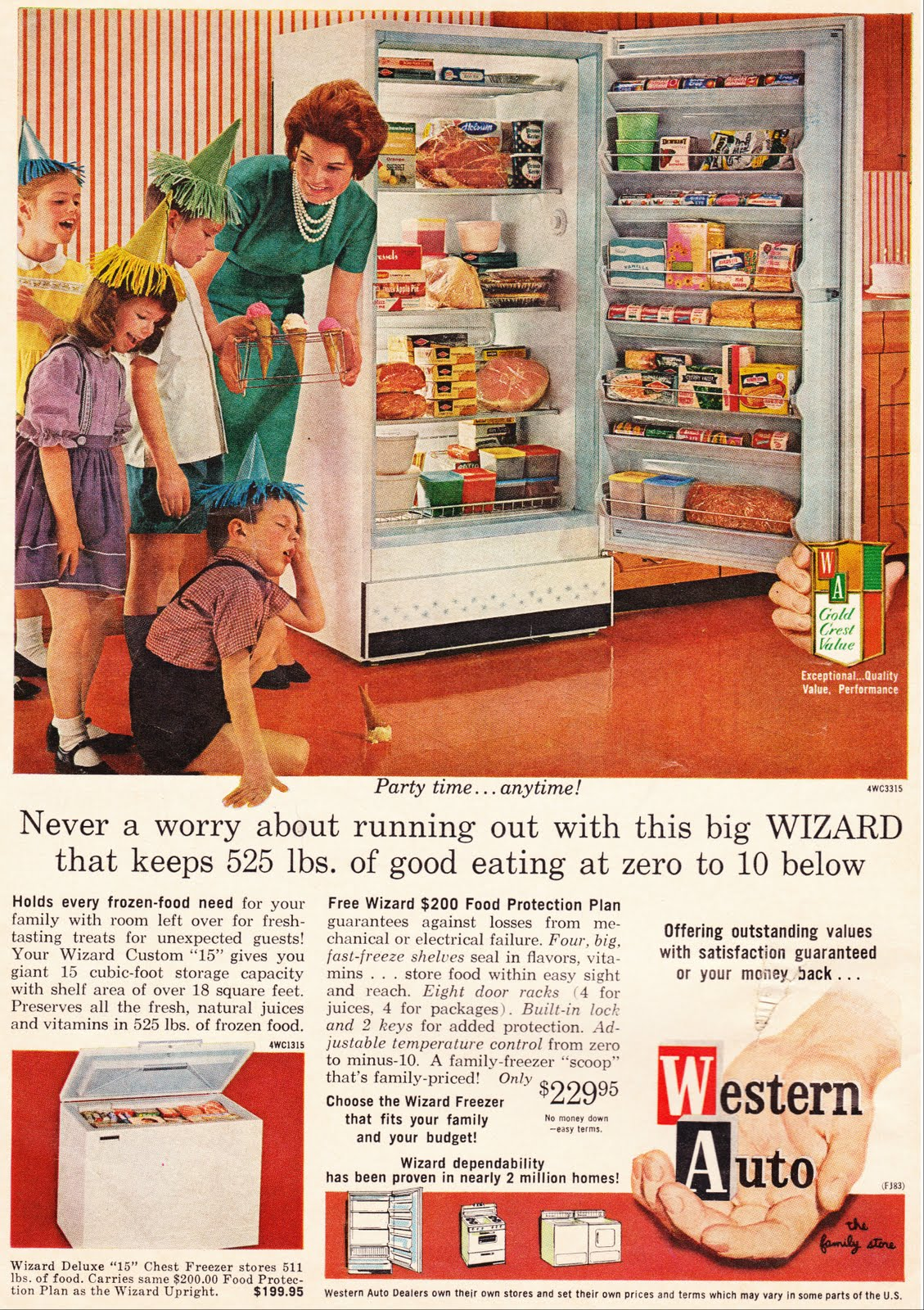
Households with more than one child alternated, which turned a tedious job into a tolerable one and introduced an argument about whose turn it was. The alternation was tracked with the same precision as every other sibling rotation of the period and disputed about as often.
The child not currently on duty had nothing to do but watch. That is where most of the day’s observation happened, and it is why so many people remember the operation in detail while recalling almost no actual work.
The Pan Had to Be Emptied and That Was the Child’s Job
Whatever was catching the water filled steadily and had to be carried to a sink without spilling. It was the one genuinely useful task available to a child, it recurred every twenty minutes, and it was assigned without discussion.
Carrying It Was Harder Than It Sounds
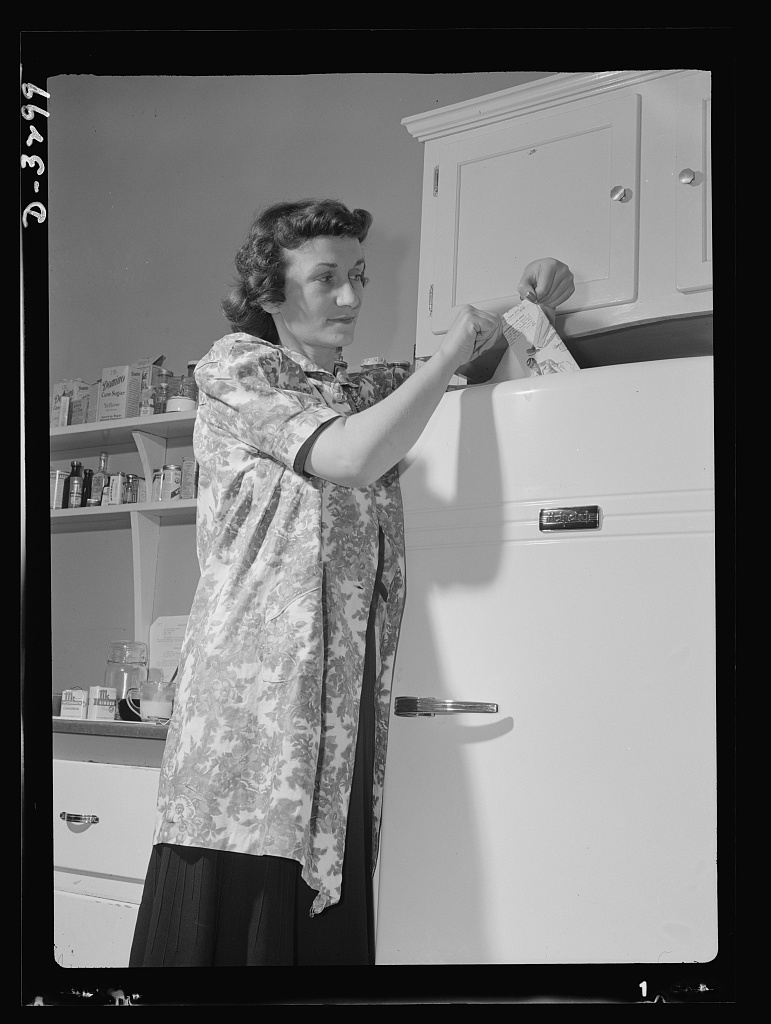
A shallow container full to the brim, carried across a wet floor by somebody short, will spill. Children learned to move at a specific pace, watching the surface rather than their feet, which is a technique arrived at by having got it wrong.
Hot Water Was the Standard Accelerant
Somebody always decided to speed it up, usually with a bowl or a pan of hot water placed inside the compartment. It worked, it was not recommended by anybody, and present-day advice about doing this is better informed than the period’s casual approach.
The Sheets of Ice Coming Away Were the Payoff
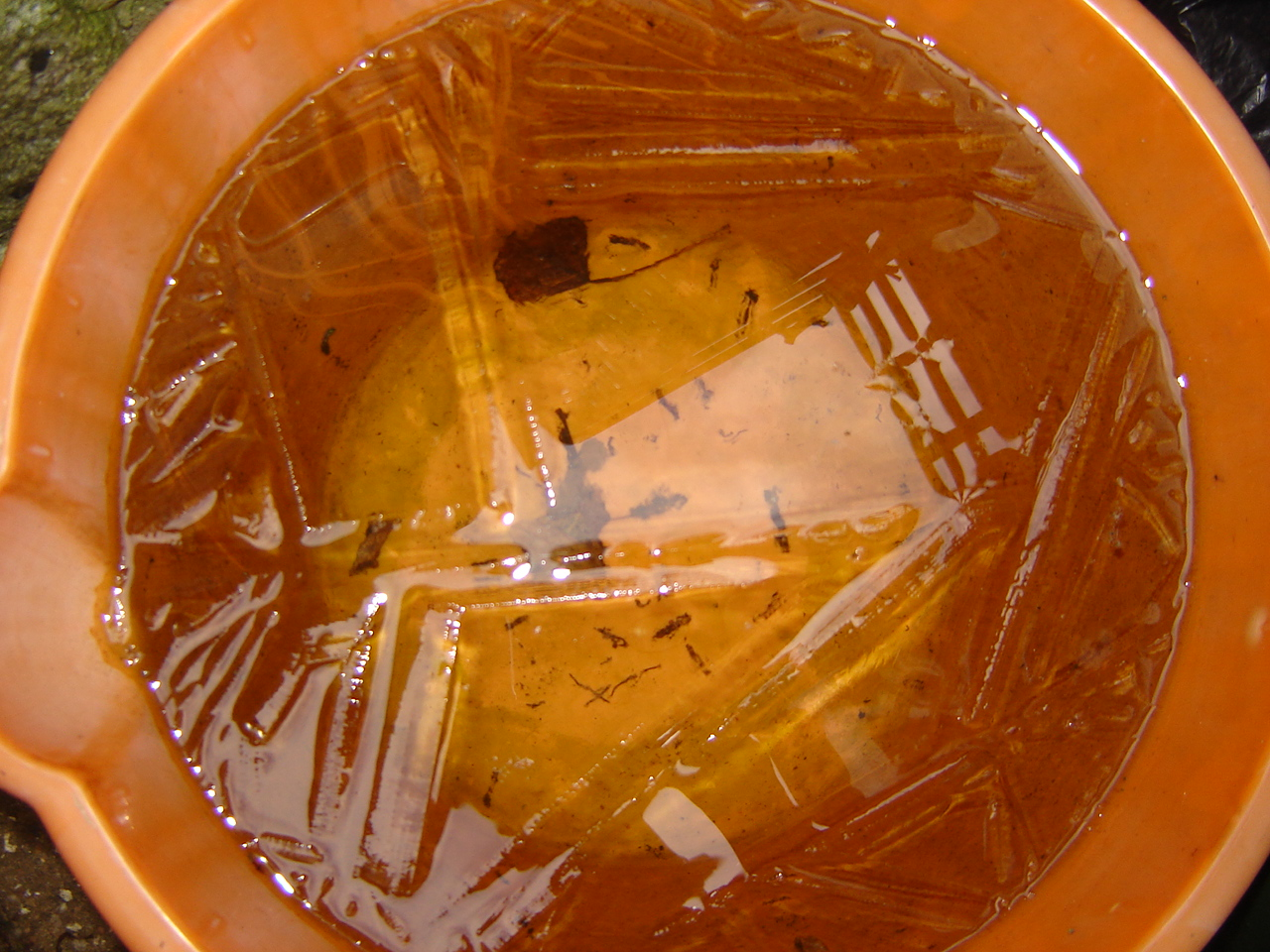
At a certain point whole slabs detached, and that was the moment everybody had been waiting for. The sheets were larger than anybody expected, were examined closely by whichever children were present, and were the only genuinely satisfying part of the entire day.
The Ice Went Outside and Had a Second Life
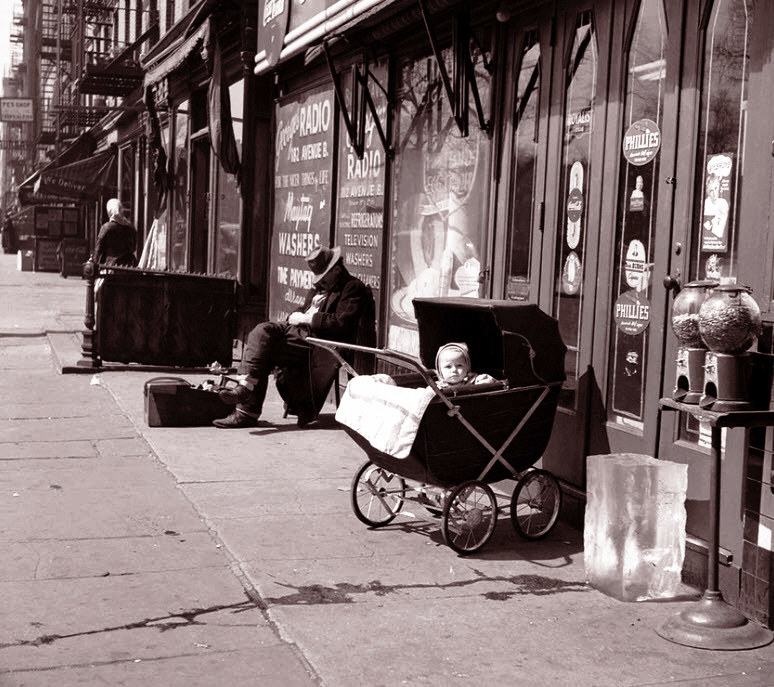
Nobody simply discarded it. The slabs went into a sink, a bucket or straight into the yard, where children used them for a further hour as objects in their own right, which was an unofficial but entirely reliable part of the arrangement.
The Smell Afterwards Was Distinctive
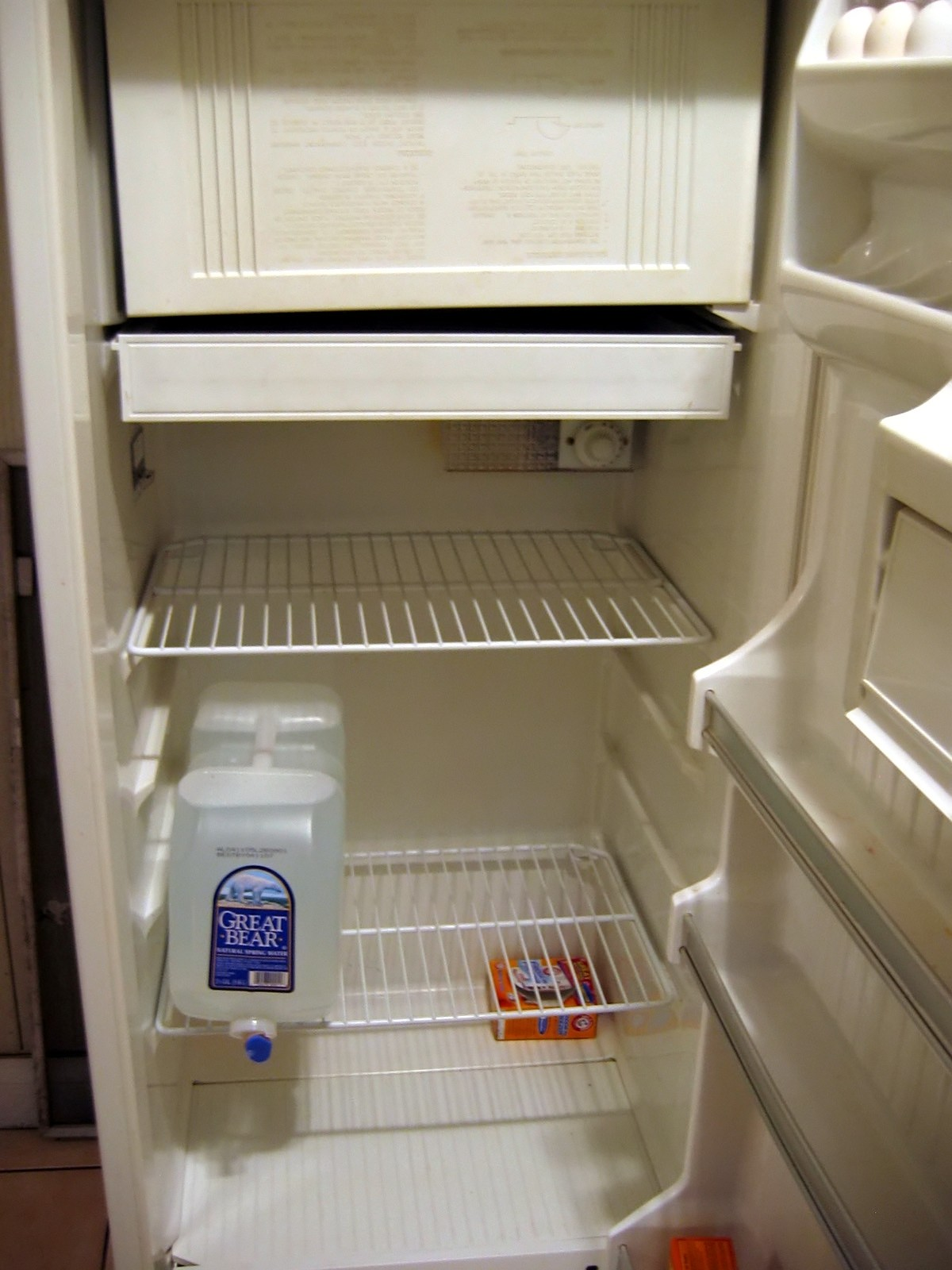
An empty, wet, freshly cleared compartment has a specific smell that is not like anything else in a house. Everybody who was present for one of these operations recognises the description and almost nobody can explain it.
The Rest of the Refrigerator Kept Running Throughout
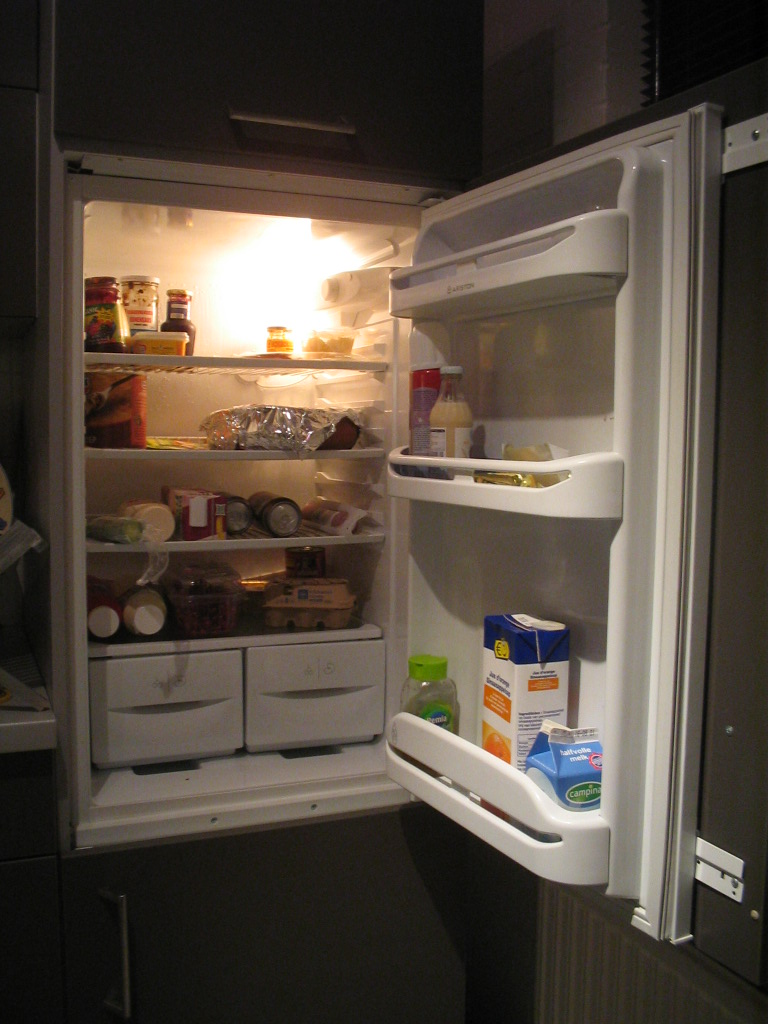
Only the frozen compartment was out of action, which meant the machine was still working, still audible and still cold in its lower half while its upper half stood open and dripping. The arrangement struck children as faintly absurd and nobody explained it.
That is also why the job could be abandoned halfway. A household that ran out of day simply reloaded what was left and resolved to finish it later, which a considerable number of them did, repeatedly, for years.
Cleaning It Out Was a Separate Job Nobody Had Planned
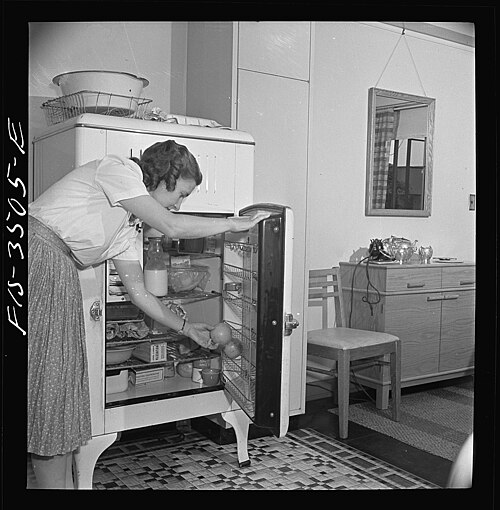
Once the ice was gone, what was underneath became visible for the first time in months, and dealing with that added an unplanned hour to the day. Whoever had decided to defrost had not factored this in, and discovered it every single time.
Things Were Found That Had Been Lost
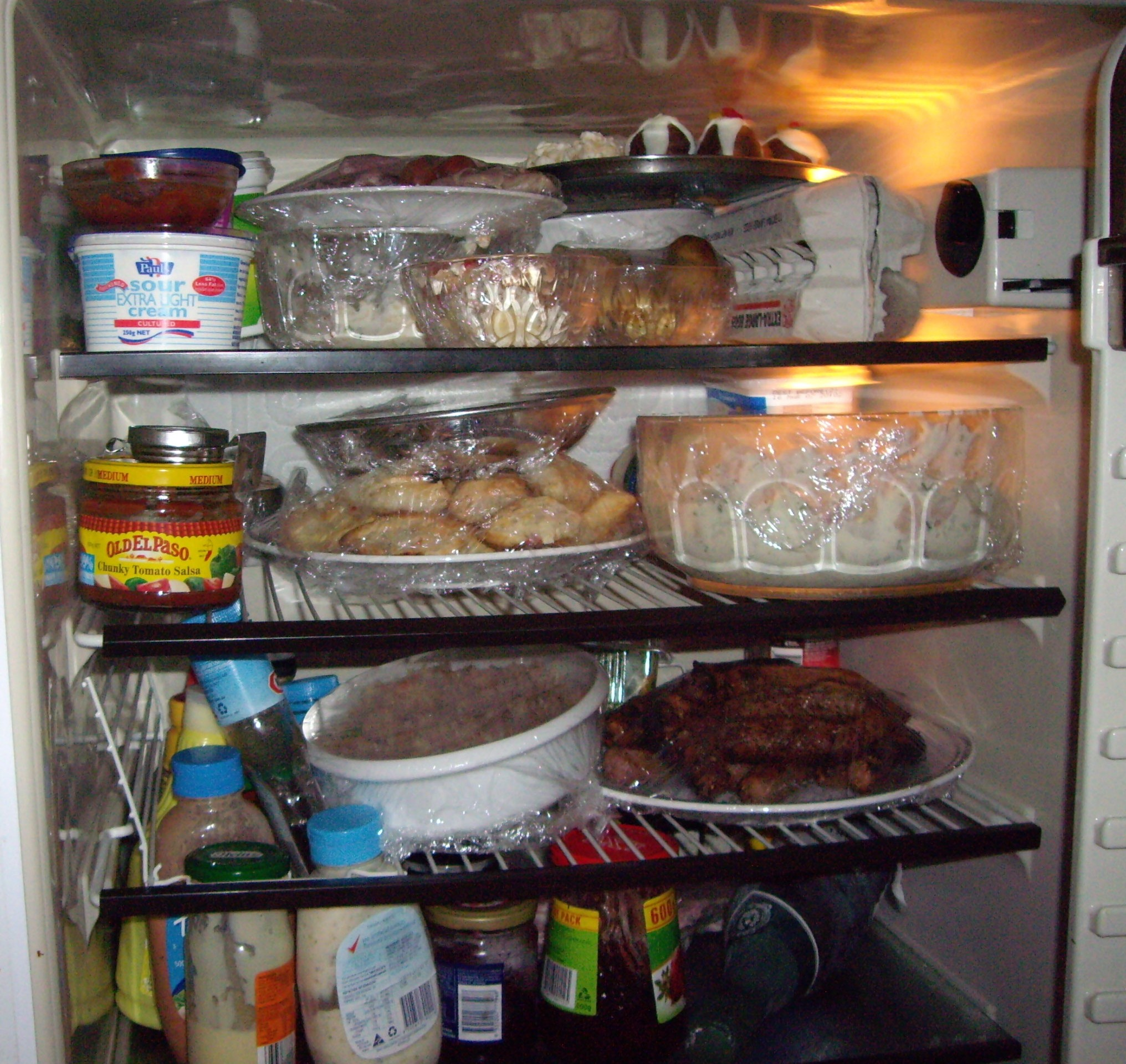
The back of the compartment held items nobody remembered putting there, frozen into the structure and inaccessible until that day. Their reappearance was a minor event and their condition was generally not good.
Reloading It Was a Second Chance at Organisation
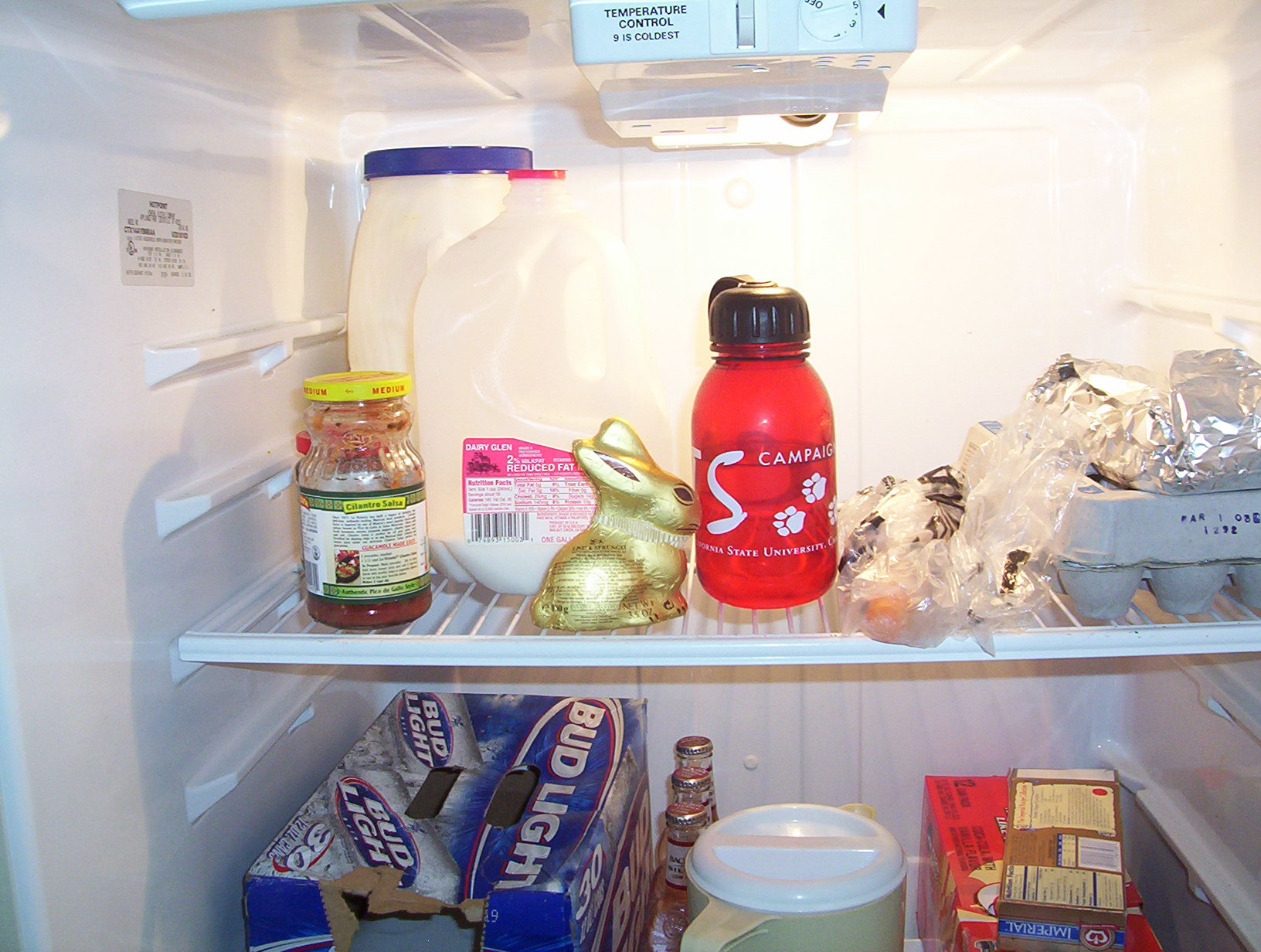
An empty compartment invited a system, and somebody always imposed one. The arrangement lasted a fortnight at most, after which everything reverted to how it had been, and the next defrosting produced the same resolution.
The Thing Ran Noticeably Better Afterwards
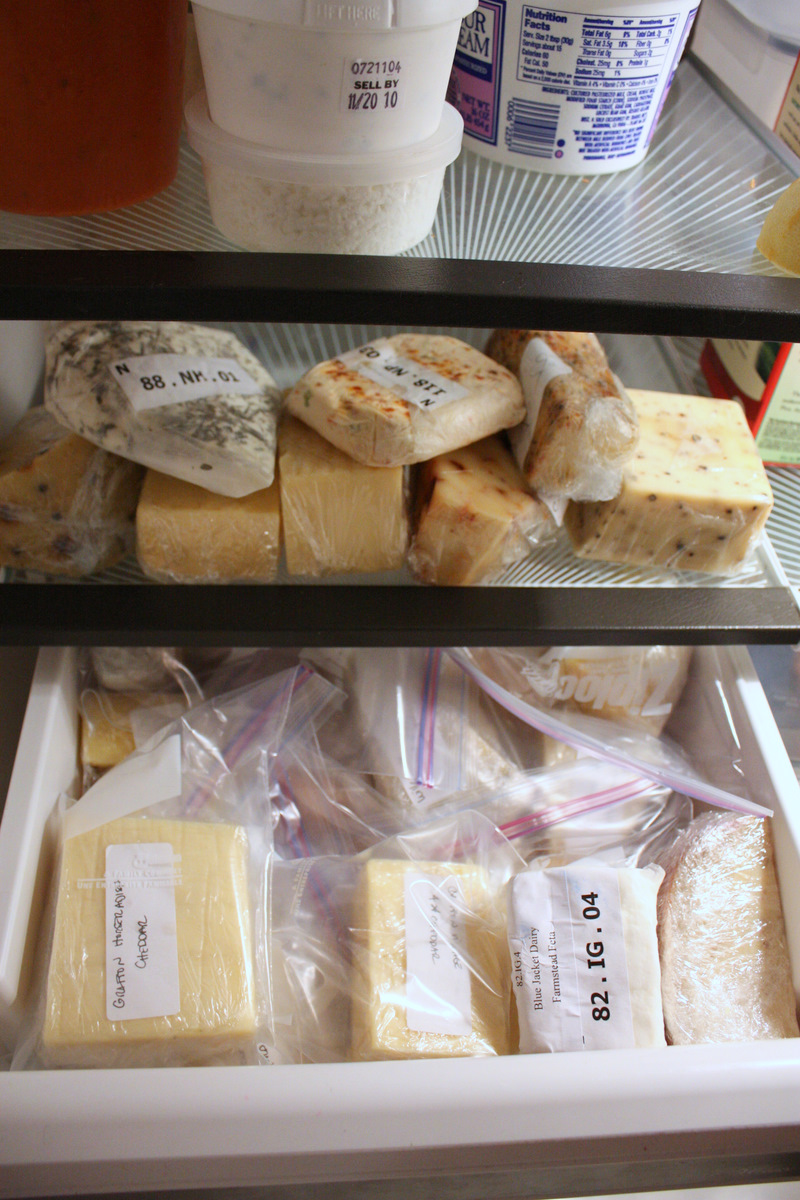
The machine was quieter, colder and roomier for several weeks, which was the actual justification for the whole exercise. Households that defrosted regularly had a refrigerator that worked, and households that put it off had one that increasingly did not.
Children Were Present Throughout and Barely Used
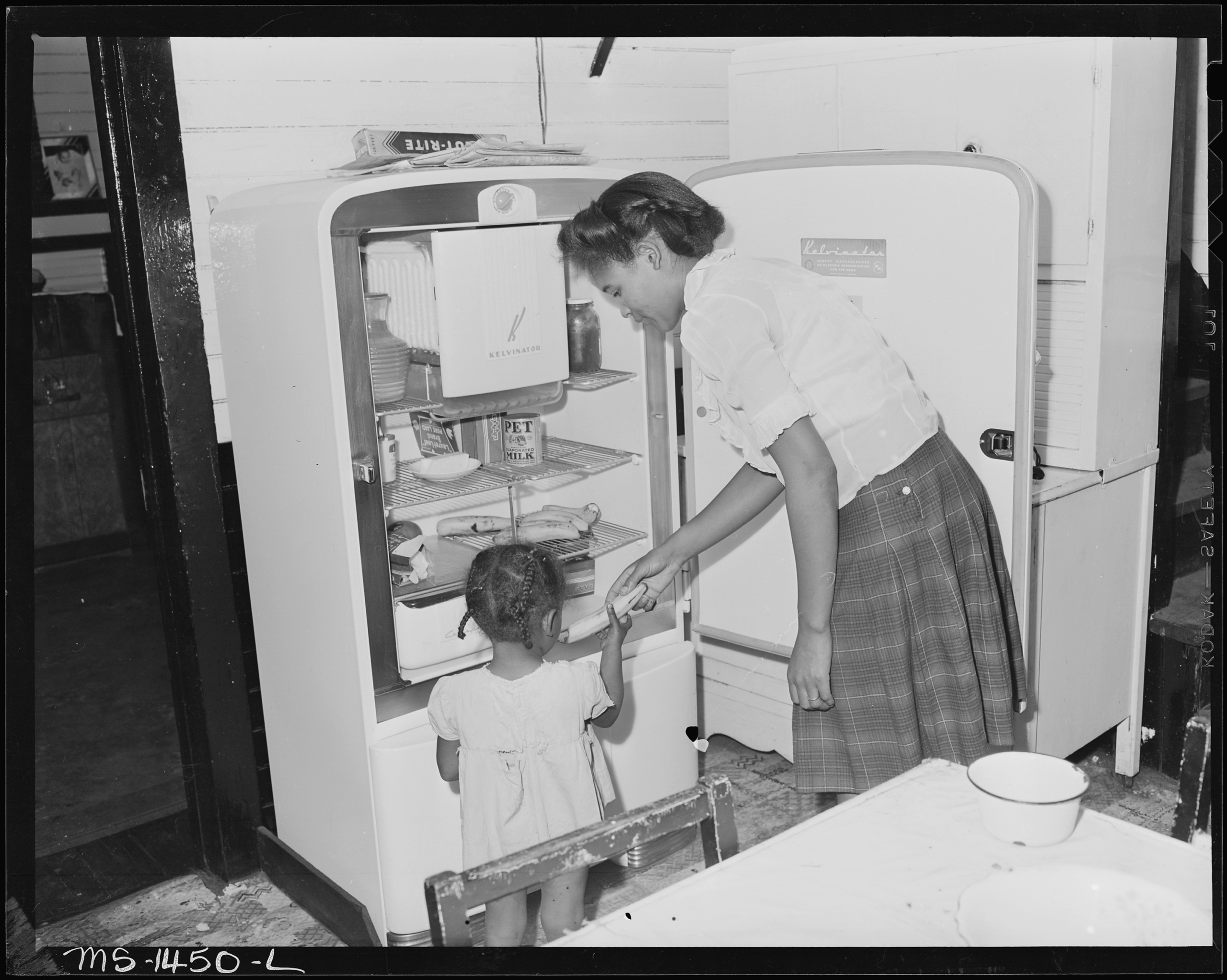
The labour requirement was one person emptying a pan. Everybody else was simply there, watching a kitchen in an unusual state, which made the day memorable out of all proportion to anybody’s actual involvement.
Neighbours Were Occasionally Involved
A household that could not fit everything anywhere sometimes sent a child next door with an armful of things to be kept for the afternoon, which created a small temporary obligation between two houses that nobody wrote down. The items came back later the same day, generally without comment.
Children were the couriers in both directions. A child crossing a street carrying somebody else’s contents, on a day neither household had planned for, is a specific memory that only makes sense once you know how small those compartments were.
It Was One of the Few Days the Kitchen Was Not Working
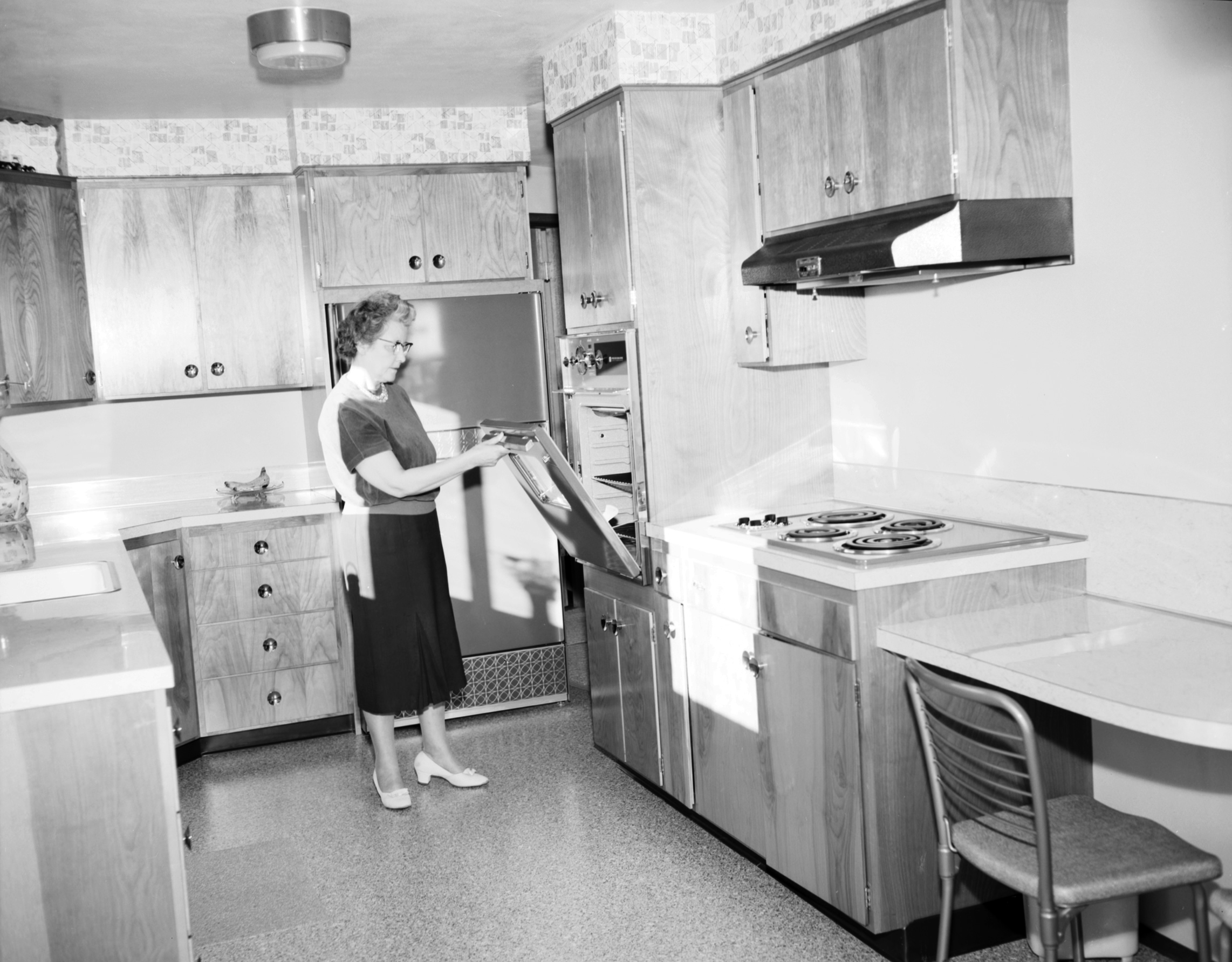
Normal operation was suspended, which meant the room’s entire character changed for a day. For children, a kitchen that could not be used was a considerably more interesting place than one that could.
Nobody Was Thanked and Nobody Expected It
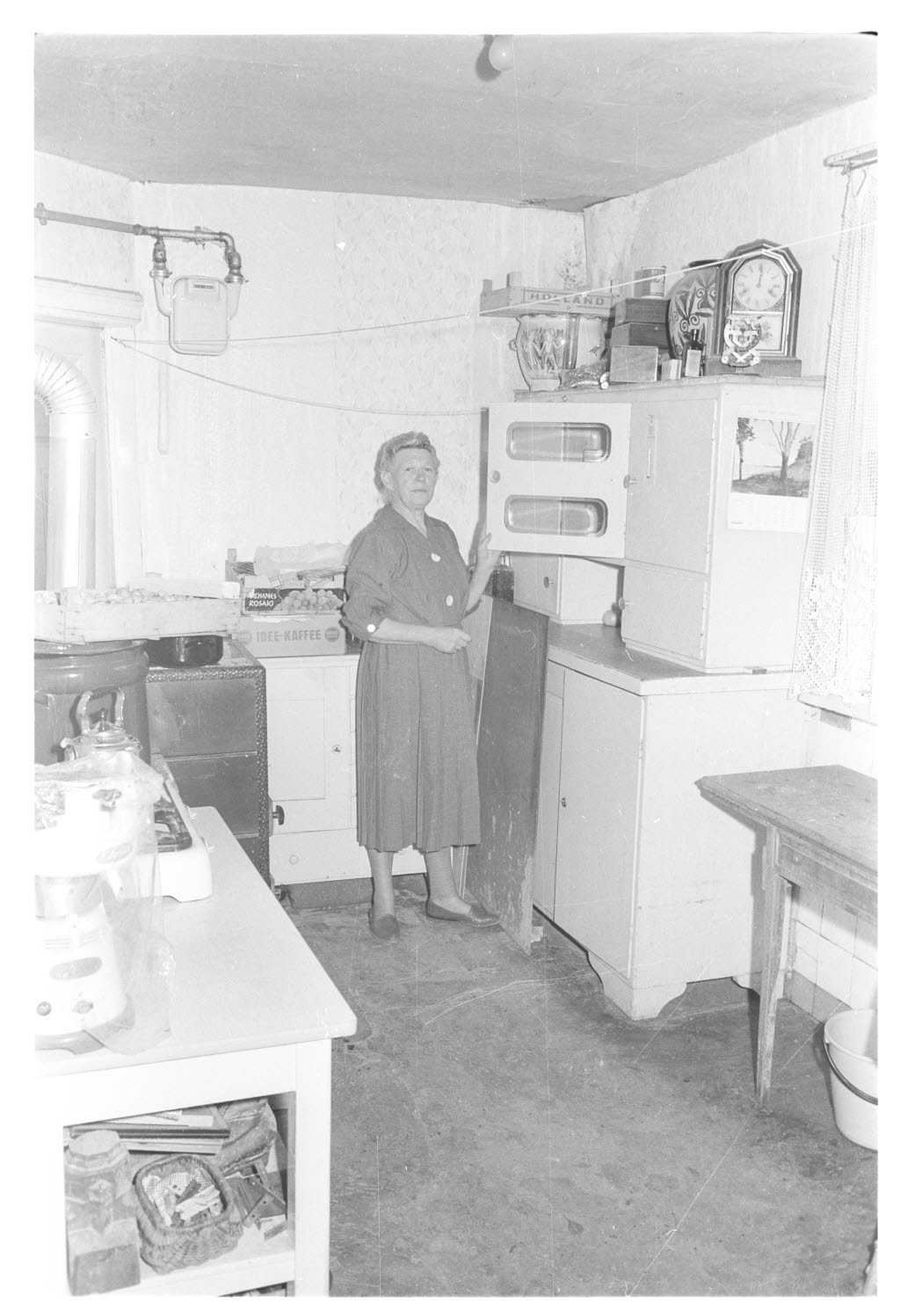
As with every household operation of the period, the work was understood as simply part of running a house, and the day concluded with everything put back and nothing said about it.
Then the Problem Was Engineered Out
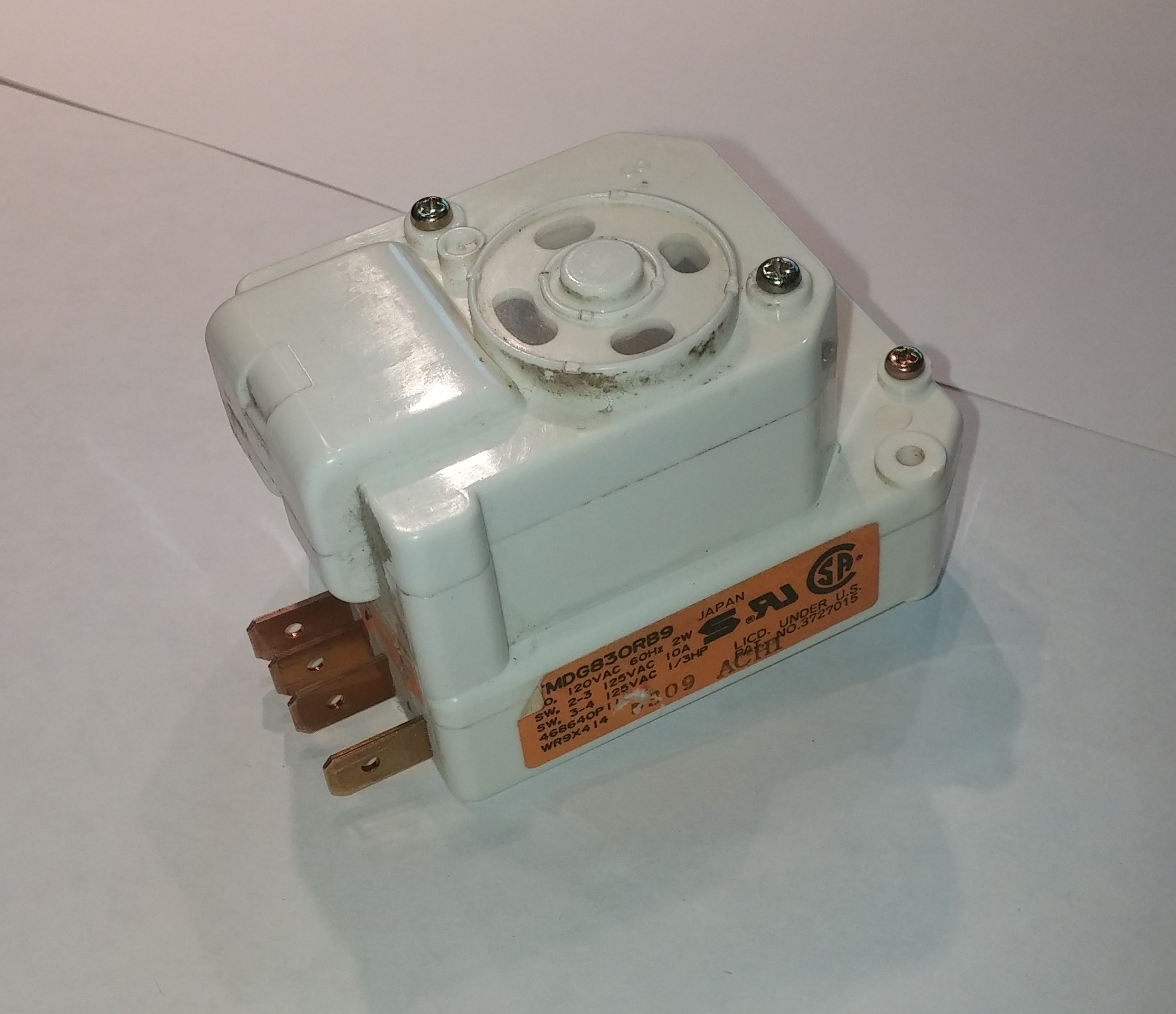
Automatic defrosting, better seals, better insulation and a complete redesign of how these appliances manage moisture removed the entire operation. Nobody should want it back, and the improvement is not in question.
What Actually Went
A whole day given over to waiting, a door that would not shut as the only diagnostic, a pan emptied every twenty minutes by whoever was shortest, an instruction about chipping that everybody ignored, slabs of ice carried out to the yard for a second hour of use, and a smell afterwards that everybody recognises and nobody can describe.
Like our content? Follow us for more.