In 1964 this was the only game that needed no space at all. The whole thing happened on an area about the size of a dinner plate, which meant it could be played on a step, a porch, a corridor floor, a hallway or a patch of pavement – and was therefore available in conditions where nothing else was. So it filled the gaps in a day: waiting for something, excluded from something or kept indoors by weather were all situations in which this was the only available activity, and it occupied an enormous number of otherwise empty half-hours. Here are fourteen things every kid remembers about playing jacks in 1964, and what phones filled the gaps for.
1. It Was the Only Game That Needed No Space at All
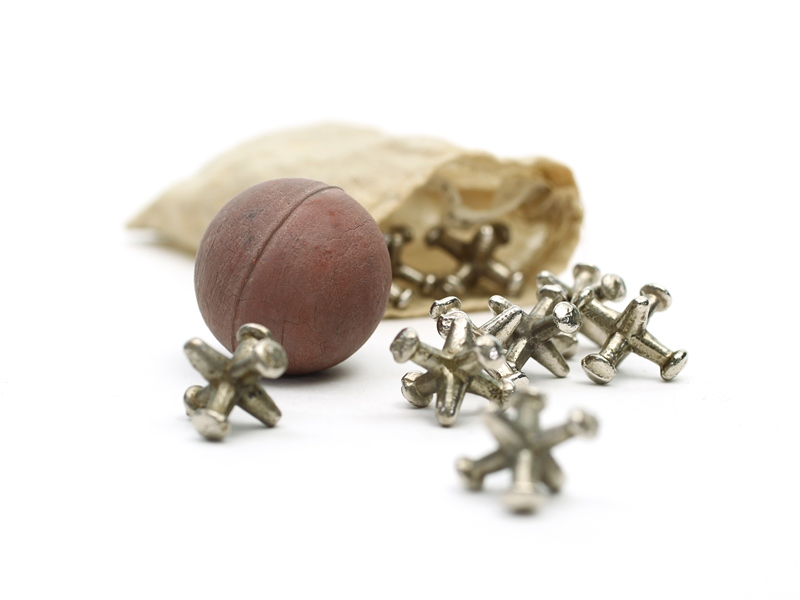
The whole thing was played on an area about the size of a dinner plate, which meant it could happen anywhere.
That is the property which made it ubiquitous. A game requiring a flat surface and nothing else can be played on a step, a porch, a corridor floor, a hallway or a patch of pavement, which means it was available in conditions where nothing else was.
So it filled the gaps in a day. Waiting for something, excluded from something or confined indoors by weather were all situations in which this was the only available activity, and it occupied an enormous number of otherwise empty half-hours.
Like our content? Follow us for more.
2. The Surface Had to Be Exactly Right

A smooth hard floor worked, carpet did not, and anything with a slope ruined everything.
The requirement was unforgiving. The game depends on things behaving predictably when they land, which means any surface that absorbs, grips or tilts converts a game of skill into a game of chance.
Children became connoisseurs of flooring. A child who played this regularly knew exactly which surfaces in their own house, their school and their neighbourhood were usable, which is an unusual and entirely practical body of knowledge.
3. The Sequence Was Fixed and the Rules Were Local
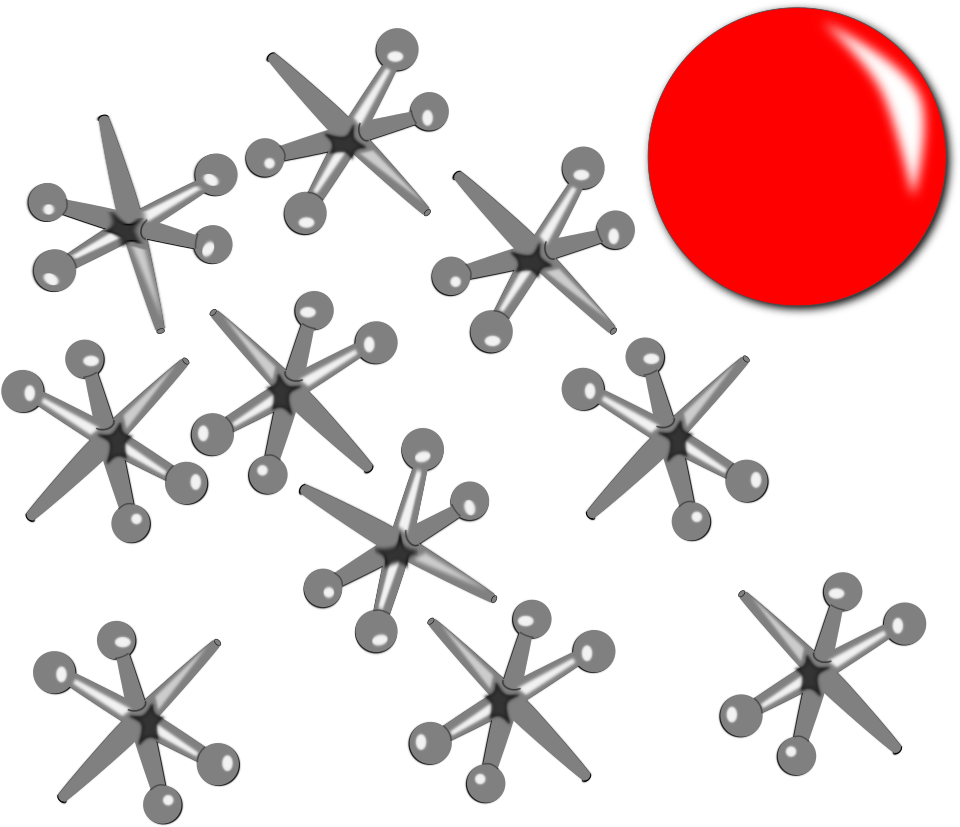
Everybody progressed through the same stages in the same order, and the details of each stage differed everywhere.
The combination is characteristic of games transmitted between children. The core structure was stable enough to be recognisable across the country, and every specific ruling was settled locally and defended as though it were universal.
Visitors were therefore always wrong. A child who had learned a different version arrived, played their own way and was corrected immediately, and the correction was not negotiable.
The weather decided which version of the day you got. A dry pavement gave children an outdoor surface with an audience and no adult, and a wet afternoon pushed the whole thing into a hallway where it was tolerated rather than welcomed, and the two experiences had very little in common beyond the pieces.
4. You Could Not Practise Without the Pieces and They Were Easily Lost

The equipment was small, scattered constantly and disappeared into the fabric of a house.
The loss rate was built into the design. Small objects thrown onto a floor repeatedly end up under furniture, in gaps and down the sides of things, and a complete set did not stay complete for long.
Sets were therefore always incomplete. The overwhelming majority of play was conducted with fewer pieces than the game required, with a local adjustment to the rules to accommodate however many were left.
5. Substitutes Were Found for Anything Missing
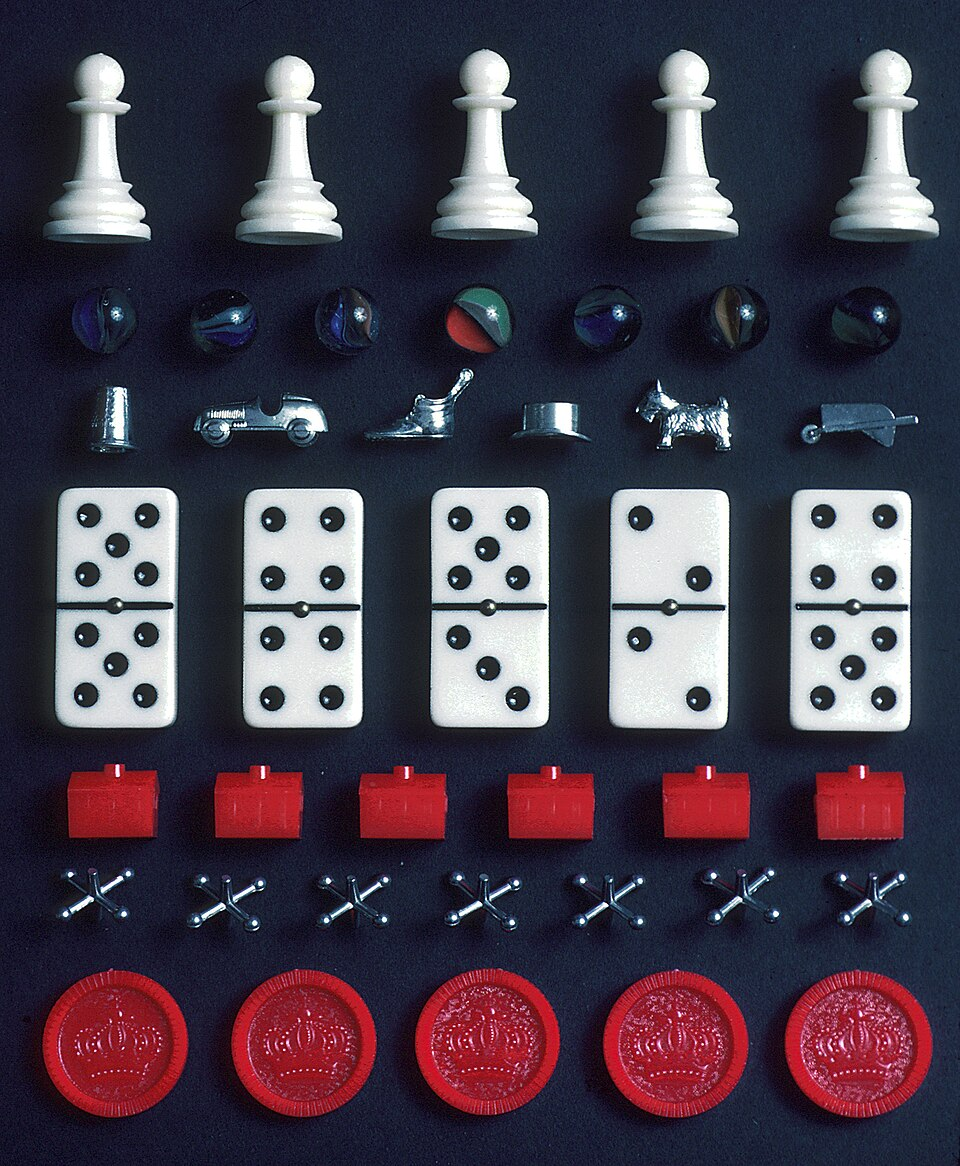
Children replaced lost pieces with whatever was the right size, which changed how the game played.
The improvisation had consequences. A substitute of a different weight or shape does not behave the same way when thrown, which meant a set assembled from several sources produced inconsistent results that nobody could account for.
Everybody suspected everybody else’s set. The accusation that a particular child’s pieces behaved oddly was made constantly, was frequently correct and was never provable.
6. It Was Played Sitting on the Floor and Nobody Minded
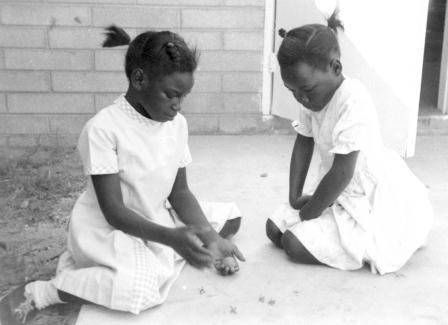
The posture was cross-legged, hunched over a small area, for long periods, in whatever clothes a child had on.
The position was dictated by the game. Everything happens within arm’s reach at floor level, which means the only workable arrangement is to be down there, close, with your head over the playing area.
That is why it was discouraged indoors. A child on a hallway floor is an obstruction, and the instruction to move or to go elsewhere was issued in every household repeatedly.
Finding a lost piece months later was a small event. Something recovered from under a chair during a clean belonged to a set that had been adapted around its absence for a whole season, and restoring it changed how the game played for everybody who had got used to the shortfall.
7. The Skill Was Entirely in One Hand
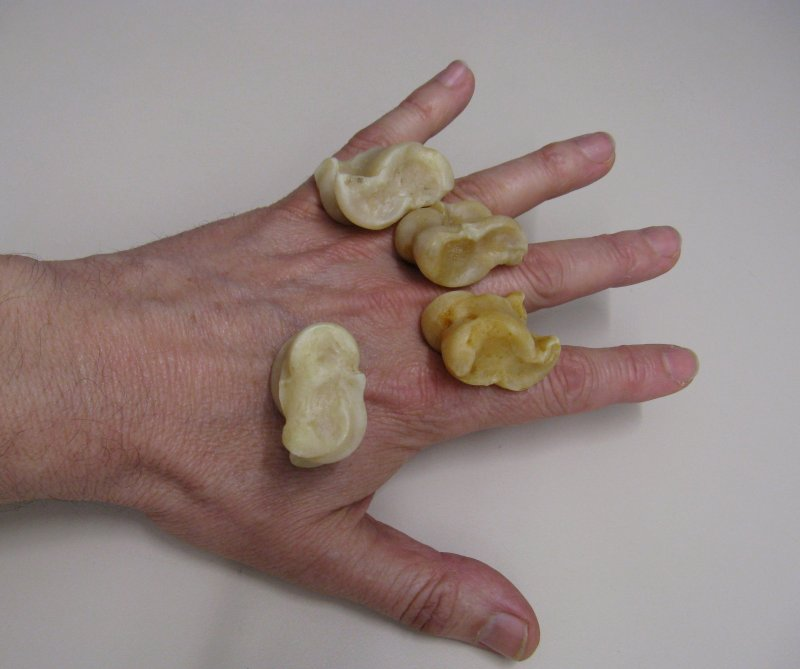
The whole game is performed with a single hand doing two things in quick succession, which is harder than it sounds.
The difficulty is in the timing rather than the dexterity. One hand has to complete one action and begin another inside a very short interval, and no amount of care substitutes for having done it several hundred times.
Progress was therefore slow and genuine. A child who had got good at this had acquired something by pure repetition, with no instruction available and no shortcut, which is unusual among children’s games.
8. Everybody Had a Different Technique and Defended It

Children developed individual methods and were convinced theirs was superior.
The variation was possible because nothing was taught. A game nobody formally instructs anybody in produces as many methods as there are players, and each child had arrived at theirs by trial over months.
Arguments about method were constant and unresolvable. Two children with different techniques and similar results had no way of establishing anything, which did not stop the discussion recurring every time they played.
9. Girls Played It and Boys Mostly Did Not
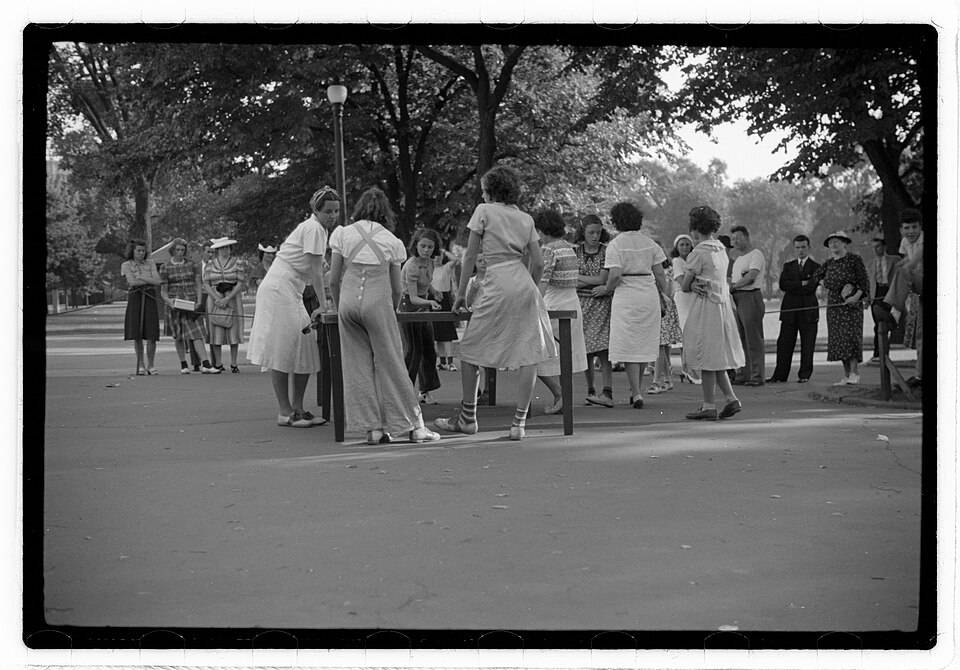
The division was near-universal, was never stated as a rule and was enforced entirely by children.
The pattern is a fact of the period rather than anything about the game. Nothing in the activity itself favoured anybody, and the division was maintained by convention among children rather than by any adult instruction.
The boys who did play were discreet about it. A boy who was good at this generally played at home or with siblings rather than publicly, which is a small piece of social management nobody had to explain to him.
Both hands were occupied anyway, which nobody expects. The other hand held everything already collected, which meant it was full and getting fuller, and managing an increasingly awkward handful while the working hand performed the difficult part is the detail players remember and spectators never noticed.
10. The Game Was Faster Than Adults Expected

A round took under a minute, which meant an afternoon contained a very large number of them.
The pace is what made it absorbing. A short cycle with an immediate result, repeated continuously, holds attention far better than anything longer, and children who started playing did so for considerably longer than they had intended.
Adults consistently underestimated it. A child asked to stop in five minutes was being asked to stop in the middle of a sequence they were four rounds into, which produced the usual negotiation.
11. Losing a Turn Was Instantaneous and Not Appealable

The slightest failure ended your turn immediately, with no allowance of any kind.
The strictness was a feature. A game with a clear, visible and instant failure condition requires no referee, which is exactly what a game played by children with no adult present needs.
Disputes were therefore about facts rather than rules. Whether something had touched the floor, moved or been dropped was argued about constantly, and the arguments were short because the position was usually obvious to everybody.
Nobody taught it to anybody either, in the sense of sitting down and explaining it. A new player watched several rounds, was handed the pieces, failed, watched more and was eventually playing, which is how the whole thing crossed from one child to the next for generations without a single written rule.
12. Carrying the Set Around Was Part of Owning It

Children kept their pieces on them and produced them whenever a surface and a few minutes became available.
The portability was the point. A game that fits in a pocket can be initiated anywhere, which meant a child who carried a set could convert any wait into an activity and was consequently popular.
The container was always something else. Sets were kept in a small bag, a tin or something repurposed, and the container was as much a part of the possession as the pieces were.
The sets outlasted the playing by years. A tin of pieces sat in a drawer long after the children who used it had stopped, was found during later clearances and was recognised instantly by somebody who could no longer have said what any of the stages were called.
13. Being Good at It Carried No Credit Anywhere Else

A child with real skill at this was recognised for it only by the other children who played.
The isolation of the achievement is the sad part. No adult knew, nothing recorded it, nothing followed from it and the competence disappeared completely when the children who had witnessed it dispersed.
The children themselves knew precisely. Every group had a ranking of who was best, held with considerable accuracy, which existed entirely within that group and was never communicated to anybody.
14. Then the Gaps in the Day Were Filled by Something Else
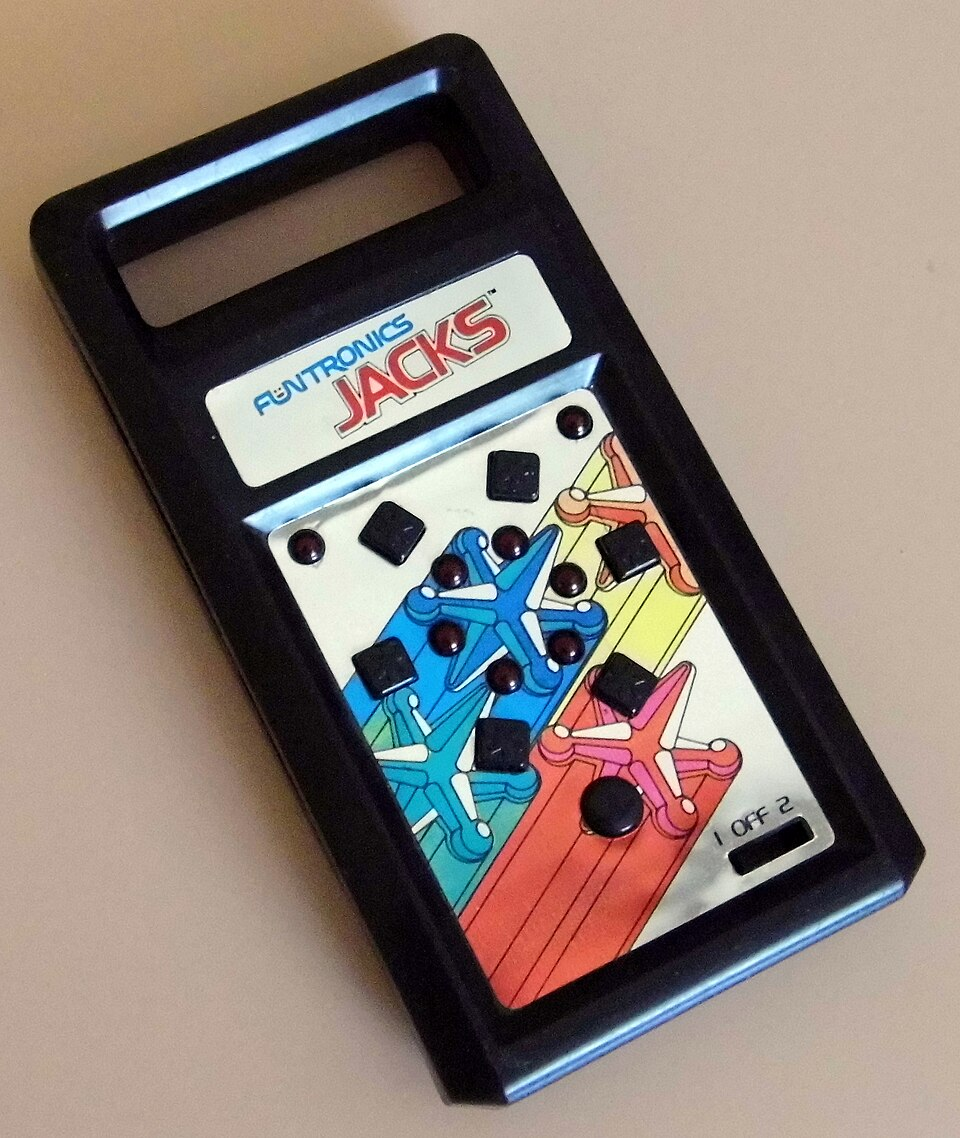
Devices, far more organised activity, fewer waits and a general end to children sitting on floors with nothing to do removed both the occasion and the game.
Nothing here is an argument about anybody’s childhood. Children have better things available in an empty half-hour than a game played on a square foot of hallway floor, and the change is not a loss worth defending.
What went with it is the activity for an empty half-hour. A set that was never complete, substitutes that behaved differently and were suspected by everybody, a technique arrived at by months of trial and defended against all comers, a ranking held precisely by the only people who knew it existed, and an instruction to get off the hallway floor issued in every household in the country.
Why Nobody’s Set Was the Same

Read in order, the fourteen come back to two things nobody controlled. The equipment was small and thrown onto floors repeatedly, so it ended up under furniture and down the sides of things – which means the overwhelming majority of play was conducted with fewer pieces than the game required, under a local adjustment to accommodate however many were left. Substitutes were then found for anything missing, and a replacement of a different weight or shape does not behave the same way when thrown, so a set assembled from several sources produced inconsistent results nobody could account for. The accusation that a particular child’s pieces behaved oddly was made constantly, was frequently correct and was never provable.
The second variable was method. Nothing was taught, which produces as many techniques as there are players, each arrived at by months of trial and each defended absolutely – and two children with different methods and similar results had no way of establishing anything, which never once stopped the argument recurring.
The skill itself was narrower than it looks. Everything happens in one hand doing two things in quick succession, and the difficulty is in the timing rather than the dexterity: no amount of care substitutes for having done it several hundred times. A child who had got good at this had acquired it by pure repetition with no instruction and no shortcut available, which is genuinely unusual among children’s games.
Two of the fourteen are worth drawing out. The game was divided by sex almost universally, which was never stated as a rule and was enforced entirely by children – nothing in the activity favoured anybody, and the boys who were good at it generally played at home rather than publicly. And being good at it carried no credit anywhere else: no adult knew, nothing recorded it, nothing followed from it, and every group’s ranking of who was best was held with real accuracy entirely within that group.
Nothing above is an argument about anybody’s childhood. Children have better things available in an empty half-hour than a square foot of hallway floor, and the change is not a loss worth defending.
Like our content? Follow us for more.