

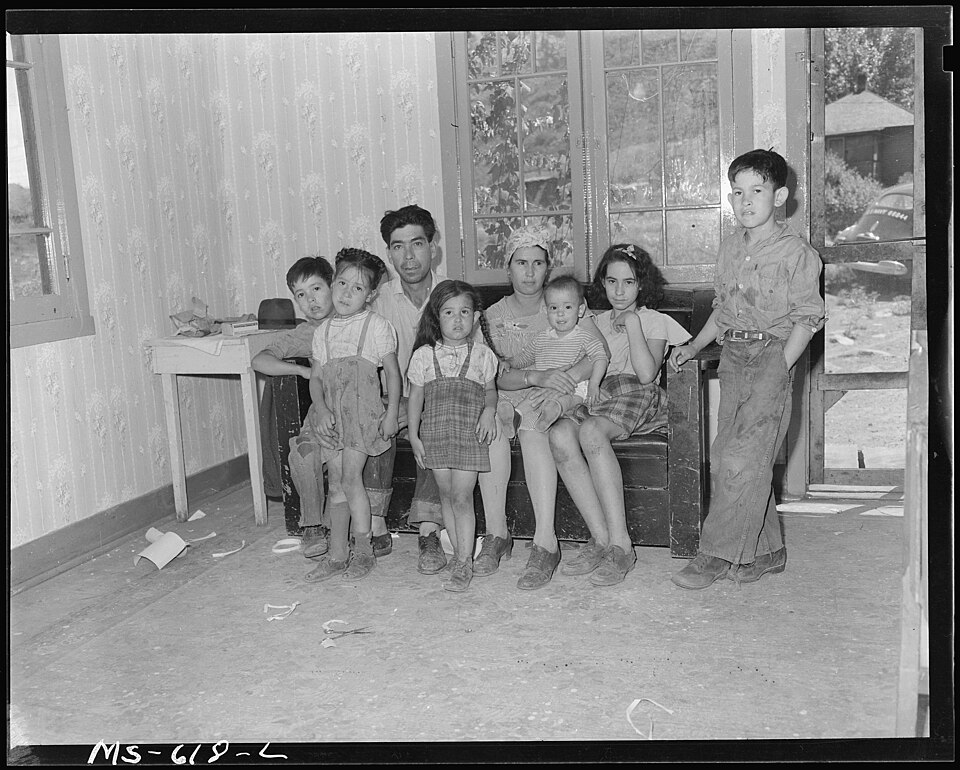
In 1962 a child sitting in a room got to their feet when a grown-up came into it, and did it without being told, because they had been told once and the correction had been memorable.
The Rule Was Taught Once and Enforced Forever
Nobody explained this repeatedly. A child failed to stand on one occasion, was corrected in a way that stuck, and performed it automatically from then on for the rest of their childhood.
That is why so few people can say when they learned it. The instruction arrived early, the correction arrived once, and the behaviour then operated below the level of anything anybody thought about.
Like our content? Follow us for more.
It Applied to Some Adults and Not Others
The rule was not universal and the distinctions were never stated. A particular category of visitor triggered it and household members mostly did not, and children worked out the boundary by watching rather than by asking.
Getting the Category Wrong Was the Common Failure
A child who stood for the wrong person looked foolish and a child who stayed seated for the right one was corrected, which meant the whole thing required a judgement nobody had given them any criteria for.
The safest strategy was to stand for everybody. A proportion of children defaulted to that, were mildly ridiculed for it by other children, and were never once corrected by an adult.
You Had to Be Listening for the Door All Evening
Immediacy requires advance warning, which meant a child in a room was monitoring the house continuously for the sound of anybody approaching it. The gesture was the visible part and the listening was the actual work.
That is a considerable background load on an evening. A child reading in a chair was reading at about half attention, with the other half on a hallway, for the whole of every evening on which anybody might arrive.
It Had to Be Immediate or It Counted for Nothing
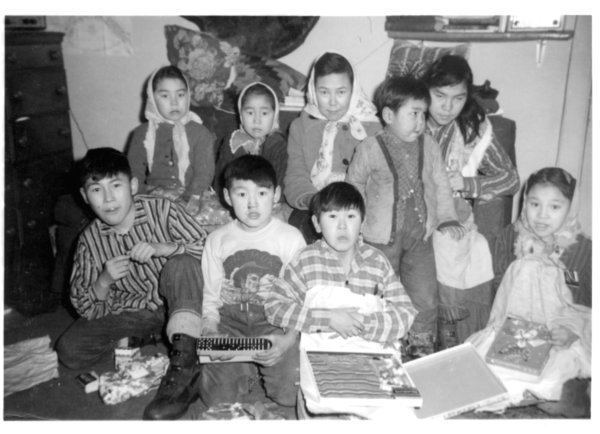
The timing was the whole substance of the gesture. Standing as somebody entered was the point; standing three seconds later, having noticed, was worse than not standing at all because it announced that you had thought about it.
You Had to Stop What You Were Doing First
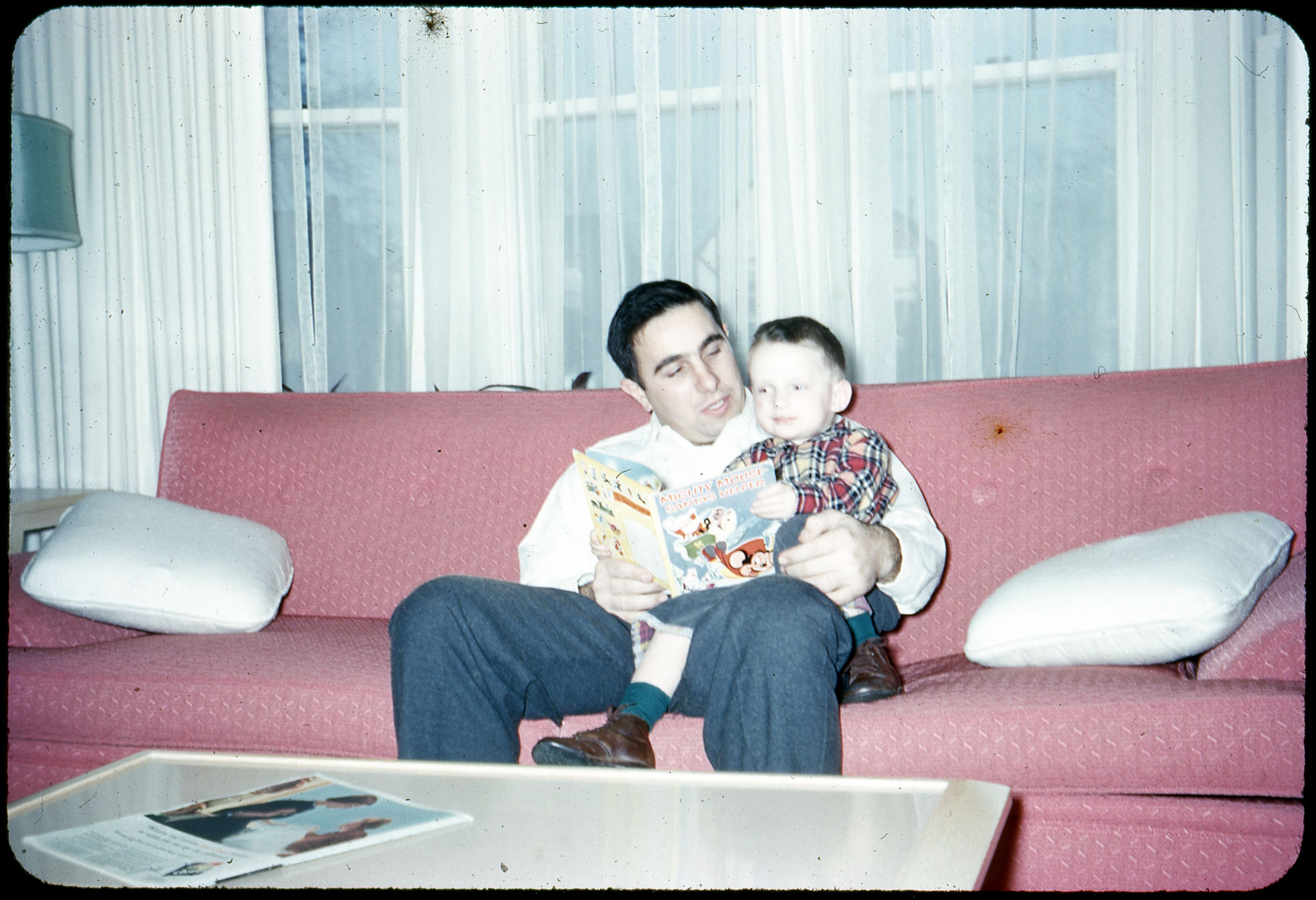
A child in the middle of something had to put it down, which meant the rule reached into whatever a child was occupied with and interrupted it several times an evening.
Sitting Back Down Was Not Automatic
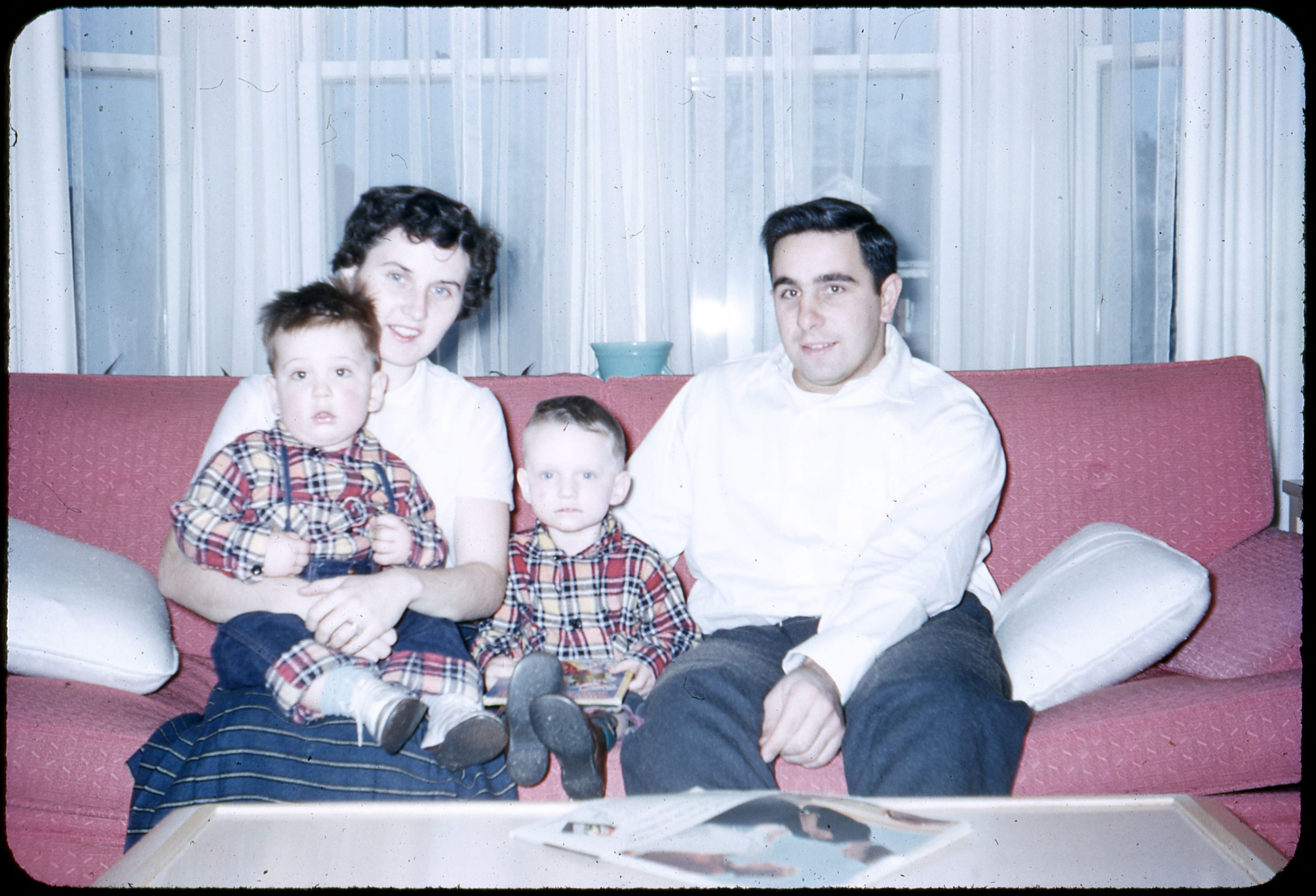
The release was granted rather than assumed. A child remained standing until something indicated otherwise, and the indication was frequently a gesture rather than a word.
That is the part children found hardest. Standing up is a decision and sitting down required reading somebody, which is a considerably more difficult operation for a nine-year-old.
The Rule Covered Giving Up Your Seat
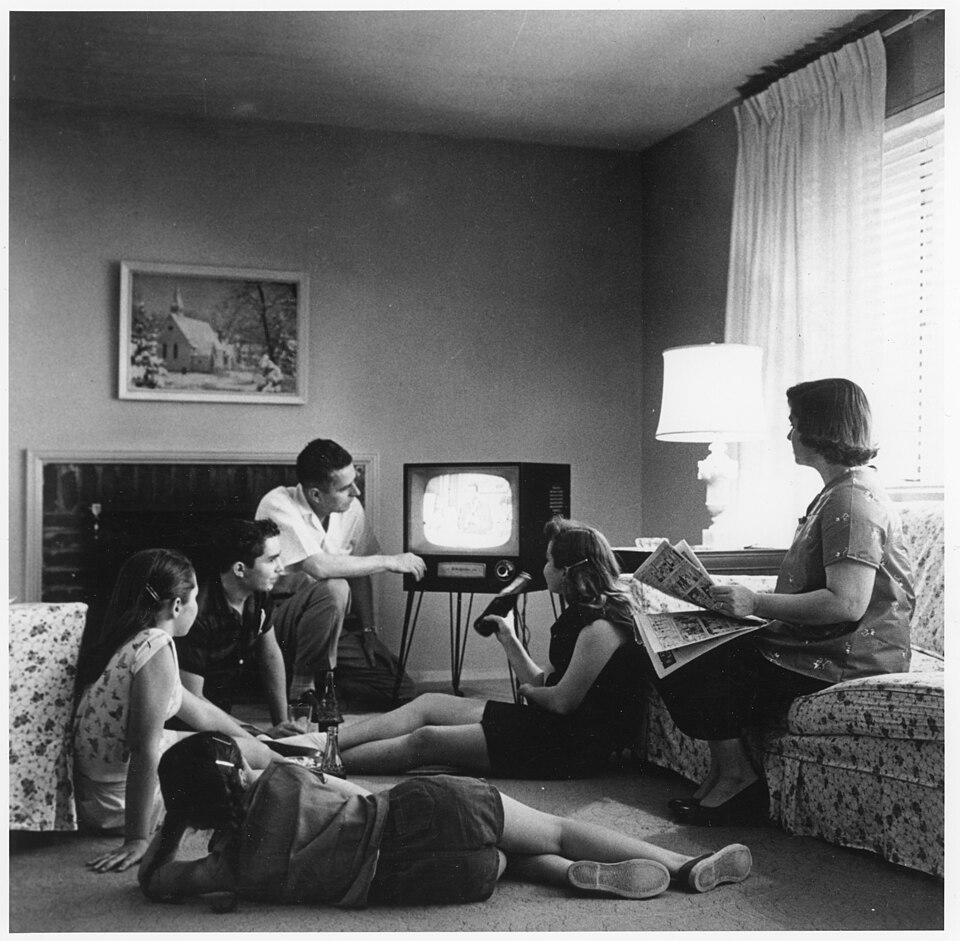
In a room with more people than chairs, the standing was not symbolic; a child got up and an adult sat down, which happened constantly in households of that period.
The Floor Position Was Worse Than It Sounds
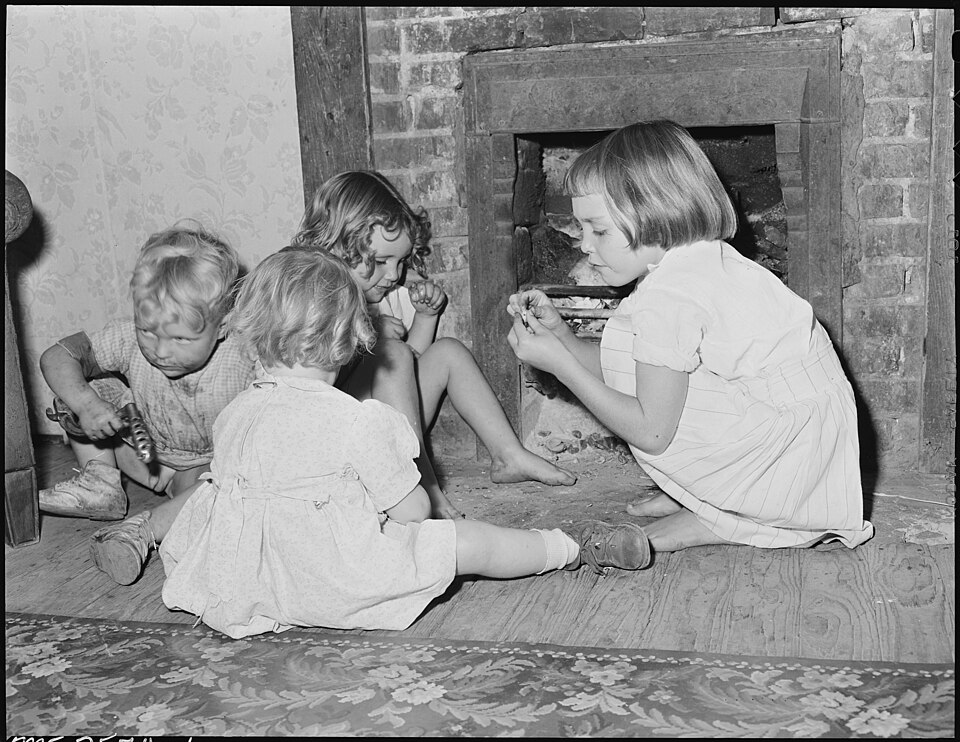
A child who had given up a chair spent the next two hours somewhere that had not been designed for anybody, which in a cold house meant a position chosen for warmth rather than comfort and in a crowded one meant being in somebody’s way.
It also removed you from the conversation. A person on a floor in a room of seated adults is below the line of everybody’s attention, which meant surrendering a chair meant surrendering any part in what was happening.
Where You Then Went Was Your Own Problem
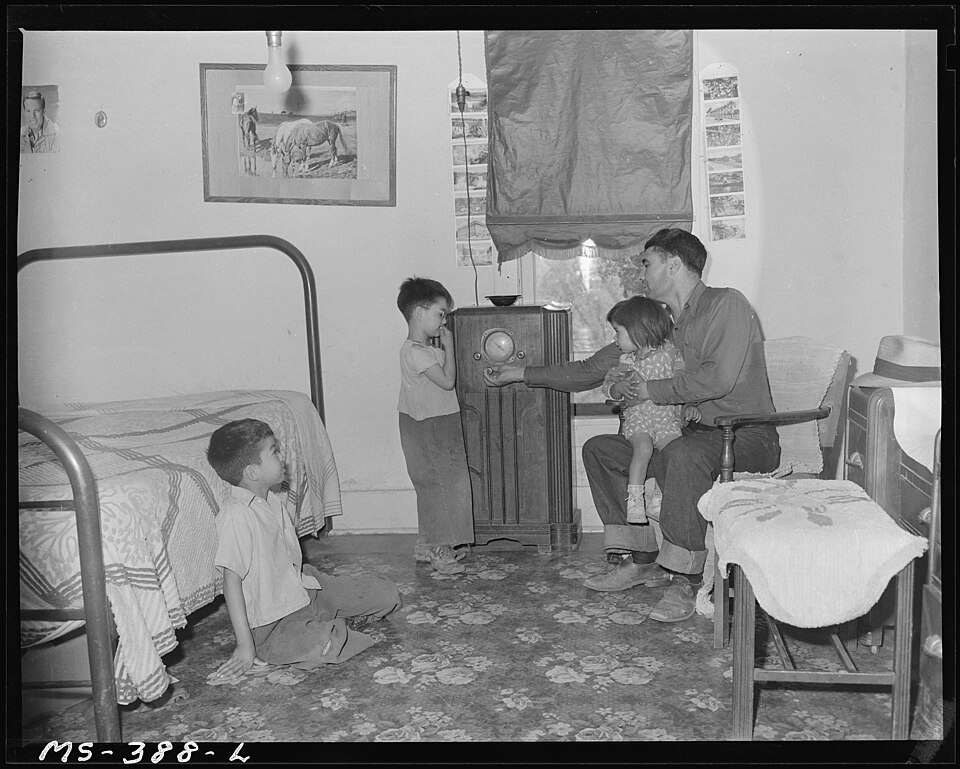
Having vacated a chair, a child had no allocated position, which meant the remainder of the evening was spent on a floor, on a step or leaning on something.
Siblings Coordinated It Without Discussing It
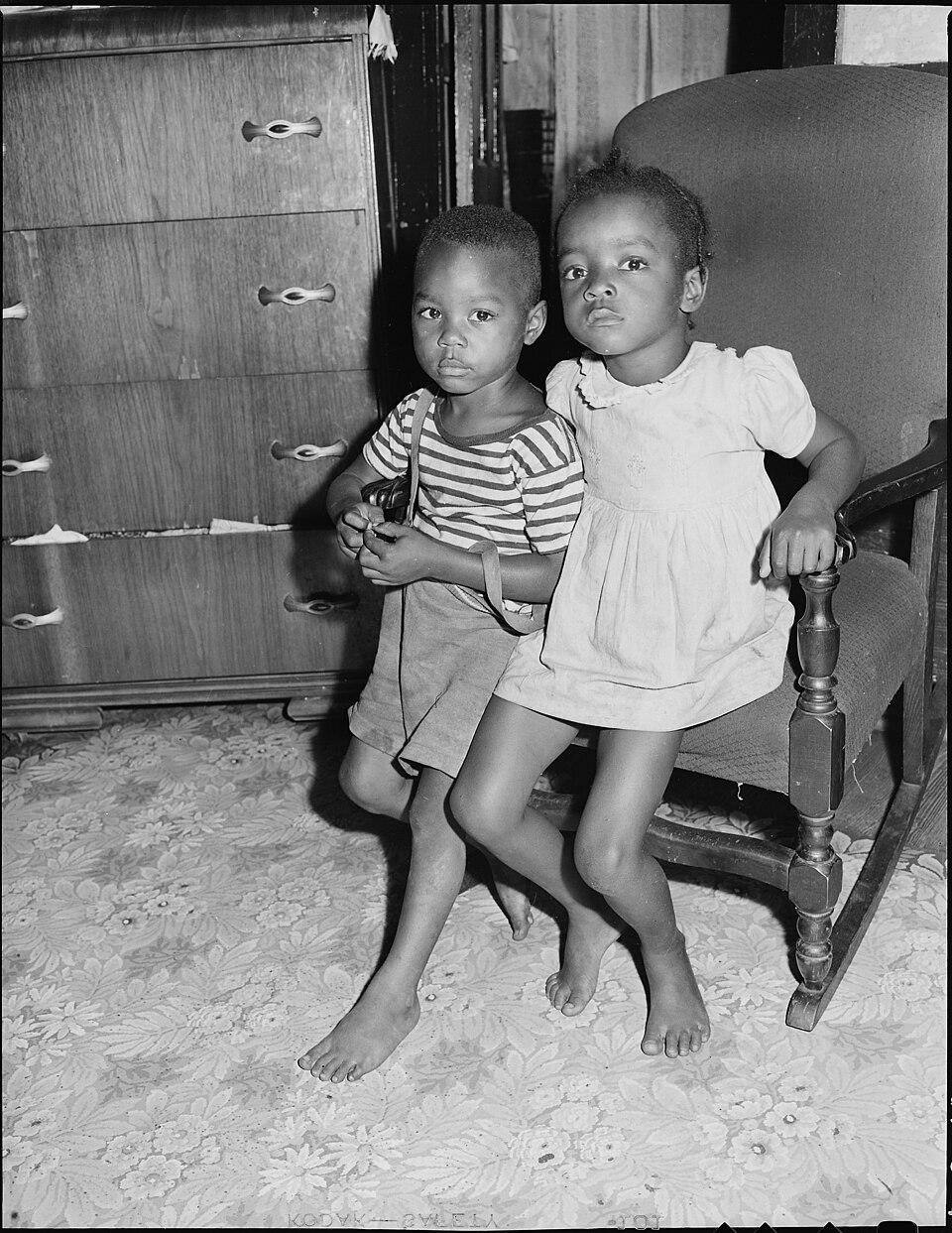
In a room with several children, the standing happened as one movement, because the first one up triggered the rest inside about half a second. Nobody had rehearsed that and it worked every time.
Being the one who went first carried a small advantage. A child who had initiated the movement was visibly the one who had noticed, and the ones who followed had visibly been prompted, which is a distinction adults registered without ever mentioning it.
It Was Enforced by Other Children as Much as by Adults
A child who had not stood was noticed by their siblings, who mentioned it, which means a considerable amount of the enforcement was lateral rather than vertical.
The Gesture Was Expected in Other People’s Houses Too
The rule travelled, and a child visiting elsewhere was performing it for an audience whose standards they did not know.
Standards varied more than anybody expected. A household that was strict about this had children who over-performed in houses that were not, which produced a visitor who appeared oddly formal and was commented on afterwards.
The Explanation Children Invented Was Worse Than None
Left to work it out, children arrived at accounts involving illness, age or something somebody had done, all of which were wrong and some of which produced genuine confusion about particular visitors.
Those misunderstandings lasted years. A child who had concluded that the gesture signified something specific about a person applied that conclusion every time they saw them, and nobody ever discovered the mistake or corrected it.
Nobody Ever Said Why
The whole convention was transmitted with no justification attached. A child who asked received an answer that restated the rule rather than explaining it, which satisfied nobody and was accepted anyway.
It Was Not Really About Respect and Children Knew It
Whatever the stated purpose, the function was to make the hierarchy of a room visible every time somebody entered one, and children understood that considerably better than they could have articulated it.
Doing It for the Same Person Repeatedly Became Absurd
An adult who left a room four times in an evening triggered the gesture four times, which nobody thought reasonable and everybody performed anyway.
Households varied on whether this was waived. Some adults said not to bother after the first time and some did not, and a child in the second kind of house spent an evening getting up and sitting down.
It Was Dropped Entirely With Certain People
Every household had adults the rule did not apply to, and which ones they were was the clearest available information about where everybody stood.
Being Introduced While Standing Was the Full Version
The gesture combined with a greeting, a handshake and a name, and the combination was the complete performance a child was expected to be capable of by a certain age.
The Verdict Came Back as a Comparison
What reached a household was rarely a straight report. It arrived as a remark about how their child compared with somebody else’s, which is the form in which almost all information about children travelled between adults in that period.
Children heard the comparisons eventually. A child who learned that they had been measured against a particular other child, in a conversation neither of them had been present for, had acquired a grievance with nowhere to put it.
The Whole Thing Was Assessed by Somebody
A child’s performance of this was noticed, discussed between adults and reported back to their household, which means an eight-year-old’s conduct was the subject of conversations they never heard.
Failing in Public Was Mentioned Afterwards
A child who had not stood in front of a visitor heard about it once the visitor had gone, which is a delayed correction that was considerably more effective than an immediate one.
Younger Siblings Were Still Doing It After You Stopped
The release was granted by age rather than by household, which produced the odd situation of one child remaining seated while a younger one got up. Nobody explained the difference to the younger one.
That was the clearest signal of having been released. A child who stayed in their chair while their brother or sister stood had been promoted, had not been told, and understood it perfectly from exactly that moment.
It Faded at a Particular Age and Nobody Marked It
Older children were quietly released from the rule, by nobody’s decision and on no stated date, and the release was never acknowledged.
The Habit Outlasted the Convention by Fifty Years
People who were taught this still rise slightly when somebody comes into a room, in circumstances where nobody expects it, and generally cannot stop.
It is noticed by everybody else. The person who half-stands when a stranger enters is doing something nobody around them recognises, and they are usually aware of it only because it has been remarked on.
The Convention Went Without Anybody Deciding
No household announced that the rule had ended. It simply stopped being enforced, in different houses at different times across about fifteen years, with no discussion anywhere.
Nothing Here Is an Argument About Manners
Whether any of this was worth keeping is a question people disagree about, and this piece does not take a position on it. It describes what the convention was, how it was transmitted and what it actually did in a room.
What Actually Went
A rule taught once and enforced for a decade, applying to some adults and not others by criteria nobody stated, requiring an immediate response, a vacated chair and a release that had to be read rather than heard, assessed by adults in conversations the child never heard, and still being performed involuntarily by people in their seventies.
Like our content? Follow us for more.
