
In 1964 it was the only time an adult asked you for anything, and that is what made it memorable. Every other exchange in a household ran the other way: a child spent essentially the whole of their life being told, instructed, corrected and sent. The request to supply a spelling put them, for about four seconds, in the position of holding something an adult needed – a position almost nothing else in the period produced. Children registered the significance instantly, and a great many people describe the specific sensation of being asked rather than told, which they can still locate precisely despite the content having been a single word. Here are fourteen things every kid remembers about being asked to spell something for an adult in 1964.
1. It Was the Only Time an Adult Asked You for Anything
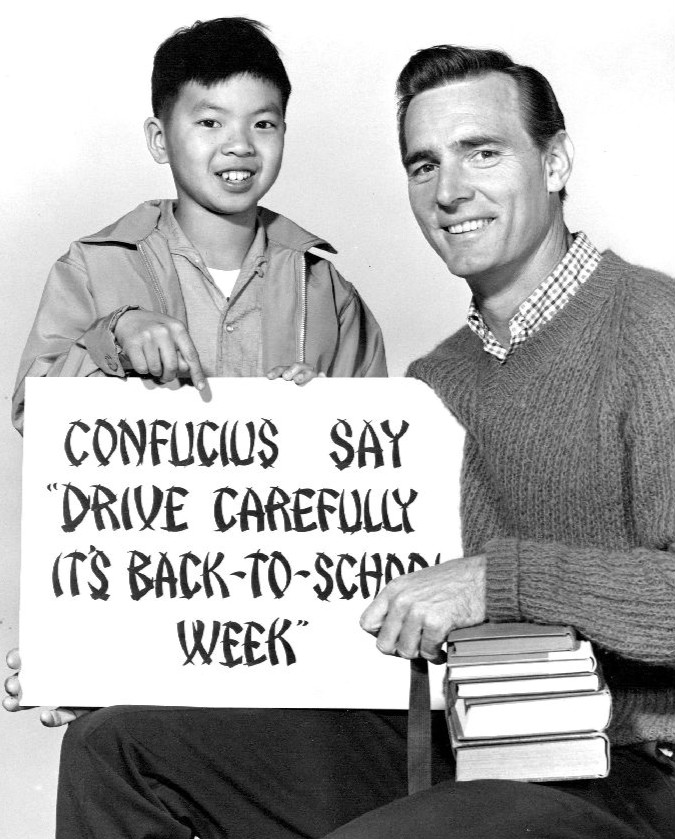
Every other exchange in a 1964 household ran the other way, which is what made this one memorable.
The reversal was total and was rare. A child spent essentially the whole of their life being told, instructed, corrected and sent; the request to supply a spelling put them, for about four seconds, in the position of holding something an adult needed – and that is a position almost nothing else in the period produced.
Children registered the significance instantly. A great many people describe the specific sensation of being asked rather than told, which they can still locate precisely despite the content having been a single word.
Like our content? Follow us for more.
2. You Were Asked Because You Were the Most Recent Authority
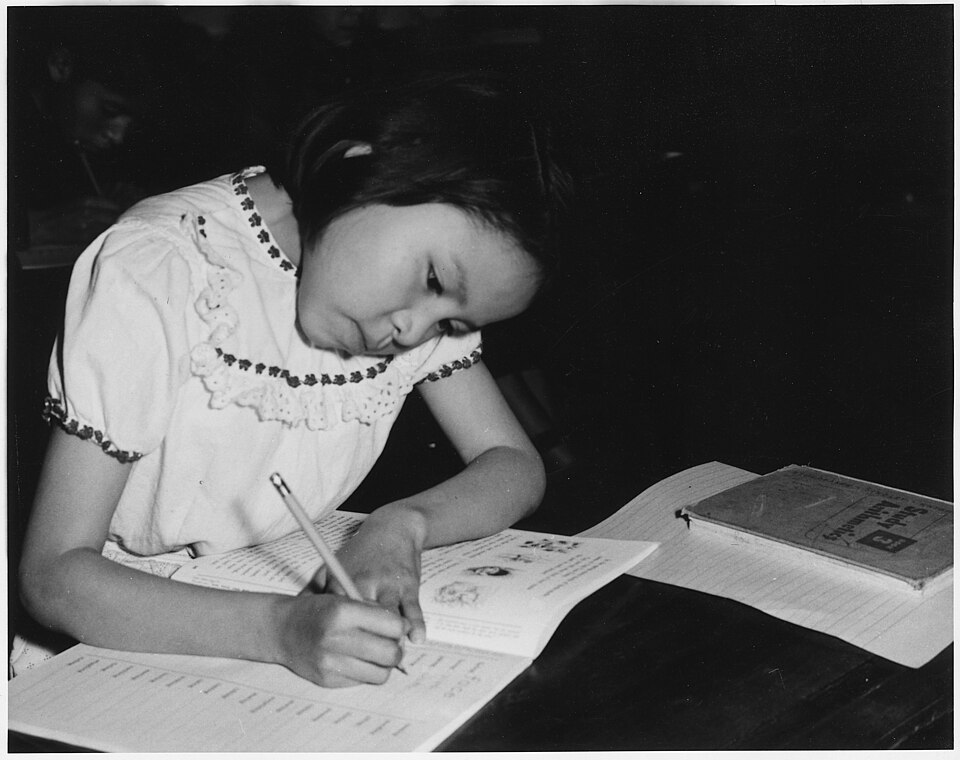
The child’s answer was preferred because their schooling was current.
The logic was sound and was never stated. An adult who had left school twenty-five years earlier and a child who had been taught the word the previous term were not equally reliable on it, and households worked that out and acted on it without anybody describing what they were doing.
This was the one domain where that applied. Children of that period were authorities on nothing else their household needed, which makes spelling a genuinely unusual exception and is probably why the memory is so sharp.
3. The Question Arrived Without Any Warning

There was no preparation and no opportunity to decline.
The request came in the middle of something else. An adult partway through writing something stopped and asked, across a room, at normal volume – and the child had to produce an answer immediately, with no time to think and no way of consulting anything.
The suddenness was the whole difficulty. A child who could have spelled the word perfectly with ten seconds and a pencil frequently could not spell it aloud, cold, on demand, which is a different task entirely and one nobody had practised.
4. Saying It Out Loud Is Harder Than Writing It

The oral form defeated children who could spell the word on paper without difficulty.
The difference is real and was understood by nobody at the time. Writing recruits a motor sequence a child has performed dozens of times; reciting letters is a purely verbal operation with no physical support at all – and the two are not the same skill despite producing the same answer.
Children consequently used their hands. A great many people describe tracing the word on a leg, a table or in the air while reciting it, which is an attempt to recover the motor sequence and was performed entirely unconsciously.
5. You Were Believed Completely and That Was Alarming

The answer was written down without any verification, immediately.
The trust was total and was more unnerving than any scrutiny would have been. A child who had produced a spelling watched an adult commit it to paper at once, with no check, no hesitation and no second opinion – which meant the child’s four-second recall was going into something permanent.
Children felt the weight of it accurately. A great many people describe a specific anxiety at the moment of being believed, which is the opposite reaction to the one the household presumably intended.
6. You Were Frequently Wrong and Nobody Found Out
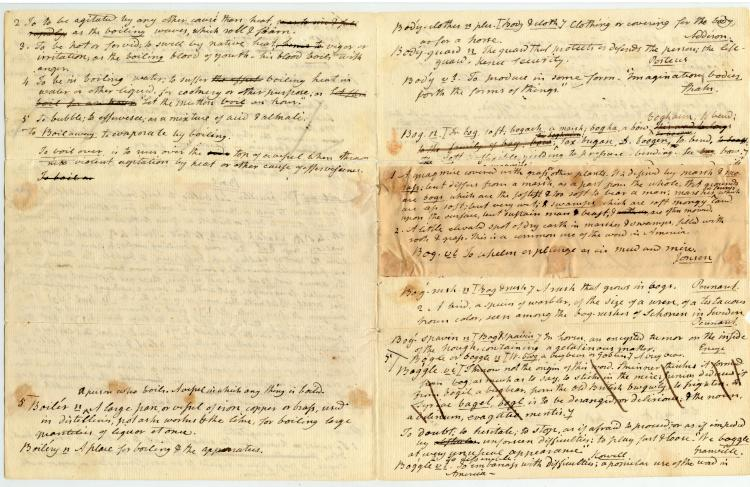
Errors were committed to paper and were essentially never traced back.
The consequence is worth stating plainly. A child’s incorrect spelling went into whatever was being written, was never checked by anybody and produced no feedback of any kind – which means a certain proportion of the written output of 1964 households contained errors supplied in good faith by nine-year-olds.
The children knew they might be wrong. People describe having been uncertain at the time and having said the answer anyway with complete apparent confidence, because hesitation seemed worse than the risk of error.
7. Guessing Was Always Better Than Admitting You Did Not Know
Children produced an answer whether or not they had one.
The calculation was social rather than practical. A child who said they did not know had declined the one thing they had been asked for, in the one exchange where they had been treated as an authority – and that felt considerably worse than being wrong, which would probably never be discovered.
The guesses were not bad. A child applying the patterns they had been taught to a word they had not seen produced something plausible a reasonable proportion of the time, which is exactly what the teaching was for.
8. The Word Was Always Something You Had Not Had

The requests fell outside the vocabulary a child’s schooling had covered.
The mismatch was structural. The words an adult needed were adult words – the vocabulary of whatever they were writing – and the words a child had been taught were the ones appropriate to their age, so the overlap was considerably smaller than the household assumed.
Nobody noticed the gap. Households asked children about words no child of that age could reasonably have been taught, received confident answers, and never established that the authority they were relying on did not extend to the domain they were using it in.
9. Being Asked Twice About the Same Word Was Worse
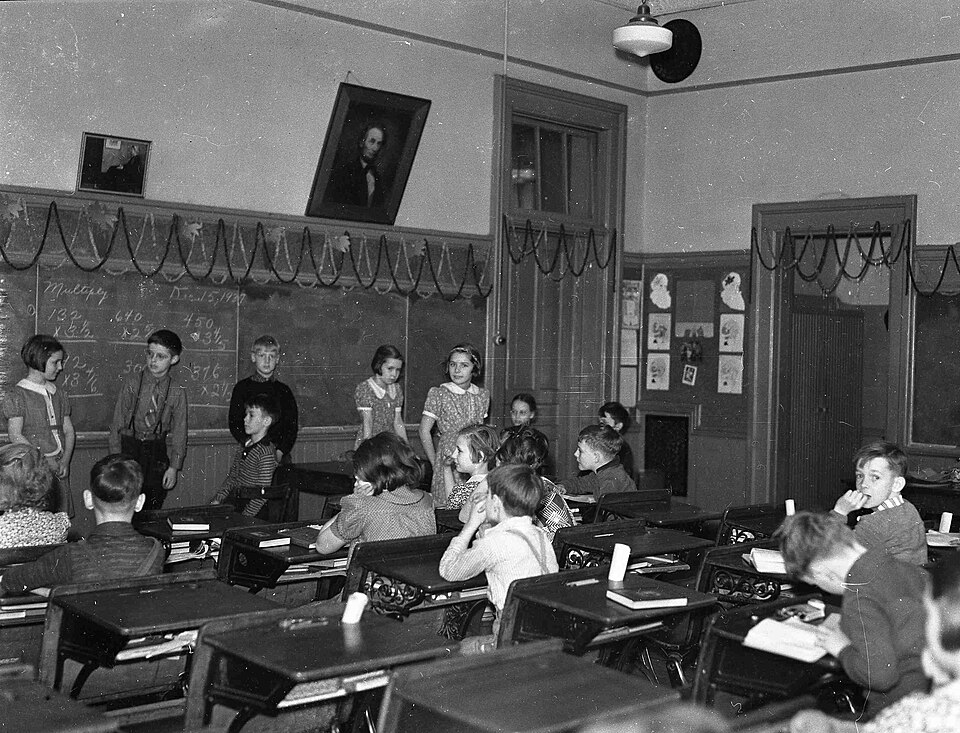
A repeat request suggested the first answer had been doubted.
The inference was usually wrong and was always made. An adult who asked again had generally forgotten rather than doubted, and the child read it as a check – which produced a second answer delivered with considerably less confidence than the first.
The second answer was sometimes different. A child who had guessed once and was asked again produced a different guess often enough to be remembered, which meant the request had surfaced the uncertainty the first answer had concealed.
10. An Older Sibling Was Asked in Preference to You
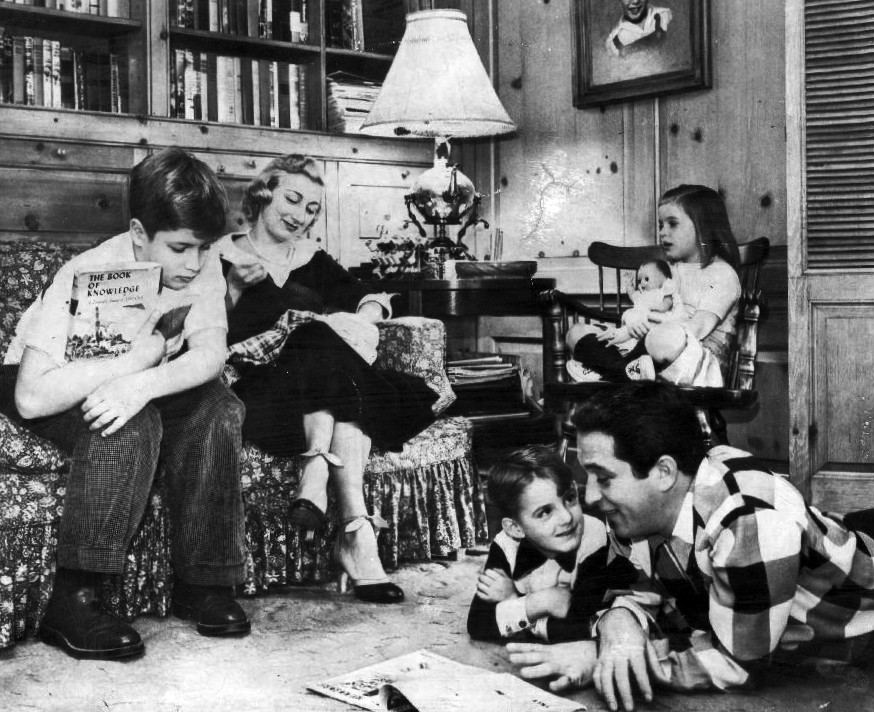
Where more than one child was available, the request went to the oldest.
The hierarchy was obvious and was never discussed. An older child’s schooling was more advanced and their authority was correspondingly greater, which meant a younger child in the same room was passed over – and knew exactly why.
Being asked anyway was significant. A younger child asked in an older one’s presence, or asked after the older one had failed, experienced something people describe sixty years later with complete clarity.
11. You Checked It Afterwards
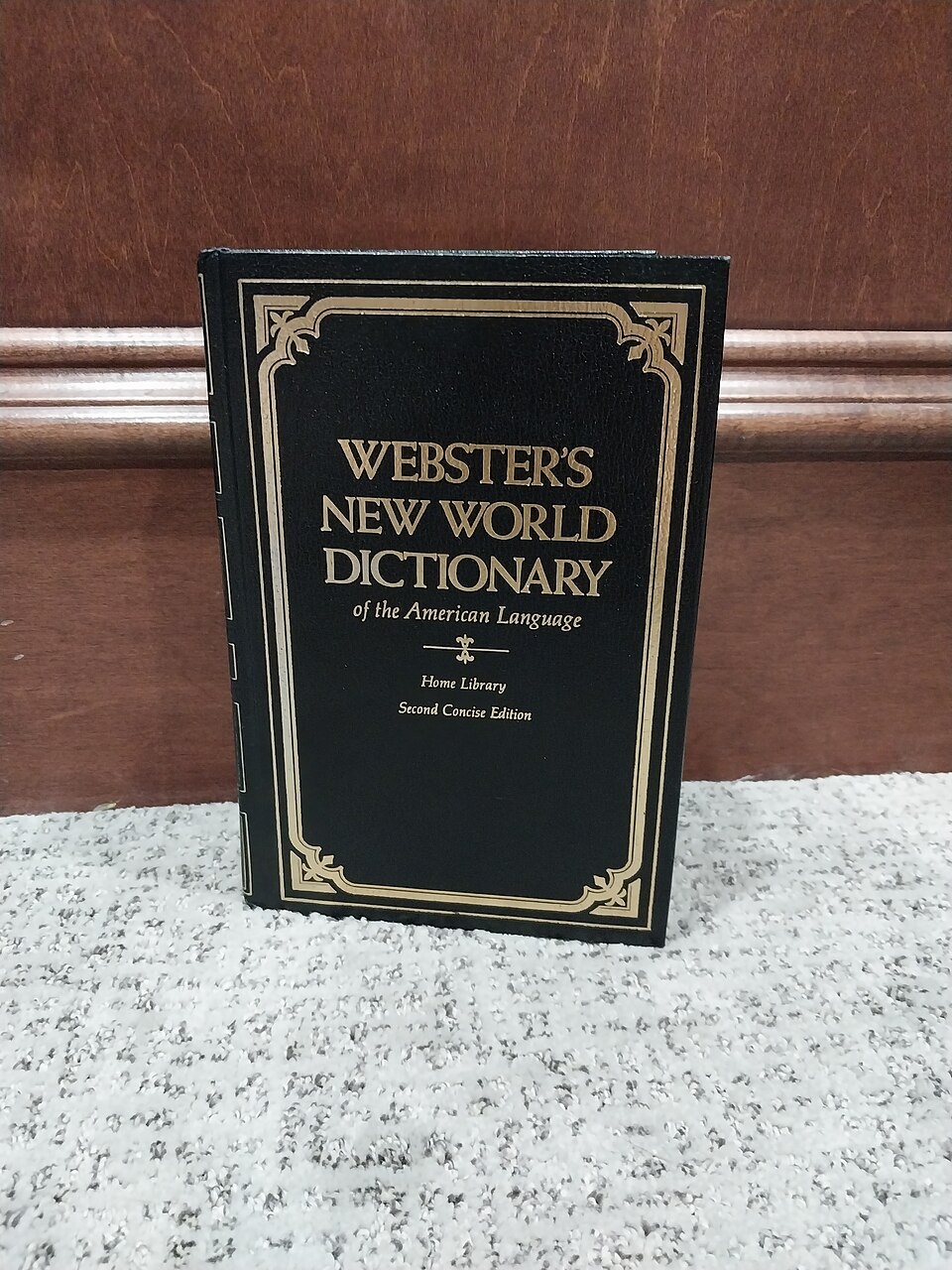
Children established the correct answer later, privately, and told nobody.
The behaviour was consistent and slightly poignant. A child who had supplied a spelling they were unsure of went and looked it up at the first opportunity, found out whether they had been right, and did not mention the outcome to anybody in either case.
Correcting an error was not available. A child who discovered they had been wrong had no means of raising it – the thing had been written, the moment had passed, and saying something would have undone the only occasion on which they had been treated as an authority.
12. It Is Why People of That Generation Are Good at This

The practice produced a durable skill that was never its purpose.
The effect is reported widely and is probably real. People who were asked to spell things aloud, cold, under the pressure of being believed, describe an unusual facility with it as adults – and attribute it correctly to having had to do it repeatedly with no preparation.
The anxiety came with it. A number of people describe still feeling a small jolt when asked to spell something aloud, which is the same response at sixty-eight that it was at nine and has outlasted every practical reason for it.
13. Nobody Ever Said Thank You and Nobody Needed To
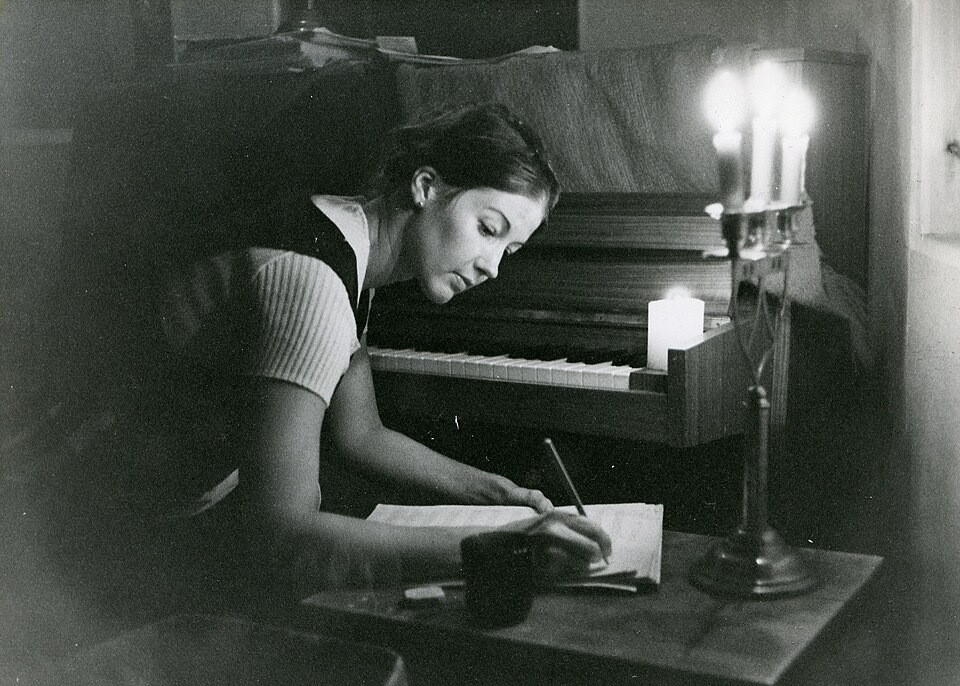
The exchange ended with the writing resuming and no acknowledgement of any kind.
The brevity precluded it. Four seconds of being an authority concluded when the pen moved, and the household returned to its arrangement in which children supplied nothing and were told everything – without anybody marking the transition.
The absence was not experienced as rudeness. Children understood that the request itself had been the acknowledgement, which is a reasonably sophisticated reading and is how a great many people still describe it.
14. Then Nobody Needed Asking
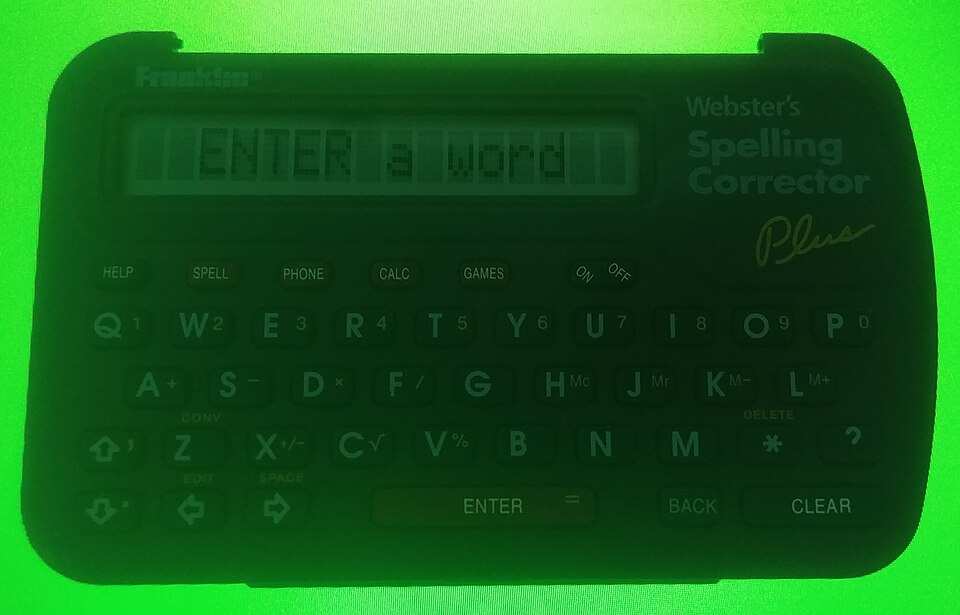
Spelling available on demand, and correction applied automatically, removed the request entirely.
Every part of that is an improvement. Getting a spelling right without depending on a nine-year-old’s four-second recall, and having errors caught rather than committed permanently to paper, are better in every respect.
What went with it is four seconds. The one exchange in a 1964 household that ran from the child to the adult, conducted at speed with no preparation, believed without verification, and remembered sixty years later by people who can no longer recall what the word was.
Why It Was Harder Than It Should Have Been

Read in order, the fourteen identify a genuine difficulty nobody at the time understood. Saying a spelling out loud is not the same skill as writing it: writing recruits a motor sequence a child has performed dozens of times, while reciting letters is a purely verbal operation with no physical support at all. A child who could have spelled the word perfectly with ten seconds and a pencil frequently could not spell it aloud, cold, on demand. That is why so many people describe tracing the word on a leg, a table or in the air while reciting it – an unconscious attempt to recover the motor sequence.
The request’s suddenness compounded it. An adult partway through writing something stopped and asked, across a room, at normal volume, with no warning and no opportunity to decline or consult anything.
The reason children were asked at all is sound and was never stated: an adult who had left school twenty-five years earlier and a child taught the word the previous term were not equally reliable on it. Households worked that out and acted on it. But the overlap was smaller than anybody assumed, because the words an adult needed were adult words from whatever they were writing, and the words a child had been taught were the ones appropriate to their age – so households received confident answers about vocabulary no child of that age could reasonably have been taught, and never established that the authority did not extend to the domain they were using it in.
Which is why guessing always beat admitting ignorance. A child who said they did not know had declined the one thing they had been asked for, in the one exchange where they had been treated as an authority – and that felt worse than being wrong, which would probably never be discovered.
Two things sit underneath all of it. The trust was total and more unnerving than scrutiny would have been: a child watched an adult commit their four-second recall to paper at once, with no check and no second opinion, and a great many people describe a specific anxiety at the moment of being believed – the opposite reaction to the one the household presumably intended. And a certain proportion of the written output of 1964 households consequently contained errors supplied in good faith by nine-year-olds, never checked and never traced back.
Children checked afterwards, privately, and told nobody in either case. Correcting an error was not available: the thing had been written, the moment had passed, and saying something would have undone the only occasion on which they had been treated as an authority.
Like our content? Follow us for more.