

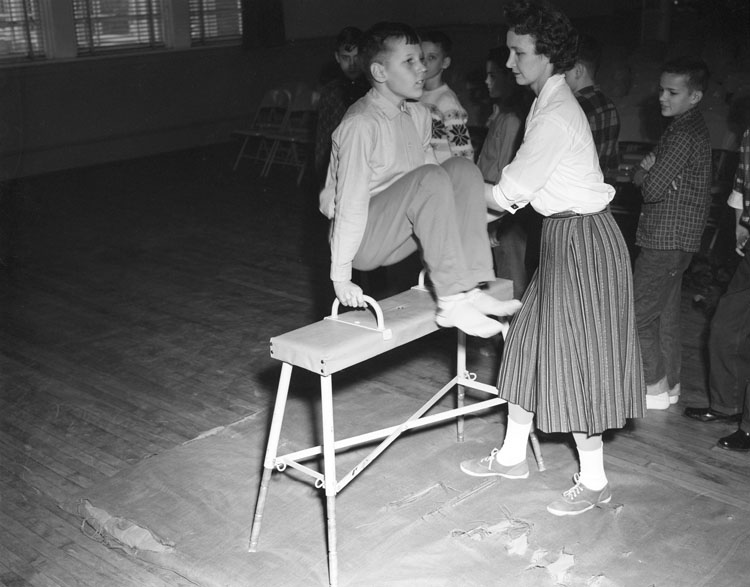
Exercise advice is unusually revealing when you go back to it, because it was delivered with more confidence than almost any other kind of guidance and a great deal of it was wrong. A 1970 American schoolchild was taught a warm-up that did not do what it claimed, a sit-up that has since been removed from the military’s own test, and a stretch now considered pointless, by a coach who would not let them have water.
Some of what follows was a reasonable inference from thin evidence. Some of it was a social position wearing a lab coat. Nothing in this piece is exercise or medical advice, no programme, repetition count, duration or load appears anywhere, and anything concerning a particular person belongs with a clinician. Here are twelve things that changed.
1. Do not drink water during exercise
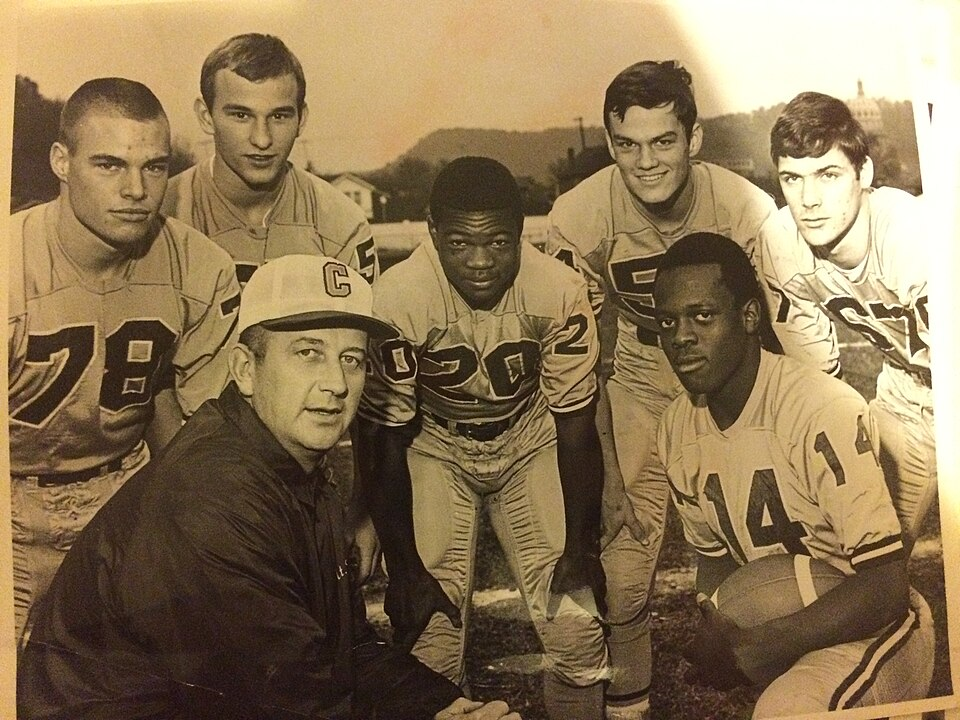
Withholding water during training was standard American coaching practice. Drinking was held to cause cramps, to slow a player down and to indicate a lack of toughness, and water breaks were rationed or refused outright through long sessions in summer heat.
The position reversed completely. Fluid replacement during exercise has been recommended in American sports medicine guidance since the mid-1970s, and withholding water in heat is now understood as a direct contributor to exertional heat illness, which is both serious and preventable.
This is the most dangerous single item on the list and the one that persisted longest in practice, particularly in school and college football programmes in hot states. It is also the clearest case of a belief that served a cultural purpose — demonstrating toughness — dressed up as physiology. Players who asked for water were told they were soft, and the coaches saying it had been told the same thing as players themselves, which is how a practice with no physiological basis propagates through three generations of a sport.
Like our content? Follow us for more.
2. Take salt tablets
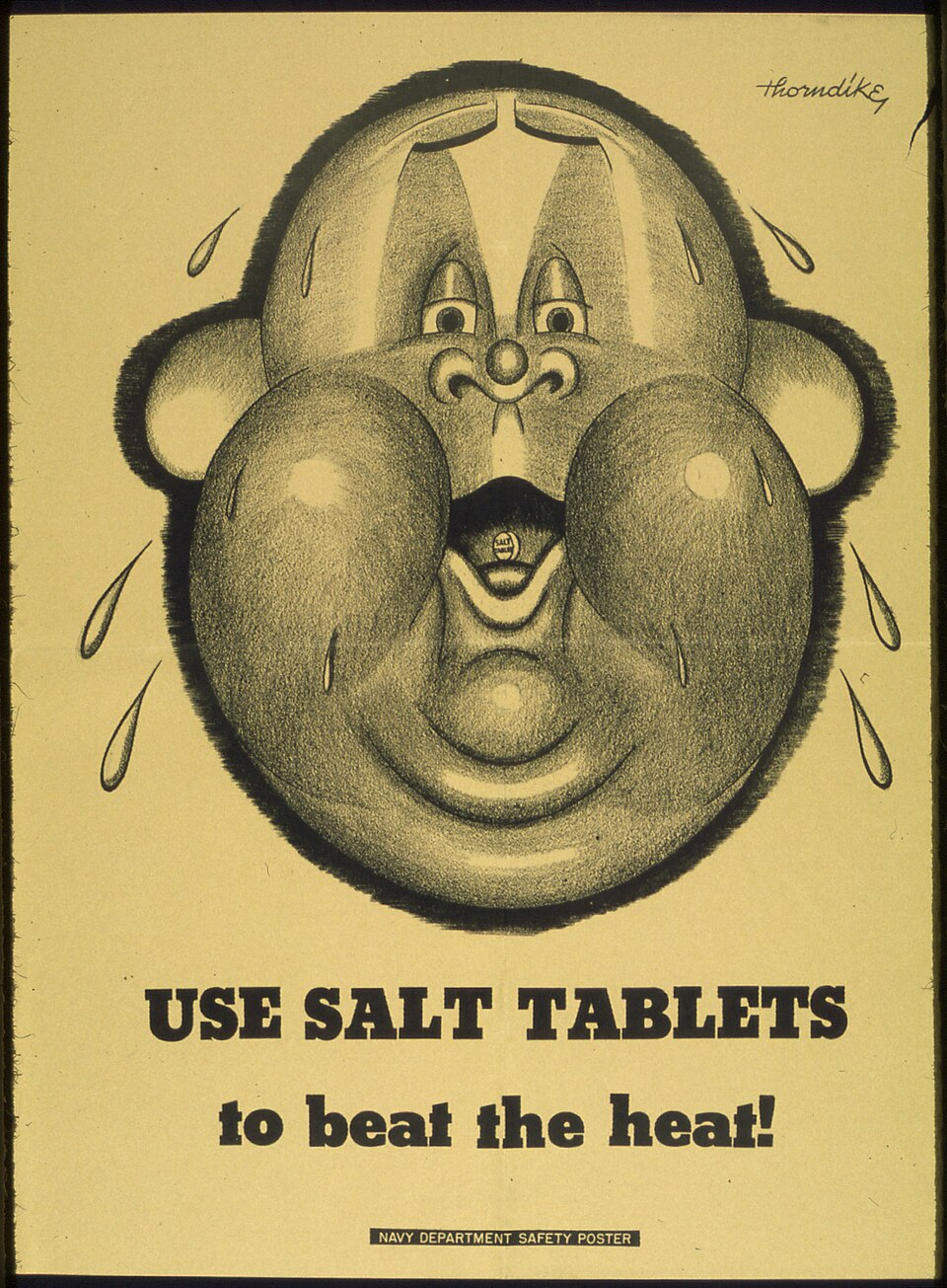
Alongside the water restriction came salt tablets, handed out at practice and taken by distance runners and manual workers, on the reasoning that salt lost in sweat had to be replaced directly and in concentrated form.
Salt tablets are no longer recommended. A concentrated dose of salt without adequate fluid draws water into the gut, causes nausea and can worsen rather than relieve the problem, and electrolyte replacement is now handled through appropriately formulated drinks and ordinary food.
The two items together are a good illustration of a coherent but wrong model. The physiology of sweat loss was partly understood, the conclusions drawn from it were the wrong way round in both cases, and the combination — no water and concentrated salt — was worse than either alone.
3. Bounce into your stretches
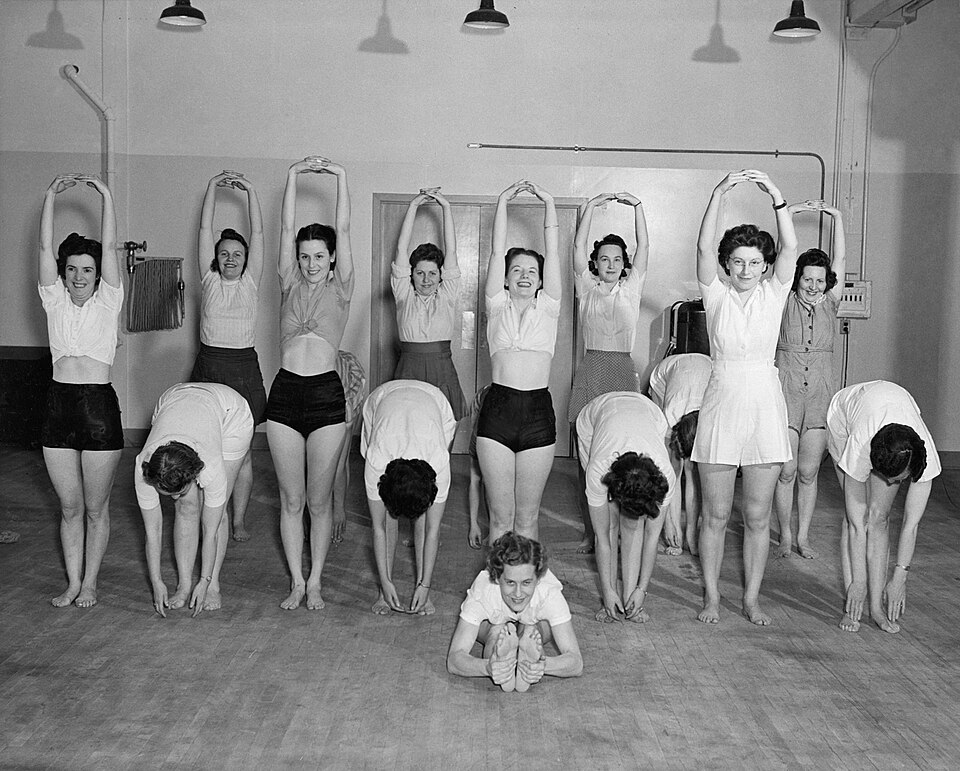
Ballistic stretching, bouncing repeatedly at the end of range to push a muscle further, was how American schoolchildren were taught to stretch, and it was demonstrated by teachers and coaches as the correct technique.
It is now generally discouraged for general preparation, because bouncing triggers a reflex contraction in the muscle being stretched, which works against the intended effect and increases strain risk. Controlled movement through range is the recommended approach.
Ballistic movement has a legitimate place in the preparation of some athletes under supervision, which is worth saying rather than overstating the reversal. What has gone is teaching it to a gymnasium full of twelve-year-olds as the default way to stretch.
4. Stretch thoroughly before you start, to prevent injury
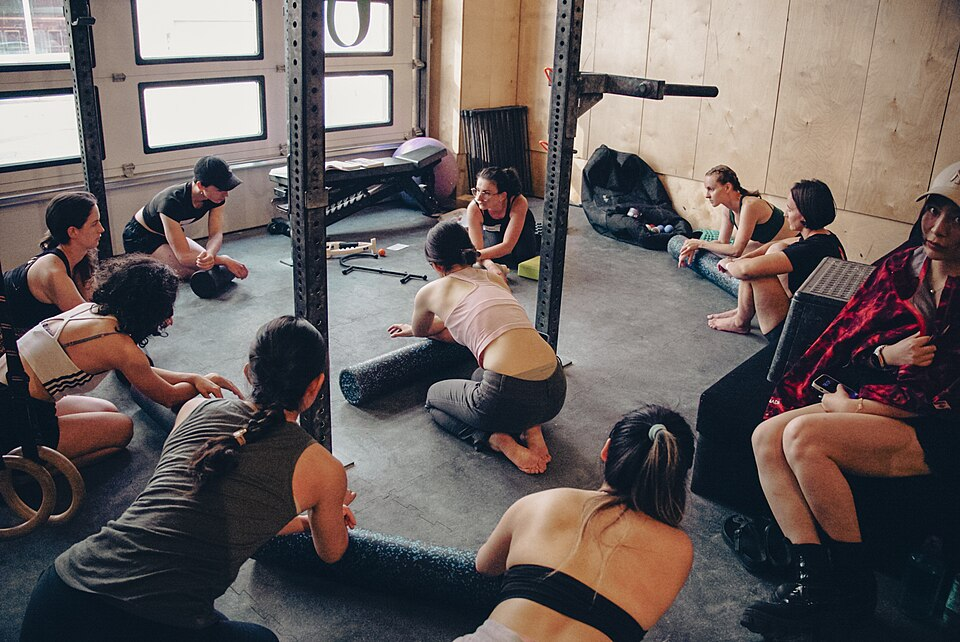
The pre-exercise routine every American schoolchild learned was a sequence of held static stretches, done cold, on the explicit basis that it would prevent injury. It was as settled as anything in physical education.
The research has not supported it. Static stretching immediately before activity has not been shown to reduce injury rates in general, and prolonged static stretching can transiently reduce force and power output. The current recommendation is a dynamic warm-up that raises temperature and rehearses the movements to come.
Stretching itself is not the casualty here and flexibility work retains its place. What was overturned is the specific claim about timing and injury prevention, which is a narrower finding than the way it usually gets reported.
5. Never do a deep squat, because it wrecks the knees

Full-depth squats and deep knee bends were removed from American physical education, from military training and from coaching manuals, on the basis that they stretched the knee ligaments and caused instability. The prohibition was close to universal.
It traces to a specific piece of research published in the early 1960s, which was influential enough to produce a formal recommendation against deep knee bends and a change in military training. Subsequent work did not replicate the finding, and the current position is that full-depth squatting with competent technique is safe and beneficial.
This is the cleanest example in the batch of a single study changing national practice for decades. It was not fraudulent or absurd; it was one piece of work that happened to be wrong, adopted quickly because the conclusion sounded prudent, and it took thirty years to undo. The squat is also now among the most widely used movements in strength and rehabilitation work, which is roughly the opposite of where the prohibition left it.
6. Straight-leg sit-ups, and that stretch with one leg folded back
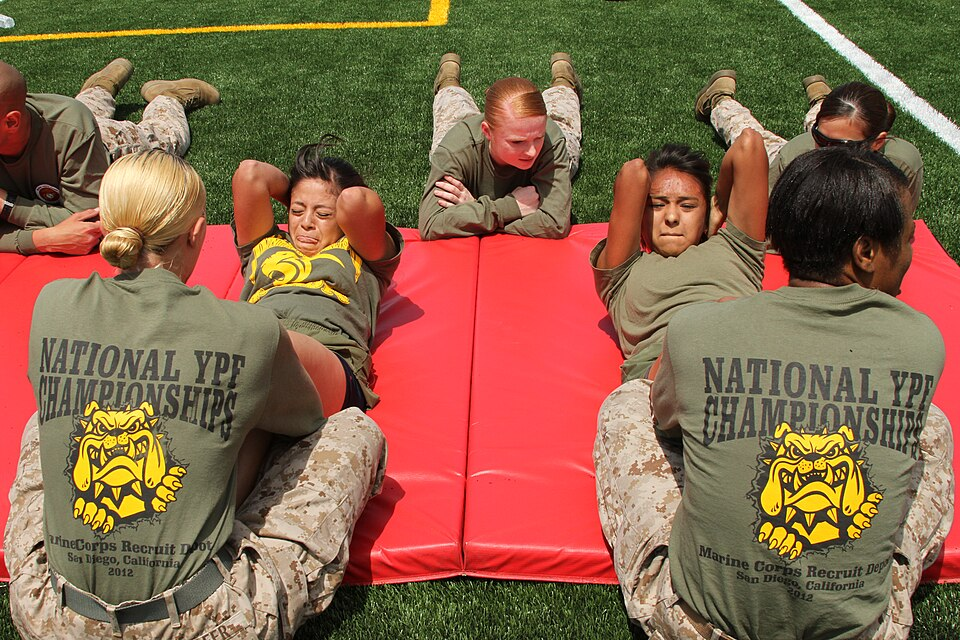
Two staples of the American school gymnasium: sit-ups performed with the legs straight and the hands behind the head, and the hurdler’s stretch, sitting with one leg extended and the other folded back beside the hip.
Both have been dropped from standard programmes. Straight-leg sit-ups with the hands pulling on the neck load the lumbar spine and the cervical spine in ways that serve no useful purpose, and the folded-back leg position places the knee under rotational stress for no flexibility benefit that a safer position does not provide.
The American military’s own fitness testing eventually removed the sit-up altogether in favour of a different trunk assessment, which is about as institutional a reversal as this list contains, given that the sit-up was the test for generations.
7. Women should not lift weights
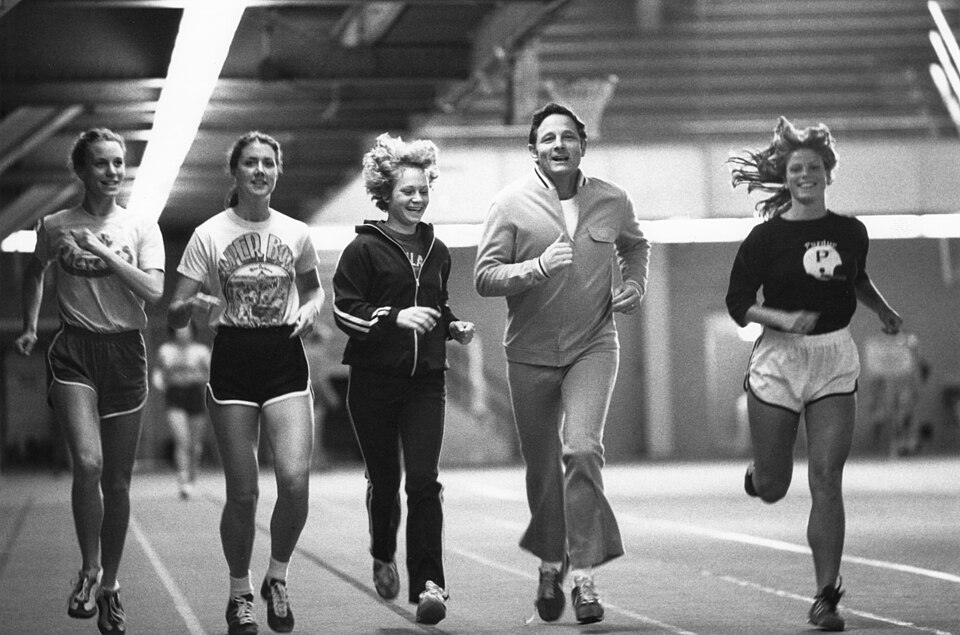
The advice to American women was that resistance training was unsuitable, that it would make them bulky or masculine, and that endurance exercise beyond modest distances was medically inadvisable. Women were formally barred from competing at longer distances in American athletics until 1972.
All of it has been overturned. Resistance training is recommended for women on the same basis as for men, the physiological claims about bulk were simply wrong, and the restrictions in competitive athletics were removed, with the marathon opening to women in the same period.
The medical justifications offered at the time are worth reading now for what they actually were, which was a social position in physiological clothing. The reversal came from women competing and training anyway and demonstrating that the claims were false. The organised resistance and the research arrived in that order, which is unusual and is worth recording accurately.
8. Children should not lift weights
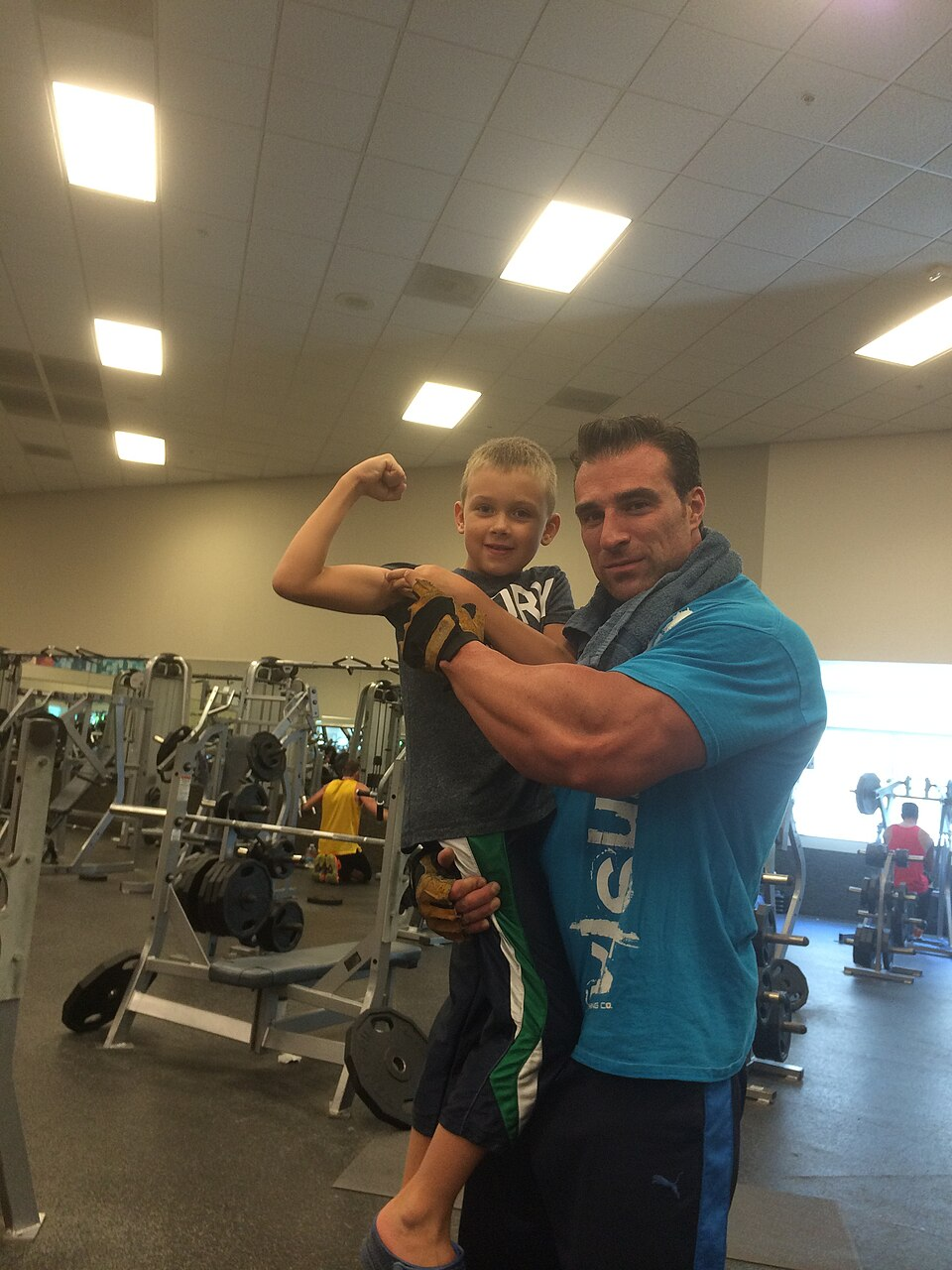
Resistance training was held to be harmful to children, on the specific theory that loading would damage the growth plates and stunt growth. Weights were kept away from American children and adolescents as a matter of settled practice.
American paediatric guidance now supports supervised, appropriately programmed resistance training for children and adolescents, finding benefits for strength, bone health and injury prevention in sport. The growth plate concern was not borne out for properly supervised training.
The caveat matters and the guidance is explicit about it: supervision, technique and sensible progression rather than maximal lifting. The reversal is not that anything goes; it is that the blanket prohibition was wrong.
9. Older people should take it easy

The advice to older Americans was rest, gentle walking and the avoidance of exertion, on the reasoning that strength loss with age was inevitable and that strenuous activity carried more risk than benefit.
This is now one of the most emphatic reversals in the whole field. Work from around 1990 demonstrated that supervised resistance training produced substantial strength gains in people in their nineties, including frail nursing home residents, and resistance training is now a core recommendation for older adults rather than a contraindication.
Nothing else on this list has changed more lives. The old advice accepted frailty as a fact of ageing and the new position treats a significant part of it as a trainable deficit, and the evidence for that is now very strong.
10. Go to bed and stay there, for a bad back
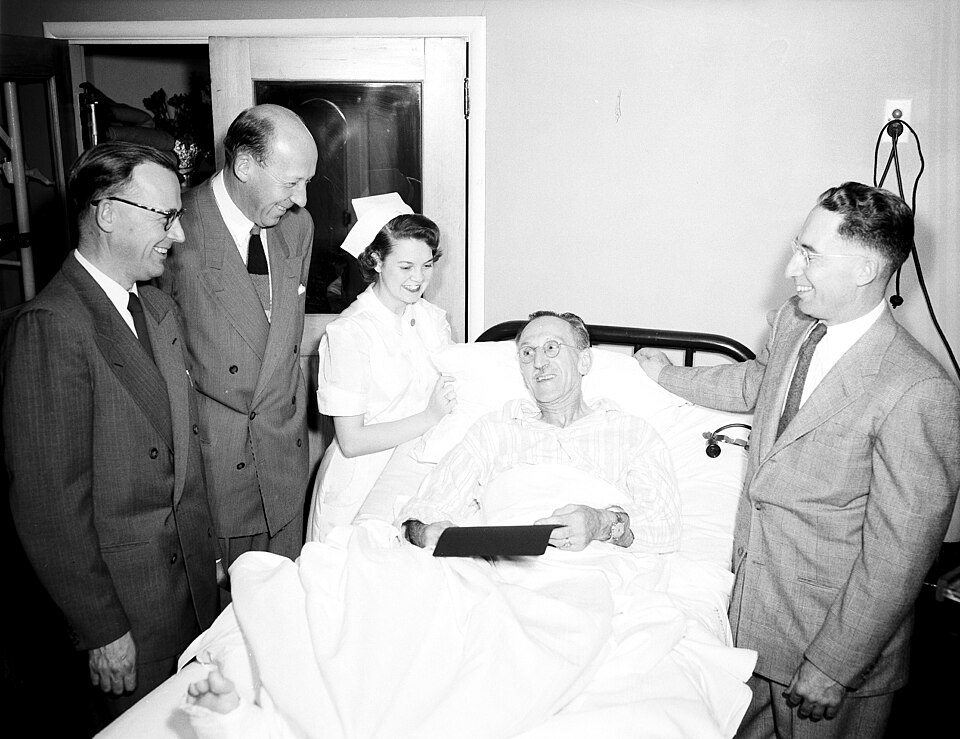
Acute low back pain meant bed rest, prescribed in days or weeks, and it was the standard American medical response for decades. It felt obviously right: the back hurts, so stop using it.
The evidence went firmly the other way through the 1990s. Prolonged bed rest for acute low back pain produces worse outcomes than staying active, with slower recovery and more time off work, and current guidance is to maintain normal activity as far as pain allows.
This is the same shape as several items in this batch. Rest looks like the cautious option and immobility is not neutral; it is an intervention with its own costs. Nothing here is advice about any particular back, which belongs with a clinician.
11. Weeks of bed rest after a heart attack
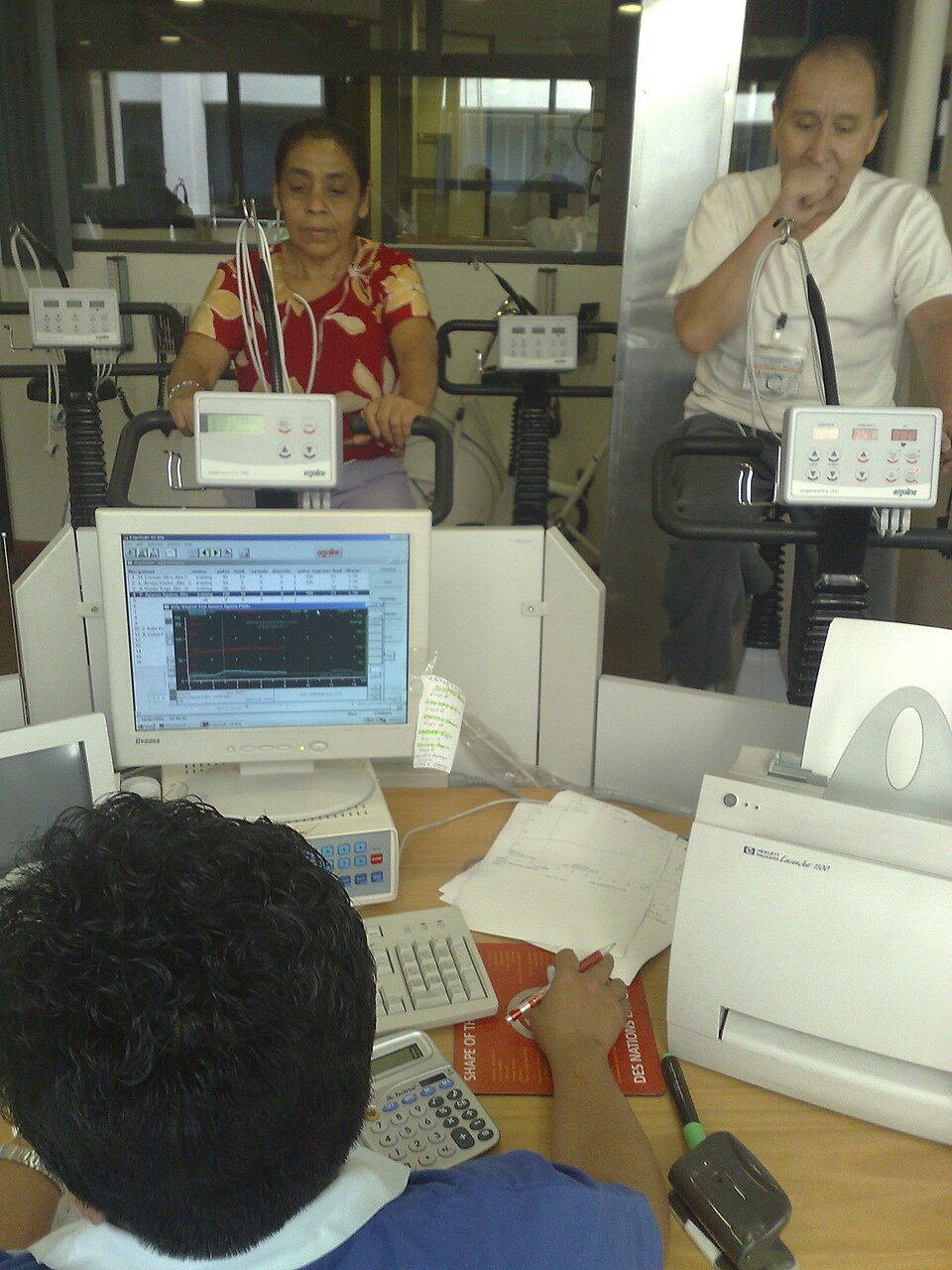
Patients were kept immobile for several weeks following a myocardial infarction, then discharged to a restricted life, with exertion discouraged indefinitely. It was universal and it followed from an entirely reasonable-sounding theory about not stressing a damaged heart.
Early mobilisation replaced it, and supervised exercise-based cardiac rehabilitation became a standard element of care, with substantial evidence of benefit. The modern patient is walking within days and in a structured programme within weeks.
The prolonged bed rest did measurable harm — deconditioning, clot risk, loss of function and a self-fulfilling expectation of invalidity. It is the single most consequential bed rest reversal in medicine and it arrived from the same direction as the others.
12. No pain, no gain
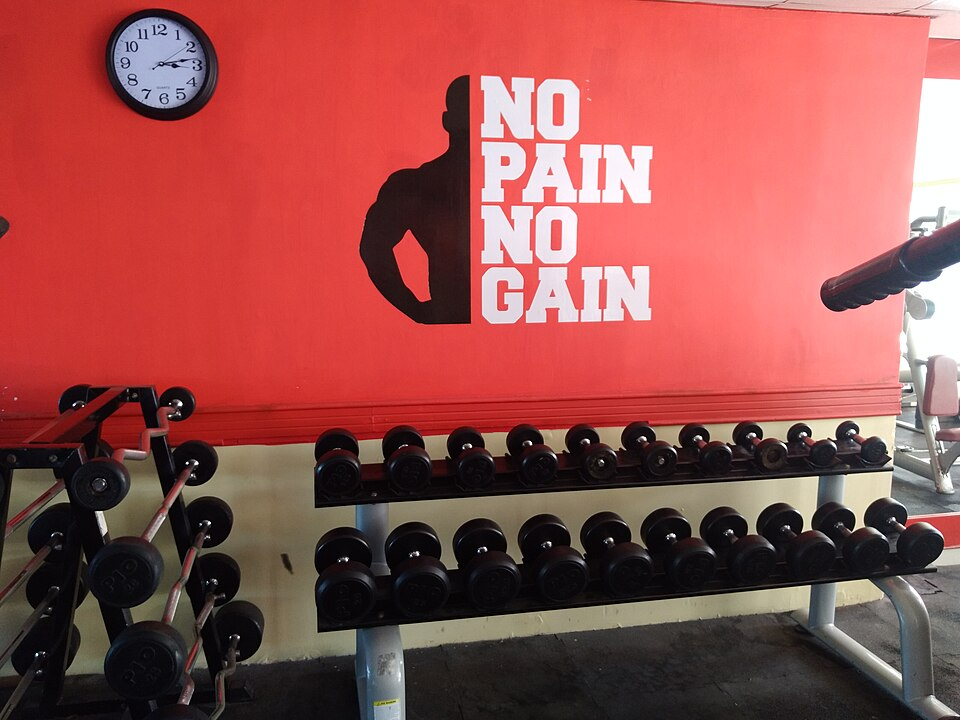
The governing slogan of American exercise culture held that discomfort was the mechanism of improvement and that stopping because something hurt was a failure of will. It was shouted at schoolchildren and printed on gymnasium walls.
Current understanding separates two things the slogan conflated. The effortful discomfort of hard work and the muscle soreness that follows it are ordinary. Pain in a joint, sharp pain, pain that changes how you move or that persists is a signal, and training through it is how a minor problem becomes a lasting one.
The other half of the slogan has also gone. Soreness after exercise was long attributed to lactic acid, which is not the explanation; the mechanism involves mechanical disruption of muscle fibres and the inflammatory response to it. The phrase survives on wall art, and nothing underneath it does.
What the reversals share
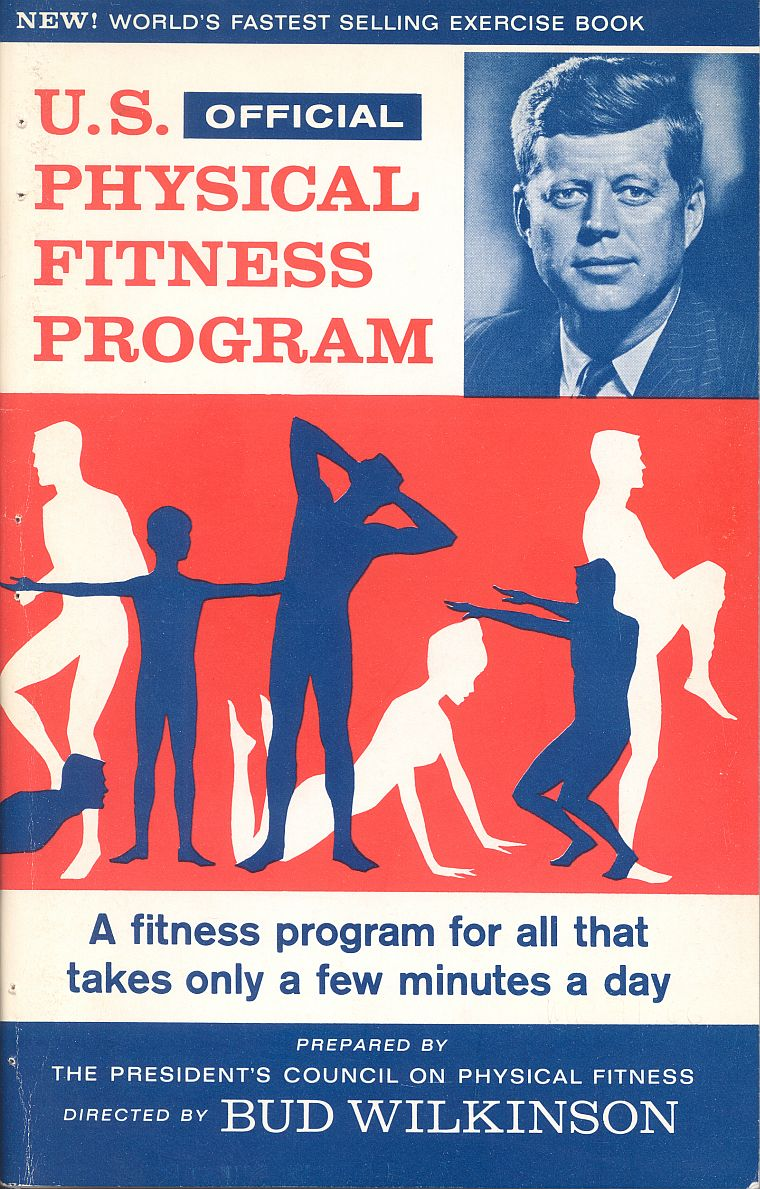
Four patterns. The first is the single influential study: the deep squat prohibition came from one piece of work, spread nationally because the conclusion sounded prudent, and survived for thirty years after the finding failed to replicate. The second is rest as a default — the back, the heart, the older adult — where stopping looked like caution and turned out to be an intervention with costs of its own.
The third is the social claim in physiological language, which is what the advice to women was, and the restrictions in competitive athletics went at the same time as the medical justifications for them. The fourth is the belief that served a cultural function: withholding water demonstrated toughness, and the physiology was assembled afterwards to support it. That last category is the one worth watching for, because it is the hardest to argue against with evidence — the evidence was never what was holding it up.
The most useful thing on this list is also the least dramatic. Three of the twelve reversals — the back, the heart, the older adult — are the same finding arriving in three different specialties: that immobility is not a neutral state and that rest prescribed as caution does measurable harm.
That is probably the single most valuable thing medicine learned about the body in the second half of the century, and in 1970 the advice ran the other way in every one of the three.
Like our content? Follow us for more.
