Here are sixteen things the ambulance crew did in 1960, when the job was defined as transport and the crew were recruited as drivers and attendants. The change since then is the largest in any trade in this series, and it did not come from inside the service. This is history: it contains no first aid, no clinical guidance and nothing anybody should act on.
1. The job was transport, and everybody understood that
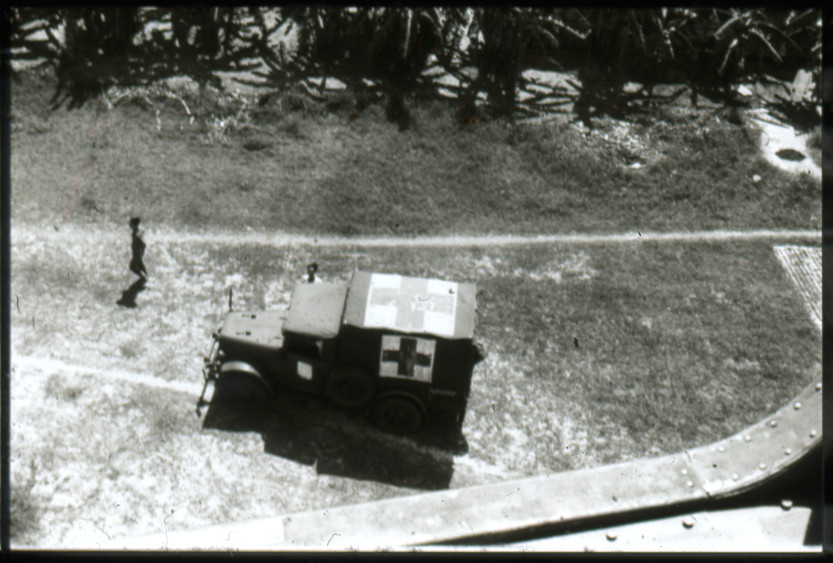
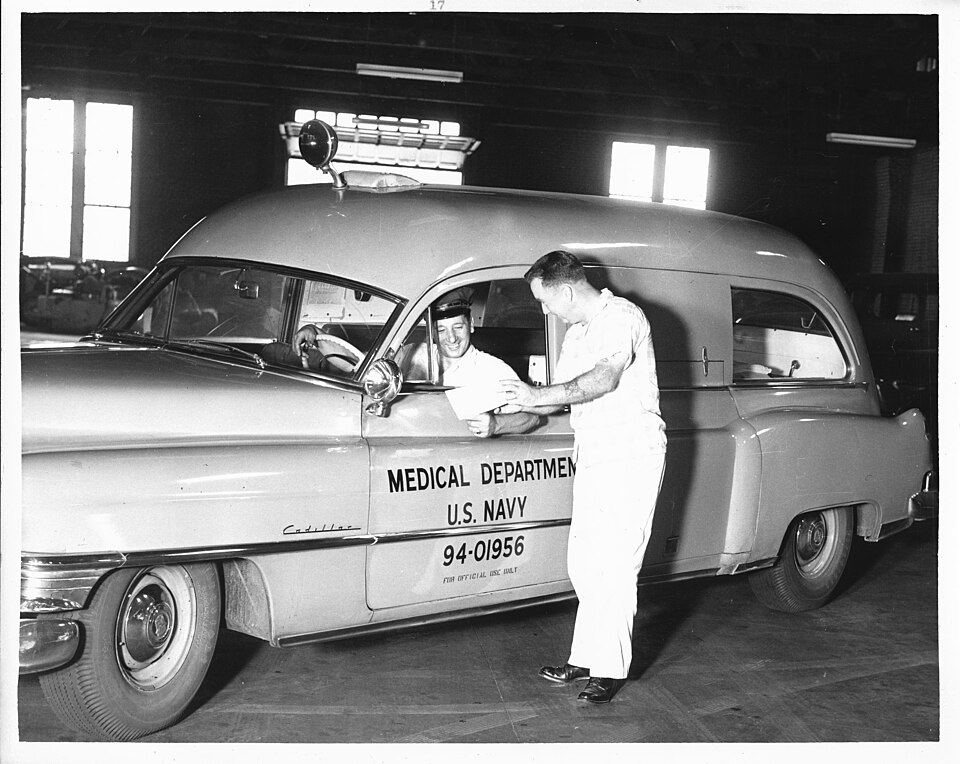
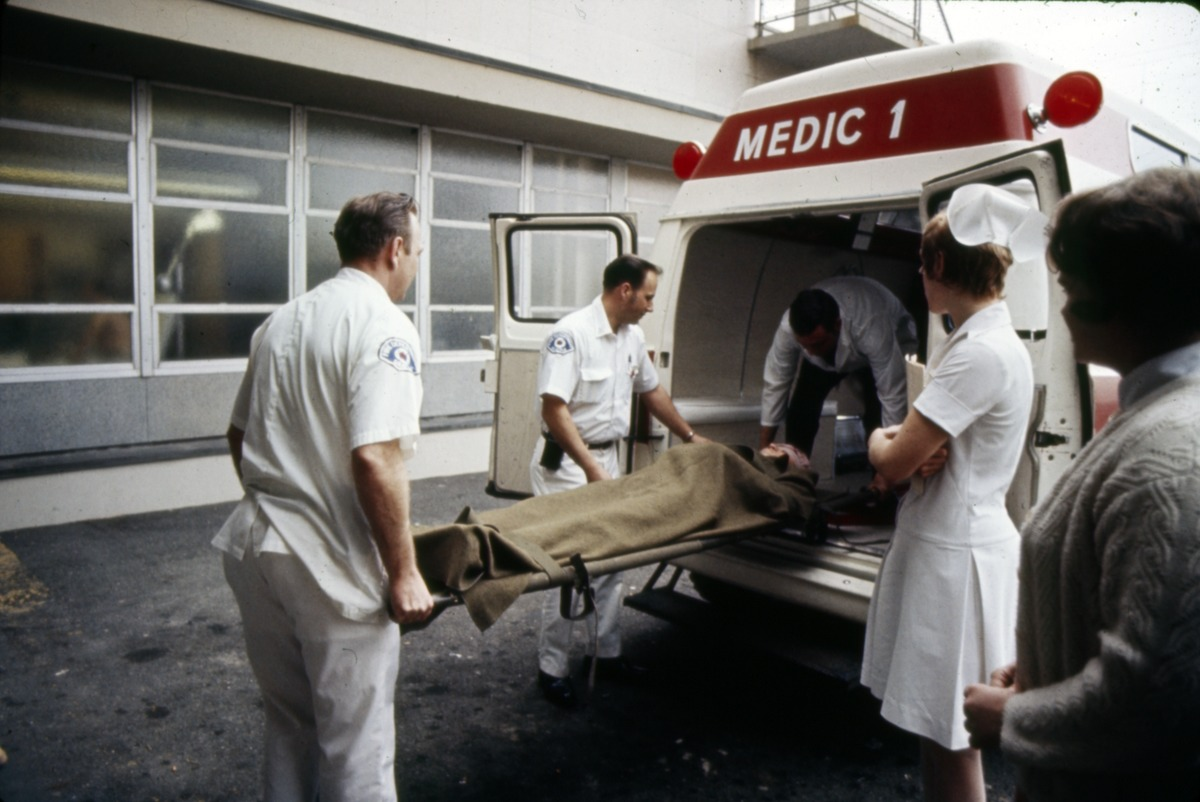
An ambulance in 1960 was a vehicle for moving somebody to a hospital. The crew’s function was to get there, load, and drive, and the service was organised, funded and described on that basis.
That is not a criticism of the men and women who did it. It is a statement of what the role was defined as at the time, and it is the single fact from which everything else in this list follows.
The modern service is defined the other way round: treatment begins when the crew arrives and the journey is one part of a clinical episode. This file is history and contains no first aid, no clinical guidance and nothing anybody should act on.
Like our content? Follow us for more.
2. Crews were not clinicians and were not expected to be
Staff were recruited as drivers and attendants. A first aid certificate was commonly the qualification, obtained over a matter of days, and in some services there was no formal requirement at all.
Training was in lifting, carrying, bandaging, splinting and the handling of a stretcher, and in knowing which hospital to go to. It was practical and it was short.
Paramedic qualification is now a registered healthcare profession reached through a degree-level programme, with a defined and extensive scope of practice, continuing professional development and professional regulation.
3. The equipment list was almost entirely for carrying and covering
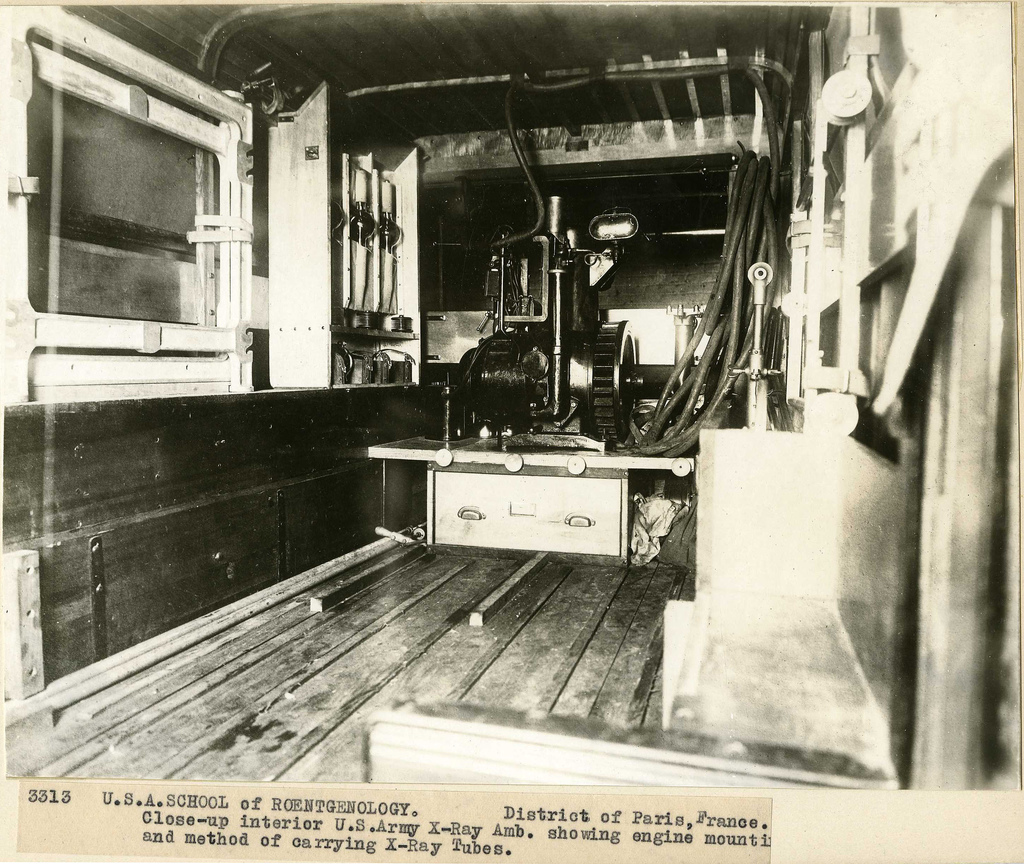
A 1960 ambulance carried stretchers, blankets, a carrying chair, splints, bandages, a bowl and in many vehicles oxygen. That was broadly it.
There was no monitoring equipment of any kind, no means of recording anything about a patient, and nothing that could be described as a treatment capability beyond the oxygen and the dressings.
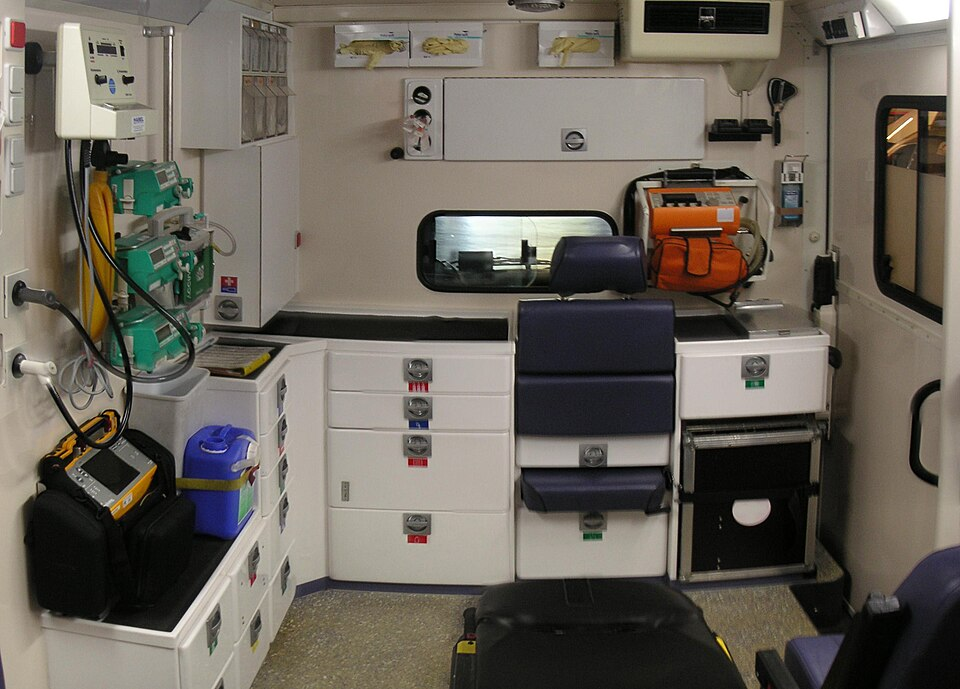
A modern ambulance is a mobile clinical environment and the inventory runs to hundreds of items. Listing them is not this file’s business; the relevant point is that the vehicle changed from a means of conveyance into a place where care happens.
4. A good crew was judged on how fast they drove
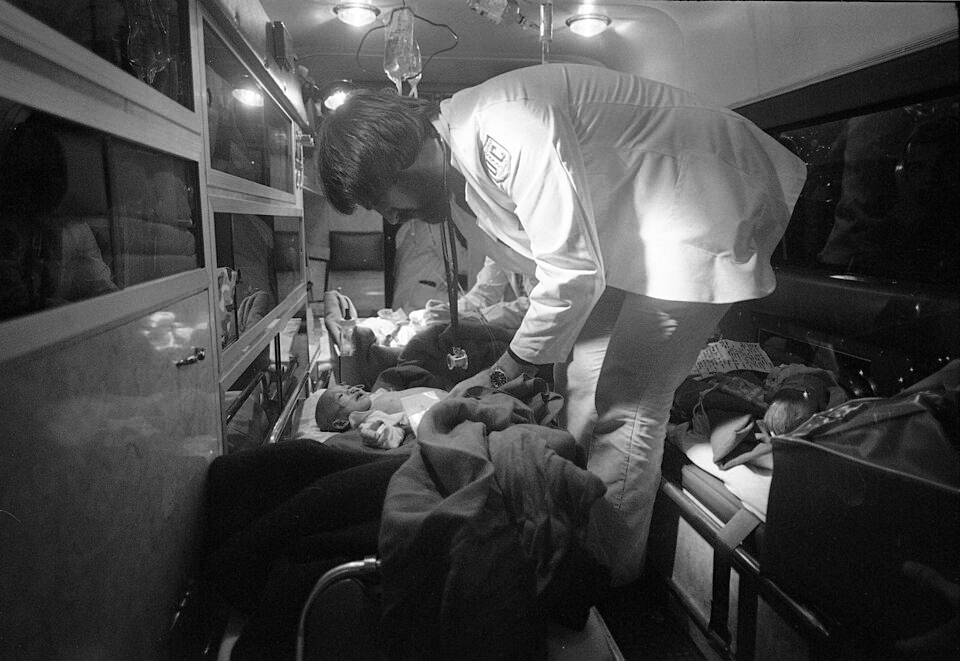
Speed to hospital was the service’s measure of itself, because when the only intervention available is arrival, arrival is the whole of the performance.
That shaped everything: vehicle choice, crew behaviour, public expectation and the culture of the service. Driving was the skill the job was proud of.
The modern measure is a clinical outcome, and for several conditions current practice deliberately spends time at the scene rather than rushing, because what the crew does before moving changes the result. That reversal is the largest single change in the whole subject.
5. Vehicles were adapted vans, and sometimes not even that
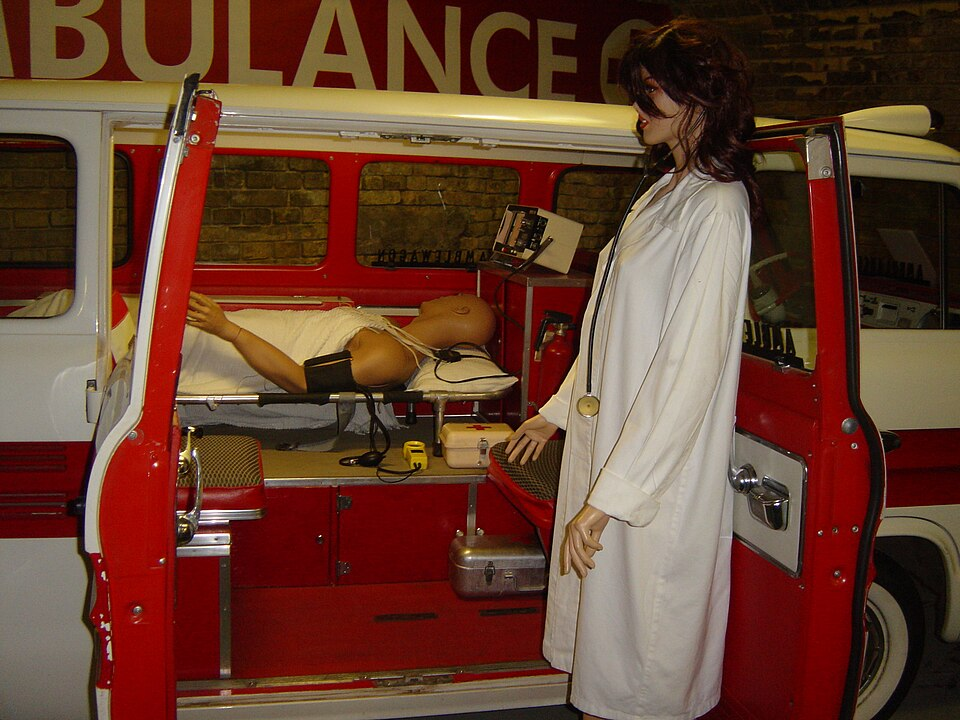
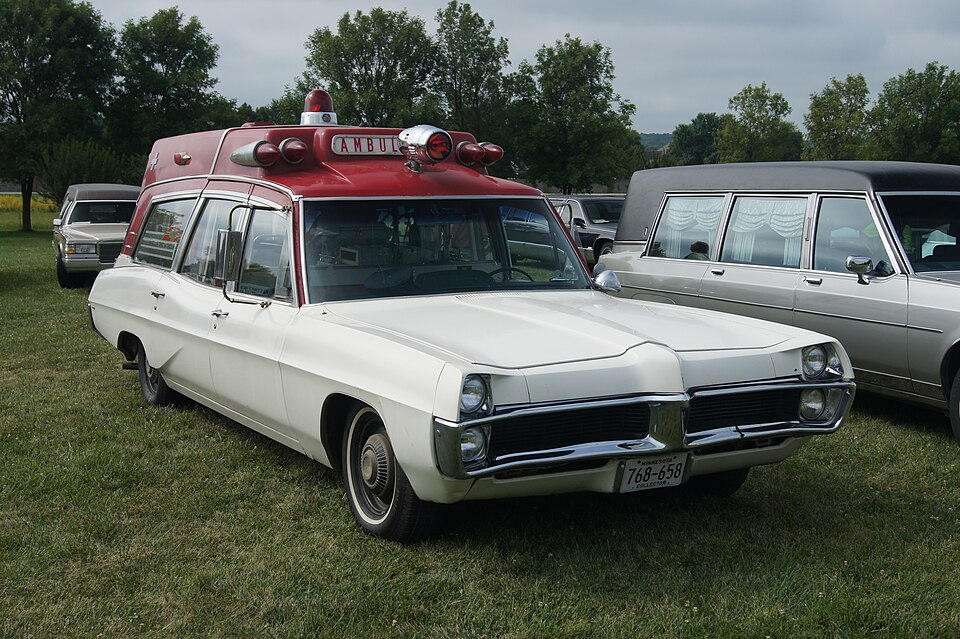
Ambulances were commonly converted vans or estate cars, chosen for being long enough to take a stretcher. Suspension, interior height, lighting, heating and access were whatever the base vehicle offered.
A crew member frequently could not stand up in the back, which matters a great deal if anything needs to be done to a patient during the journey.
Modern ambulances are purpose-built, with a standing-height saloon, a designed and secured equipment layout, independent heating and power, and crash-tested mountings for everything in the vehicle including the stretcher and the crew seats.
6. Lifting was done by two people, by hand, however it had to be
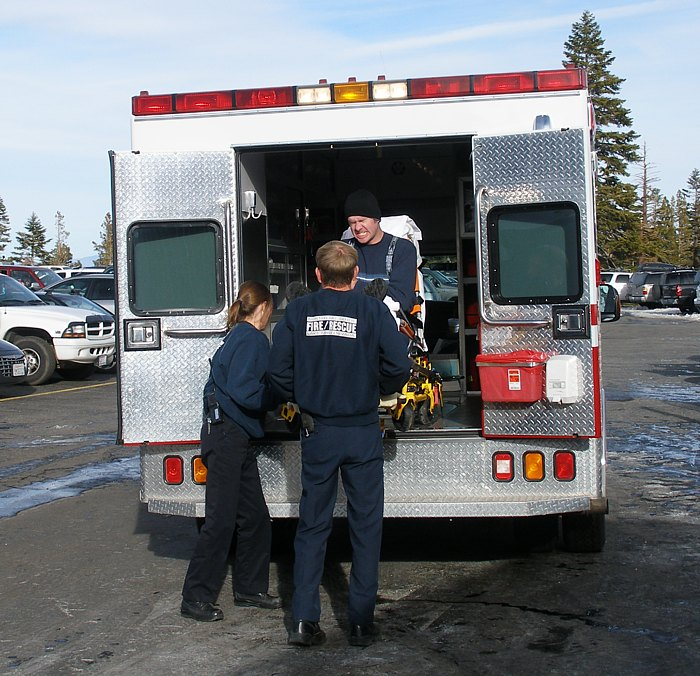
Getting a patient from a bedroom down a narrow staircase, out of a vehicle, or up an alley was a manual problem solved by strength and ingenuity, with a canvas stretcher, a carrying chair or a blanket.
Crews of two did it repeatedly, in confined spaces, at awkward angles, and the long-term consequences for their own backs were well known within the service and not addressed.
Powered stretchers, stair chairs with tracks, carry sheets, scoop stretchers, inflatable lifting cushions and formal manual handling assessment have substantially changed this, and crews are now trained and equipped to avoid the lifts they used to simply perform.
7. Nobody at the other end knew they were coming
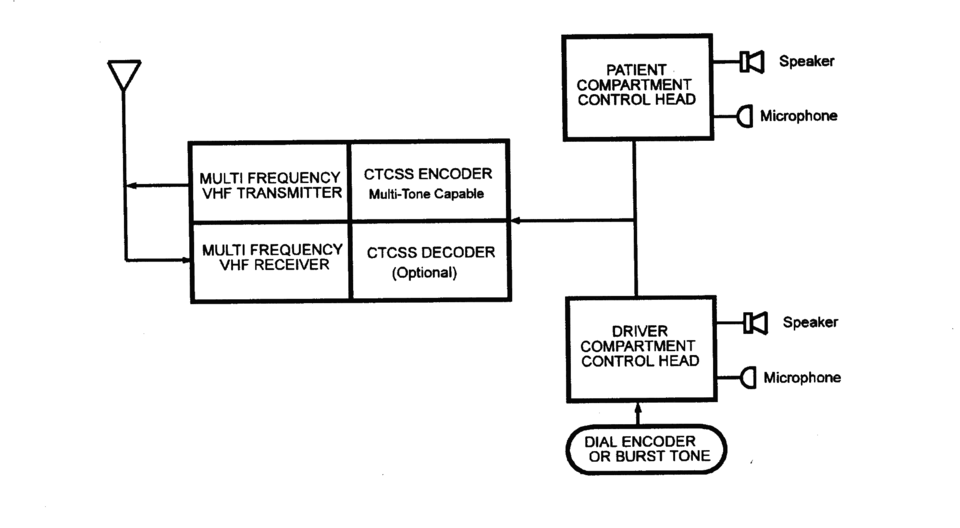
Many services had no radio in 1960, and where radios existed the link was to a control room rather than to the hospital. A crew arrived at a hospital unannounced with whatever they had.
That meant no preparation, no team assembled, no theatre alerted and no decision made in advance about where in the hospital the patient should go.
Pre-alert from the vehicle to the receiving unit is now routine and for several conditions it is a protocol, with the hospital team assembled and the destination chosen before arrival. Communication, not treatment, may be the most consequential addition of the whole period.
8. The nearest hospital was the destination, whatever it had
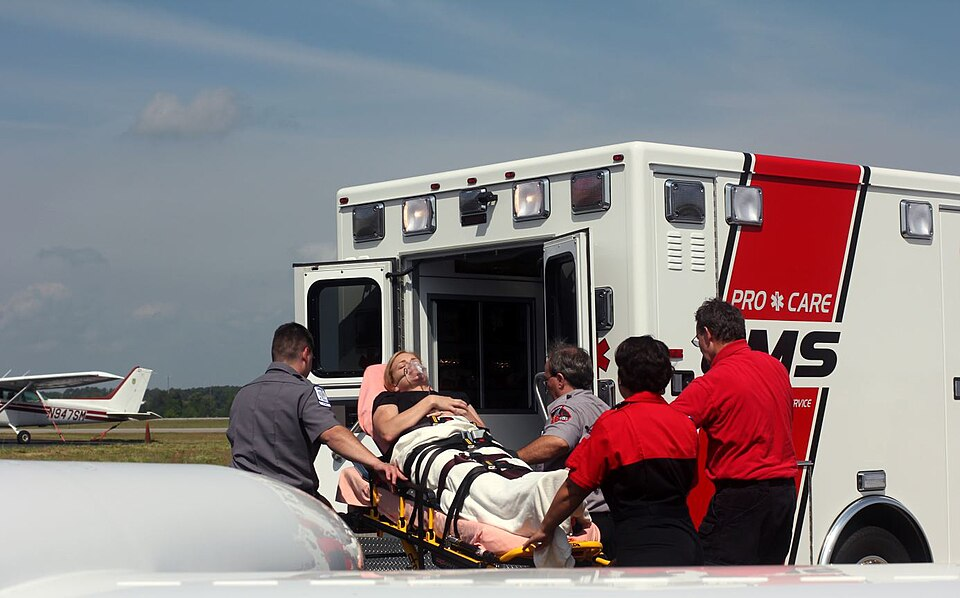
Patients went to the nearest hospital with a casualty department, because distance was the only variable anybody was optimising. Whether that hospital could deal with the particular problem was not part of the decision.
This produced the pattern that defined mid-century emergency care: arrival at a place that then had to arrange a transfer somewhere else.
Modern systems bypass nearer hospitals deliberately to reach a specialist centre for defined conditions, on the evidence that the extra travel is outweighed by the capability at the other end. That principle did not exist in 1960 and is now fundamental.
9. There was no triage before the vehicle was sent
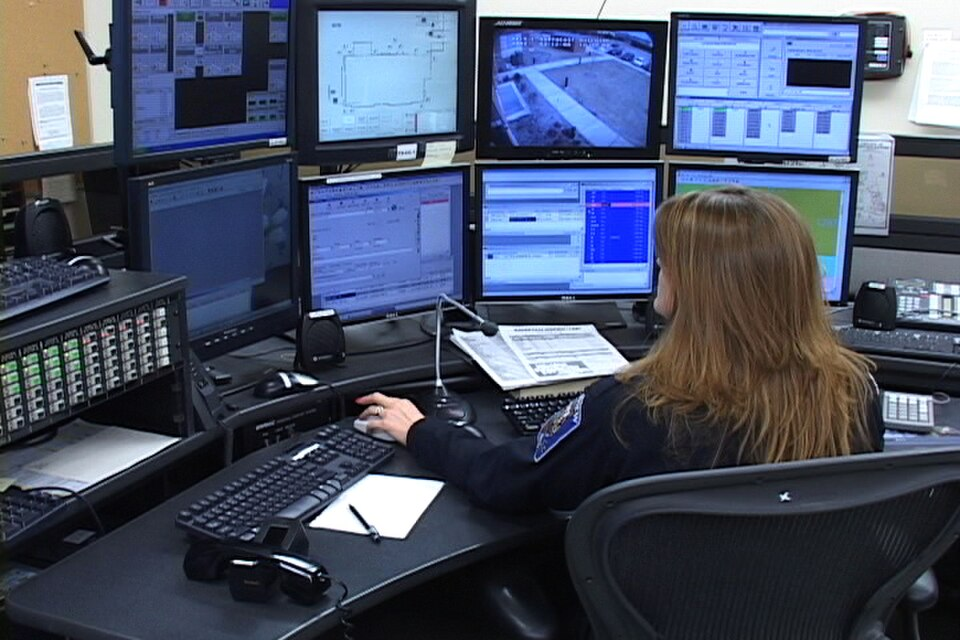
A call for an ambulance produced an ambulance. There was no structured questioning of the caller, no categorisation of urgency and no allocation of different resources to different problems.
Control rooms dispatched on availability and location, and the information a crew had on arrival was frequently an address and nothing else.
Structured call triage, clinical questioning of callers, categorised response, telephone advice, and the dispatch of different resources — a car, a practitioner, a crew, an aircraft — to different problems is the layer that was added, and it reshaped the service more than any piece of equipment.
10. Routine patient transport and emergencies were the same service
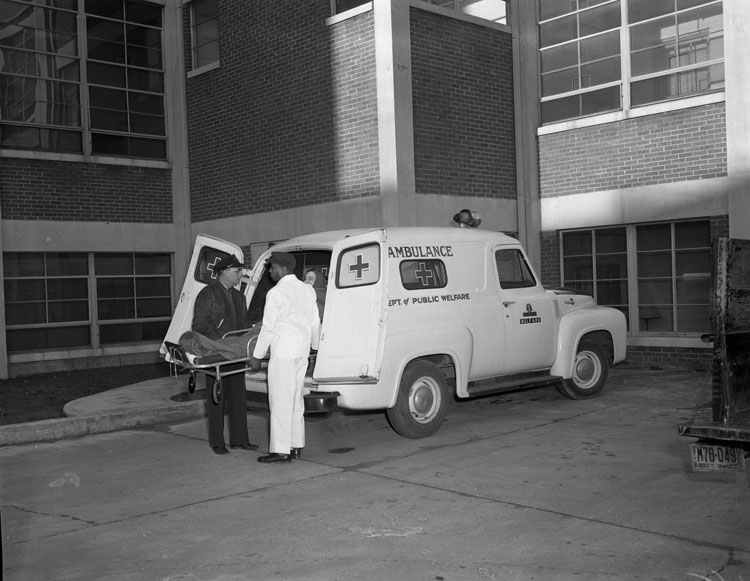
The same vehicles and crews moved outpatients to appointments and attended emergencies, with the timetable of the first interrupted by the second.
That was efficient in one sense and meant that emergency capacity was whatever was not currently carrying somebody to a clinic.
The two functions are now separated, with distinct fleets, distinct staffing and distinct booking systems, because they are different jobs with different skills and the mixing of them was limiting both.
11. Who provided the service varied enormously and sometimes strangely
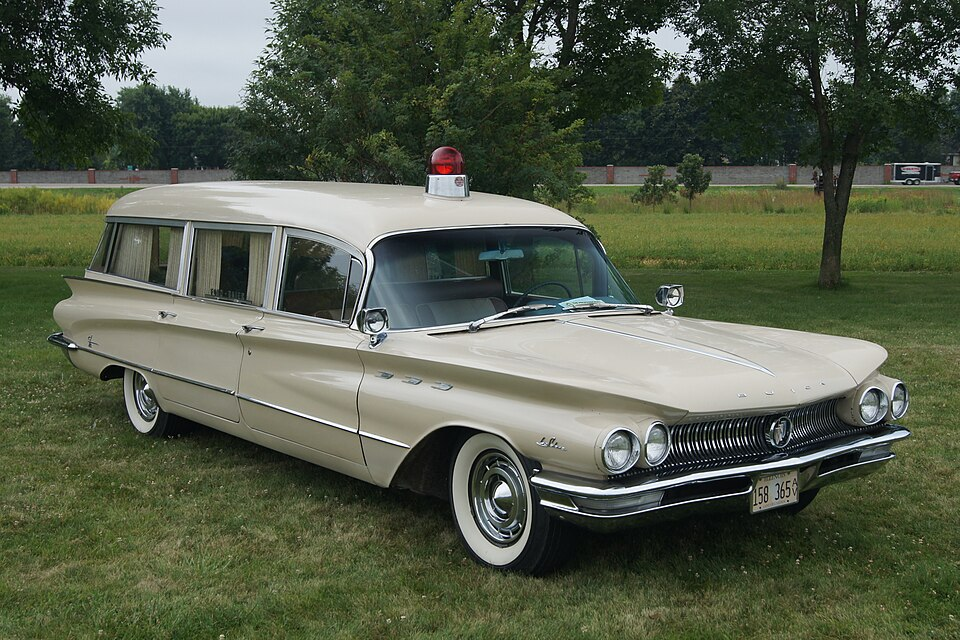
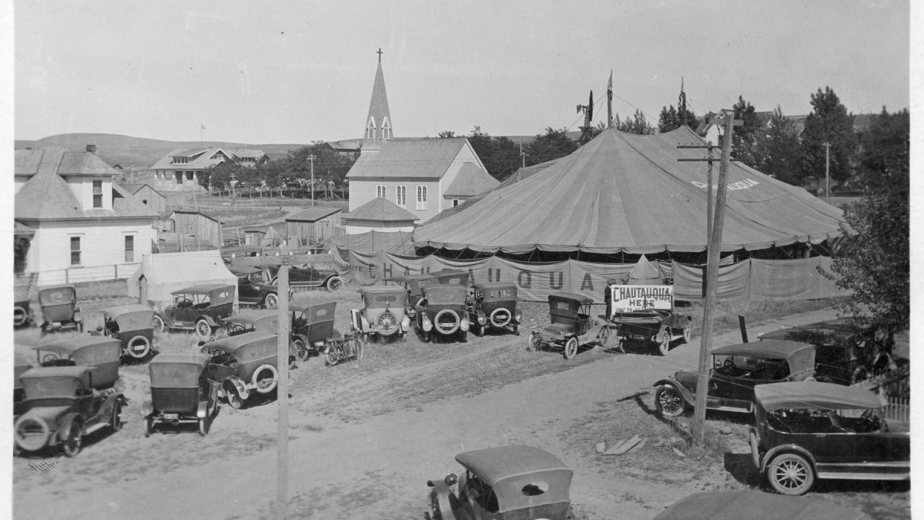
Provision in 1960 was a patchwork. Municipal services, hospital-based services, volunteer and charitable brigades and, in parts of the United States, funeral directors operated ambulances, because they already owned a long vehicle and staff who were used to being called out at night.
Standards therefore varied by locality in ways the public had no way of knowing about, and a town’s emergency capability was essentially an accident of local history.
Nationally or regionally organised services with uniform standards, specifications and clinical governance replaced that patchwork over the following two decades in most countries, which is a less interesting story than funeral directors with ambulances and a far more important one.
12. In much of the United States the service was segregated
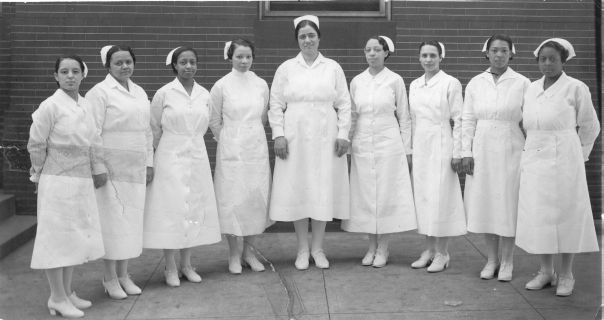
Ambulance provision in a large part of the country operated under segregation, with separate services, separate crews and in some places refusal to convey, and the quality and availability of what was provided differed accordingly.
That is documented history rather than an incidental detail, and an account of what emergency care was in 1960 that leaves it out is not an accurate account.
The reorganisation of emergency services from the late 1960s onward happened alongside and after the legal changes that ended formal segregation, and the two histories are connected.
13. Crews worked long shifts with no clinical support behind them
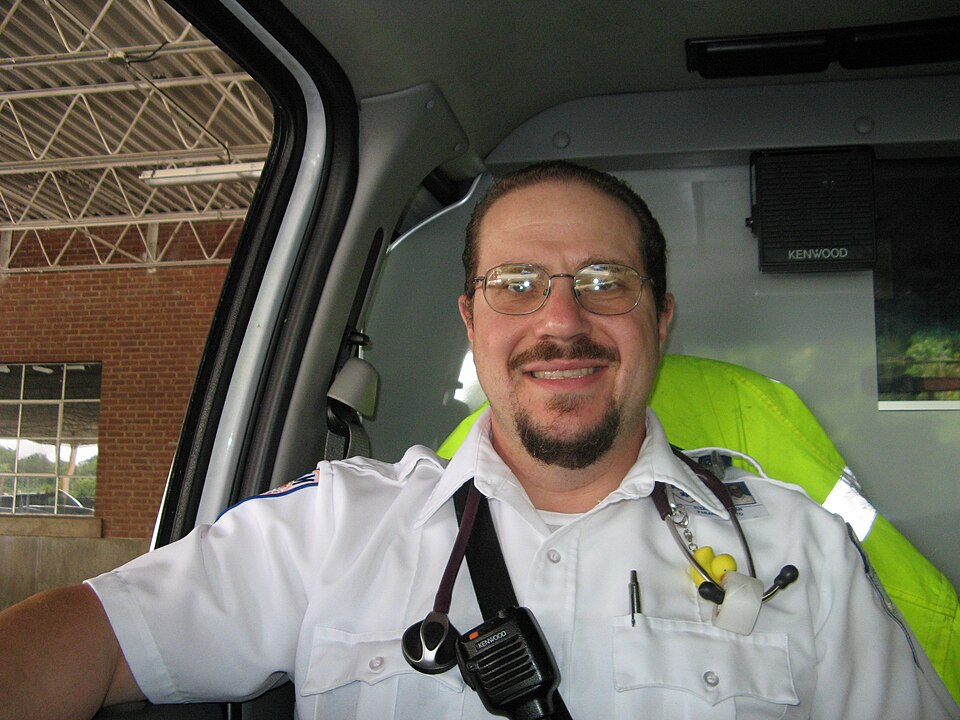
Shifts were long, frequently on a station with sleeping accommodation, and a crew on a call had nobody to consult. There was no clinical advice line, no supervisor to call and no protocol to follow.
Decisions about what to do were made by two people with a first aid certificate between them, alone, at the roadside or in a front room.
Clinical protocols, remote clinical advice, senior clinicians in control rooms and on-scene support are now standard, and the principle that a crew should never be the only clinical judgment available is built into how services are designed.
14. There was no record of what happened
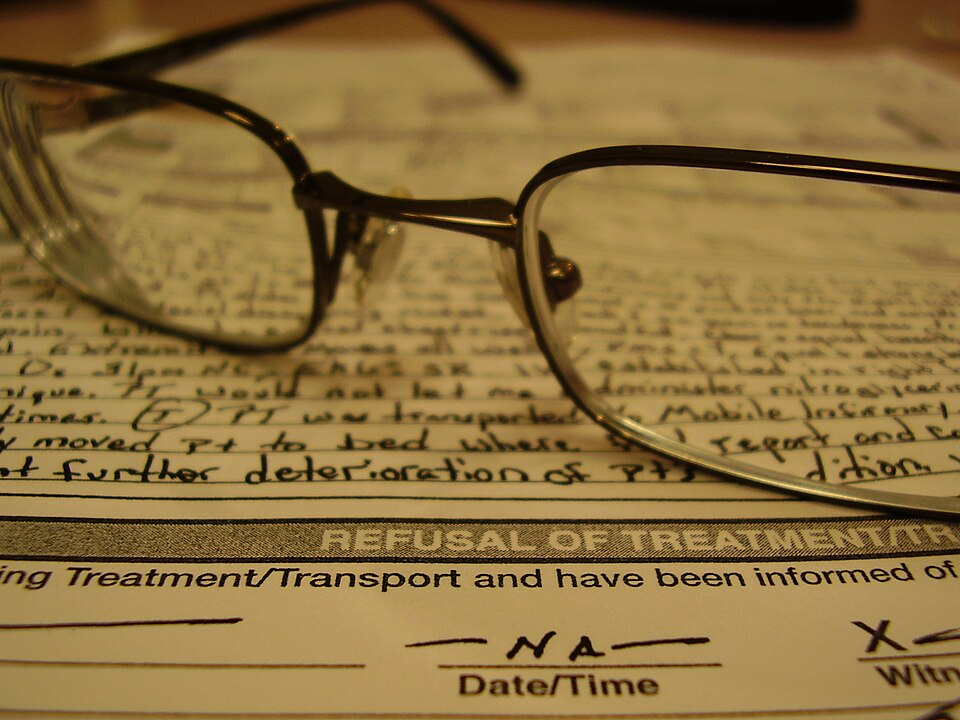
No patient record was created by the crew, no observations were taken and nothing was handed over in writing. What the hospital learned was whatever was said in a corridor.
Without records there is no audit, no case review, no research and no way of knowing whether anything the service did made any difference to anybody.
Electronic patient records generated in the vehicle, transmitted ahead and retained, plus national clinical audit and registries for specific conditions, are the foundation everything else rests on, and their absence is why the 1960 service could not have improved itself even if it had wanted to.
15. The transformation came from outside the service
The change began with reports and research in the late 1960s and early 1970s demonstrating that what happened before hospital affected outcomes, and that crews could be trained to do far more than they were doing.
Pre-hospital care became a field of study, programmes trained the first paramedics, and services were reorganised around a clinical rather than a transport purpose, over roughly two decades.
This file deliberately names no report, programme, city or individual. The relevant point is that the trade did not reform itself from within; the case for change was made by people outside it, on evidence, and the service was rebuilt around it.
16. And what the men and women of 1960 should be credited with
They did the job they were given, with what they were given, and they did it in people’s houses at three in the morning for modest pay. The limitation was in how the role was defined, not in them.
A great many of them became the first generation of trained ambulance staff and then the first paramedics, and the professionalisation of the service was carried out substantially by the people already in it.
Nothing in this file is first aid guidance, clinical advice or instruction of any kind, and nobody should take anything from it except history. In an emergency the only correct action is to call the emergency services.
Why this one is different from every other trade in this series
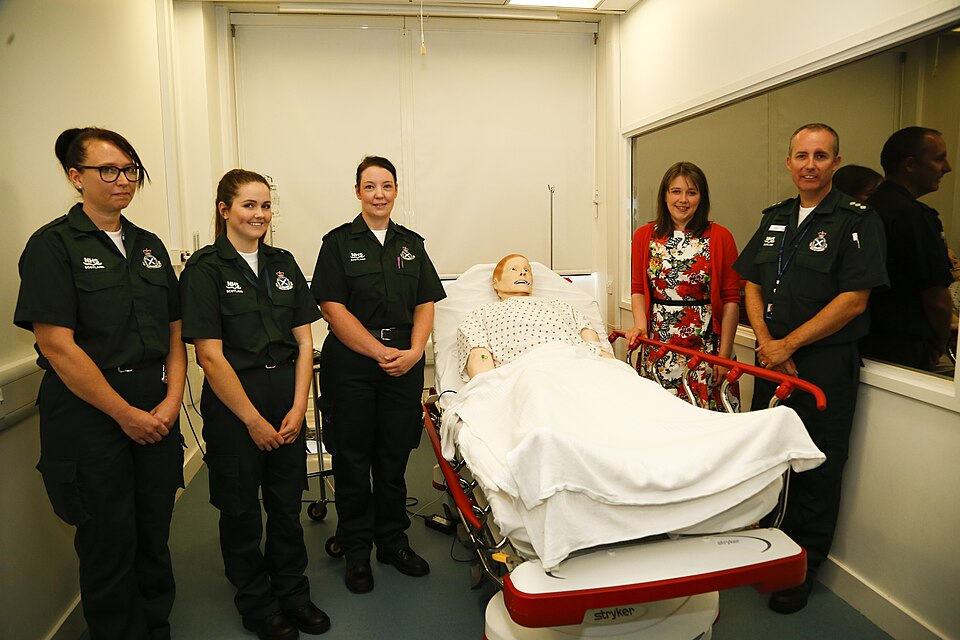
Most of the trades in this series were ended by a machine, a material or a market. This one was not ended at all — it was redefined, from a transport function into a clinical profession, and the people doing it were retrained rather than replaced.
The sequence is worth being precise about. Research in the late 1960s and early 1970s established that what happened before a patient reached hospital affected whether they survived and how well. That finding made the existing arrangement indefensible, because a service organised purely around driving speed could not act on it. Training programmes followed, then equipment, then protocols, then records and audit, then structured call triage and specialist destinations, then professional registration. Each of those depended on the one before it, and the whole sequence took about twenty years.
The part that is easy to miss is the records. Without a patient record created by the crew there is no audit, no case review and no research, which means a service cannot find out whether anything it does works. That is why the 1960 service could not have improved itself from within even with the best intentions available, and it is the strongest argument in this entire series for writing things down.
The crews of 1960 carried people down staircases on canvas and drove them to the nearest hospital as fast as the van would go, because that was the job as it had been defined for them. A great many of them then trained and became the first paramedics, which means the profession was built largely by the people who had worked under the old arrangement.
Like our content? Follow us for more.