

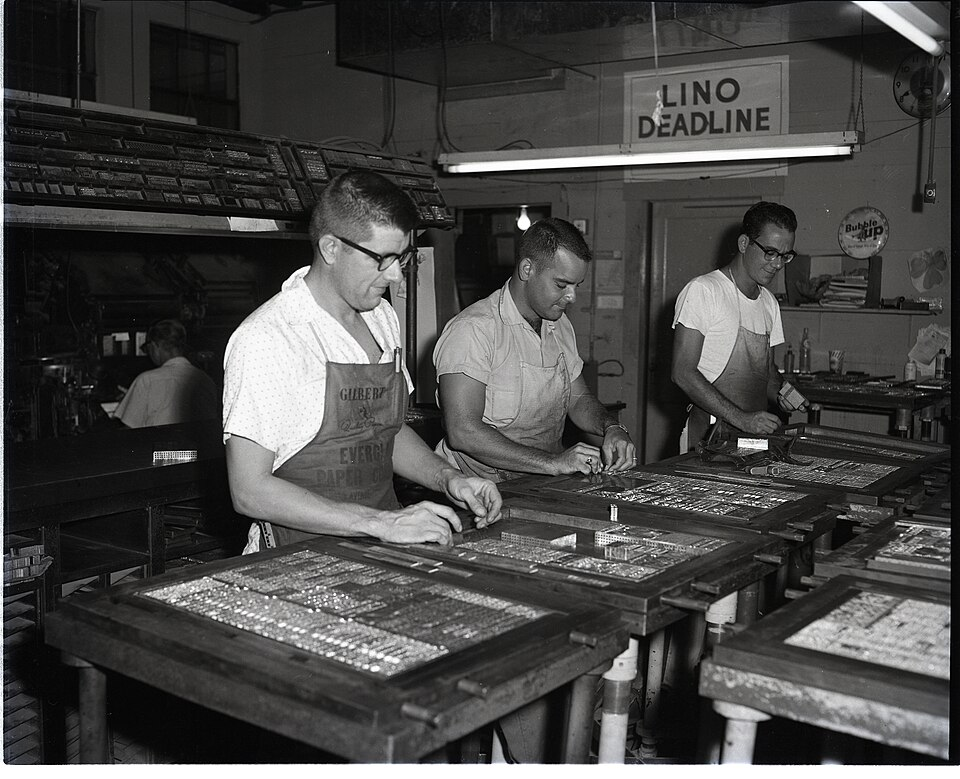
Hot metal newspaper production is one of the great lost American crafts, and the people who did it describe it with more affection than almost any trade of the period. It was skilled, it was unionised, it paid well, it ran against a deadline every single day, and it produced something tangible by the hundred thousand before dawn.
It was also a lead works with a printing press attached. Every page of every edition was cast from molten lead in an unventilated room, and the men doing it ate their sandwiches on the bench. Here are fifteen things that building did, and what each of them ran into.
1. Worked all day beside open pots of molten lead
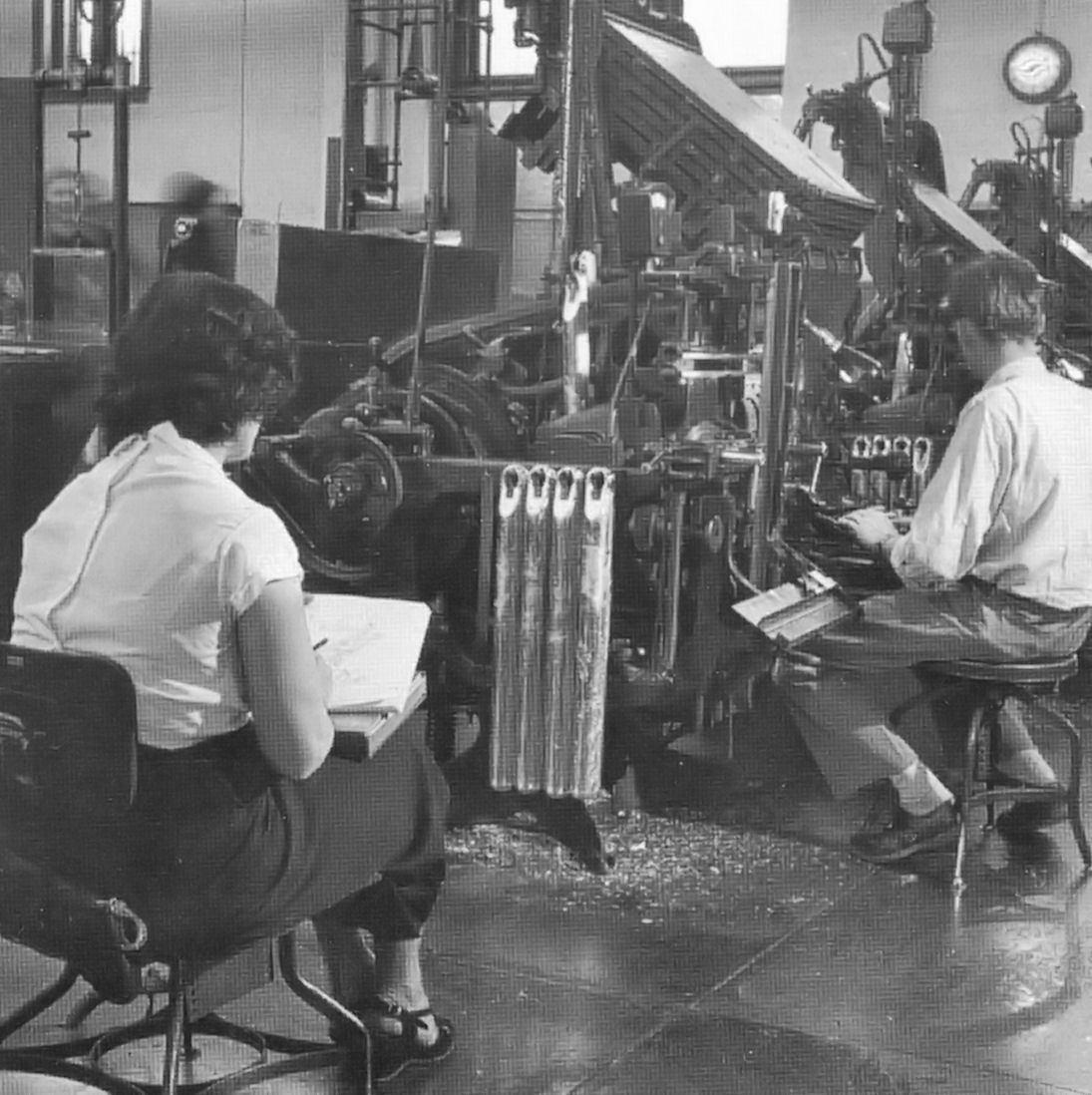
Hot metal composition meant every line of every page was cast from an alloy of lead, tin and antimony, melted in a pot on each typesetting machine and held at temperature for the whole shift. A composing room had dozens of them.
Lead exposure in American workplaces is now governed by a standard with an airborne limit, mandatory blood monitoring, hygiene facilities, protective clothing and medical removal provisions. A 1965 composing room would be shut on the first air sample.
The trade had a name for the effect and it was not treated as a mystery. Printers knew the metal was the problem and the response was individual caution rather than engineering, because engineering was not required of anybody.
Like our content? Follow us for more.
2. With no ventilation above the metal at all
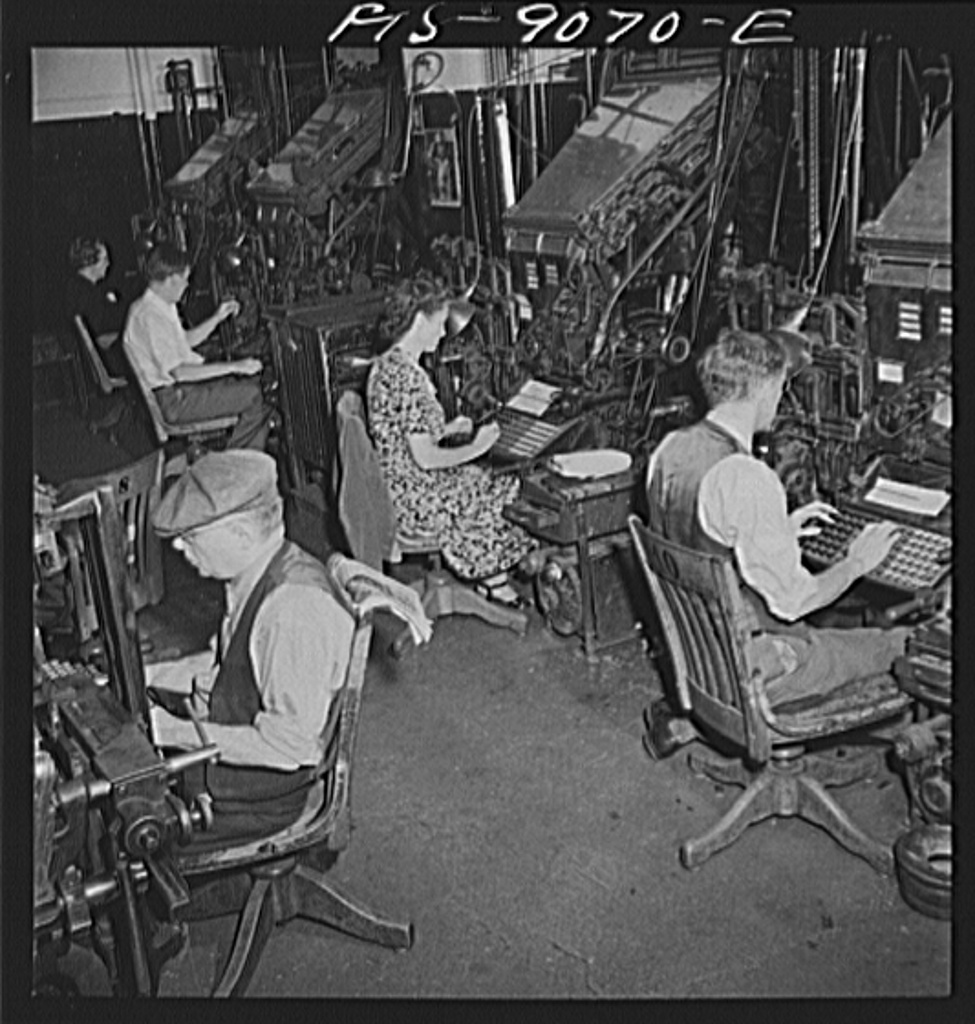
There was no local exhaust over the pots. Fume and dross rose into a room where men worked at close quarters, sometimes with the windows shut in winter, sometimes with a single ceiling fan moving it around.
Local exhaust ventilation at the source is the first control required by the modern hierarchy, and lead work of this kind would require enclosed or captured extraction with the air monitored to demonstrate it was working.
The absence of ventilation is what turns a manageable hazard into a chronic one. The metal itself is only dangerous when it becomes fume or dust, and a room with no extraction converts the whole operation into both.
3. Took splashes of molten metal from the caster
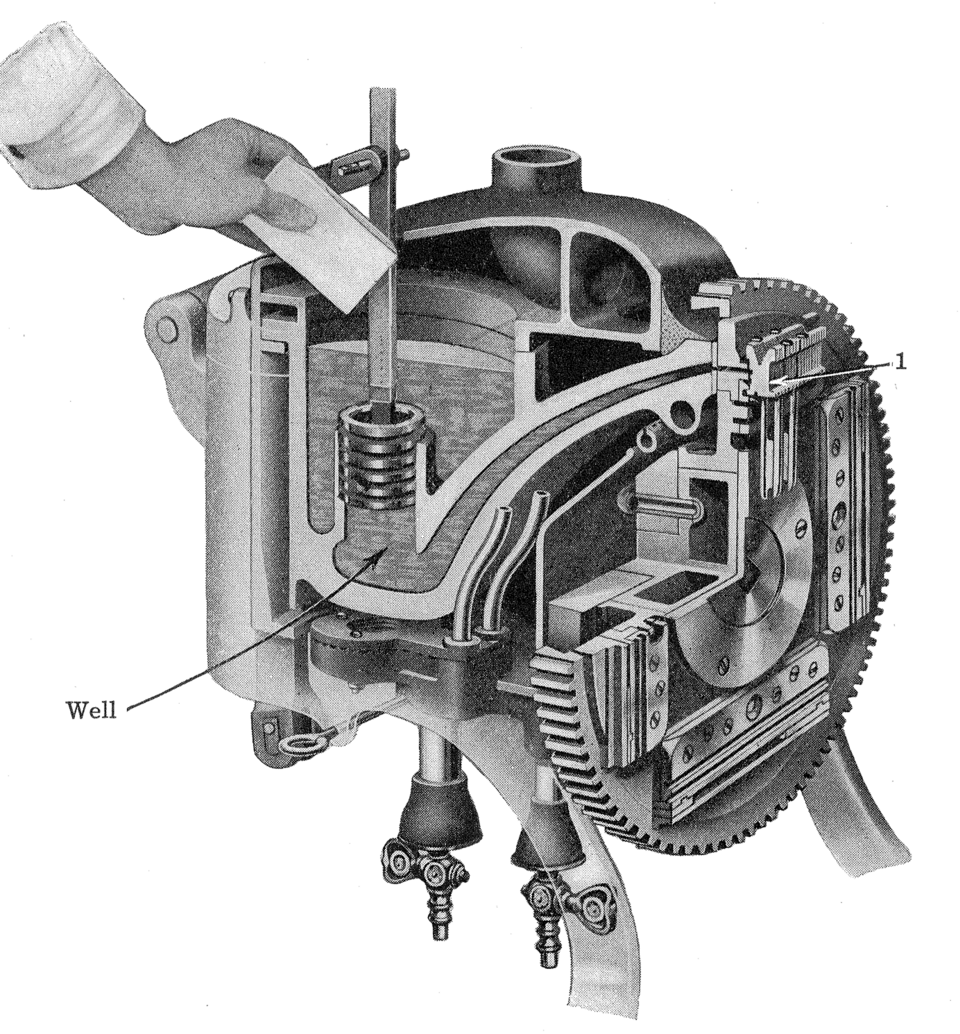
A typesetting machine that mis-cast threw molten alloy out of the mould — the trade called it a squirt — and an operator sitting at the keyboard was within reach of it. Men wore ordinary shirts and no face protection.
Molten metal work now requires face and eye protection, appropriate clothing and machine guarding, and a process that throws molten material would be enclosed. Nothing of the kind was fitted in 1965.
The injuries are not described here. The relevant point is that the machine’s failure mode was known, frequent and designed around by experience rather than by equipment, and the operator’s protection was his own reflexes.
4. Cast curved printing plates from the same metal, by the hundred
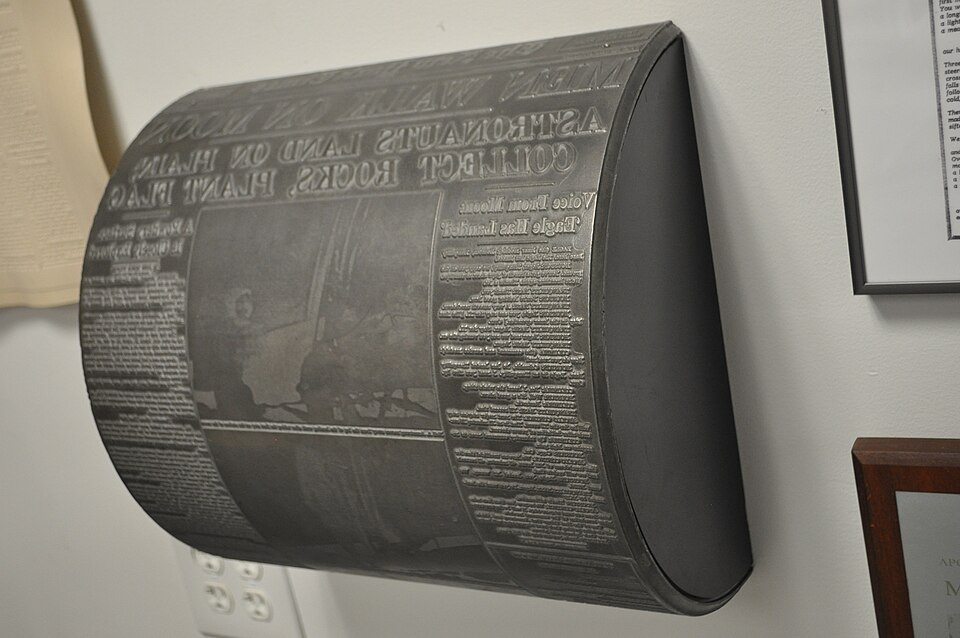
The stereotype department took a mould of each page and cast a curved plate from molten alloy to fit the press cylinder. It was the hottest and heaviest work in the building and it ran against the clock every edition.
Every element of it now falls under molten metal handling, lead exposure and manual handling requirements, and the process itself was made obsolete by photopolymer and aluminium plates from the 1970s onward.
This department disappeared completely rather than being reformed. When newspapers converted to offset printing the stereotype room, its furnaces and the whole craft went in a single changeover, usually over a weekend.
5. Swept lead dust off the floor with a broom
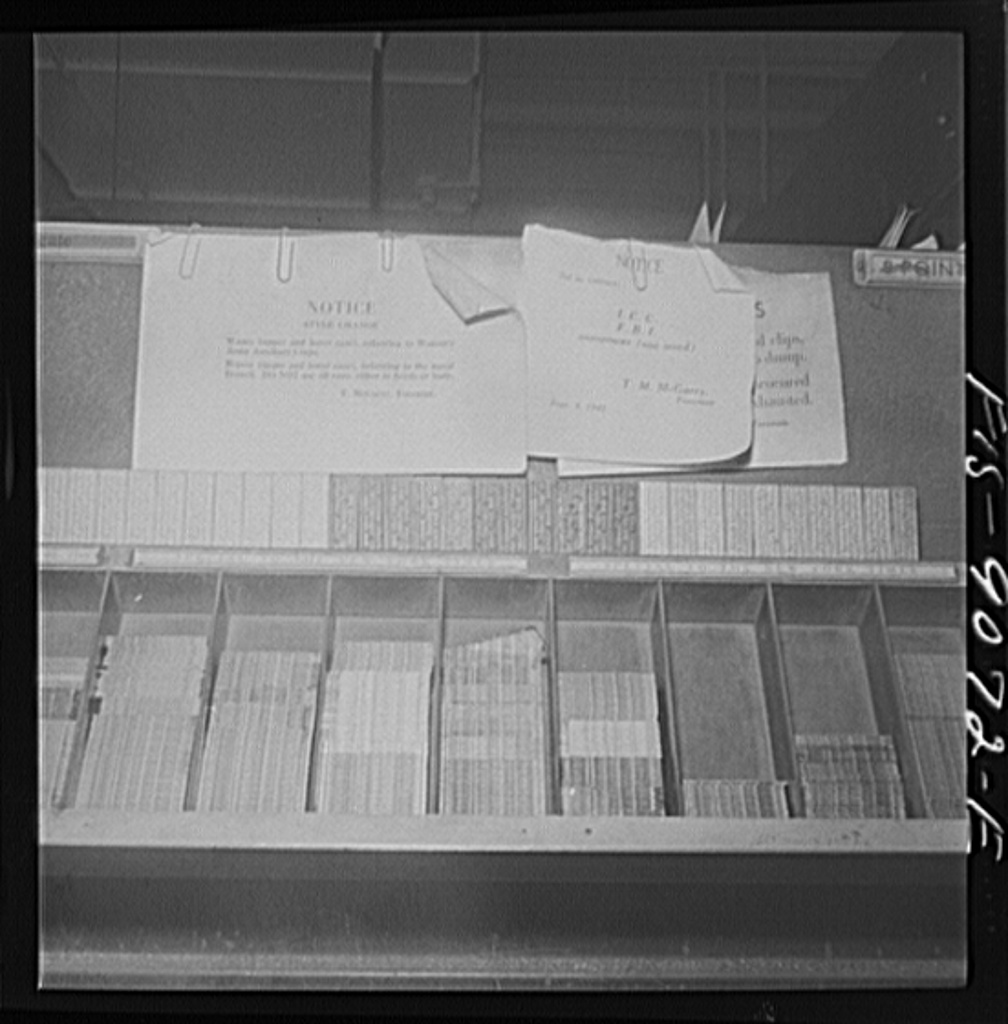
Dross, shavings, trimmings and spilled metal accumulated on the composing room floor and were swept up at the end of a shift with an ordinary broom, which put the finest and most inhalable fraction straight back into the air.
Lead-contaminated surfaces now require wet methods or vacuum equipment with appropriate filtration, and dry sweeping of lead dust is specifically prohibited under the American lead standard.
This single habit probably did more harm than the pots. A floor is a reservoir, and a broom is a device for turning a reservoir into an airborne exposure once a day, every day, for a working life.
6. Ate lunch at the stone without washing first
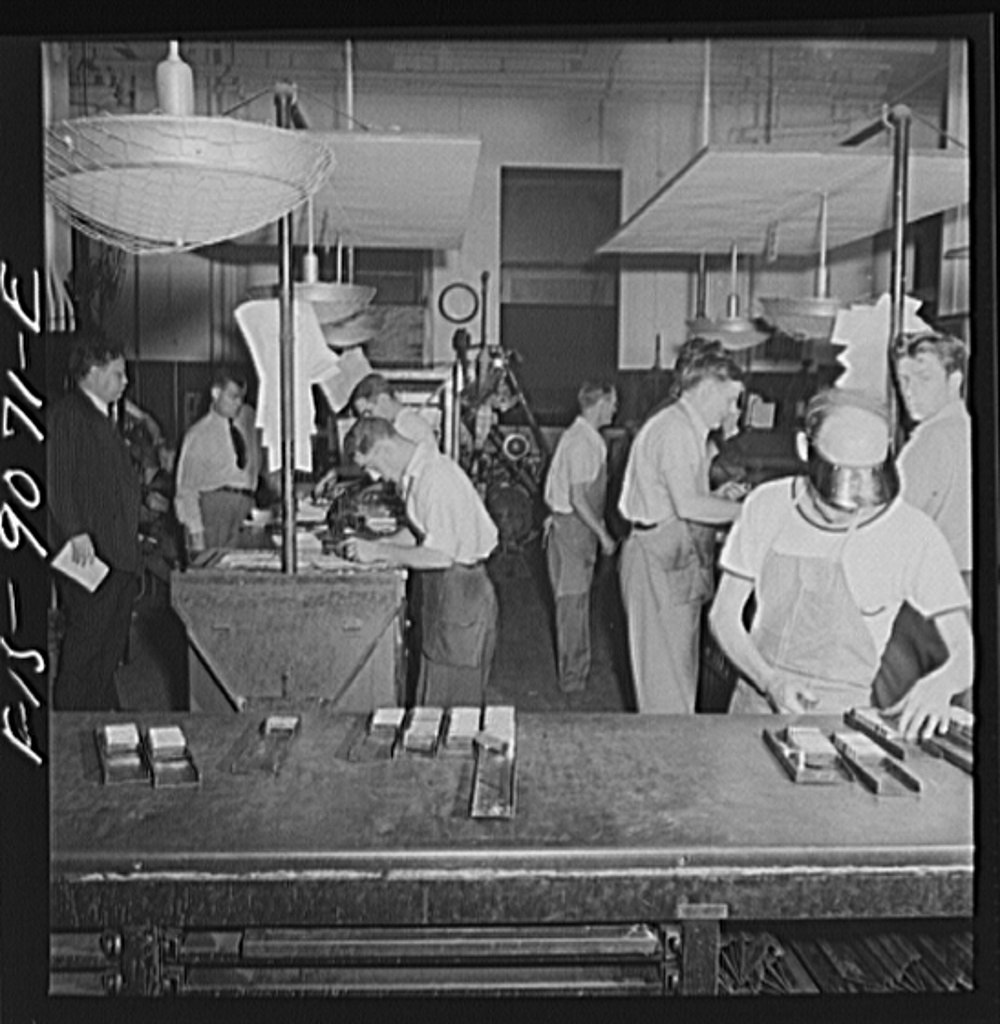
The stone was the flat working surface where pages were assembled, and it was where men ate. Sandwiches, coffee and cigarettes were taken at the bench, with hands that had been in the metal and the ink all morning.
The lead standard requires separate eating facilities, handwashing, prohibitions on eating, drinking and smoking in regulated areas, and in some circumstances changing and showering facilities with work clothing kept on site.
Ingestion is the route people forget. The hygiene provisions in the modern standard are not fastidiousness; they exist because hand-to-mouth transfer at a lunch break was a major exposure pathway and nobody had told the men eating.
7. Cleaned type and rollers with solvent, bare-handed
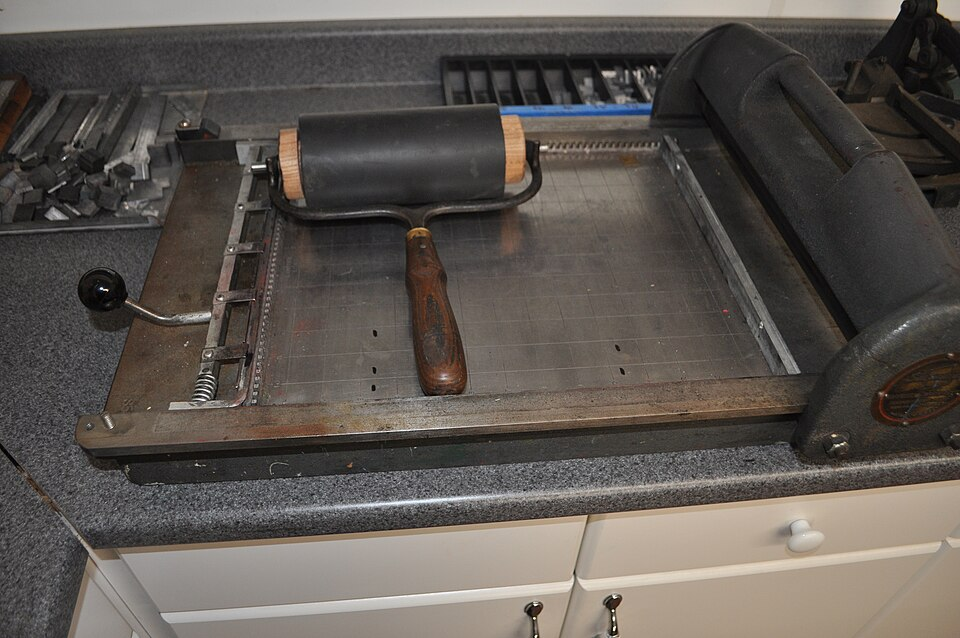
Type, formes, rollers and blankets were washed with whatever cut ink best, which meant naphtha, kerosene, benzene-containing fluids and other solvents, applied with rags, with hands and forearms immersed in it.
Solvent handling in American printing is now governed by exposure limits, ventilation requirements, glove and protective equipment selection, closed parts washers and waste handling, with safety data sheets required to be available to every worker.
Pressmen’s hands were a recognised feature of the trade and the condition of them was a matter of professional pride. Dermal absorption was not a concept anybody on the floor had been given.
8. Worked over open acid baths in photoengraving
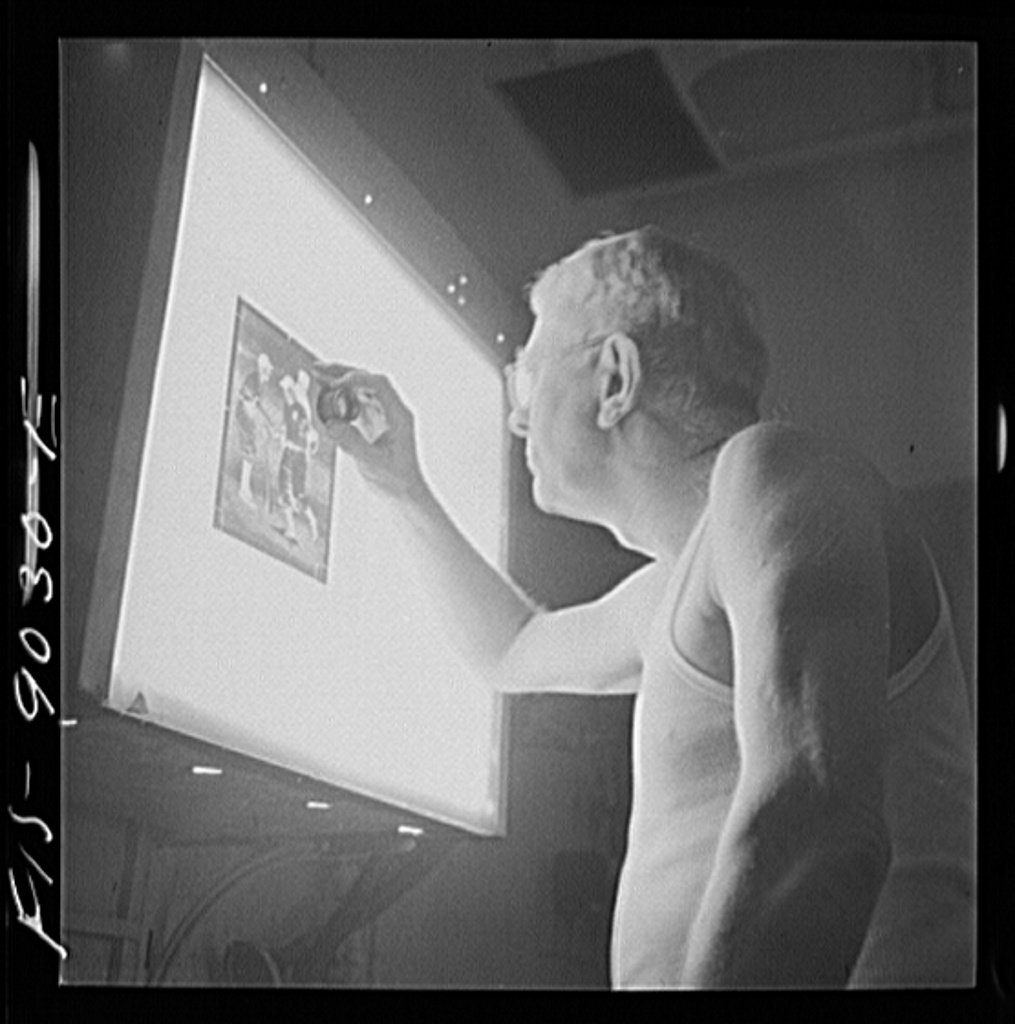
The photoengraving department etched metal plates in baths of acid, open to the room, with the plates lifted in and out by hand and the fumes rising into a space where several people worked.
Open acid etching of this kind requires enclosure, local exhaust, splash protection, eyewash and emergency shower provision and defined handling procedures. Several of the specific chemistries used have been restricted since.
Photoengraving went the same way as stereotyping, obsoleted by the conversion to offset and then by digital platemaking. The departments that did the most hazardous work in a newspaper are the ones that no longer exist in any form.
9. Reached into a running press to clear a web break
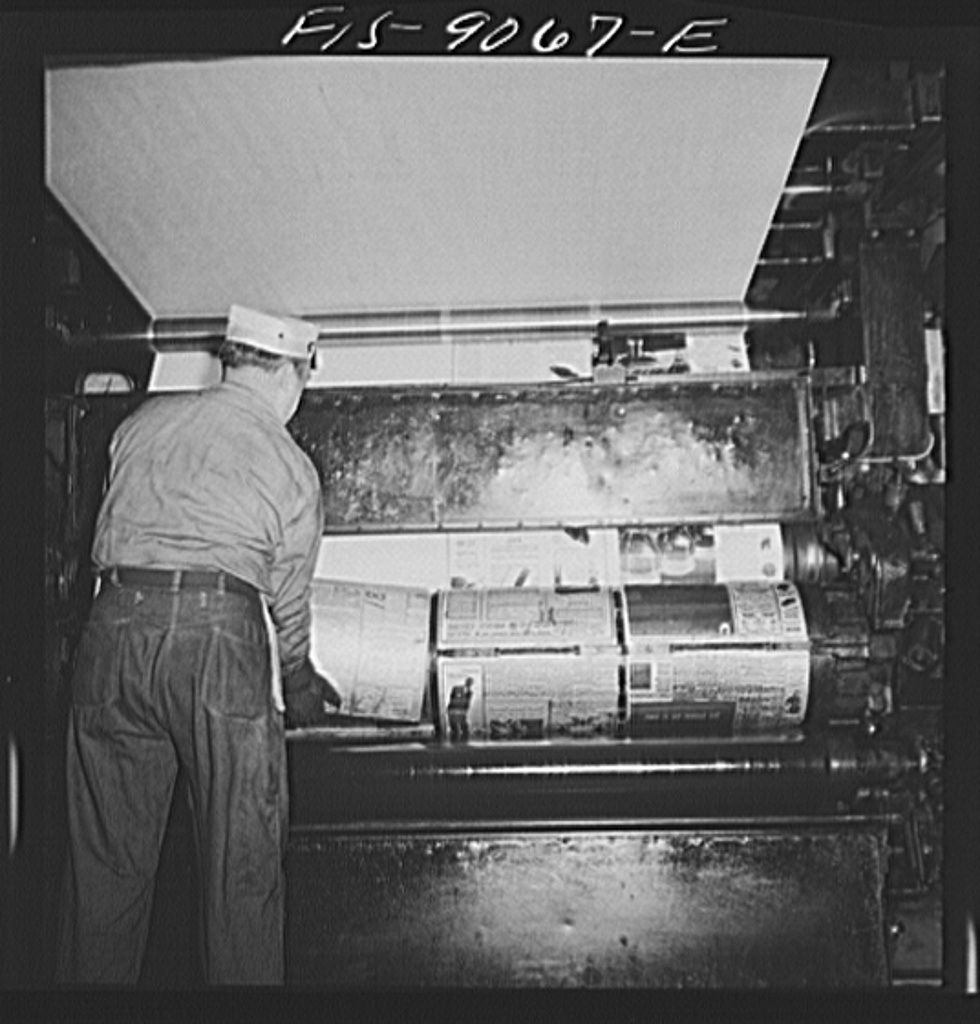
A paper web breaking at speed stops the edition, and the pressure to get it running again was the governing fact of the night. Men reached into the machine, with the press turning, because stopping and rethreading cost time nobody had.
Lockout and tagout became a federal requirement in 1989: energy must be isolated and the isolation verified before anybody works on equipment. Modern presses also have automatic threading and guarded access that makes the old method unnecessary.
This is the practice that defines the pressroom of that era and the one the trade is least sentimental about. Every veteran describes it and none of them recommends it.
10. With nothing stopping anybody starting the machine
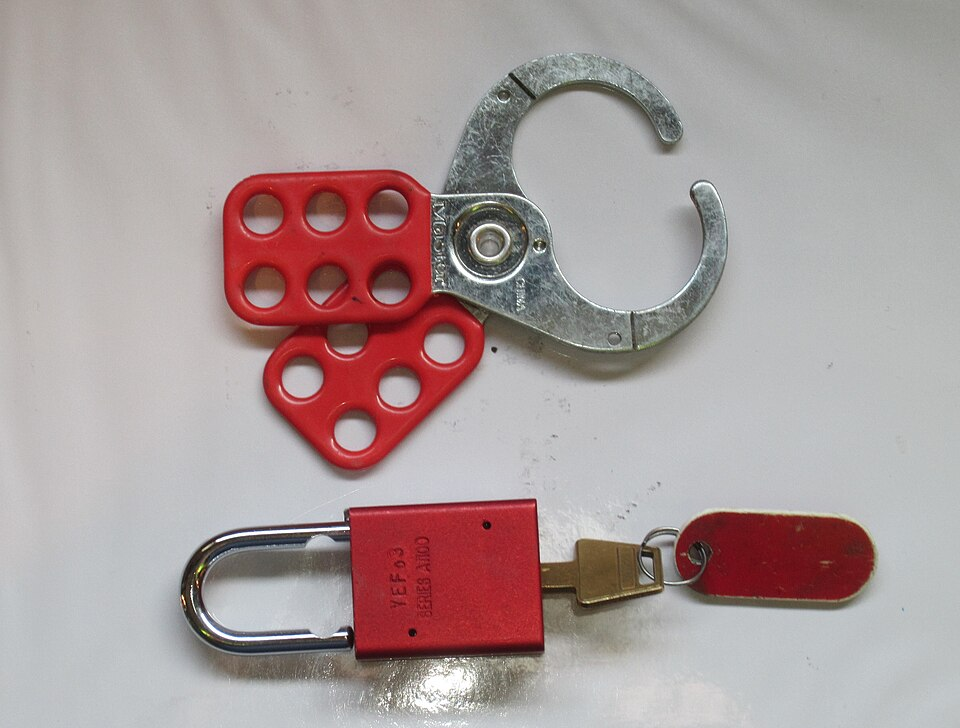
A man inside or under a press depended on whoever was at the controls knowing he was there, communicated by shouting, by a rag over a lever, or by somebody standing next to the button.
The same 1989 standard requires a physical lock applied by the person doing the work, under their own control, which cannot be removed by anybody else. The principle is that the protection must not depend on communication.
That principle is the single most important idea in modern industrial safety and it is purely procedural. It costs a padlock. The reason it exists is a long list of incidents in which somebody was told and forgot.
11. Operated unguarded nips, folders and cutters
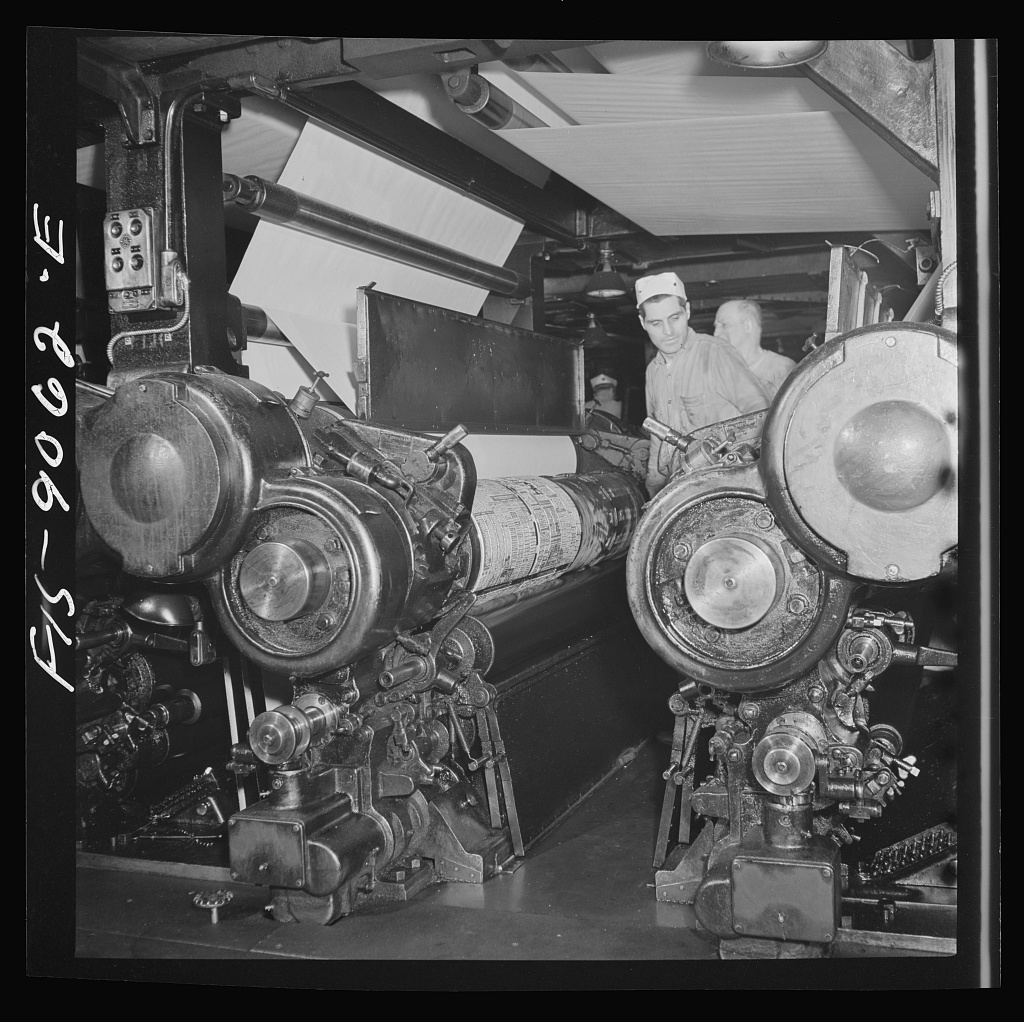
The press is a sequence of rollers running at speed, and the folder at the end cuts and folds at a rate nobody can follow with their eyes. In 1965 the in-running nips were open and the access points were not interlocked.
Machine guarding requirements cover points of operation, in-running nip points and power transmission, with interlocks on access panels so that opening a guard stops the machine. A 1965 press would fail on dozens of points.
No injury is described. The relevant fact is the physics: an in-running nip takes whatever enters it at the speed of the rollers, and the only effective control is to prevent entry rather than to train people to be careful.
12. In noise that nobody was given protection against
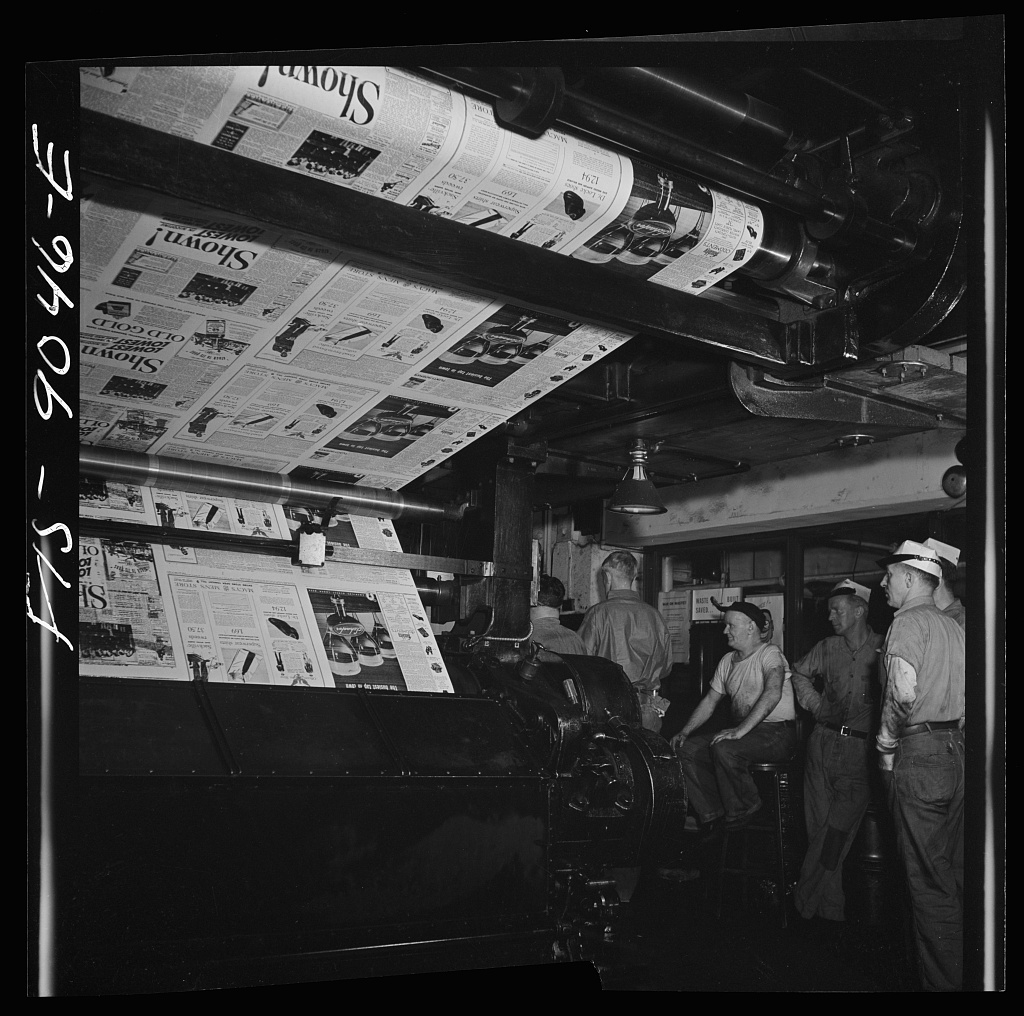
A pressroom at full run is loud enough to make speech impossible, and men worked whole shifts in it for whole careers using hand signals. Hearing protection was not issued, not required and not worn.
American hearing conservation requirements set a measured action level, require monitoring, provide protection and mandate audiometric testing. Occupational hearing loss is among the most common recorded industrial conditions in the country.
The characteristic of the trade is that veterans of it are hard of hearing, and they will tell you so cheerfully. It is the most widespread occupational consequence in this list and the one that was most easily preventable with the cheapest possible equipment.
13. Blew everything down with a full-pressure air line
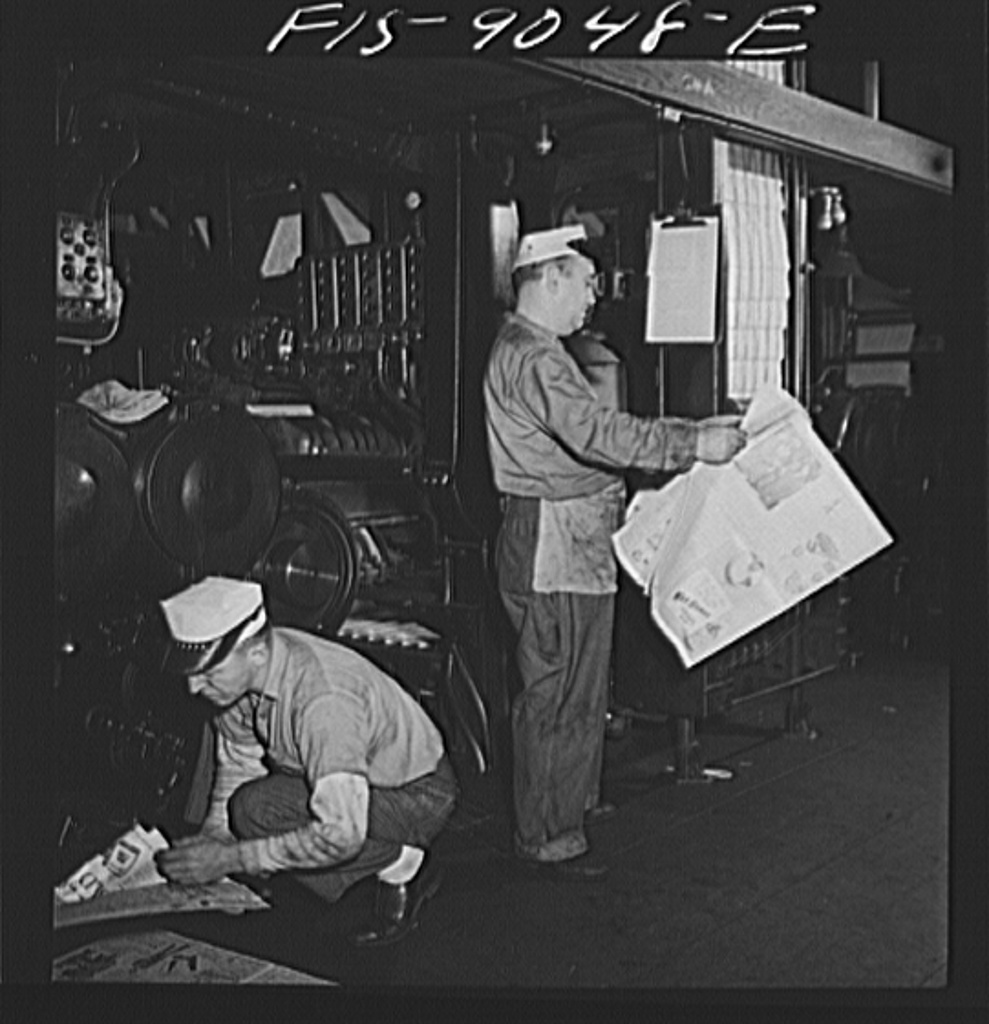
Compressed air was used to clear paper dust, ink mist and debris off the presses, off the floor and off the men themselves at the end of a shift, at whatever pressure the compressor was delivering.
American rules limit compressed air used for cleaning to a low nozzle pressure with chip guarding and eye protection, and using an air line on a person is prohibited outright for reasons involving air entering the body.
It is also the wrong tool for the job in a room with lead dust in it, because it takes a settled contaminant and makes it respirable. Two separate modern rules forbid the same habit for two separate reasons.
14. Smoked on the floor, surrounded by solvent and paper dust
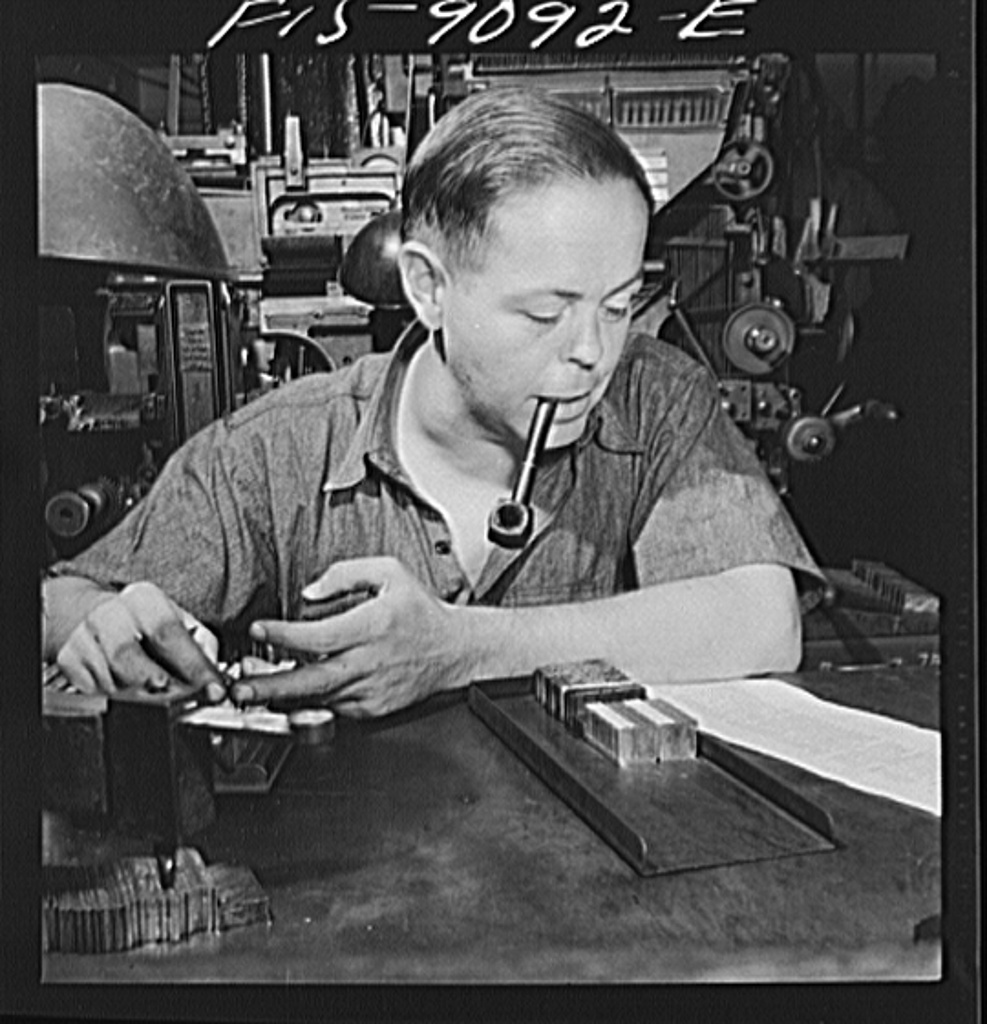
Men smoked at the press, at the stone and at the keyboard, in a building containing solvent-soaked rags, drums of flammable wash, a very large quantity of paper and a fine suspension of paper dust in the air.
Smoking is prohibited in American industrial areas where flammable liquids are handled, waste solvent rags require covered metal containers, and dust accumulation is addressed as both a fire and an explosion hazard.
Paper dust in suspension is a genuine explosion risk and was not understood as one. The fire risk from the solvent was understood, roughly, and smoking continued anyway, which is a reasonable summary of the period.
15. Started on the floor as an apprentice at fourteen
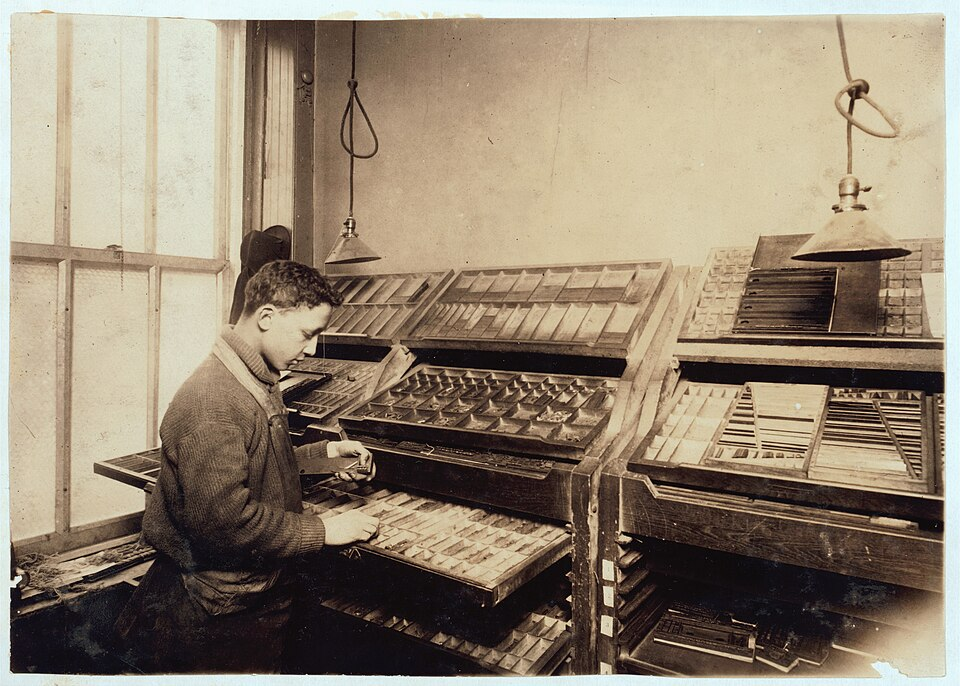
Apprenticeships began young, and a boy of fourteen or fifteen worked in the composing room and around the presses as part of a long indenture, learning the trade from men who had done the same.
American child labour provisions under federal law restrict minors from hazardous occupations including power-driven machine operation, and the age limits and the hazardous occupation orders together place everything described above out of reach of anybody under eighteen.
The apprenticeship produced extraordinary craftsmen and it put children in a lead-contaminated room beside unguarded machinery. Both of those are true and the trade’s own accounts of itself usually mention only the first.
The trade that vanished in a weekend
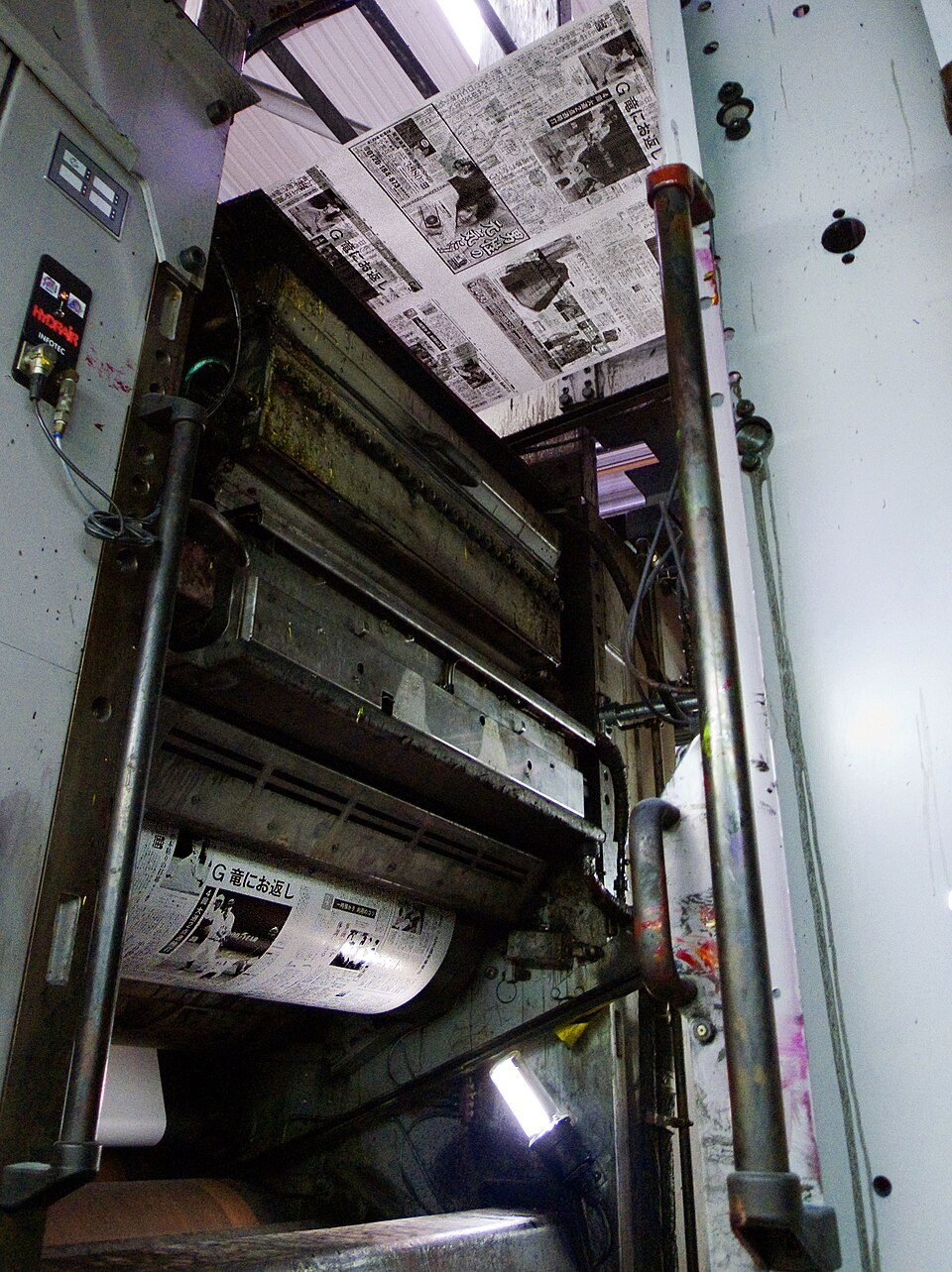
What makes the newspaper pressroom unusual among the workplaces in this batch is that it was not reformed. It was replaced. The conversion from hot metal to photocomposition and offset printing ran through American newspapers in the 1970s, and when a paper converted, the composing room, the stereotype foundry and the photoengraving department all closed at once, usually over a single weekend.
So most of the hazards on this list were not solved by the rules that would have solved them. The lead standard, the lockout requirement, the machine guarding and the hearing conservation rules all arrived after the departments they would have governed had already gone. What they govern now is a modern press hall: fewer people, enclosed machinery, aluminium plates, no molten metal anywhere in the building, and ear defenders on everybody. The craft and the lead left together, which is the part the trade’s own memory finds hardest, because the men who were proudest of the skill were the ones most exposed by it.
The honest summary is that this list is not an indictment of anybody who worked in that building. The hazards were known in outline, the men were careful within what they had been told, and nobody had told them about fume, dust, dermal absorption or the arithmetic of a swept floor.
What the trade lost was real and it is worth recording properly. What it was carrying is worth recording in the same paragraph.
Like our content? Follow us for more.
