

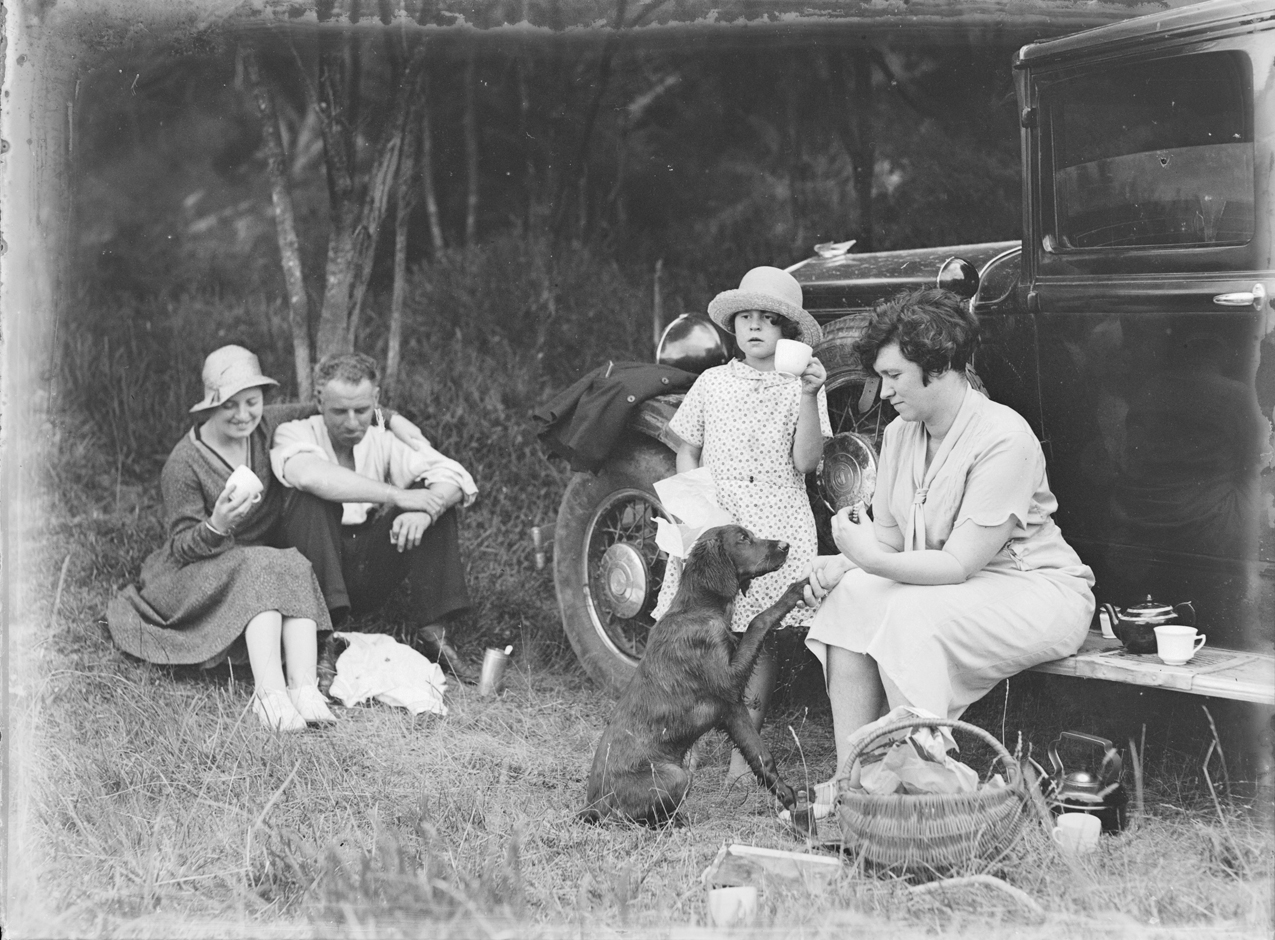
The American roadside picnic of the early 1960s was one of the great pleasures of the period and almost every element of it has since been addressed by some form of guidance, regulation or engineering. The food handling was the least of it.
What the list below actually documents is a change in the country rather than in the people: more cars moving faster, more people wanting the same pleasant places, better understanding of water, and a car that will not let a child ride loose in the back. Here are sixteen things about that picnic.
1. The hamper had nothing cold in it
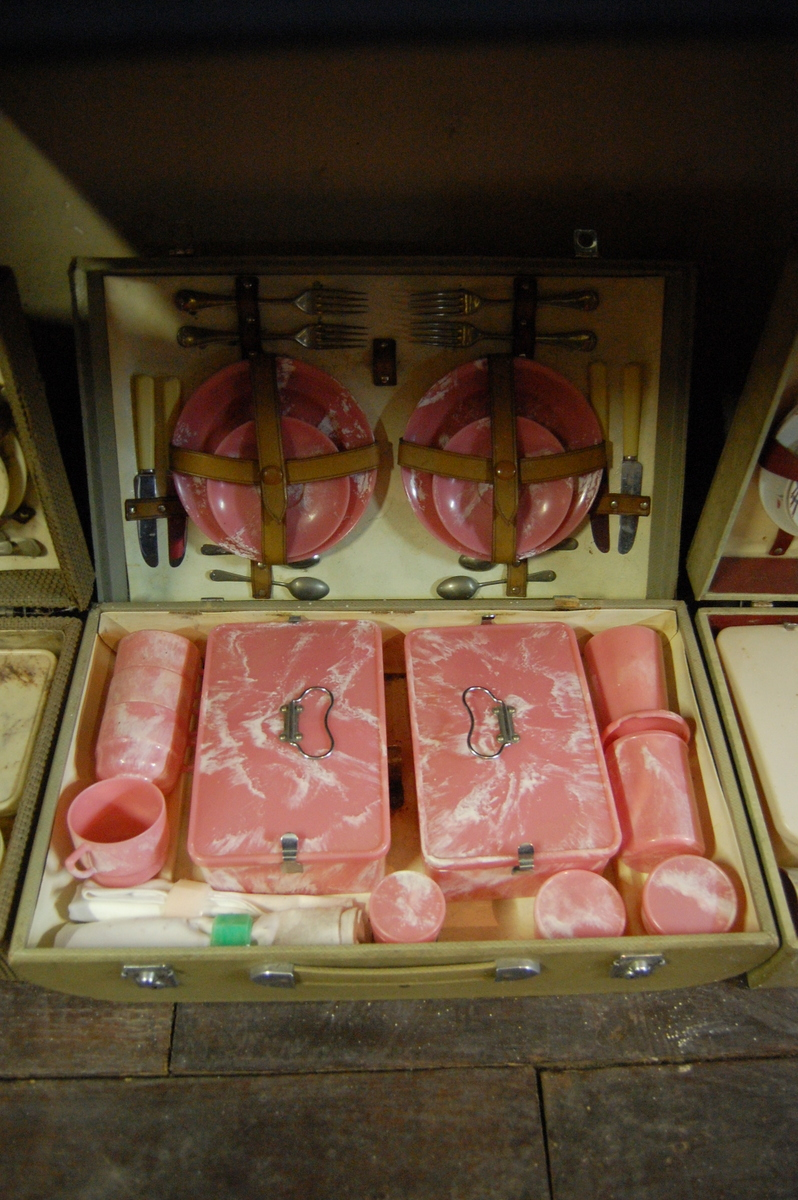
A wicker hamper with a lid, lined with a cloth, packed in the kitchen in the morning and carried in the trunk of a car for three hours. That was the whole arrangement, and the trunk of a car parked in the sun is the hottest place in it.
Everything modern picnic guidance says about chilled food addresses exactly this interval. The current advice is an insulated container with ice or frozen packs, cold food kept below a specified temperature, and the container out of the sun and out of the trunk, which is the part people still get wrong.
The 1962 hamper was a beautiful object and a thermally useless one. It was designed to carry things and to look correct on a tablecloth, and nobody had asked it to do anything else.
Like our content? Follow us for more.
2. Egg salad and mayonnaise travelled in the heat
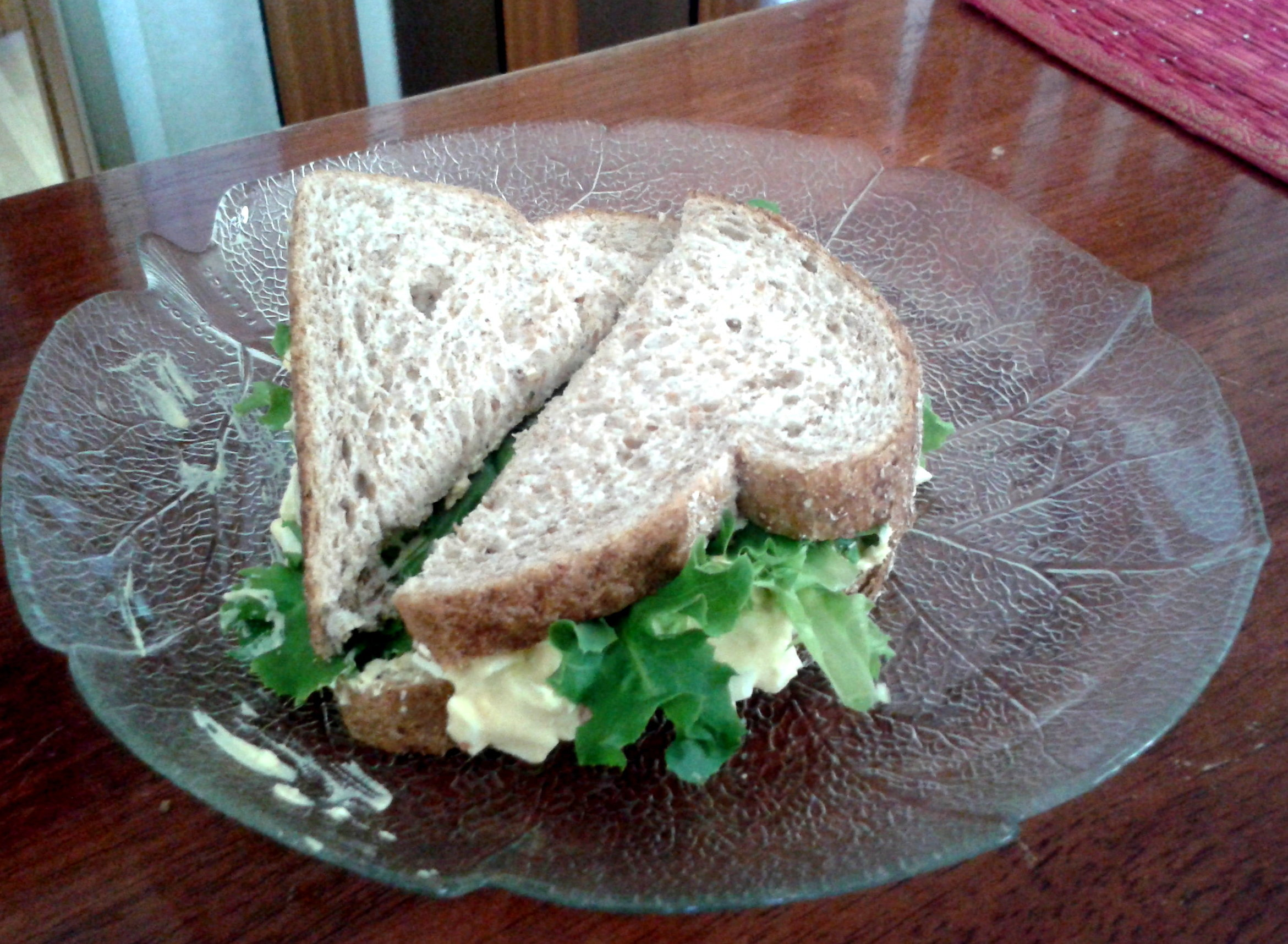
The standard picnic foods were the worst possible candidates: egg sandwiches, potato salad, chicken salad, anything bound with homemade mayonnaise made from raw egg, all of it prepared hours ahead and carried warm.
Modern advice is explicit about these. Prepared salads bound with mayonnaise, egg dishes and anything containing raw egg are the items picnic guidance names specifically as requiring reliable chilling, and the reason is the combination of a hospitable food and a long warm interval.
What makes the 1962 picnic unusual is not that people did not know food could spoil; they knew very well. It is that the cooling technology to do anything about it was not in the house.
3. The cooler was a metal box with a block of ice in it
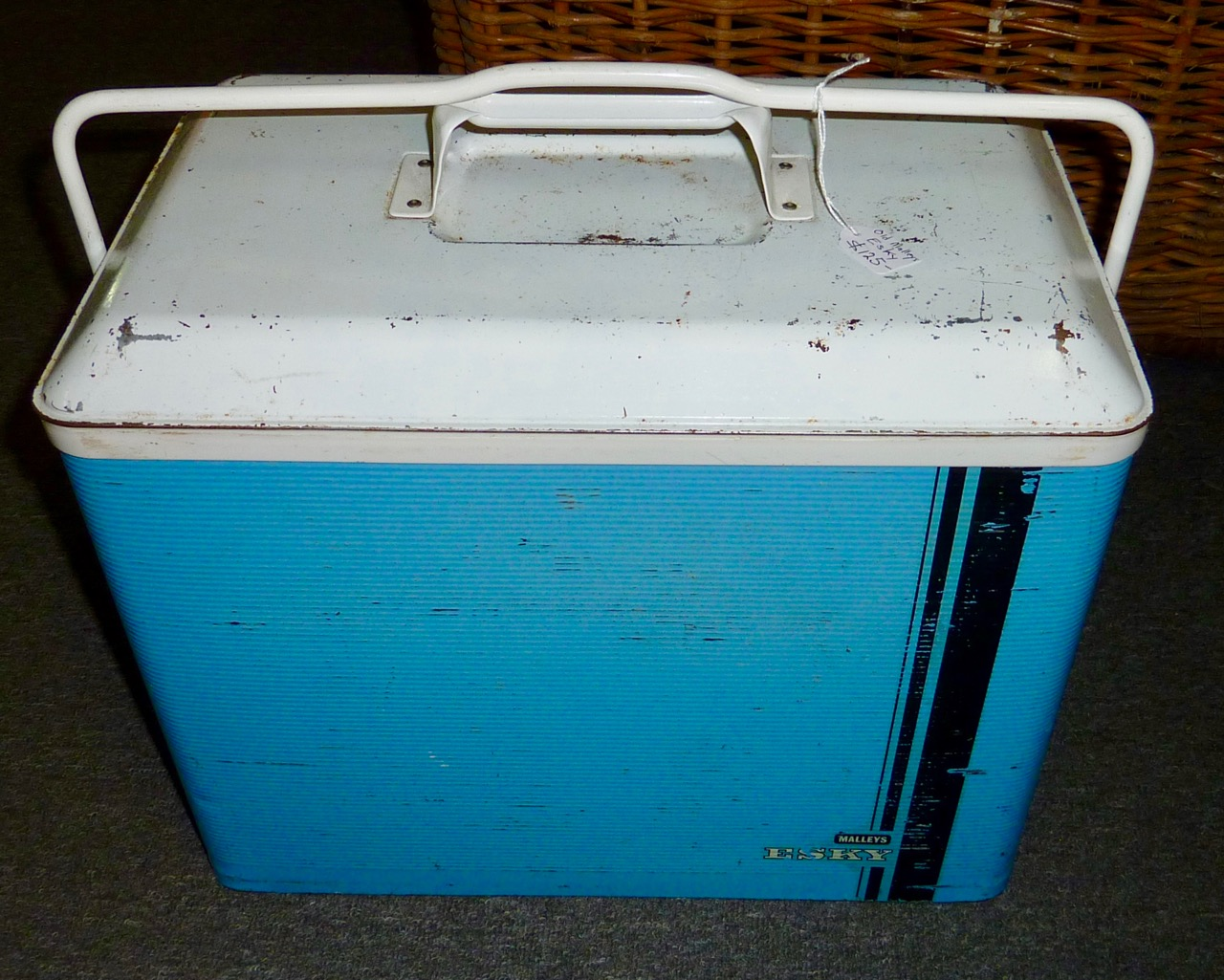
Where there was a cooler it was a galvanised or painted steel chest, and the coolant was a block of ice bought from an ice house or sawn off a larger one. The ice melted into the box, the water rose, and whatever was packed at the bottom ended the day submerged.
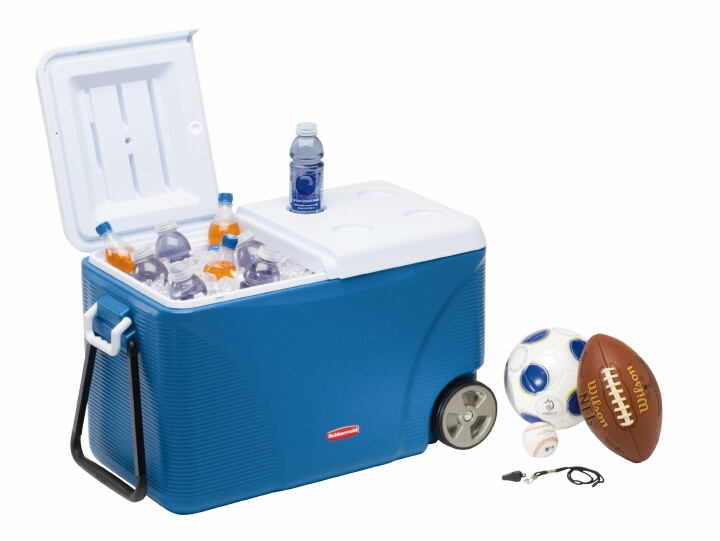
Insulation is the thing that changed. Moulded plastic coolers with foam insulation, frozen gel packs rather than wet ice and separate dry compartments all arrived later, and together they turned a container that kept food cold for two hours into one that keeps it cold for two days.
The practical 1962 consequence was that the cooler was for the drinks, and the food took its chances, which is the exact inversion of the modern recommendation.
4. The water came in a canvas bag hung on the bumper
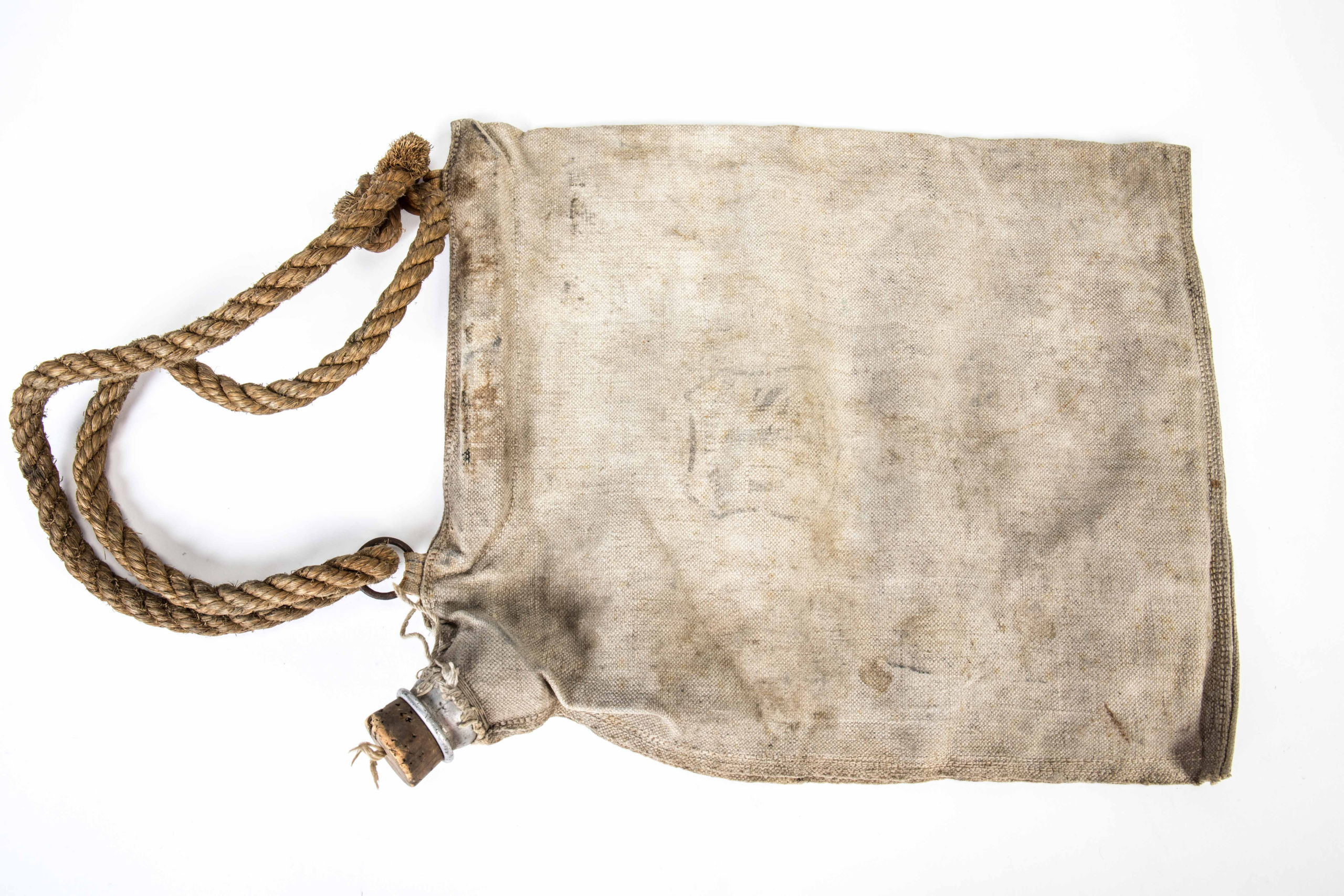
The desert water bag was standard equipment on American cars in hot regions: a canvas sack filled with water and hung on the front of the vehicle, where evaporation through the fabric cooled the contents as the car moved. It worked.
What it did not do was keep the water clean. The bag was refilled from whatever was available, including roadside taps, springs and service station spigots, it was never cleaned, and the fabric stayed permanently damp. Modern practice is a sealed container filled from a known potable supply.
The bag survives as an object of genuine affection and as a piece of clever low-technology engineering. It is in the museum rather than in the car for reasons that have nothing to do with how well it cooled.
5. Water was taken from roadside springs and pumps
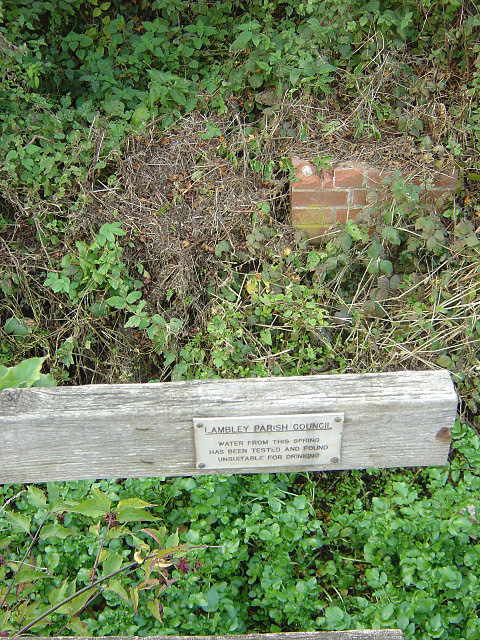
A spring with a pipe in it, a hand pump at a crossroads or a tap at the back of a filling station were all treated as drinking water. People filled bottles and bags from them routinely and judged them by taste and clarity.
The current position on untreated surface and shallow groundwater is that clarity is not an indicator of anything, and that contamination from agricultural runoff, septic systems and livestock is both common and invisible. Roadside springs across the United States that were once used freely now carry notices or have been capped.
This is the item where the 1962 standard was furthest from the modern one, because the whole practice rested on a test — does it look and taste clean — that does not detect the thing that matters.
6. The picnic site was the verge of a highway
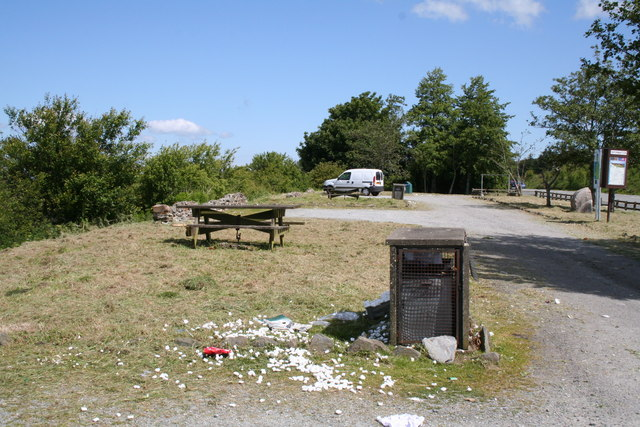
Families pulled off onto the shoulder, spread a blanket on the grass between the road and the fence, and ate lunch a few feet from traffic. Roadside picnic tables were provided for exactly this, often with no barrier between the table and the carriageway.
Highway design and roadside facility standards changed substantially with the interstate system and afterwards, moving rest areas off the carriageway, separating them with barriers and distance, and eliminating the informal verge stop on high-speed roads altogether. Stopping on the shoulder of an interstate for a meal is now both prohibited and obviously unwise.
The 1962 practice reflected traffic volumes and speeds that no longer exist. A two-lane highway with occasional cars is a different place from a four-lane road with continuous traffic, and the picnic on the verge made sense in the first and not the second.
7. Somebody lit a fire wherever they felt like it
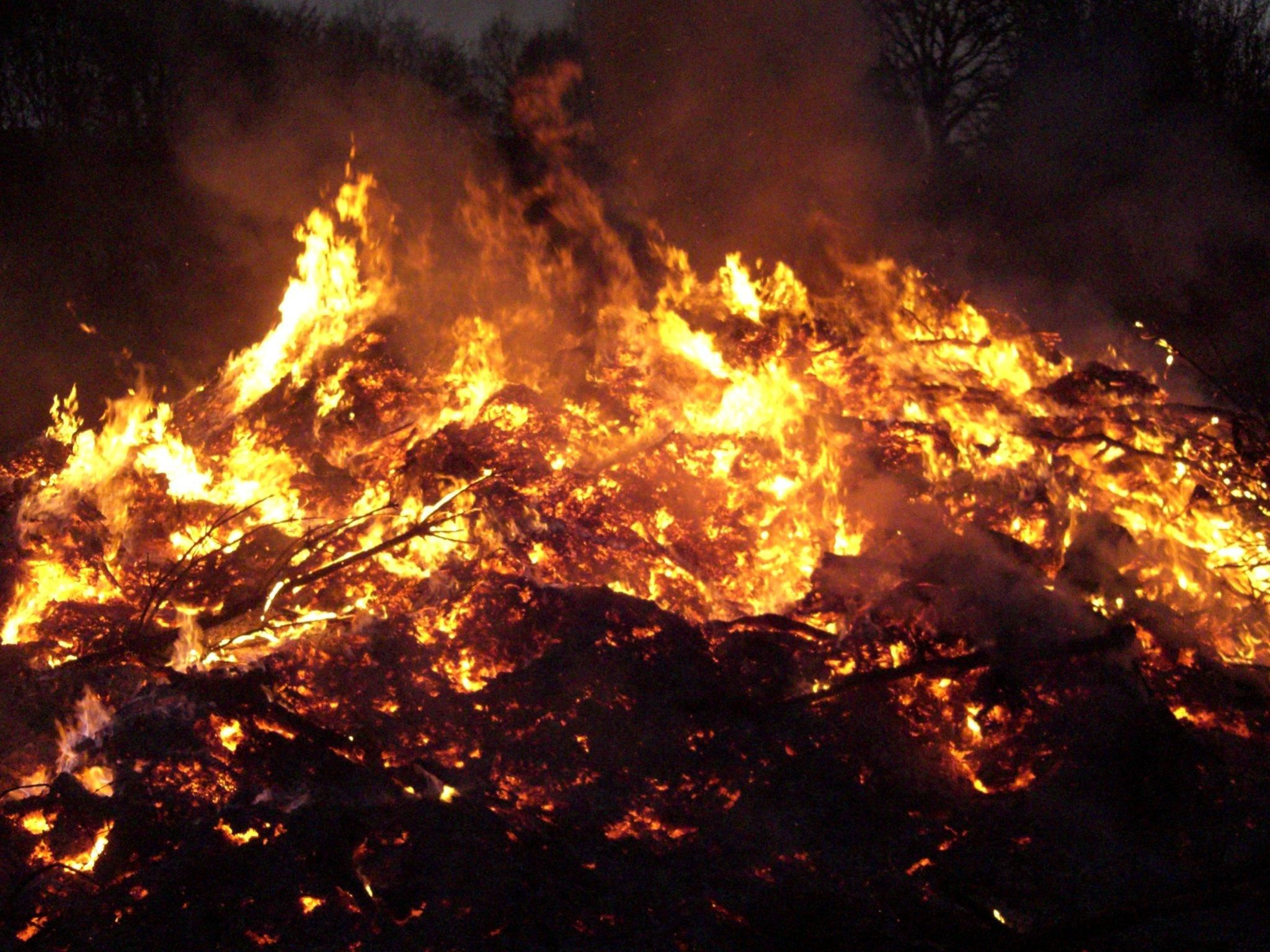
A picnic frequently involved a fire: gathered wood, a ring of stones, and food cooked on a grid or on sticks. It was done on verges, in woodland, on beaches and in state and national park areas with no designated site and no permission sought.
American fire restrictions have tightened enormously, driven by wildfire risk, and the current position across most public land is that fires are permitted only in provided rings or designated areas, are prohibited outright during fire restrictions and in some seasons, and that a portable stove is the expected alternative. Checking current local restrictions before lighting anything is the standing advice.
The change is not about people having become less competent with fire. It is about the scale of the consequence and the number of people doing it, and the roadside fire of 1962 was being lit in a country with a fraction of the recreational traffic.
8. Everything was in glass
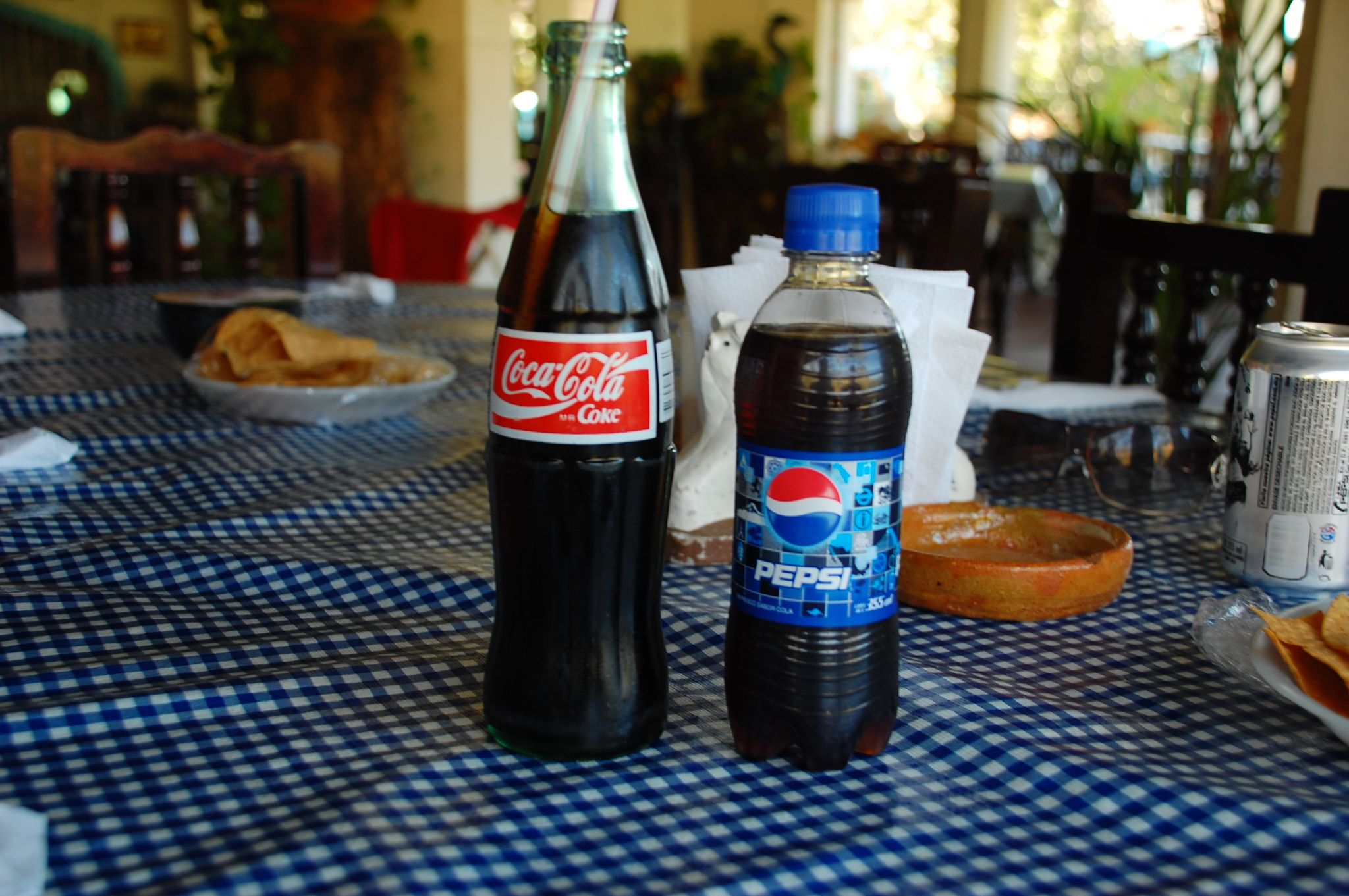
Soft drinks, beer, milk, condiments and preserves all came in glass, and glass went to the picnic and frequently did not come back intact. Broken glass on verges, in picnic areas, on beaches and in swimming spots was an ordinary feature of American outdoor life.
Glass bans in parks, beaches and swimming areas are now close to universal in the United States, for the obvious reason, and the shift to cans and plastic for outdoor consumption happened largely through the 1970s and 1980s. The environmental argument now runs the other way on plastic, which is why reusable containers are the current recommendation.
Anybody who swam in an American river or lake in that period remembers the glass on the bottom, and it is one of the genuine improvements that nobody is nostalgic about.
9. The rubbish was left where it was eaten
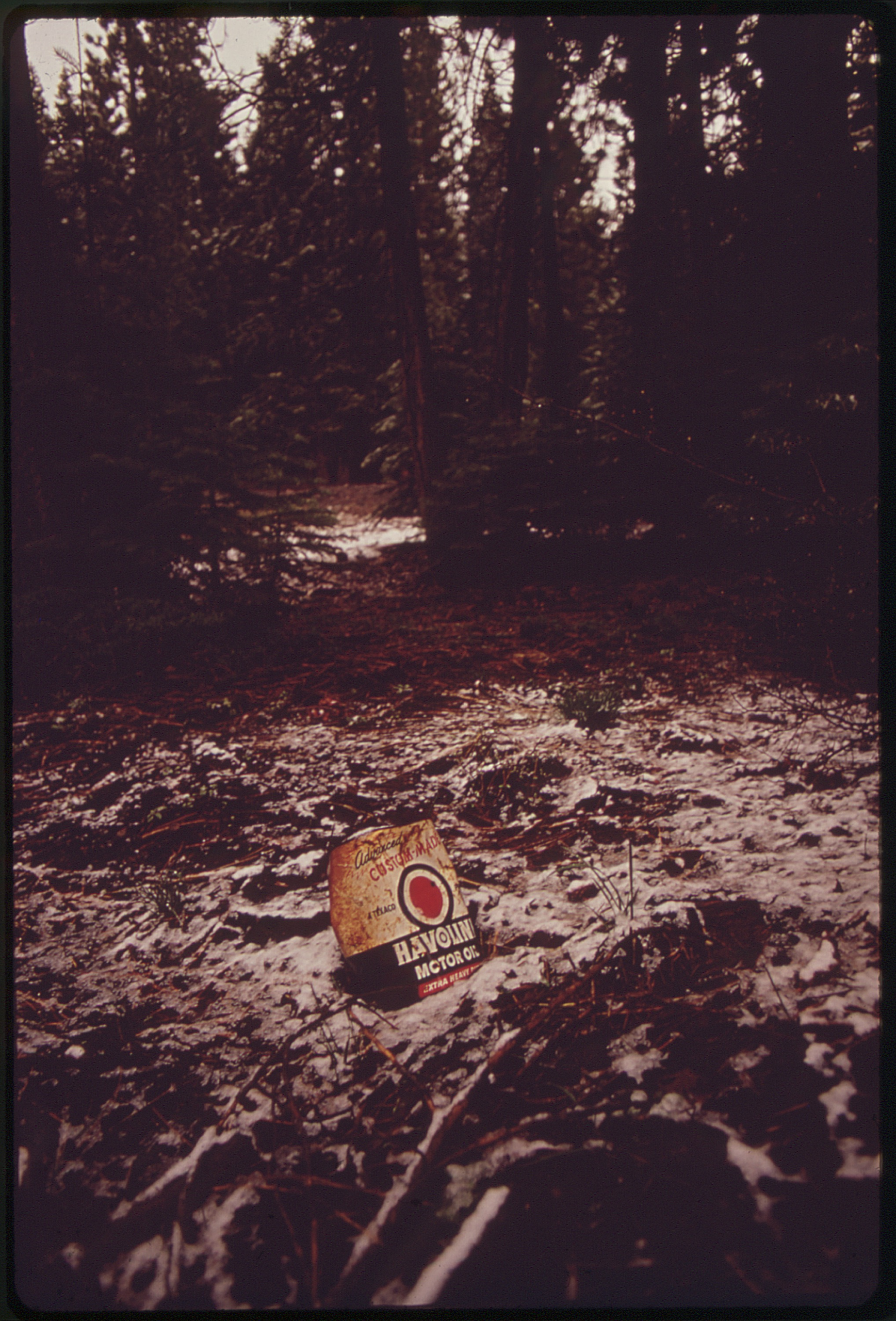
The prevailing attitude was that organic waste went back to nature and that paper would rot, which produced verges and beauty spots covered in bottles, cans, paper, foil and food waste. Roadside litter in the United States in the early 1960s was severe enough to become a national political issue.
What changed it was a sustained public campaign through the 1960s and 1970s, anti-litter legislation, the provision of bins and the pack-it-out principle that is now standard on public land. The modern formulation goes further than not littering: it is to carry out everything brought in, including food scraps and peel, because those attract animals and change their behaviour.
The food scraps point is the one most people still miss. An apple core thrown into the bushes was considered considerate in 1962 and is now specifically discouraged.
10. The insect spray went straight onto the children
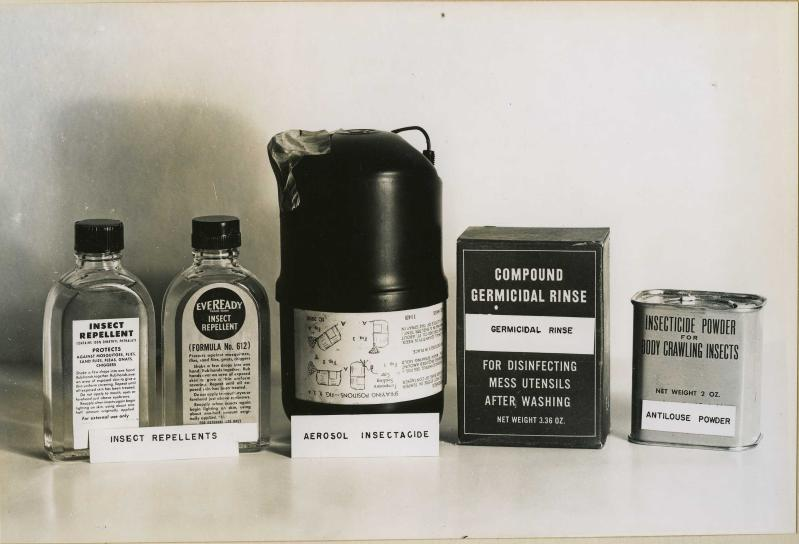
Repellents and insecticides of the period were applied generously and directly, and household aerosols were used on skin, clothing and the air around a picnic. Products containing compounds that have since been withdrawn from such uses were sold for exactly this purpose.
Modern repellent use is specific: particular active ingredients, at particular concentrations, applied to exposed skin and clothing, with lower concentrations and specific restrictions for young children and advice against application to infants below a stated age. Nothing is sprayed into the air around food.
No product or compound is named here because the useful instruction is the general one: read the label for the age restriction, which is a sentence that did not exist on a 1962 can.
11. There was no way to wash hands

A picnic involved eating with hands after a morning in a car, after handling a dog, after collecting firewood, with no water available for washing beyond whatever was in the drinking bottle. People wiped their hands on the grass or on a cloth.
Hand hygiene is the first item on every current outdoor eating guidance sheet, and the practical modern answer is water and soap carried for the purpose or an alcohol-based hand rub, which is a small thing that did not exist in a portable form in 1962. The guidance is to clean hands before handling food and after handling anything else.
Of everything on this list, this is the cheapest and most effective difference between a 1962 picnic and a current one, and it weighs almost nothing.
12. The enamelware and the painted tins
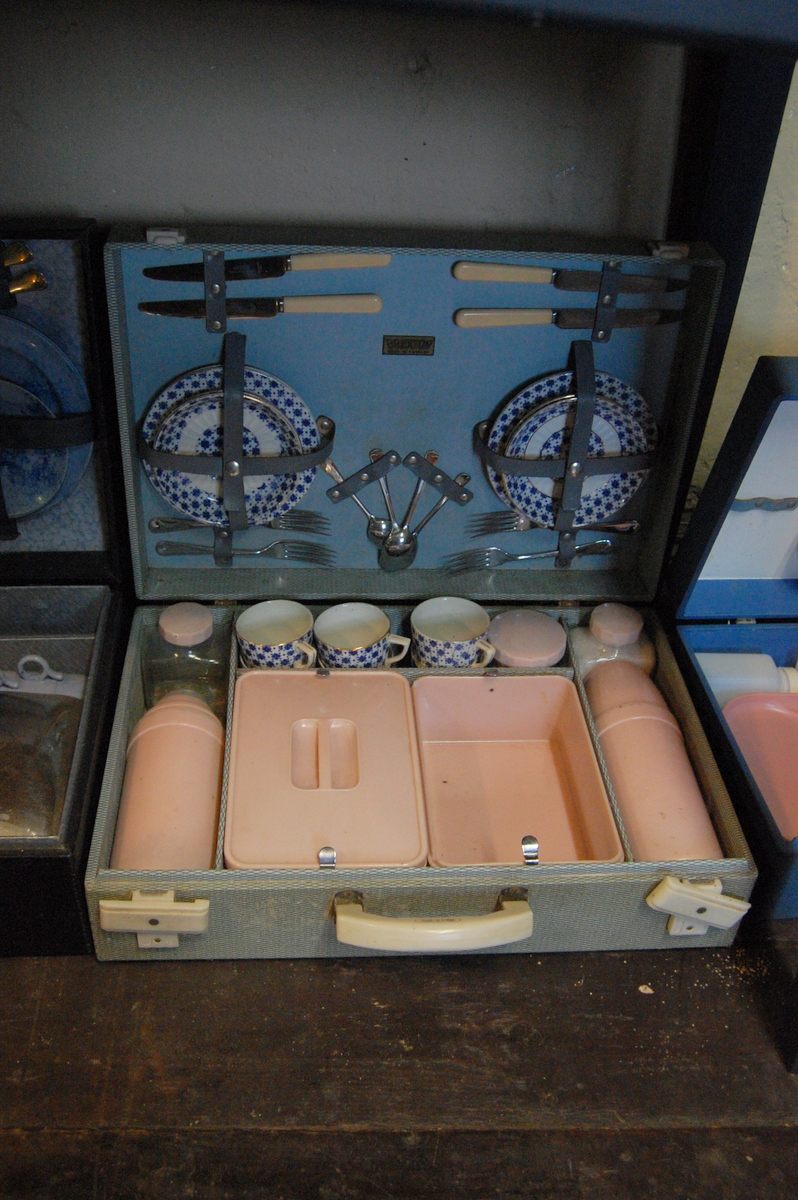
The picnic set was enamelled steel plates and mugs, painted tins, and sometimes decorated glassware, and the decoration on painted and enamelled kitchenware of the period could contain lead or cadmium in the pigments and glazes.
Food contact requirements now limit what may leach from a surface that touches food, with specific limits on lead and cadmium release from ceramics, glazes and decorated glassware, and testing to establish it. Decorated vintage kitchenware is the category where this comes up, and the general advice is to treat decorated antique and mid-century pieces as display items rather than as tableware.
This applies to the picnic set in the attic as much as to the one in 1962, and it is the one item on this list with a direct present-day action attached to it.
13. Getting there involved an unrestrained car full of children
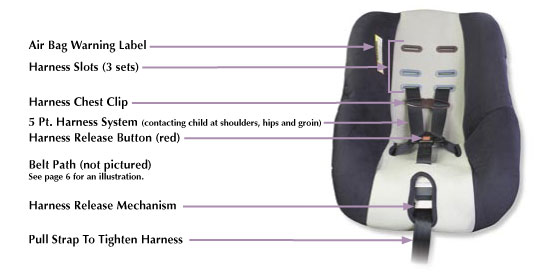
The journey to the picnic was made in a car with no seat belts fitted or none worn, with children loose on the bench seat, standing on the transmission hump, lying in the rear window shelf or riding in the open trunk or truck bed.
American seat belt requirements, child restraint laws and the design standards behind them were developed from the mid-1960s onward and are now universal, with child seats specified by age, weight and height and rear seating required for young children. The change in outcomes is among the largest in the history of American public safety.
This is not a picnic item but it is the most consequential thing on the list, and it is worth putting plainly: the dangerous part of a 1962 picnic was the drive.
14. The leftovers came home and were eaten
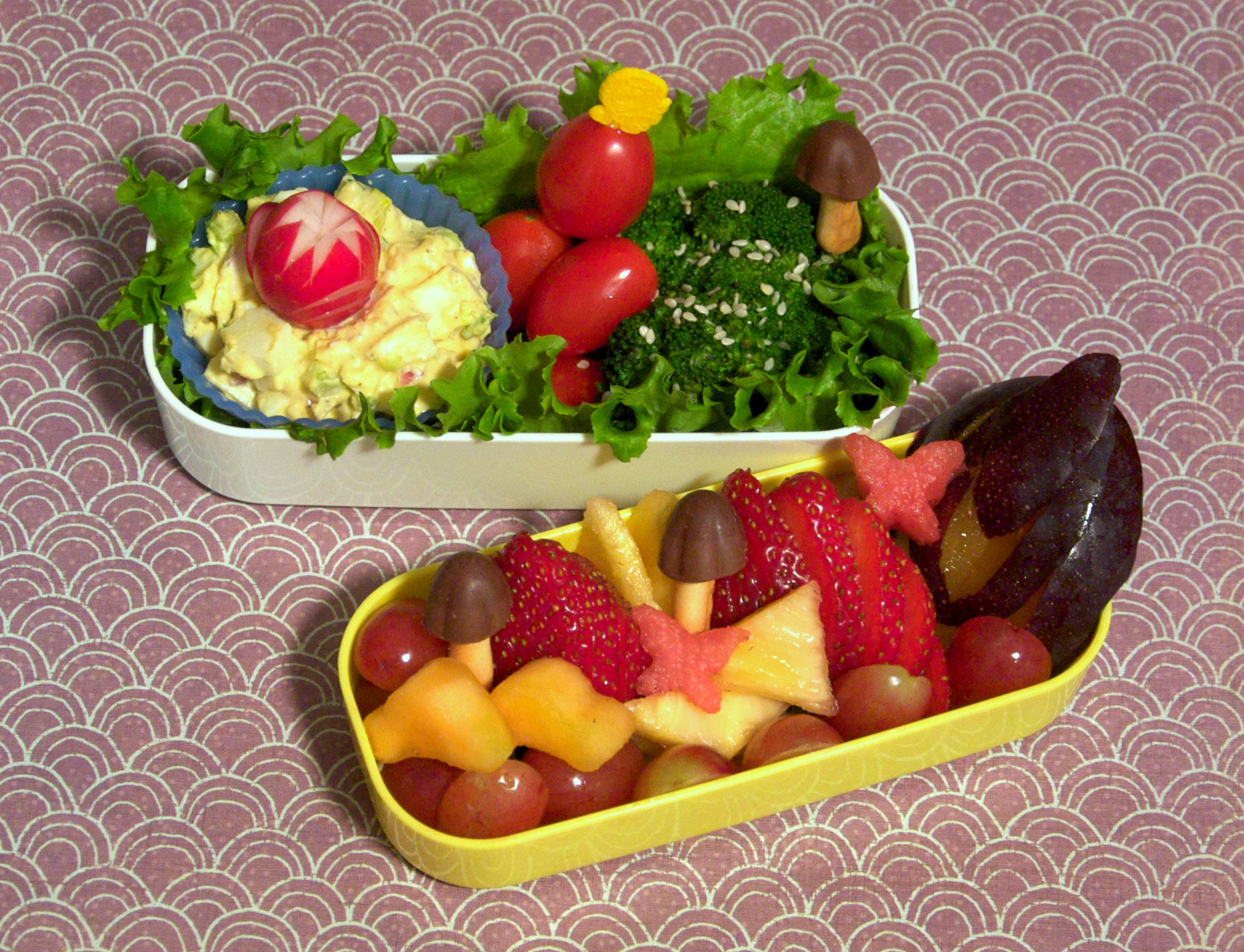
Whatever was not eaten went back into the hamper, travelled home in the trunk in the afternoon heat, and was put in the refrigerator or eaten that evening. Throwing food away was not an option any 1962 household considered lightly.
This is the item modern guidance is most direct about, and the rule is the simplest one on the list: perishable food that has been out of chilled storage beyond a stated period is discarded rather than re-chilled, because cooling it down again does not undo what happened while it was warm.
The 1962 reasoning was that it looked fine and smelled fine, and the modern answer is that neither of those is a test. That is the single most useful sentence in all modern food safety advice.
15. Nobody had a forecast worth the name
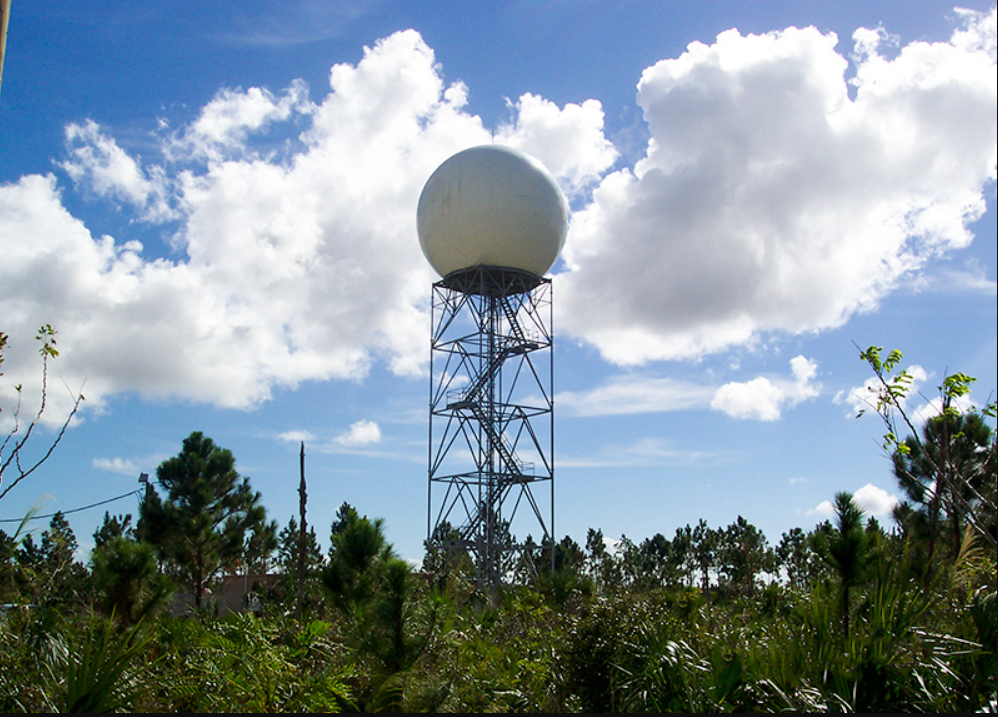
The picnic was planned on the previous evening’s newspaper forecast or the radio, with no radar, no hourly detail and no lightning information, which is why so many American family picnic stories end with everybody in the car with the windows steaming up.
The forecasting difference is genuinely dramatic and it is not only a convenience. Current short-range forecasting, radar and lightning detection mean an outdoor plan can be made with a real understanding of what is coming in the next two hours, which is the interval that actually matters for a thunderstorm.
It is the one item here where the technology changed and no rule had to. Nobody legislated the forecast; it simply got good.
16. And the part that was better, which was being allowed to stop
The 1962 picnic happened because a family pulled over. There was no site to book, no permit, no designated area and no expectation that the day had been arranged. Somebody saw a field with a tree in it, the car stopped, and that was lunch.
That is mostly gone, and the reasons are real rather than bureaucratic: traffic speeds, fencing and land access, fire risk, the pressure of visitor numbers on anywhere pleasant, and the simple fact that a verge beside a modern highway is not somewhere to sit. The provided rest area with its tables and bins is the correct answer and it is not the same thing.
The honest summary of this list is that the food handling was poor, the water was a real hazard, the fire and litter practices do not scale, and the drive was dangerous — and that the thing worth recovering is none of those. It is the willingness to stop the car because somewhere looked nice.
The three categories
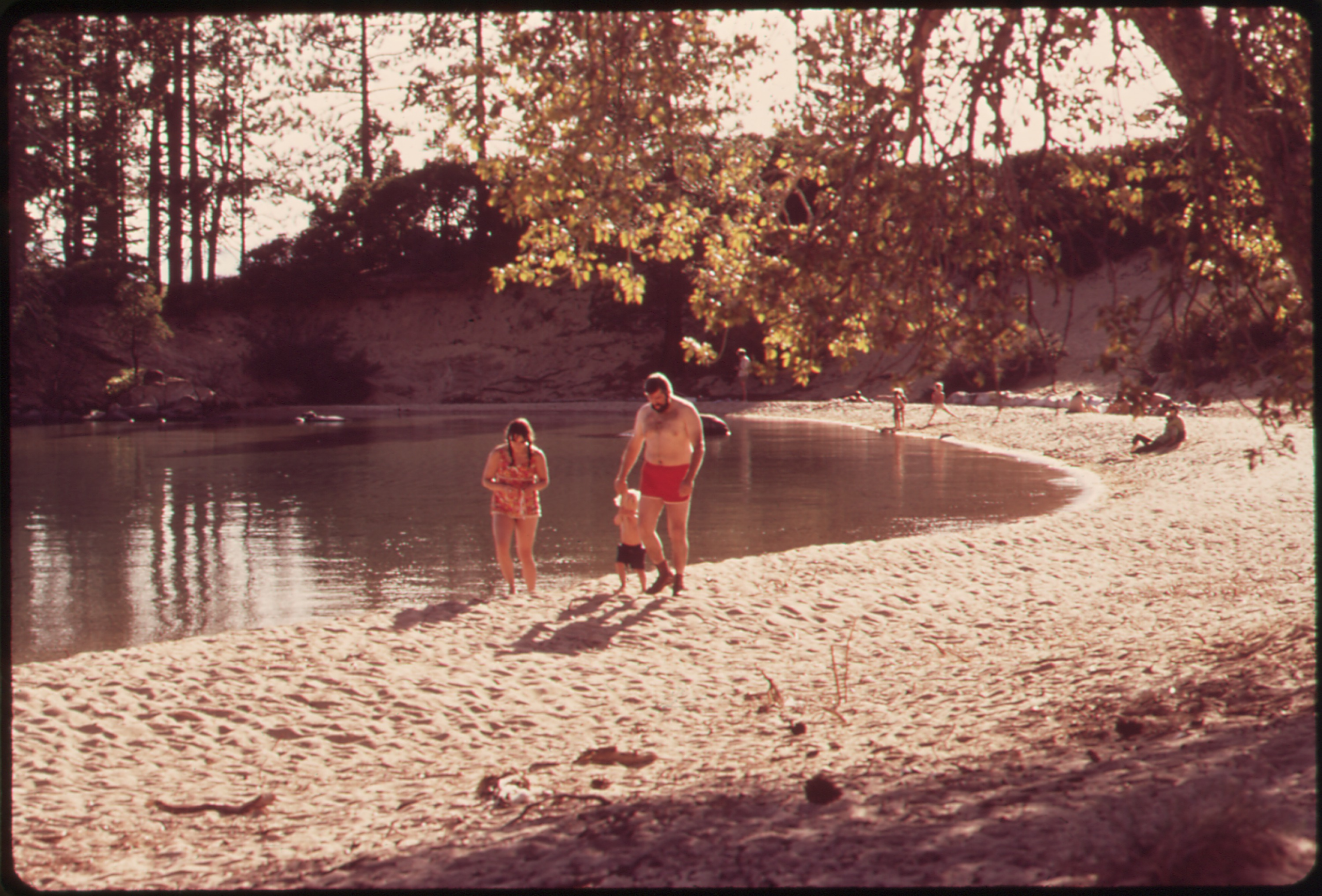
Sorting the list produces three different kinds of change. The first is food handling, which is about technology more than knowledge: the 1962 household understood perfectly well that egg salad goes off in the heat and had nothing capable of preventing it, and the insulated cooler with a frozen pack is the single invention that fixed the picnic.
The second is the things that do not scale. Lighting a fire on a verge, leaving the rubbish, pulling over anywhere and taking water from a spring are all perfectly reasonable when a few thousand people do them and genuinely destructive when a few million do, and almost all the restrictions in that category are a response to volume rather than to any change in judgement.
The third is the car, and it is the one with the numbers behind it. Restraints, child seats and the vehicle design standards that came with them changed outcomes on American roads more than any other item on this list, and the picnic itself was never the dangerous part of the day.
Two things from this are worth acting on now. If there is a decorated enamel or painted picnic set in the attic from that period, it is better treated as something to look at than something to eat from, because of what may be in the glaze and the pigment.
And if the picnic itself is the thing you want back, the recoverable part is the spontaneity rather than the hamper. The food goes in a cooler with a frozen pack, out of the trunk and out of the sun, and the rest of it is just deciding to stop.
Like our content? Follow us for more.
