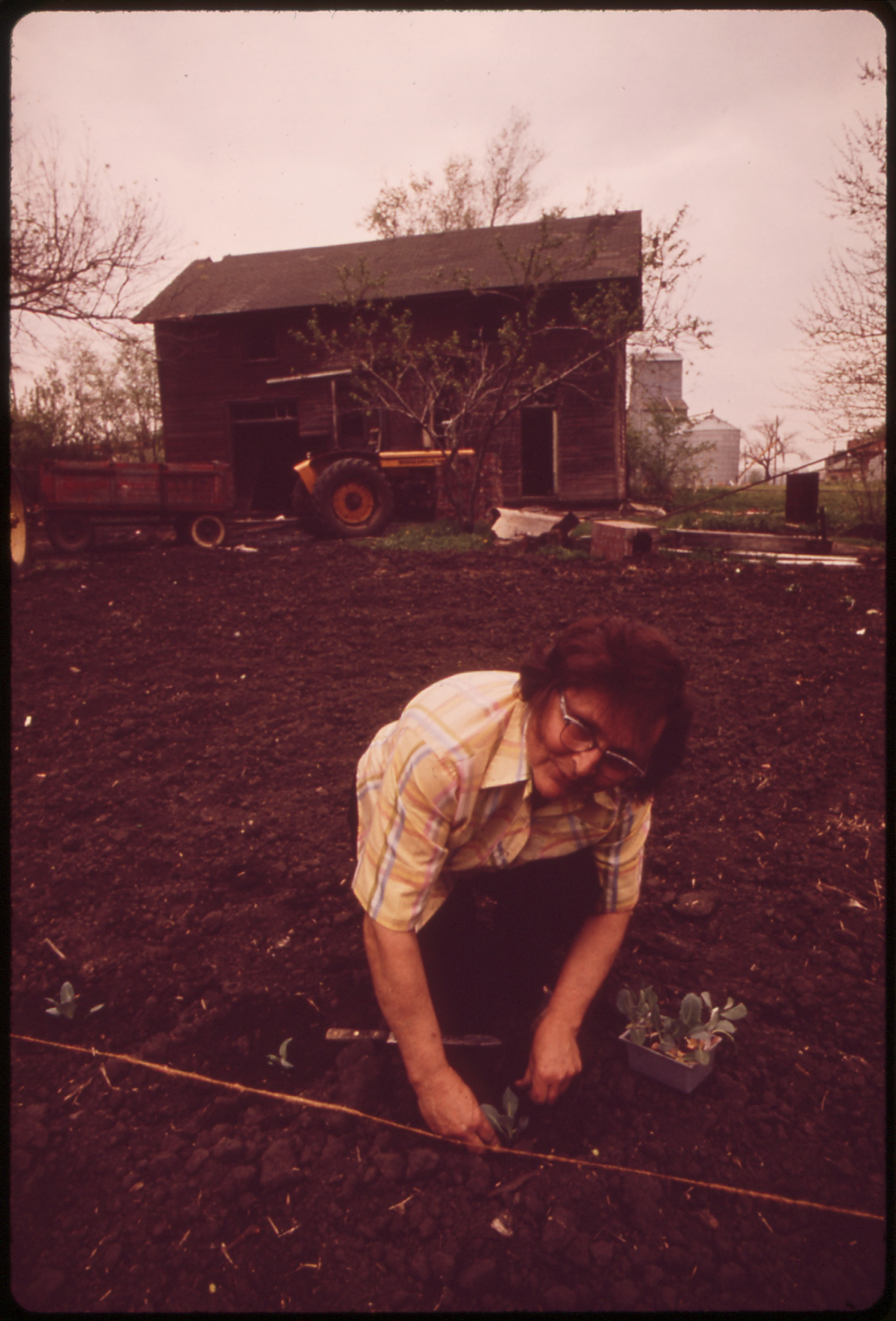
The home vegetable garden of 1962 is the one piece of mid-century domestic life most likely to be remembered as straightforwardly wholesome, and it is the one where the gap between then and now is widest. Almost everything that went onto those beds and almost everything that went into them has since been withdrawn, restricted or specifically advised against.
This is a history of what was used and what happened to it, and it is deliberately not an account of how any of it was used. Nothing here includes a quantity, a dilution or a method. Here are sixteen things that went on an American vegetable garden.
1. Lead arsenate was dusted onto food crops
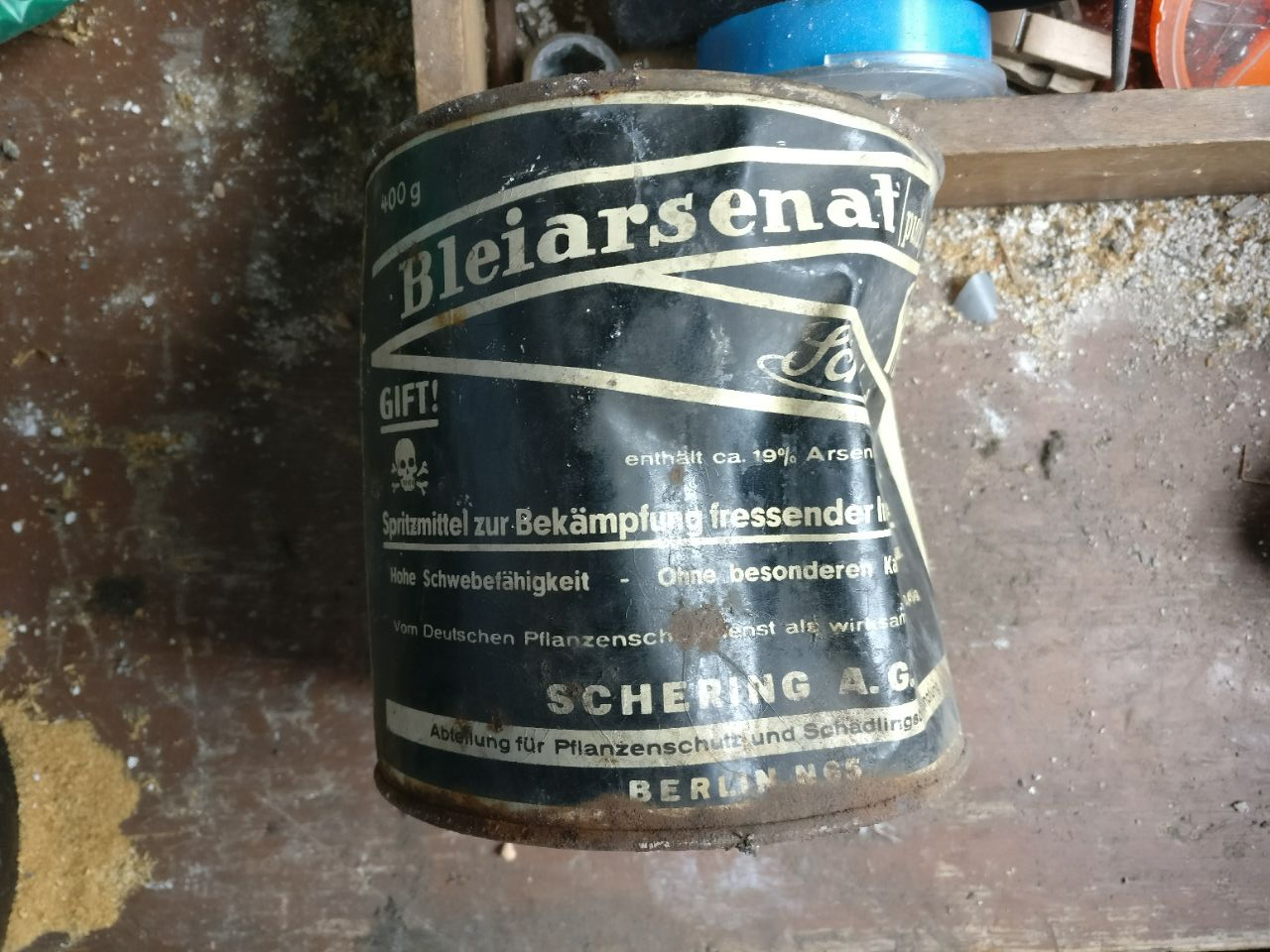
Lead arsenate was the standard American insecticide for decades before synthetic organics arrived, and it persisted in garden use well past the point where professionals had moved on. It was dusted or sprayed onto fruit and vegetables, and it worked by being eaten.
Both elements in it are the problem. Arsenic and lead are both cumulative and neither breaks down, so a garden sprayed with it for twenty years retains both in the soil indefinitely, and American orchard land treated historically with lead arsenate is still identified as a soil contamination issue when it is converted to housing.
Residues on the produce were a known concern at the time and were the subject of tolerance arguments from the 1920s onward. What nobody was accounting for was the soil, which is where it still is.
Like our content? Follow us for more.
2. Calcium arsenate and Paris green were on the same shelf
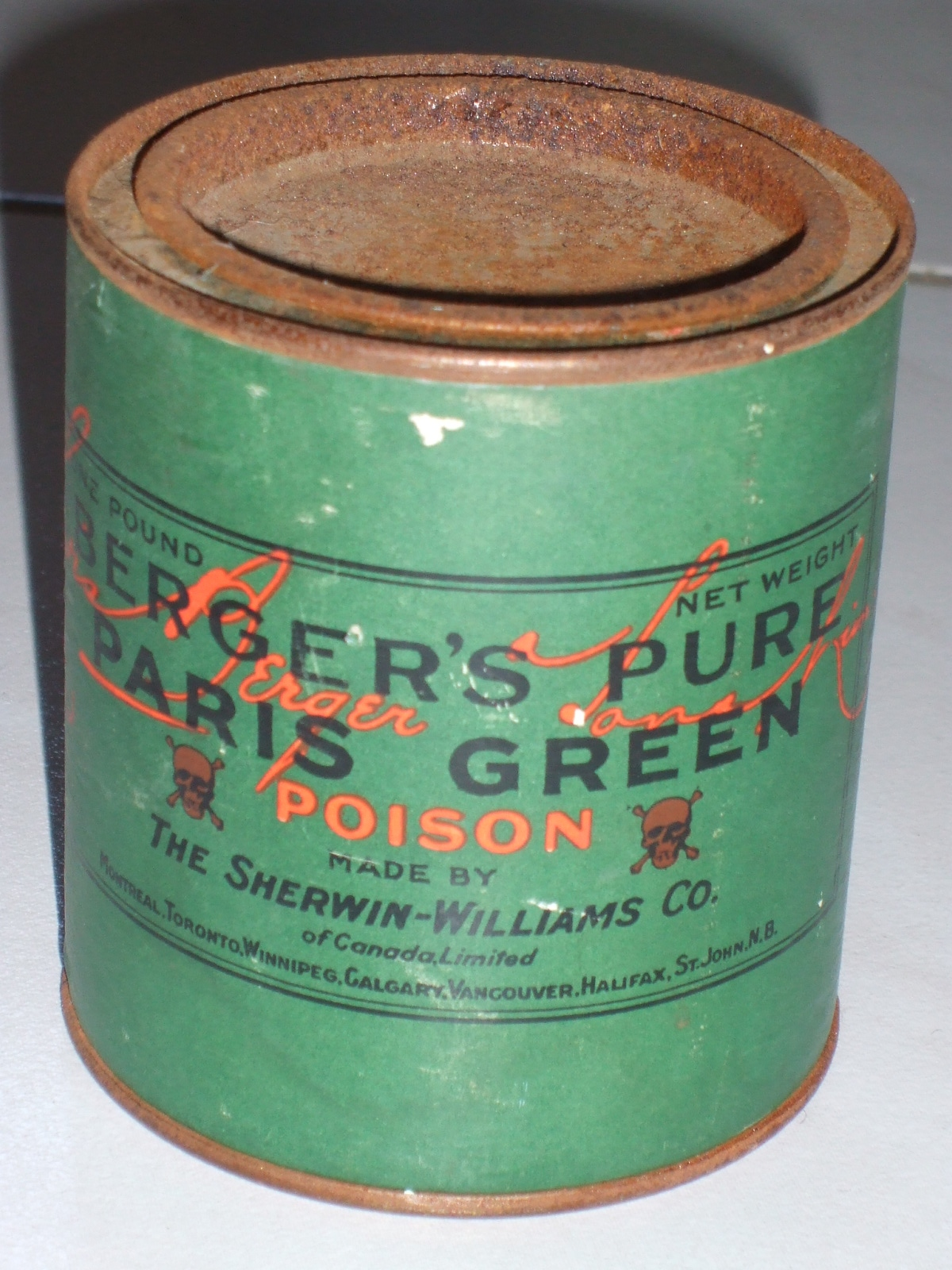
The arsenical family was broad. Calcium arsenate was used on vegetables, and Paris green, a copper-arsenic compound originally a pigment, had been a garden and agricultural insecticide since the nineteenth century and was still being sold.
All of them have gone from food use in the United States, and the general withdrawal of arsenical pesticides proceeded through the middle of the century as alternatives arrived and as residue tolerances tightened. The compounds were effective, cheap and entirely indiscriminate.
The reason this family is first on the list rather than DDT is that it is older, less remembered and more persistent. A 1962 garden shed held both, and the arsenicals are the ones still in the ground.
3. DDT was dusted along the rows
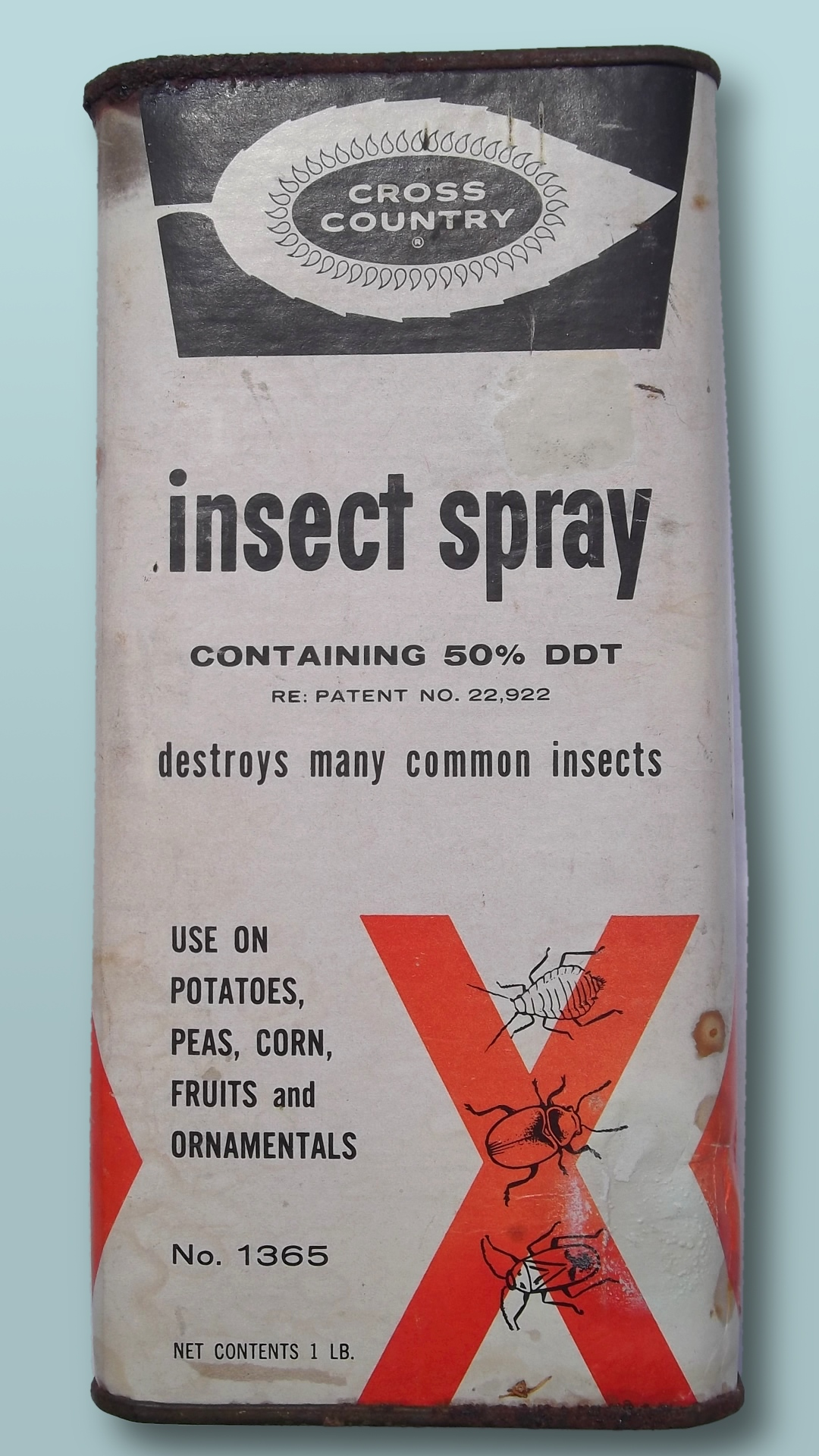
By 1962 DDT was the garden standard, sold in dusts, wettable powders and sprays for domestic vegetable growing, and it was applied generously because it was understood to be effectively harmless to anything other than insects.
Its American registrations for virtually all uses were cancelled in 1972 on the basis of persistence, accumulation in fatty tissue, concentration up food chains and effects on bird populations, and it is now controlled internationally as a persistent organic pollutant. The garden use disappeared with the rest.
The gardener’s version of the DDT story is specific: it was applied to things that were then eaten, by people who had been assured there was no reason not to, and the reason the assurance was wrong had nothing to do with acute toxicity.
4. Nobody had heard of a pre-harvest interval
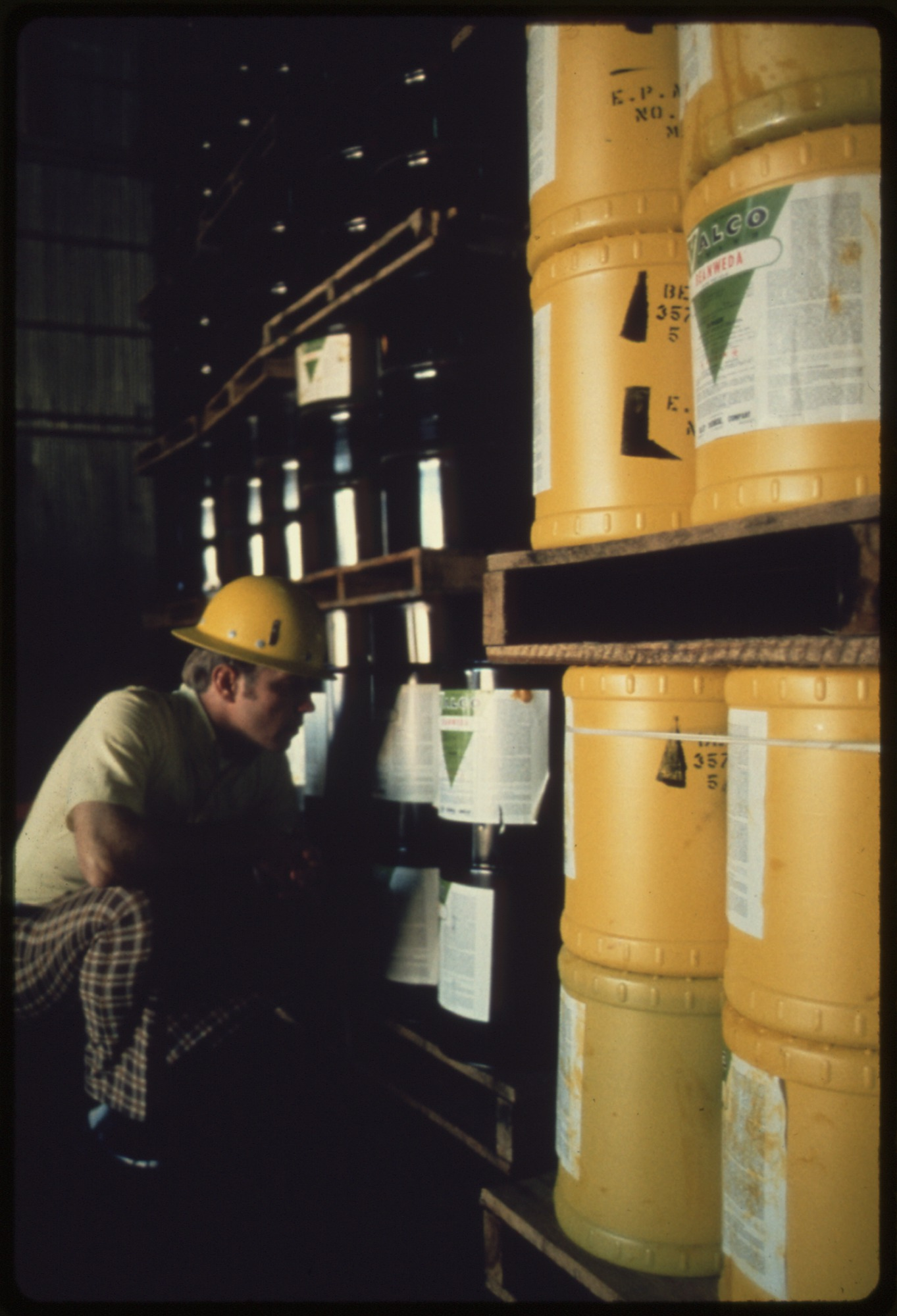
The modern label on any garden pesticide states how many days must pass between application and picking, which is the single most important instruction on it. In 1962 that concept was not on domestic products in any systematic way, and the common practice was to spray and pick on the same afternoon.
The pre-harvest interval exists because residues decline over time at a rate specific to the compound and the crop, and the figure is set so that what remains at picking is within a legal tolerance. It is the difference between a product being usable on food and not.
If there is one thing in this list that explains why 1962 garden produce is not comparable to modern garden produce, it is this. The chemistry was worse and the timing was unmanaged, and the second may have mattered as much as the first.
5. Nicotine was used as an insecticide
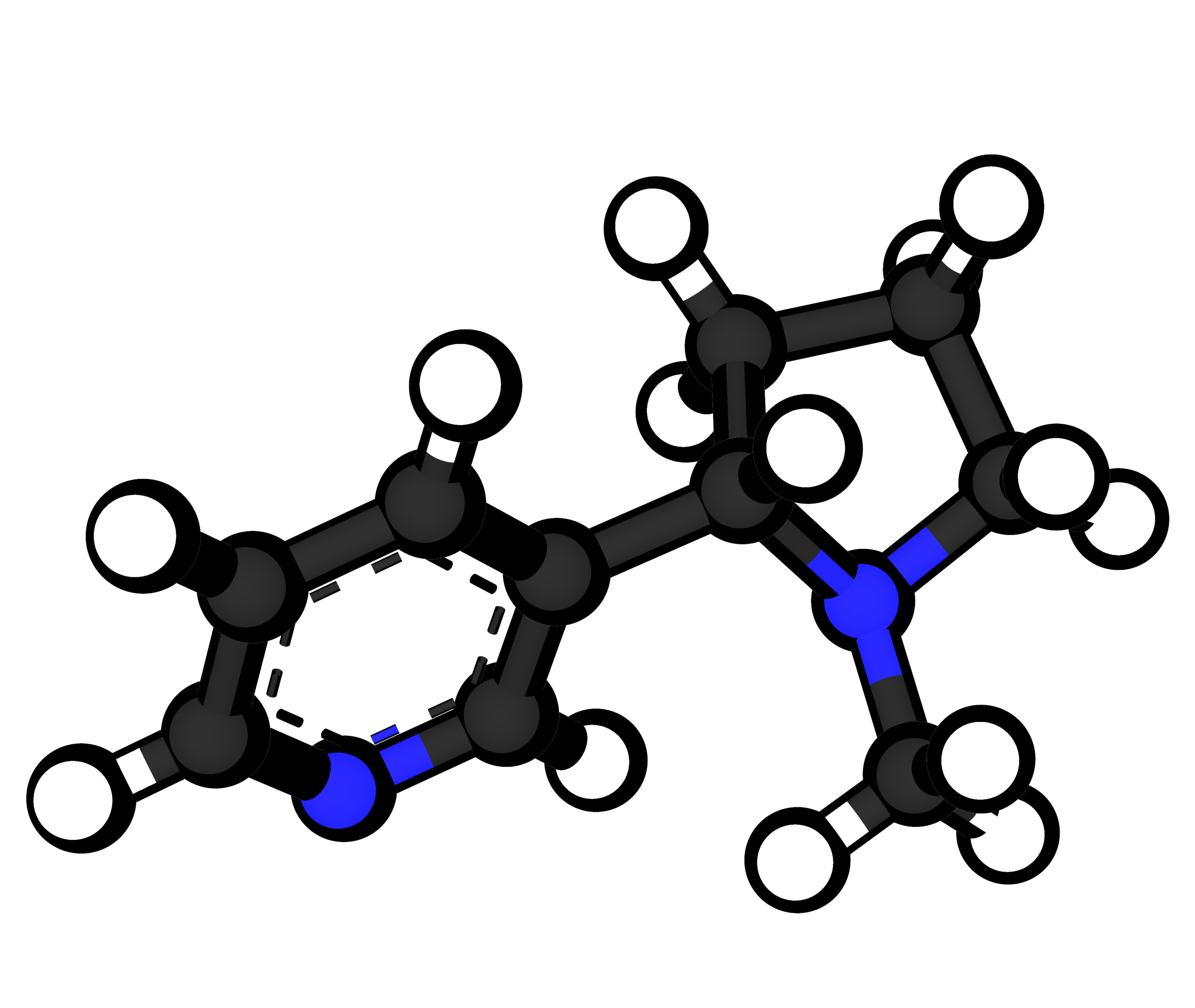
Nicotine sulfate, sold as a concentrated liquid, was a long-standing garden insecticide used against aphids and other soft-bodied pests, and gardeners also made their own preparations by steeping tobacco. It was regarded as the natural, old-fashioned option.
It is acutely toxic by skin contact as well as by ingestion, which is the hazard the home preparation entirely ignored, and its American registrations for such uses were cancelled in 2014. No preparation, concentration or method is described here for exactly that reason.
This is the item that most undermines the assumption that older and plant-derived means gentler. Nicotine was the most acutely hazardous thing in a great many 1962 garden sheds, and it was the one people felt comfortable mixing themselves.
6. Mercury compounds dressed the seed
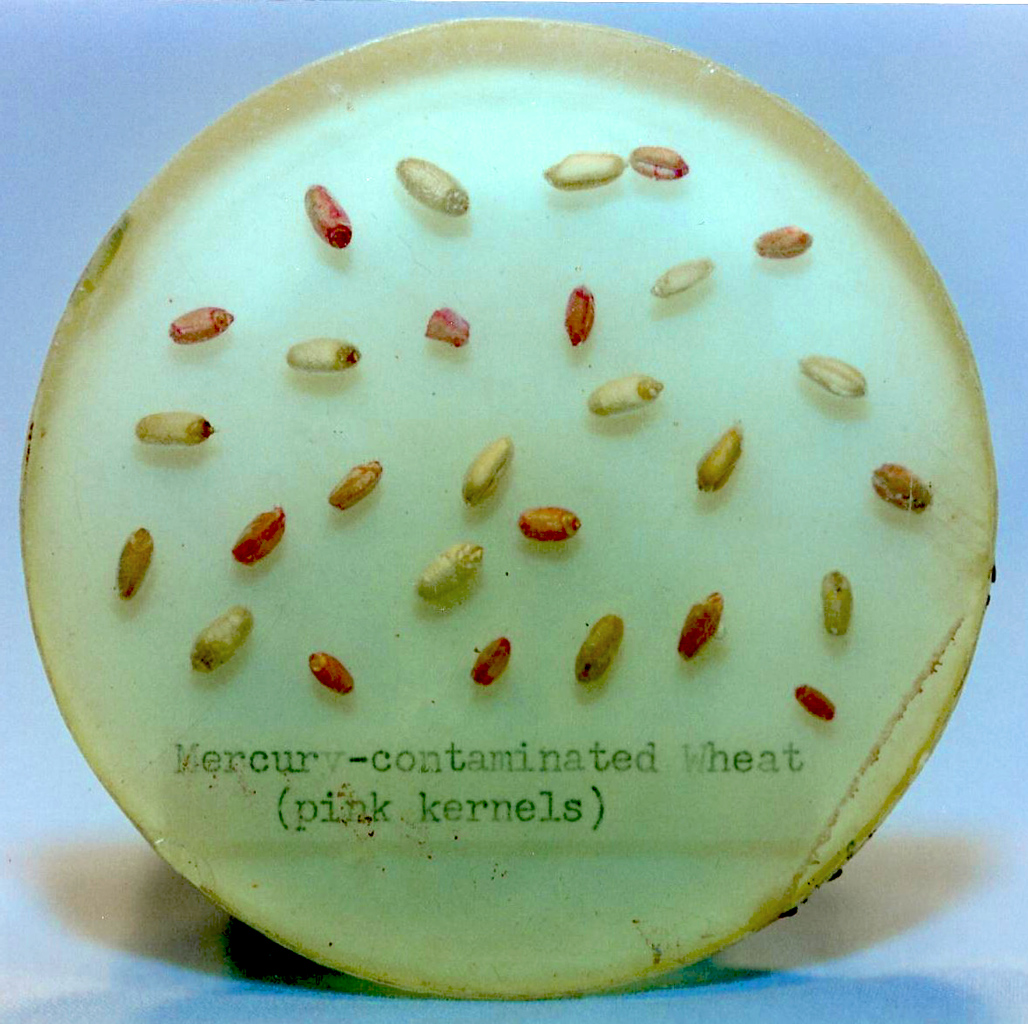
Seed treatments containing organomercury compounds were used to prevent fungal disease in stored and sown seed, and treated seed was dyed a warning colour so it would not be eaten. It was handled by hand at sowing.
Organomercury seed dressings have been withdrawn in the United States and across most of the world, following both their persistence in the environment and incidents elsewhere in which treated seed entered the food supply. The replacement fungicides are a different chemistry entirely.
The dyed seed is the detail that stays with people who remember it. The colour was there as a warning, which tells you what was expected to happen if it was not.
7. Weedkiller was sodium chlorate, which is also an oxidiser
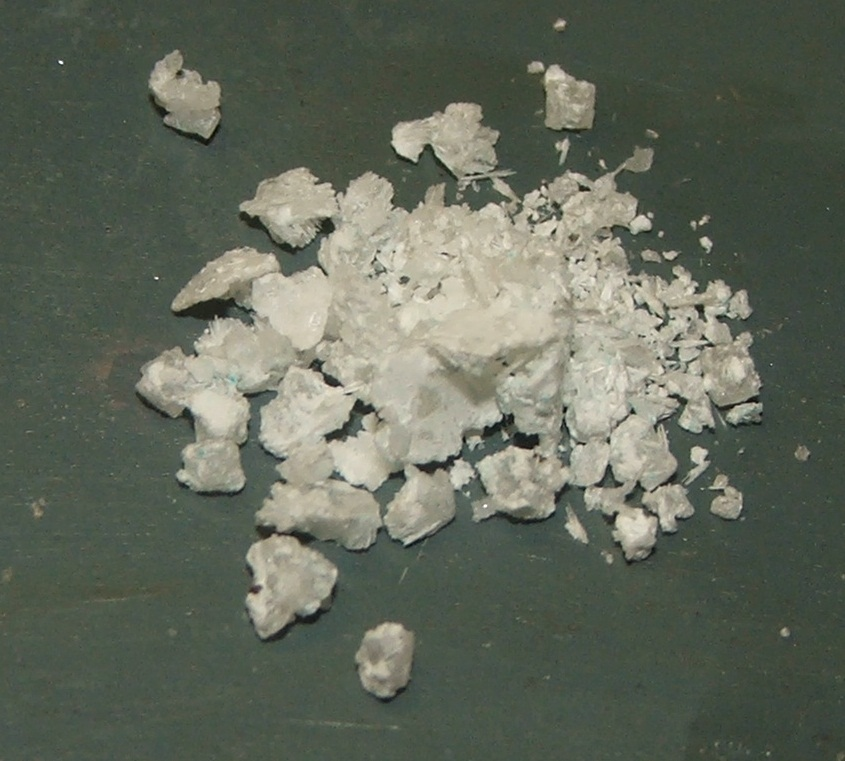
Sodium chlorate was the common path and gravel weedkiller, sold in large bags, applied dry or in solution. It killed everything and sterilised the ground for a season.
It is a strong oxidiser, which means clothing or organic material contaminated with it becomes readily ignitable as it dries, and that property caused enough incidents that it has been withdrawn from general sale in a number of jurisdictions and restricted in others. The hazard was the fire risk rather than the toxicity.
It is a good example of a product whose actual danger was not the one on the warning label. People worried about getting it on the vegetables and spilled it on their trousers.
8. Phenoxy herbicides arrived and were used freely
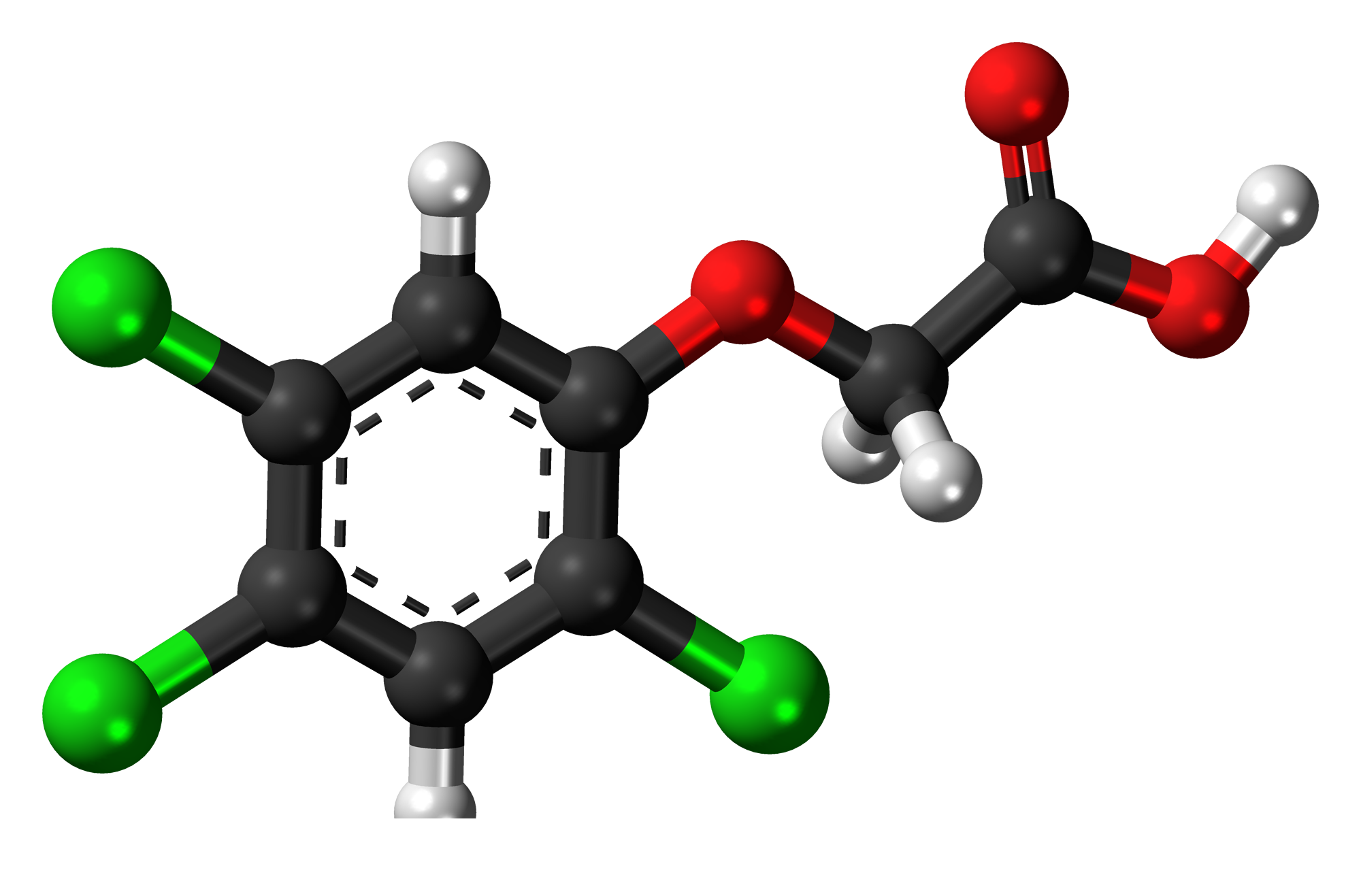
The selective hormone weedkillers that transformed lawn care appeared in the 1940s and were in general garden use by 1962, applied with a watering can or a sprayer on a windy afternoon with no protective equipment and no awareness of drift.
One member of that family was subsequently cancelled for most American uses in the 1970s and 1980s following concerns about a contaminant formed during its manufacture, while others remain registered and in use under current conditions, with label requirements covering application, drift and protective equipment.
The relevant change for a gardener is drift. A selective herbicide applied in wind reaches the neighbour’s tomatoes, and the modern label addresses that explicitly, which the 1962 one did not.
9. The beds were built out of creosoted timber
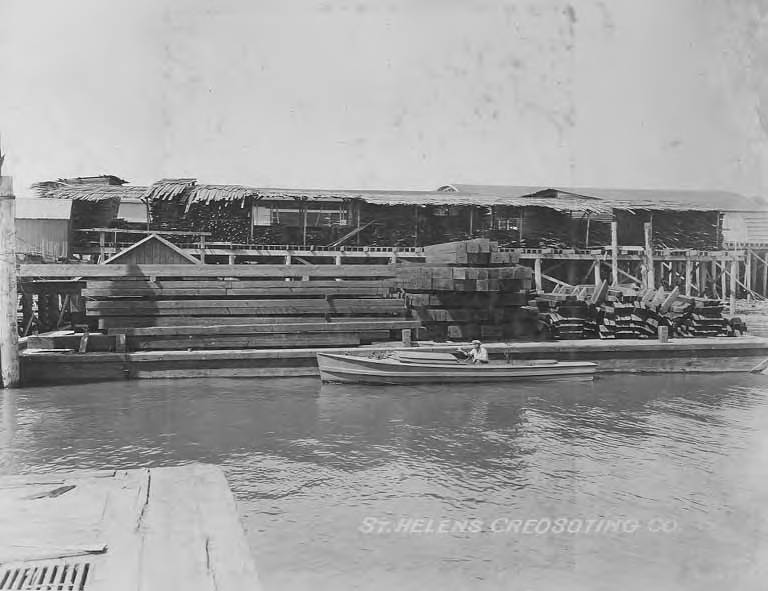
Railway sleepers and creosote-treated boards were the free or cheap option for raised beds, paths and compost bins, and they were desirable precisely because they did not rot. Old telegraph poles went the same way.
Creosote is a coal tar distillate, is classified as a carcinogen, and its use was restricted in the United States to certified applicators for specified industrial purposes, with consumer sale ended. It is specifically not permitted for use where it will contact food crops, and the standing advice is not to use reclaimed treated timber for food growing.
This is the item most likely to still be in place in an inherited garden. A bed built from sleepers in 1970 is still a bed built from sleepers, and the material does not stop being what it is.
10. The timber that was not creosoted was treated with arsenic
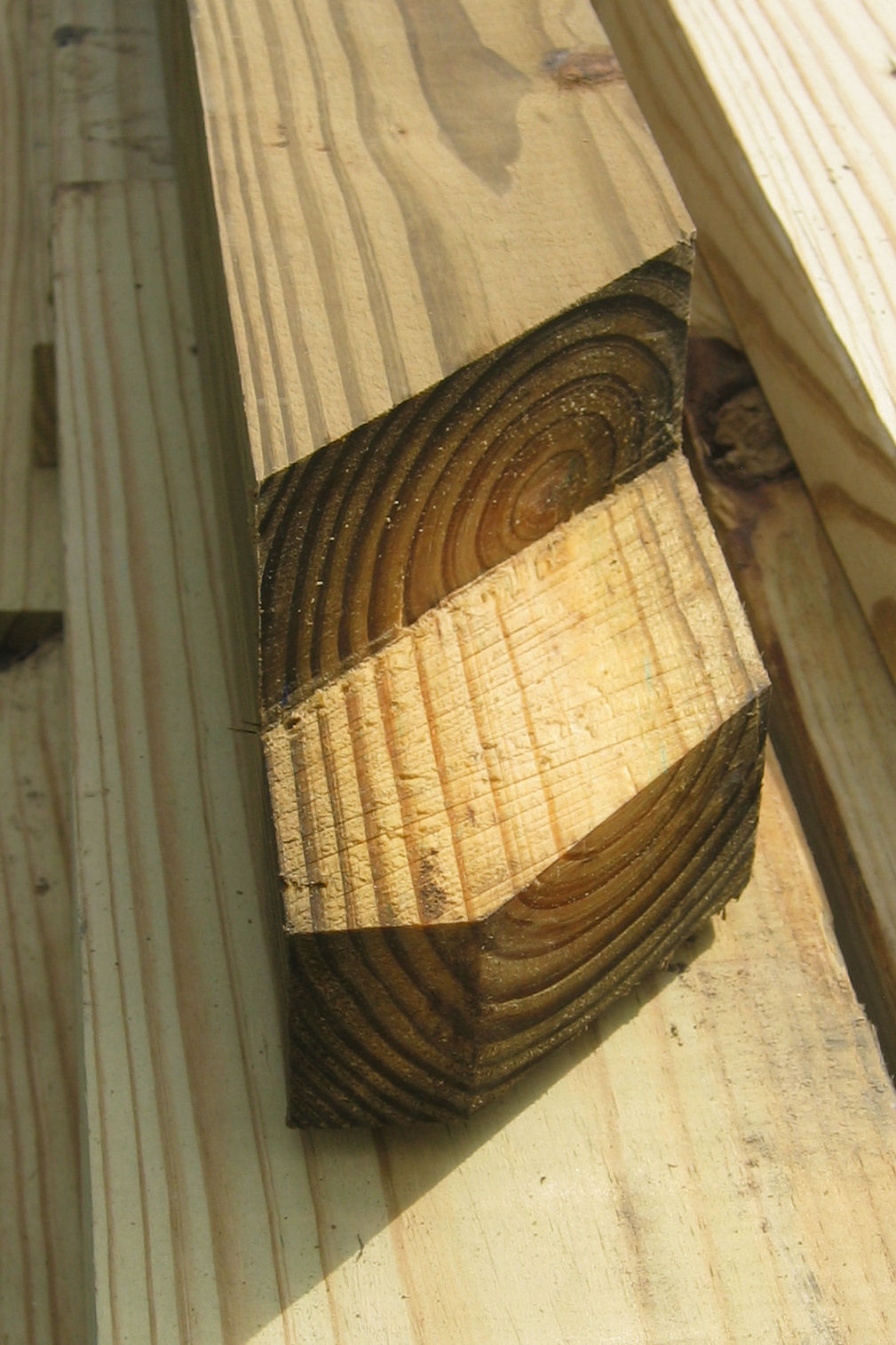
The alternative preservative-treated lumber of the later part of the period was chromated copper arsenate, which gave the familiar green tint, and it was used for everything in American gardens: beds, decks, fences, play equipment and sandboxes.
Its use in most residential applications in the United States was voluntarily ended by the industry at the end of 2003 under agreement with the Environmental Protection Agency, and the replacements use copper compounds without arsenic. Existing structures were not required to be removed and guidance focused on sealing and on handwashing after contact.
For a vegetable garden the practical point is to know which generation of treated timber you have. Anything green-tinted and installed before 2004 is likely to be the arsenical type, and lining a bed rather than rebuilding it is the usual remedy.
11. Coal ash and clinker went straight onto the beds
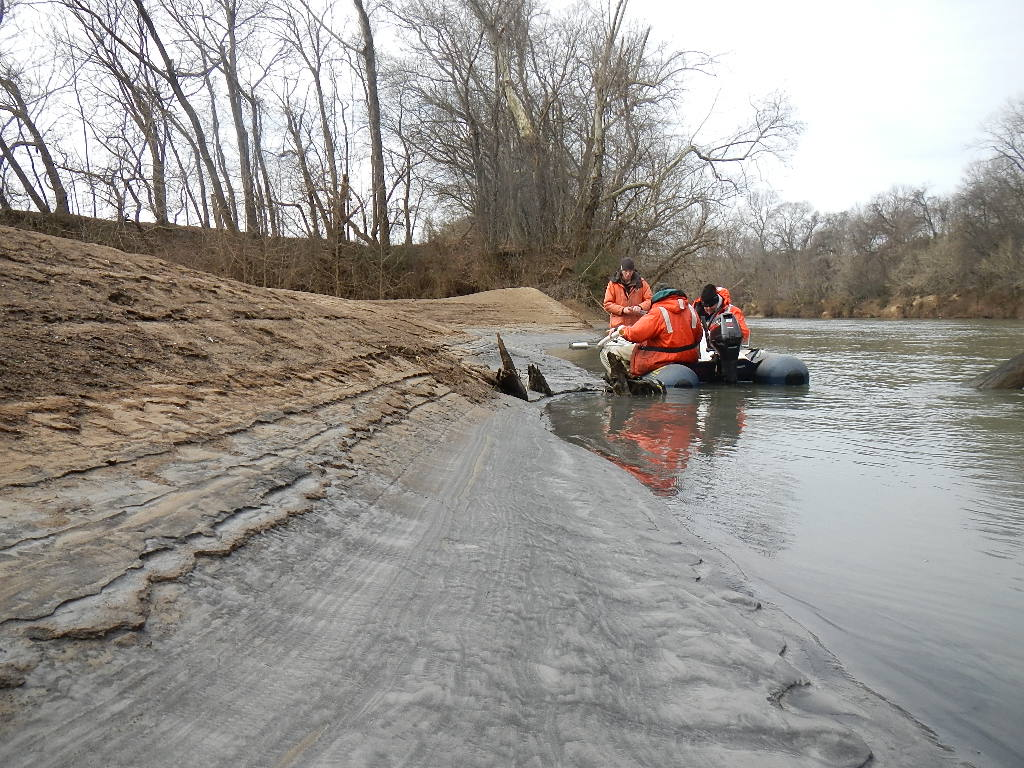
Every house with a solid fuel furnace produced ash, and the garden was where it went. It was dug into beds as a soil conditioner, spread on paths and used to lighten heavy ground, in quantity, year after year.
Coal ash is not a soil improver. It contains little of nutritional value, it can raise soil pH sharply, and depending on the coal it carries a range of trace metals and other residues that are not wanted in a vegetable bed. Wood ash is a genuine, if limited, potash source; coal ash is not the same material.
The confusion between the two has survived into the present and is worth separating plainly. Wood ash, sparingly, is useful. Coal ash and clinker belong in the bin.
12. Untreated manure and night soil went on fresh
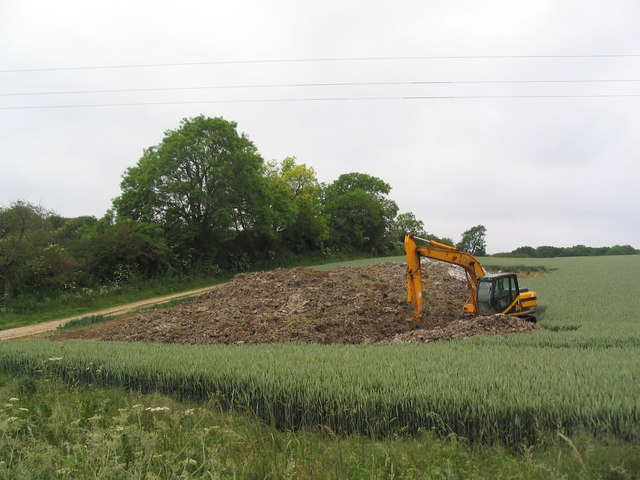
Fresh manure from any available animal was dug into vegetable ground, and in some places human waste was still being used, which is a practice with a very long history and a specific set of problems.
Current guidance on manure in food gardens is about timing and treatment: composted or aged manure rather than fresh, a defined interval between application and harvest, and particular caution for crops eaten raw and for anything in contact with soil. Human waste is not used on food crops outside engineered treatment systems.
The 1962 practice was based on the correct observation that manure grows excellent vegetables, and the modern rule adds the part about what else can travel with it, which the original practice had no way to detect.
13. Cities gave away sewage sludge for the garden
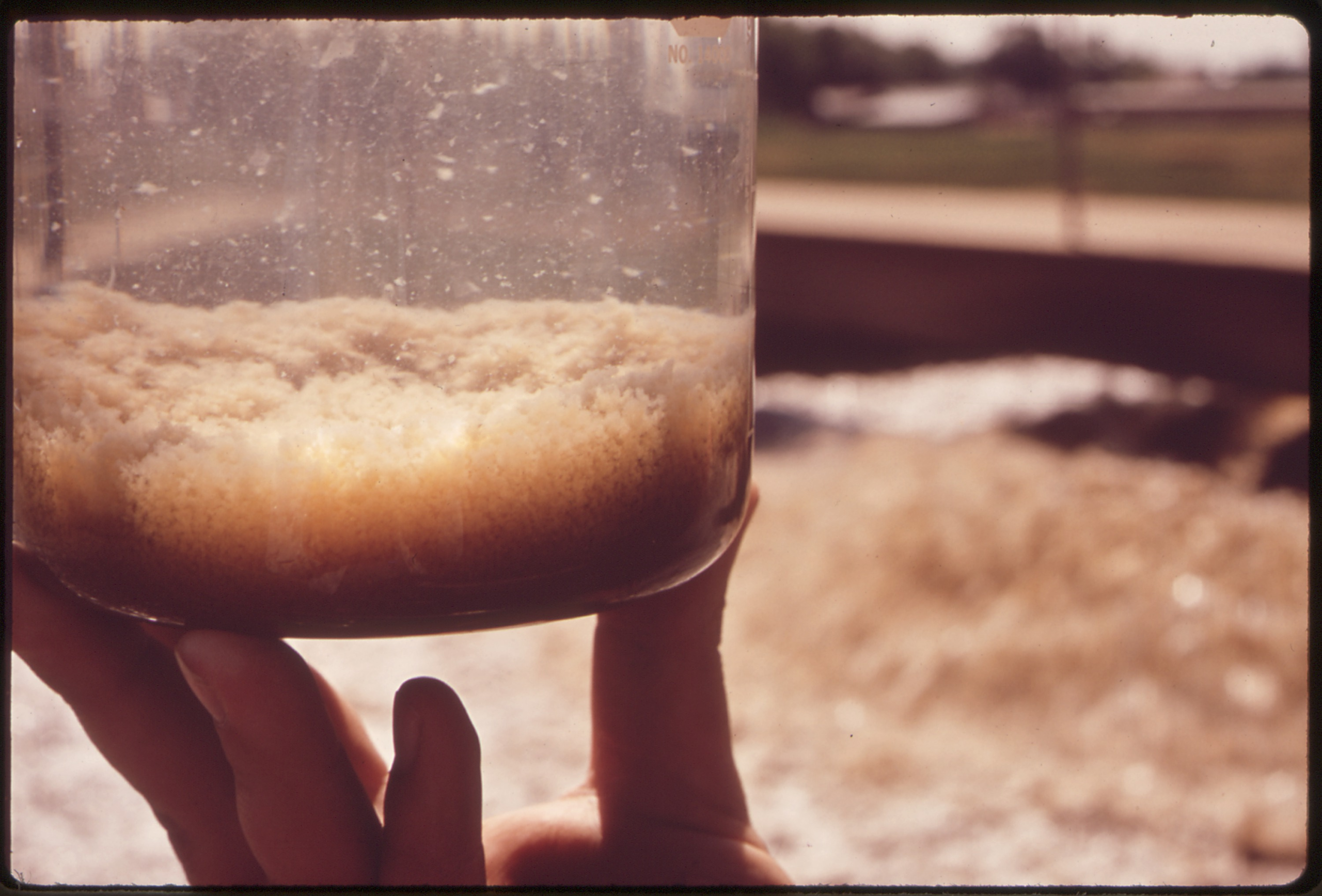
Municipal sewage treatment produced solids, and through much of the twentieth century American cities distributed them free or cheaply to gardeners and farmers as a soil amendment, which was a sensible-looking solution to a disposal problem.
What nobody was measuring was the industrial component. Sludge from a city with industry in it carried whatever had gone down the drains, including heavy metals, and the modern regulatory framework for the land application of biosolids includes metal limits, pathogen reduction requirements, treatment classes and restrictions on which crops may be grown and when.
Where this matters now is in old allotment and garden soil in and around industrial cities, which is tested for metals before new food growing in a number of American municipal programmes.
14. The garden rubbish was burned, including things that should not be
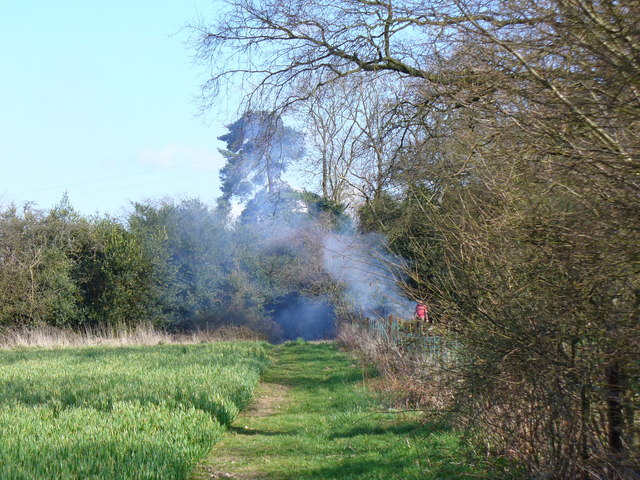
A garden bonfire took everything: prunings, weeds, but also painted and treated timber offcuts, plastic sacks, oiled rags and old packaging. It was the standard disposal route and was done close to the house.
Burning treated or painted wood releases what was in the treatment and the paint, which in this period means arsenic, chromium, copper, creosote components and lead, and burning plastics releases their own products. American open burning is now restricted or prohibited in most municipalities, and treated timber is specifically excluded from burning everywhere it is addressed.
This is the item where the 1962 practice actively concentrated the problem. A gardener who burned old sleepers and painted boards put the contents into the air and the residue into the ash, and then dug the ash into the beds.
15. Children were in the middle of all of it
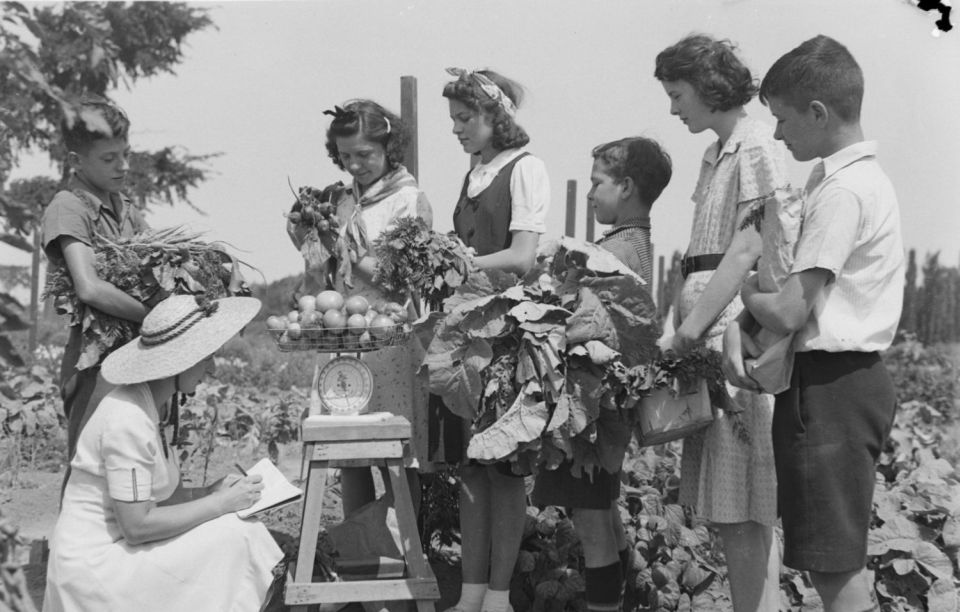
Garden work was family work. Children dusted rows, carried cans, mixed solutions, stood downwind of spraying, played in the beds afterwards and ate fruit straight off the plant while it was still wet.
Every element of modern pesticide labelling that concerns re-entry intervals, keeping children and pets off treated areas until dry, and washing produce before eating is addressed to this exact scene. The restricted-entry concept exists because the period immediately after application is the one that matters most.
No modern garden product is more hazardous than what was in the 1962 shed, and the handling instructions are vastly more specific. The gap is in the instructions rather than in the chemistry.
16. And what the 1962 garden had that the modern one often does not
The produce itself was frequently better, for reasons that have nothing to do with chemicals. Varieties were chosen for flavour and for local conditions rather than for shipping, seed was saved and swapped, the ground had been worked and manured for decades, and the gardener had grown the same crop in the same place for thirty years and knew it.
That knowledge is the real loss. A gardener in 1962 knew their soil, their microclimate, their varieties and their pests by direct observation across a long period, and much of that information was specific to a few hundred square feet and was never written down.
The honest summary is that almost every input into that garden was worse than its modern equivalent and almost every practice around the growing was better. The chemistry has improved beyond recognition, and the knowledge has thinned out, and there is no reason a gardener cannot have both.
What the regulators were actually asking
The pattern across this list is a single change in the question. The 1962 test for a garden product was whether it killed the pest and whether it harmed the person applying it that afternoon, and by those two tests nearly everything on this list performed well. The arsenicals worked, DDT worked, nicotine worked, sodium chlorate worked.
The modern test asks four more things: what remains on the crop at harvest, what remains in the soil afterwards, what happens to it in the wider environment, and what happens to the people and animals in the treated area in the hours and days after application. The pre-harvest interval, the re-entry period, the soil persistence assessment and the non-target testing all come out of those questions, and almost every withdrawal in this list follows from one of them rather than from an immediate poisoning.
The soil is the part that matters most for anybody gardening now, because it is the only element of 1962 still physically present. Chemistry on a leaf is long gone. Lead, arsenic and chromium in the top foot of an old garden are exactly where they were put.
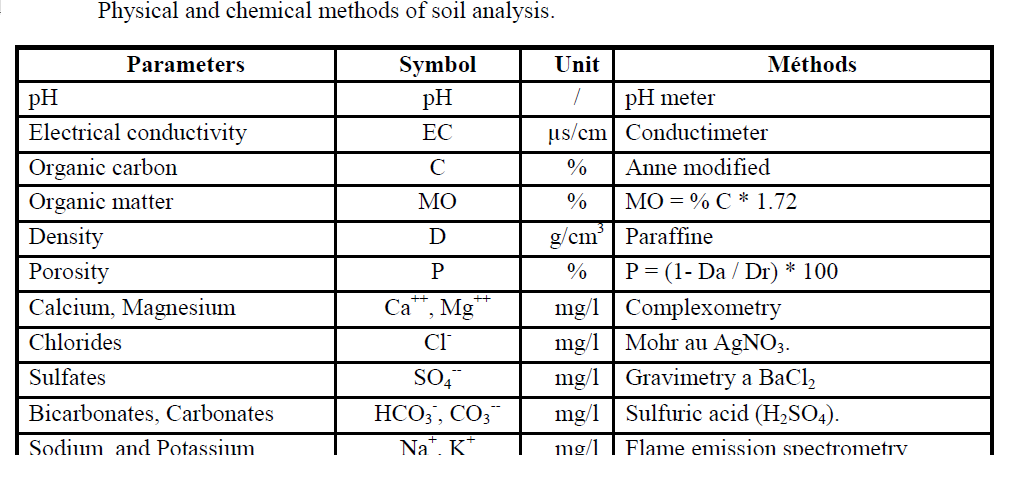
The two useful actions are both about the ground rather than the spray. If you are growing food in an old urban garden, an allotment, or ground near a demolished or long-painted building, a soil test for lead and arsenic is cheap and is the only way to know; several American state extension services run them and some municipal programmes do it free.
And if the beds are built from railway sleepers or green-tinted timber installed before 2004, lining them is the simple remedy. Neither of those is alarming and both are things a 1962 gardener had no way of knowing to do.
Like our content? Follow us for more.