The “reputation gap” is a real phenomenon in American travel. Some cities carry the weight of decades-old stereotypes, while others are judged solely by a single negative news cycle. However, according to 2026 travel sentiment data and local residency reports, many of the most “maligned” cities in the U.S. are actually undergoing significant cultural renaissances. While tourists might avoid these hubs based on outdated hearsay, the people who actually live there are enjoying a quality of life, and a lack of crowds, that “top-tier” destinations can no longer provide. Here are the 10 American cities that locals say deserve a second look and a fairer judgment.
Detroit, Michigan
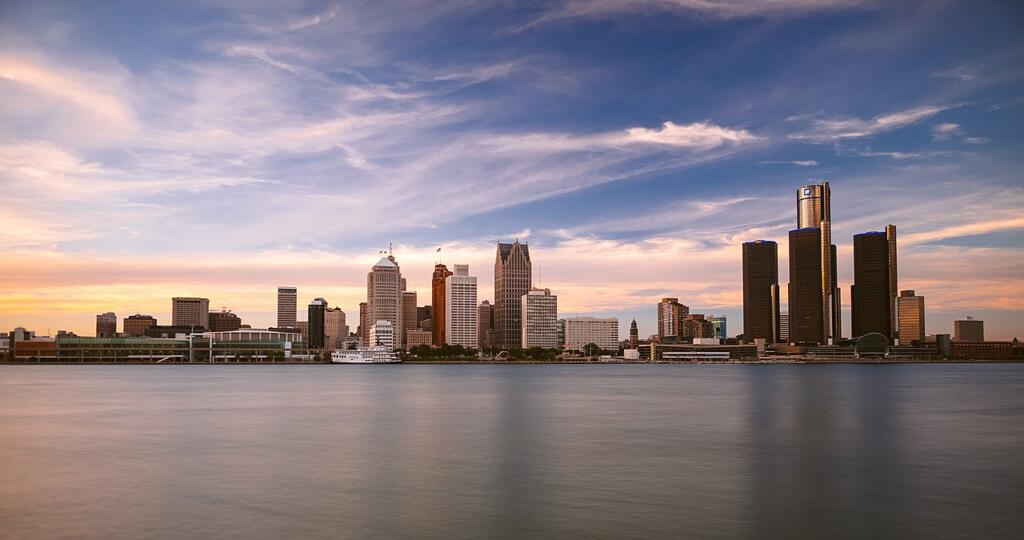
Detroit is perhaps the most unfairly judged city in America. While many still associate the “Motor City” with urban decay and the 2013 bankruptcy, the 2026 reality is one of massive architectural restoration and a thriving tech hub. Locals point to the “District Detroit” development and the revitalization of the riverfront, now ranked as one of the best in the country, as proof of its comeback. The city’s culinary scene has also exploded, with Detroit recently appearing on several “Best Foodie Cities” lists for its unique fusion of Middle Eastern and classic Midwestern cuisines. To judge Detroit by its 20-year-old reputation is to miss out on one of the most authentic cultural revivals in the Midwest.
Cleveland, Ohio

Often the butt of “rust belt” jokes, Cleveland has quietly transformed into a healthcare and cultural powerhouse. Locals are quick to defend their city by pointing to the “Playhouse Square,” which is the largest performing arts center in the U.S. outside of New York City. Additionally, the city’s proximity to Cuyahoga Valley National Park and the booming “West Side Market” area offers a blend of nature and urban grit that travelers often ignore. In 2025, Cleveland saw a 12% increase in young professional relocation, driven by a low cost of living and a surprisingly high-end museum district that rivals many coastal cities.
Newark, New Jersey
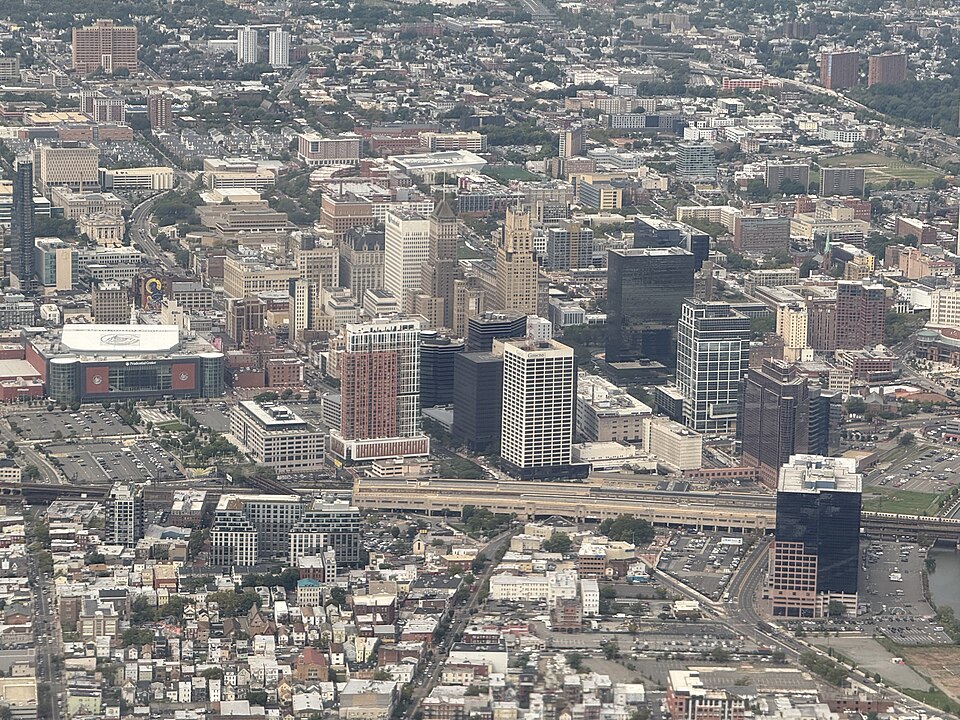
Newark has spent decades in the shadow of New York City, often dismissed as just an airport hub or a high-crime transit point. However, residents are fierce defenders of the “Brick City” and its blossoming Ironbound District. This neighborhood is home to some of the best Portuguese and Brazilian dining in the world, yet it remains largely untouched by the “Disney-fication” seen in Manhattan. With the expansion of the New Jersey Performing Arts Center and the revitalization of Military Park, Newark is proving that it is a destination in its own right rather than just a budget-friendly alternative to its neighbor across the Hudson.
St. Louis, Missouri
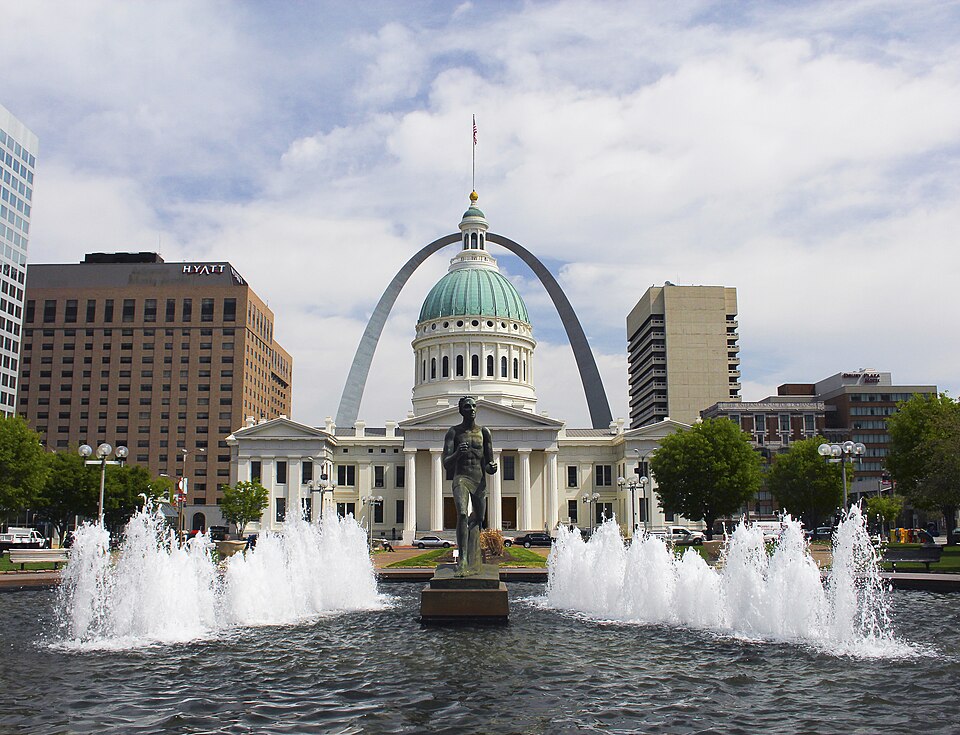
While national news often focuses on the crime statistics of the “Gateway to the West,” locals argue that these numbers are skewed by the city’s unique geographical boundaries. Residents celebrate the “Forest Park” area, which is significantly larger than New York’s Central Park and houses a world-class zoo and art museum, all of which are free to the public. The “Cortex Innovation Community” has also turned St. Louis into a startup hub, bringing a fresh, youthful energy to historic neighborhoods like Central West End. For locals, the city is a masterpiece of 19th-century architecture and 21st-century innovation that is unfairly overshadowed by its headlines.
Baltimore, Maryland
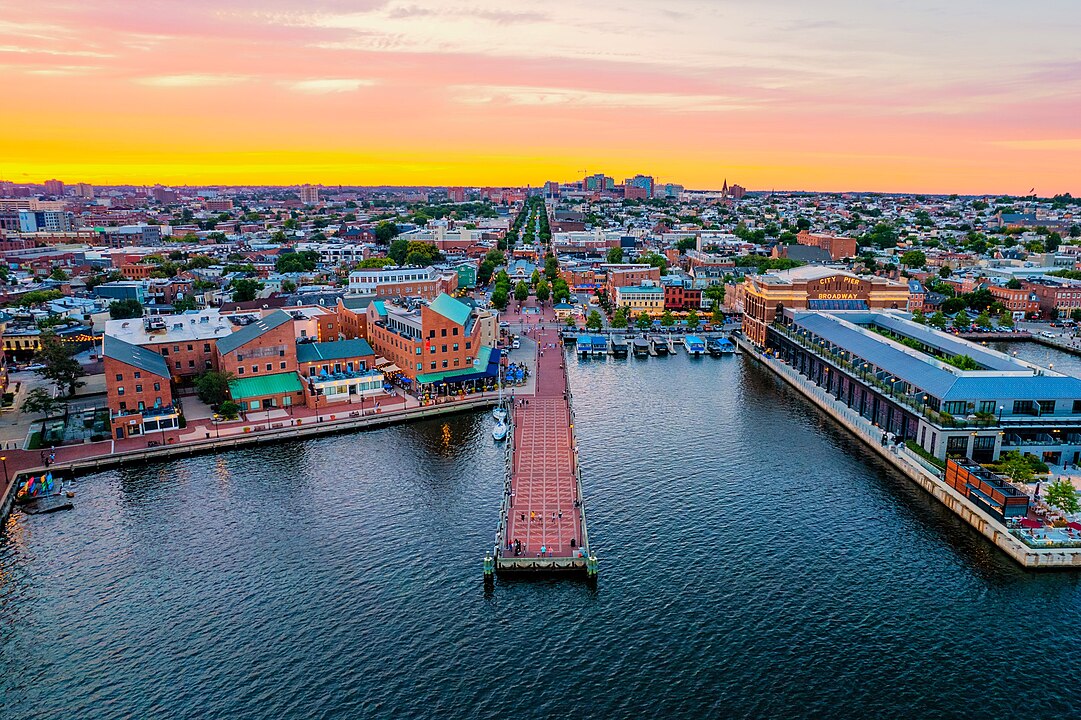
Baltimore is frequently judged through the lens of gritty television dramas, but the “Charm City” nickname is more accurate than outsiders realize. Locals emphasize the unique “rowhouse culture” and the vibrant arts scene in neighborhoods like Station North. The Inner Harbor, while a tourist staple, is only a small fraction of what the city offers; the real Baltimore is found in the cobblestone streets of Fells Point and the quirky, independent shops of Hampden. Data from 2025 suggests that Baltimore is becoming a haven for “digital nomads” who are fleeing the astronomical prices of D.C. for a city with more character and a much lower price tag.
Buffalo, New York
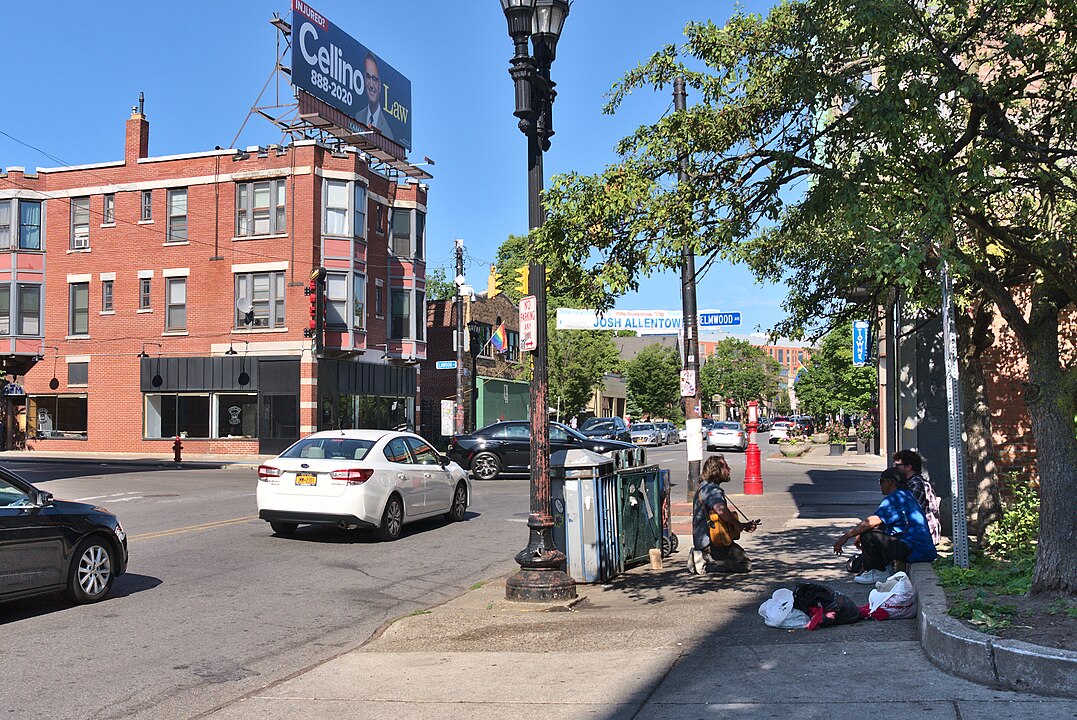
Beyond the legendary snowstorms and chicken wings, Buffalo is a city of stunning Gilded Age architecture and a surprisingly walkable waterfront. Residents say visitors judge the city too harshly for its weather while ignoring its “Summer of Buffalo” festival season, which locals claim is the best in the Northeast. The city has invested heavily in “Canalside,” a massive waterfront development that hosts concerts and outdoor activities year-round. With a newly energized downtown core and a fierce local pride, Buffalo is shedding its “dying city” label and proving that it can compete with the best of the Great Lakes.
Birmingham, Alabama
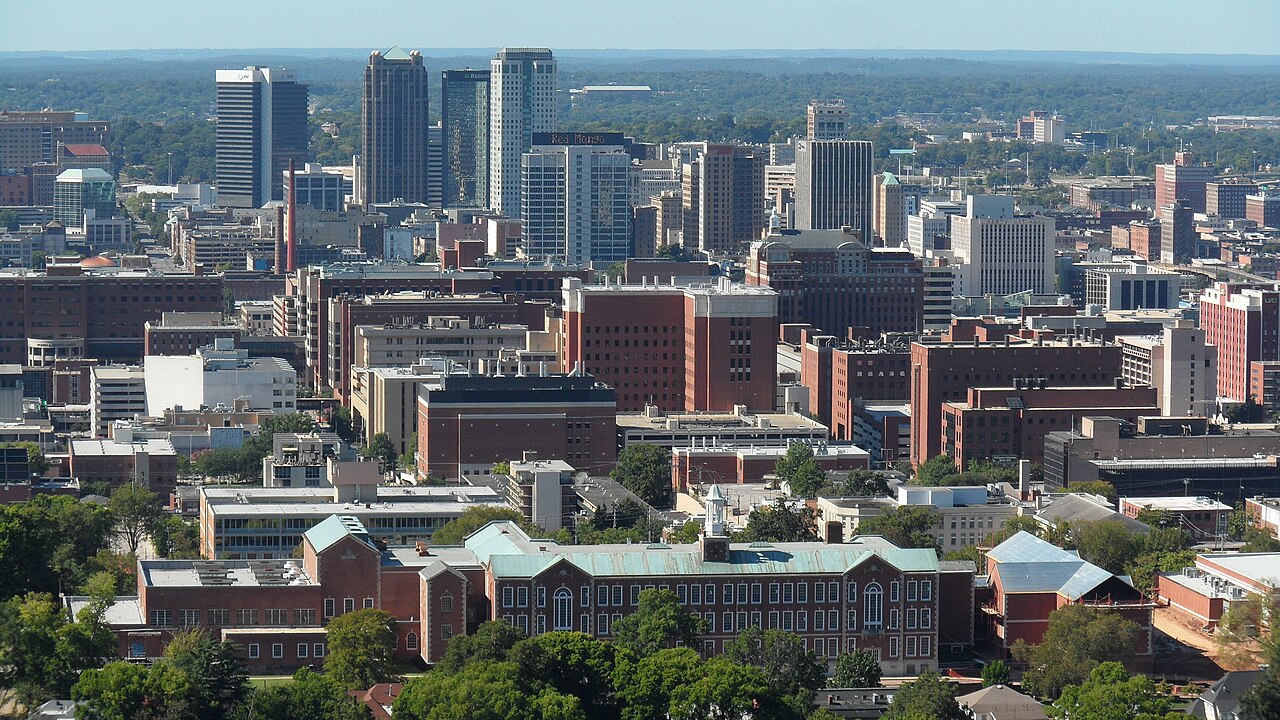
Birmingham is often judged by its turbulent civil rights history, a legacy the city now honors through its powerful and educational Civil Rights District. However, locals want visitors to see the “New Birmingham,” which has become one of the premier “foodie” destinations in the South. The “Magic City” has seen a surge in James Beard Award-winning chefs and the transformation of old industrial sites into lush green spaces like Railroad Park. It is a city that has confronted its past and is using that momentum to build a diverse, high-energy future that travelers are only just beginning to discover.
Albuquerque, New Mexico
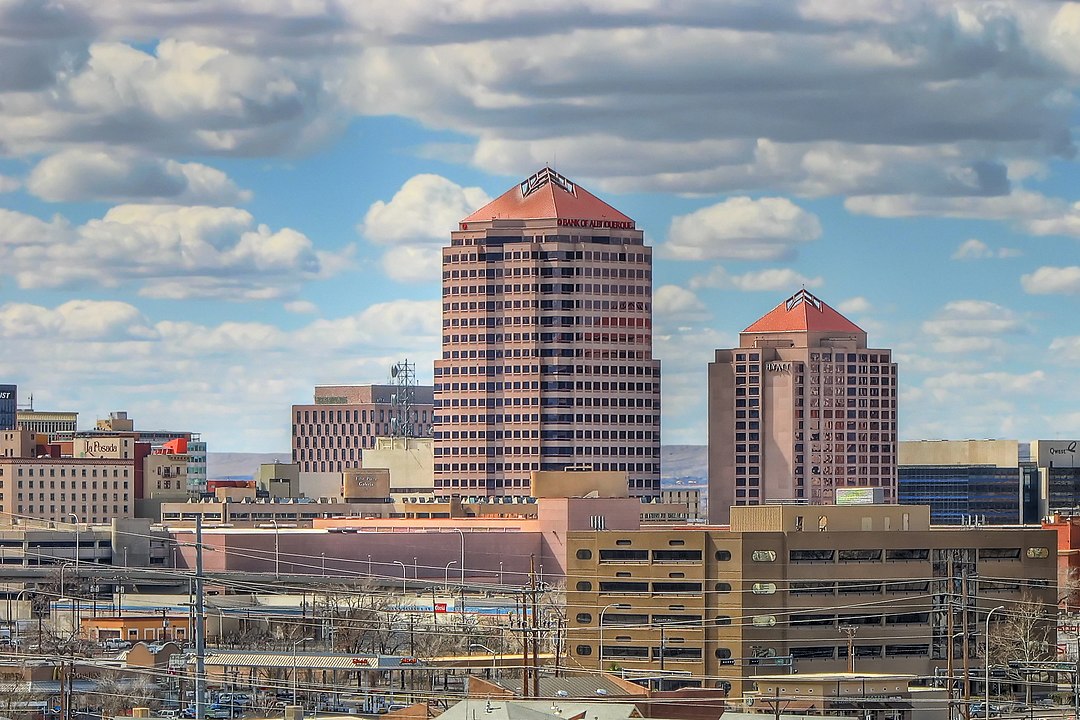
Frequently dismissed as just a stopover on the way to Santa Fe, Albuquerque is a city of profound natural beauty and deep indigenous roots. Locals argue that “ABQ” offers a more authentic New Mexican experience than its more expensive neighbor to the north. From the “Petroglyph National Monument” to the vibrant “Nob Hill” neon-lit strip of Route 66, the city offers a blend of high-desert adventure and atomic-age history. Residents say the harsh judgment often stems from a lack of understanding of the city’s “burque” culture, which is far more welcoming and diverse than the portrayals in popular media suggest.
Milwaukee, Wisconsin
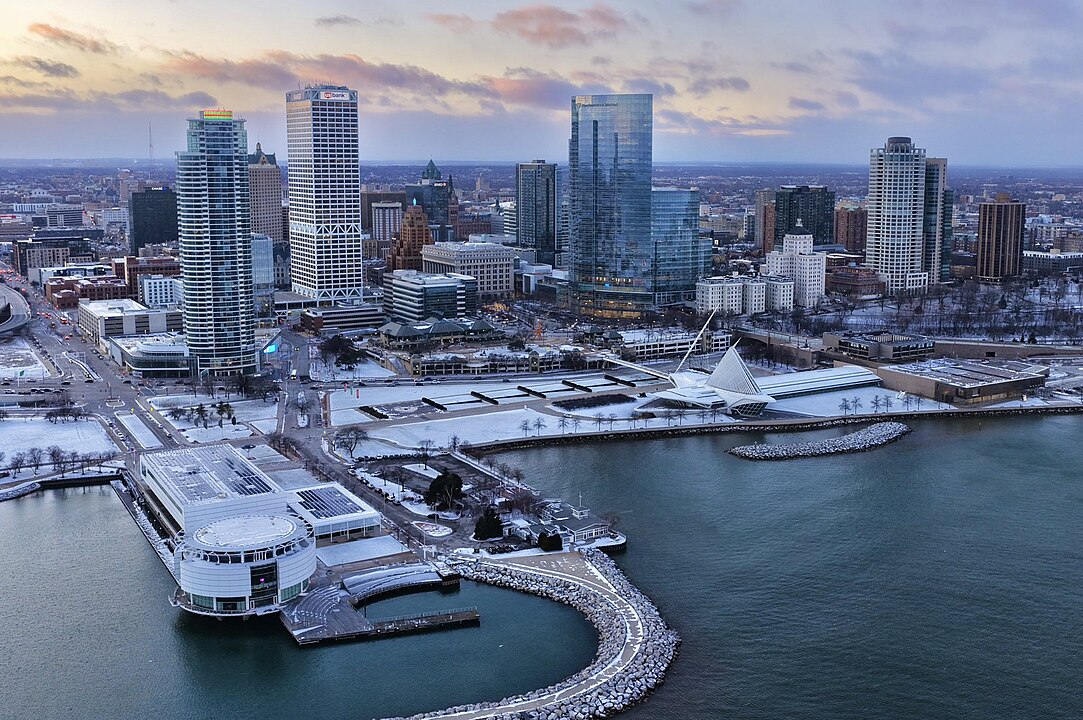
Milwaukee is often overshadowed by Chicago, leading to a “little brother” reputation that locals say is entirely unearned. The city’s “Third Ward” district is a masterclass in urban revitalization, filled with boutiques, galleries, and the world-renowned Milwaukee Art Museum. Residents also point to the city’s brewing heritage, which has evolved into a modern craft beer scene that is arguably the best in the country. With a stunning lakefront and a much more manageable pace than Chicago, Milwaukee is a city that locals believe visitors judge as “flyover country” at their own peril.
Philadelphia, Pennsylvania
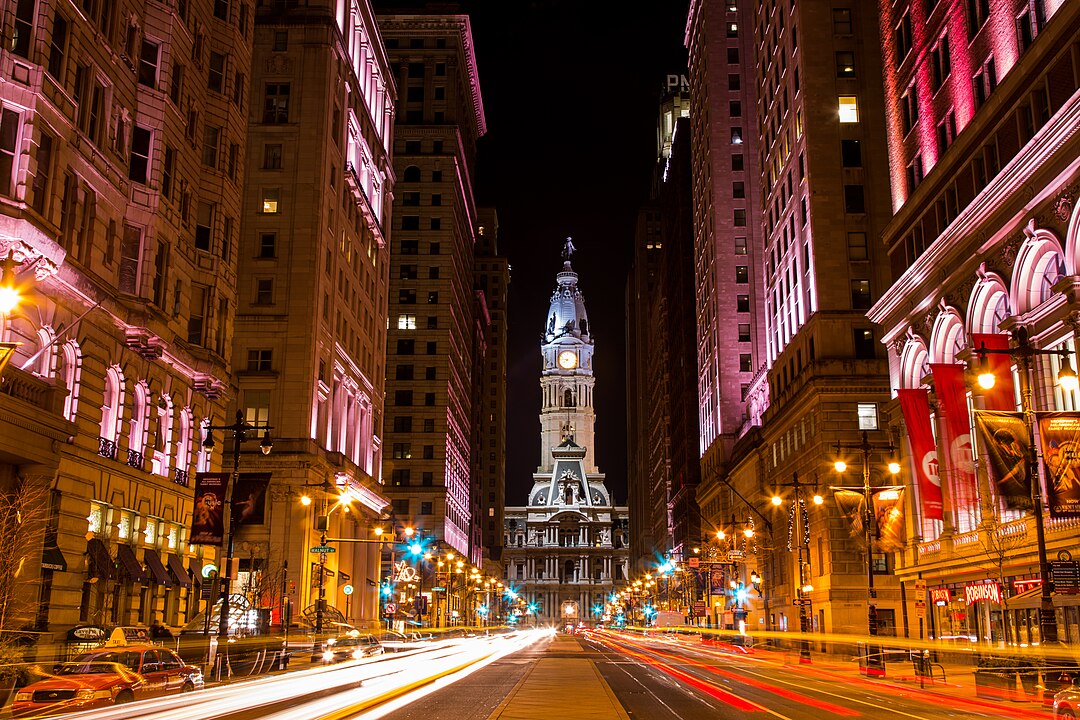
Philadelphia is often described as “gritty” or “aggressive,” but locals prefer the term “unfiltered.” While the “City of Brotherly Love” has a reputation for tough sports fans, it also possesses one of the most significant collections of public art and historic landmarks in the world. From the mural-covered walls of North Philly to the “Magic Gardens” on South Street, the city is a living gallery. Residents argue that visitors judge the city too harshly for its rough edges while failing to appreciate its unmatched walkability, world-class BYOB restaurant culture, and the fact that it remains one of the most affordable major metros on the East Coast.