Colour printing works by separating an image into a small number of inks and reprinting them over one another, and the quality of the result depends entirely on how accurately that separation is made. For most of the twentieth century it was made photographically and then corrected by hand, by people whose job was to look at a negative and change it.
The litho artist and the dot etcher were among the most skilled people in any printing plant, their work is invisible in the finished product by design, and the whole occupation was eliminated inside about twenty years by scanners and then by software. It also involved a chemistry set that would not now be permitted anywhere near a studio bench.
What the job actually was
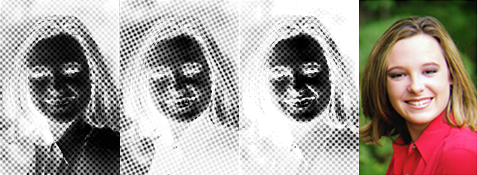
A colour original was photographed through filters to produce a separate negative for each printing ink. The separations that resulted were never right: the filters, the film and the inks all behaved imperfectly, and a straight set of separations printed without correction produced colours that were visibly wrong.
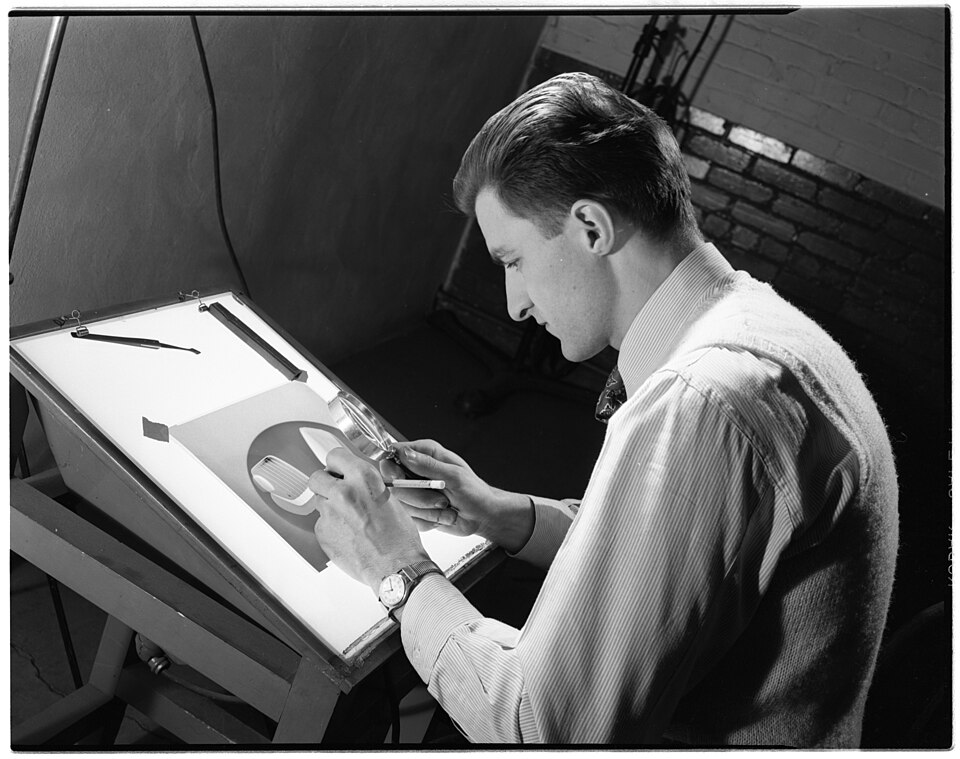
The correction was manual. A dot etcher worked on the halftone negative or positive with a brush and a reducing solution, locally weakening the dots in an area to lighten it or strengthening the image elsewhere, judging the effect by eye against the original and against proofs. An airbrush was used for larger areas and opaque paint for blocking out.
It is genuinely difficult to convey how skilled this was. The operator was altering a photographic record, in reverse, to compensate for the behaviour of four inks on a particular paper on a particular press, with the result only visible after a proof had been pulled. Good dot etchers were sought after and well paid and their work took years to learn. The work was also entirely destructive: a reduction cannot be undone, which meant every judgement was final and a mistake on a late-stage negative cost the whole separation.
Like our content? Follow us for more.
The bleach on the bench
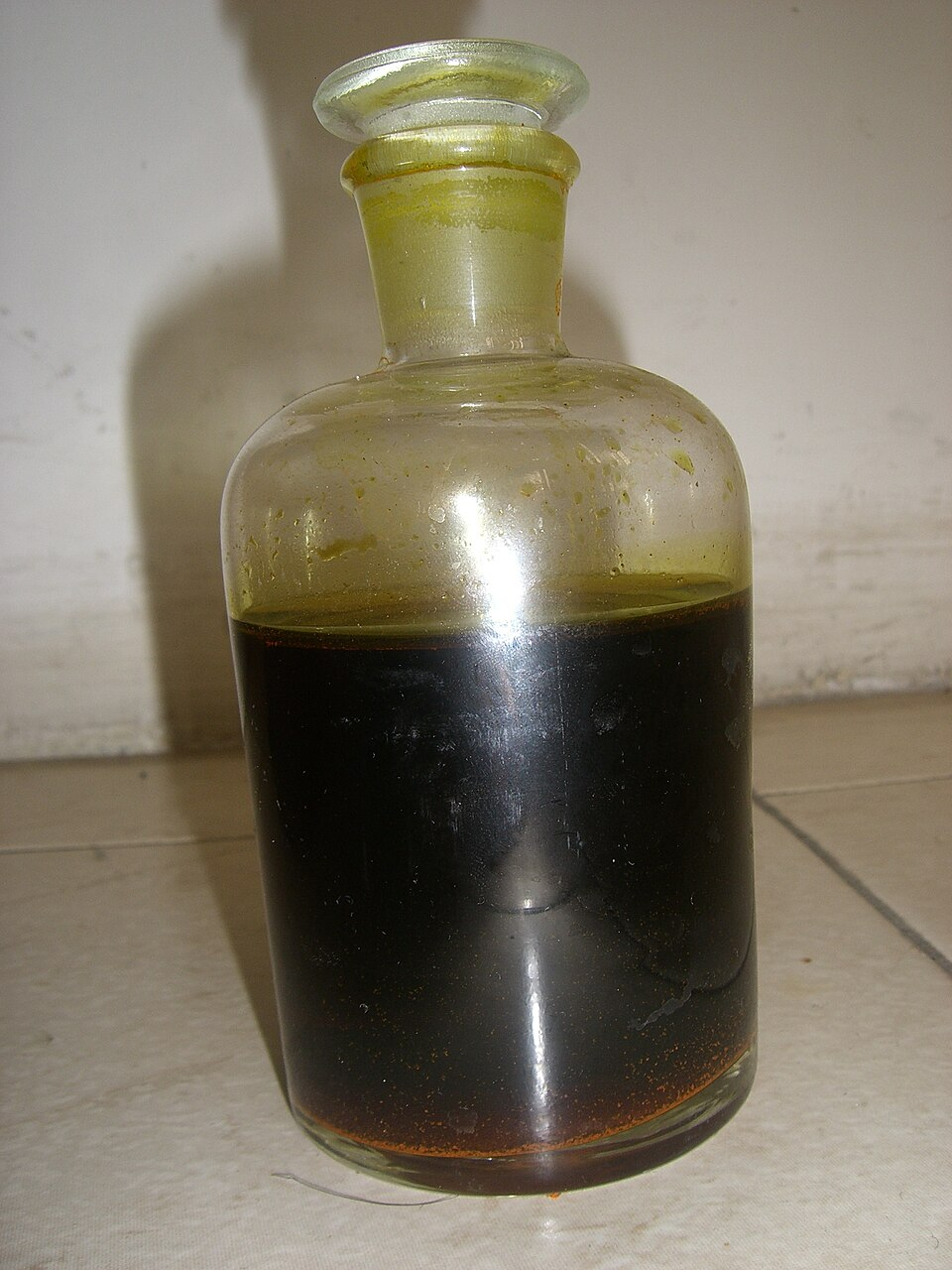
The reducing solution was the trade’s characteristic chemical: a combination of potassium ferricyanide and a fixing agent, which dissolves silver from a photographic image in proportion to how long it is in contact. It is the same reducer used in darkroom work and it was in open dishes and dropper bottles on benches all day.
It carries one specific instruction that was printed on every supplier’s label and is still the first thing anybody is told about it: ferricyanide must never be brought into contact with acid. The compound is otherwise of relatively low hazard, and that single rule is the whole of what matters, which is why it appears wherever this chemistry turns up.
The modern position is that the chemistry has gone from the workflow entirely rather than being controlled. Colour correction is done in software, there is no physical negative to reduce, and the reducer survives only in darkroom and conservation work where it is handled under current guidance with the same rule attached.
The plates, and the coating nobody thought about
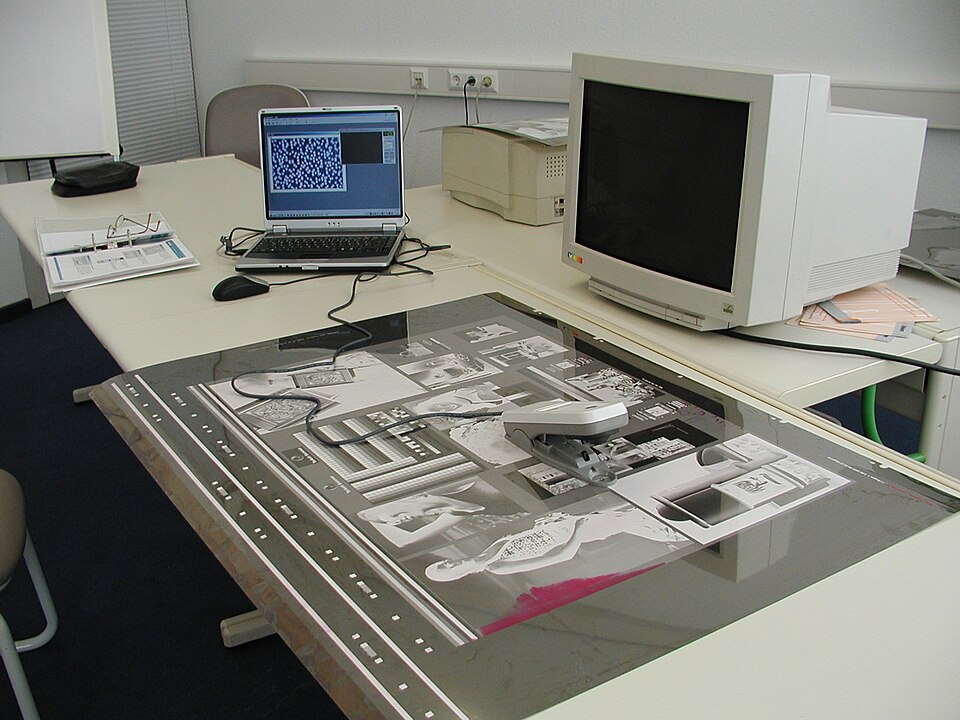
A lithographic plate has to carry an image that accepts ink and a background that accepts water, and in 1960 the light-sensitive coating that made that possible was commonly based on a dichromate — a hexavalent chromium compound — combined with gum arabic, albumen or a similar colloid, mixed and applied in the plate room.
Hexavalent chromium is now one of the more tightly controlled substances in industry. It is a recognised carcinogen, it causes skin ulceration and sensitisation on contact and perforation of the nasal septum on prolonged exposure, and the modern framework covers exposure monitoring, extraction, protective equipment, washing facilities and health surveillance. Plate coatings moved to diazo and then photopolymer chemistry, and presensitised plates removed the mixing operation from the plant altogether.
The men who coated and whirled plates by hand were handling that compound wet, daily, with bare hands in a great many plants, and the plate room was frequently a corner of a larger space with no extraction at all. The coating was applied by pouring it onto a plate held in a whirler, a motorised turntable that spread it by centrifugal force and threw the excess off the edge, which is as direct a way of distributing a compound around a room as anybody has devised.
Graining the plates, which produced silica dust
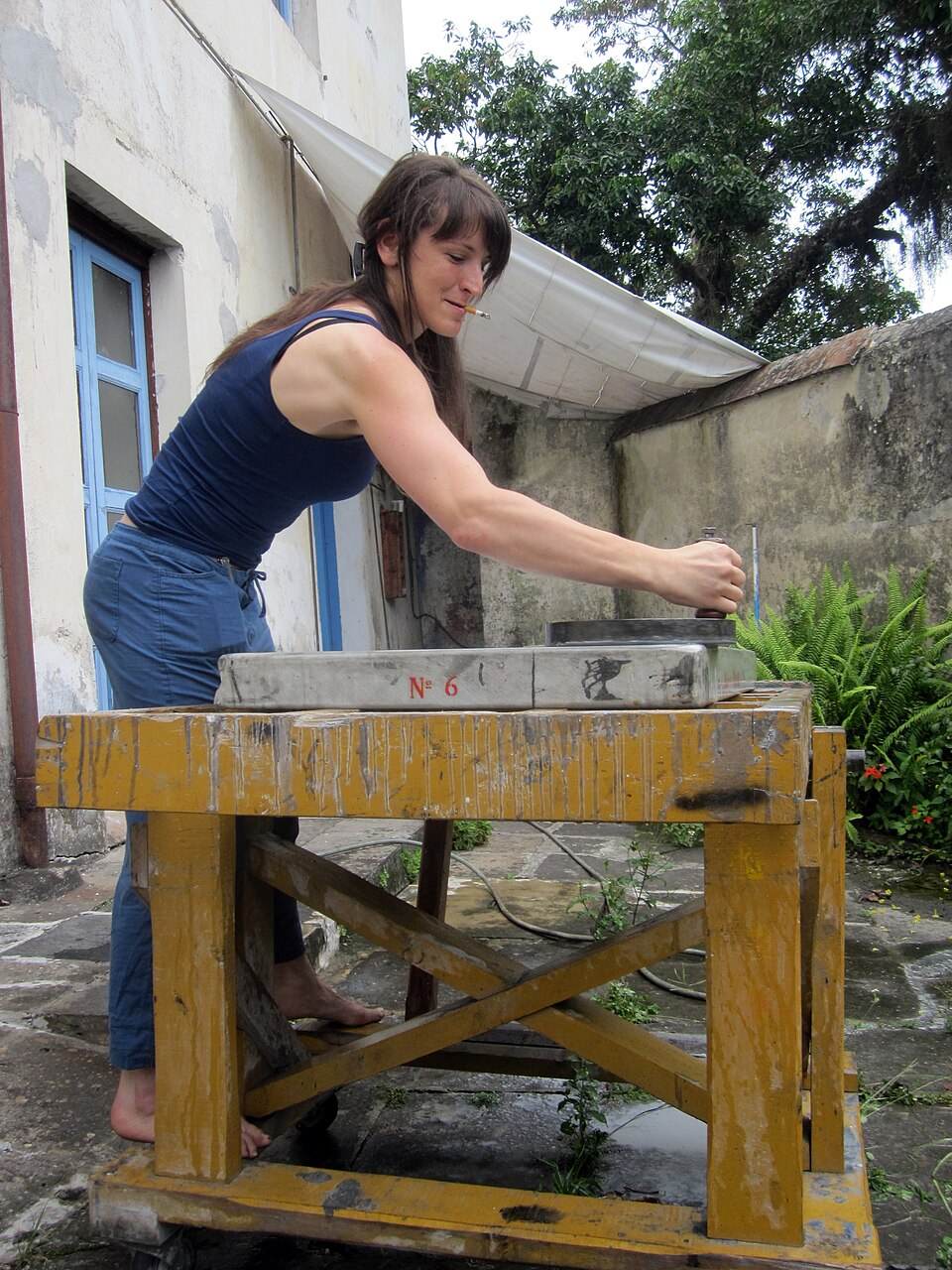
Plates were regrained for reuse by abrading the metal surface to give it a tooth that would hold water, and the method was a graining machine: a trough holding the plate, a quantity of abrasive and in the traditional arrangement a charge of glass or steel marbles, agitated mechanically with water and abrasive slurry.
The abrasives used included silica sands, and the operation generated airborne material in a room where the slurry dried on every surface. Crystalline silica has its own exposure framework now, built on wet methods, local extraction, enclosure and respiratory protection, and the graining room is a classic example of the kind of operation it was written for.
Presensitised plates ended all of this. A modern plate arrives grained, coated and ready, is imaged directly from digital data and is not reused, which removed the graining room, the plate room and their two hazards in one commercial change.
The arc lamps
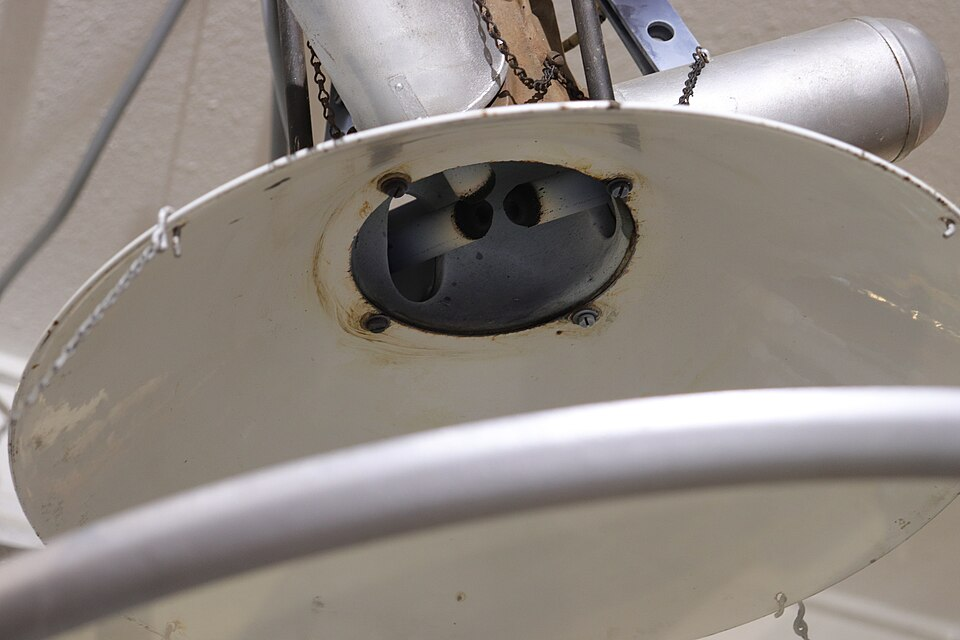
Exposing a plate through a negative required an intense source of ultraviolet light, and before metal halide lamps that meant carbon arcs: two carbon electrodes drawn apart to strike an arc, in an open or semi-open housing, in the plate room.
A carbon arc produces a great deal of ultraviolet, which causes eye injury and skin burns on exposure, and it generates ozone, which is a respiratory irritant, along with fume from the electrode cores. Modern plate exposure uses enclosed lamp units with interlocked housings and extraction, and direct-to-plate imaging has removed the exposure step entirely for most work.
The period practice was to turn away from the arc, which is the same control the welding trades used before anybody required a screen, and it works until somebody looks at the wrong moment.
The solvents, inevitably
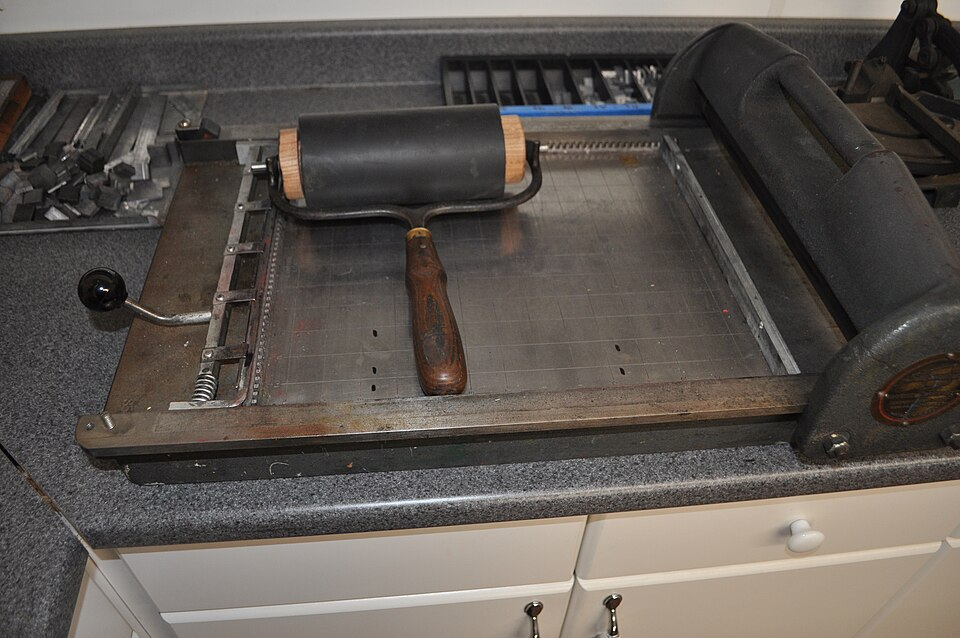
Plate cleaning, blanket washing, press washup and the removal of opaque and retouching media all used solvents, and the ones on a 1960 bench were the general industrial set: petroleum distillates, aromatic solvents, chlorinated solvents and in earlier practice benzene, used from open containers with rags.
Benzene is a recognised human carcinogen with no safe occupational exposure level and has been removed from such uses. The replacements are lower-volatility products with handling requirements, closed delivery and extraction, and press washup in particular is now a controlled operation because of both the solvent and the fire risk from soaked rags.
That last point connects to the one hazard in this file that is live in any workshop today. Rags soaked in drying oils, which includes some press and ink oils, can ignite without an external source as the oil oxidises and generates heat in a crumpled heap. They are laid flat to dry or kept in water in a sealed metal container.
How the trade ended
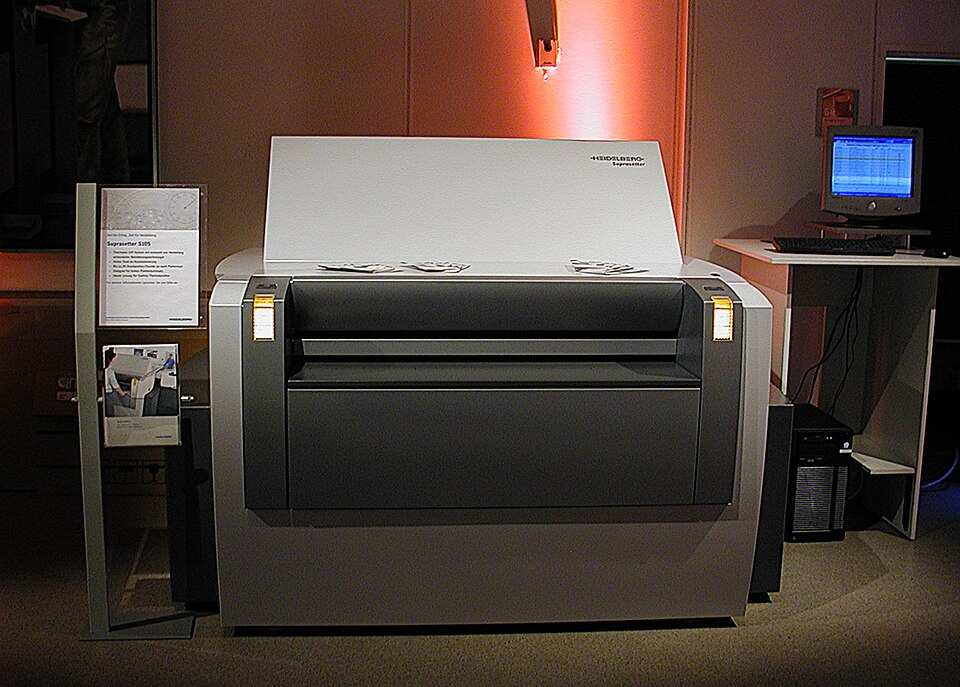
Electronic colour scanners arrived in the 1960s and 1970s and could produce corrected separations directly, then desktop systems and page layout software put the whole operation on a screen, and by the 1990s the dot etcher’s craft had no commercial application at all. It is one of the most complete occupational disappearances of the century.
What replaced it is better by every measure: faster, cheaper, non-destructive, reversible, and capable of corrections that no brush could make. The thing that was lost is the judgement, and specifically the judgement of somebody who understood what four inks would do on a particular paper and could compensate for it in advance.
A residue of that knowledge survives in prepress and in the people who prepare files for commercial print, which is why a good printer will still look at a file and say what is going to happen to a particular colour. The craft became a skill applied to different tools, which is the happier of the two endings available to a trade. The alternative ending, which most of the trades in this series got, is that the knowledge simply stops when the last practitioner retires.
What the studio was like
It is worth finishing on the room rather than the chemistry. A litho studio was quiet, lit by lightboxes, full of people working at close range on glass with fine brushes, and the work was conducted in near silence because it required that kind of attention. People spent entire careers at one bench getting extremely good at something no customer would ever notice.
The hazards were real and were almost entirely eliminated by commercial change rather than by regulation: presensitised plates removed the dichromate and the silica, direct imaging removed the arc, software removed the reducer, and solvent substitution did the rest. That is unusual in this series, where most hazards were addressed by rules.
This is a history rather than a guide, and nothing in it describes a method. The one thing in it that applies to a modern workshop is the oily rag, and that one applies to everybody.
There is also a point worth drawing out about why the hazards went. Nobody campaigned about dichromate plate coatings or graining rooms, and no inspector closed a plate room. Presensitised plates were adopted because they were cheaper, more consistent and faster, and the hexavalent chromium and the silica went with them as a side effect. That is a reminder that a great deal of occupational health improvement has arrived through commercial change rather than through regulation, and that it is therefore accidental: the hazards that happened to sit inside an uneconomic process disappeared, and the ones inside a profitable process had to be argued about for decades.
Like our content? Follow us for more.