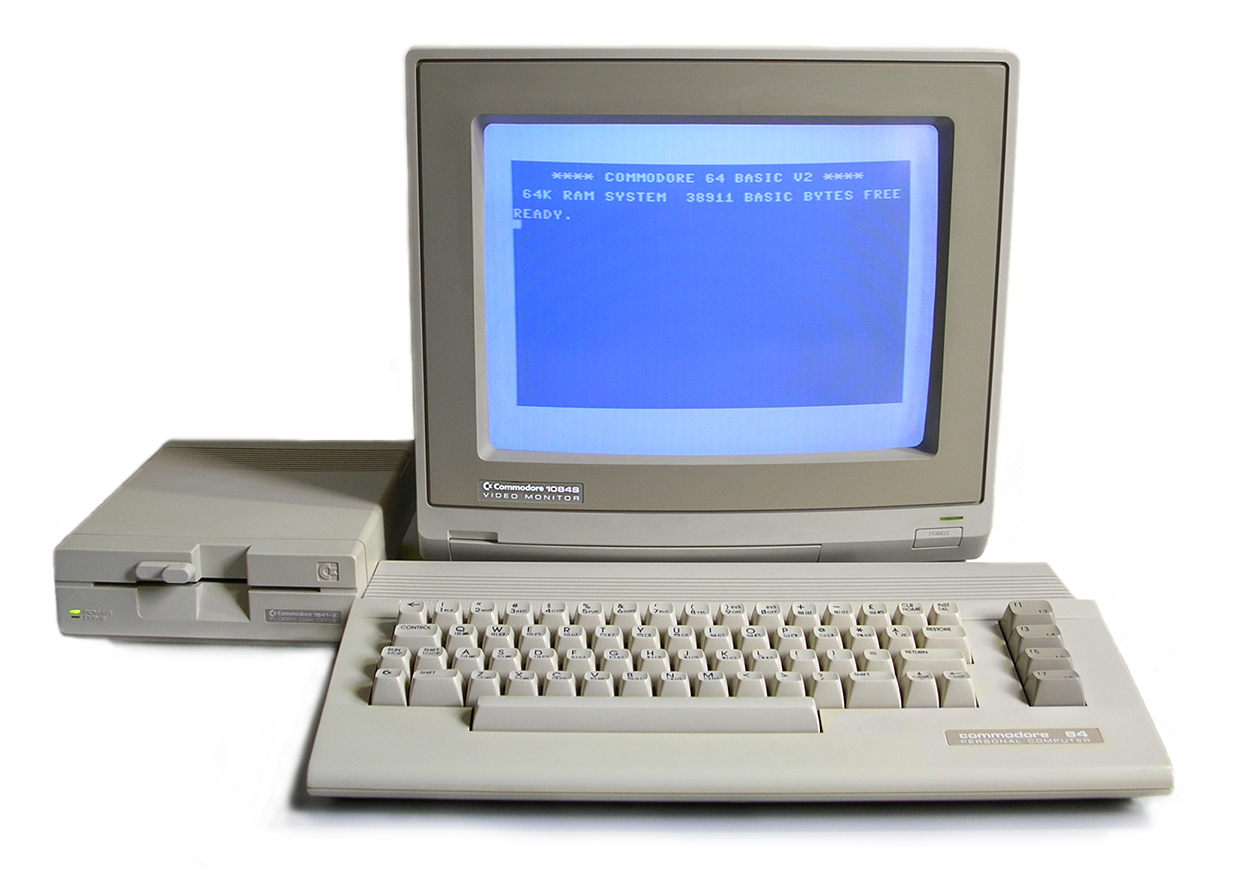
The first home computer in an American household arrived around 1982, cost a meaningful fraction of a month’s income, plugged into the family television and switched on into a programming prompt with no further explanation.
What people did with it was shaped almost entirely by its limits: tape storage, kilobytes of memory, forty columns of capital letters and total incompatibility with every other machine on the market. Those limits also produced the one outcome nobody designed for, which is that a generation learned to program. Here are sixteen things about it.
1. It plugged into the family television, which caused the first argument
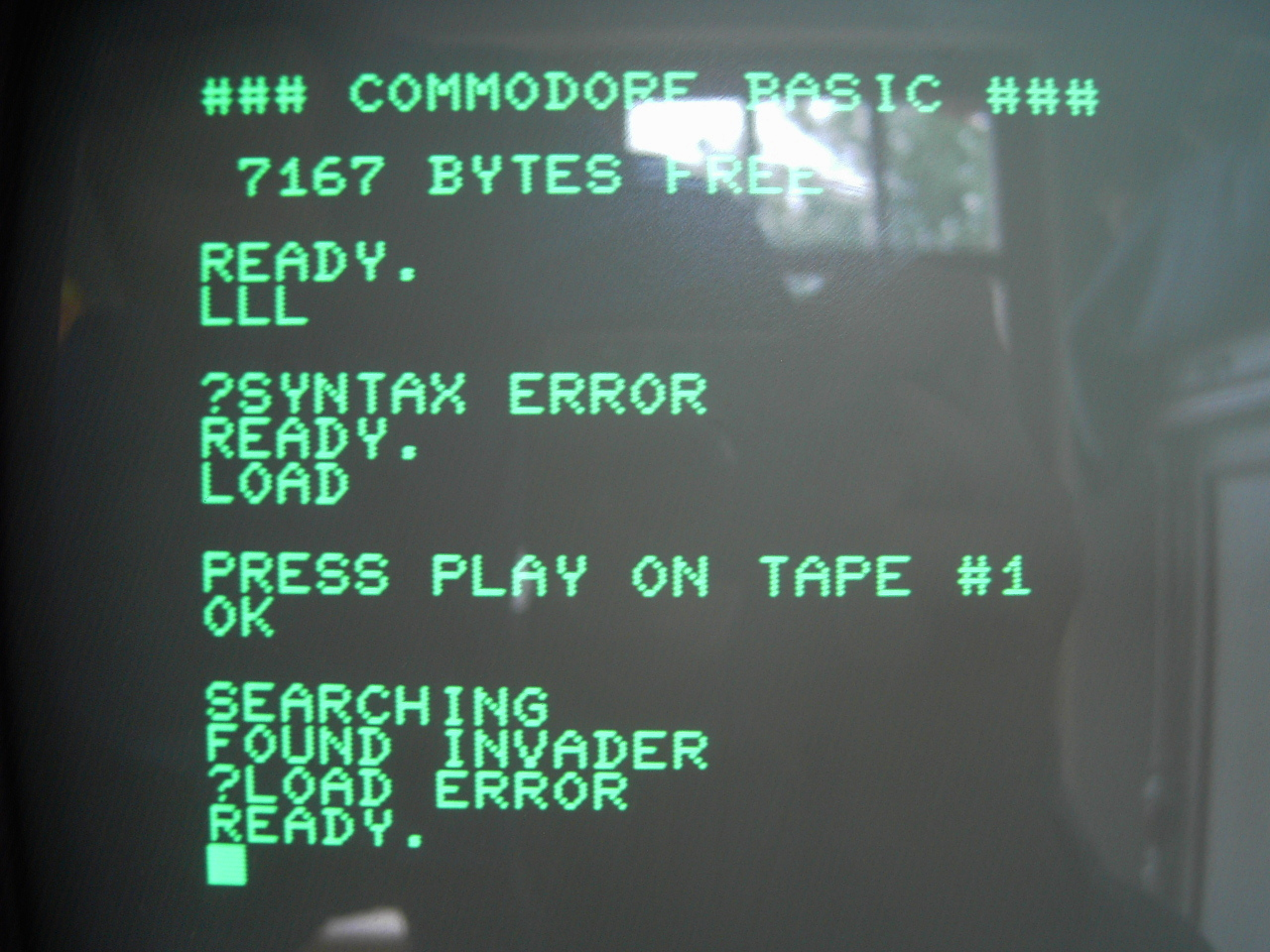
Almost no home computer came with a screen. It connected to the television through the aerial socket, which meant that using the computer and watching anything were mutually exclusive, and the computer always lost.
Every computing device now has its own display, and the television has become one more screen among several rather than the only one in the house. The idea that a household would have to negotiate over a single display is now difficult to explain to anybody who did not live through it.
The practical consequence was that the machine got used in the gaps — after the news, before the film, on a wet Saturday morning — which shaped what people actually did with it.
Like our content? Follow us for more.
2. Programs loaded from an audio cassette, slowly, and often failed
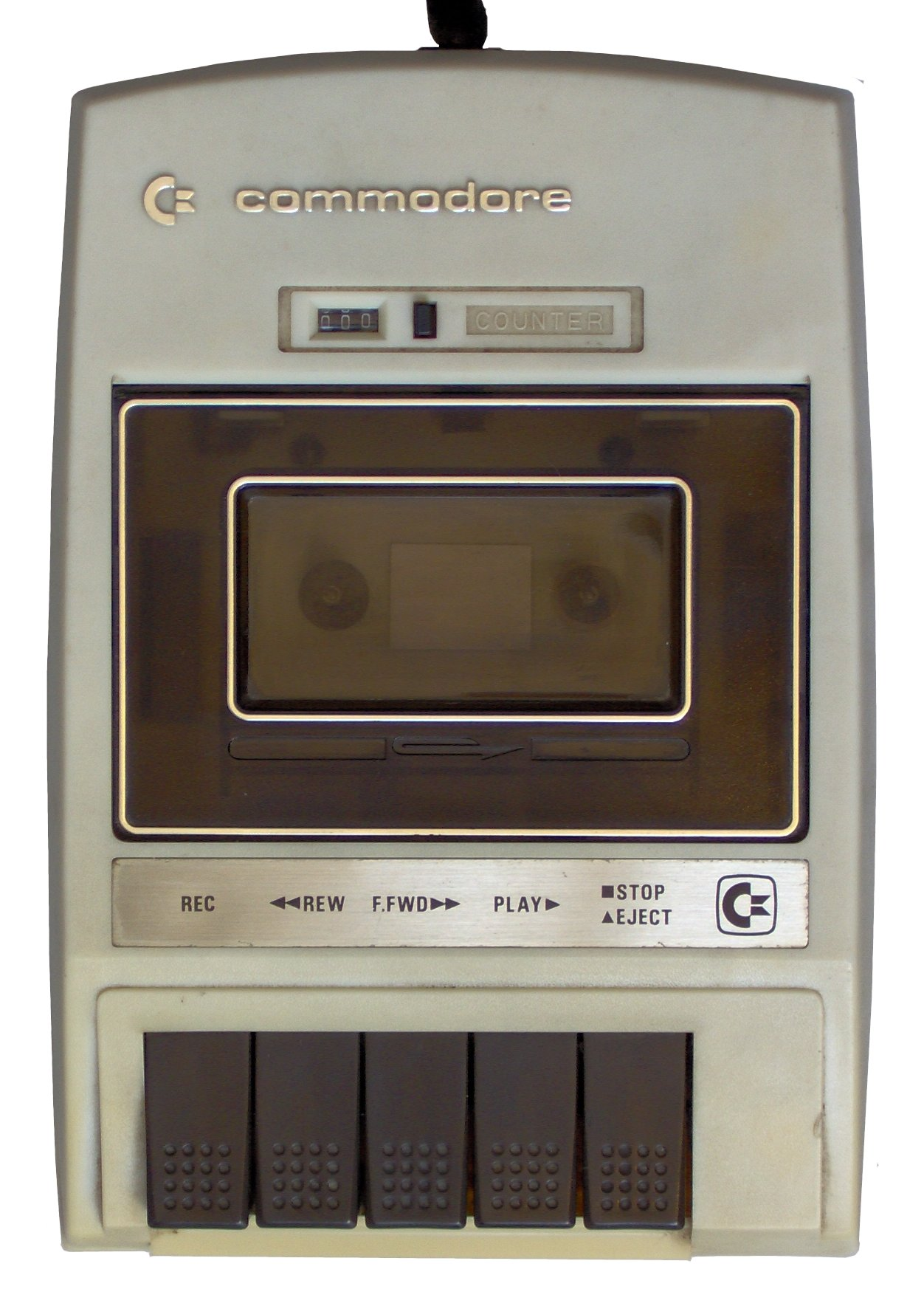
Software arrived on ordinary audio tape, played through a cassette recorder into the computer, taking several minutes while the screen displayed stripes or nothing at all. A badly adjusted head or a worn tape meant a loading error at the very end.
Storage is now instant, silent and reliable enough that nobody thinks about it. The closest modern equivalent to a tape loading failure is a corrupted download, which takes seconds to retry rather than a quarter of an hour.
The sound of a program loading is the thing people from this period remember most vividly, and it was an audible data stream — you could tell from the noise whether it was going well.
3. You typed programs in from a magazine, line by line
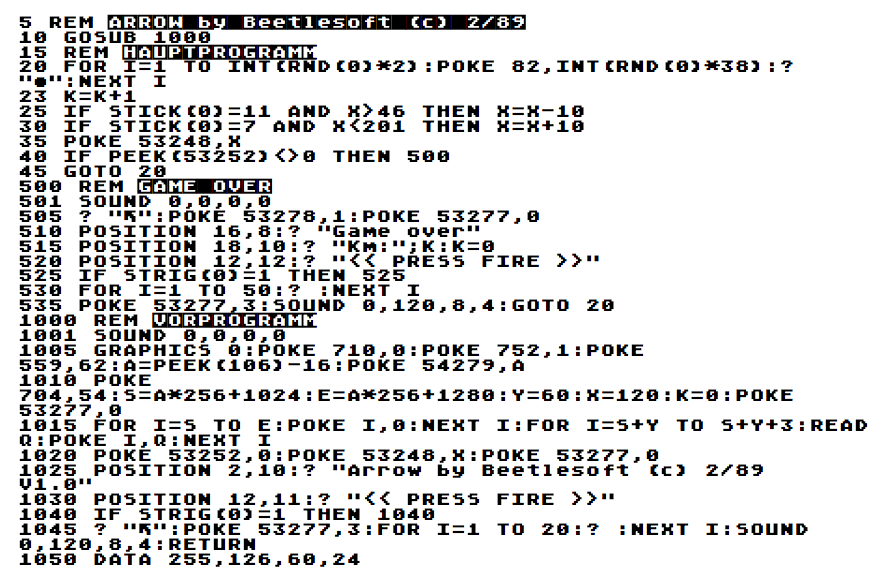
Computer magazines printed program listings, pages of them, and the way you got software was to type the whole thing in by hand. A single mistyped character in two thousand lines meant it did not work and you had to find the error yourself.
Nothing comparable exists now. Software is downloaded and the source code of most of it is not something a user ever sees, let alone transcribes. The modern equivalent of a listing is a repository you copy with one command.
Magazines eventually added checksum systems — a number at the end of each line that you verified — because the error rate on hand-typed listings was otherwise impossible to live with.
4. Memory was measured in kilobytes and everybody knew their number
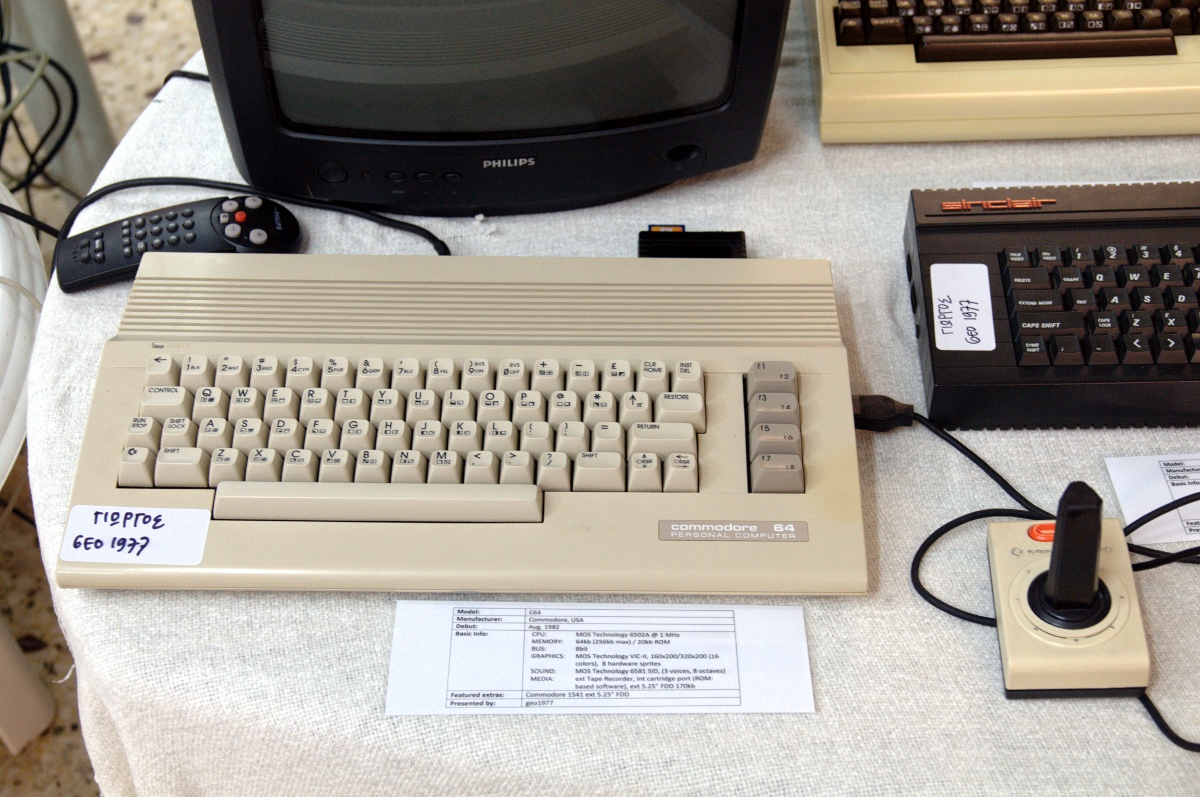
The amount of memory in the machine was a defining fact about it, quoted in advertisements, argued about in playgrounds and printed on the case. Programs stated their requirement and you knew immediately whether yours would run.
Capacity is now so far beyond what most tasks need that users do not know their own figures and have no reason to. The quantities involved differ by something like six orders of magnitude.
Programmers of the period worked within the limit as a craft problem, and a great deal of ingenious code exists purely because the memory was not there.
5. The manual taught you to program, because that was the point
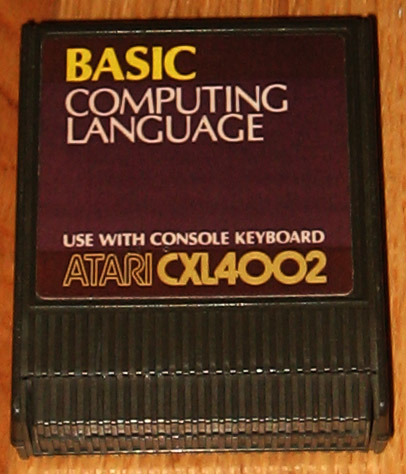
The book in the box was not a guide to using an operating system. It was a programming tutorial, starting with printing your name and working up through loops, variables and graphics, on the assumption that programming was what you had bought the machine for.
Consumer devices now ship with no documentation beyond a safety sheet and a diagram, and the expectation is that the user runs applications rather than writes them. Learning to program is a deliberate choice made elsewhere.
That assumption in the manual is the single most consequential thing about these machines, and it is the reason the item at the end of this file exists.
6. You could write directly into the machine’s memory and break it
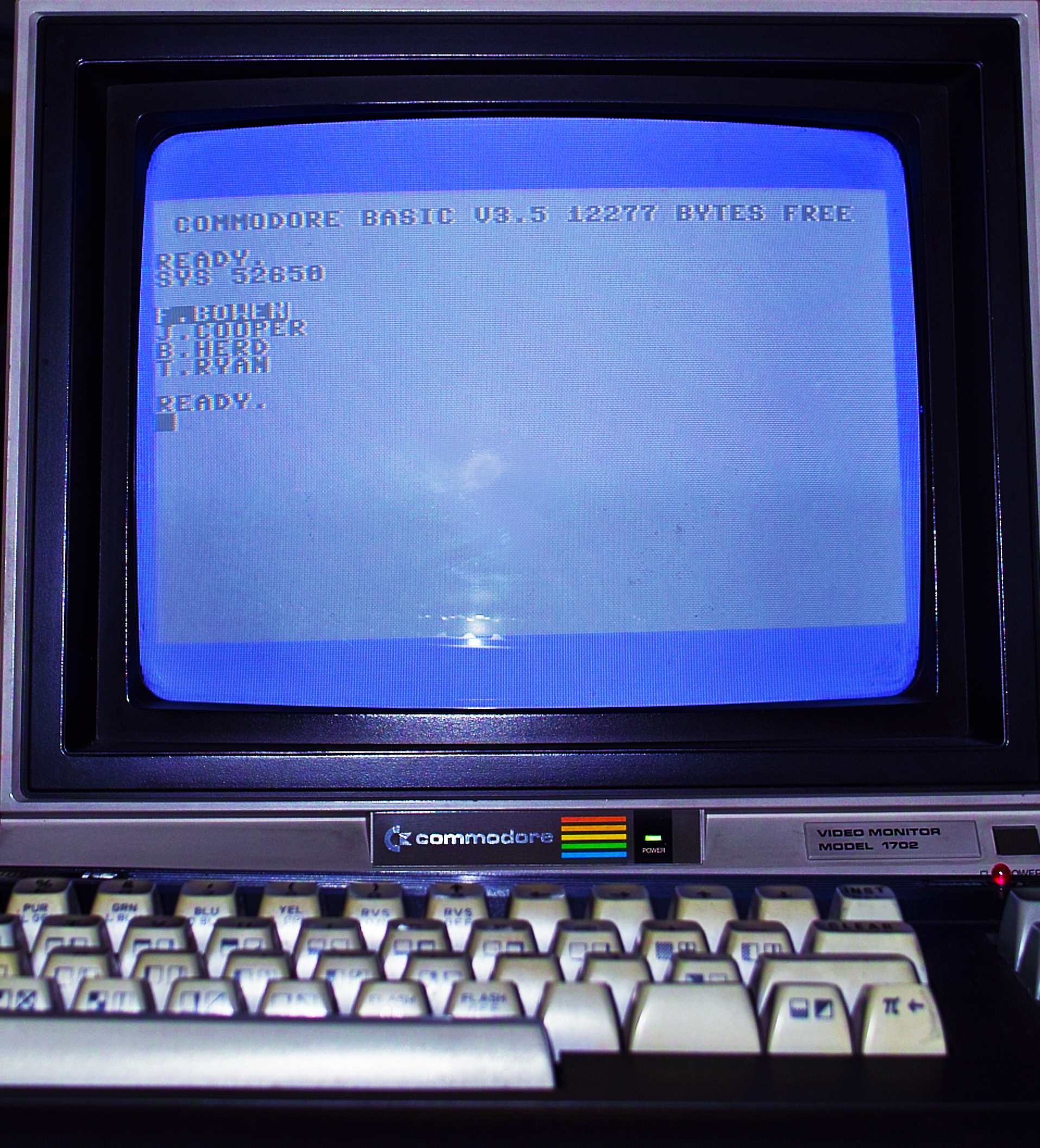
The language built into most of these computers let you set any memory location to any value. That was how you got sound, graphics and speed, and it was also how you locked the machine up so completely that only switching it off would recover it.
Modern operating systems prevent this absolutely. A program runs in protected memory, cannot write outside its own space, and a fault in one application does not take down the machine. The protection is the foundation of everything from multitasking to security.
Learning which locations did what, usually from a magazine or a friend, was how a generation of people found out what a computer actually is underneath the language.
7. Everything was incompatible with everything else
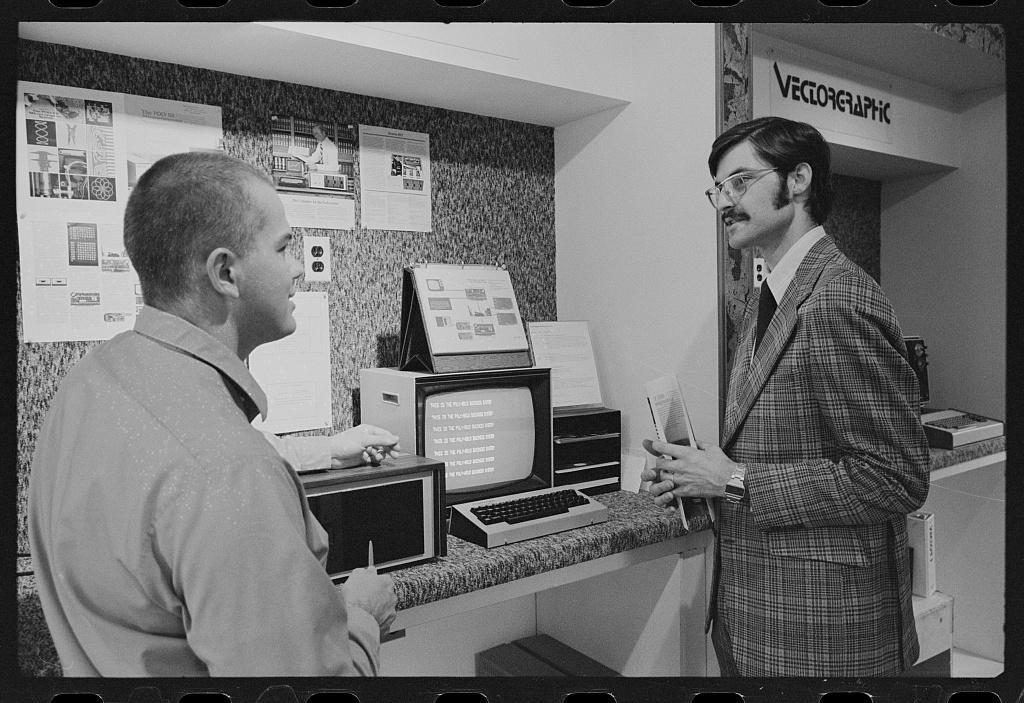
There was no common platform. Each manufacturer had its own processor, its own version of the language, its own graphics system and its own tape format, and a program for one machine would not run on another at all.
Standardisation has gone the other way entirely: a handful of platforms, portable languages, and web applications that run anywhere. The modern complaint is about platform lock-in rather than about outright incompatibility.
The fragmentation had one genuine benefit. Each machine had a distinct character, people became expert in a specific architecture, and the software written for each one was shaped by what that particular design could do.
8. A disk drive cost as much as the computer
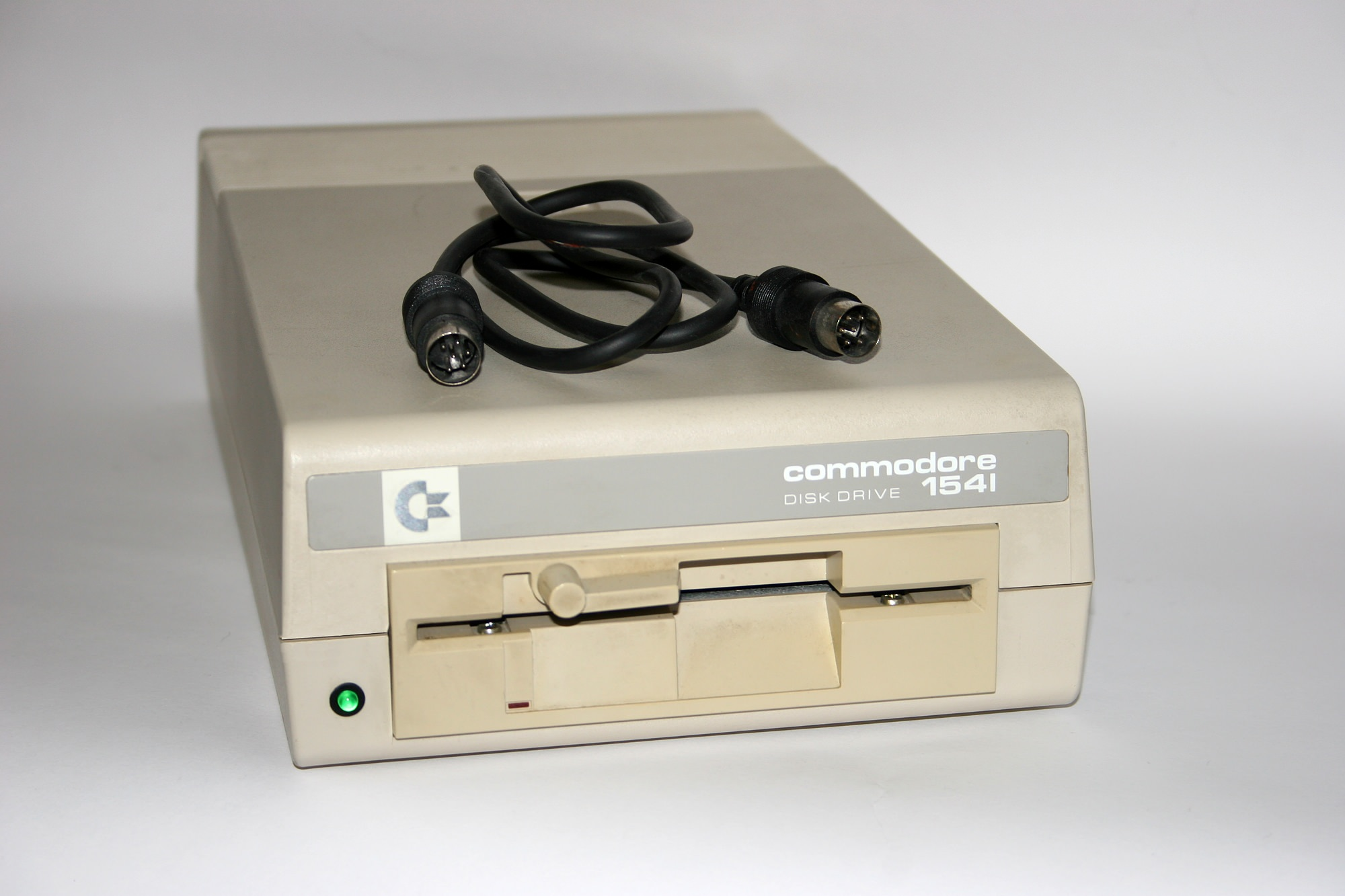
Floppy disk drives existed and were transformative, and they were priced out of reach of most households, which is why tape persisted for years after the technology had moved on. Buying a drive was a second major purchase.
Storage is now a component so cheap that it is rarely itemised, and nothing in a household computing setup costs as much again as the computer. The ratio has inverted completely.
This is the most common reason people give for what their machine could and could not do. The capability was usually available and the money was not.
9. The screen was forty columns of capital letters
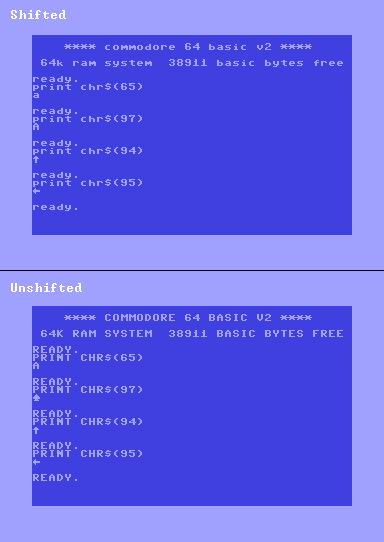
Display was typically forty characters across by twenty-five lines, in one or two colours, with no lower case on some machines at all. Text wrapped mid-word and nothing that looked like a document was possible.
Displays are now high resolution with proportional fonts, full colour and more pixels than those machines had bytes of memory. The modern screen is the single most changed component.
The forty-column limit is why so much software of the period looks the way it does, and why serious word processing needed either an expensive add-on or a different machine entirely.
10. Software moved from hand to hand on tape and nobody thought about it
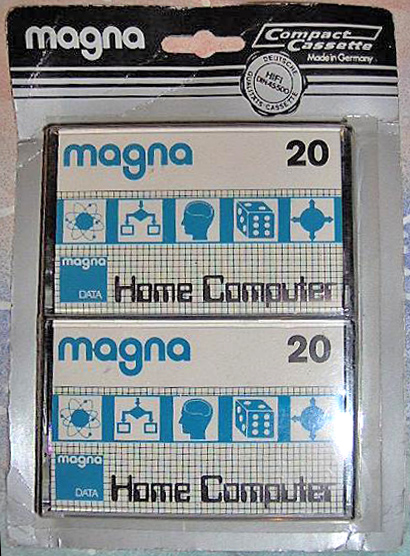
There was no network. Software spread by somebody copying a tape for somebody else, at school, at a club or in a shop, and the practice was close to universal and barely discussed.
Distribution is now digital, licensed, accounted for and in most cases tied to an identity, and the legal and technical position is clear in a way it simply was not then. The shift also removed the social mechanism entirely.
The clubs and swap meetings that grew around this were how most people learned anything at all about their machines, and the knowledge travelled with the tapes.
11. There was no security, no accounts and no password
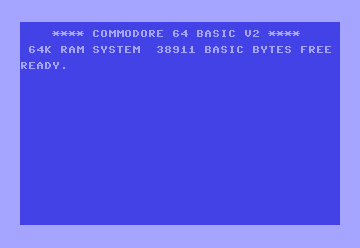
The machine switched on into a programming prompt with full access to everything. There were no user accounts, no permissions, no password and no network to attack it from, and the concept of securing a home computer did not exist.
Security is now a primary design concern at every level: accounts, permissions, encryption, updates, network protection and a general assumption that the machine is connected to a hostile world. Almost none of that architecture had been invented for home use.
The absence was not negligence. A machine with no network and no personal data on it has very little to protect, and the problem arrived with connectivity rather than with computing.
12. You could open the case, and people did
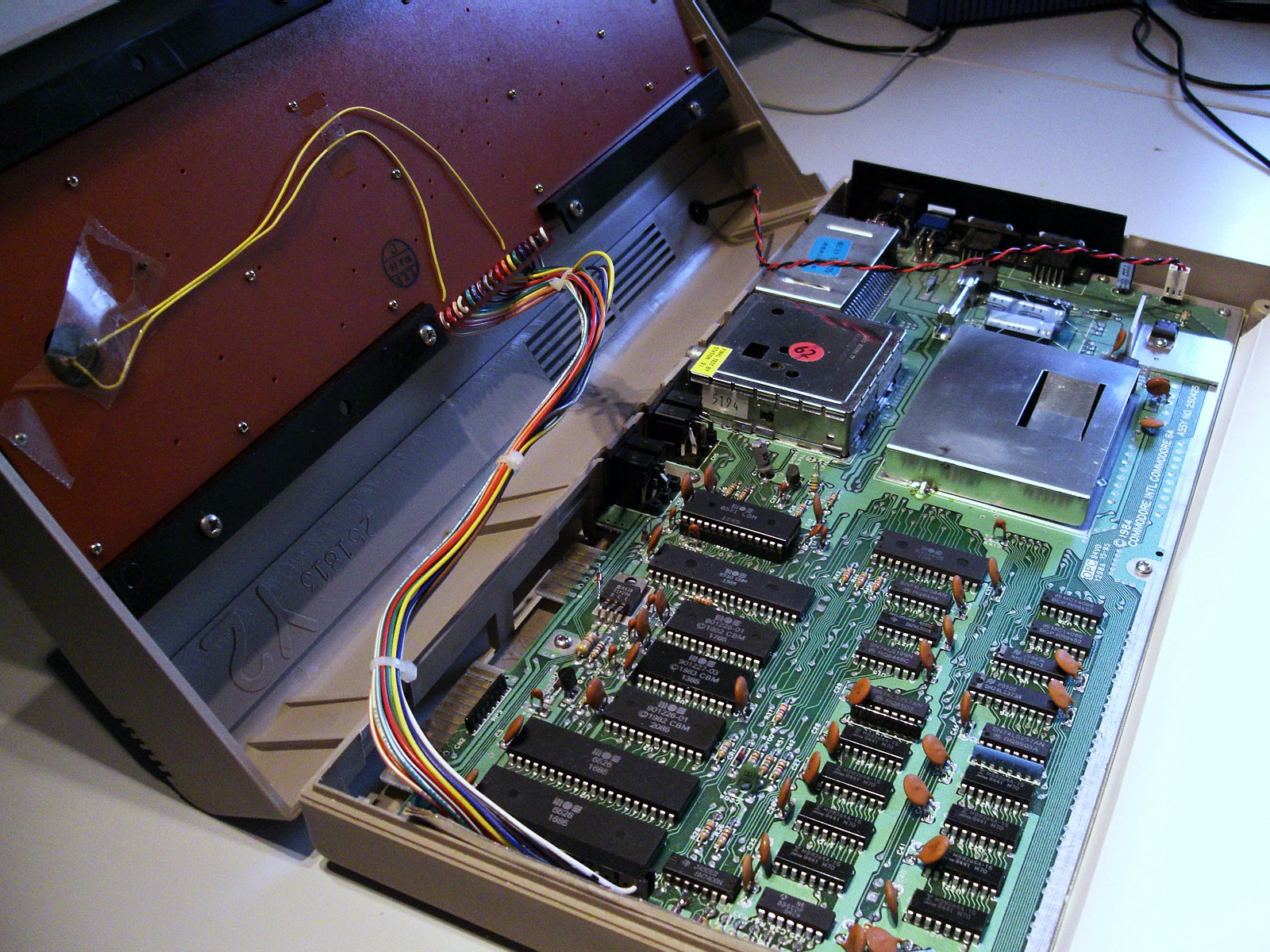
The machines were designed to be opened and extended. People fitted memory upgrades, soldered in sockets, added sound and graphics boards, and modified things in ways that were documented in magazines and traded in clubs.
Consumer devices are now sealed, with glued assemblies, proprietary fasteners and warranties that end at the first screw. The right to repair movement exists specifically because of how far this has gone.
Anybody opening an old machine now should know one thing: a power supply of that era holds a charge after it is unplugged, and the inside of a television-based display is not somewhere to put your hands. Take it to somebody who restores them.
13. Printing meant a dot matrix printer and a box of fan-fold paper
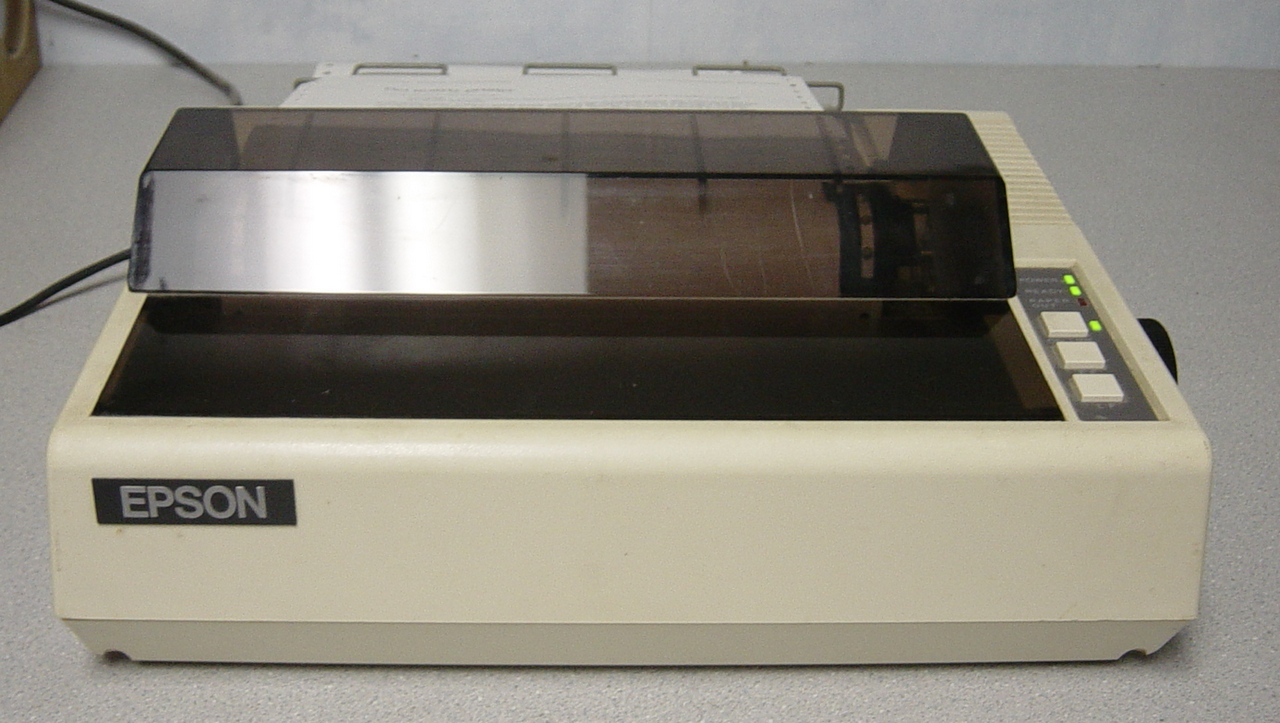
Printers were impact machines driving pins through a ribbon, loud enough to be heard through a wall, fed with continuous perforated paper on a tractor feed, with sprocket strips torn off down each edge afterwards.
Printing is now quiet, high resolution and on cut sheets, and in most households it has become occasional. The noise is the detail people remember, and it was genuinely disruptive — printing a long document was something you did when nobody was asleep.
The fan-fold paper had one feature nothing has replaced: a printout could be any length at all, which made it the only easy way to produce something longer than a page in one piece.
14. Games came in cardboard boxes with real artwork and a story

Because the graphics could not depict much, the packaging did the work. Inset artwork, a folded leaflet, sometimes a map or a poster, and an elaborate backstory that the game itself could only gesture at.
Modern games render their own worlds and the packaging has largely disappeared along with the physical copy. The artwork tradition survives in cover illustration and in deliberate revivals.
This is one of the clearest cases of a constraint producing something good. The imagination was doing most of the rendering and the box was there to supply it with material.
15. The whole family used one machine, in the main room
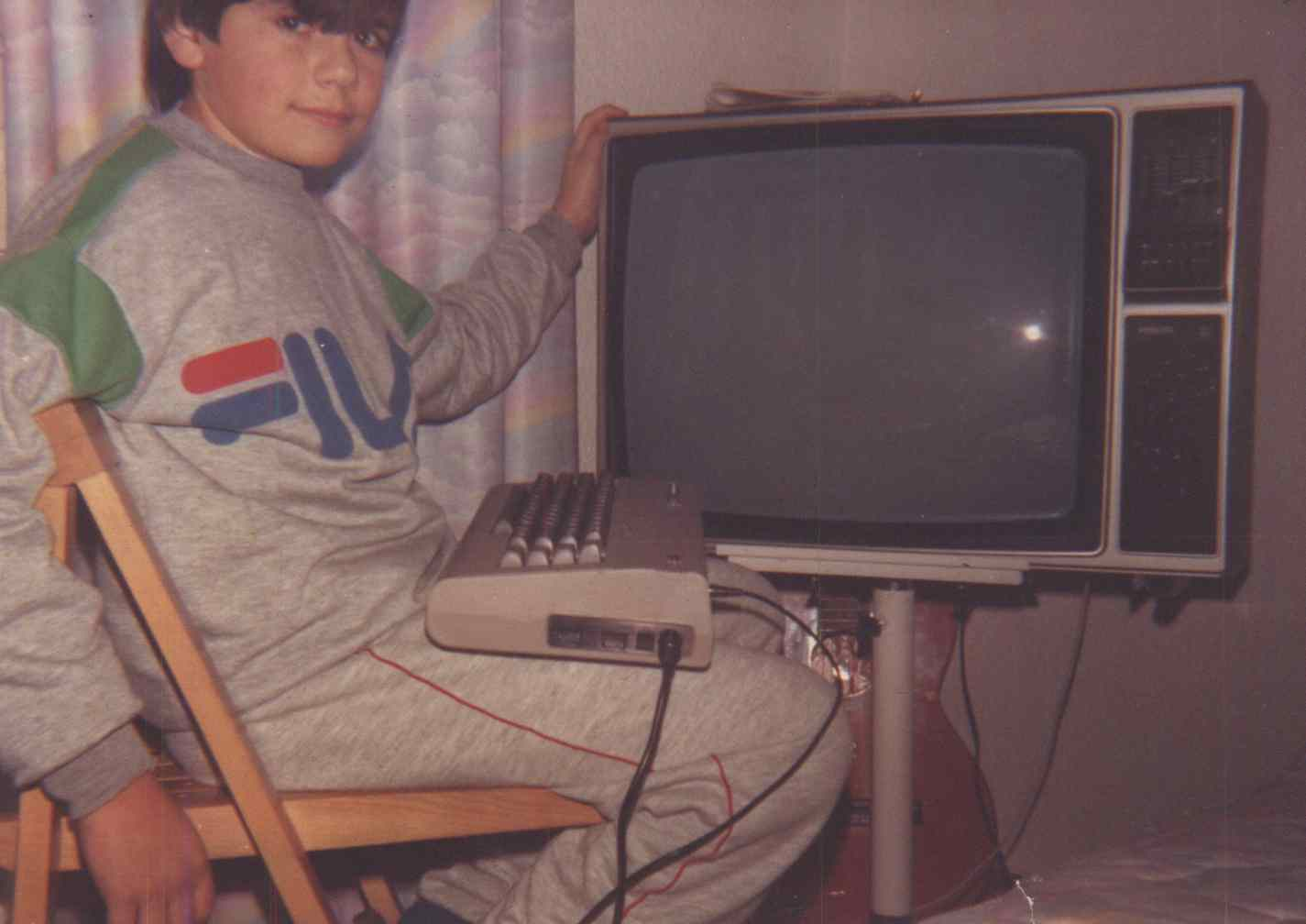
Because it was attached to the television and cost a great deal of money, the computer lived in the living room and was used in public, with everybody watching and commenting. Private computing did not exist in a household.
Devices are now personal, portable and private, and the shift has been one of the largest social changes in domestic technology. Most of the concern about screen time and isolation flows from the move out of the shared room.
Several people who were children then describe that arrangement as the best thing about it, and the reason is simply that somebody was always there to help or to be shown something.
16. And the thing it did better than anything since
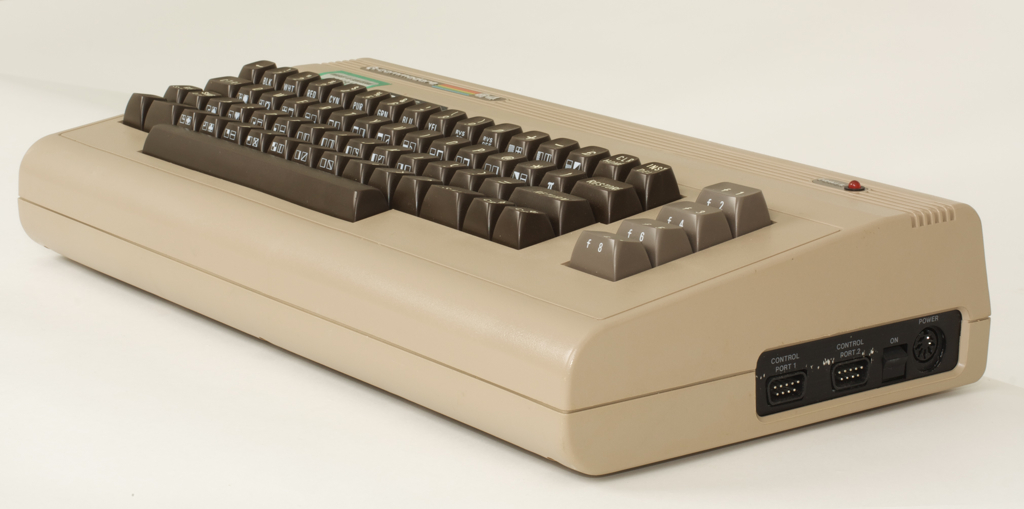
These machines switched on into a programming language and came with a book telling you how to use it, and there was not much else to do with them, so an enormous number of ordinary people learned to program by accident. A generation of software engineers started by typing in a listing from a magazine.
The path from switching a device on to writing code is now much longer and has to be chosen deliberately, and a great deal of educational effort goes into recreating something that used to happen by default. Whether modern tools are better teachers is a real argument; they are certainly better tools.
The honest summary of this file: almost every technical limitation here was a genuine obstacle that nobody would want back, the tape loading and the forty-column screen most of all, and the one thing worth trying to recover is the assumption printed in that manual — that the person who bought the machine would want to know how it worked.
What the limits produced
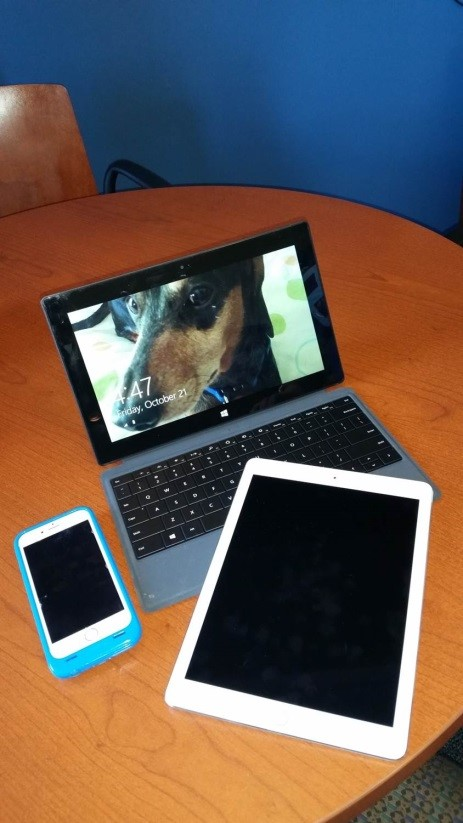
Group the items and a pattern appears. The constraints on storage, memory and display were severe, and almost all of them have been removed so completely that the figures are hard to convey — memory differs by something like six orders of magnitude, and a disk drive that cost as much again as the computer has become a component nobody itemises.
The second group is architectural, and the change there is more interesting than the numbers. These machines let a program write to any memory location, which is how you got graphics and sound and how you locked the machine solid. Modern operating systems forbid it absolutely, and that protection is the foundation of multitasking, stability and security alike. Similarly, there was no security at all — no accounts, no permissions, no password — and that was not negligence. A machine with no network and nothing personal stored on it has very little to protect. The problem arrived with connectivity rather than with computing.
The third group is social, and it is the part worth thinking about. One machine, in the main room, attached to the only television, used in public with the whole family watching. Computing has since become personal, portable and private, and most of the modern concern about screens follows from that move rather than from the technology itself.
One safety note if any of this is in your loft. A power supply of that era holds a charge after it is unplugged, and the inside of a television-based display is not somewhere to put your hands. There is an active restoration community for these machines and they are the people to take it to.
The part worth taking seriously is the manual. It assumed that somebody who bought a computer would want to know how it worked, and it started with printing your name and worked up to graphics. An enormous amount of educational effort now goes into recreating something that used to happen by default, and if you have a child with an interest, the thing to look for is a tool that still makes that first step short.
Like our content? Follow us for more.