The list of things that would stunt a child’s growth in 1965 was long, specific and almost entirely invented. Coffee, crusts, posture, carrying, weight training and a dozen local variations were all offered with a confident mechanism, and almost none of them had one.
Meanwhile the one factor with a genuine physiological link to growing was never mentioned at all. Here are twelve things about it.
1. Coffee will stunt your growth

The most widely repeated of all of them, applied to tea as well in some households, and enforced strictly enough that a great many people did not drink coffee until they left home.
There is no mechanism and there never was any evidence. The belief appears to have grown out of nineteenth-century anxieties about stimulants, reinforced by the fact that coffee was an adult drink and the prohibition was convenient.
Caffeine does affect sleep, and sleep genuinely does matter for growth, which is the nearest the claim gets to being about anything — and it is an indirect route that nobody making the claim had in mind. The prohibition was handed down as a physiological fact and functioned as a household convenience, which is a fair description of several items in this file.
Like our content? Follow us for more.
2. Lifting weights will stunt your growth
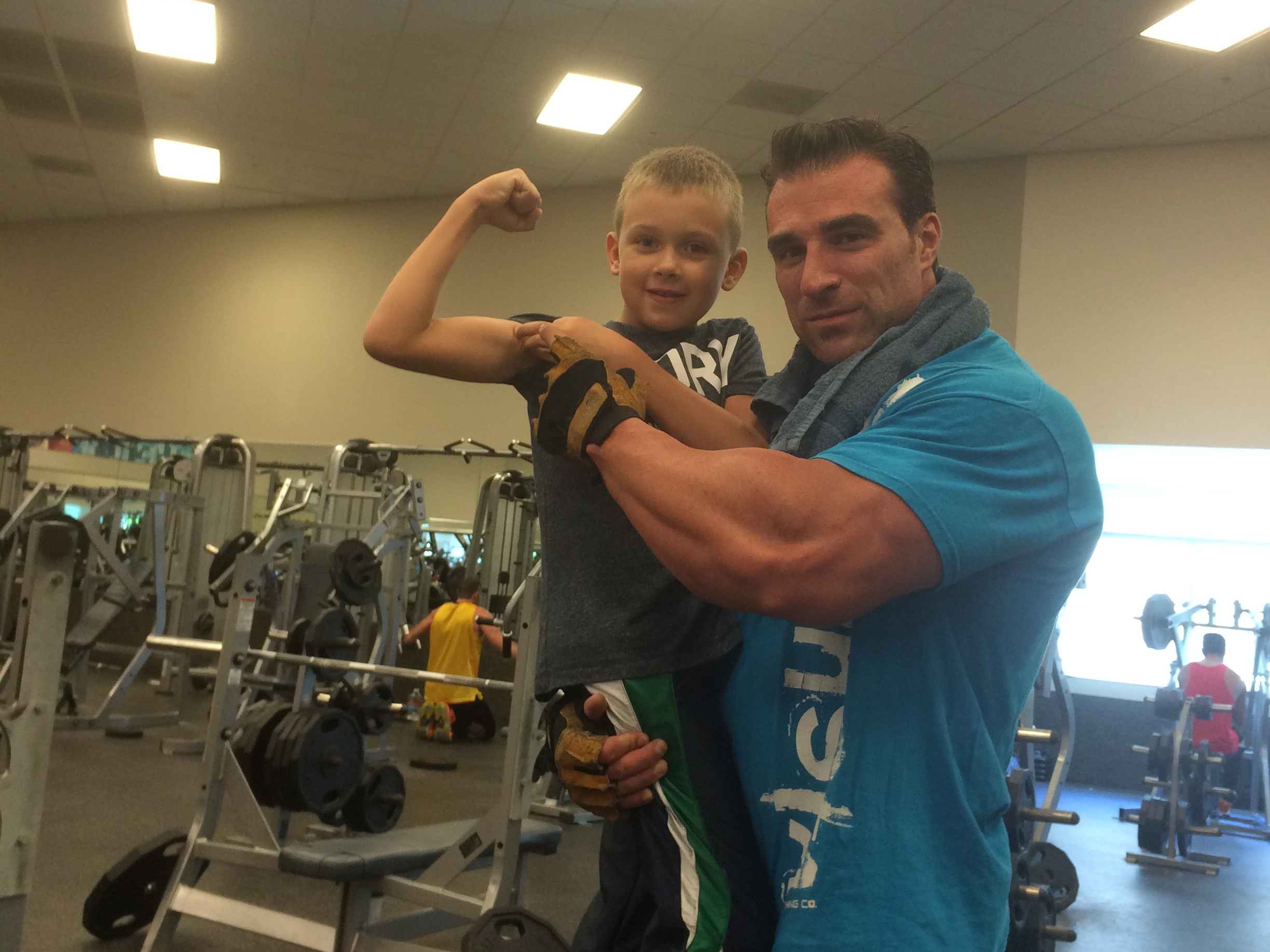
Children and adolescents were told that weight training would damage the growth plates and stop them growing, and the belief kept a generation of teenagers out of a gym.
Supervised, appropriately loaded resistance training is now recognised as safe and beneficial for children and adolescents by the major paediatric and sports medicine bodies, and the growth plate concern has not been borne out. What does cause injury is unsupervised maximal lifting with bad technique, which is a supervision question rather than a growth one.
Nothing here is a training programme and anybody starting a child or adolescent on resistance work should be doing it with qualified supervision. The point is only that the prohibition was based on a mechanism that was not there.
3. Smoking will stunt your growth

This was said alongside the others, in the same tone, as one item on a list of things that would stop a child growing.
Tobacco does an enormous amount of harm and the growth claim was not the reason to avoid it. It was offered as a reason because it was the argument children were thought to find persuasive, which placed a genuine warning inside a list of inventions.
That is the real cost of the whole category. Grouping a serious warning with coffee and crusts taught children that adult warnings were interchangeable and mostly made up, which is not a useful lesson to have learned. The modern approach to telling children about risk is built on the opposite principle: give the actual reason, because a reason that turns out to be invented discredits everything beside it.
4. Sitting badly will make you shorter
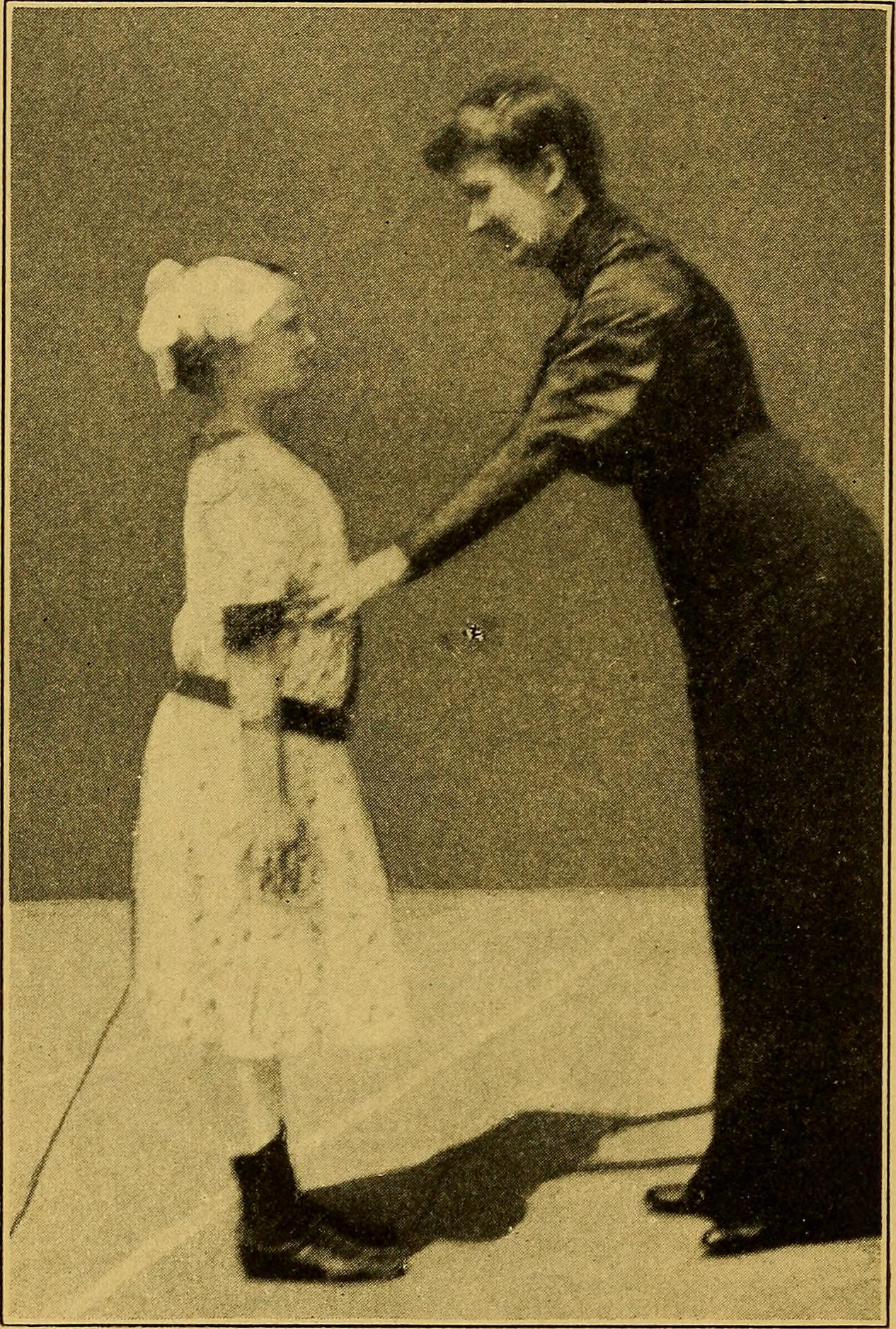
Posture was policed constantly and the stated consequence was permanent: a slouching child would end up a stooped adult, shorter than they should have been.
Spinal height does vary slightly through a day with disc compression and recovers overnight, which is the grain of truth. Habitual posture does not determine adult stature, which is set by bone growth at the growth plates and finished when they close.
Posture matters for comfort and for musculoskeletal symptoms rather than for height, and the modern advice about children and sitting is about movement and variety rather than about holding a position. A child told to sit up straight for an hour is being given a harder task than a child told to get up and move about every so often, and the second is the one current guidance asks for.
5. Growing pains are your bones growing
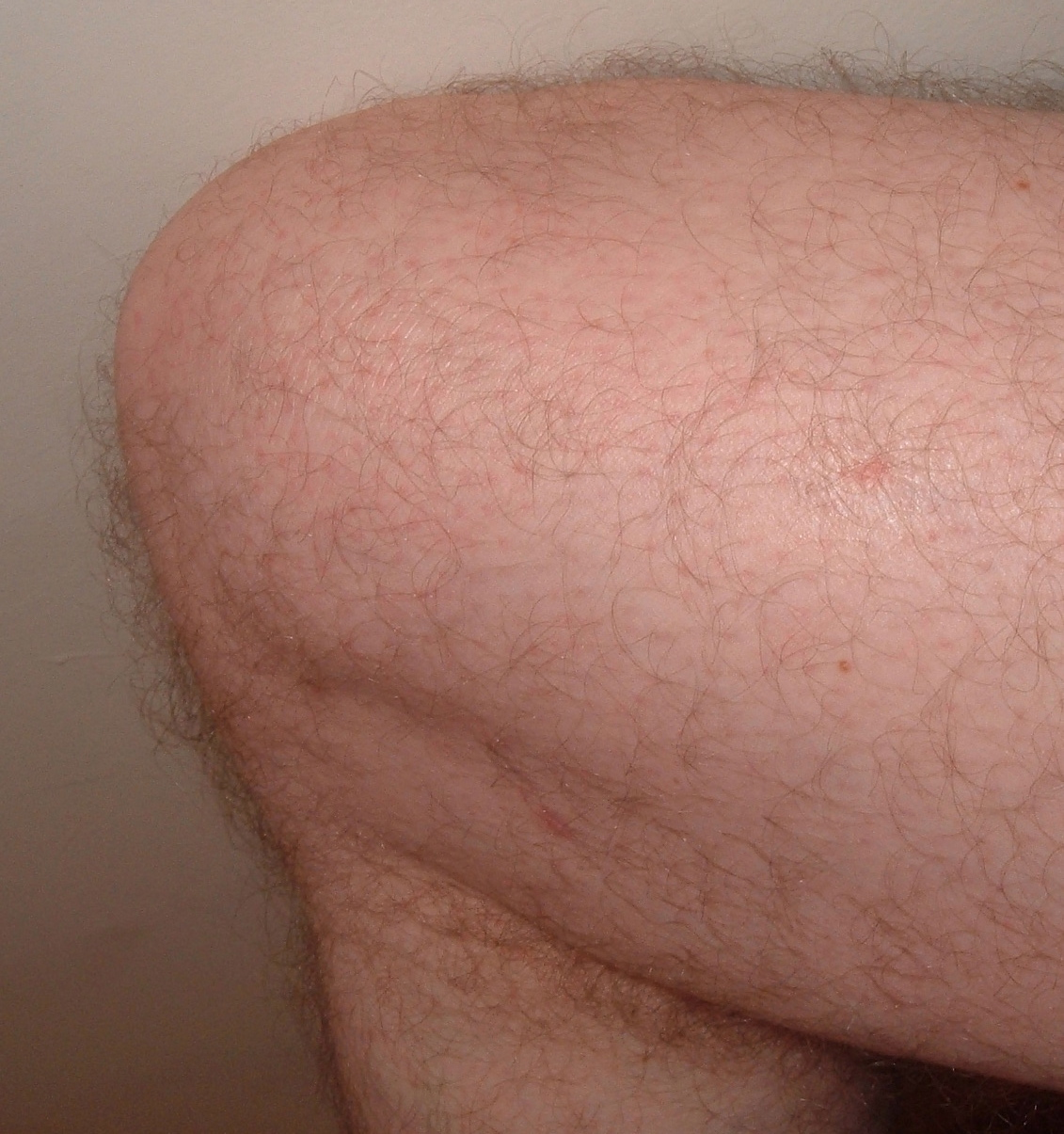
Leg aches in the evening were explained as the direct sensation of bones lengthening, which made them both reassuring and unanswerable: nothing could be done because growth was the cause.
They are not caused by growth. The pattern — typically both legs, in the evening or at night, in a child who is entirely well and active by day — is recognised and benign, and the cause is not established, but it does not correlate with growth rate.
The reason the distinction matters is that an ache that is in one leg, present in the morning, associated with limping, swelling, fever or weight change, or that wakes a child consistently, is a different thing and warrants a doctor rather than reassurance.
6. Nobody mentioned sleep, which was the one that mattered
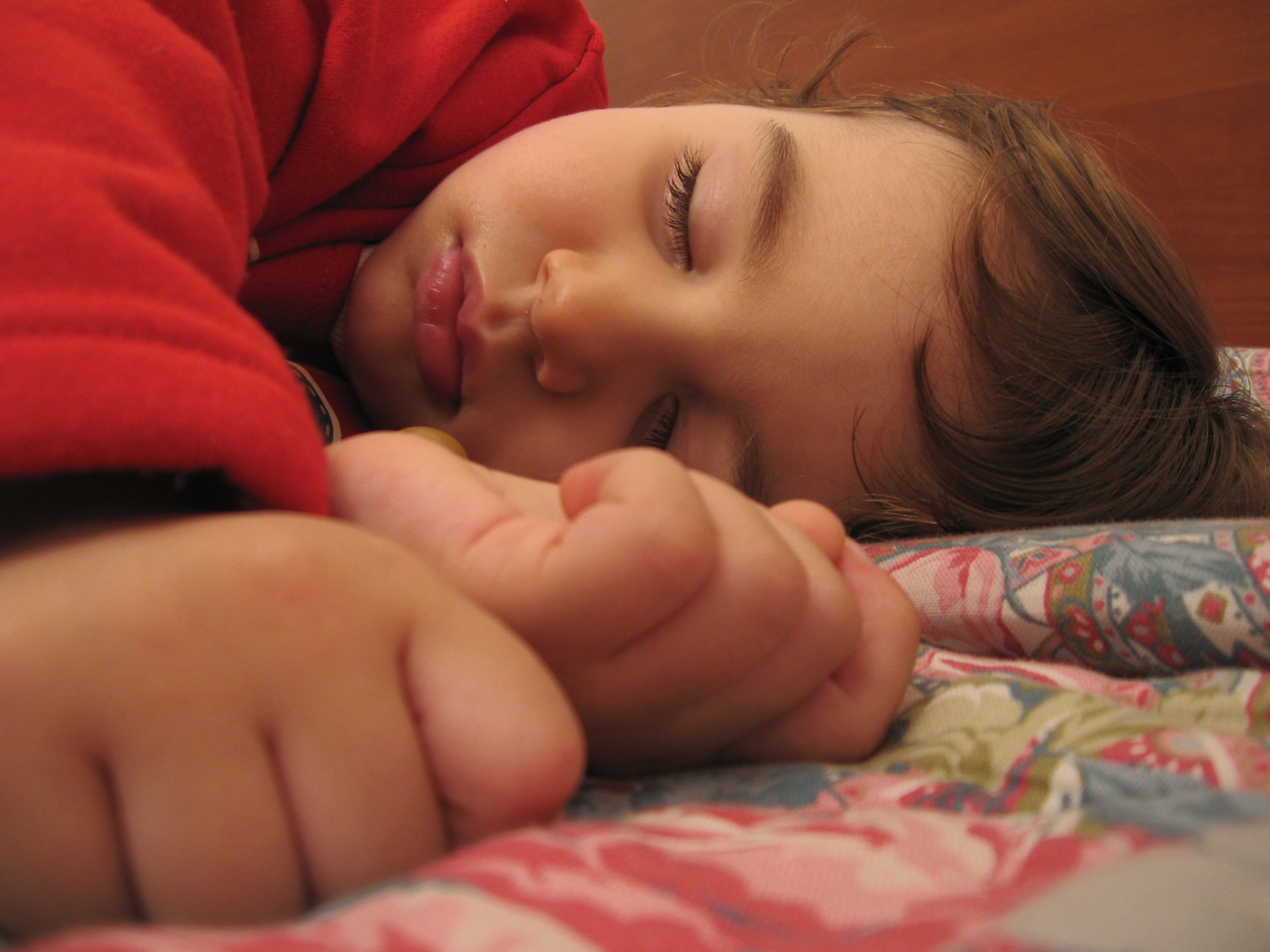
Sleep was a discipline question in 1965 and was not connected to growth in any of the advice. Children were sent to bed because of the hour rather than because of anything physiological.
Growth hormone is released in pulses, predominantly during deep sleep, which is the direct physiological link between sleeping and growing that the period’s advice entirely missed while policing coffee and crusts.
This is the clearest reversal in the file: the one factor in the list with a real mechanism is the one nobody put on the list. It is also the one that would have been easiest to act on, since a household that was already enforcing a bedtime was doing the right thing for a reason it did not know.
7. You can work out exactly how tall a child will be
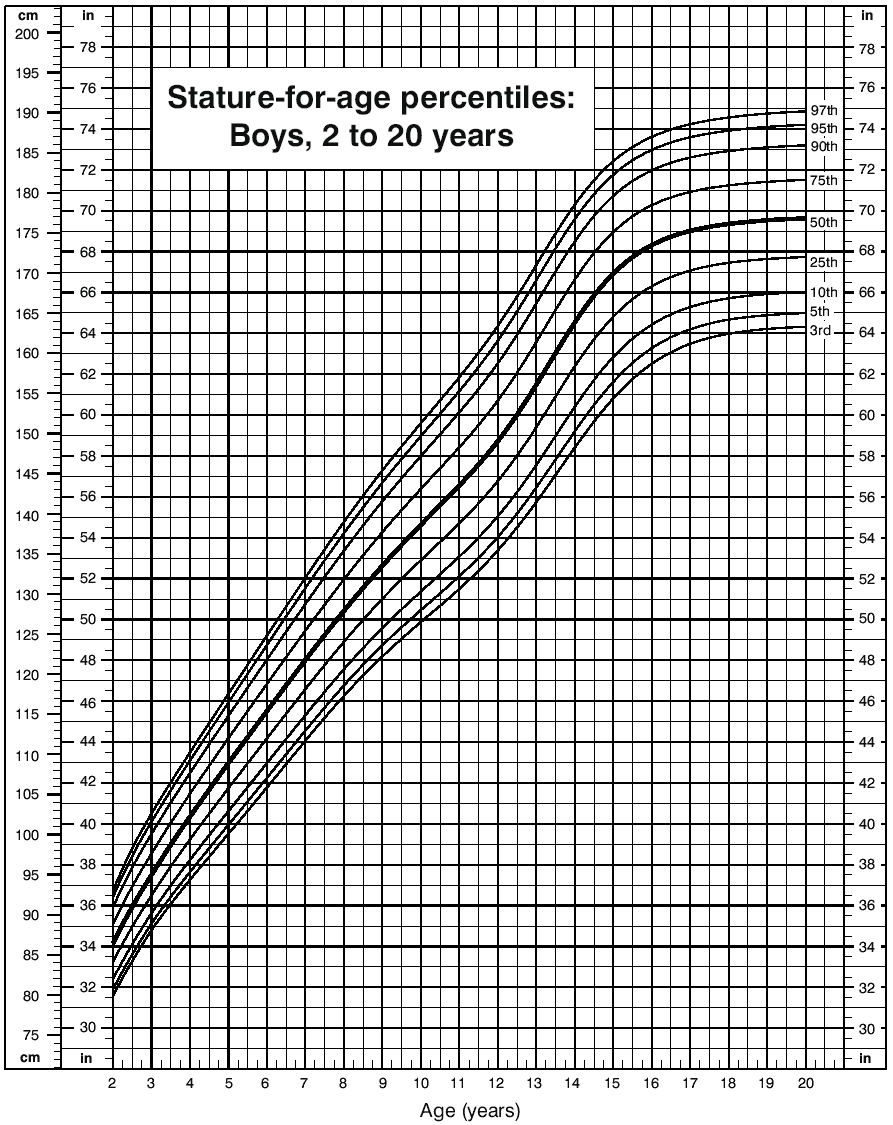
Formulas circulated based on the parents’ heights, and they were quoted with confidence and to the inch, usually in a way that settled the matter for the family.
A mid-parental calculation gives a useful central estimate and a wide range around it, because height is highly heritable and also polygenic, with many genes contributing and considerable variation between siblings. The prediction is a range, not a figure.
Clinicians do use growth charts and parental height, and what they are watching is the trajectory rather than the destination: whether a child is following their own curve, not whether they match a formula. A child who has always been among the shorter children and is growing steadily is a different picture from a child who has crossed from one part of the chart to another, and only the second is a reason to look further.
8. Drinking more milk makes you taller

Milk was promoted for height specifically, at school and at home, and more was understood to be straightforwardly better.
Adequate nutrition is necessary for growth and severe deficiency limits it, which is why population heights rose through the twentieth century as nutrition improved. Beyond adequacy, more of any single food does not add height, and the dose-response relationship the advice implied does not exist.
No quantities appear in this file on purpose. What a particular child should eat is a question for a doctor or a dietitian, and the historical point is that a real relationship between nutrition and growth was turned into a claim about one product.
9. A late developer has missed their chance
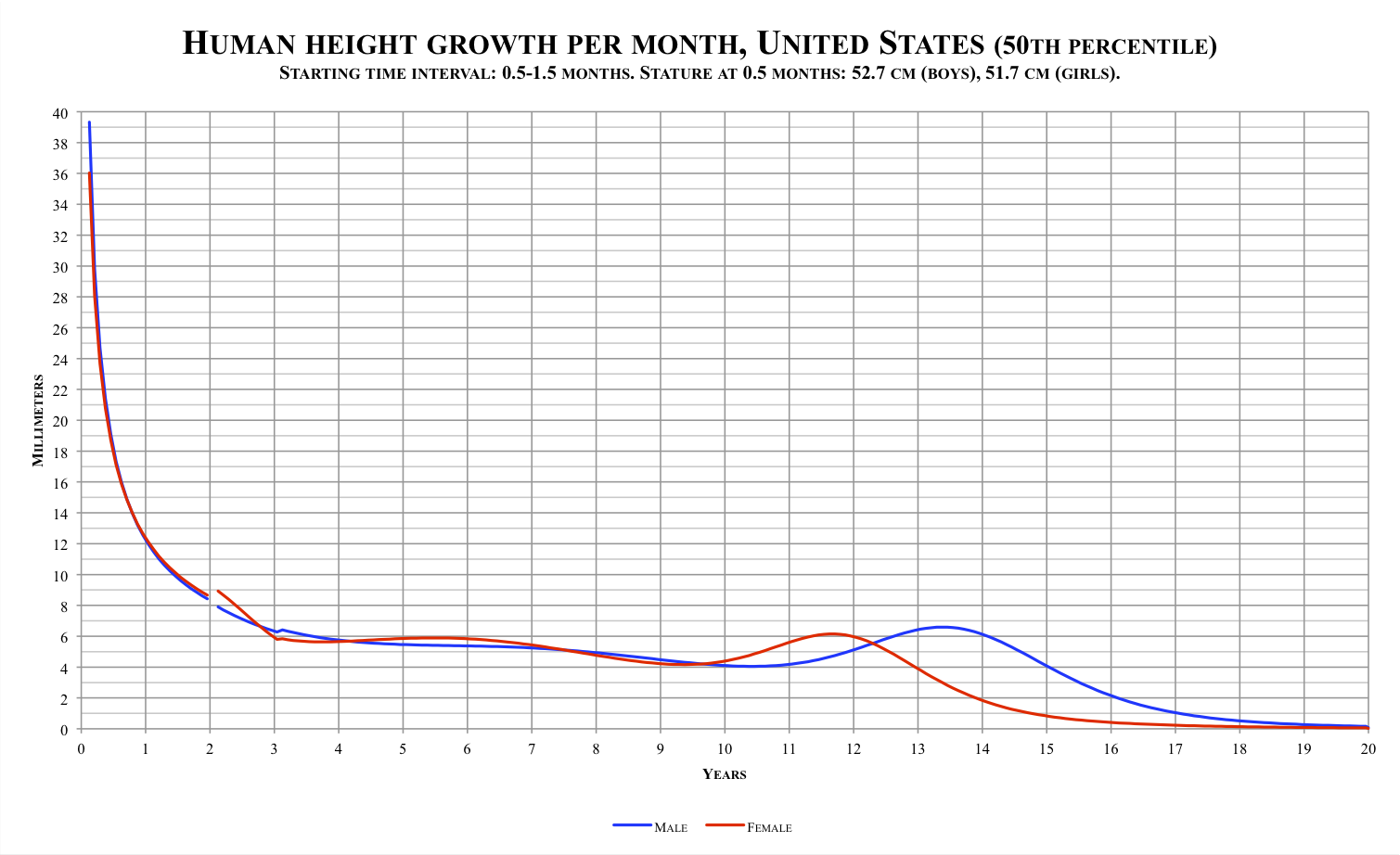
Children who grew later than their classmates were treated as having been overtaken permanently, and the social consequences in a school year group were immediate and lasting.
The timing of puberty varies enormously within the normal range, and later development is frequently followed by a growth period that brings a child to a stature entirely consistent with their family. Final height is determined by when the growth plates close rather than by where somebody stood at thirteen.
A child or family genuinely concerned about growth or the timing of development should see a doctor, who can assess it against a chart and against family history. That is a reassurance process far more often than it is anything else.
10. Carrying heavy things compresses you

School bags, buckets, younger siblings and work on a farm were all said to press a child down and cost them height, and the mechanism was described as though the spine were being squashed permanently.
Loading does compress the spine temporarily and it recovers. There is no evidence that ordinary carrying determines adult stature, and the genuine concern about heavy school bags is about back and shoulder discomfort rather than about height.
The modern guidance on bags is about weight distribution, two straps and keeping the load close to the body, and it is a comfort and symptom matter rather than a growth one.
11. Stretching, hanging and sleeping flat will add height
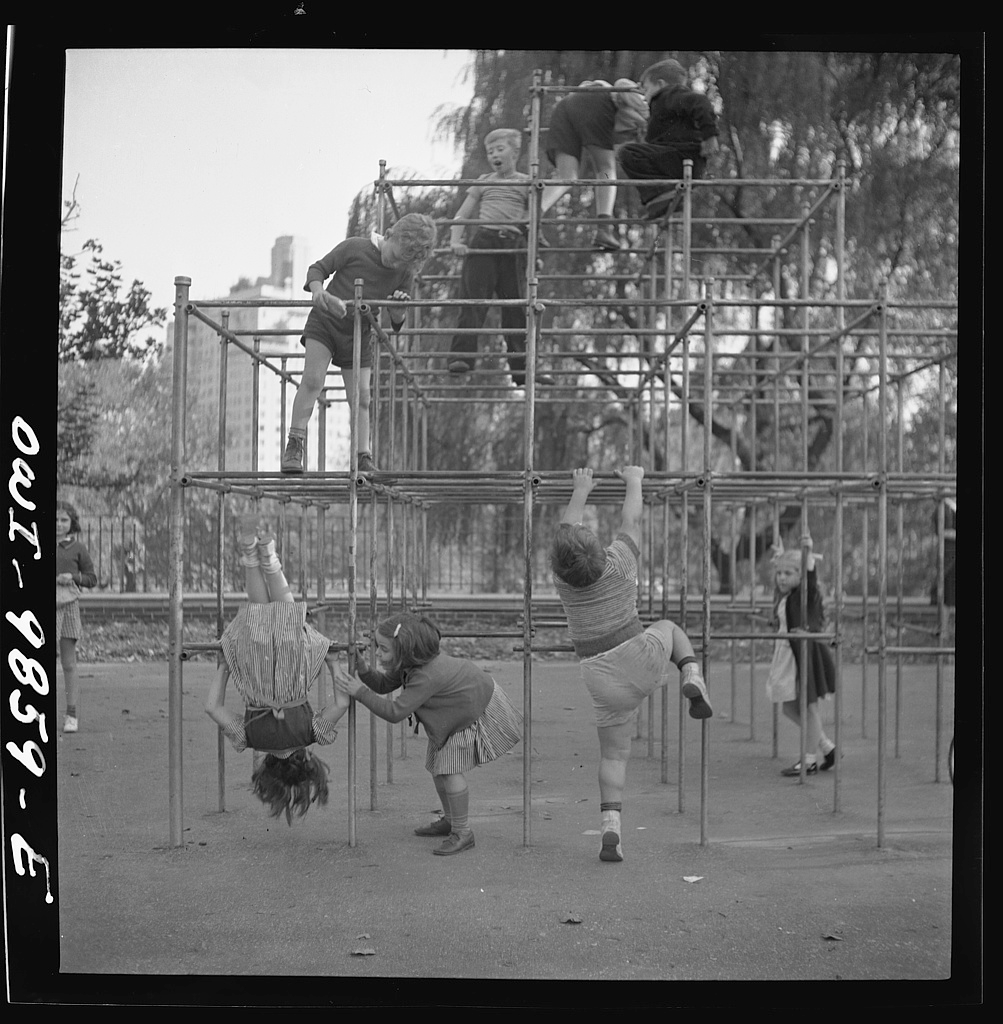
Children were encouraged to hang from door frames, to sleep without a pillow, and to stretch, with the aim of lengthening the body.
None of it changes bone length. The small variation available is the disc compression that recovers overnight anyway, and once the growth plates have closed no intervention adds stature.
The products and programmes sold on this basis to adults are selling the overnight variation, which is real, measurable and not what the buyer thinks they are getting.
12. And what the 1965 advice got right
That children should eat properly, sleep enough, be active, and be seen by a doctor if something seems wrong. That is the whole of the modern position, and all four were in the 1965 advice, attached to mechanisms that were almost entirely invented.
What changed is the understanding: growth happens at the growth plates, is driven by hormones released mostly in deep sleep, follows a trajectory that can be plotted and watched, is largely determined by genetics within the limits set by nutrition and health, and stops when the plates close.
The honest summary: coffee, crusts, carrying, posture, hanging and stretching had no mechanism; sleep had the only real one and was the one factor nobody mentioned; growing pains are not caused by growth, and the pattern that is not benign — one leg, present in the morning, with limping, swelling or fever — is the thing worth knowing; a parental height calculation gives a range rather than a figure; late development usually catches up; and putting a serious warning about tobacco in a list of inventions taught children to discount all of it. Anything about a particular child’s growth is a conversation with a doctor rather than with an article.
What the list got wrong, and what it cost
Group them and the pattern is familiar from the rest of this series. Most were inventions with no mechanism — coffee, crusts, carrying, hanging, stretching. A few were real processes enormously overstated: spinal discs do compress through the day and recover overnight, which is the entire basis of the posture claim and the stretching industry, and it determines nothing about adult stature. One, the milk claim, took a genuine relationship — adequate nutrition is necessary for growth, which is why population heights rose through the twentieth century as nutrition improved — and converted it into a dose-response claim about a single product that does not exist.
Two items are worth separating out. The weight training prohibition kept a generation of adolescents out of a gym on the basis of a growth plate concern that has not been borne out; supervised, appropriately loaded resistance work is now recognised as safe and beneficial by the major paediatric and sports medicine bodies, with unsupervised maximal lifting being a supervision problem rather than a growth one.
And the tobacco claim is the one with a cost beyond being wrong. It was a serious warning offered for a spurious reason, placed in a list alongside coffee and crusts, and the effect was to teach children that adult warnings were interchangeable and mostly made up.
What was missing is the only thing with a direct mechanism. Growth hormone is released in pulses, predominantly in deep sleep, and nobody in 1965 connected sleeping with growing.
The modern position is four things, and all four were in the 1965 advice attached to invented reasons: children should eat properly, sleep enough, be active, and be seen by a doctor if something seems wrong.
Two specific things are worth knowing. A parental height calculation gives a central estimate with a wide range around it rather than a figure, because height is highly heritable and polygenic with considerable variation between siblings — and what a clinician watches is the trajectory, whether a child is following their own curve, rather than the destination. And the timing of puberty varies enormously within the normal range, so later development is frequently followed by a growth period that brings a child to a stature entirely consistent with their family.
The one clinical distinction in this file: evening or night aches in both legs, in a child who is well and active by day, are a recognised and benign pattern that is not caused by growth. An ache in one leg, present in the morning, or with limping, swelling, fever or weight change, or that consistently wakes a child, is a different thing and warrants a doctor.
No quantities appear anywhere in this file on purpose. Anything about a particular child’s growth, development or diet is a conversation with a doctor or a dietitian.
Like our content? Follow us for more.